Digital Baking Scales
If you're a baking enthusiast looking to take your culinary creations to the next level, then look no further than these digital baking scales. These sleek and efficient kitchen gadgets are designed to provide precise measurements for all your baking needs, ensuring that each ingredient is added in just the right amount. Whether you're a beginner baker or a seasoned pro, our range of digital baking scales offers a variety of features and functionalities to suit every kitchen and every recipe. From compact designs perfect for small spaces to larger capacity options for those big baking projects, we have the perfect scale to help you achieve baking perfection.
Sort

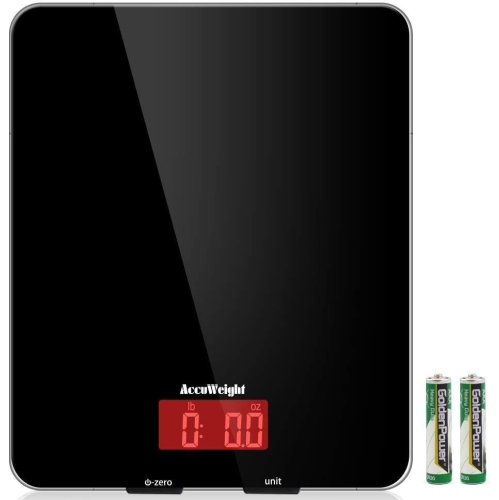
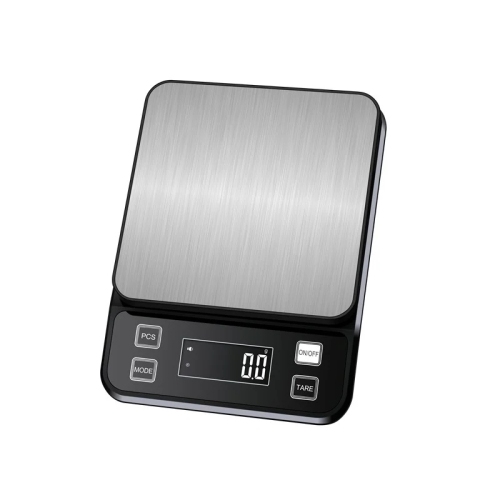
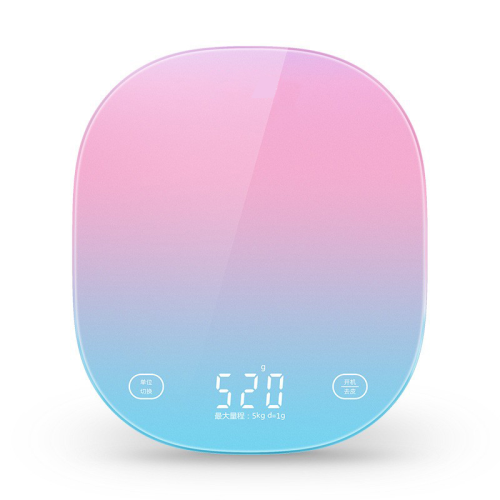
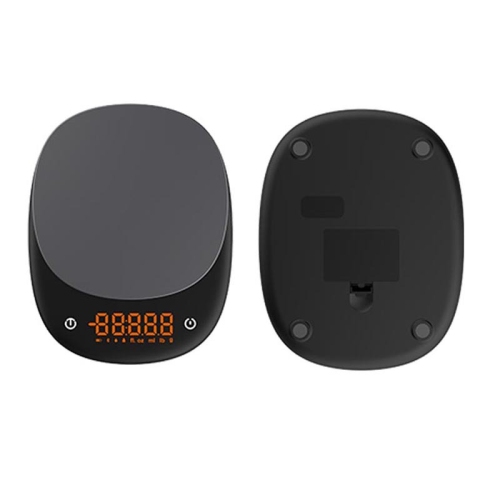
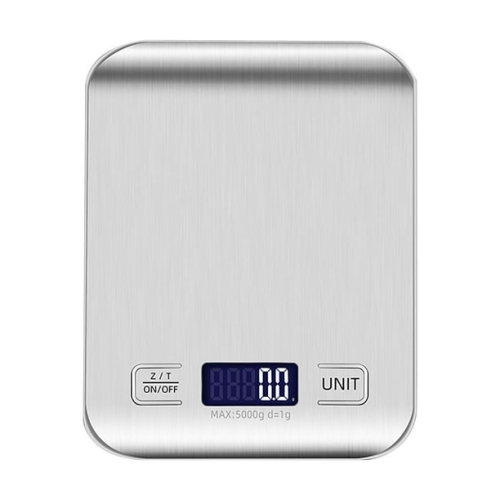


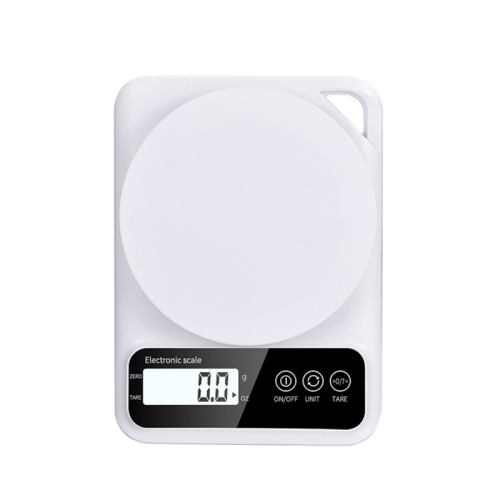


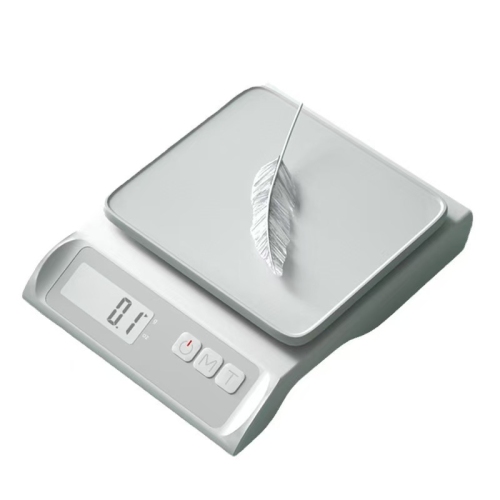
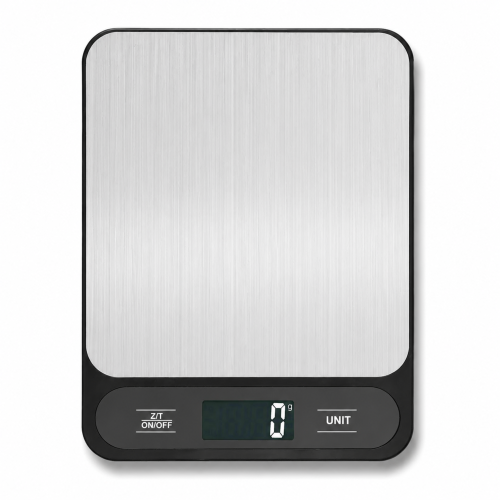
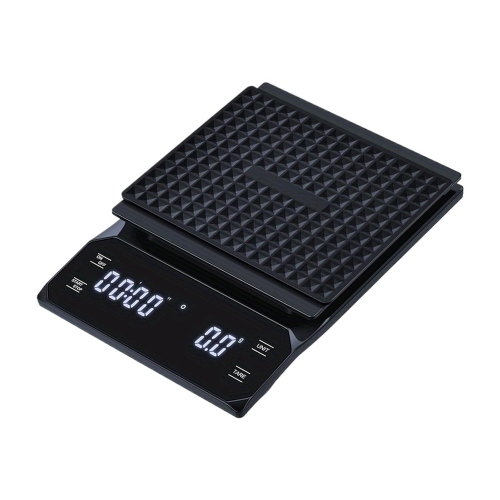
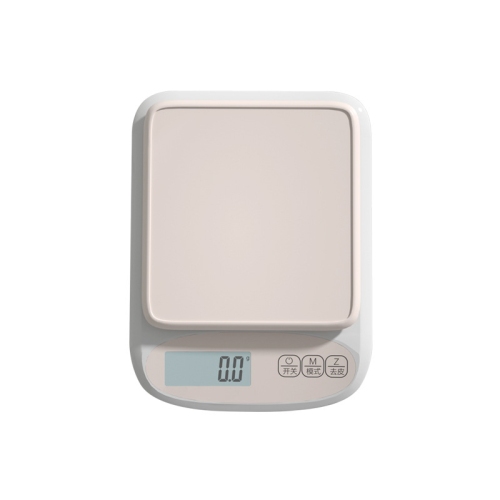
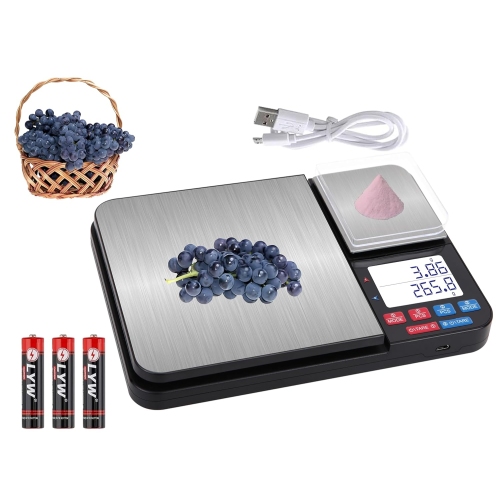

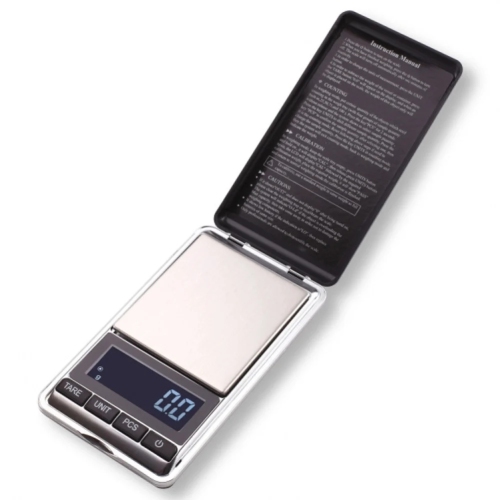


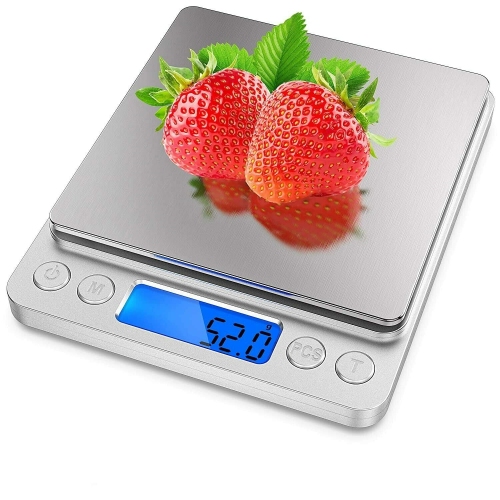
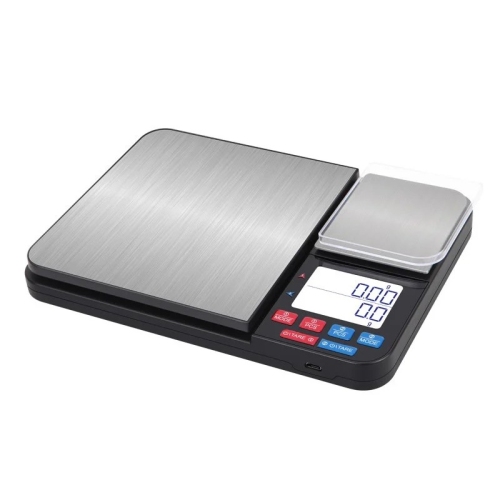
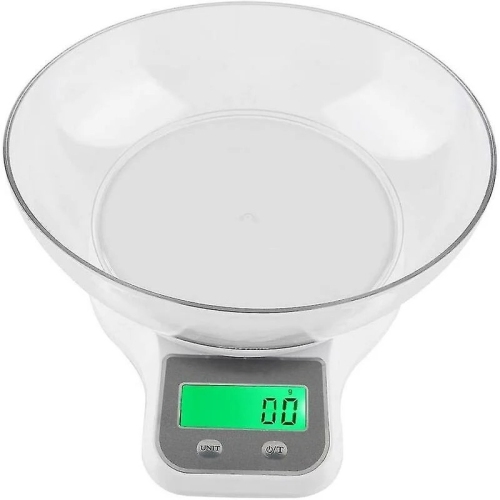
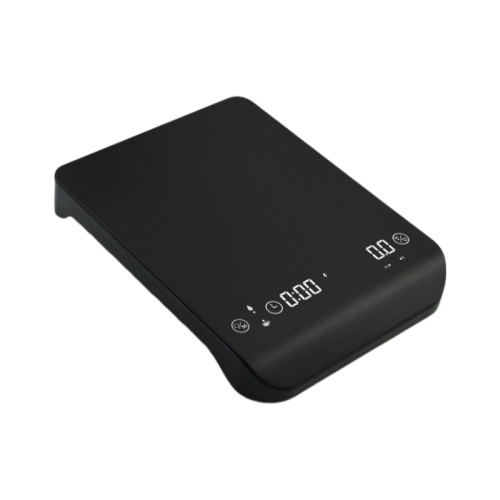

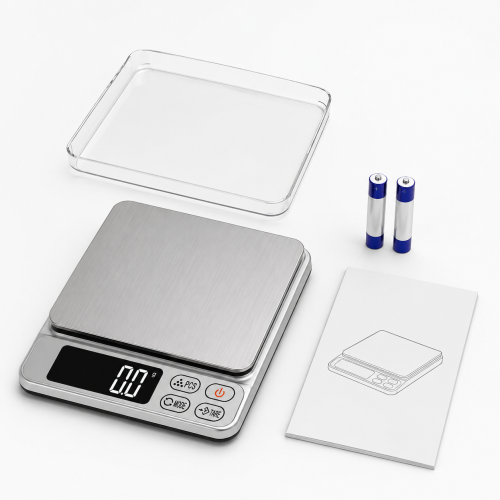
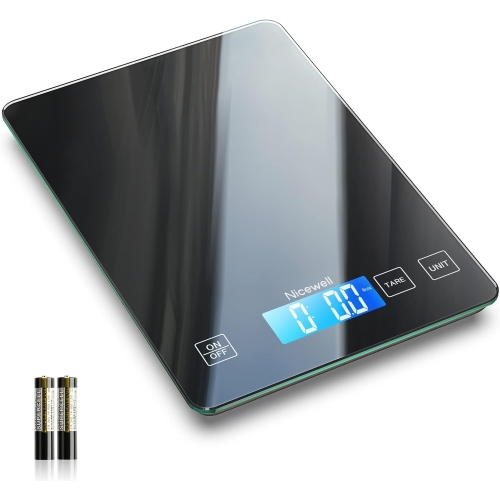
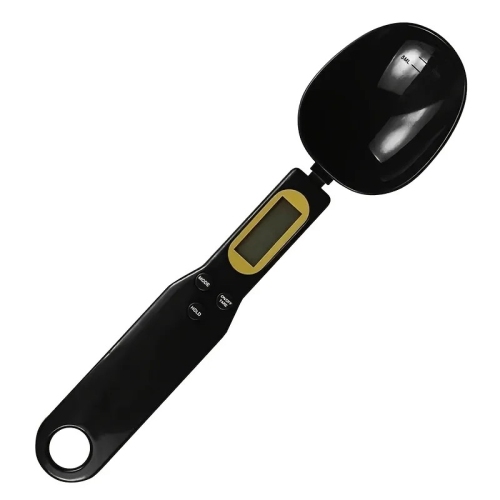

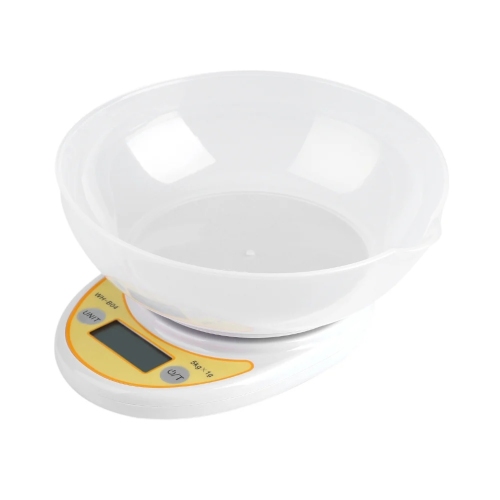
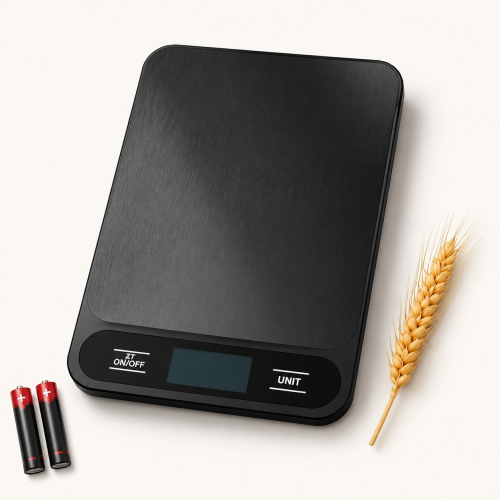
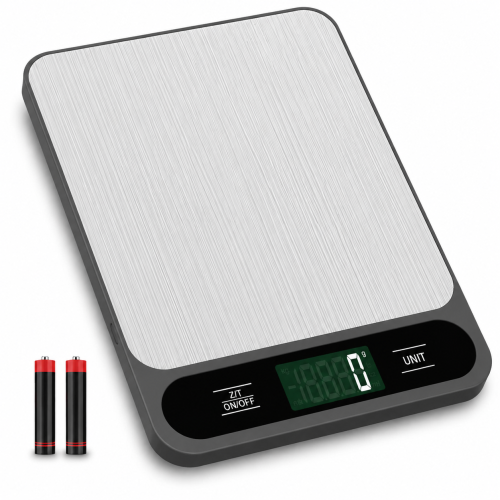
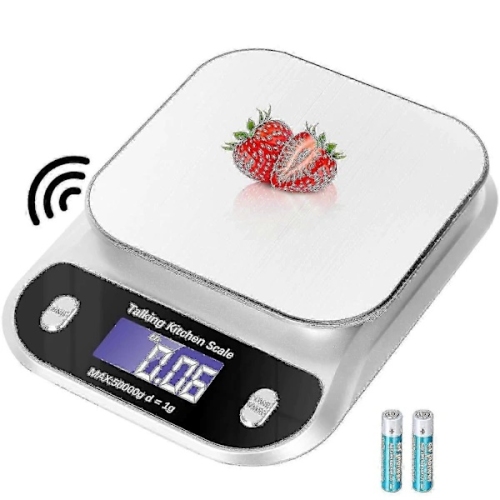
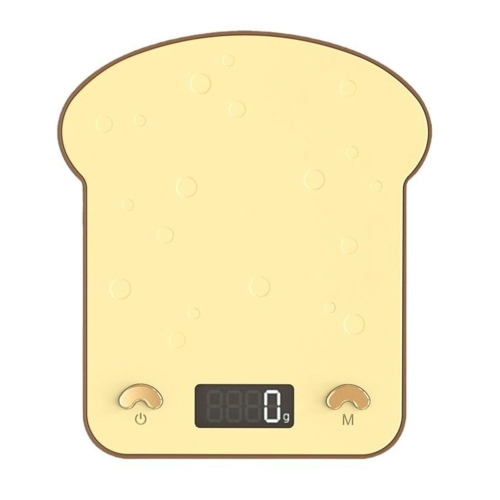


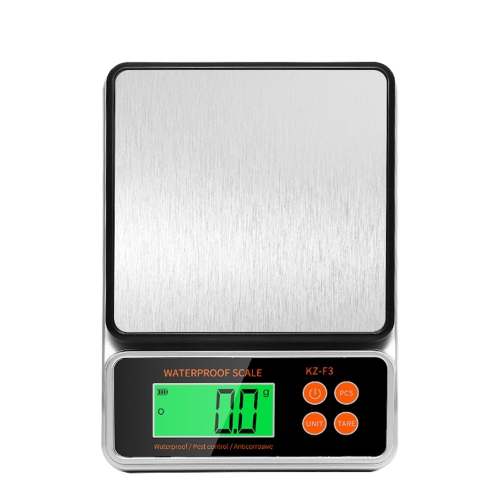
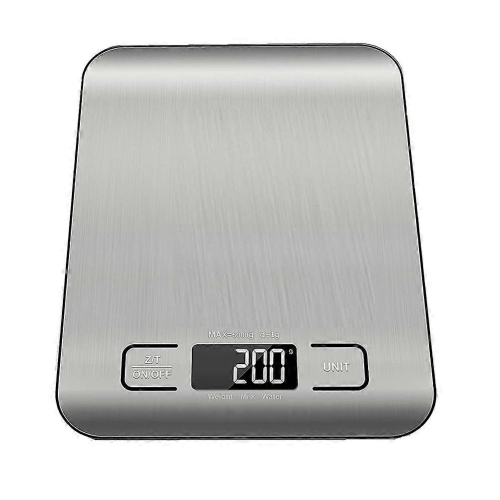

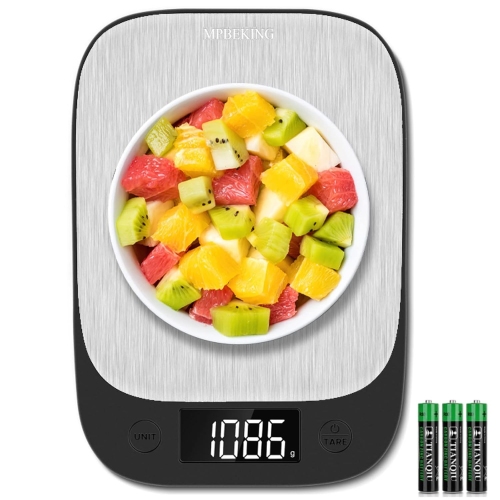

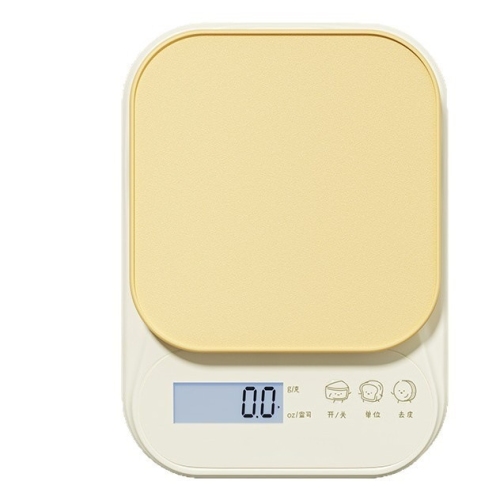

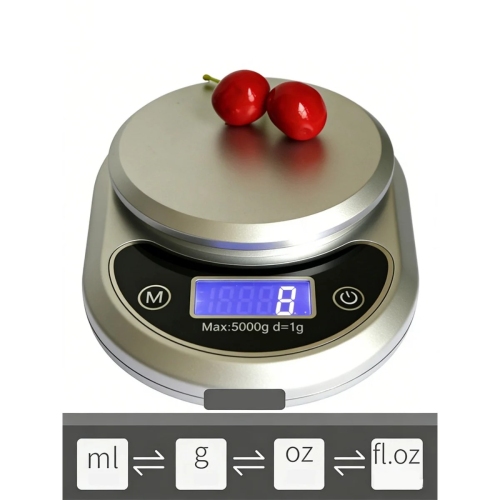
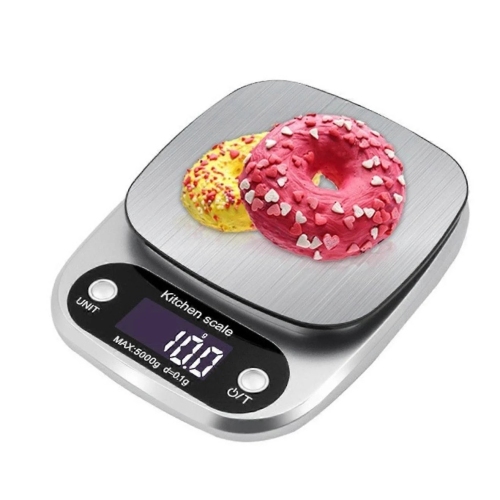


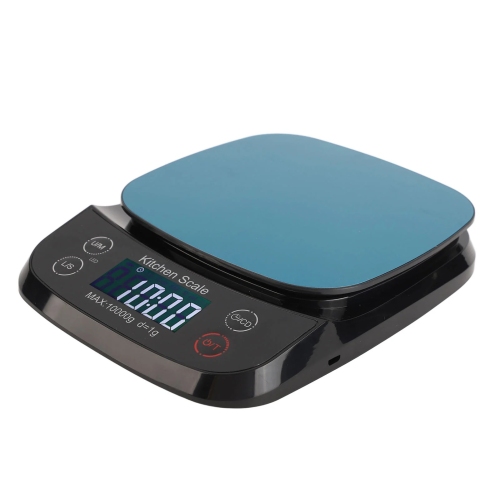
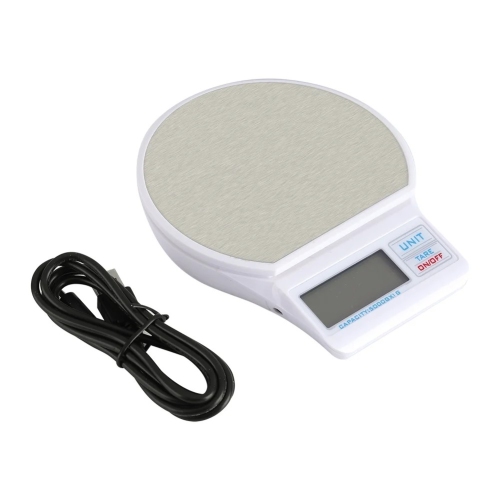
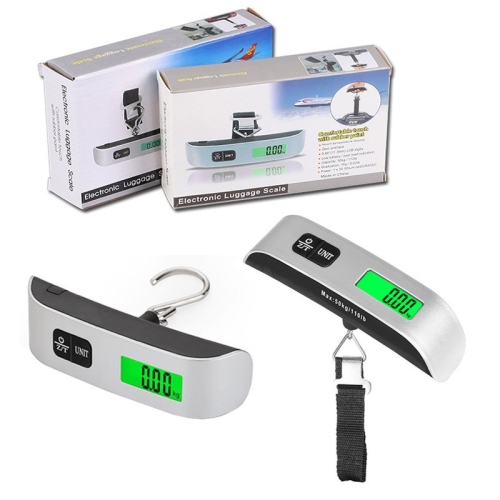
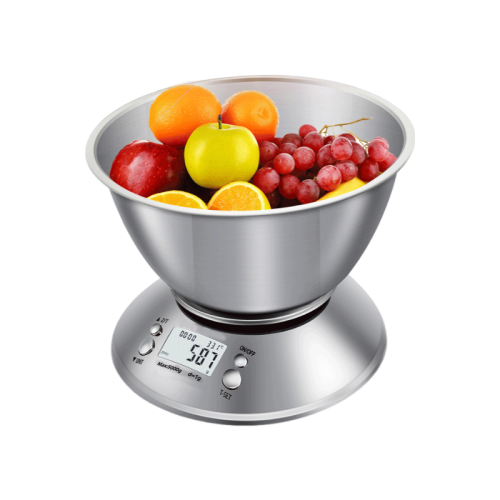
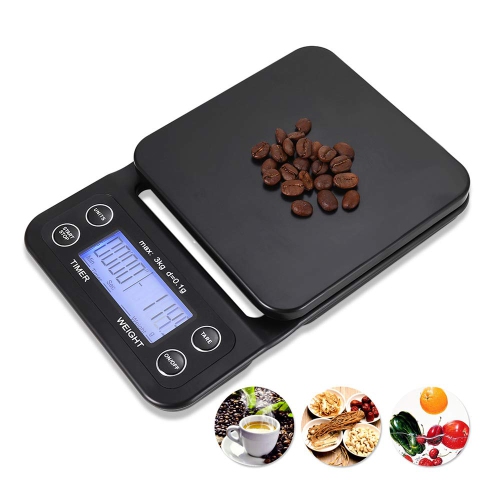


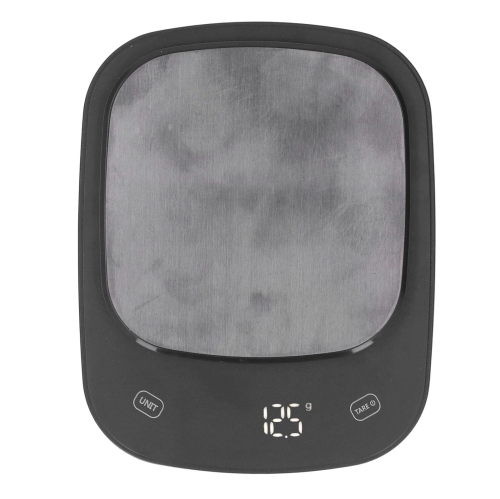


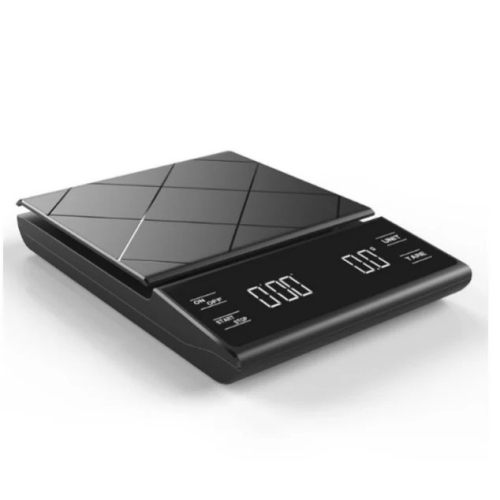


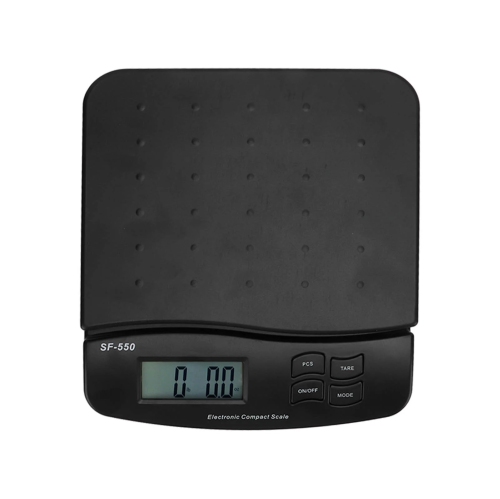


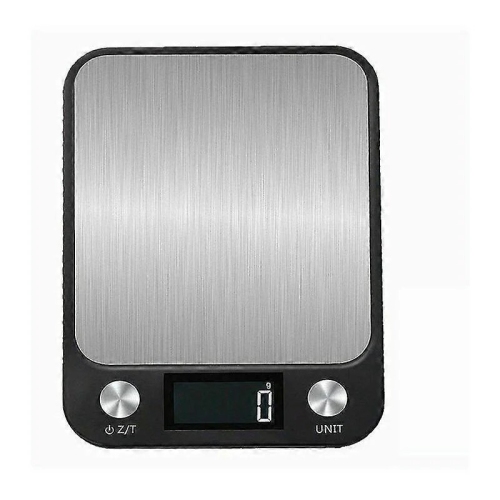


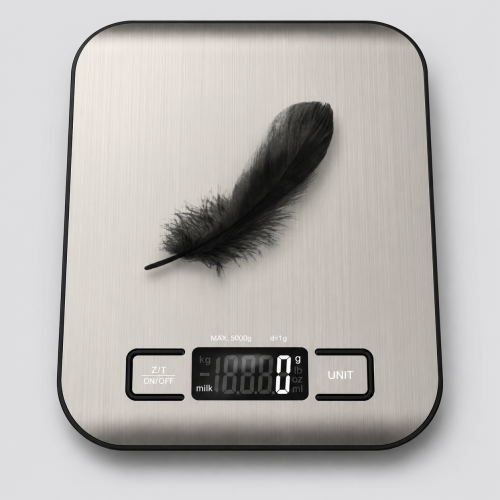

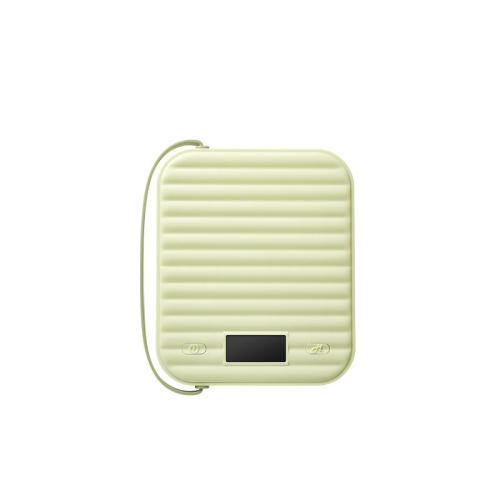
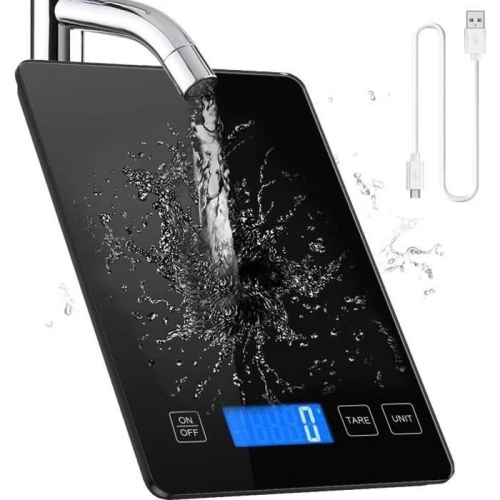
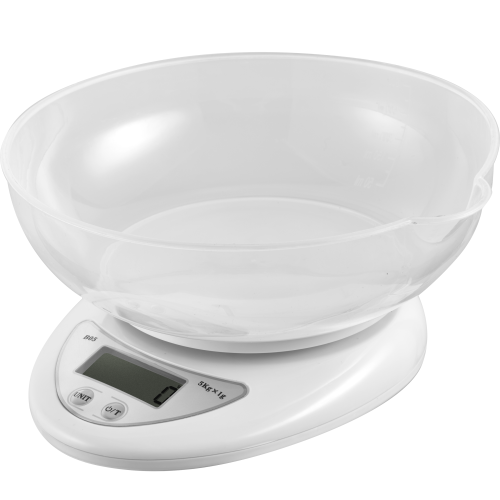

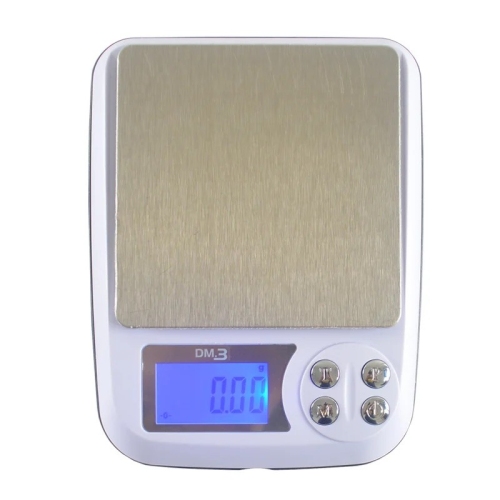
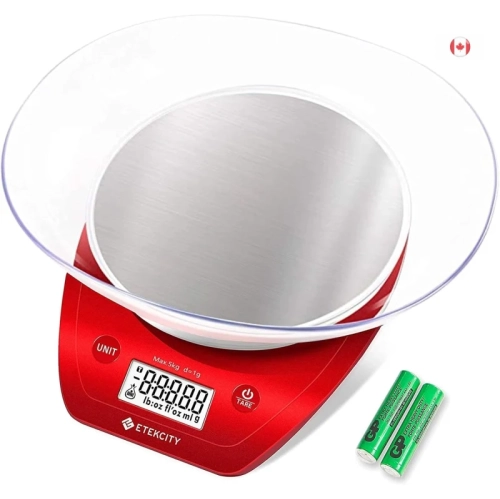


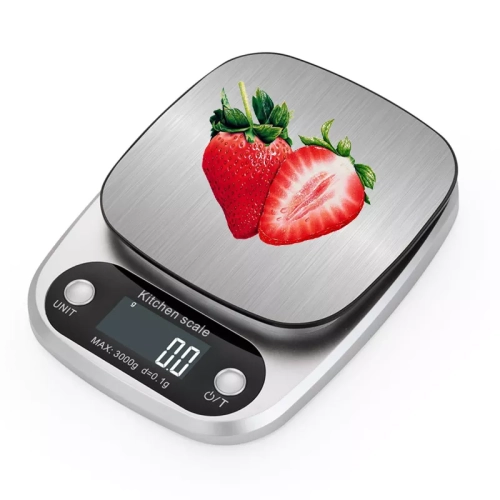


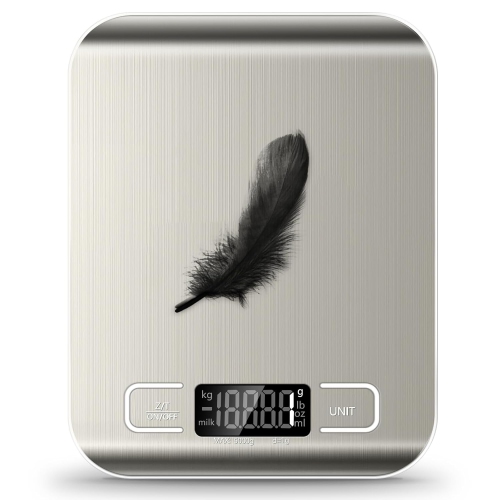


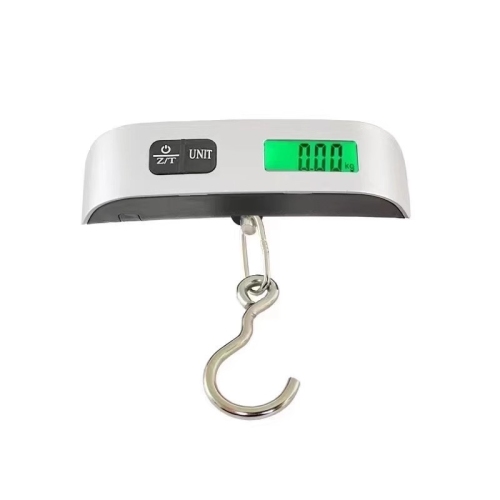
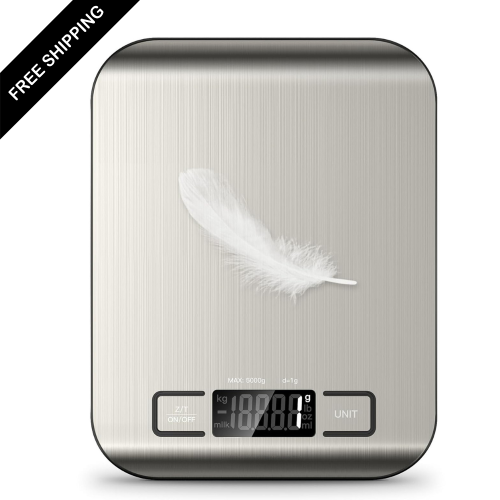

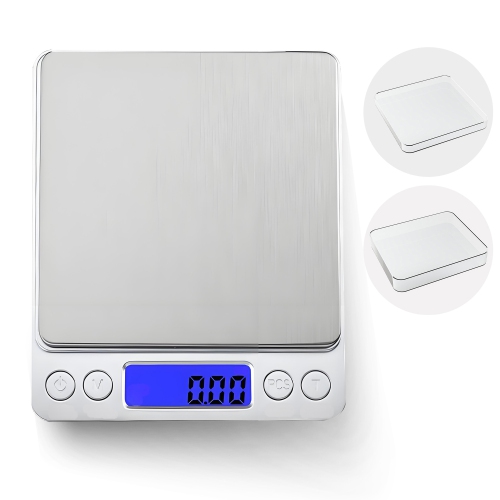


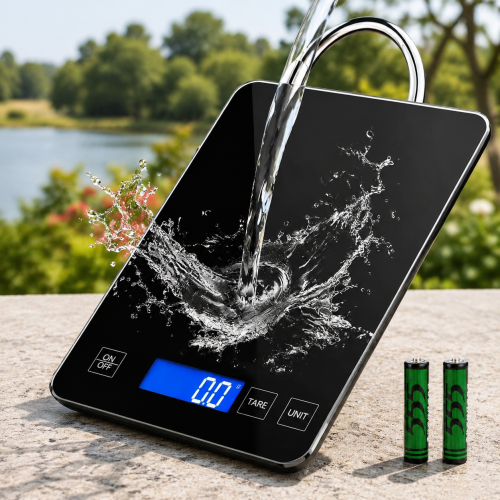
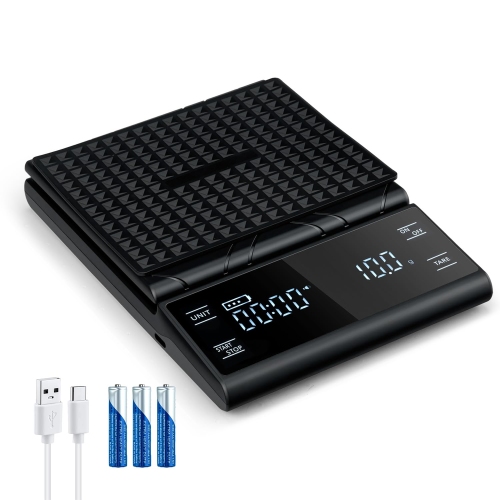
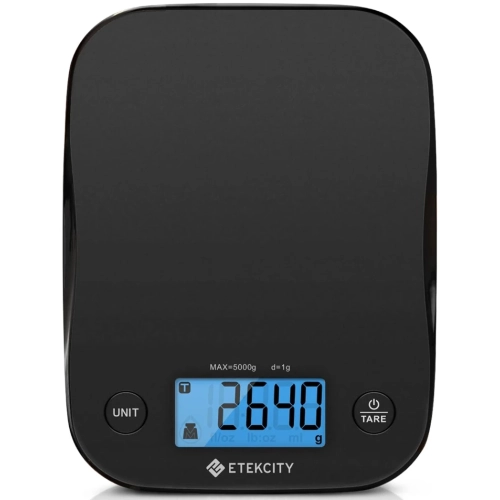

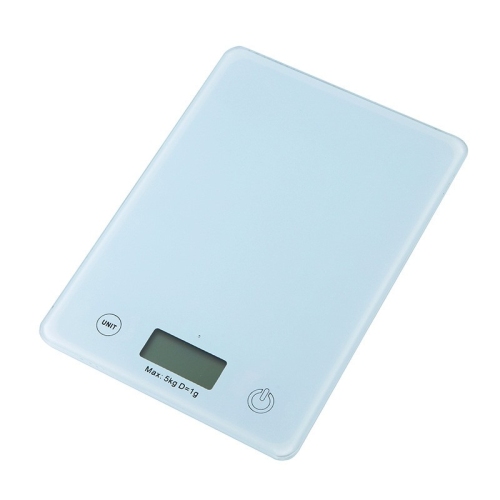
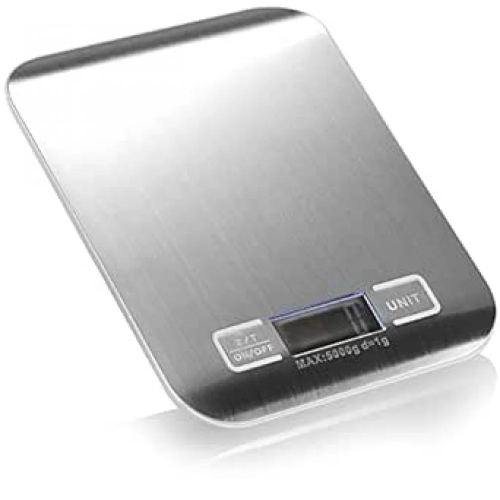


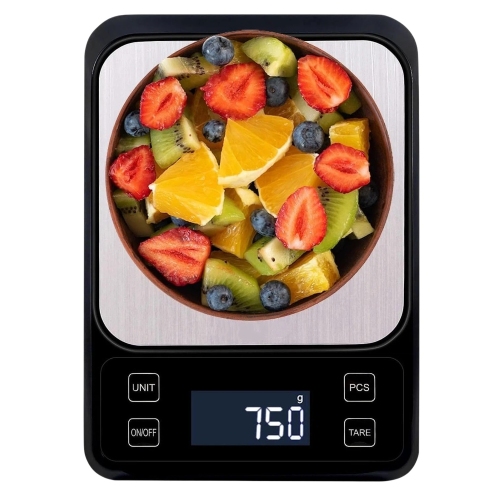

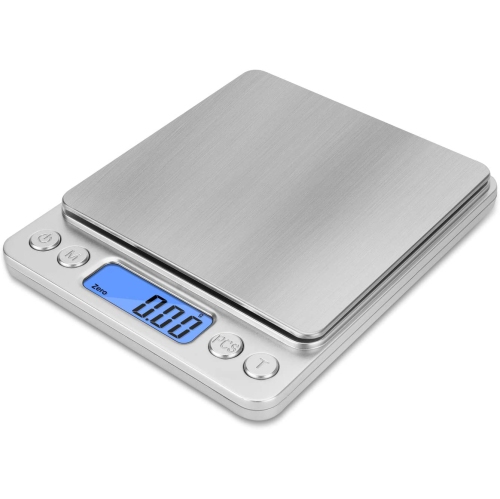
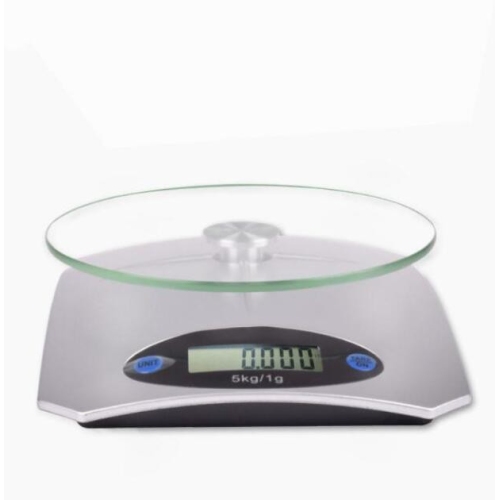
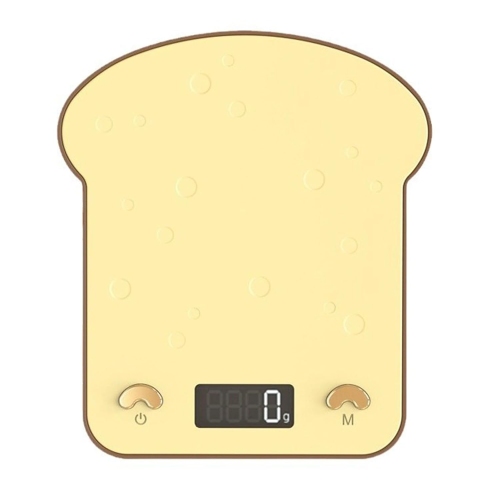
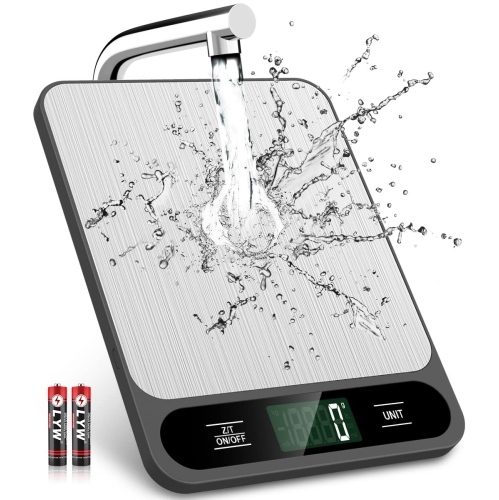
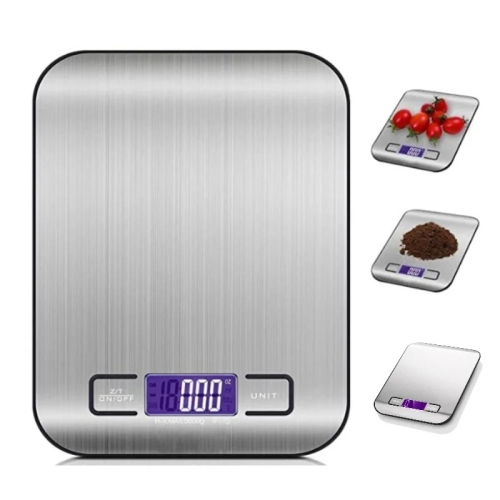

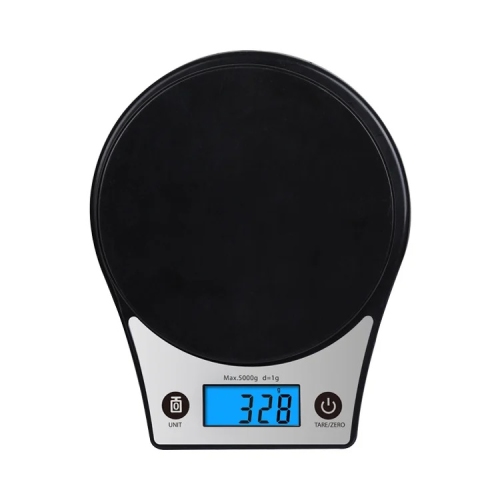
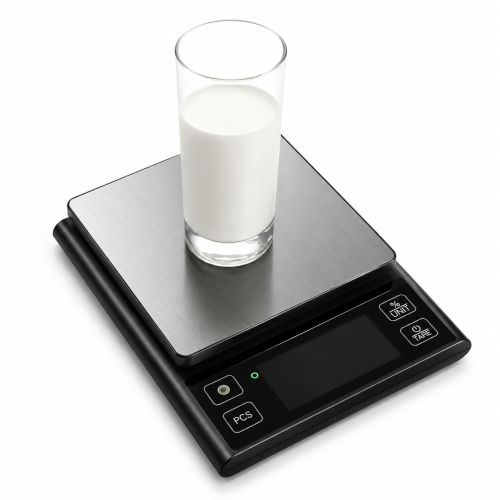

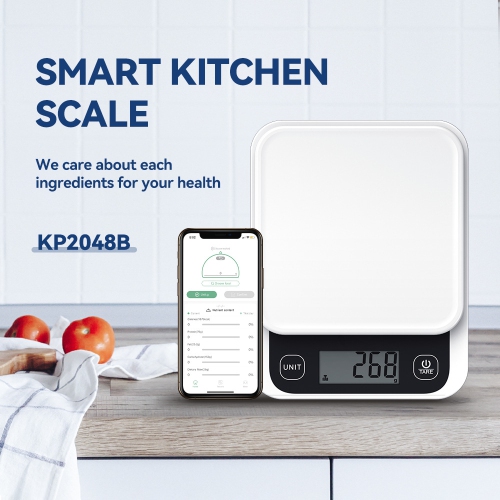
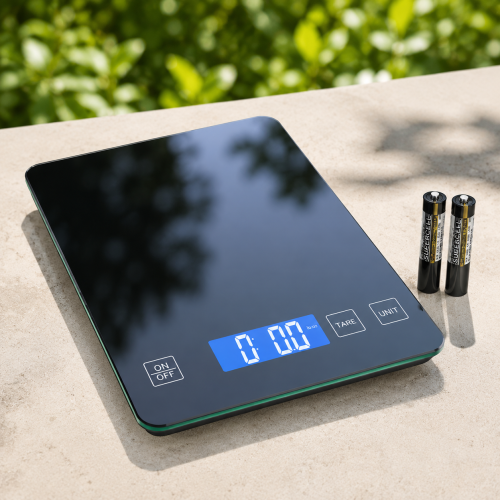


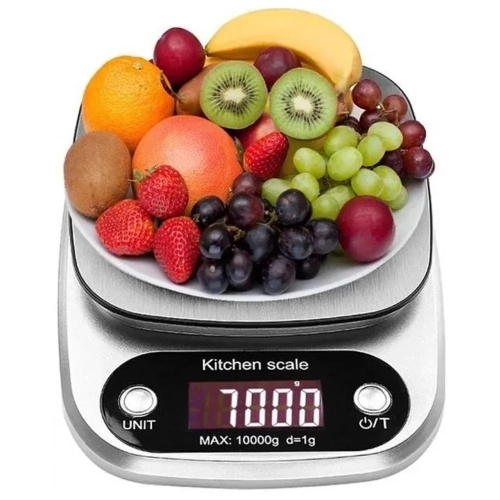
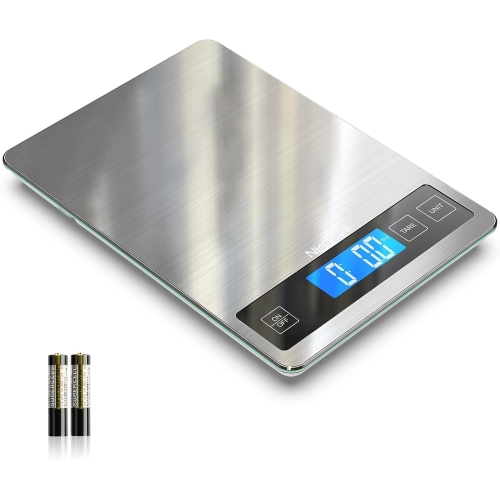
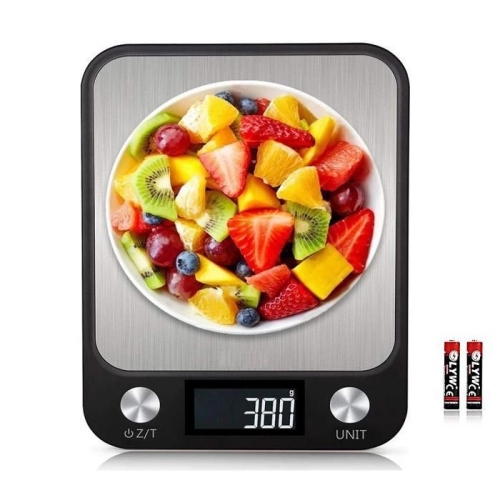
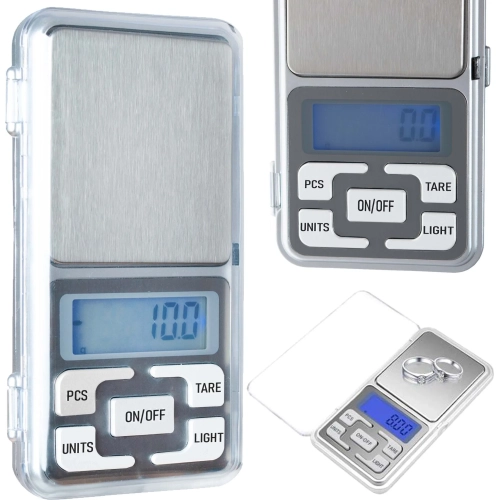
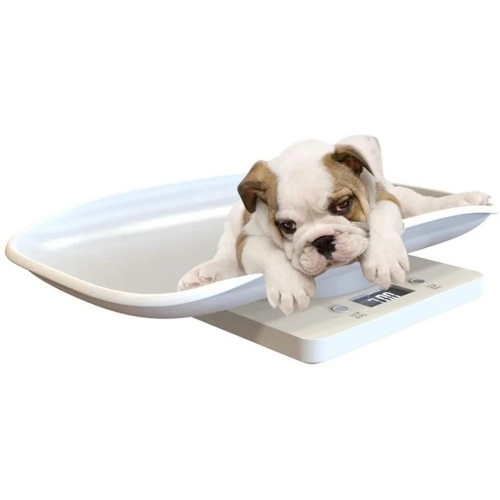

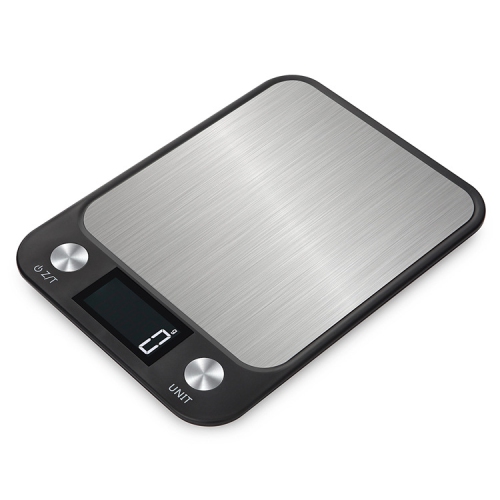
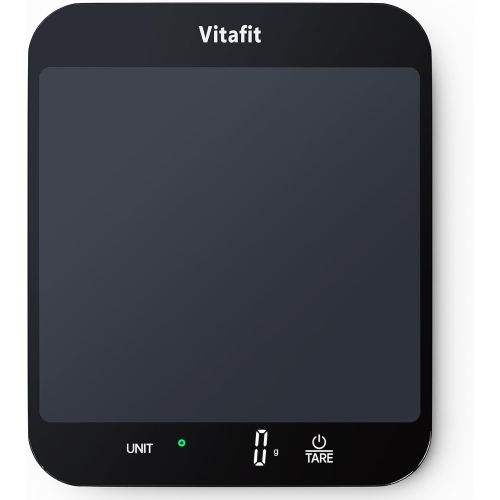


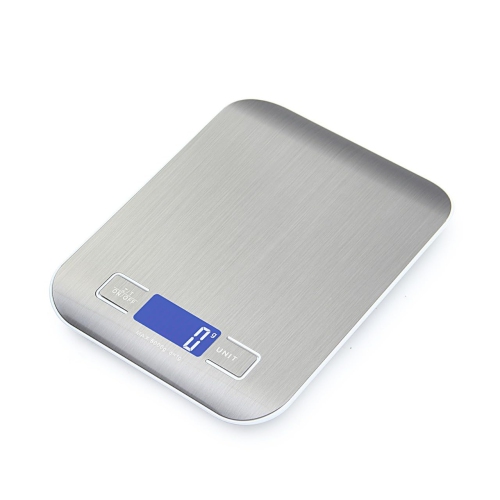

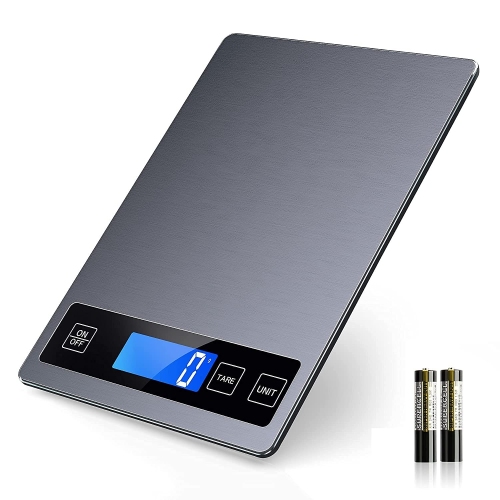
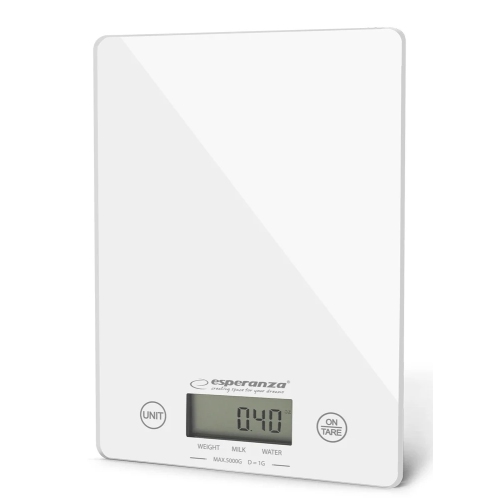
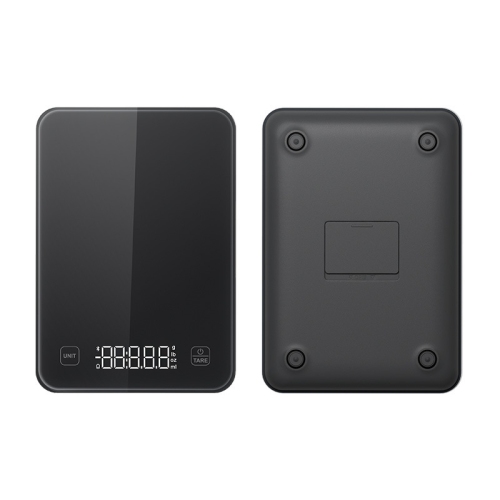


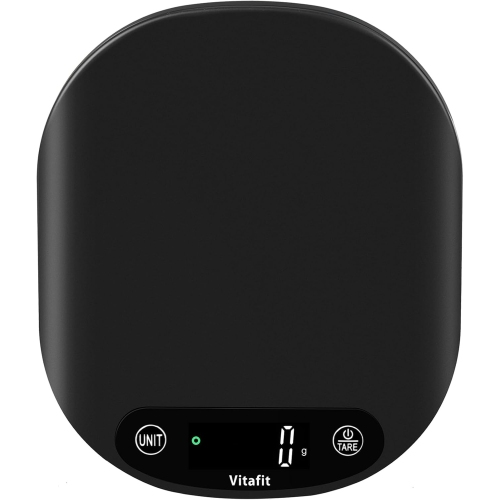


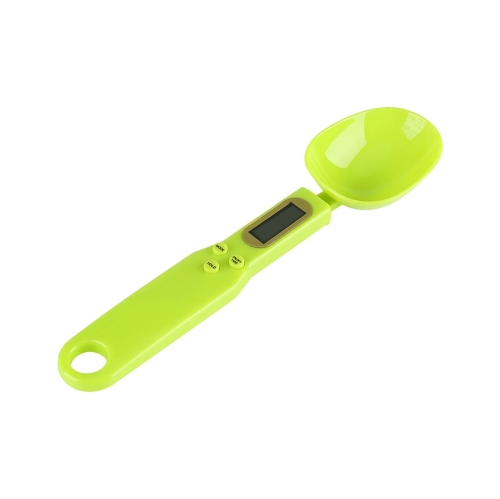
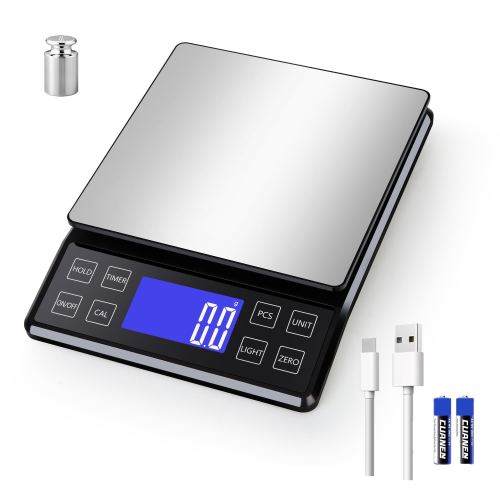

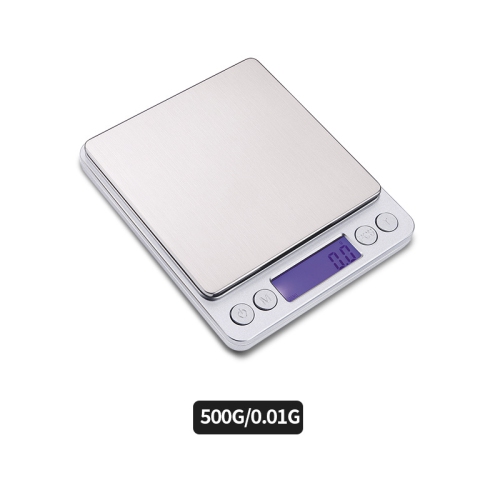

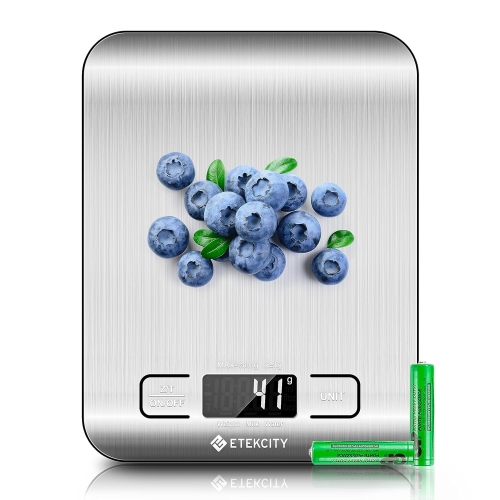
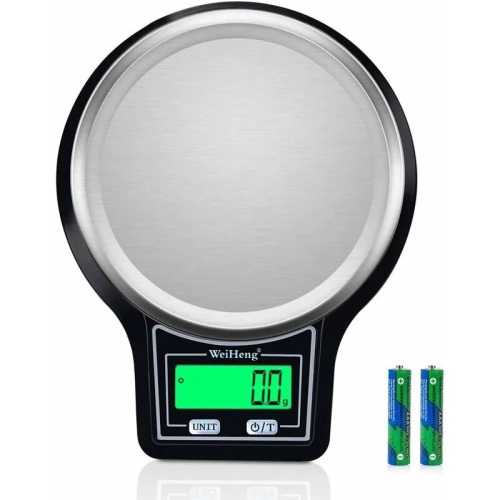
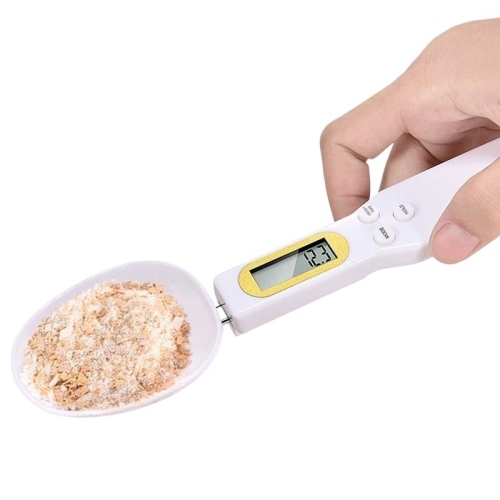
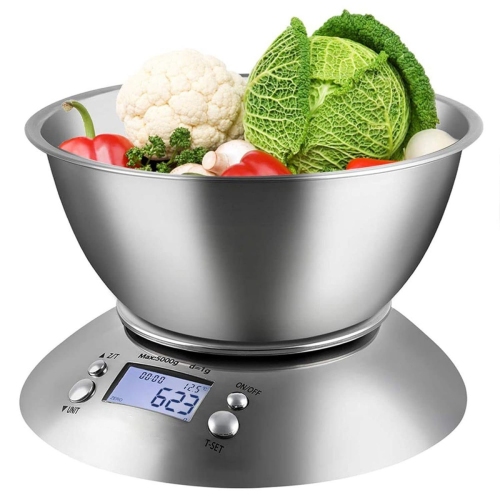
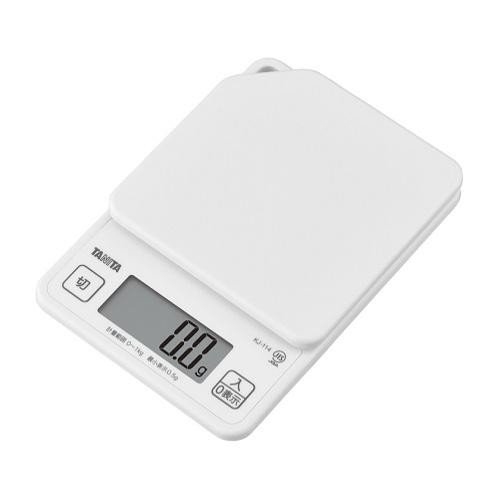

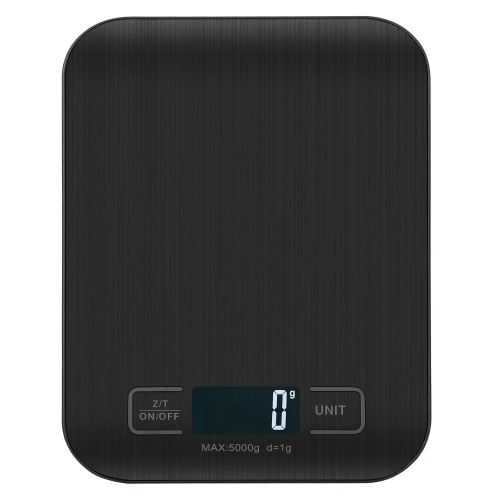
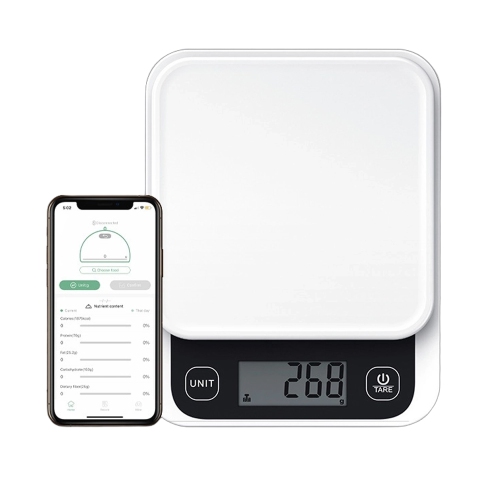

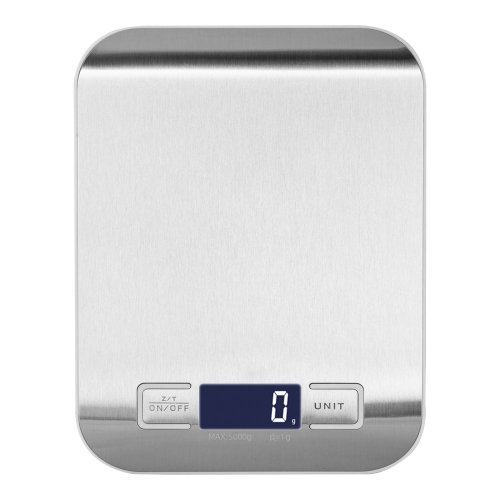
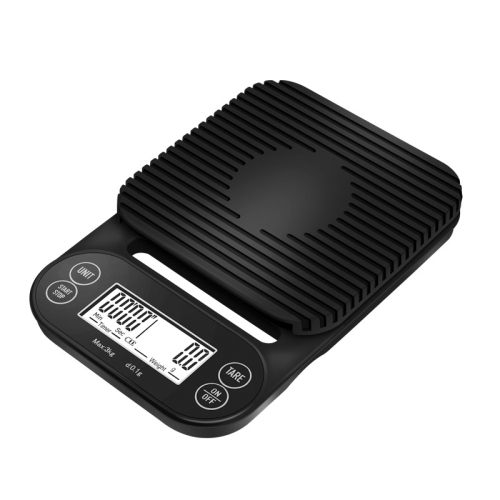
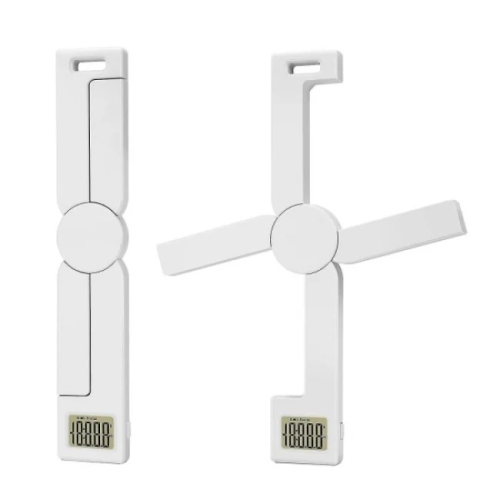

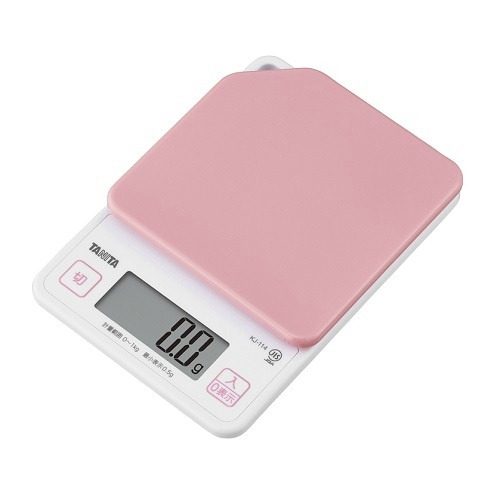

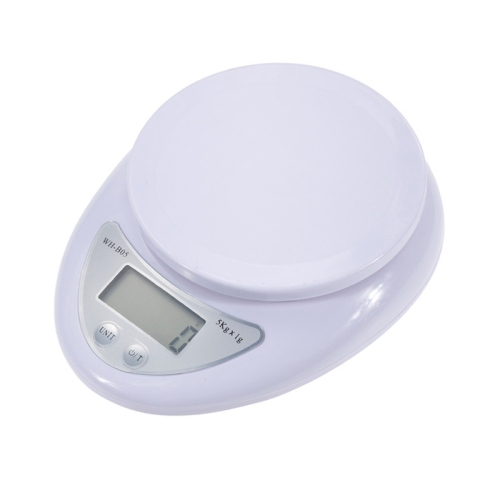


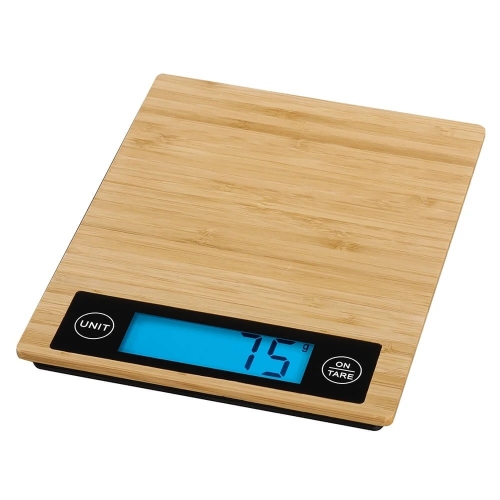
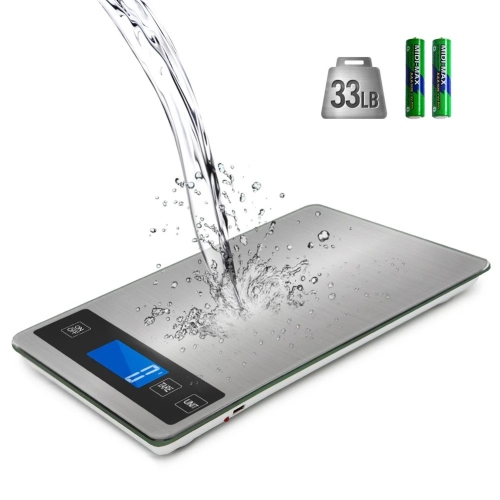


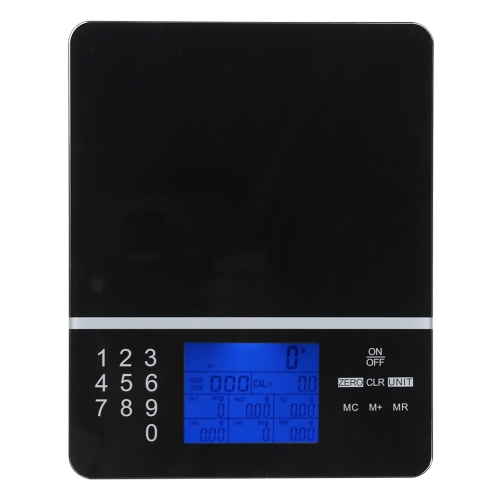




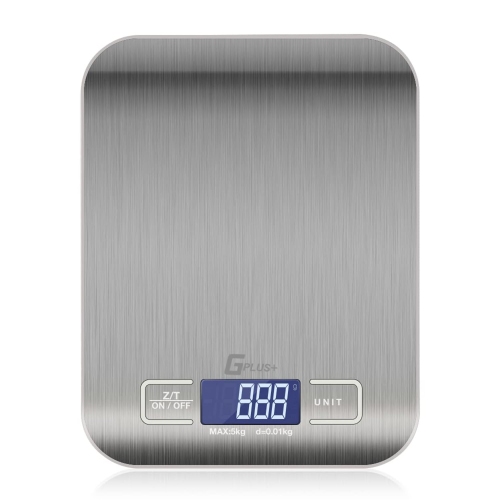
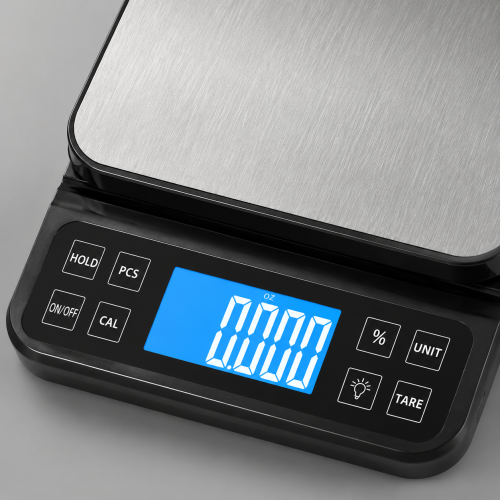
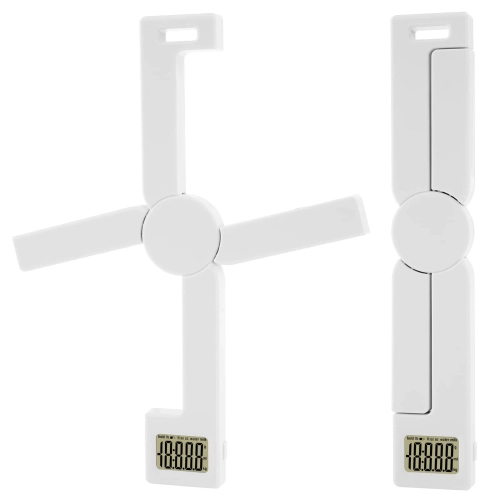
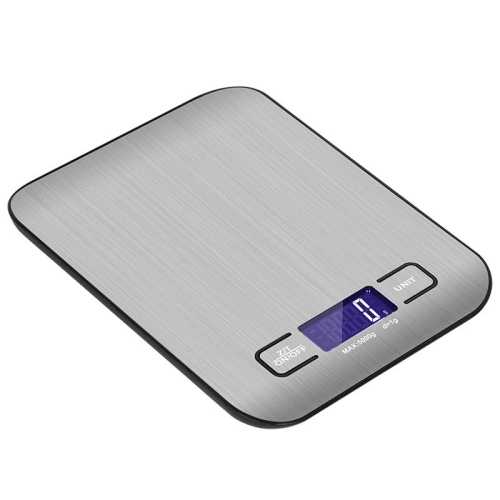


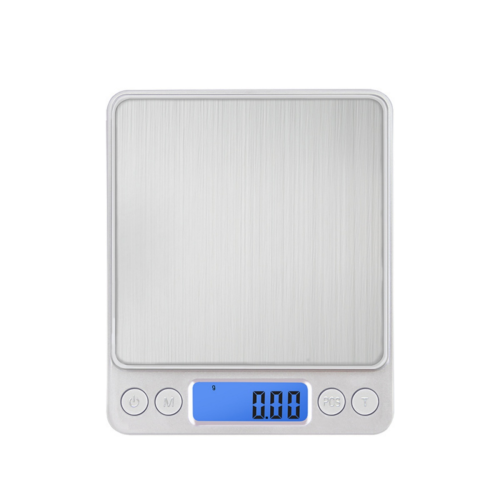
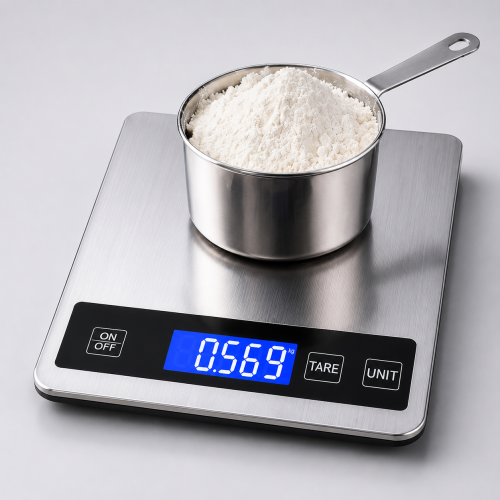

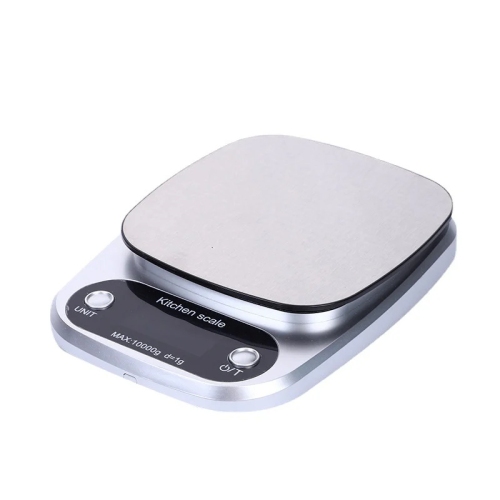


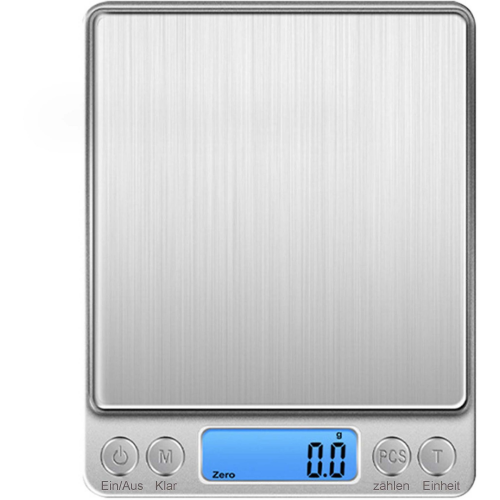
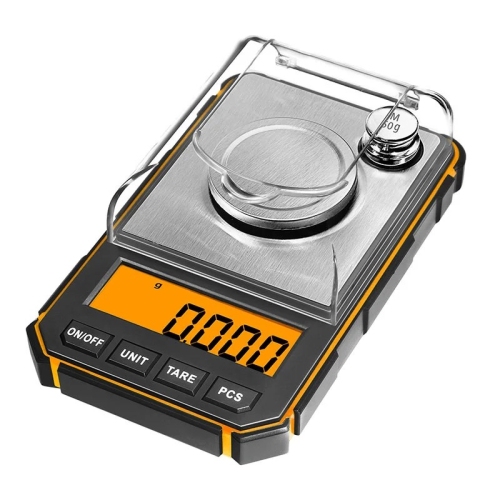
More consistent bakes start with ingredients weighed in grams
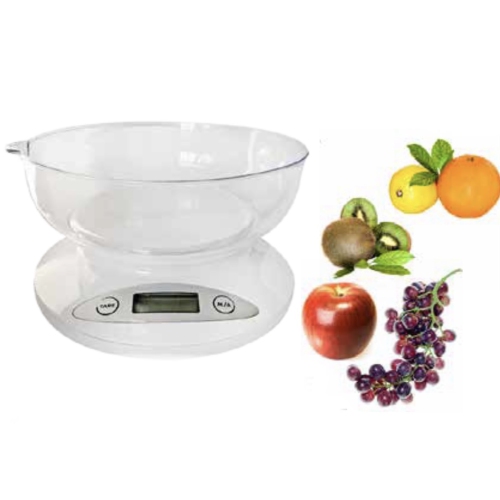
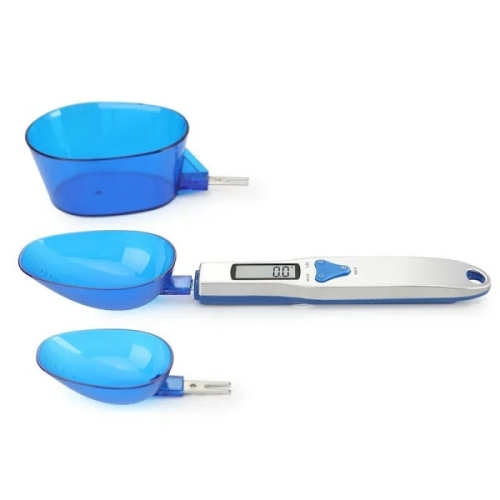
Digital baking scales measure ingredients by weight, bringing consistency to everything from a tray of cookies to a carefully developed sourdough loaf. Flour is a good example of why weighing matters: a loosely filled measuring cup and a tightly packed one can hold noticeably different amounts, even when both look level. Measuring in grams removes much of that variation, helping doughs and batters maintain the intended balance of flour, liquid, fat, and sugar. This is especially useful for recipes that depend on precise proportions, such as macarons, pastry, and enriched bread. A scale also makes it easier to repeat a successful bake or adjust a recipe for a smaller cake tin or a larger gathering. The tare function is central to that convenience. It resets the display to zero with a bowl on the platform, allowing the ingredient weight to appear without the weight of the container. Repeating that reset between additions lets several ingredients be weighed into one mixing bowl, reducing the number of measuring cups needed. Separate containers can still be useful for ingredients that require careful adjustment before they join the mixture. For bread bakers, weighing supports baker’s percentages, which express each ingredient as a proportion of the flour weight. A dough containing 500 grams of flour and 350 grams of water, for example, has 70% hydration. Unit switching adds flexibility when recipes use grams, kilograms, ounces, or pounds, although keeping one consistent unit throughout a recipe helps prevent mistakes. Some scales also display millilitres, but that function generally estimates volume using an assumed liquid density. It should not be treated as a universal conversion for ingredients such as oil, honey, or syrup. Weight measurements remain the more dependable choice when a recipe provides them. For beginners learning how a dough should feel and experienced bakers refining a favourite recipe, a digital scale provides a practical reference point without replacing the judgement involved in mixing, kneading, and baking.
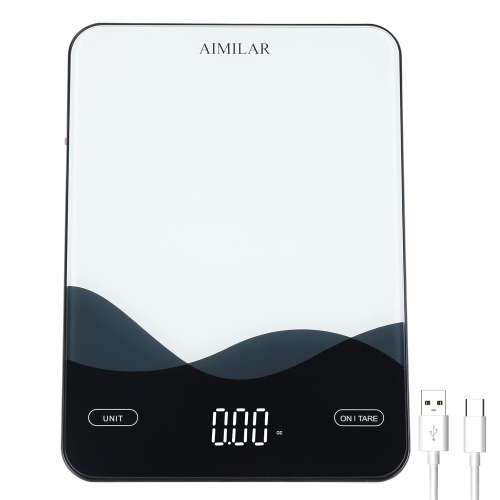
Capacity and measurement increments shape how well digital baking scales suit different kitchen routines. A maximum capacity of about 5 kilograms, or 11 pounds, can accommodate many household baking tasks, while larger batches may call for a higher limit. That limit includes the bowl and everything added to it, even after the display has been tared. A heavy glass mixing bowl therefore leaves less capacity for ingredients than a lightweight container. Bakers preparing several loaves at once may appreciate additional headroom, particularly when flour and water are weighed into the same vessel. For ordinary quantities of flour, sugar, butter, and water, a display that advances in 1-gram increments is generally practical. Very small quantities of yeast, salt, or spices may benefit from a scale displaying 0.1-gram increments, provided its stated accuracy and minimum load suit those measurements. Display resolution is not the same as verified accuracy: showing an extra decimal place does not by itself guarantee a more reliable reading. A wide, stable platform helps support mixing bowls, but the visibility of the display matters just as much as platform size. An overhanging bowl can hide numbers on a compact scale, making an extended, angled, or pull-out display useful for larger vessels. Clear digits, good contrast, and backlighting can make readings easier to see beneath overhead cupboards. Controls should be easy to distinguish when attention is divided between a recipe and a bowl of ingredients. A responsive tare button is particularly helpful when adding flour in small amounts, while a longer automatic shut-off interval can prevent an interrupted measurement during a pause in preparation. Battery type, charging requirements, low-battery warnings, and whether the scale retains its selected unit are also useful considerations. A slim profile suits a shallow drawer, whereas a broader base may feel more secure beneath a large bowl. The best fit depends less on the number of features than on how comfortably the scale handles the containers, quantities, and working space used most often.
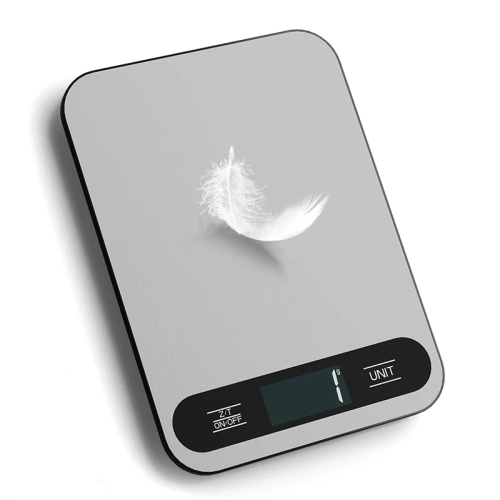
Materials and construction affect both everyday handling and long-term care. Stainless steel platforms are durable and usually straightforward to wipe clean, though flour can collect around seams and fingerprints may remain visible. Tempered glass offers a smooth surface but still needs protection from hard knocks, chipped edges, and heavy objects dropped onto the platform. Plastic housings can keep a scale lightweight, with durability depending on the quality of the casing, buttons, and battery compartment. Smooth edges and sealed controls make spilled flour and sticky splashes easier to manage, but a wipe-clean surface does not necessarily mean the whole scale is waterproof. Unless the manufacturer specifies otherwise, the electronic base should not be immersed or placed in a dishwasher. Removable bowls or platforms may have separate cleaning requirements. A soft, lightly dampened cloth and prompt attention to spills help prevent residue from building up around controls. Reliable readings also depend on placement: a firm, level counter is more suitable than a tea towel or an uneven surface, and the bowl needs to rest entirely on the platform without touching surrounding objects. Gentle handling protects the weighing mechanism; pressing down on the platform, exceeding its capacity, or storing heavy cookware on top can affect performance. For cooks who move between baking and everyday meal preparation, Digital Kitchen Scales serve both roles, weighing dough portions as readily as ingredients for a sauce or a packed lunch. Within baking, portioning equal pieces of dough helps rolls bake more evenly, while weighing cake batter between tins supports more consistent layers. Compact scales can be a thoughtful housewarming or birthday gift for someone setting up a kitchen, taking up bread making, or expanding beyond familiar recipes. Straightforward controls and readable numbers are often more useful to a new baker than numerous specialised modes. For frequent use, the most worthwhile qualities are dependable measurements, sufficient capacity, easy cleaning, and a shape that fits naturally into the kitchen’s daily routine.
Top selling and popular products
-
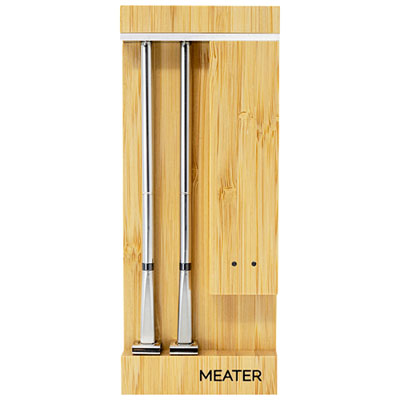 Your price for this item is $249.98
-
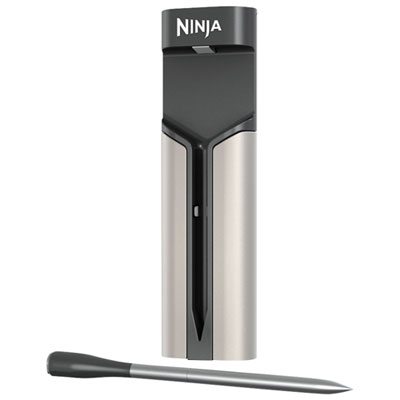 Your price for this item is $129.99
-
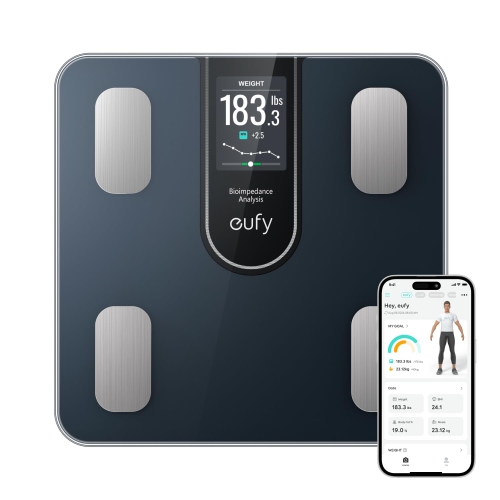 Your price for this item is $69.74
-
 Your price for this item is $149.99
-
 Your price for this item is $12.99
-
 Your price for this item is $479.99
-
 Your price for this item is $21.99
-
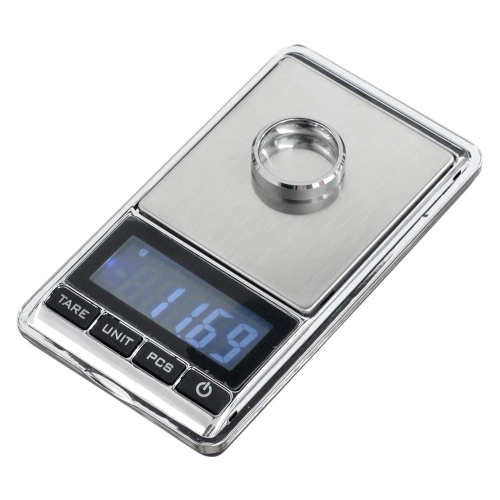 Your price for this item is $17.99
Discover more categories related to Digital Baking Scales
Top Collections:
Pokemon Centers, Best Cameras for Sports Photography, Kindle Devices, Samsung Galaxy Phones, Canon G7X Cameras, Pokémon 30th Celebration Cards, Refurbished Apple Laptops, iPhone 15 Apple, Laptops for Students, Budget Smartphones
Some products may be subject to Environmental Handling Fees
(EHF) depending on your province.
Learn more about EHFs.