Digital Multimeters
Looking for a versatile tool that can accurately measure voltage, current, and resistance? Look no further than digital multimeters. These handy devices are essential for any DIY enthusiast, electrician, or technician who needs to troubleshoot electrical problems or perform precise measurements. With their easy-to-read digital displays and wide range of functions, digital multimeters are a must-have for anyone working with electronics. Whether you're a seasoned professional or just starting out, our selection of digital multimeters will help you tackle any electrical project with confidence and precision.
Sort


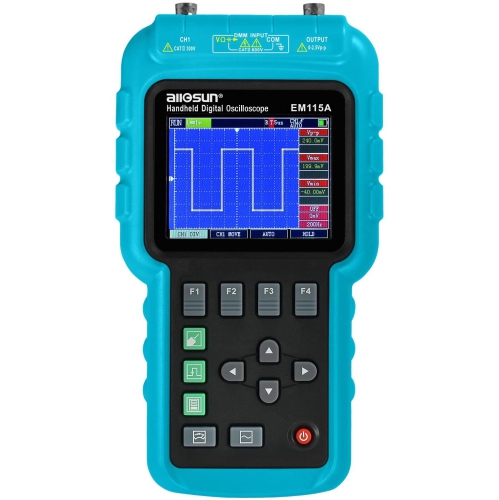
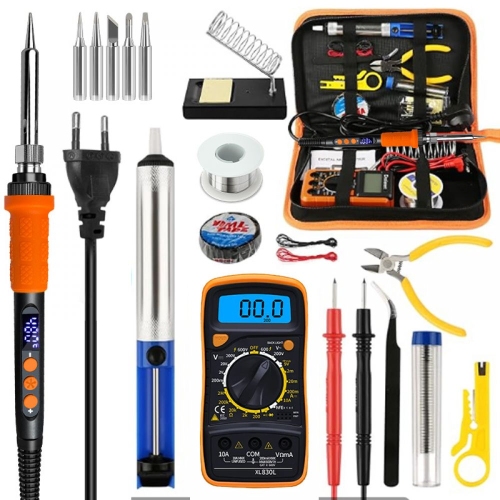
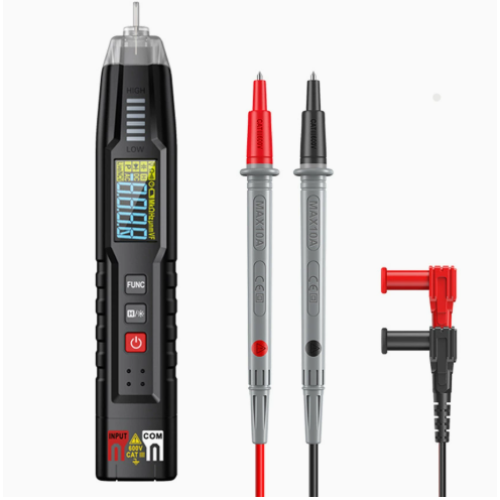
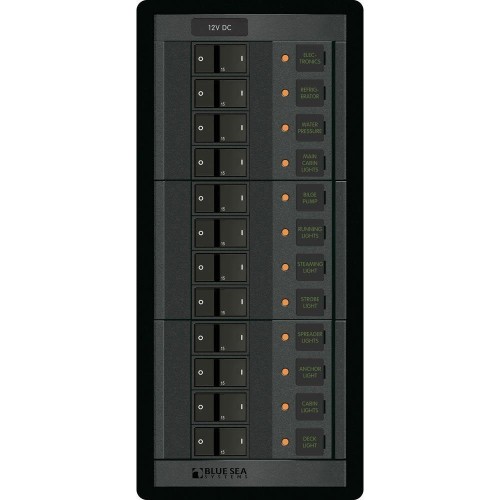
From battery checks to safer circuit diagnostics
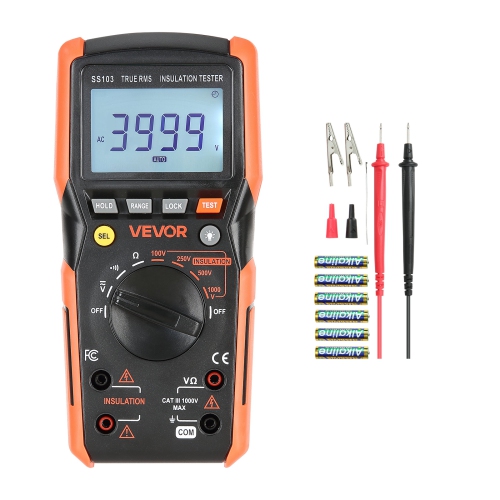
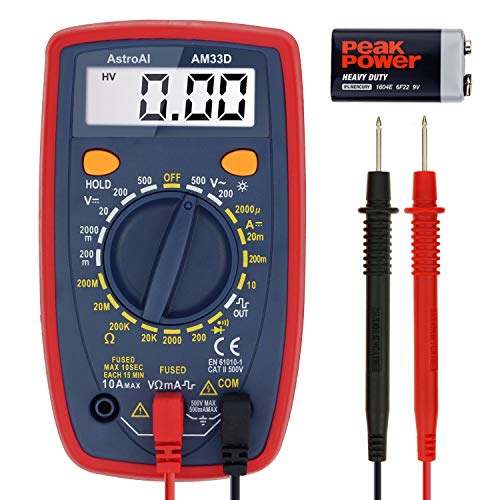
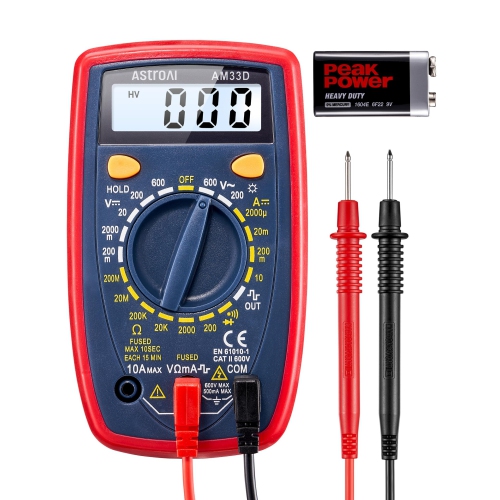
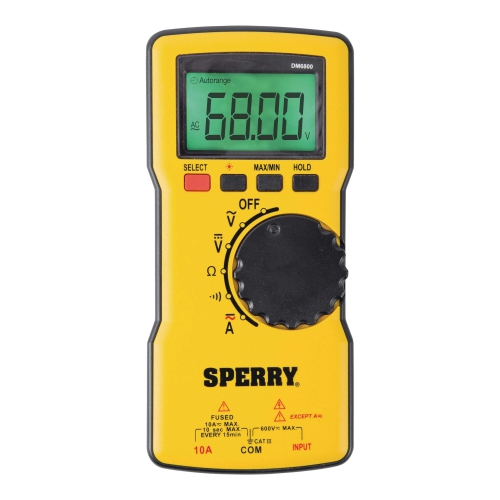
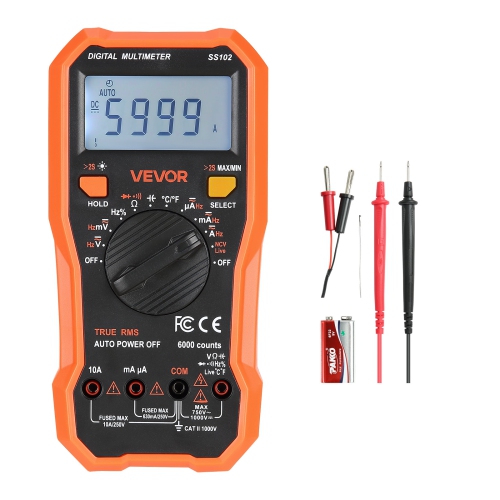
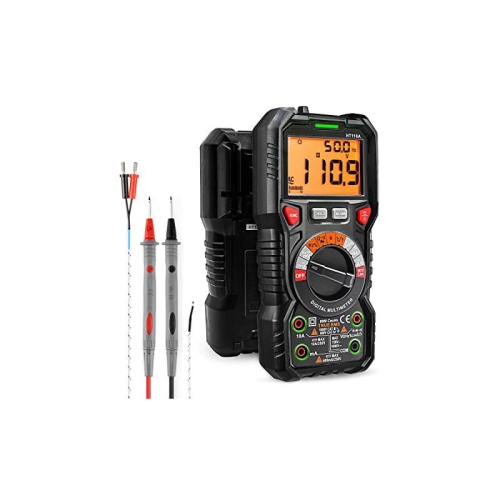
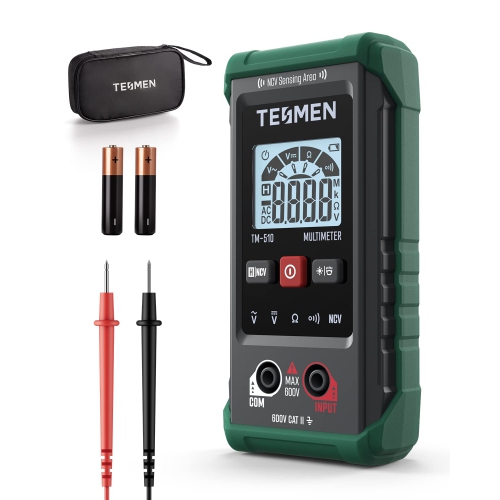
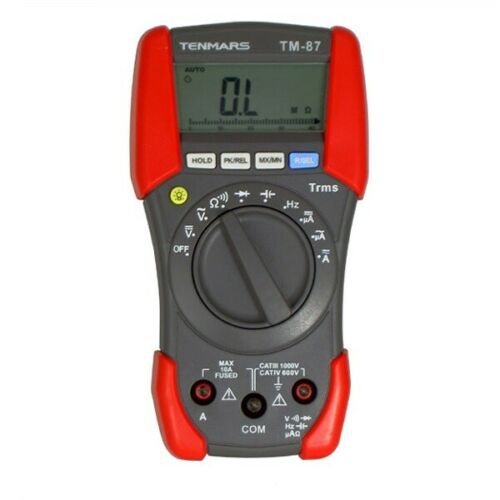
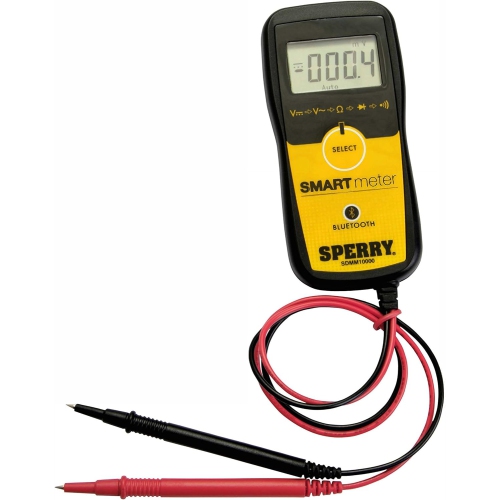
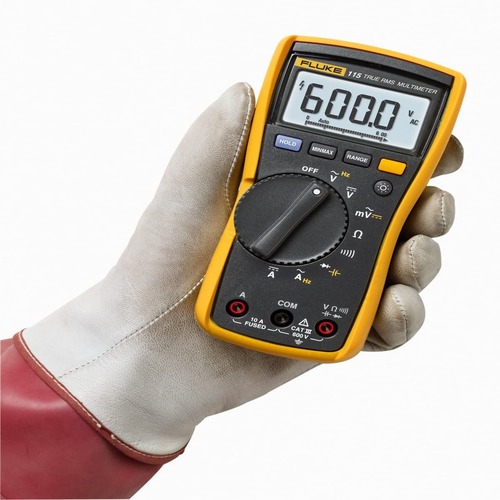
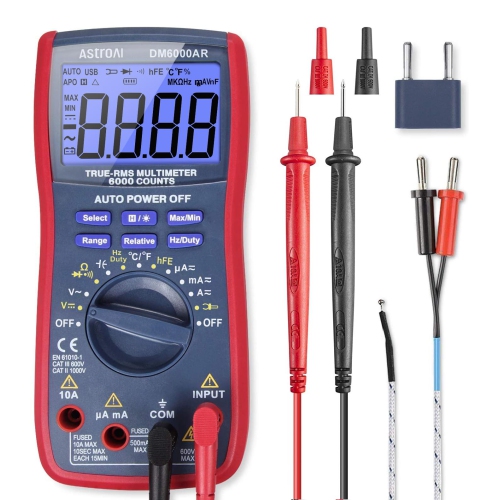
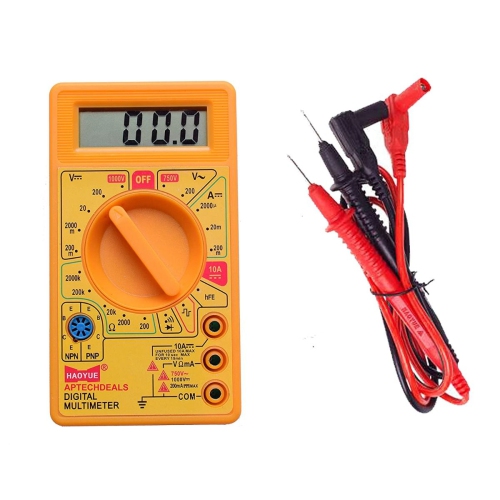
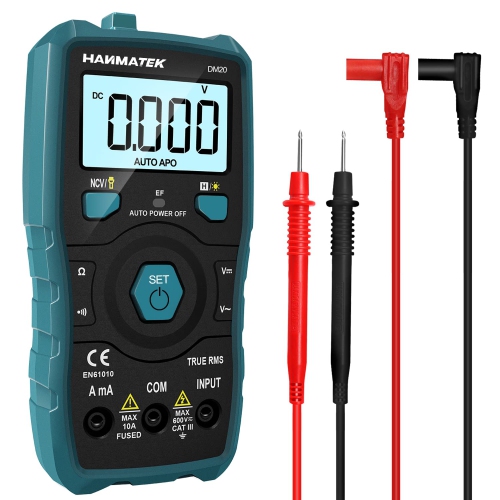
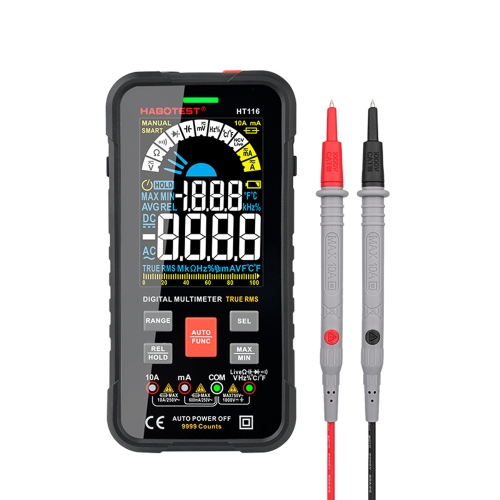
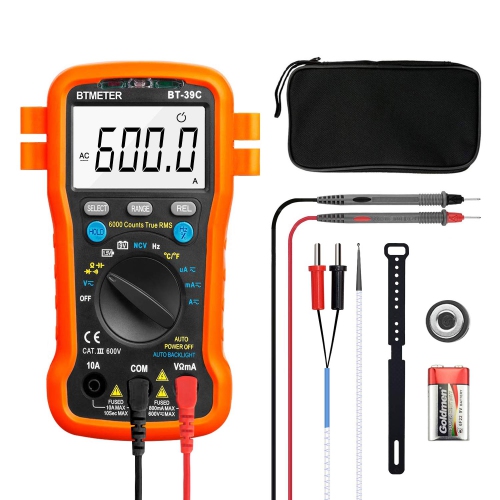
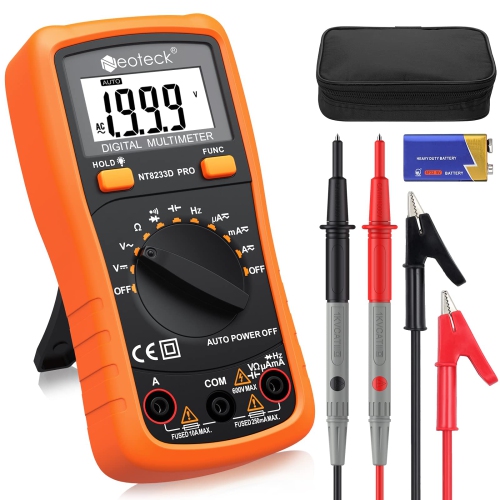
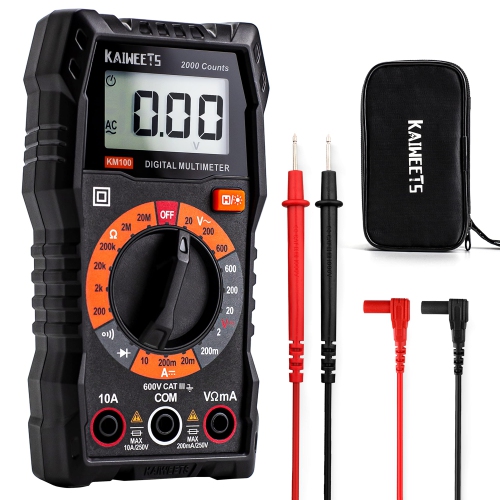
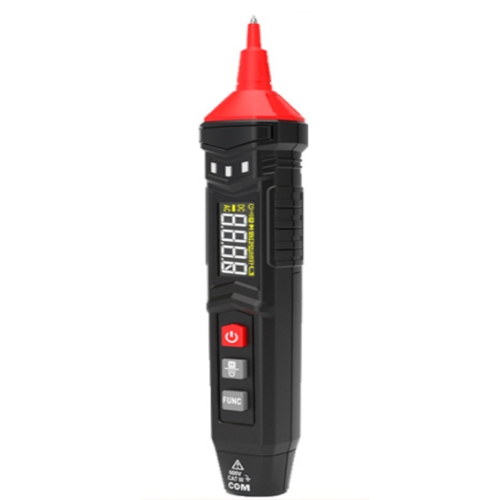
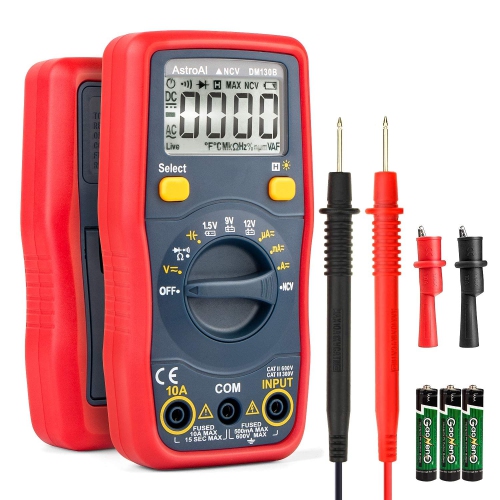
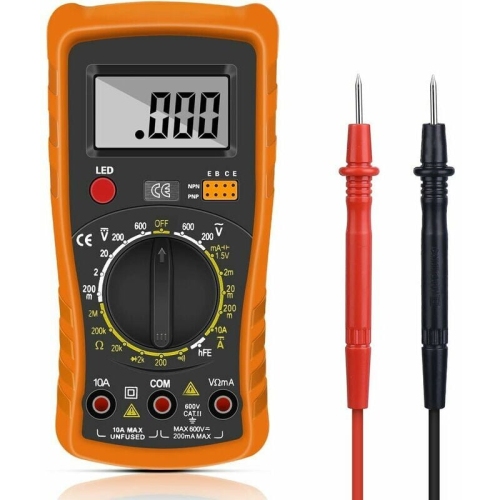
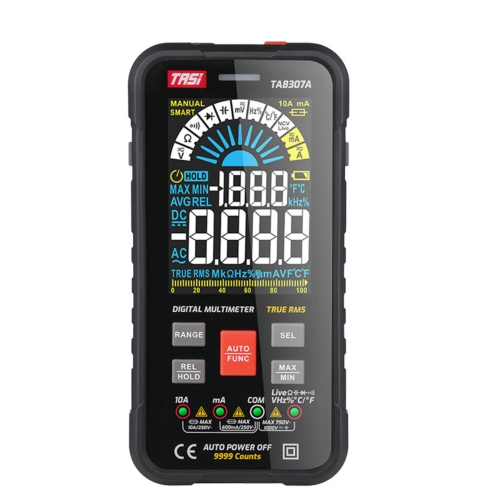
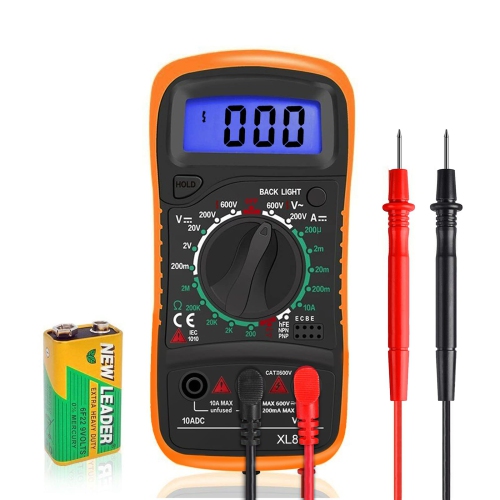
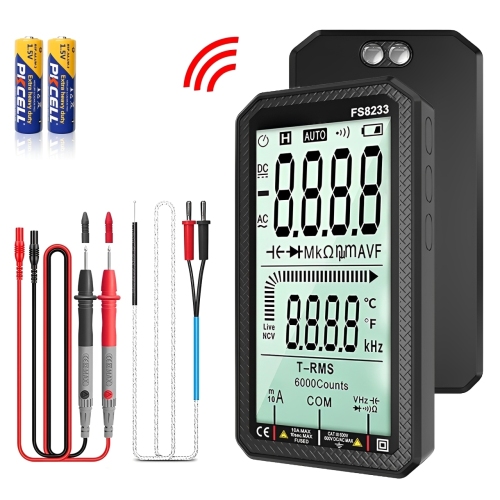
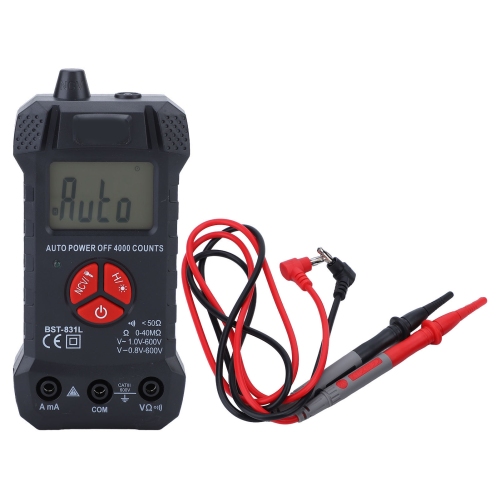
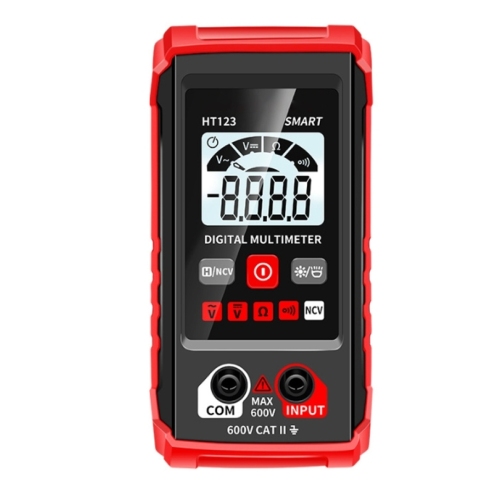
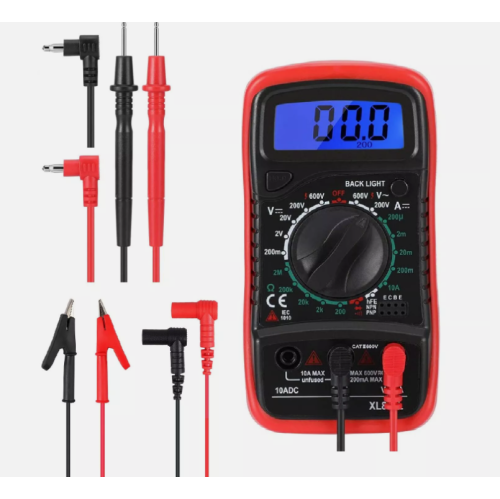
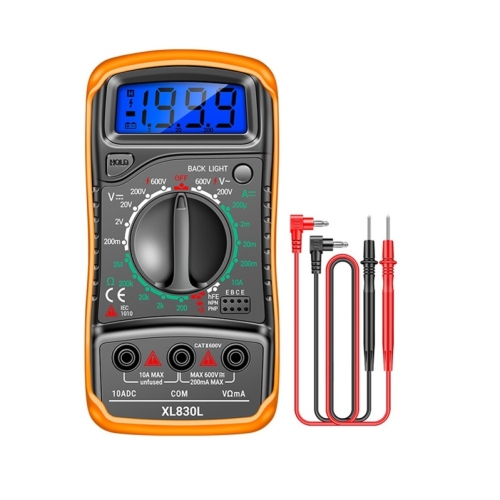
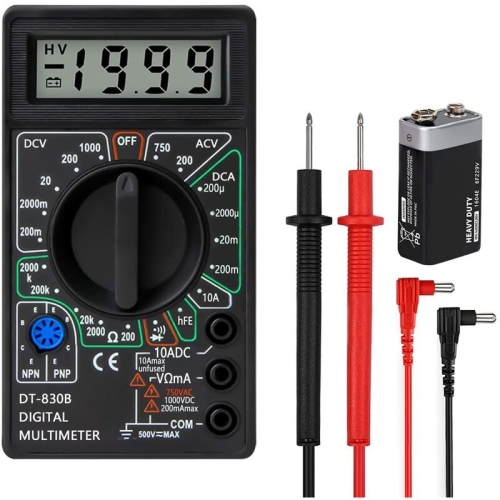
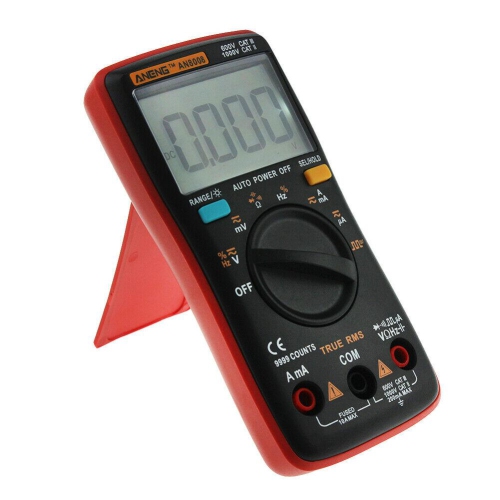
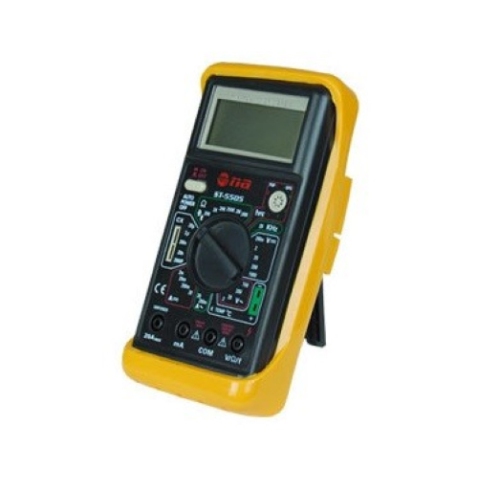
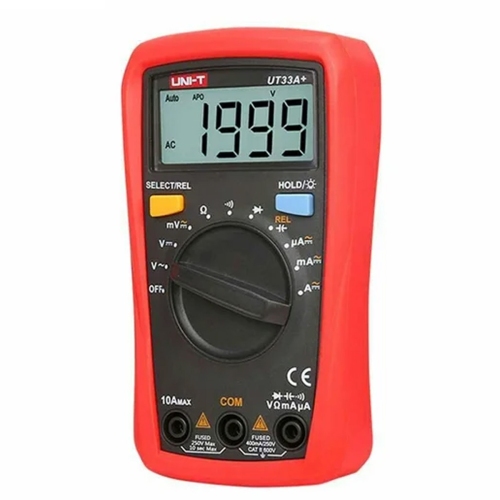
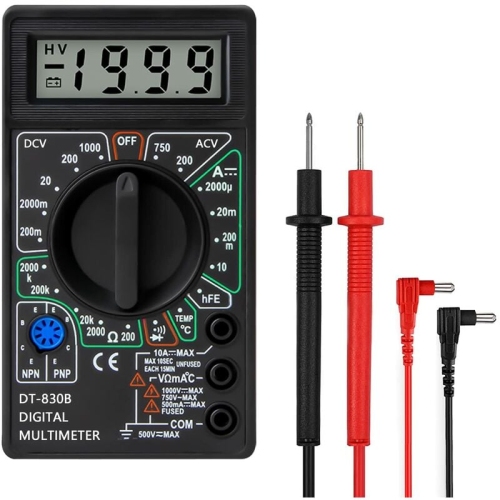
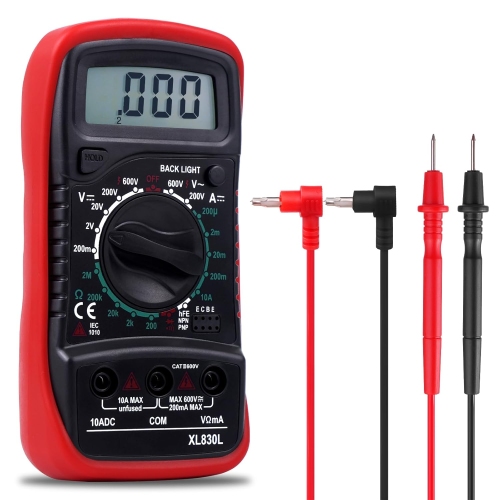
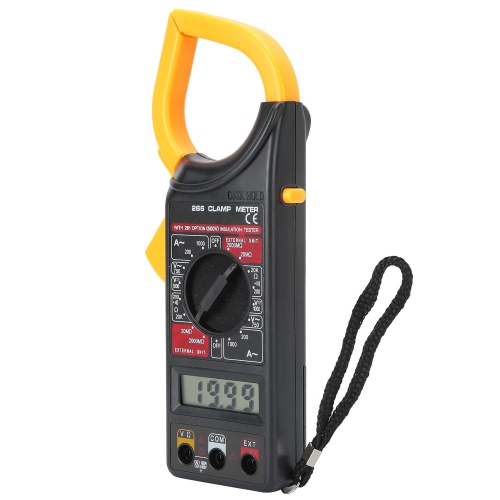
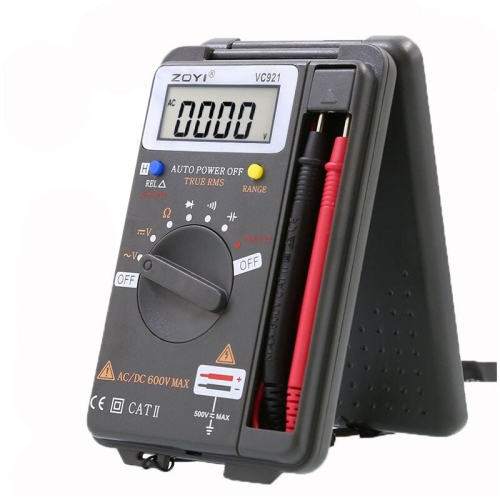
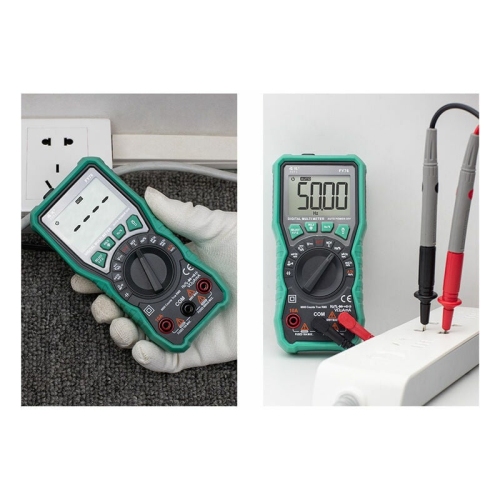
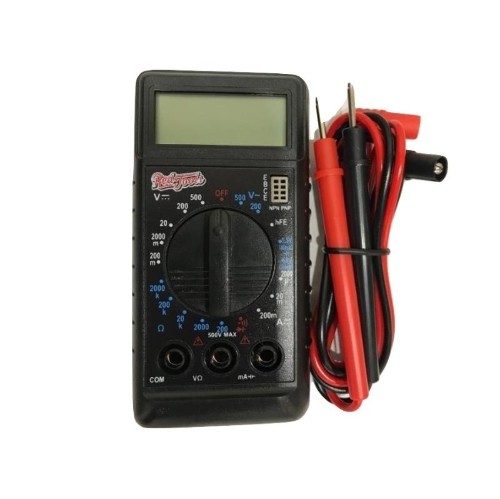
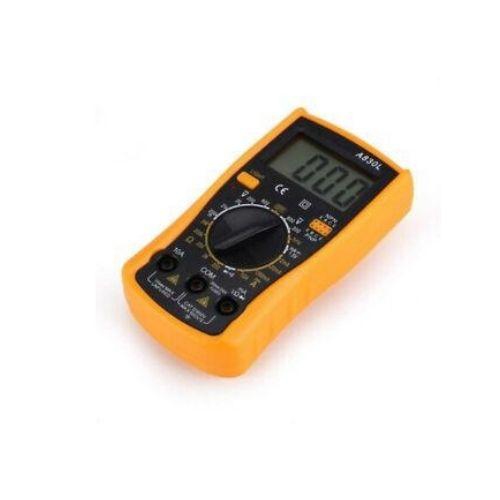
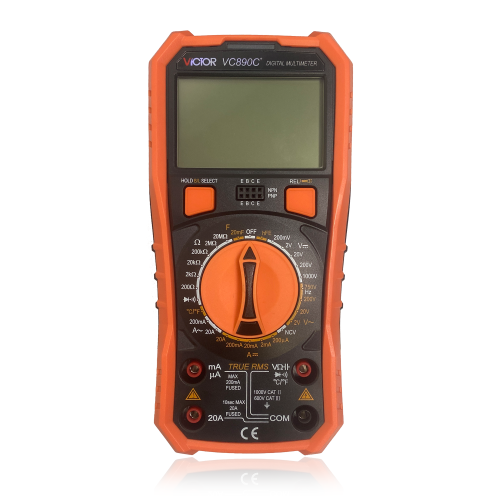
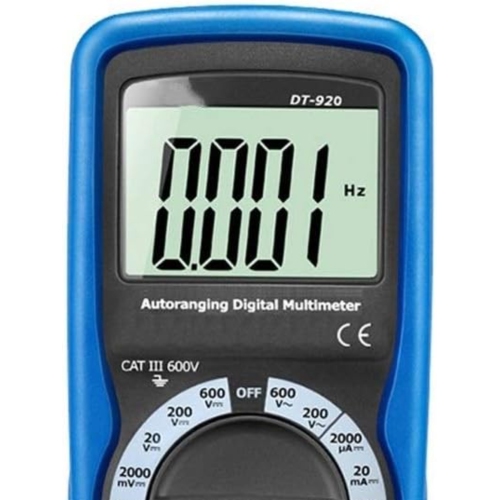
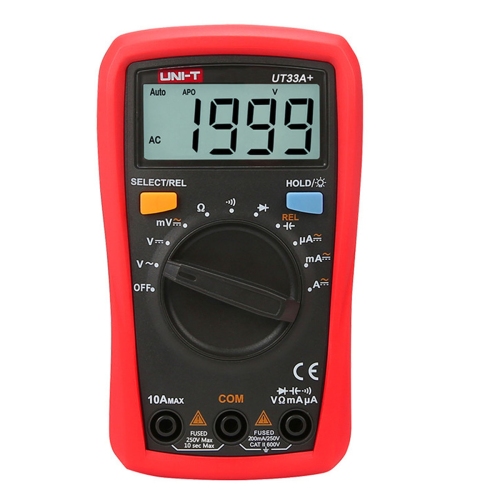
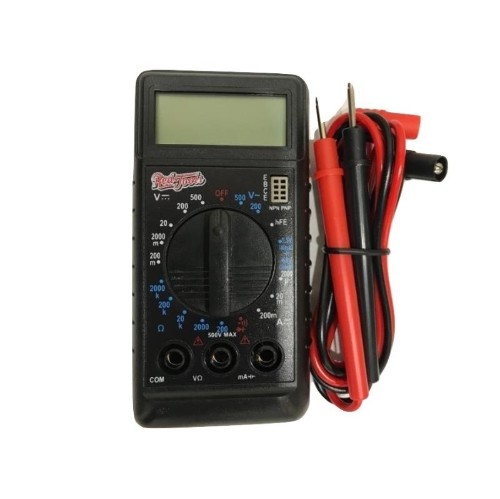
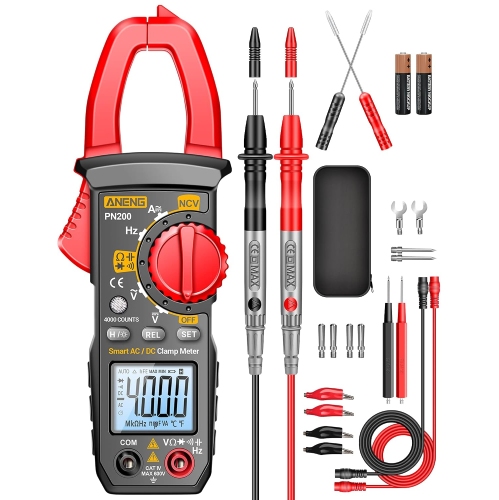
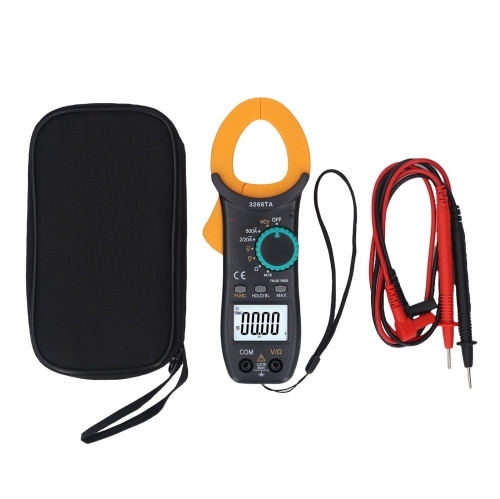
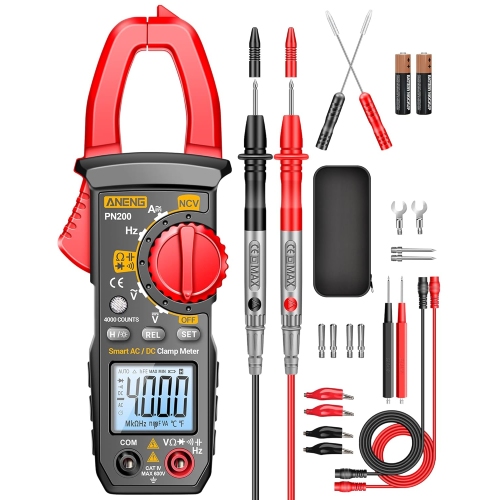
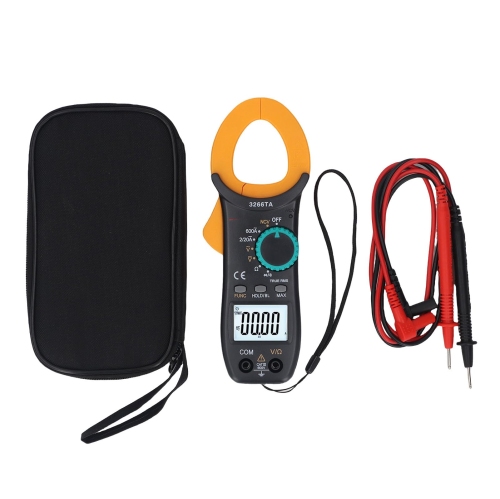
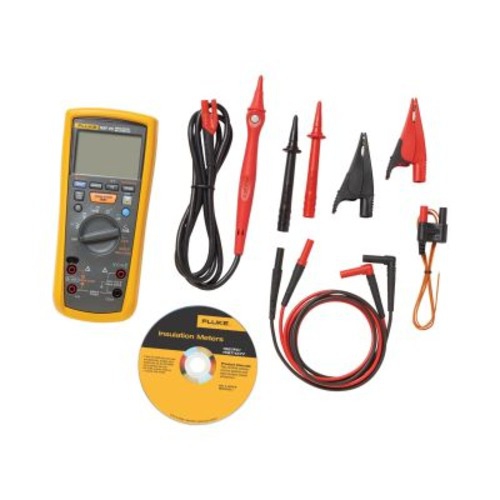
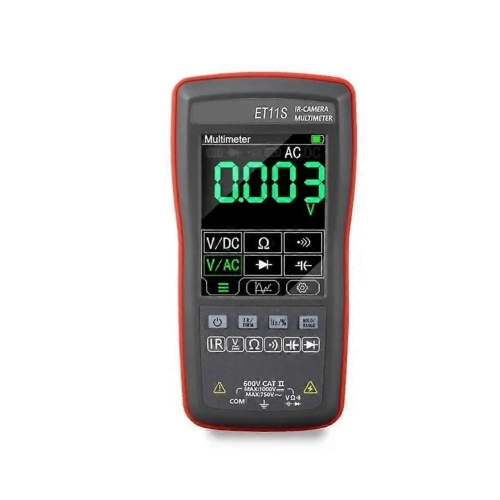
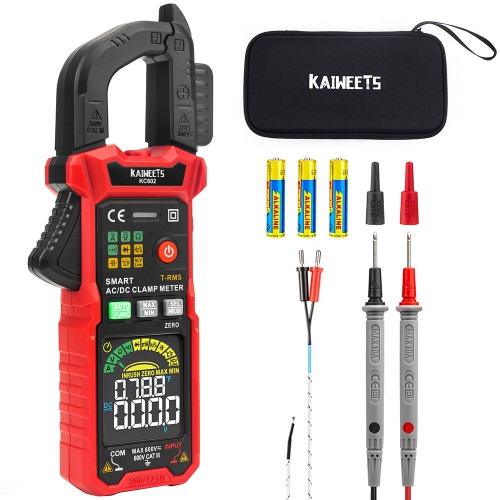
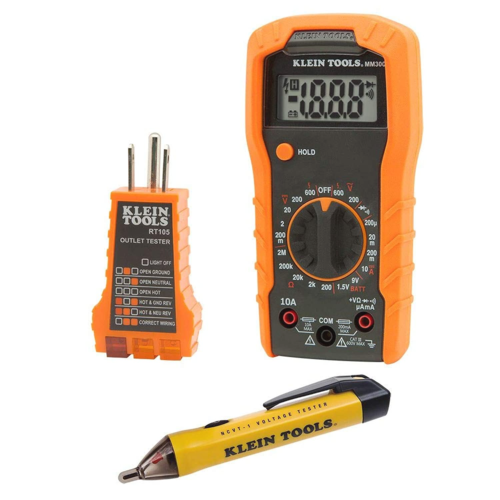
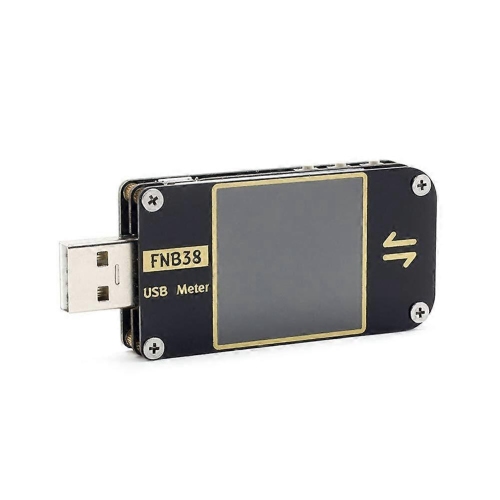
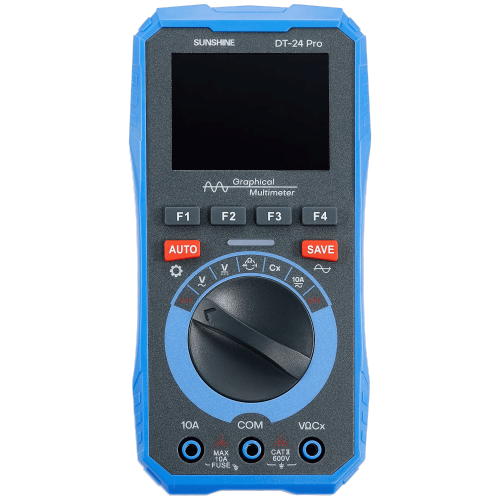
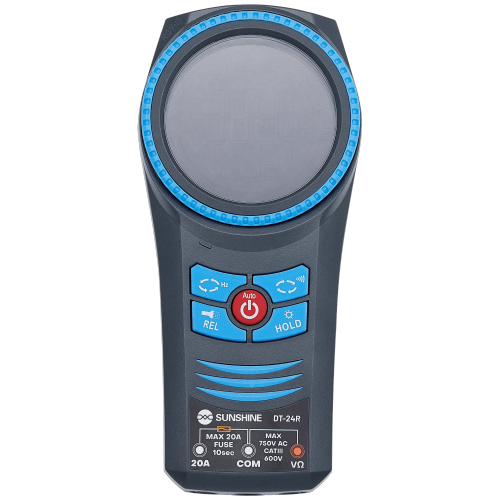
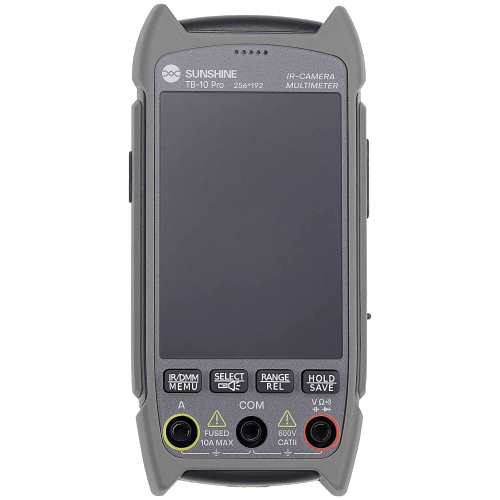
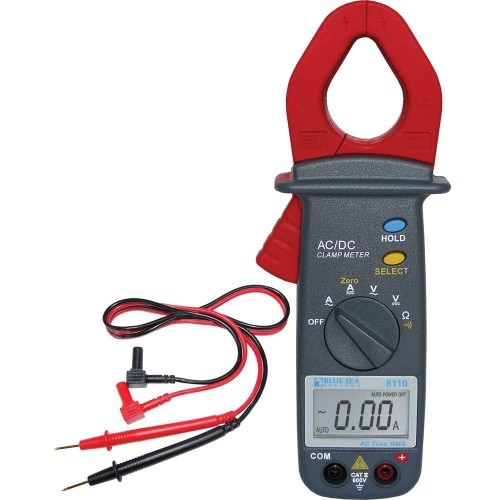
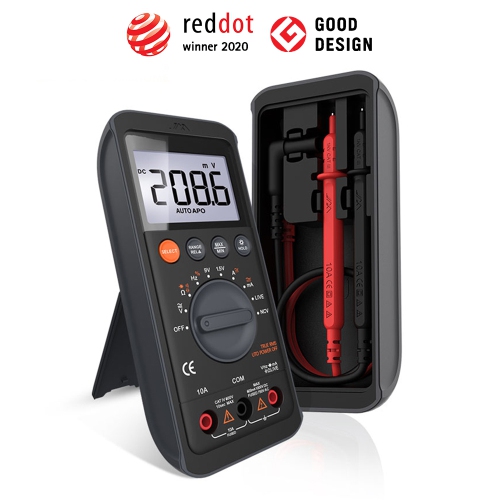
Digital multimeters are versatile electronic test tools designed to measure the essential electrical properties found in batteries, circuits, appliances, vehicles, and household systems. Most models measure voltage in volts, current in amps, and resistance in ohms, while many also include continuity testing, diode testing, capacitance, frequency, and temperature functions. A voltage reading can help identify whether a battery has usable charge or whether power is reaching a circuit, while resistance testing can help assess components, fuses, wires, and connections. Continuity mode is especially convenient for tracing an unbroken electrical path, often producing an audible beep when two points are connected. These functions make digital multimeters useful for electronics students, hobbyists, automotive enthusiasts, technicians, maintenance professionals, and homeowners who want a clearer understanding of what is happening inside a device. They can be helpful during repairs at a workbench, in a garage, or while troubleshooting equipment during the cooler months, when batteries, extension cords, lighting, and seasonal appliances may receive more attention. A digital display is generally easier to read than an analogue scale, and backlit screens, large digits, and built-in work lights can be valuable when working beneath a dashboard, inside a cabinet, or in a dim utility area. Some meters include hold functions that freeze a reading on the screen, while others record minimum and maximum values or offer audible alerts when a measurement moves beyond a selected range. For people learning basic electronics, a straightforward meter with clear controls can make lessons more approachable; for experienced users, a broader measurement range and additional modes can help support more detailed diagnostics. A digital multimeter can also be a practical gift for a student entering an electrical, engineering, automotive, or electronics programme, or for a hands-on family member who enjoys repairing equipment and building projects.
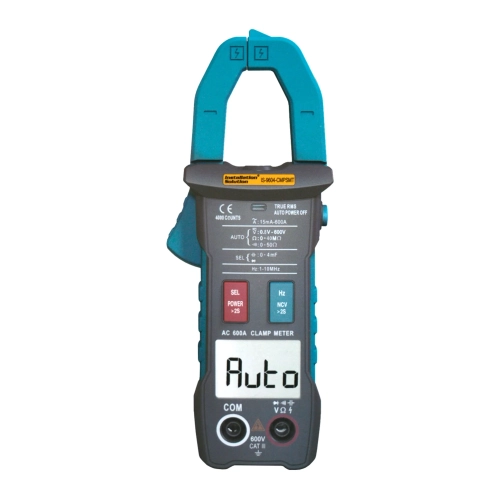
When choosing among digital multimeters, start with the type of work the meter will perform most often. A basic model may be well suited to checking household batteries, low-voltage electronics, simple wiring, and continuity, while automotive work may benefit from functions such as diode testing, capacitance, frequency, temperature measurement, or a dedicated setting for vehicle-related diagnostics. People working with sensitive electronic circuits may prefer a meter with fine resolution and stable readings, while those testing a variety of batteries and power sources may appreciate automatic ranging. Auto-ranging models select an appropriate measurement scale for the signal being tested, reducing the need to estimate whether a value falls in a low, medium, or high range. Manual-ranging models can provide more direct control and may appeal to users who already understand the expected values of their circuits. True RMS measurement is another important consideration, particularly for modern electronics, variable-speed equipment, switching power supplies, and other loads that do not produce a simple, smooth AC waveform. A true RMS meter is designed to provide a more accurate representation of these irregular AC signals than a basic average-responding meter. LoZ, or low-impedance, mode can also be useful when checking wiring because it helps reduce misleading “ghost” voltage readings caused by electrical coupling from nearby conductors. For work around higher-energy systems, review the meter’s CAT safety rating, which indicates the environments and transient levels it is designed to handle. CAT III and CAT IV ratings are associated with progressively demanding electrical installations, but the rating should always match the task, voltage, and location. Inspect the included test leads, probe tips, input protection, fuse type, display quality, and switch layout as carefully as the measurement specifications. Comfortable probe handles, flexible leads, protective holsters, and a stable stand can make repeated testing less tiring, while a compact design may be easier to carry between a home workshop and a vehicle. Those who regularly work with larger conductors or need to measure current without disconnecting a circuit may also want to explore Digital Clamp Meters as an alternative or companion tool.
Safe use is just as important as selecting the right features. Read the meter’s instructions before taking a measurement, confirm that the leads are connected to the correct input terminals, and select the appropriate function and range for the circuit. Voltage is measured across two points, whereas current is measured through a circuit, so placing the meter in the wrong mode can create a short circuit or damage the instrument. Never attempt to measure current by connecting a meter across a power source, and do not use resistance or continuity modes on an energized circuit. Turn off and isolate equipment before checking resistance, continuity, fuses, or components, then verify that power is absent with a suitable method. Keep fingers behind the probe guards, use insulated probes in good condition, and do not work on exposed high-voltage wiring unless you have the training and equipment required for that environment. A multimeter can help identify a problem, but it does not replace the judgement of a qualified electrician or service professional when household wiring, mains voltage, service panels, or unfamiliar equipment is involved. For everyday projects, storing the meter with its leads neatly arranged and its selector turned to the recommended resting position can help keep it ready for the next task. Before purchasing, consider whether the intended user values simplicity, portability, advanced diagnostics, or maximum protection, and match the meter’s specifications to the circuits being tested rather than choosing by feature count alone. With the right combination of measurement functions, safety ratings, readable controls, and dependable accessories, digital multimeters can provide a practical way to investigate electrical issues, confirm expected readings, and build confidence at the workbench, in the garage, or around the home.
When choosing among digital multimeters, start with the type of work the meter will perform most often. A basic model may be well suited to checking household batteries, low-voltage electronics, simple wiring, and continuity, while automotive work may benefit from functions such as diode testing, capacitance, frequency, temperature measurement, or a dedicated setting for vehicle-related diagnostics. People working with sensitive electronic circuits may prefer a meter with fine resolution and stable readings, while those testing a variety of batteries and power sources may appreciate automatic ranging. Auto-ranging models select an appropriate measurement scale for the signal being tested, reducing the need to estimate whether a value falls in a low, medium, or high range. Manual-ranging models can provide more direct control and may appeal to users who already understand the expected values of their circuits. True RMS measurement is another important consideration, particularly for modern electronics, variable-speed equipment, switching power supplies, and other loads that do not produce a simple, smooth AC waveform. A true RMS meter is designed to provide a more accurate representation of these irregular AC signals than a basic average-responding meter. LoZ, or low-impedance, mode can also be useful when checking wiring because it helps reduce misleading “ghost” voltage readings caused by electrical coupling from nearby conductors. For work around higher-energy systems, review the meter’s CAT safety rating, which indicates the environments and transient levels it is designed to handle. CAT III and CAT IV ratings are associated with progressively demanding electrical installations, but the rating should always match the task, voltage, and location. Inspect the included test leads, probe tips, input protection, fuse type, display quality, and switch layout as carefully as the measurement specifications. Comfortable probe handles, flexible leads, protective holsters, and a stable stand can make repeated testing less tiring, while a compact design may be easier to carry between a home workshop and a vehicle. Those who regularly work with larger conductors or need to measure current without disconnecting a circuit may also want to explore Digital Clamp Meters as an alternative or companion tool.
Safe use is just as important as selecting the right features. Read the meter’s instructions before taking a measurement, confirm that the leads are connected to the correct input terminals, and select the appropriate function and range for the circuit. Voltage is measured across two points, whereas current is measured through a circuit, so placing the meter in the wrong mode can create a short circuit or damage the instrument. Never attempt to measure current by connecting a meter across a power source, and do not use resistance or continuity modes on an energized circuit. Turn off and isolate equipment before checking resistance, continuity, fuses, or components, then verify that power is absent with a suitable method. Keep fingers behind the probe guards, use insulated probes in good condition, and do not work on exposed high-voltage wiring unless you have the training and equipment required for that environment. A multimeter can help identify a problem, but it does not replace the judgement of a qualified electrician or service professional when household wiring, mains voltage, service panels, or unfamiliar equipment is involved. For everyday projects, storing the meter with its leads neatly arranged and its selector turned to the recommended resting position can help keep it ready for the next task. Before purchasing, consider whether the intended user values simplicity, portability, advanced diagnostics, or maximum protection, and match the meter’s specifications to the circuits being tested rather than choosing by feature count alone. With the right combination of measurement functions, safety ratings, readable controls, and dependable accessories, digital multimeters can provide a practical way to investigate electrical issues, confirm expected readings, and build confidence at the workbench, in the garage, or around the home.
Top selling and popular products
-
 Your price for this item is $279
 -
 Your price for this item is $150
 -
 Your price for this item is $124.99
 -
 Your price for this item is $124.55
 -
 Your price for this item is $76.35
 -
 Your price for this item is $60.99
 -
 Your price for this item is $64.99
 -
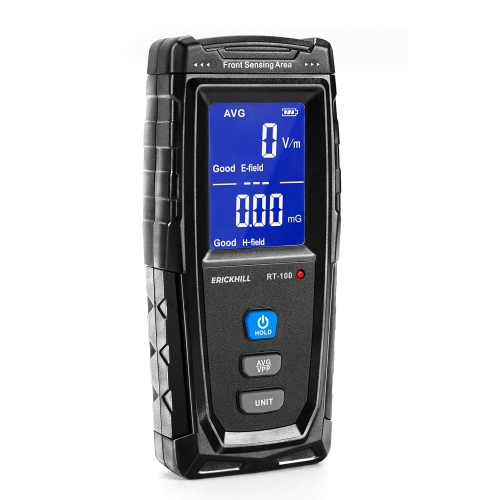 Your price for this item is $89.99
Discover more categories related to Digital Multimeters
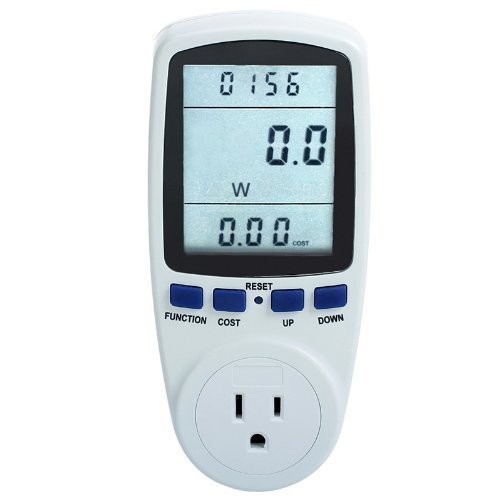
Top Collections:
Pokemon Centers, Kindle Devices, Best Budget Office Chairs, Canon G7X Cameras, Apple iPhones 16, Samsung Galaxy Phones, Refurbished Apple Laptops, Laptops for Students, iPhone 15 Apple, Budget Smartphones
Some products may be subject to Environmental Handling Fees
(EHF) depending on your province.
Learn more about EHFs.