Electrical Multimeters
If you're looking to measure electrical currents, voltages, and resistances with precision, look no further than these electrical multimeters. These versatile and indispensable tools are designed to help you troubleshoot electrical problems, test circuits, and ensure accurate measurements in various applications. Whether you're a professional electrician or a DIY enthusiast, this range of electrical multimeters offers the accuracy, reliability, and functionality you need to tackle any electrical project with confidence.
Sort

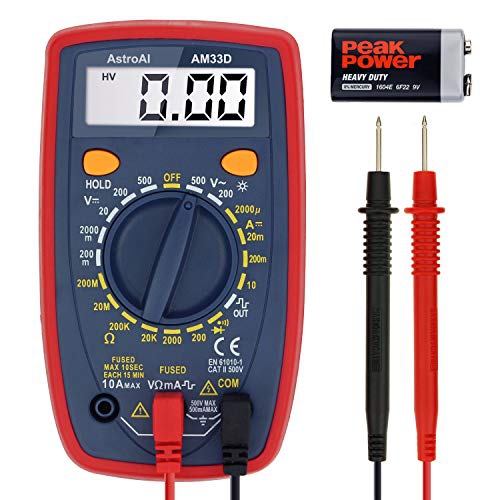
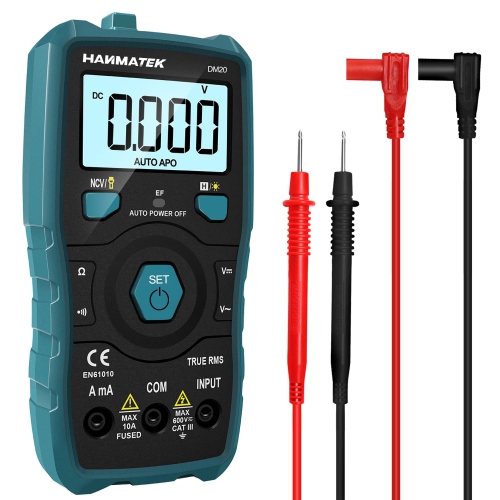
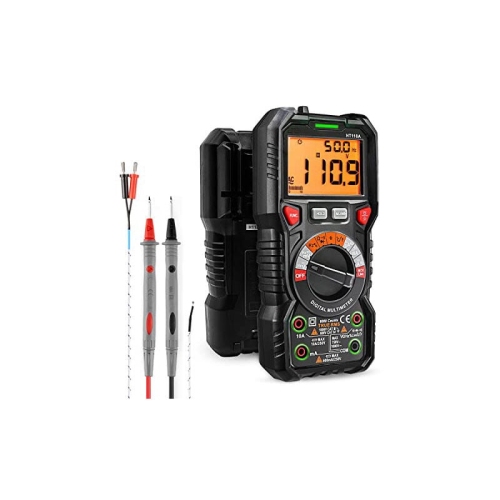
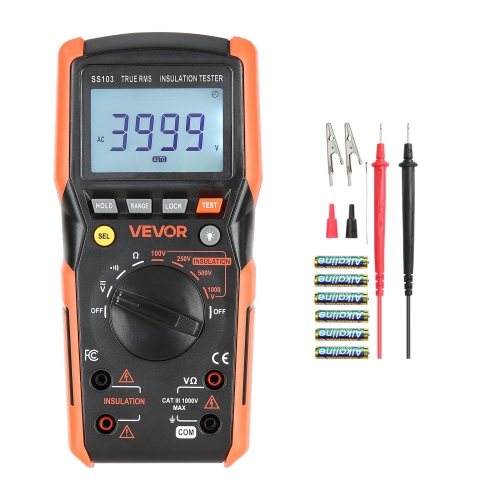

What circuit readings reveal beyond a visual inspection
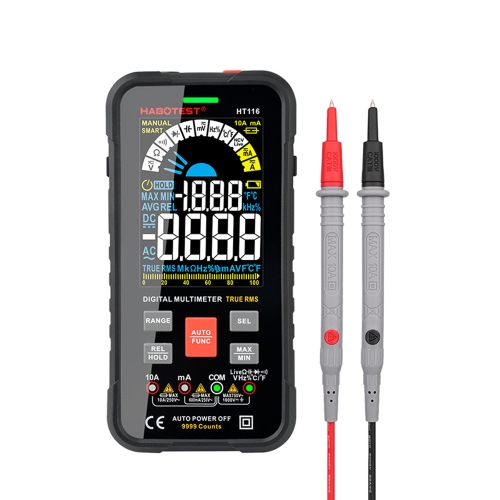
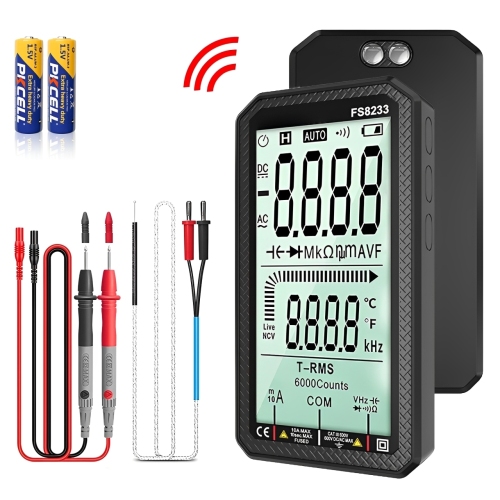
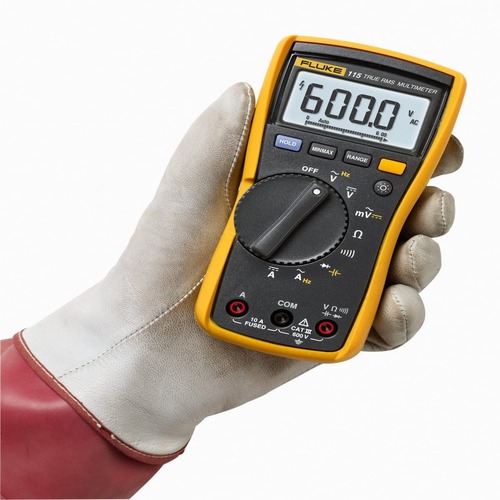
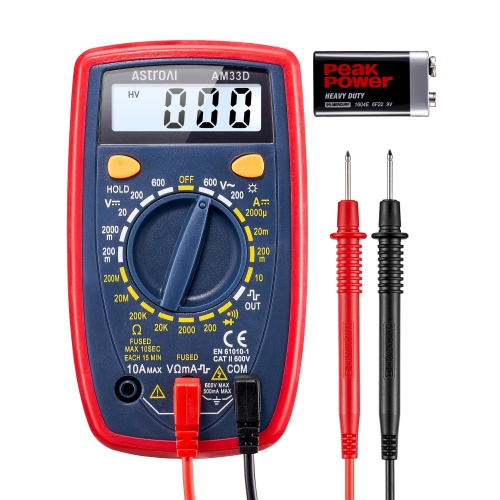
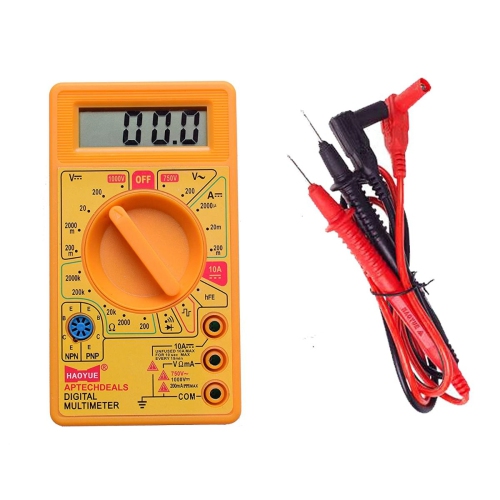
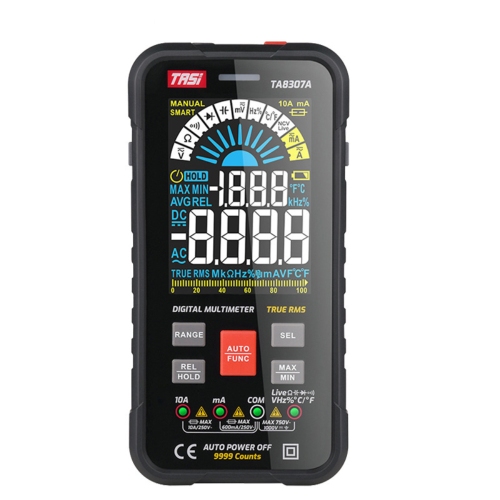
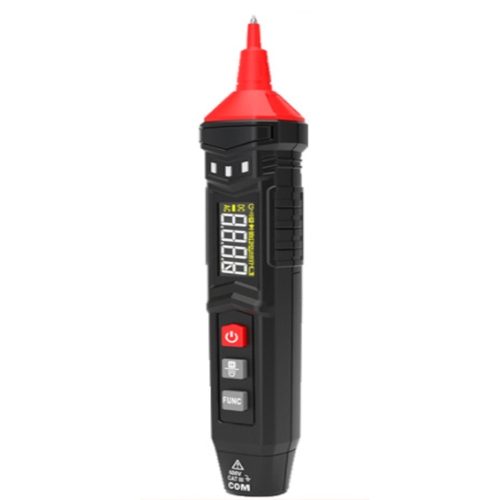
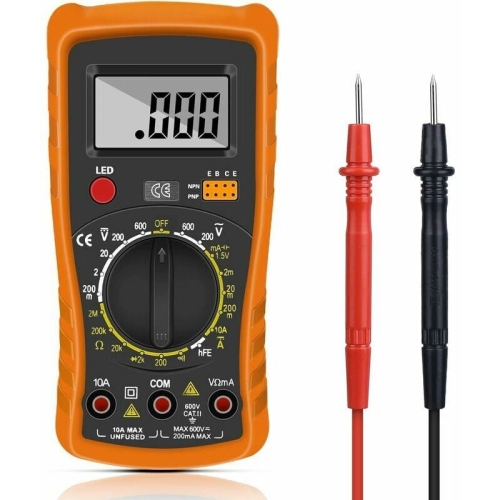
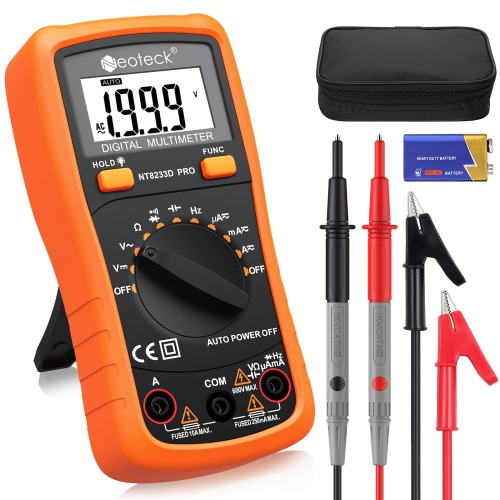
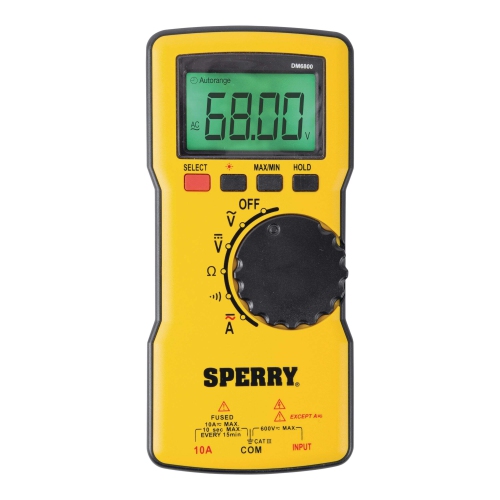
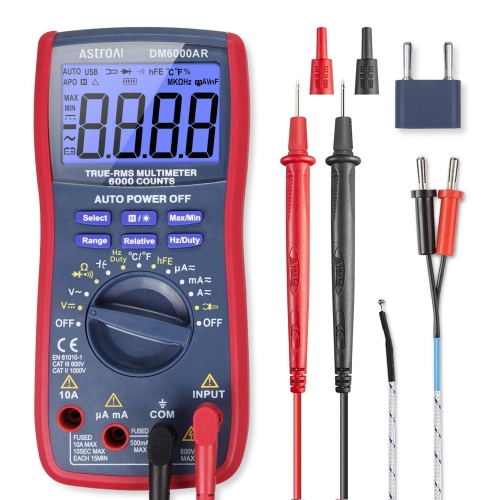
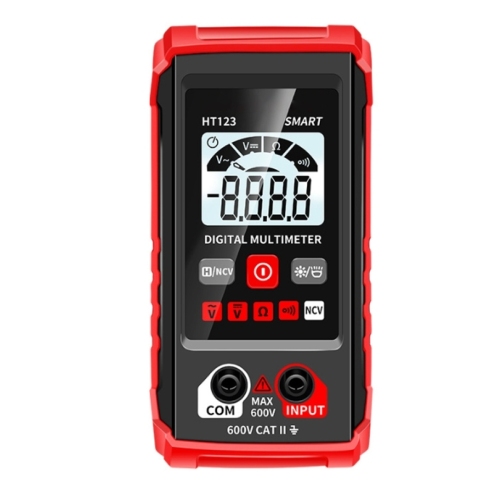
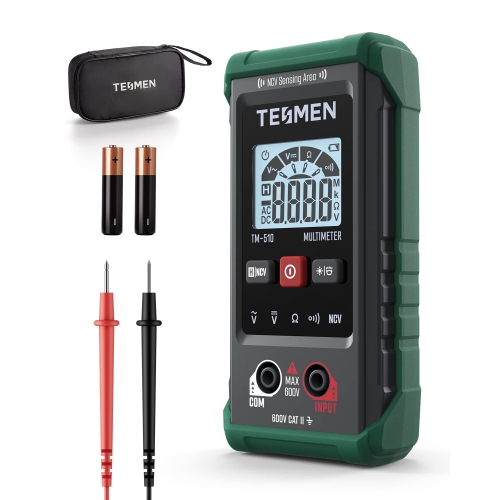
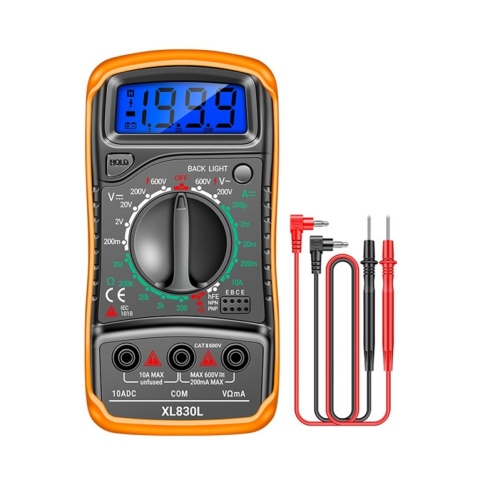
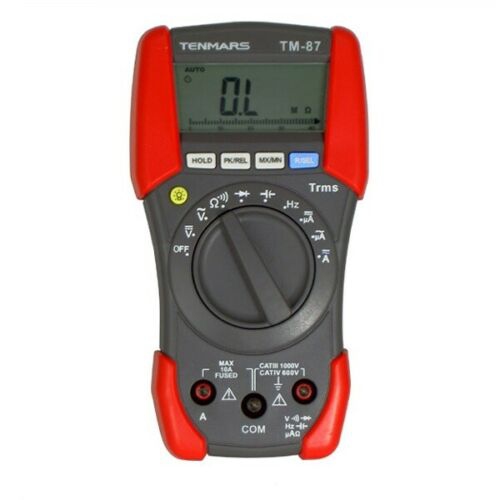
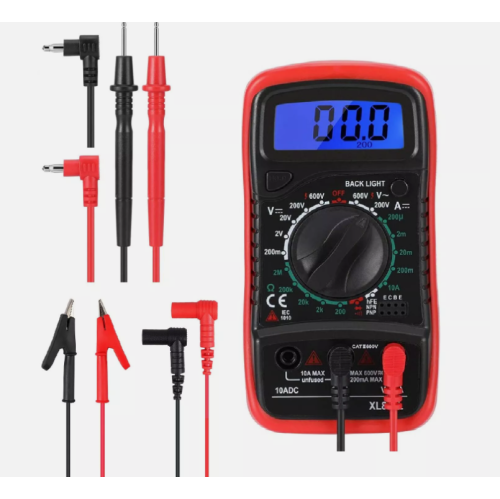
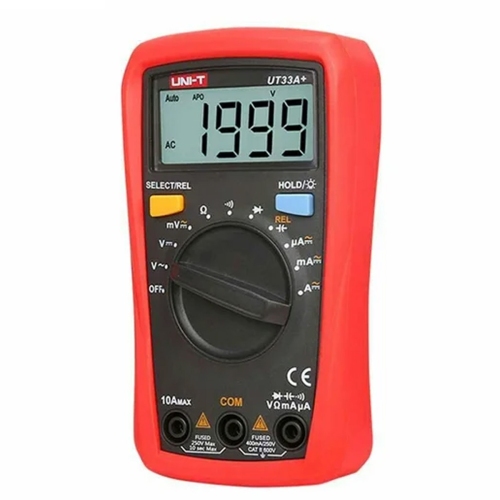
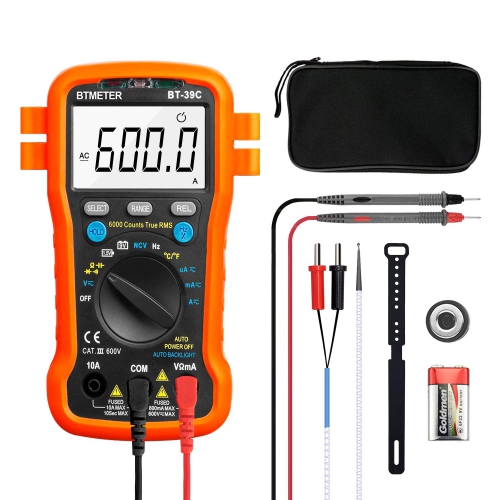
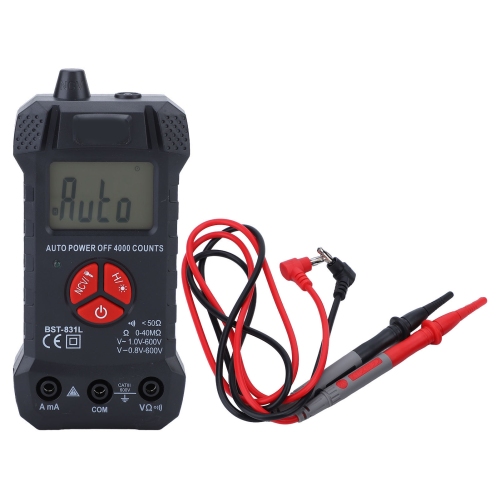
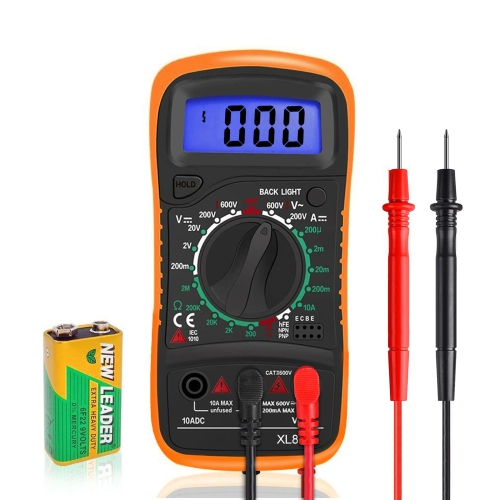
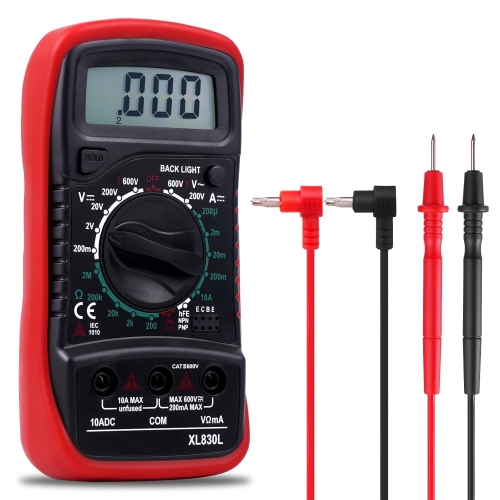
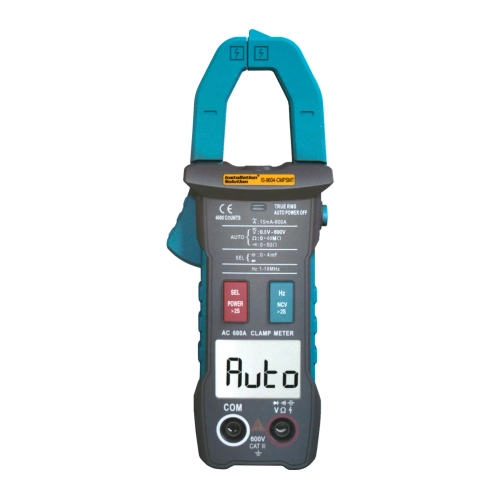
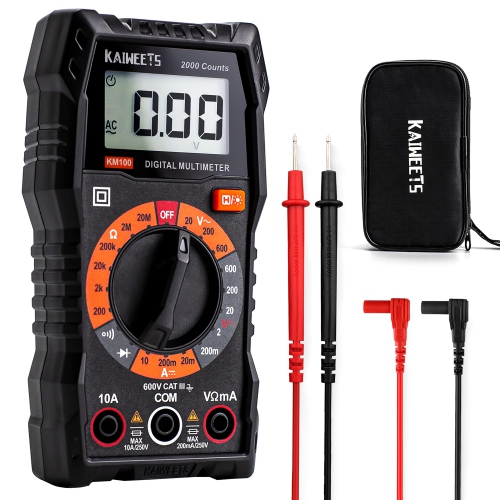
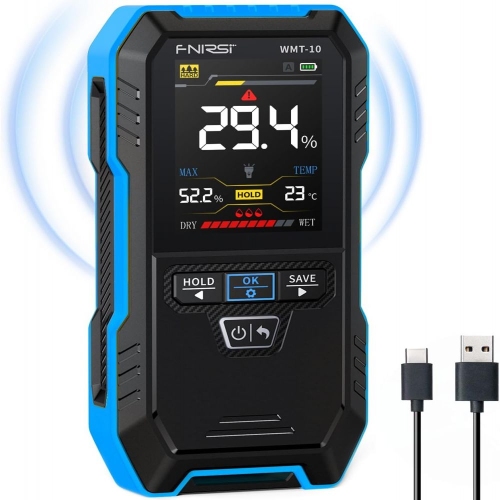
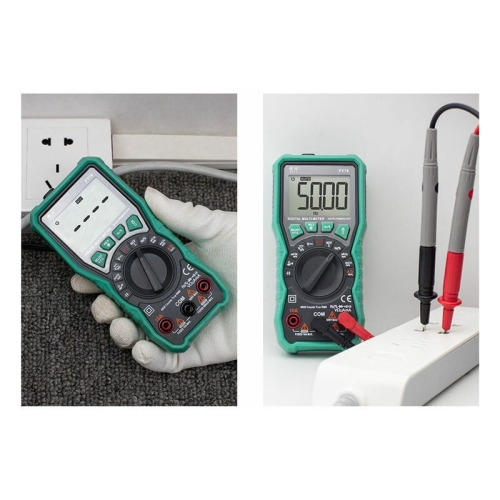
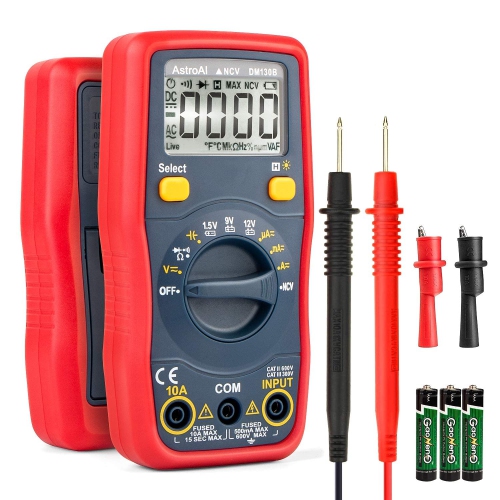
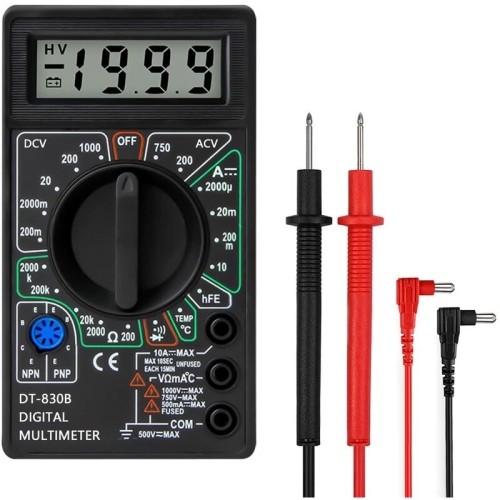
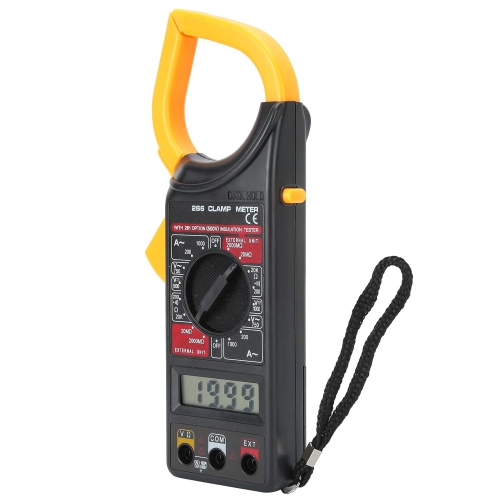
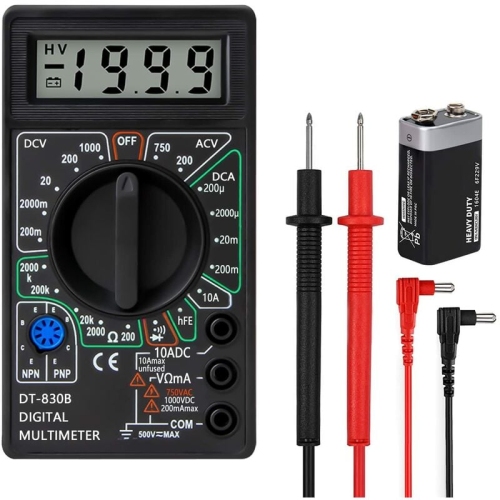
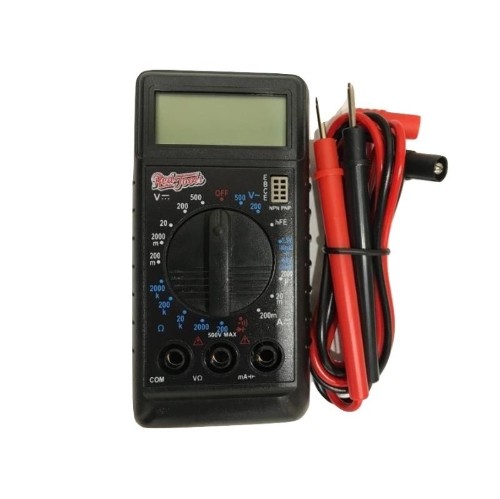
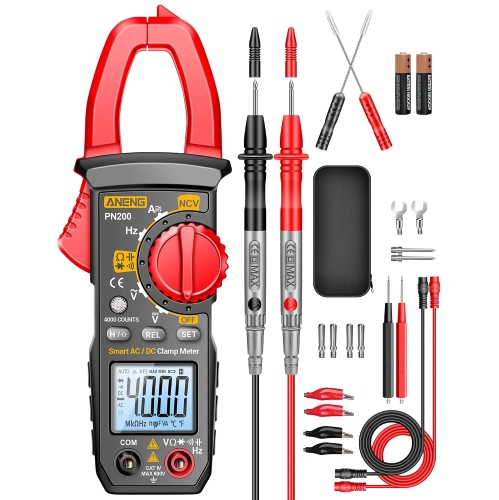
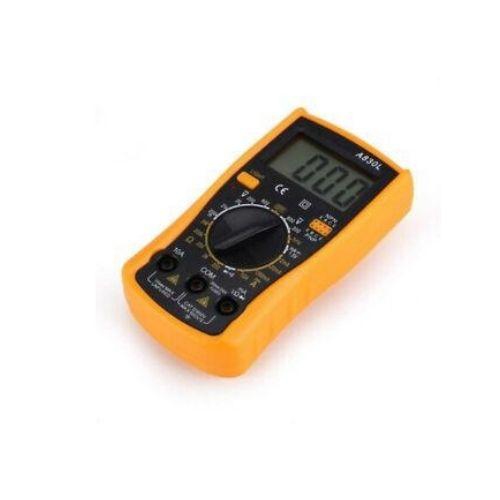
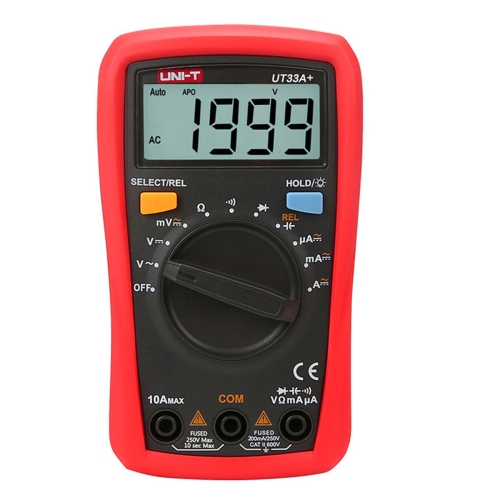
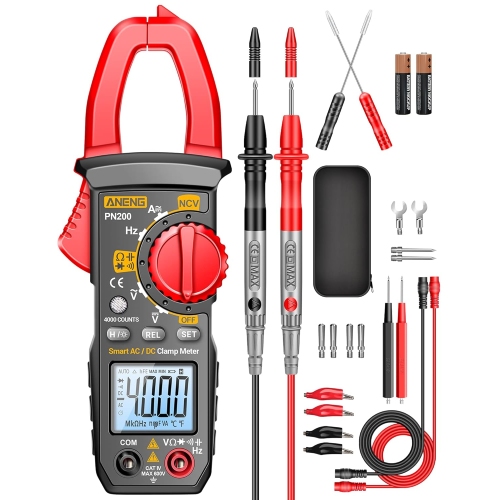
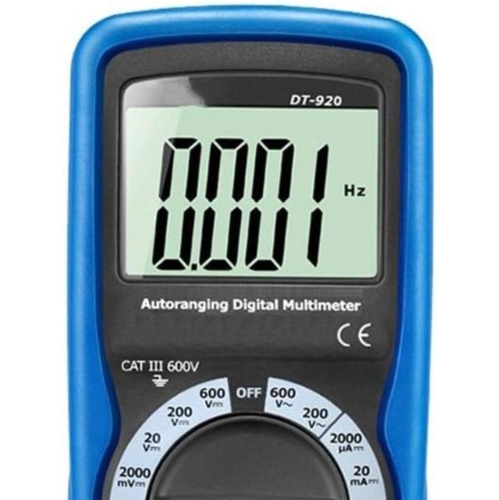
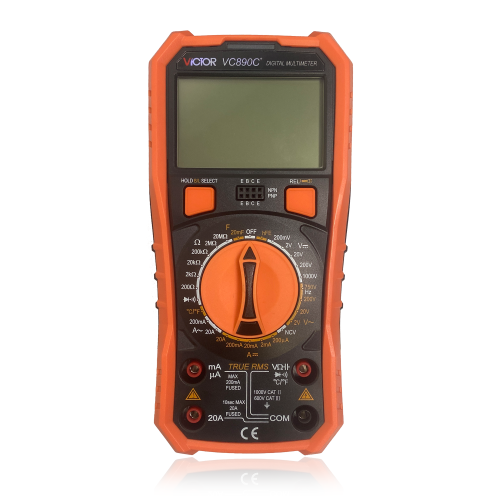
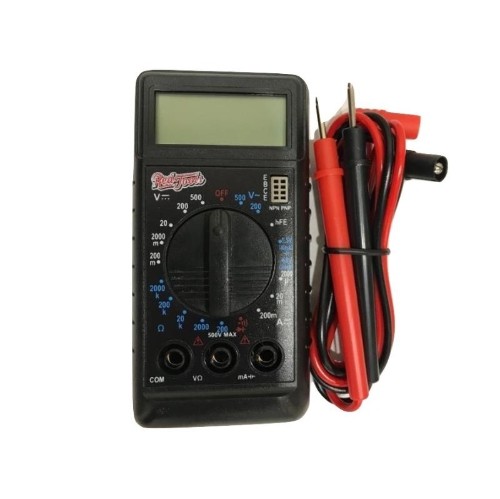
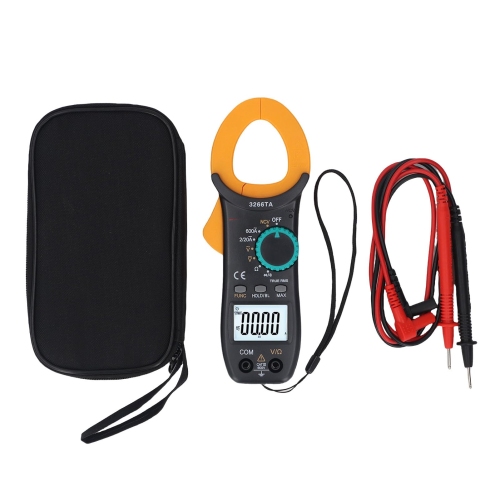
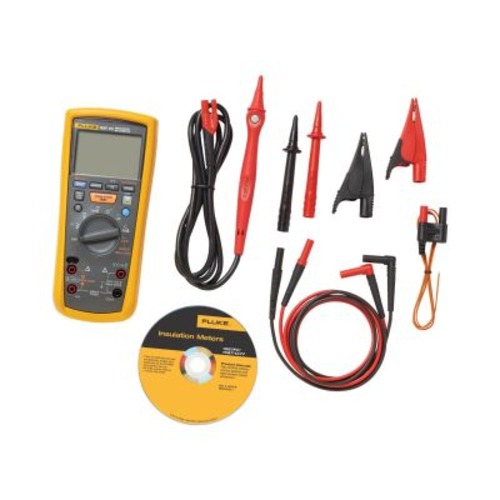
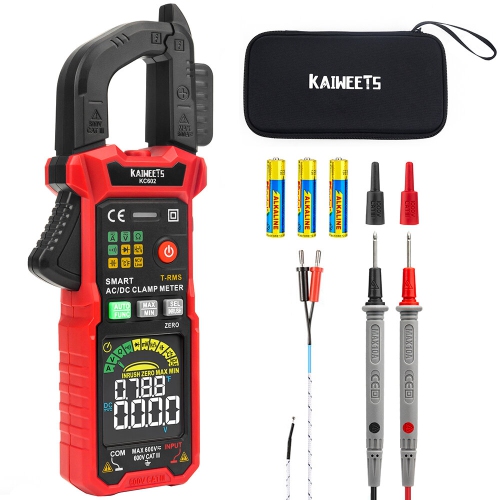
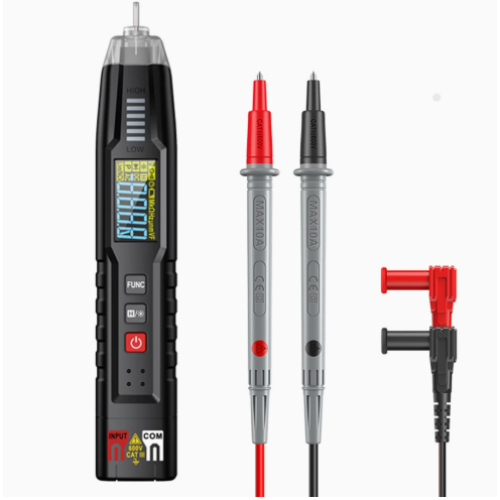
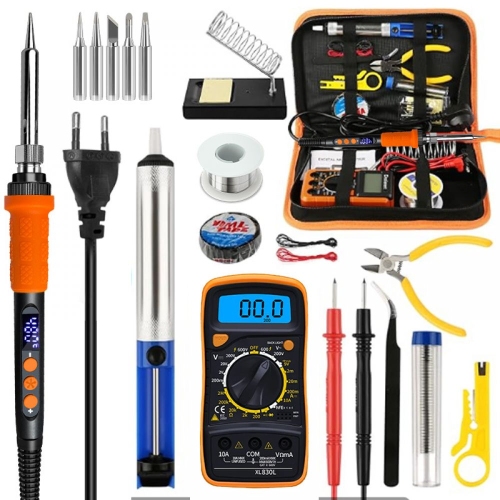
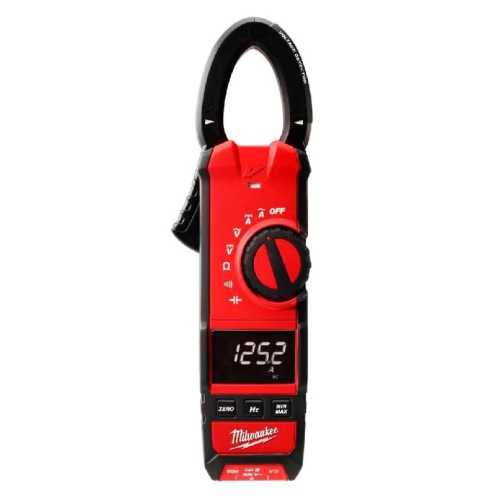
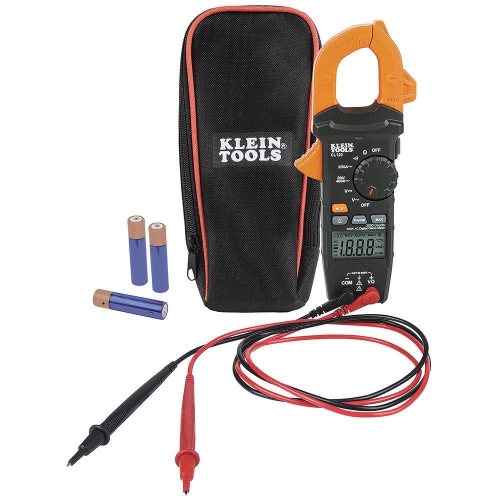
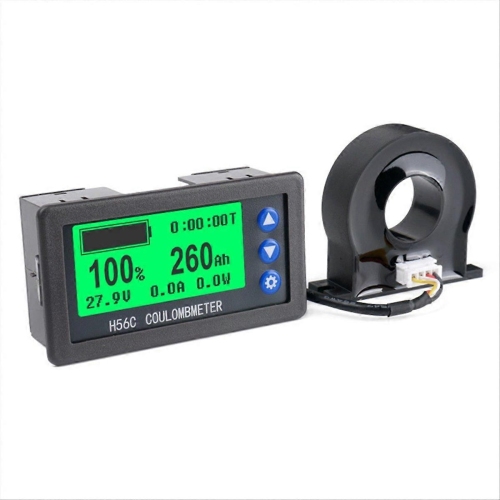
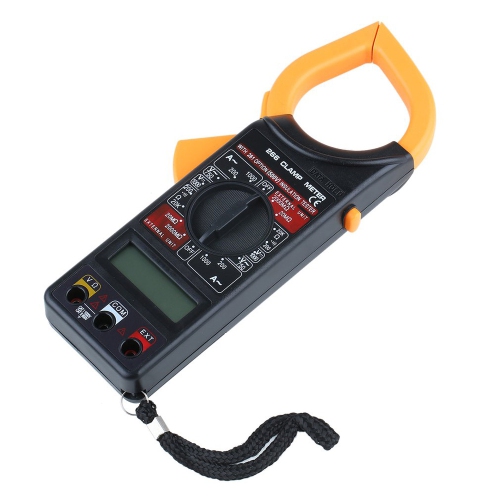
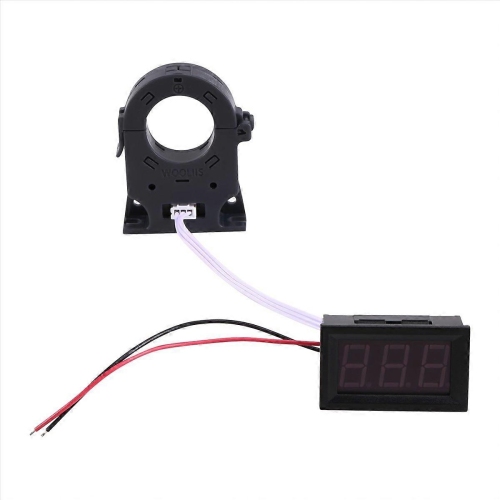
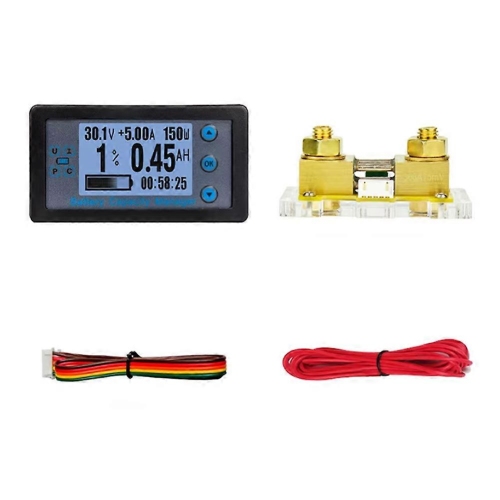
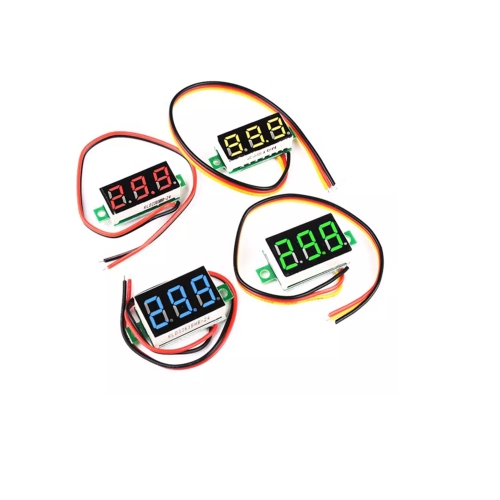
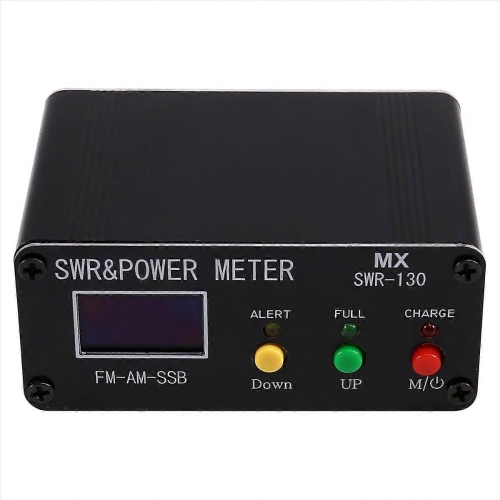
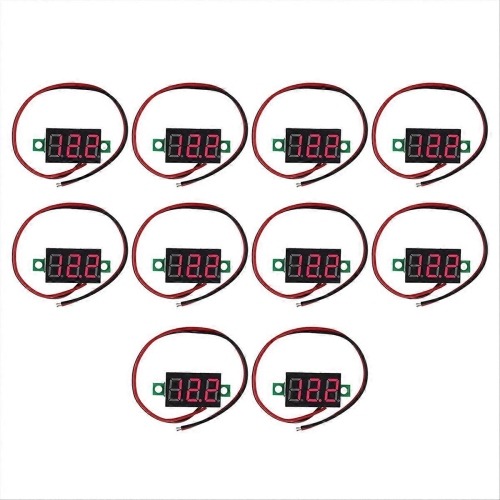
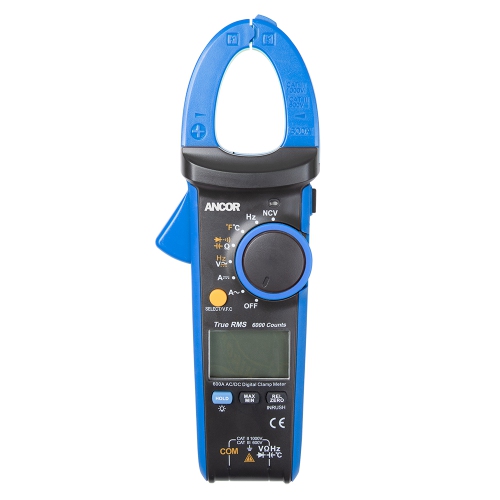
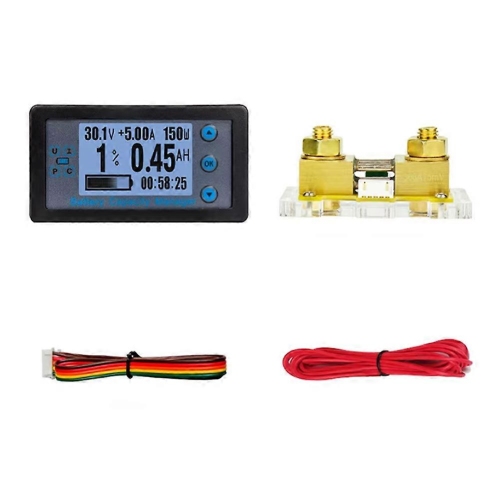
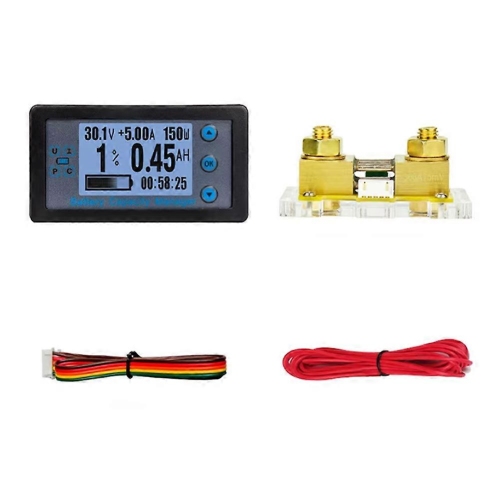
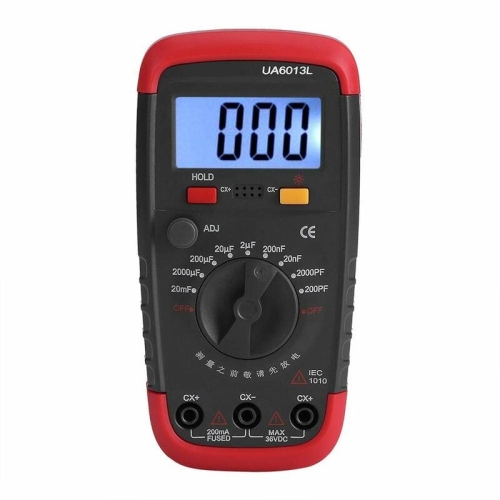
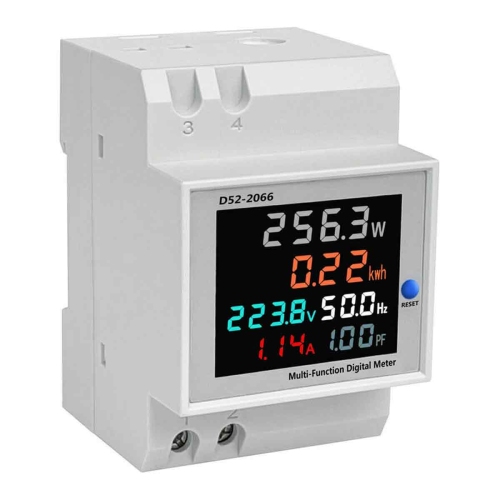
Electrical multimeters bring several essential electrical measurements into one testing tool, helping users understand what is happening inside a circuit rather than relying on appearances alone. A multimeter typically measures voltage in volts, current in amps, and resistance in ohms. Voltage describes the electrical potential difference between two points, current describes the flow of electric charge, and resistance describes how strongly a component or path opposes that flow. These measurements serve different purposes: checking the output of a DC power supply, comparing a resistor with its marked value, or investigating why a low-voltage lighting circuit has stopped working. Many digital multimeters also include continuity testing, which usually produces an audible tone when resistance falls below a set threshold. That sound can help identify an unbroken wire or a closed switch, although it does not prove that a connection will perform correctly under load. Depending on the design, additional functions may include diode testing, capacitance measurement, frequency measurement, and non-contact voltage detection. Not every meter offers every function, and a longer feature list is not necessarily more useful than a clear display and the right measurement capabilities for the task. Electrical multimeters suit a broad range of users, from electronics students working with small circuits to repair technicians and qualified electricians who need dependable readings throughout the day. For a hobbyist, the appeal may be seeing whether a battery-powered project has the expected supply voltage; for a technician, it may be narrowing down a fault without replacing working components. Digital displays make numerical readings straightforward to interpret, while analogue designs use a moving needle that can make changes easier to observe. The most suitable format depends on the work, the level of precision needed, and how comfortably the user can read and operate the instrument. A multimeter is a measurement tool, not a substitute for electrical training, particularly where household wiring or other hazardous energy sources are involved.
Measurement range, accuracy, resolution, and safety ratings are central considerations when comparing electrical multimeters. Range describes the limits of what a meter can measure, while resolution indicates the smallest change it can display at a particular setting. Accuracy describes how closely the reading should agree with the actual value under the manufacturer’s stated conditions. A higher display count can provide finer detail within a range, but it does not automatically mean greater accuracy. Auto-ranging meters select an appropriate range for the chosen measurement function, reducing dial adjustments when moving between components with different values. Manual ranging gives the user direct control, which can be useful when a steady display range matters. True RMS capability is another meaningful distinction for AC measurements: within the meter’s specified bandwidth and operating limits, it can provide more accurate readings for distorted waveforms than an average-responding meter calibrated for sine waves. Safety requires more than matching the maximum voltage printed on the case. Measurement categories, such as CAT II, CAT III, and CAT IV, relate to the electrical installation context and the transient stresses a tool is designed to withstand. The category and voltage rating must both be appropriate for the work, and the test leads and accessories must also carry suitable ratings. The lowest-rated component limits the assembled testing setup. Current inputs need particular attention because direct current measurement routes current through the meter and uses different connections from voltage measurement; incorrect connections can create a short circuit. Input protection, correctly specified fuses, clear terminal markings, and warnings for misplaced leads can all matter in daily use. Resistance and continuity testing belong on de-energized circuits, with stored energy safely discharged according to the equipment instructions. A non-contact voltage feature can offer a preliminary indication, but it cannot establish that a circuit is safe to touch. Work involving mains electricity is best left to someone with the appropriate training, procedures, and protective equipment.
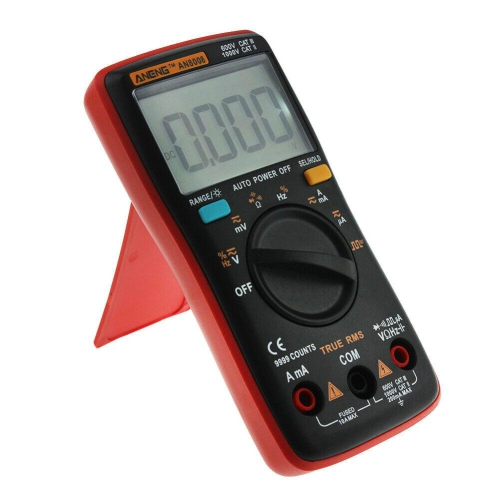
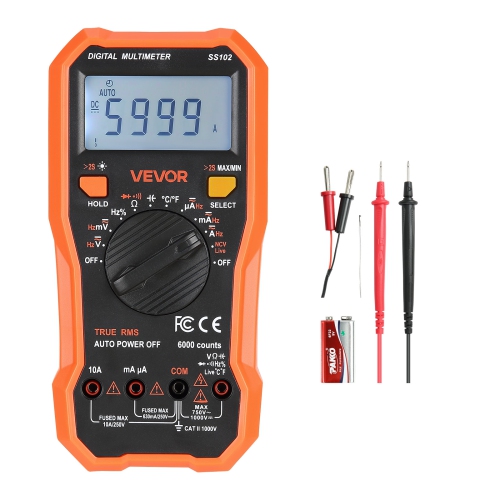
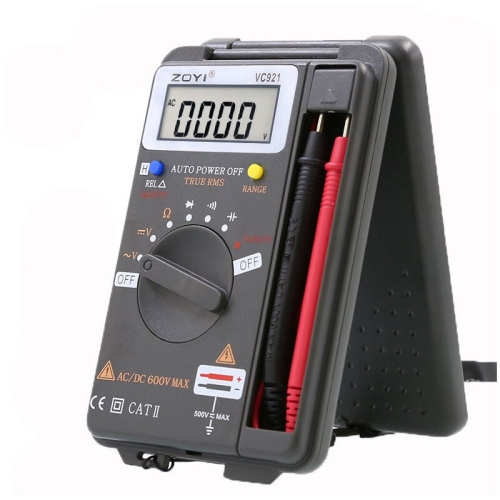
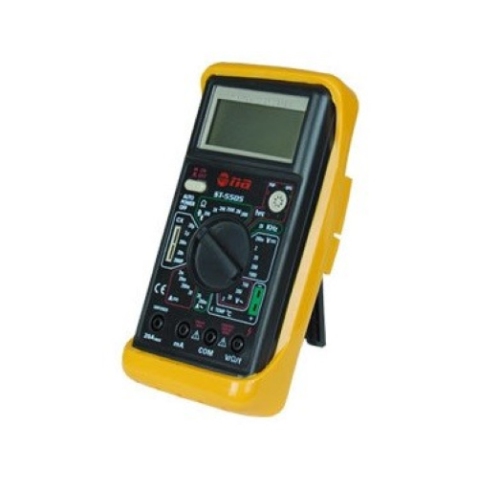
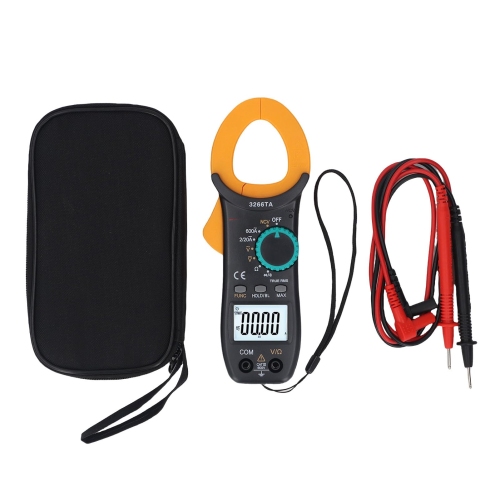
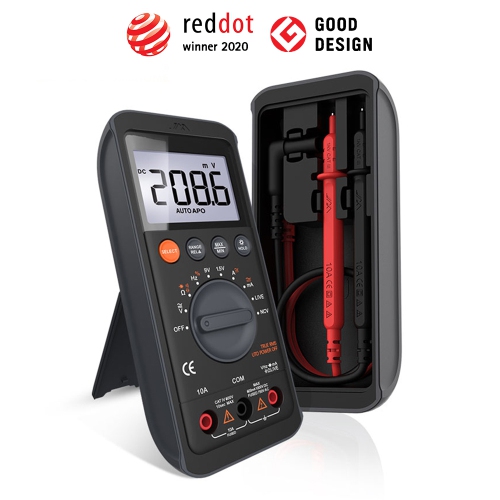
Physical design makes a noticeable difference when a multimeter moves between a bench, a tool bag, and a service call. A rigid housing with a protective rubberized holster can improve grip and cushion everyday knocks, while a stable fold-out stand keeps the display visible beside a circuit under test. These details are useful when both hands are occupied with probes, although a protective cover should never be treated as proof of impact resistance or electrical protection beyond the stated specifications. A well-spaced selector dial, distinct function markings, and accessible buttons make operation less awkward, especially during repetitive checks. Large digits, a backlit screen, and a data-hold function can make readings easier to capture when the display is difficult to see, provided the user understands when a value has been held rather than updated. Test leads deserve as much attention as the meter itself. Flexible insulation, comfortable probe handles, finger guards, and appropriately shielded tips contribute to controlled handling; lead length should suit the workspace without leaving unnecessary loops across the bench. Clip accessories can support stable connections on suitable de-energized setups before testing begins, subject to their ratings and the required safety procedures. For vehicle-focused diagnostics, Automotive Multimeters relate more closely to tasks such as checking low-voltage battery systems, wiring continuity, and sensor signals; electric and hybrid vehicle high-voltage systems require specialized equipment and training. For electronics work, fine measurement resolution and suitable low-current ranges may matter more than features aimed at building wiring. A multimeter can also make a thoughtful gift for an electronics student or an experienced hobbyist when its capabilities match their projects and skill level. Long-term care is straightforward but important: inspect the case and lead insulation before use, keep connectors clean and dry, and store probes so their tips and cables are protected. Follow the manufacturer’s cleaning directions, replace batteries and fuses only with the specified types, and arrange calibration when the application or quality requirements call for it. A damaged housing, exposed lead conductor, or unreliable selector is a reason to stop using the tool, not simply an inconvenience to work around.
Top selling and popular products
-
 Your price for this item is $279
-
 Your price for this item is $150
-
 Your price for this item is $124.99
-
 Your price for this item is $124.55
-
 Your price for this item is $76.35
-
 Your price for this item is $60.99
-
 Your price for this item is $64.99
-
 Your price for this item is $89.99
Discover more categories related to Electrical Multimeters
Top Collections:
Pokemon Centers, Kindle Devices, Best Budget Office Chairs, Canon G7X Cameras, Apple iPhones 16, Samsung Galaxy Phones, Refurbished Apple Laptops, Laptops for Students, iPhone 15 Apple, Budget Smartphones
Some products may be subject to Environmental Handling Fees
(EHF) depending on your province.
Learn more about EHFs.