Dining Chairs With Arms
Upgrade your dining experience with our selection of dining chairs with arms. These stylish and functional chairs are designed to add a touch of elegance and comfort to your dining room. Whether you're hosting a formal dinner party or enjoying a casual family meal, our collection offers a range of options to suit your style and needs. From sleek modern designs to classic and timeless styles, you'll find the perfect dining chairs with arms to complement your existing decor. Explore our wide range of options and elevate your dining space today.
Sort

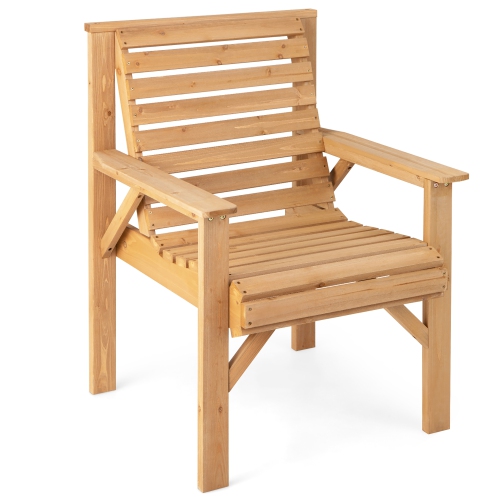
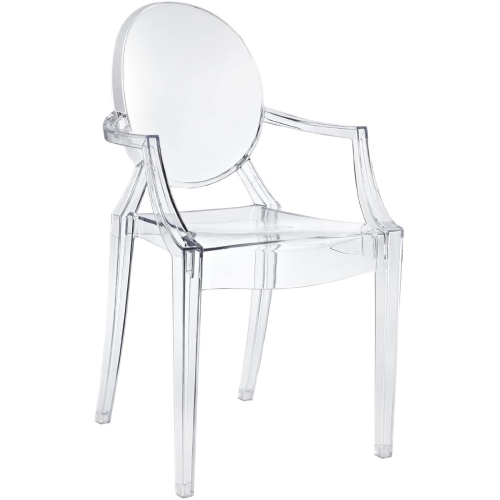

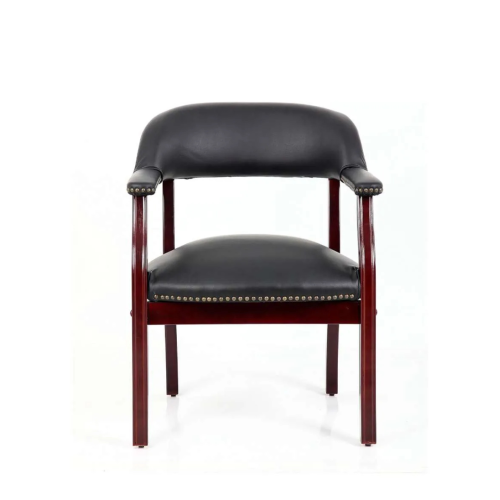
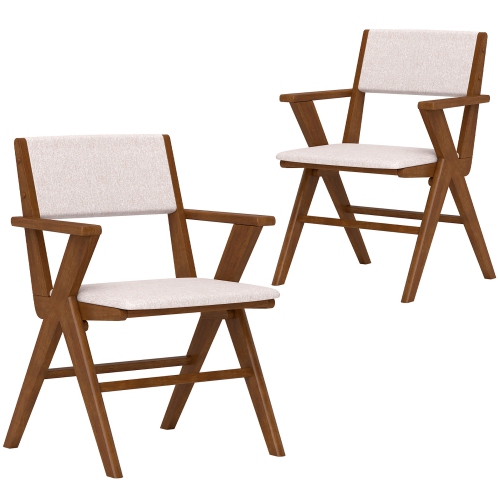
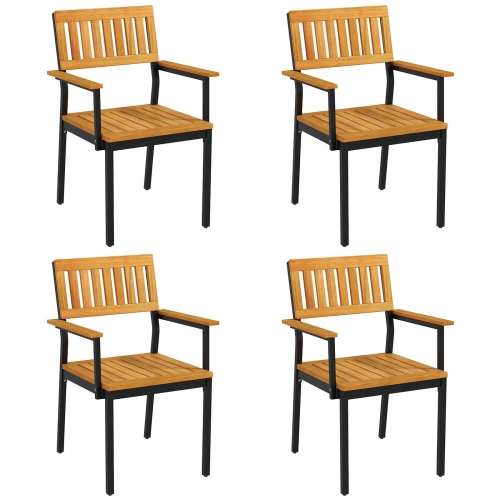
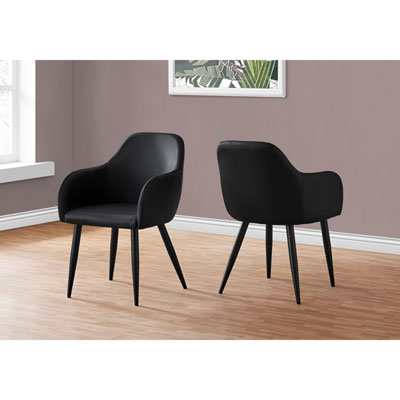
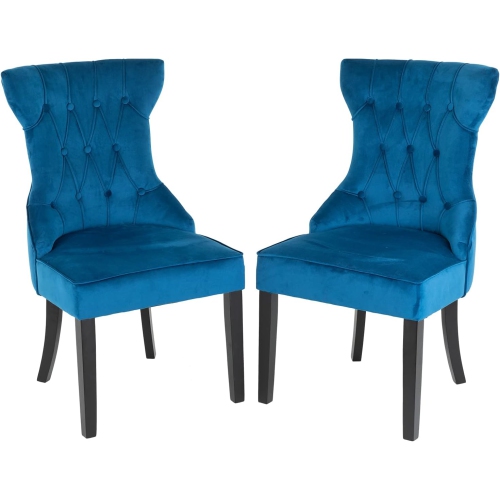
![NICER INTERIOR Hans Wegner Contemporary Arm Chair - [ Set Of 1 ]](https://multimedia.bbycastatic.ca/multimedia/products/500x500/105/10528/10528965.jpg)
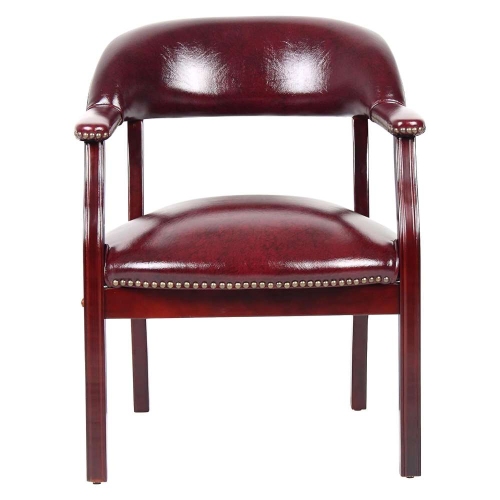
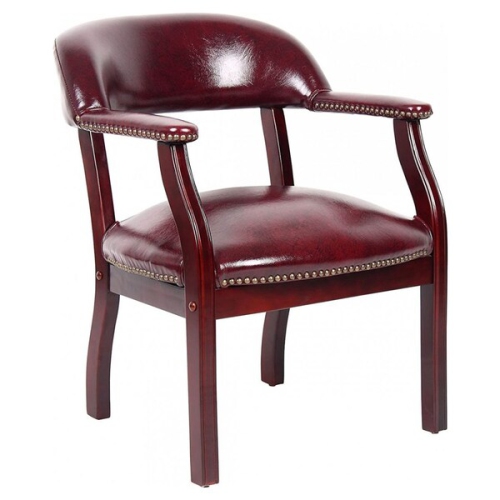



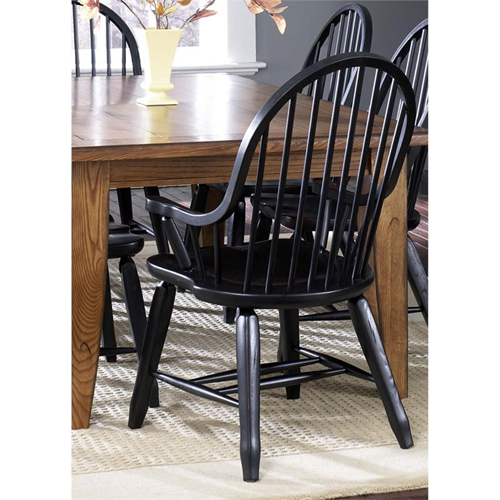
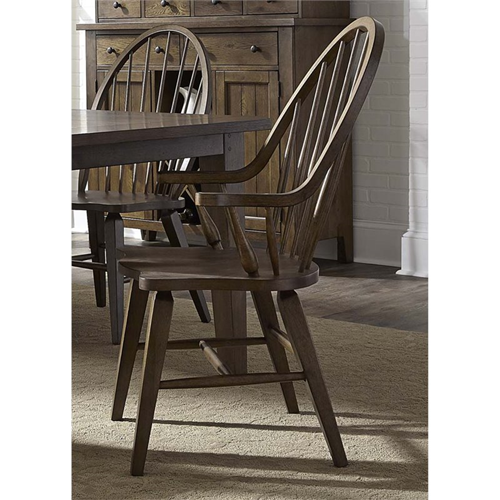
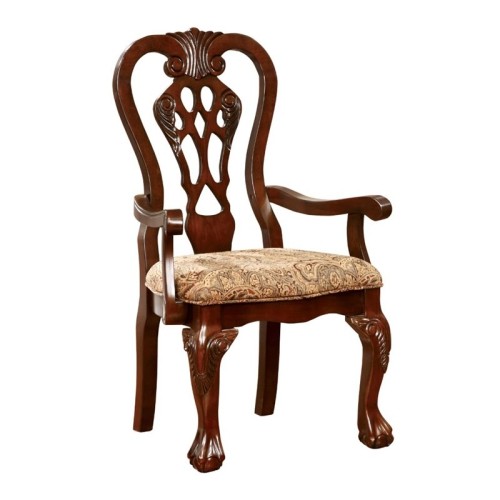
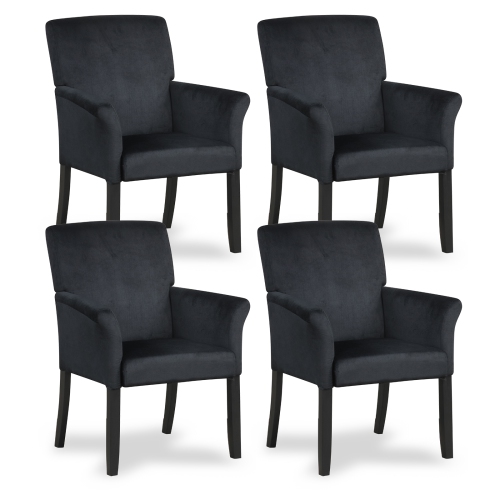



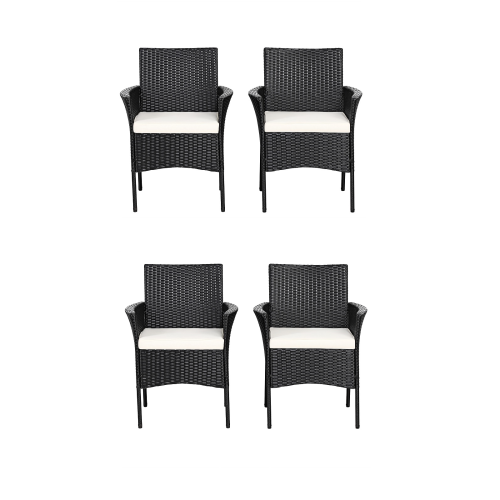
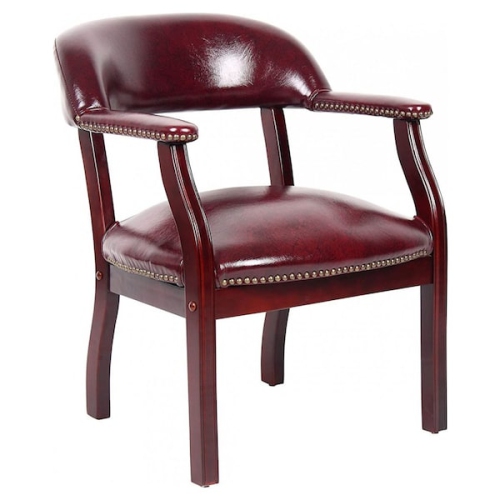
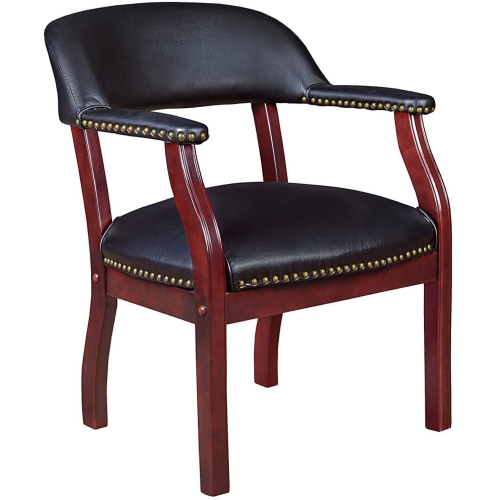
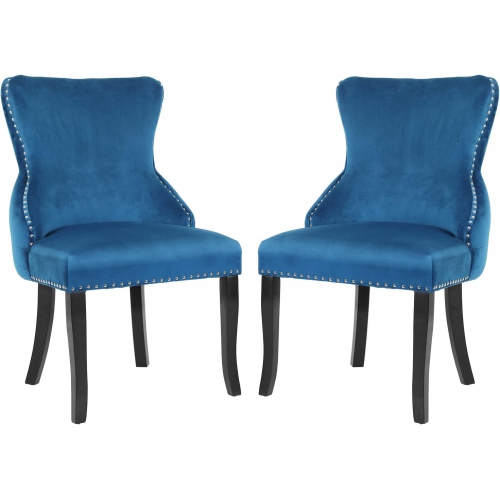
![NICER INTERIOR Hans Wegner Contemporary Arm Chair - [ Set Of 1 ]](https://multimedia.bbycastatic.ca/multimedia/products/500x500/148/14869/14869697.jpg)
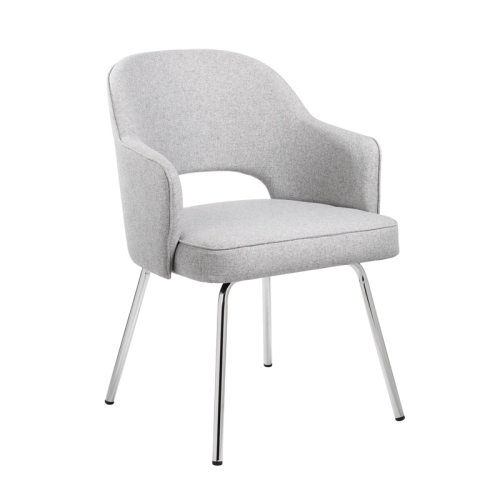
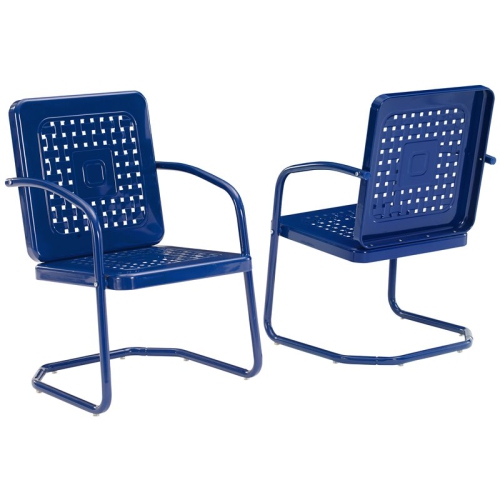
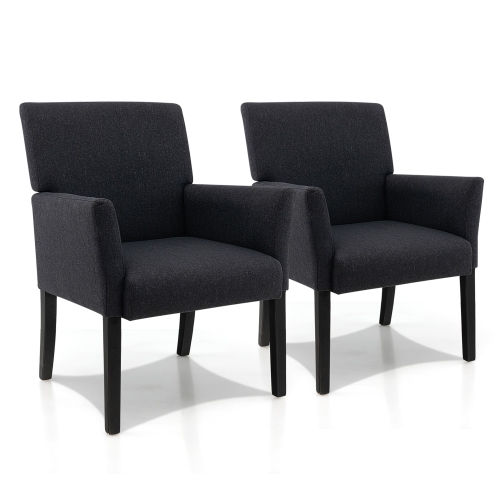
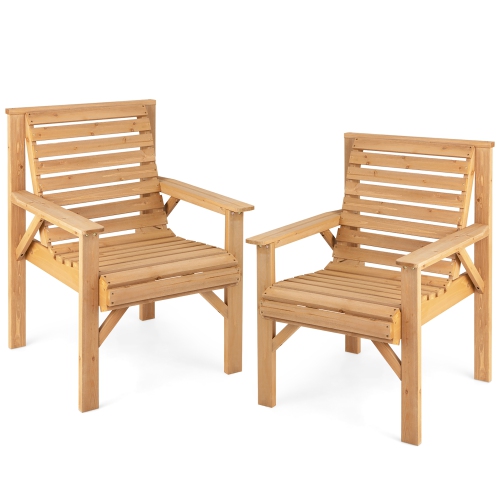
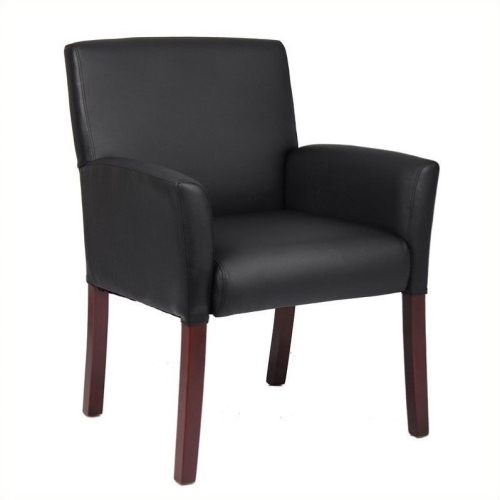
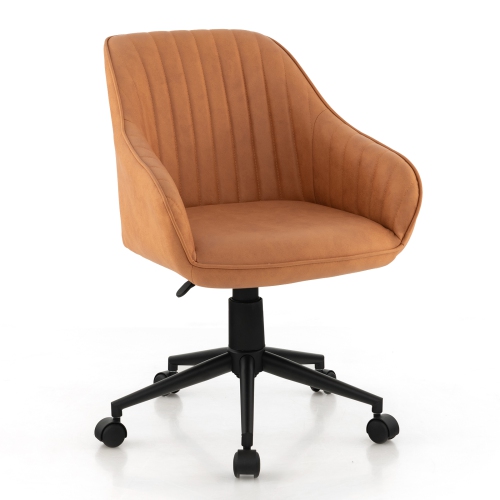
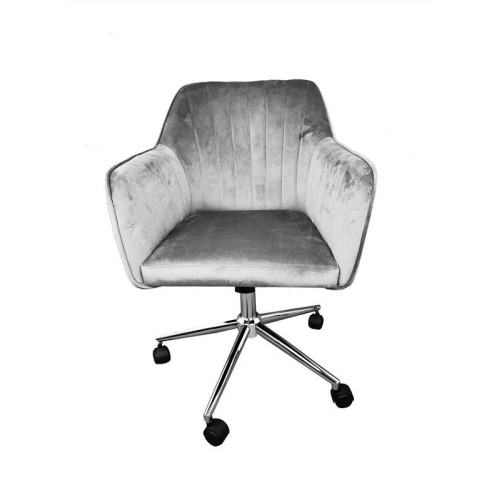
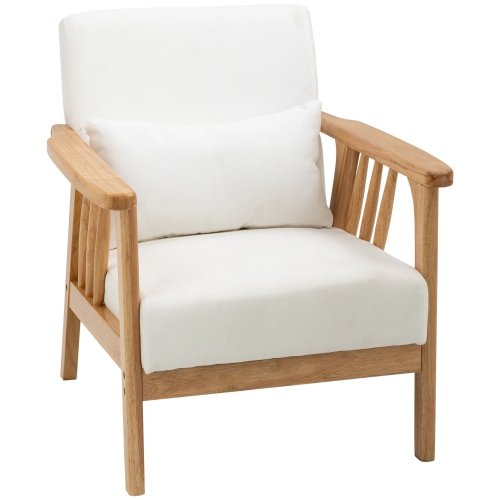
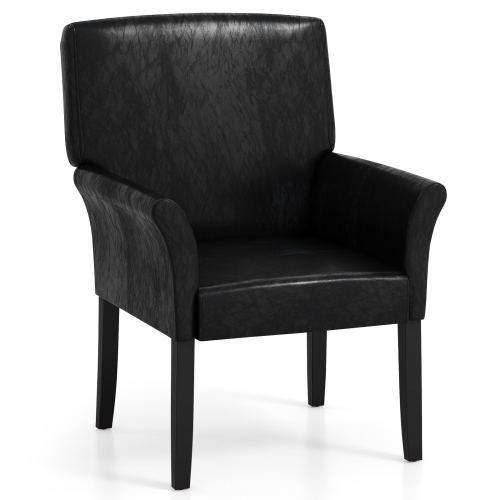
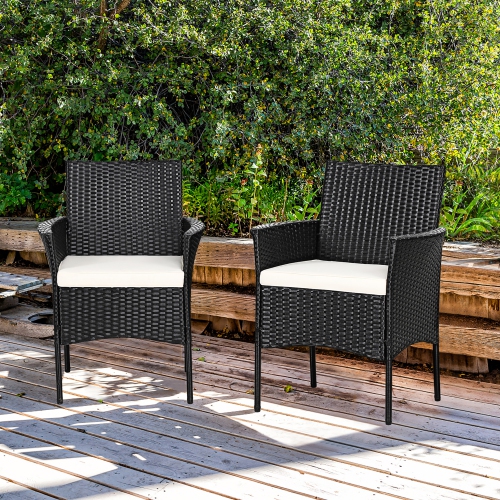
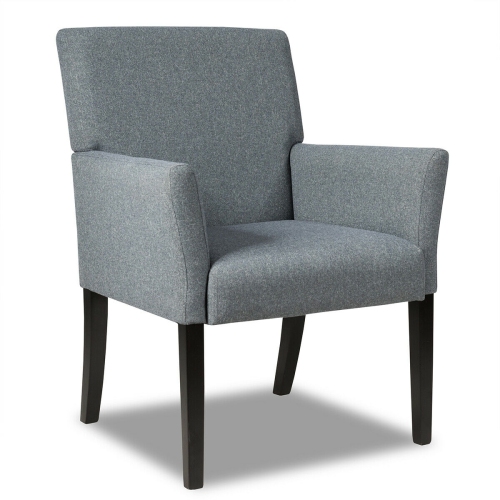
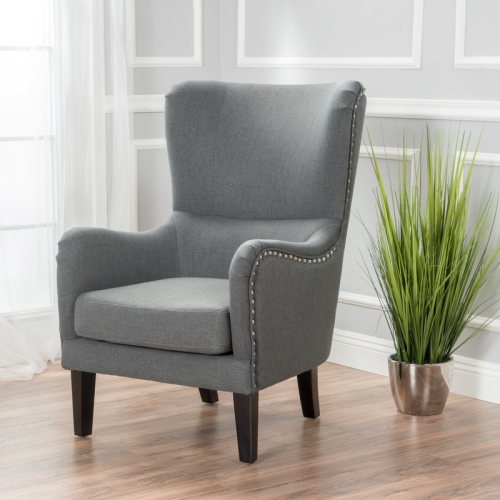
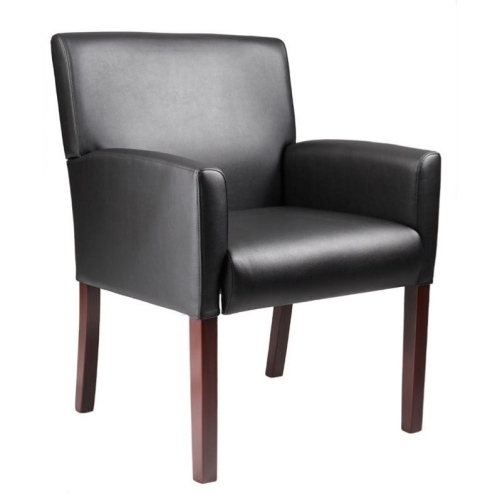
Comfort at the table starts with the right fit
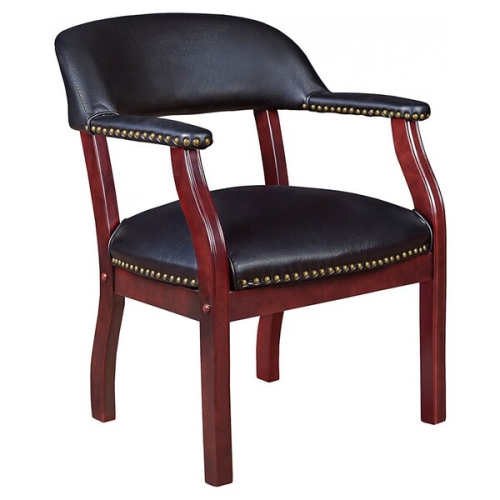
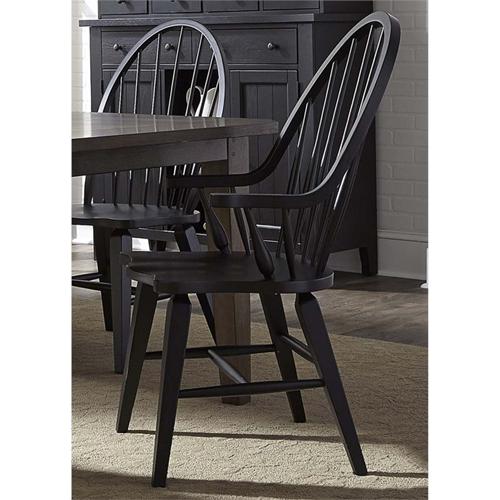
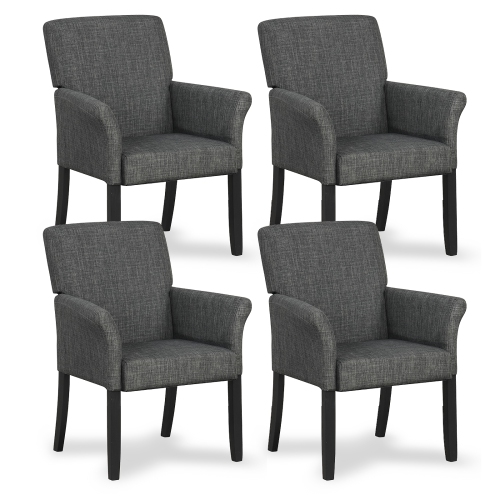
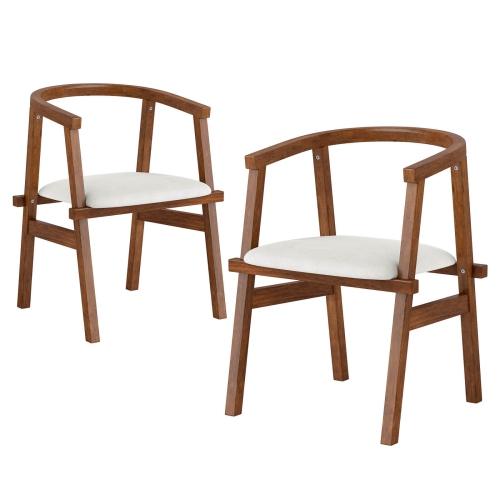
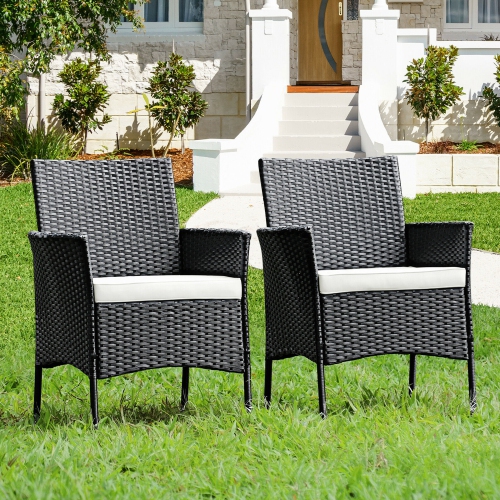
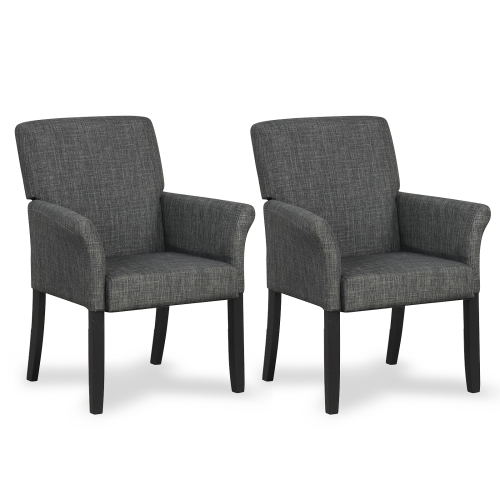
Dining chairs with arms bring a more settled, supportive feel to the table, giving people a place to rest their forearms during meals, conversation, and everyday activities. Their slightly more substantial shape can make a dining area feel inviting without requiring the space of a lounge chair. They suit everything from a dedicated dining room to a kitchen table that also serves as a spot for homework, puzzles, or a leisurely cup of coffee. At a rectangular table, armchairs at either end can frame a set of armless side chairs; around a round table, matching armchairs create a consistent look from every angle. The right fit depends on more than the width of the seat. Overall chair width, including the arms, determines how many places can sit comfortably together, while the distance between the arms affects how roomy the seat feels. Arm height also matters: a chair may fit beneath the tabletop but catch on the apron, the frame that runs below the table’s edge. Enough clearance lets chairs tuck in neatly and keeps walkways open between meals. Seat height should leave comfortable space for the sitter’s thighs, and seat depth should allow the back to rest against the backrest without the front edge pressing behind the knees. Thick cushions can change that relationship as they compress under weight. For a smaller dining nook, slim arms and an open back can offer support with less visual bulk. In a larger room, a broader upholstered chair may feel better balanced beside a substantial table. Space behind each chair is just as important as space beneath it, particularly where someone needs to pass while others remain seated. Arms can provide a useful resting point, but their presence alone does not establish that a chair is suitable for assisted transfers or other mobility needs; stability, dimensions, and the intended use all matter.
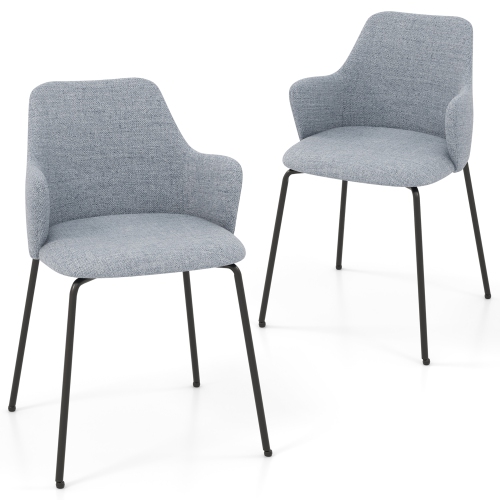
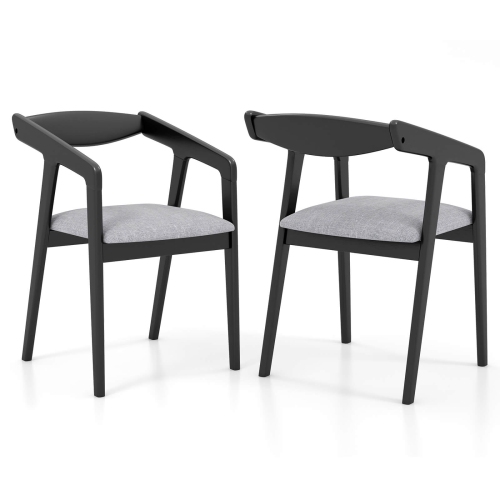
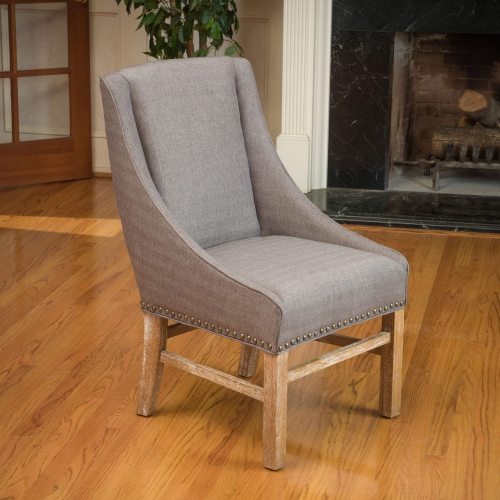
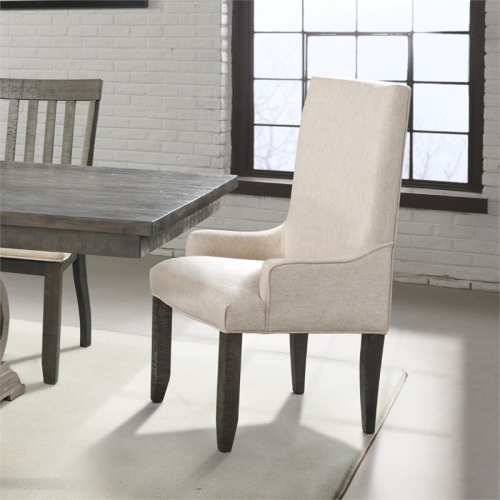
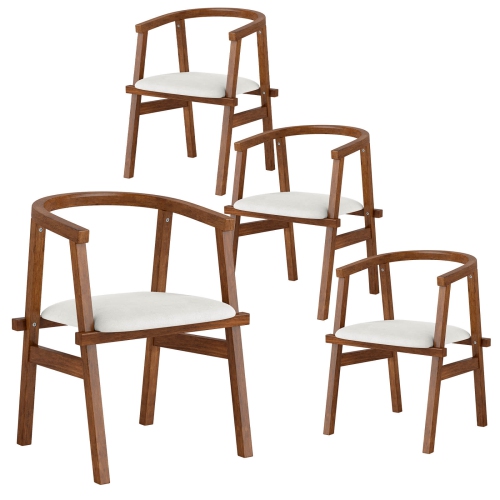
Materials shape both the appearance and the day-to-day feel of dining armchairs. Wood frames can bring visible grain, subtle tonal variation, and a familiar sense of warmth to the dining area. A shaped wooden seat offers a firmer sitting surface, while a padded seat softens the feel without necessarily covering the frame. For a table setting centred on natural grain and defined frame lines, Wood Dining Armchairs offer a focused way to explore that style. Different wood finishes can sit comfortably together when they share an undertone or when the contrast looks deliberate, such as a dark chair frame beside a lighter tabletop. Metal frames tend to create a more streamlined outline and can pair well with glass, wood, or stone-look tables. Their practical qualities depend on construction, finish, and joint design rather than appearance alone. Upholstered dining chairs introduce another layer of texture, from smooth, tightly woven fabric to more pronounced weaves that give a plain room depth. Lighter colours can make a generous chair feel less imposing, while deeper shades may create a clear outline against pale walls and flooring. Fabric texture is worth considering alongside colour: a raised weave can feel inviting but may catch crumbs more readily than a flatter surface. Leather and synthetic upholstery have distinct care requirements, and neither should be assumed to tolerate every cleaning method simply because the surface looks wipeable. Open-backed chairs preserve sightlines across a compact room, while fuller backs create a more enclosed seat. Curved arms can soften the lines of a square table, and straight arms can echo a room’s crisp geometry. Matching every finish is not essential. Repeating a frame colour, upholstery tone, or curve elsewhere in the room can give a mixed dining set a coherent appearance. The most useful balance is between the look of the chair, the support it provides, and how naturally it works with the table already in place.
Daily routines often reveal which details matter most in dining chairs with arms. In a busy household, seats with accessible seams and straightforward cleaning requirements can make the aftermath of breakfast or a shared craft project easier to manage. Upholstery care labels and manufacturer instructions are the starting point for cleaning, since fabrics that look similar may require different treatments. Promptly blotting a spill rather than rubbing it helps limit spreading, and testing an approved cleaner on a hidden area reduces the chance of an obvious mark. Regular vacuuming with a suitable upholstery attachment can lift crumbs from the meeting point of the seat and back. Wood and metal frames generally benefit from gentle cleaning suited to their finish, with excess moisture removed rather than left around joints. Arm tops deserve attention because they receive frequent contact from hands and sleeves. Durability also depends on how the chair is built and used: sound joints, secure fasteners, and an appropriate stated weight capacity matter more than a heavy-looking frame. On designs that require assembly, properly tightened hardware helps maintain stability, and periodic checks can catch loosening before it becomes noticeable during a meal. Suitable floor protectors can limit scuffing and reduce scraping sounds, though they need to match the flooring and remain free of trapped grit. Chair weight is another practical consideration when seats move often for cleaning or when different household members pull them in and out throughout the day. A swivel design may ease turning towards the table, but it still needs room for the arms to rotate without striking neighbouring furniture. For people who regularly gather around the table for board games or conversation, a supportive back and comfortable arm position may be especially valuable. For occasional hosting, a less bulky frame can be easier to reposition. Dining armchairs can also provide an extra seat in a living area when needed, although their upright proportions remain designed around table use. Thoughtful proportions, appropriate materials, and manageable care help these chairs feel like a natural part of daily life rather than furniture reserved only for company.
Materials shape both the appearance and the day-to-day feel of dining armchairs. Wood frames can bring visible grain, subtle tonal variation, and a familiar sense of warmth to the dining area. A shaped wooden seat offers a firmer sitting surface, while a padded seat softens the feel without necessarily covering the frame. For a table setting centred on natural grain and defined frame lines, Wood Dining Armchairs offer a focused way to explore that style. Different wood finishes can sit comfortably together when they share an undertone or when the contrast looks deliberate, such as a dark chair frame beside a lighter tabletop. Metal frames tend to create a more streamlined outline and can pair well with glass, wood, or stone-look tables. Their practical qualities depend on construction, finish, and joint design rather than appearance alone. Upholstered dining chairs introduce another layer of texture, from smooth, tightly woven fabric to more pronounced weaves that give a plain room depth. Lighter colours can make a generous chair feel less imposing, while deeper shades may create a clear outline against pale walls and flooring. Fabric texture is worth considering alongside colour: a raised weave can feel inviting but may catch crumbs more readily than a flatter surface. Leather and synthetic upholstery have distinct care requirements, and neither should be assumed to tolerate every cleaning method simply because the surface looks wipeable. Open-backed chairs preserve sightlines across a compact room, while fuller backs create a more enclosed seat. Curved arms can soften the lines of a square table, and straight arms can echo a room’s crisp geometry. Matching every finish is not essential. Repeating a frame colour, upholstery tone, or curve elsewhere in the room can give a mixed dining set a coherent appearance. The most useful balance is between the look of the chair, the support it provides, and how naturally it works with the table already in place.
Daily routines often reveal which details matter most in dining chairs with arms. In a busy household, seats with accessible seams and straightforward cleaning requirements can make the aftermath of breakfast or a shared craft project easier to manage. Upholstery care labels and manufacturer instructions are the starting point for cleaning, since fabrics that look similar may require different treatments. Promptly blotting a spill rather than rubbing it helps limit spreading, and testing an approved cleaner on a hidden area reduces the chance of an obvious mark. Regular vacuuming with a suitable upholstery attachment can lift crumbs from the meeting point of the seat and back. Wood and metal frames generally benefit from gentle cleaning suited to their finish, with excess moisture removed rather than left around joints. Arm tops deserve attention because they receive frequent contact from hands and sleeves. Durability also depends on how the chair is built and used: sound joints, secure fasteners, and an appropriate stated weight capacity matter more than a heavy-looking frame. On designs that require assembly, properly tightened hardware helps maintain stability, and periodic checks can catch loosening before it becomes noticeable during a meal. Suitable floor protectors can limit scuffing and reduce scraping sounds, though they need to match the flooring and remain free of trapped grit. Chair weight is another practical consideration when seats move often for cleaning or when different household members pull them in and out throughout the day. A swivel design may ease turning towards the table, but it still needs room for the arms to rotate without striking neighbouring furniture. For people who regularly gather around the table for board games or conversation, a supportive back and comfortable arm position may be especially valuable. For occasional hosting, a less bulky frame can be easier to reposition. Dining armchairs can also provide an extra seat in a living area when needed, although their upright proportions remain designed around table use. Thoughtful proportions, appropriate materials, and manageable care help these chairs feel like a natural part of daily life rather than furniture reserved only for company.
Top selling and popular products
-
 Your price for this item is $210.99
 -
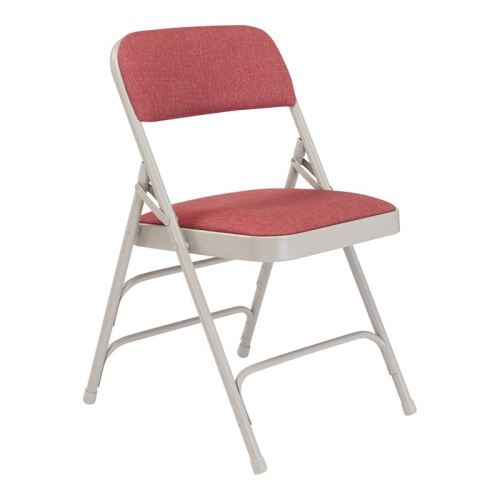 Your price for this item is $399.16
 -
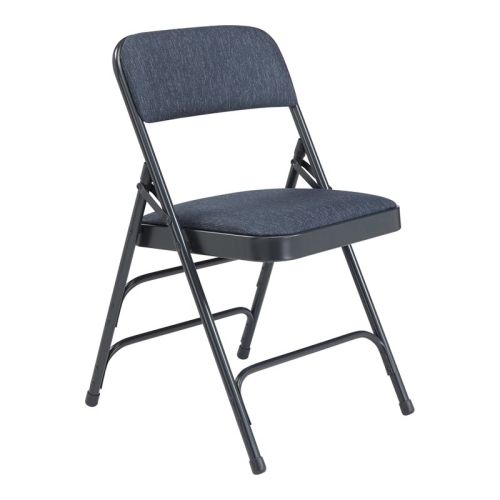 Your price for this item is $413.92
 -
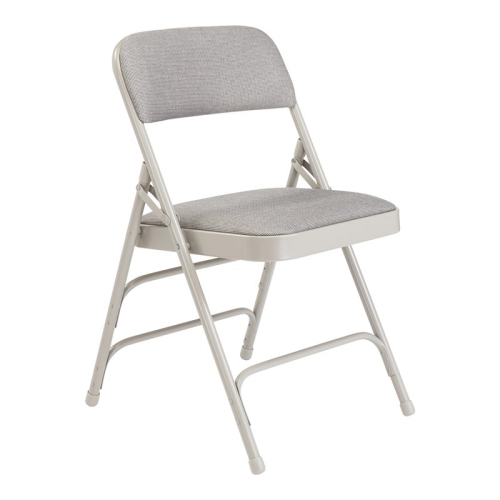 Your price for this item is $395.27
 -
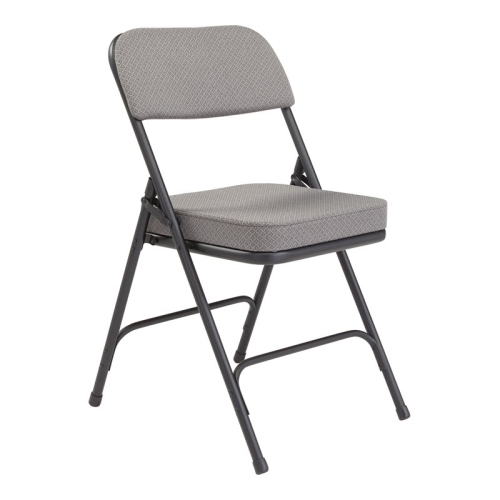 Your price for this item is $282.44
 -
 Your price for this item is $279.98
 -
 Your price for this item is $278.44
 -
 Your price for this item is $409.5
Discover more categories related to Dining Chairs With Arms
Top Collections:
Pokemon Centers, Kindle Devices, Best Budget Office Chairs, Apple iPhones 16, Best Laptops for Writers, iPhone 15 Apple, Canon G7X Cameras, Refurbished Apple Laptops, Alarm Clock, Motorola Razr Phones
Some products may be subject to Environmental Handling Fees
(EHF) depending on your province.
Learn more about EHFs.