Dining Room Cabinets
Looking to add some style and functionality to your dining room? Look no further than our collection of dining room cabinets. These versatile pieces of furniture not only provide ample storage space for your dinnerware, linens, and other essentials, but they also serve as a stylish centerpiece that ties the whole room together.
Sort
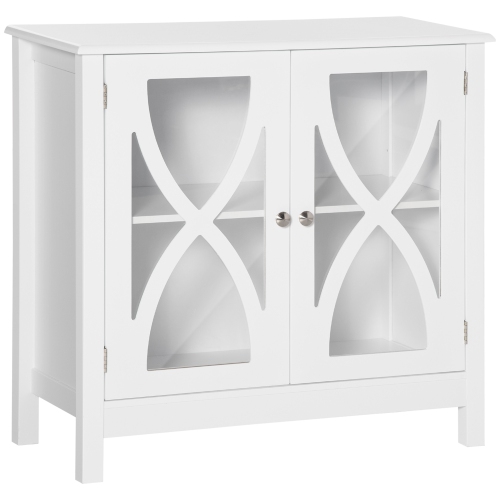
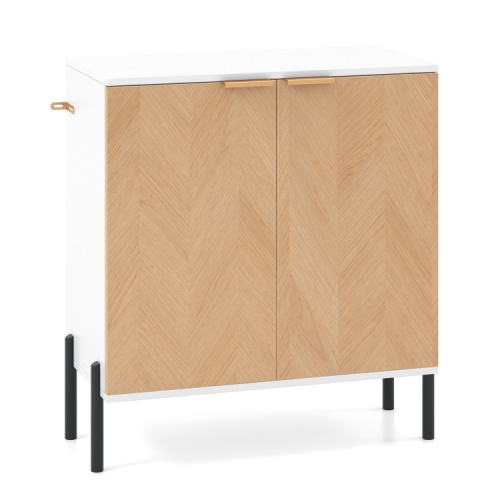
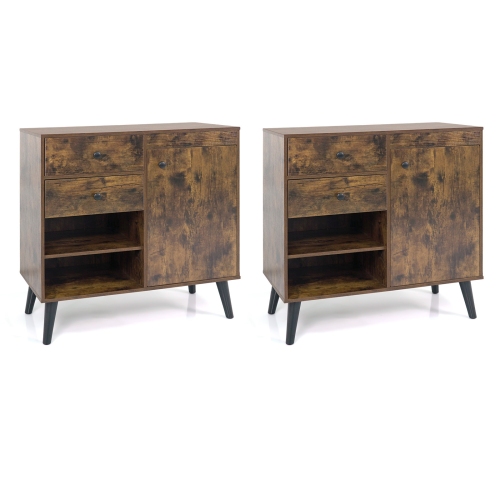
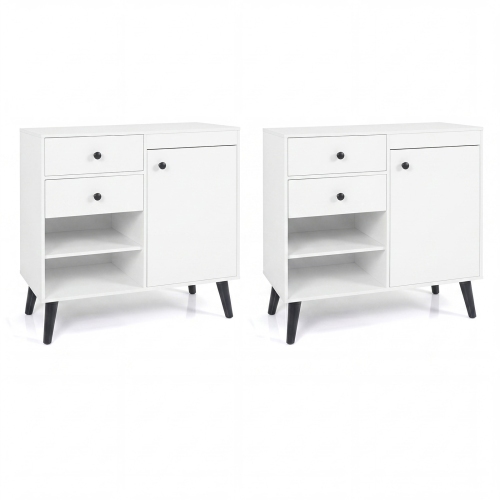
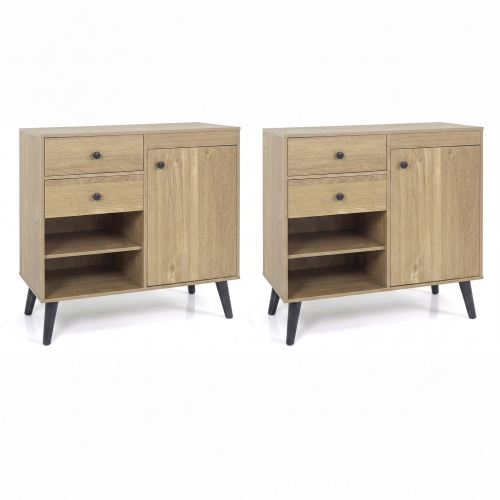
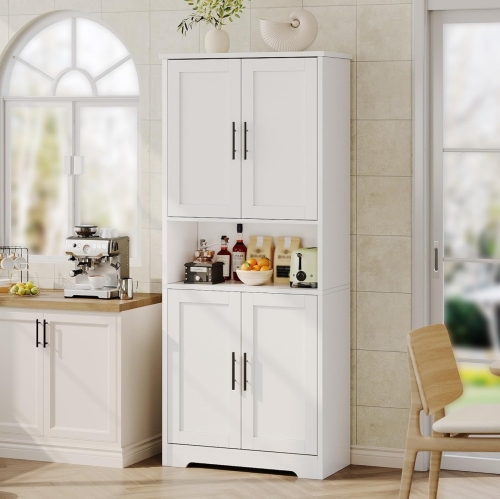
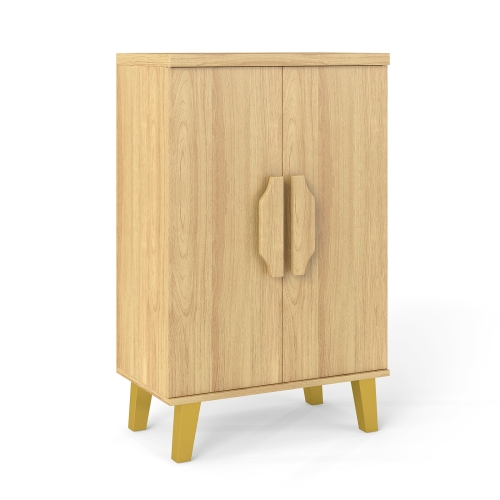
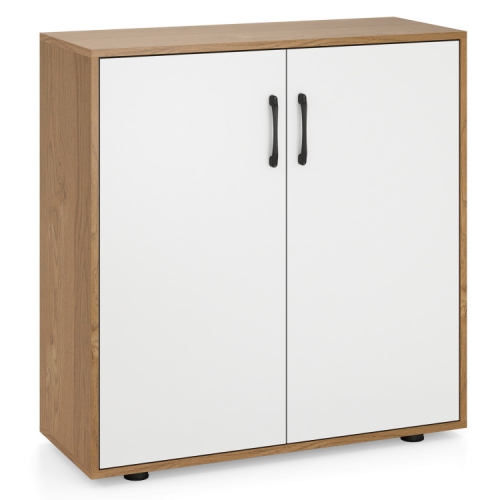
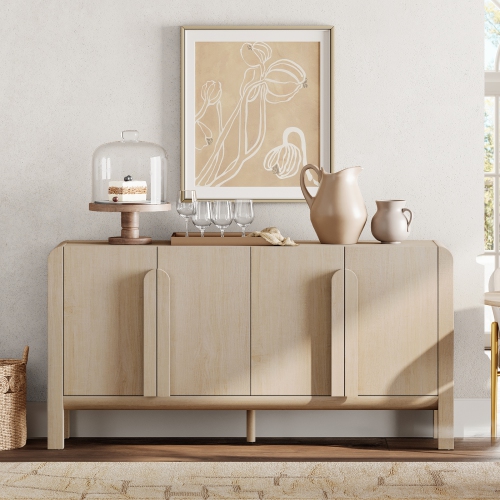
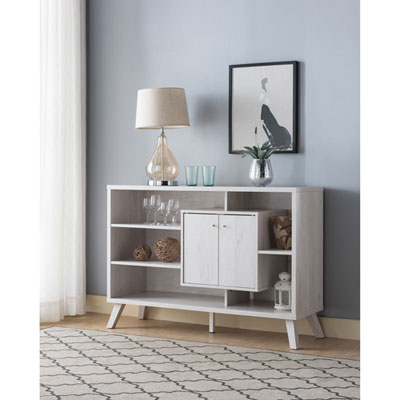
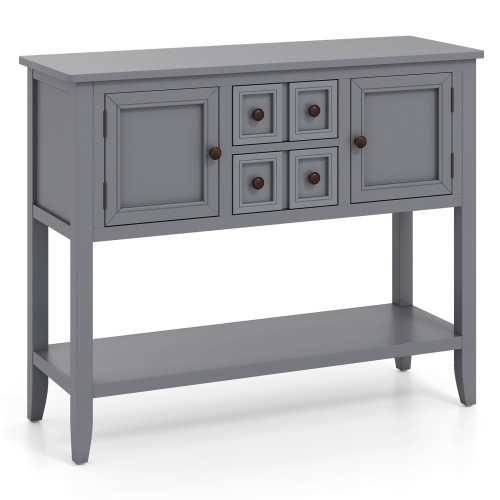
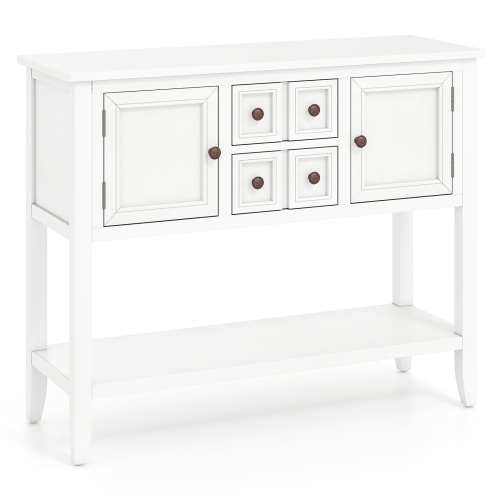
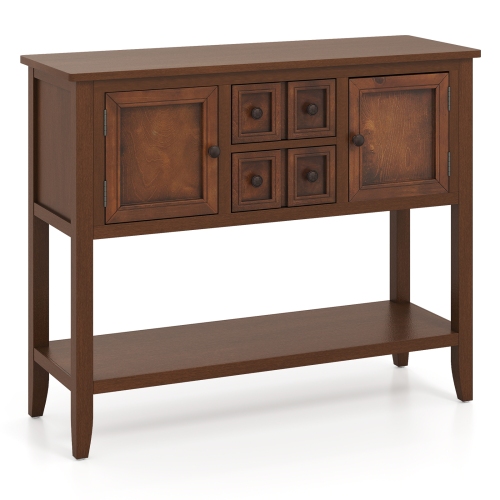
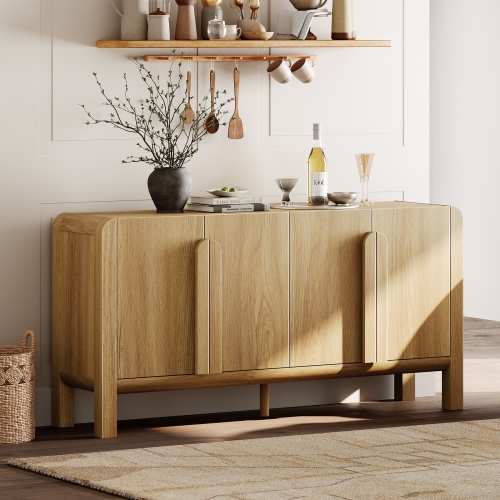
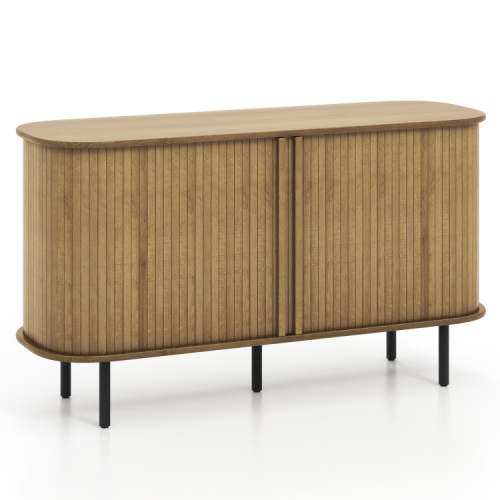
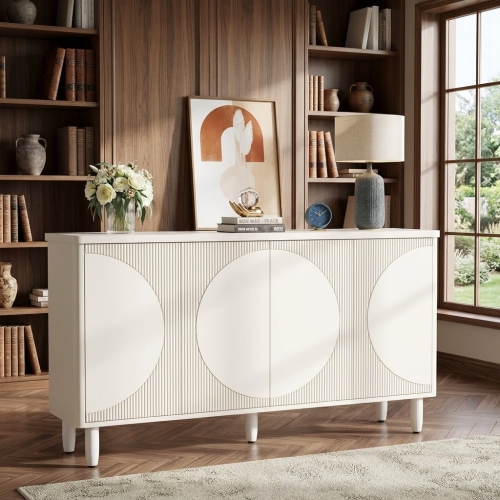


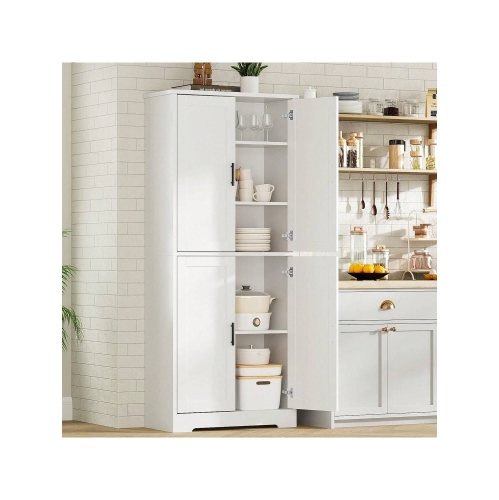
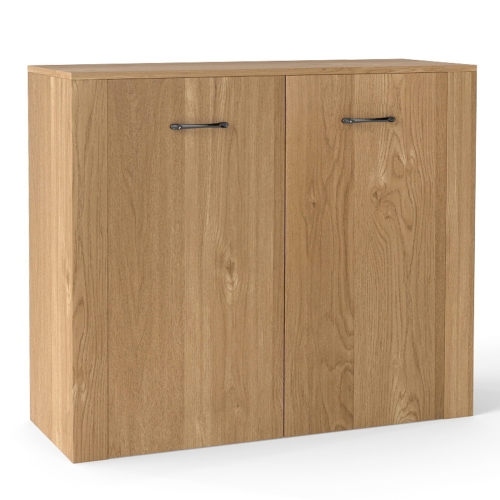
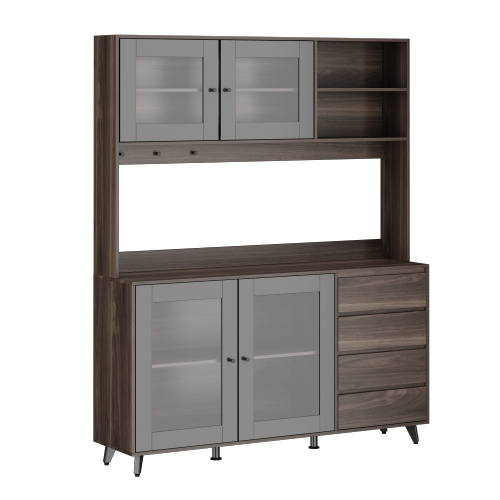
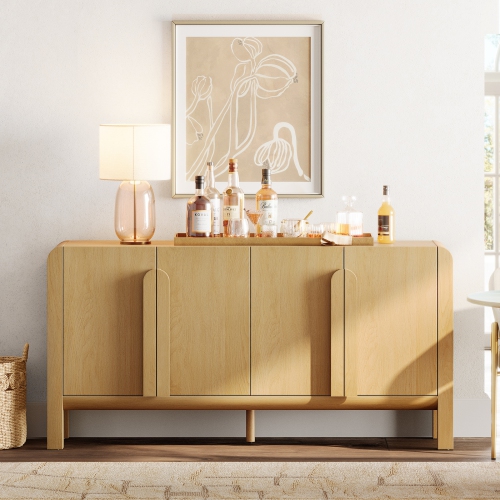
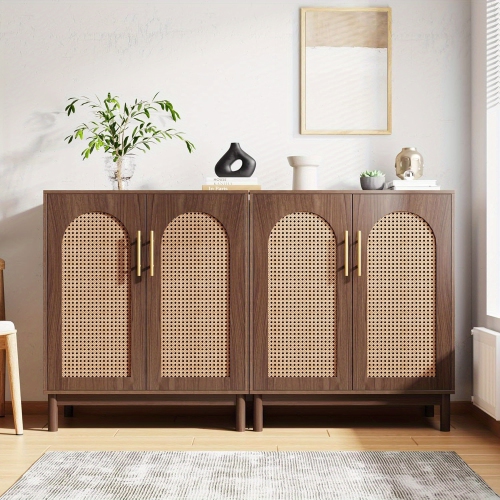
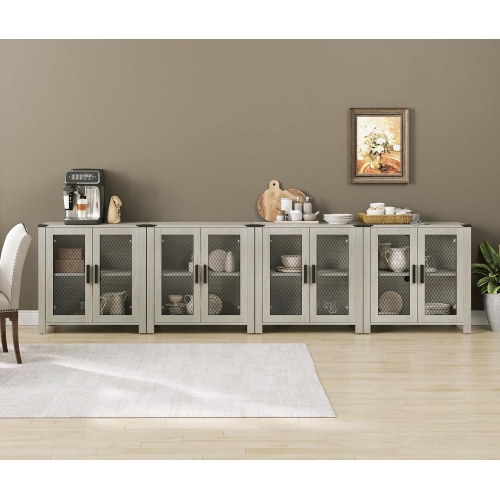
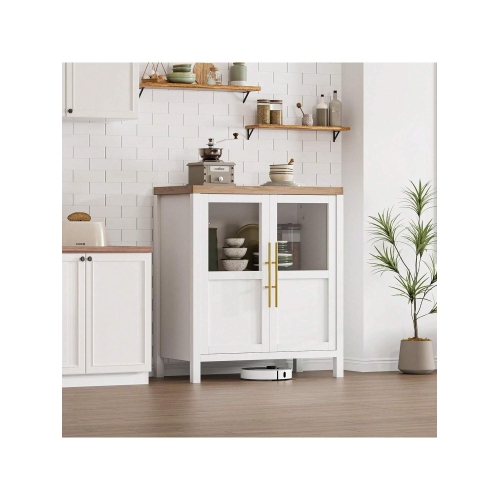
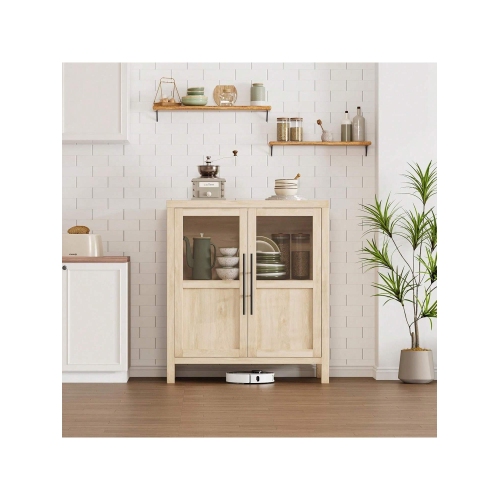
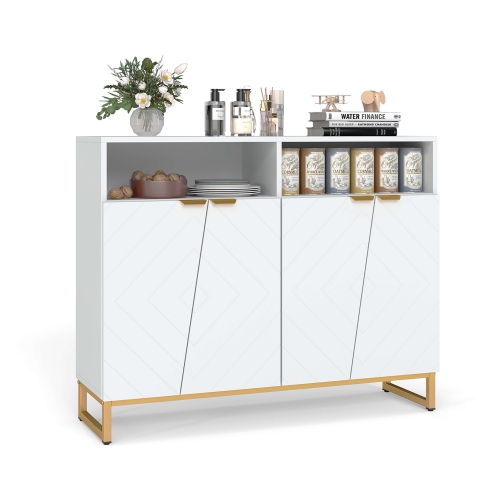
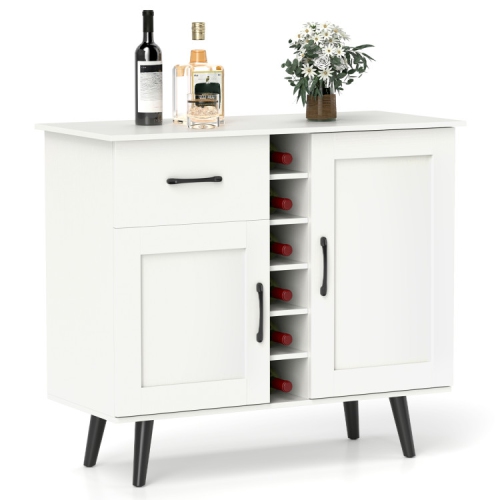
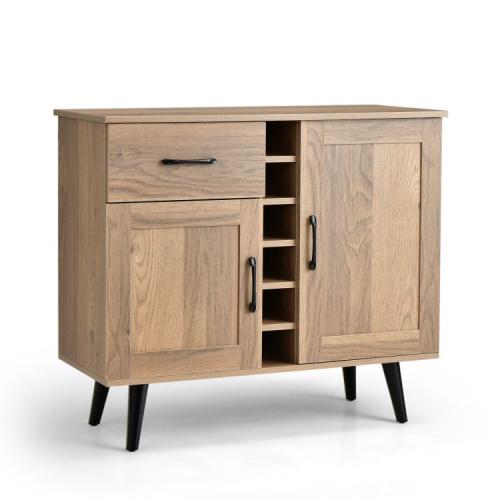
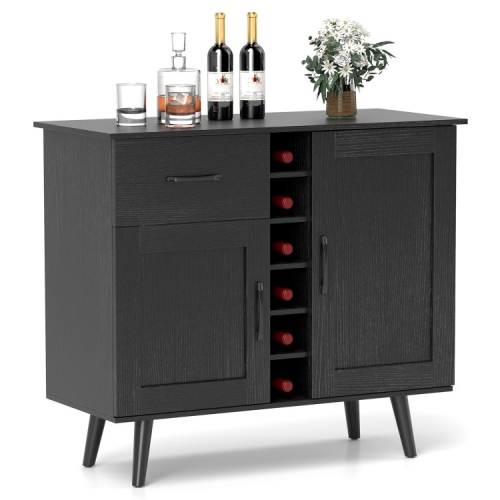
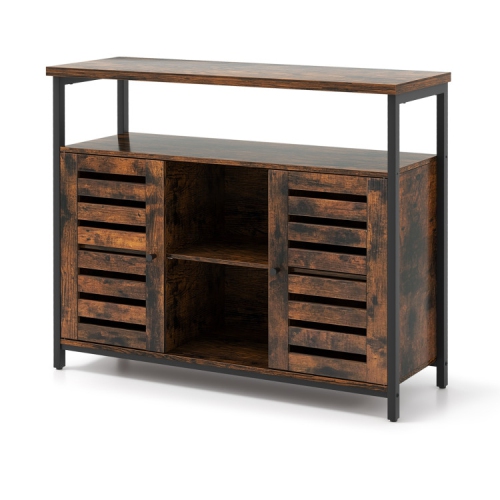
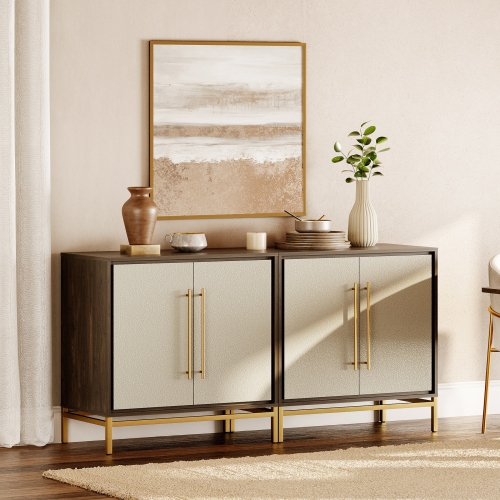
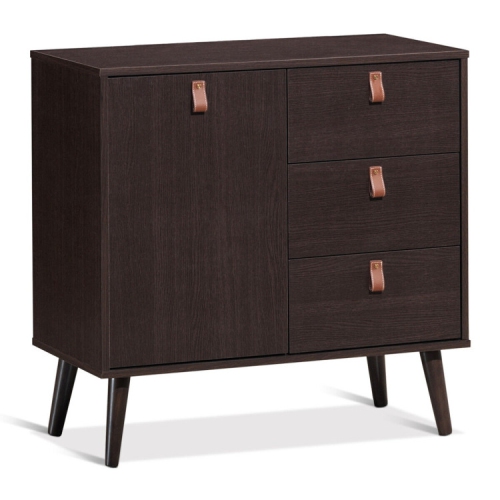
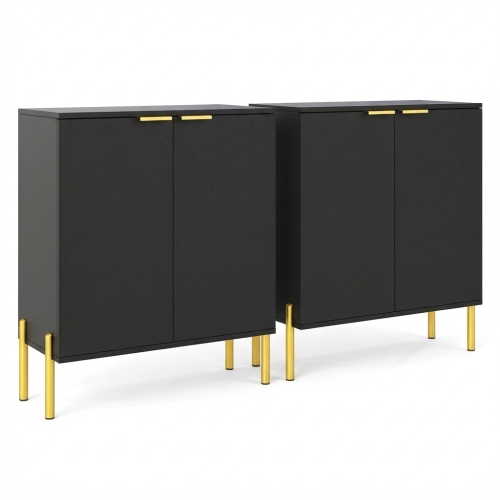
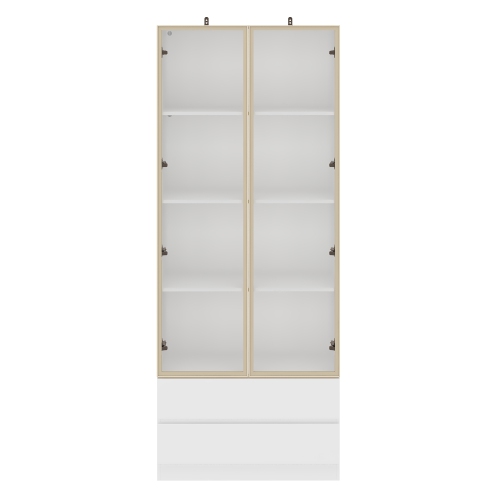
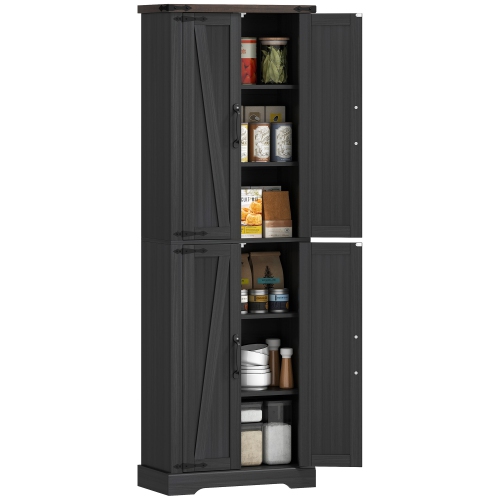
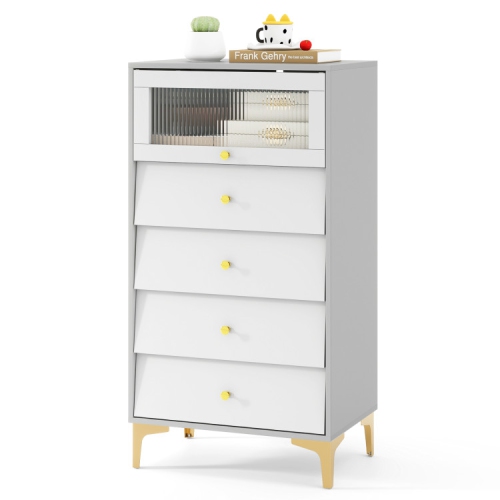
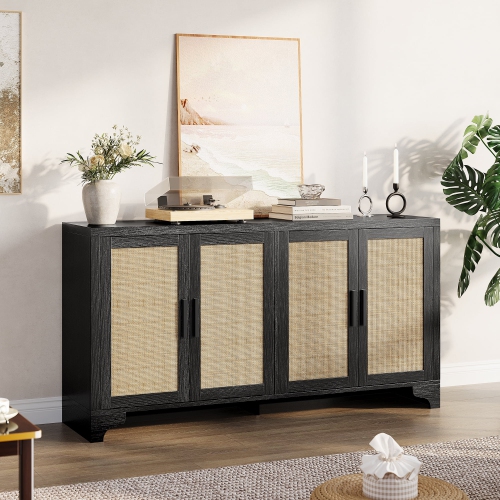
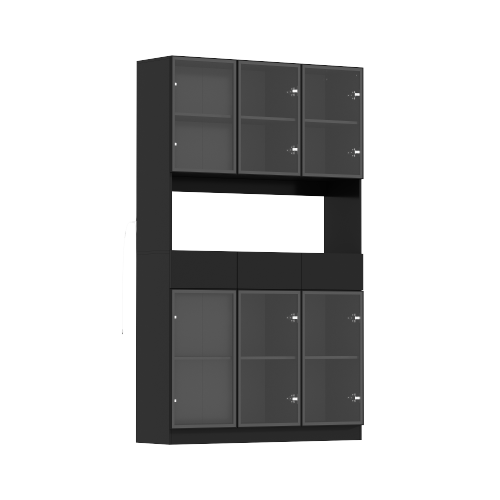
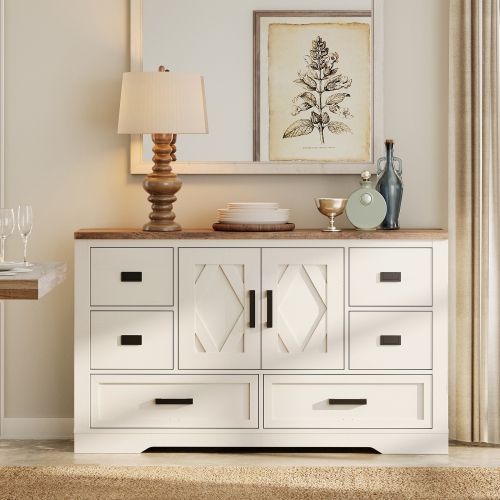
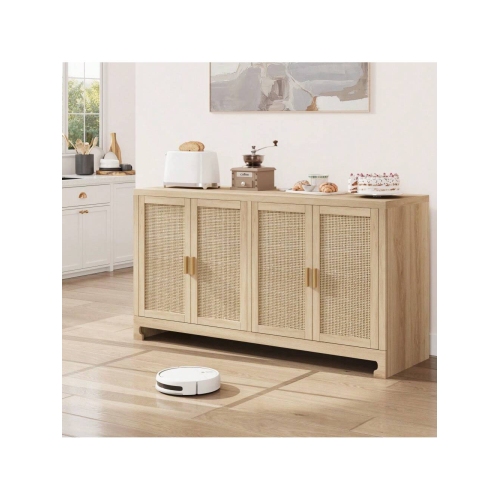
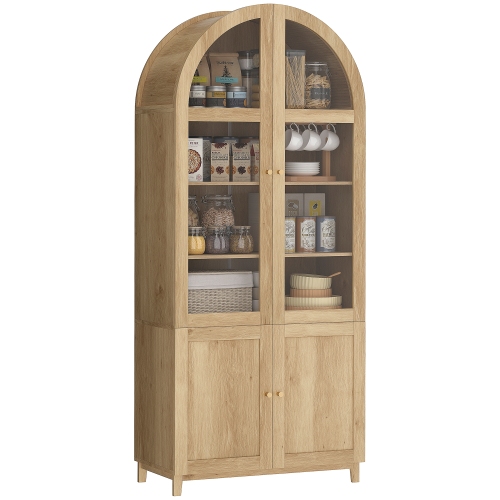
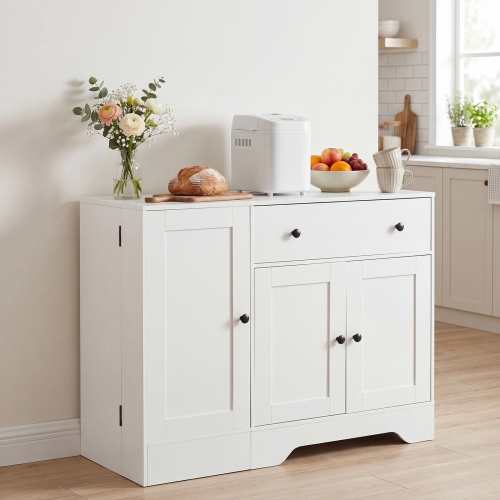
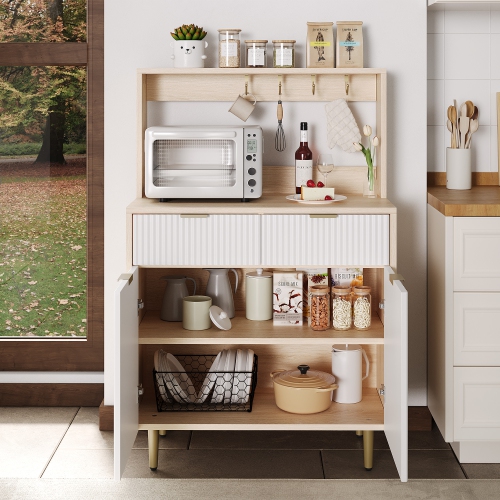
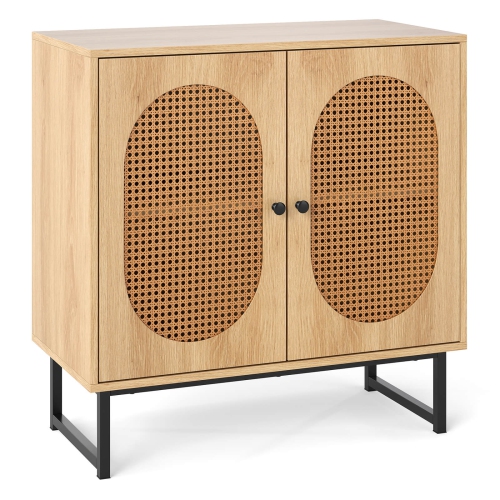
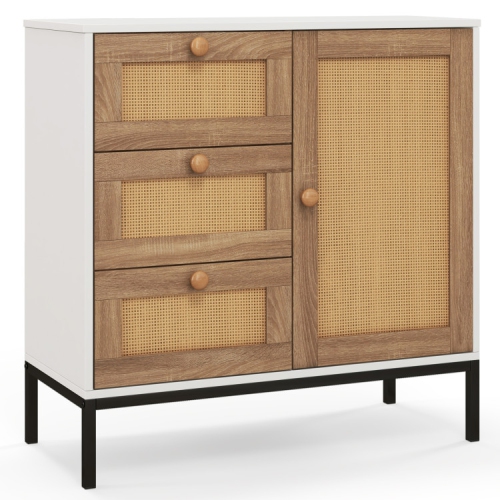
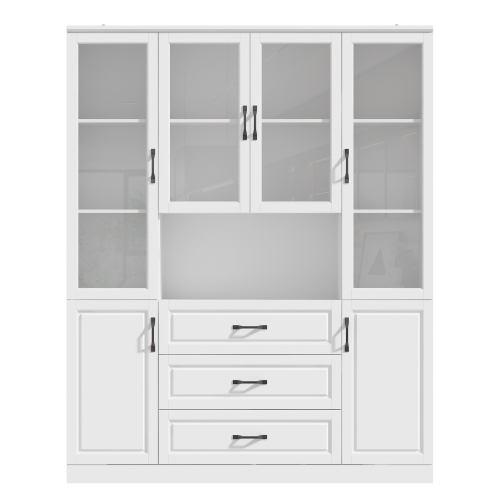
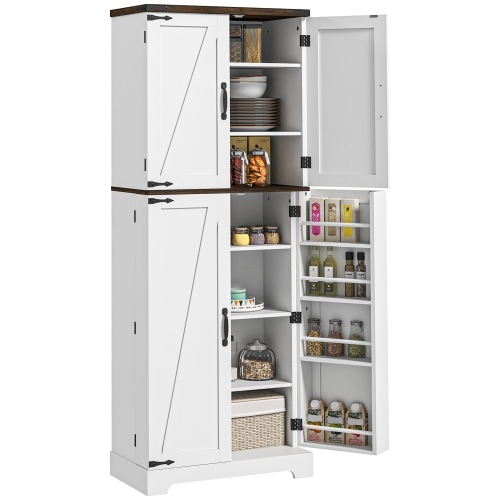
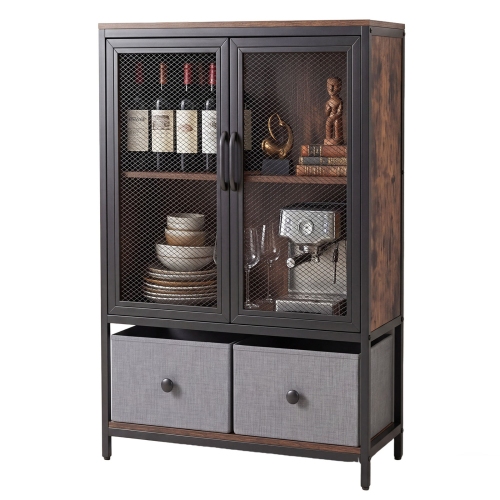
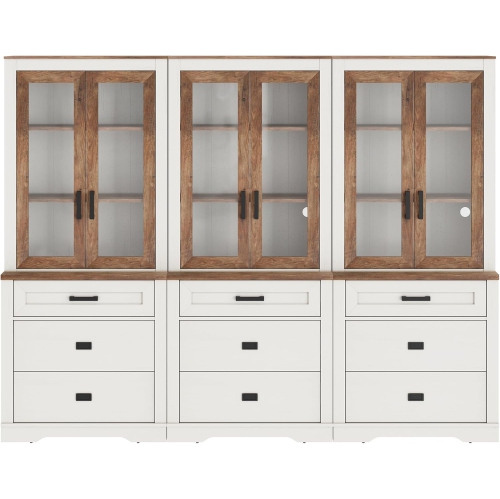
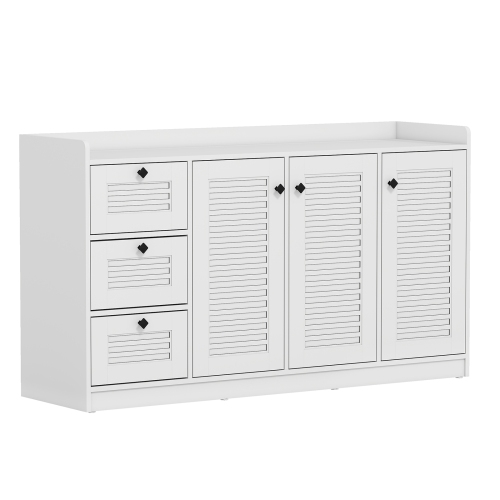
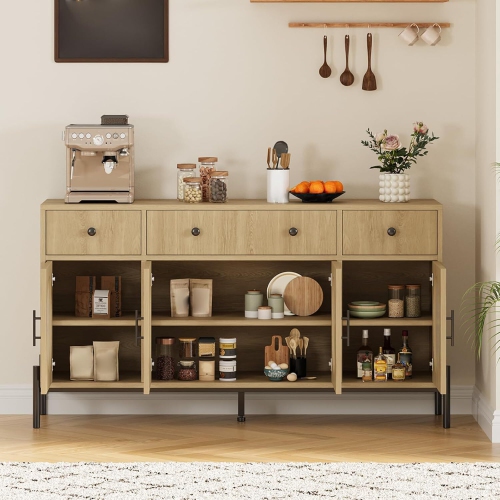
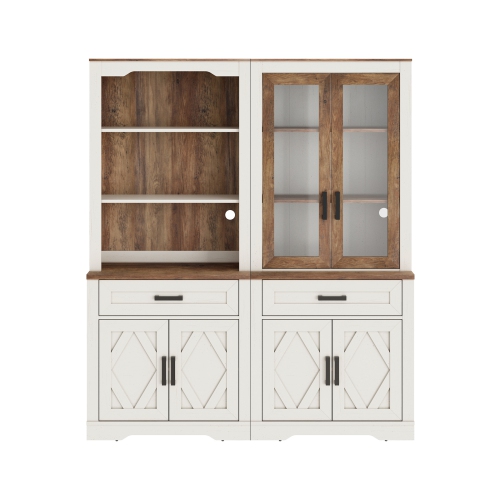
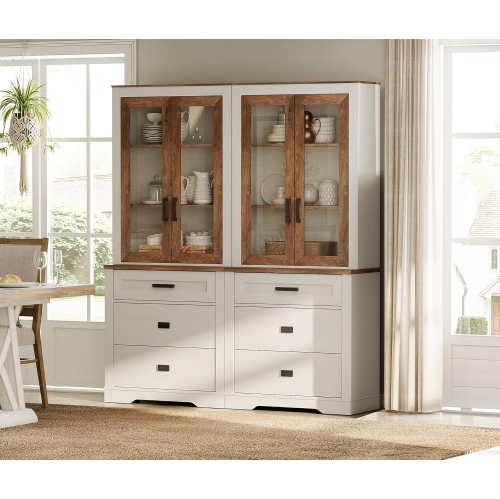
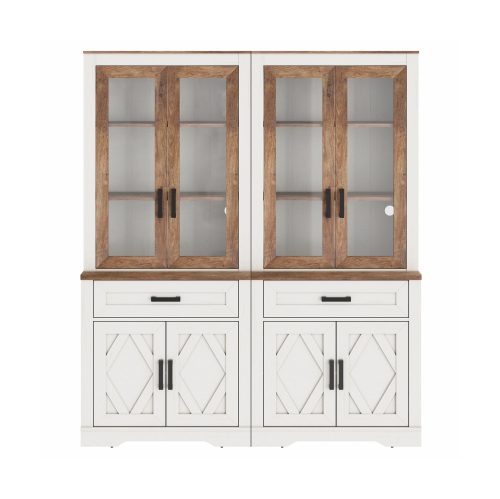
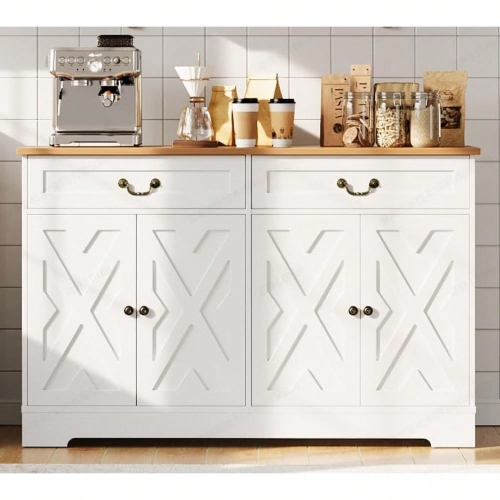
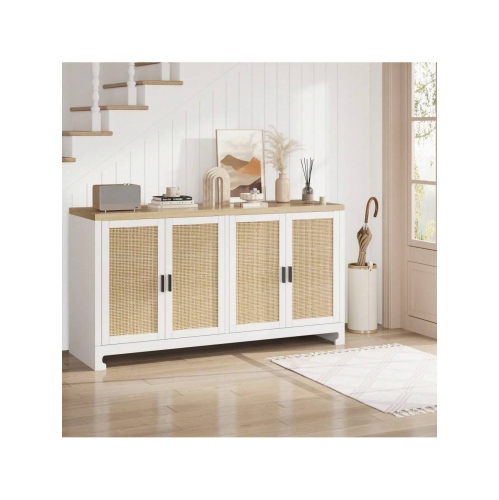
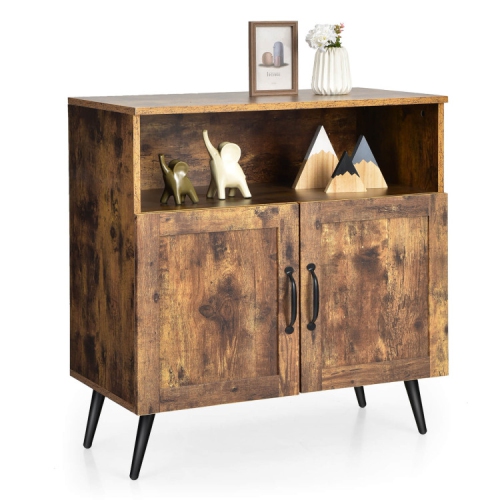
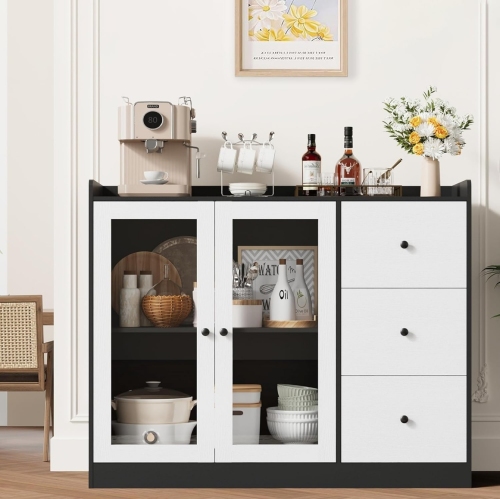
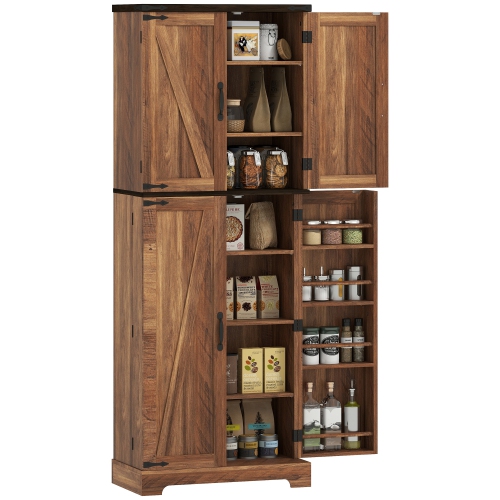
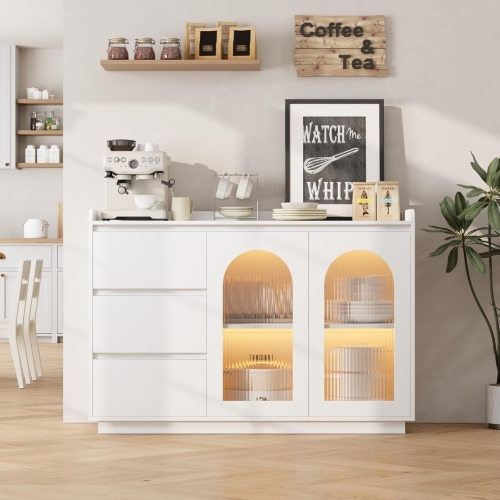
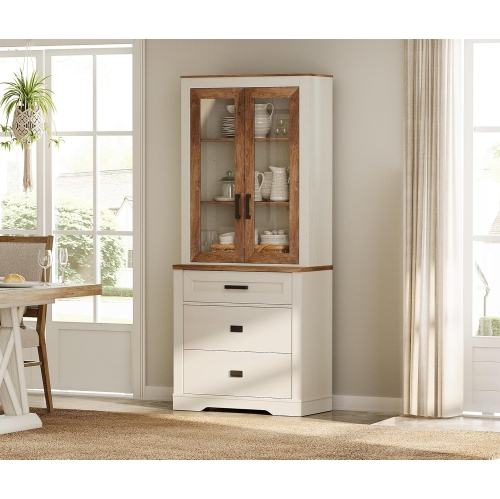
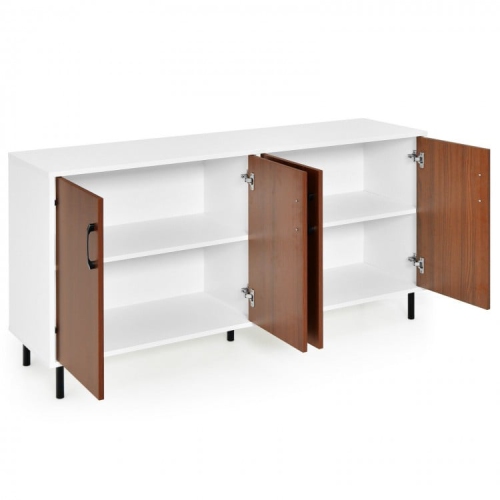
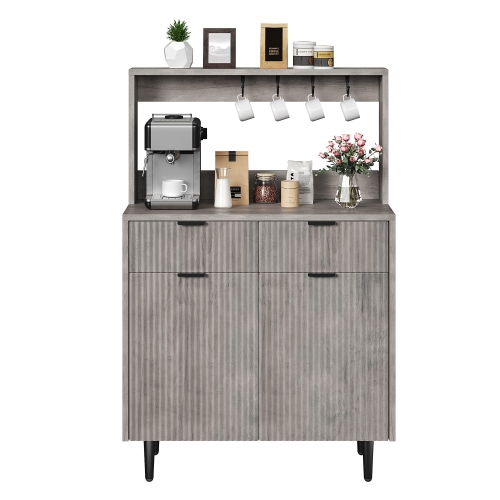
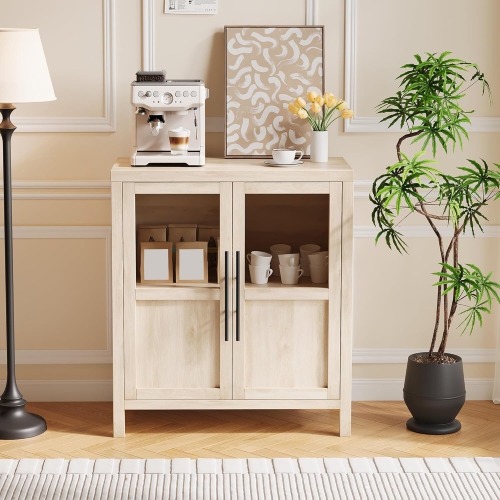
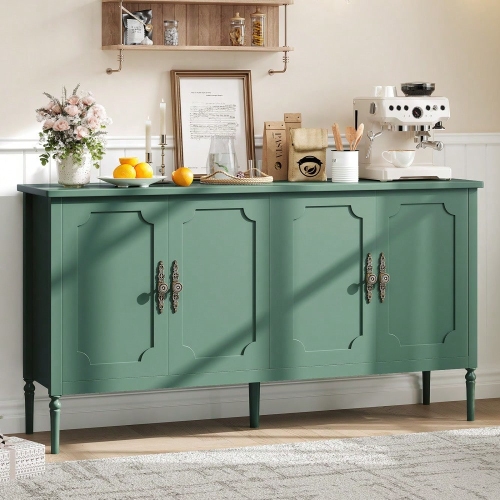
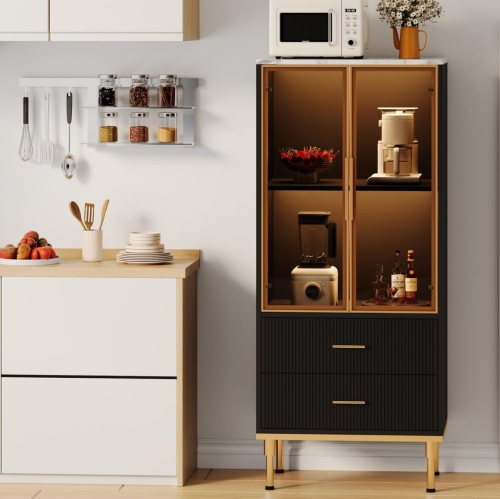
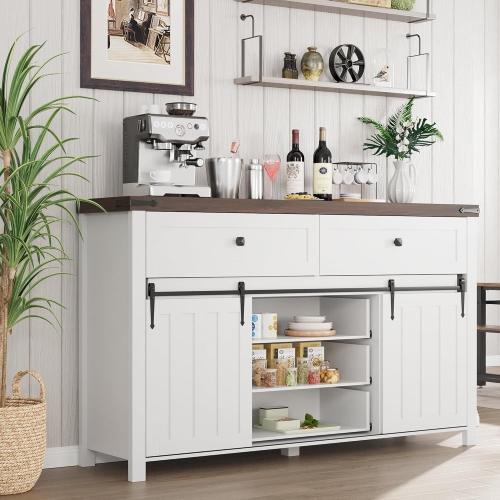
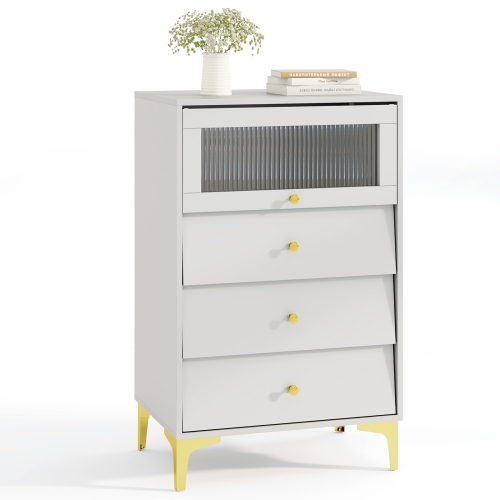
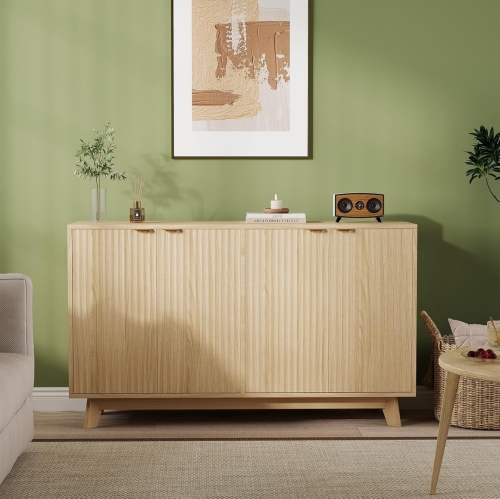
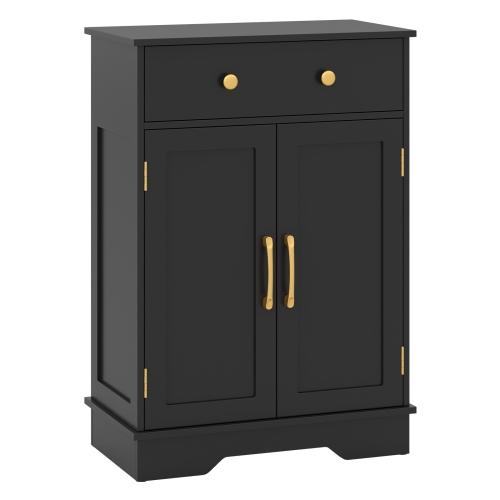
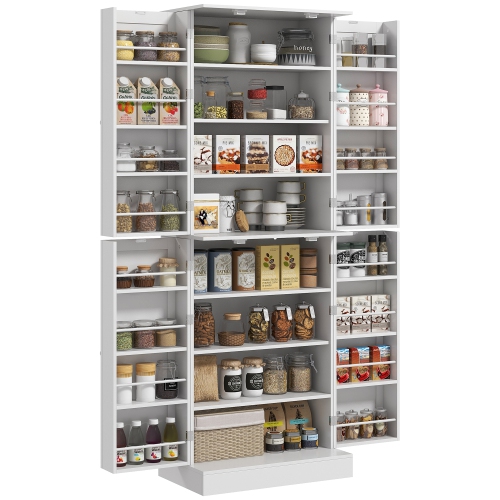
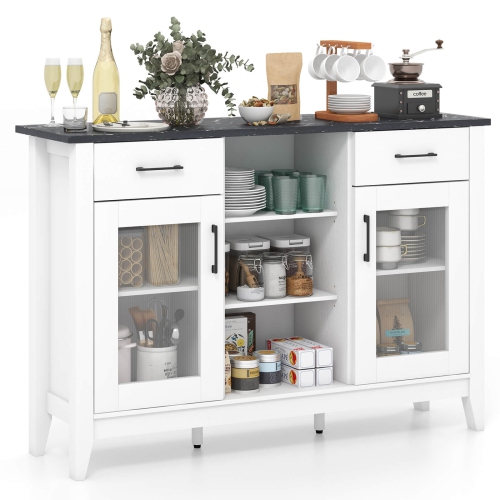
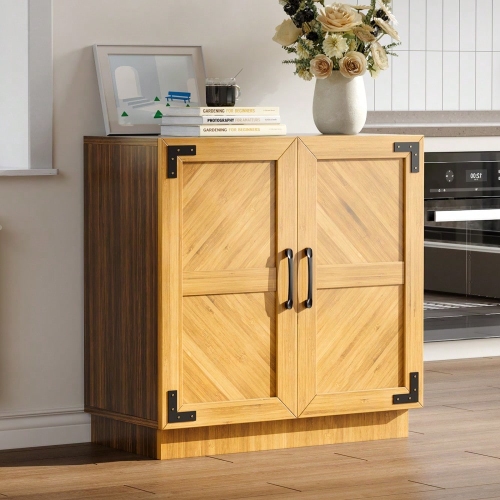
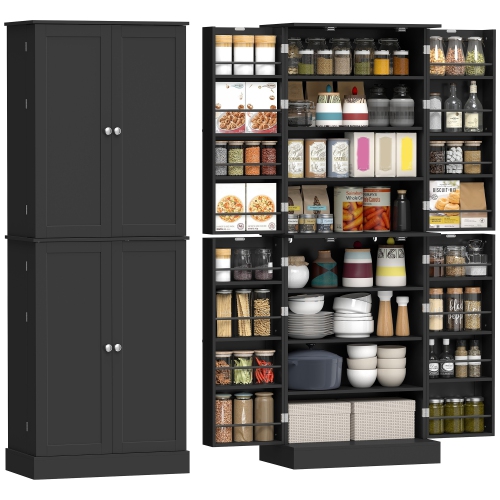
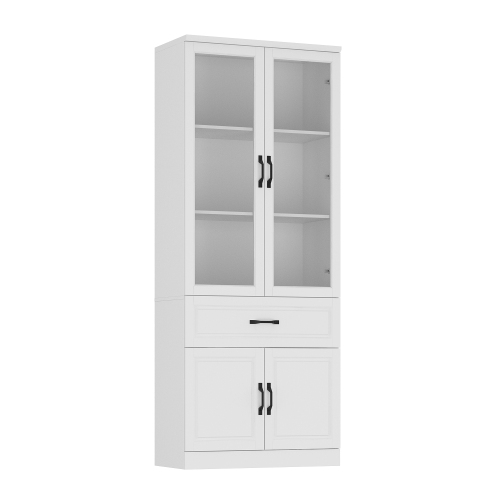
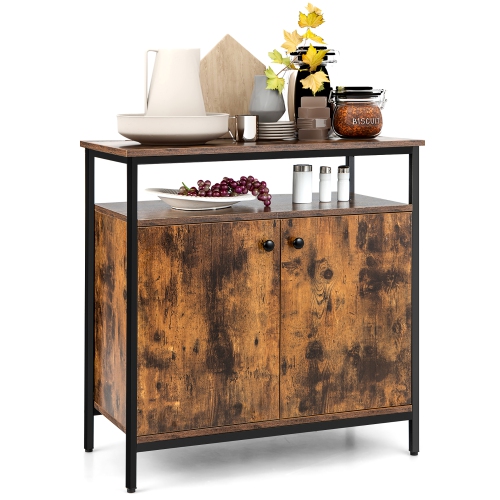
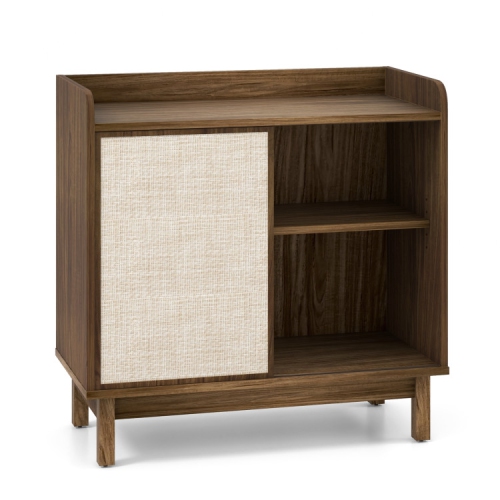
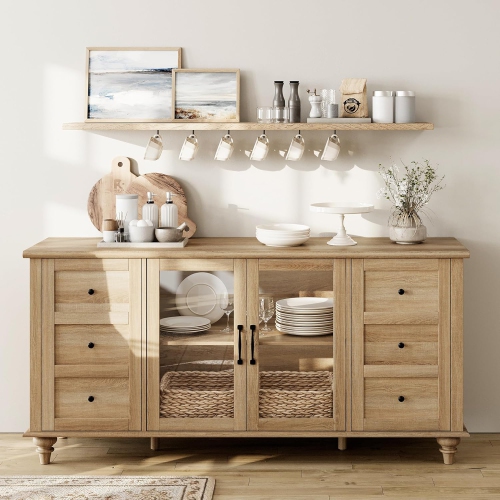
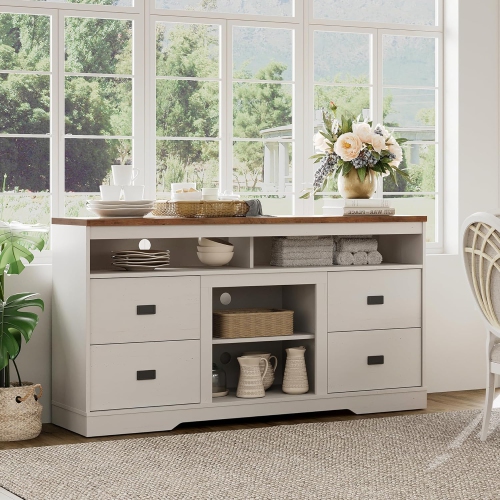
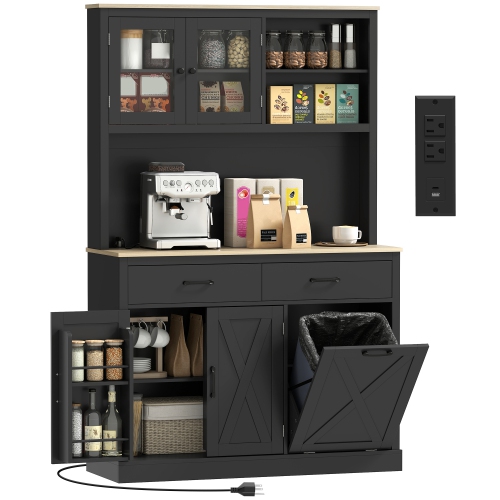
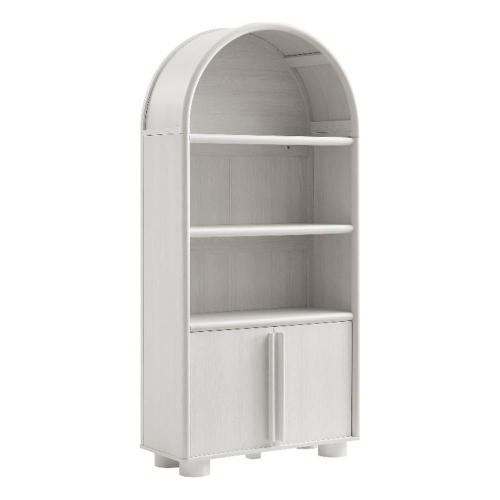
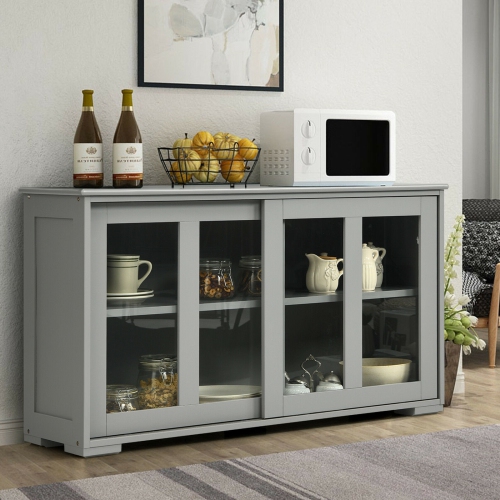
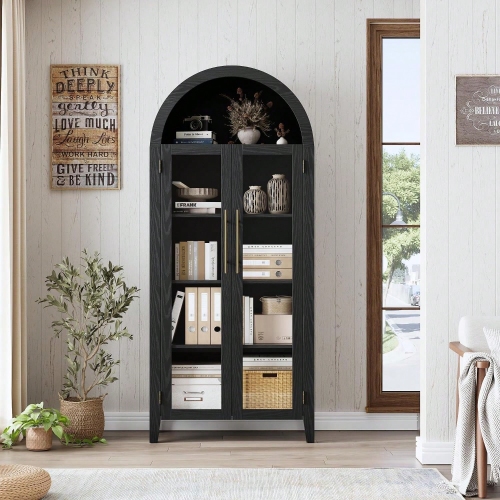
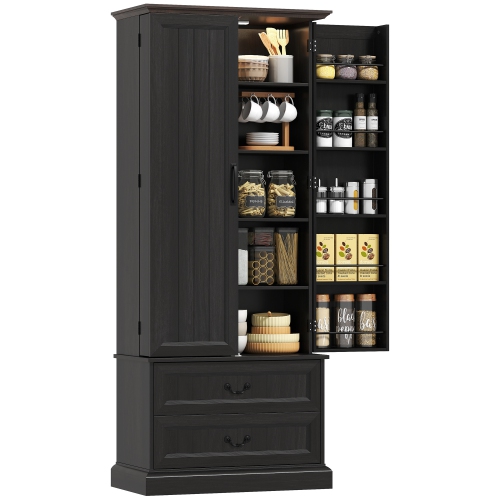
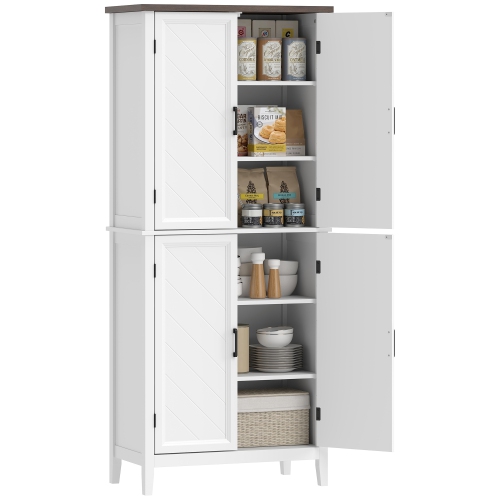
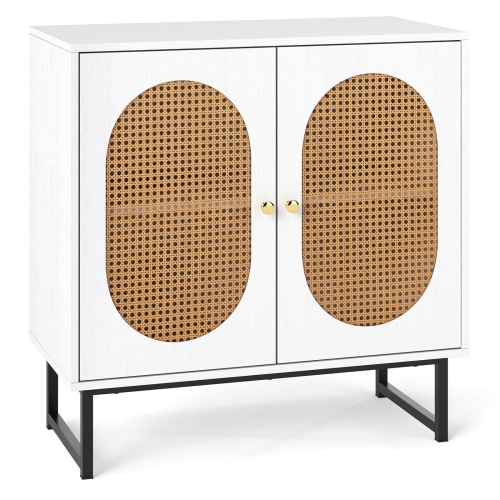
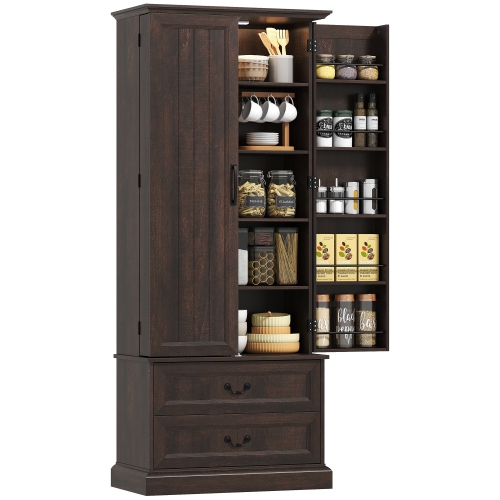
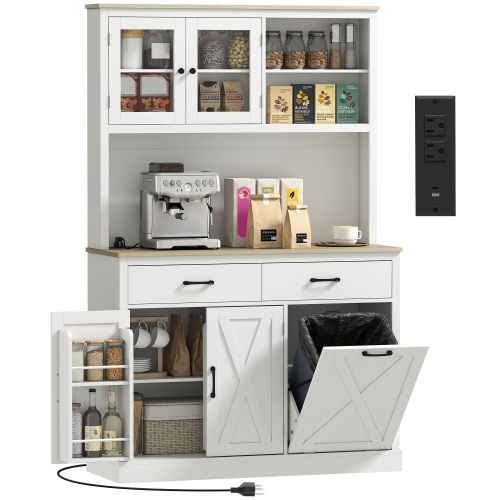
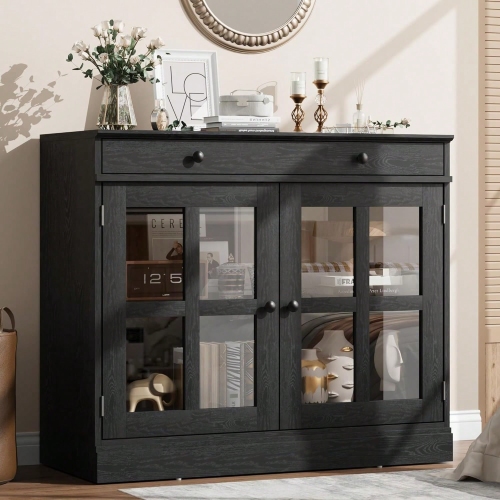
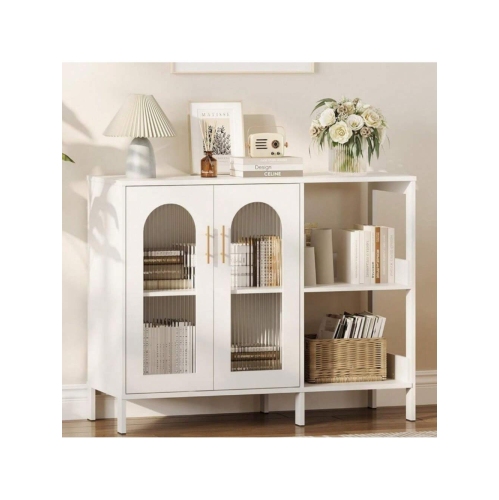
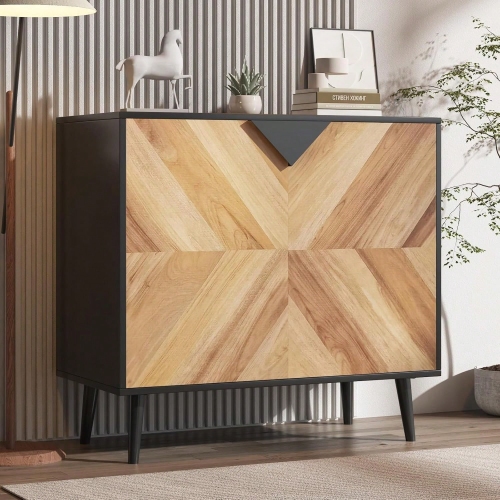
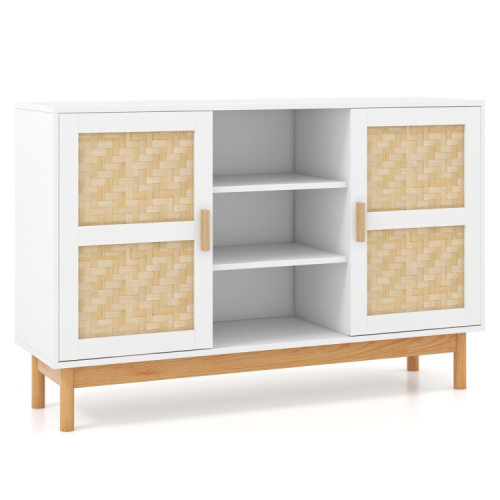
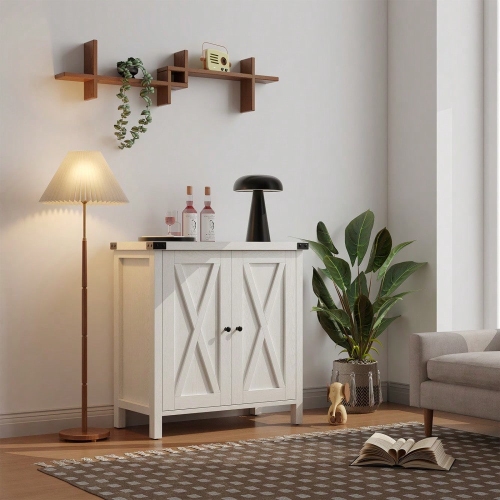
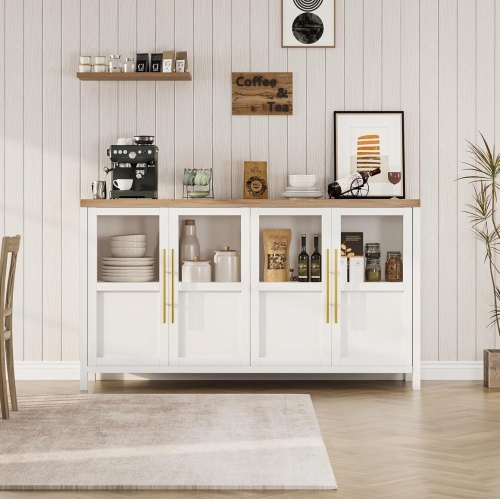
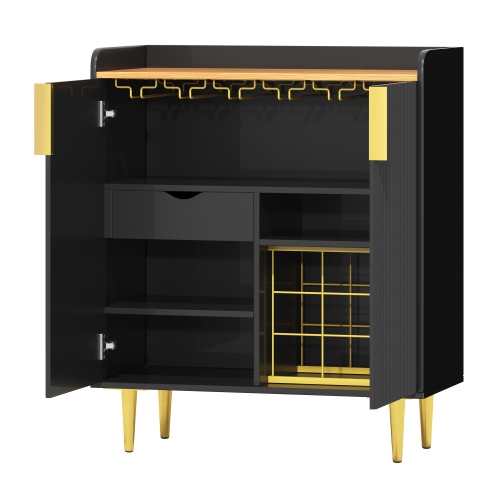
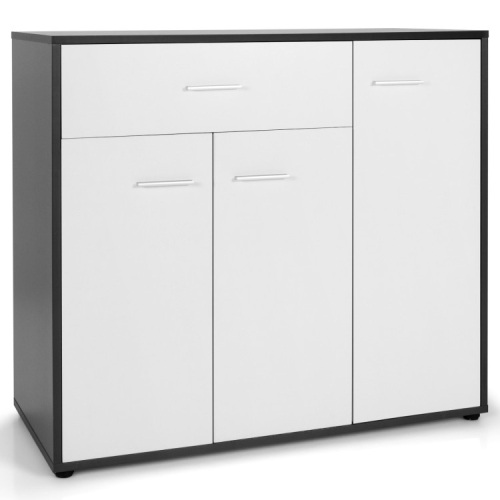
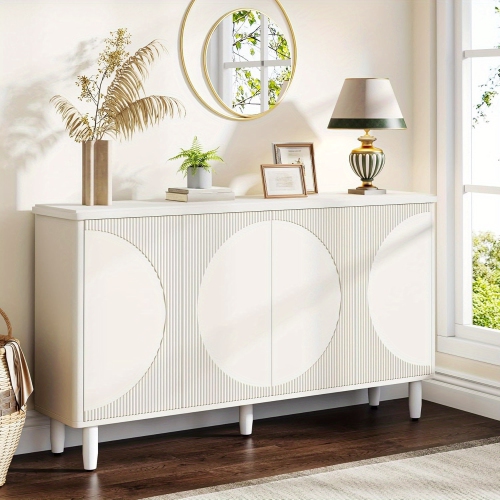
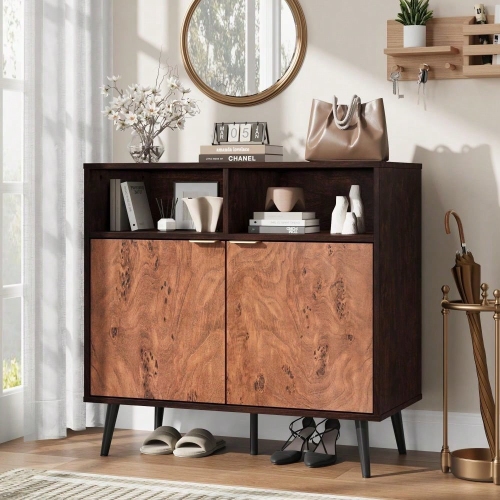
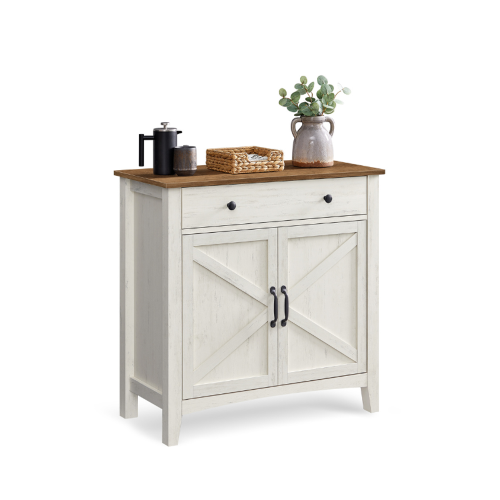
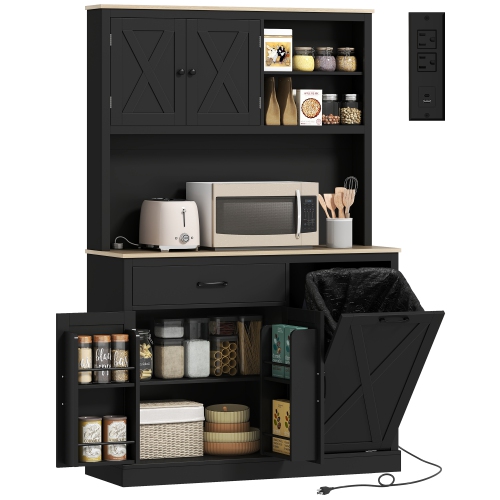
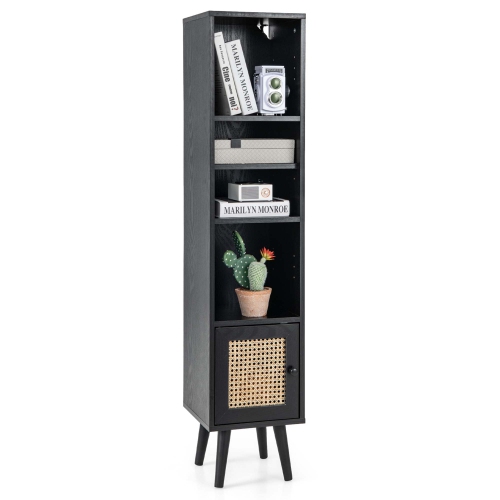
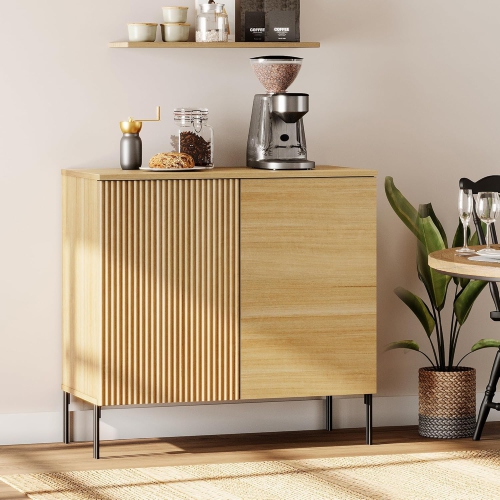
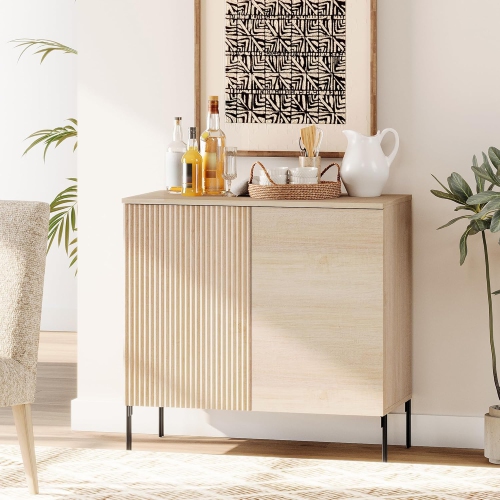
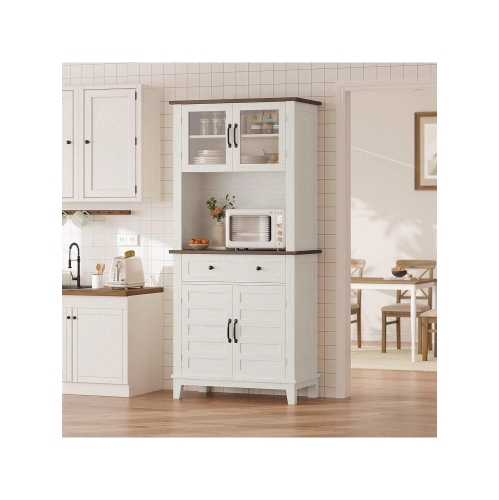
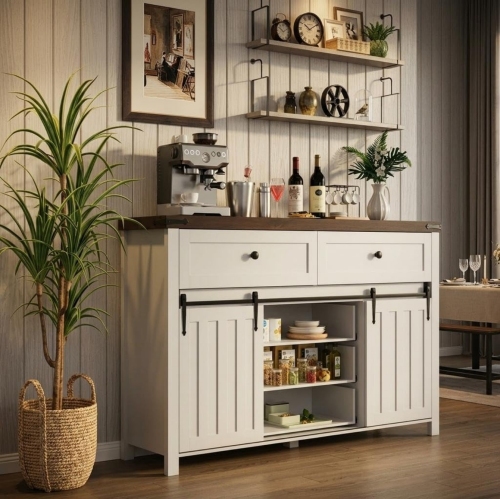
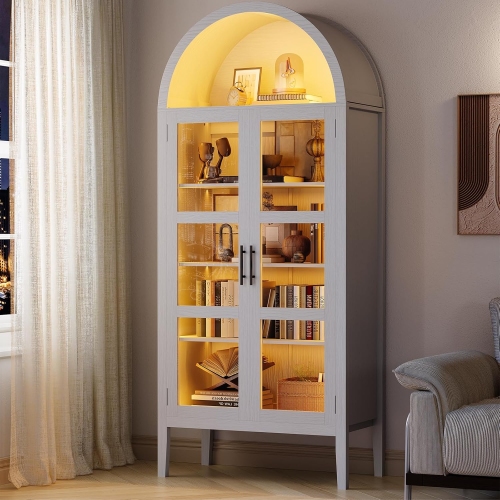
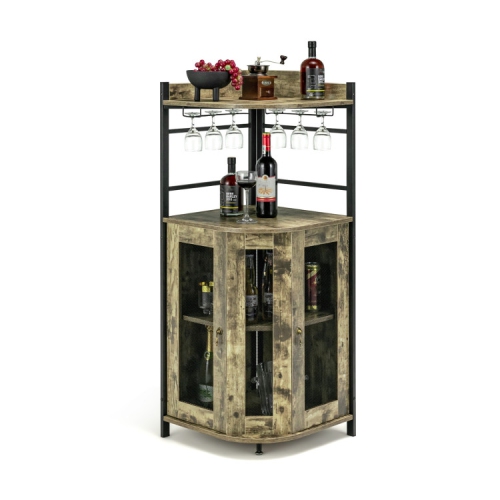
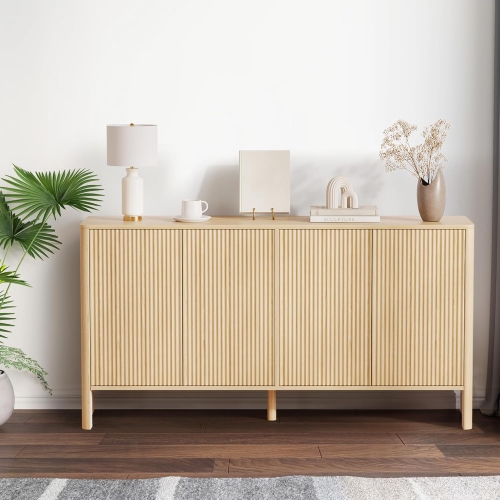
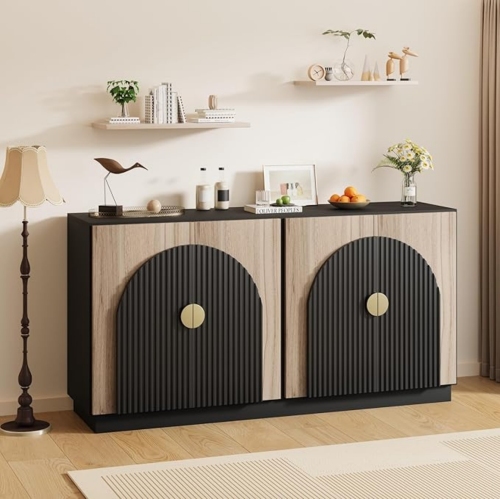
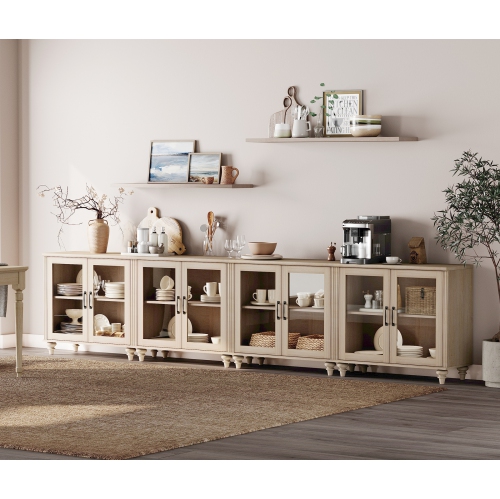
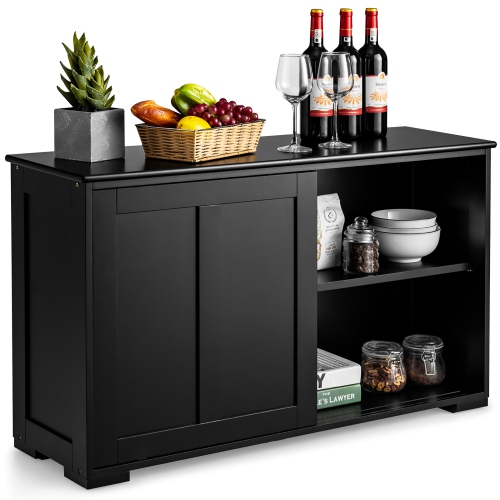
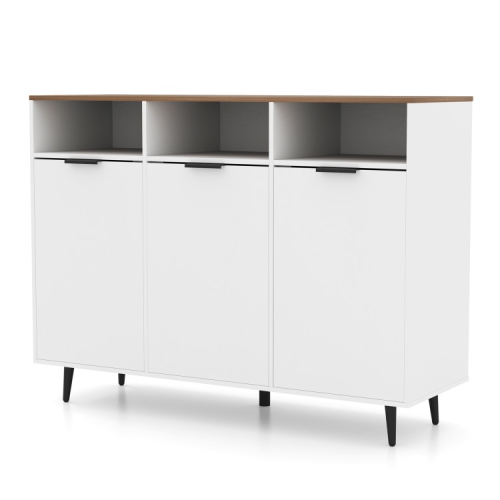
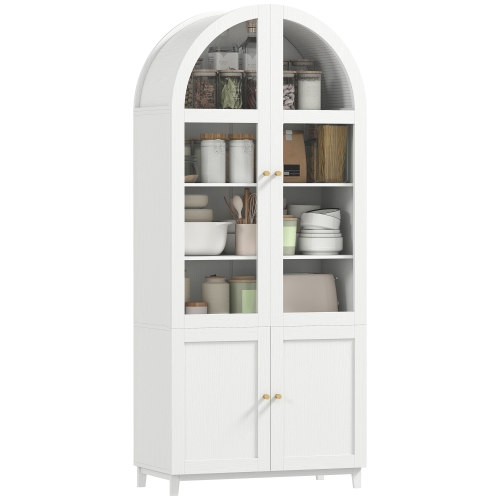

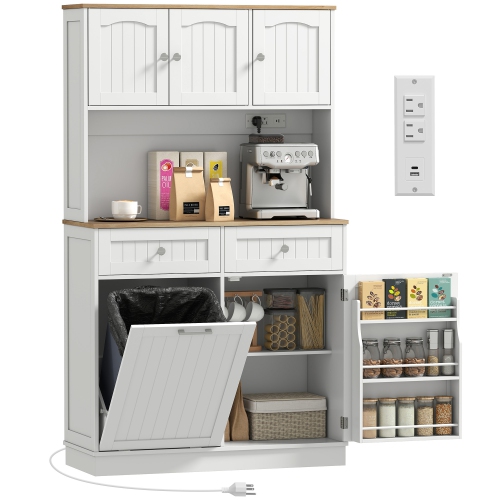
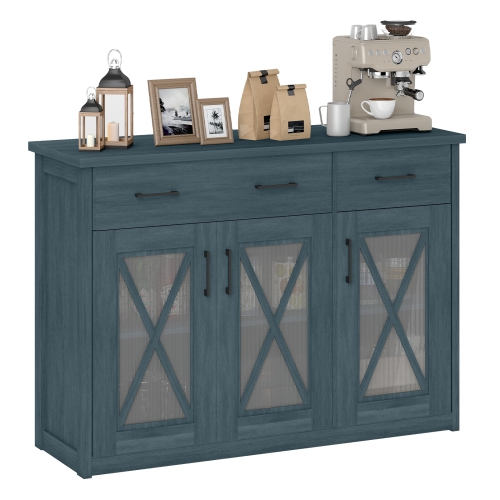
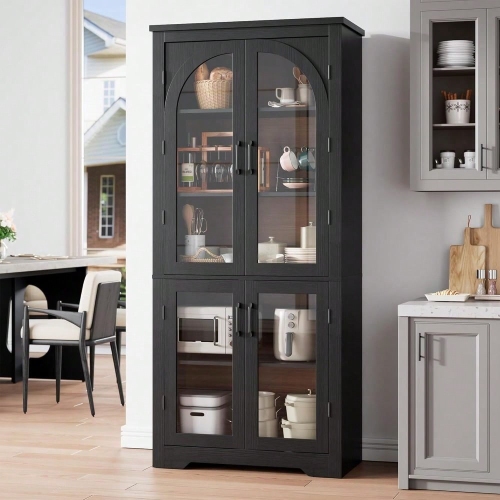
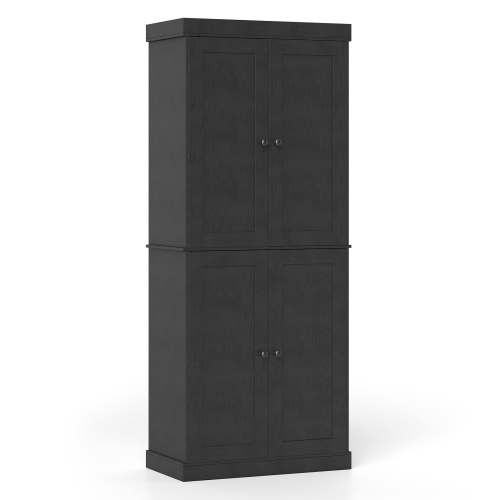
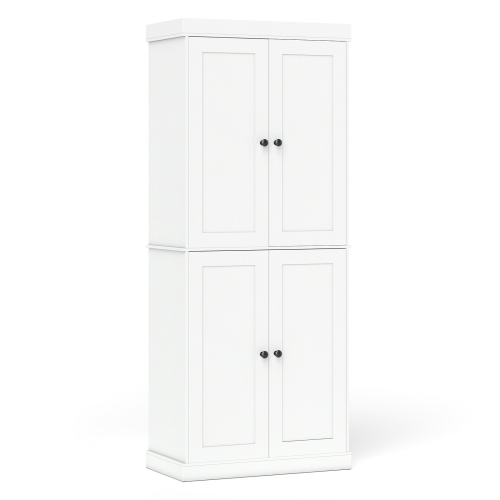
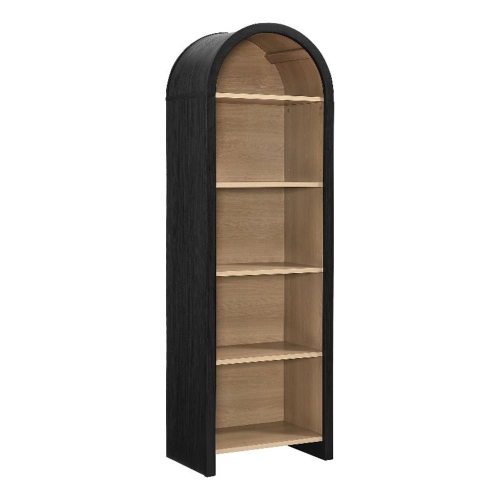
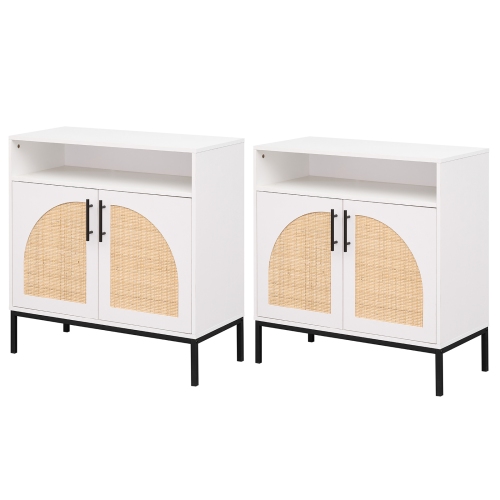
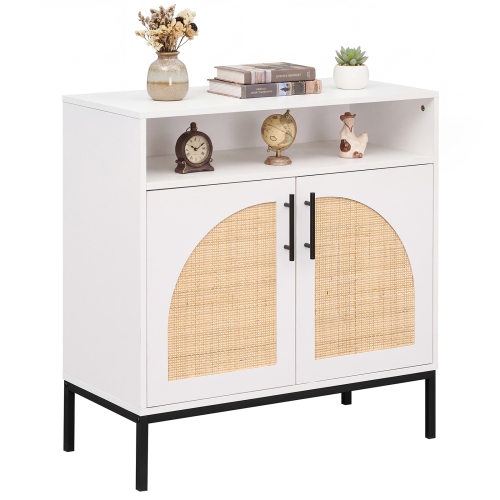
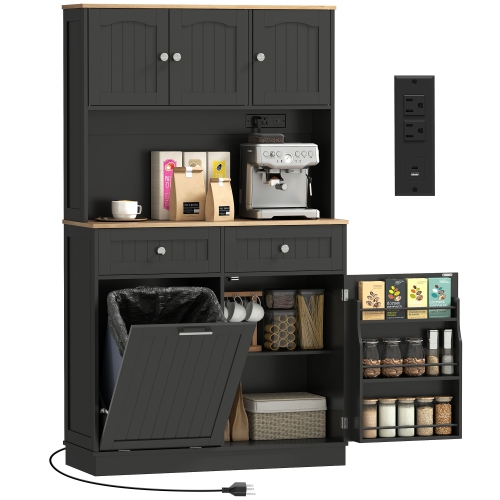
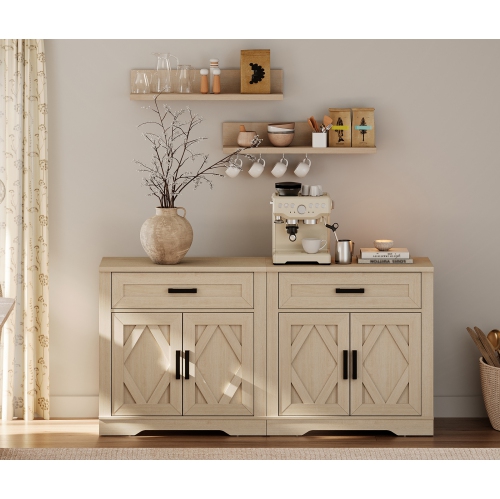
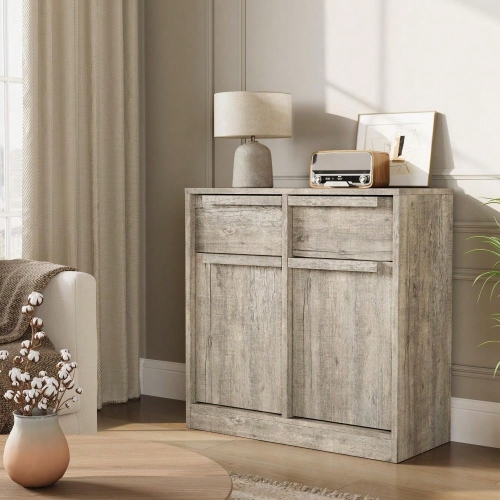
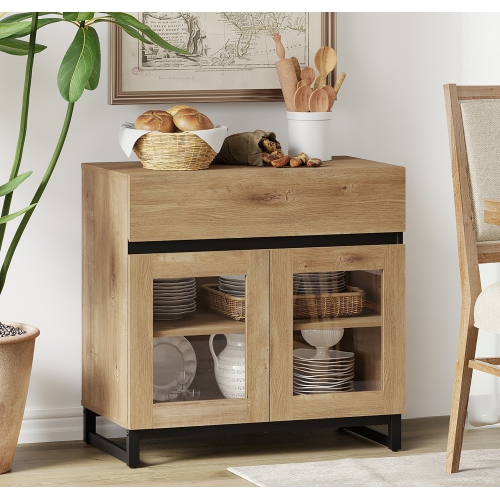
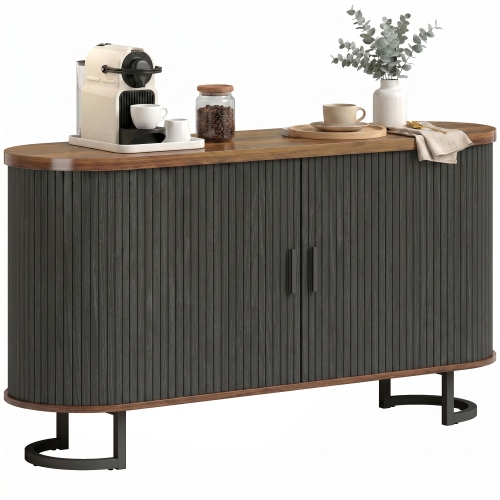
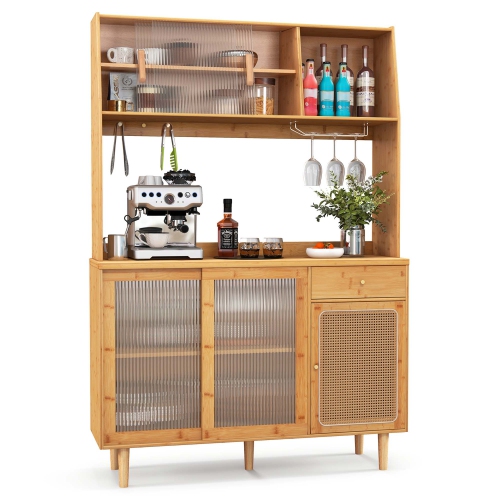
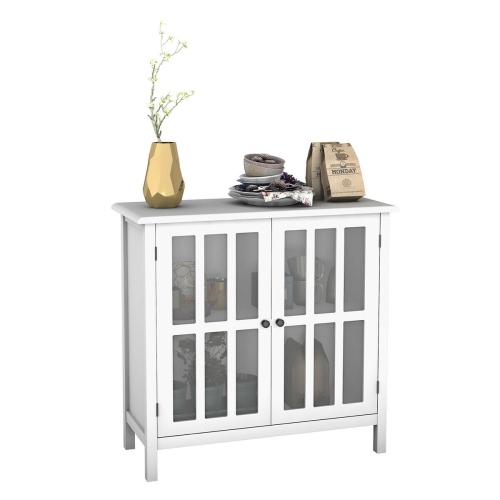
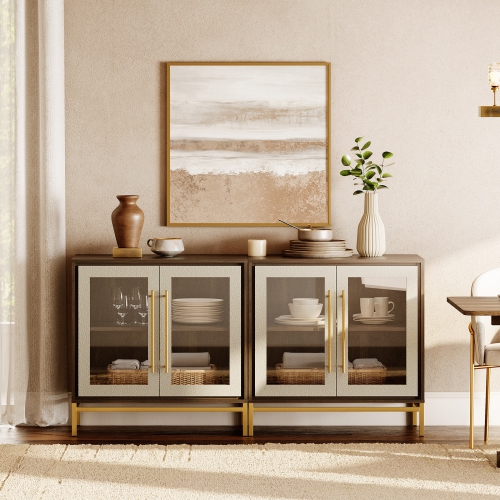
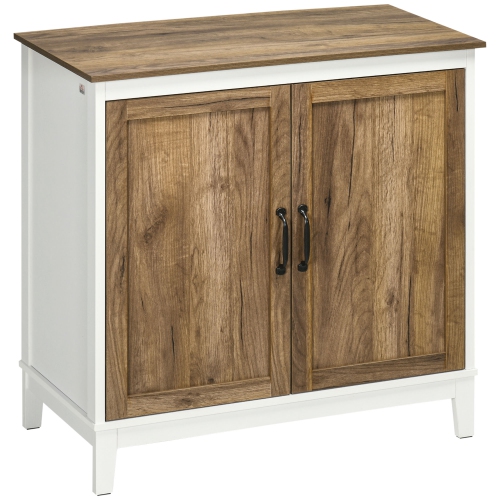
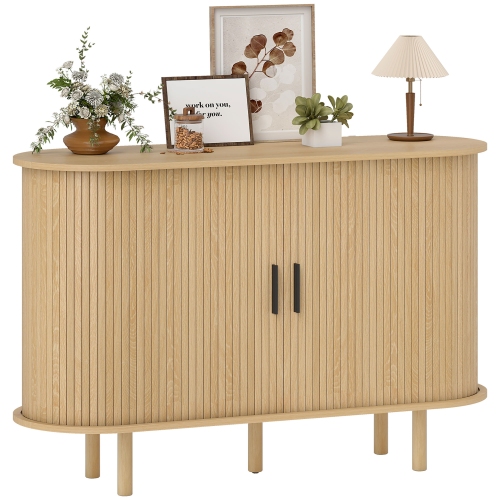
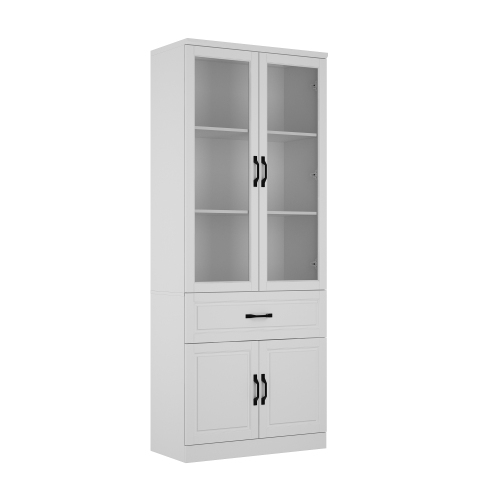
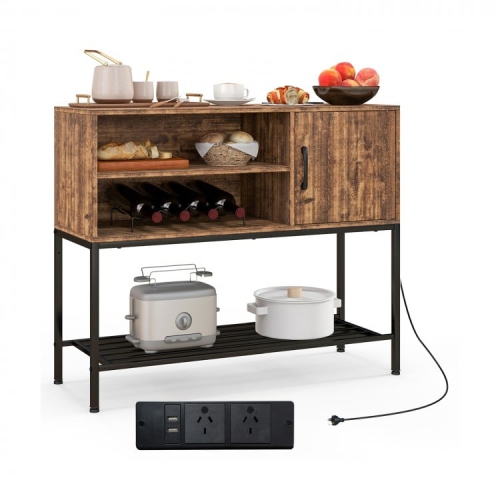
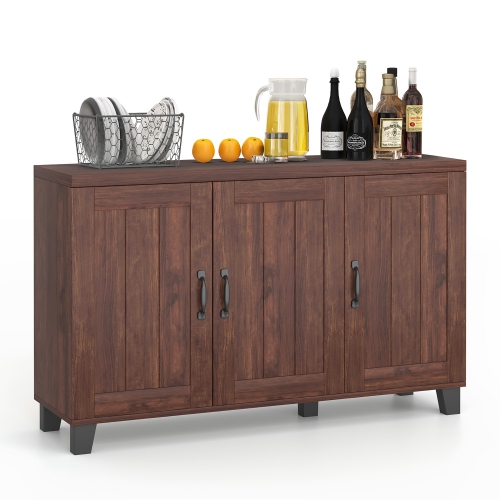
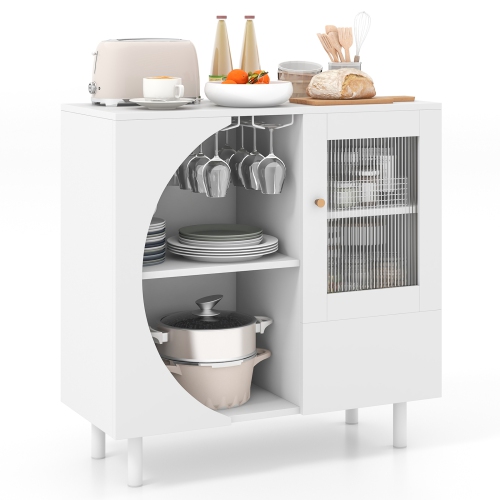
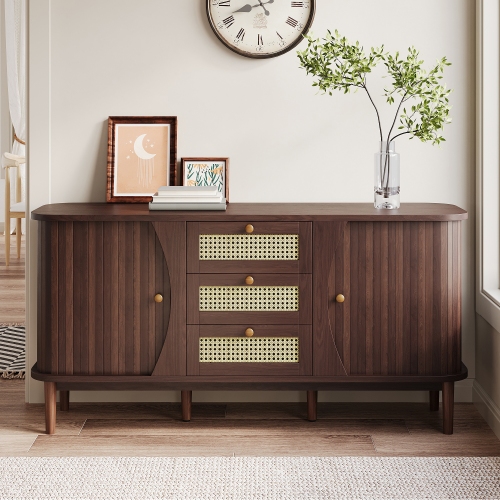
Smart storage and serving solutions for shared meals
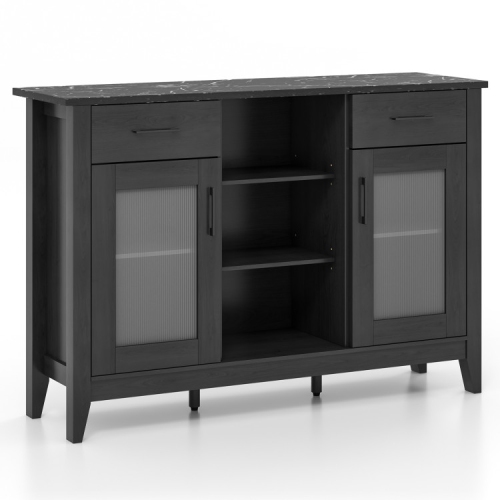
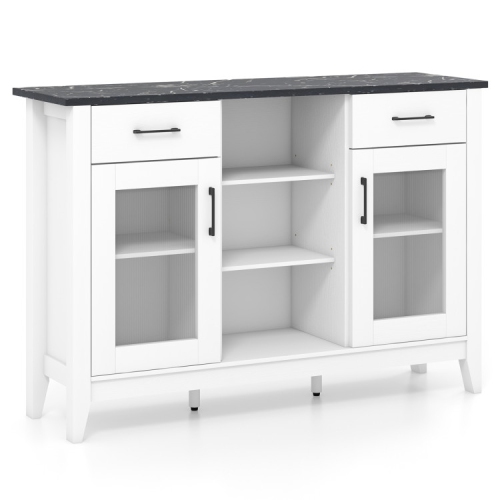
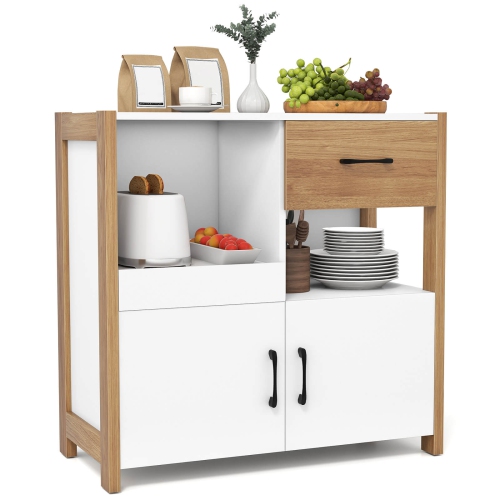
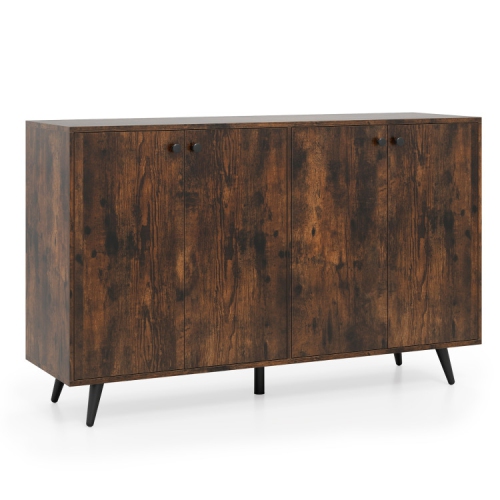
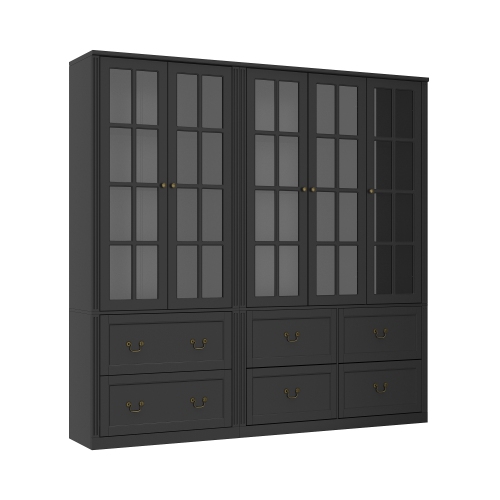
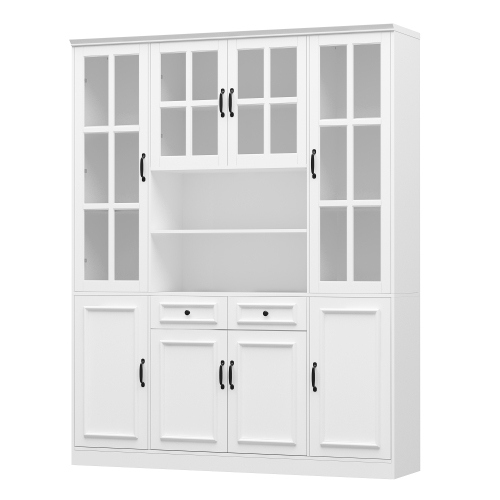
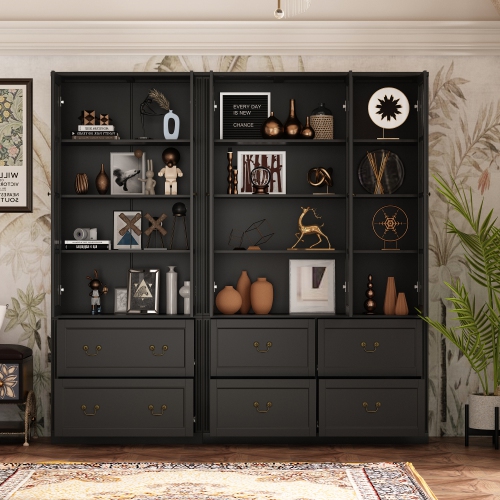
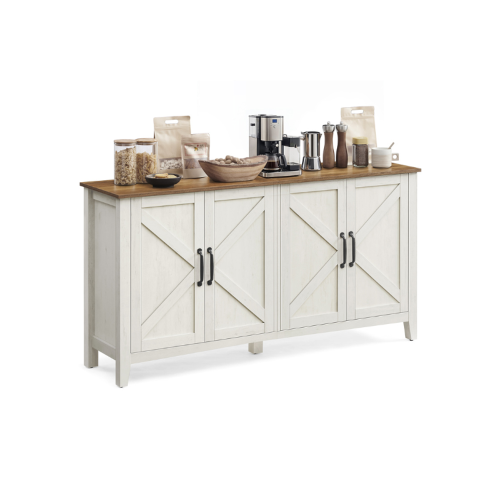
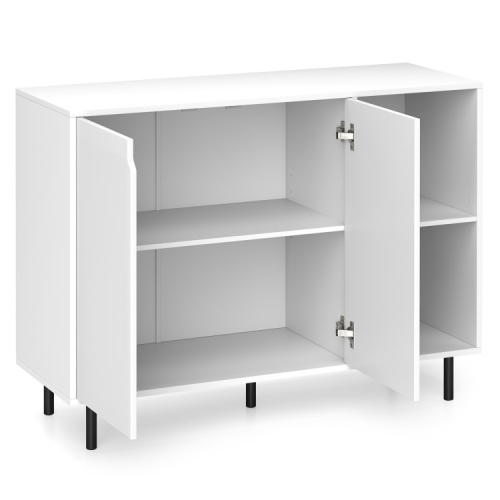
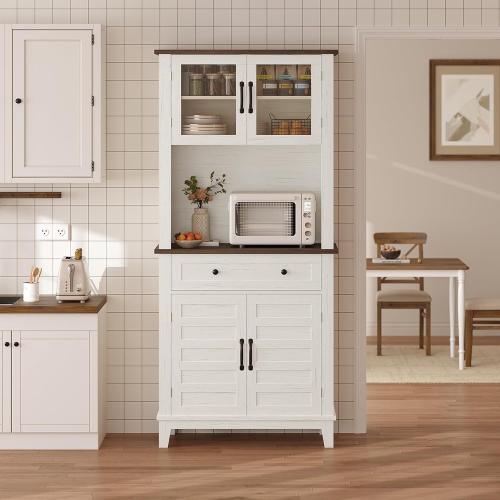
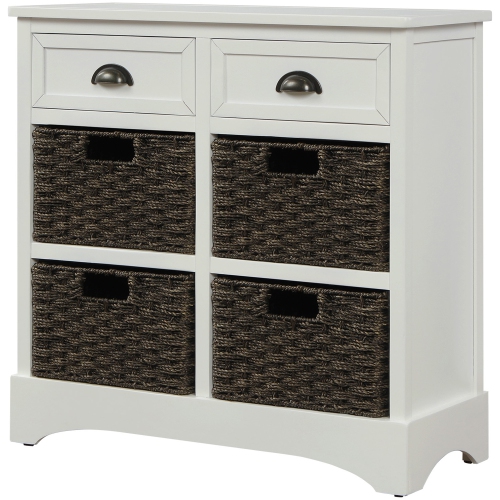
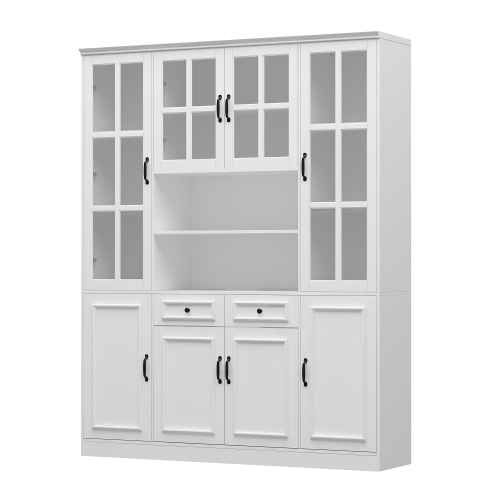
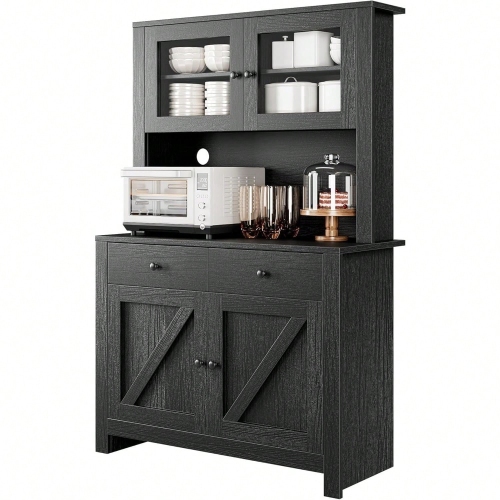
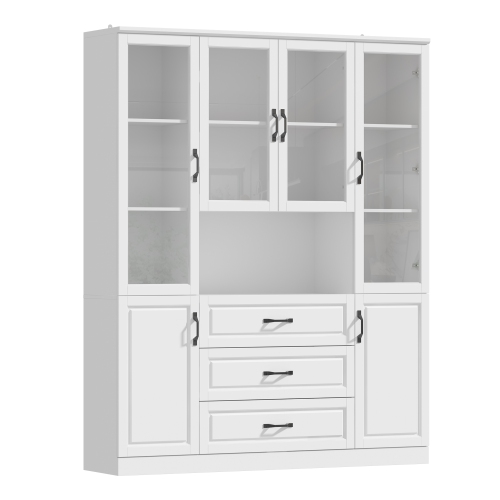
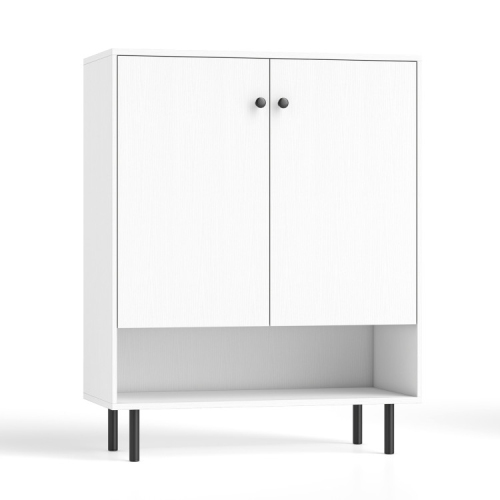
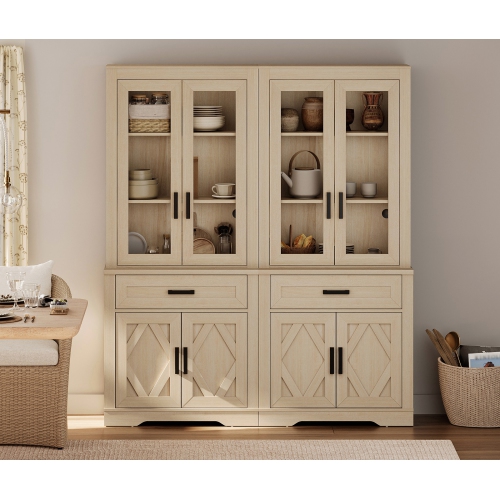
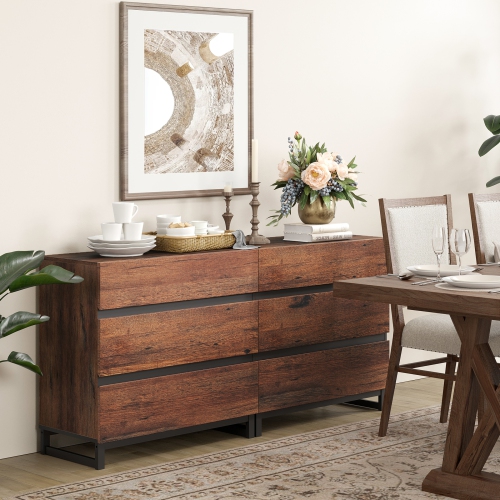
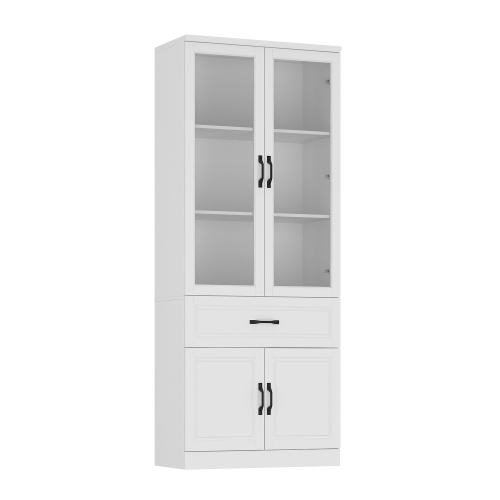
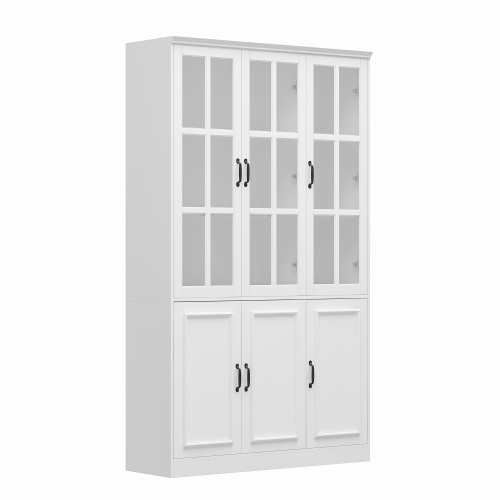
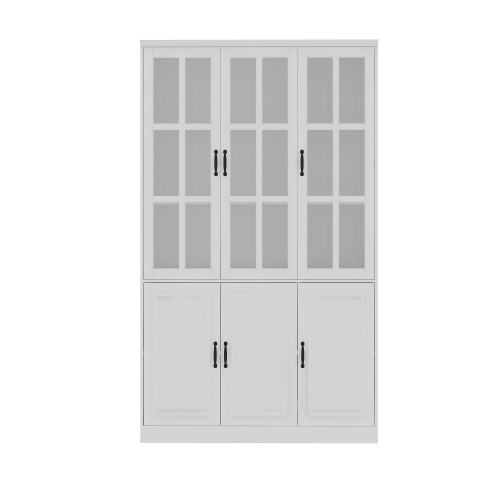
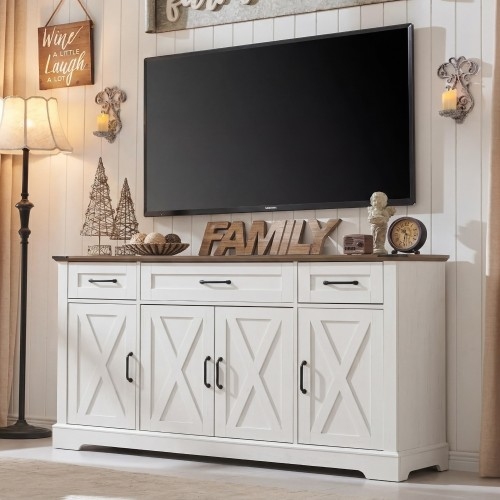
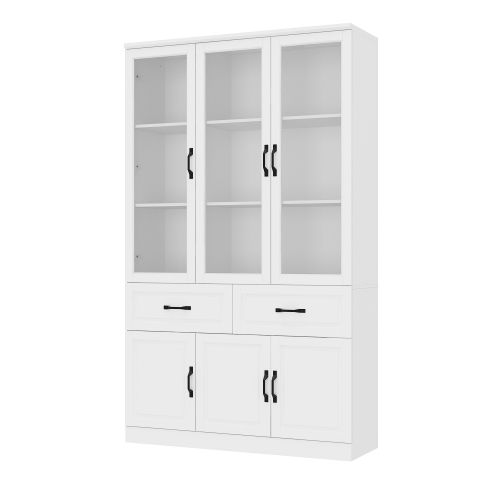
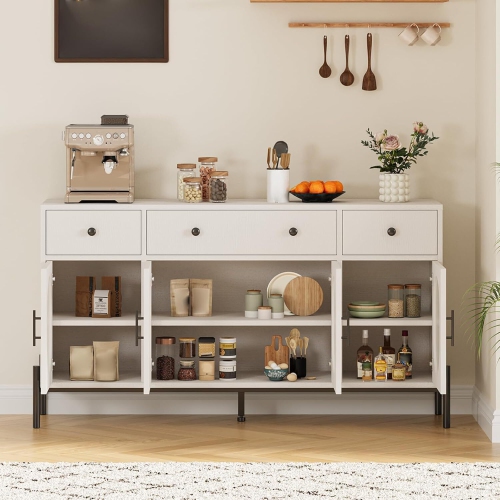
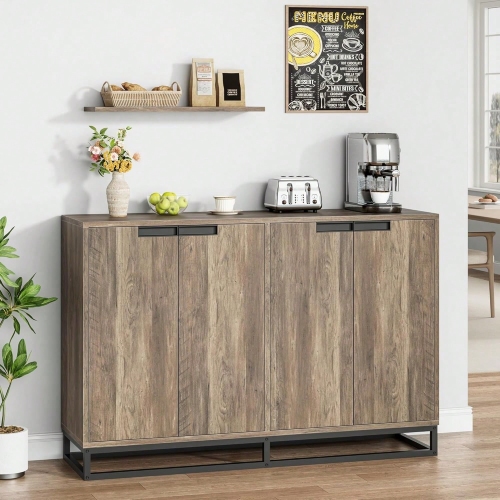
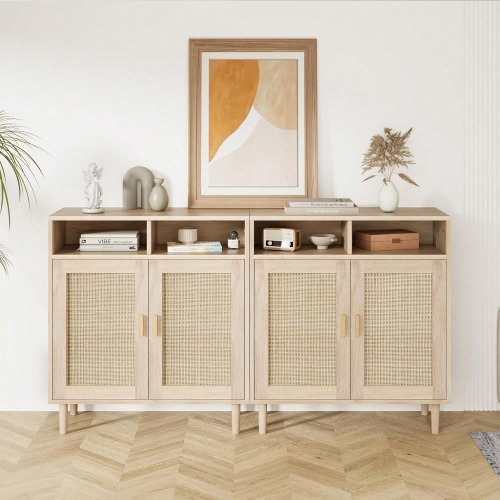
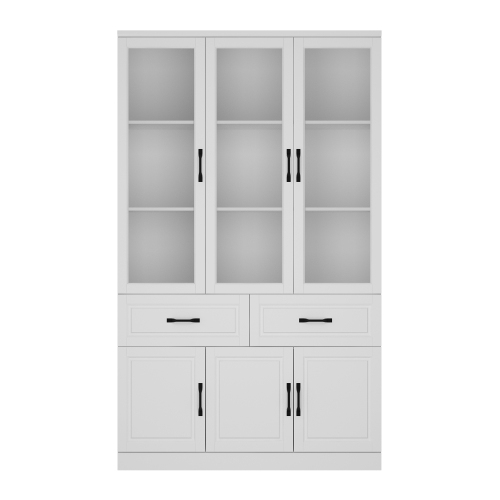
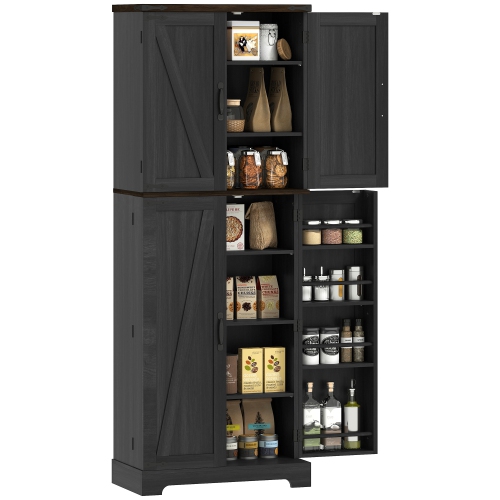
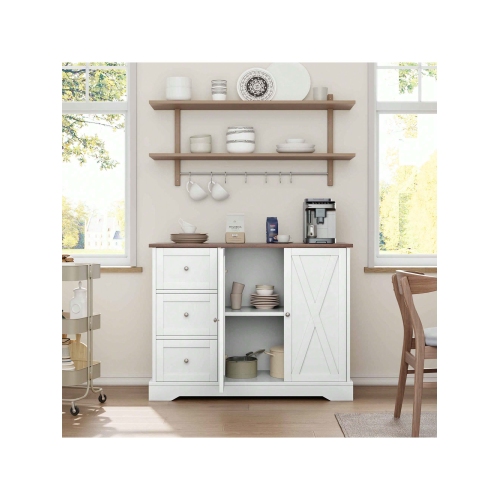
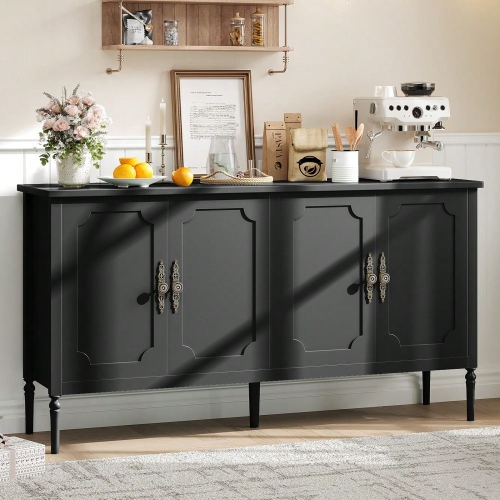
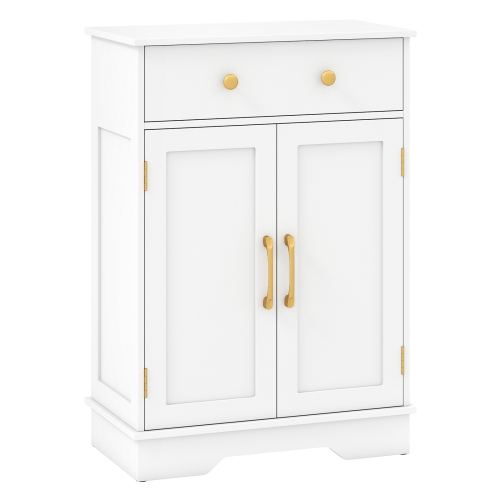
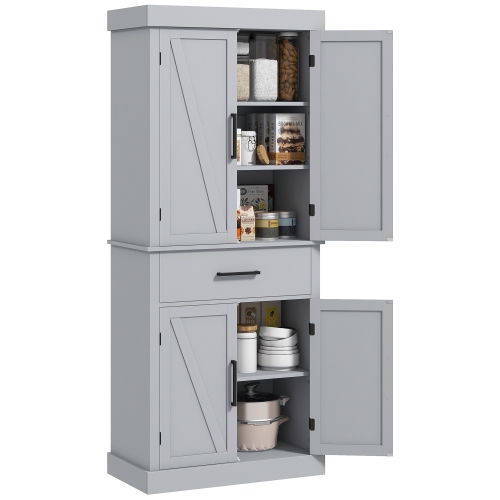
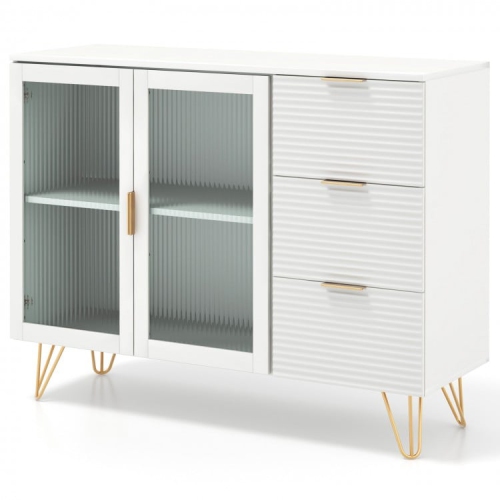
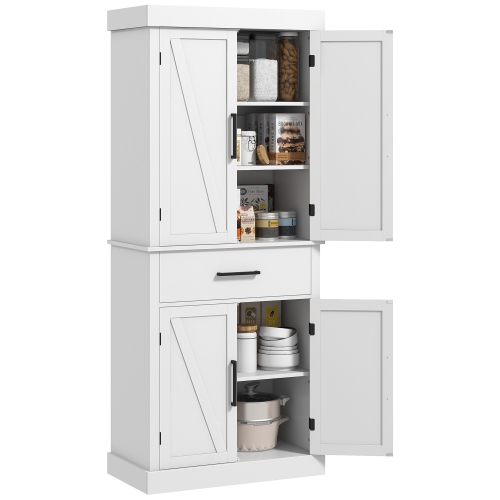
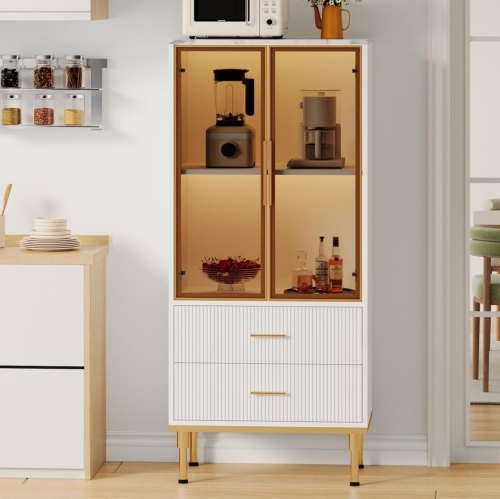
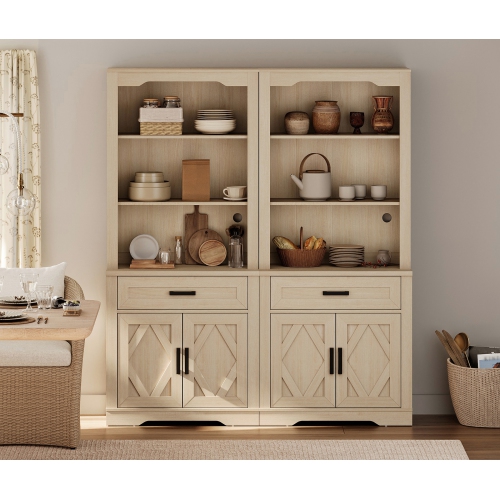
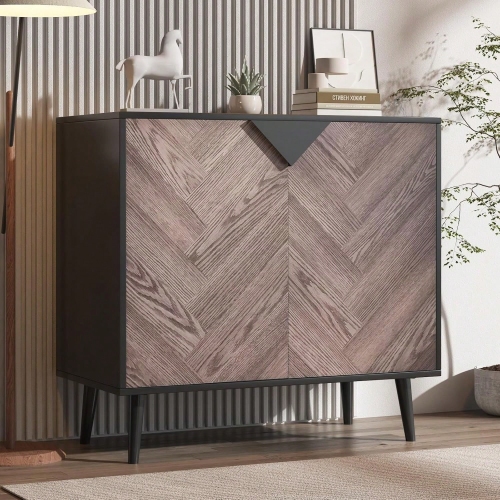
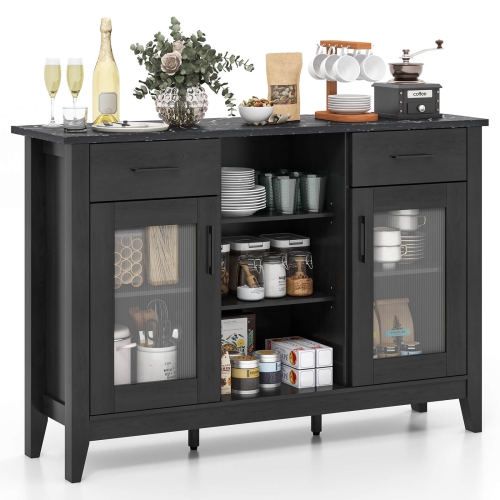
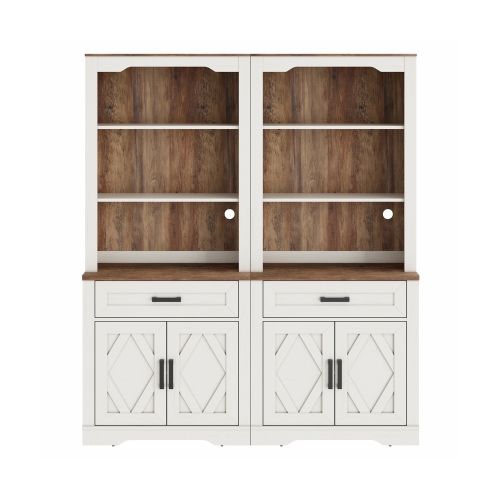
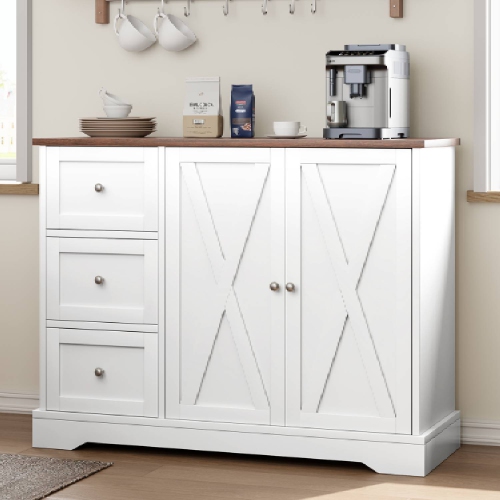
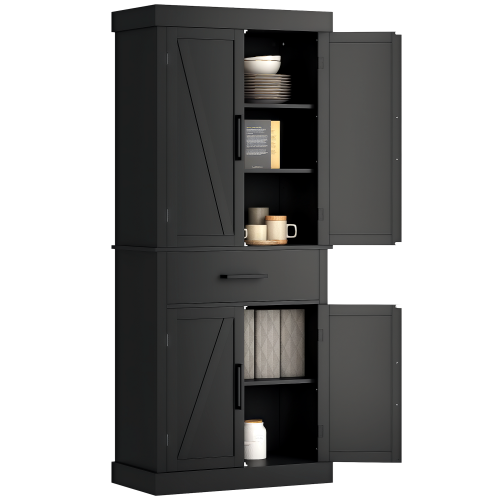
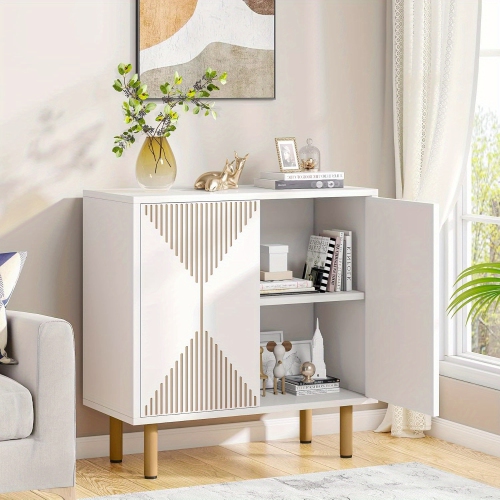
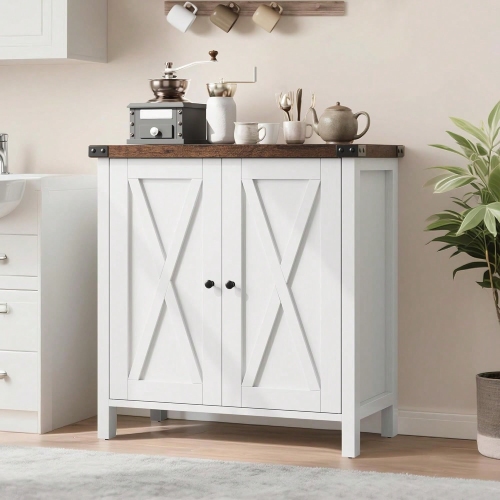
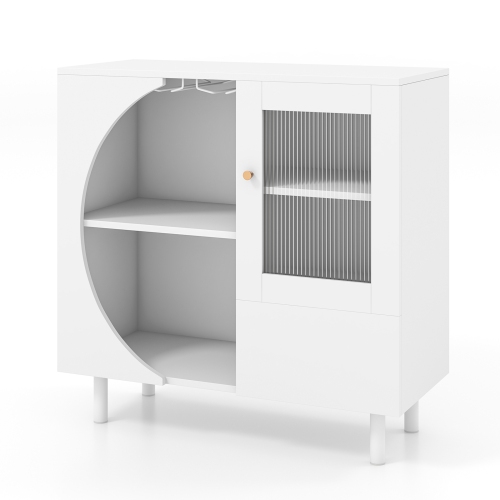
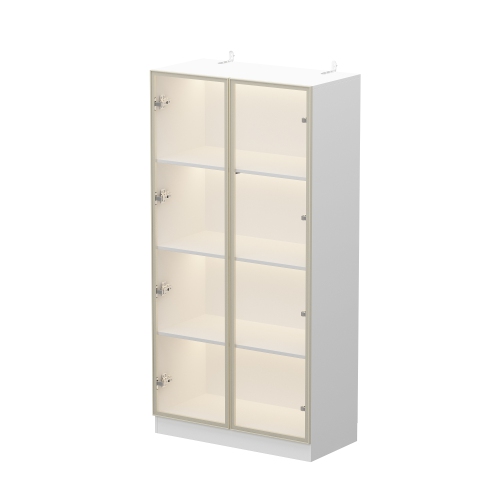
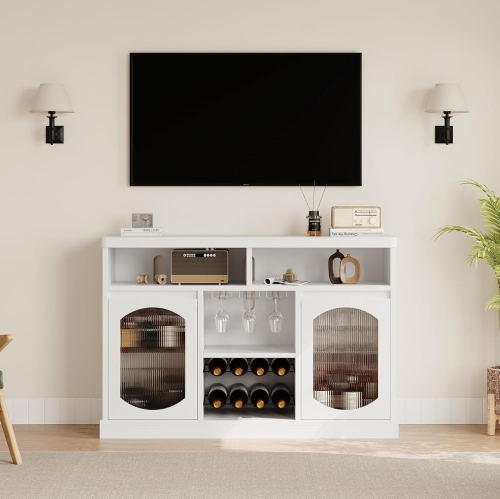
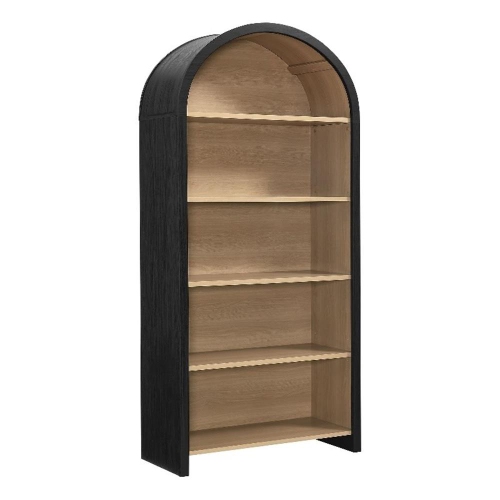
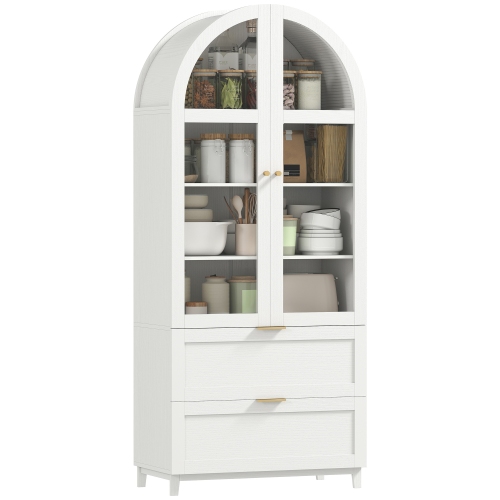
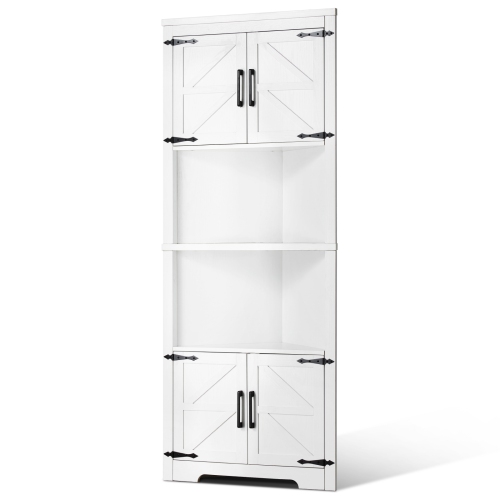
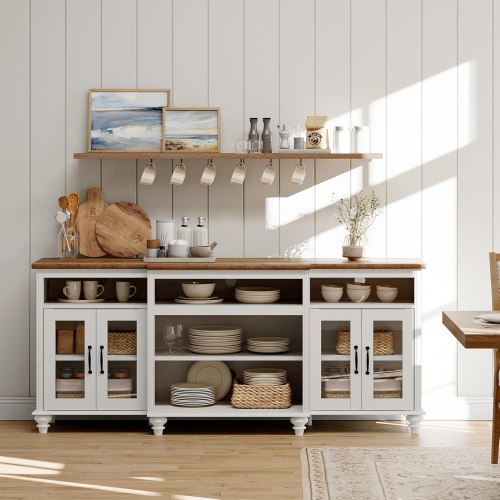
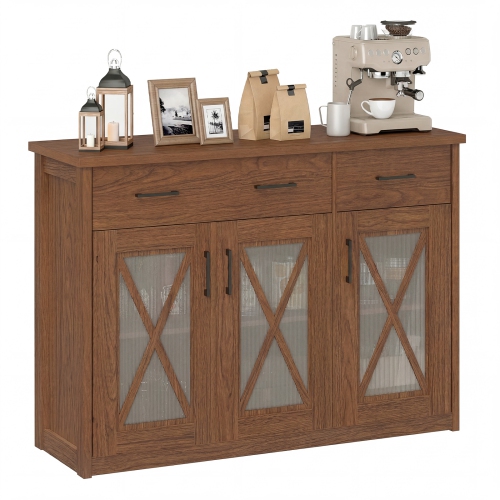
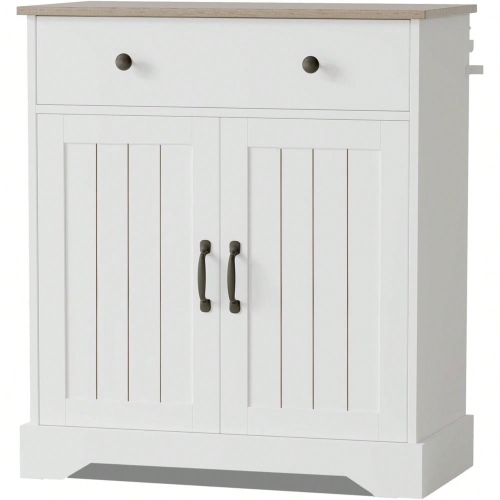
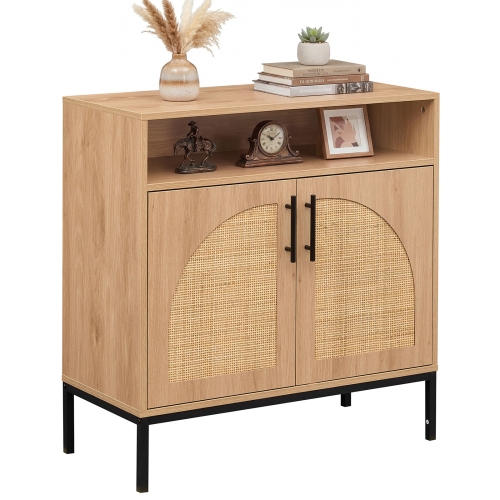
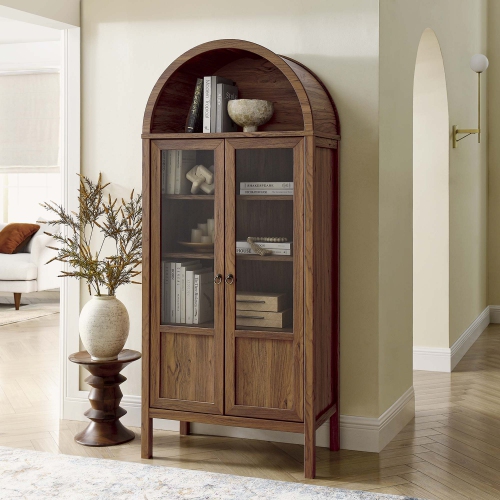
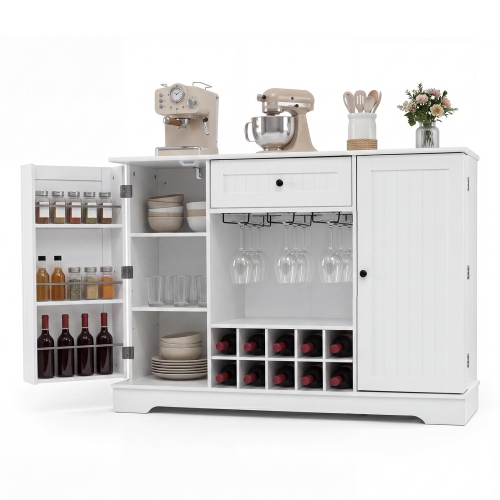
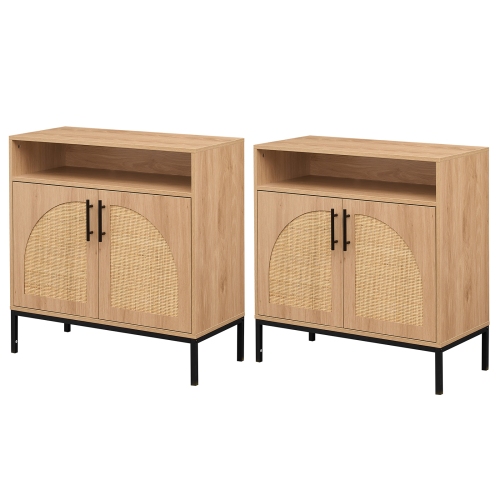
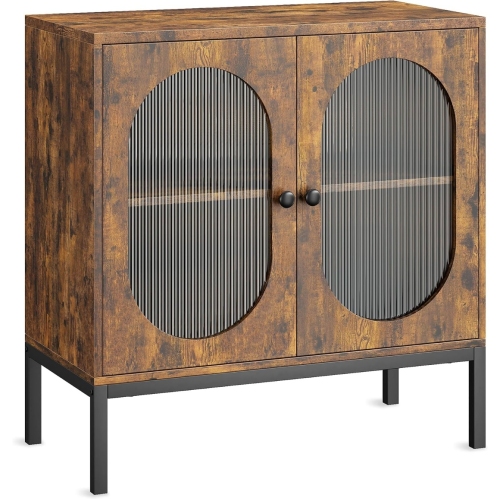
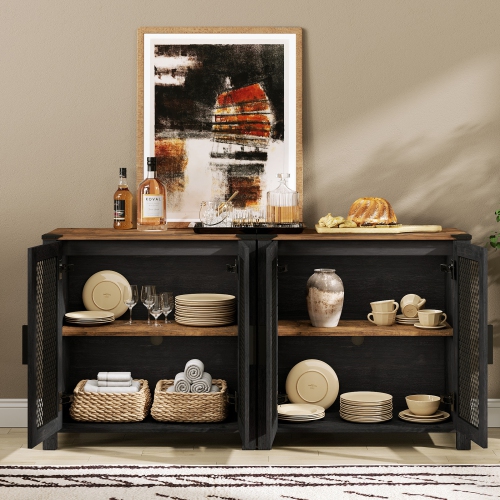
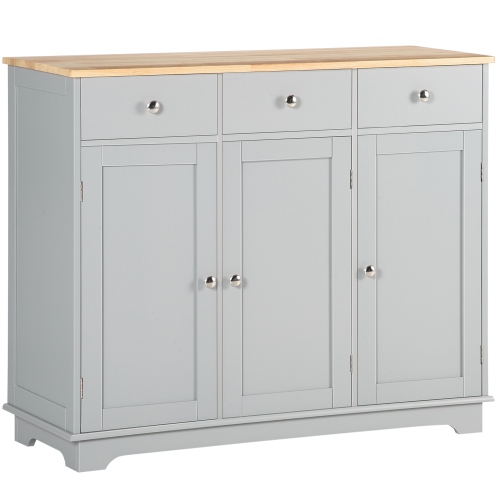
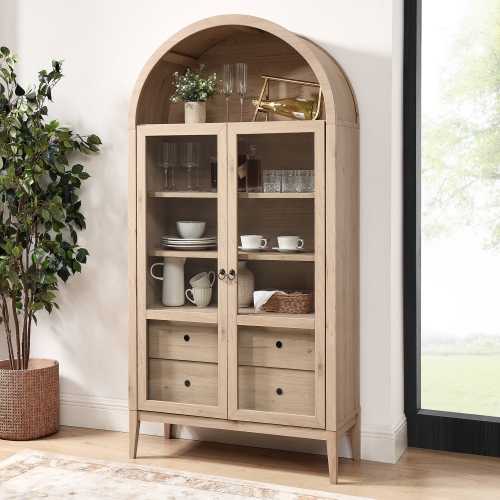
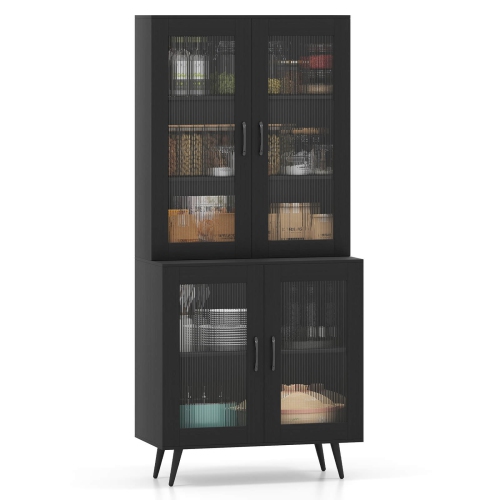
Dining room cabinets bring practical storage and a finished look to one of the most welcoming rooms in a home. A well-chosen cabinet can keep table linens, serving platters, everyday dishes, glassware, candles, and entertaining supplies close at hand without leaving the dining area feeling crowded. Sideboards and buffets are among the most versatile options, with a low, wide profile that provides cupboard storage, drawers, and a useful surface for serving food or displaying a vase, framed photograph, lamp, or seasonal arrangement. Many dining room cabinets measure approximately 30 to 36 inches high and 18 to 22 inches deep, although dimensions vary considerably by design. Their lower height makes them easy to use while seated or standing, and their broad surfaces work well beside a dining table. Tall china cabinets and hutches offer a different approach by using vertical space. These pieces often combine closed storage below with open shelving or glass-front doors above, making it possible to protect less frequently used dishes while keeping cherished dinnerware, glassware, or collected pieces visible. Bar and wine cabinets are another useful category for homes where entertaining is part of the routine. Their interiors may include bottle racks, stemware holders, drawers for accessories, and a dedicated surface for preparing or serving drinks. For rooms with limited floor space, a narrower cabinet can provide valuable organization without overwhelming the layout. Homes that need additional food and dish storage may also benefit from Pantry Cabinets For Dining Rooms, especially when a dining area serves as an extension of the kitchen.
Before choosing a dining room cabinet, measure both the intended wall and the surrounding walking paths. Leave at least 36 inches of clearance around the cabinet whenever possible so doors and drawers can open fully without striking dining chairs or narrowing the route between the table, kitchen, and other rooms. Remember to account for handles, open doors, and drawers rather than measuring only the cabinet’s closed dimensions. A cabinet that is slightly shorter in length than the dining table often creates a balanced arrangement, allowing the table to remain the visual centre of the room while the storage piece supports it. In a compact dining area, a slim sideboard or vertical cabinet can make better use of an unused wall than a deep, oversized piece. In a larger room, a wide buffet can anchor a blank wall and offer enough surface area for serving dishes during family meals or gatherings. Consider the room’s proportions as well as its style. Clean lines and simple hardware can complement a contemporary dining set, while warm wood tones, framed doors, or traditional detailing may suit a more classic interior. Glass-front storage adds display space but may call for more careful arranging, since the contents remain visible. Closed doors and drawers are helpful when you prefer a calmer appearance or need to store items of different shapes and sizes. Also check shelf adjustability, door swing, drawer movement, interior height, and the cabinet’s overall stability. If the piece will hold heavy plates, cookware, or serving pieces, sturdy shelves and dependable hardware are especially important. For homes with children or busy traffic patterns, smooth edges, secure doors, and a stable design can make everyday use more comfortable.
Good organization turns a dining room cabinet from simple furniture into part of the serving routine. Place flatware, napkins, placemats, and table runners in the top drawers or the most accessible compartments, where they can be reached while setting the table. Lower shelves are well suited to heavier plates, bowls, serving trays, and cookware, while glasses and delicate pieces may be easier to manage in a protected upper section or a dedicated stemware area. Grouping items according to how they are used saves time: keep everyday dinnerware together, reserve a section for special-occasion pieces, and store candles, trivets, and serving utensils near the surface where they will be needed. Adjustable shelving is helpful for tall pitchers, large platters, and changing storage needs. During the cooler months, when meals and gatherings often move indoors, a dining room cabinet can make it easier to prepare a full table without repeated trips to the kitchen. It may hold extra mugs for after-dinner drinks, baking and serving pieces for family celebrations, or table linens suited to more formal occasions. These cabinets can also be thoughtful gifts for someone settling into a new home, furnishing a dining space, or building a collection of dinnerware over time. A compact server may suit an apartment or condo, while a larger buffet or hutch can serve a growing household that hosts extended family. Whether used for everyday breakfasts, weekend dinners, or relaxed entertaining with friends, dining room cabinets help keep the room organized while giving treasured pieces a place to be seen and used.
Before choosing a dining room cabinet, measure both the intended wall and the surrounding walking paths. Leave at least 36 inches of clearance around the cabinet whenever possible so doors and drawers can open fully without striking dining chairs or narrowing the route between the table, kitchen, and other rooms. Remember to account for handles, open doors, and drawers rather than measuring only the cabinet’s closed dimensions. A cabinet that is slightly shorter in length than the dining table often creates a balanced arrangement, allowing the table to remain the visual centre of the room while the storage piece supports it. In a compact dining area, a slim sideboard or vertical cabinet can make better use of an unused wall than a deep, oversized piece. In a larger room, a wide buffet can anchor a blank wall and offer enough surface area for serving dishes during family meals or gatherings. Consider the room’s proportions as well as its style. Clean lines and simple hardware can complement a contemporary dining set, while warm wood tones, framed doors, or traditional detailing may suit a more classic interior. Glass-front storage adds display space but may call for more careful arranging, since the contents remain visible. Closed doors and drawers are helpful when you prefer a calmer appearance or need to store items of different shapes and sizes. Also check shelf adjustability, door swing, drawer movement, interior height, and the cabinet’s overall stability. If the piece will hold heavy plates, cookware, or serving pieces, sturdy shelves and dependable hardware are especially important. For homes with children or busy traffic patterns, smooth edges, secure doors, and a stable design can make everyday use more comfortable.
Good organization turns a dining room cabinet from simple furniture into part of the serving routine. Place flatware, napkins, placemats, and table runners in the top drawers or the most accessible compartments, where they can be reached while setting the table. Lower shelves are well suited to heavier plates, bowls, serving trays, and cookware, while glasses and delicate pieces may be easier to manage in a protected upper section or a dedicated stemware area. Grouping items according to how they are used saves time: keep everyday dinnerware together, reserve a section for special-occasion pieces, and store candles, trivets, and serving utensils near the surface where they will be needed. Adjustable shelving is helpful for tall pitchers, large platters, and changing storage needs. During the cooler months, when meals and gatherings often move indoors, a dining room cabinet can make it easier to prepare a full table without repeated trips to the kitchen. It may hold extra mugs for after-dinner drinks, baking and serving pieces for family celebrations, or table linens suited to more formal occasions. These cabinets can also be thoughtful gifts for someone settling into a new home, furnishing a dining space, or building a collection of dinnerware over time. A compact server may suit an apartment or condo, while a larger buffet or hutch can serve a growing household that hosts extended family. Whether used for everyday breakfasts, weekend dinners, or relaxed entertaining with friends, dining room cabinets help keep the room organized while giving treasured pieces a place to be seen and used.
Top selling and popular products
-
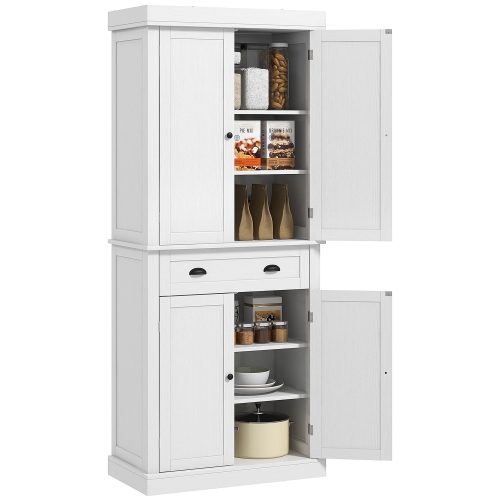 Your price for this item is $269.99
 -
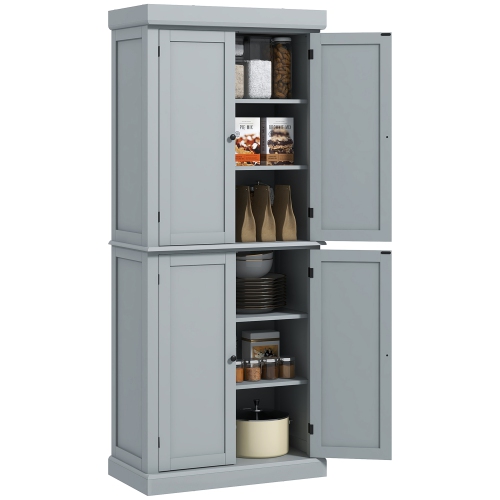 Your price for this item is $299.99
 -
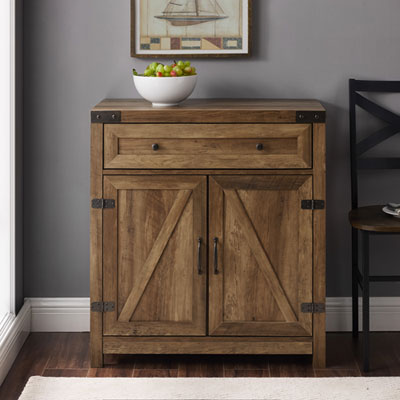 Your price for this item is $401.99
 -
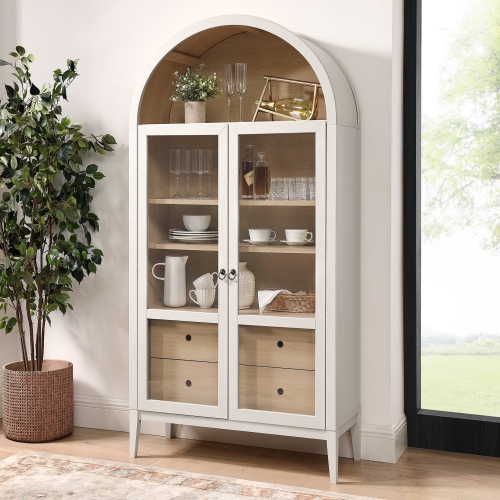 Your price for this item is $1155.71
 -
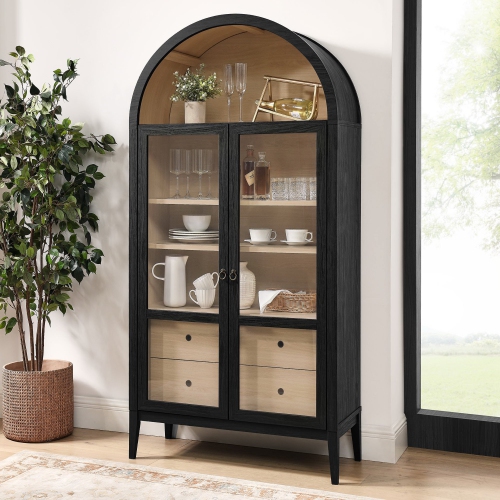 Your price for this item is $1028.59
 -
 Your price for this item is $1028.59
 -
 Your price for this item is $593.99
 -
 Your price for this item is $144.99
Discover more categories related to Dining Room Cabinets
Top Collections:
Pokemon Centers, Kindle Devices, Best Budget Office Chairs, Canon G7X Cameras, Apple iPhones 16, Samsung Galaxy Phones, Refurbished Apple Laptops, Laptops for Students, iPhone 15 Apple, Budget Smartphones
Some products may be subject to Environmental Handling Fees
(EHF) depending on your province.
Learn more about EHFs.