Dining Room Shelves
Organize your dining space with style and functionality using this selection of dining room shelves. Whether you're looking to display your favorite dinnerware, store kitchen essentials, or simply add a decorative touch to your dining area, this range of shelves offers versatile solutions to suit every decor style. From sleek modern designs to rustic farmhouse-inspired pieces, explore a variety of options to elevate the look and functionality of your dining room.
Sort
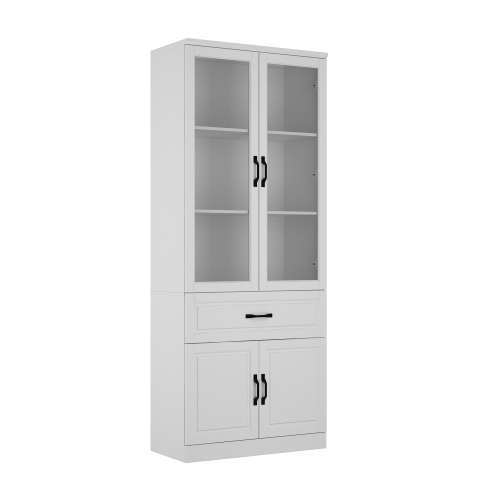
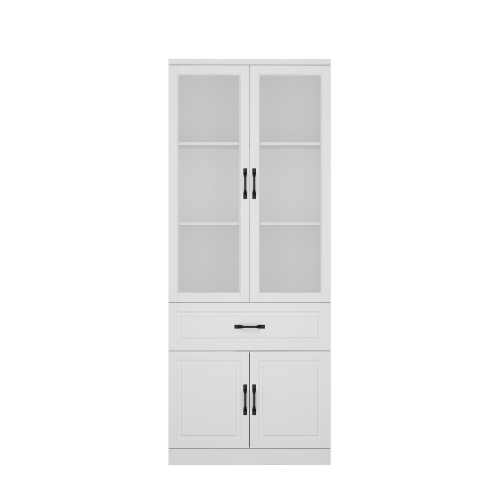
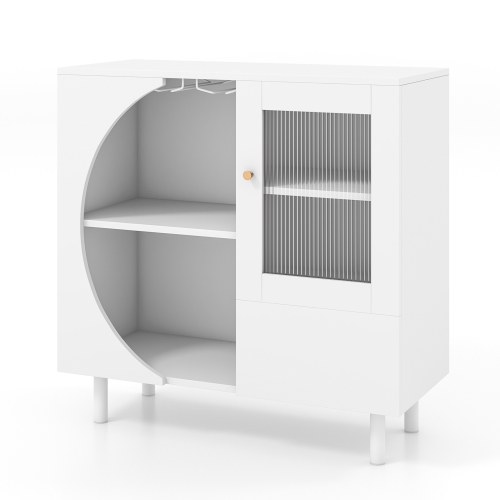

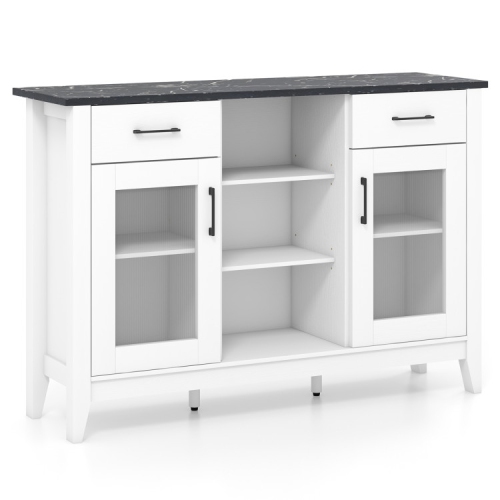
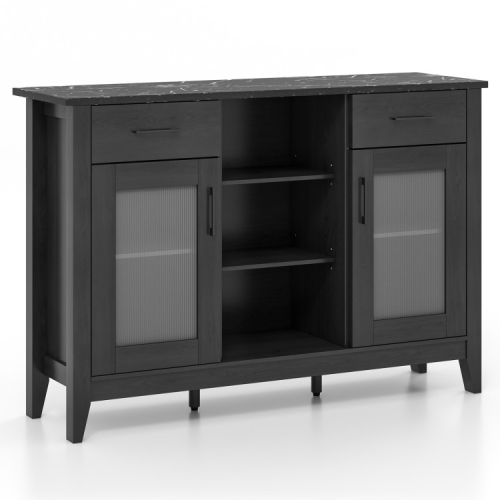
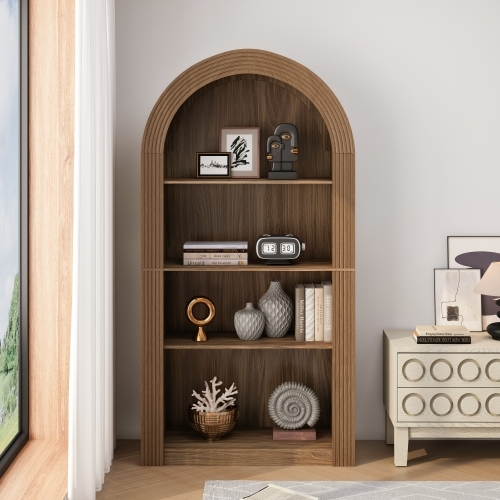
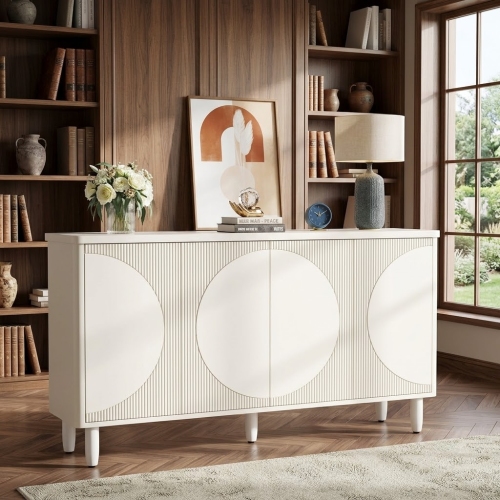
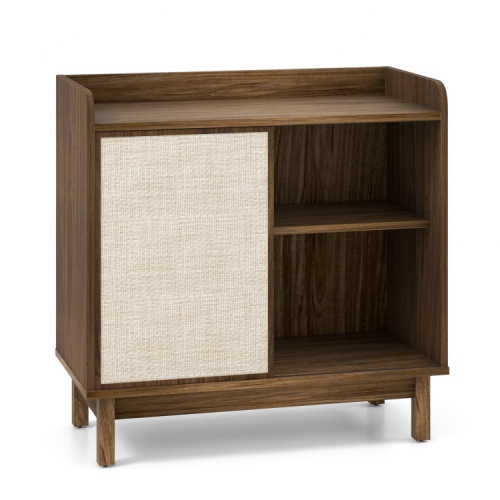
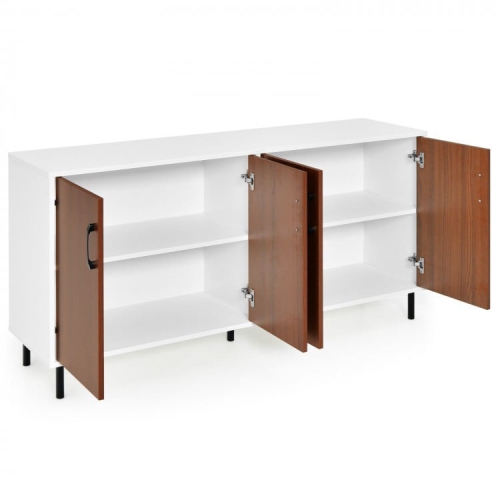

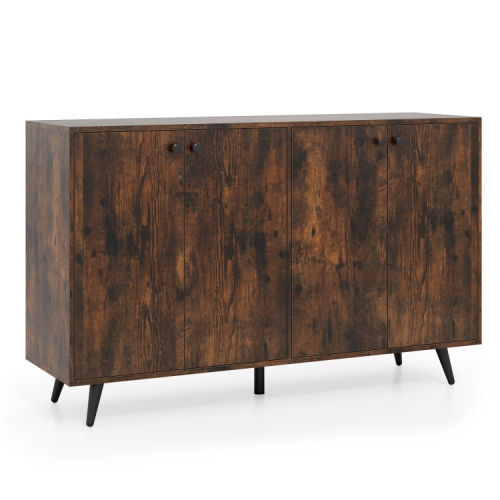
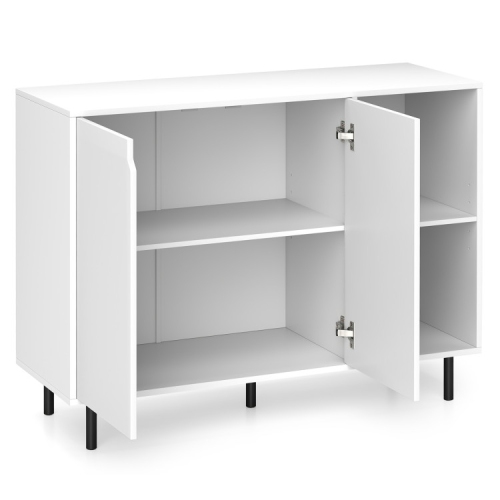
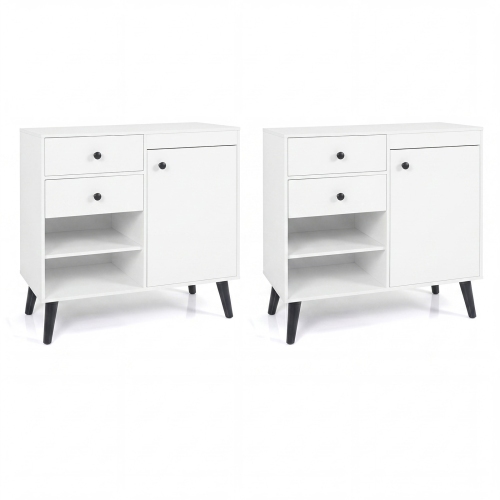
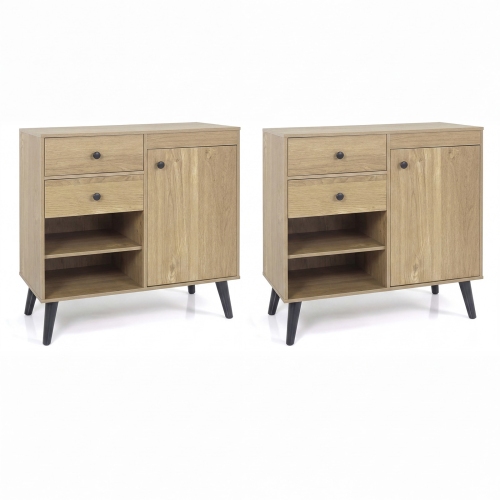
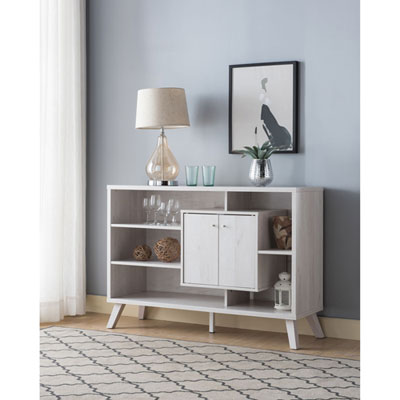
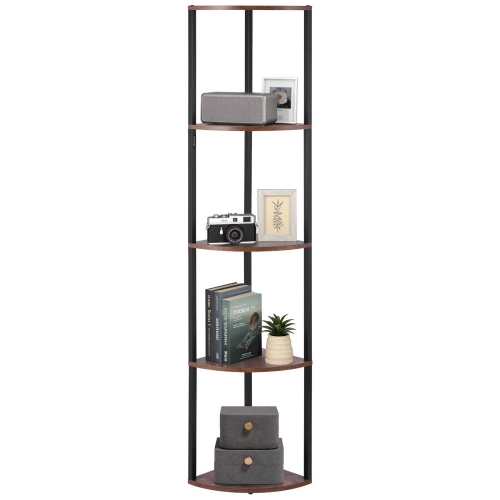
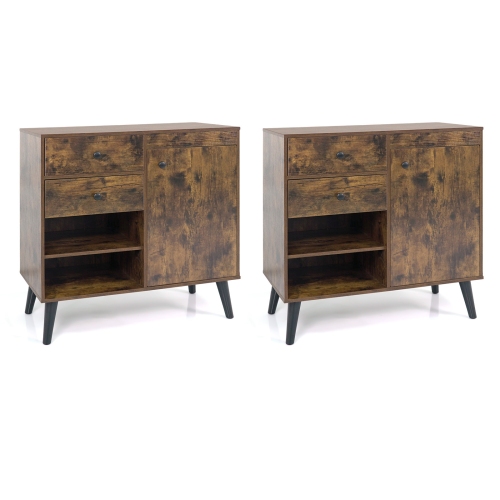
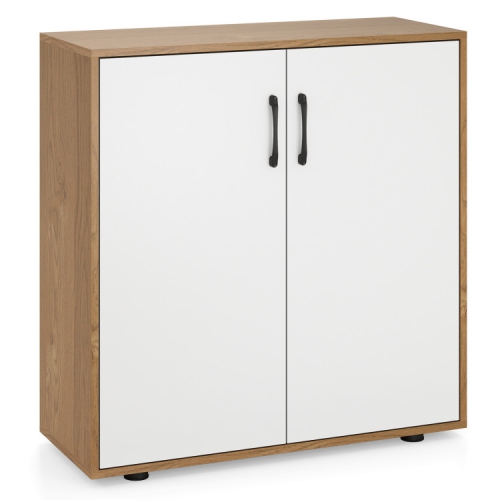
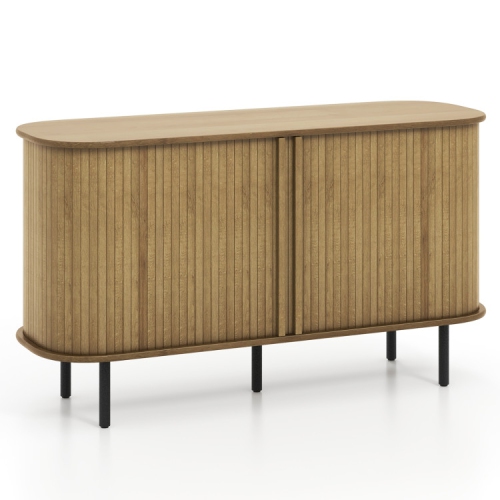
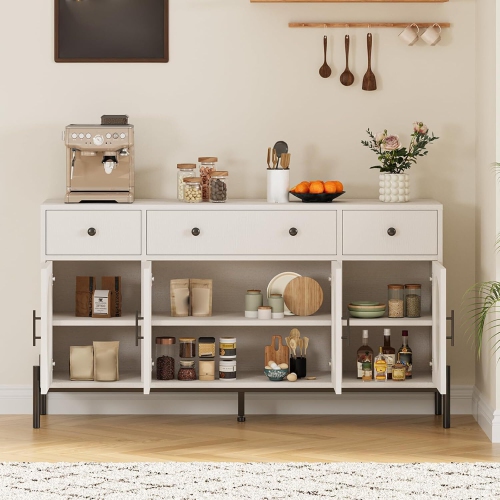
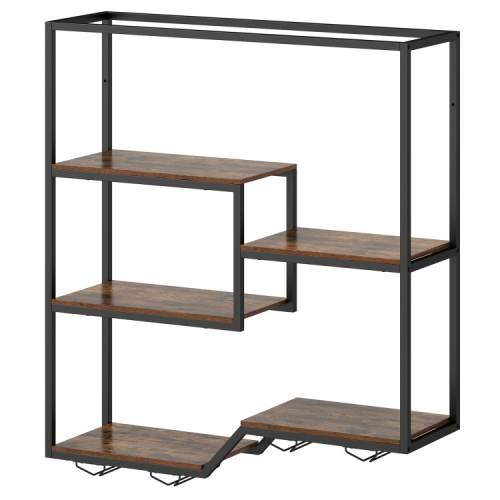

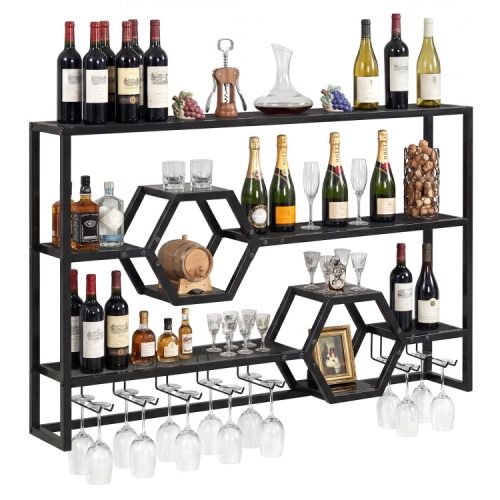
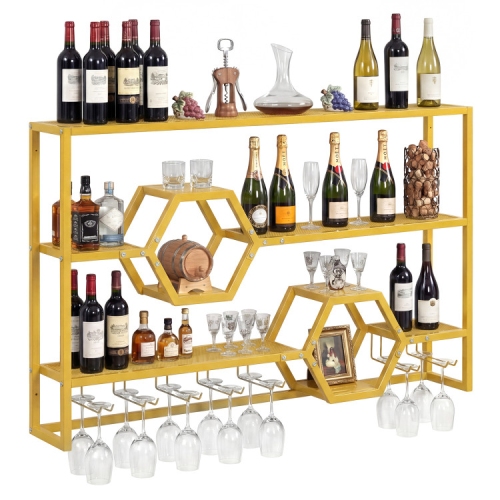
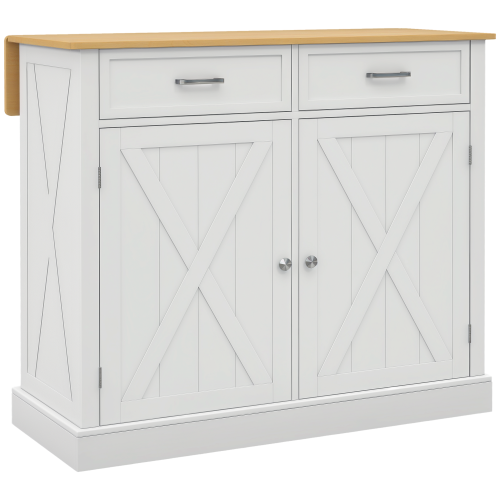
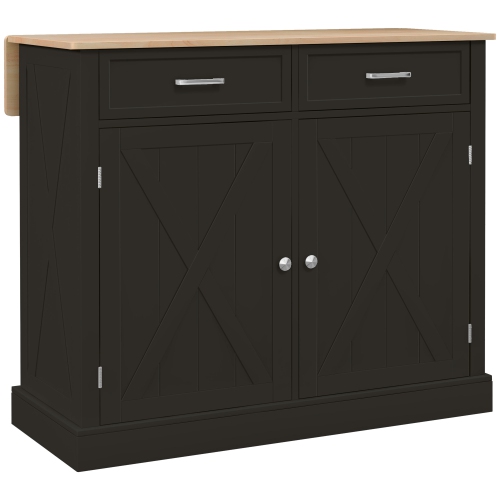


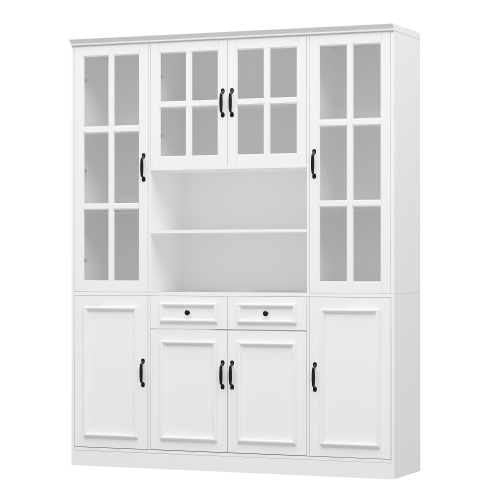
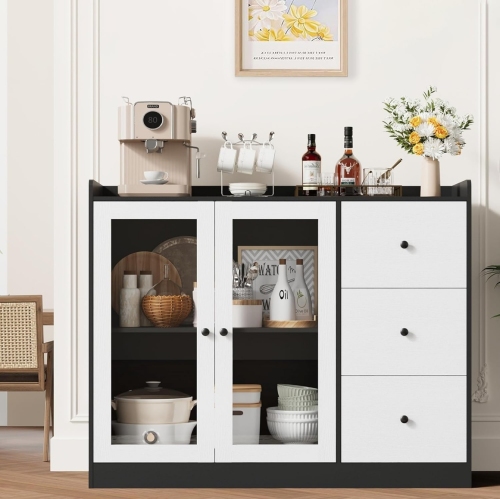

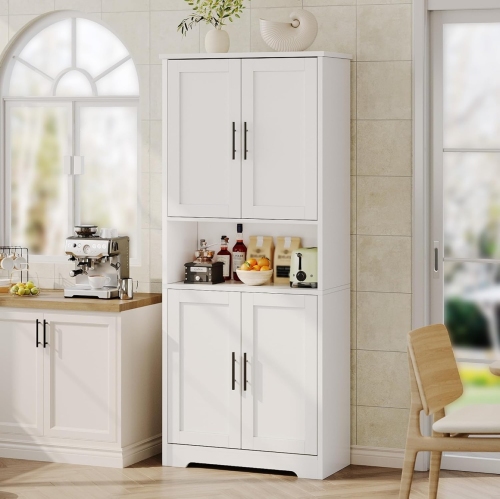


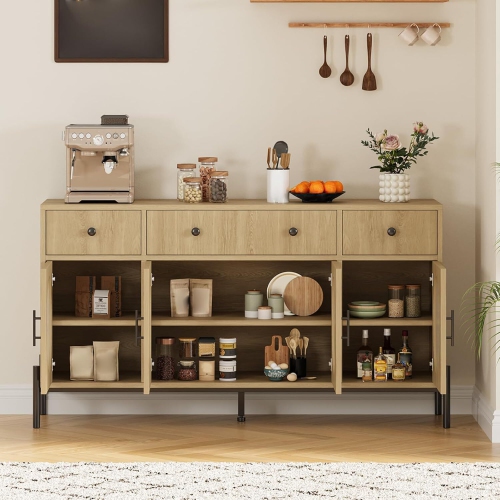

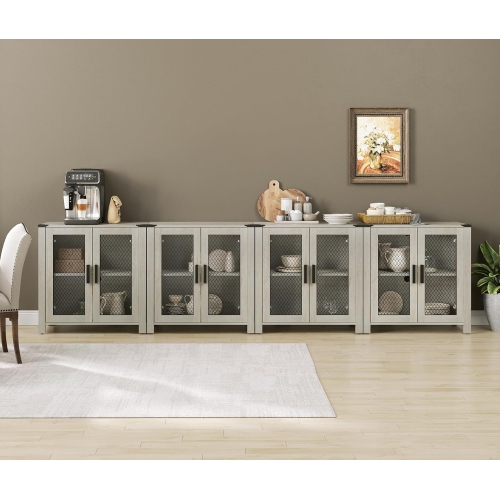
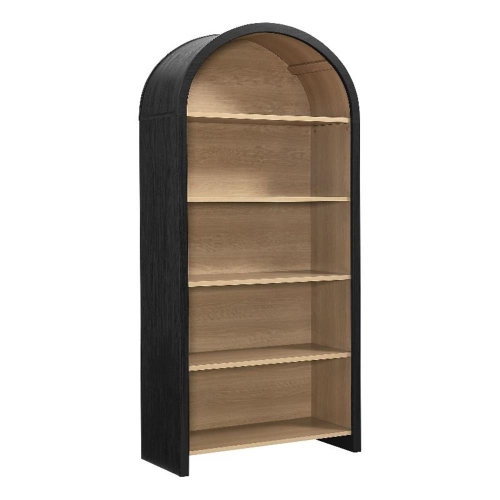
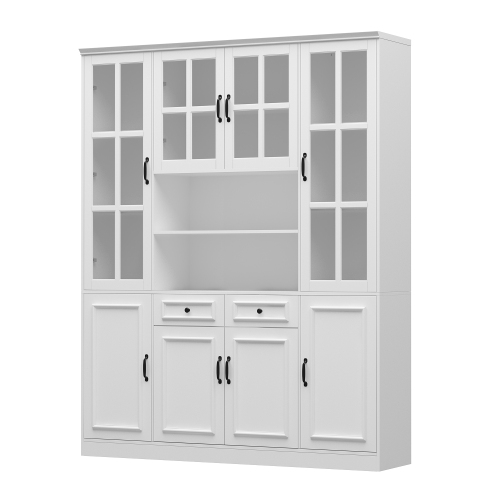
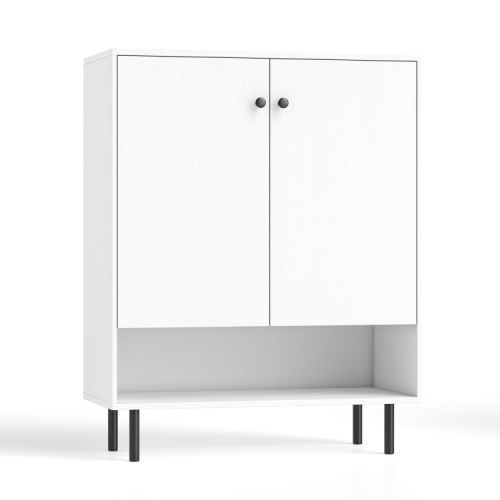

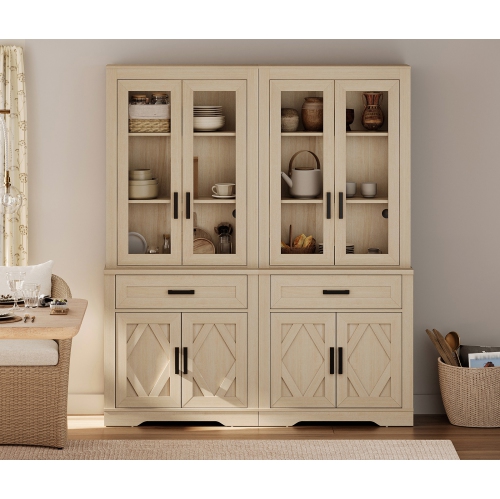
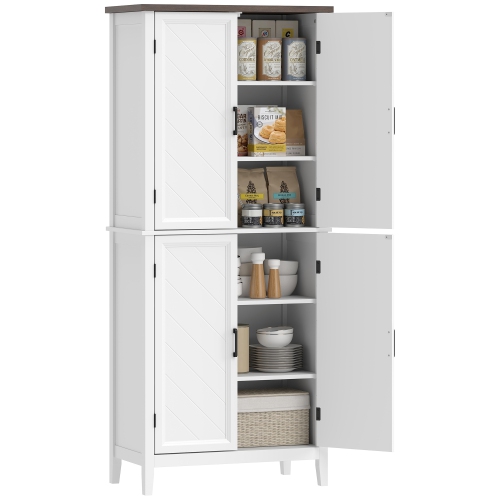
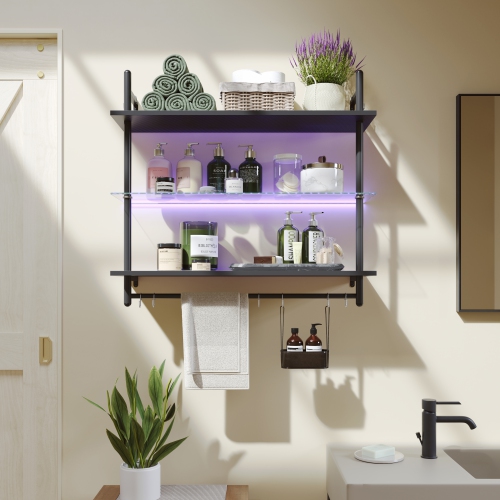
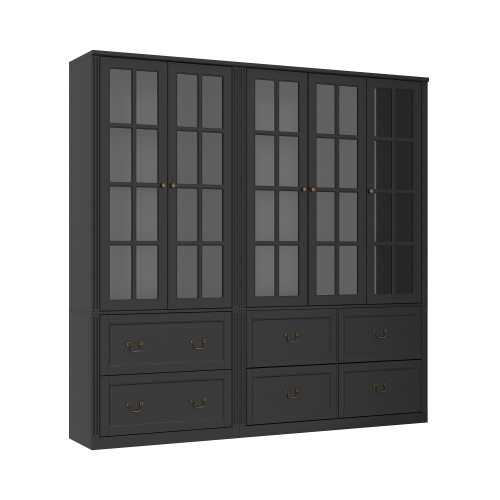
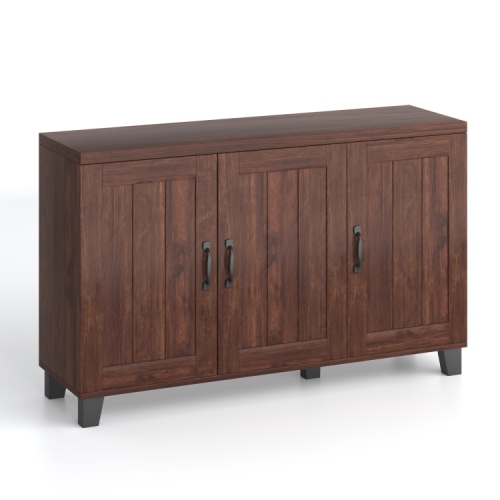
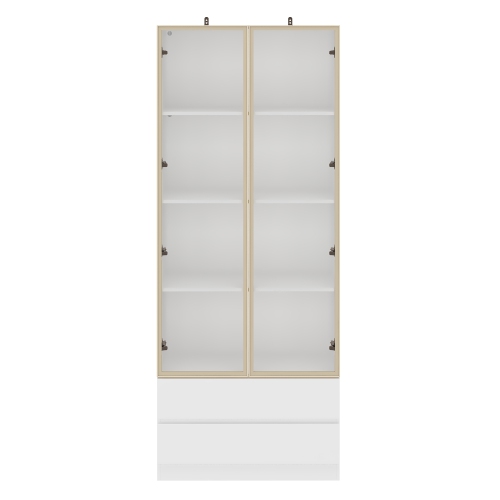
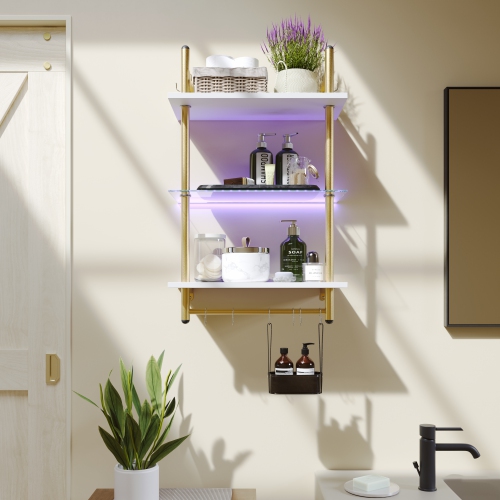
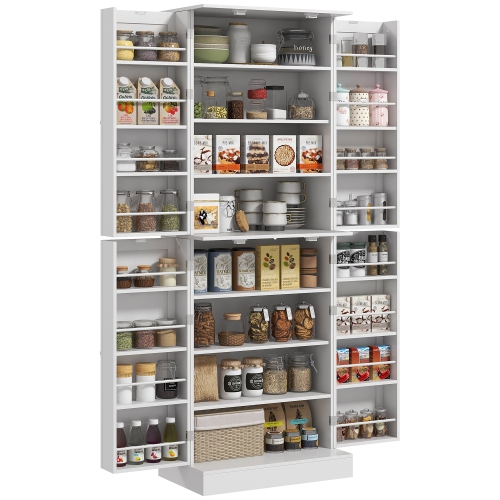
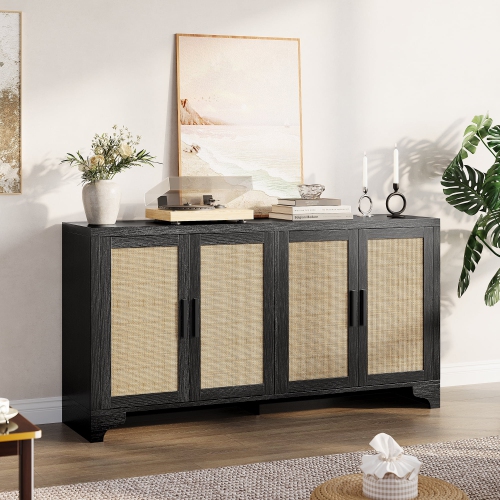
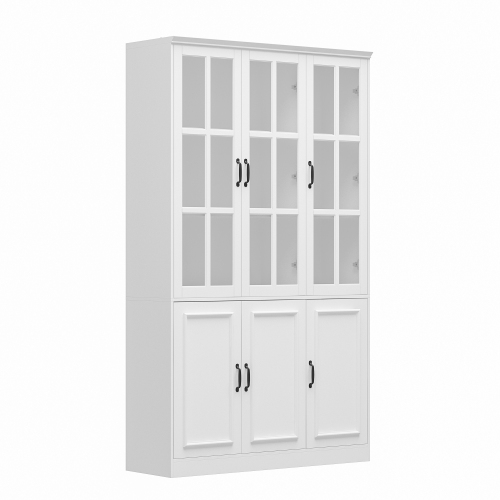
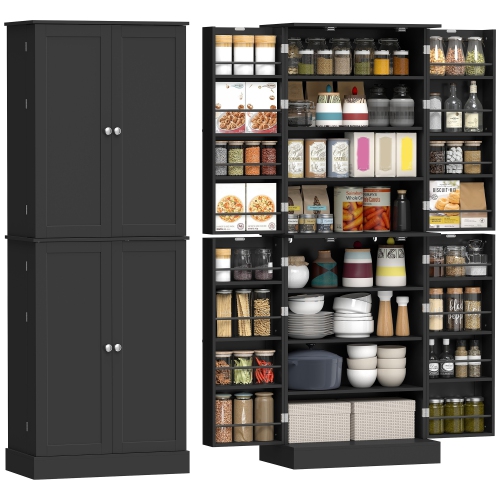
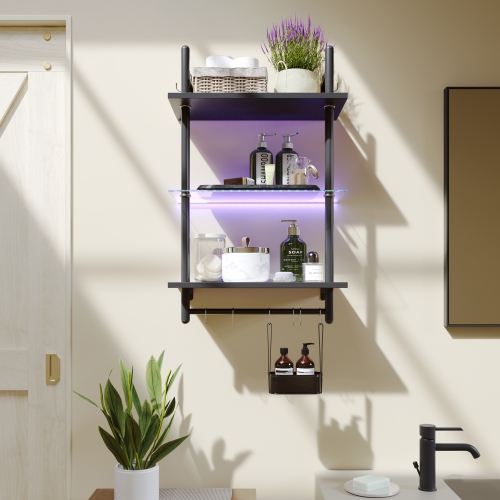

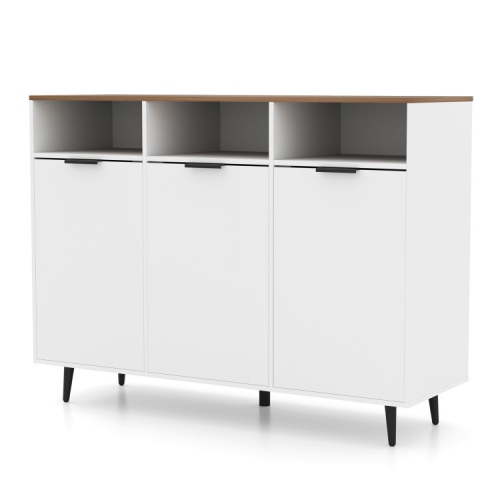
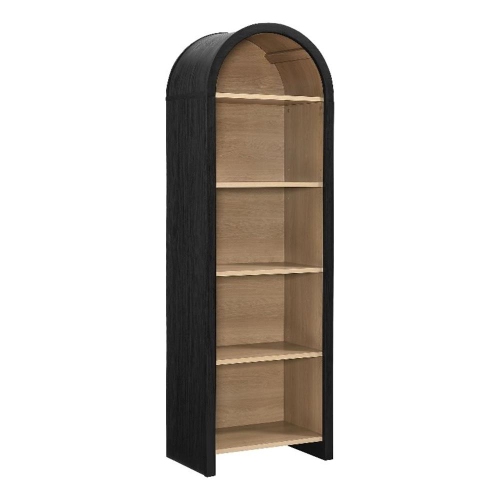
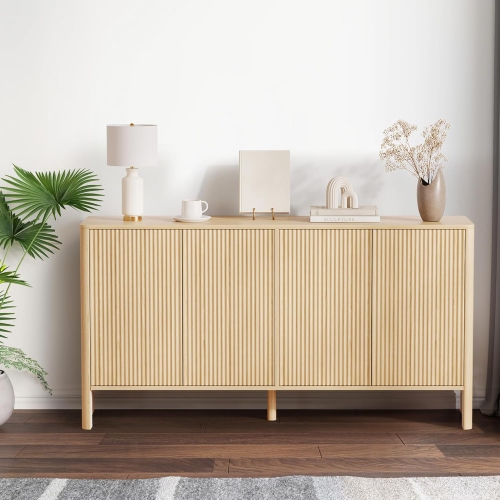
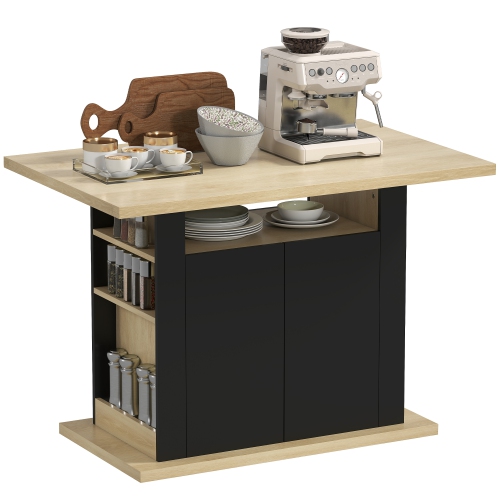
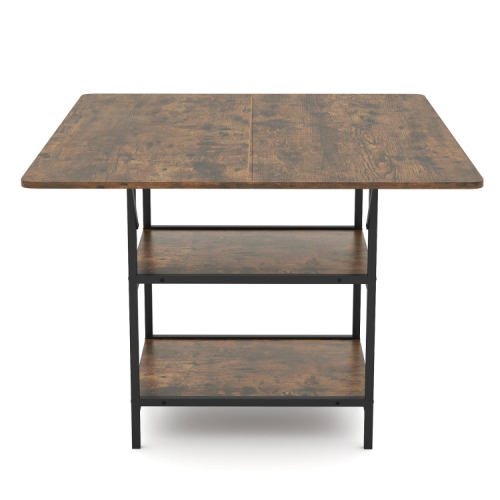
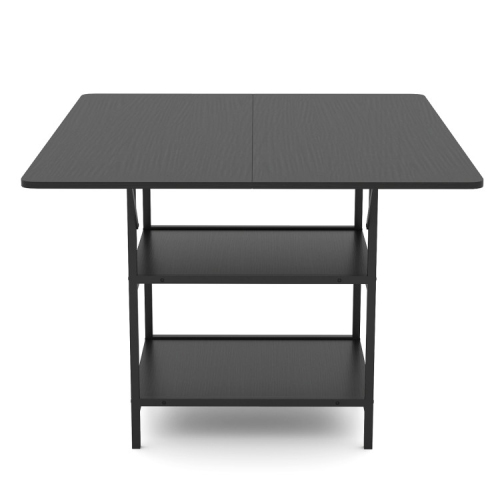
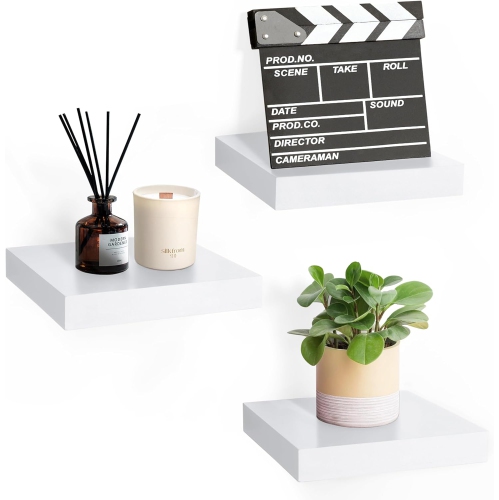
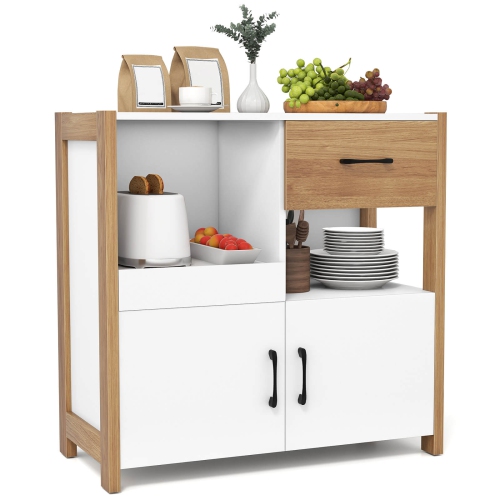
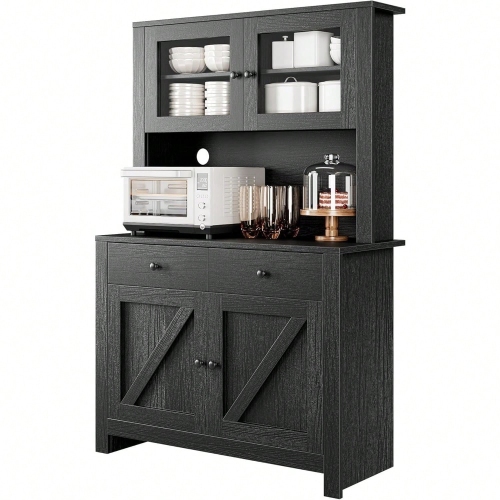
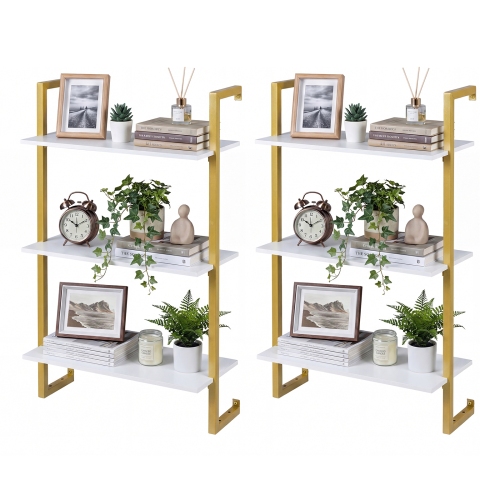

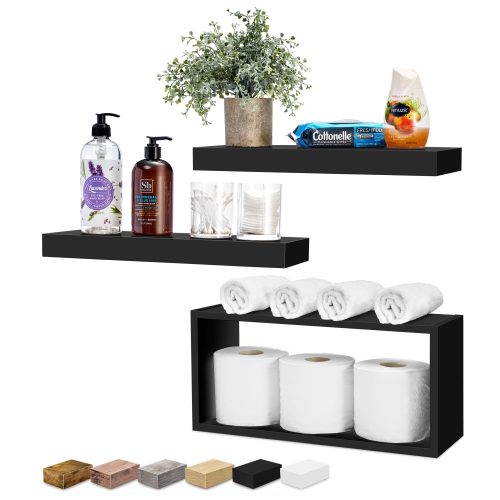

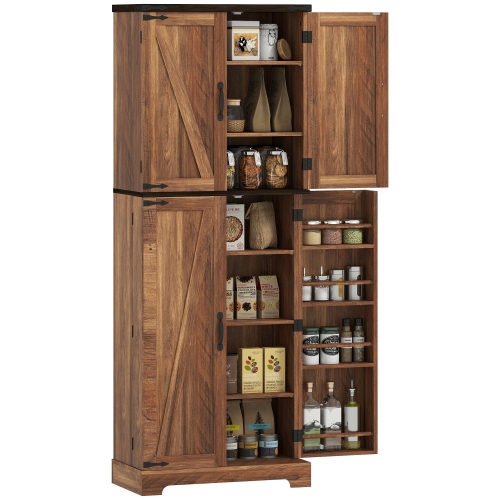


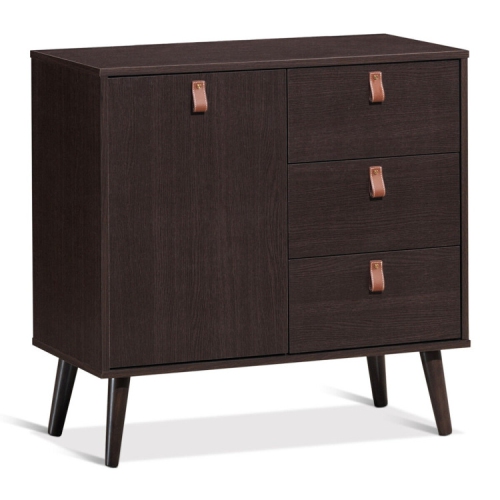
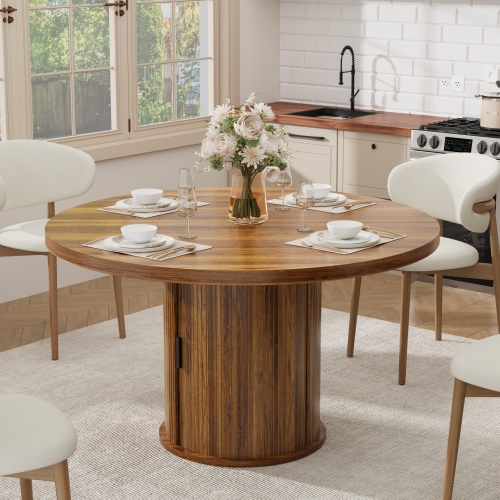
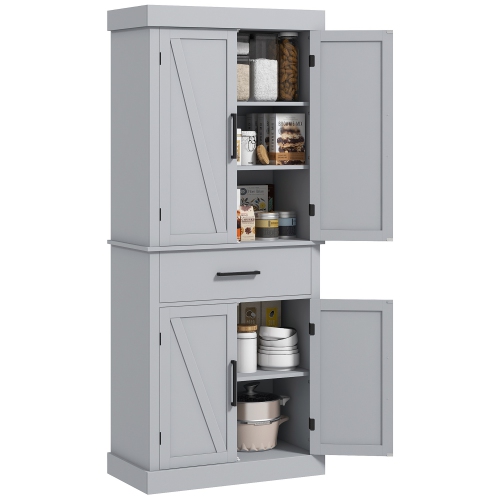
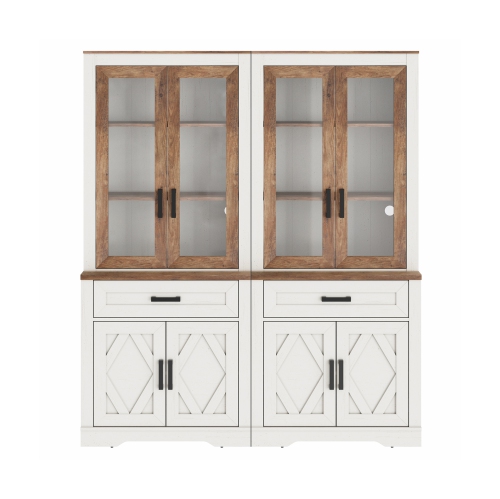
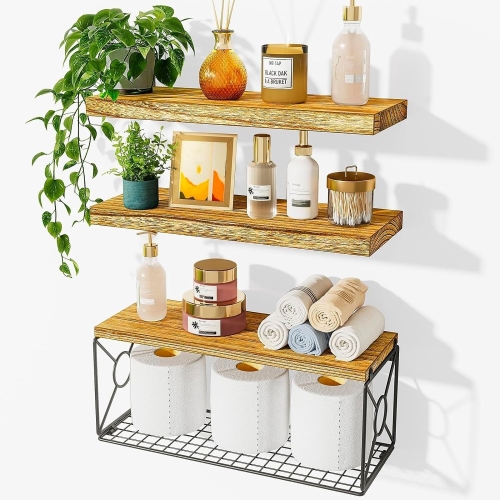

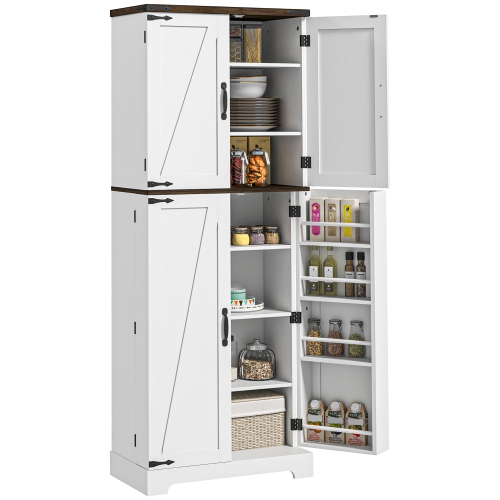
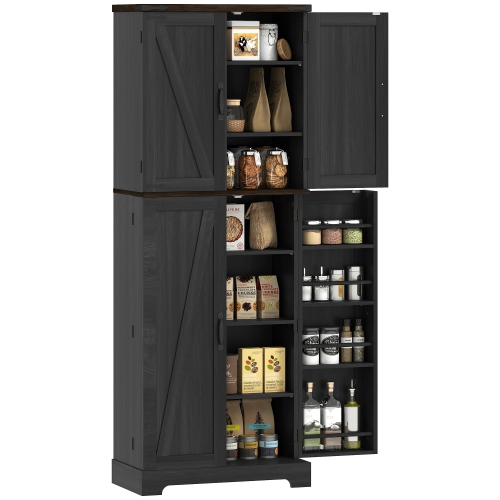
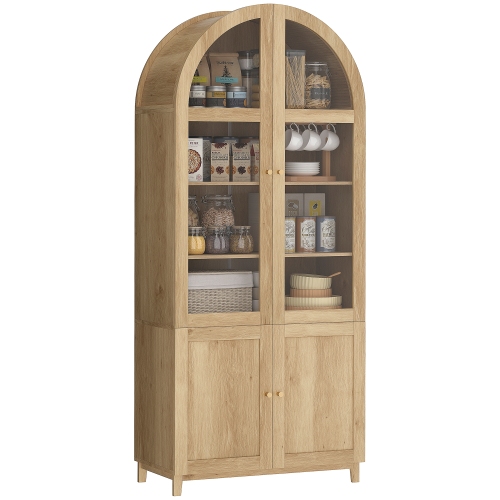
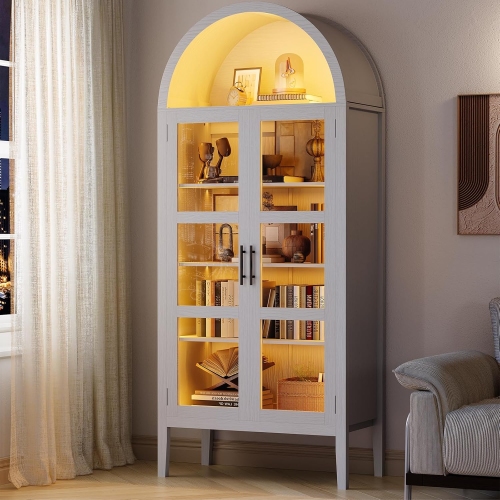
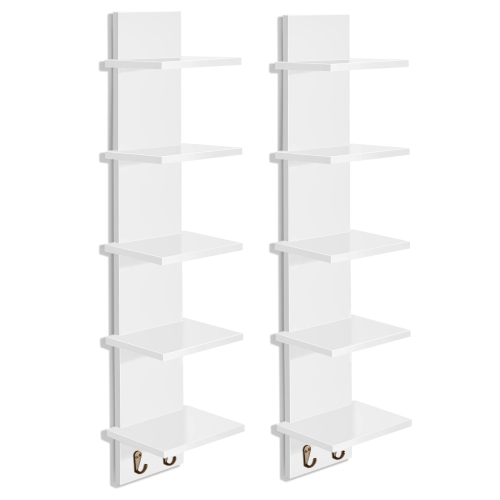
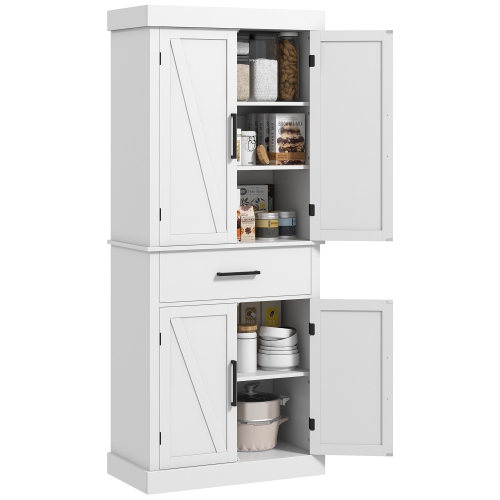
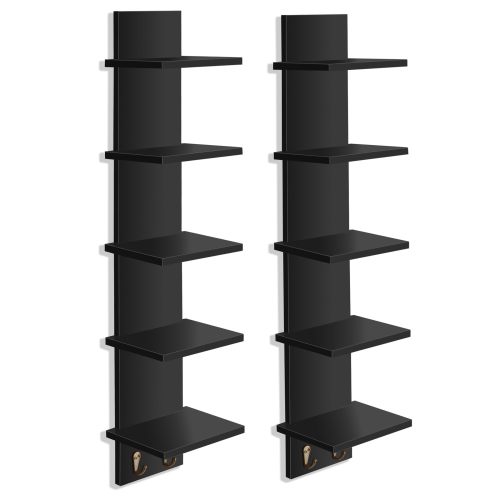
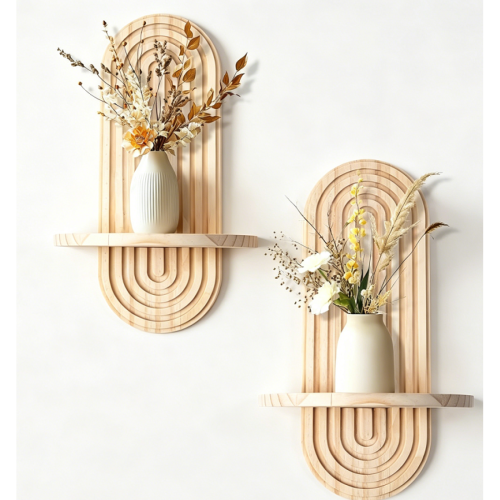


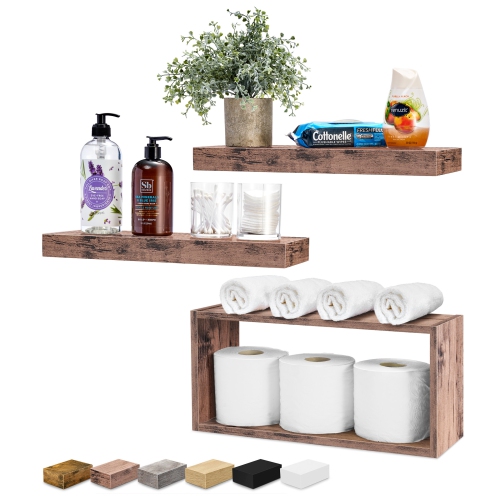
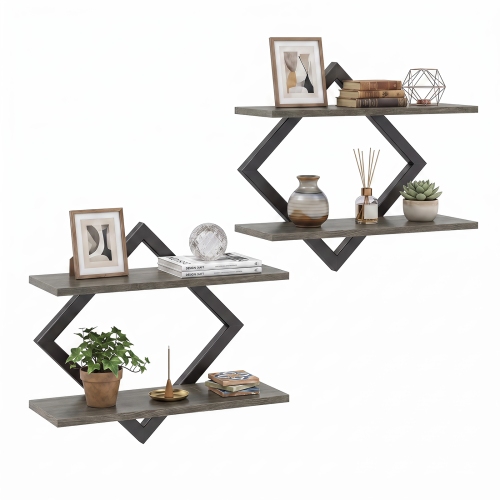
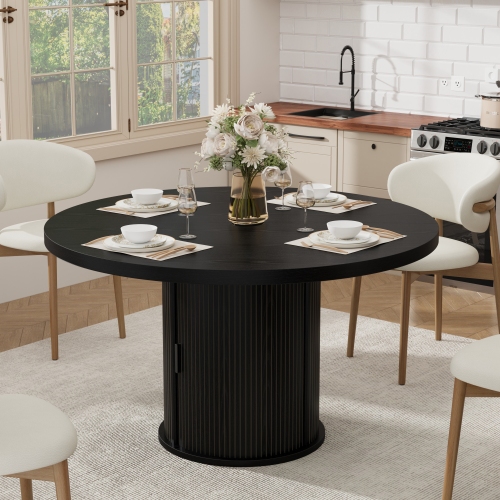
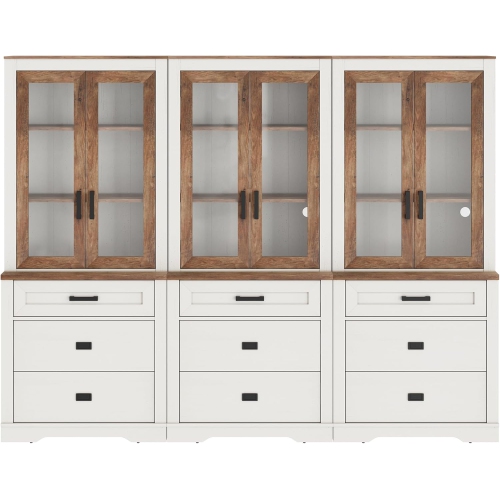
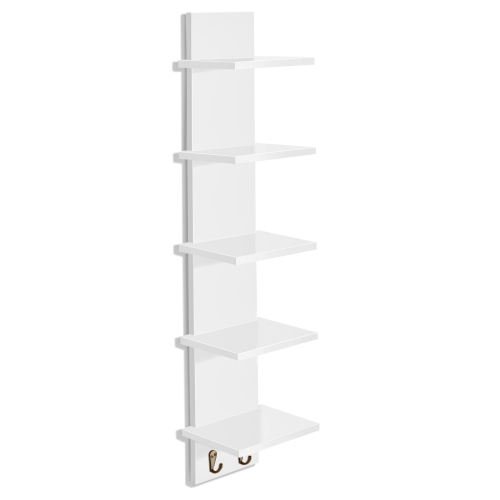
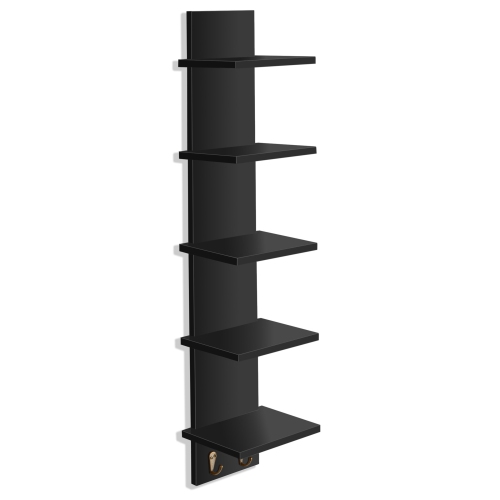
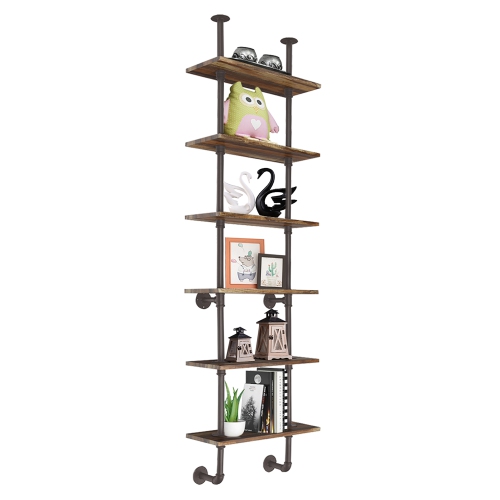
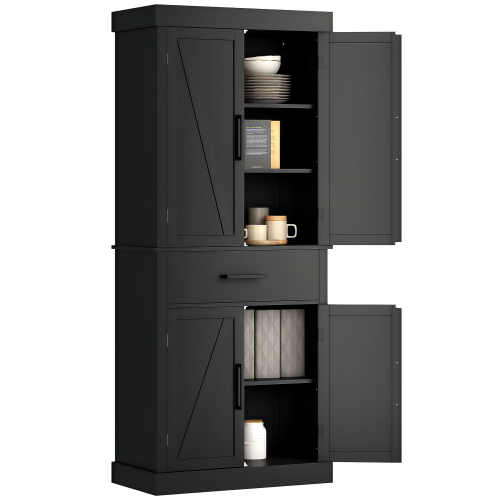

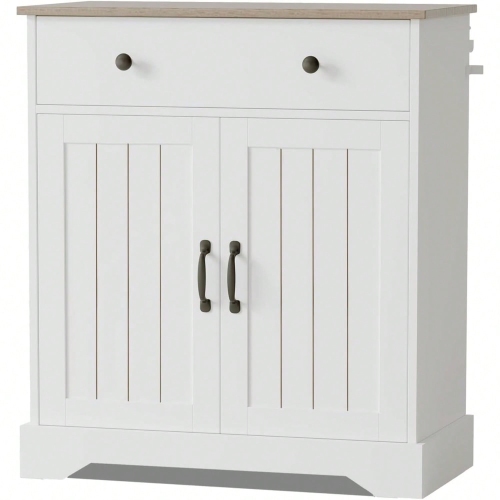
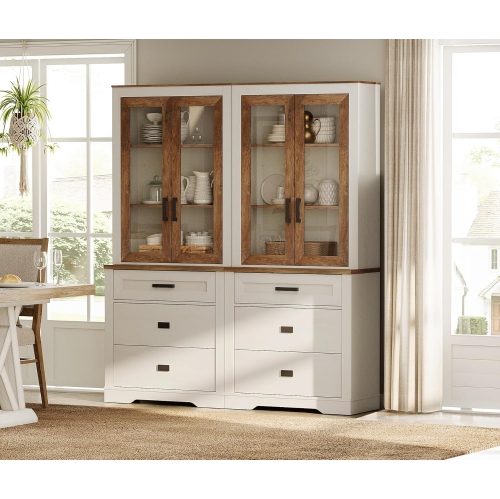

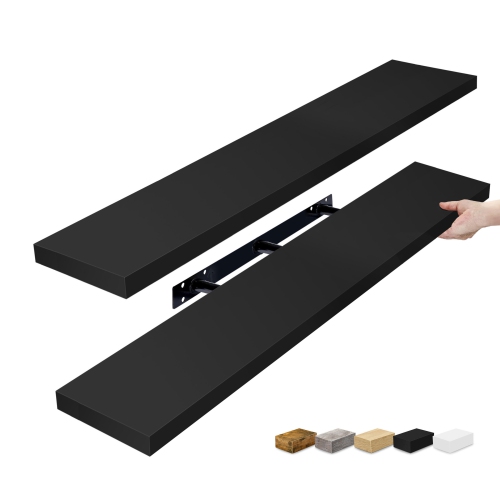

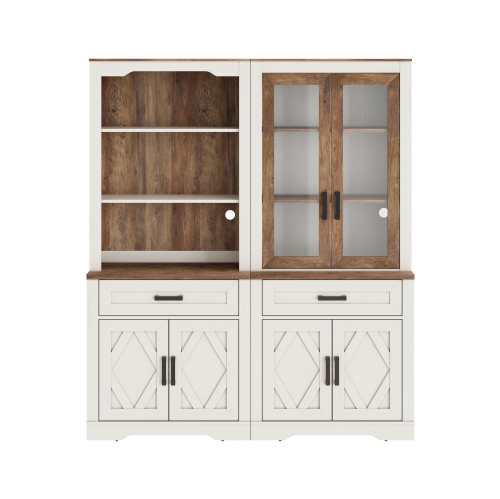
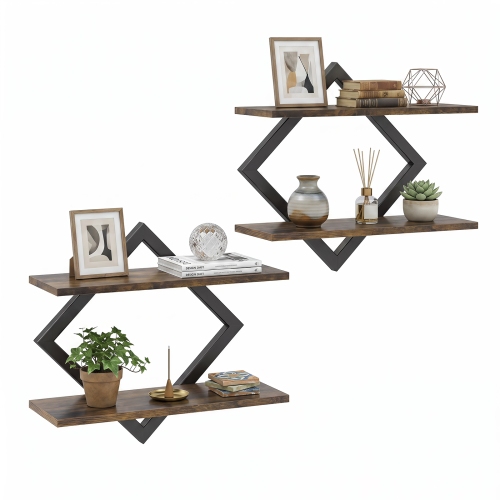
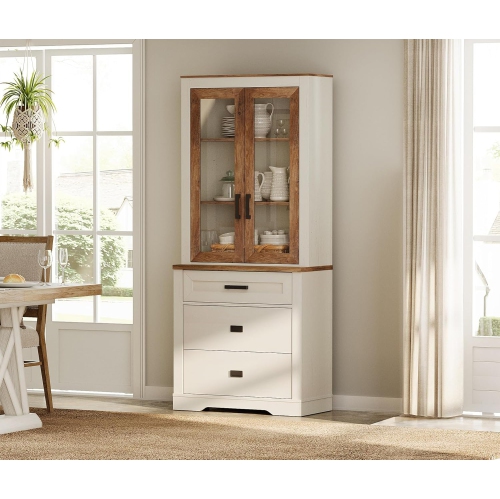
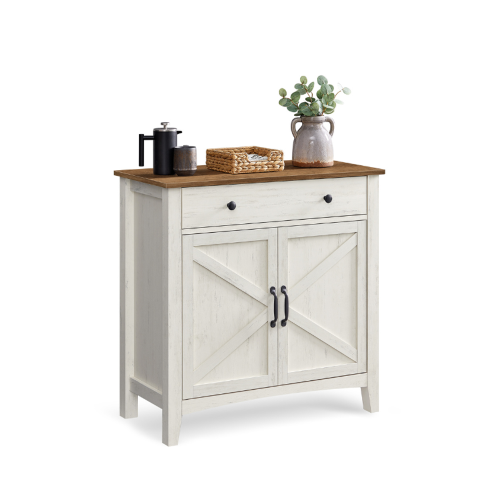
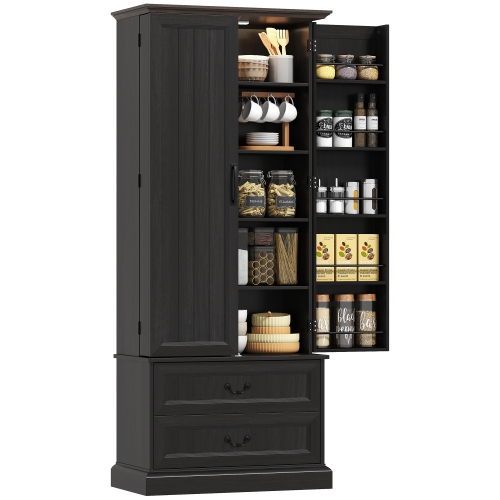

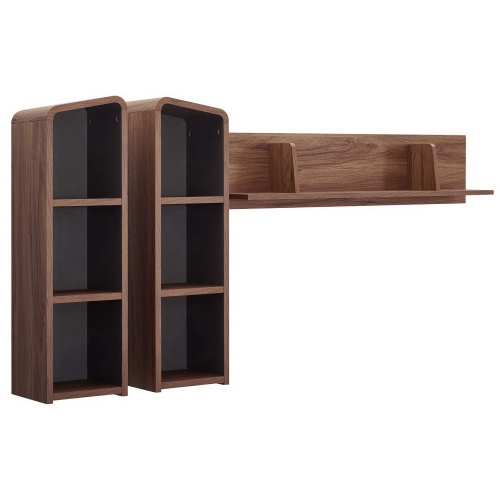
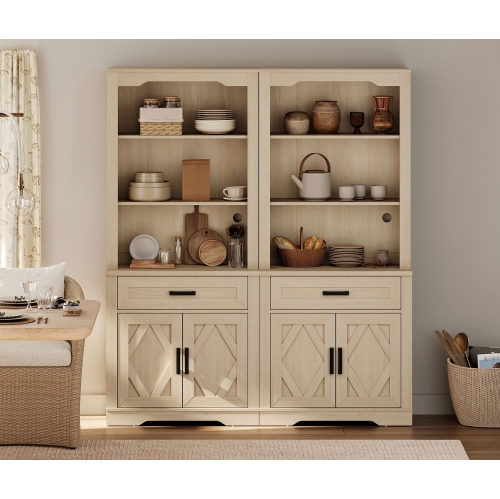


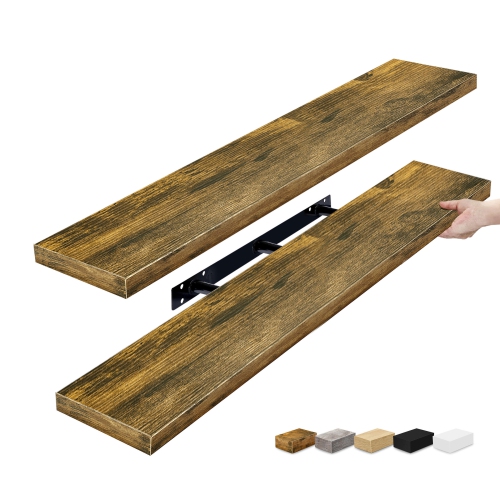
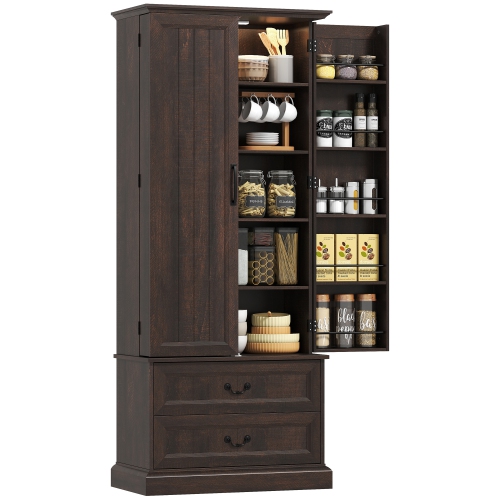
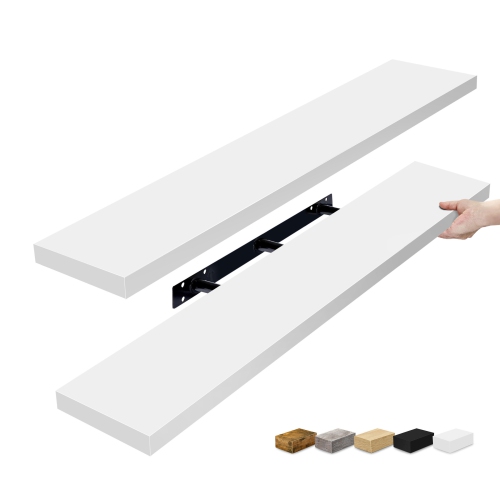


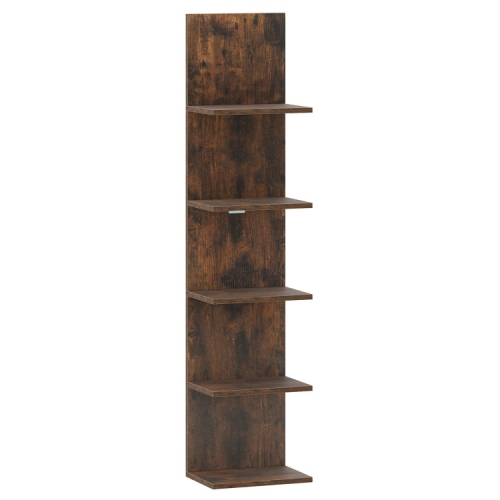
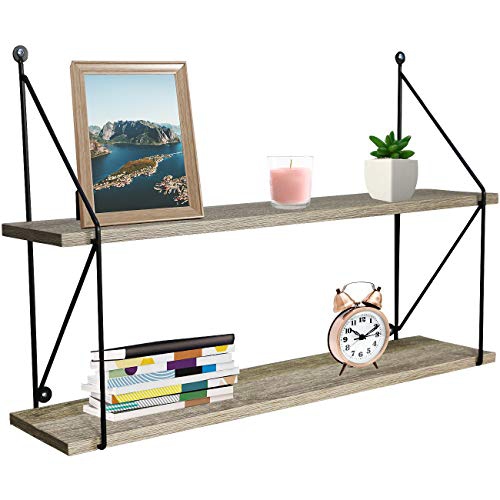
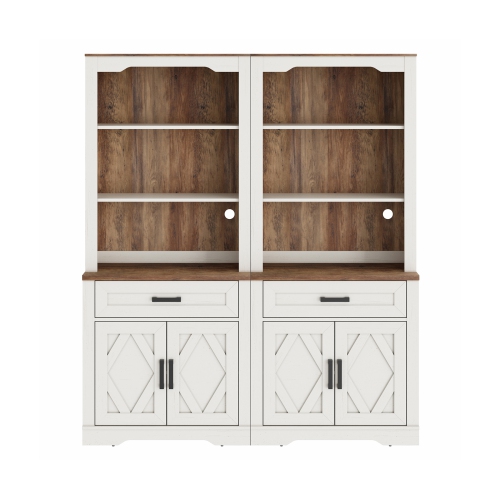


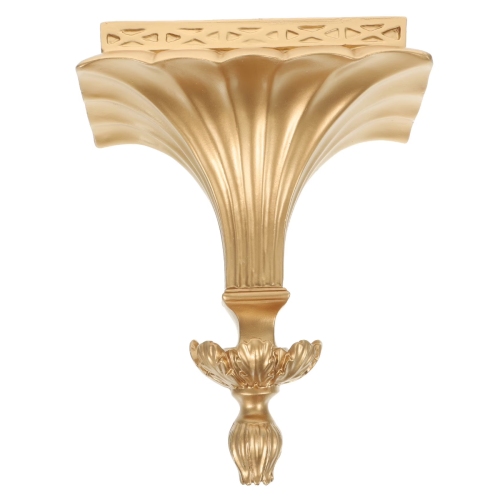
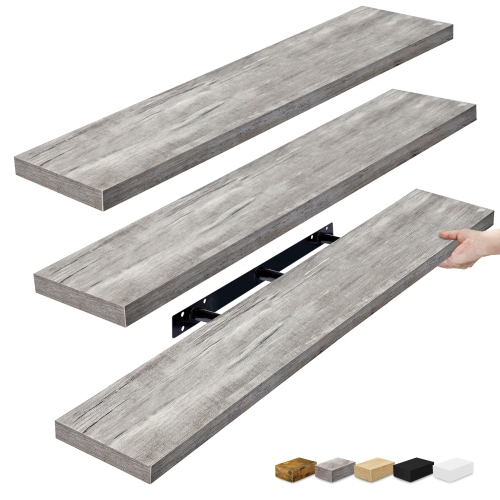

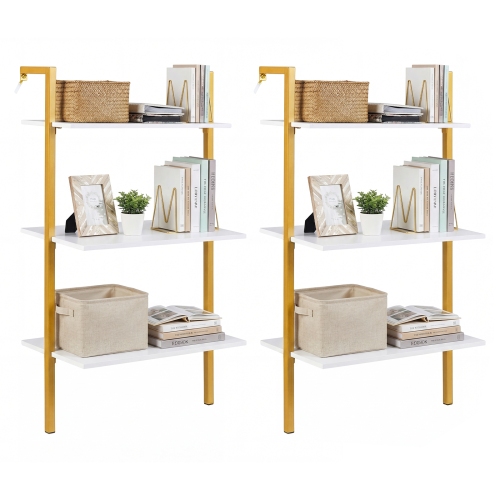

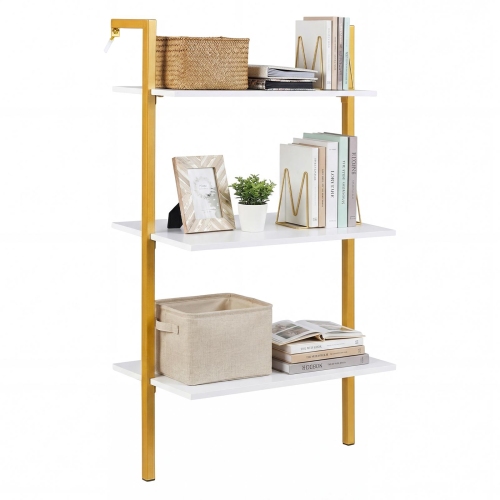

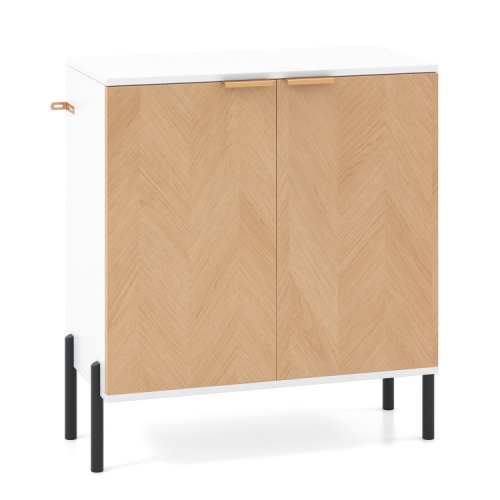
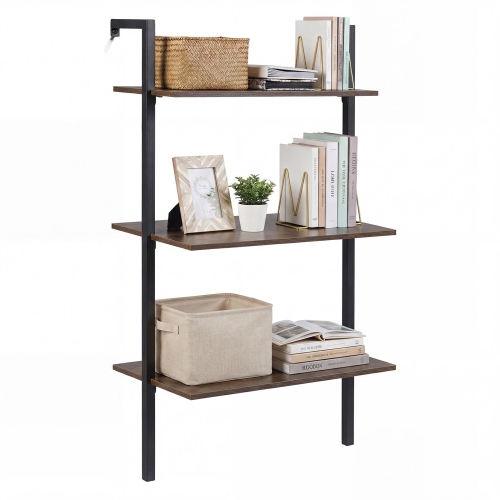
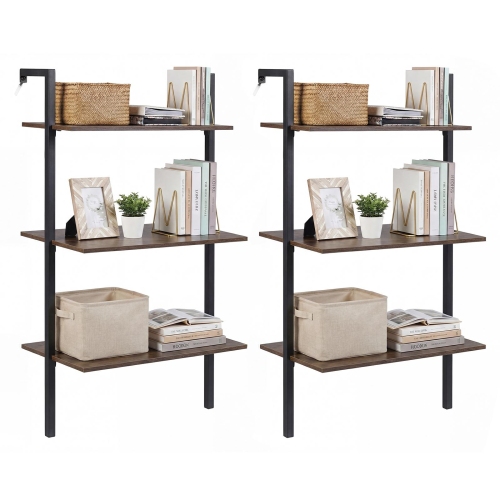


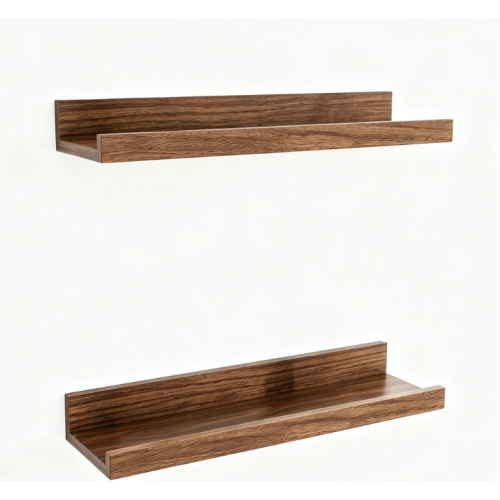
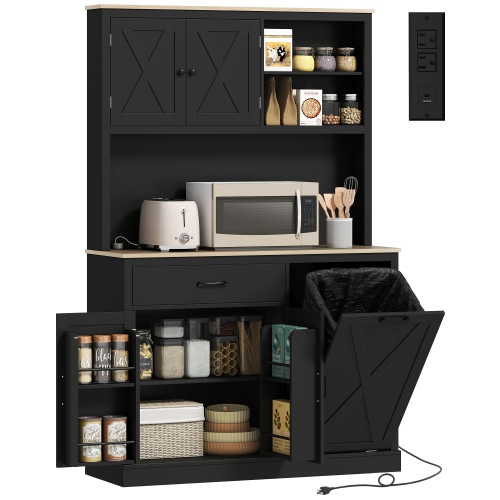

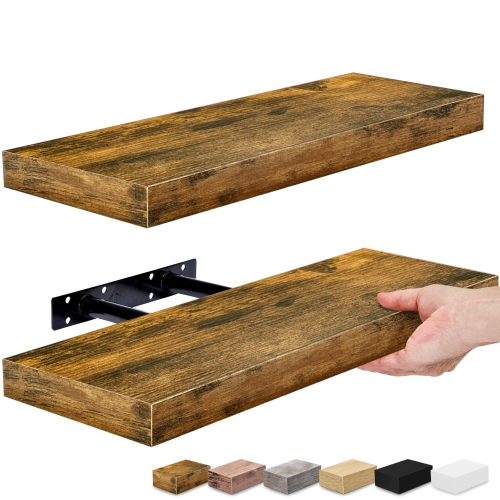
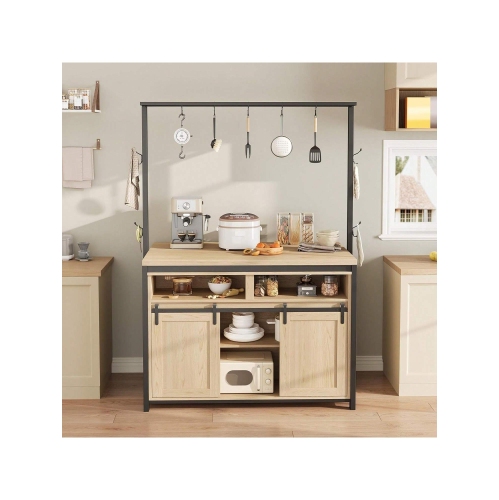

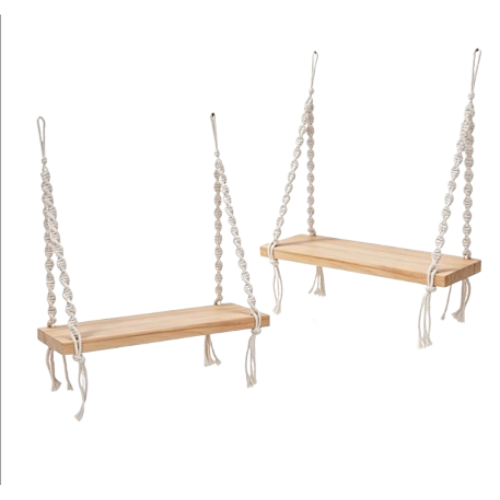

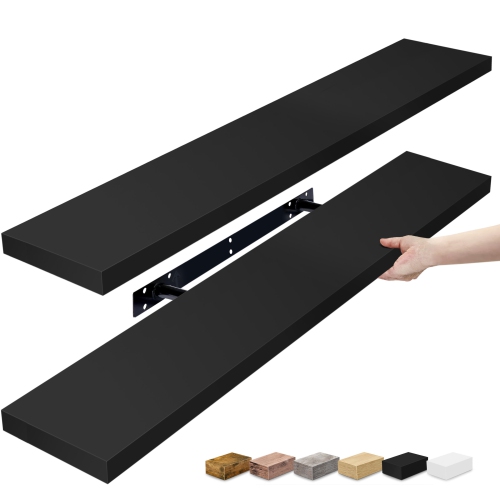

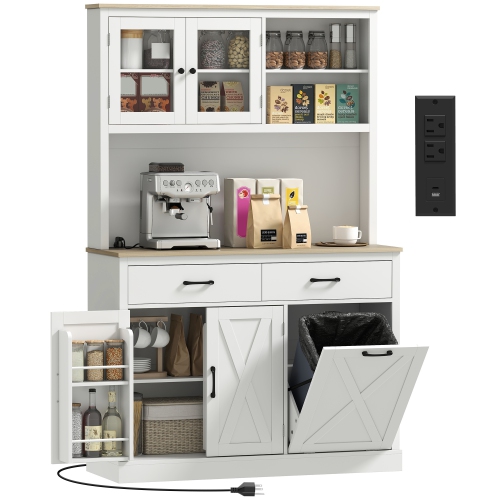


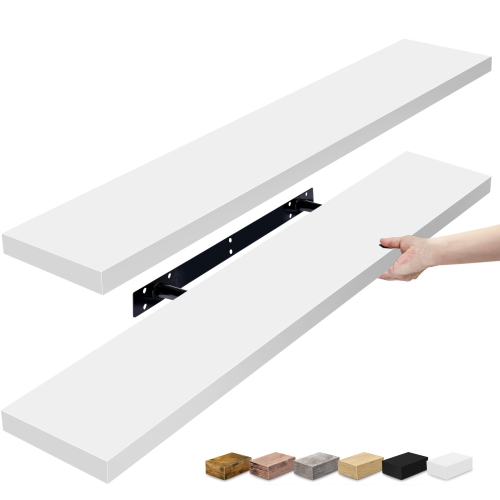


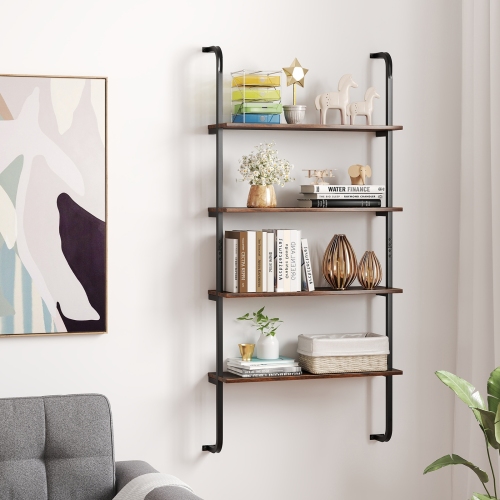
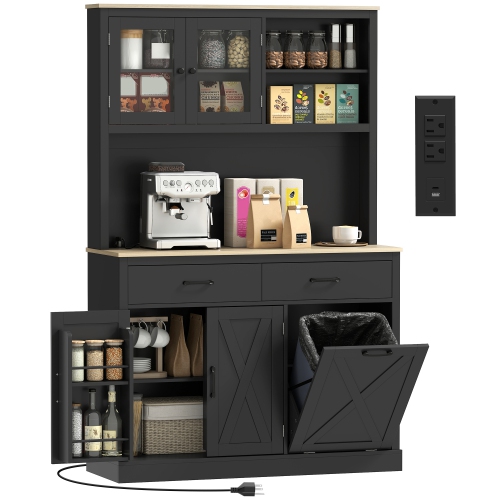
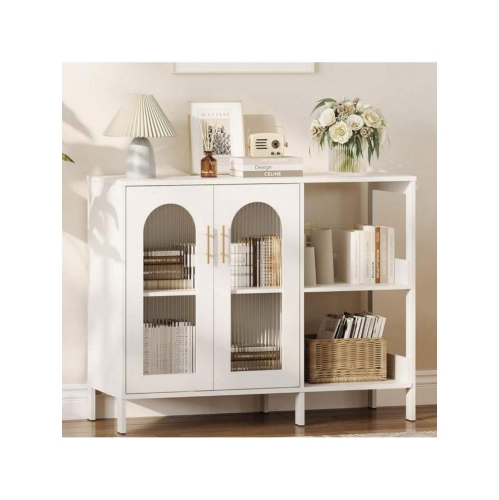


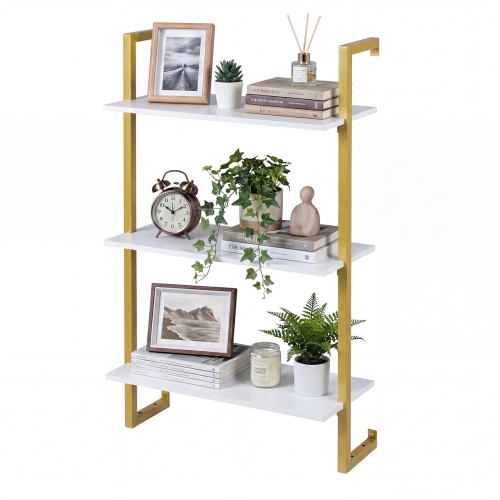

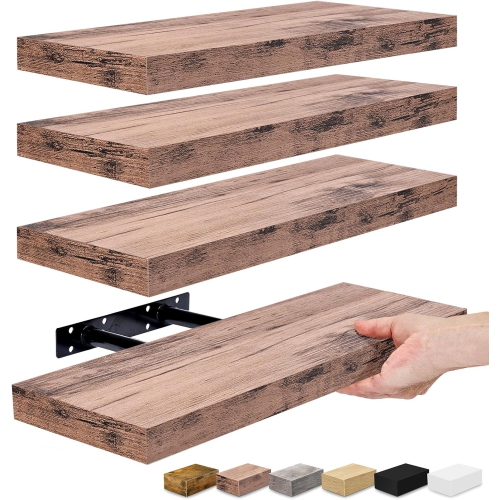

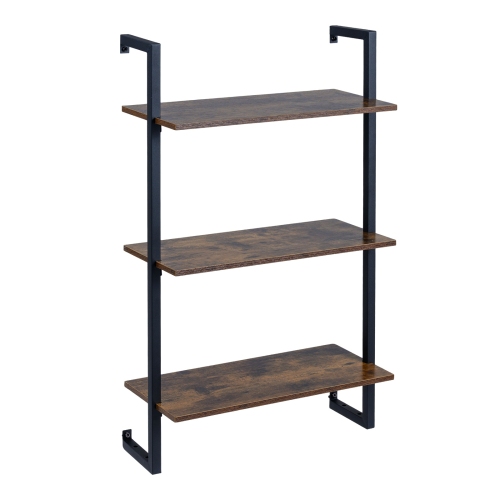
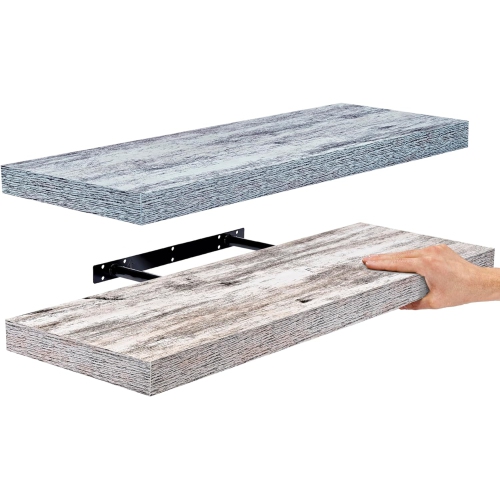


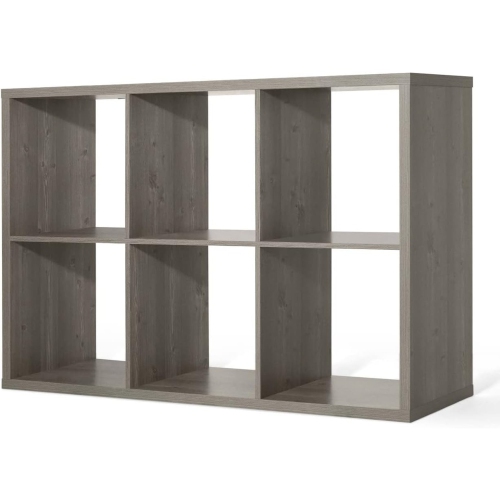
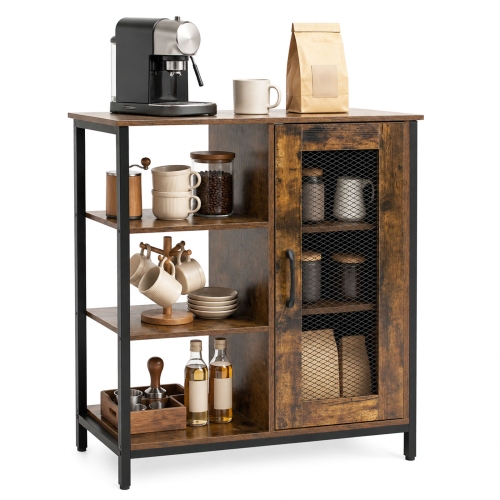
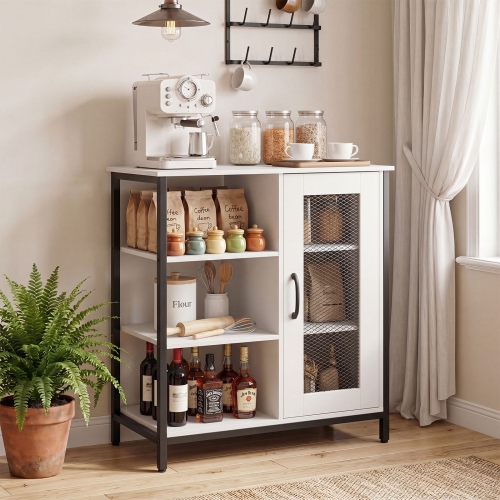
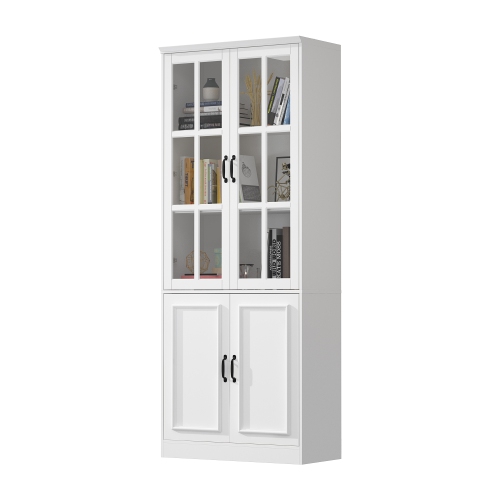


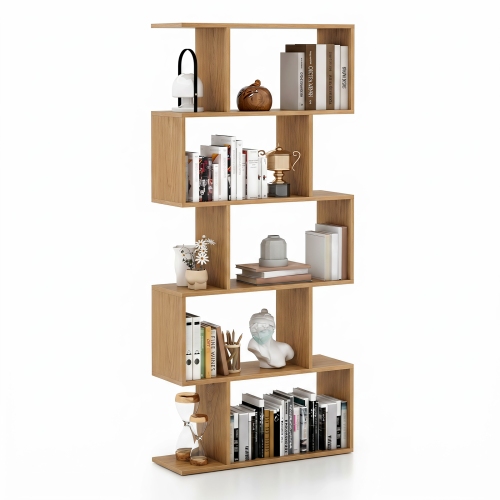
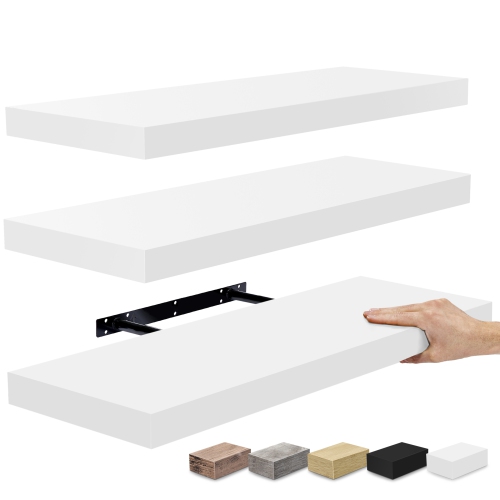

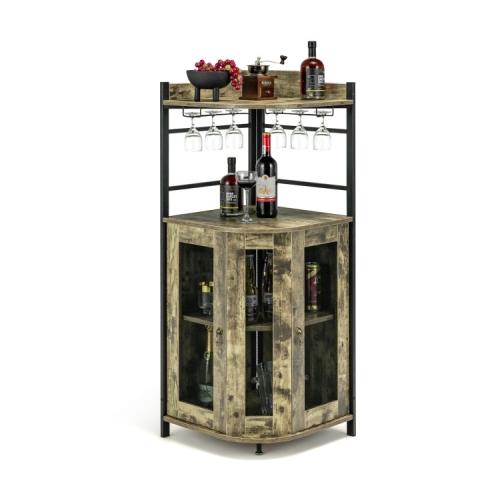
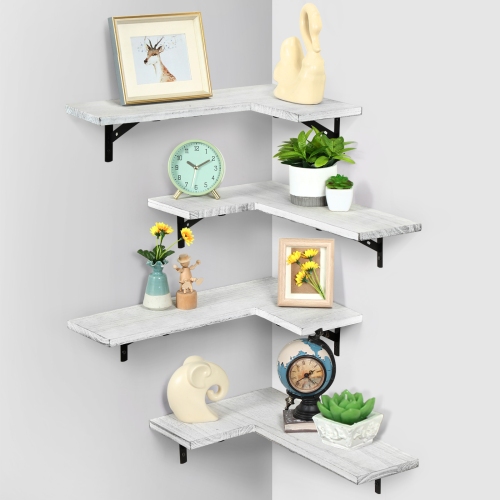
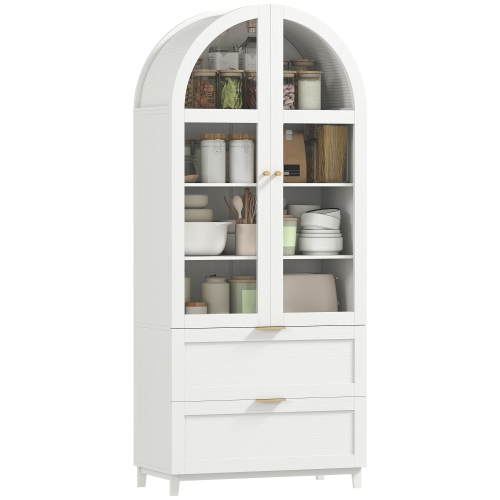


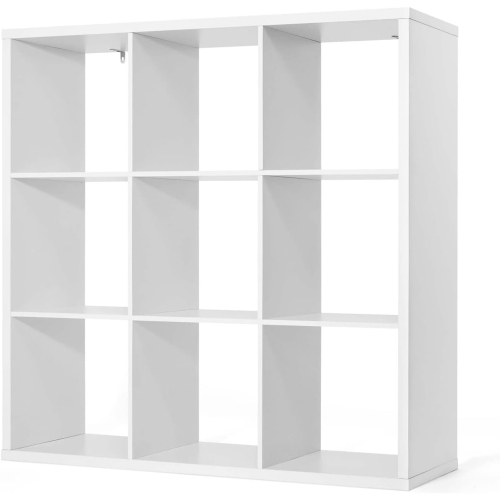
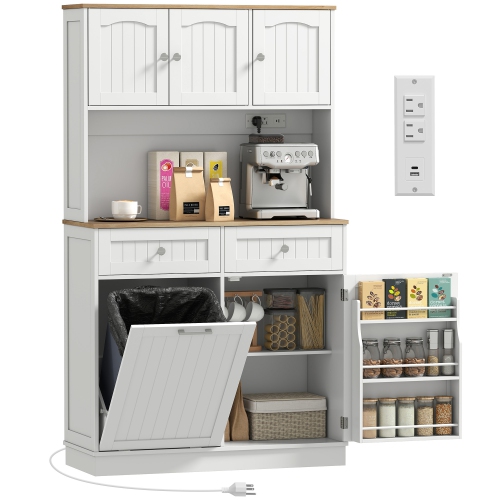
Everyday dinnerware within reach and on display
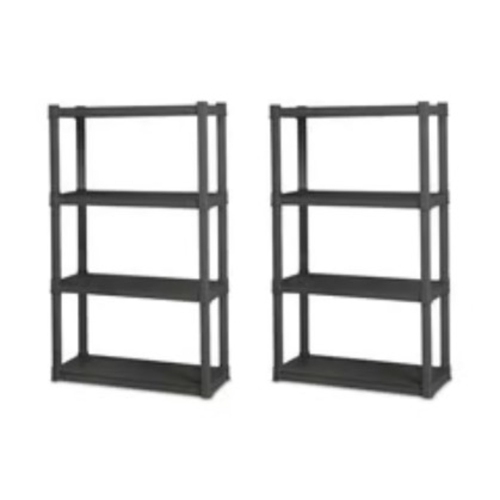
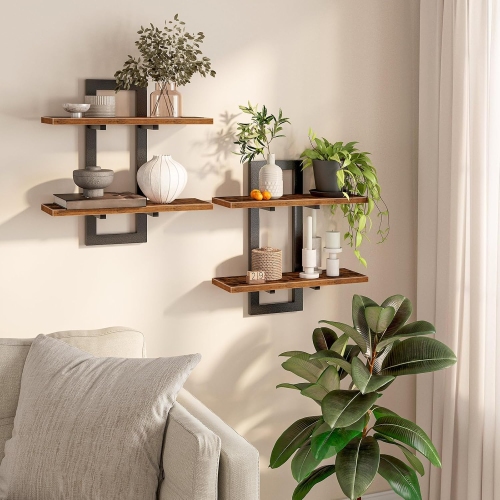
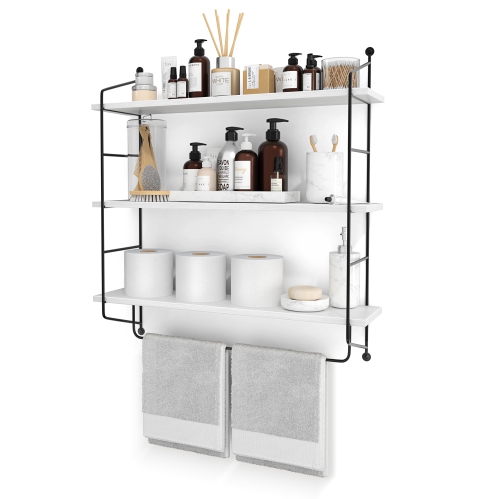
Dining room shelves provide open storage for dinnerware, serving pieces, table linens, and decorative accents, keeping everyday essentials close to the table while giving the room a more personal feel. Unlike enclosed storage, open shelving makes its contents easy to see and reach, whether that means a stack of breakfast bowls or a favourite ceramic pitcher. The main styles include floating shelves, bracket-mounted shelves, freestanding tiered units, cubby shelves, and corner shelves. Floating shelves conceal their supports for a clean, uncluttered appearance, making them a natural fit above a sideboard or along a narrow stretch of wall. Bracket-mounted designs make the supports part of the look, with simple metal brackets lending definition and shaped wooden supports adding a more traditional touch. Tall, freestanding shelves offer several levels of storage within a relatively small footprint, while low units can sit comfortably beneath wall art without dominating the room. Cubby shelves divide the storage area into separate compartments, which can help keep folded napkins, small baskets, and dishes organized. Corner shelves put an awkward junction between walls to work, particularly in compact dining areas where a full-width unit would interrupt movement. The best fit depends as much on daily habits as on room size. A household that uses the dining table for every meal may benefit from sturdy, easily reached shelves for frequently used dishes. Someone who enjoys hosting may prefer wider spacing for serving bowls and pitchers, with a few open areas for display. In a condo or an open-plan home, shelving can help define the dining area without the visual weight of a large cabinet. Repeating a wood tone, metal finish, or colour already present in the table and chairs gives the arrangement a sense of connection, even when the furniture comes from different design styles. A pale finish can blend quietly into a light wall, while darker shelves create a stronger outline and make light-coloured dinnerware stand out.
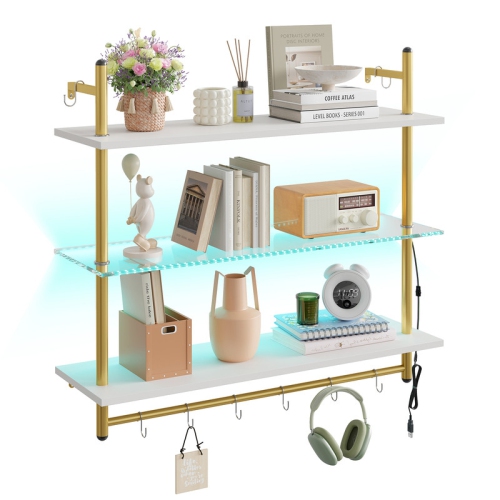
Materials influence both the appearance of dining room shelving and how it holds up to regular use. Solid wood brings visible grain and variation, with a substantial feel that suits everything from simple contemporary spaces to more traditional dining rooms. Its surface may develop small marks over time, and the finish determines which cleaning methods are suitable. Wood veneer offers a real-wood surface over a supporting core, while laminate and other finished engineered-wood options can provide a consistent colour and a smooth surface for routine wiping. Edges and joints deserve attention, especially where damp dishes or spills could allow moisture to reach the material beneath the finish. Metal shelving offers crisp lines and can pair well with wood furniture, although its strength depends on the frame, shelf construction, and connections rather than the material alone. Glass shelves create a lighter visual effect and allow more of the wall behind them to remain visible, but fingerprints and dust can be more noticeable. Glass intended for furniture use, with properly finished edges and suitable supports, is especially important around dining spaces. Whatever the material, the stated weight capacity matters when storing stacks of stoneware or heavy serving dishes. A shelf intended for lightweight display should not be treated as dinnerware storage simply because the dishes fit. The usable shelf depth also matters: a dinner plate needs enough room to sit fully supported, without its edge projecting into a walkway. Adjustable shelf positions offer flexibility for taller pitchers, baskets, and changing storage needs, while fixed shelves provide consistent spacing and a more structured appearance. Durability also comes down to small details, including secure joints, level feet, and a finish suited to everyday handling. For routine care, a soft cloth and the maker’s recommended cleaning method are a reliable starting point. Wiping up spills promptly, letting washed dishes dry before putting them away, and avoiding abrasive cleaners help protect shelf surfaces. Protective pads beneath rough-bottomed ceramics can reduce scratches without changing the overall look.
A comfortable dining area needs room for people as well as storage, so shelf placement should account for chairs being pulled out, doors opening, and someone passing behind a seated guest. Measuring the full depth of a freestanding unit, including any projecting trim or feet, gives a more useful picture than considering its width alone. Wall-mounted shelves leave the floor clear, but their height and projection still matter above a bench, beside a doorway, or near the end of the dining table. Installation must suit the wall construction and the combined weight of the shelf and its contents; the appropriate fixings and any required attachment to wall studs are essential parts of the setup. Tall freestanding units may also require wall anchoring according to the manufacturer’s instructions, particularly in homes with children or pets. For convenient daily use, frequently reached dishes belong at a comfortable height, with heavier pieces on lower shelves and lighter display pieces above. A little space between groups makes it easier to lift out a bowl without shifting everything around it. Baskets can keep small linens together, while a short stack of plates beside a pitcher creates an arrangement that is practical rather than purely decorative. Leaving some shelf surface visible helps the room feel less crowded and makes dusting simpler. Open shelving does expose dishes and display pieces to household dust, so enclosed storage may be preferable for rarely used tableware. Pairing shelves with Dining Room Cabinets gives everyday pieces an accessible home while keeping spare linens and less frequently used serving pieces behind doors. This balance works well in shared dining spaces, where the table may also serve for homework, crafts, or working from home. Shelves can hold the dining essentials nearby without requiring them to remain on the tabletop. With suitable proportions, dependable support, and materials that complement the room, dining room shelves become a useful part of the furniture arrangement rather than simply filling an empty wall.
Top selling and popular products
-
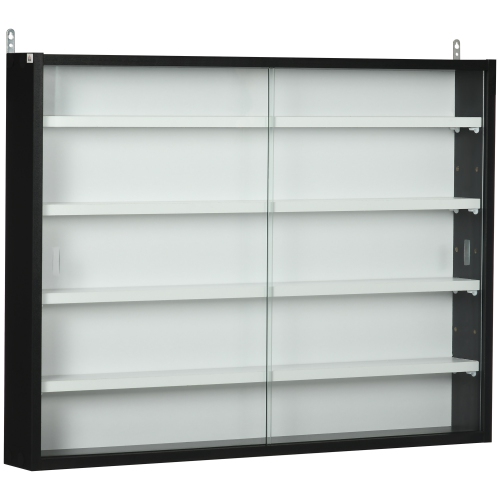 Your price for this item is $86.99
-
 Your price for this item is $370.99
-
 Your price for this item is $86.99
-
 Your price for this item is $69.99
-
 Your price for this item is $37.99
-
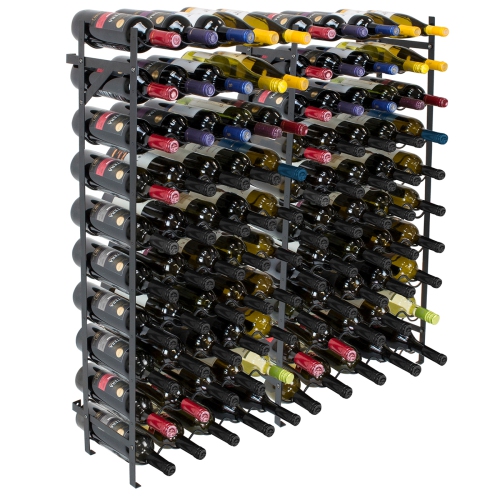 Your price for this item is $89.99
-
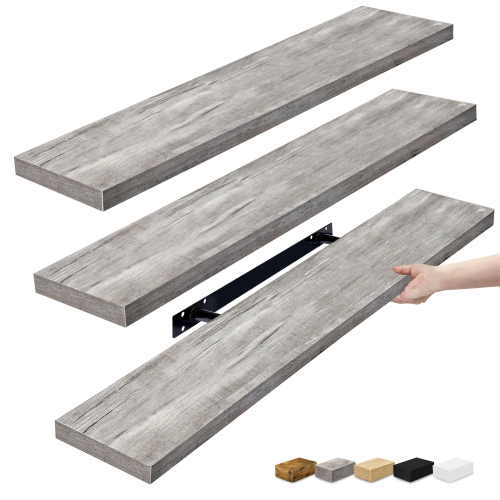 Your price for this item is $74.99
-
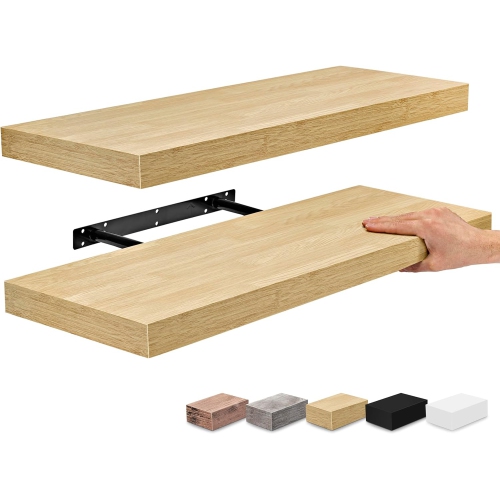 Your price for this item is $39.99
Discover more categories related to Dining Room Shelves

Top Collections:
Pokemon Centers, Kindle Devices, Best Budget Office Chairs, Canon G7X Cameras, Apple iPhones 16, Samsung Galaxy Phones, Refurbished Apple Laptops, Laptops for Students, iPhone 15 Apple, Budget Smartphones
Some products may be subject to Environmental Handling Fees
(EHF) depending on your province.
Learn more about EHFs.