Disposable Gloves
Whether you're working in the healthcare industry, handling food, or simply looking for an extra layer of protection during daily tasks, disposable gloves are a versatile and essential accessory. These gloves are designed to be used once and then discarded, helping to reduce the spread of germs and other contaminants. Here are some great options available.
Sort
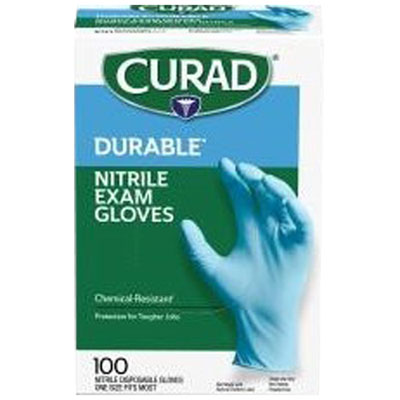
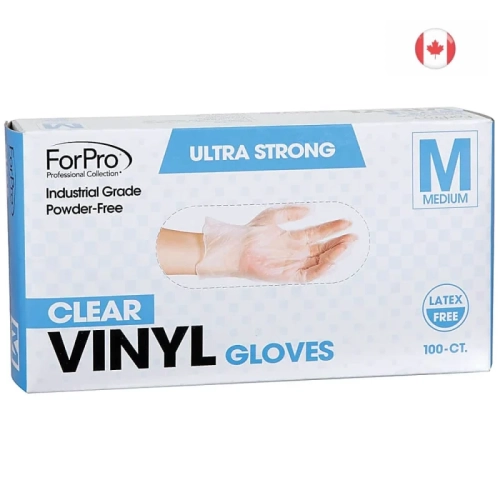
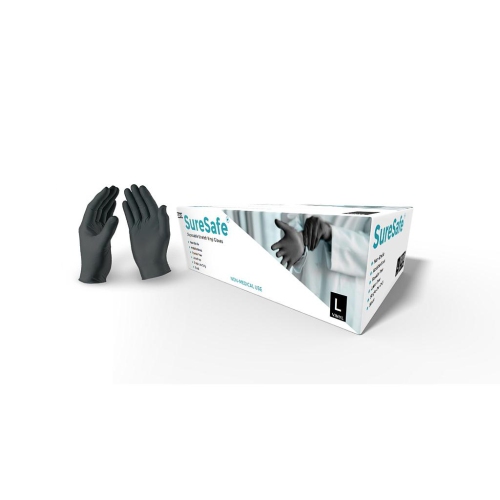
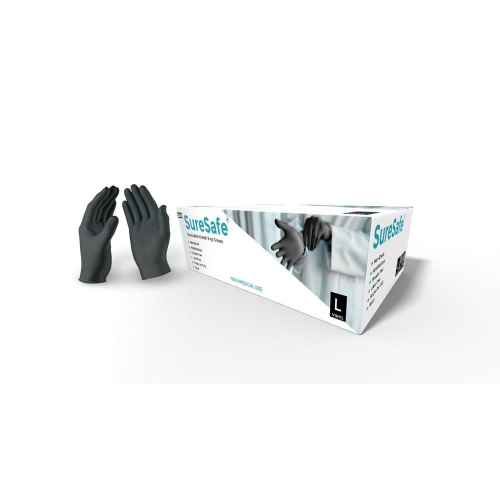
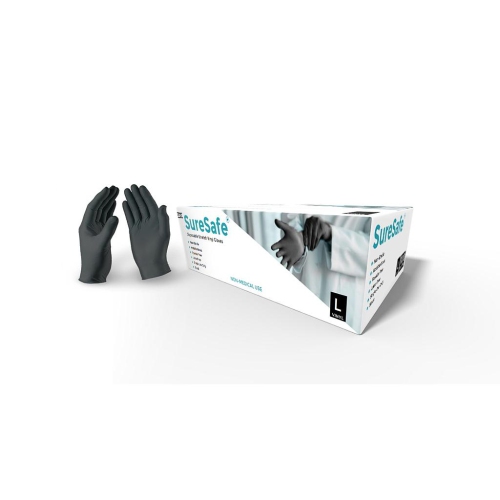
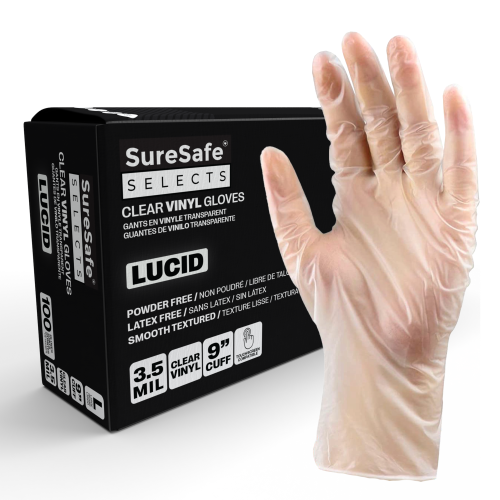
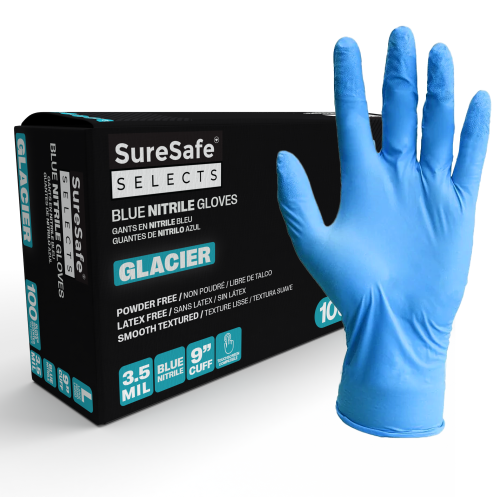

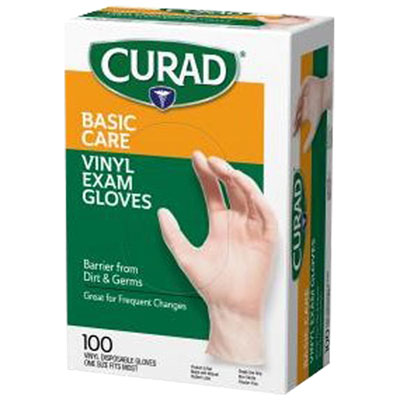
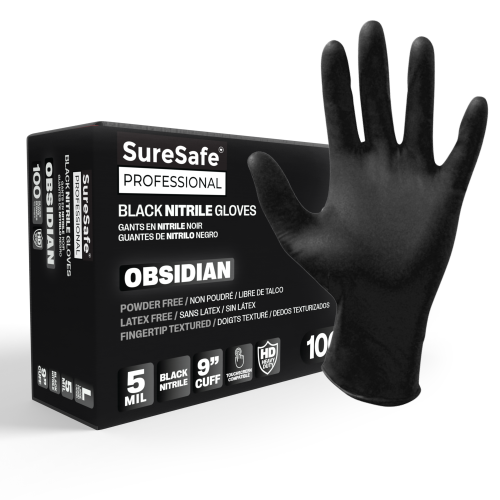
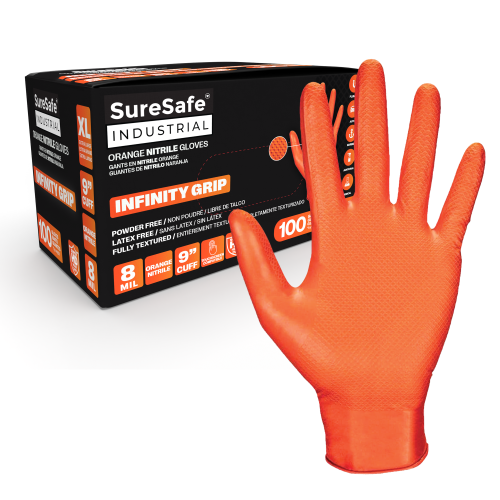
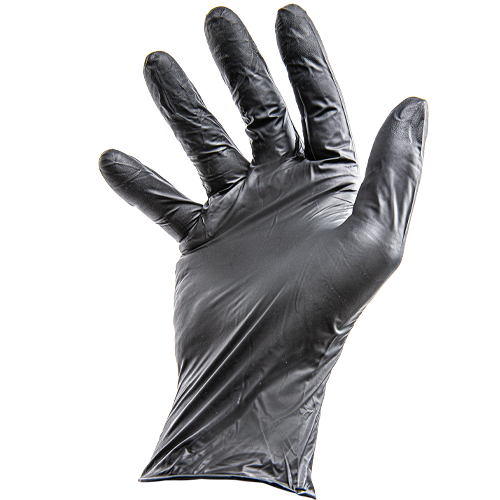


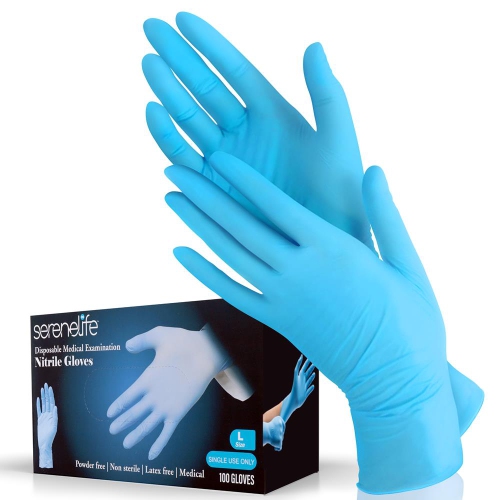
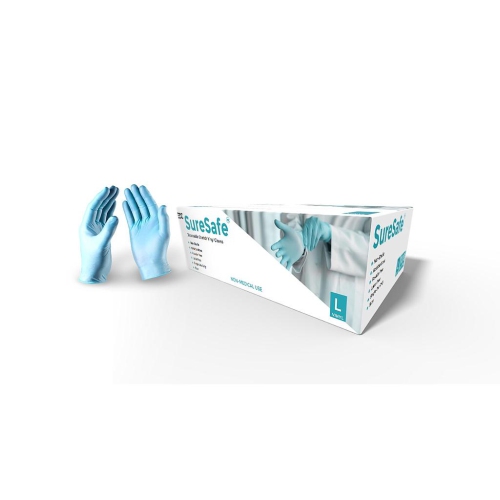
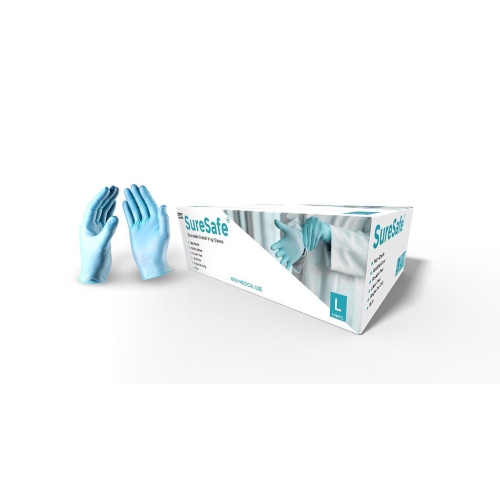
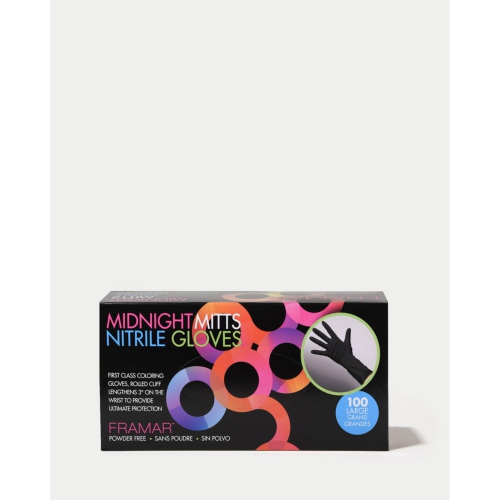
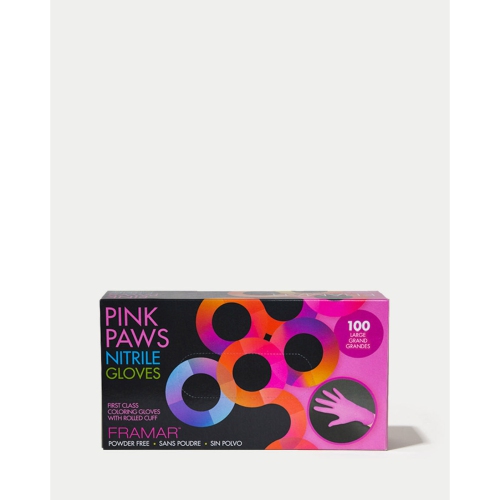
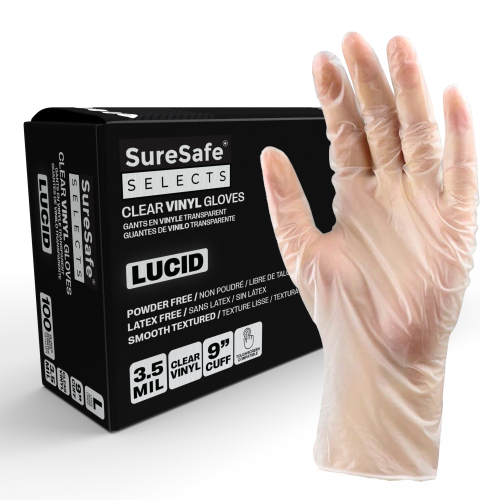

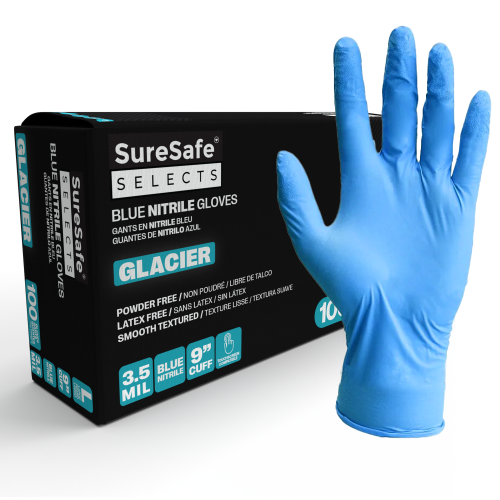
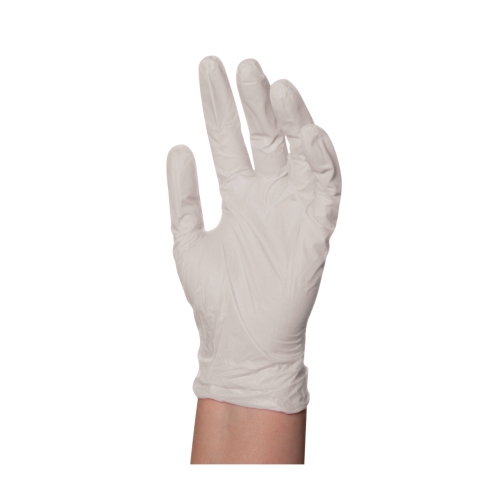
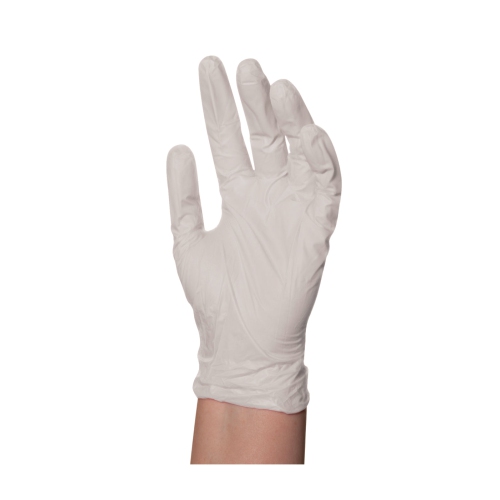
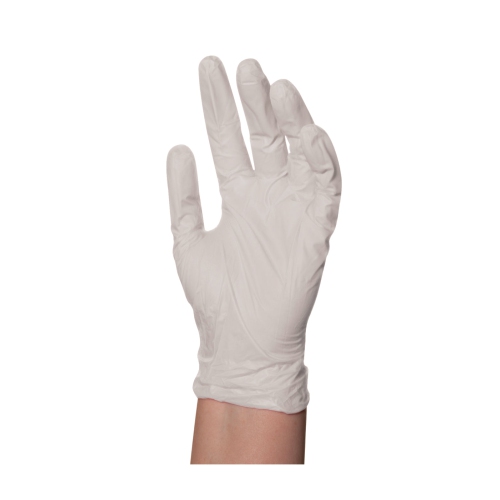
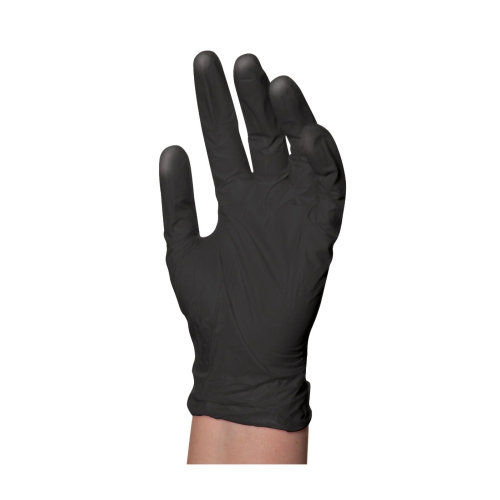
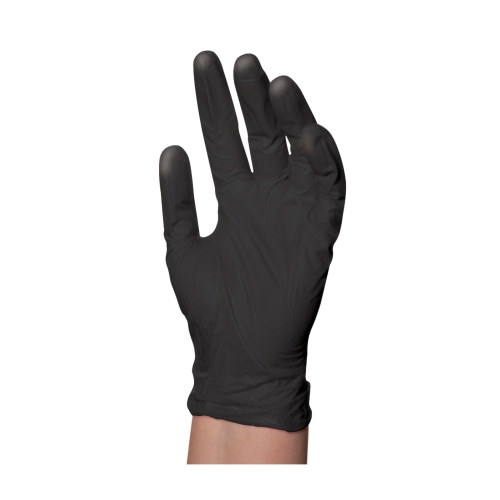
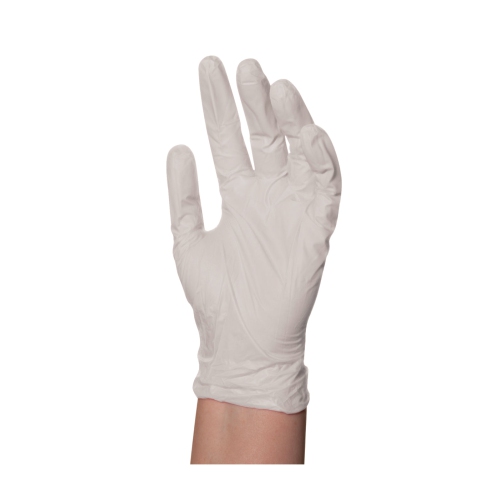
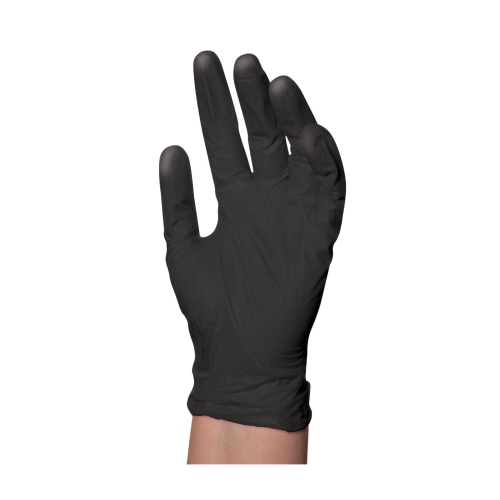
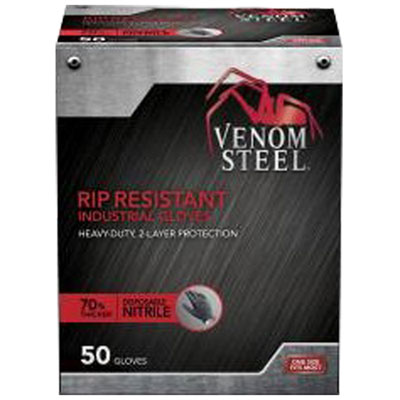
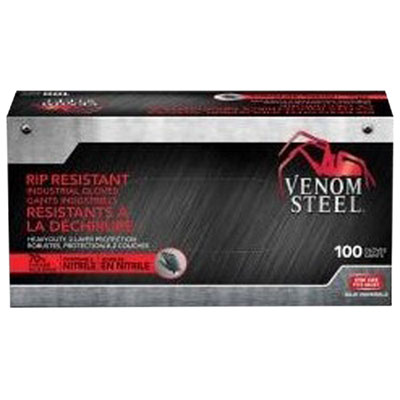
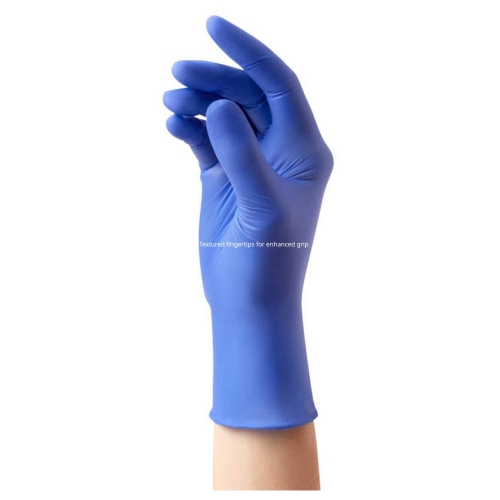
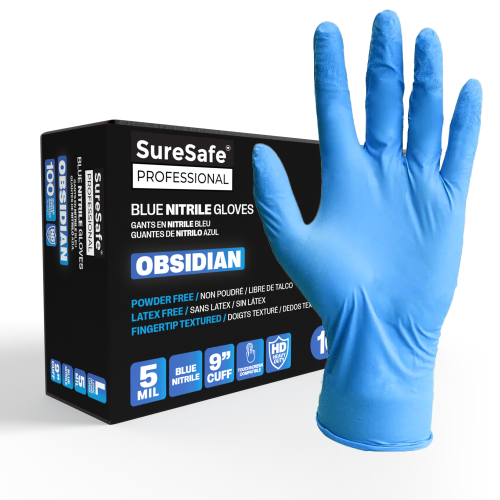
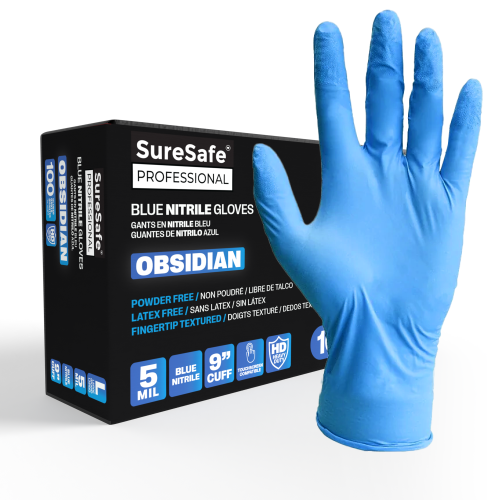
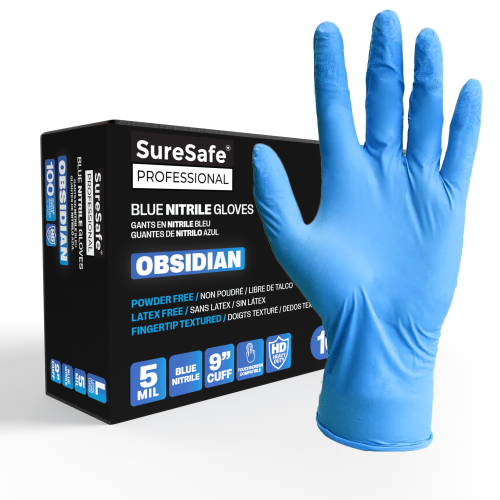
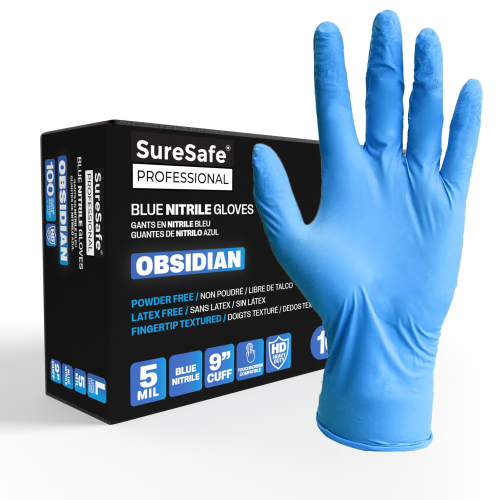
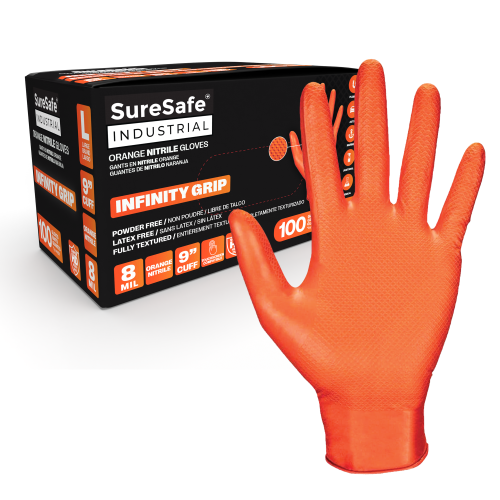
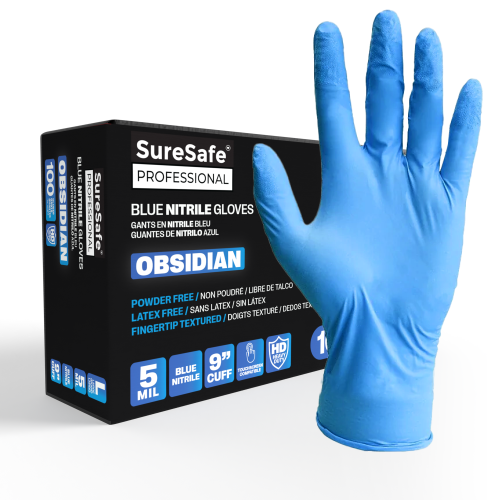
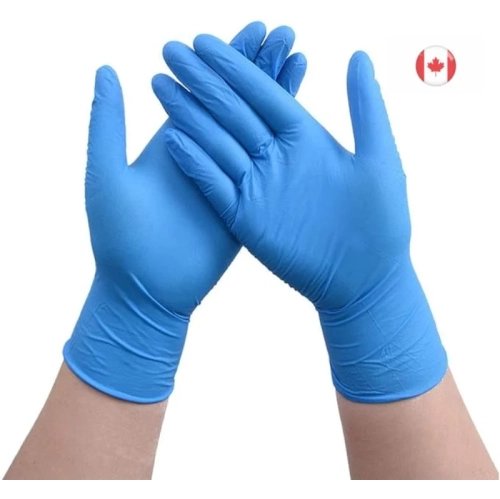
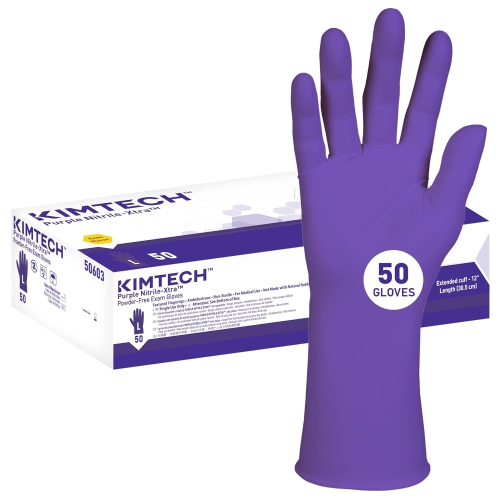
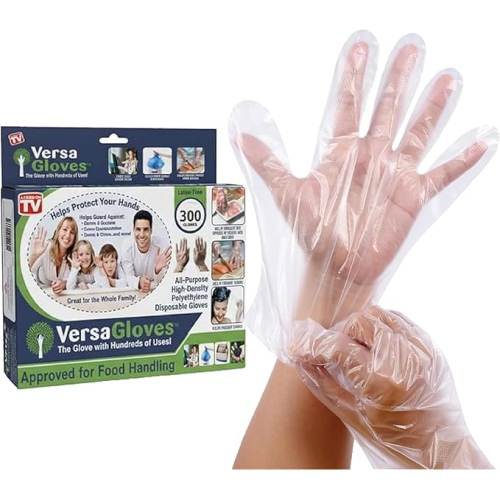
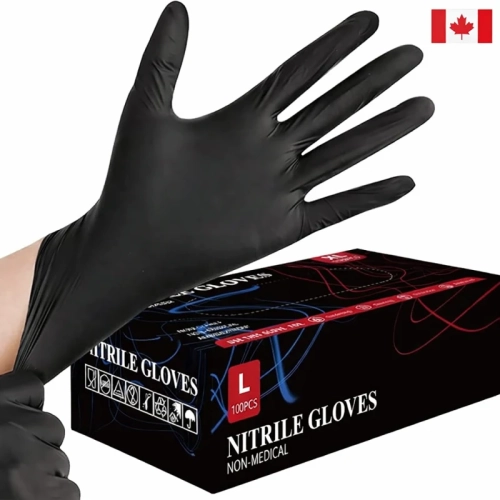
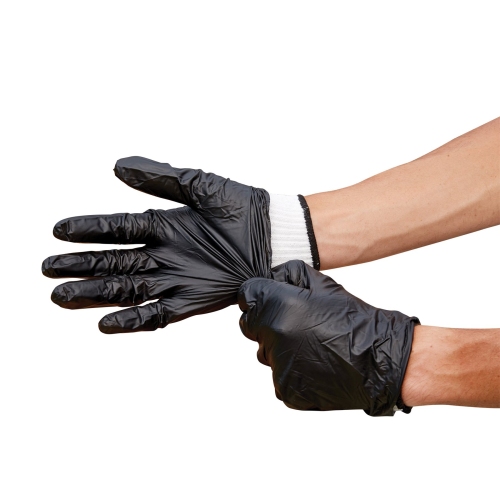
Practical protection for messy tasks at home and work
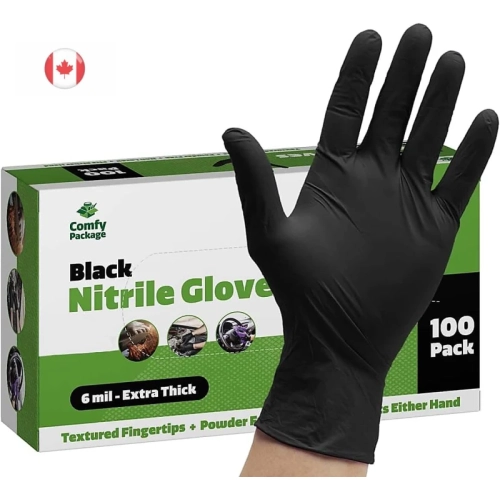
Disposable gloves provide a convenient barrier for everyday tasks where you want to keep your hands cleaner, drier, or protected from contact with messes. They are commonly used for food preparation, household cleaning, painting, automotive maintenance, personal care, first aid, and light-duty work around the home. They can also be useful in workplaces such as salons, kitchens, workshops, laboratories, clinics, and janitorial settings, although the correct glove must always match the task and follow any applicable workplace requirements. Disposable gloves are designed for limited use, so they should be replaced when they become torn, visibly soiled, wet inside, or after moving from one task to another. They are available in several materials, with nitrile, latex, and vinyl being the most familiar choices. Nitrile gloves are made from synthetic rubber and are often selected for their combination of flexibility, durability, and resistance to punctures. They are a practical option for cleaning, automotive work, handling tools, and many tasks involving oils or common household chemicals, though no disposable glove protects against every substance. Latex gloves are made from natural rubber and are known for their close fit, elasticity, and tactile feel, which can be helpful when handling small parts or performing detailed work. However, latex can cause an allergic reaction for some people, so nitrile or vinyl may be a more suitable choice when allergies are a concern. Vinyl gloves are made from PVC and are generally intended for lighter tasks, such as serving food, wiping surfaces, or quick clean-up jobs where high stretch and puncture resistance are not required. Anyone with a known allergy should check the material carefully and avoid assuming that all disposable gloves offer the same protection.
Choosing the right disposable gloves starts with considering what you will be doing, how long you will wear them, and what substances they may contact. For food preparation, look for gloves specifically labelled for food contact and choose a size that allows you to work comfortably without excessive looseness at the fingertips. A snug fit can make it easier to grip a knife, open packaging, knead dough, or handle small ingredients, while a glove that is too tight may cause hand fatigue and split more easily. For cleaning, nitrile gloves are often a dependable choice, particularly when the task involves repeated wiping, damp surfaces, or contact with cleaning products. Read the packaging for chemical-resistance information, since a glove that performs well with diluted household cleaner may not be appropriate for concentrated chemicals, solvents, fuels, or strong degreasers. For automotive projects, workshop repairs, painting, or gardening, look for a material and thickness suited to the work, as thinner gloves can provide better dexterity while thicker options may offer more resistance to tears. Powder-free gloves are often preferred because they leave less residue on hands, tools, surfaces, and food. Box count is another practical consideration: a smaller box can suit occasional use in a kitchen or home office, while a larger supply may be helpful for households that clean frequently, maintain vehicles, or keep gloves available in several rooms. Keep different sizes in mind when purchasing for a shared household, since a glove that fits one person may be uncomfortable or unreliable for another. For a broader selection of hand protection made from rubber materials, you can also browse Rubber Gloves.
Disposable gloves are especially useful when you want a simple item close at hand for unpredictable jobs. A box in a kitchen cupboard can help with messy food preparation, while a supply near cleaning products can make it easier to tackle spills, litter, paint, or dusty storage areas without interrupting the task to search for protection. During the cooler months, they can be handy for indoor maintenance, seasonal decorating, boot cleaning, and preparing equipment that has been stored away. They are also useful to keep in a vehicle, tool kit, workshop, or travel bag for roadside checks, changing a flat, handling dirty cargo, or dealing with unexpected clean-up. When putting gloves on, start with clean, dry hands and inspect each glove for tears before use. Avoid touching your face, phone, door handles, or clean surfaces with contaminated gloves, and remove them carefully by peeling them away from the wrist without snapping the material. Wash your hands after removal, particularly after cleaning, handling waste, working with bodily fluids, or preparing food. Gloves should not replace handwashing, and they should not be washed or reused unless the product instructions specifically allow it. Keep unused gloves in their original packaging, away from direct heat and sharp objects, so they remain ready for the next job. With the right material, size, thickness, and quantity, disposable gloves can make routine chores feel more manageable and help you move from food preparation to cleaning, repairs, or personal care with greater confidence.
Choosing the right disposable gloves starts with considering what you will be doing, how long you will wear them, and what substances they may contact. For food preparation, look for gloves specifically labelled for food contact and choose a size that allows you to work comfortably without excessive looseness at the fingertips. A snug fit can make it easier to grip a knife, open packaging, knead dough, or handle small ingredients, while a glove that is too tight may cause hand fatigue and split more easily. For cleaning, nitrile gloves are often a dependable choice, particularly when the task involves repeated wiping, damp surfaces, or contact with cleaning products. Read the packaging for chemical-resistance information, since a glove that performs well with diluted household cleaner may not be appropriate for concentrated chemicals, solvents, fuels, or strong degreasers. For automotive projects, workshop repairs, painting, or gardening, look for a material and thickness suited to the work, as thinner gloves can provide better dexterity while thicker options may offer more resistance to tears. Powder-free gloves are often preferred because they leave less residue on hands, tools, surfaces, and food. Box count is another practical consideration: a smaller box can suit occasional use in a kitchen or home office, while a larger supply may be helpful for households that clean frequently, maintain vehicles, or keep gloves available in several rooms. Keep different sizes in mind when purchasing for a shared household, since a glove that fits one person may be uncomfortable or unreliable for another. For a broader selection of hand protection made from rubber materials, you can also browse Rubber Gloves.
Disposable gloves are especially useful when you want a simple item close at hand for unpredictable jobs. A box in a kitchen cupboard can help with messy food preparation, while a supply near cleaning products can make it easier to tackle spills, litter, paint, or dusty storage areas without interrupting the task to search for protection. During the cooler months, they can be handy for indoor maintenance, seasonal decorating, boot cleaning, and preparing equipment that has been stored away. They are also useful to keep in a vehicle, tool kit, workshop, or travel bag for roadside checks, changing a flat, handling dirty cargo, or dealing with unexpected clean-up. When putting gloves on, start with clean, dry hands and inspect each glove for tears before use. Avoid touching your face, phone, door handles, or clean surfaces with contaminated gloves, and remove them carefully by peeling them away from the wrist without snapping the material. Wash your hands after removal, particularly after cleaning, handling waste, working with bodily fluids, or preparing food. Gloves should not replace handwashing, and they should not be washed or reused unless the product instructions specifically allow it. Keep unused gloves in their original packaging, away from direct heat and sharp objects, so they remain ready for the next job. With the right material, size, thickness, and quantity, disposable gloves can make routine chores feel more manageable and help you move from food preparation to cleaning, repairs, or personal care with greater confidence.
Top selling and popular products
-
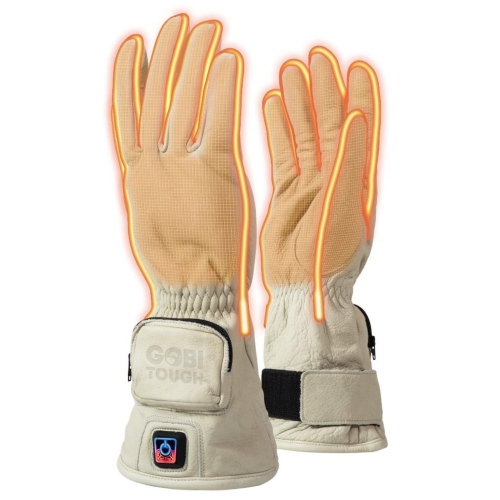 Your price for this item is $280
 -
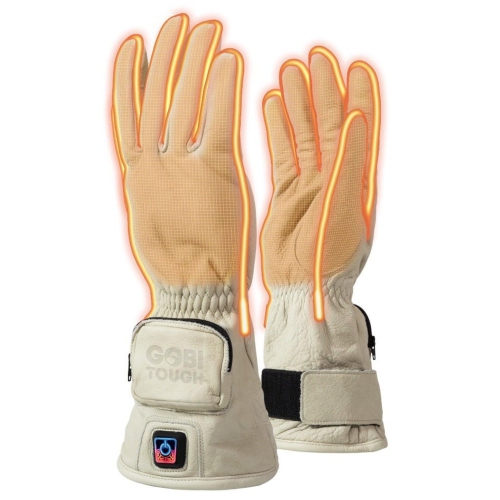 Your price for this item is $280
 -
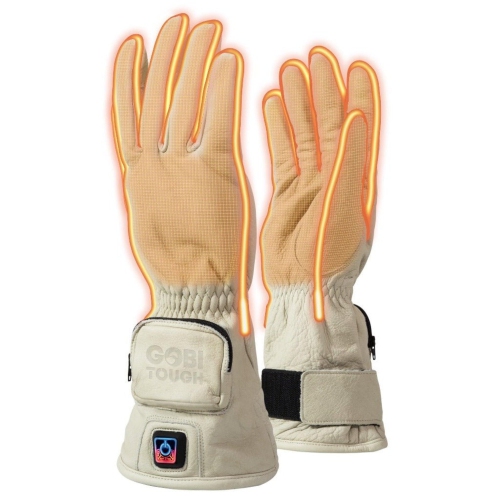 Your price for this item is $280
 -
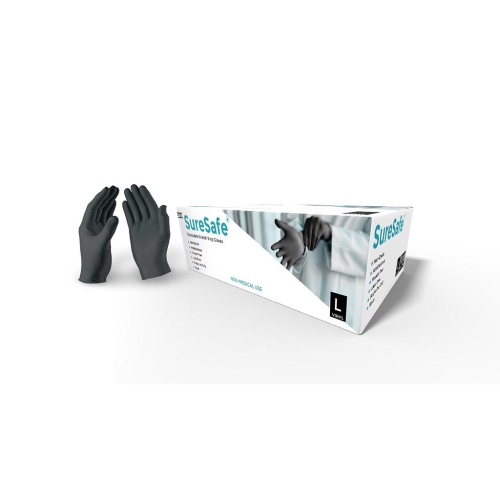 Your price for this item is $9.99
 -
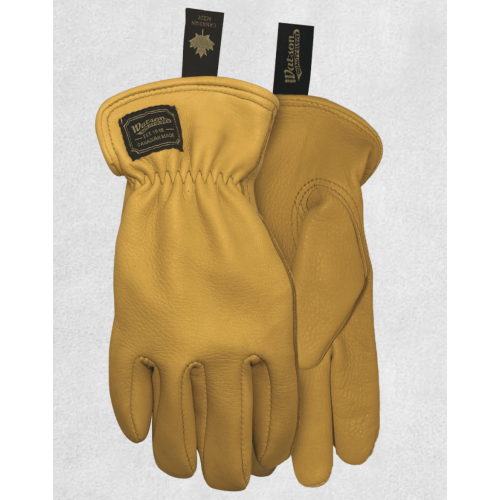 Your price for this item is $69.99
 -
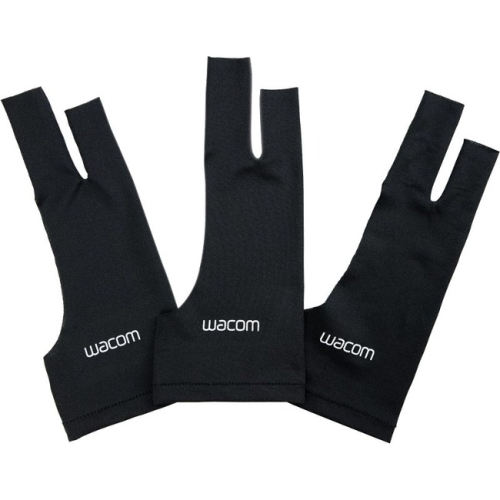 Your price for this item is $36.68
 -
 Your price for this item is $29.09
 -
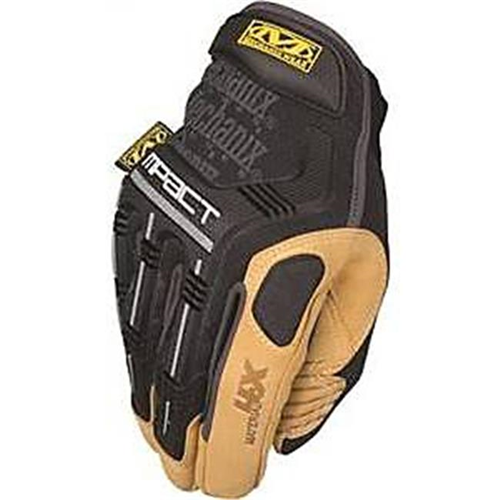 Your price for this item is $105.96
Discover more categories related to Disposable Gloves
Top Collections:
Pokemon Centers, Kindle Devices, Best Budget Office Chairs, Apple iPhones 16, Best Laptops for Writers, iPhone 15 Apple, Canon G7X Cameras, Refurbished Apple Laptops, Alarm Clock, Motorola Razr Phones
Some products may be subject to Environmental Handling Fees
(EHF) depending on your province.
Learn more about EHFs.