Rubber Gloves
Rubber gloves are an essential addition to any household or workplace, providing an effective barrier against dirt, chemicals, and contaminants. Perfect for a variety of tasks, from cleaning and dishwashing to handling hazardous materials, these versatile gloves offer both protection and comfort. Crafted from durable materials, they ensure a snug fit that enhances dexterity and grip, making even the toughest jobs easier to manage. Whether you're tackling daily chores or engaging in professional duties, rubber gloves are indispensable for maintaining hygiene and safety. Discover the perfect pair to meet your needs and elevate your productivity with ease.
Sort
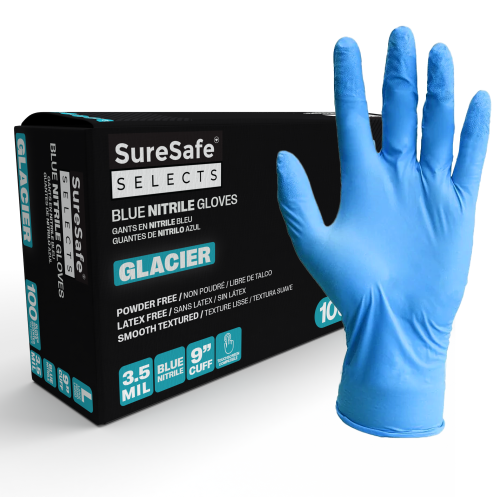

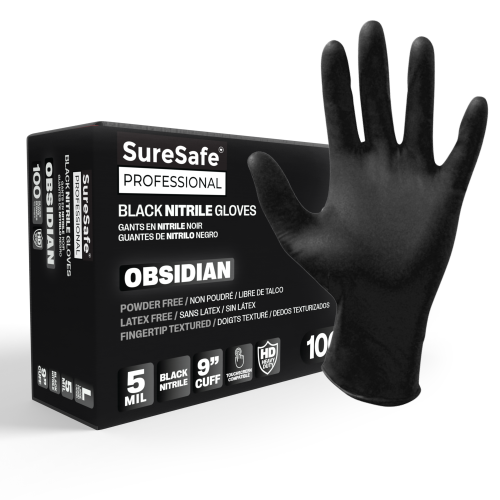
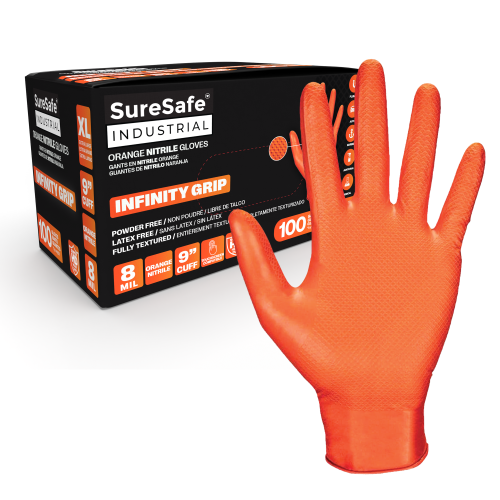
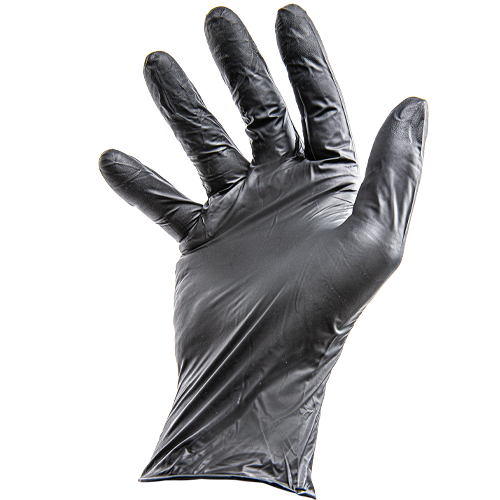








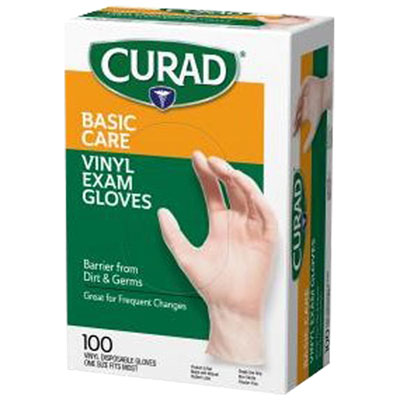
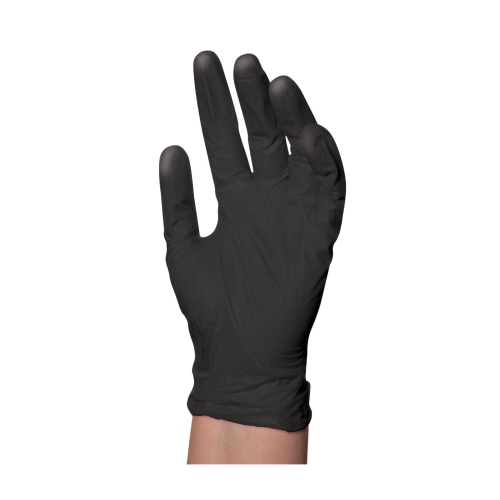
How glove material and fit affect everyday cleaning
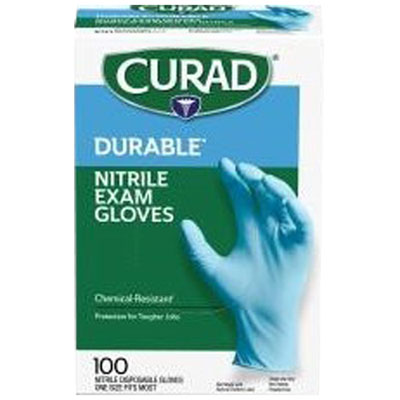
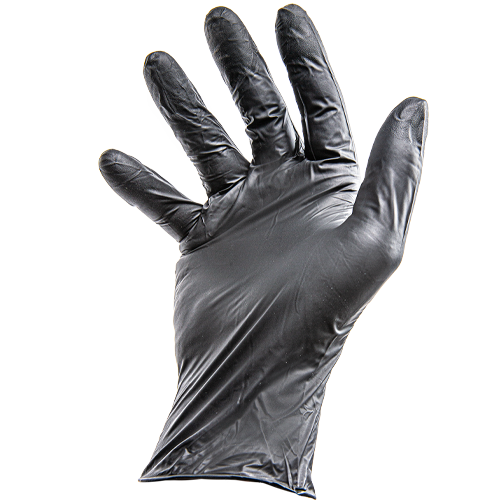
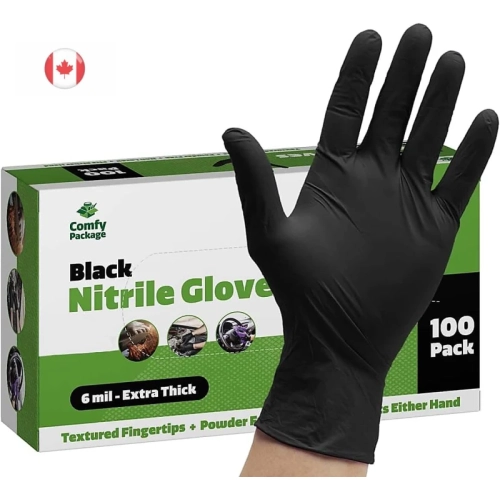
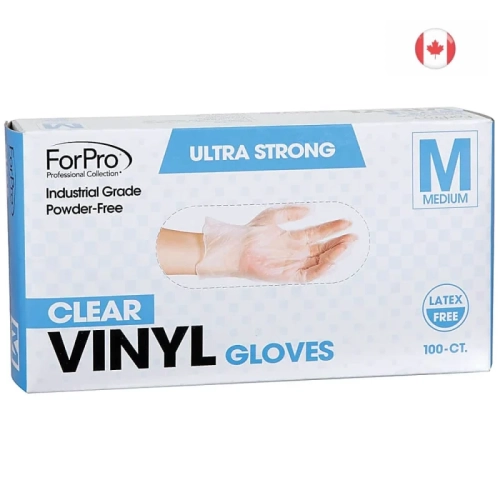
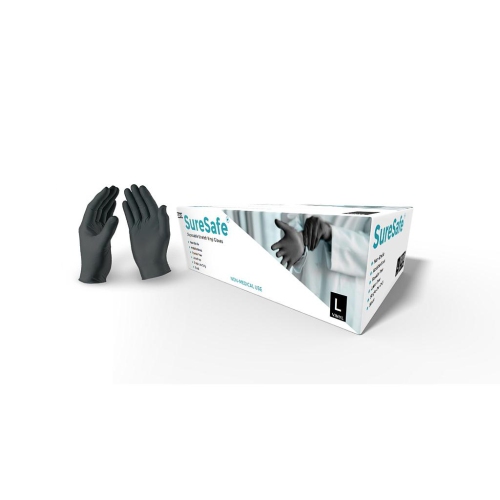
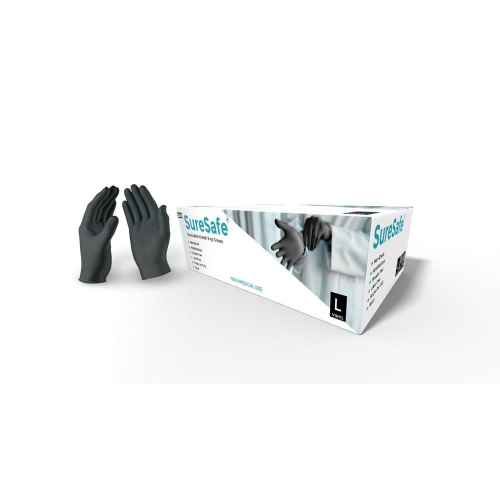
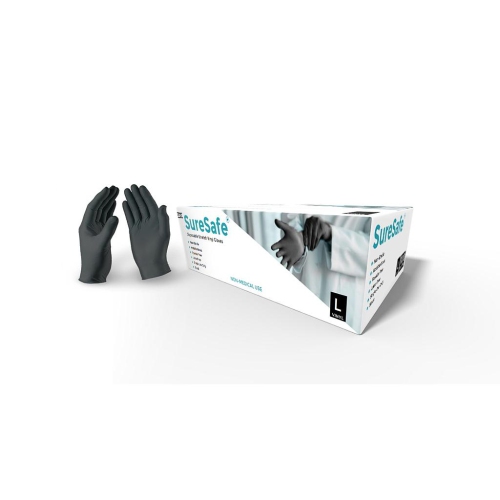
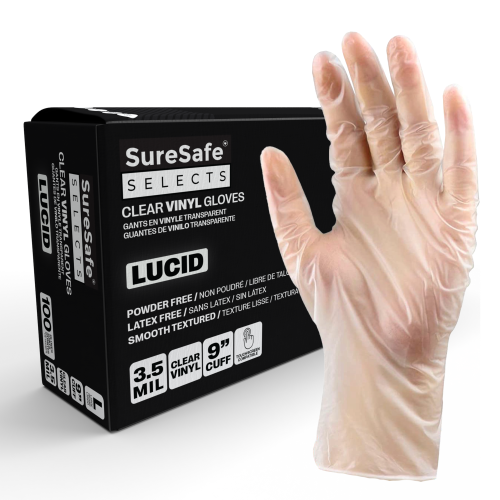
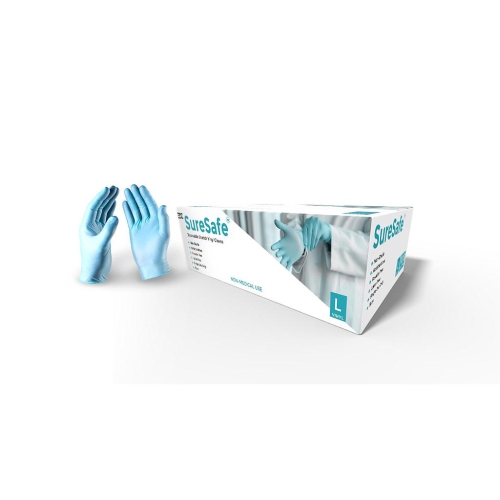
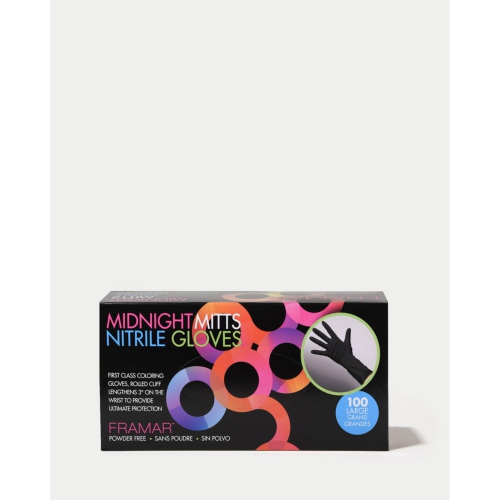
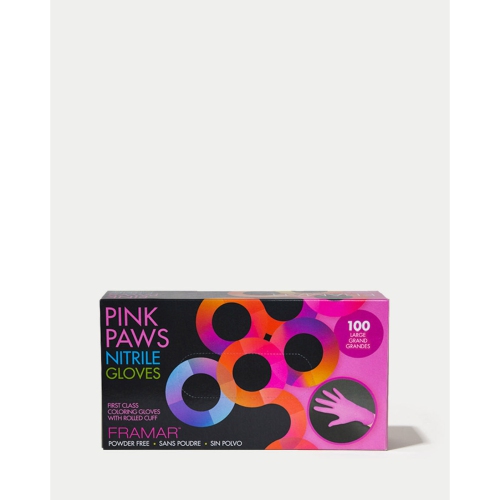
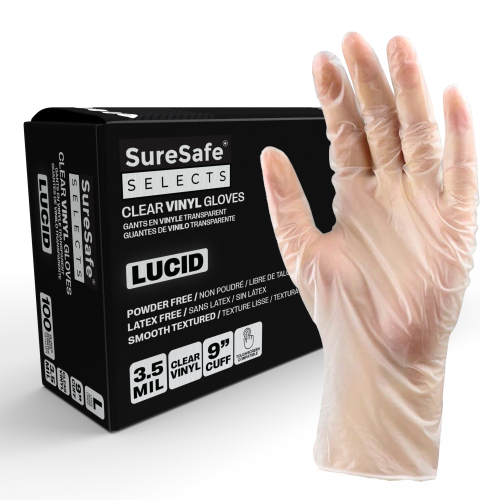
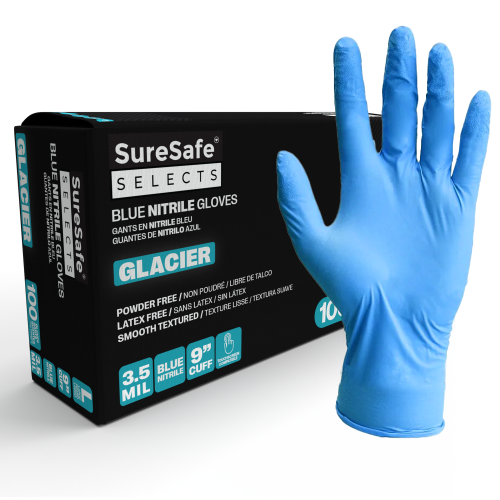
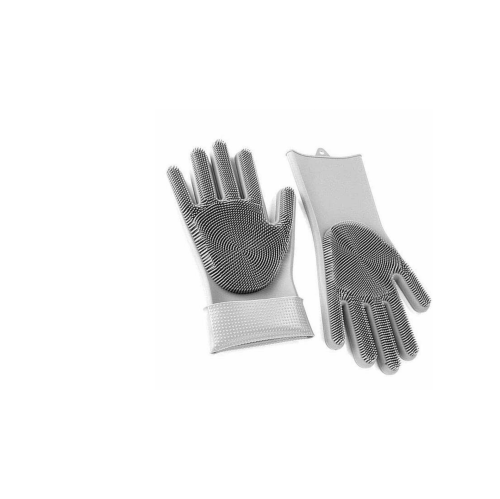
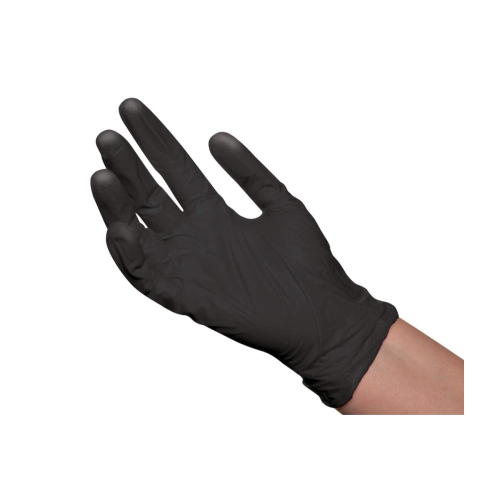
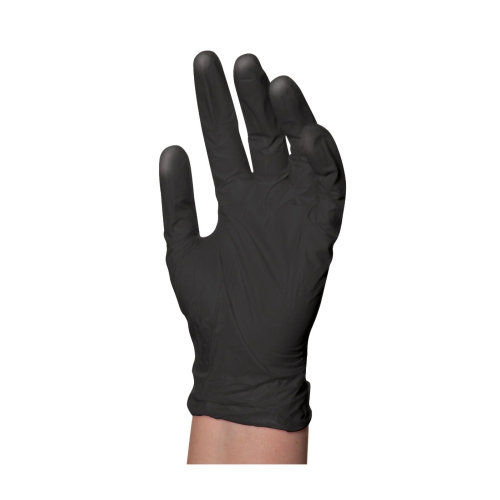
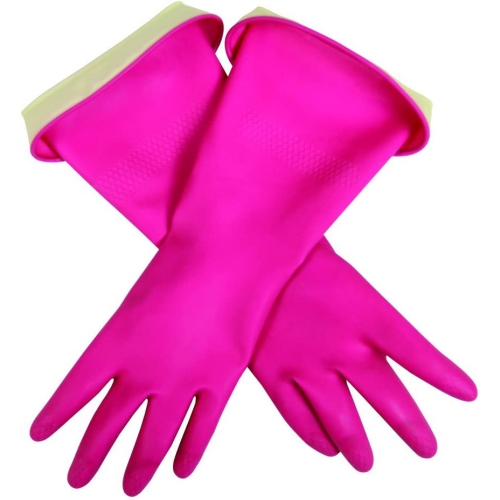
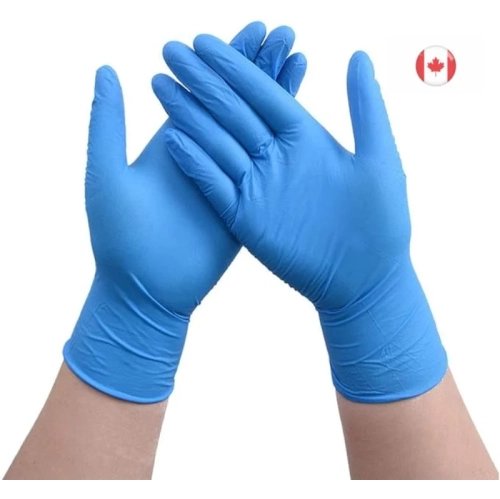
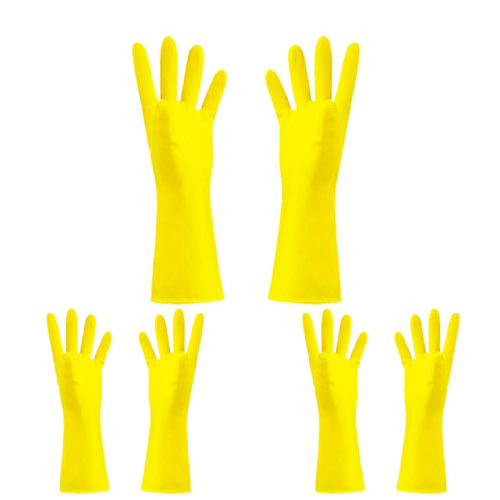
Rubber gloves provide a practical barrier between hands and the water, grime, and cleaning solutions involved in everyday chores. They are commonly used for washing dishes, wiping kitchen surfaces, cleaning bathrooms, and handling damp household messes. A flexible pair can make a noticeable difference during a sink full of washing-up, when hands would otherwise spend several minutes in contact with water and detergent. Although “rubber gloves” is often used as a broad term for household cleaning gloves, the material may be natural rubber latex, nitrile, or a plastic such as PVC or vinyl. Natural rubber latex is known for its stretch and close-fitting feel, which can help with tasks that involve holding cutlery, wringing out a cloth, or reaching into the corners of a baking dish. Latex can cause allergic reactions, so people with a known or suspected latex allergy should choose clearly labelled latex-free options. Nitrile is a synthetic rubber that can offer useful resistance to oils, punctures, and certain chemicals, depending on its formulation and thickness. PVC and vinyl gloves are plastic alternatives used for some cleaning and light-duty tasks, with flexibility and protection varying by construction. No material protects against every cleaning agent, and a glove suited to dishwashing is not automatically appropriate for concentrated cleaners, solvents, or workshop chemicals. The glove’s stated intended use and the cleaning product’s handling directions matter more than colour or appearance. Reusable household gloves generally have a longer cuff and a sturdier construction than thin disposable gloves, while disposable styles are intended for limited use and should not be washed for reuse. These differences make intended use a useful starting point when comparing rubber cleaning gloves: routine washing-up calls for flexibility and wet grip, while a more demanding task may require documented resistance to the particular substance being handled.
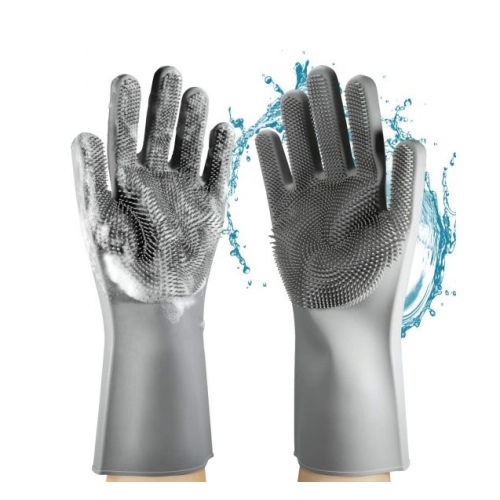
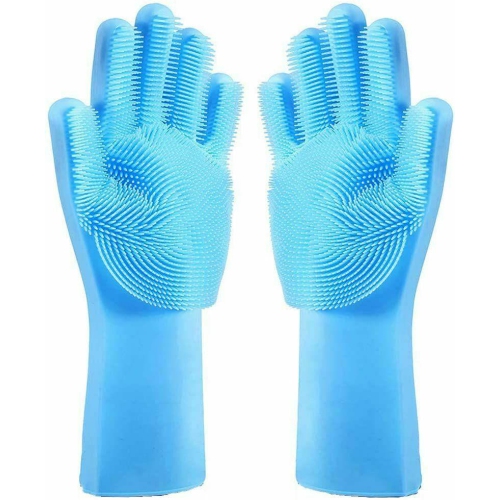
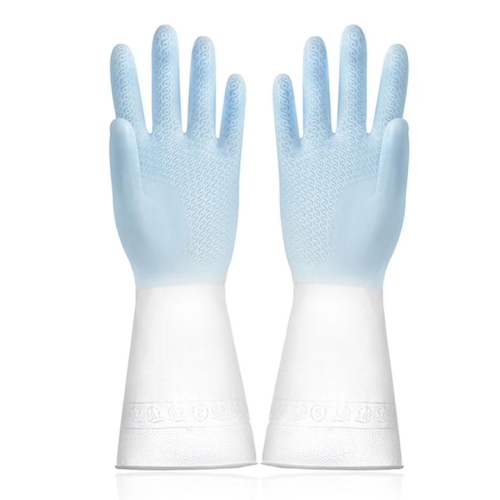
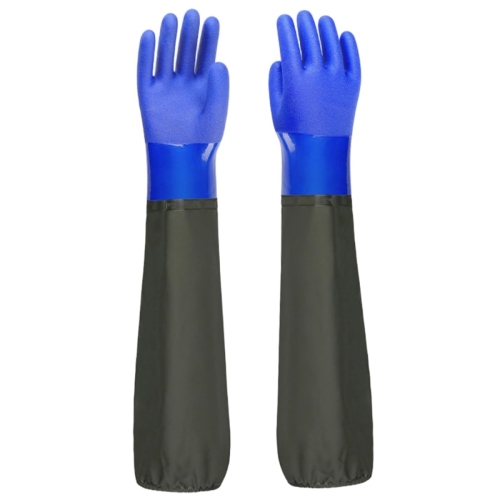
Fit affects how comfortably rubber gloves move with the hands and how securely they hold wet objects. The fingertips should reach comfortably into the fingers of the glove without pressing hard against the ends, and the palm should allow a relaxed grip without feeling stretched. Gloves that are too tight can make it tiring to squeeze a sponge or hold a scrubbing brush; an oversized pair can bunch around the fingers and make smaller objects harder to control. Sizing varies between manufacturers, so measurements such as hand circumference or palm width are more useful than assuming that a familiar size will fit every style. A textured palm and fingers can improve grip on slippery plates, tap handles, and cleaning tools, although even a textured glove needs care around glass and sharp edges. Longer cuffs extend coverage over the wrist and part of the forearm, helping with splashes when reaching into a sink or bucket. They do not create a watertight seal at the opening, and water can still enter if the cuff is submerged. Some household styles allow the cuff to be turned back slightly to help catch drips when hands are raised. Interior finishes also influence comfort: cotton-flocked linings can make gloves easier to pull on and absorb some perspiration, while unlined interiors avoid a fabric layer and may feel less bulky. Neither style keeps hands completely dry during prolonged wear, particularly when chores involve warm water and repeated movement. Thickness brings another trade-off. A heavier glove may tolerate abrasion better, but it can reduce the fingertip sensitivity needed to clean around small fittings or handle delicate dishes. A thinner, more flexible glove may feel more precise but offer less protection from wear. For tasks beyond household cleaning, the broader Hand Gloves category covers other uses; cleaning gloves should not be treated as substitutes for purpose-built thermal, cut-resistant, or electrical protection.
Care and storage play a large part in how long reusable rubber gloves remain useful. After ordinary household cleaning, remove surface residue according to the glove manufacturer’s directions, then let the gloves dry thoroughly before putting them away. Avoid touching a soiled exterior with bare fingers during removal, and wash and dry hands afterwards. If moisture gets inside, allow the interior to dry as well; turning gloves inside out is only suitable when the care instructions permit it. A damp lining left folded under the sink can develop an unpleasant odour and feel uncomfortable the next time it is worn. Store dry gloves away from direct sunlight, heaters, and sharp tools, rather than crumpling them beside a hot pipe or leaving them on a bright windowsill. Before each use, check the fingertips, spaces between the fingers, palms, and cuffs for holes, splits, thinning, or changes in texture. Tackiness, brittleness, swelling, and a loss of elasticity can all signal that the material has deteriorated. Replace damaged gloves rather than relying on a patch, particularly when contact with a cleaning solution is involved. Keeping separate pairs for kitchen and bathroom jobs helps avoid carrying grime from one area to another; different colours can make those roles easier to remember. Gloves used around toilets, drains, or pet messes should not return to dishwashing duty. Food preparation also calls for gloves specifically identified as suitable for food contact, rather than an assumption that any household pair will do. For people who clean frequently, share household chores, or find repeated exposure to water and soap uncomfortable, a well-fitting pair can be a useful part of the routine. Gloves do not replace handwashing, and persistent irritation deserves attention rather than simply a thicker glove. With suitable material, comfortable sizing, and sensible care, rubber gloves can support everything from a quick wipe around the sink to a thorough bathroom clean without making ordinary hand movements unnecessarily awkward.
Fit affects how comfortably rubber gloves move with the hands and how securely they hold wet objects. The fingertips should reach comfortably into the fingers of the glove without pressing hard against the ends, and the palm should allow a relaxed grip without feeling stretched. Gloves that are too tight can make it tiring to squeeze a sponge or hold a scrubbing brush; an oversized pair can bunch around the fingers and make smaller objects harder to control. Sizing varies between manufacturers, so measurements such as hand circumference or palm width are more useful than assuming that a familiar size will fit every style. A textured palm and fingers can improve grip on slippery plates, tap handles, and cleaning tools, although even a textured glove needs care around glass and sharp edges. Longer cuffs extend coverage over the wrist and part of the forearm, helping with splashes when reaching into a sink or bucket. They do not create a watertight seal at the opening, and water can still enter if the cuff is submerged. Some household styles allow the cuff to be turned back slightly to help catch drips when hands are raised. Interior finishes also influence comfort: cotton-flocked linings can make gloves easier to pull on and absorb some perspiration, while unlined interiors avoid a fabric layer and may feel less bulky. Neither style keeps hands completely dry during prolonged wear, particularly when chores involve warm water and repeated movement. Thickness brings another trade-off. A heavier glove may tolerate abrasion better, but it can reduce the fingertip sensitivity needed to clean around small fittings or handle delicate dishes. A thinner, more flexible glove may feel more precise but offer less protection from wear. For tasks beyond household cleaning, the broader Hand Gloves category covers other uses; cleaning gloves should not be treated as substitutes for purpose-built thermal, cut-resistant, or electrical protection.
Care and storage play a large part in how long reusable rubber gloves remain useful. After ordinary household cleaning, remove surface residue according to the glove manufacturer’s directions, then let the gloves dry thoroughly before putting them away. Avoid touching a soiled exterior with bare fingers during removal, and wash and dry hands afterwards. If moisture gets inside, allow the interior to dry as well; turning gloves inside out is only suitable when the care instructions permit it. A damp lining left folded under the sink can develop an unpleasant odour and feel uncomfortable the next time it is worn. Store dry gloves away from direct sunlight, heaters, and sharp tools, rather than crumpling them beside a hot pipe or leaving them on a bright windowsill. Before each use, check the fingertips, spaces between the fingers, palms, and cuffs for holes, splits, thinning, or changes in texture. Tackiness, brittleness, swelling, and a loss of elasticity can all signal that the material has deteriorated. Replace damaged gloves rather than relying on a patch, particularly when contact with a cleaning solution is involved. Keeping separate pairs for kitchen and bathroom jobs helps avoid carrying grime from one area to another; different colours can make those roles easier to remember. Gloves used around toilets, drains, or pet messes should not return to dishwashing duty. Food preparation also calls for gloves specifically identified as suitable for food contact, rather than an assumption that any household pair will do. For people who clean frequently, share household chores, or find repeated exposure to water and soap uncomfortable, a well-fitting pair can be a useful part of the routine. Gloves do not replace handwashing, and persistent irritation deserves attention rather than simply a thicker glove. With suitable material, comfortable sizing, and sensible care, rubber gloves can support everything from a quick wipe around the sink to a thorough bathroom clean without making ordinary hand movements unnecessarily awkward.
Top selling and popular products
-
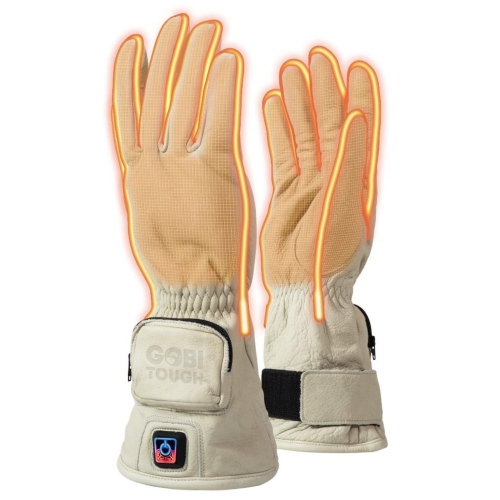 Your price for this item is $280
 -
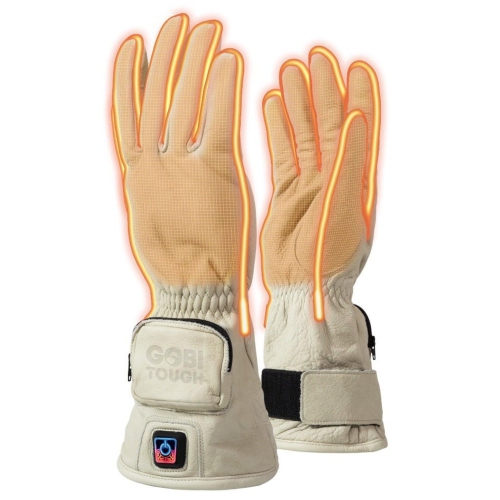 Your price for this item is $280
 -
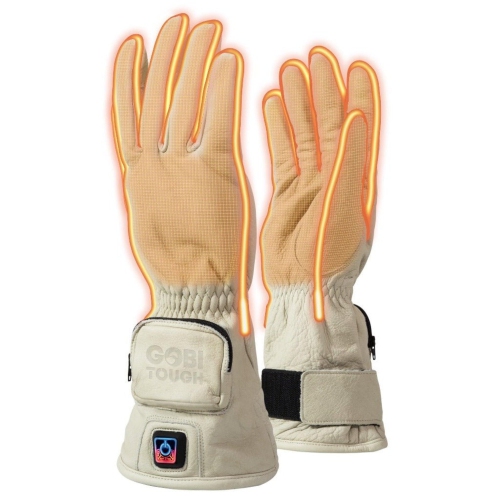 Your price for this item is $280
 -
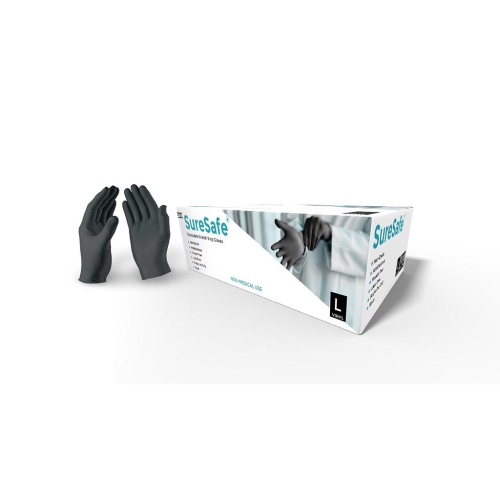 Your price for this item is $9.99
 -
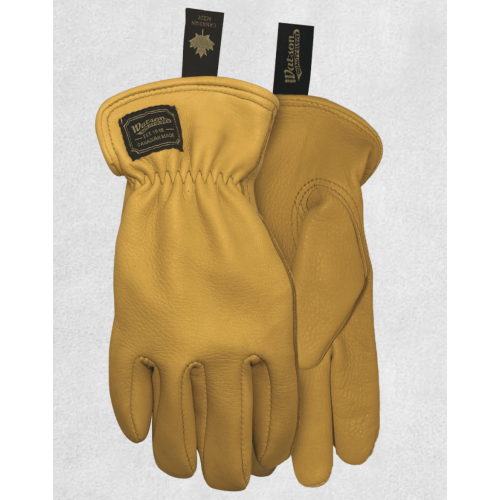 Your price for this item is $69.99
 -
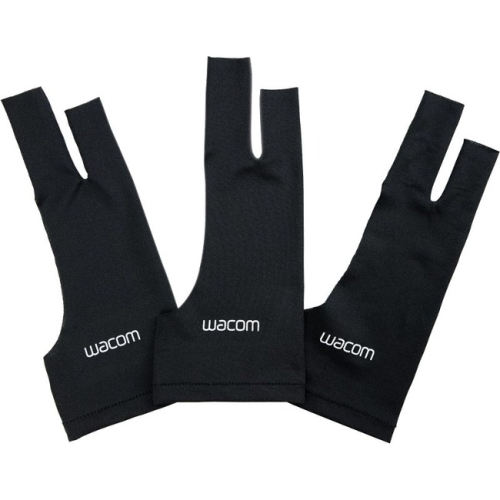 Your price for this item is $36.68
 -
 Your price for this item is $29.09
 -
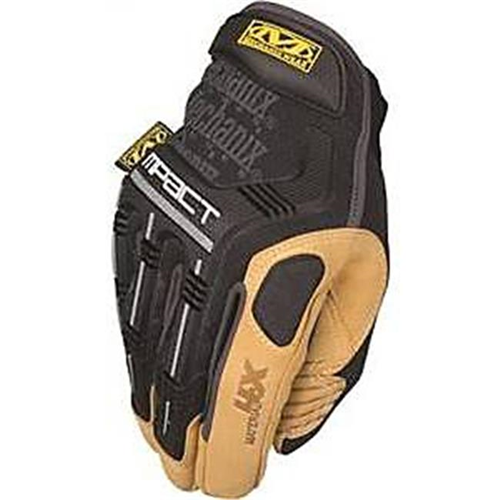 Your price for this item is $105.96
Discover more categories related to Rubber Gloves
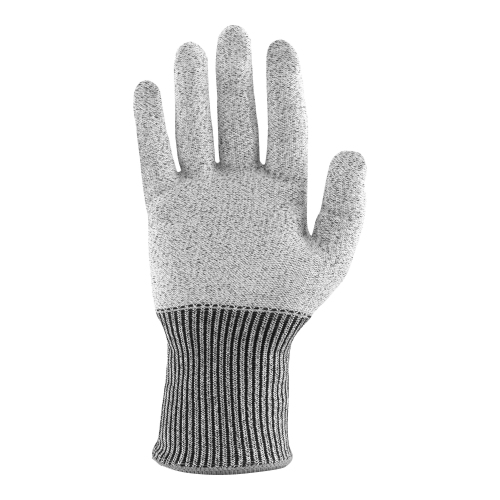
Top Collections:
Pokemon Centers, Kindle Devices, Best Budget Office Chairs, Apple iPhones 16, Best Laptops for Writers, iPhone 15 Apple, Canon G7X Cameras, Refurbished Apple Laptops, Alarm Clock, Motorola Razr Phones
Some products may be subject to Environmental Handling Fees
(EHF) depending on your province.
Learn more about EHFs.