Disposable Hot Drink Cups
Whether you're hosting a morning meeting, enjoying a cozy night in, or grabbing a hot beverage on the go, disposable hot drink cups are essential for keeping your drinks warm and convenient. Perfect for coffee, tea, hot chocolate, and more, these cups are designed for single-use convenience without compromising on quality. With various sizes and styles available, finding the right disposable hot drink cups to suit your needs has never been easier. Browse our selection below to find the perfect solution for enjoying your favorite hot beverages hassle-free.
Sort


Why cup construction and lid fit matter
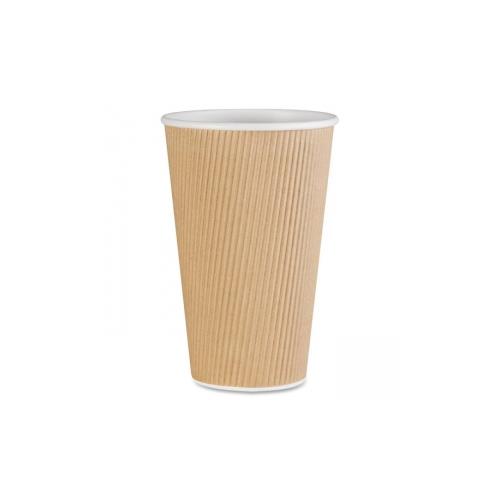
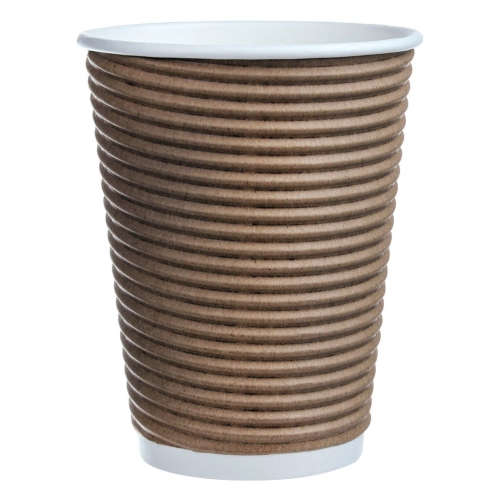
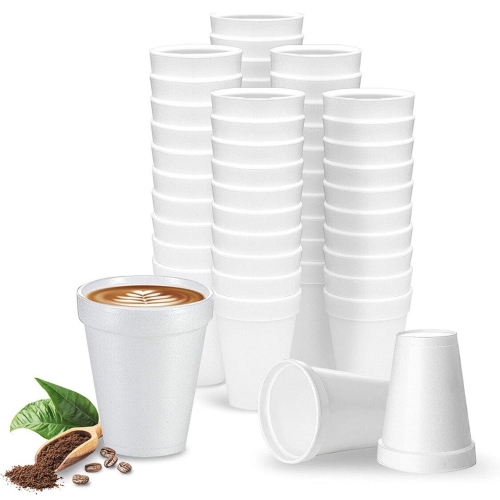
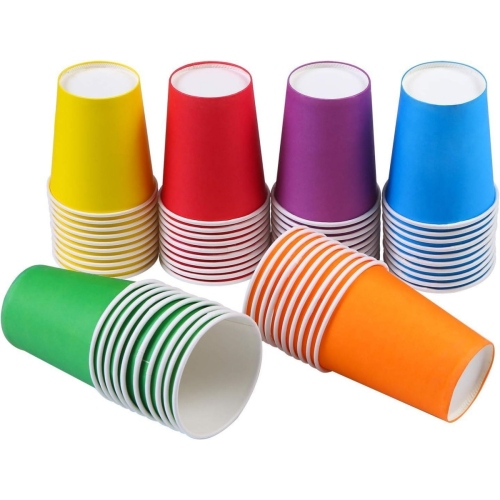
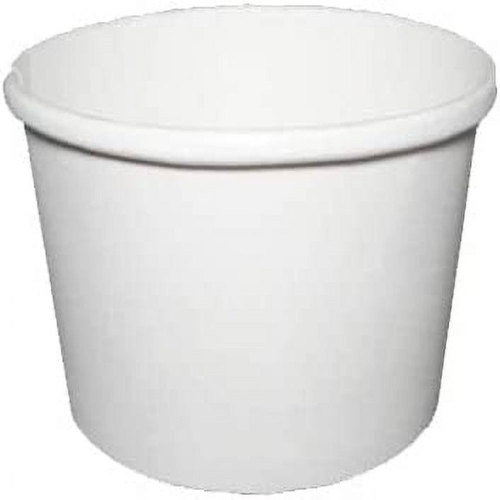
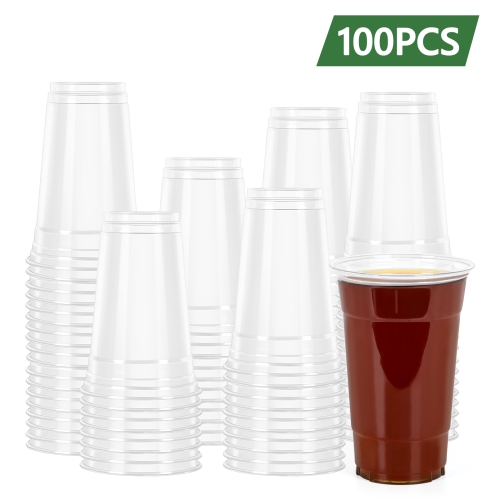
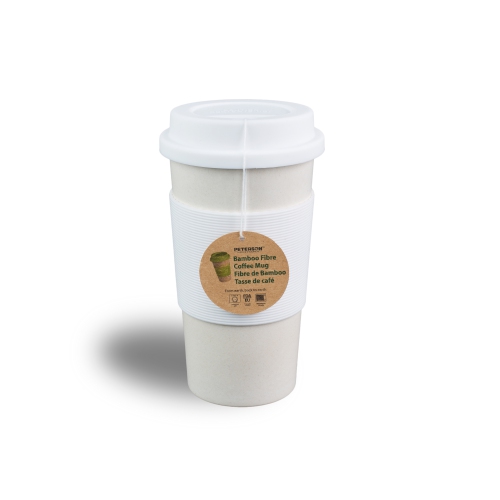
Disposable hot drink cups are single-use containers designed for serving coffee, tea, hot chocolate and other warm beverages without the washing and return arrangements that reusable drinkware requires. They are useful at office coffee stations, meeting rooms, community gatherings and self-serve refreshment tables, where drinks may be carried away rather than enjoyed at a seated table. Paper hot cups typically combine a paperboard body with an inner barrier that helps prevent liquid from soaking into the cup. That lining may be polyethylene or another material suitable for the stated use; the paper exterior alone does not indicate how the cup will perform with hot liquids. Cups intended for cold drinks are not automatically suitable substitutes, so a hot-beverage designation matters more than appearance. Construction also affects how a cup feels in the hand. Single-wall cups have one main paperboard layer and often benefit from a separate sleeve when filled with a hot drink. Double-wall cups add another layer, while ripple-wall designs use a textured outer layer to provide separation between the drink and the hand. These designs can improve comfort, but no disposable cup should be assumed to stay cool to the touch at every serving temperature. A sleeve may still be helpful, depending on the cup, the beverage and the person holding it. Insulation can slow heat transfer, although drink temperature also depends on the lid, fill level and time before serving. For someone carrying tea from a shared kitchen to a desk, a comfortable grip and a properly fitted lid can matter as much as the cup’s capacity. A firm rim, an evenly formed base and a body that holds its shape during normal handling are practical signs of construction suited to everyday beverage service. Plain finishes offer a simple look for workspaces, while colours and patterns can coordinate with a gathering without changing the need for suitable materials and secure handling.
Size and lid compatibility are central considerations when comparing disposable coffee cups and other hot beverage cups. Common labelled capacities include 8 oz, 12 oz and 16 oz, giving different amounts of room for a small coffee, a regular tea or a larger milk-based drink. Capacity is not the same as a recommended fill line: space below the rim helps accommodate milk, foam and movement while carrying the cup. An espresso-based drink with a thick cap of foam needs a different amount of headroom from black coffee, even when both are served in cups of the same size. Where beverages come from a coffee maker or dispensing machine, the cup must also fit beneath the outlet with enough clearance to slide in and out without tipping. Cup height and base width matter on a narrow counter or small serving tray, while overall dimensions affect whether the filled cup sits securely in a vehicle cup holder. Lids require particularly careful matching. Two cups labelled with the same capacity can have different rim diameters, and similar-looking lids are not necessarily interchangeable. Compatibility should be based on the cup and lid specifications rather than volume alone. Some packs contain cups only, while others pair them with lids or sleeves, so the contents are worth checking when planning a complete serving setup. A sipping opening allows drinking without removing the lid, and some designs have a closure that helps limit splashes between sips. Neither feature makes a disposable cup leakproof. The lid should sit evenly around the rim and attach as intended before the cup is carried. Keep filled cups upright, support them without squeezing the sidewalls, and avoid lifting them by the lid. For several drinks at once, a suitable carrier provides a steadier way to move between a kitchen counter and a meeting table than balancing cups against one another.
The most useful pack size depends on how and where the cups will be used. A small household gathering may need only a modest number, while a workplace with several coffee breaks each day benefits from planning around regular use. For a meeting or community event, allow for guests who may have a second drink or choose a fresh cup when switching from coffee to tea. Keeping the cup sizes consistent can make a self-serve station easier to manage, particularly when lids and sleeves are placed nearby. If more than one size is needed, separating each size with its matching lids helps prevent rushed mismatches. A clear section of counter beside the dispenser gives people somewhere stable to set a cup while adding milk or securing a lid. Stirrers, napkins and a suitable place for used tea bags help keep that small serving area orderly, rather than leaving drink preparation spread across a busy table. Cup durability also depends on storage and handling before use. Keep unused cups clean and dry, away from splashes, strong odours and pressure that could flatten their rims. Protective packaging helps shield them until needed, and a clean dispenser can reduce unnecessary handling of the drinking edge. Disposable hot cups are intended for a single serving rather than repeated washing or extended use. They should not be placed in a microwave unless expressly labelled as suitable, and a cup designed for carrying a drink should not be treated as a long-term storage container. For broader serving and carrying needs, Hot Drink Containers provides a related category to explore alongside single-use options. Whether the setting is a training session, a shared office kitchen or a casual gathering at home, the best fit comes from matching the cup’s capacity, construction and accessories to the way drinks will actually be prepared, held and served.
Top selling and popular products
-
 Your price for this item is $180.75
-
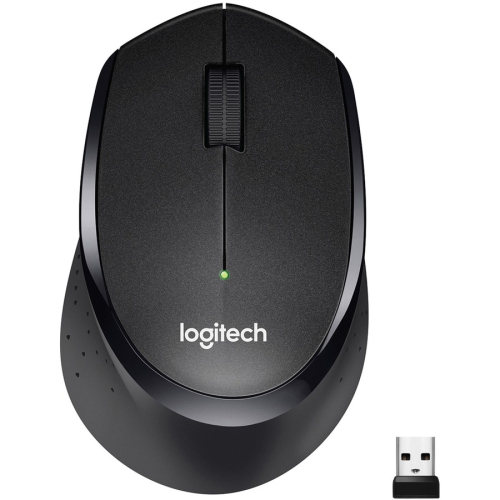 Your price for this item is $29.99
-
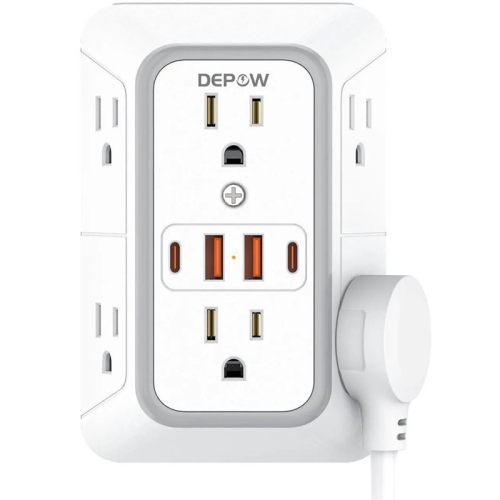 Your price for this item is $14.98
-
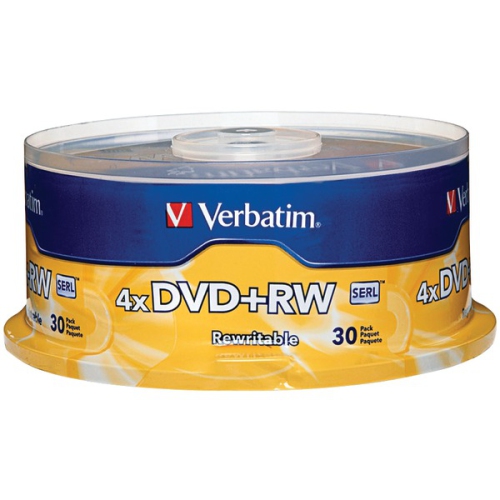 Your price for this item is $107.68
-
 Your price for this item is $234.68
-
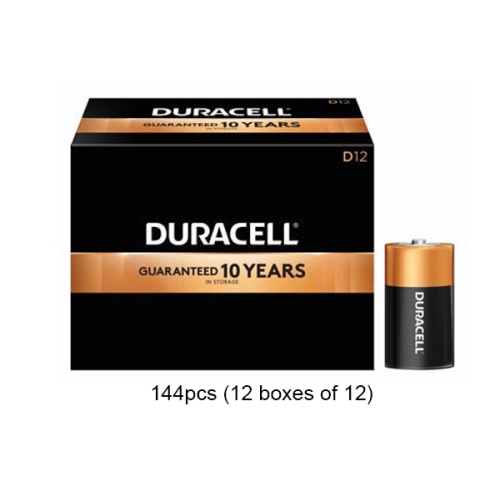 Your price for this item is $379.97
-
 Your price for this item is $112.37
-
 Your price for this item is $74.99
Discover more categories related to Disposable Hot Drink Cups
Top Collections:
Best Black Friday Deals This Year, Best Black Friday Deals On Electronics, Kindle Devices, Pokemon Centers, Best Black Friday Deals On Apple Products, Best Cameras for Sports Photography, Dyson Airwrap, Pokémon 30th Celebration Cards, Apple iPhone 17 Pro, Canon G7X Cameras
Some products may be subject to Environmental Handling Fees
(EHF) depending on your province.
Learn more about EHFs.