Distressed Wood Sideboards
Distressed wood sideboards bring a touch of rustic charm and timeless appeal to any living or dining space. With their unique finishes and classic designs, these versatile pieces offer both style and functionality for your home. Whether you're looking to enhance your décor or add convenient storage, distressed wood sideboards are an ideal choice for creating a warm, inviting atmosphere. Explore a range of options to find the perfect addition to your room.
Sort
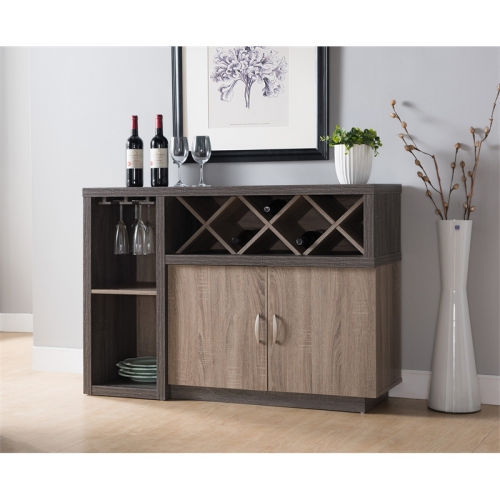
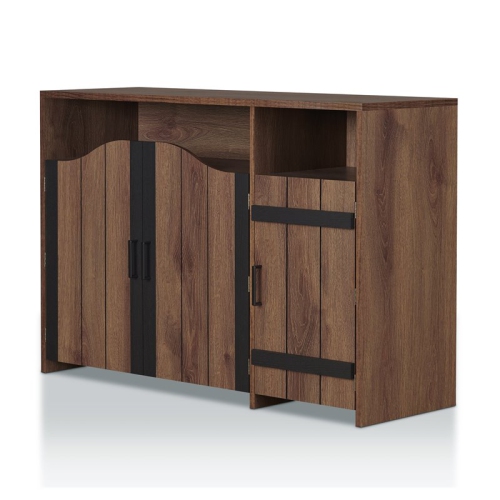
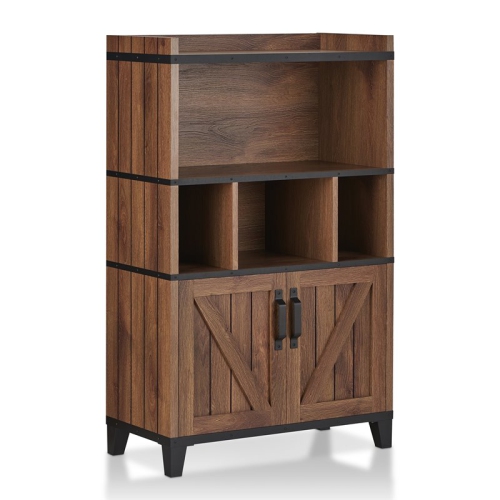
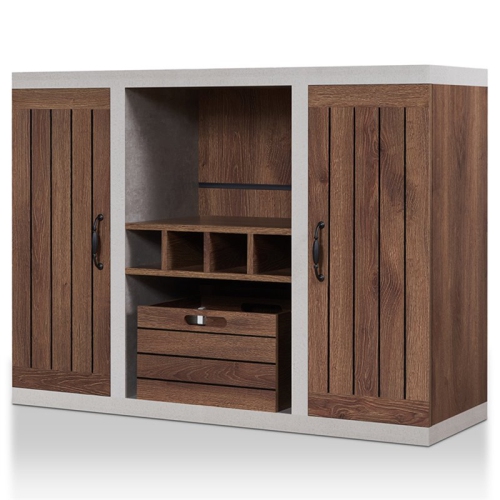

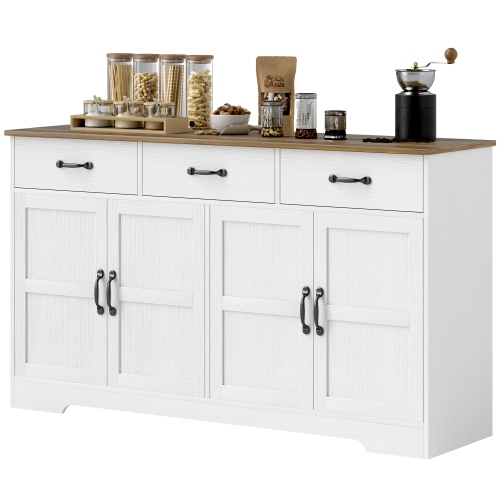
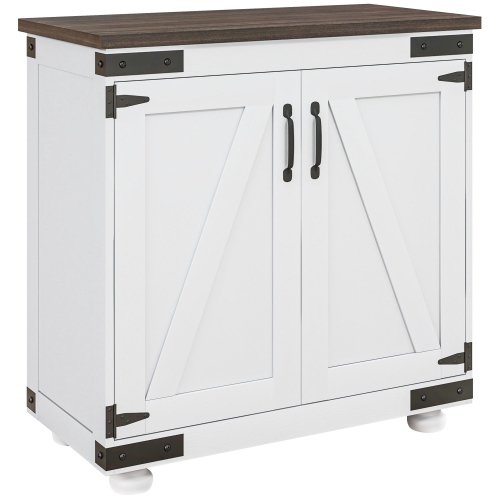
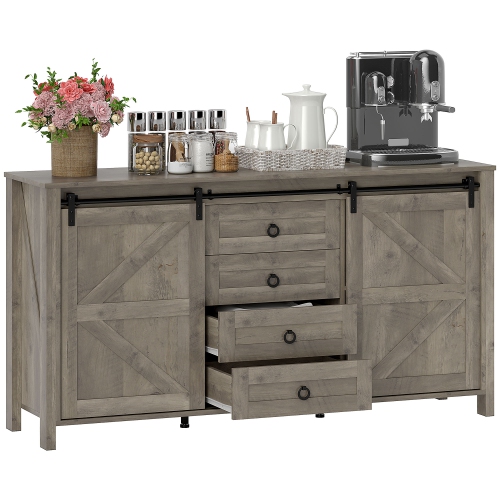
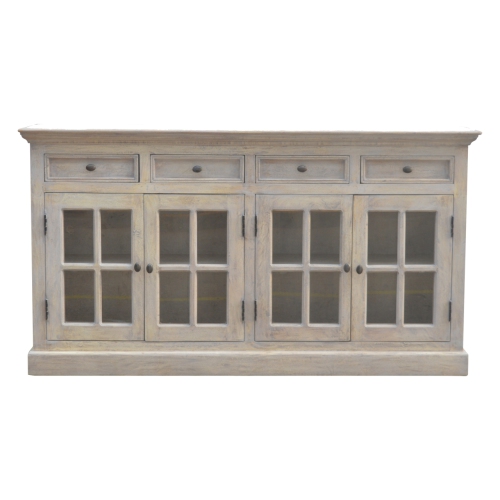
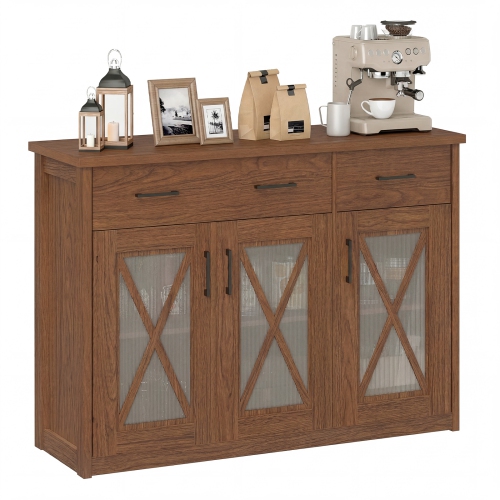
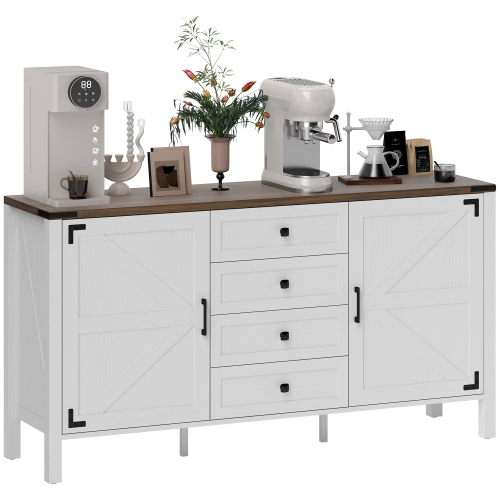
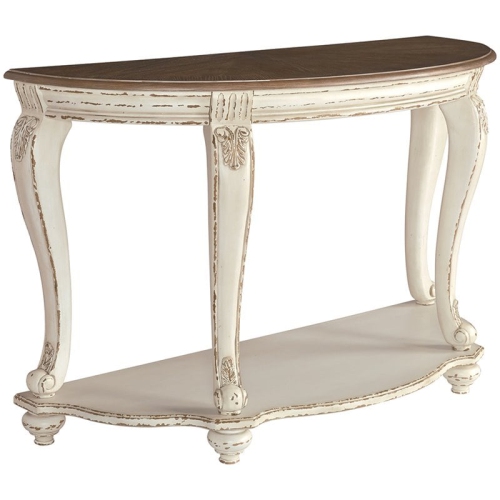
Practical storage with warmth and a lived-in character
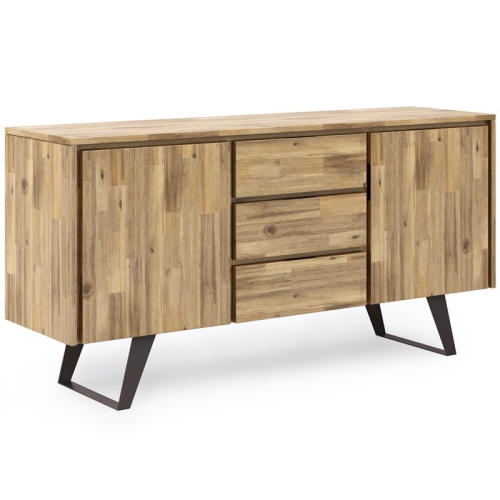
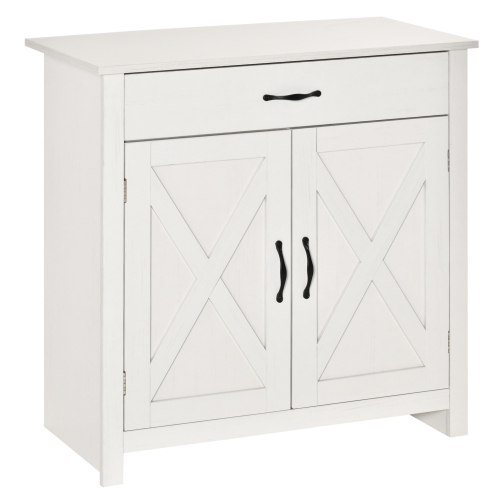
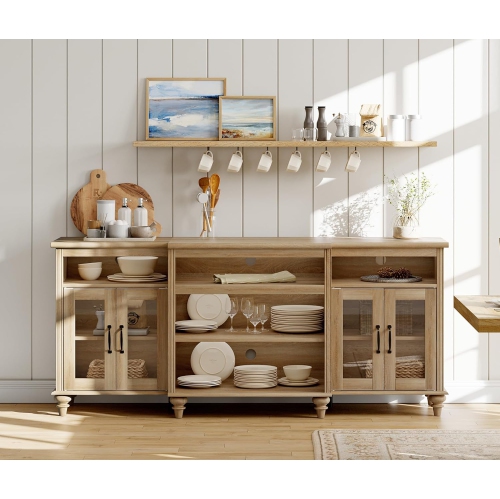
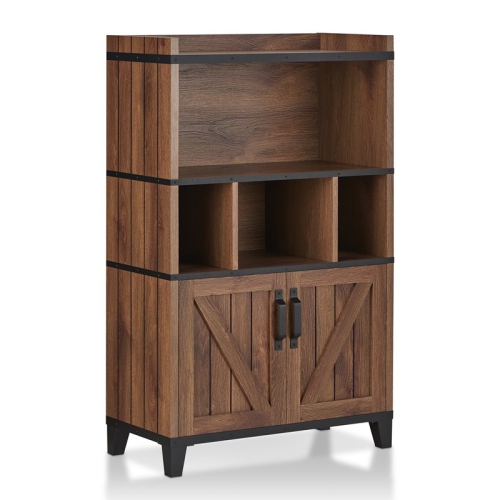
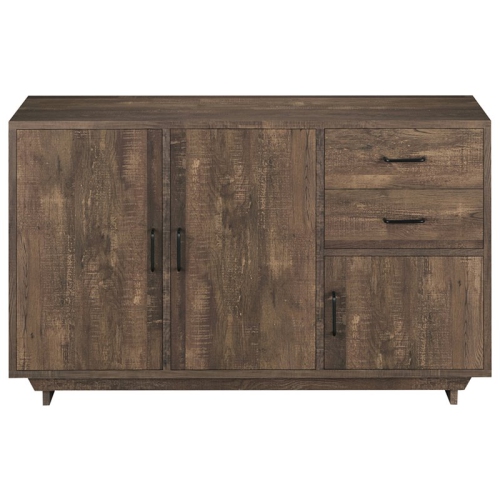
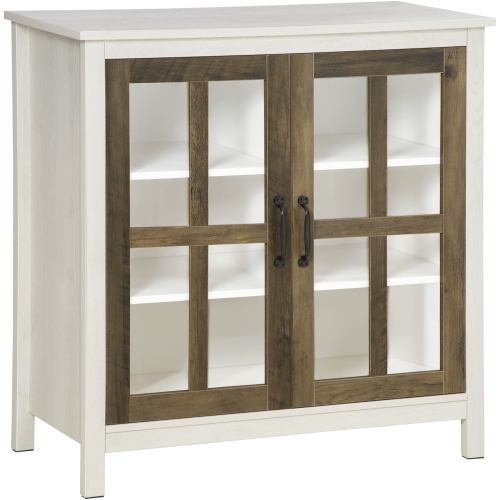
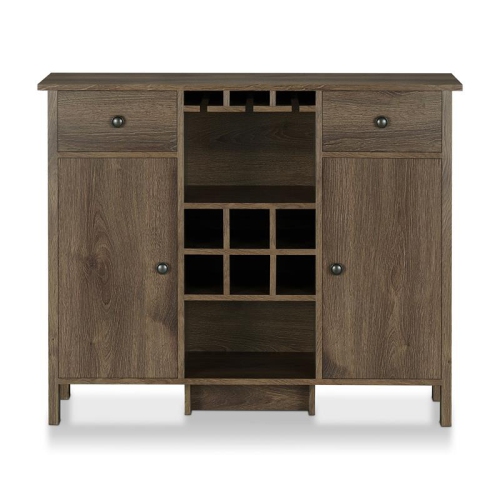
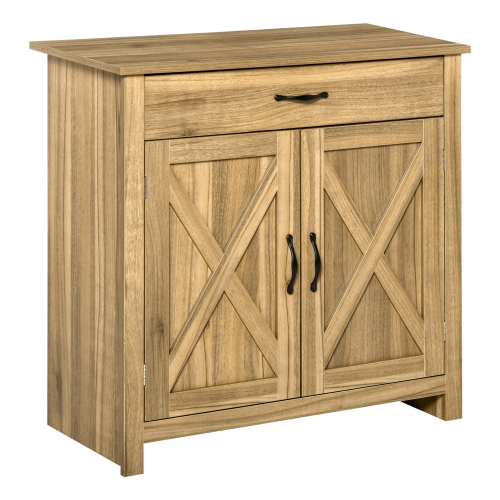
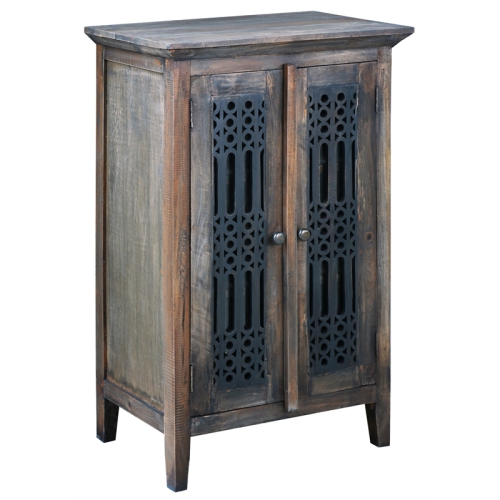
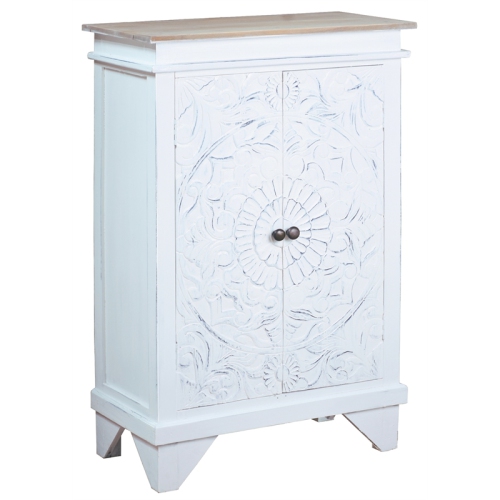
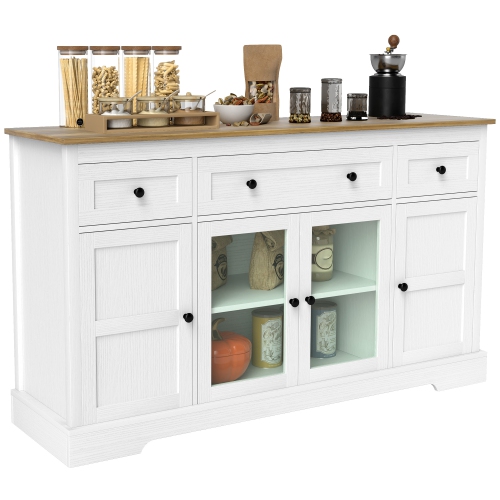
Distressed wood sideboards bring practical storage and a relaxed, timeworn character to dining rooms, living rooms, entryways, bedrooms, and open-concept spaces. Their weathered finish may include softly worn edges, visible grain, knots, brushed texture, muted paint, or subtle variations in tone that give the furniture a collected, lived-in appearance from the moment it arrives. Unlike a highly polished cabinet that can feel formal, a distressed wood sideboard often adds warmth and personality without overwhelming the rest of the room. Natural shades of pine, mango, elm, and other wood tones can complement neutral walls, woven accents, and upholstered seating, while painted finishes in soft white, charcoal, blue, or other subdued colours can create contrast against lighter flooring and brighter décor. Because every finish is designed to look varied, small differences in grain, colour, and distressing are part of the visual appeal rather than signs of an imperfect piece. These sideboards are especially useful in dining areas, where drawers can hold napkins, serving utensils, placemats, candles, and table linens while cupboards keep dinnerware, glassware, and entertaining essentials close at hand. In a living room, a wider sideboard can anchor a wall beneath artwork or a mirror, provide a surface for lamps and framed photos, and help keep books, games, remotes, and everyday items out of sight. During the cooler months, it can also make a welcoming landing spot for baskets, extra throws, or the small comforts that tend to gather near the main living area.
Before choosing a distressed wood sideboard, measure the available wall, doorway, stairwell, and turning space carefully. Record the maximum width, height, and depth that will work in the room, then leave enough clearance for doors and drawers to open comfortably without striking chairs, radiators, baseboards, or nearby furniture. A narrow design can suit an apartment, hallway, or compact dining nook, while a longer sideboard may provide better storage for a larger household or a room used for frequent gatherings. Consider how much of the interior storage is made up of drawers compared with cupboards: drawers are convenient for smaller items that need quick access, while adjustable shelves or open compartments are better for stacks of plates, serving bowls, appliances, and taller objects. Check the shelf capacity, drawer construction, door hinges, handles, and levelling feet, especially when the sideboard will be used every day. If you plan to place a television, record player, speaker, coffee maker, or other equipment on top, confirm that the surface dimensions and weight capacity are suitable. Cable cutouts can make a sideboard more useful as a media console or coffee station by helping cords pass neatly through the back, but ventilation and access to outlets should still be considered. A distressed finish is intentionally textured, so it is worth thinking about the room’s lighting: warm lamps can bring out golden wood tones and surface detail, while natural light may make painted finishes appear softer or more varied throughout the day. For a coordinated look, match the sideboard to one or two existing elements rather than trying to duplicate every finish. A wood dining table, woven basket, aged metal light fixture, or leather accent chair can echo its rustic character without making the room feel overly themed. Those looking for a simpler, more uniform appearance may also wish to browse a Solid Wood Sideboard alongside distressed designs.
A distressed wood sideboard can be a thoughtful choice for someone moving into a new home, refreshing a dining area, furnishing a first apartment, or creating a more organised family room. It is practical enough for everyday routines but distinctive enough to feel like a considered furniture piece rather than basic storage. In an entryway, it can hold keys, scarves, bags, and mail while giving guests a welcoming first impression; use trays or small containers inside drawers to prevent loose items from becoming difficult to find. In a dining room, reserve one drawer for serving pieces and another for table linens, then group frequently used plates or bowls on an easy-to-reach shelf. In a living room, baskets inside the cabinets can sort toys, cables, craft supplies, or seasonal accessories without taking away from the wood’s decorative appeal. Some households use a sideboard as a coffee or beverage station, placing mugs, tea, coffee accessories, and trays inside while keeping the top clear for preparation. Others use one beneath a wall-mounted television, provided the proportions, ventilation, and cable access are appropriate. To keep the finish looking its best, dust with a soft, dry cloth and wipe spills promptly with a lightly damp cloth, avoiding excessive moisture and harsh cleaners that may dull painted or textured surfaces. Coasters, mats, and trivets can help protect the top from rings, scratches, heat, and condensation, particularly when the sideboard is used for entertaining. Avoid dragging heavy objects across the surface, and secure taller furniture to the wall when recommended, especially in homes with children or pets. As the weather shifts between warmer afternoons and cooler evenings, a sideboard also offers a useful place to rotate table linens, display seasonal décor, or store extra serving pieces without adding visual clutter. With the right dimensions, storage layout, finish, and placement, it can become one of those dependable pieces that quietly supports daily life while lending the room an inviting sense of history.
Before choosing a distressed wood sideboard, measure the available wall, doorway, stairwell, and turning space carefully. Record the maximum width, height, and depth that will work in the room, then leave enough clearance for doors and drawers to open comfortably without striking chairs, radiators, baseboards, or nearby furniture. A narrow design can suit an apartment, hallway, or compact dining nook, while a longer sideboard may provide better storage for a larger household or a room used for frequent gatherings. Consider how much of the interior storage is made up of drawers compared with cupboards: drawers are convenient for smaller items that need quick access, while adjustable shelves or open compartments are better for stacks of plates, serving bowls, appliances, and taller objects. Check the shelf capacity, drawer construction, door hinges, handles, and levelling feet, especially when the sideboard will be used every day. If you plan to place a television, record player, speaker, coffee maker, or other equipment on top, confirm that the surface dimensions and weight capacity are suitable. Cable cutouts can make a sideboard more useful as a media console or coffee station by helping cords pass neatly through the back, but ventilation and access to outlets should still be considered. A distressed finish is intentionally textured, so it is worth thinking about the room’s lighting: warm lamps can bring out golden wood tones and surface detail, while natural light may make painted finishes appear softer or more varied throughout the day. For a coordinated look, match the sideboard to one or two existing elements rather than trying to duplicate every finish. A wood dining table, woven basket, aged metal light fixture, or leather accent chair can echo its rustic character without making the room feel overly themed. Those looking for a simpler, more uniform appearance may also wish to browse a Solid Wood Sideboard alongside distressed designs.
A distressed wood sideboard can be a thoughtful choice for someone moving into a new home, refreshing a dining area, furnishing a first apartment, or creating a more organised family room. It is practical enough for everyday routines but distinctive enough to feel like a considered furniture piece rather than basic storage. In an entryway, it can hold keys, scarves, bags, and mail while giving guests a welcoming first impression; use trays or small containers inside drawers to prevent loose items from becoming difficult to find. In a dining room, reserve one drawer for serving pieces and another for table linens, then group frequently used plates or bowls on an easy-to-reach shelf. In a living room, baskets inside the cabinets can sort toys, cables, craft supplies, or seasonal accessories without taking away from the wood’s decorative appeal. Some households use a sideboard as a coffee or beverage station, placing mugs, tea, coffee accessories, and trays inside while keeping the top clear for preparation. Others use one beneath a wall-mounted television, provided the proportions, ventilation, and cable access are appropriate. To keep the finish looking its best, dust with a soft, dry cloth and wipe spills promptly with a lightly damp cloth, avoiding excessive moisture and harsh cleaners that may dull painted or textured surfaces. Coasters, mats, and trivets can help protect the top from rings, scratches, heat, and condensation, particularly when the sideboard is used for entertaining. Avoid dragging heavy objects across the surface, and secure taller furniture to the wall when recommended, especially in homes with children or pets. As the weather shifts between warmer afternoons and cooler evenings, a sideboard also offers a useful place to rotate table linens, display seasonal décor, or store extra serving pieces without adding visual clutter. With the right dimensions, storage layout, finish, and placement, it can become one of those dependable pieces that quietly supports daily life while lending the room an inviting sense of history.
Top selling and popular products
-
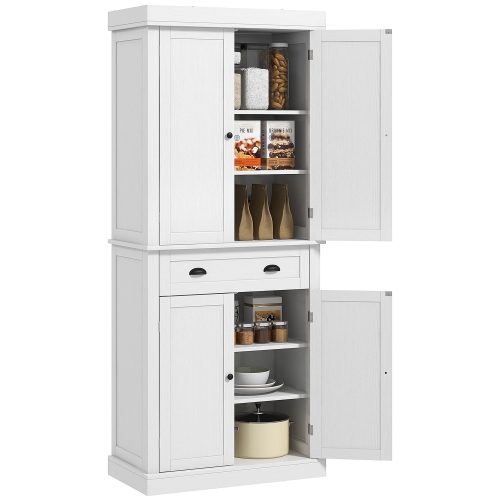 Your price for this item is $267.79
 -
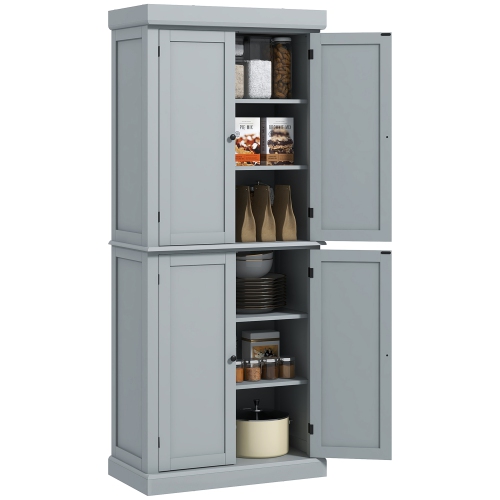 Your price for this item is $289.99
 -
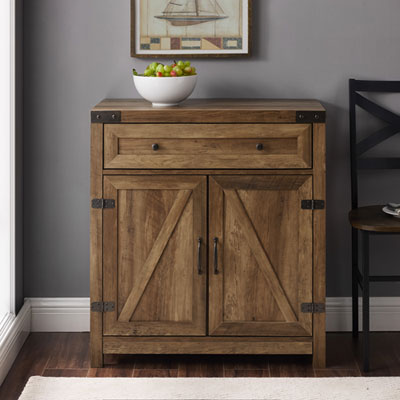 Your price for this item is $401.99
 -
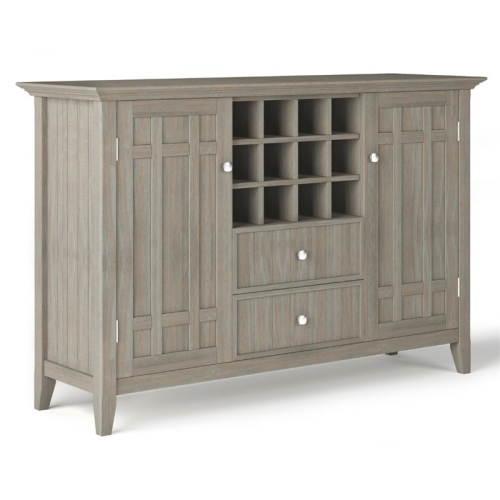 Your price for this item is $1375.51
 -
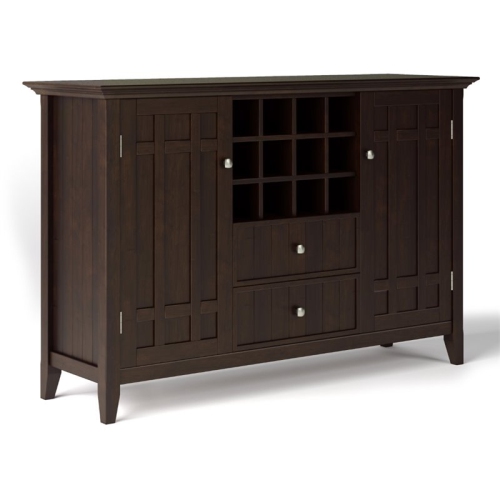 Your price for this item is $1271.6
 -
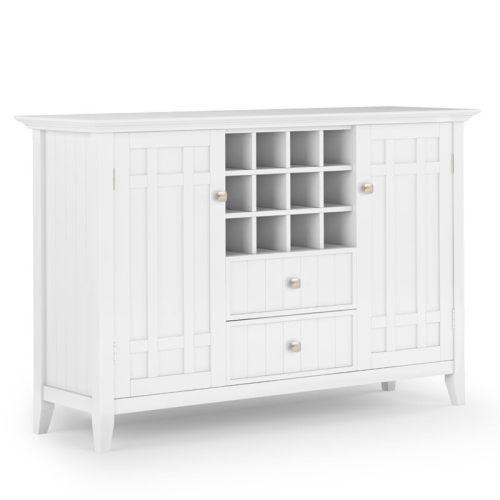 Your price for this item is $1447.73
 -
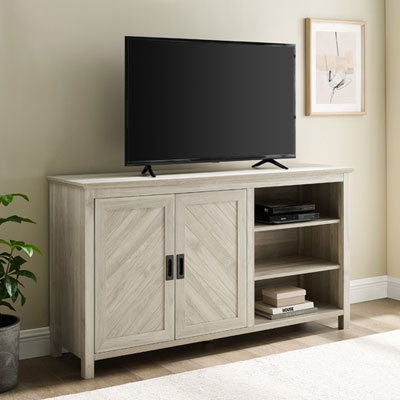 Your price for this item is $593.99
 -
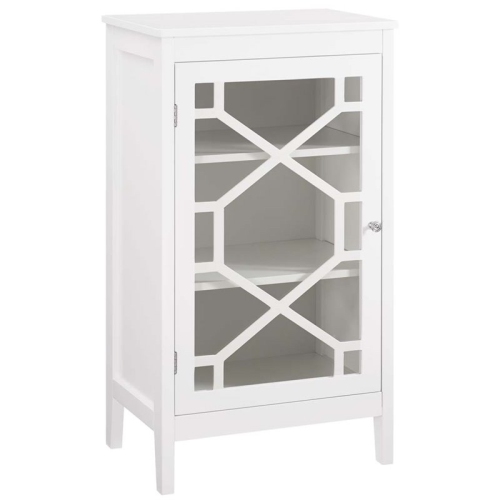 Your price for this item is $343.14
Discover more categories related to Distressed Wood Sideboards

Top Collections:
Best Laptops for Video Editing, Pokemon Centers, Samsung Z Fold, Kindle Devices, Best Cell Phones Under $300, Best Laptops for Writers, Best Budget Office Chairs, Best Cell Phones Under $500, Best Laptop Computers for Students, iPhone 15 Apple
Some products may be subject to Environmental Handling Fees
(EHF) depending on your province.
Learn more about EHFs.