Document Filing
Document filing is essential for maintaining an organized and efficient workspace, whether at home or in the office. With a variety of solutions available, you can easily keep important papers, records, and documents neatly sorted and accessible. From file cabinets to folders, these tools help streamline your filing system and reduce clutter. Explore options that cater to your unique needs and preferences, ensuring that your documents are always in order and easy to find when you need them most.
Sort
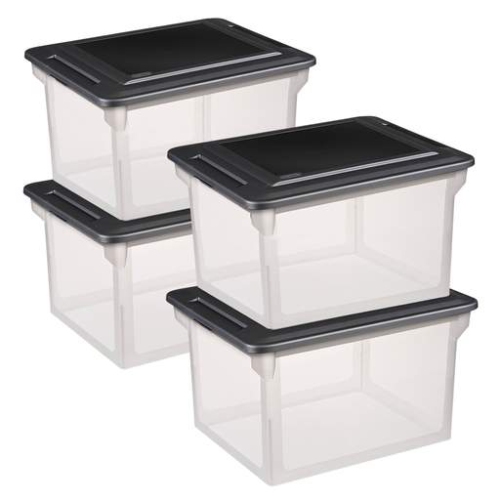
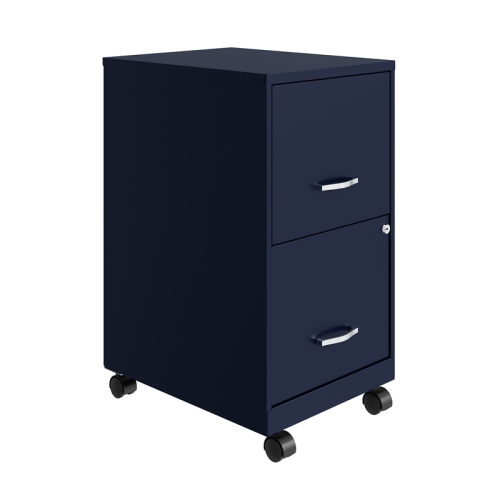
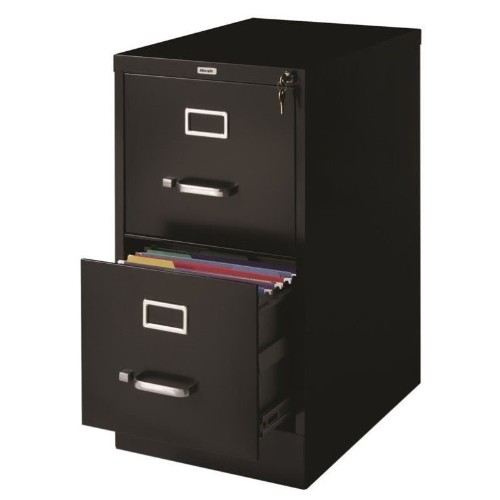
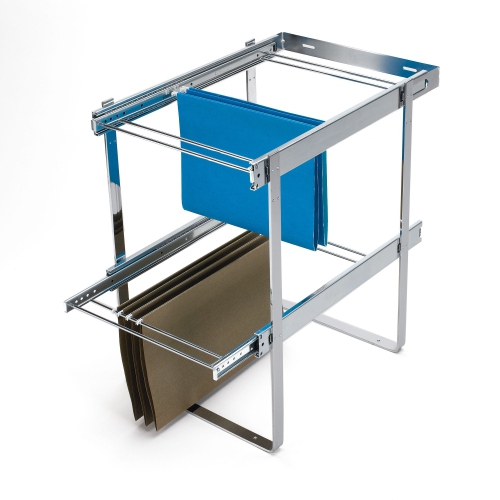




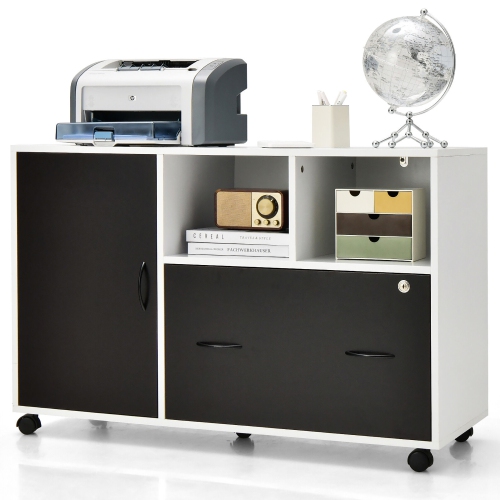
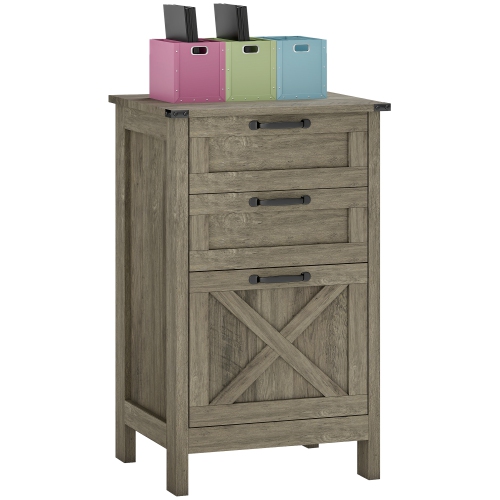
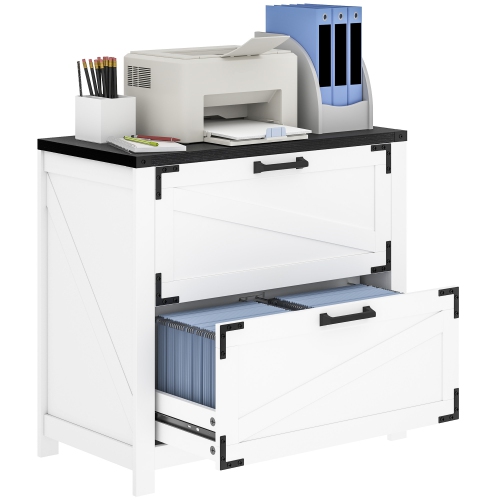
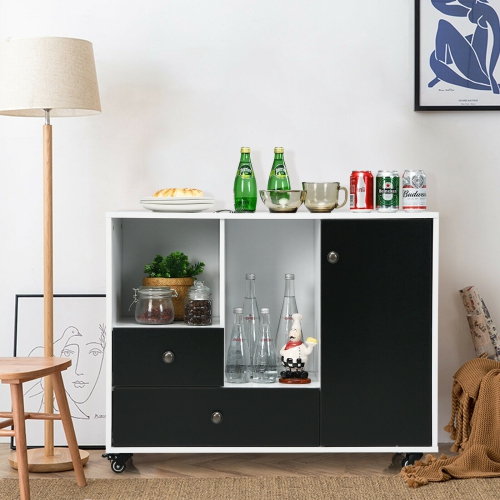






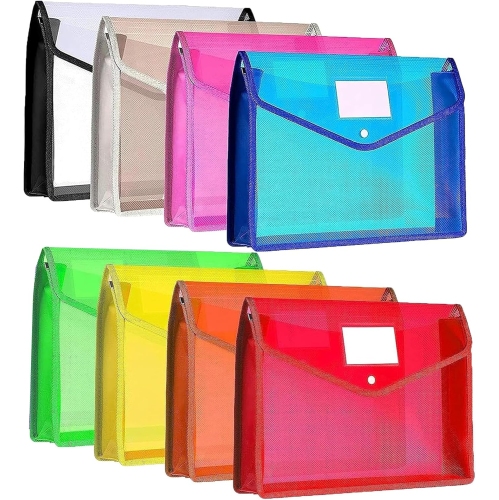
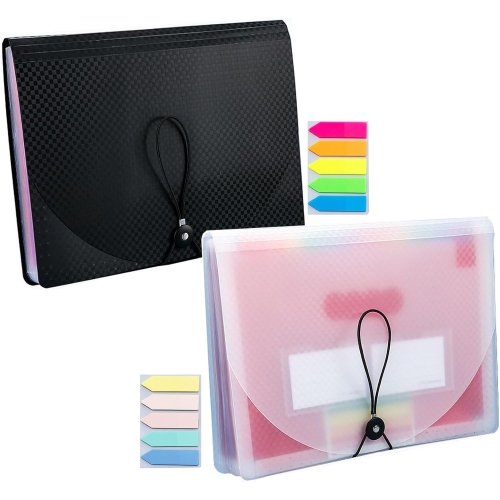
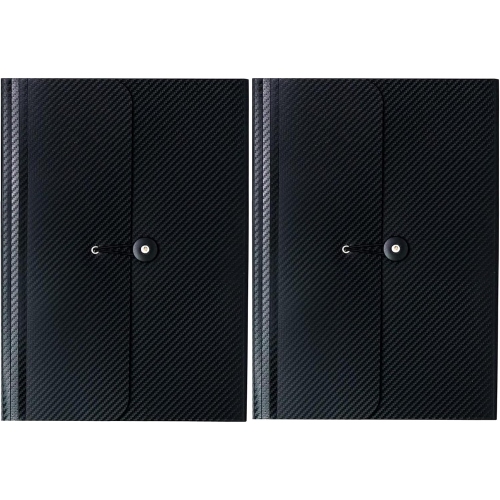
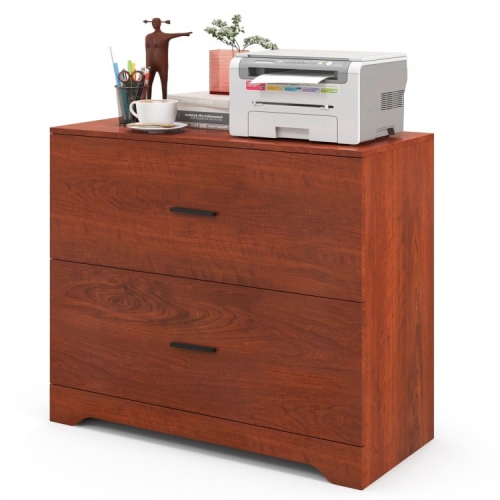
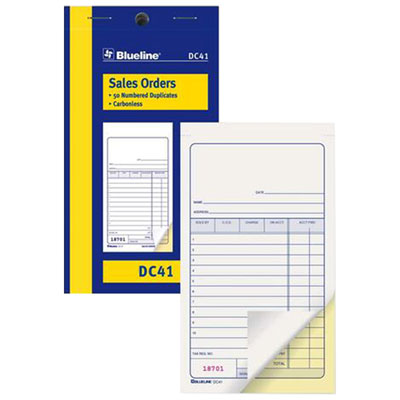
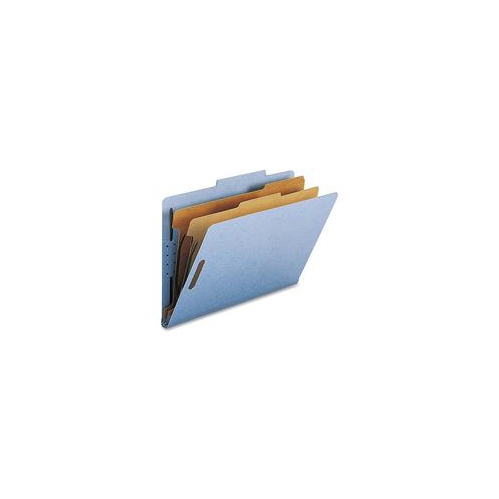
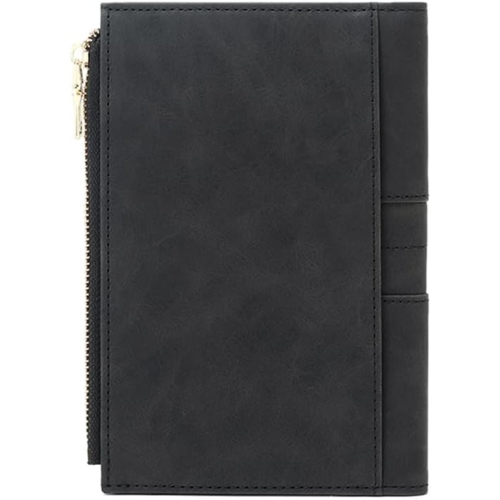
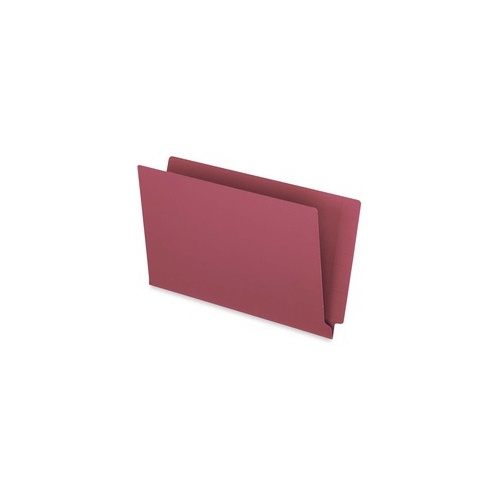

A predictable place for every important paper
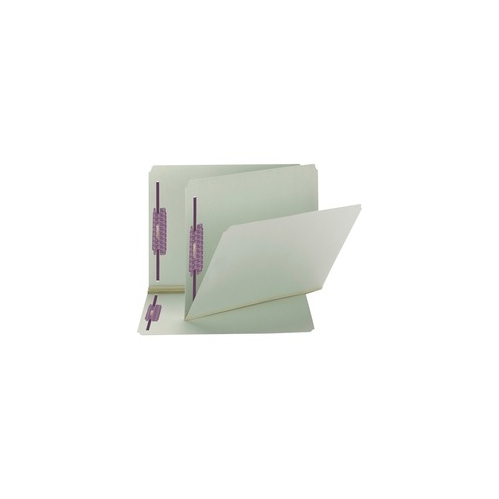
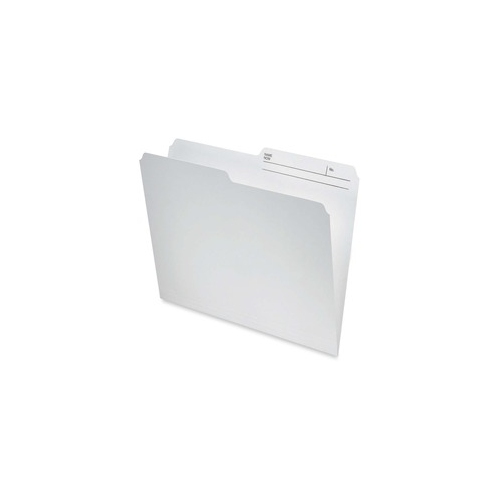
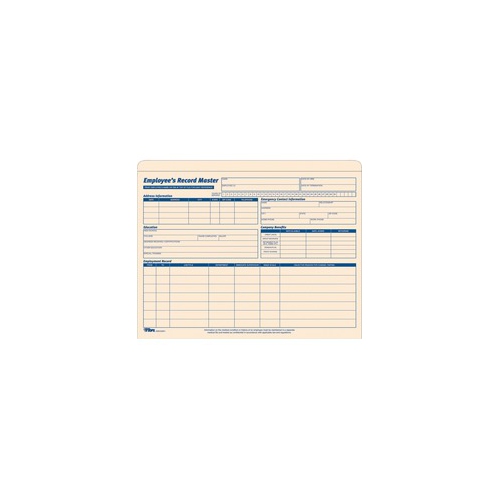
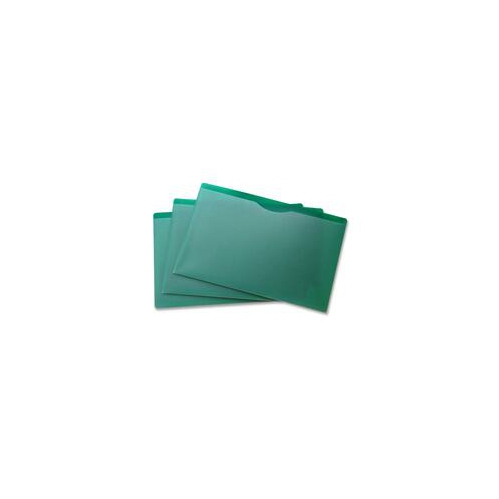
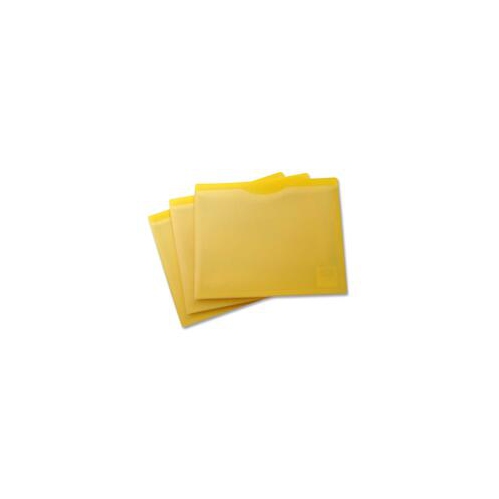
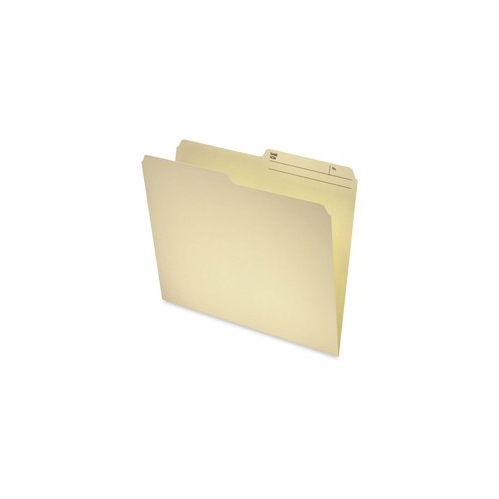
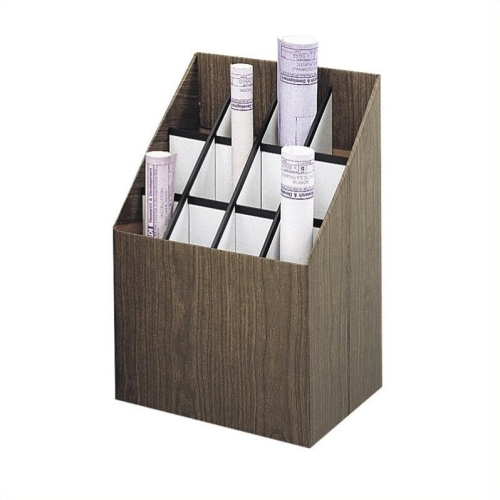
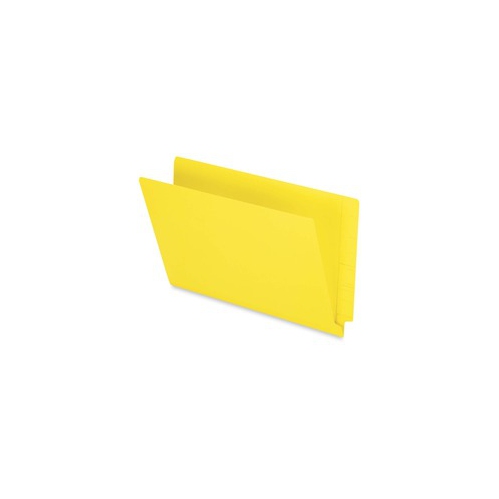
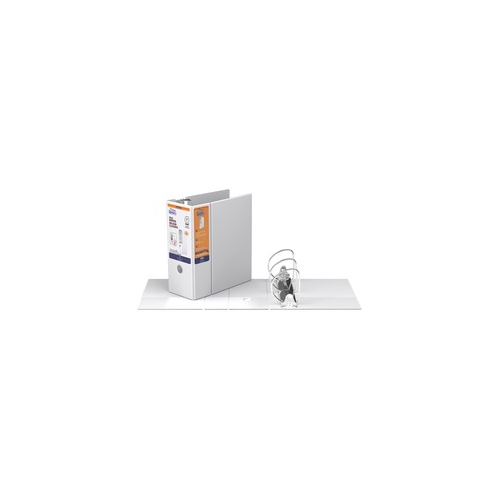
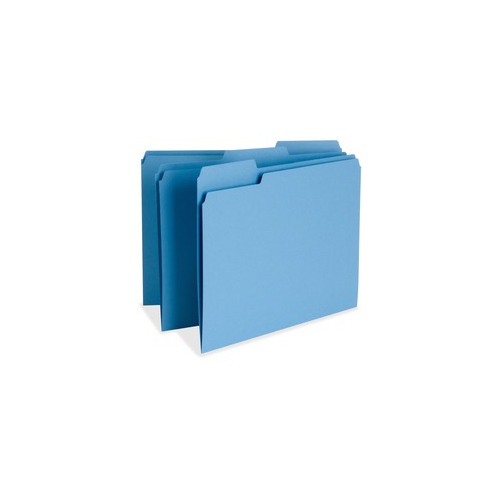
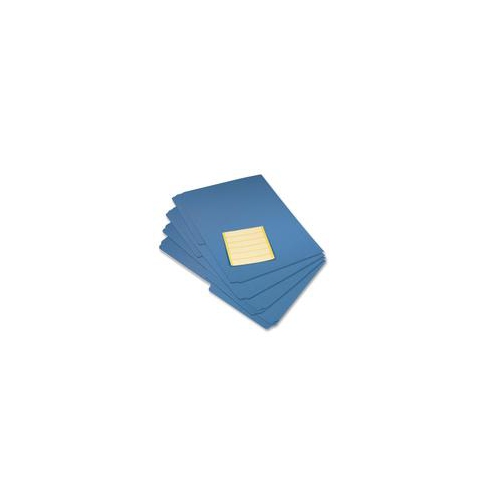
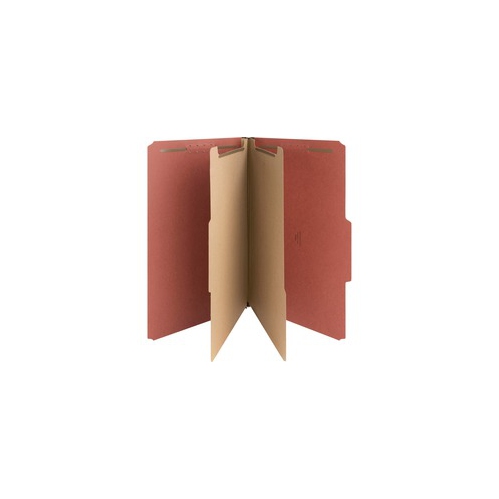
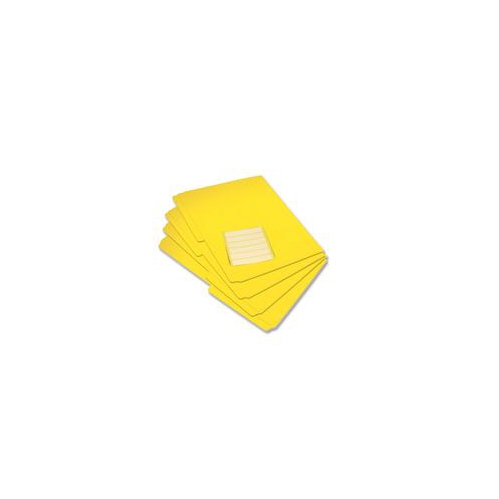
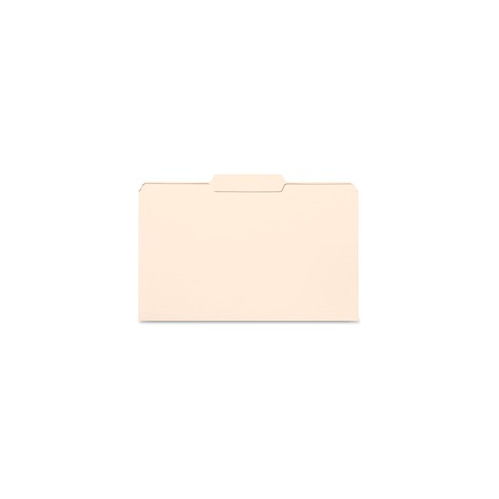
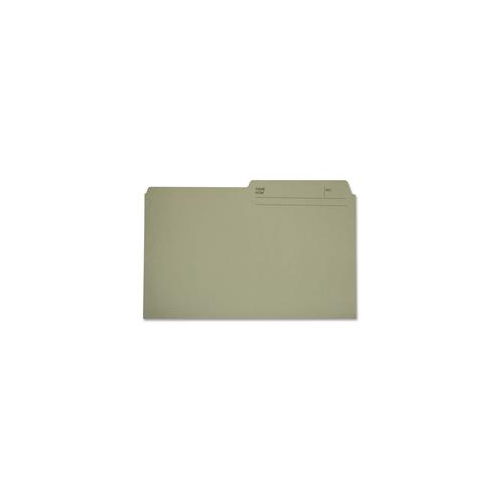
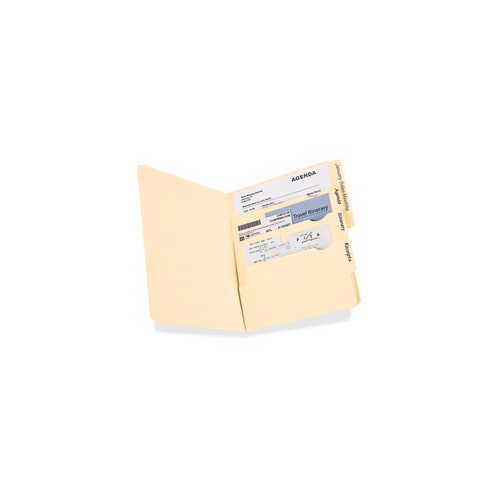
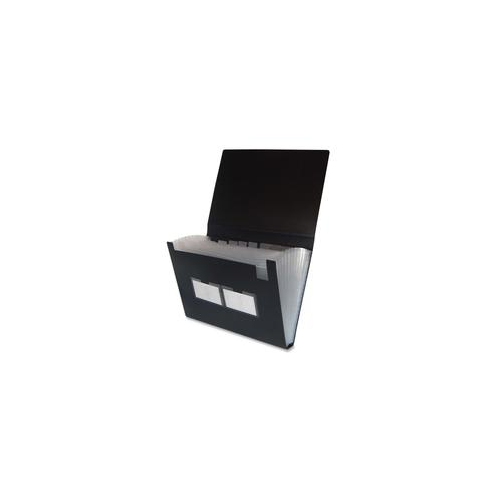
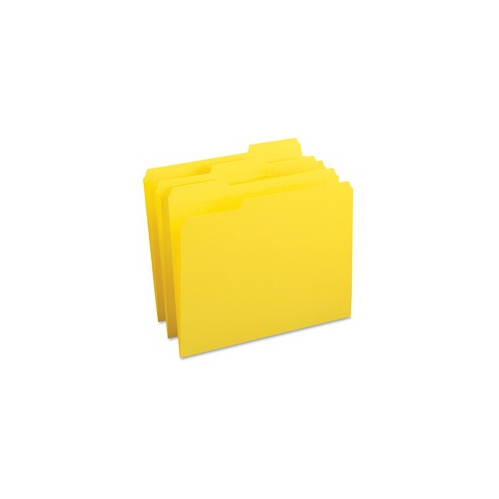
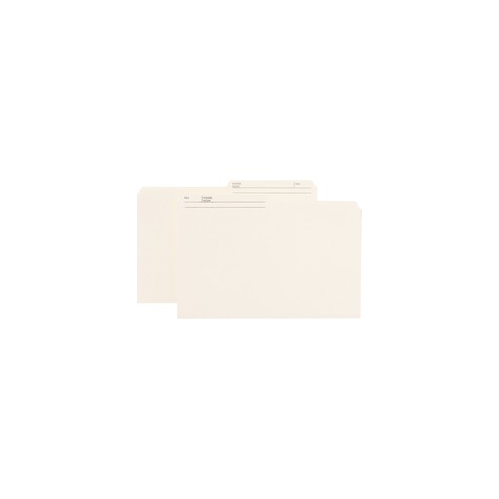
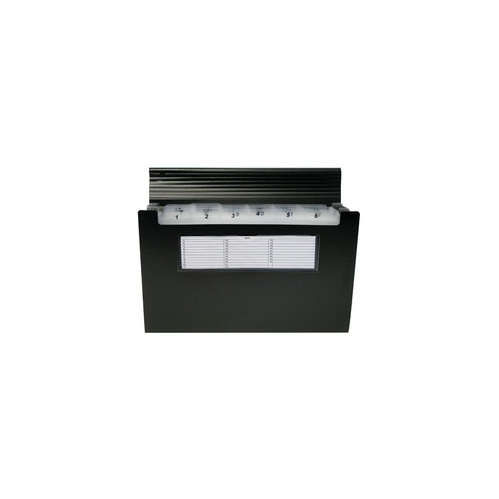
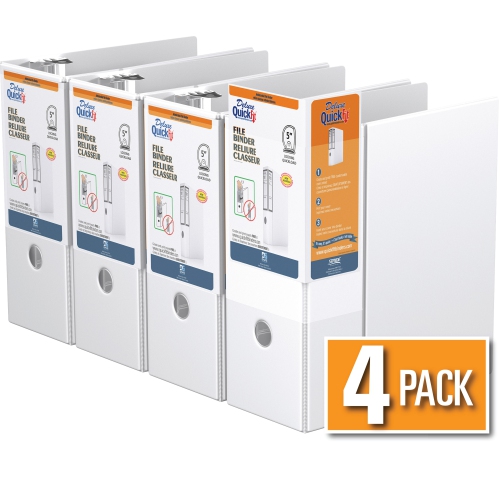
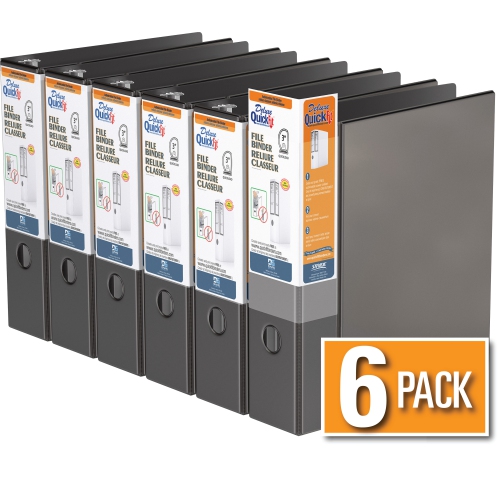
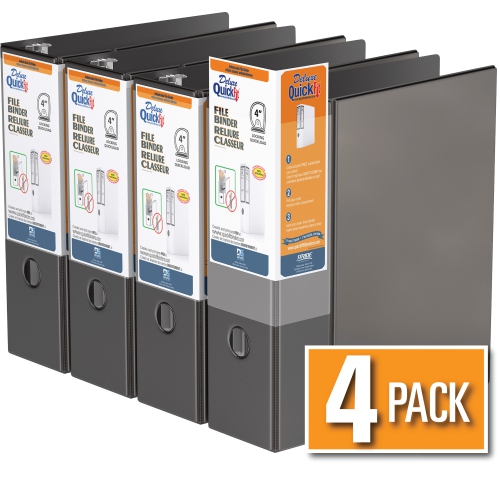
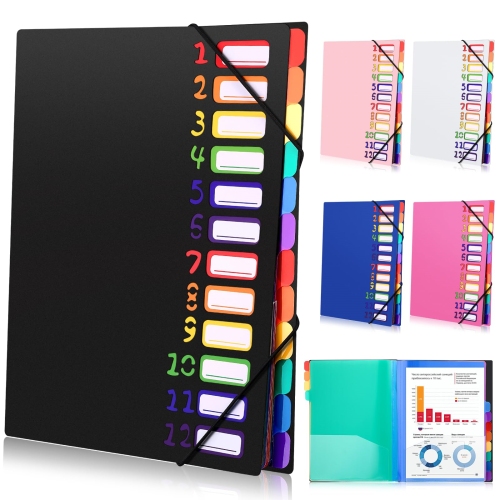
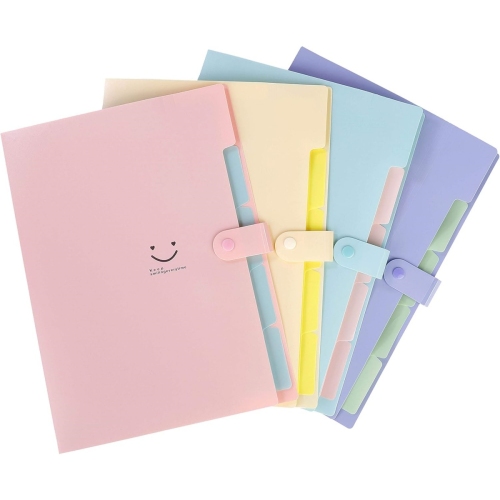
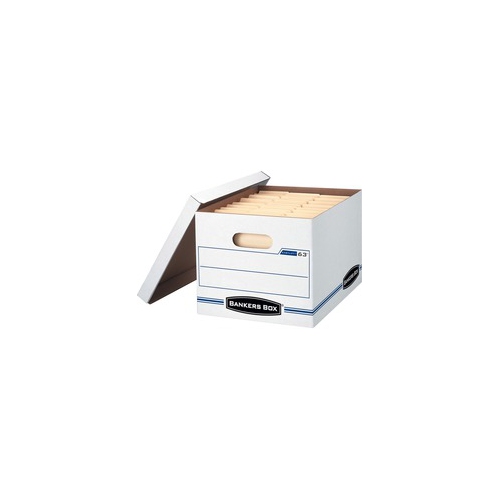
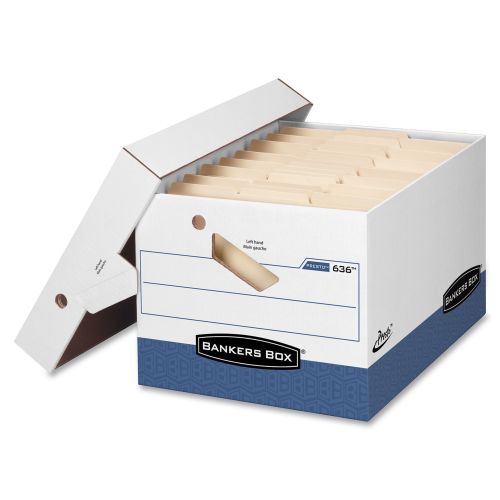
Document filing brings loose paperwork into an organized system so that important pages are easier to find, review, and put away. In a home or office, it usually means sorting and storing physical documents by subject, date, name, or project, with clear labels that identify where each group belongs. This differs from filing documents with a court or government office, which involves submitting forms through the appropriate official process. For everyday paper storage, folders, binders, expanding files, document boxes, and filing cabinets serve different purposes within the same system. A slim folder keeps a few related sheets together, while an expanding file separates several categories inside one portable cover. Binders hold punched pages in a set order, making them useful for reference material that gets opened repeatedly. Larger storage supports paperwork that needs a longer-term home, such as household statements, property documents, or completed business projects. The most practical arrangement reflects how the papers are used: an active project may need a place beside a desk, while older material can sit farther from the daily workspace. Household categories might include taxes, medical paperwork, insurance, vehicle maintenance, and appliance warranties. In a small business, client names, invoice dates, or job numbers may provide more useful divisions. Colour-coded folders can make those groups easier to distinguish at a glance, especially when several people share the same storage area, while written labels provide the detail that colour alone cannot. A clearly marked warranty folder, for example, can keep a receipt beside the relevant purchase information rather than leaving both buried in a kitchen drawer. Document filing supplies are useful for students managing course handouts, families handling household administration, and professionals maintaining paper files alongside digital systems. Their value lies less in creating a perfectly uniform shelf than in giving each document a predictable place, whether it is needed every afternoon or only occasionally.
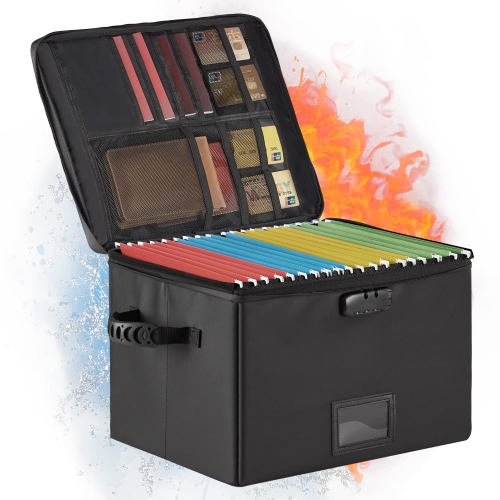
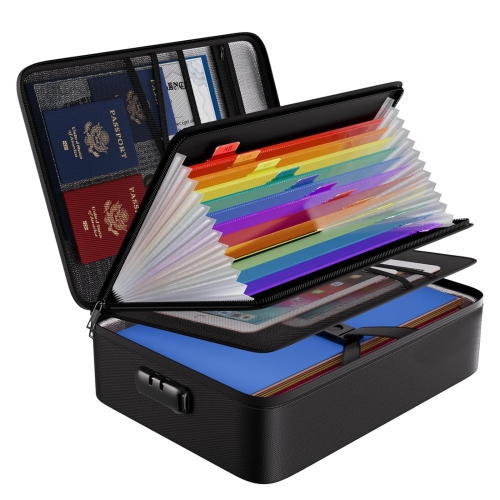
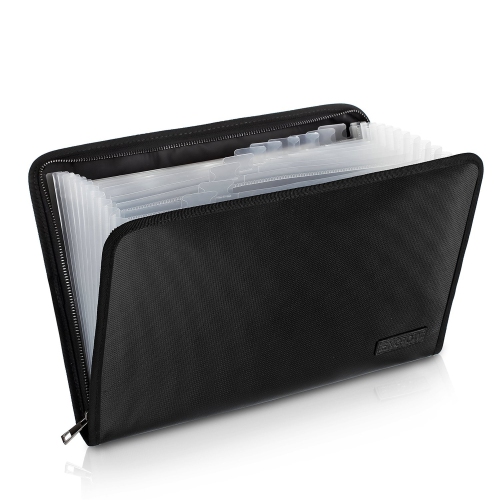
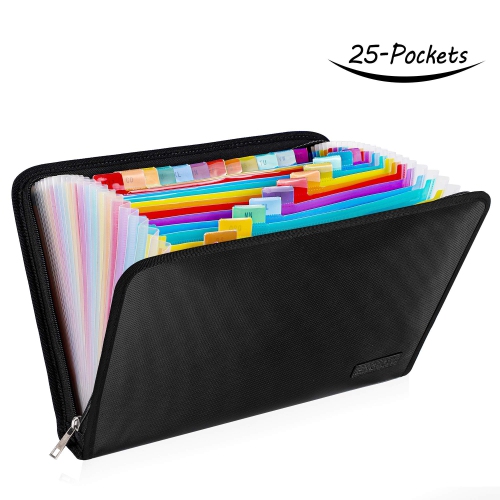
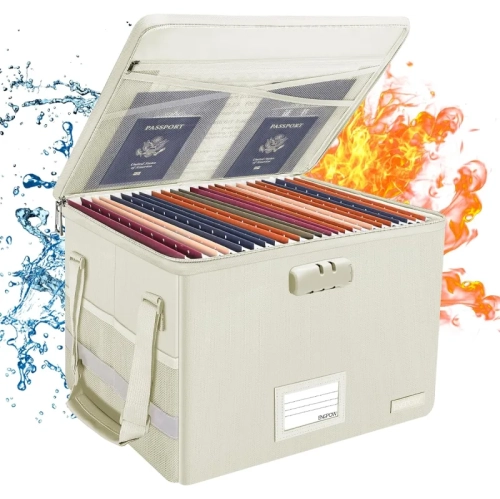
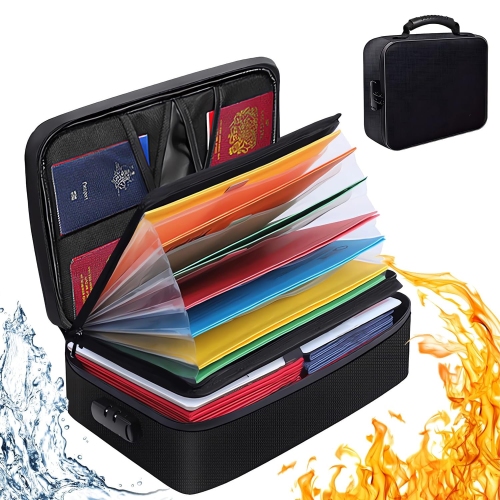
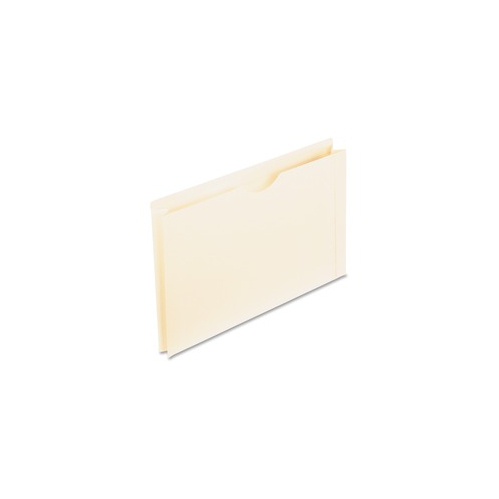
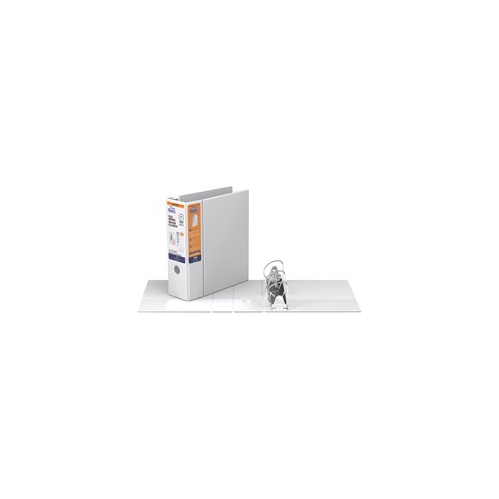
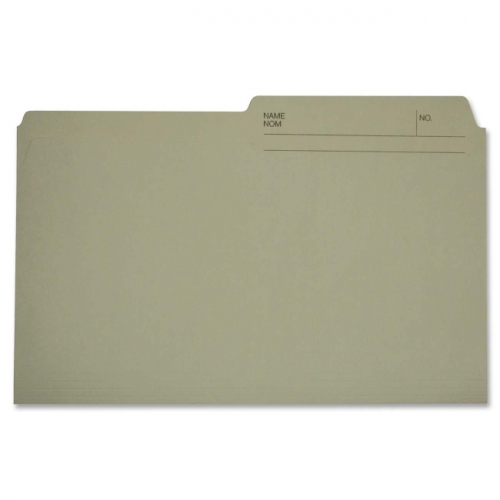
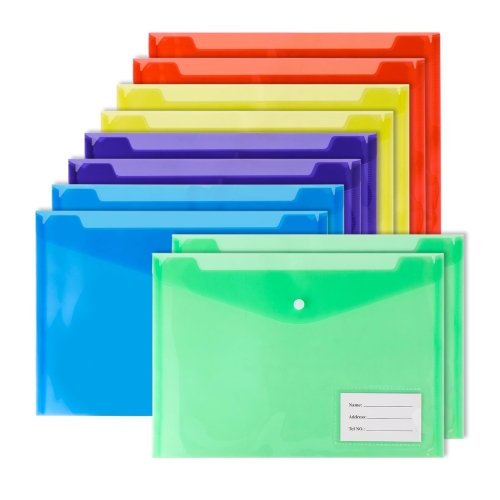
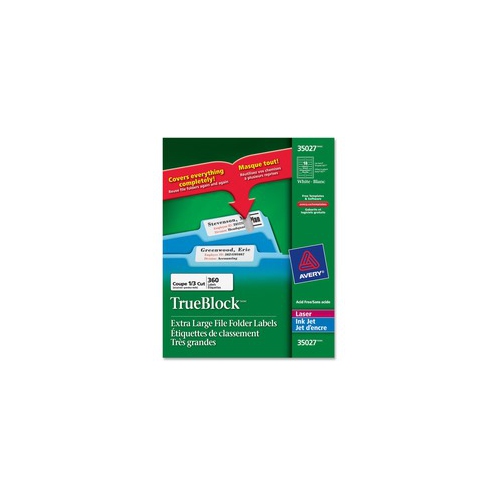
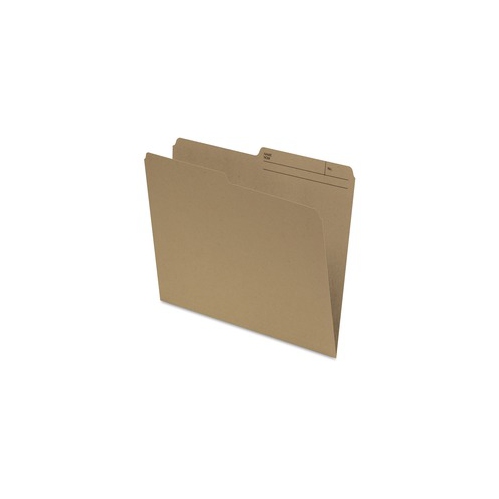
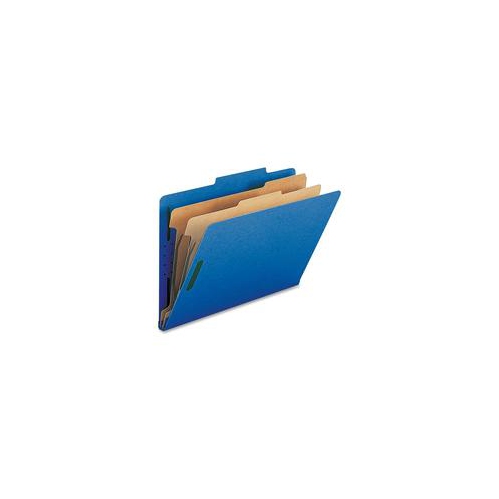
Size, capacity, and construction affect how comfortably a filing system handles real paperwork. Letter-size pages measure 8.5 by 11 inches, while legal-size pages measure 8.5 by 14 inches; storage intended for one format may not accommodate the other without bending edges or leaving material exposed. A folder’s outside dimensions also differ from its usable interior, and thick bundles need more space than a simple sheet count might suggest. Documents kept in protective sleeves, envelopes, or divided sections can add considerable bulk. Expanding sides and gusseted bases allow some filing supplies to hold growing files, but filling them beyond their intended capacity can strain seams, distort covers, and make individual pages harder to remove. Paperboard offers a lightweight structure for ordinary indoor filing, with heavier stock and reinforced edges generally standing up better to frequent handling. Plastic covers can provide a wipeable surface and help shield contents from incidental splashes, although a plastic exterior does not make an entire file waterproof. Transparent pockets make contents visible without opening every section, while opaque covers keep information out of casual view. Neither replaces secure storage for sensitive paperwork. Closure style matters when documents travel between a home workspace, classroom, and office: flaps, elastic bands, and zipped covers can help contain loose sheets, depending on their design and fit. Ring mechanisms should close evenly to reduce snagging, and punched documents need enough room to turn without pulling against the holes. For pages that should remain unpunched, appropriately sized sleeves or folders offer an alternative. Tab position and label space also influence everyday use. Staggered tabs can expose several headings at once, while broad label areas leave room for a meaningful description rather than an abbreviation that becomes unclear later. The distinction is noticeable in a busy workday: a file labelled with a client name and project date is easier to identify than one marked simply “miscellaneous,” particularly when similar folders sit together.
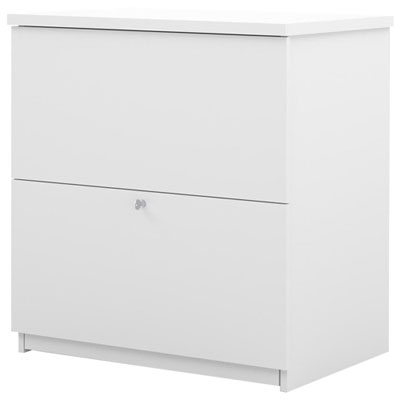
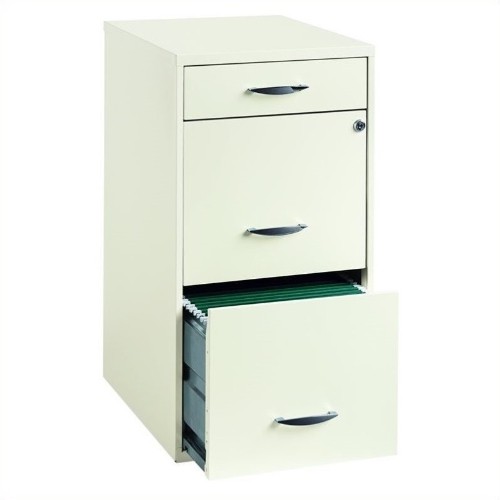
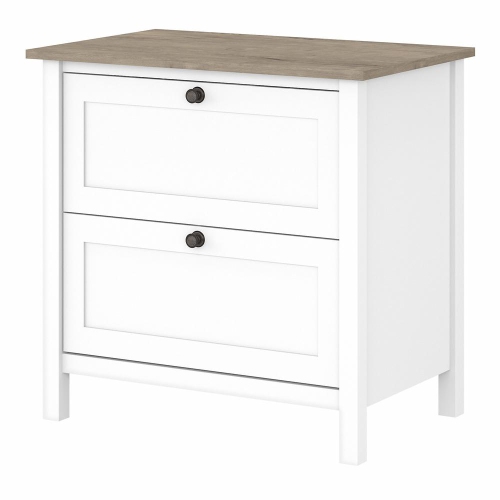
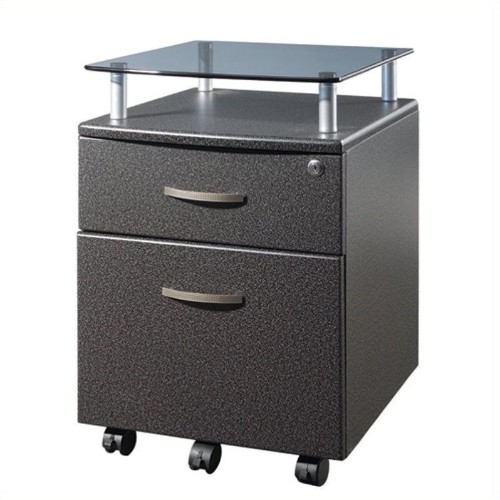
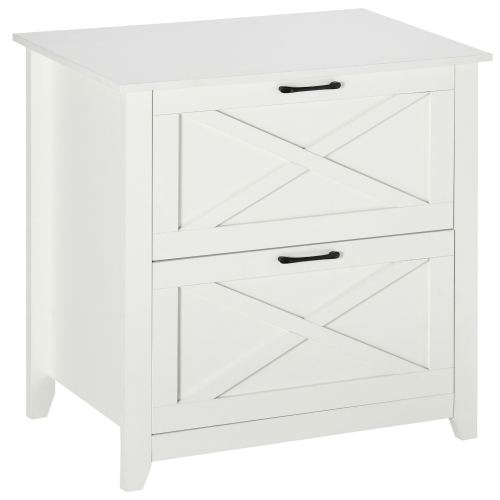
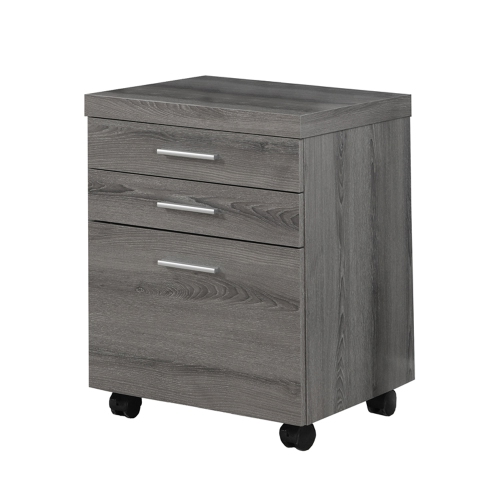
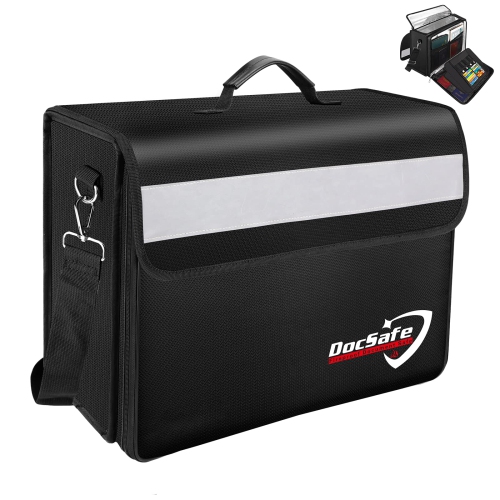
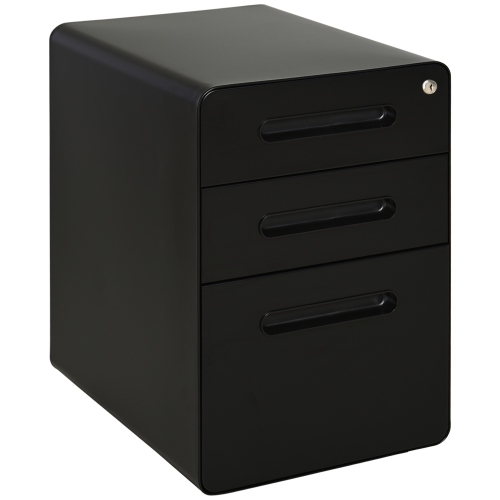
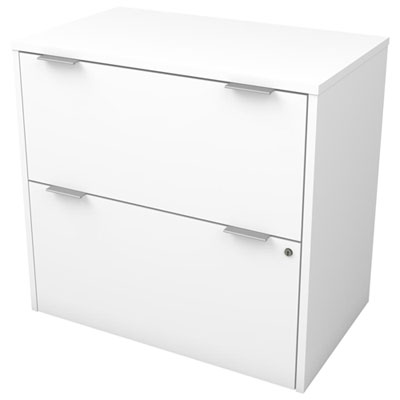
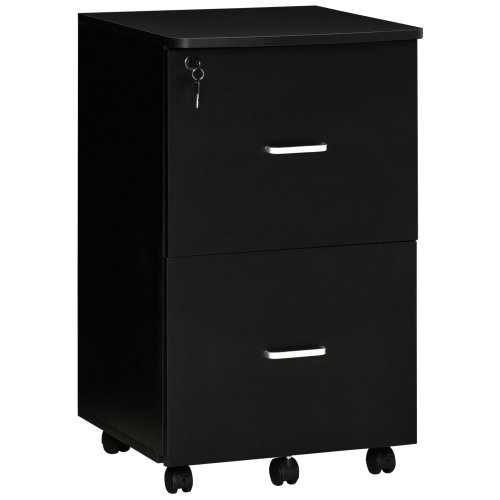
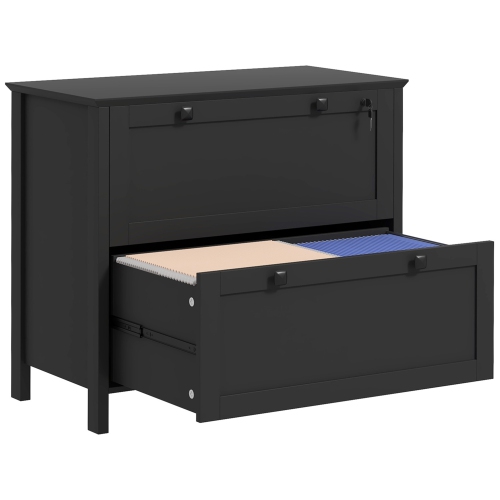
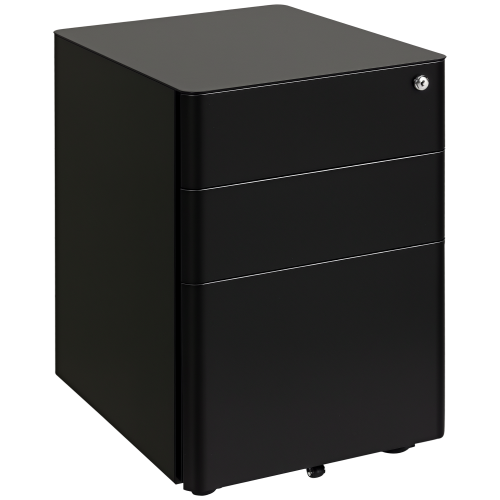
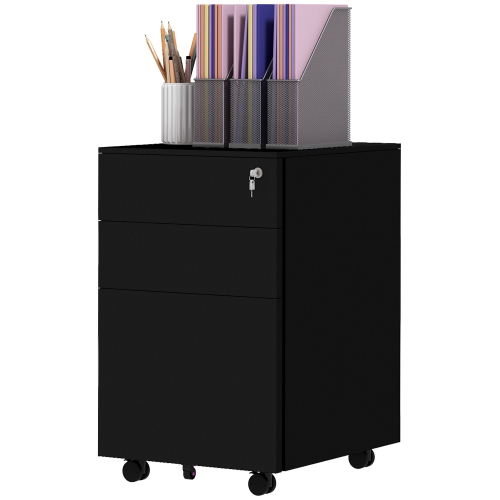
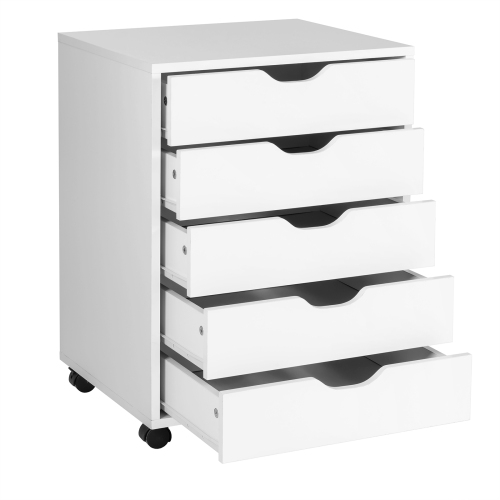
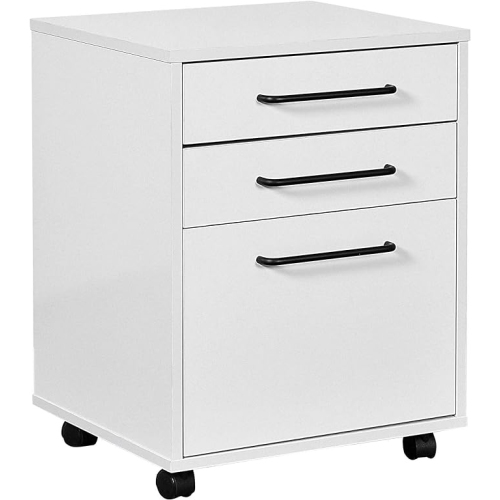
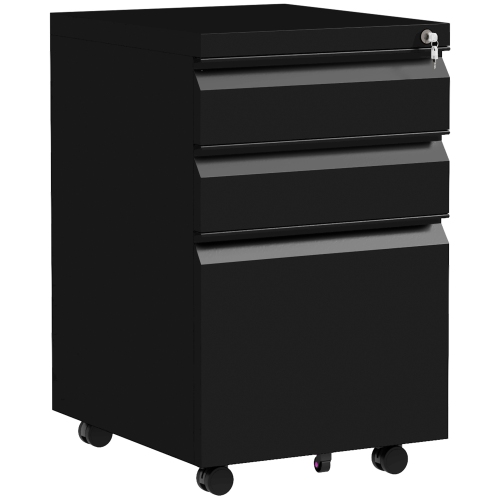
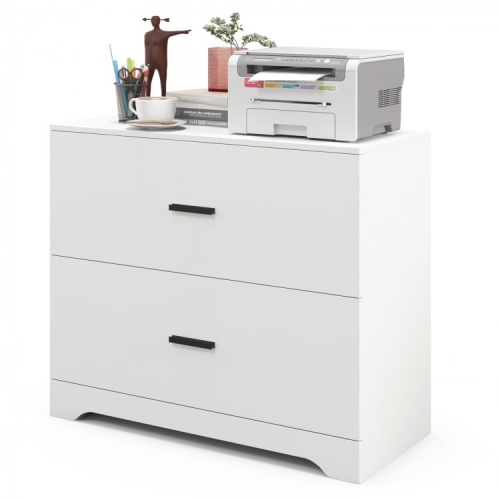
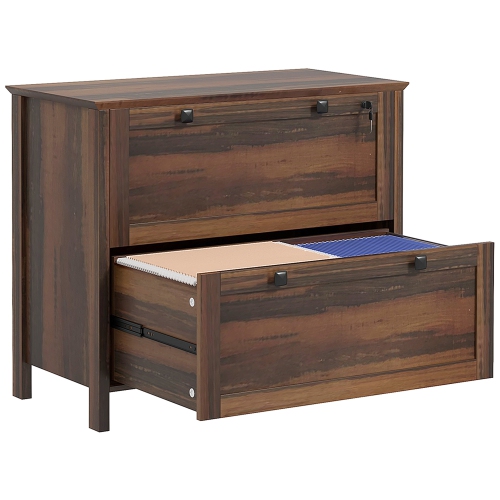
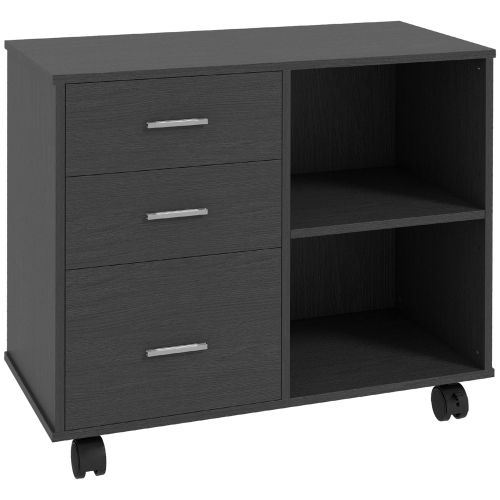
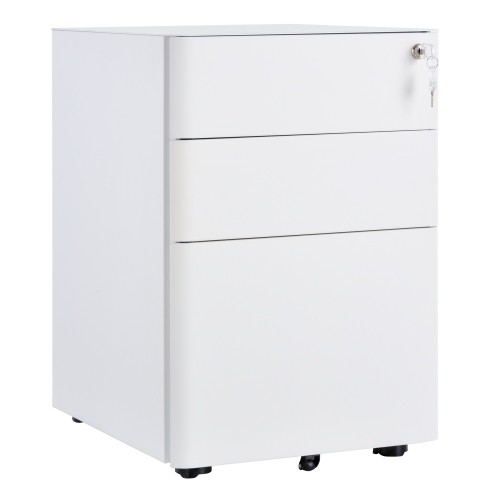
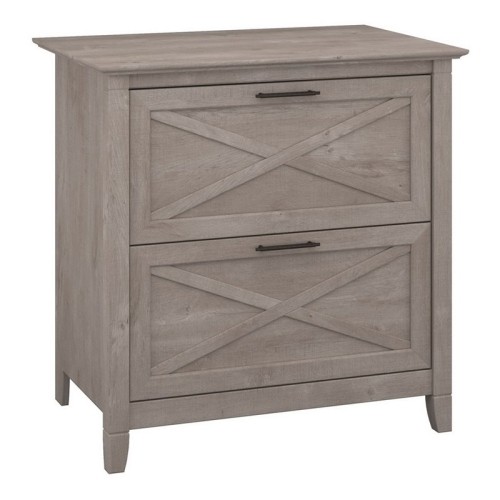
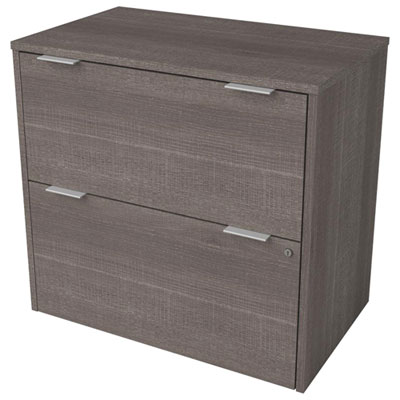
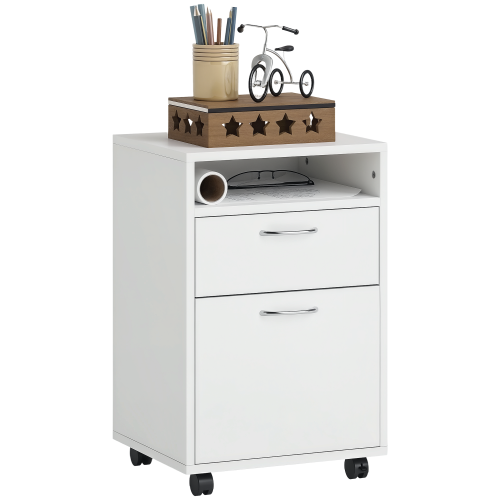
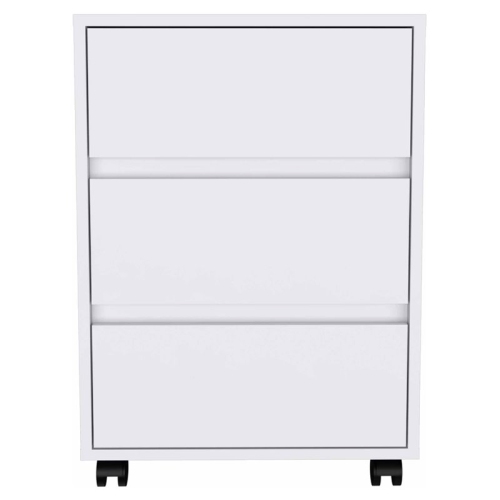
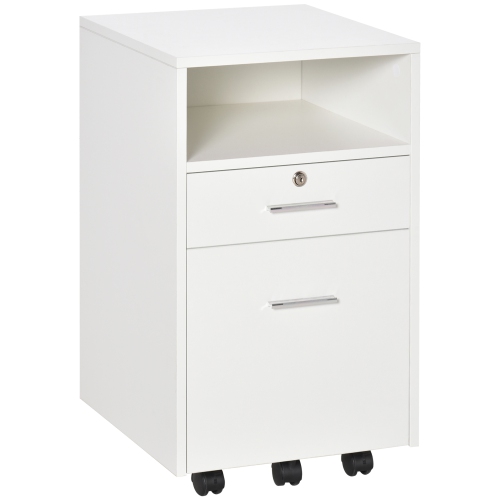
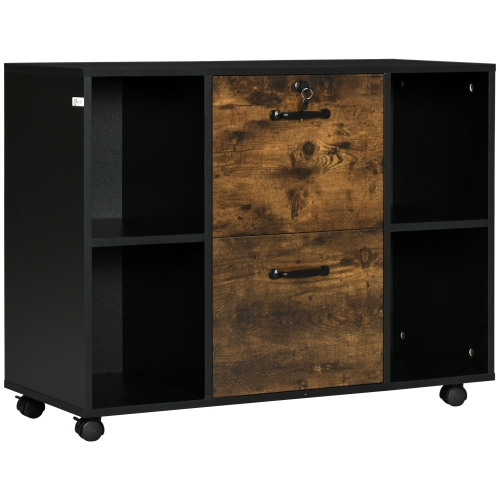
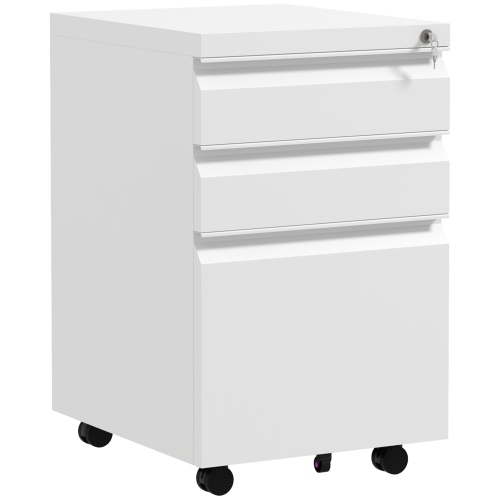
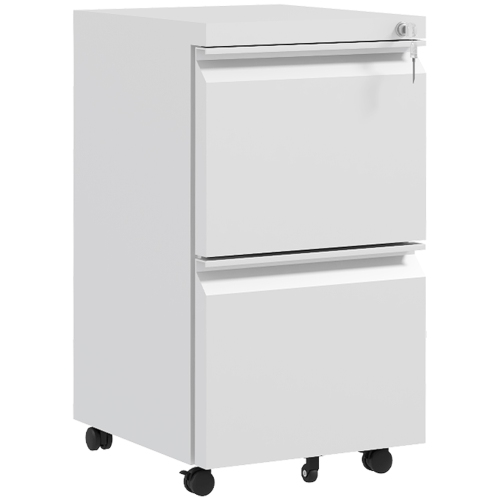
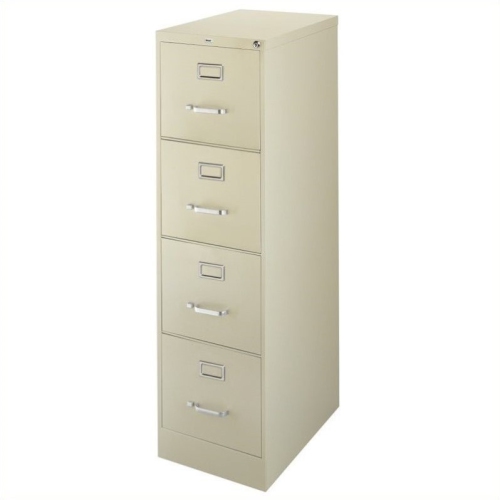
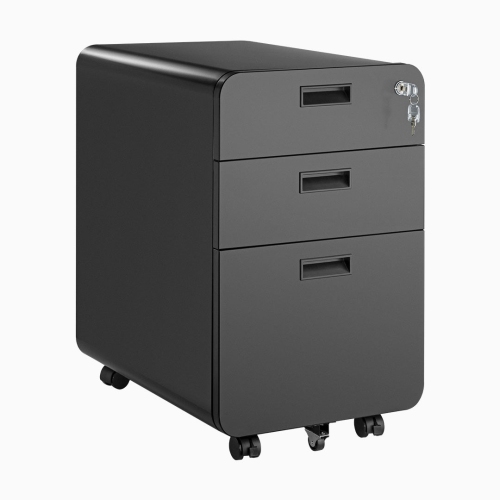
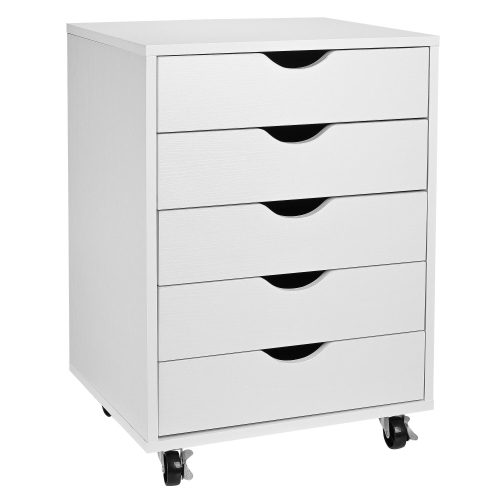
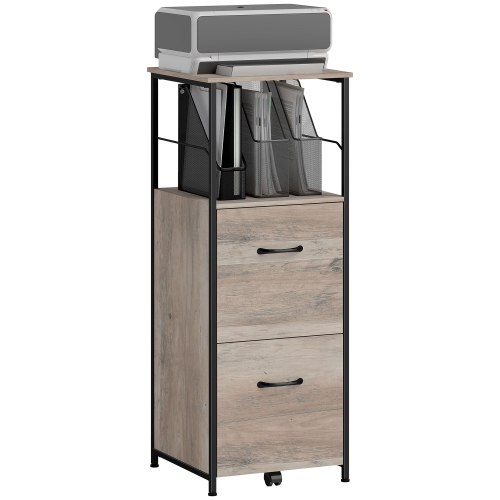
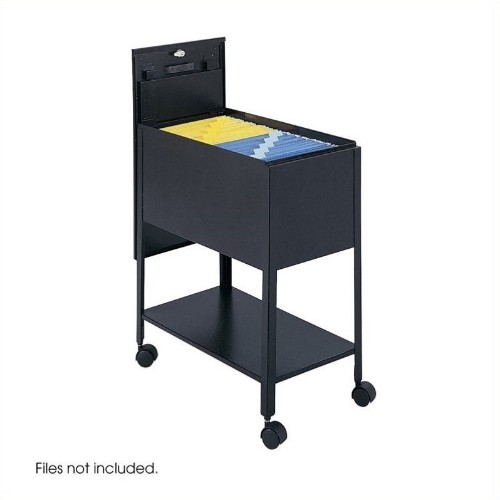
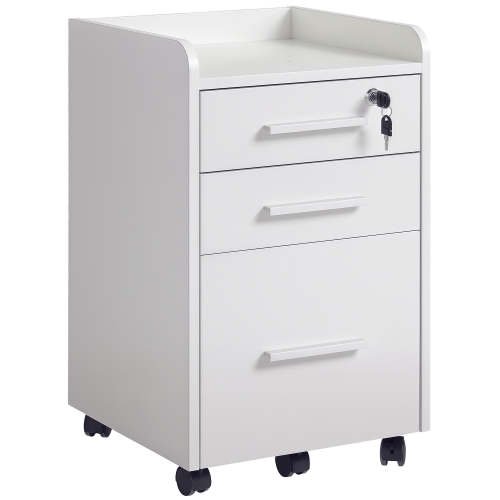
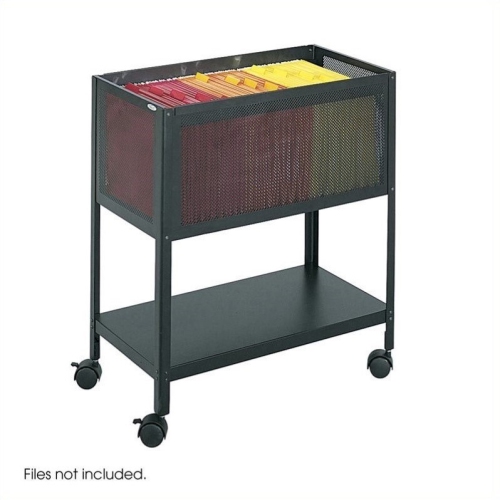
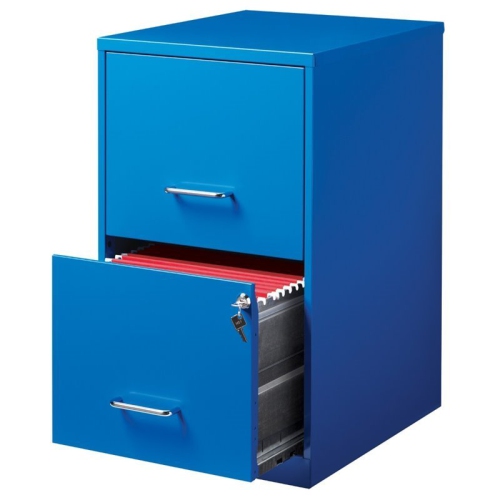
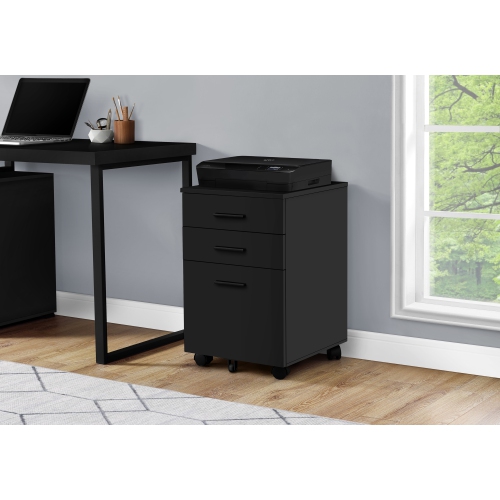
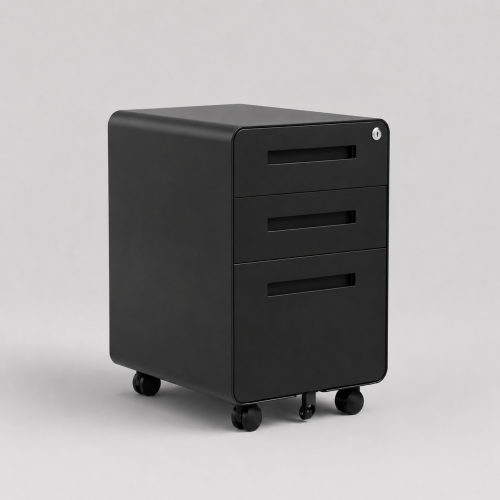
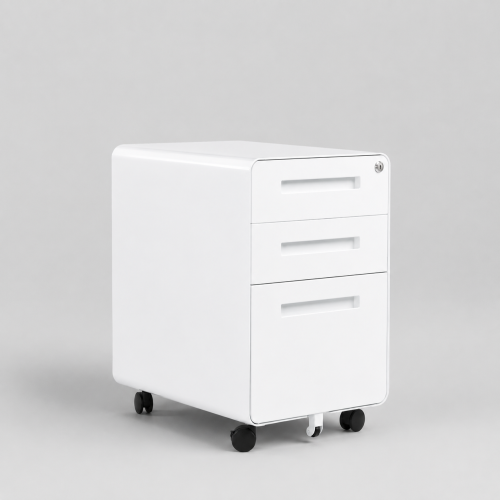
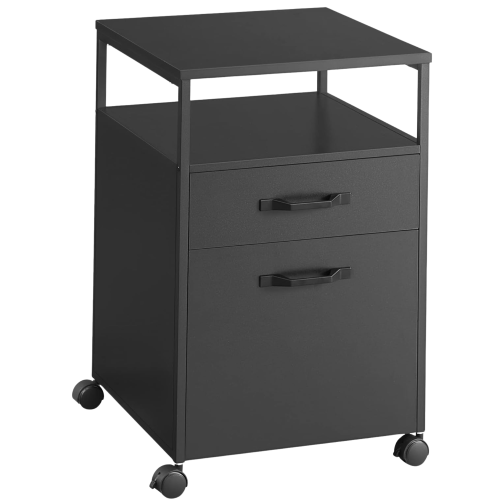
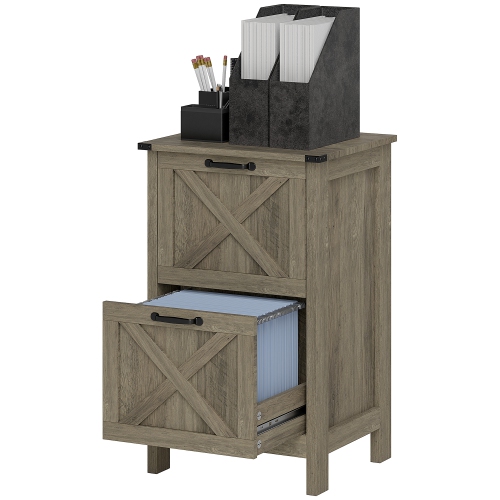
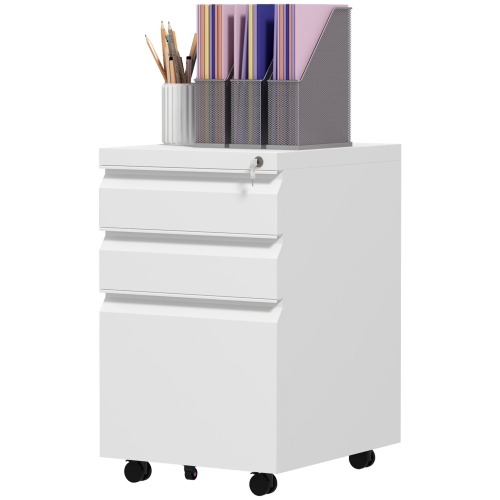
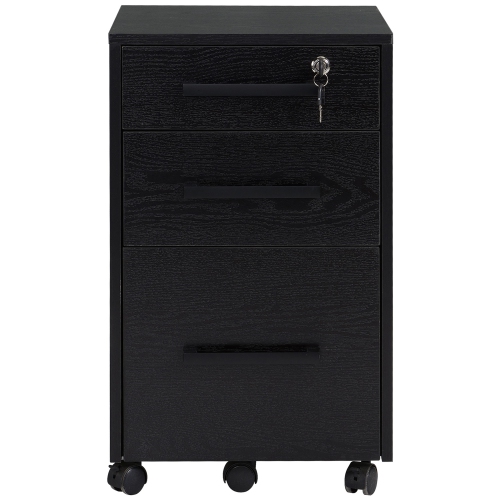
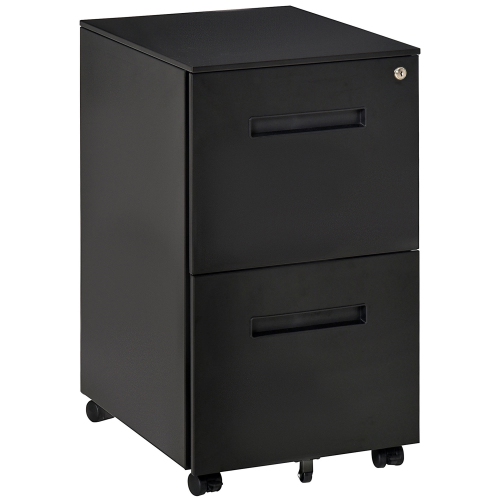
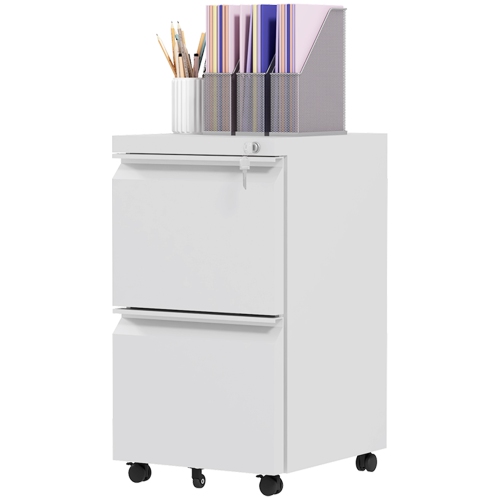
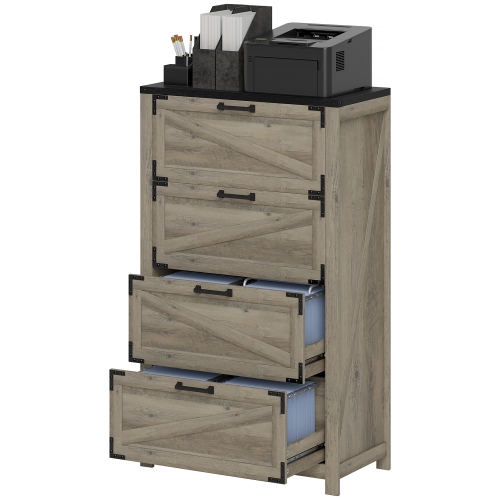
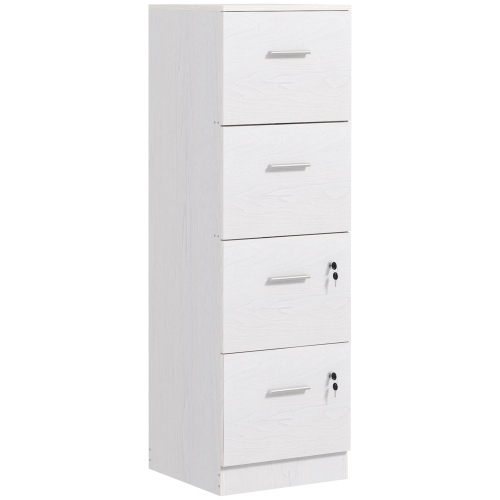
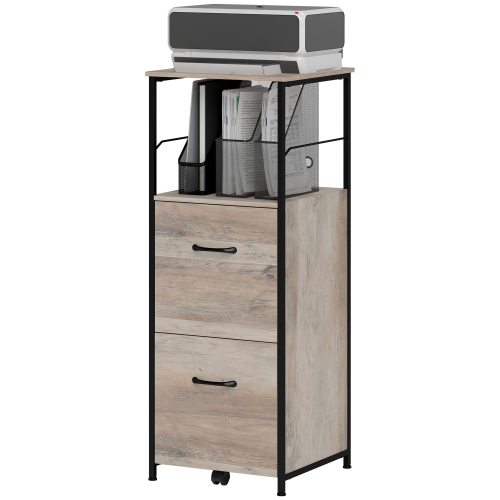
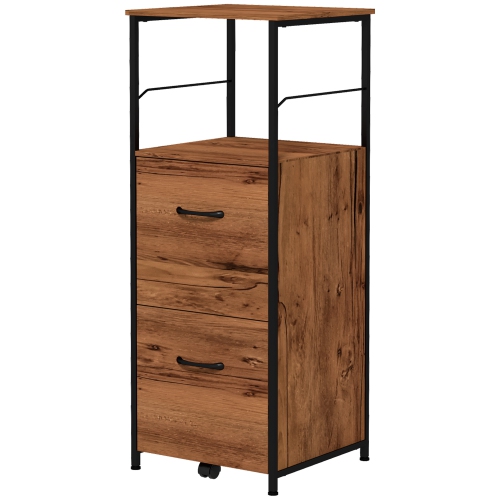
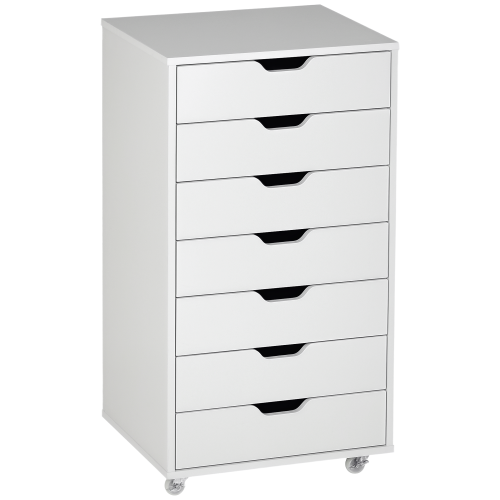
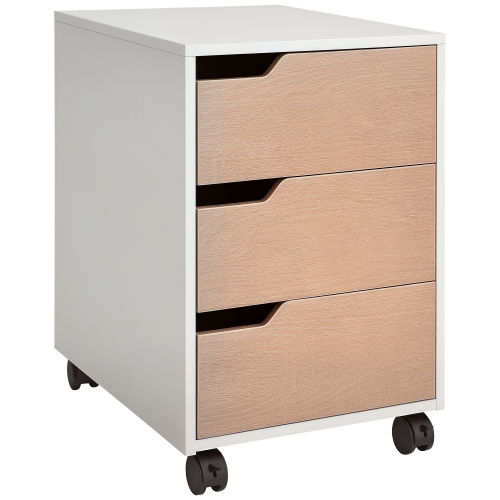
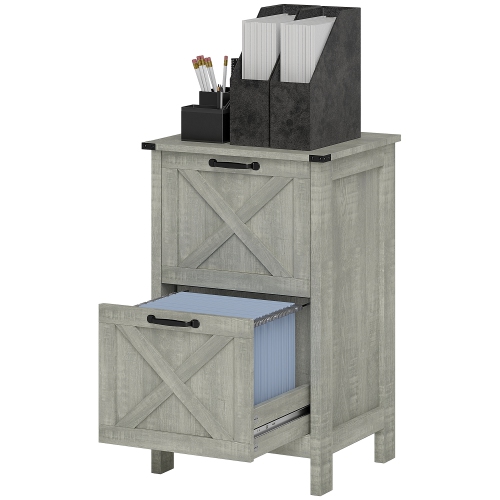
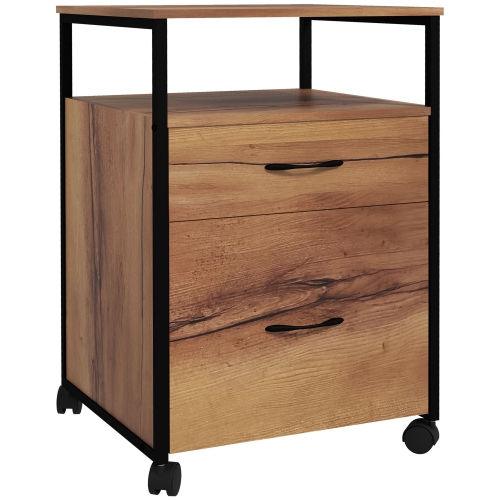
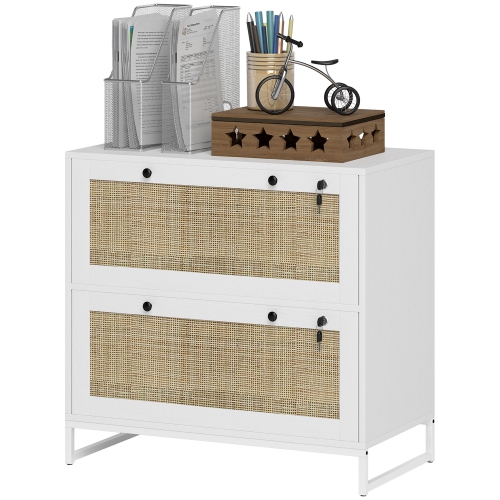
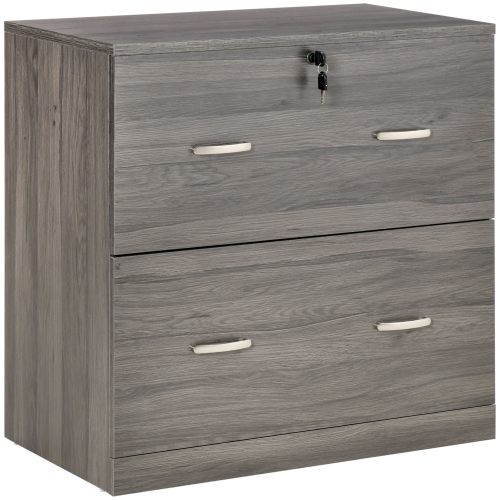
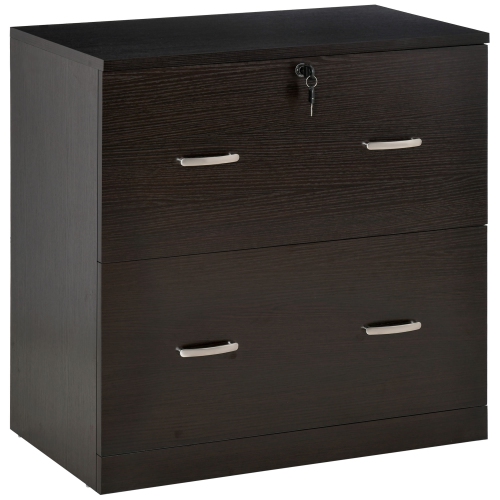
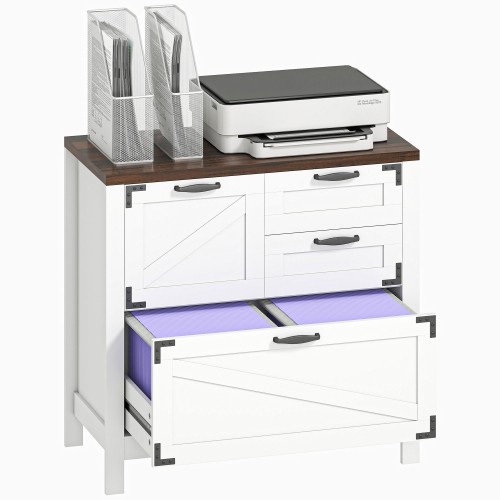
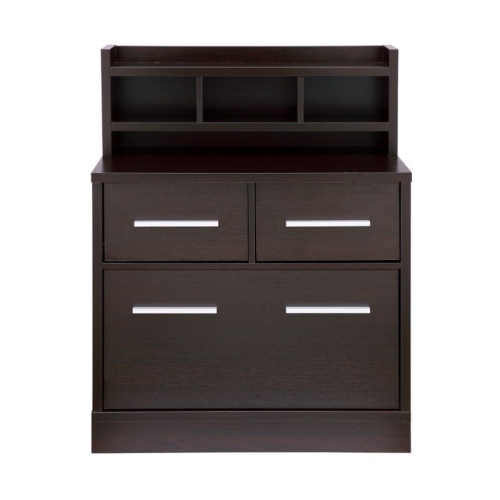
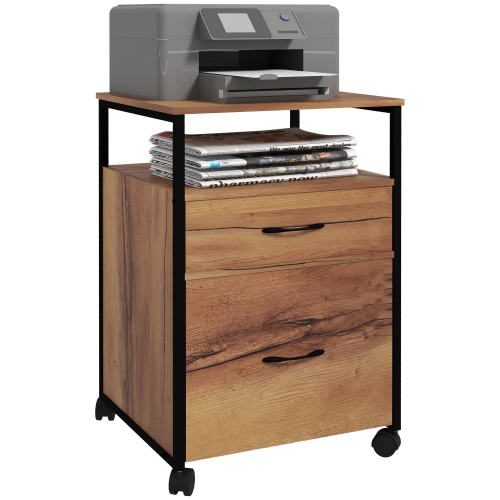
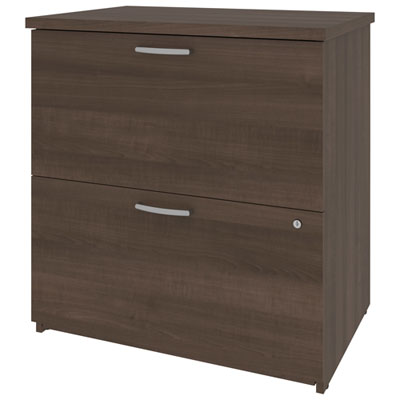
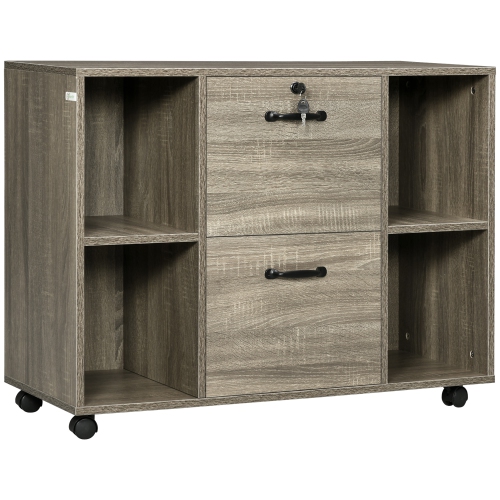
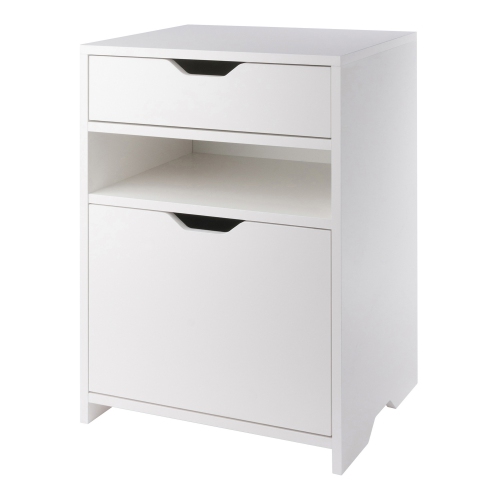
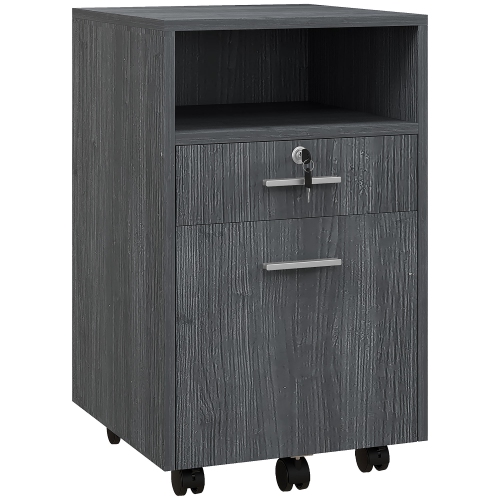
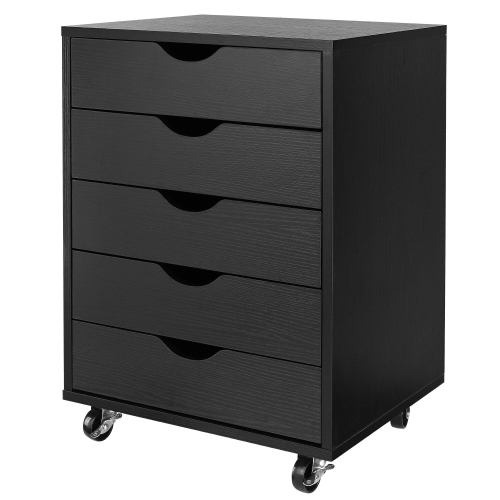
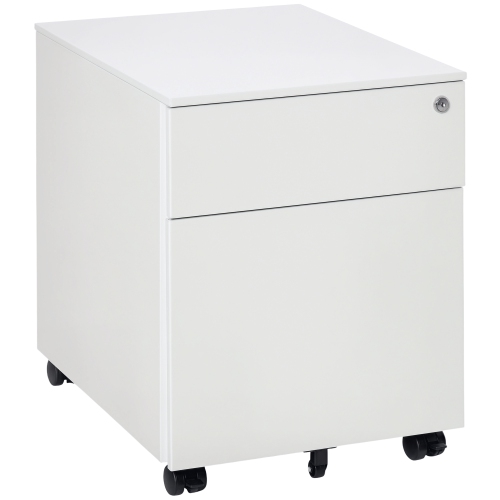
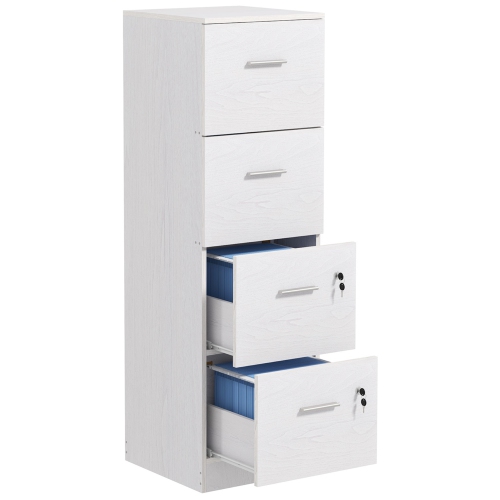
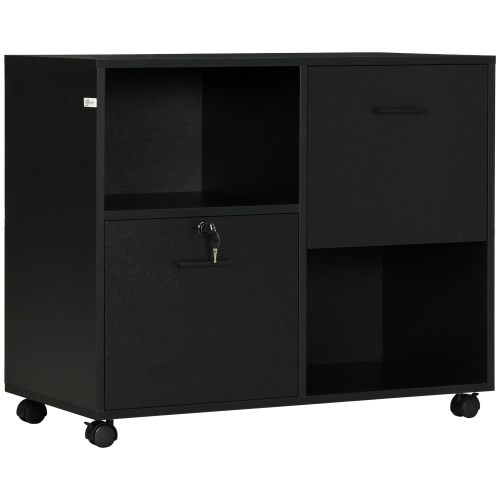
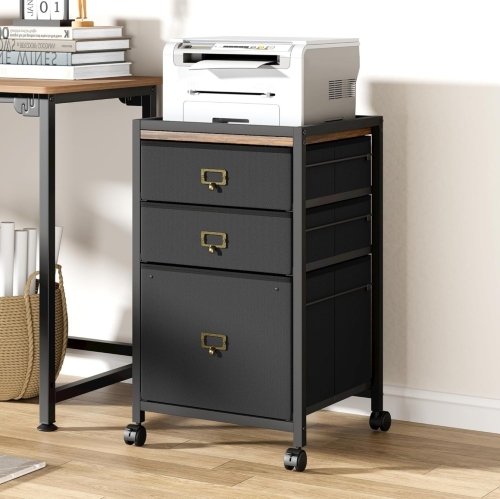
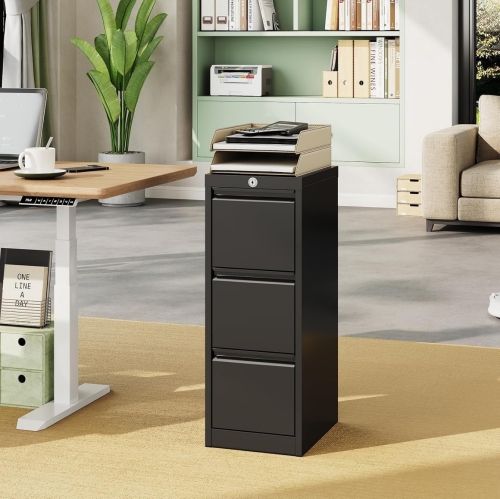
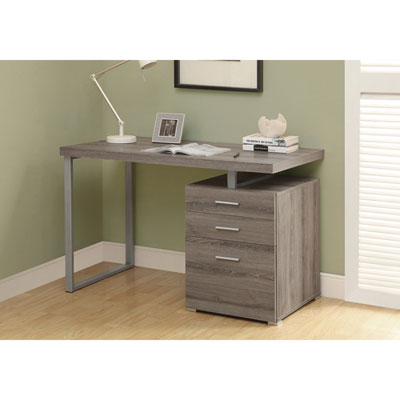
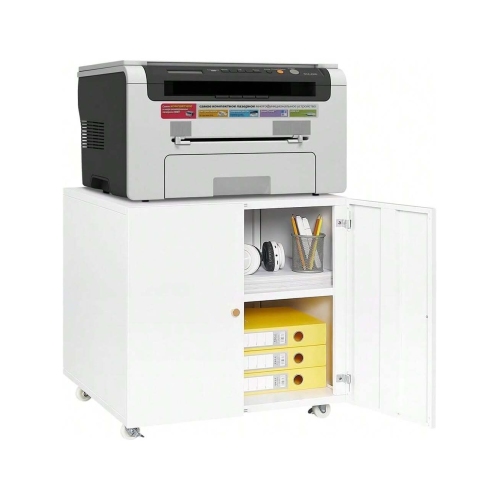
Larger filing needs bring furniture fit, access, and security into the picture. Document Cabinets provide dedicated space for grouped files, helping keep substantial collections of paperwork separate from the working surface of a desk. Vertical formats typically use less width, while lateral formats spread storage across a wider footprint; either needs sufficient clearance for drawers or doors to open comfortably. Interior dimensions and hanging-file supports determine which folders will fit, so exterior measurements alone do not tell the whole story. Placement also affects convenience. Papers used throughout the day benefit from easy access, while archived files can occupy less prominent storage without interrupting routine tasks. Steel construction can suit frequent office use, while wood and laminate finishes may coordinate more closely with furniture in a shared living space. Durability still depends on the complete design, including drawer movement, handles, joints, and the load each section is built to hold. Tall or heavy storage requires attention to the manufacturer’s installation and anchoring requirements, particularly in homes with children. Lockable compartments can help restrict casual access to personal or business information, but a lock does not establish protection against fire or water; those claims depend on the product’s stated testing and ratings. Care is usually straightforward when matched to the material. Paper-based folders benefit from dry storage and gentle handling, while compatible hard surfaces can often be wiped with a soft cloth according to their care directions. Overfilled drawers and tightly packed folders make retrieval awkward and can damage paper edges, so usable space matters as much as total capacity. Physical filing can also work alongside digital copies: scanned documents make information easier to search, while clearly labelled storage keeps retained originals accessible. Password-protected digital storage and suitable backups address different needs from a locked drawer, and scanning a page does not automatically remove the need to keep its original. Retention requirements vary by document and purpose. A thoughtfully matched collection of filing supplies supports both quick daily tasks and longer-term organization, keeping a signed agreement, school form, or service receipt within reach when it is needed.
Size, capacity, and construction affect how comfortably a filing system handles real paperwork. Letter-size pages measure 8.5 by 11 inches, while legal-size pages measure 8.5 by 14 inches; storage intended for one format may not accommodate the other without bending edges or leaving material exposed. A folder’s outside dimensions also differ from its usable interior, and thick bundles need more space than a simple sheet count might suggest. Documents kept in protective sleeves, envelopes, or divided sections can add considerable bulk. Expanding sides and gusseted bases allow some filing supplies to hold growing files, but filling them beyond their intended capacity can strain seams, distort covers, and make individual pages harder to remove. Paperboard offers a lightweight structure for ordinary indoor filing, with heavier stock and reinforced edges generally standing up better to frequent handling. Plastic covers can provide a wipeable surface and help shield contents from incidental splashes, although a plastic exterior does not make an entire file waterproof. Transparent pockets make contents visible without opening every section, while opaque covers keep information out of casual view. Neither replaces secure storage for sensitive paperwork. Closure style matters when documents travel between a home workspace, classroom, and office: flaps, elastic bands, and zipped covers can help contain loose sheets, depending on their design and fit. Ring mechanisms should close evenly to reduce snagging, and punched documents need enough room to turn without pulling against the holes. For pages that should remain unpunched, appropriately sized sleeves or folders offer an alternative. Tab position and label space also influence everyday use. Staggered tabs can expose several headings at once, while broad label areas leave room for a meaningful description rather than an abbreviation that becomes unclear later. The distinction is noticeable in a busy workday: a file labelled with a client name and project date is easier to identify than one marked simply “miscellaneous,” particularly when similar folders sit together.
Larger filing needs bring furniture fit, access, and security into the picture. Document Cabinets provide dedicated space for grouped files, helping keep substantial collections of paperwork separate from the working surface of a desk. Vertical formats typically use less width, while lateral formats spread storage across a wider footprint; either needs sufficient clearance for drawers or doors to open comfortably. Interior dimensions and hanging-file supports determine which folders will fit, so exterior measurements alone do not tell the whole story. Placement also affects convenience. Papers used throughout the day benefit from easy access, while archived files can occupy less prominent storage without interrupting routine tasks. Steel construction can suit frequent office use, while wood and laminate finishes may coordinate more closely with furniture in a shared living space. Durability still depends on the complete design, including drawer movement, handles, joints, and the load each section is built to hold. Tall or heavy storage requires attention to the manufacturer’s installation and anchoring requirements, particularly in homes with children. Lockable compartments can help restrict casual access to personal or business information, but a lock does not establish protection against fire or water; those claims depend on the product’s stated testing and ratings. Care is usually straightforward when matched to the material. Paper-based folders benefit from dry storage and gentle handling, while compatible hard surfaces can often be wiped with a soft cloth according to their care directions. Overfilled drawers and tightly packed folders make retrieval awkward and can damage paper edges, so usable space matters as much as total capacity. Physical filing can also work alongside digital copies: scanned documents make information easier to search, while clearly labelled storage keeps retained originals accessible. Password-protected digital storage and suitable backups address different needs from a locked drawer, and scanning a page does not automatically remove the need to keep its original. Retention requirements vary by document and purpose. A thoughtfully matched collection of filing supplies supports both quick daily tasks and longer-term organization, keeping a signed agreement, school form, or service receipt within reach when it is needed.
Top selling and popular products
-
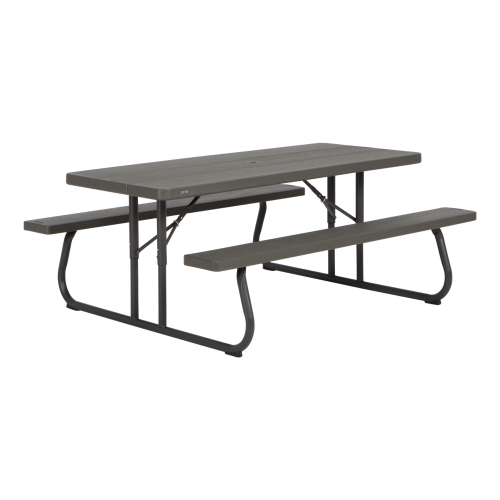 Your price for this item is $369.99
 -
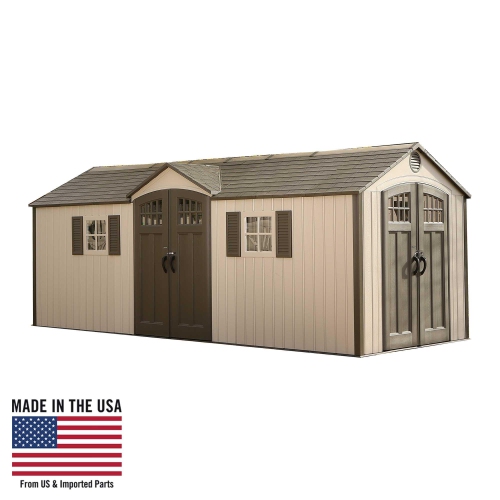 Your price for this item is $5599.99
 -
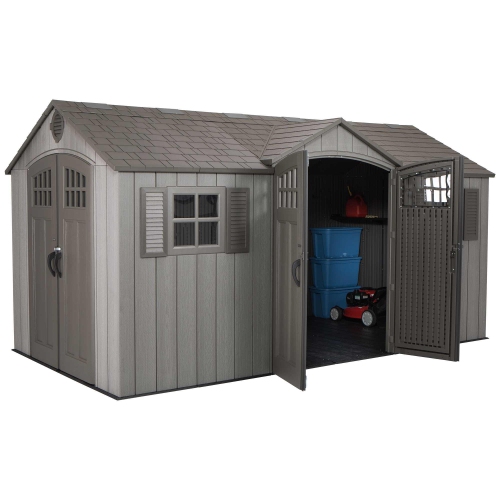 Your price for this item is $4269.99
 -
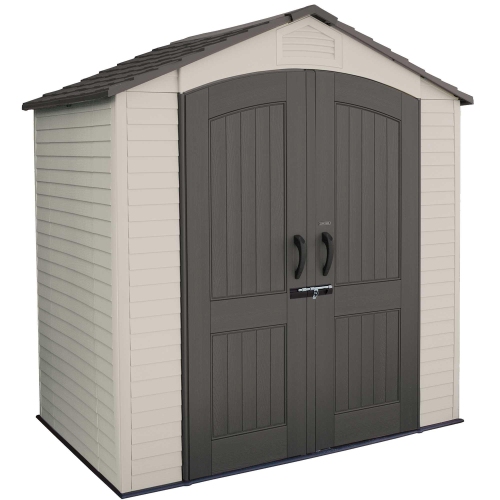 Your price for this item is $1639.99
 -
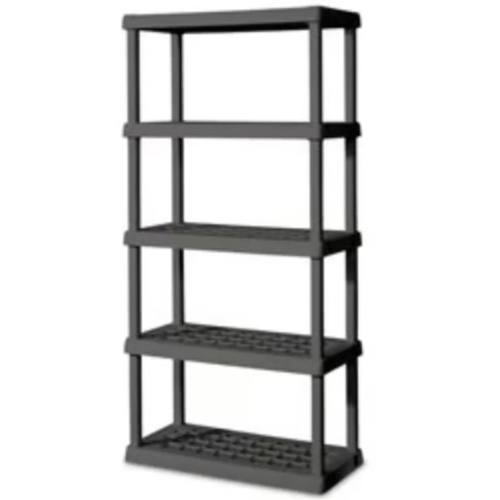 Your price for this item is $967.99
 -
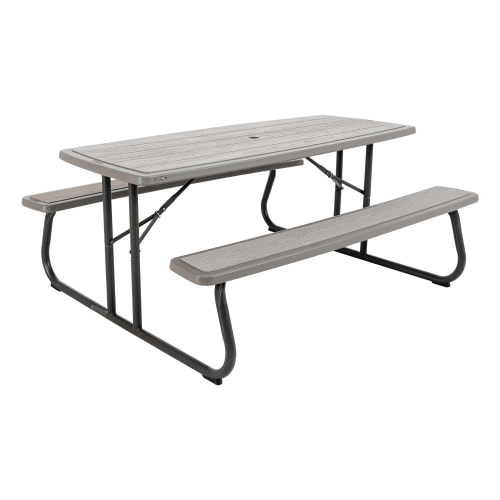 Your price for this item is $369.99
 -
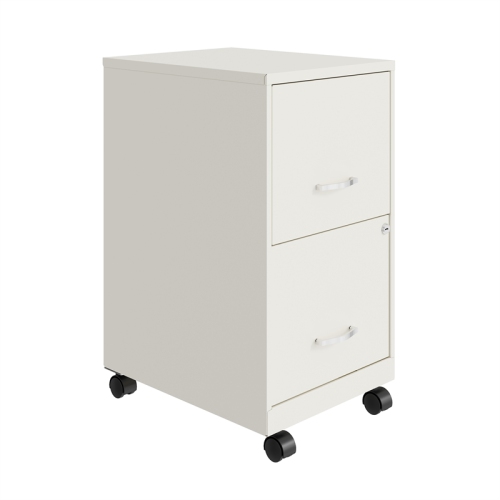 Your price for this item is $399.93
 -
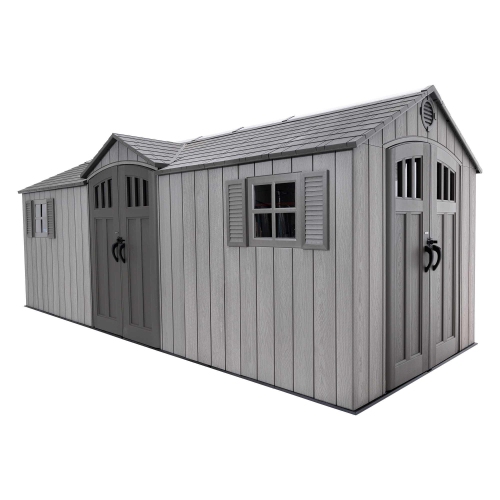 Your price for this item is $5589.99
Discover more categories related to Document Filing
Top Collections:
Pokemon Centers, Kindle Devices, Best Budget Office Chairs, Apple iPhones 16, Best Laptops for Writers, iPhone 15 Apple, Canon G7X Cameras, Refurbished Apple Laptops, Alarm Clock, Motorola Razr Phones
Some products may be subject to Environmental Handling Fees
(EHF) depending on your province.
Learn more about EHFs.