Legal Document Storage
Organizing your important papers is crucial, and legal document storage solutions are designed to keep everything in order and easily accessible. Whether you're managing personal records or sensitive business contracts, having a dedicated space for your documents helps maintain confidentiality and peace of mind. Explore a variety of options that cater to different needs, ensuring your paperwork is stored securely while remaining conveniently within reach. From compact units to larger filing systems, discover how legal document storage can streamline your organizational efforts and protect your valuable information.
Sort

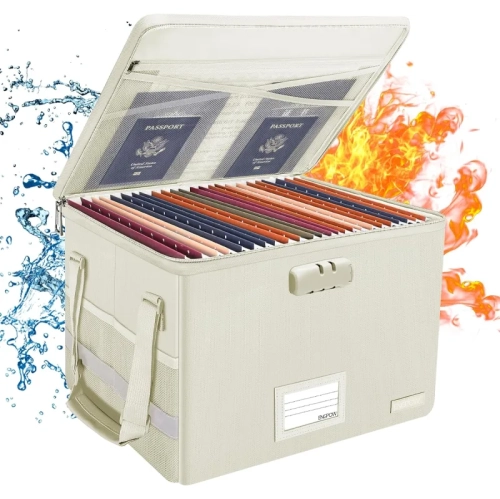
Why important paperwork needs more than an open tray
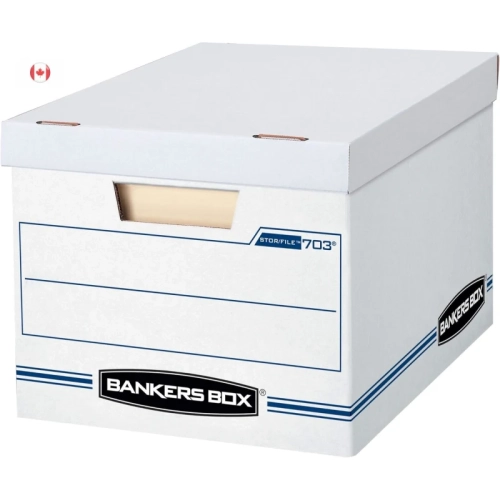
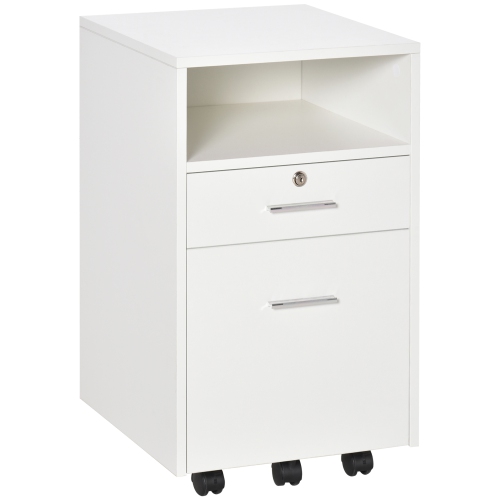
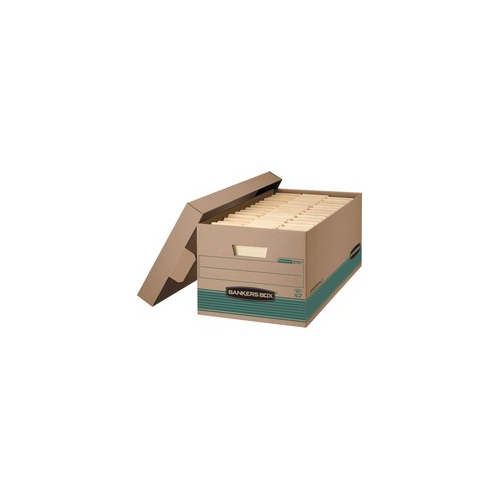
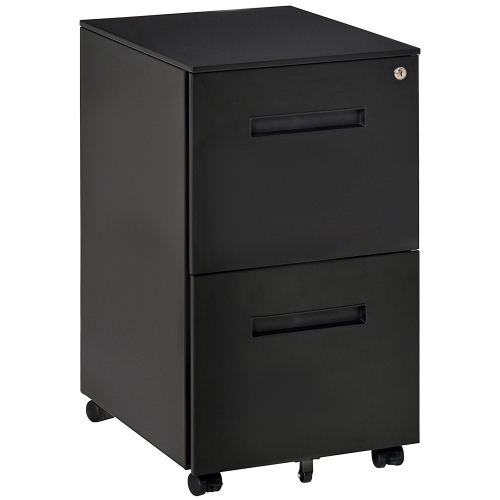
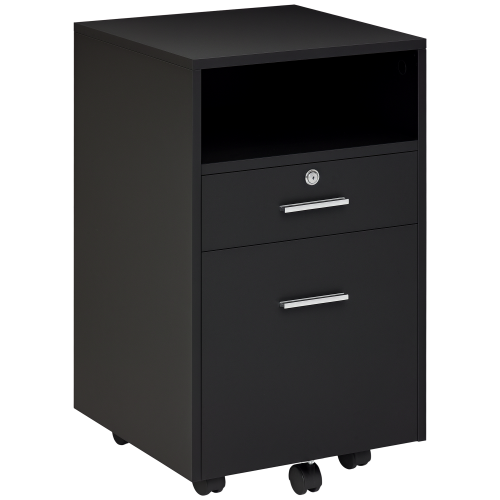
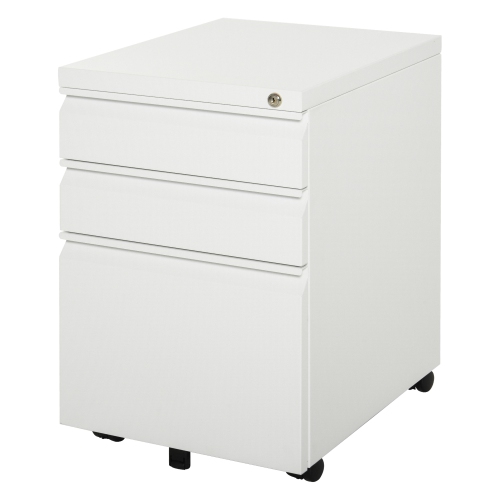
Legal document storage products help keep important paperwork organized, protected, and accessible, whether that means a single household file or a growing collection of business records. Signed agreements, wills, property records, powers of attorney, and identity documents often need more deliberate storage than an open desk tray. The right format depends on how often those papers are handled, their dimensions, and the level of protection they require. Filing cabinets and hanging-file systems suit records that need regular retrieval, while lidded file boxes provide a practical home for closed files and reference paperwork. Portable document cases can keep a set of papers together between an office, an appointment, and home. Lockboxes and document safes serve a different purpose, placing selected originals behind a lock rather than simply separating them into folders. Legal-size paperwork is an important fit consideration: a standard legal sheet measures 8.5 inches by 14 inches, compared with 8.5 inches by 11 inches for letter-size paper. Interior dimensions, folder rails, and usable drawer space matter more than the outside measurements alone. A container that accepts letter-size folders may leave longer documents bent, crowded, or unable to lie flat. Storage that accommodates both sizes can be useful when a file contains a mixture of contracts, correspondence, and supporting records. Expandable folders, dividers, and clearly labelled tabs help preserve that relationship without turning every document into a separate search. A property purchase file, for example, might keep the signed agreement, closing paperwork, and related correspondence together while separating originals from working copies. Colour-coded folders can make different matters easier to distinguish, although discreet labels are preferable where visitors might see sensitive names or details. For households, small businesses, and professional offices alike, useful capacity includes some room for new paperwork. Tightly packed folders are harder to remove and can put unnecessary strain on pages, fasteners, and drawer mechanisms. A well-fitting storage system gives documents enough support to stay orderly without making routine access cumbersome.
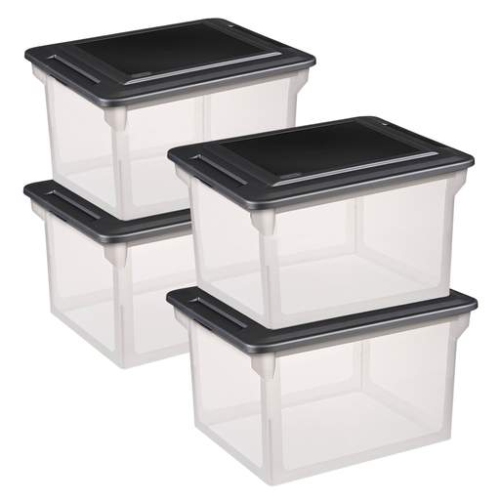
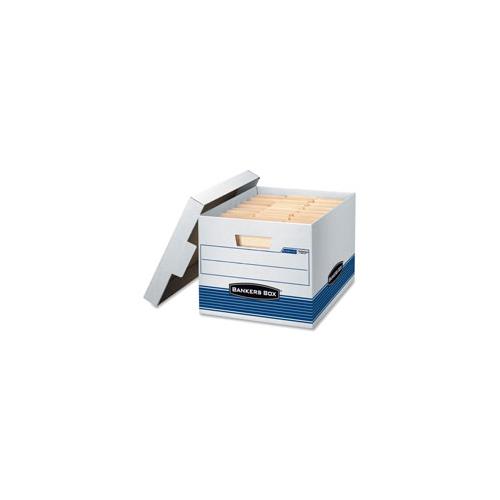
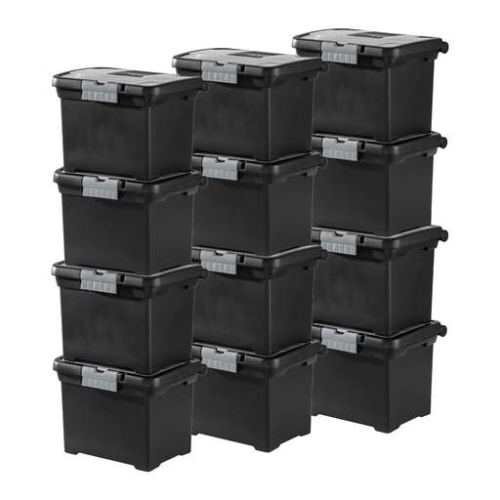
Materials and construction influence how legal document storage performs over years of handling. Steel filing cabinets offer a rigid structure for frequently accessed records, with drawer slides, handles, and locking mechanisms that deserve as much attention as the finish. Smooth drawer movement is especially valuable when a full file is heavy or needs to be retrieved several times a day. Freestanding cabinets may require anchoring or other anti-tip precautions specified by the manufacturer, and heavy files need to remain within the stated drawer load limits. Plastic file totes are useful for carrying and containing paperwork, with reinforced handles, secure lids, and folder supports affecting how comfortably they work. A lid that clips closed helps keep contents together, but that closure does not by itself establish water resistance or prevent unauthorized access. Corrugated fibreboard archive boxes can suit less frequently handled records when their construction, capacity, and stacking limits match the load. Reinforced handholds and well-fitting lids become noticeable advantages when a box must move from a shelf to a work surface. For documents intended to be retained for a long period, acid-free folders and suitable archival sleeves can help limit deterioration associated with unsuitable paper-contact materials. Protection claims need separate consideration: a lock provides access control, while fire resistance and water resistance depend on the construction and the stated testing or rating. Fire protection is normally specified for a particular duration and exposure, not an unlimited guarantee, and protection for paper does not necessarily extend to digital media. Water-resistance claims likewise depend on the conditions described by the manufacturer. Storage placement also matters. Keeping files raised off the floor and away from plumbing reduces exposure to accidental leaks, while shelving must support the weight of fully loaded containers. Routine care is usually straightforward: cleaning methods should suit the material, drawers and locks should remain free of debris, and damaged handles, hinges, or lids should not be ignored. A sturdy container is most useful when it remains manageable to lift, open, and return to its designated place.
Everyday use determines which combination of storage formats makes sense. A household may need a compact, lockable space for selected originals alongside an ordinary filing system for copies and reference records. A small business may need separate storage for active agreements, personnel paperwork, and completed transactions, with access limited according to each person’s role. A legal office handling multiple matters has additional reasons to keep files distinct, maintain consistent labels, and distinguish documents awaiting action from records retained after a matter closes. Physical storage supports those routines, but a locked cabinet alone does not establish compliance with professional obligations or privacy requirements. Retention periods, access arrangements, and the handling of originals depend on the document and the applicable rules. Accounting records often overlap with legal paperwork, particularly where agreements, tax records, and supporting business documents belong to the same transaction; Document Storage for Accountants is relevant to that related storage need. Digital copies can complement physical files by making reference material easier to retrieve without repeatedly handling an original. Document scanners, encrypted storage devices, and secure digital storage can form part of that arrangement, provided their capabilities suit the sensitivity of the records. Legible scans need to capture every page, including signatures, attachments, and information printed on the reverse. Clear filenames and a consistent folder structure help connect a digital copy with its physical location, while restricted access, multi-factor authentication where supported, and separate backups provide additional safeguards. An ordinary USB drive is not automatically encrypted, and a scanned copy does not necessarily replace an original for legal purposes. Keeping those distinctions clear helps prevent a convenient reference copy from being mistaken for the document that must be retained. Physical access deserves the same attention, including who holds keys or knows a lock code and how an authorized person can retrieve essential paperwork when needed. Across home and office use, the most practical legal document storage combines appropriate capacity, dependable construction, suitable protection, and a layout that keeps the correct record easy to locate.
Top selling and popular products
-
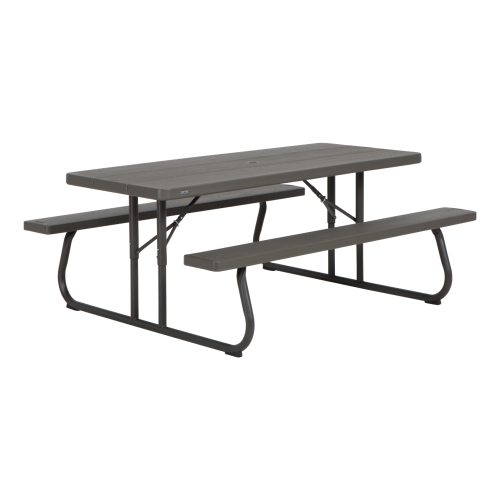 Your price for this item is $399.99
-
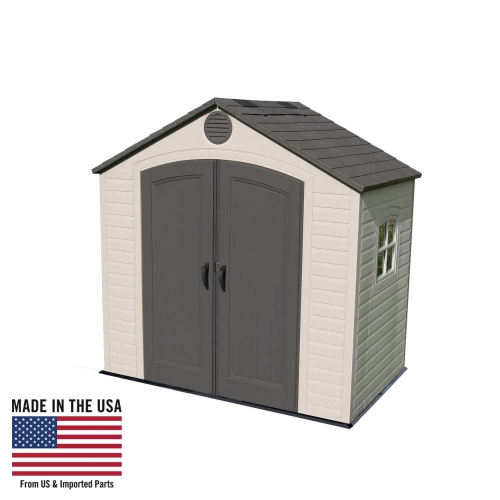 Your price for this item is $2399.99
-
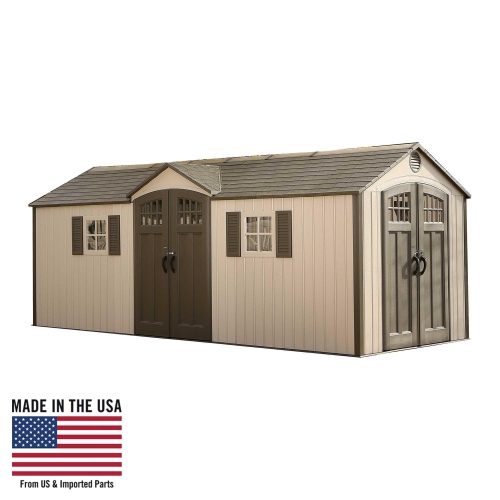 Your price for this item is $5999.99
-
 Your price for this item is $5999.99
-
 Your price for this item is $4499.99
-
 Your price for this item is $632.99
-
 Your price for this item is $399.99
-
 Your price for this item is $134.99
Discover more categories related to Legal Document Storage
Top Collections:
Best Black Friday Deals This Year, Best Black Friday Deals On Electronics, Kindle Devices, Best Black Friday Deals On Apple Products, Best Budget Office Chairs, Best Cameras for Sports Photography, Dyson Airwrap, Canon G7X Cameras, Best Laptops for Writers, Samsung Galaxy Phones
Some products may be subject to Environmental Handling Fees
(EHF) depending on your province.
Learn more about EHFs.