Dog Crates for Anxious Dogs
Finding the right dog crates for anxious dogs can make a world of difference in helping your furry friend feel safe and secure at home or on the go. Thoughtfully designed to provide comfort and peace of mind, these crates offer a cozy retreat where dogs can relax and unwind. Explore a wide selection of dog crates for anxious dogs that support your pet’s well-being while fitting seamlessly into your living space.
Sort
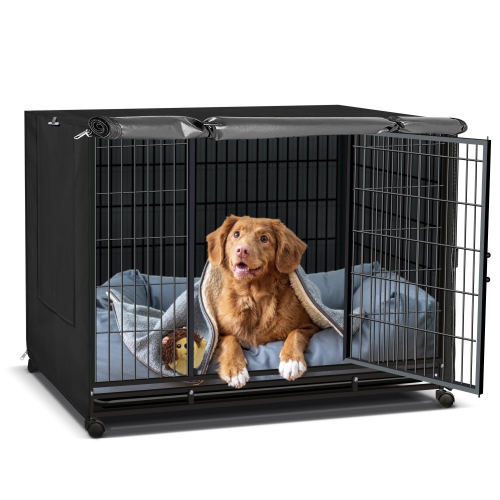

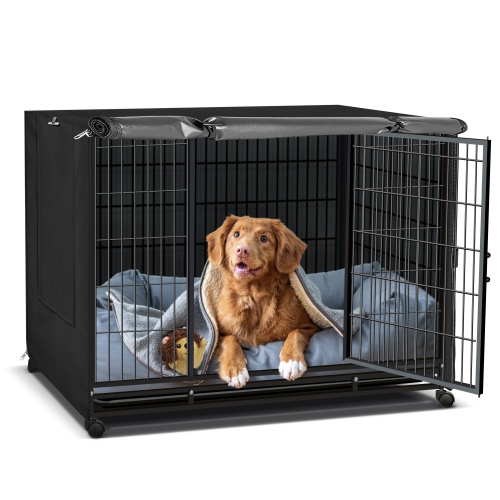
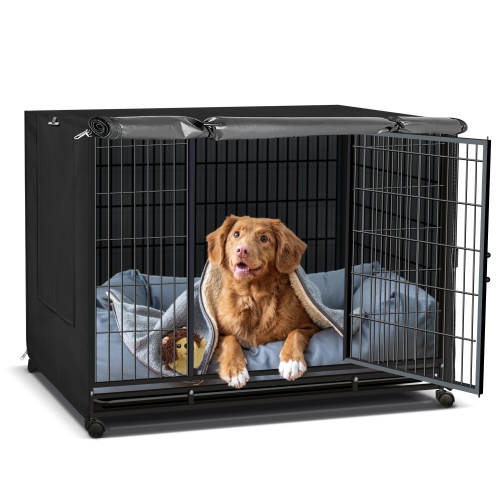

Secure construction and gradual training support calmer crate time
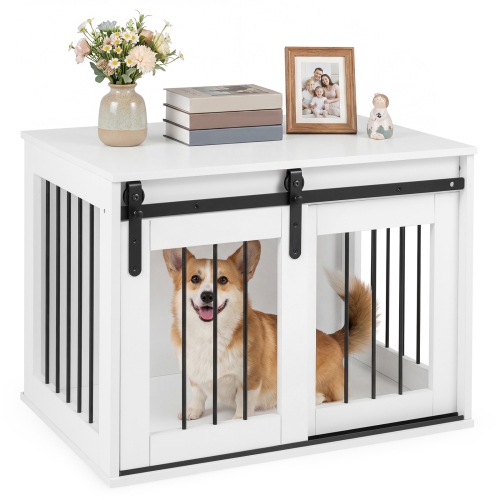
Dog crates for anxious dogs can provide a familiar, enclosed place where a dog feels protected from the noise, movement, and unpredictability of daily life. They may be useful for dogs that pace during storms, become distressed when left alone, react strongly to visitors, or have a history of trying to escape confinement. The right crate should feel like a secure retreat rather than a punishment area, with enough room for the dog to stand, turn around, lie down comfortably, and stretch without excessive unused space. Measure your dog from nose to the base of the tail and from the floor to the top of the head or ears, then compare those measurements with the manufacturer’s sizing guidance. A crate that is too small can cause discomfort, while one that is too large may not provide the close, den-like feeling some nervous dogs prefer. Smaller dogs may need a more compact option, and shoppers comparing sizes can also explore a Small Dog Crate for a better fit. Consider where the crate will be used as well. A quiet corner of a family room can help a dog remain near its people without being in the middle of foot traffic, while a bedroom setup may offer reassurance overnight. During the warmer season, position the crate away from direct sunlight and ensure air can circulate freely; during the cooler months, keep it away from draughts and leave enough space for comfortable bedding.
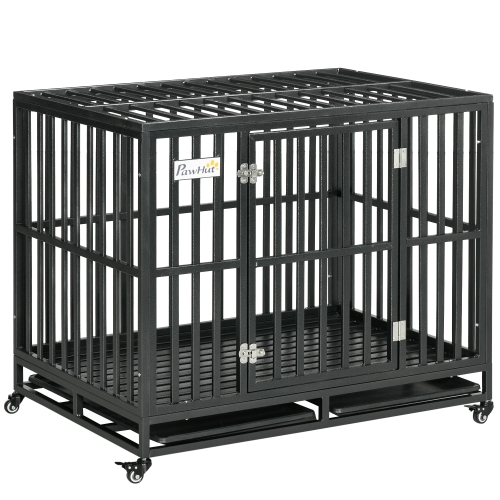
For dogs that panic, claw, chew, or throw their weight against a door, construction and safety features deserve particular attention. Lightweight wire panels can bend under intense pressure, and thin plastic can crack if a distressed dog repeatedly pushes or bites at it. Look for sturdy materials such as thick-gauge metal, reinforced steel tubing, or robust moulded panels, along with smooth interior surfaces that do not expose sharp edges. Doors should close firmly and use secure latch points that cannot be easily nudged, pawed, or lifted from inside. Openings should allow sufficient ventilation and visibility while limiting places where teeth, claws, or paws could become caught. A strong crate is not a guarantee that a determined dog cannot injure itself, so supervise initial use closely and inspect the frame, door, hinges, fasteners, and floor regularly. The base should be stable on the floor and appropriately sized for the dog’s weight and activity. If a dog has injured itself while escaping, can bend or break ordinary crate components, or shows severe distress when confined, consult a veterinarian or qualified behaviour professional before relying on a crate. They can help determine whether anxiety, separation distress, noise sensitivity, pain, or another issue is contributing to the behaviour and can recommend a safe confinement plan. A crate may be especially helpful for welcoming a newly adopted dog, settling a puppy into a household, or giving a dog a predictable place to rest when guests arrive, but it should complement—not replace—exercise, companionship, training, and appropriate medical support.
Introducing a crate gradually is often more effective than placing an anxious dog inside and closing the door immediately. Leave the door open at first and make the space inviting with a washable mat, a familiar blanket, and a safe food puzzle or long-lasting chew approved for the dog. Meals and special treats can be offered near the entrance, then farther inside as the dog becomes comfortable. Keep early sessions short and calm, and allow the dog to leave freely rather than forcing it through the doorway. Once the dog is choosing to enter, practise closing the door for a few seconds while remaining nearby, then slowly extend the interval only when the dog remains relaxed. Soft background sound, reduced visual stimulation, and a consistent routine can make the crate feel less startling, particularly during fireworks, thunderstorms, home repairs, or busy gatherings. Frozen stuffed food toys, lick mats, and veterinarian-approved calming aids may help occupy the dog during brief periods, but they should be introduced while the dog is calm and monitored for safe use. Whining, panting, drooling, frantic scratching, repeated biting at the crate, or attempts to injure the nose and paws are signs to stop, open the crate when it is safe to do so, and reassess the approach. A crate can be a thoughtful gift for someone bringing home a rescue dog, puppy, or anxious companion, especially when paired with suitable bedding and a plan for gradual training. The best choice balances secure construction, reliable ventilation, easy cleaning, comfortable sizing, and the individual dog’s temperament, giving both the dog and its household a dependable place to settle through changing routines and cooler days ahead.
For dogs that panic, claw, chew, or throw their weight against a door, construction and safety features deserve particular attention. Lightweight wire panels can bend under intense pressure, and thin plastic can crack if a distressed dog repeatedly pushes or bites at it. Look for sturdy materials such as thick-gauge metal, reinforced steel tubing, or robust moulded panels, along with smooth interior surfaces that do not expose sharp edges. Doors should close firmly and use secure latch points that cannot be easily nudged, pawed, or lifted from inside. Openings should allow sufficient ventilation and visibility while limiting places where teeth, claws, or paws could become caught. A strong crate is not a guarantee that a determined dog cannot injure itself, so supervise initial use closely and inspect the frame, door, hinges, fasteners, and floor regularly. The base should be stable on the floor and appropriately sized for the dog’s weight and activity. If a dog has injured itself while escaping, can bend or break ordinary crate components, or shows severe distress when confined, consult a veterinarian or qualified behaviour professional before relying on a crate. They can help determine whether anxiety, separation distress, noise sensitivity, pain, or another issue is contributing to the behaviour and can recommend a safe confinement plan. A crate may be especially helpful for welcoming a newly adopted dog, settling a puppy into a household, or giving a dog a predictable place to rest when guests arrive, but it should complement—not replace—exercise, companionship, training, and appropriate medical support.
Introducing a crate gradually is often more effective than placing an anxious dog inside and closing the door immediately. Leave the door open at first and make the space inviting with a washable mat, a familiar blanket, and a safe food puzzle or long-lasting chew approved for the dog. Meals and special treats can be offered near the entrance, then farther inside as the dog becomes comfortable. Keep early sessions short and calm, and allow the dog to leave freely rather than forcing it through the doorway. Once the dog is choosing to enter, practise closing the door for a few seconds while remaining nearby, then slowly extend the interval only when the dog remains relaxed. Soft background sound, reduced visual stimulation, and a consistent routine can make the crate feel less startling, particularly during fireworks, thunderstorms, home repairs, or busy gatherings. Frozen stuffed food toys, lick mats, and veterinarian-approved calming aids may help occupy the dog during brief periods, but they should be introduced while the dog is calm and monitored for safe use. Whining, panting, drooling, frantic scratching, repeated biting at the crate, or attempts to injure the nose and paws are signs to stop, open the crate when it is safe to do so, and reassess the approach. A crate can be a thoughtful gift for someone bringing home a rescue dog, puppy, or anxious companion, especially when paired with suitable bedding and a plan for gradual training. The best choice balances secure construction, reliable ventilation, easy cleaning, comfortable sizing, and the individual dog’s temperament, giving both the dog and its household a dependable place to settle through changing routines and cooler days ahead.
Top selling and popular products
-
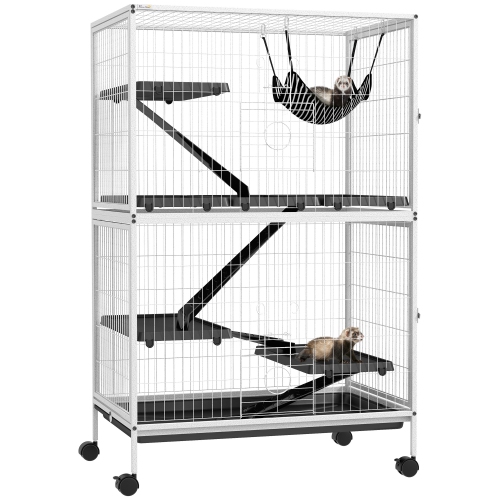 Your price for this item is $177.99
 -
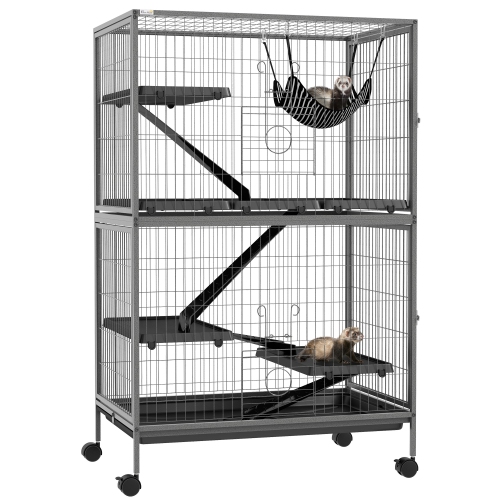 Your price for this item is $159.99
 -
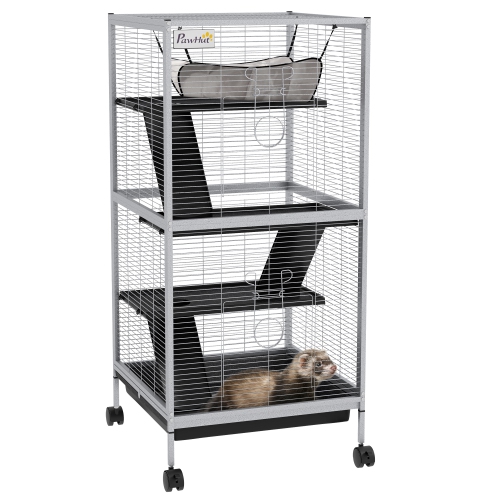 Your price for this item is $154.99
 -
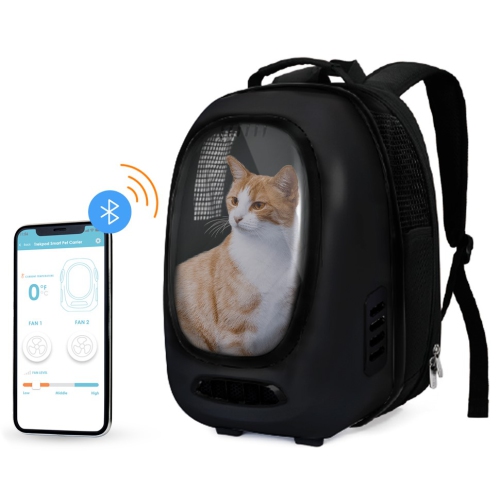 Your price for this item is $94.99
 -
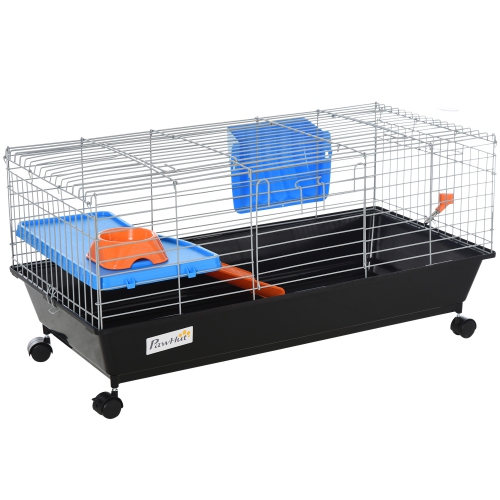 Your price for this item is $91.99
 -
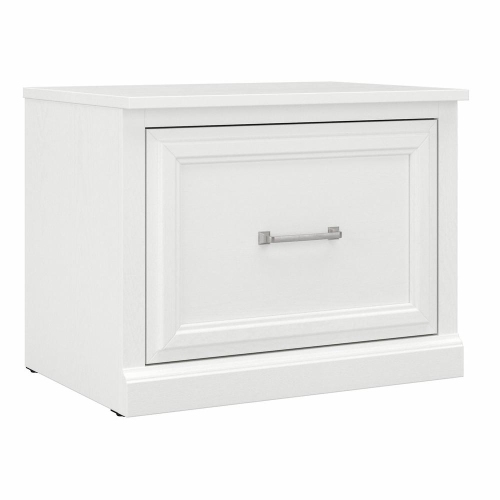 Your price for this item is $453.79
 -
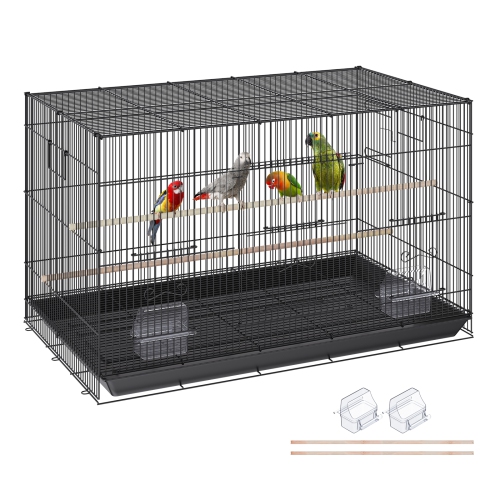 Your price for this item is $66.9
 -
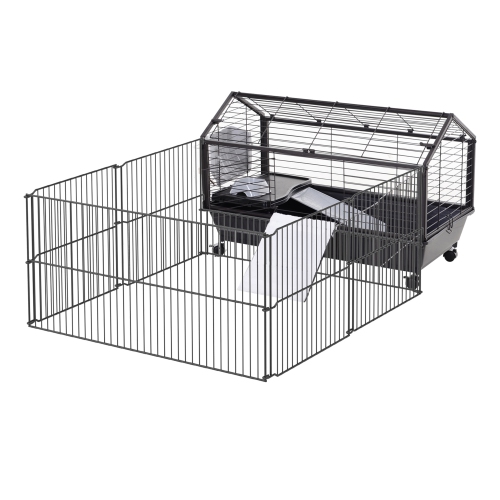 Your price for this item is $134.99
Discover more categories related to Dog Crates for Anxious Dogs
Top Collections:
Pokemon Centers, Kindle Devices, Best Budget Office Chairs, Apple iPhones 16, Canon G7X Cameras, iPhone 15 Apple, Alarm Clock, Refurbished Apple Laptops, Flip Phones, Best Laptops for Writers
Some products may be subject to Environmental Handling Fees
(EHF) depending on your province.
Learn more about EHFs.