Small Dog Crate
Finding the perfect small dog crate can make all the difference in ensuring comfort and security for your furry friend. Whether you're training a new puppy or providing a cozy retreat for your petite companion, the right crate offers a safe space for rest and relaxation. With various styles and materials available, it's easy to find an option that complements your home decor while meeting your pet's needs. Explore options that prioritize durability, ease of cleaning, and portability to suit any lifestyle. Give your pet the gift of a personal haven with a small dog crate designed for both convenience and comfort.
Sort
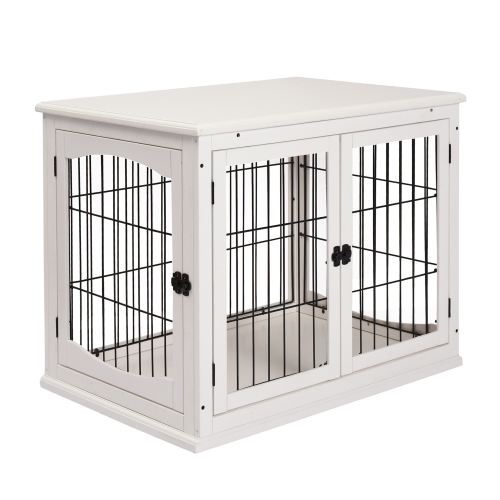
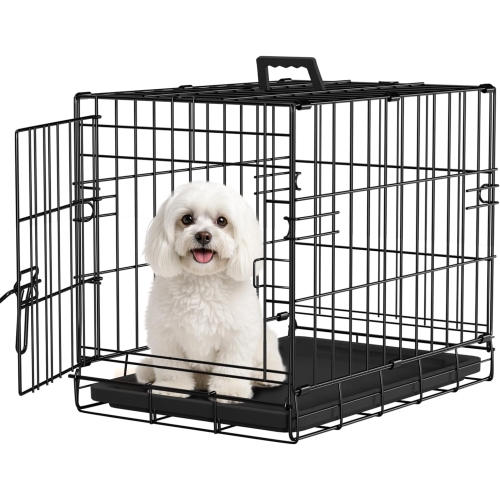
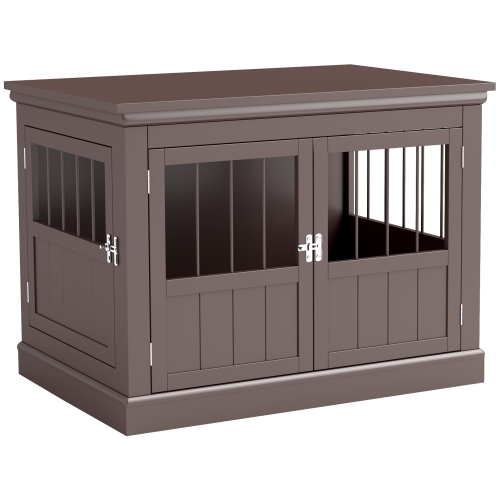
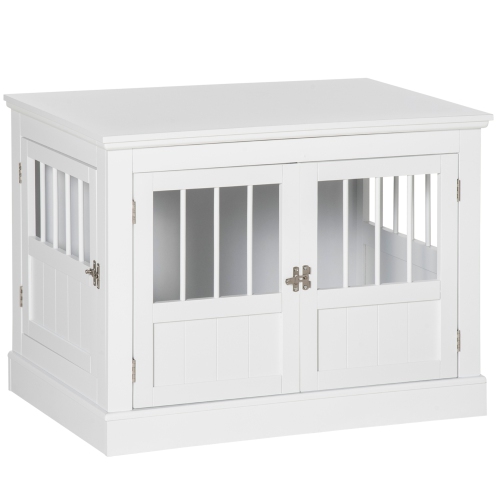

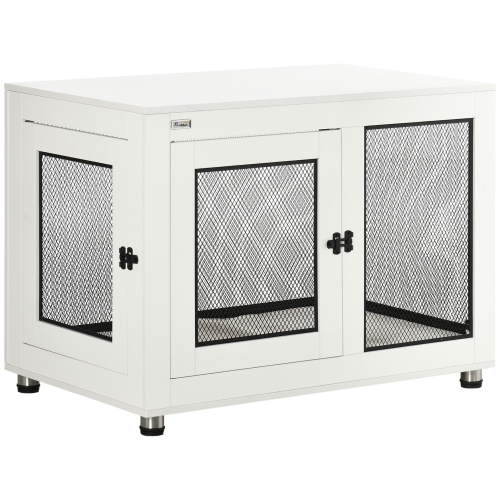
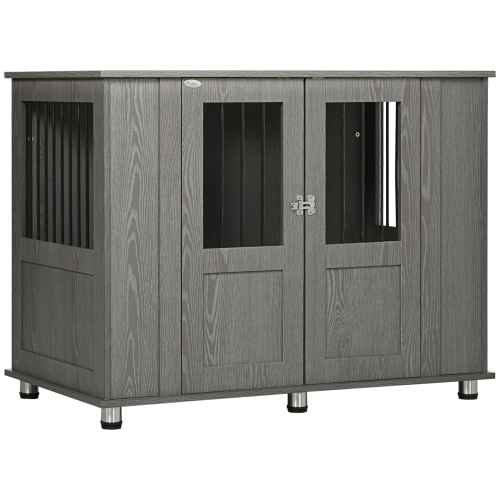
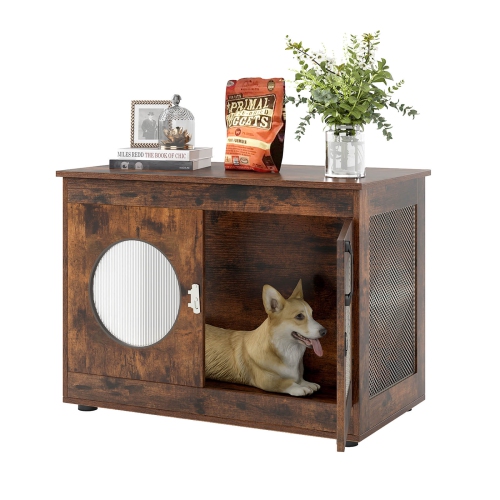
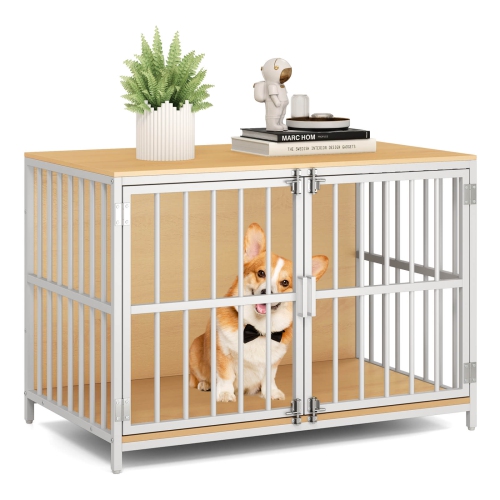
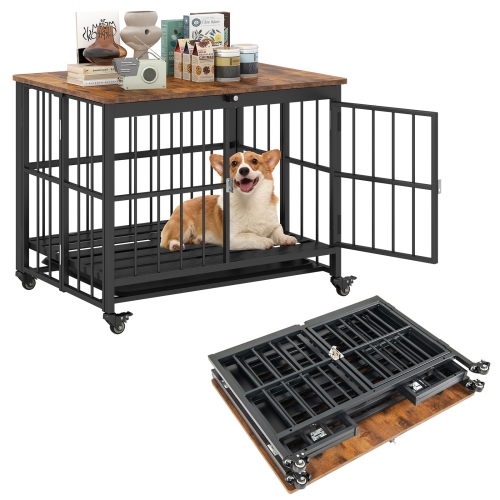
What to know about sizing, styles, and crate training
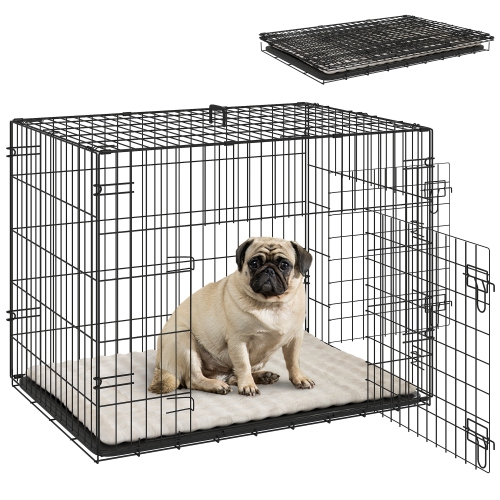
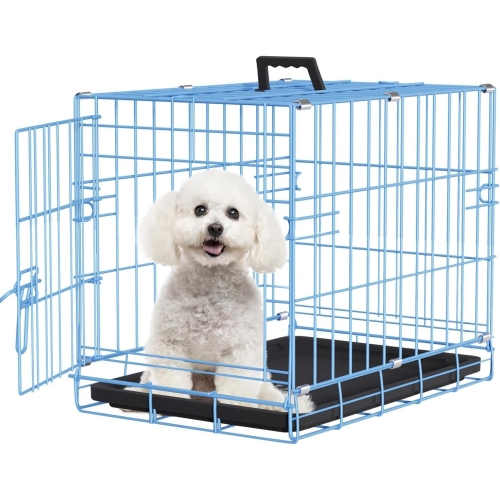
A small dog crate can give a little dog a dependable place to rest, settle in, and feel secure at home or while travelling. It can be useful for puppy training, quiet time, overnight sleeping, visits from guests, and short periods when your dog cannot be supervised. Many small dogs enjoy having a familiar den-like space where they can retreat from household activity, especially during the cooler months when windows are closed and families spend more time indoors. A crate may also help a new puppy establish a routine in a new home, making it a thoughtful gift for someone welcoming a small-breed dog or preparing for their first puppy. The right crate should be large enough for your dog to stand naturally, turn around without squeezing, lie down comfortably, and stretch out on their side, but not so large that one end becomes a bathroom area. To choose the right size, measure your dog from the tip of their nose to the base of their tail, then measure from the floor to the top of their head or ears, whichever is higher. Add approximately 2 to 4 inches to both measurements to allow comfortable movement. These measurements are more dependable than breed labels alone, since dogs of the same breed can vary in height, length, and body shape. A compact crate may suit a toy breed or a small adult dog, while a growing puppy may need a crate with an adjustable divider panel. The divider lets you begin with a snug, appropriately sized area and gradually increase the available space as your puppy grows, without needing to replace the entire crate every few weeks. Always adjust the divider as your puppy’s body changes, and remove it when the crate is no longer being used for training.
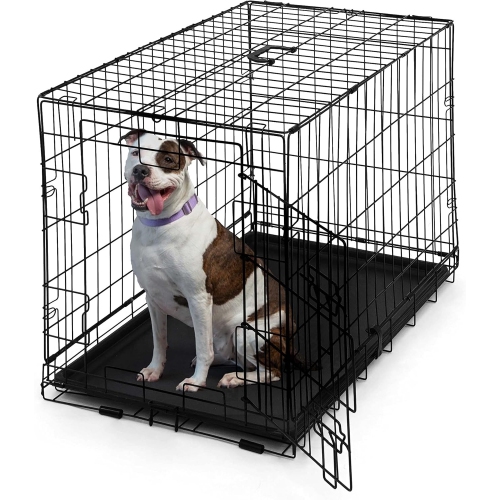
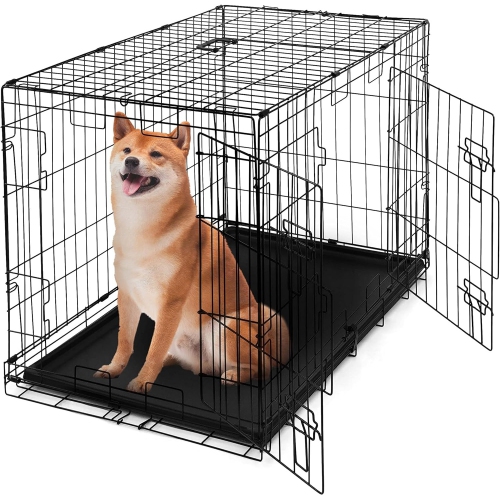
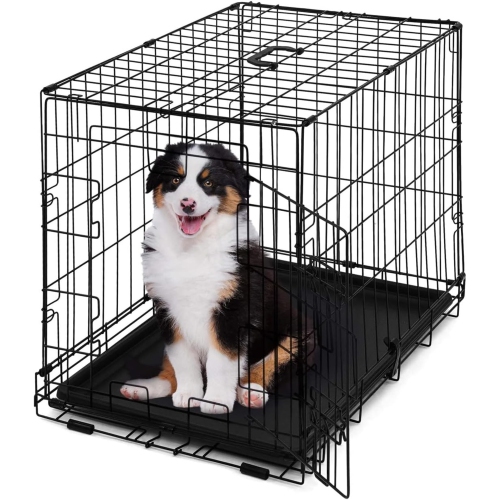
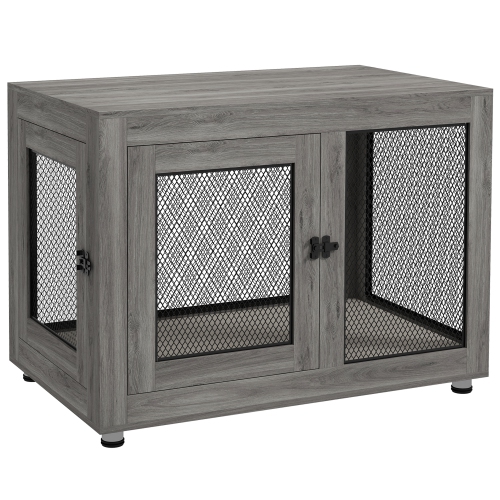
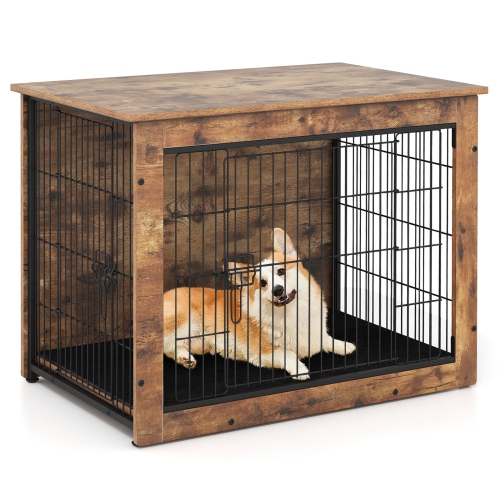
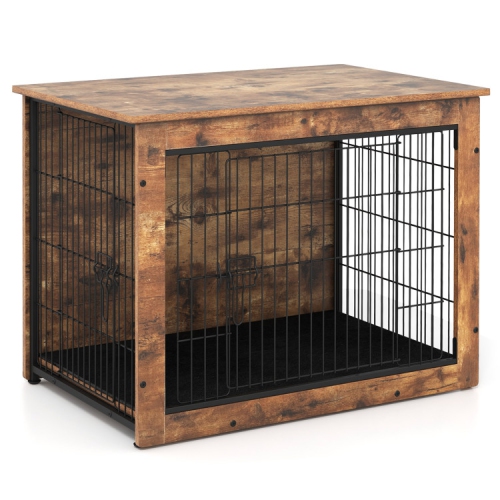
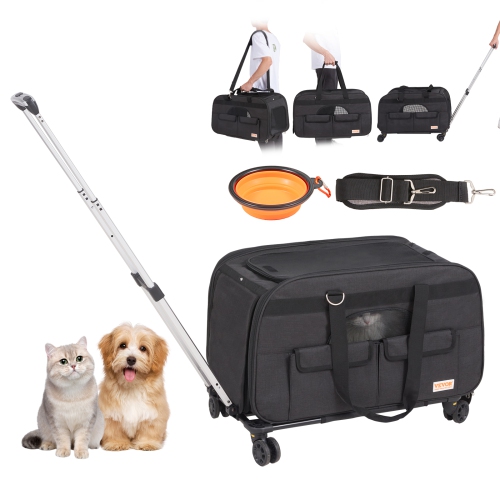
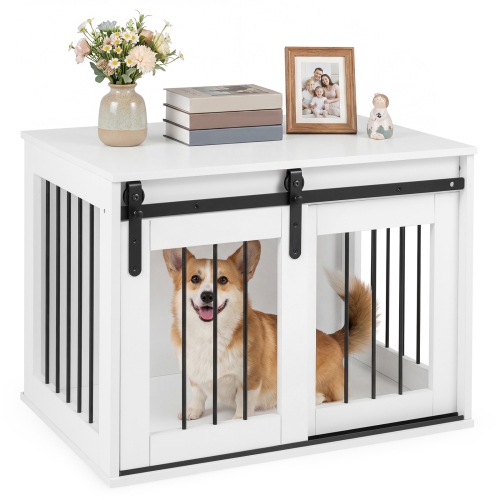
Small dog crates are available in practical wire designs, lightweight plastic styles, soft-sided options, and furniture-inspired enclosures that can blend with a living room or bedroom. Wire crates often provide generous ventilation and visibility, which can help dogs who prefer to see what is happening around them. Many include a removable, leak-resistant pan that makes everyday cleaning easier, along with one or two doors for more flexible placement. A front door is convenient for regular use, while a side door can be helpful when the crate is positioned beside a sofa, bed, or cabinet. Plastic crates offer more privacy and can be convenient for transport, provided the ventilation openings are clear and the carrier is large enough for comfortable movement. Soft-sided crates are easy to carry and may work well for calm, crate-trained dogs during visits or travel, although they may not be suitable for puppies or dogs that chew, scratch, or try to push through fabric. Furniture-style crates can serve as a quiet resting area while complementing home décor, but they should still provide proper airflow, secure access, and enough interior room. Regardless of the design, check that latches close firmly, doors cannot be opened by a curious paw, and edges, fasteners, and hinges are smooth. The crate should sit on a stable, level surface away from direct drafts, heaters, and busy walkways. A washable mat or appropriately sized bed can make the interior more inviting, while a familiar blanket may help a dog settle during a move or overnight stay. Avoid placing bulky bowls, toys, or bedding inside if they reduce the space needed to stand and turn. For puppies and dogs that are still learning household routines, choose durable, easy-to-clean materials and inspect the crate regularly for damage. A crate is not intended for all-day confinement; dogs need regular bathroom breaks, exercise, interaction, and time outside the crate.
Introducing a small dog to a crate works best as a gradual, positive routine rather than a sudden change. Leave the door open at first and allow your dog to investigate at their own pace. Placing a few treats or a favourite toy just inside can create a pleasant association, while feeding occasional meals near the entrance and then farther inside can build confidence. Once your dog is relaxed, close the door for a brief period while you remain nearby, then slowly extend the time. Keep early sessions calm and end them before your dog becomes distressed. The crate should never be used as punishment, and a dog should not be forced inside or left crated for longer than they can comfortably manage. Consistency helps: use the same cue, offer praise for calm behaviour, and keep the crate available as a familiar resting space. During travel, confirm that the crate is properly secured and that your dog has adequate ventilation and temperature control. In a vehicle, never leave a dog unattended in extreme heat or cold, even for a short errand. For households with more than one dog, each dog should have enough room to rest safely, and separate crates may be more appropriate than asking dogs to share. If a small dog is likely to grow, compare their current measurements with the crate’s interior dimensions rather than relying only on the listed exterior size. Dogs that need a larger resting area as they mature may also be suited to an Extra Large Dog Crate, while a small dog crate remains the better choice when its proportions match the dog’s current needs. With careful sizing, secure construction, simple cleaning, and a patient introduction, a crate can become a comfortable part of a dog’s everyday routine at home, during visits, and on the road.
Small dog crates are available in practical wire designs, lightweight plastic styles, soft-sided options, and furniture-inspired enclosures that can blend with a living room or bedroom. Wire crates often provide generous ventilation and visibility, which can help dogs who prefer to see what is happening around them. Many include a removable, leak-resistant pan that makes everyday cleaning easier, along with one or two doors for more flexible placement. A front door is convenient for regular use, while a side door can be helpful when the crate is positioned beside a sofa, bed, or cabinet. Plastic crates offer more privacy and can be convenient for transport, provided the ventilation openings are clear and the carrier is large enough for comfortable movement. Soft-sided crates are easy to carry and may work well for calm, crate-trained dogs during visits or travel, although they may not be suitable for puppies or dogs that chew, scratch, or try to push through fabric. Furniture-style crates can serve as a quiet resting area while complementing home décor, but they should still provide proper airflow, secure access, and enough interior room. Regardless of the design, check that latches close firmly, doors cannot be opened by a curious paw, and edges, fasteners, and hinges are smooth. The crate should sit on a stable, level surface away from direct drafts, heaters, and busy walkways. A washable mat or appropriately sized bed can make the interior more inviting, while a familiar blanket may help a dog settle during a move or overnight stay. Avoid placing bulky bowls, toys, or bedding inside if they reduce the space needed to stand and turn. For puppies and dogs that are still learning household routines, choose durable, easy-to-clean materials and inspect the crate regularly for damage. A crate is not intended for all-day confinement; dogs need regular bathroom breaks, exercise, interaction, and time outside the crate.
Introducing a small dog to a crate works best as a gradual, positive routine rather than a sudden change. Leave the door open at first and allow your dog to investigate at their own pace. Placing a few treats or a favourite toy just inside can create a pleasant association, while feeding occasional meals near the entrance and then farther inside can build confidence. Once your dog is relaxed, close the door for a brief period while you remain nearby, then slowly extend the time. Keep early sessions calm and end them before your dog becomes distressed. The crate should never be used as punishment, and a dog should not be forced inside or left crated for longer than they can comfortably manage. Consistency helps: use the same cue, offer praise for calm behaviour, and keep the crate available as a familiar resting space. During travel, confirm that the crate is properly secured and that your dog has adequate ventilation and temperature control. In a vehicle, never leave a dog unattended in extreme heat or cold, even for a short errand. For households with more than one dog, each dog should have enough room to rest safely, and separate crates may be more appropriate than asking dogs to share. If a small dog is likely to grow, compare their current measurements with the crate’s interior dimensions rather than relying only on the listed exterior size. Dogs that need a larger resting area as they mature may also be suited to an Extra Large Dog Crate, while a small dog crate remains the better choice when its proportions match the dog’s current needs. With careful sizing, secure construction, simple cleaning, and a patient introduction, a crate can become a comfortable part of a dog’s everyday routine at home, during visits, and on the road.
Top selling and popular products
-
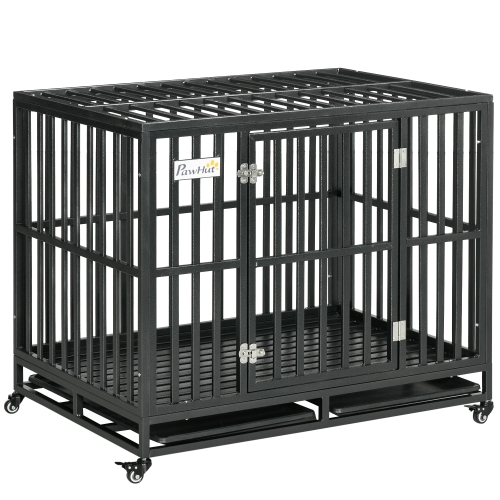 Your price for this item is $229.99
 -
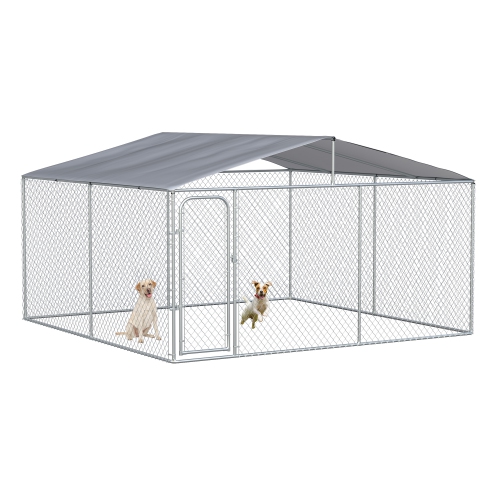 Your price for this item is $559.99
 -
 Your price for this item is $399.99
 -
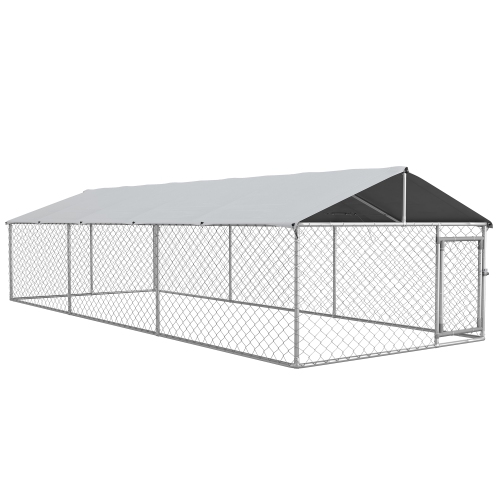 Your price for this item is $499.99
 -
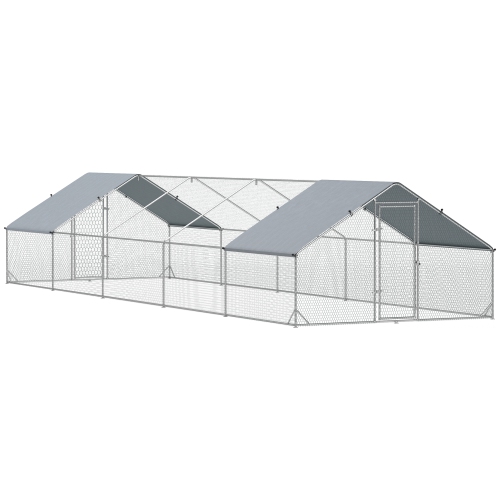 Your price for this item is $479.99
 -
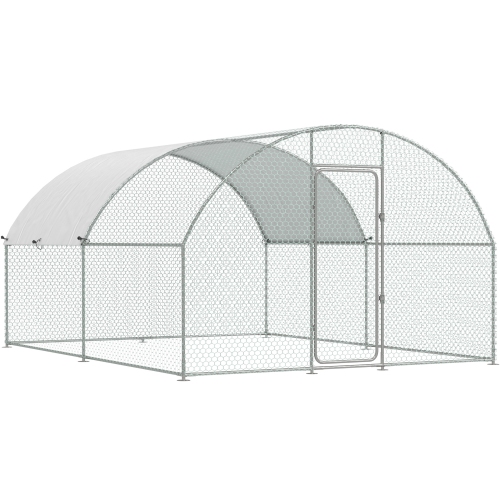 Your price for this item is $227.99
 -
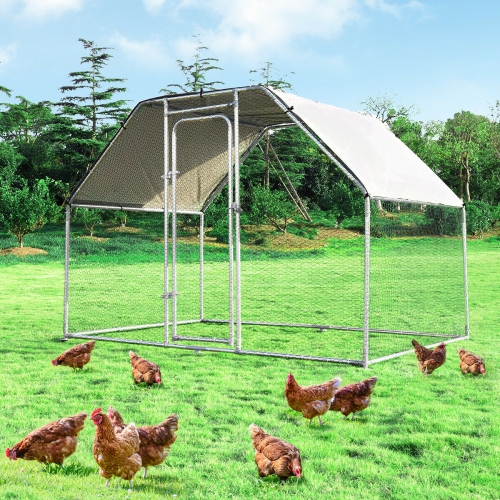 Your price for this item is $419.99
 -
 Your price for this item is $279.99
Discover more categories related to Small Dog Crate
Top Collections:
Pokemon Centers, Kindle Devices, Best Budget Office Chairs, Apple iPhones 16, Canon G7X Cameras, iPhone 15 Apple, Alarm Clock, Refurbished Apple Laptops, Flip Phones, Best Laptops for Writers
Some products may be subject to Environmental Handling Fees
(EHF) depending on your province.
Learn more about EHFs.