Dog Food Dispensers
Looking for a convenient and efficient way to feed your furry friend? Our selection of dog food dispensers offers the perfect solution. These innovative devices are designed to make mealtime hassle-free, ensuring your four-legged companion is always well-fed and satisfied. With a variety of options available, you can find the perfect dog food dispenser to suit your pet's needs and your lifestyle. From automatic feeders that dispense precise portions at scheduled times to gravity-fed dispensers that provide a continuous supply of food, our range has something for every pet owner. Also check out our selection of the Best Pet Cameras to help keep an eye on your furry friend while you're away!
Sort
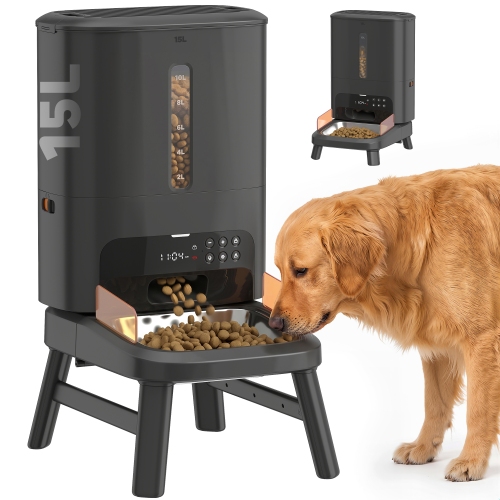
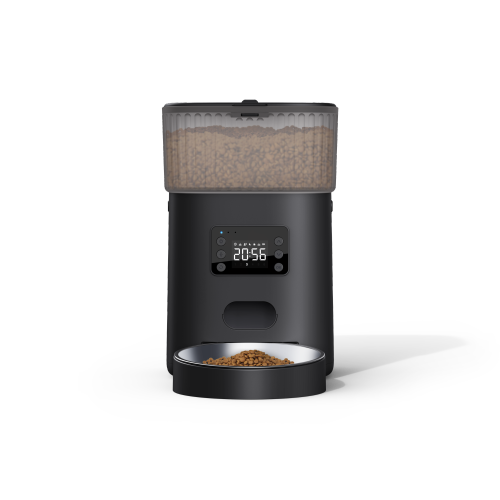
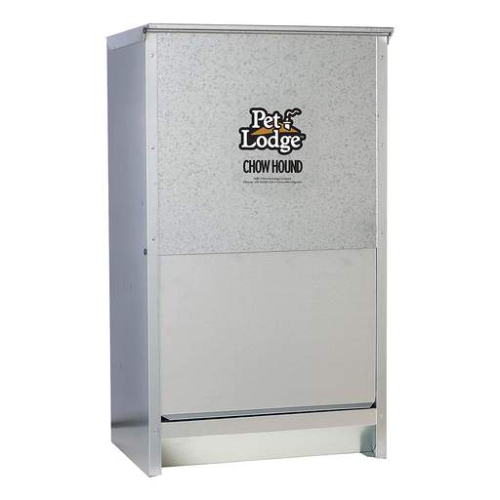
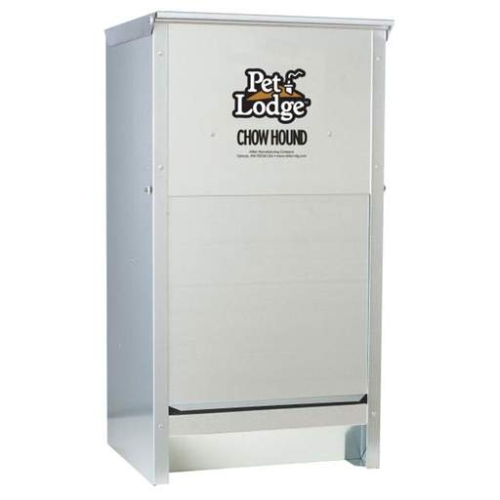
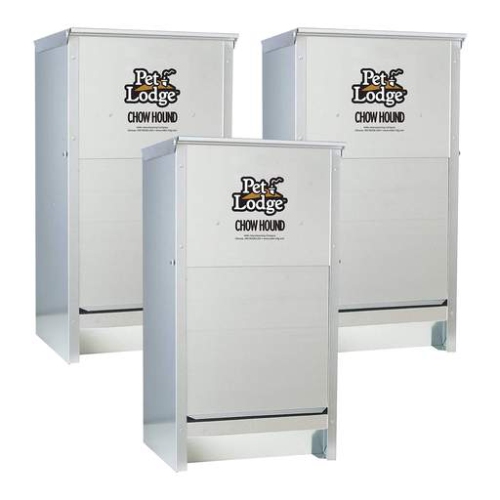
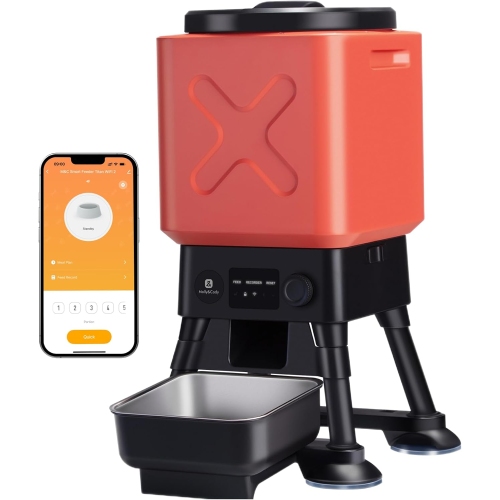
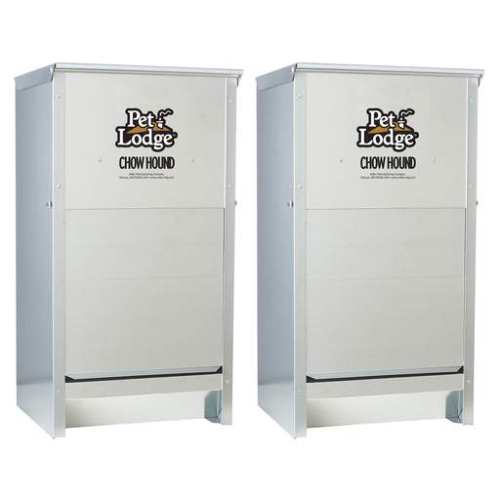
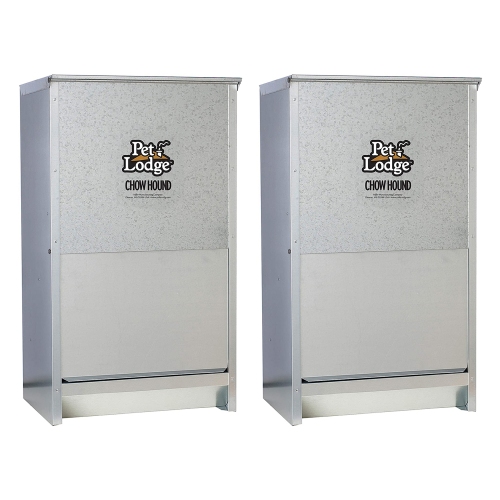
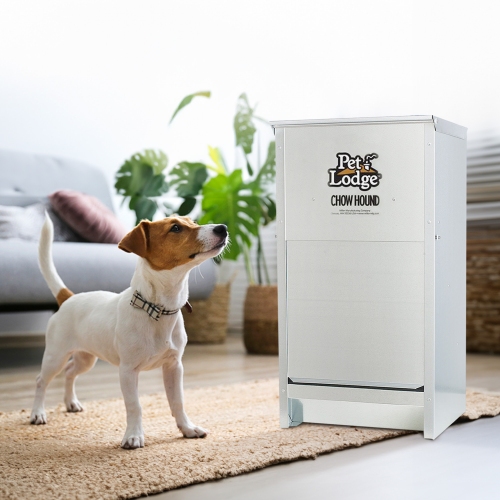

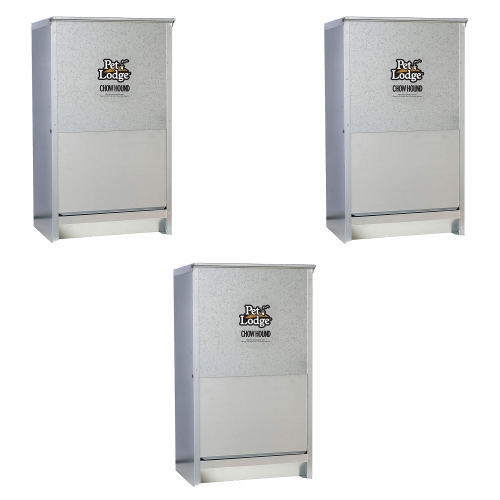
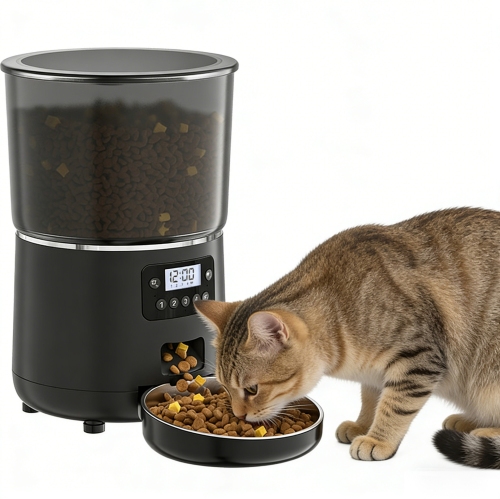
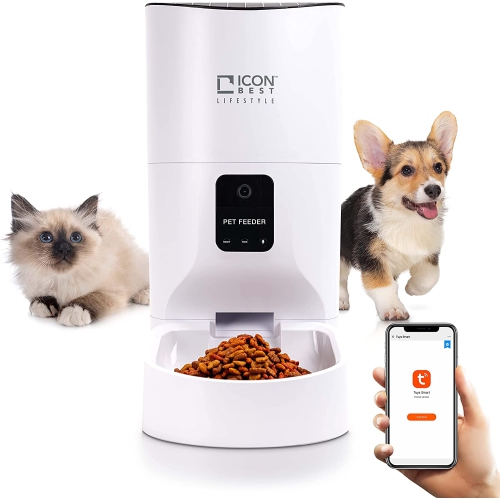
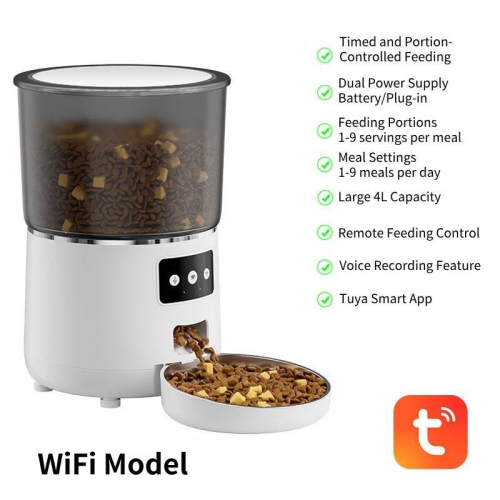
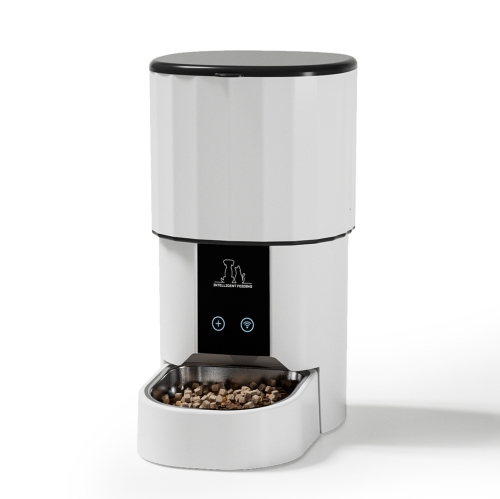
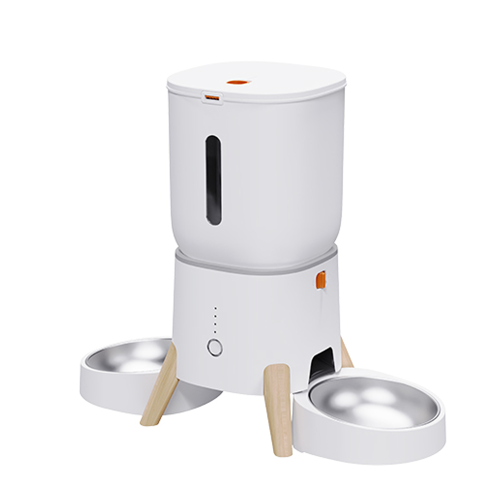
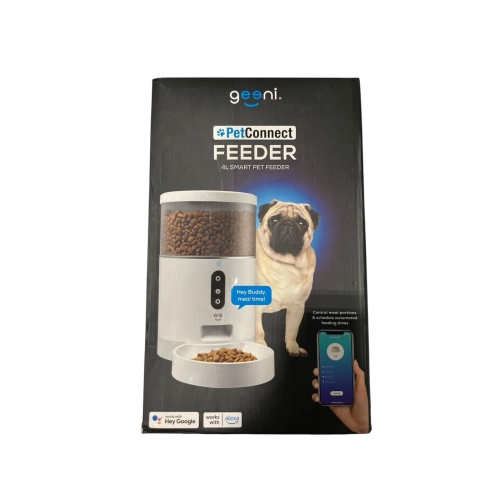
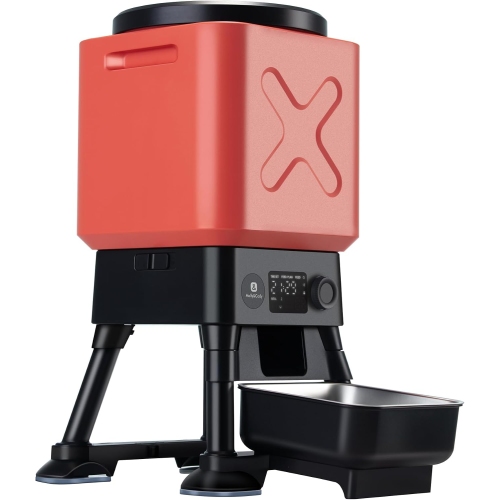
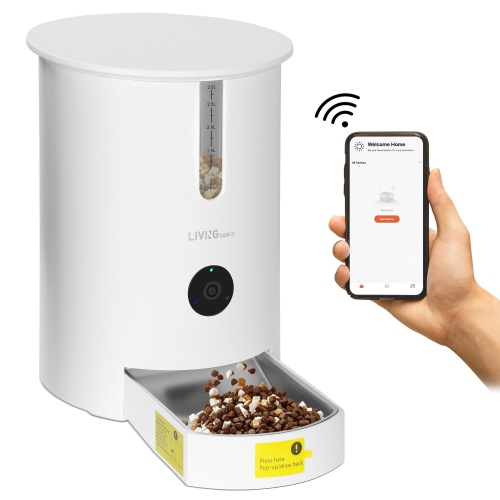
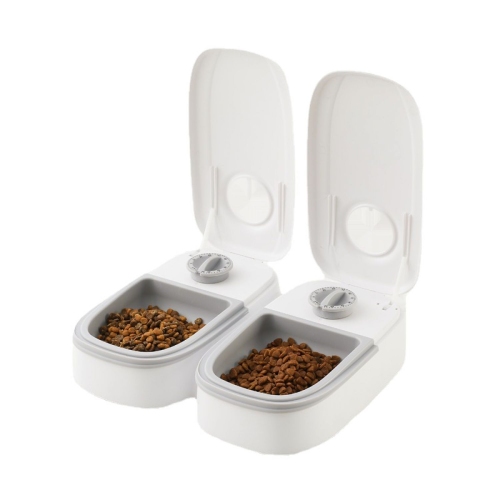
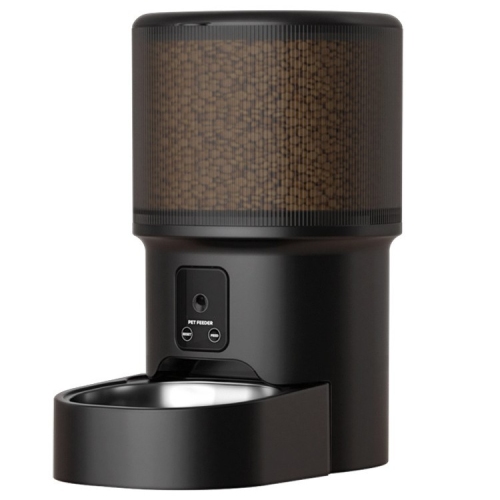
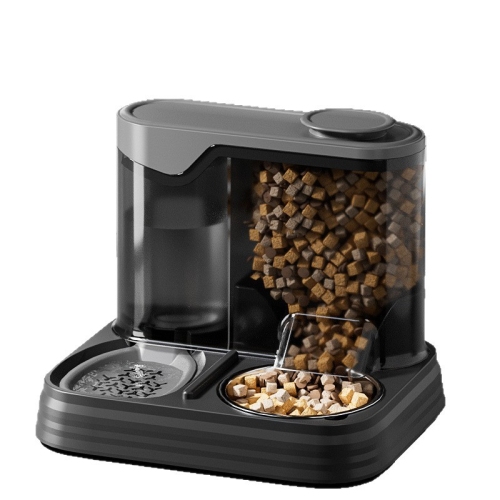
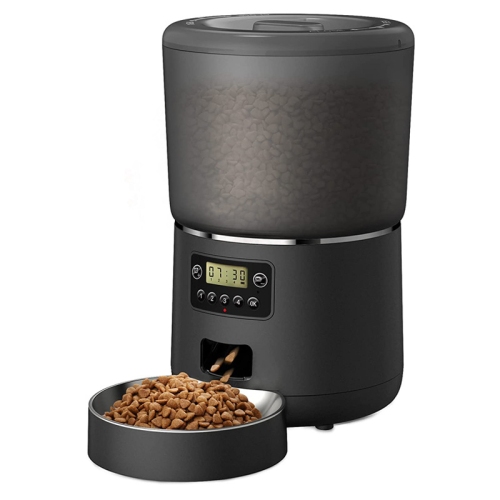
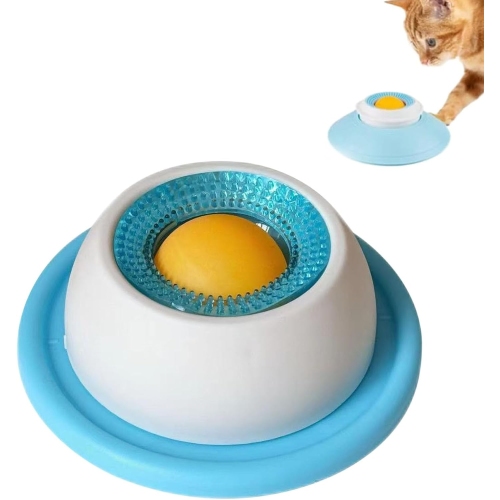

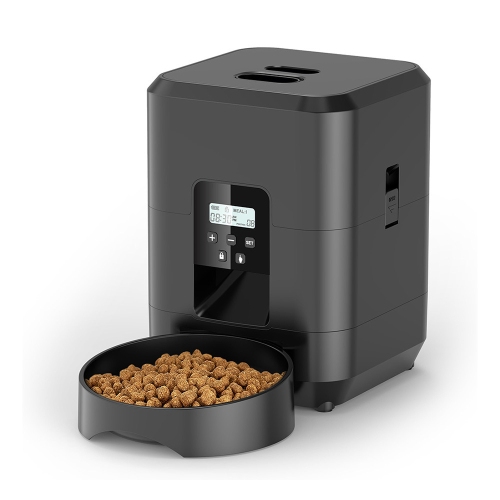
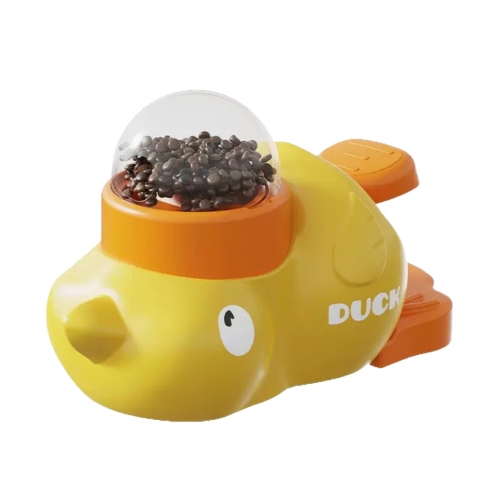
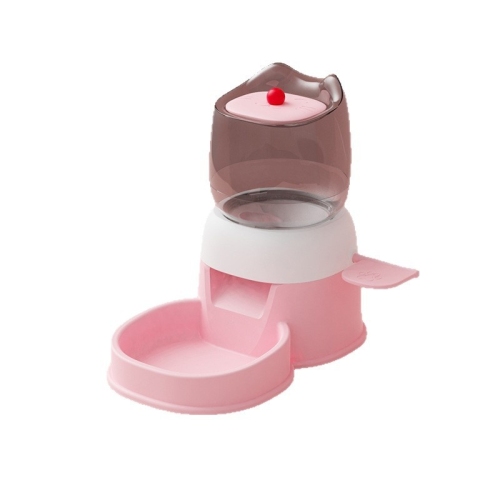
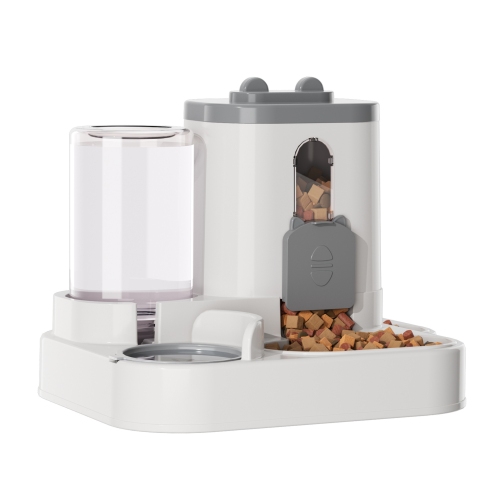
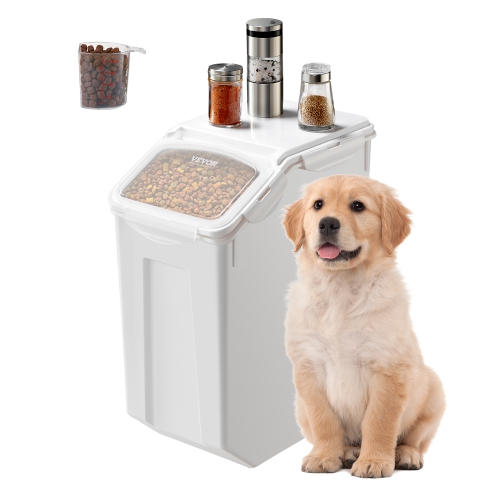
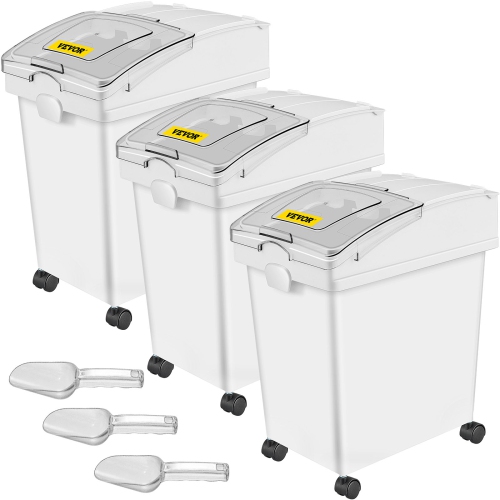

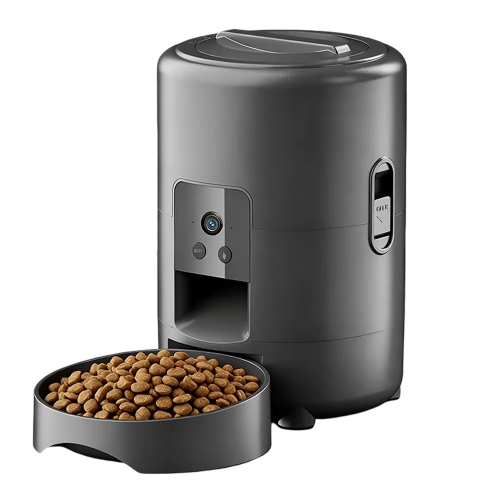
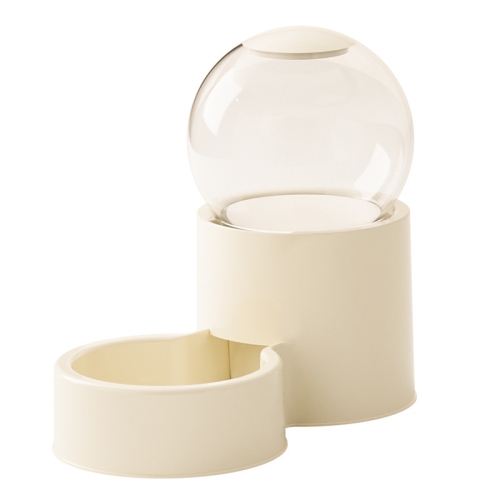
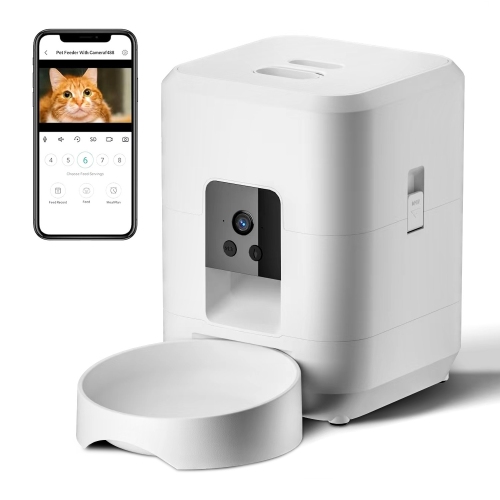
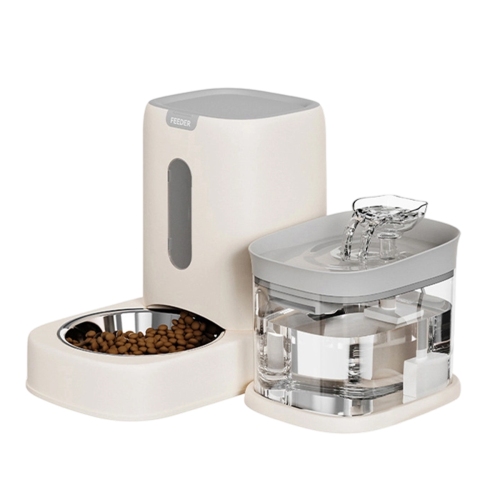
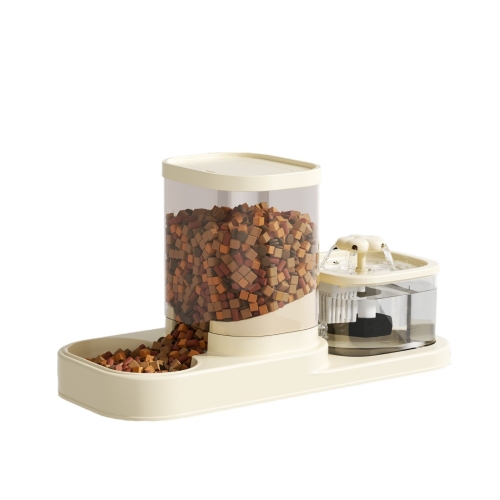
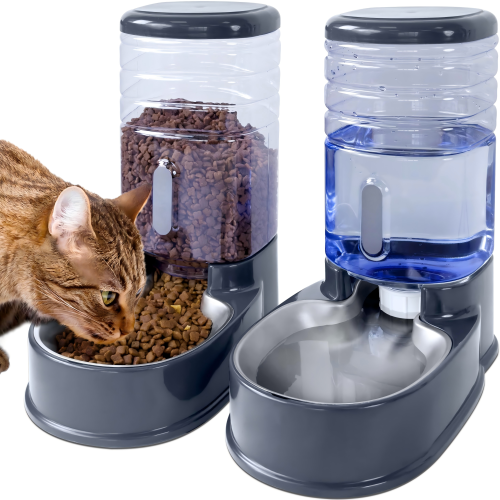
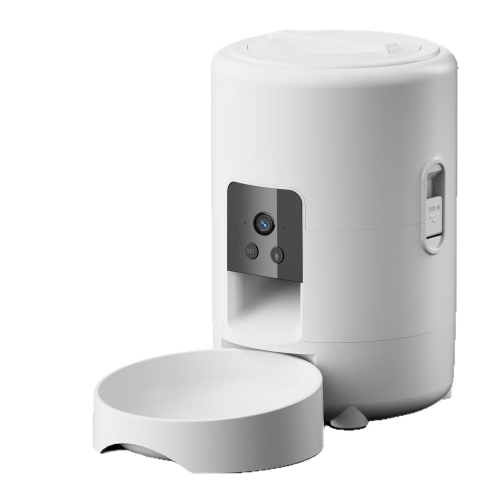
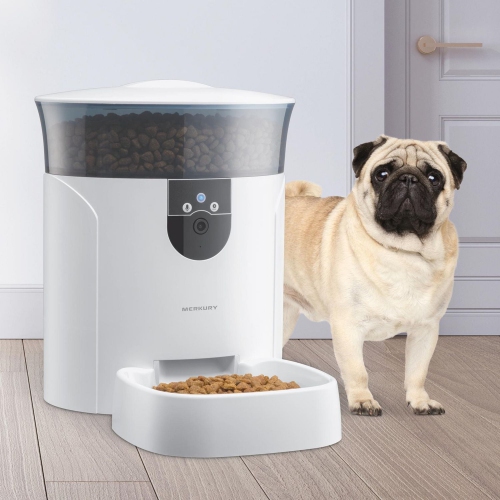
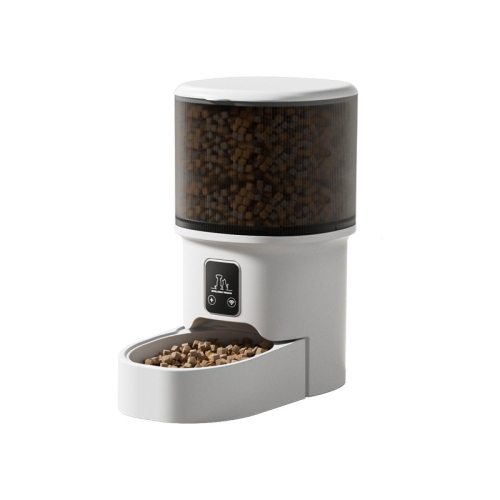
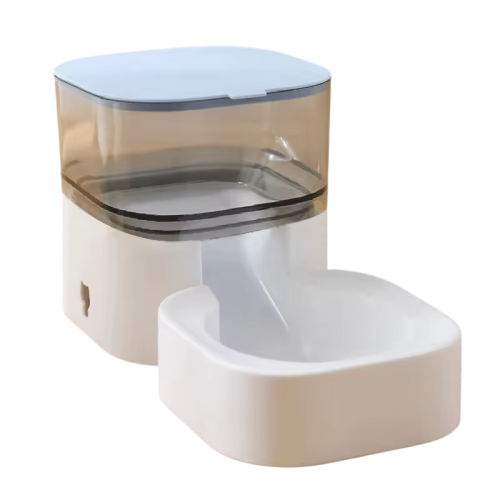
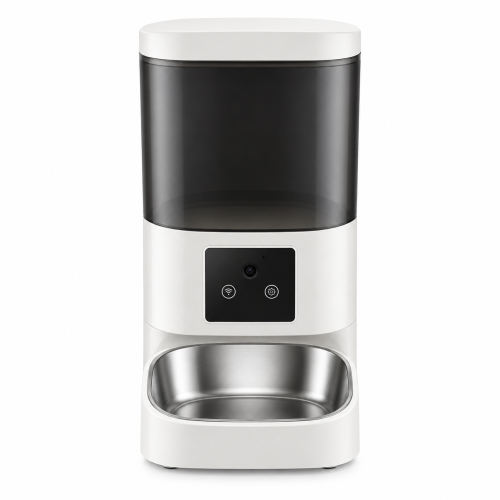
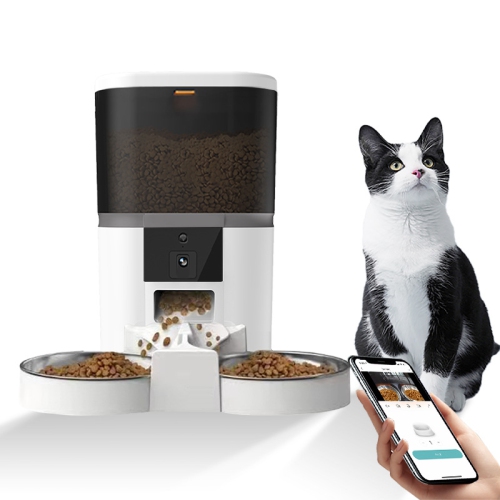
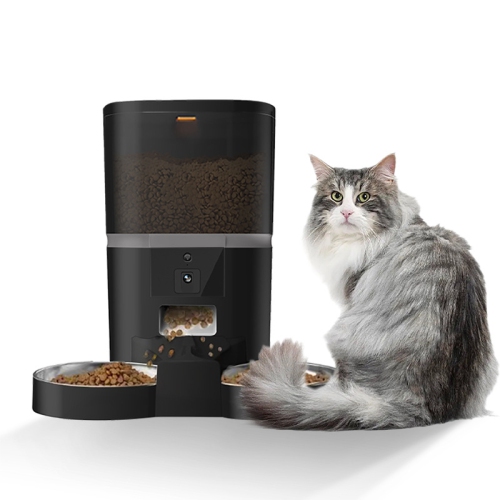
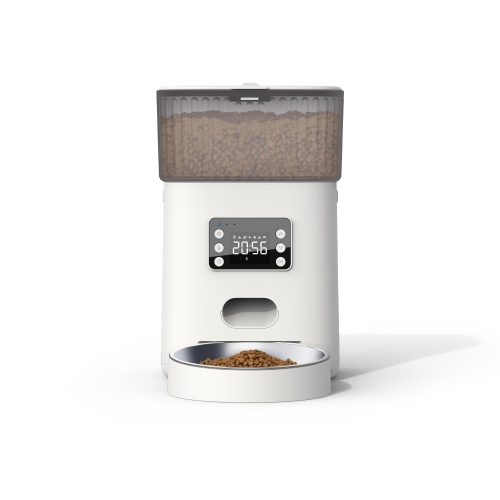
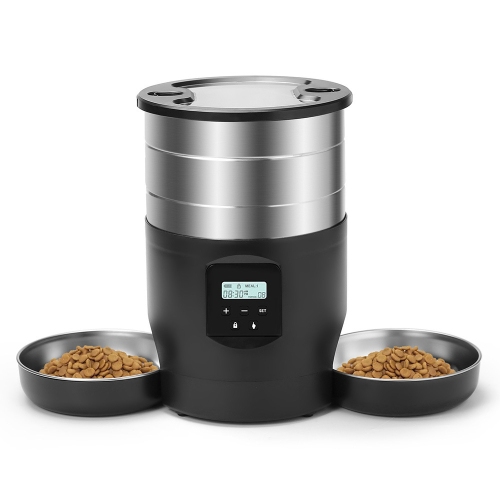
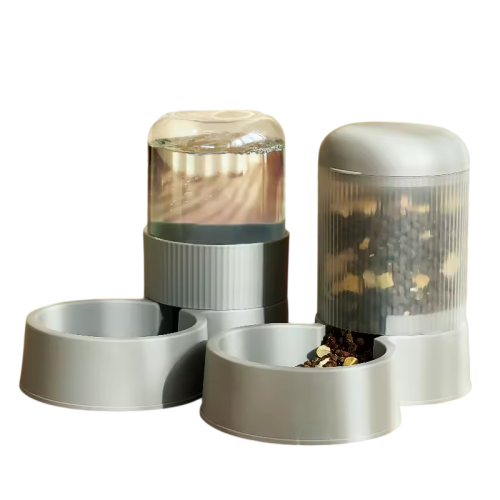
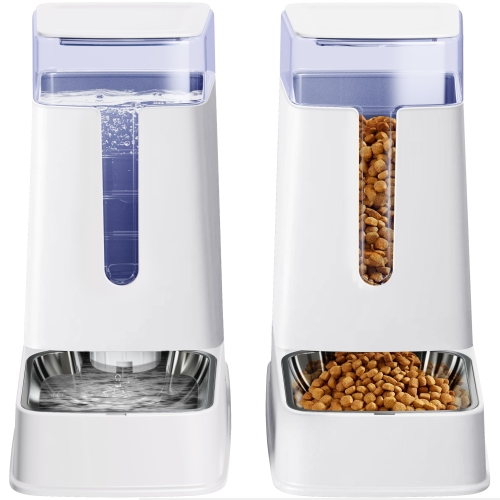
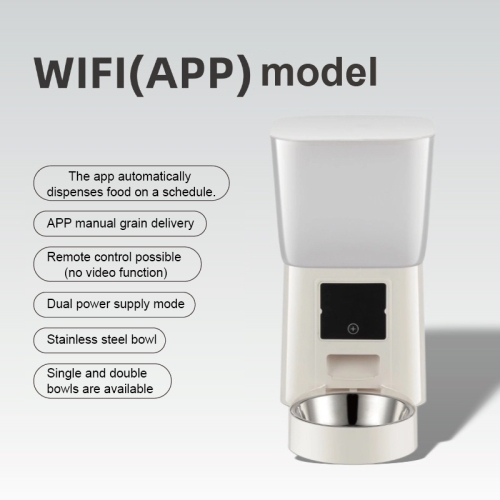
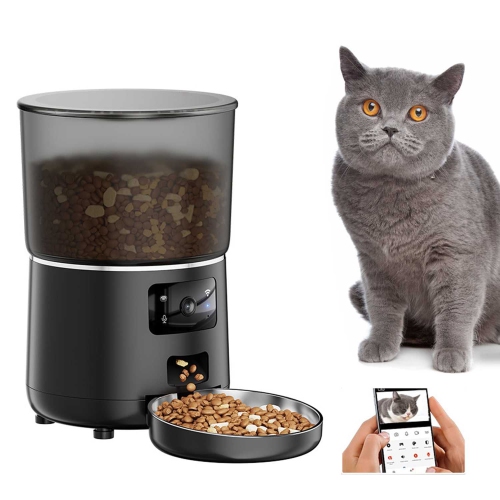

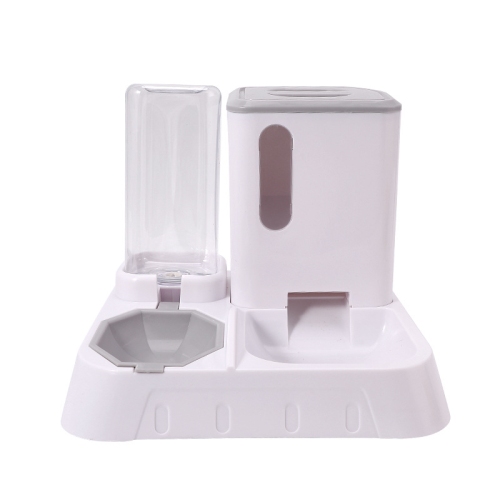
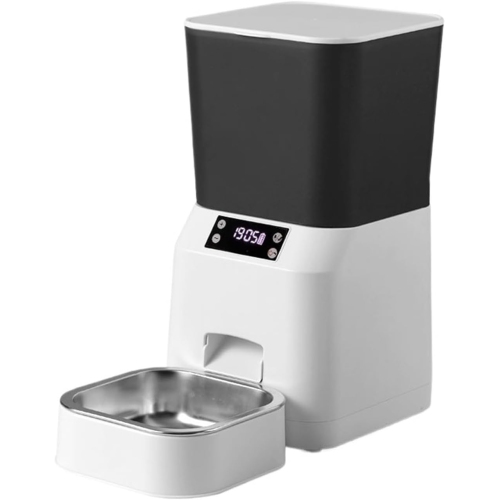
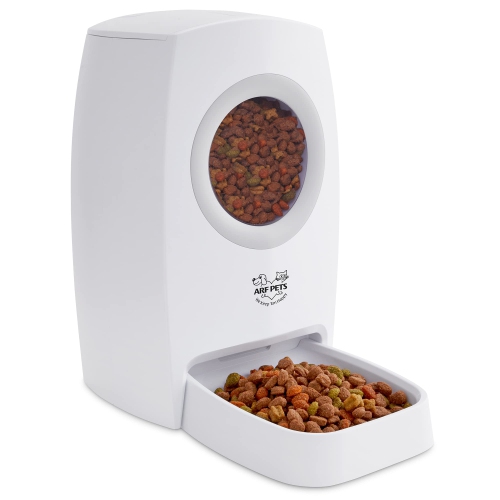
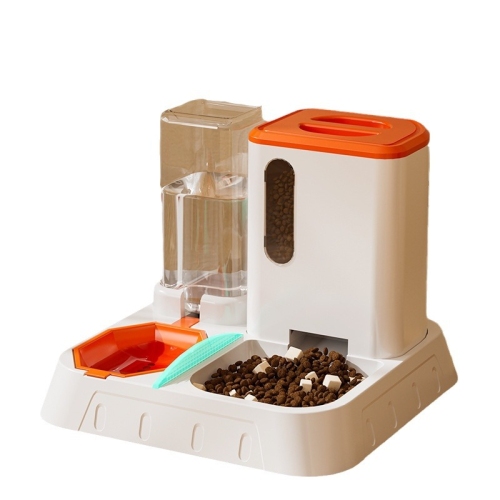
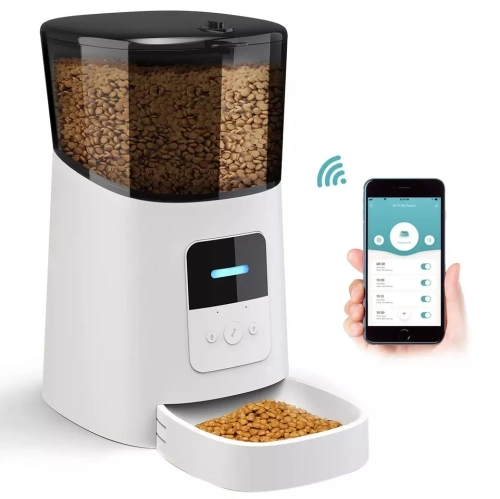
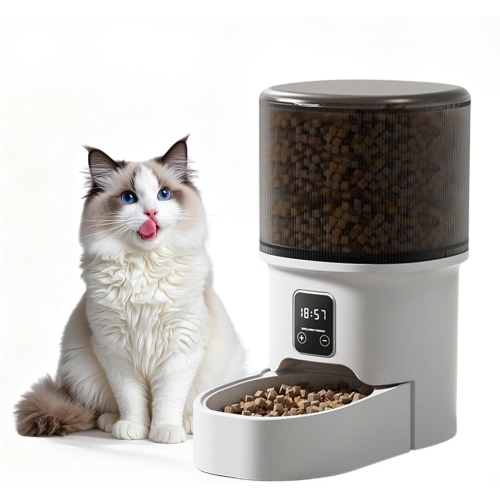
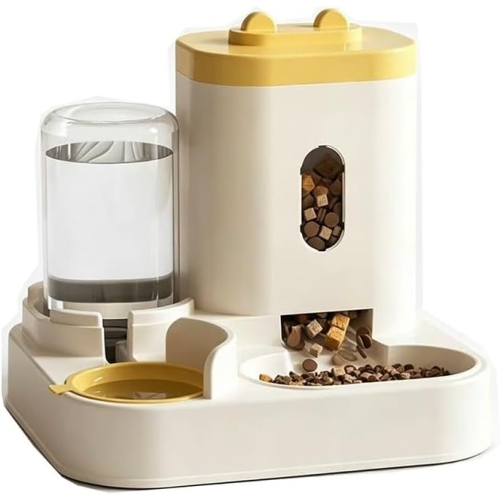
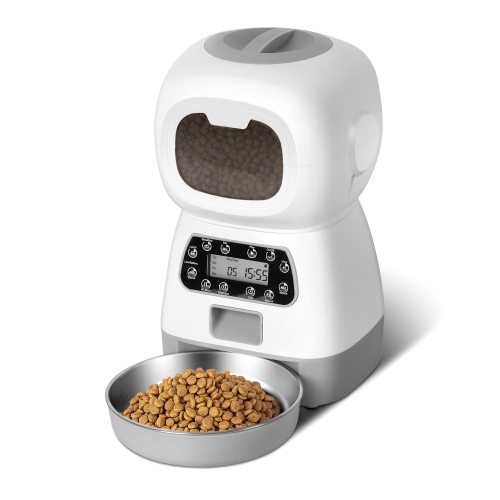
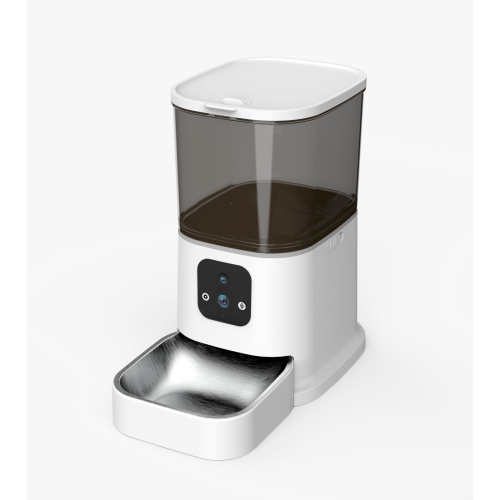
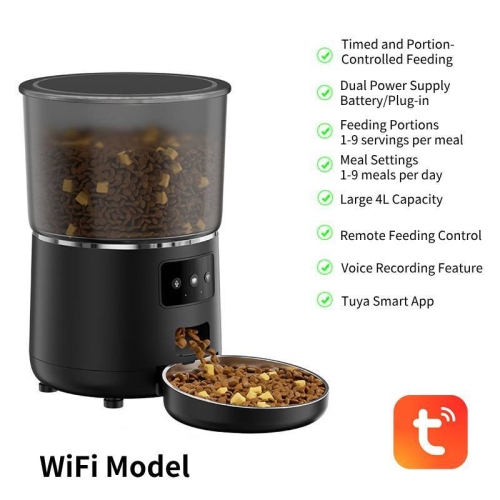
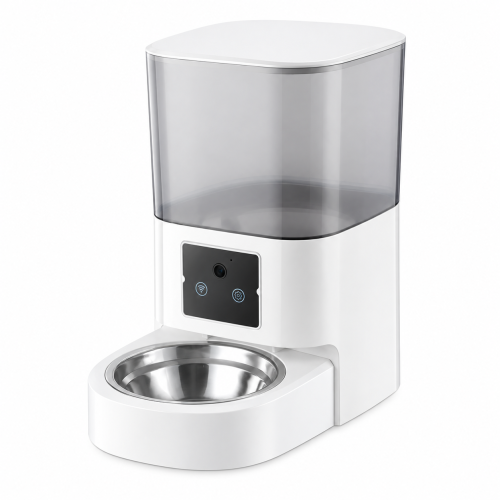
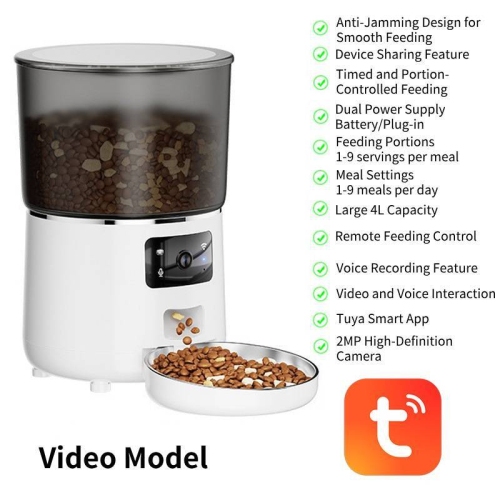
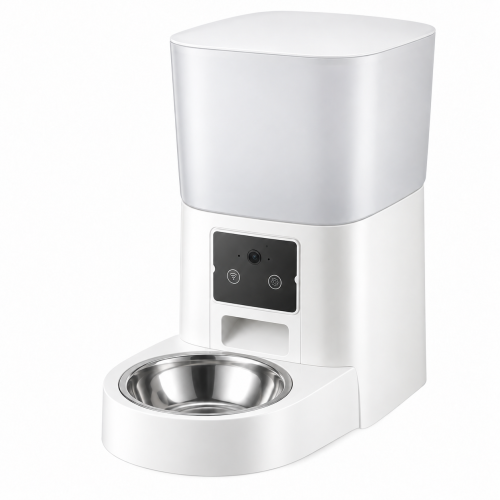
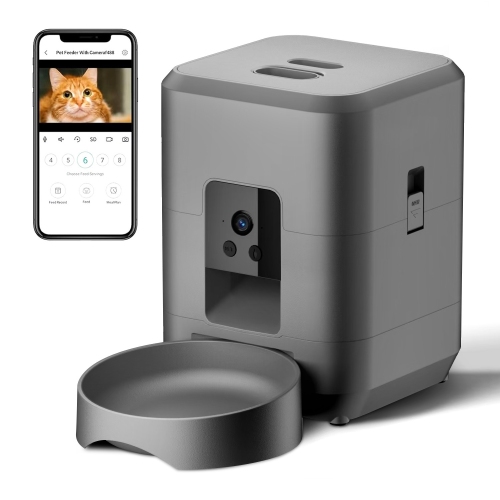
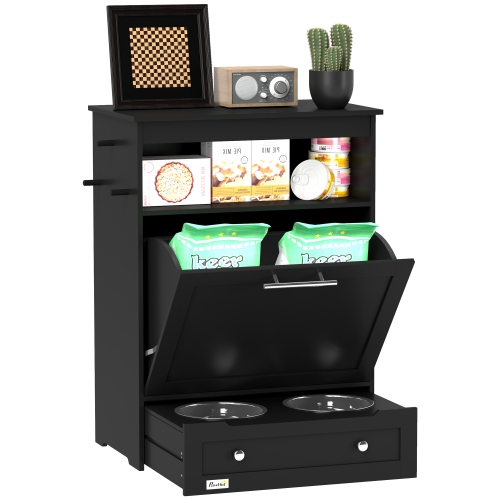
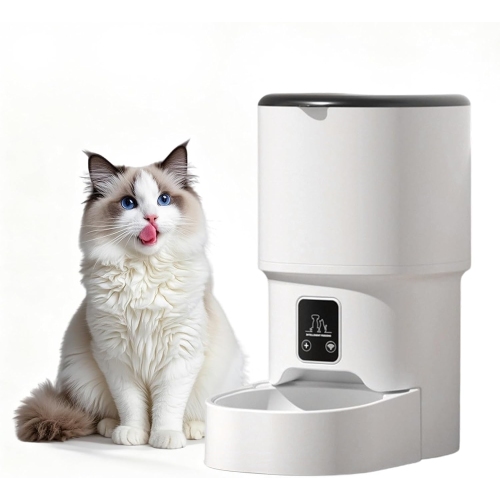
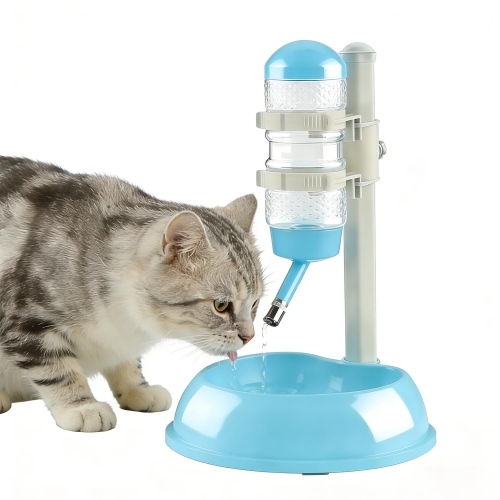
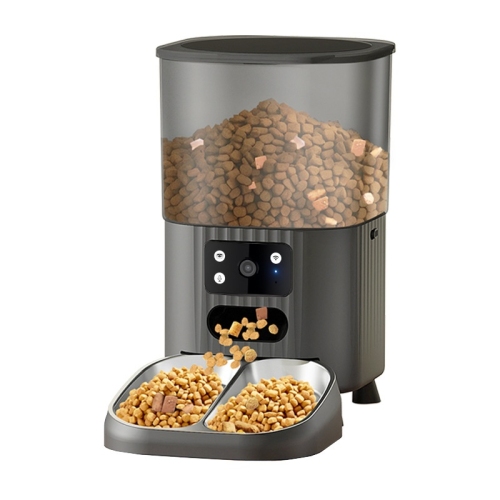
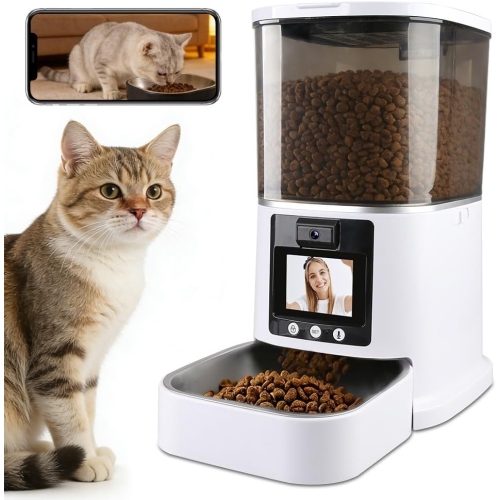
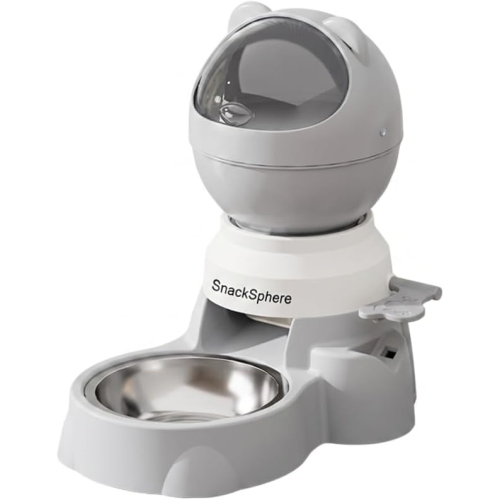
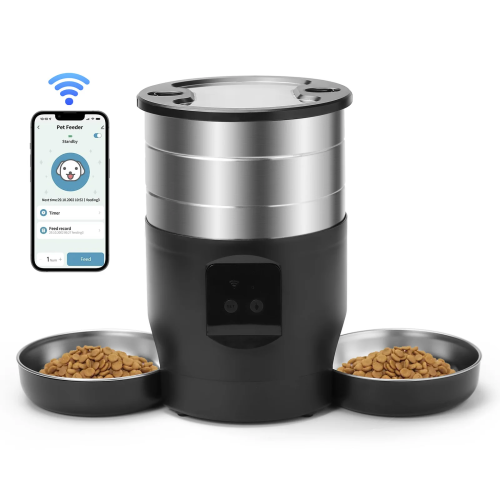
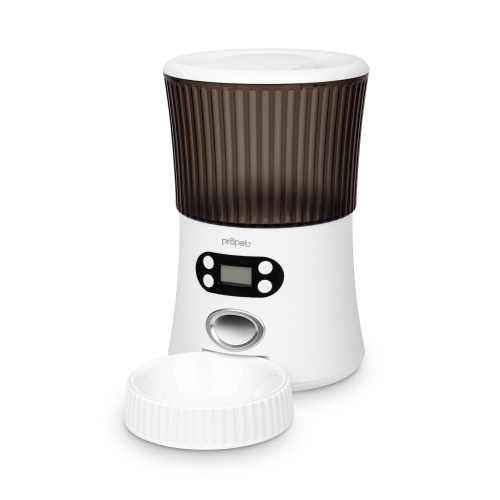
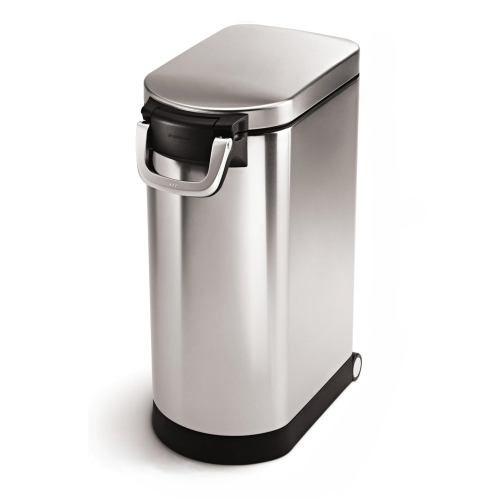
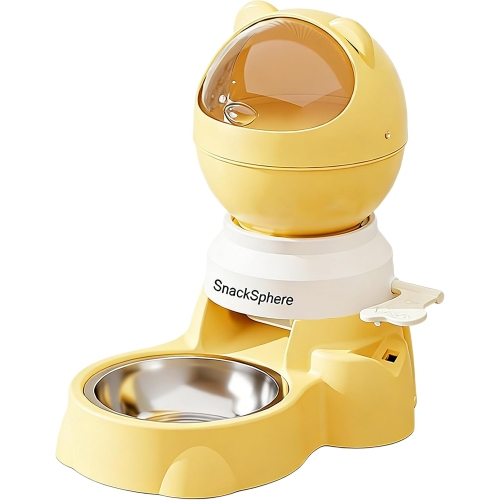
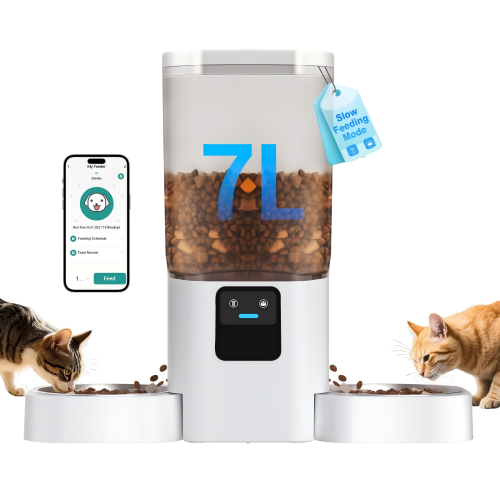

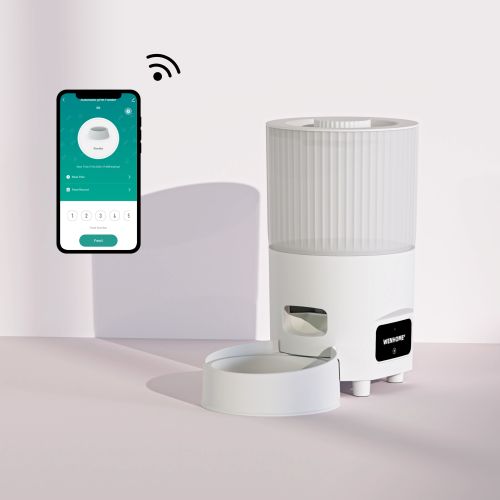
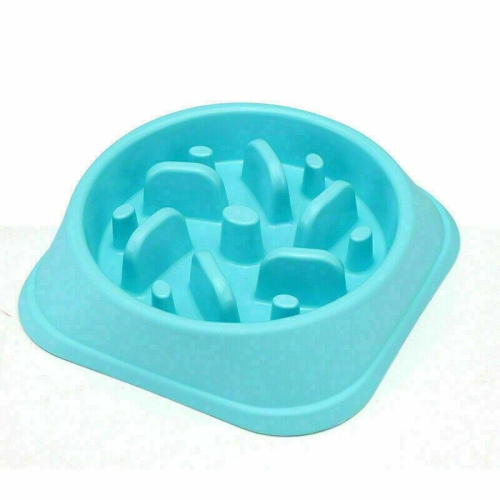

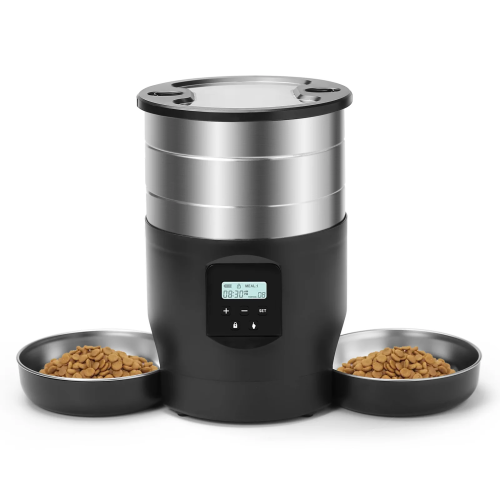
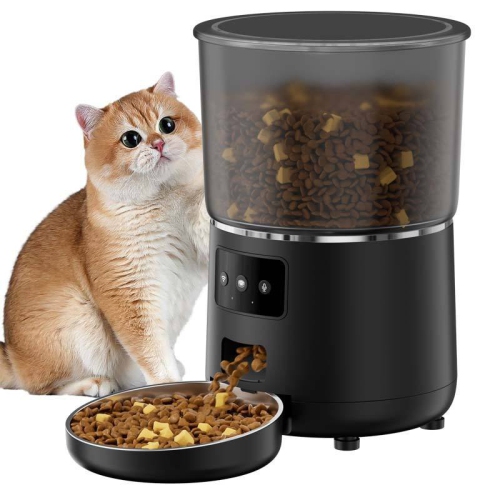
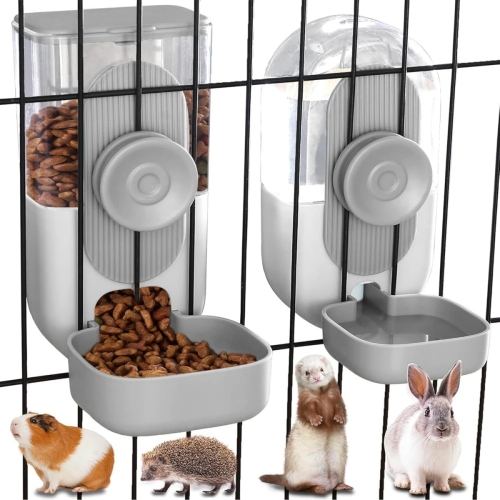
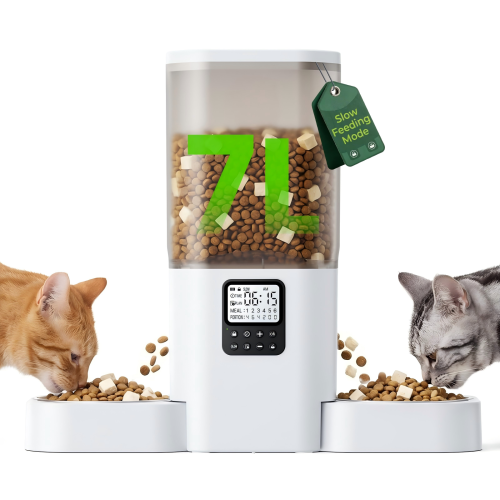
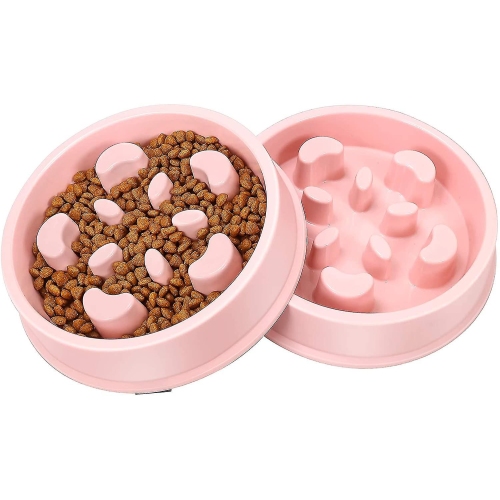
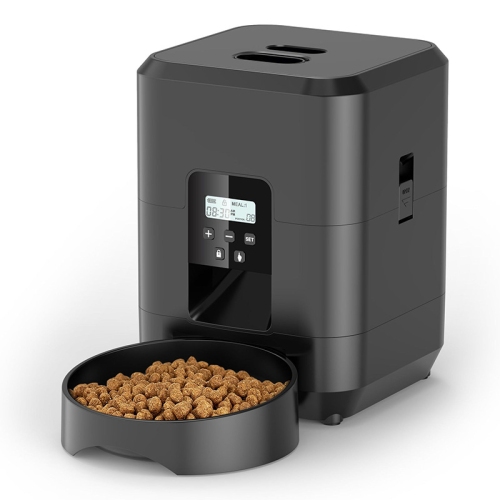
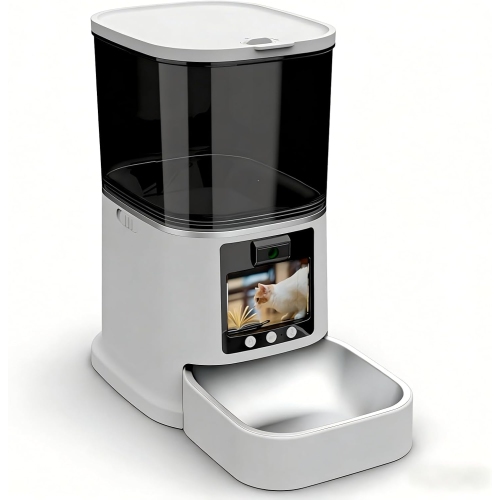
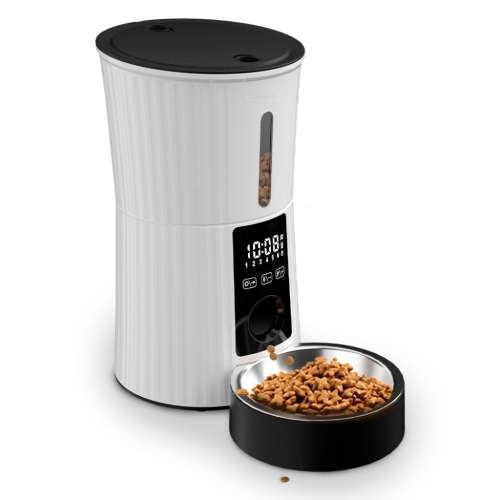
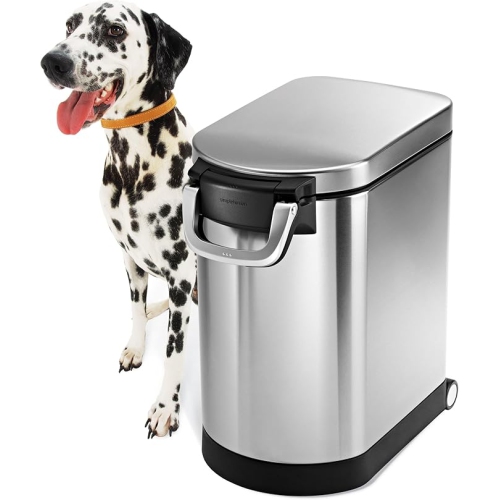
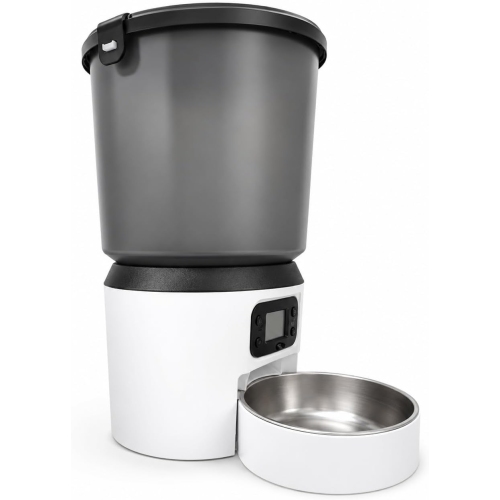
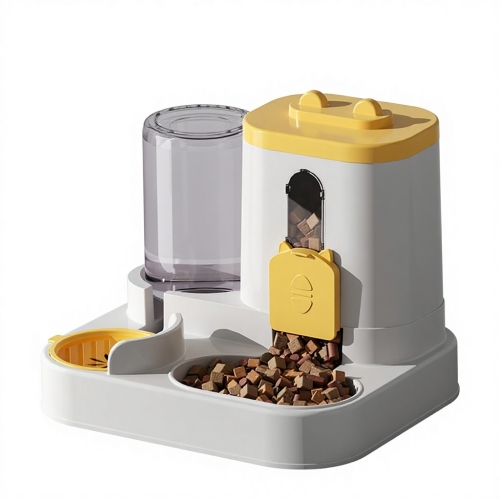
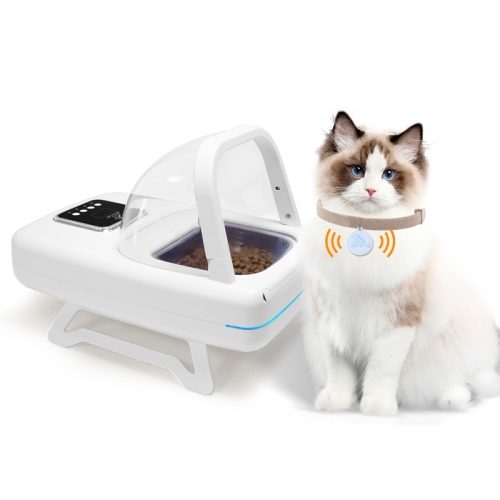
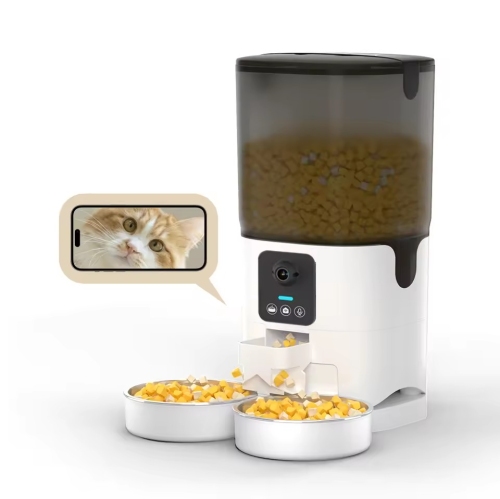
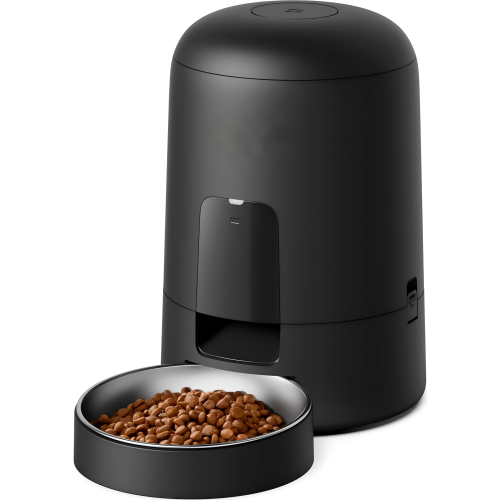
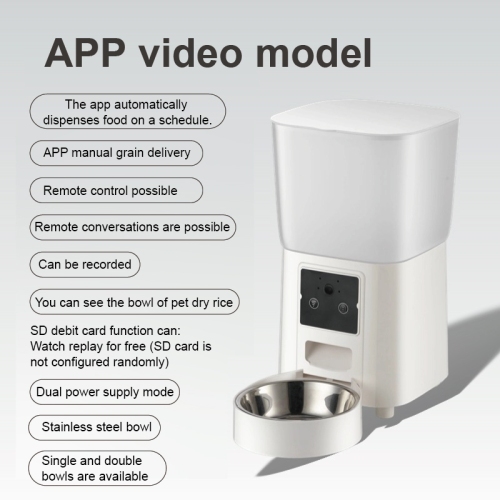
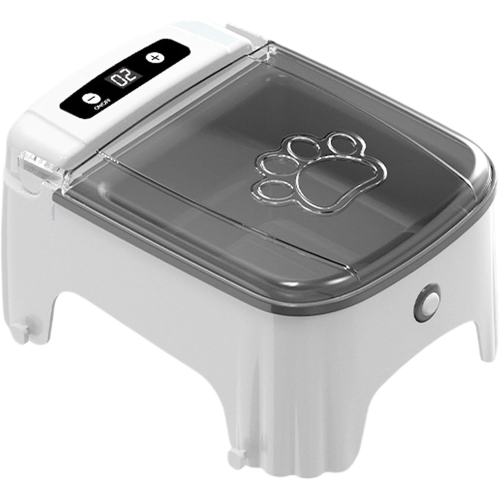
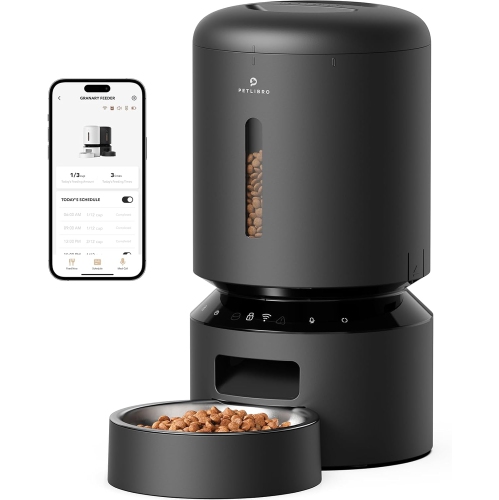
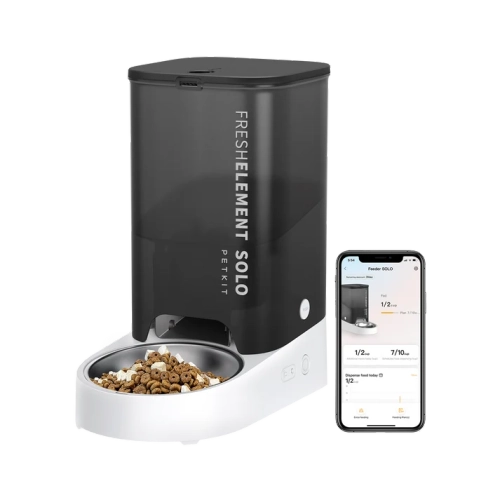
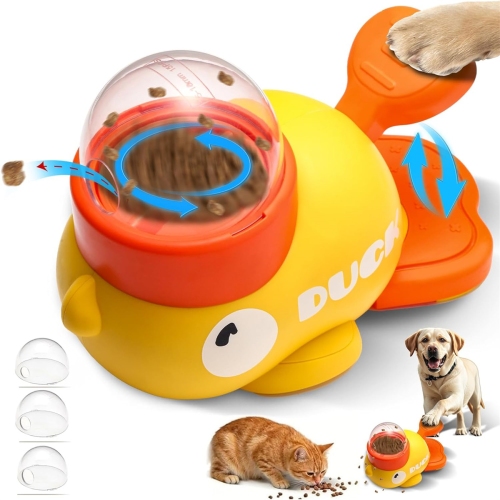
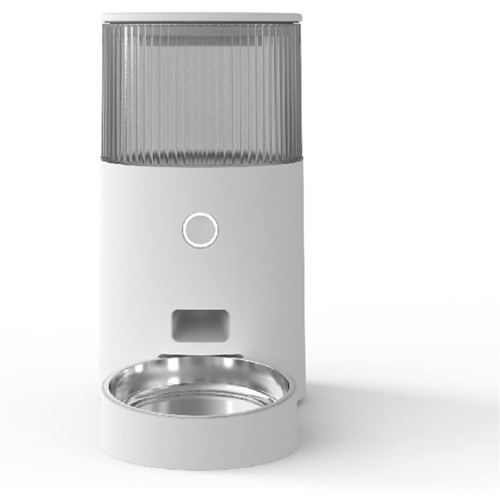
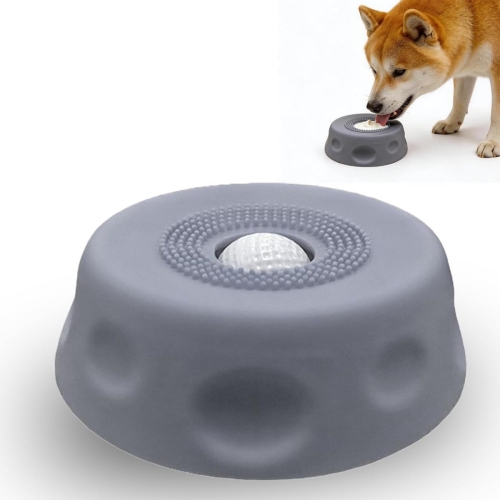
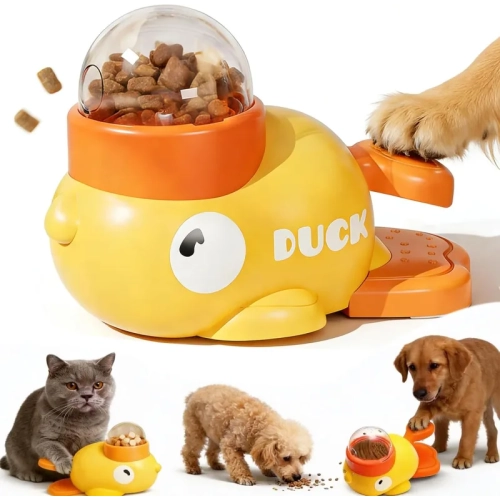
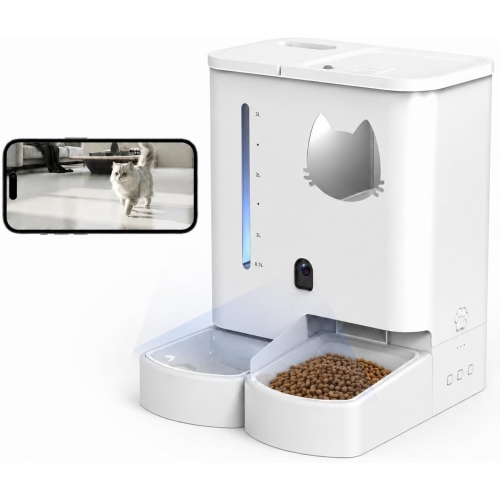
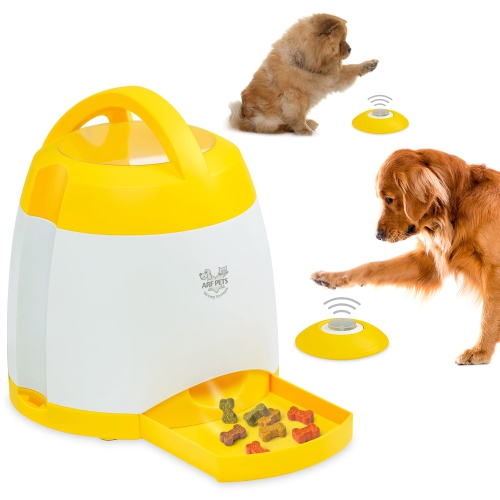
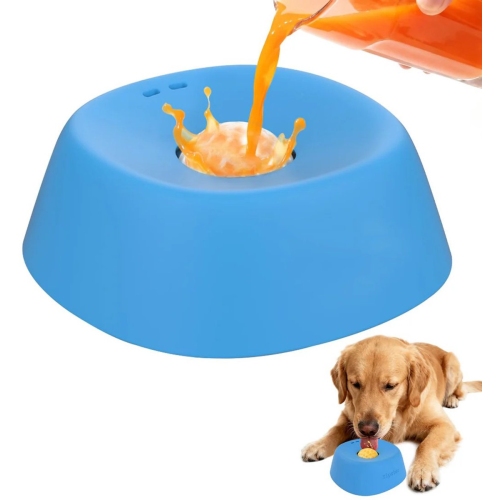
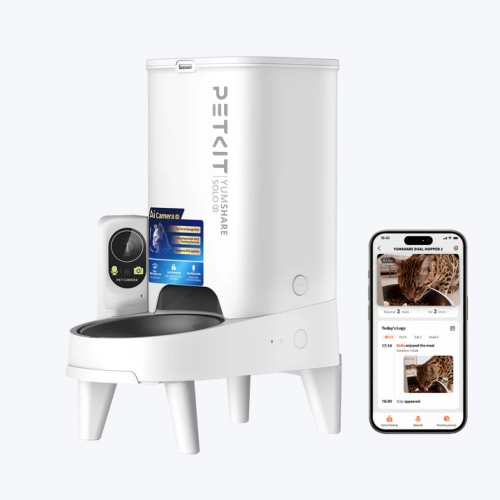
Free access or scheduled meals for your dog
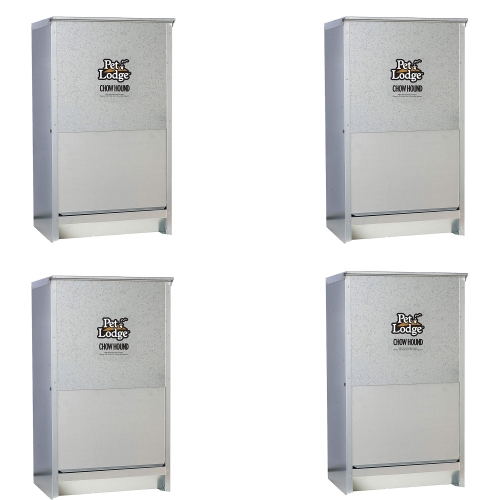
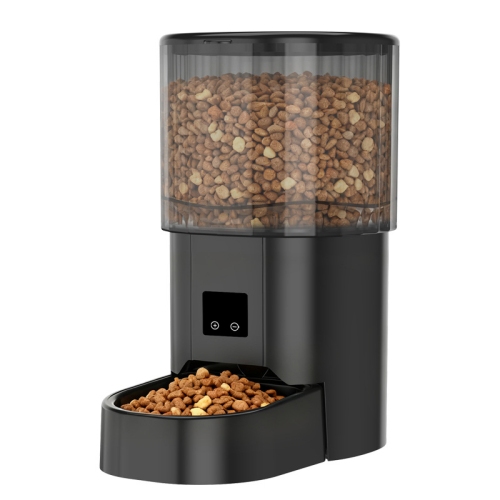
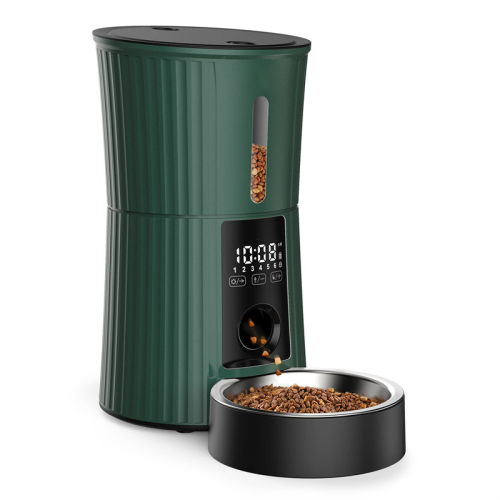
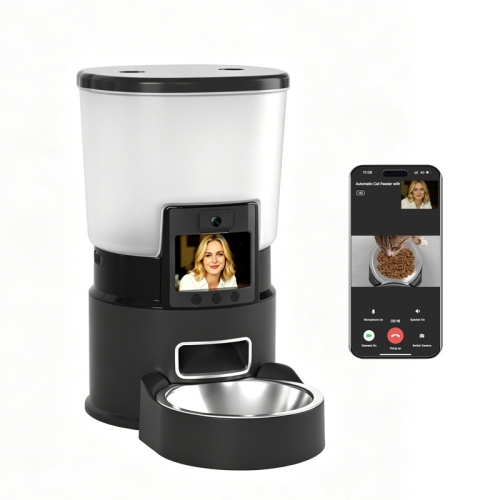
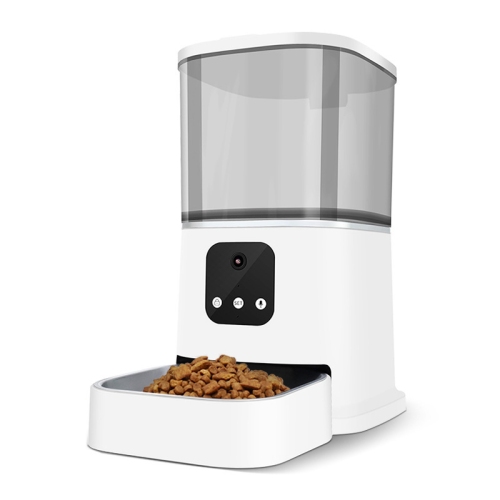
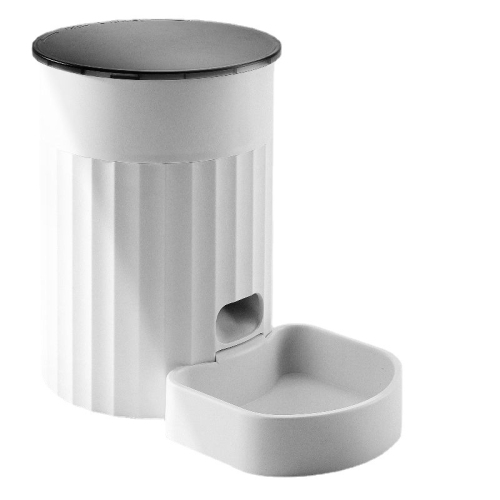
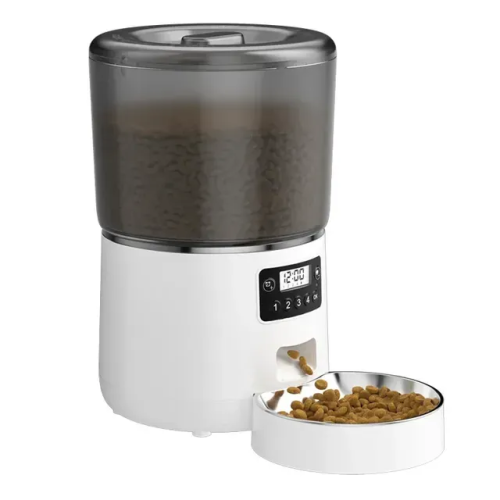
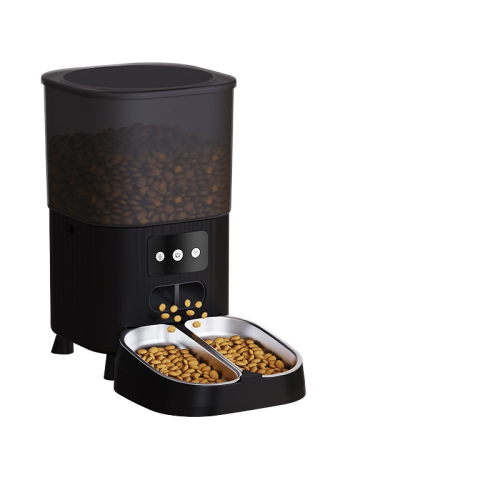
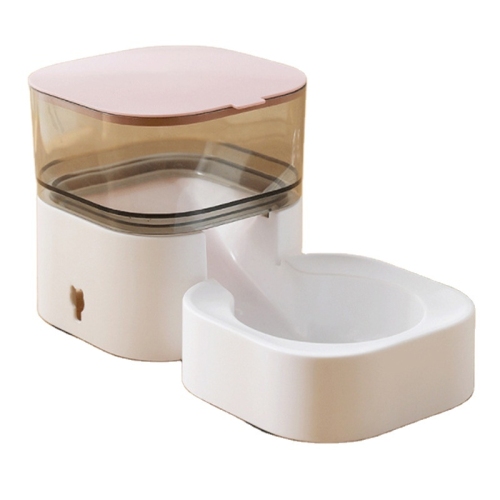
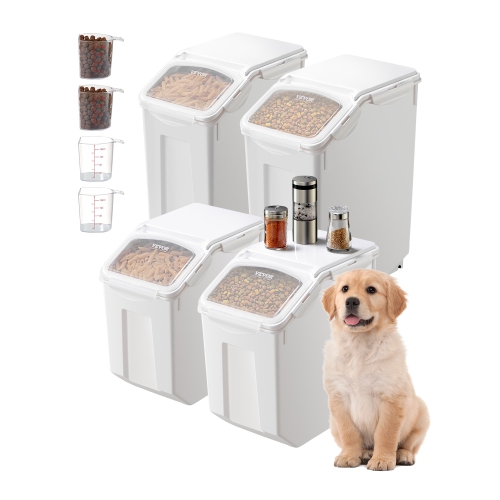
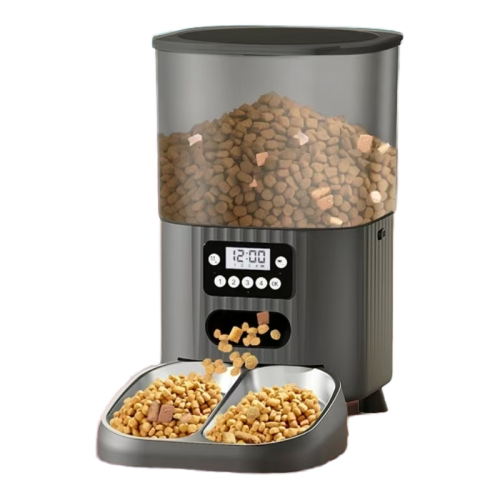
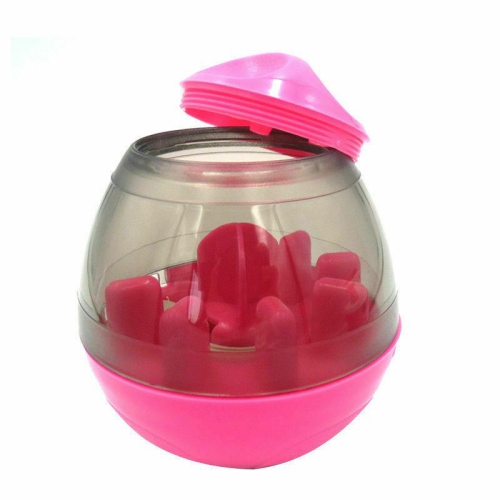
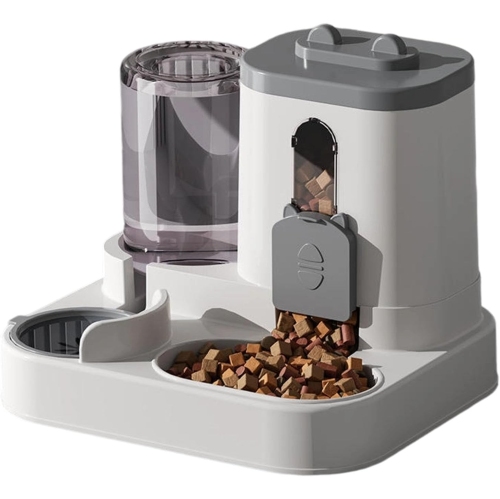
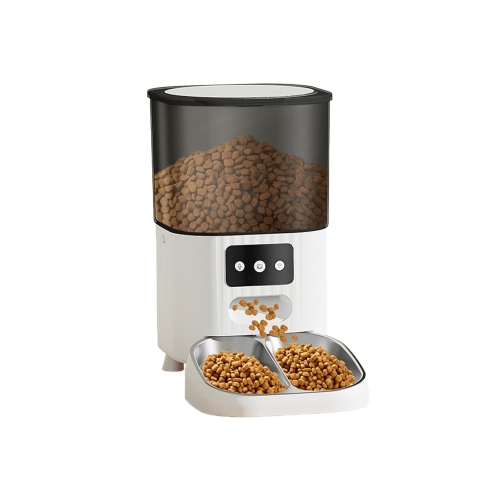
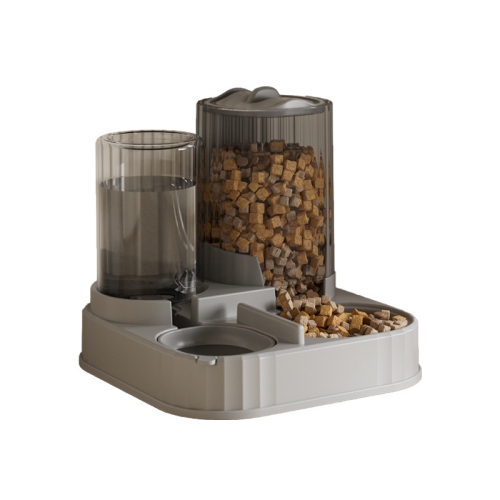
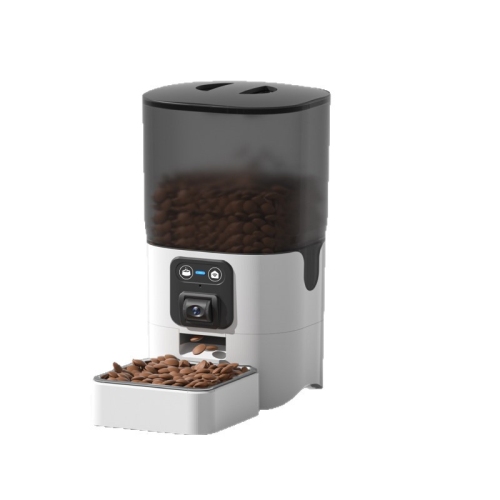
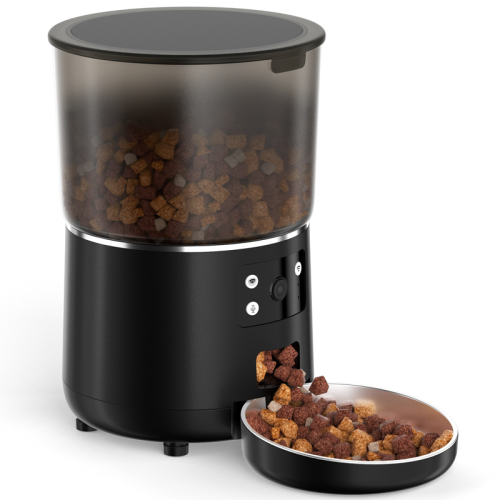
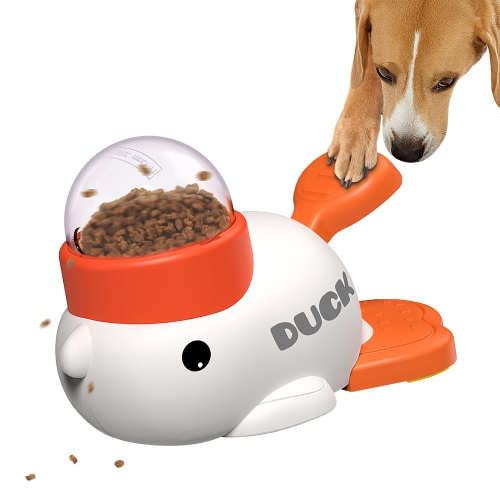
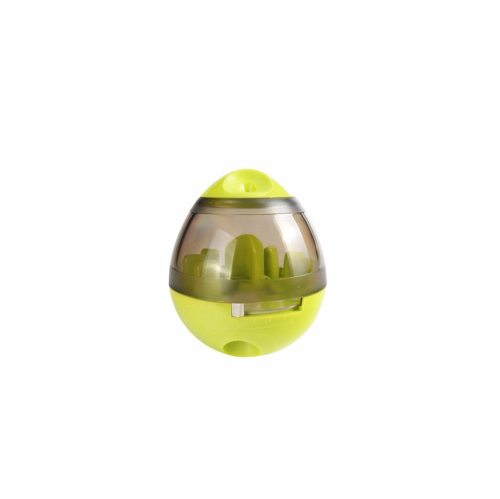
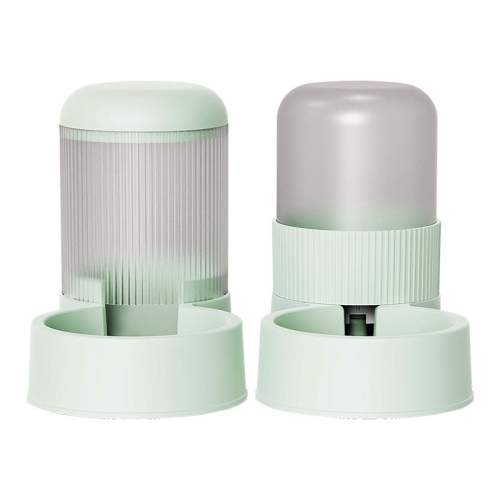
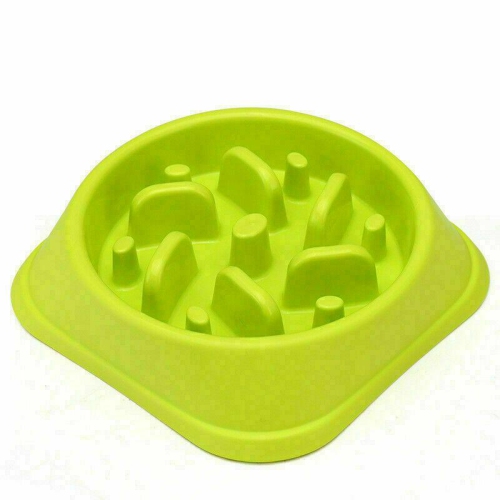
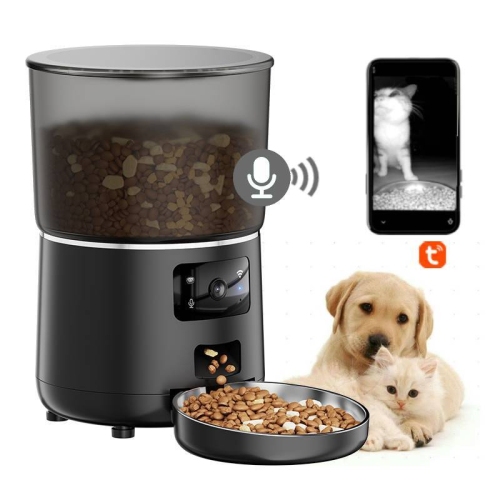
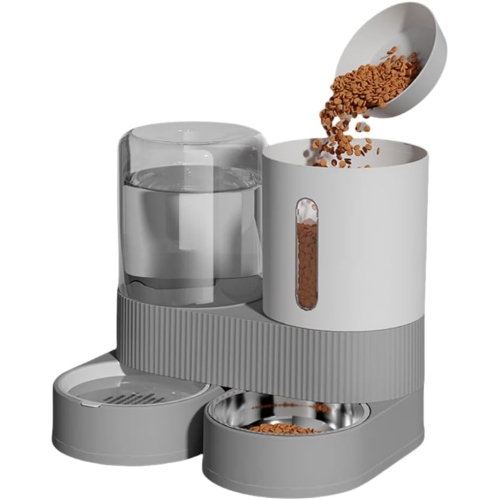
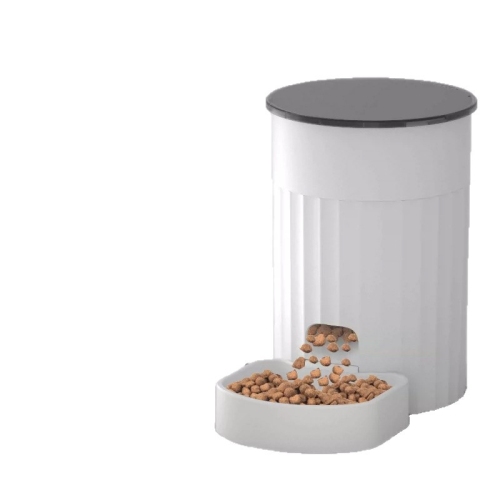
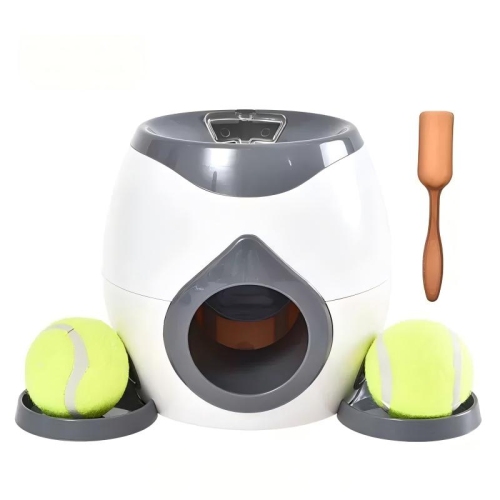
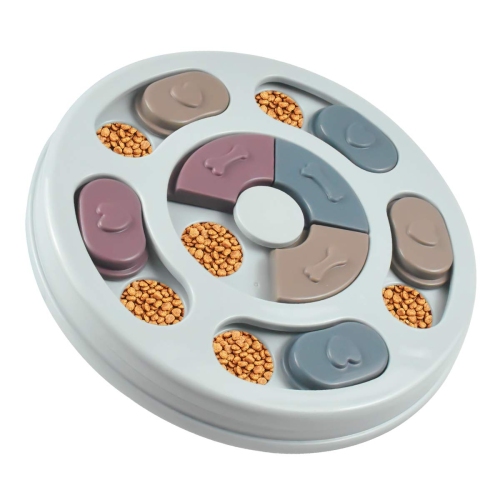
Dog food dispensers hold and release food in different ways, from gravity-fed bowls that refill as a dog eats to automatic feeders that serve measured meals at scheduled times. The main distinction is whether food stays accessible throughout the day or arrives in controlled portions. Gravity feeders use a hopper above the bowl, allowing more kibble to fall into place as space opens below. They need no electrical power and can suit dogs that comfortably regulate their intake, but they do not limit how much a determined eater can consume. Timed automatic dog feeders use a powered mechanism to release food according to a programmed schedule. For a household where breakfast happens early and dinner sometimes runs late, scheduled feeding can help keep mealtimes consistent. Portions still need to match the dog’s daily food allowance, including treats, and a veterinarian can help establish an appropriate amount for age, activity level, and health needs. Smart dog food dispensers add connected features, such as app-based scheduling, remote dispensing, and meal notifications. Some include cameras or voice recordings, although these features vary and are not necessary for basic timed feeding. A camera may show a dog approaching the bowl, but that alone does not confirm how much food was eaten. Most hopper-style dispensers are intended for dry kibble; wet food generally requires a feeder specifically designed for it, often with separate covered compartments and a suitable cooling system. Feeding toys offer another approach, releasing small amounts of kibble as a dog nudges, rolls, or paws at them. These can make part of a meal more engaging, but they serve a different purpose from a scheduled feeder and require supervision appropriate to the dog’s chewing habits. The most useful format is the one that supports the dog’s established feeding routine without making access to food harder or encouraging overeating.
Capacity, kibble compatibility, and bowl access matter as much as the feeding mechanism. Hopper capacity is usually stated in litres, but the amount of food it holds depends on kibble shape and density. A larger hopper may reduce refilling frequency for a larger dog, while a smaller container can be easier to position in a compact kitchen and may keep less food sitting between refills. Capacity alone does not indicate suitability for multiple pets: two dogs sharing an open bowl may eat unequal amounts, even when the total dispensed quantity is correct. Separate feeding stations, supervised meals, or feeders with compatible individual-access controls may be more appropriate when one dog steals another’s food. Kibble size also affects performance. Oversized pieces, irregular shapes, or food outside a feeder’s stated specifications can bridge inside a hopper or obstruct a dispensing chute. Portion settings are not always equivalent to a standard measuring cup, so checking several test servings with a kitchen scale helps establish what a setting actually delivers. For the dog using the bowl, a comfortable opening and unobstructed approach are important. A narrow bowl tucked beneath a projecting hopper may be awkward for a broad muzzle, while a deep bowl can make the last few pieces difficult for a small dog to reach. Stable bases and non-slip feet help reduce movement on smooth floors, especially when an enthusiastic eater pushes against the bowl. Stainless steel bowls are generally durable and straightforward to wash; plastic housings can be lightweight and easy to move, though scratched food-contact surfaces deserve attention during cleaning. Secure lids help discourage curious noses and paws, but no closure should be assumed to resist every persistent dog. Placement also makes a difference: a level spot away from foot traffic gives the dog room to eat, while accessible controls and enough clearance above the hopper make everyday refilling less awkward.
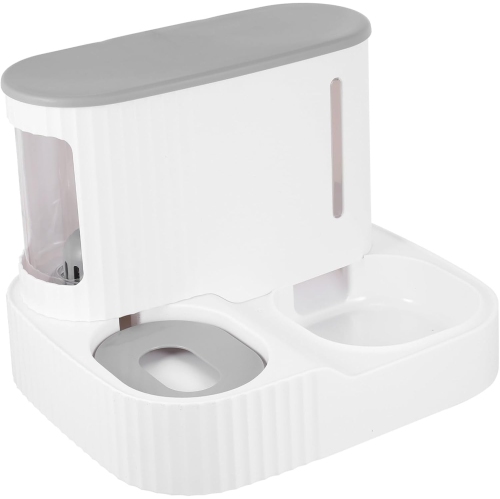
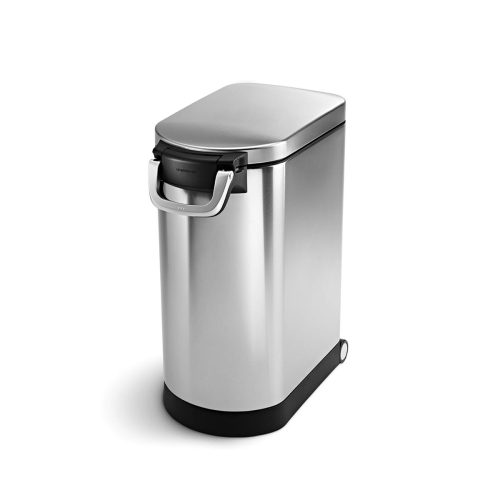
Cleaning, food storage, and dependable operation shape the day-to-day usefulness of a dog food dispenser. Removable bowls, accessible chutes, and hoppers that come apart without complicated steps make it easier to clear crumbs and oily residue. Wash food-contact components according to their care directions, check which parts are dishwasher-safe, and dry everything thoroughly before refilling. Powered bases and electrical connections should remain dry. Rather than continually pouring fresh kibble over older food, empty and clean the container regularly, and keep the original food packaging details for reference. A sealed lid can help limit exposure to air and deter pests, but it does not replace proper storage or extend food beyond its stated usable period. Some dispensers include a protected desiccant compartment; any moisture-absorbing packet must stay inaccessible to pets and be maintained as directed. With automatic feeders, power arrangements deserve particular attention. Plug-in operation can support regular daily use, while battery backup may help maintain scheduled dispensing during an outage if that function is supported. Backup power does not necessarily run every connected feature, and Wi-Fi access, app controls, or cameras may stop working even when local meal schedules continue. Before relying on a connected feeder, it is useful to understand whether schedules are stored on the device, what happens after a connection loss, and how low-food or low-battery alerts are delivered. Run supervised test meals to check portion consistency and let the dog become familiar with the motor sound; a cautious dog may need a gradual introduction before feeling comfortable beside the bowl. Route cords out of chewing reach and inspect moving parts for wear or trapped kibble. Fresh drinking water remains essential alongside any feeding setup, and pet water and food dispensers can support a coordinated eating and drinking area without requiring both functions in one unit. These practical details are especially relevant for busy households, caregivers sharing feeding duties, or anyone choosing a useful gift for a dog owner whose routine they know well. Even a carefully programmed dispenser supports daily care rather than replacing it: dogs still need regular checks, companionship, exercise, and someone who can respond if a meal is missed or appetite changes.
Top selling and popular products
-
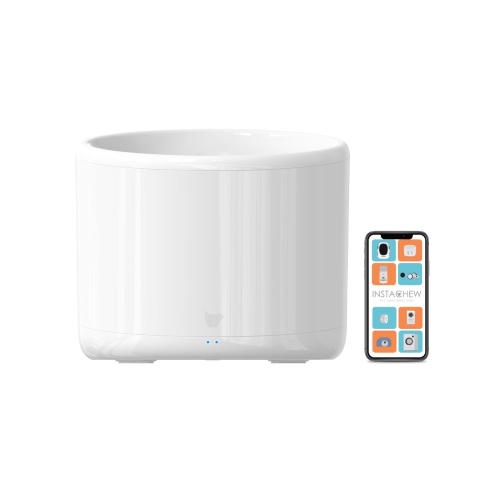 Your price for this item is $44.99
-
 Your price for this item is $116.99
-
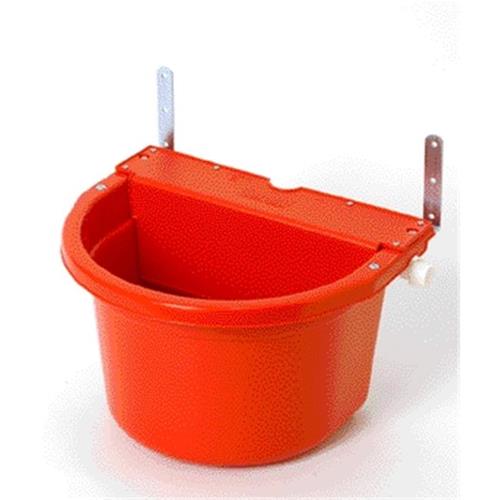 Your price for this item is $176.99
-
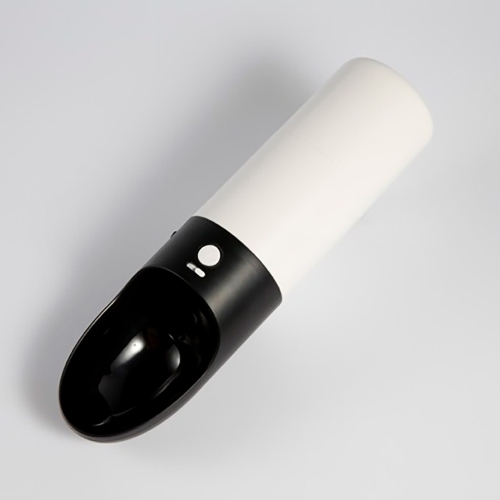 Your price for this item is $24.99
-
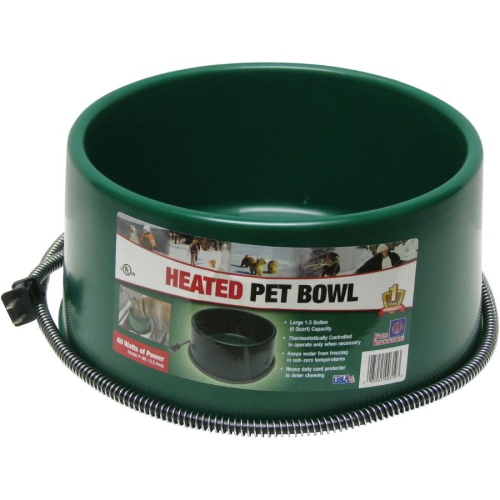 Your price for this item is $109.99
-
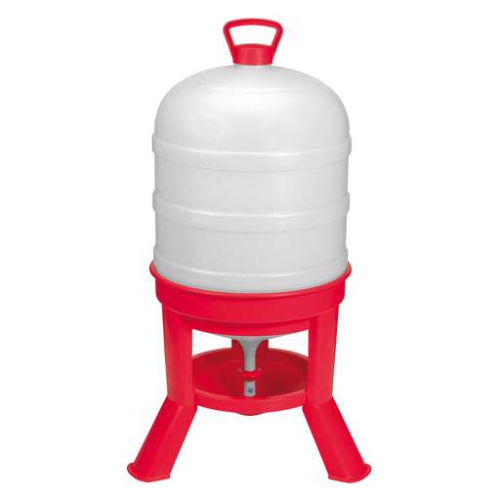 Your price for this item is $276.99
-
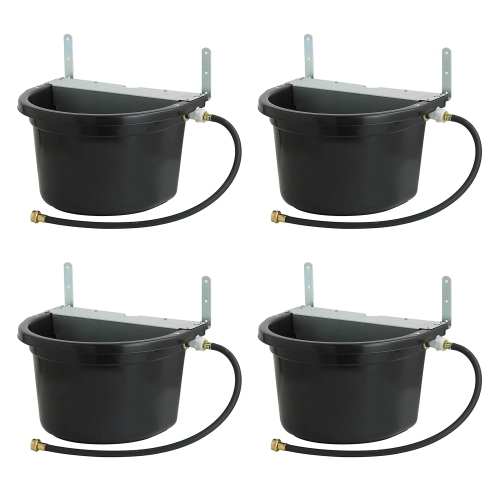 Your price for this item is $642.99
-
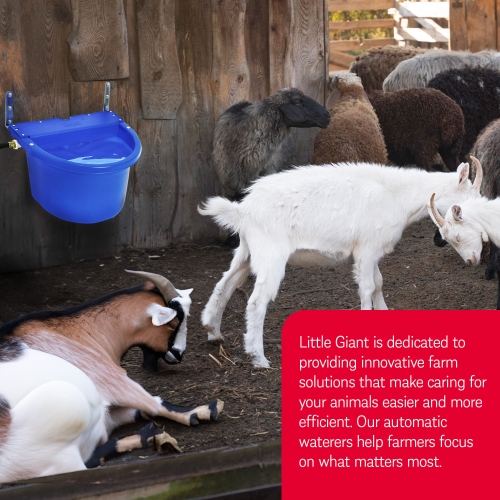 Your price for this item is $313.99
Discover more categories related to Dog Food Dispensers
Top Collections:
Best Black Friday Deals This Year, Best Black Friday Deals On Electronics, Kindle Devices, Pokemon Centers, Best Black Friday Deals On Apple Products, Best Cameras for Sports Photography, Dyson Airwrap, Pokémon 30th Celebration Cards, Apple iPhone 17 Pro, Canon G7X Cameras
Some products may be subject to Environmental Handling Fees
(EHF) depending on your province.
Learn more about EHFs.