Dog Gate for Stairs
Keep your furry friends safe and secure with a reliable dog gate for stairs. Whether you have a playful puppy or an older dog who needs assistance navigating the staircase, these gates provide a convenient solution to prevent accidents and keep your pet contained in designated areas of your home. With various styles and sizes available, finding the perfect dog gate for your stairs has never been easier. Browse this selection today to find the ideal fit for your household and give yourself peace of mind knowing your pets are protected.
Sort


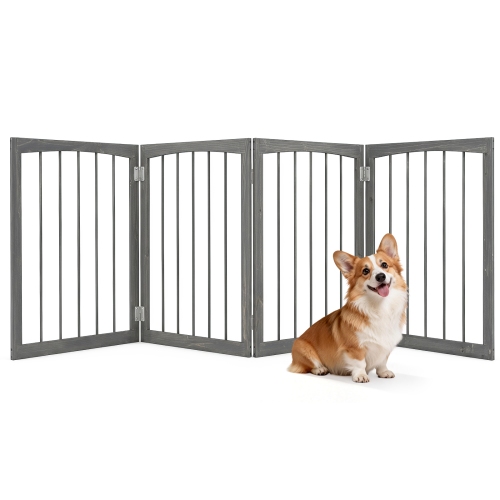

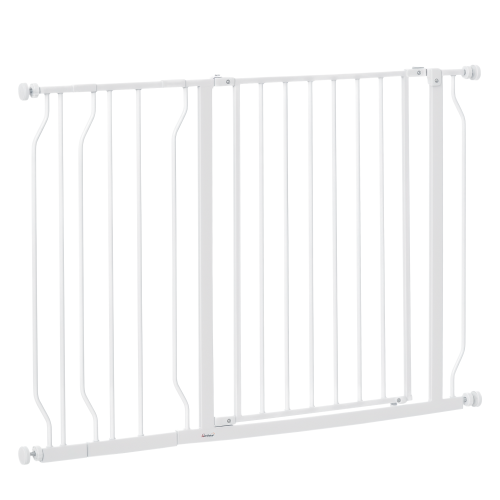


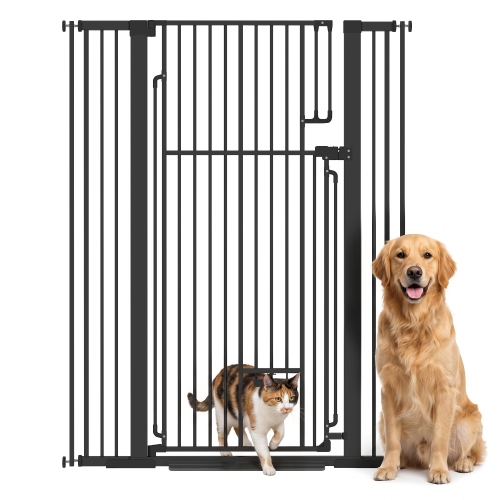


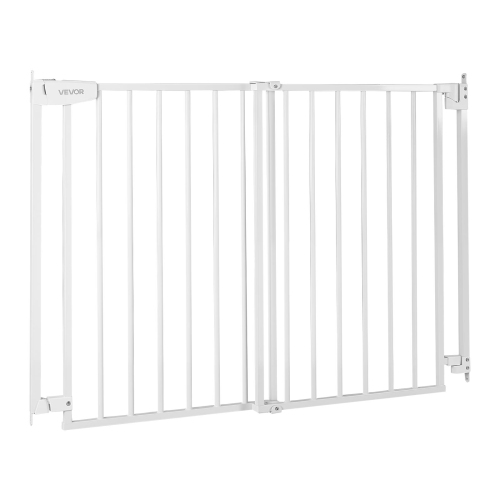


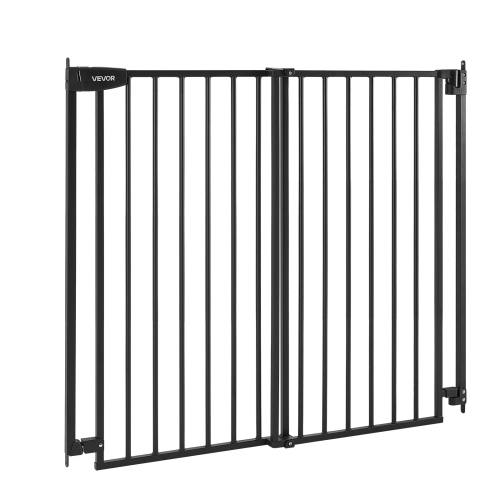
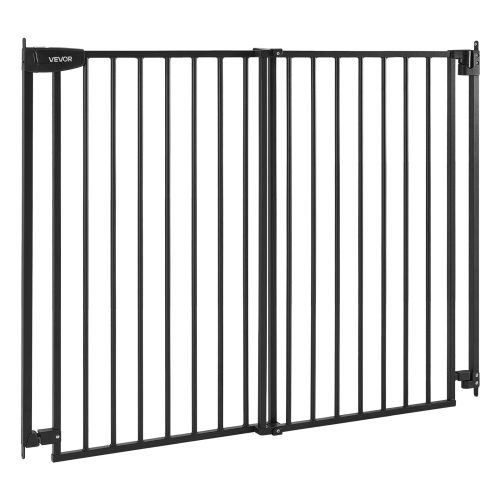
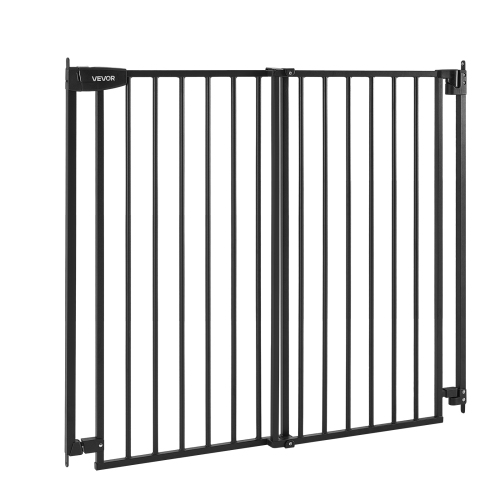

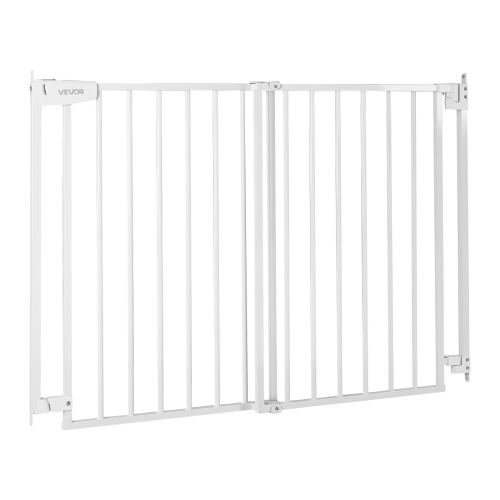







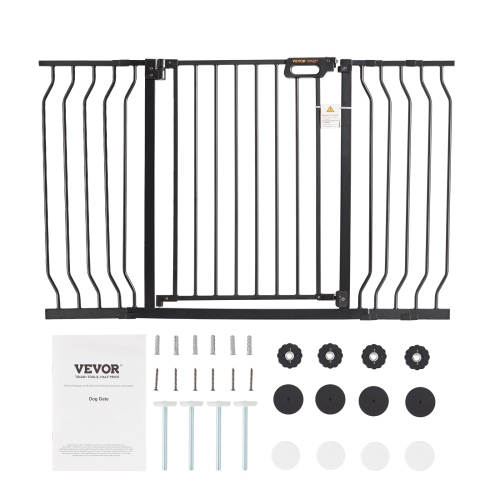
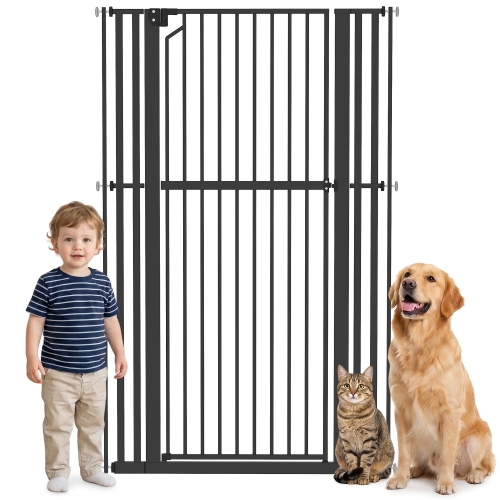
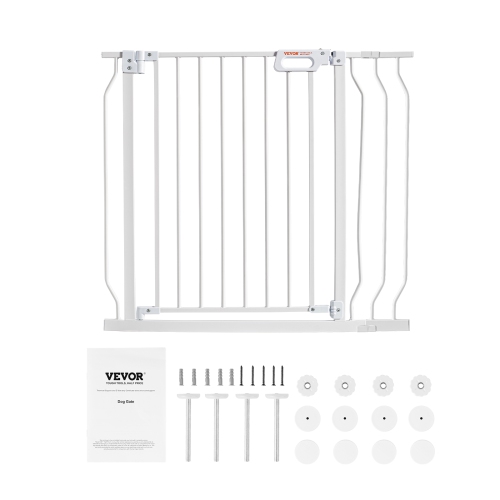


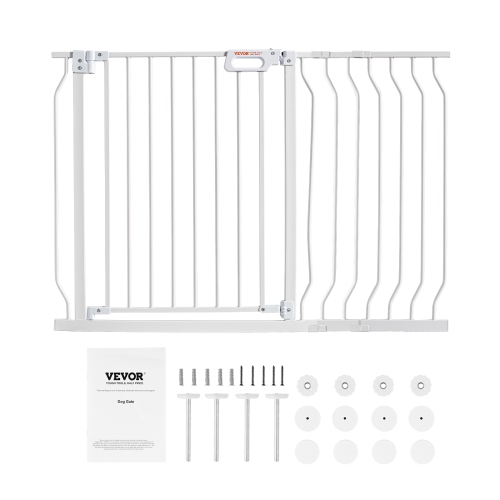






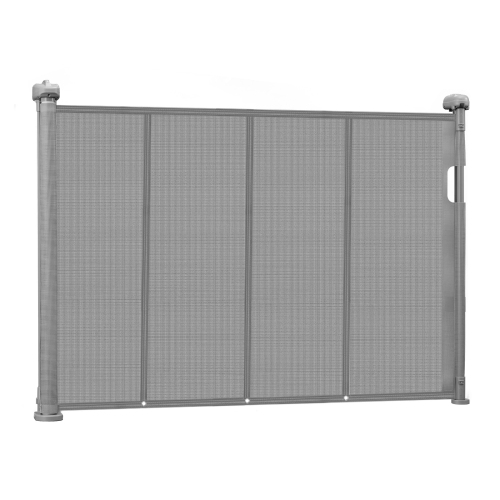
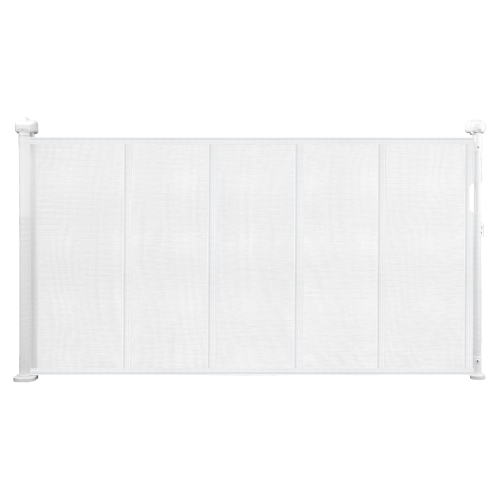
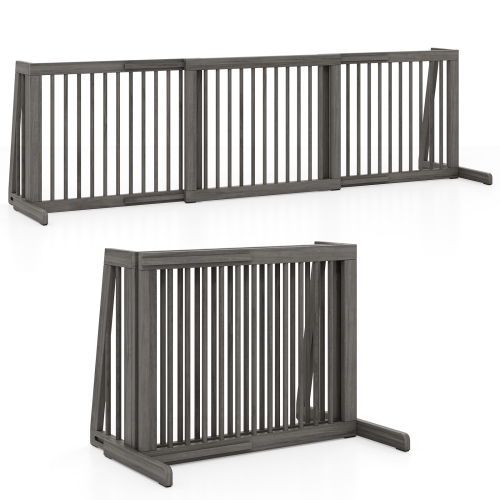
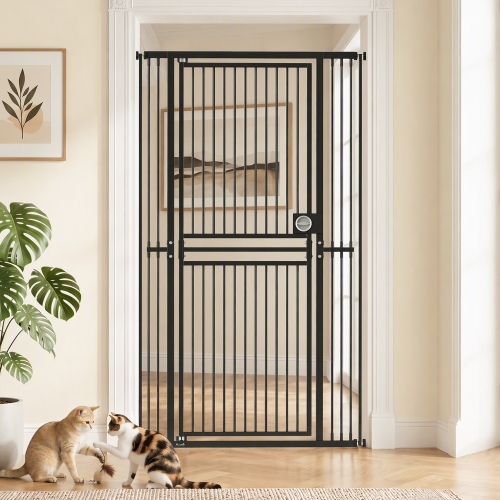







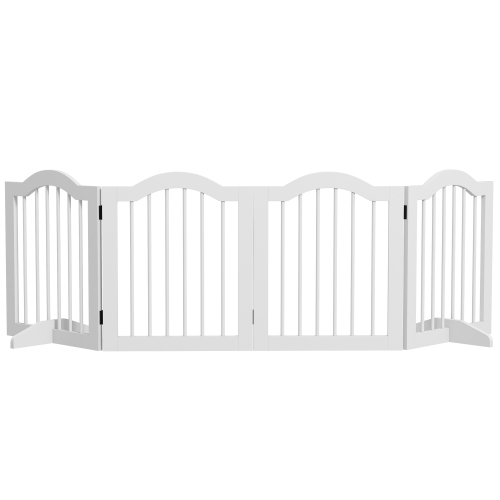
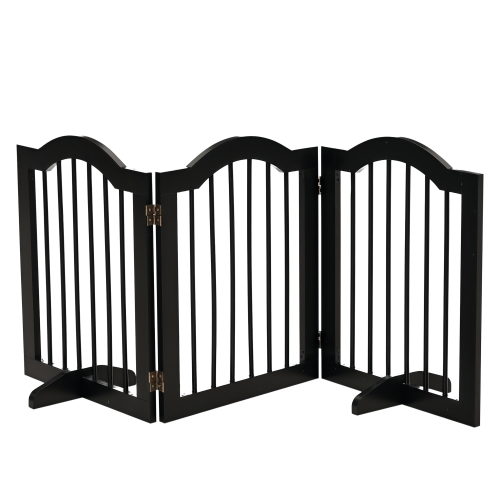

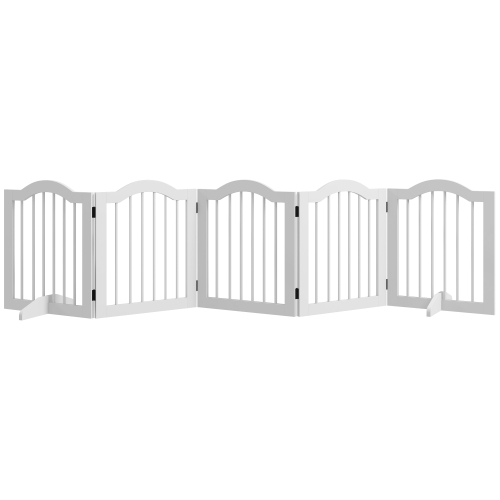
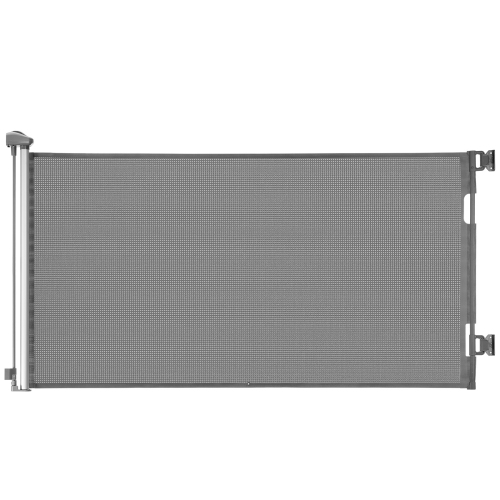
Why gate placement matters at the top of stairs
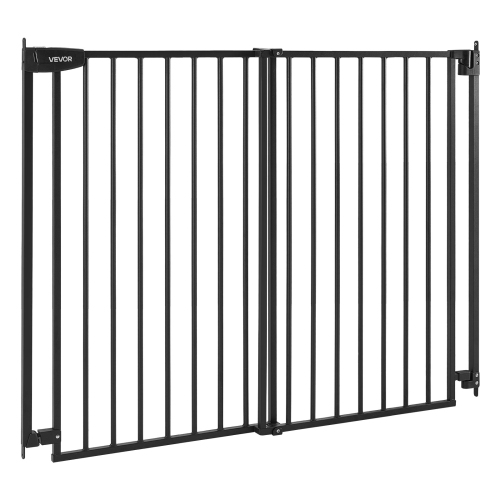
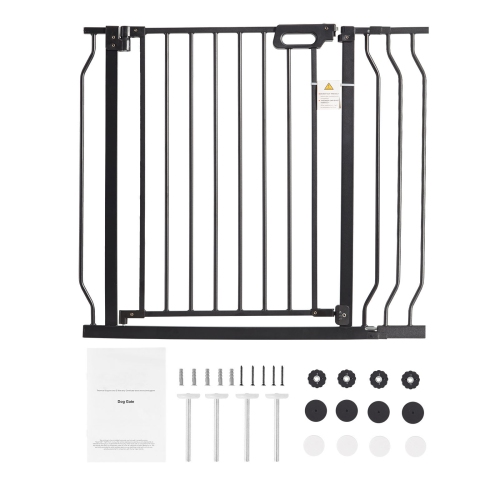
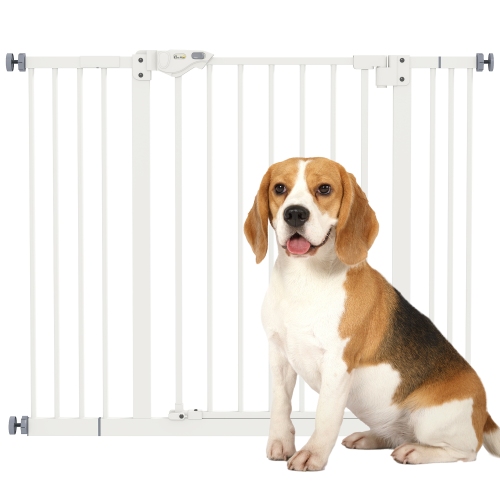
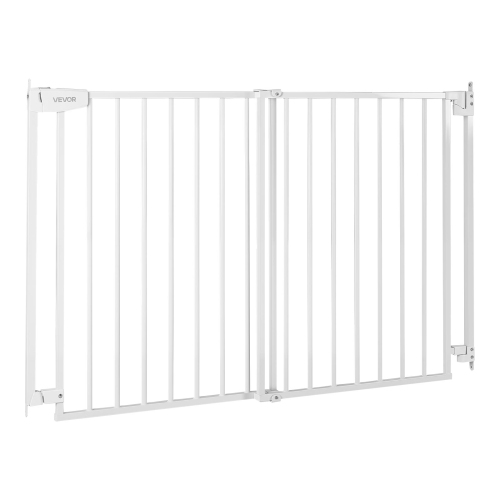
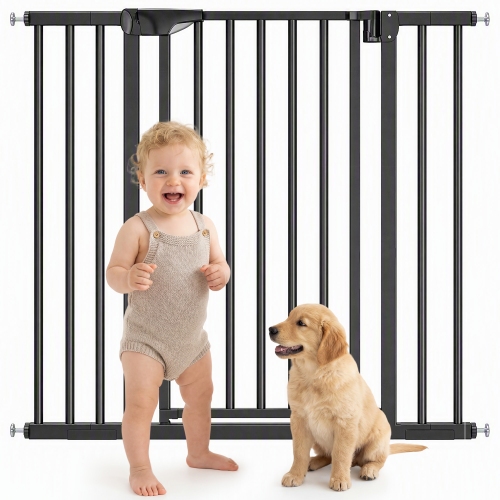
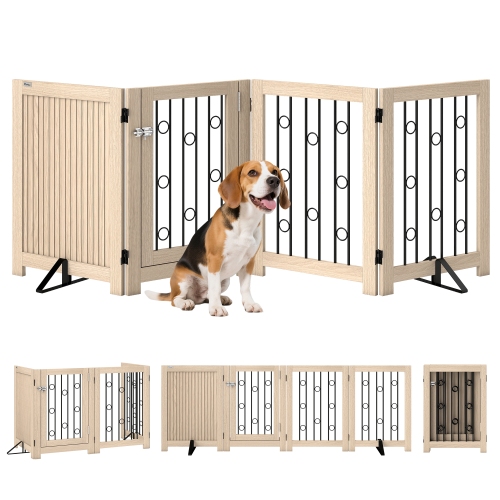
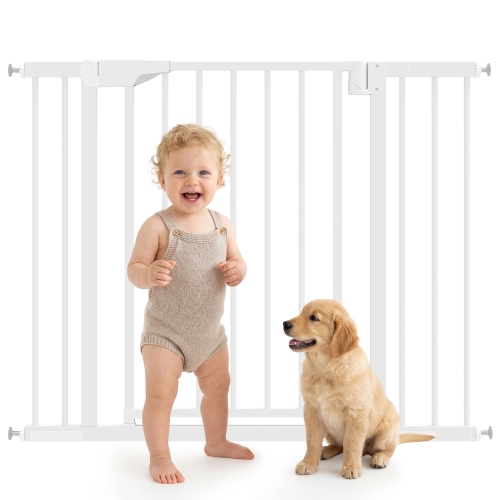
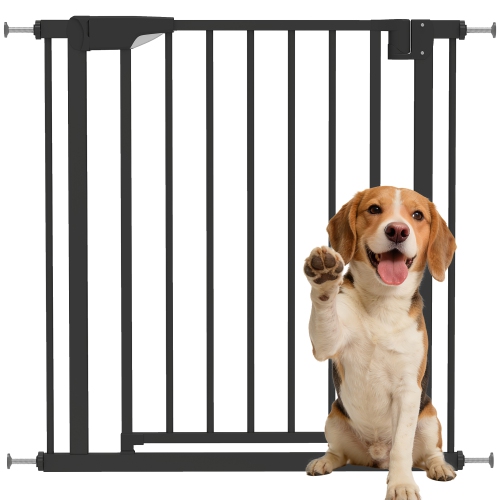
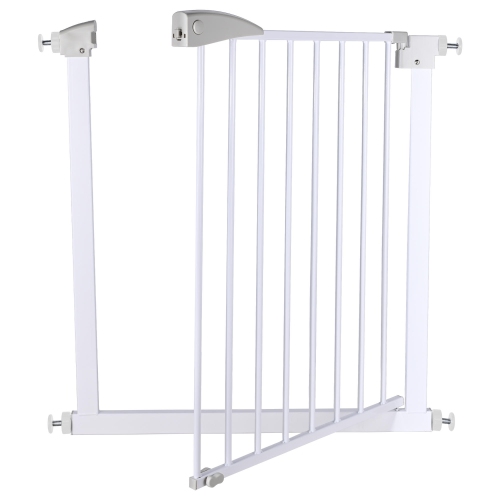
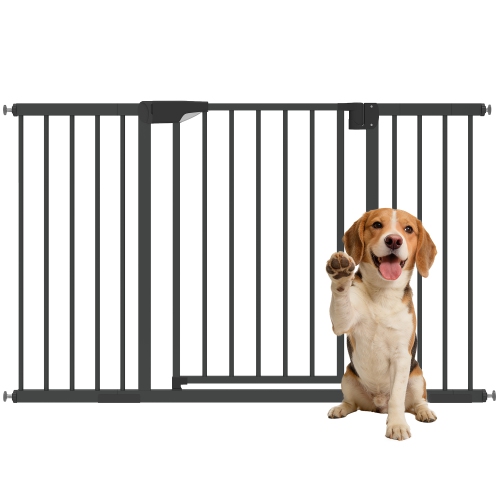
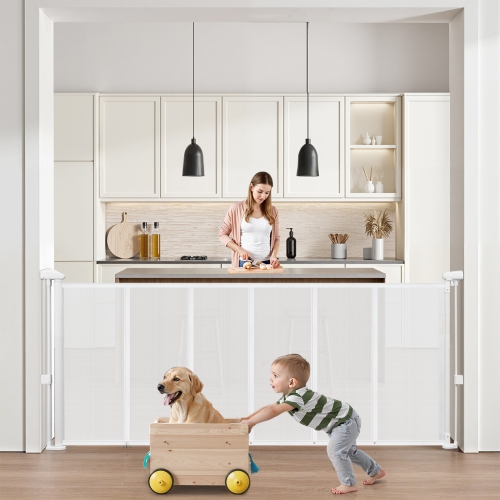
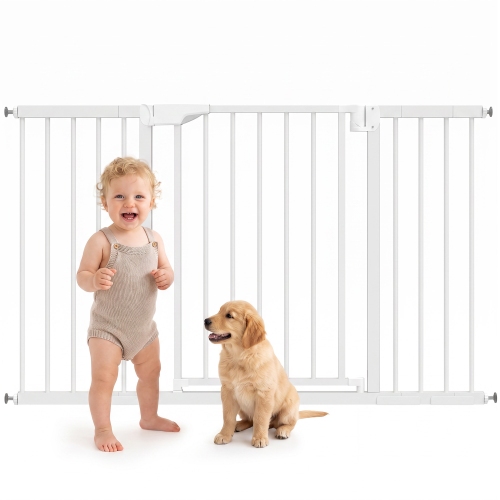
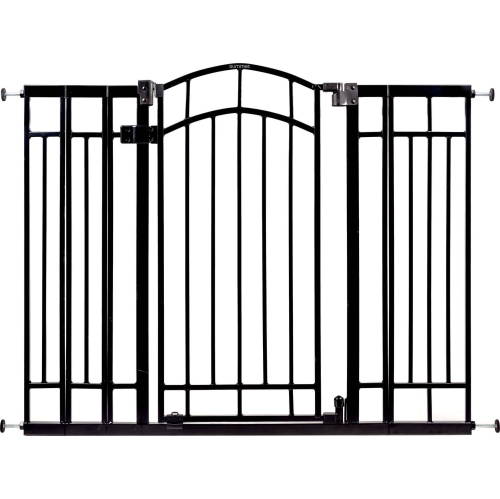
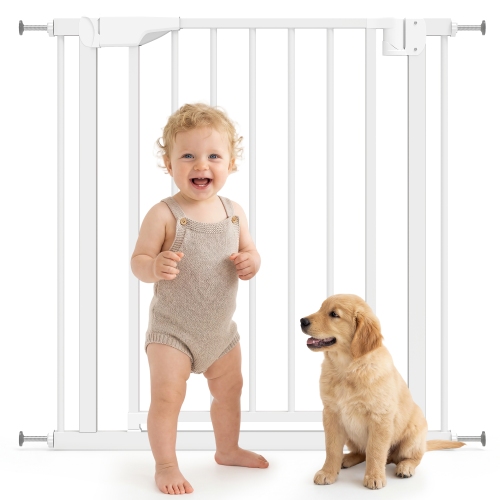
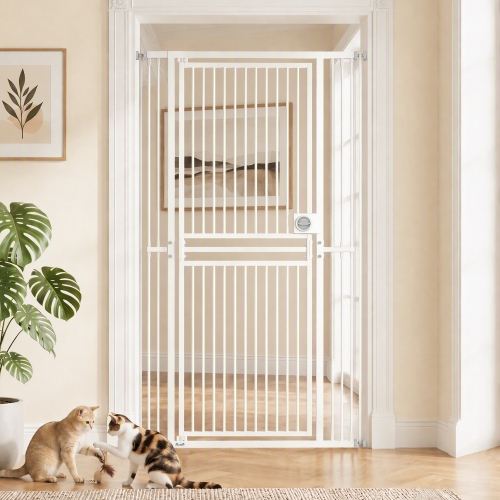
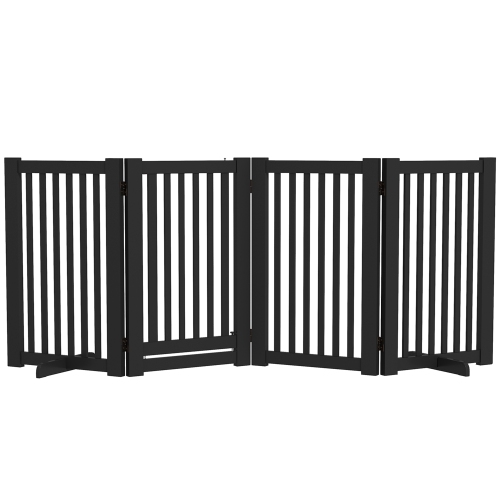
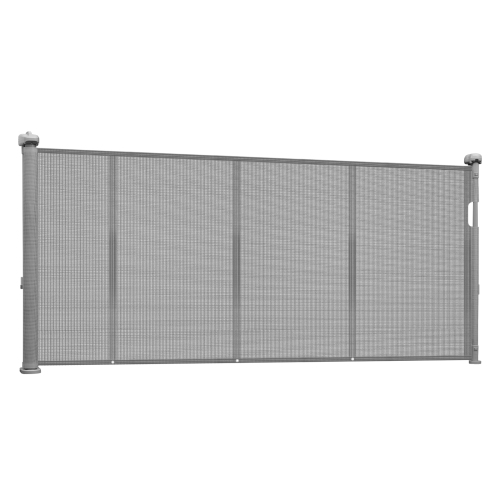
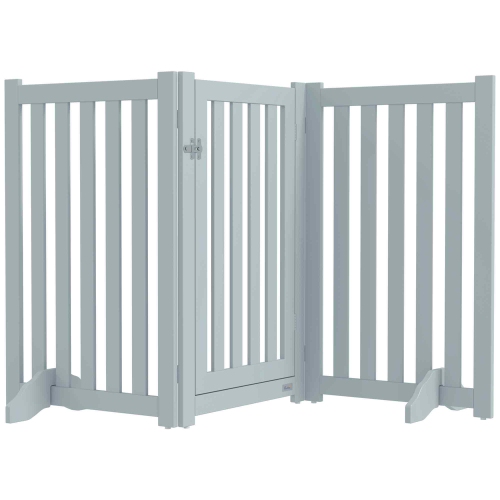
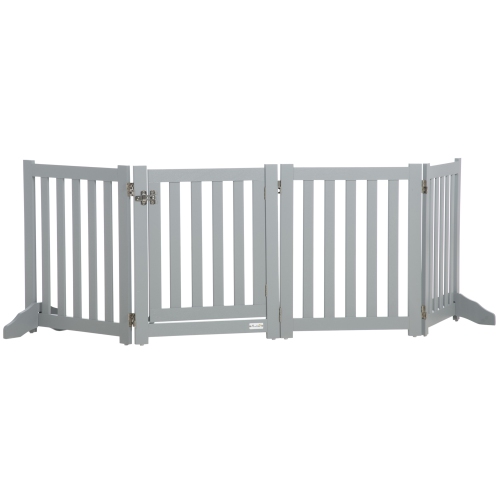
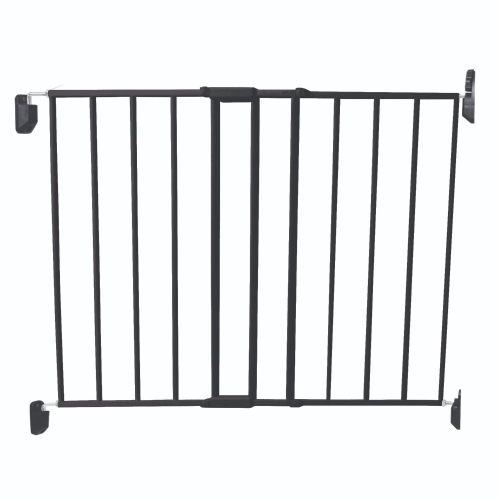
Dog gates for stairs help manage where a dog can go while keeping everyday routes through the home accessible to people. They can keep a curious puppy away from a staircase, limit unsupervised stair use for an older dog, or create a boundary while a pet rests after veterinary treatment. The most important distinction is where the gate will sit: a barrier at the top of a staircase needs different mounting and clearance considerations from one across a hallway leading to the bottom. For top-of-stair use, choose a hardware-mounted gate explicitly designed for that location, secured to suitable structural surfaces according to its installation instructions. Pressure-mounted gates are not suitable at the top of stairs, where displacement could leave an open drop and a bottom crossbar could create a tripping hazard. A suitable top-of-stair gate should keep the walking path clear of a raised threshold and prevent the door from swinging out over the steps. At the bottom, a pressure-mounted design may suit some layouts when the manufacturer permits that placement, but its crossbar, mounting position, and distance from the steps still matter. A freestanding pet barrier is not a substitute for a securely installed stair gate. Beyond placement, the right height and construction depend on the dog’s size, build, and behaviour. A small dog needs openings narrow enough to prevent squeezing through or getting its head caught, while a tall, athletic dog may need a higher barrier without easy footholds. Height alone does not make a gate suitable for a determined jumper or climber. A dog that pushes, paws, or chews also places different demands on a barrier from one that calmly waits behind it. Stair gates work best as part of a familiar routine, with supervision and positive training helping dogs settle on the intended side rather than treating the gate as something to challenge.
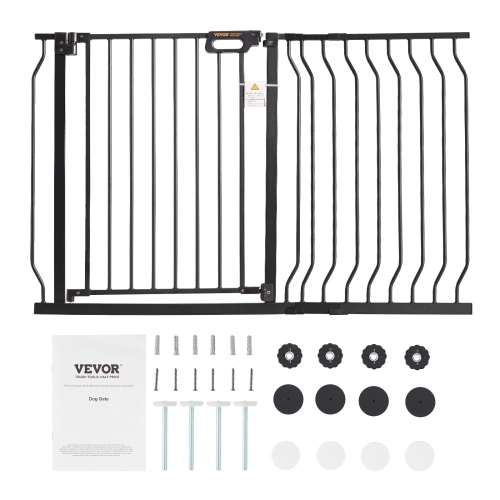
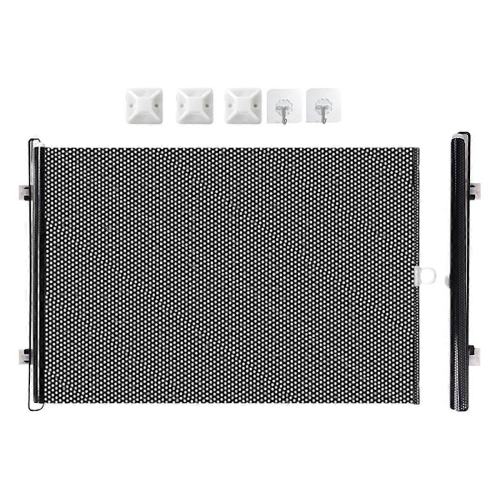
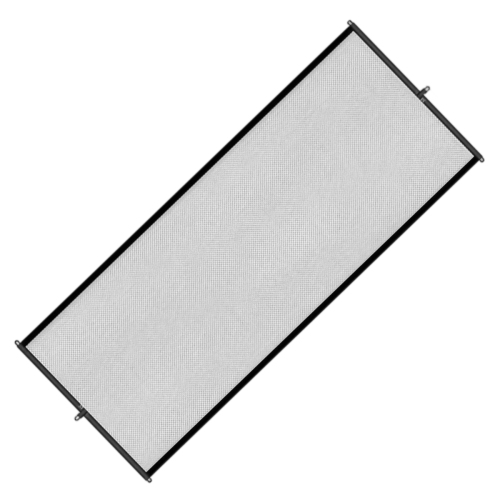
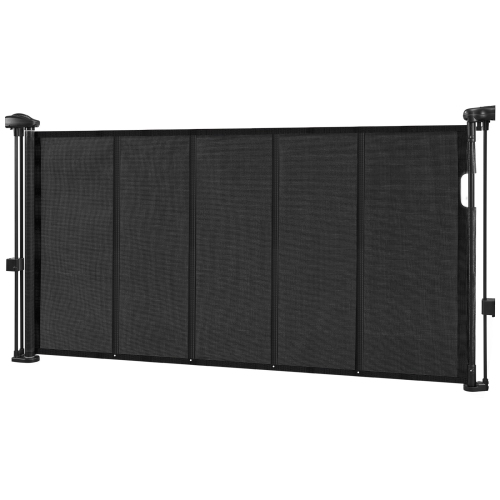
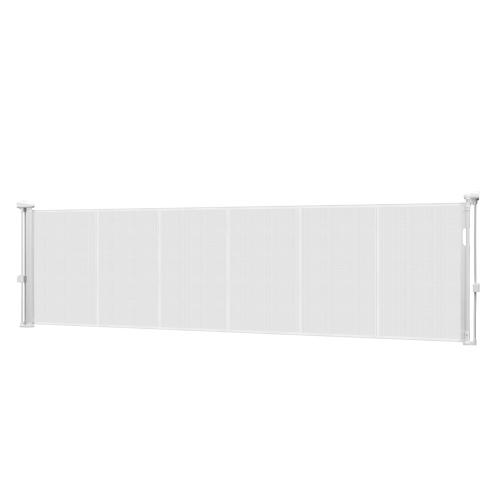
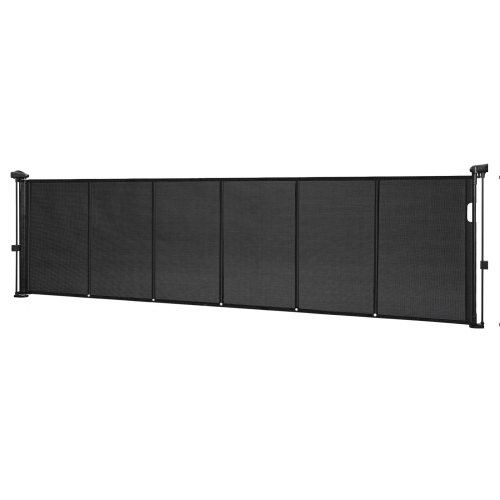
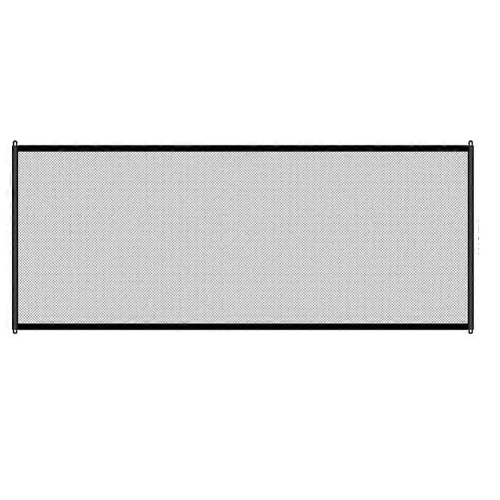
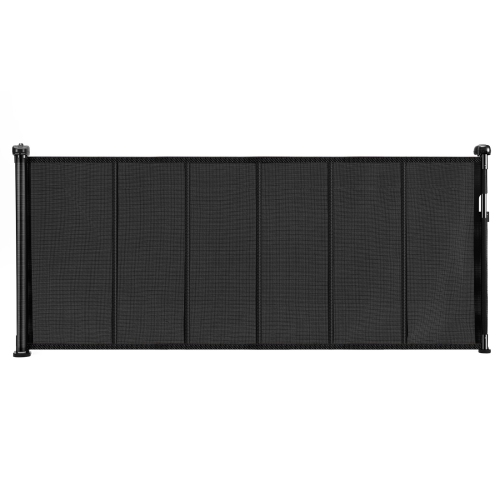
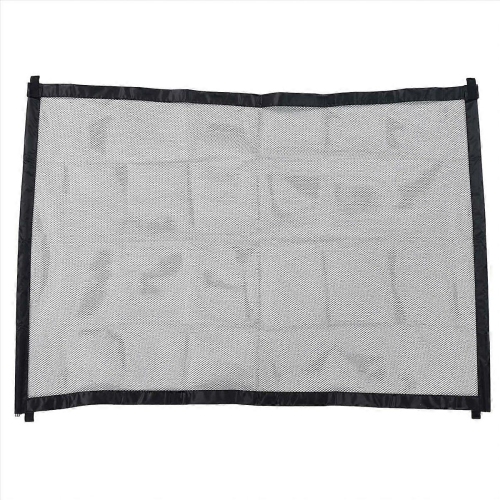
Fit involves more than the distance from one wall to the other. Stair openings can include baseboards, rounded banisters, uneven trim, or a wall on only one side, all of which affect where mounting points can sit. Measure the opening at the heights where the gate will attach, and account for any difference between the width near the floor and the width higher up. The gate’s stated fitting range should cover the actual installation, including any required manufacturer-approved extensions or mounting accessories. Improvised spacers, mismatched extension panels, and attachment to loose trim can undermine an otherwise sturdy barrier. Banister adapters may help with certain stair layouts, but they need to be compatible with both the gate and the mounting surface; a decorative spindle should not be assumed to provide adequate support. The gap beneath the gate matters too, especially for a puppy or a short-legged dog that may try to crawl underneath. Materials influence both the look of the staircase and how the gate handles daily wear. Metal frames and vertical bars offer a firm structure and surfaces that are generally straightforward to wipe clean. Wood can blend with stair rails and flooring, though chewing and claw marks may be more noticeable, and its finish needs care appropriate to the material. Mesh designs offer a less visually prominent boundary, but their suitability depends on the specific installation rating and the dog’s behaviour. Flexible material should not be assumed to withstand chewing, persistent scratching, or a dog leaning against it. Any retractable design considered for stairs must be explicitly approved for that position and installed exactly as directed. In homes shared by dogs and young children, the requirements overlap but are not interchangeable. A pet gate is not automatically a child safety gate, and pet access doors can introduce openings that are unsuitable for children. The Stair Safety Gates page is relevant to households considering child safety alongside pet boundaries, with each gate’s intended use and installation requirements remaining essential.
Everyday usability becomes especially noticeable on a staircase travelled many times a day. A walk-through opening should provide comfortable passage without making someone turn sideways while holding a laundry basket or carrying a small dog. Compare the usable doorway width rather than relying only on the gate’s overall width, since side panels and extensions can leave a narrower passage than expected. A latch that an adult can operate with one hand can be useful, provided it closes securely and stays beyond the dog’s ability to nudge or paw open. Automatic closing can reduce the chance of leaving the gate ajar, but it is not a substitute for checking that the latch has engaged; some mechanisms only close from certain opening angles. A hold-open setting may be convenient when the dog is safely elsewhere, yet it leaves the stair boundary inactive until the gate is closed again. The swing direction should suit the landing without blocking another door or forcing anyone to stand on a step to reach the latch. For a dog with reduced mobility, a gate can support a veterinarian’s plan to restrict stair access, but it does not replace help with movement when needed. A comfortable bed and access to water on the permitted side can make that boundary more practical during rest periods. Care is usually simple but should be regular: remove fur and dust around hinges and latches, wipe surfaces with a cleaner permitted by the manufacturer, and dry them as directed. Check mounting points, fasteners, extension joints, and closing action for looseness or wear, particularly after repeated pushing or an accidental impact. Chipped finishes, splintered wood, damaged mesh, or a latch that no longer catches consistently are reasons to stop relying on the gate until the issue is resolved. As a puppy grows or a dog’s mobility changes, reassess the height, gaps, and overall suitability. A well-fitted dog gate for stairs should remain a dependable boundary without making the staircase awkward for the people who use it.
Top selling and popular products
-
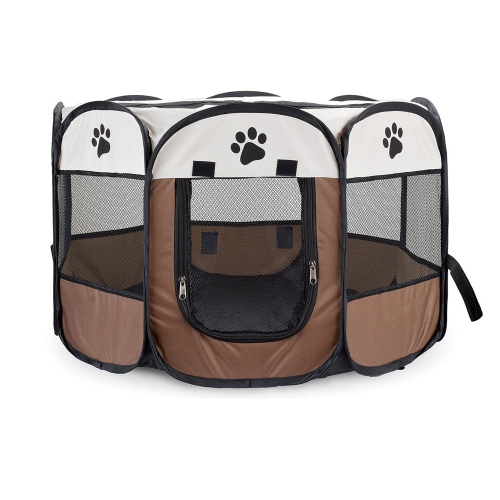 Your price for this item is $25.99
-
 Your price for this item is $139.99
-
 Your price for this item is $75.99
-
 Your price for this item is $65.9
-
 Your price for this item is $31.99
-
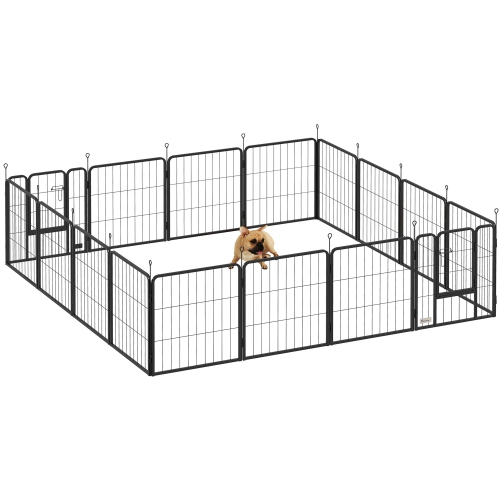 Your price for this item is $156.99
-
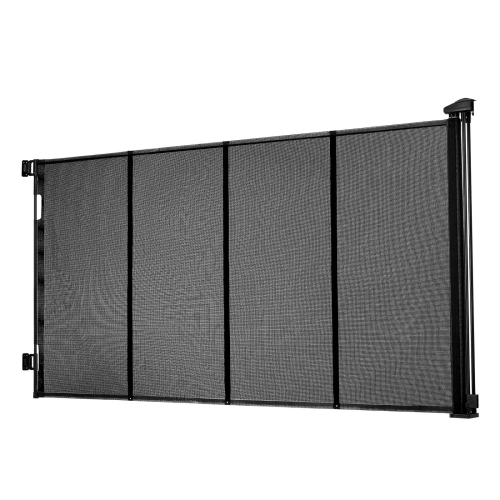 Your price for this item is $69.9
-
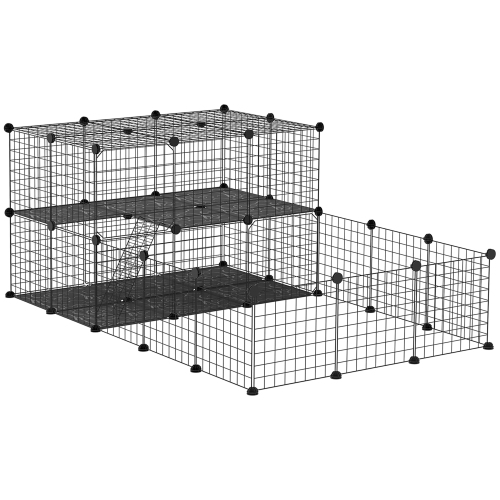 Your price for this item is $84.99
Discover more categories related to Dog Gate for Stairs
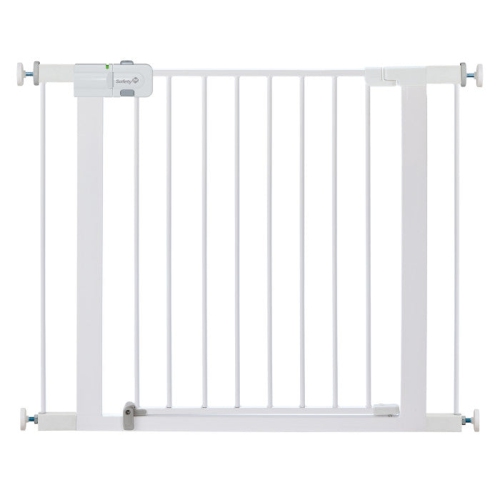
Top Collections:
Pokemon Centers, Kindle Devices, Best Budget Office Chairs, Canon G7X Cameras, Apple iPhones 16, Samsung Galaxy Phones, Refurbished Apple Laptops, Laptops for Students, iPhone 15 Apple, Budget Smartphones
Some products may be subject to Environmental Handling Fees
(EHF) depending on your province.
Learn more about EHFs.