Dog Perimeter Fences
Keep your furry friend safe and secure with our wide selection of dog perimeter fences. Whether you have a small backyard or a sprawling estate, these fences are designed to provide a safe and contained space for your beloved canine companion to roam freely. With various styles and sizes available, you can find the perfect fence to suit your needs and keep your pup happy. Say goodbye to worries about them wandering off or getting into trouble – our dog perimeter fences are here to give you peace of mind while giving your dog the freedom they deserve.
Sort
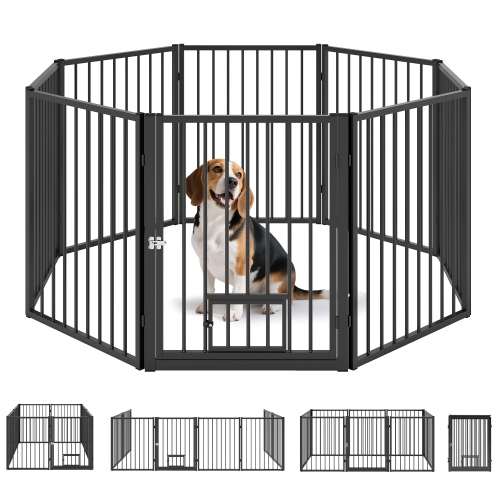
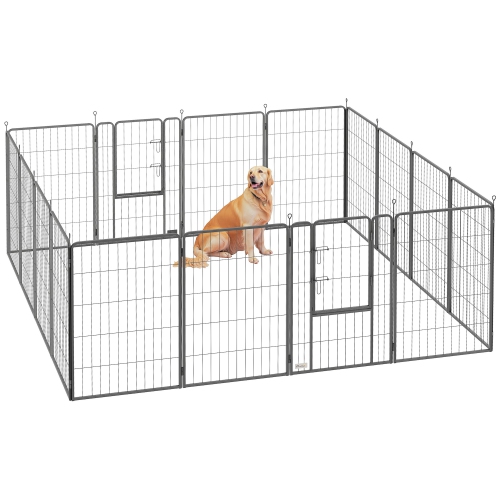
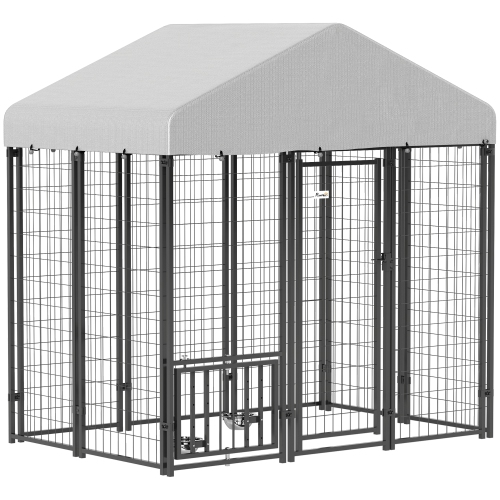
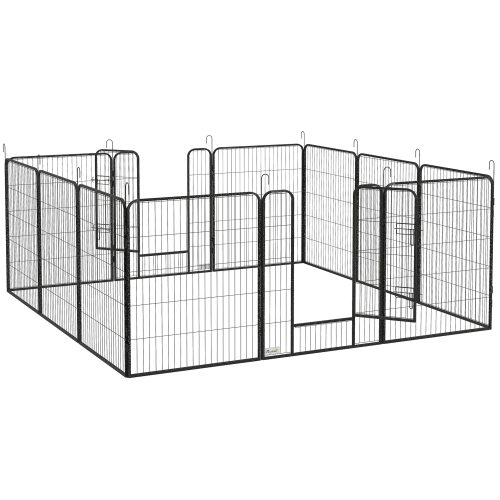

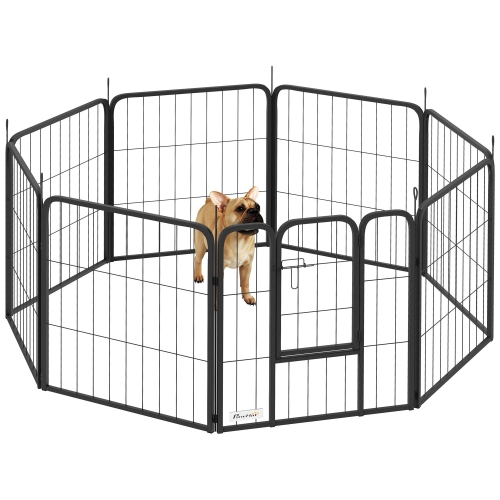
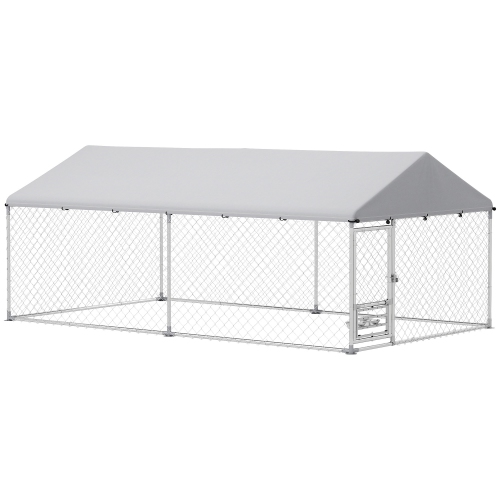
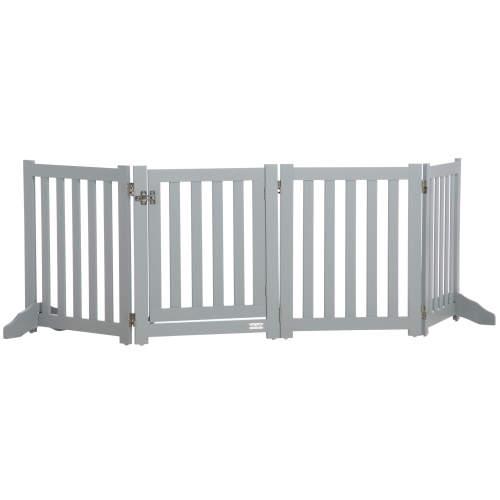
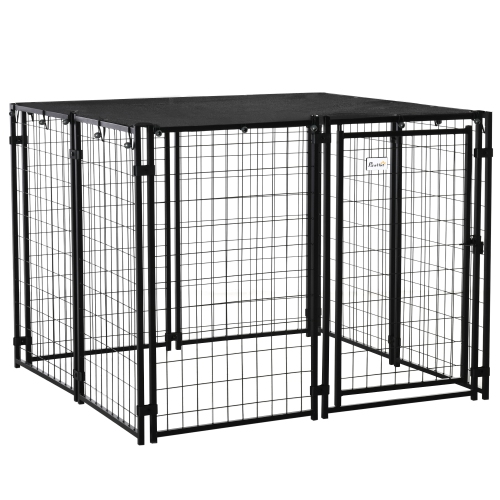
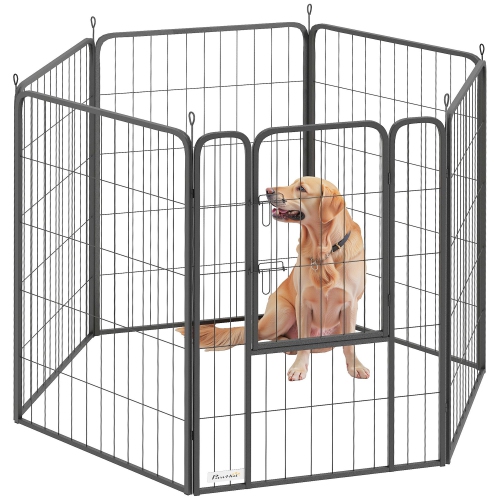
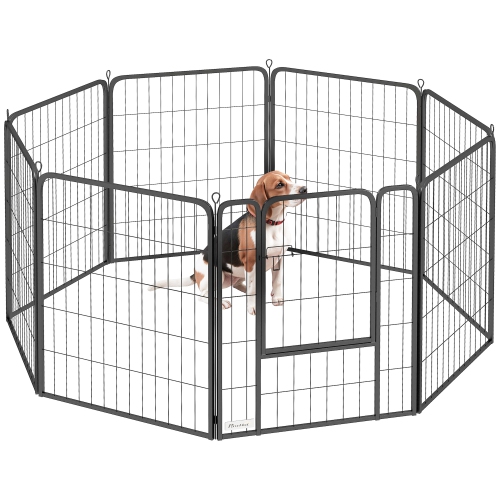
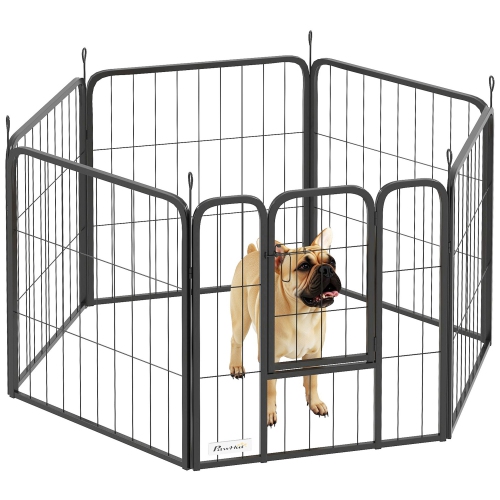
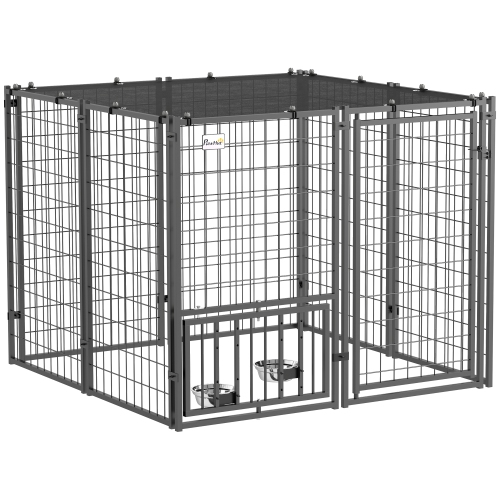
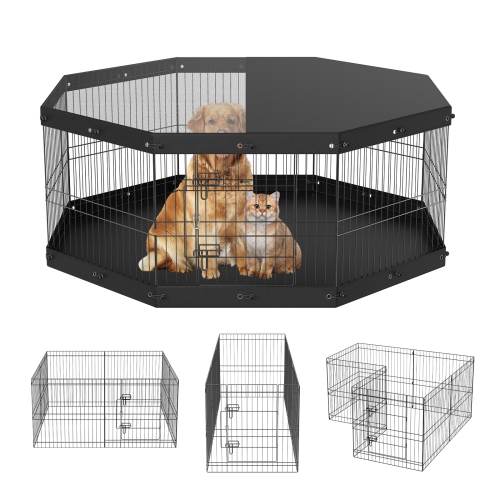
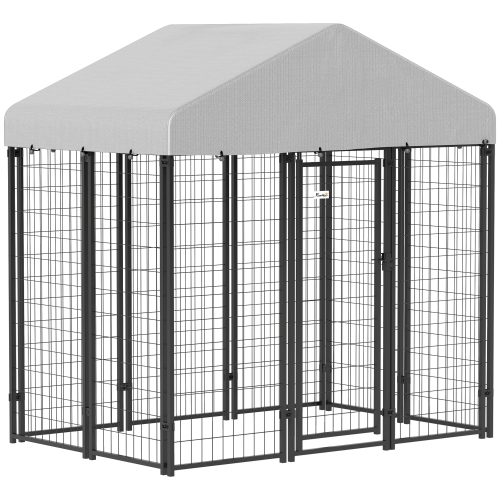
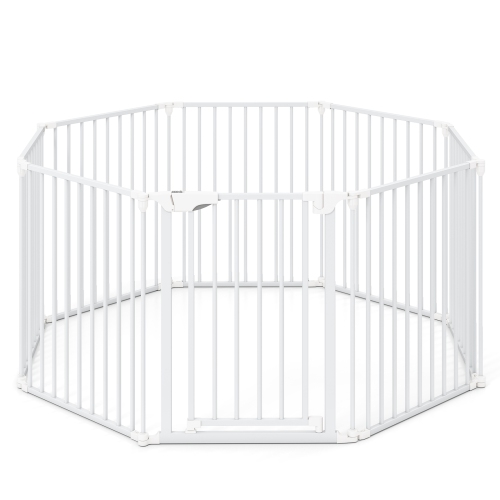
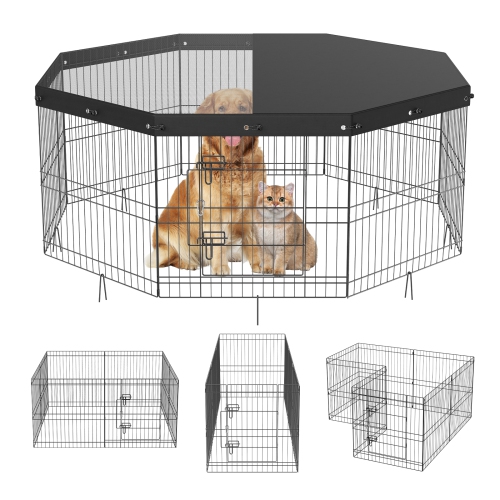
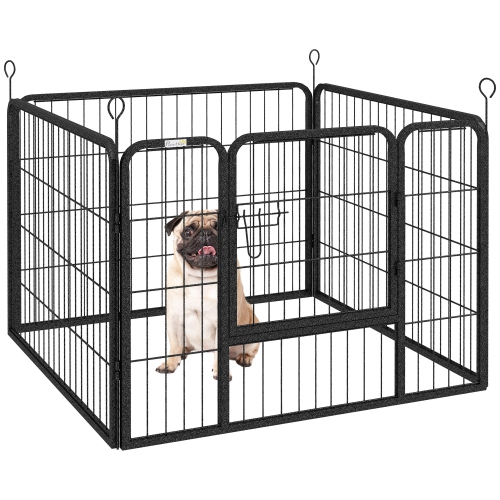
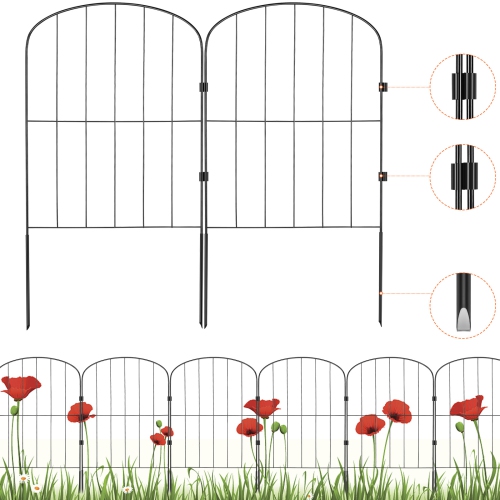
Understanding boundary types, setup needs, and training considerations
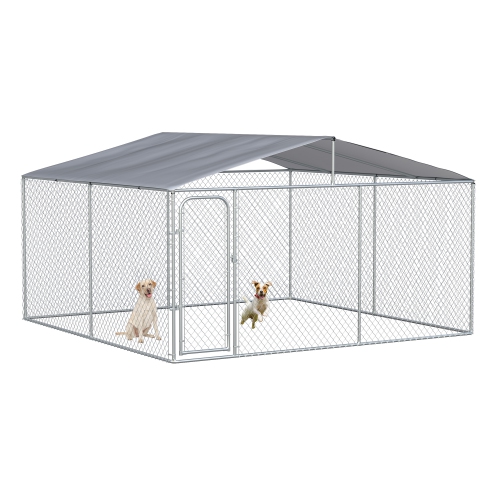
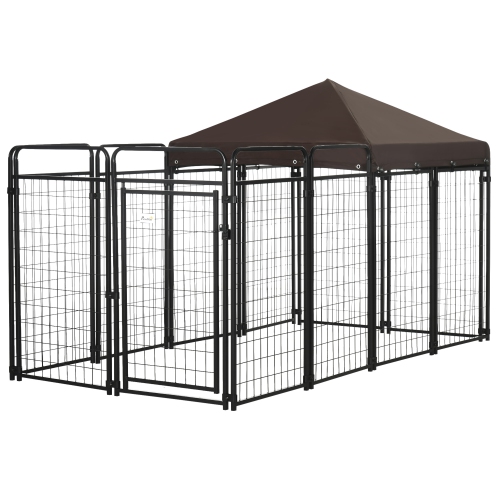
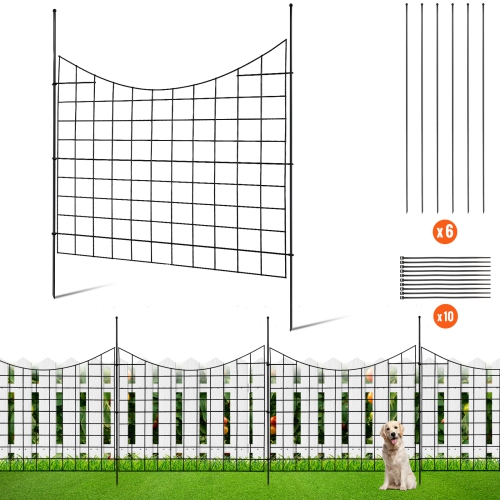
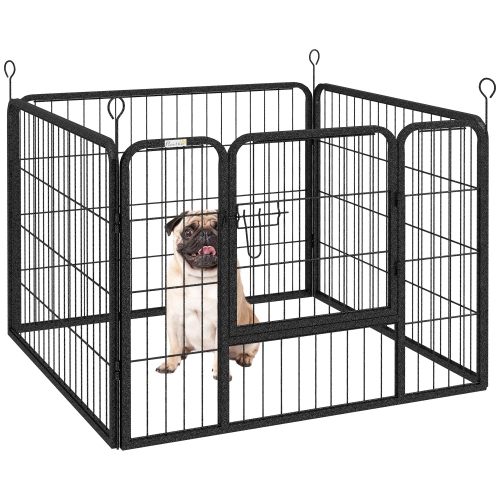
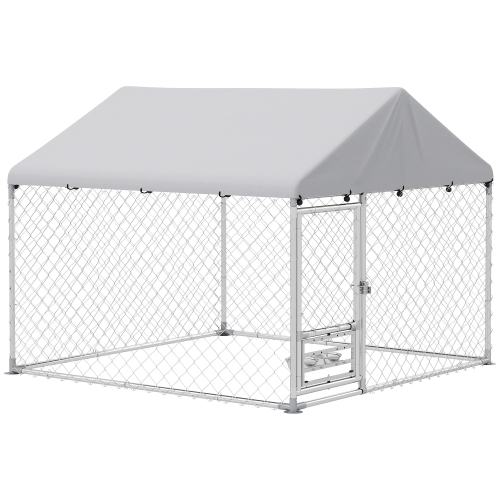
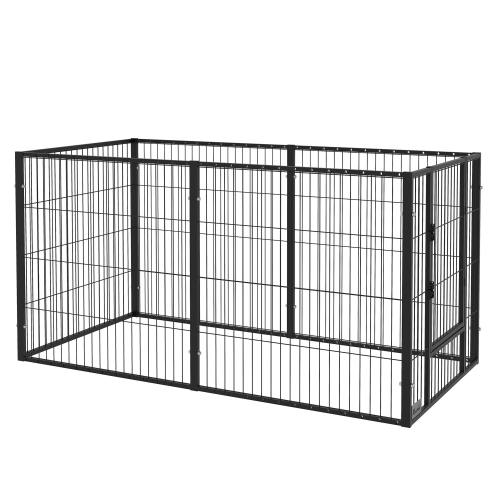
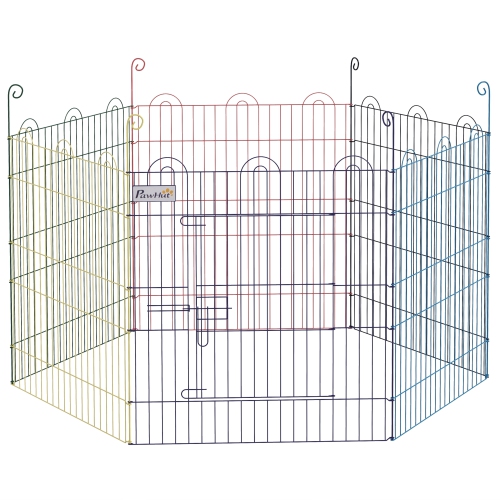
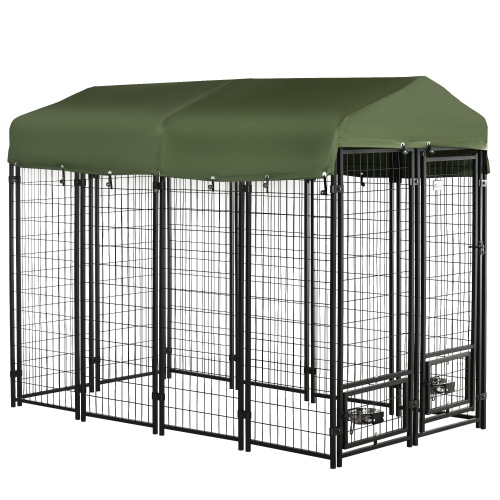
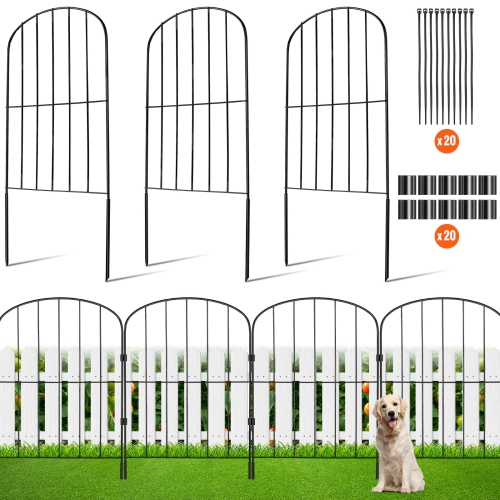
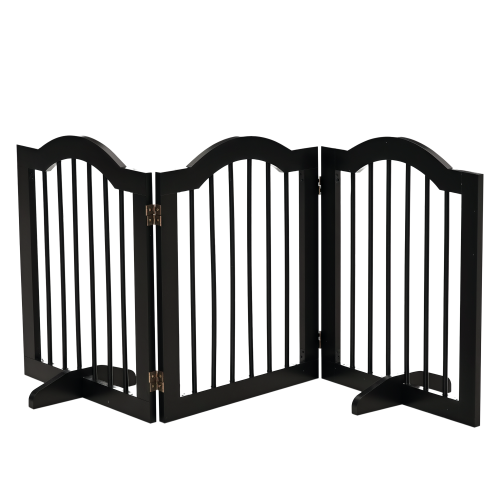
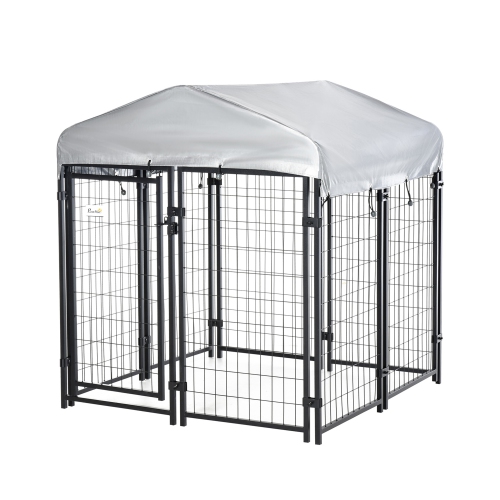
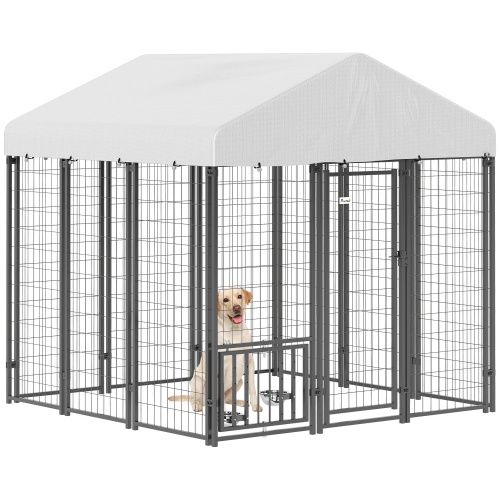
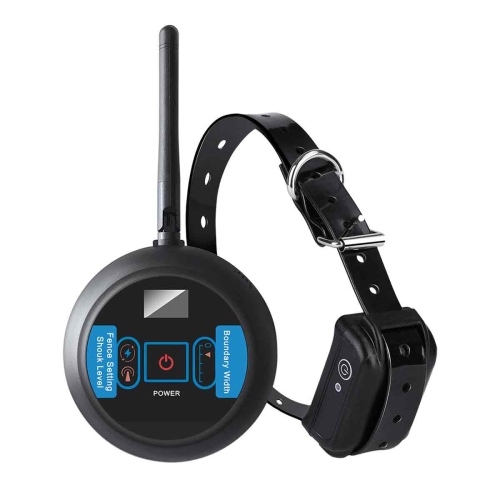
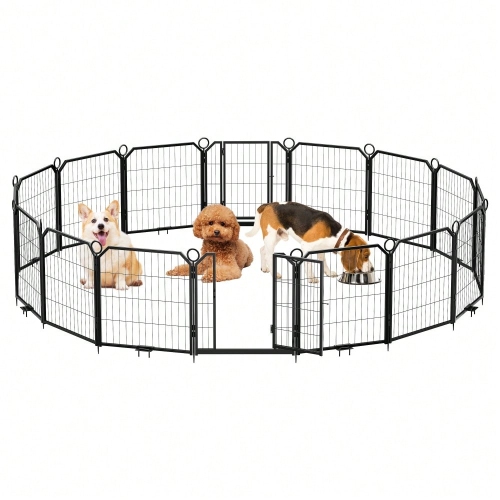
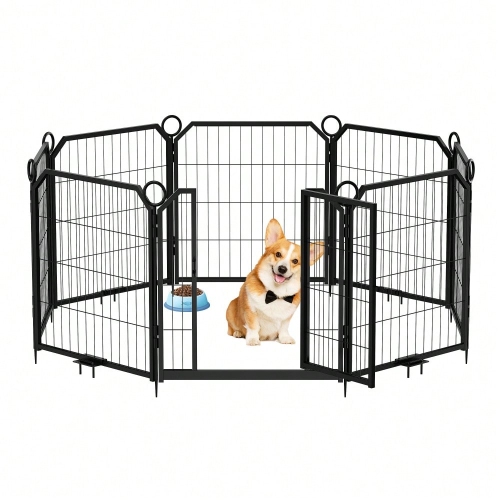
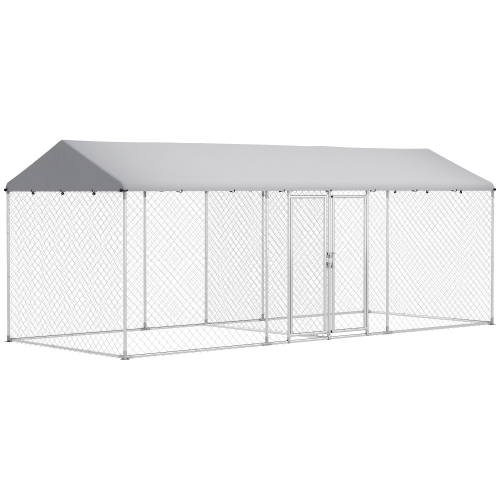
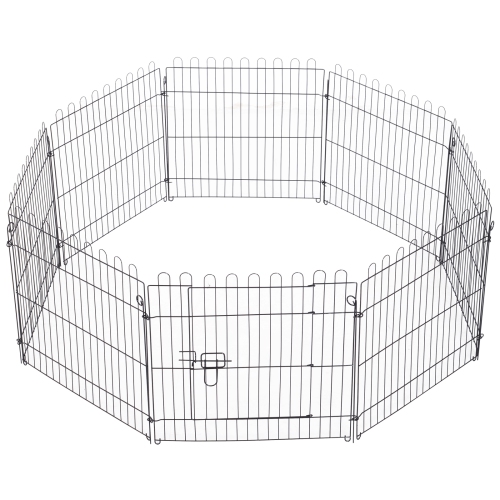
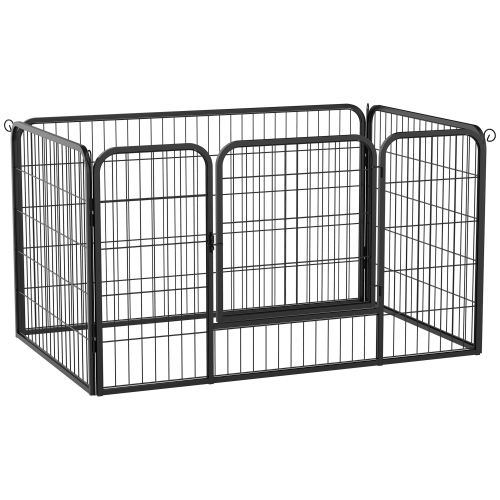
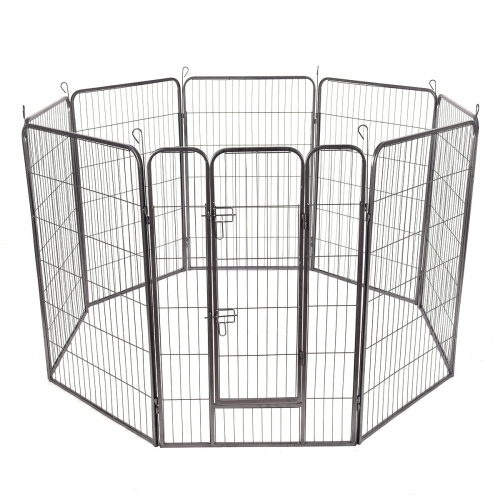
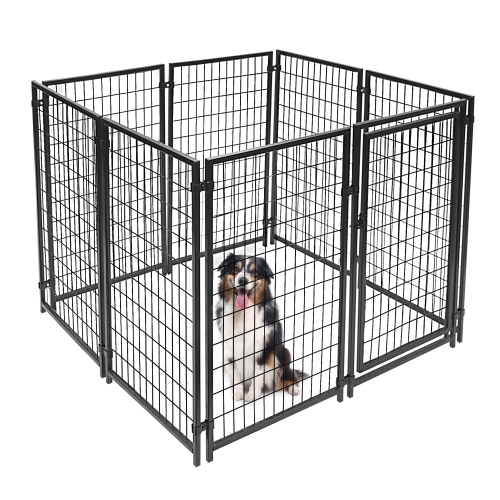
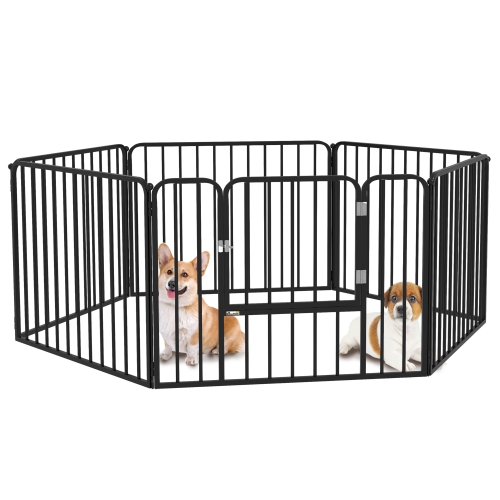
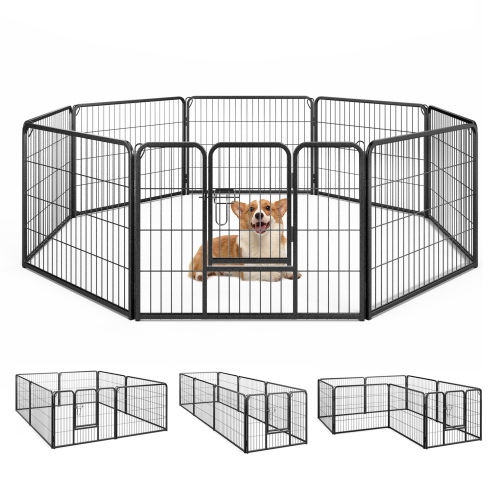
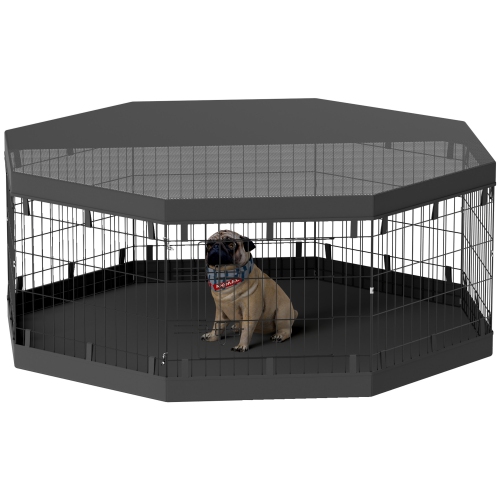
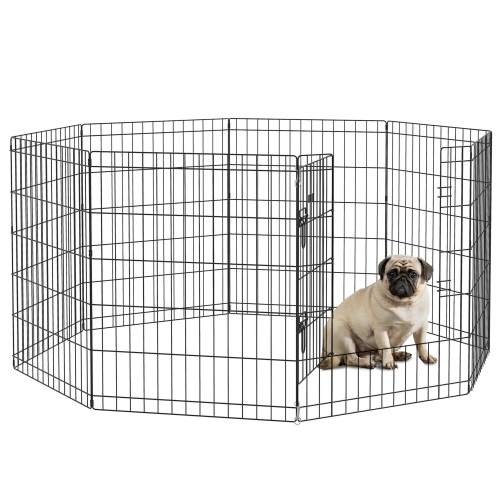
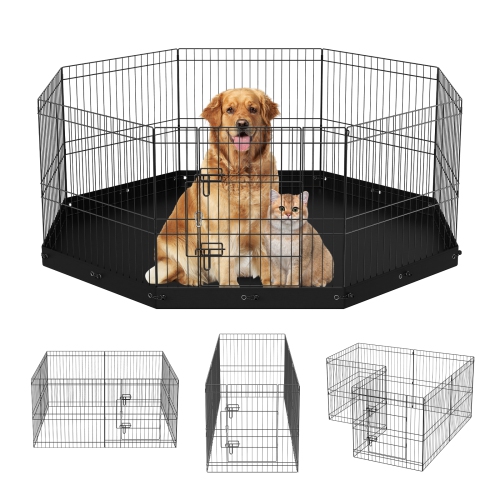
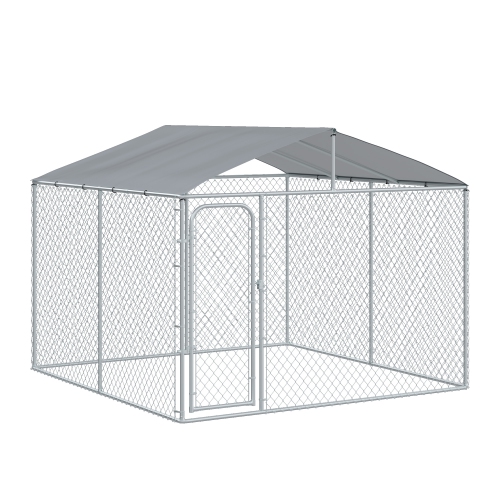
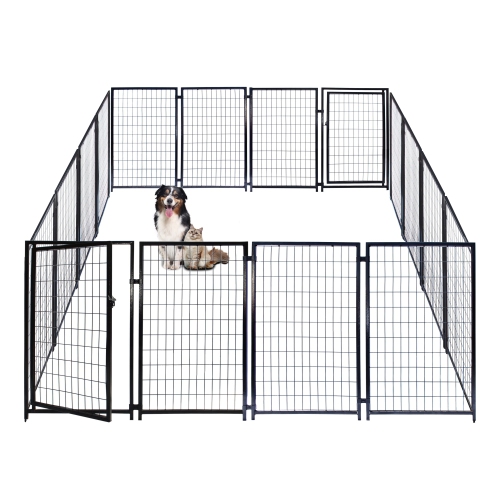
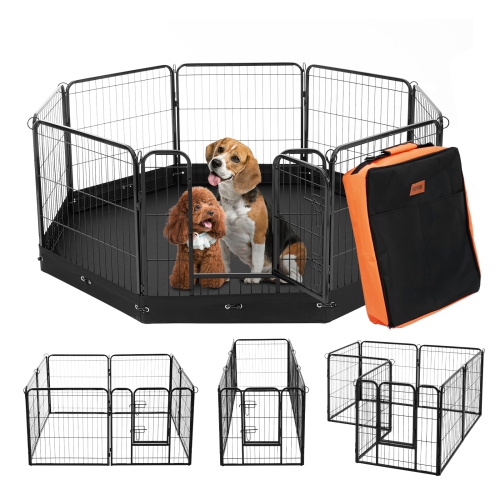
Dog perimeter fences help create a defined outdoor area where dogs can play, explore, and spend time with the family while reducing the chance of wandering toward roads, neighbouring properties, or other hazards. The right setup depends on the property, the dog, and the kind of boundary you want to establish. Traditional physical fences made from materials such as wood, vinyl, or metal provide a visible barrier and can help prevent other animals or people from entering the yard. Electronic perimeter systems, often called invisible or underground dog fences, use a receiver worn by the dog and a boundary created around the property. These options can preserve an open view and work well where a conventional fence may be difficult to install, although they do not stop wildlife or unfamiliar animals from entering the yard. In-ground wired systems use a buried wire to outline a customized boundary, making them useful for yards with irregular shapes, gardens, driveways, slopes, or areas that should be kept off limits. Installation involves planning the route and digging a shallow trench, but the layout can be adapted closely to the property. Wireless base systems use an indoor transmitter to create a circular boundary around a central point, offering a faster setup without trenching. Their fixed shape may be less suitable for long, narrow, or unusually shaped yards. GPS-enabled systems create virtual boundaries through satellite positioning and a compatible app, which can be helpful on larger properties or acreage where laying wire over a broad area would be impractical. Signal performance can vary with conditions such as dense tree cover, buildings, or severe weather, so checking the coverage requirements and app features is an important part of choosing a system.
When comparing dog perimeter fences, start by measuring the area you want to cover and sketching the boundary, including gates, driveways, gardens, pools, sheds, play areas, and any sections that should remain restricted. A system designed for a compact suburban yard may not suit a rural property, while a GPS setup intended for open acreage may offer more functions than needed for a small backyard. Check the stated coverage, boundary adjustment range, receiver fit, battery type, charging method, and compatibility with your dog’s size and temperament. Some receivers are designed for smaller dogs, while others provide settings for larger or more energetic dogs; always follow the manufacturer’s weight and neck-size recommendations rather than choosing based only on breed. Adjustable warning tones, vibration, and stimulation levels can help tailor the training process, but these features should be used responsibly and according to the instructions. A perimeter system is not an instant substitute for supervision. Dogs generally need patient, consistent training to learn the warning area, recognize the boundary flags or other markers, and respond calmly when they approach the edge. Begin with short, supervised sessions and reward your dog for returning toward the safe area. Keep the dog on a leash during early practice, introduce the boundary gradually, and avoid leaving the dog unattended until their response is reliable. A secure physical enclosure may be more appropriate for dogs that are highly anxious, prone to bolting, difficult to train, or likely to ignore warnings when distracted. For indoor spaces, an Indoor Dog Fences setup can help define areas around food bowls, sleeping spaces, stairs, or rooms that should remain separate from a curious pet.
Dog perimeter fences are useful for families with active dogs, homeowners with open yards, rural property owners, and anyone who wants to give a pet more room to move while maintaining a clear boundary. They can also be a thoughtful gift for a new dog owner, a family moving into a home with a yard, or someone welcoming a rescue dog that needs a structured outdoor routine. Before buying, consider whether the property has reliable power, cellular service, or GPS reception, and confirm what happens during a power interruption, low battery, lost signal, or damaged wire. Look for battery indicators, waterproof or water-resistant receiver construction, durable contact points, replaceable boundary wire where applicable, and clear installation and training instructions. If the yard includes a public walkway, shared driveway, steep drop, busy road, pond, or pool, combine the perimeter system with close supervision and additional physical safeguards. During warmer weather, provide shade, fresh water, and regular breaks; during cooler months, check that the receiver remains comfortable beneath a thicker coat and inspect the boundary after heavy rain, frost, or changing ground conditions. Keeping the collar clean, checking the fit, testing the boundary, and replacing batteries as needed can help the system perform consistently. With thoughtful planning and gradual training, a dog perimeter fence can support safer outdoor freedom while fitting the shape of the property and the everyday habits of both the dog and the people caring for it.
When comparing dog perimeter fences, start by measuring the area you want to cover and sketching the boundary, including gates, driveways, gardens, pools, sheds, play areas, and any sections that should remain restricted. A system designed for a compact suburban yard may not suit a rural property, while a GPS setup intended for open acreage may offer more functions than needed for a small backyard. Check the stated coverage, boundary adjustment range, receiver fit, battery type, charging method, and compatibility with your dog’s size and temperament. Some receivers are designed for smaller dogs, while others provide settings for larger or more energetic dogs; always follow the manufacturer’s weight and neck-size recommendations rather than choosing based only on breed. Adjustable warning tones, vibration, and stimulation levels can help tailor the training process, but these features should be used responsibly and according to the instructions. A perimeter system is not an instant substitute for supervision. Dogs generally need patient, consistent training to learn the warning area, recognize the boundary flags or other markers, and respond calmly when they approach the edge. Begin with short, supervised sessions and reward your dog for returning toward the safe area. Keep the dog on a leash during early practice, introduce the boundary gradually, and avoid leaving the dog unattended until their response is reliable. A secure physical enclosure may be more appropriate for dogs that are highly anxious, prone to bolting, difficult to train, or likely to ignore warnings when distracted. For indoor spaces, an Indoor Dog Fences setup can help define areas around food bowls, sleeping spaces, stairs, or rooms that should remain separate from a curious pet.
Dog perimeter fences are useful for families with active dogs, homeowners with open yards, rural property owners, and anyone who wants to give a pet more room to move while maintaining a clear boundary. They can also be a thoughtful gift for a new dog owner, a family moving into a home with a yard, or someone welcoming a rescue dog that needs a structured outdoor routine. Before buying, consider whether the property has reliable power, cellular service, or GPS reception, and confirm what happens during a power interruption, low battery, lost signal, or damaged wire. Look for battery indicators, waterproof or water-resistant receiver construction, durable contact points, replaceable boundary wire where applicable, and clear installation and training instructions. If the yard includes a public walkway, shared driveway, steep drop, busy road, pond, or pool, combine the perimeter system with close supervision and additional physical safeguards. During warmer weather, provide shade, fresh water, and regular breaks; during cooler months, check that the receiver remains comfortable beneath a thicker coat and inspect the boundary after heavy rain, frost, or changing ground conditions. Keeping the collar clean, checking the fit, testing the boundary, and replacing batteries as needed can help the system perform consistently. With thoughtful planning and gradual training, a dog perimeter fence can support safer outdoor freedom while fitting the shape of the property and the everyday habits of both the dog and the people caring for it.
Top selling and popular products
-
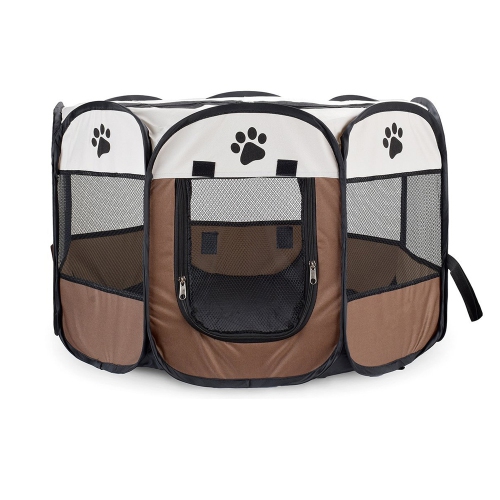 Your price for this item is $25.99
 -
 Your price for this item is $139.99
 -
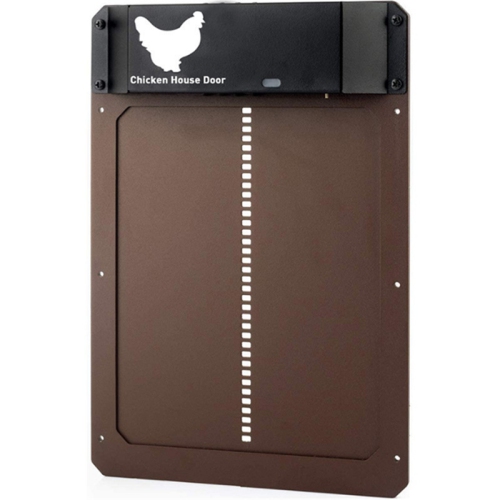 Your price for this item is $75.99
 -
 Your price for this item is $65.9
 -
 Your price for this item is $40.99
 -
 Your price for this item is $156.99
 -
 Your price for this item is $69.9
 -
 Your price for this item is $84.99
Discover more categories related to Dog Perimeter Fences
Top Collections:
Pokemon Centers, Kindle Devices, Best Budget Office Chairs, Apple iPhones 16, Canon G7X Cameras, iPhone 15 Apple, Alarm Clock, Refurbished Apple Laptops, Flip Phones, Best Laptops for Writers
Some products may be subject to Environmental Handling Fees
(EHF) depending on your province.
Learn more about EHFs.