Door Gaskets
Enhance the efficiency and longevity of your appliances with a reliable door gasket. A crucial component in maintaining an airtight seal, door gaskets are essential for optimal performance in refrigerators, ovens, and other household appliances. By preventing air leaks and ensuring consistent temperatures, these gaskets help conserve energy and maintain the freshness of your food. Whether you're replacing a worn-out gasket or upgrading for better performance, finding the right fit is key to keeping your appliances running smoothly. Explore a variety of options designed to meet your needs and ensure that your home remains energy-efficient and comfortable.
Sort





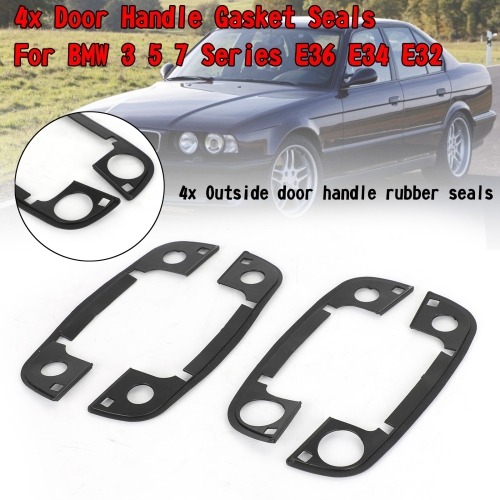


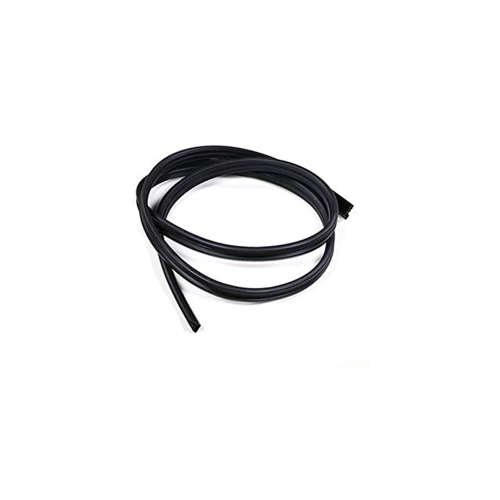


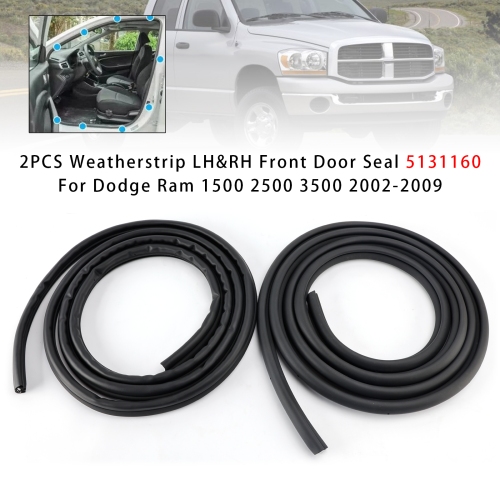


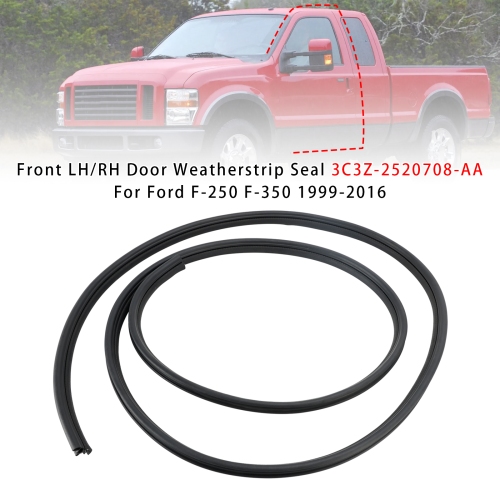










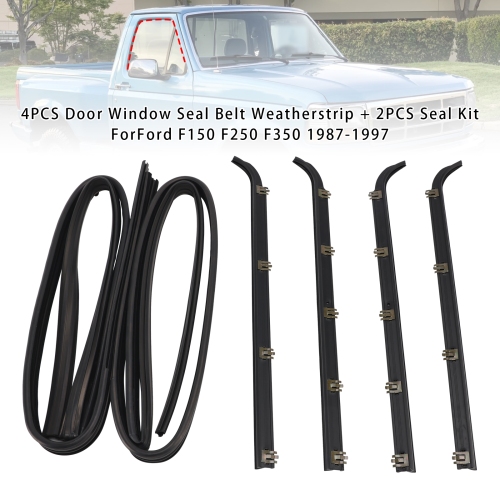

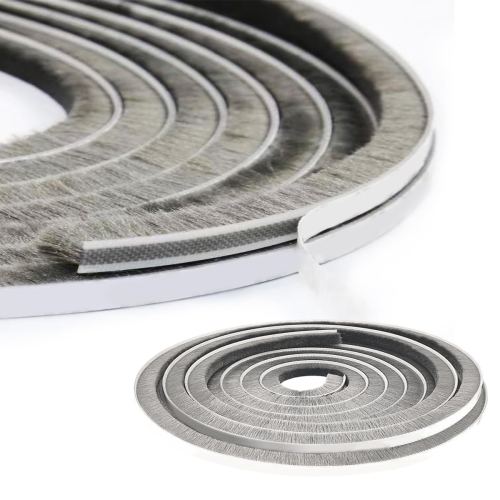




Why the right seal depends on your door
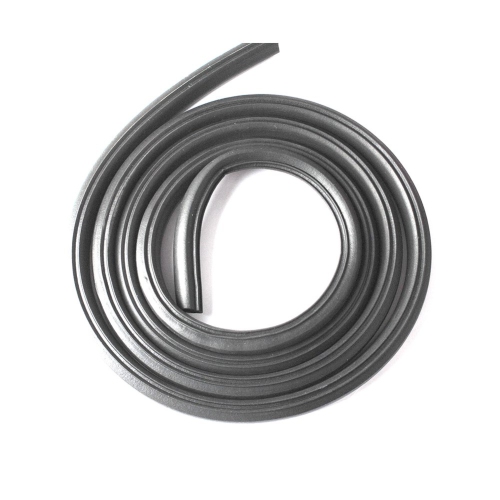
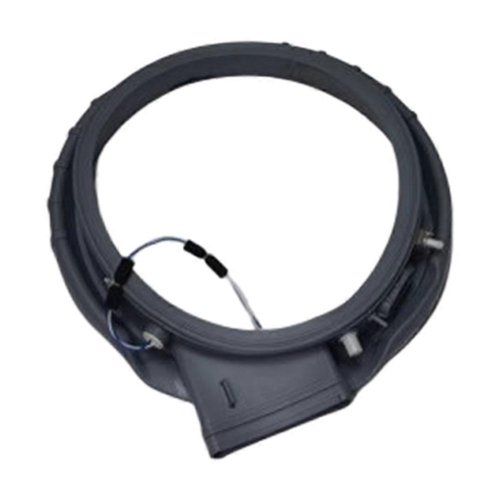
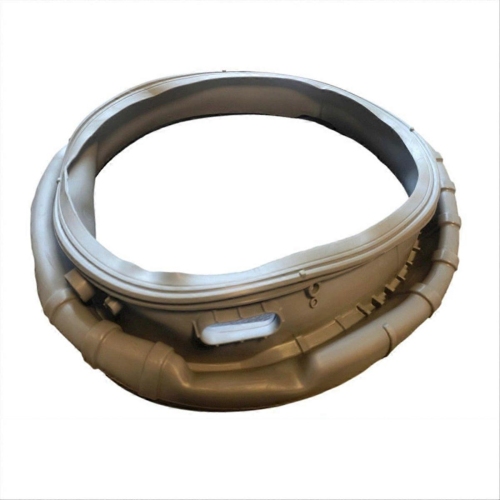
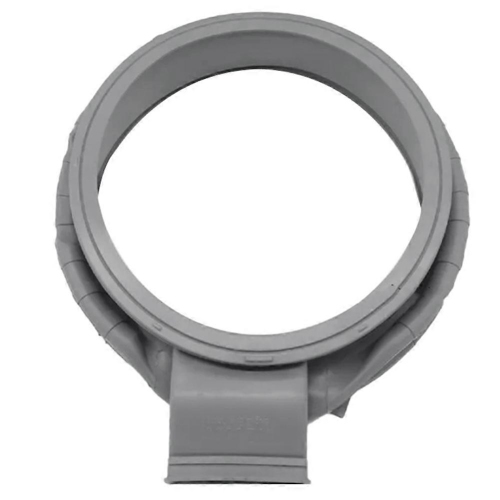
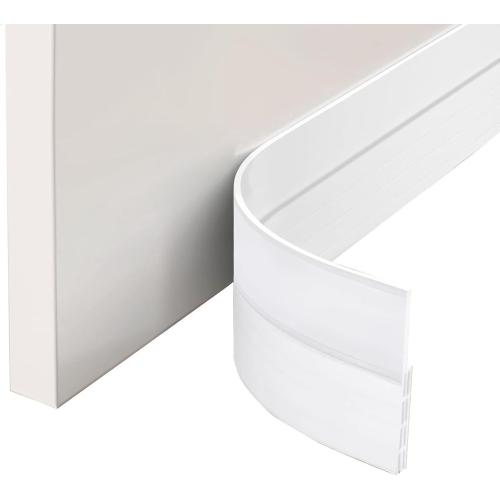
Door gaskets are flexible seals fitted around a door panel or frame to close the small gaps left when the door shuts. Depending on their design and intended use, they help limit the passage of air, moisture, dust, light, insects, or sound. They appear on household entry doors, interior doors, refrigerators, freezers, and certain other appliances, but the seals used for these applications are not interchangeable. A refrigerator gasket needs to follow the appliance door’s exact shape and attachment pattern, while a frame-mounted door gasket must suit the clearance between the door and its jamb. Compression gaskets, including hollow bulb profiles, flatten slightly under pressure to create continuous contact along the closing surface. Magnetic gaskets contain a flexible magnetic strip that helps hold the seal against a compatible metal surface and are common on refrigerator and freezer doors. Brush or pile seals use closely packed fibres to reduce gaps while allowing a moving surface to slide past with less resistance. Foam strips compress into narrow spaces, while V-shaped strips flex against the door edge to help bridge small variations in clearance. Each style addresses a different combination of movement, gap size, and sealing needs. For example, a strip that works along the edge of a sliding door may not provide the continuous contact needed around a freezer compartment. Likewise, a bottom door sweep addresses the gap at the threshold rather than replacing the seal along the top and sides of a frame. For homeowners, renters with permission to make changes, property managers, and repair professionals, the value of a suitable gasket is often most noticeable in everyday details: less dust collecting near a doorway, a door that closes without a visible sliver of light, or an appliance seal that sits evenly at all four corners. Understanding which surface needs sealing helps distinguish a straightforward perimeter replacement from a job that also involves the threshold, hinges, or door alignment.
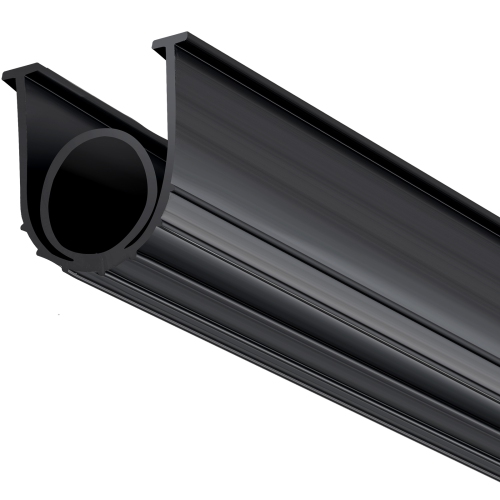
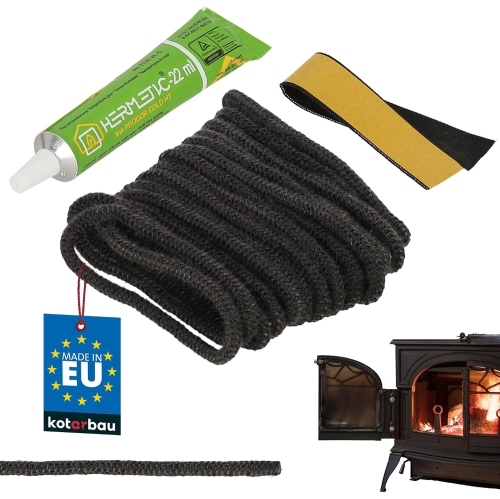
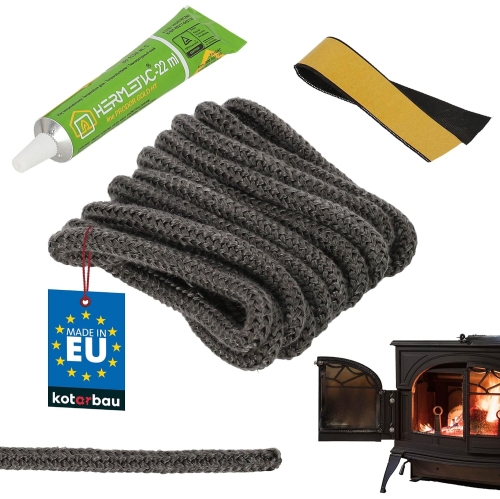
Material, profile, and fit all affect how a door gasket performs. Rubber and synthetic rubber compounds offer flexibility and resilience, though their resistance to moisture, cleaners, friction, and repeated compression varies by formulation. Silicone is used where flexibility across a broad operating range is important, while EPDM is common in building-door applications that call for resistance to outdoor exposure. Flexible vinyl is also used in many appliance seals. Closed-cell foam can suit small, relatively even gaps because its structure limits water absorption compared with open-cell foam, but the adhesive backing and surface preparation still matter. A material name alone does not confirm compatibility; the gasket’s shape, dimensions, and intended application are equally important. The cross-section may be a rounded bulb, a flat strip, a folded lip, or a shaped edge designed to lock into a groove. Two seals can look similar from the front yet attach very differently. Peel-and-stick gaskets depend on a clean, dry mounting surface and an adhesive suitable for that surface. Kerf-in or push-in seals have an anchoring edge that fits a matching slot, while other designs use a retaining channel, screws, or a plate that holds the gasket in place. Appliance replacements may require an exact model match, including differences between the refrigerator and freezer doors on the same unit. Useful measurements include the full perimeter, the width and depth of the mounting area, the gap with the door closed, and the original seal’s cross-sectional shape. A gasket that is too thick can make the latch difficult to engage or prevent the door from closing fully; one that is too thin may leave sections without contact. Corners deserve particular attention because poorly joined ends or a distorted bend can interrupt an otherwise even seal. Where several edges need attention, Door Seal Kits provide a related option to consider, with the contents and attachment method checked against the door’s requirements rather than assumed to fit every opening.
Daily use and care influence how long a door gasket remains effective. A frequently opened entry door places different demands on a seal than a seldom-used storage-room door, and an appliance gasket may repeatedly encounter crumbs, spills, and wiping around its folds. A smooth, resilient surface should make consistent contact without being stretched tight, folded over, or dragged against a rough edge. Cracking, hardened sections, torn corners, flattened areas that no longer spring back, and loose attachment points can all indicate that a seal is no longer performing as intended. On a refrigerator, residue along the gasket or the surface it meets can interfere with contact even when the seal itself is intact. Gentle cleaning with a soft cloth and a mild cleaner approved by the manufacturer helps remove buildup without unnecessary abrasion. The folds should be cleaned carefully and dried, rather than pulled forcefully away from the door. Strong solvents, sharp scraping tools, and unapproved lubricants can damage some materials or loosen adhesive. For building doors, a gasket also needs a sound mounting surface: peeling paint, loose trim, or an uneven threshold can undermine an otherwise suitable replacement. A sagging door or misaligned latch may need adjustment before a new seal can sit correctly, since added gasket thickness is not a reliable fix for a mechanical problem. Installation requirements vary, especially around appliances, powered door systems, and openings with fire or smoke ratings. Rated doors need compatible, approved sealing components so that a routine replacement does not compromise the assembly’s intended performance. Sound reduction also depends on the whole doorway, including the door construction and bottom gap; a perimeter gasket alone should not be treated as complete soundproofing. For a practical replacement, the strongest match is a gasket that follows the original mounting arrangement, suits the conditions it will encounter, and allows normal door movement. That balance supports a neat finish, reliable closure, and a seal that can be cleaned and inspected as part of ordinary household or property maintenance.
Top selling and popular products
-
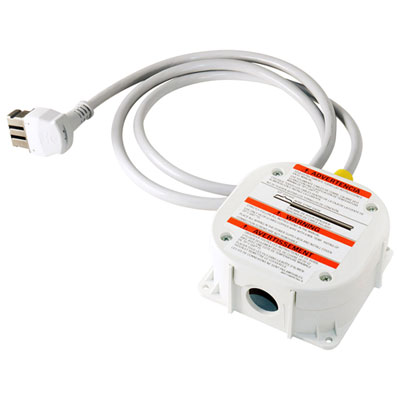 Your price for this item is $34.98
-
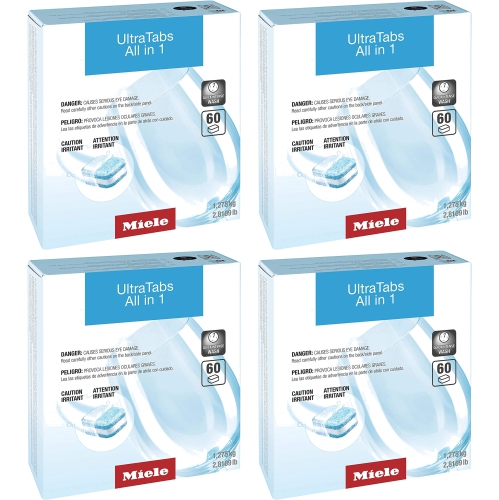 Your price for this item is $151.96
-
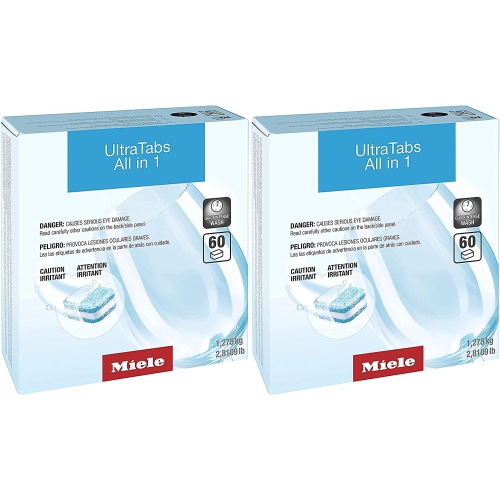 Your price for this item is $75.98
-
 Your price for this item is $105.99
-
 Your price for this item is $105.99
-
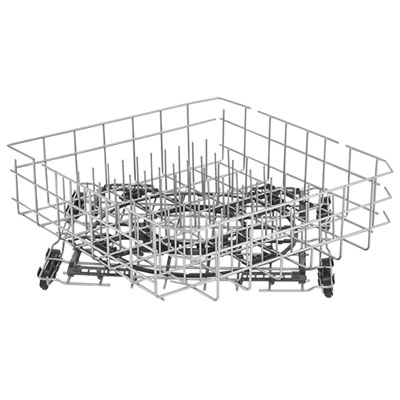 Your price for this item is $249.99
-
 Your price for this item is $19.99
-
 Your price for this item is $269
Discover more categories related to Door Gaskets

Top Collections:
Pokemon Centers, Kindle Devices, Best Budget Office Chairs, Canon G7X Cameras, Apple iPhones 16, Samsung Galaxy Phones, Refurbished Apple Laptops, Laptops for Students, iPhone 15 Apple, Budget Smartphones
Some products may be subject to Environmental Handling Fees
(EHF) depending on your province.
Learn more about EHFs.