Door Latches
When it comes to securing your doors with style and functionality, door latches are an essential component for any home or office. From traditional designs to modern finishes, door latches offer a reliable way to keep your spaces safe and private. Explore our wide selection of door latches that cater to various styles and security needs, ensuring that you find the perfect match for your doors.
Sort



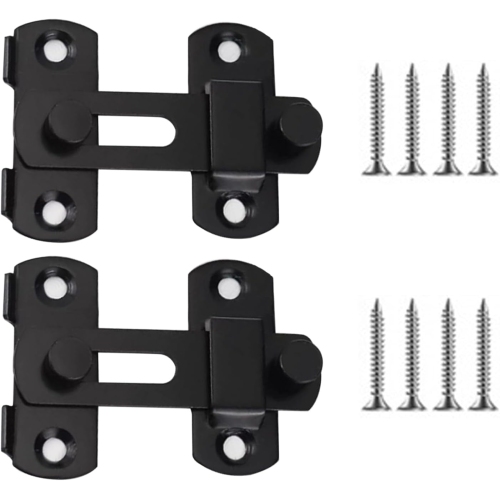
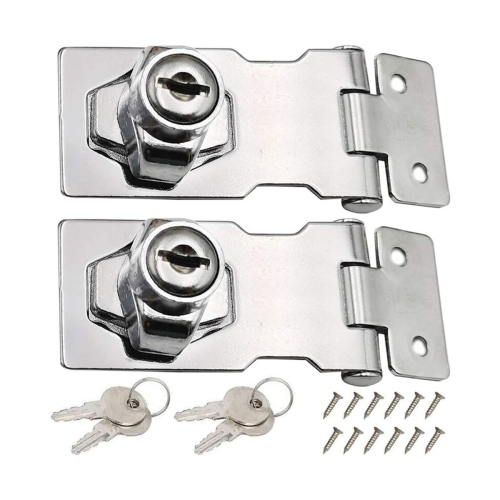
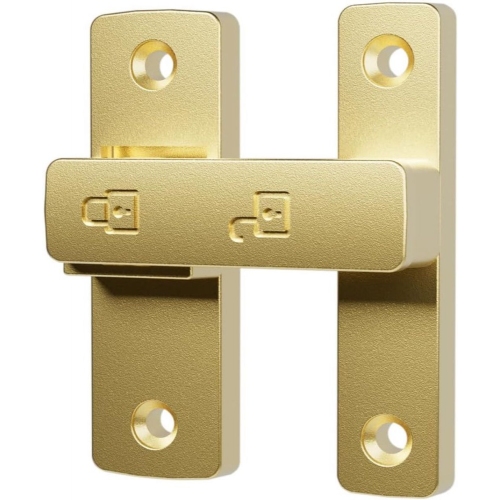
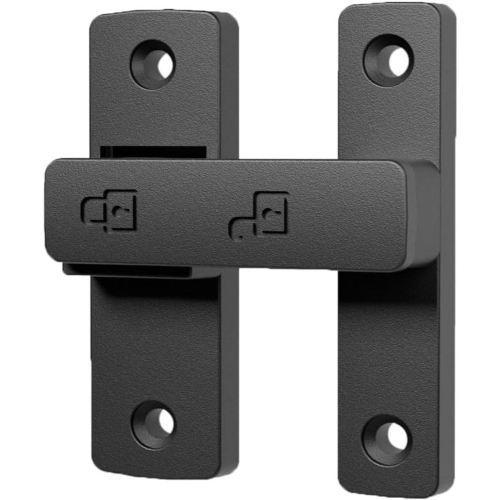


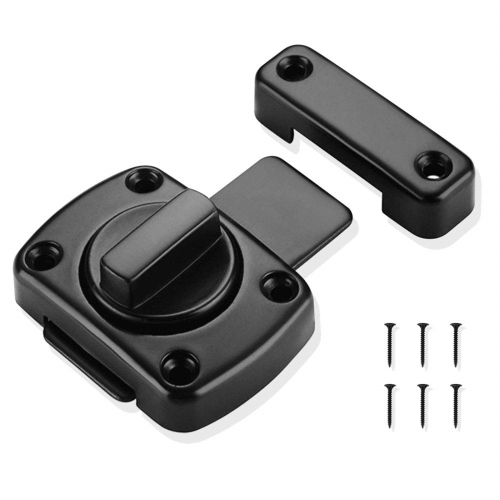
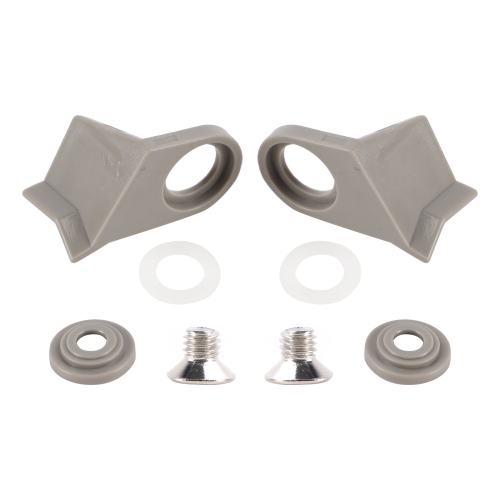
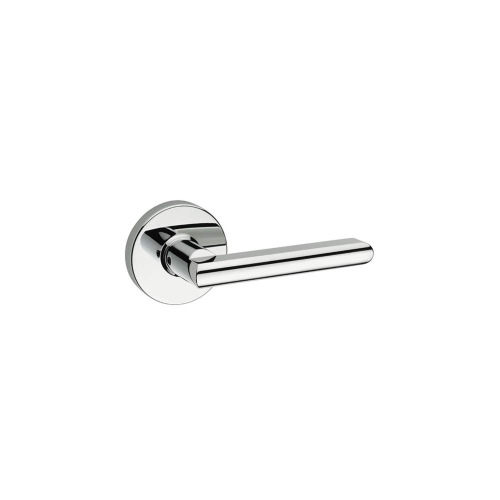
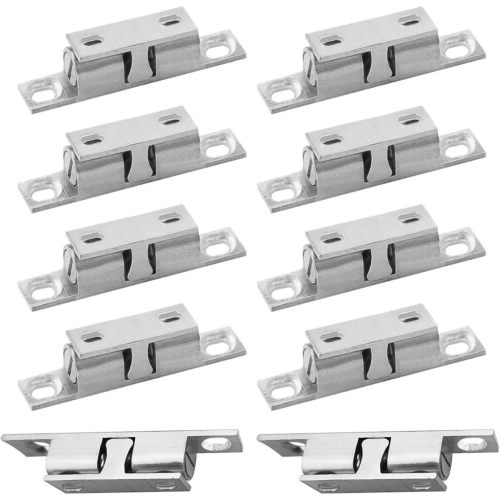













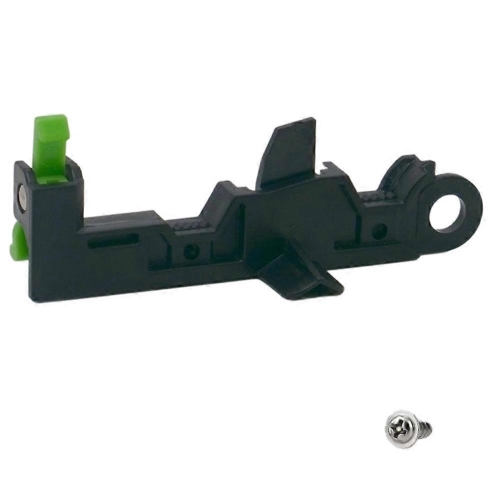
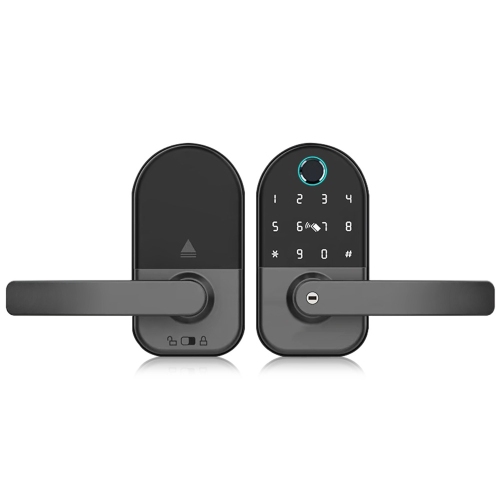
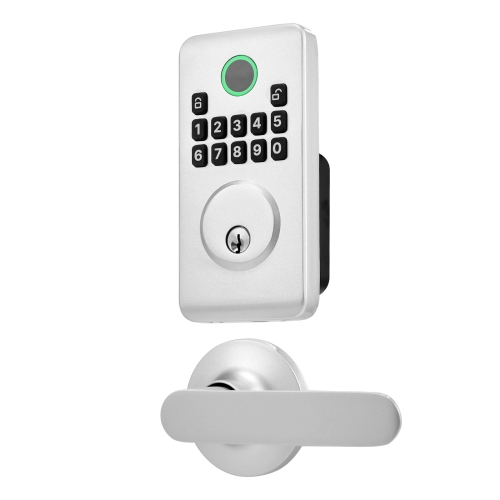

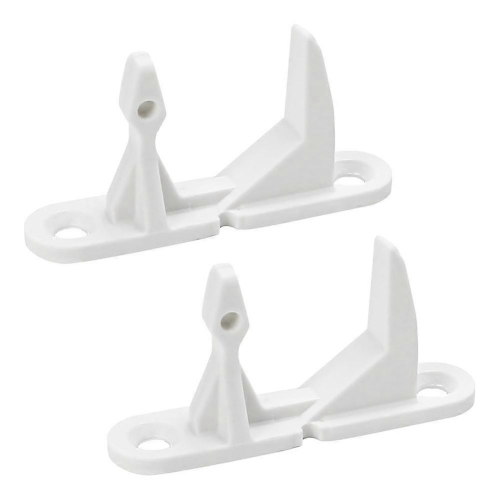
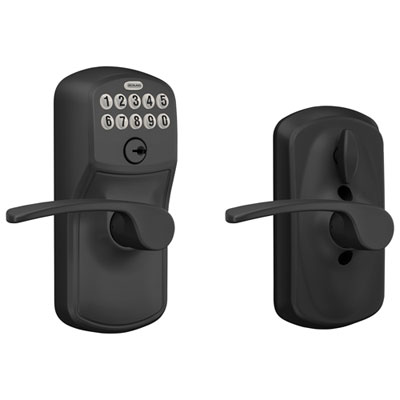
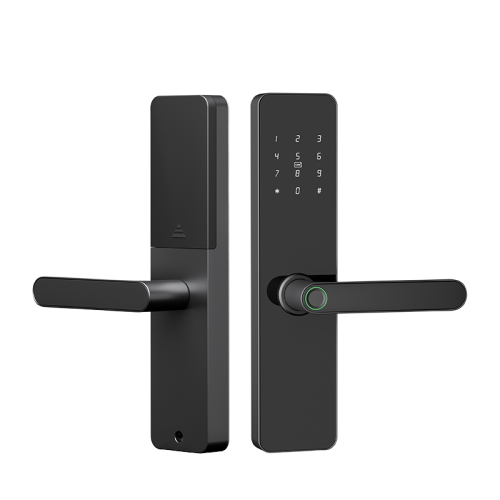
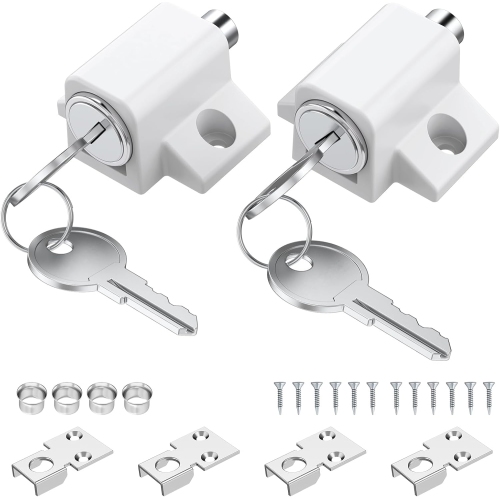


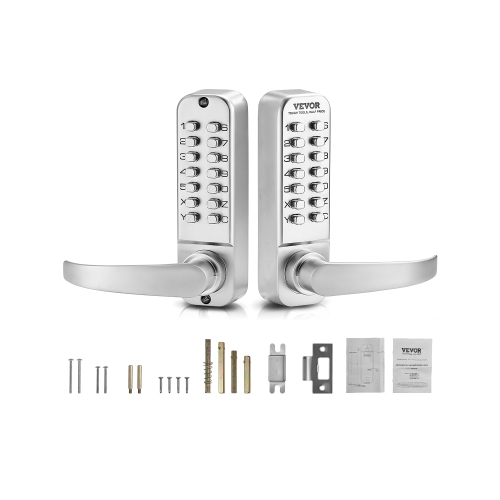

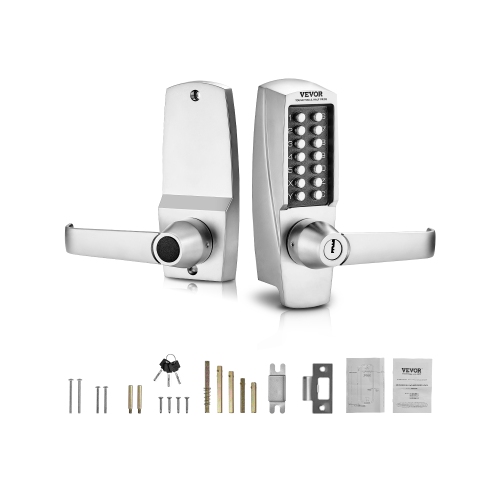
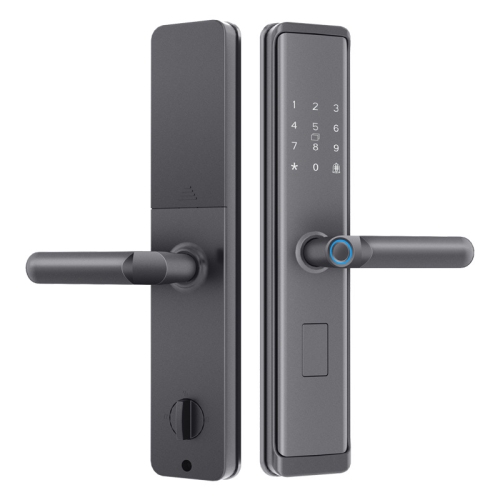

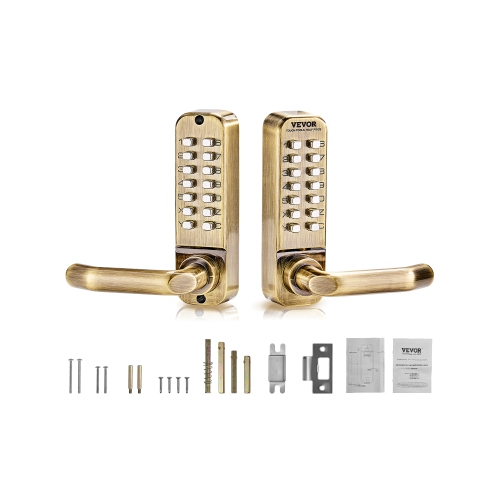
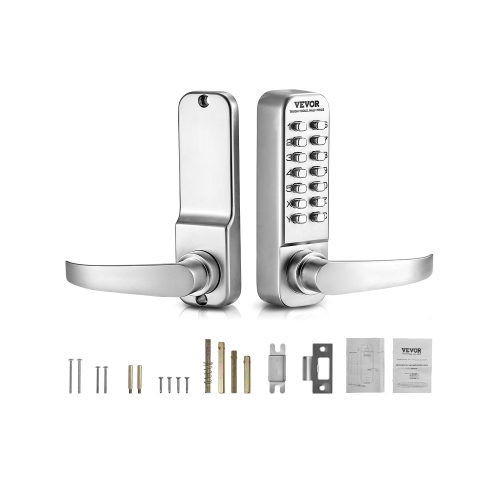
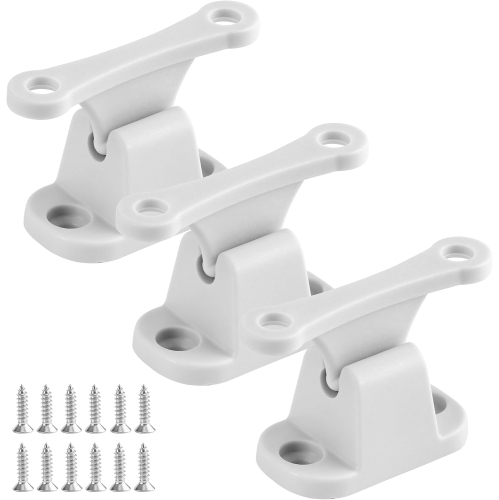
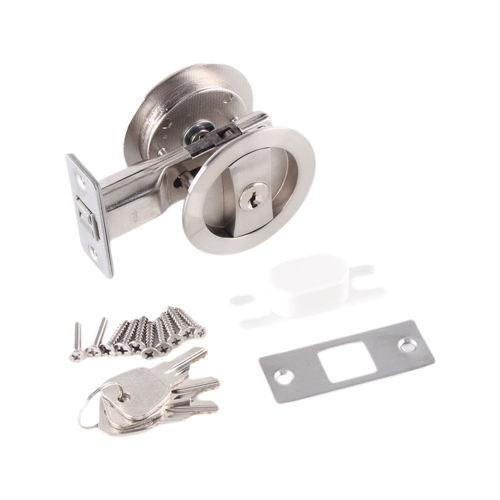


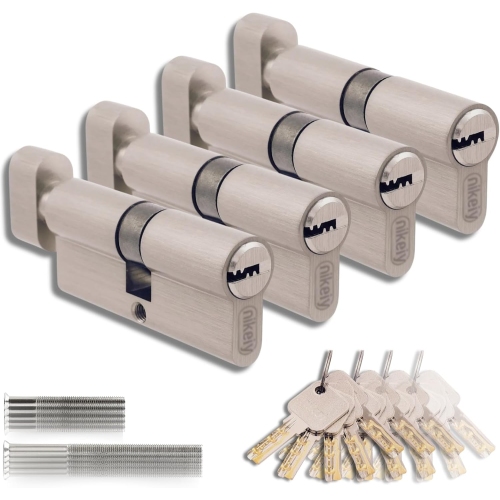


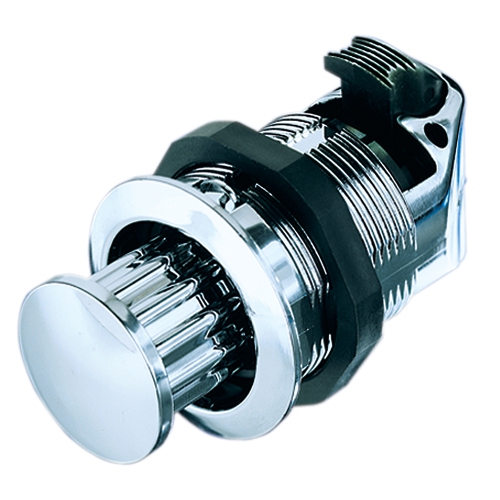
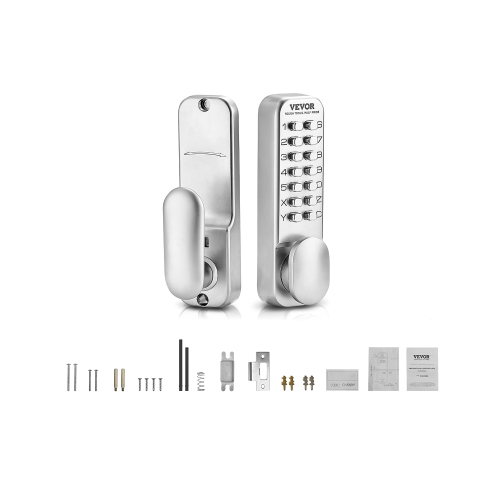

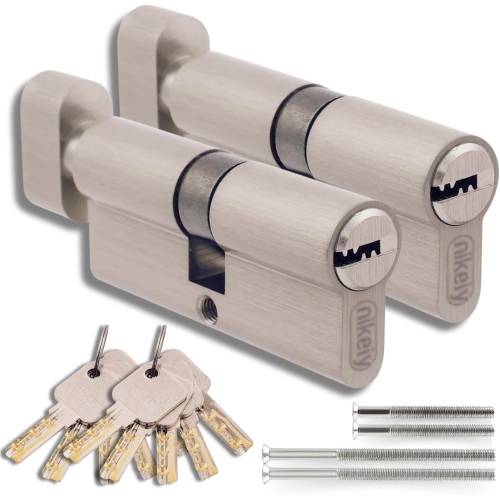
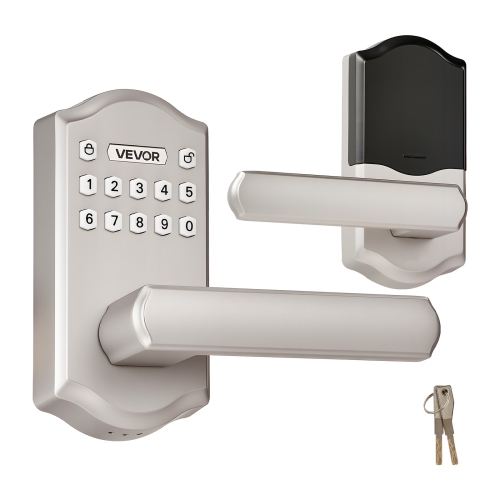
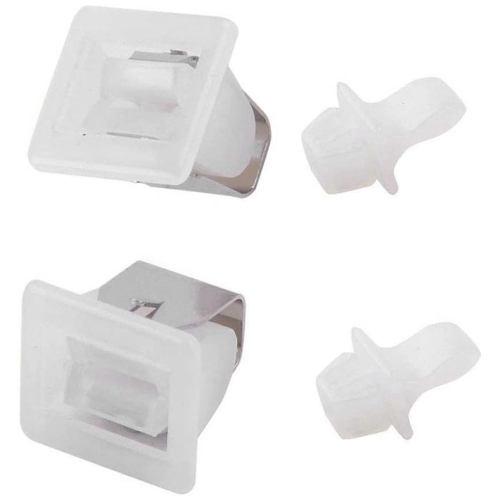
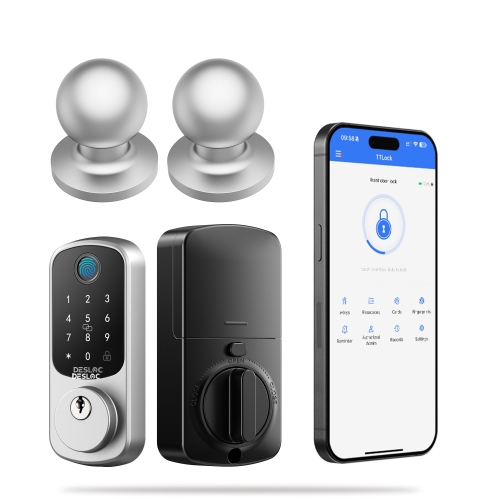


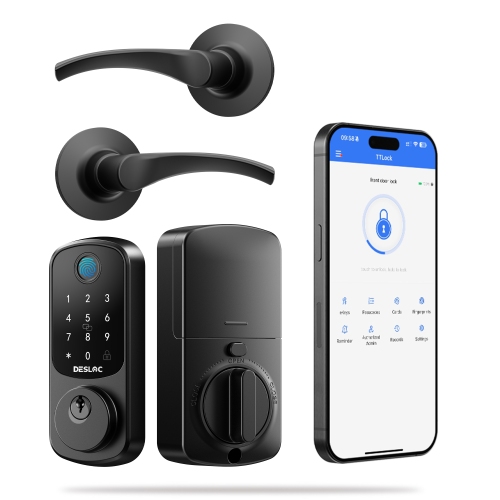
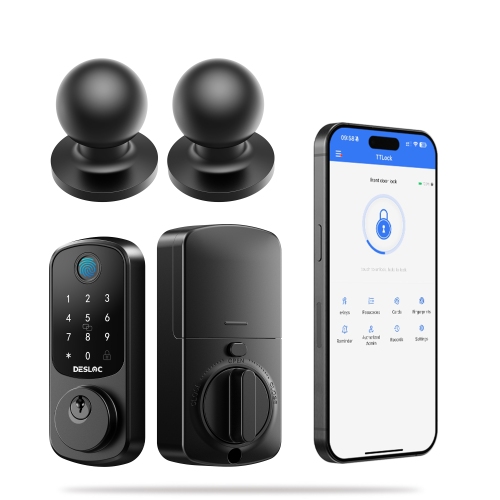

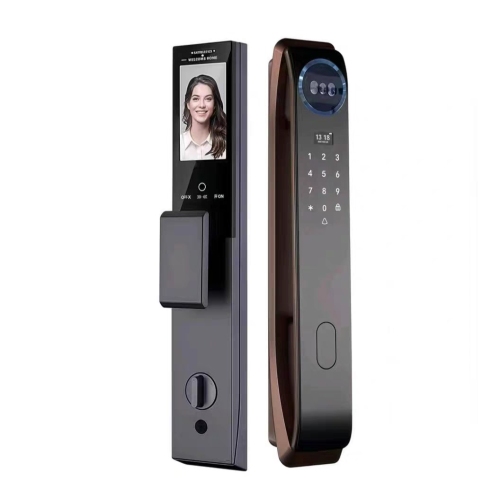

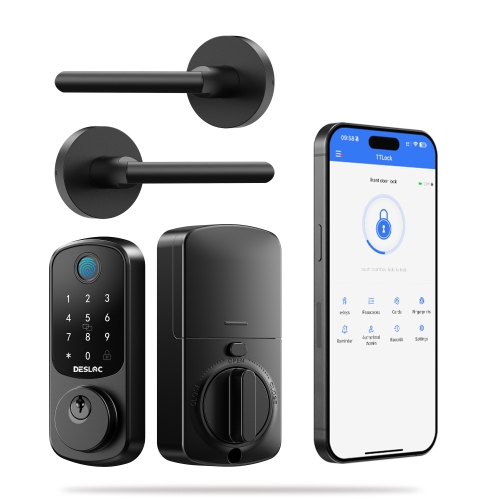
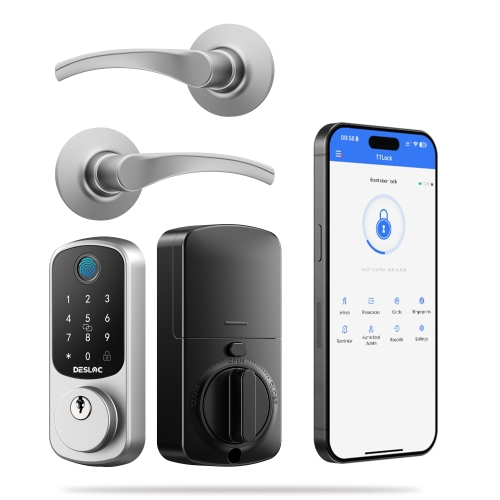


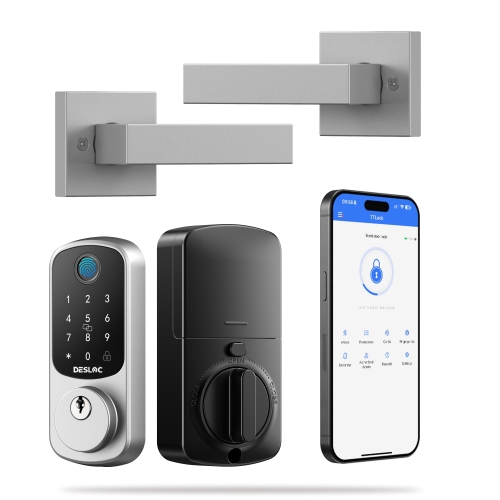
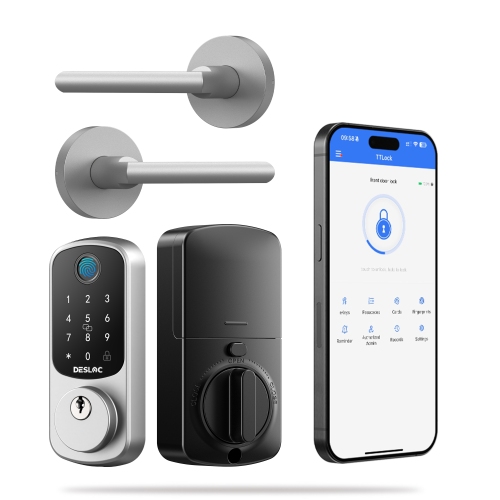
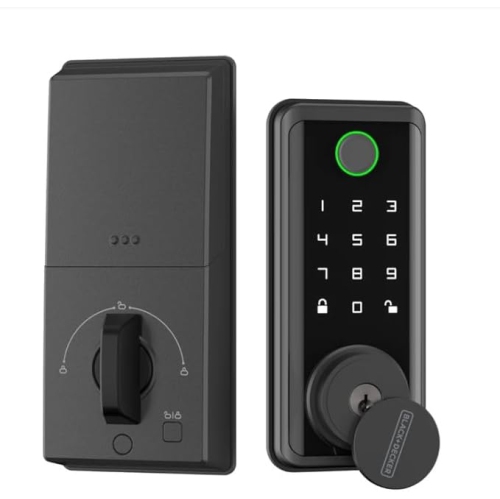

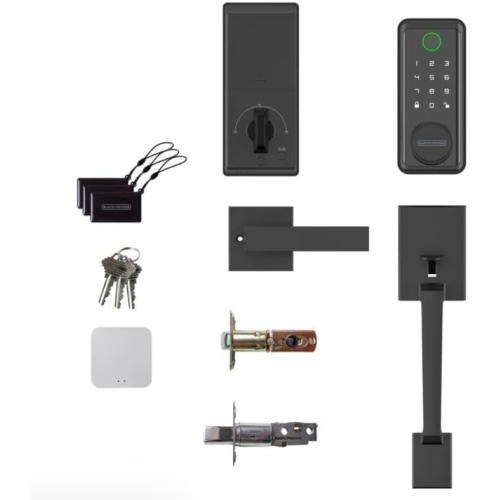
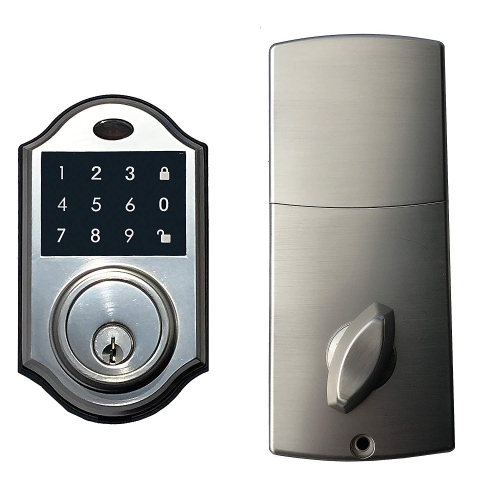

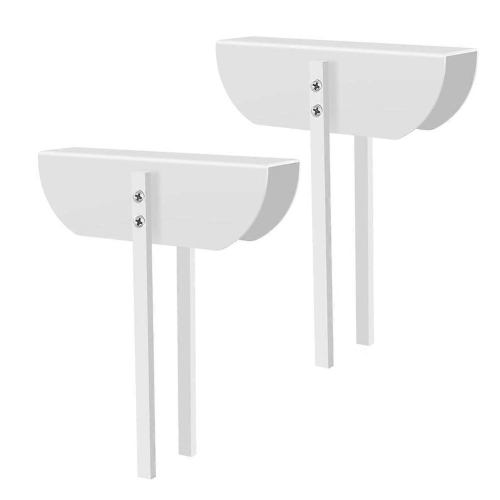
Understanding latch styles, fit and everyday door use
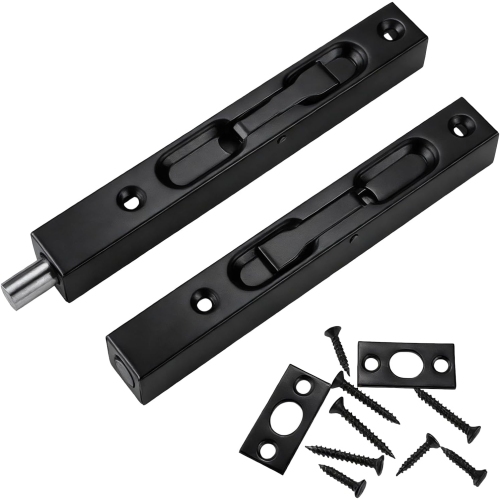
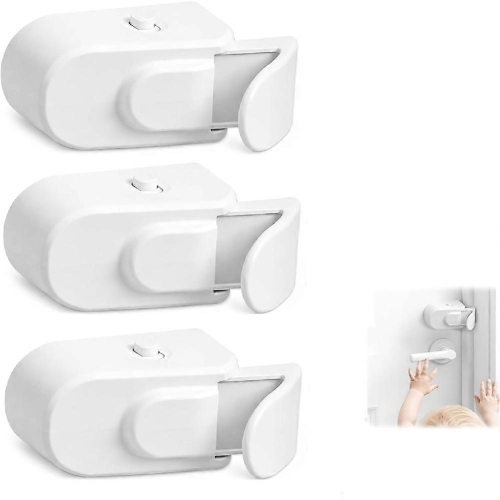
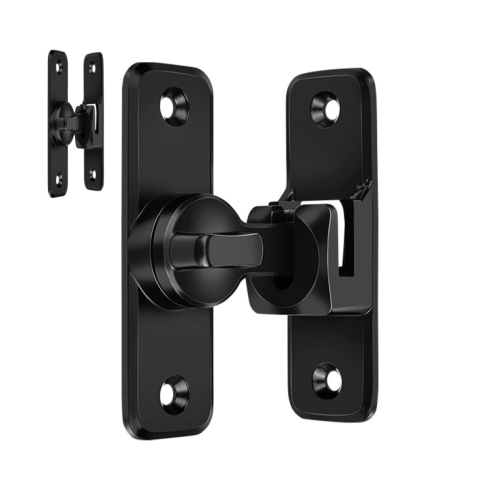
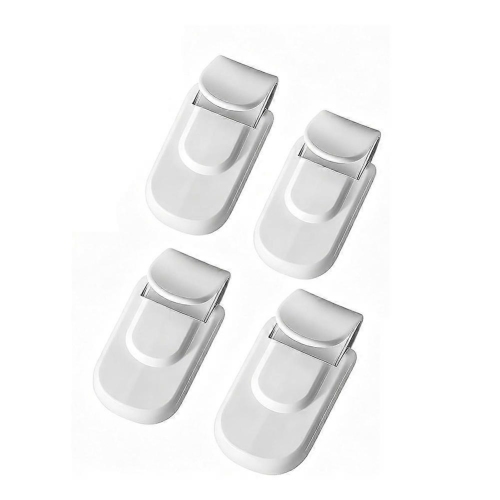
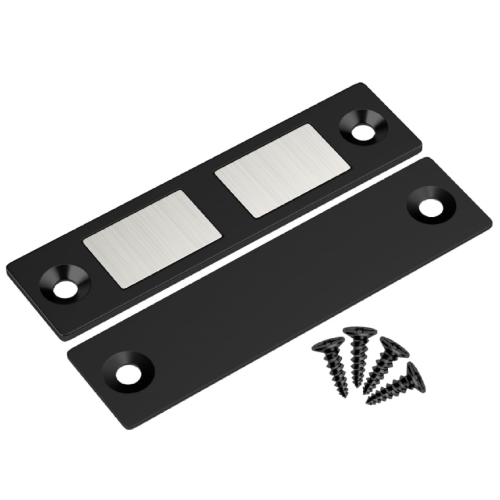
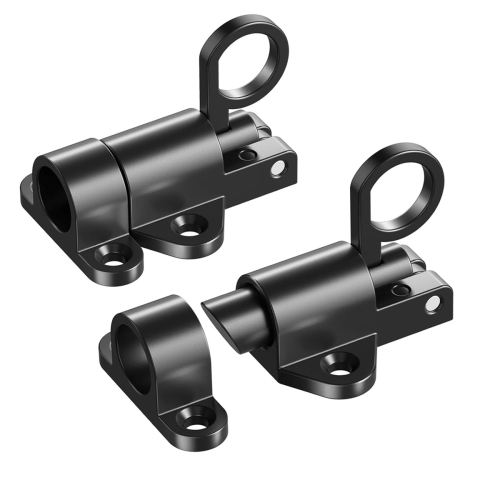
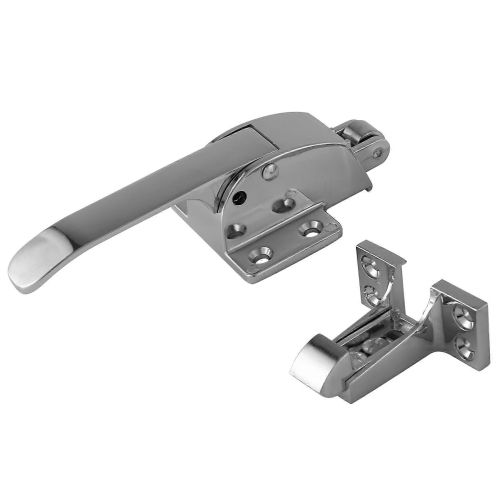
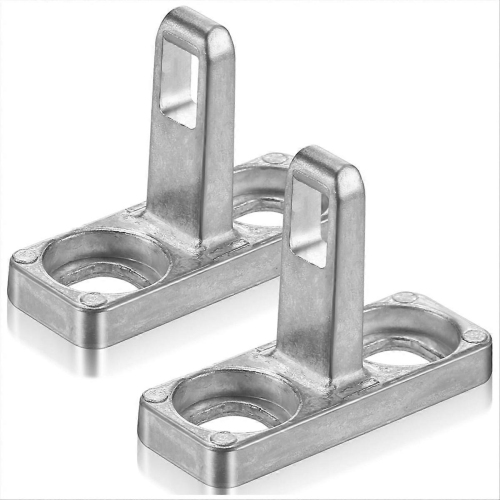
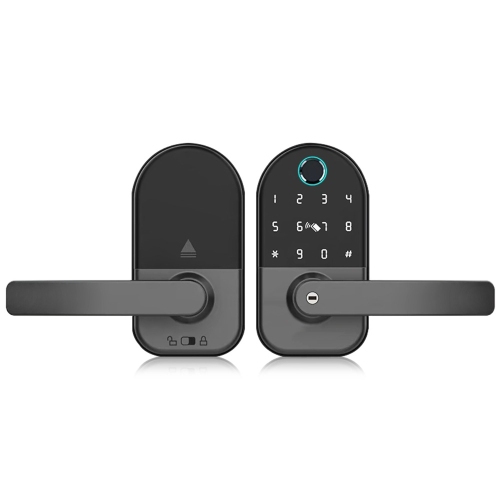
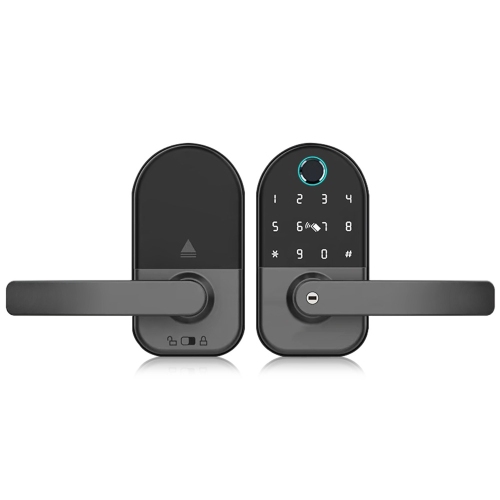
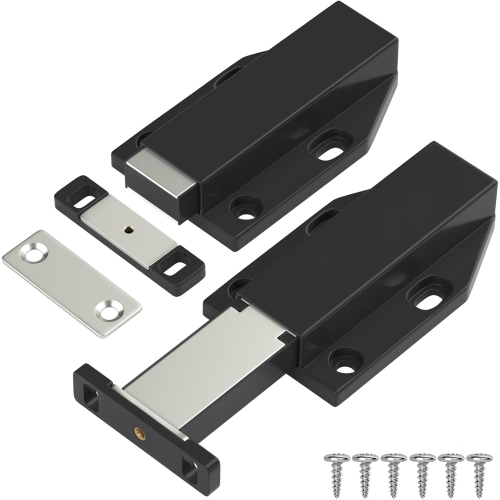
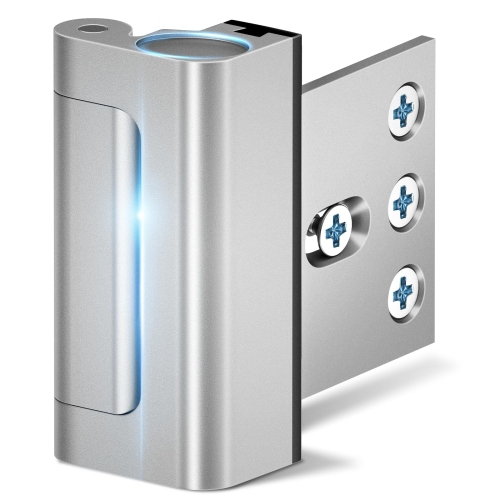
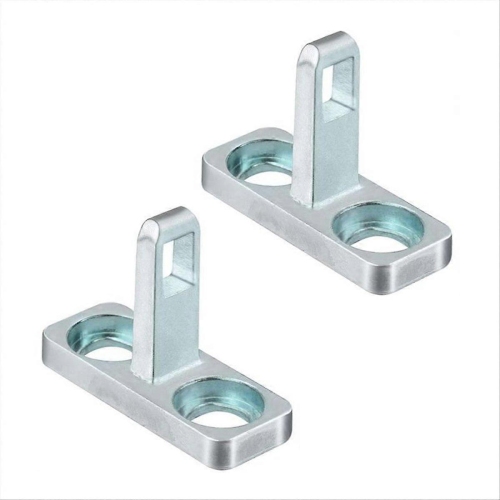
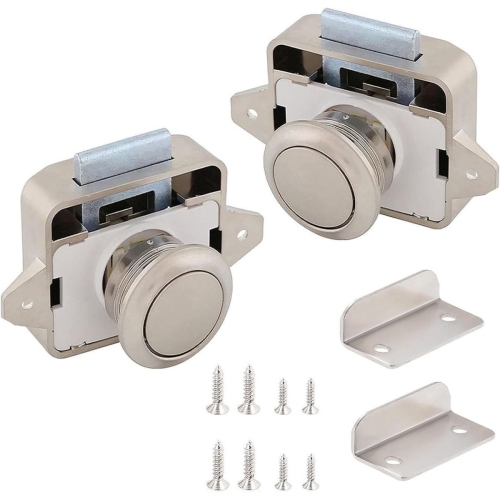
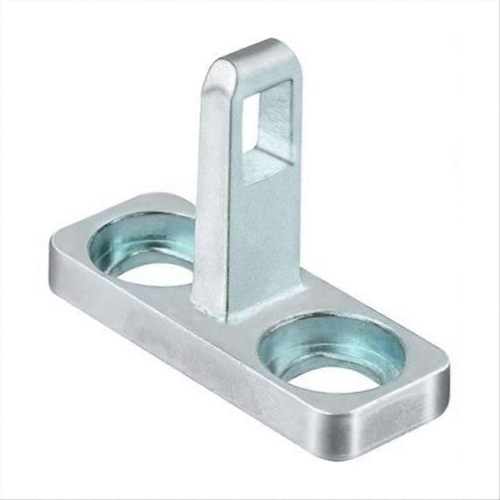
Door latches are practical pieces of door hardware that help keep a door closed, aligned and easy to operate. Depending on the design, a latch may hold a door in its frame with a spring-loaded tongue, secure it with a sliding bar, or keep a lightweight door shut with magnetic force. Standard tubular or passage latches are common on interior doors and work with knobs or levers: turning or pressing the handle retracts the latch, allowing the door to open, while the spring-loaded tongue returns into the strike plate when the door closes. These latches are useful for bedrooms, bathrooms, offices, closets and other rooms where you want a door to stay closed without necessarily locking it. Magnetic catches are suited to lighter doors, cupboards, pantry doors and similar applications where a quiet, low-profile closure is preferred. Slide bolts and barrel bolts provide a straightforward surface-mounted solution for sheds, gates, utility rooms and other doors where a visible manual fastening point is acceptable. Flip latches and barn-door hardware can suit sliding doors or doors that need to be held securely in a closed or partially open position. Screen and storm door latches are designed for lighter exterior doors and may include features that make it easier to open the door from inside without accidentally locking yourself out. Because these styles serve different purposes, the best choice depends first on the door itself and the way it is used. A latch for a standard interior door is not automatically suitable for a thick exterior door, a sliding barn door or a gate exposed to wind. Consider whether the door swings or slides, whether it opens inward or outward, and whether the latch needs to provide privacy, simple closure or added security.
When replacing a latch, accurate measurements can make the difference between a smooth installation and a frustrating one. Check the door thickness, the backset—the distance from the door edge to the centre of the handle or bore—and the size and shape of the existing cut-outs. The latch face should sit neatly against the door edge, and the latch tongue should meet the strike plate squarely when the door closes. If the strike is loose, bent or poorly positioned, the door may rattle, scrape or require extra force to close even when the latch itself is working properly. A replacement strike plate or adjustment to the existing plate may solve the problem. Also check whether the latch is intended for a knob, lever or another operating mechanism, and confirm the required handing for doors with a specific left- or right-side orientation. For exterior applications, look for construction and finishes suited to regular handling and changing conditions, particularly as cooler weather arrives and doors may swell, contract or become harder to align. A latch with a secure keeper and a firm mounting surface can help a door remain closed during drafts and gusts, but it should not be treated as a substitute for a properly rated lock where security is the main concern. For doors that need better protection from drafts, moisture or outside air, consider pairing suitable hardware with Door Gaskets, making sure the added seal does not prevent the latch from engaging fully.
Door latches can be useful for homeowners completing small repairs, renters looking for a practical replacement where permitted, landlords maintaining multiple properties, and do-it-yourself renovators updating hardware throughout a home. They can also be a thoughtful housewarming gift for someone settling into a new home, setting up a workshop, renovating a cottage or preparing a nursery, especially when matched to a specific repair or room improvement. Before choosing one, consider how often the door is used, who will operate it and how much force the door receives. A frequently used hallway or washroom door benefits from a latch that operates smoothly with one hand, while a rarely used storage door may only need a simple closure. In homes with children, older adults or anyone with limited hand strength, a lever-compatible latch can be easier to operate than a small knob or stiff sliding bolt. For a pantry, cabinet or lightweight utility door, a magnetic catch may provide a clean appearance and gentle closing action. For a workshop, shed or side gate, a barrel bolt or slide latch may offer a more direct, easy-to-see fastening method. Installation usually involves a screwdriver and careful alignment, although drilling, chiselling or replacing a strike may be necessary when the new latch does not match the original opening. Work slowly, test the door before tightening every screw and avoid forcing the mechanism if the tongue does not line up with the keeper. A properly selected door latch should close without slamming, release without sticking and remain firmly engaged until the handle or fastening bar is operated. During the cooler months, checking commonly used doors for loose screws, misalignment and worn latches can help keep everyday entrances, rooms and storage areas functioning comfortably.
Top selling and popular products
-
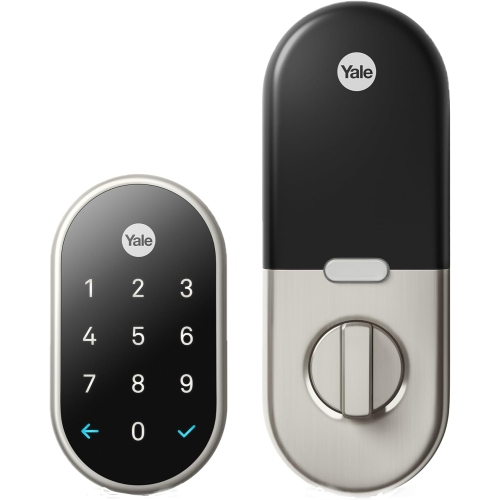 Your price for this item is $369.55
-
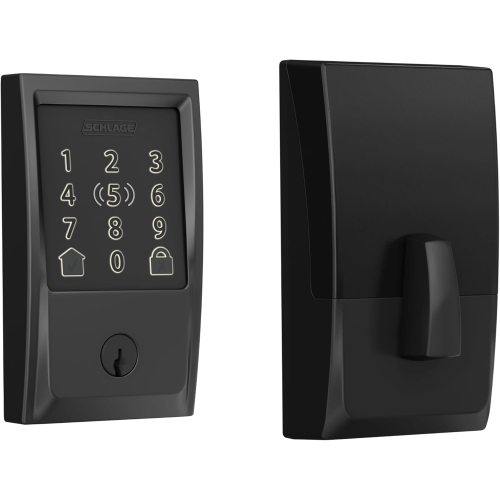 Your price for this item is $359.99
-
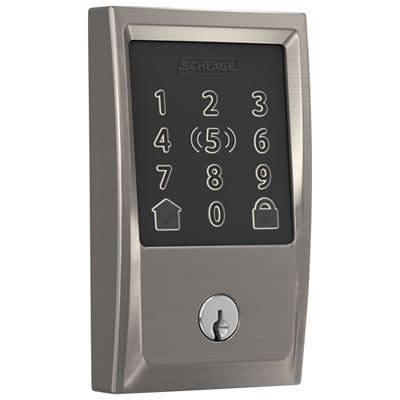 Your price for this item is $319.98
-
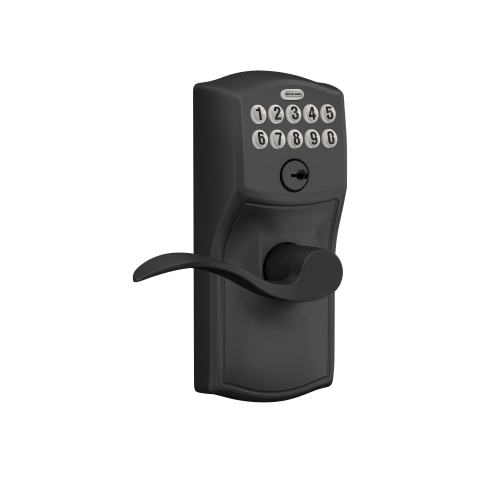 Your price for this item is $155
-
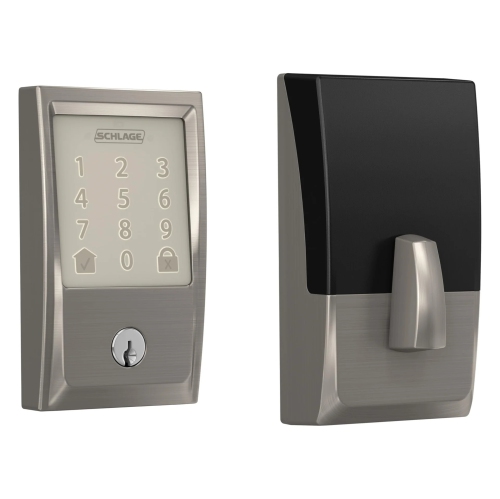 Your price for this item is $289.99
-
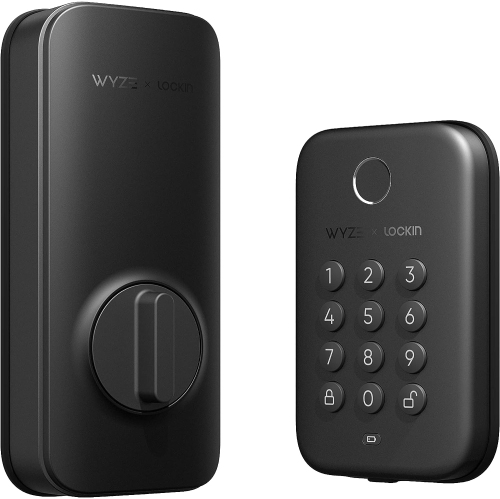 Your price for this item is $149
-
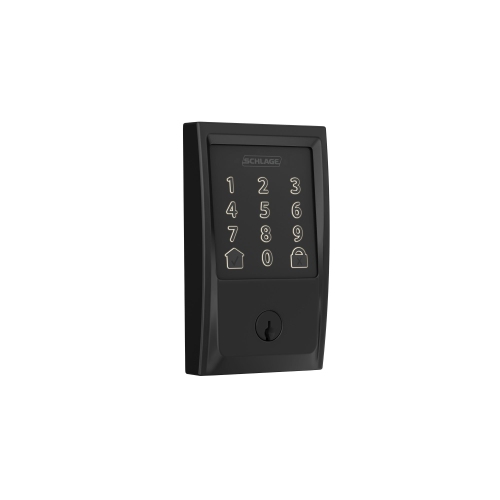 Your price for this item is $289.99
-
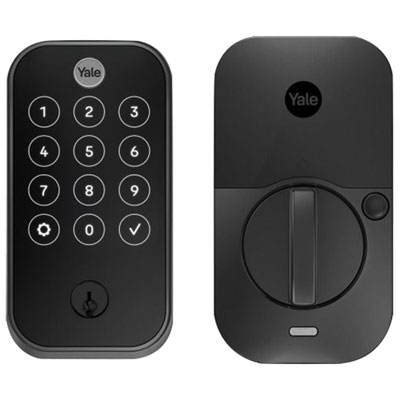 Your price for this item is $349.99
Discover more categories related to Door Latches


Top Collections:
Pokemon Centers, Kindle Devices, Best Budget Office Chairs, Canon G7X Cameras, Apple iPhones 16, Samsung Galaxy Phones, Refurbished Apple Laptops, Laptops for Students, iPhone 15 Apple, Budget Smartphones
Some products may be subject to Environmental Handling Fees
(EHF) depending on your province.
Learn more about EHFs.