Double Bunk Beds
A double bunk bed is the perfect solution to provide comfortable sleeping arrangements while saving valuable floor space. These versatile and stylish bunk beds are ideal for siblings sharing a room, sleepovers, or accommodating guests. With sturdy construction and a range of design options, you can find the perfect double bunk bed to suit your needs and complement your decor. Upgrade your living space with a functional and space-saving double bunk bed today!
Sort
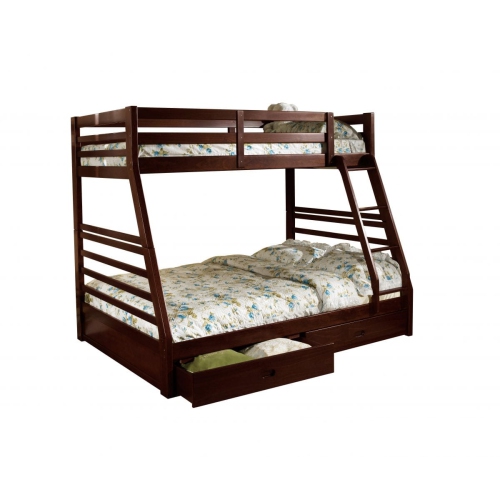
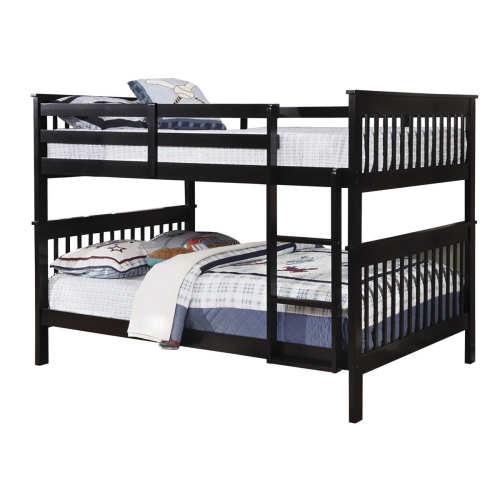
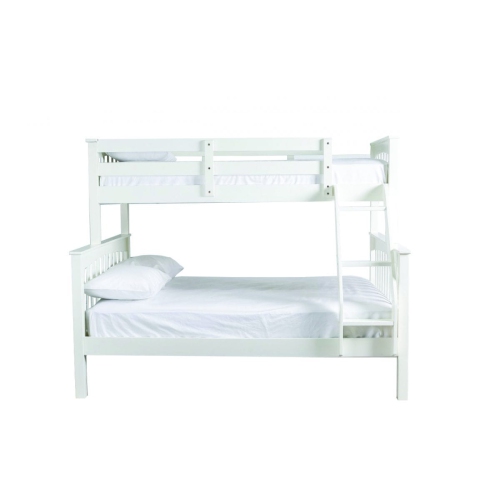

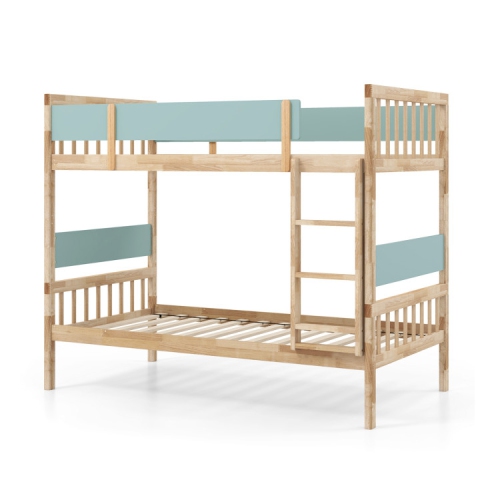

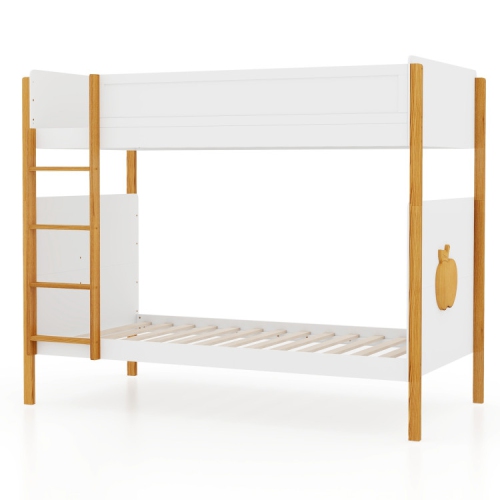
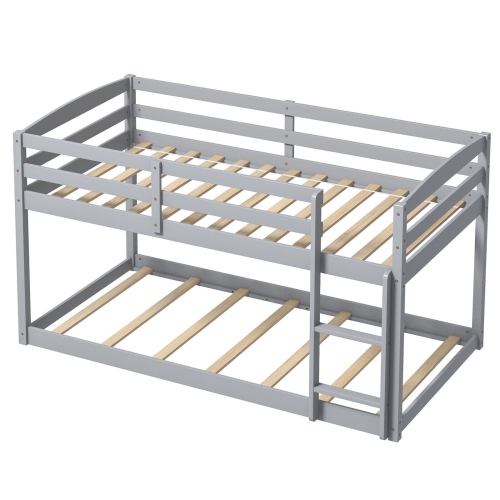
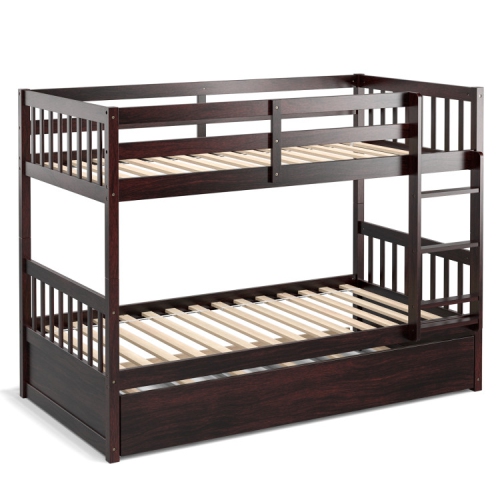
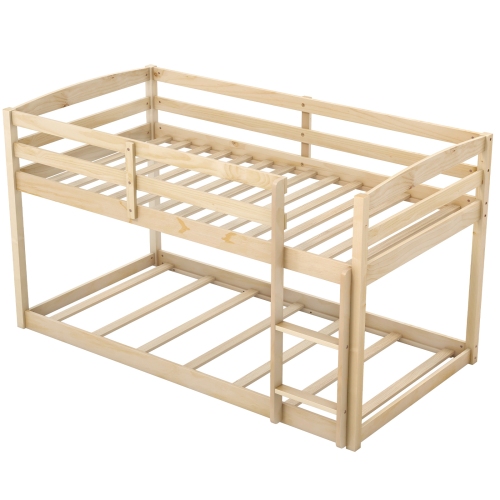
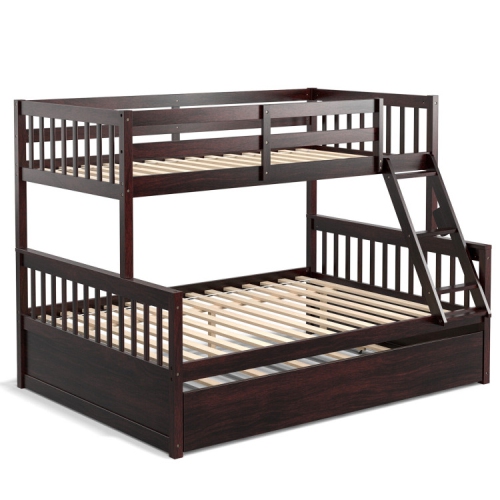
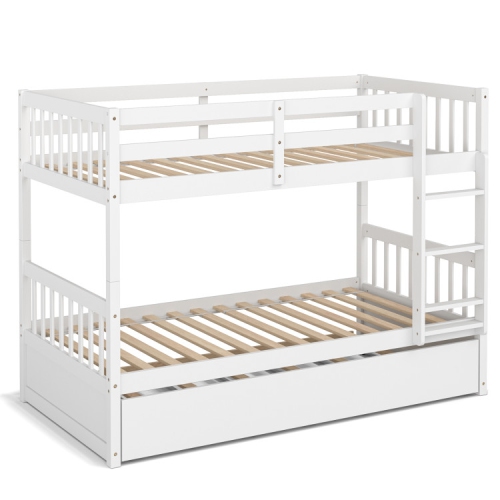
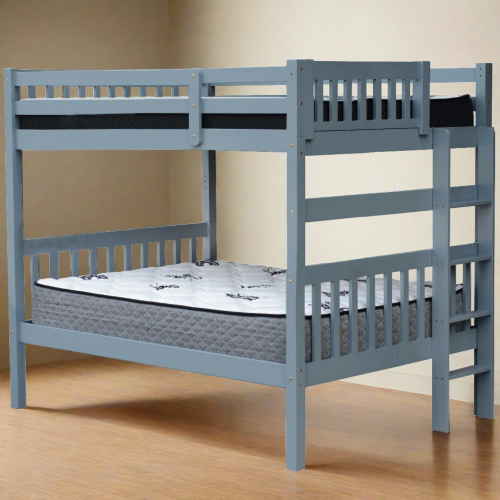
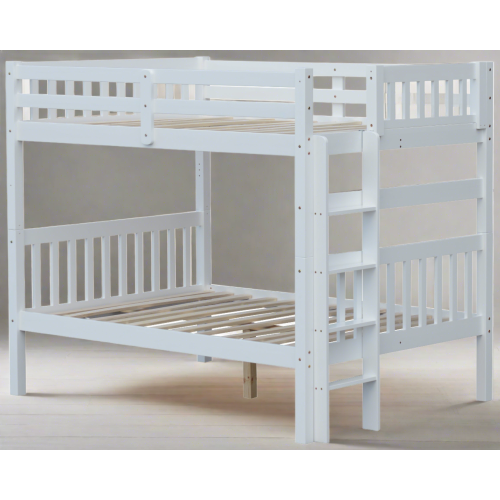
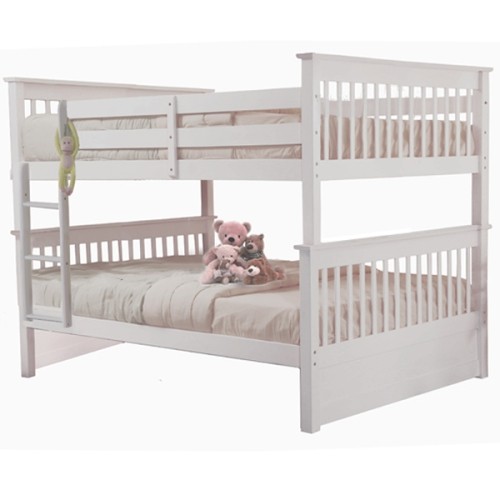
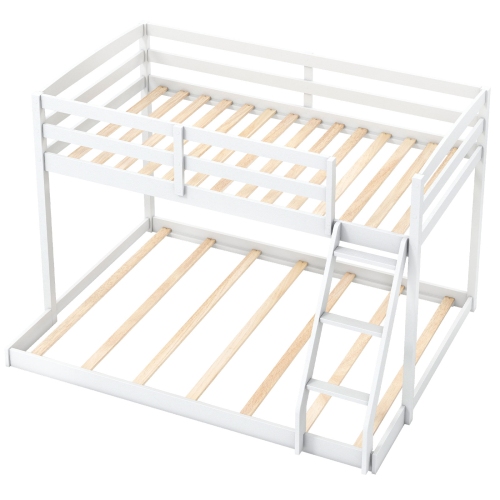
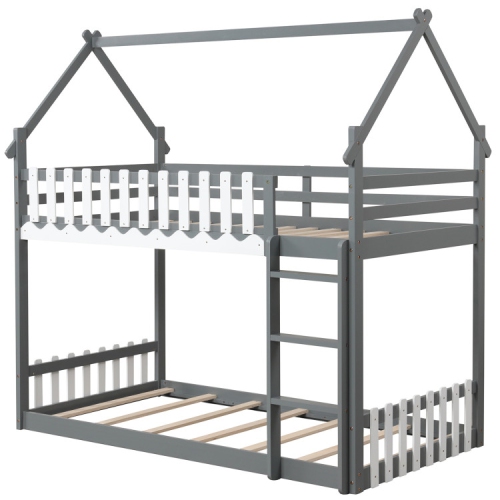

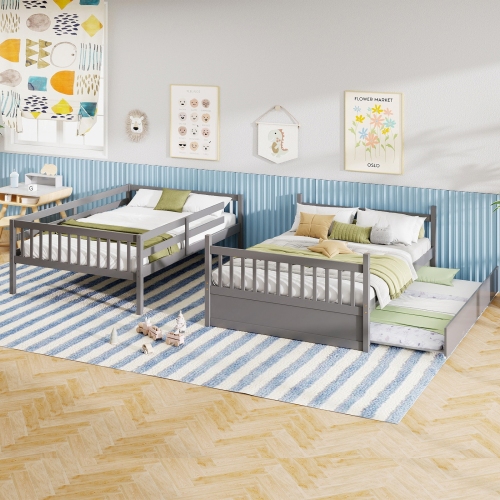


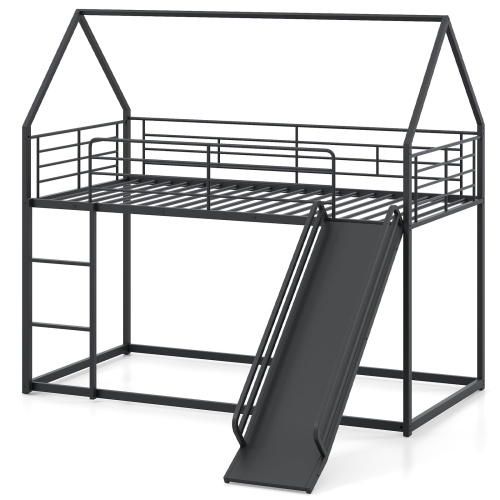
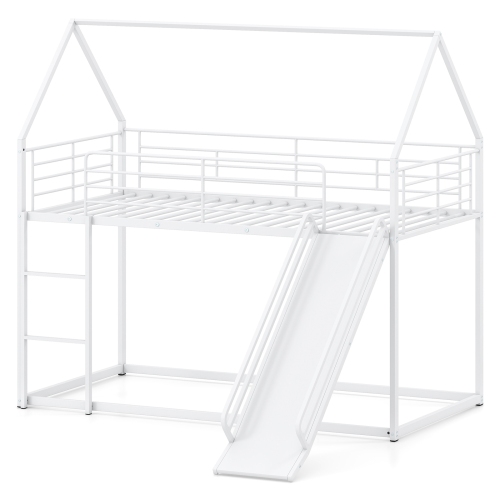


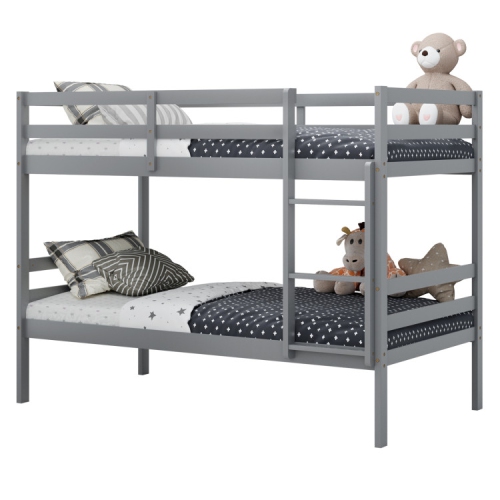
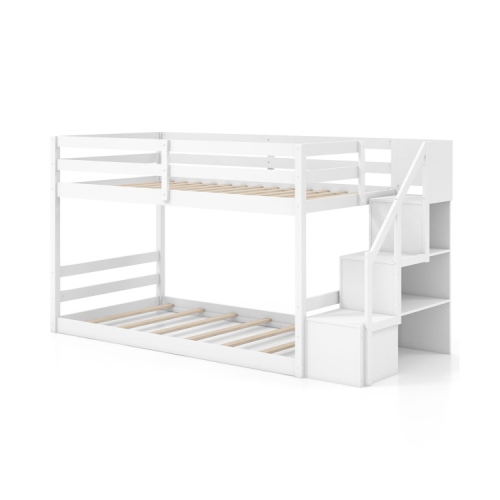


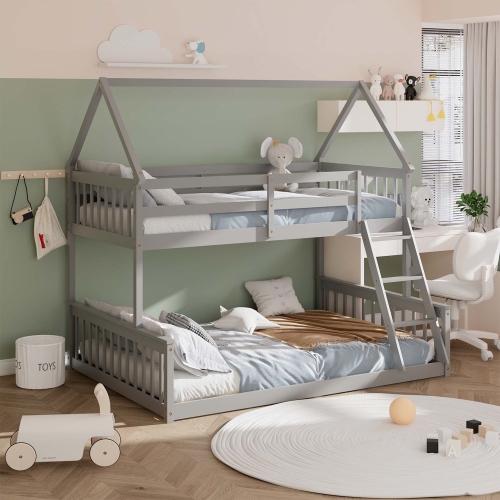


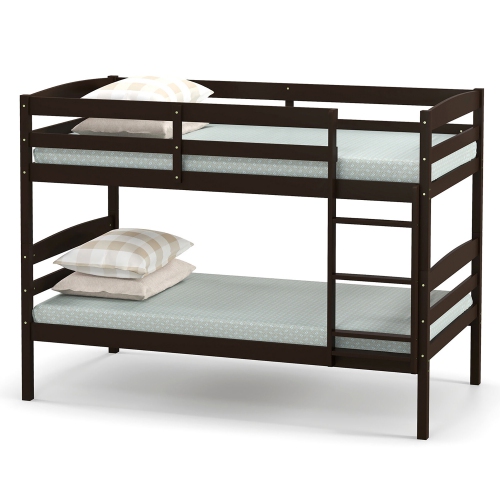
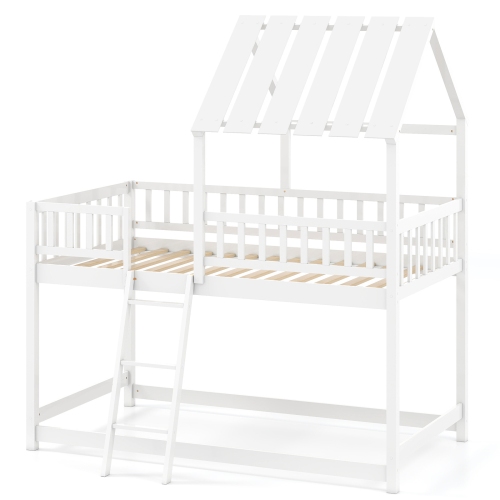
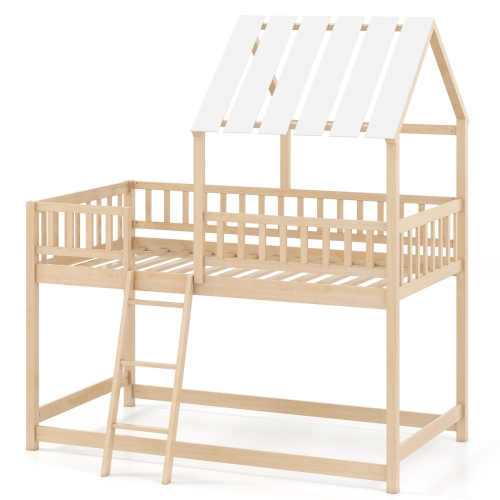
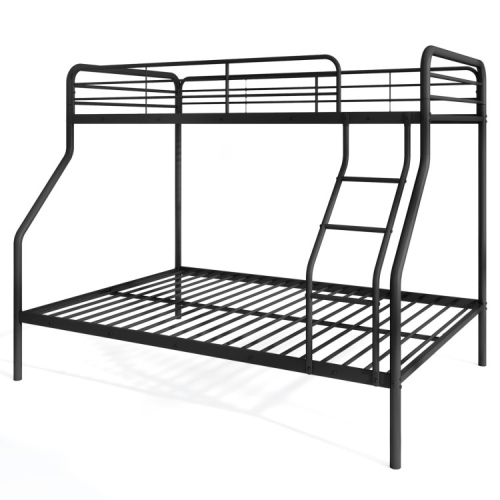
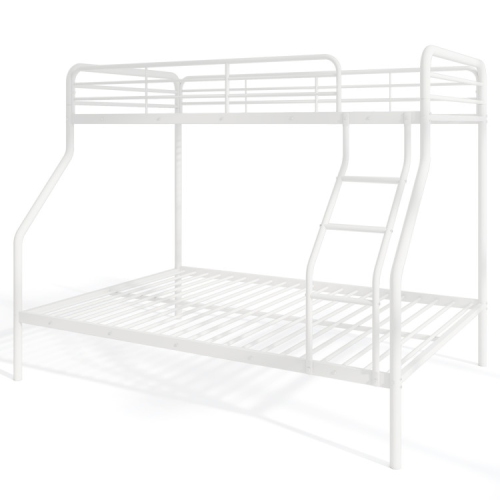

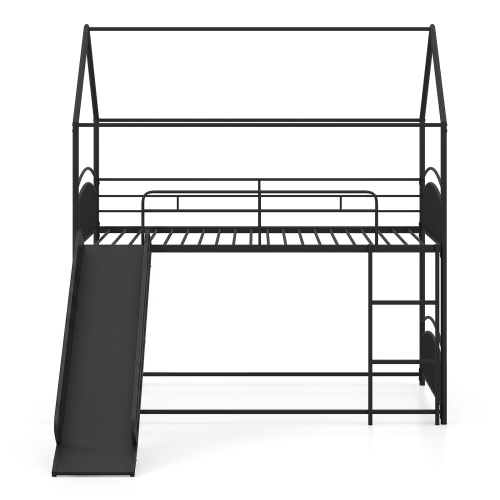
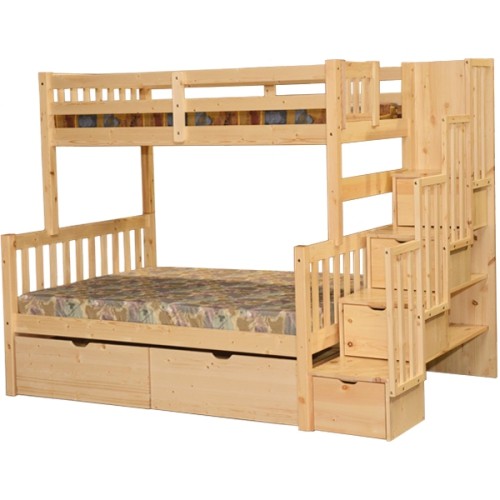
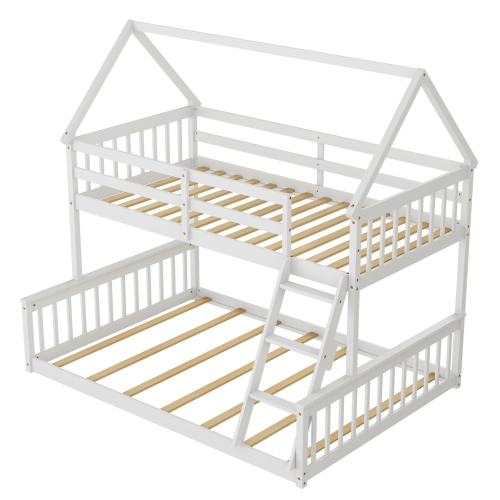
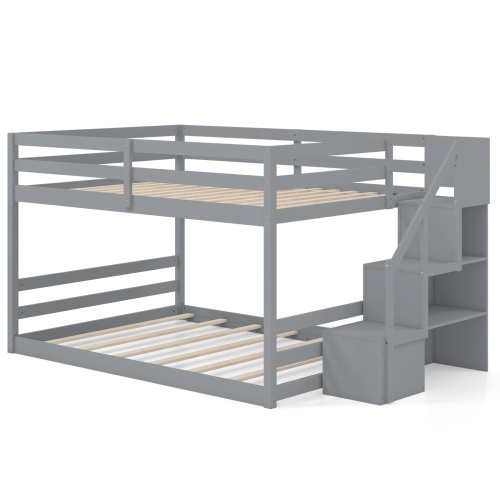
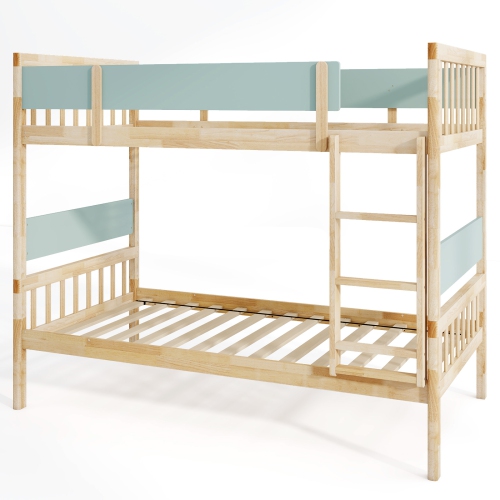
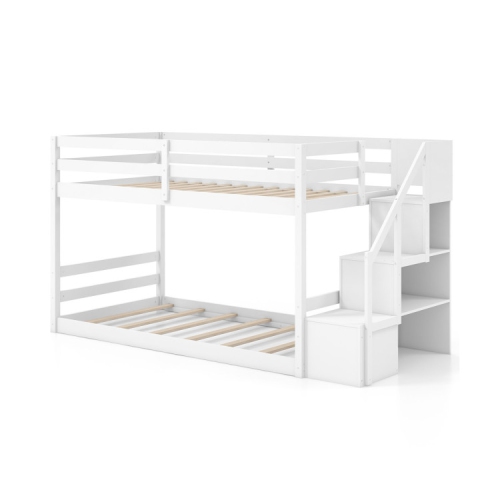
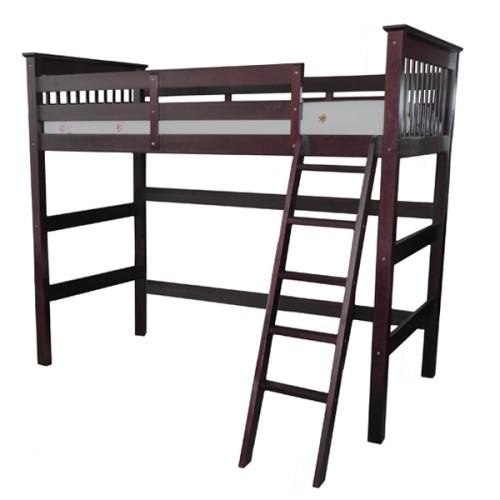
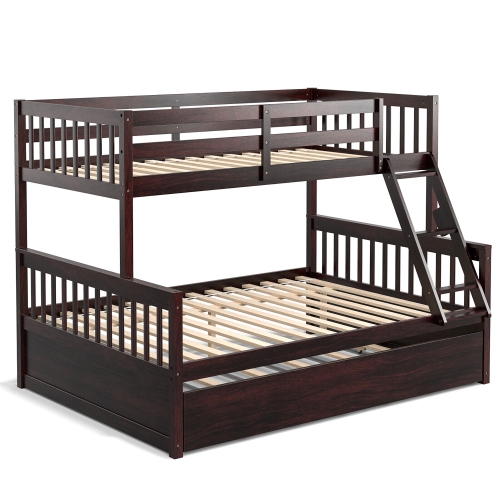

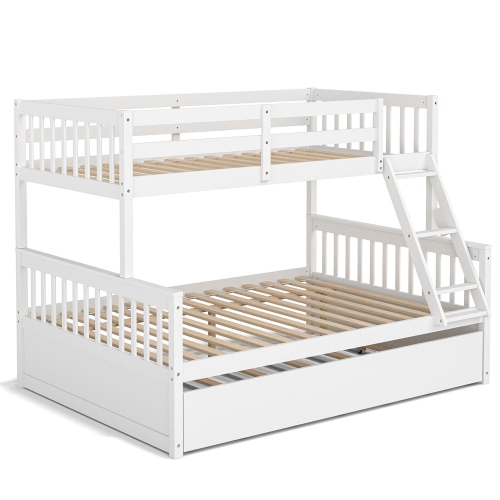
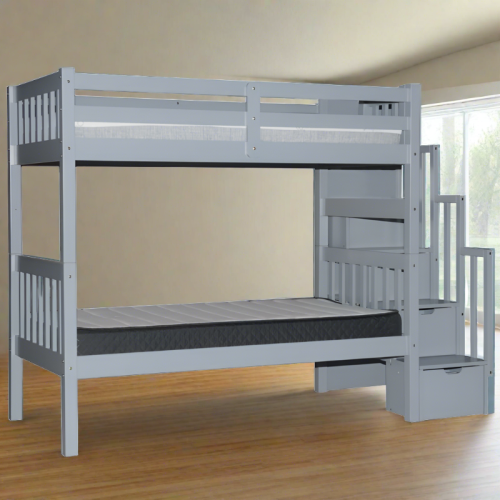

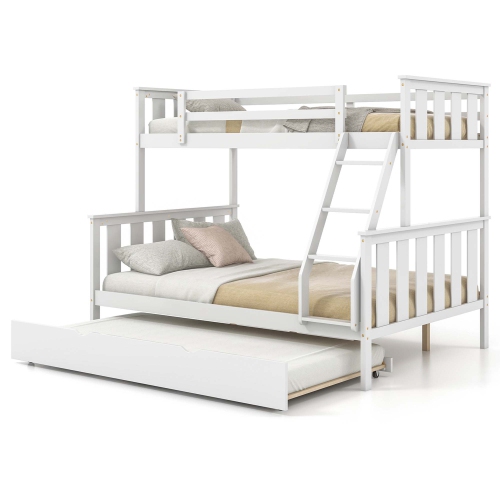

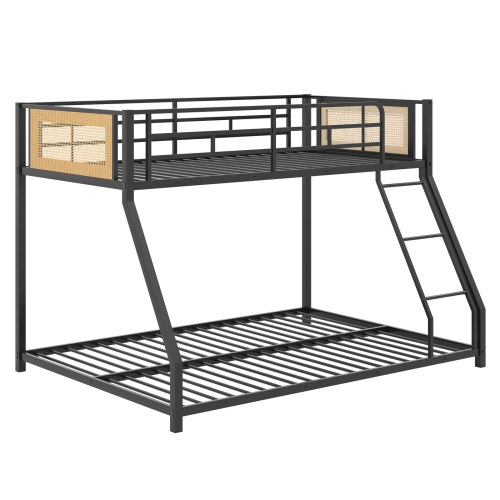
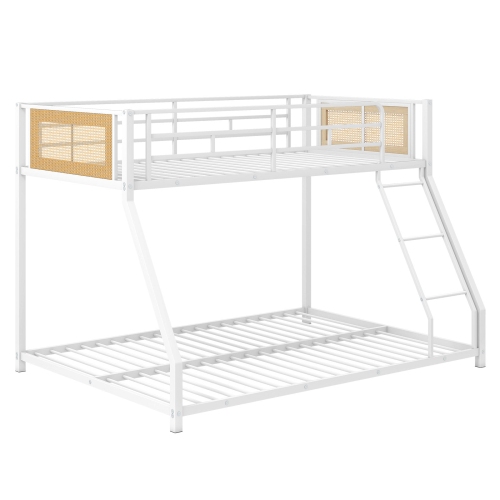
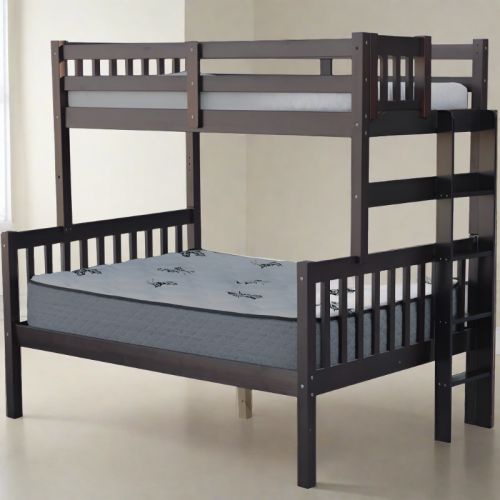
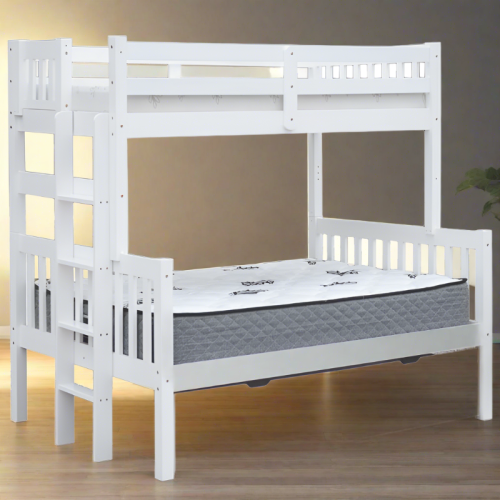
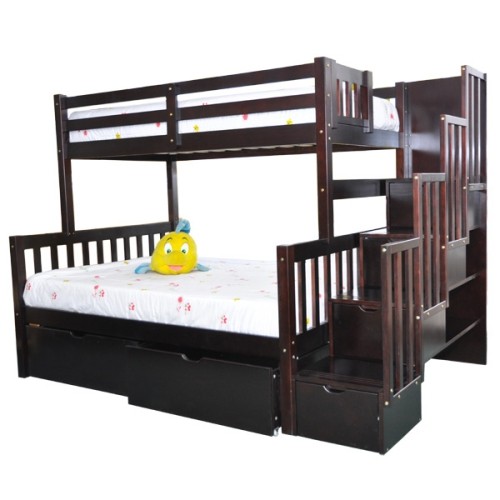


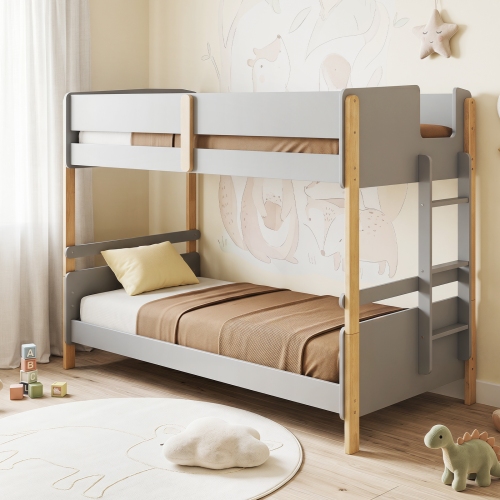
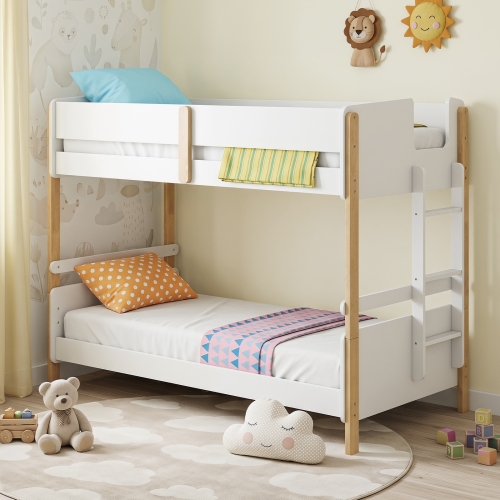


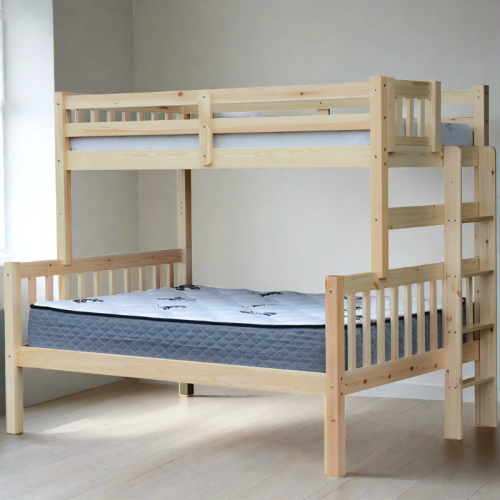
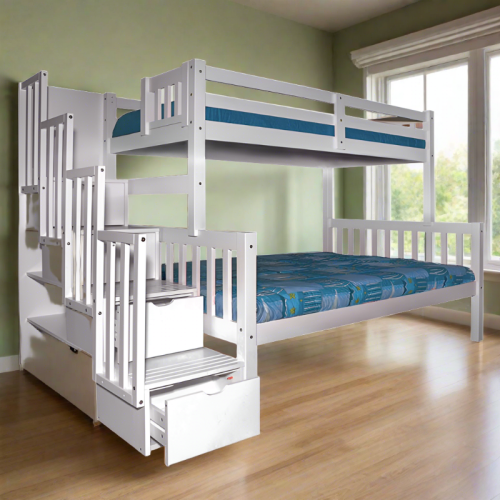
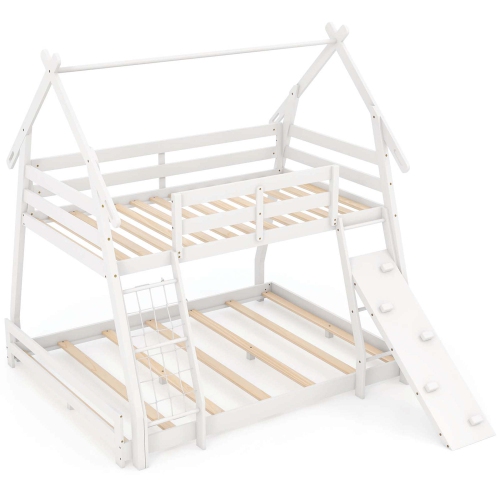
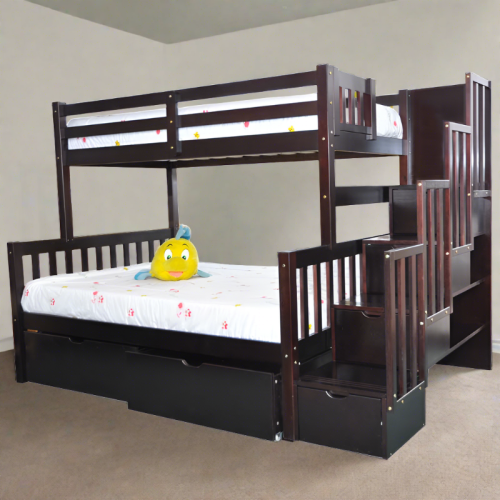
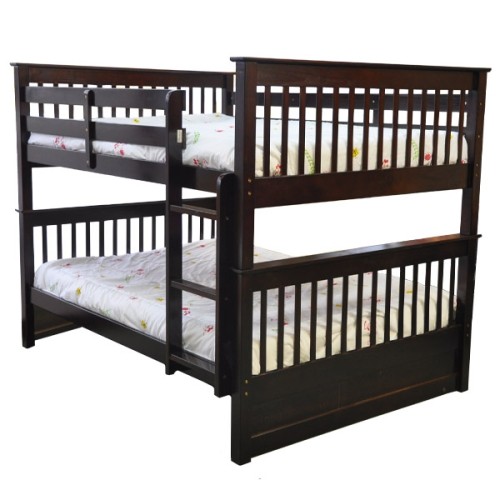
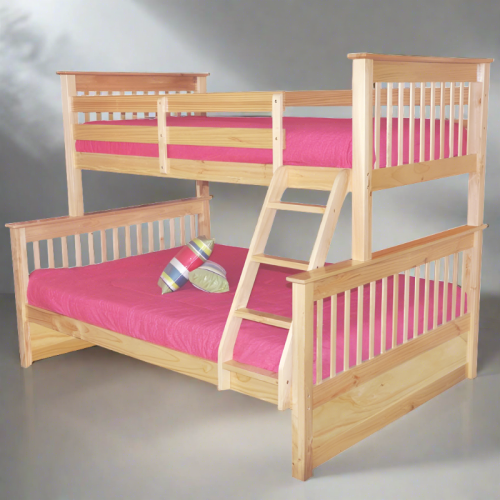

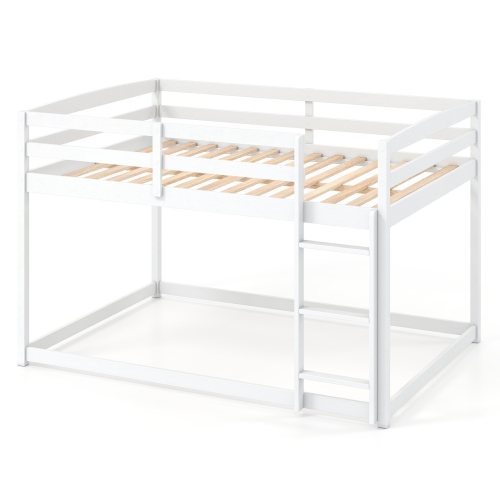
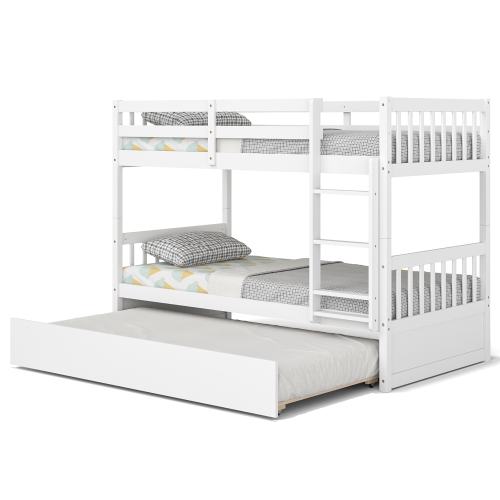
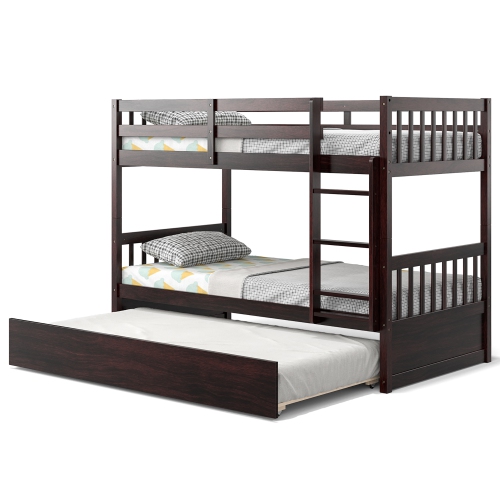
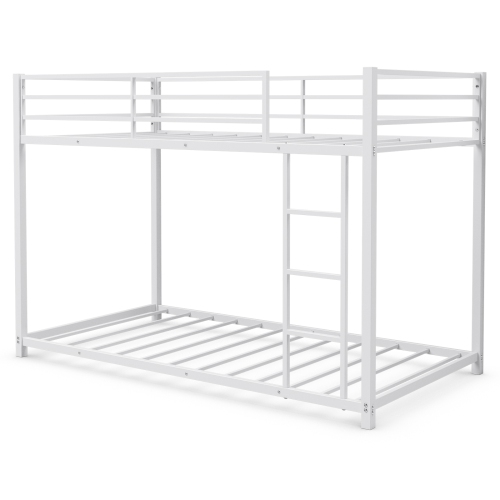
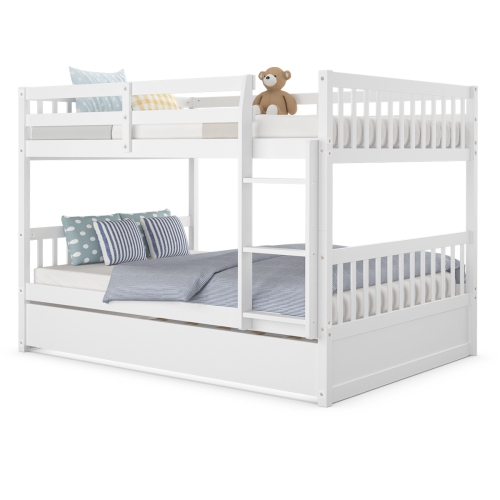
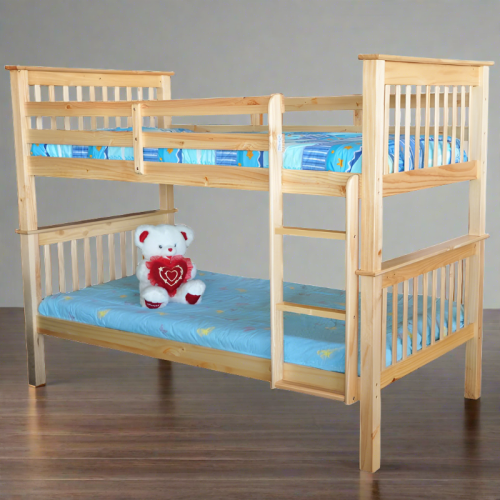

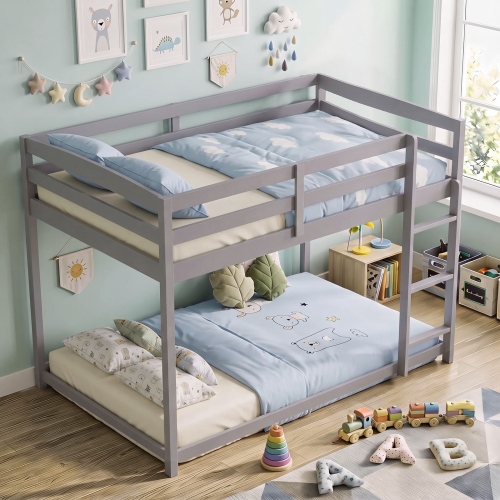
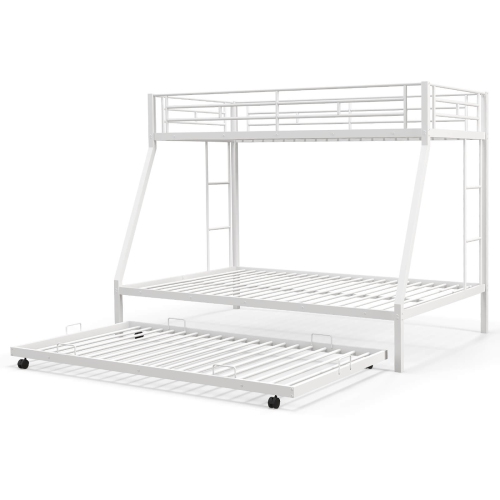
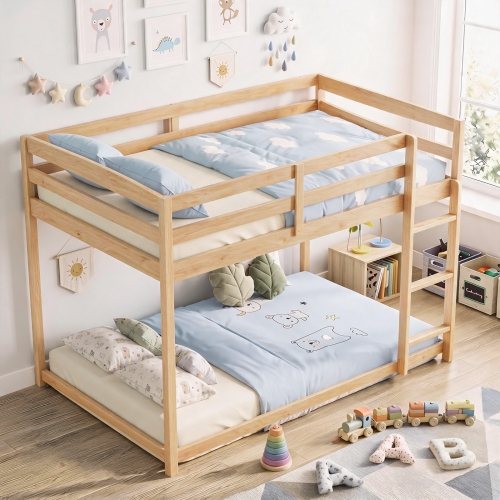
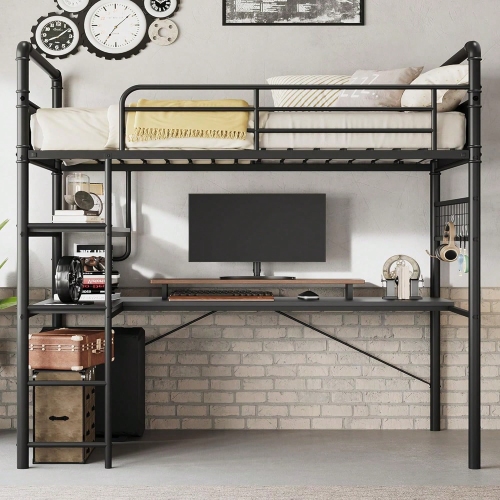
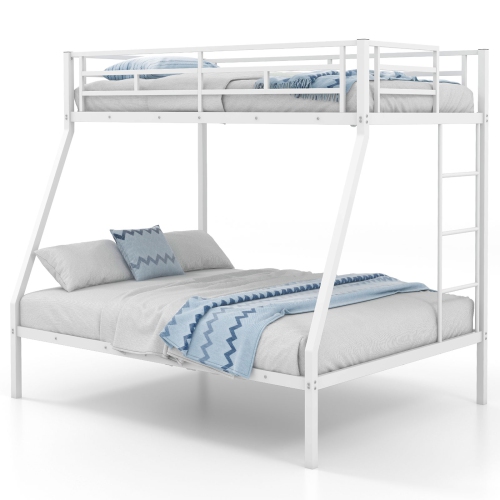
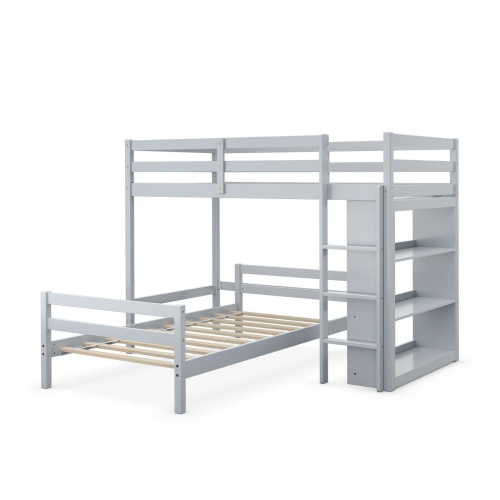

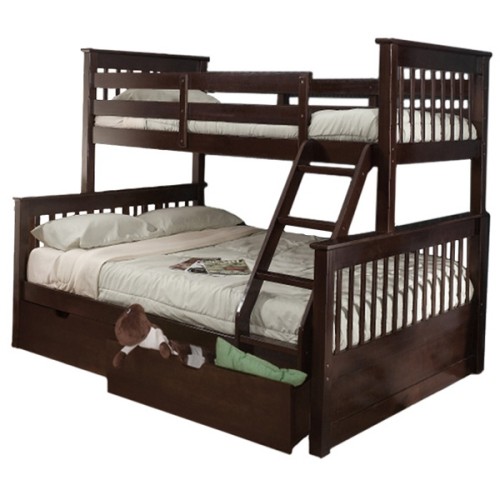
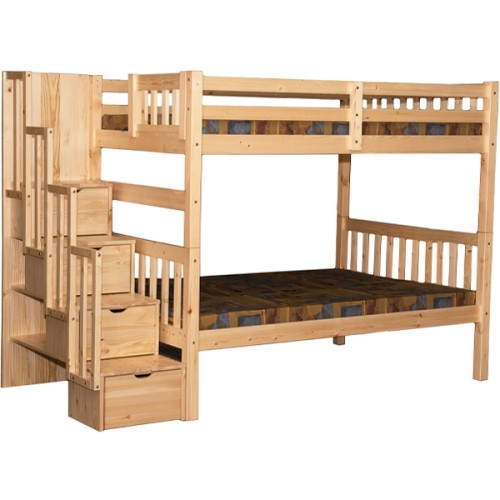


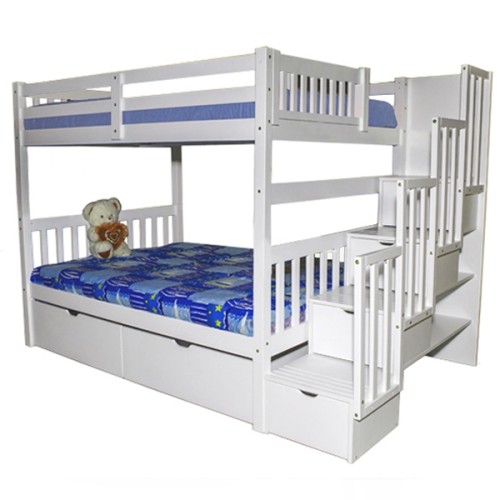
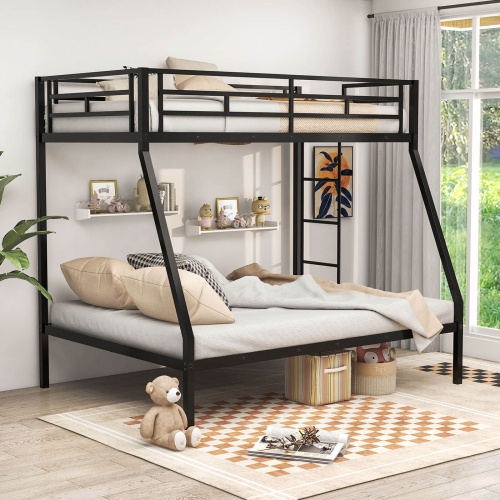
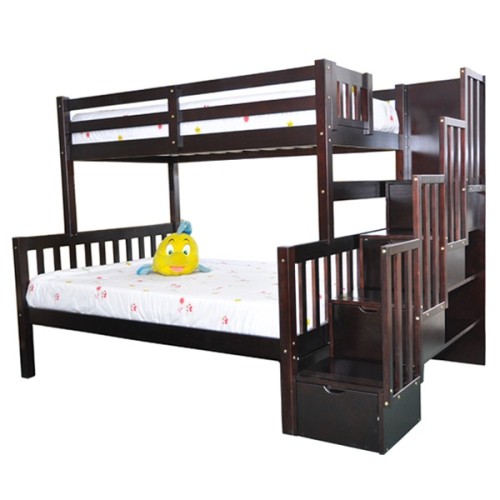
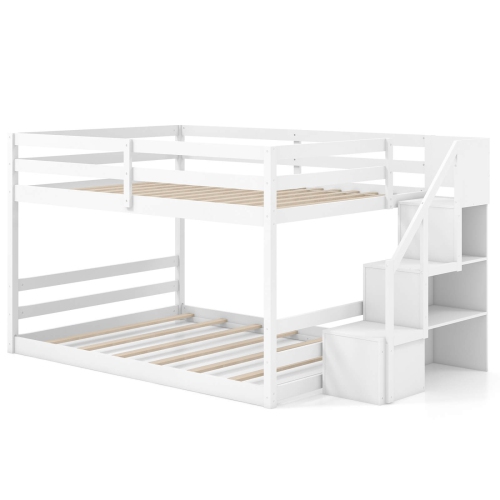
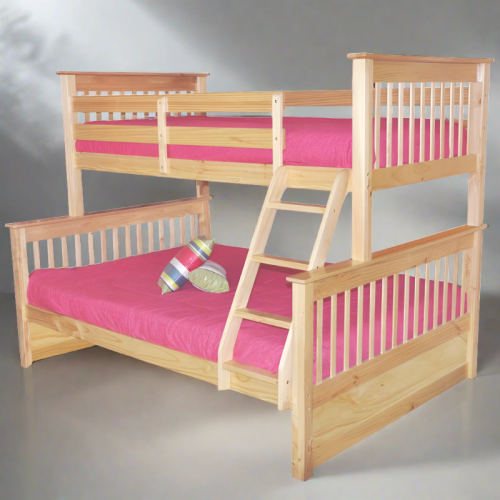
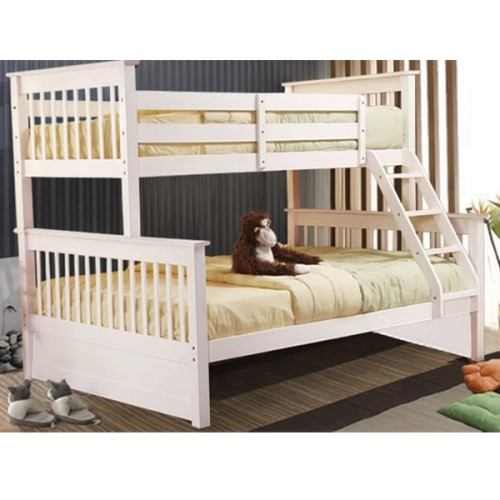
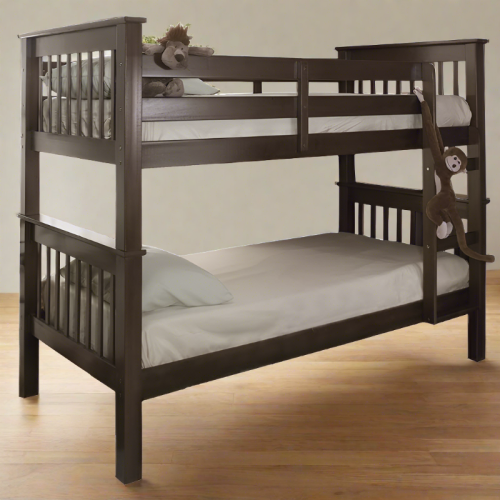

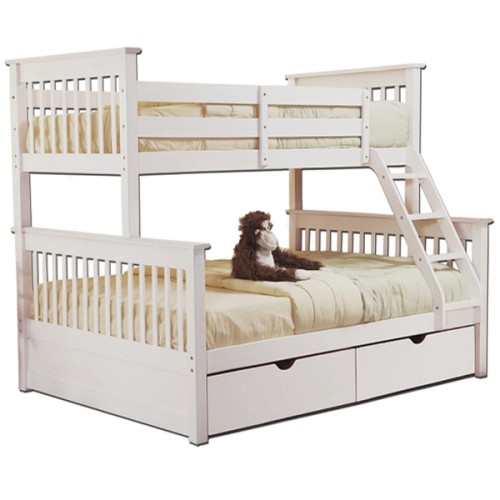


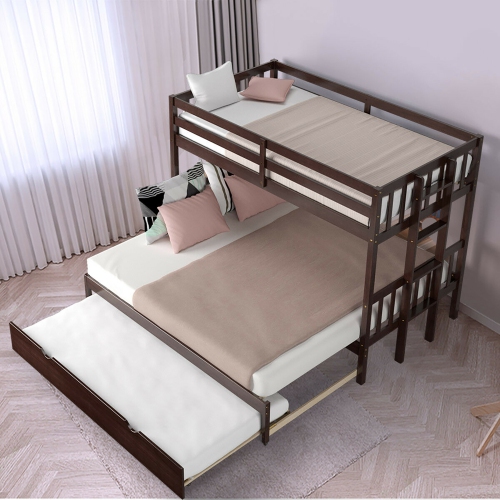


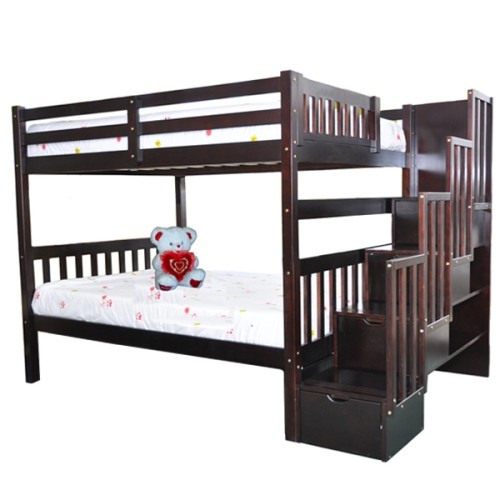
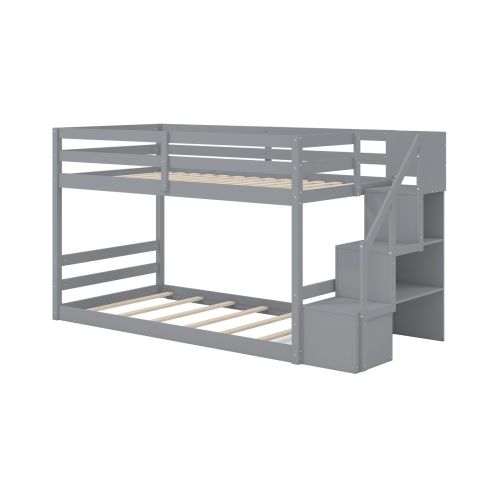
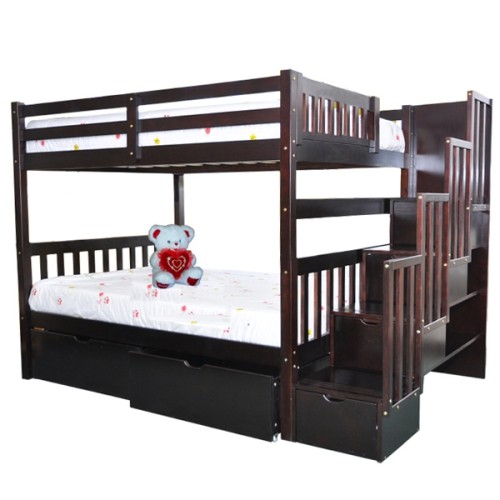

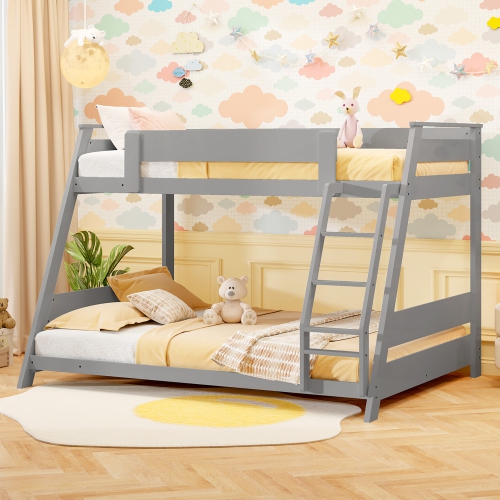
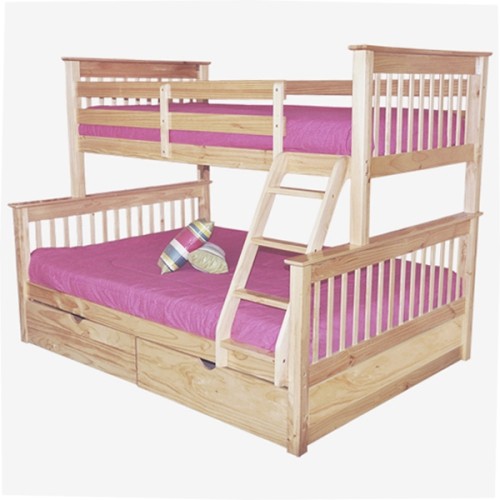
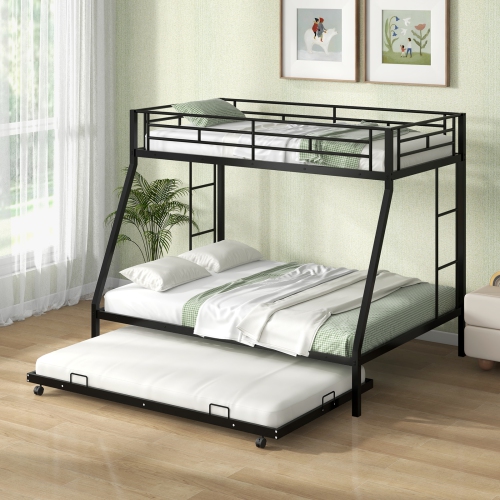


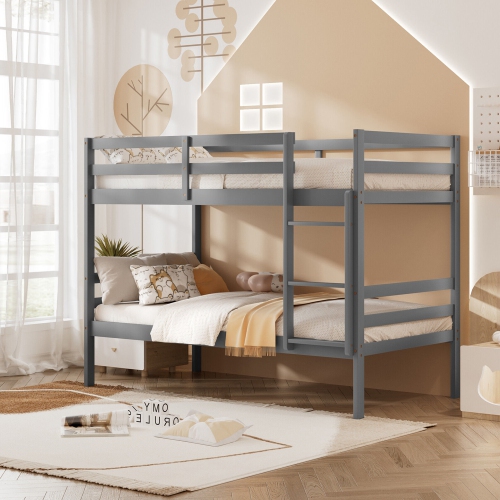
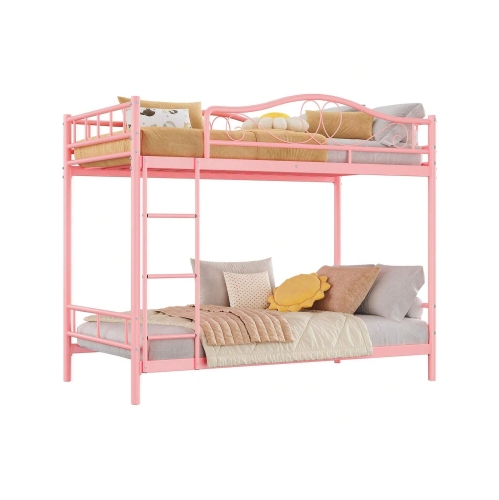
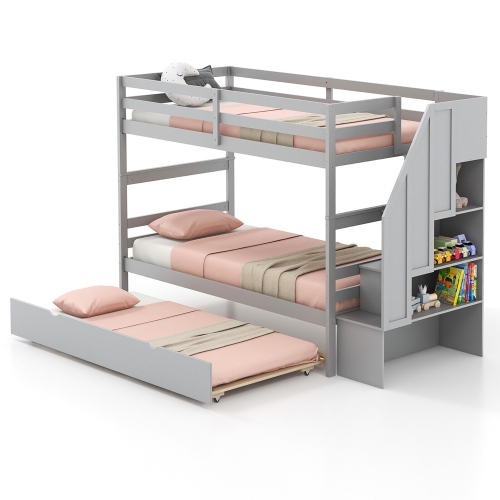
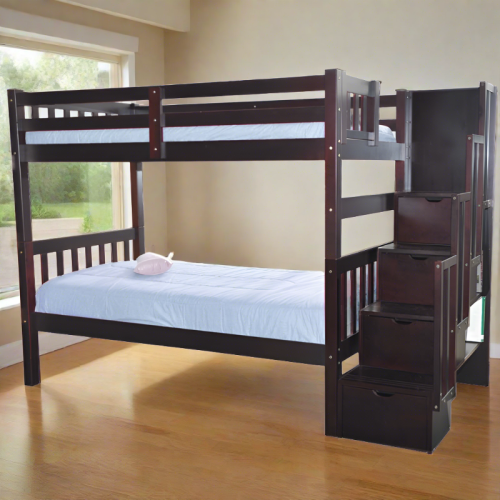
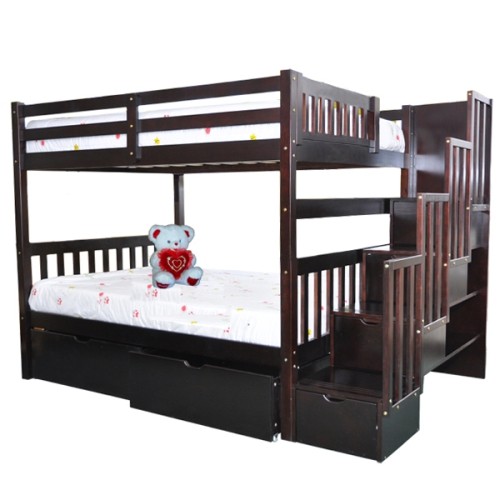
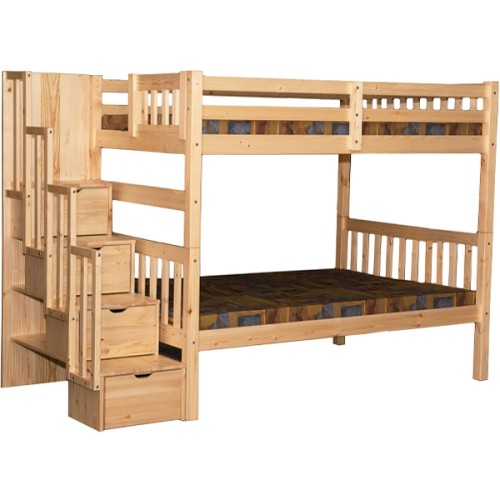
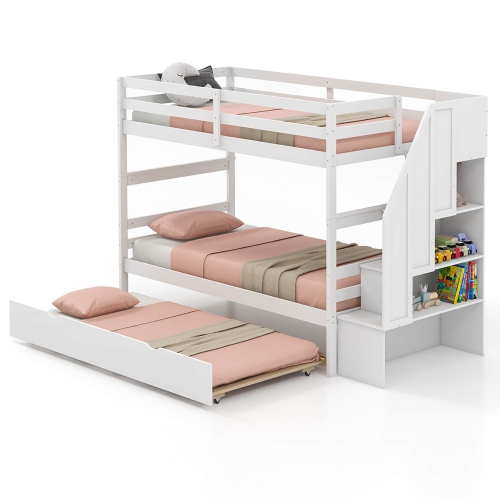

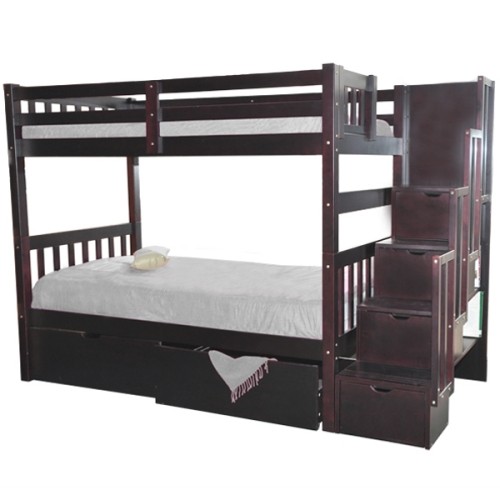

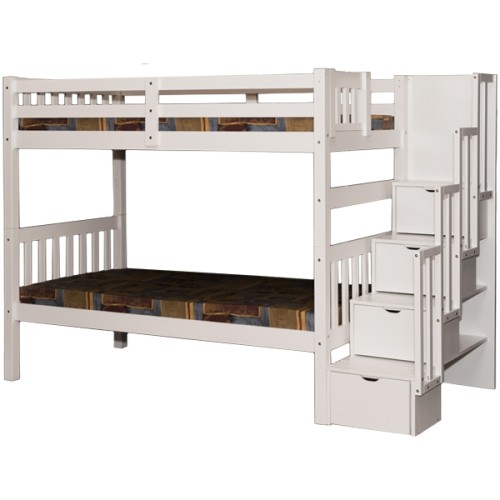



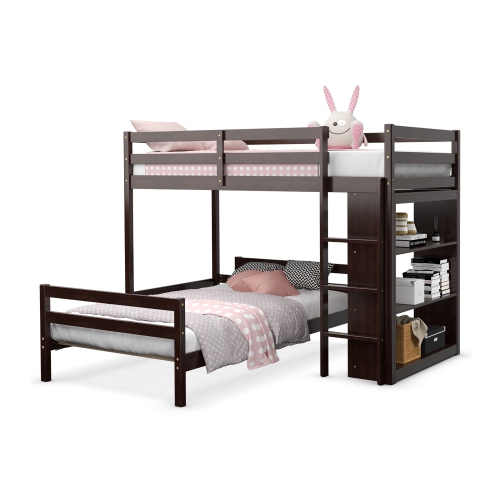
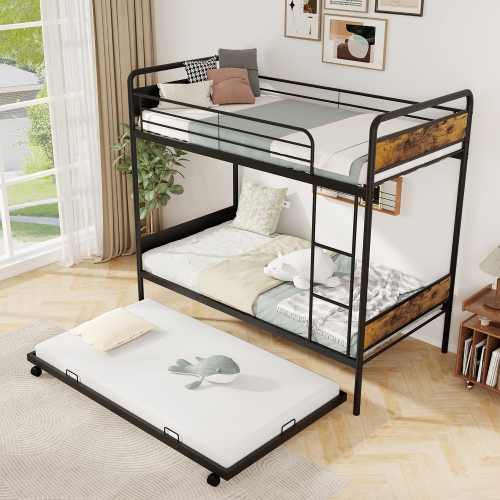

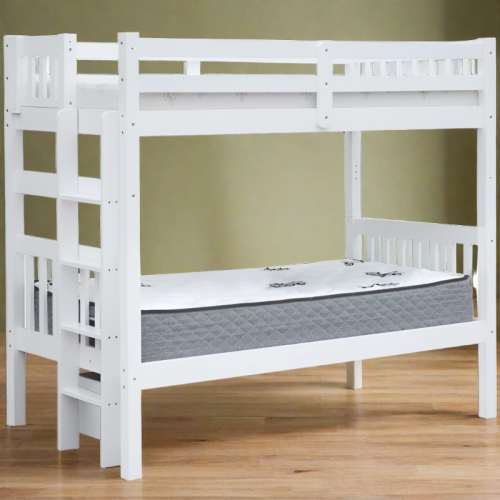
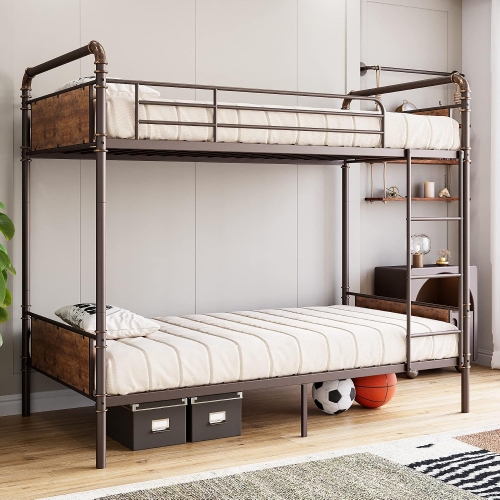
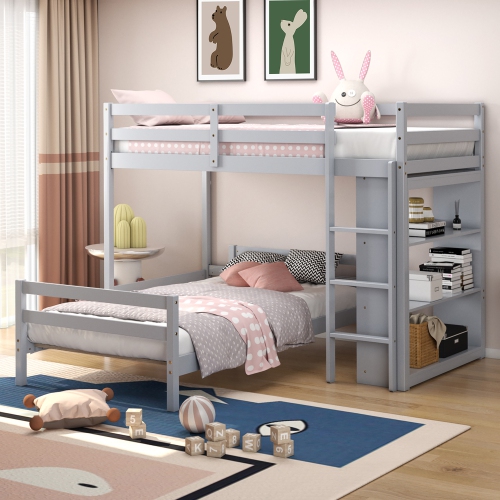


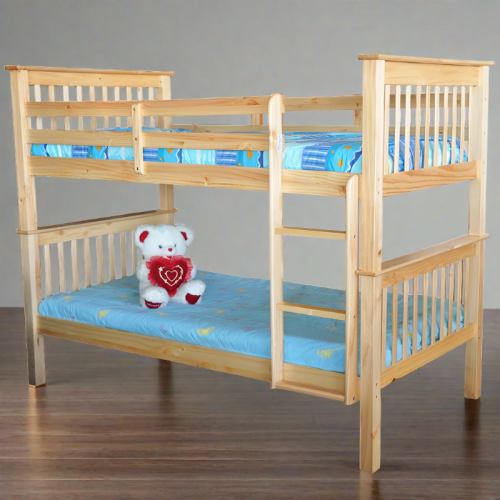

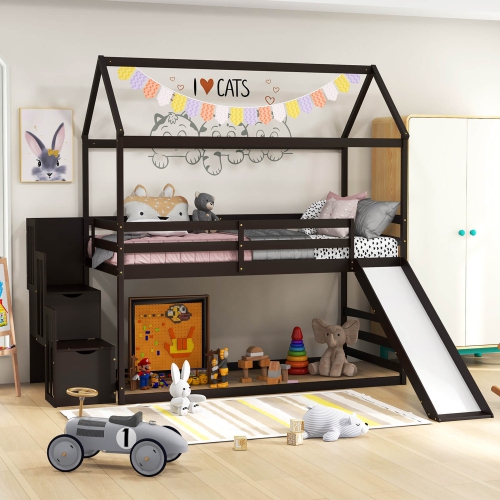
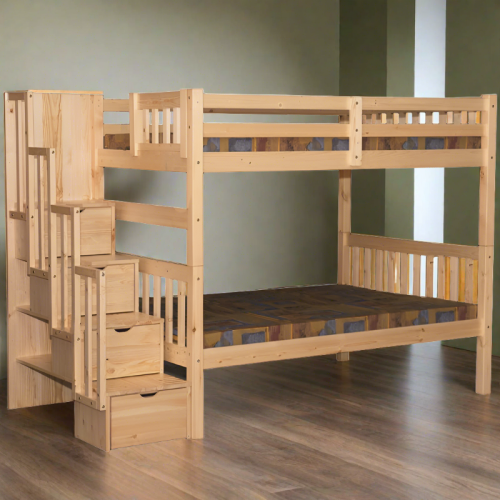
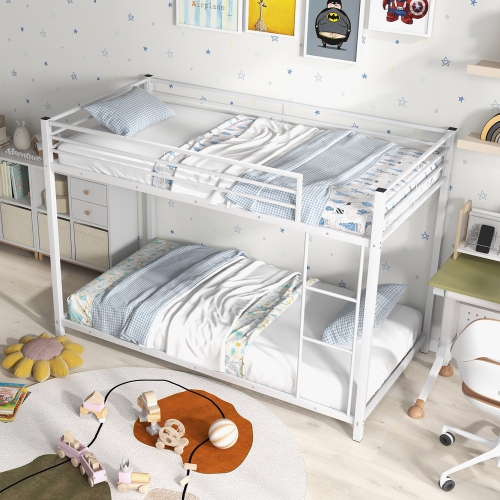
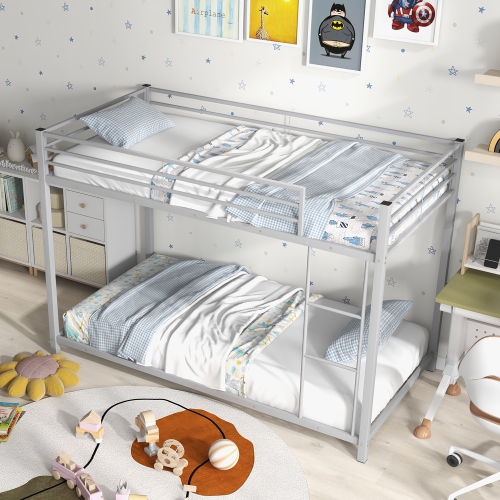

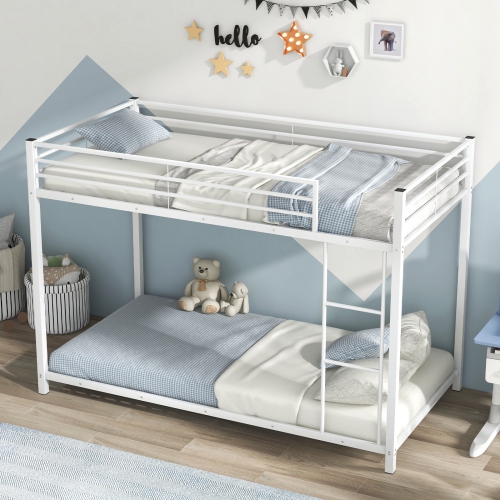
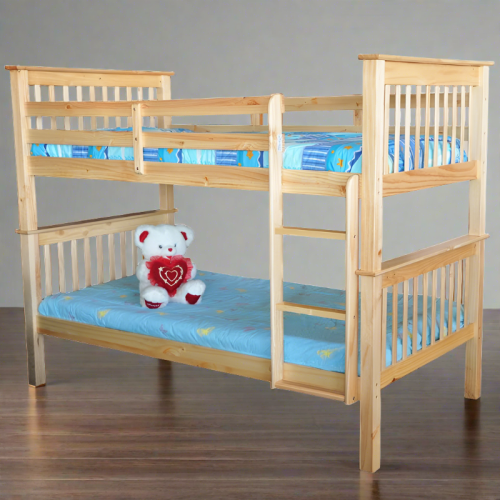


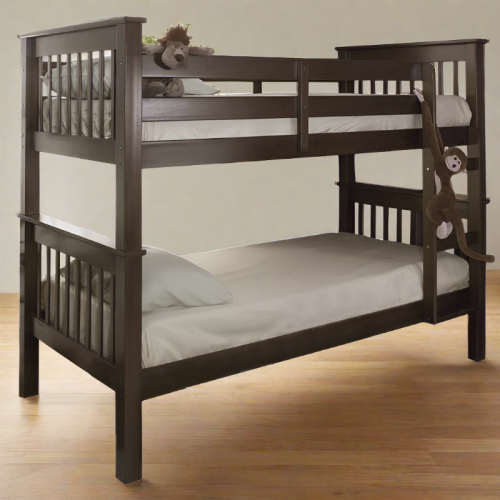

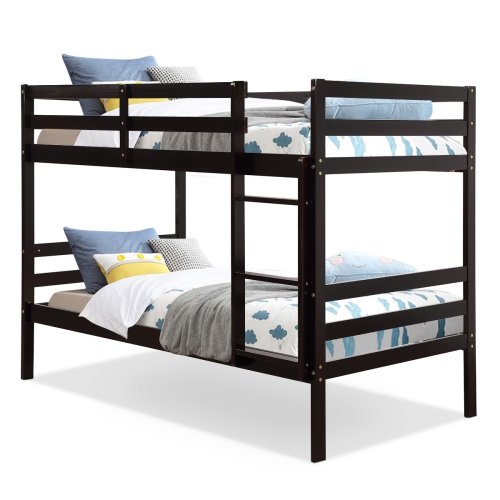
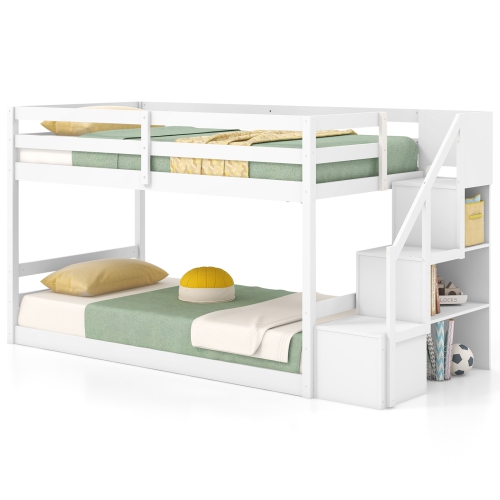

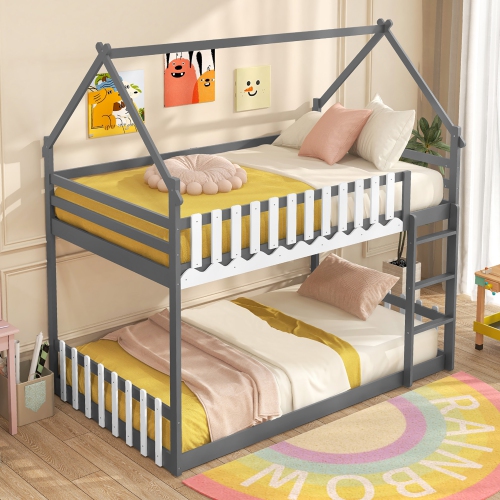
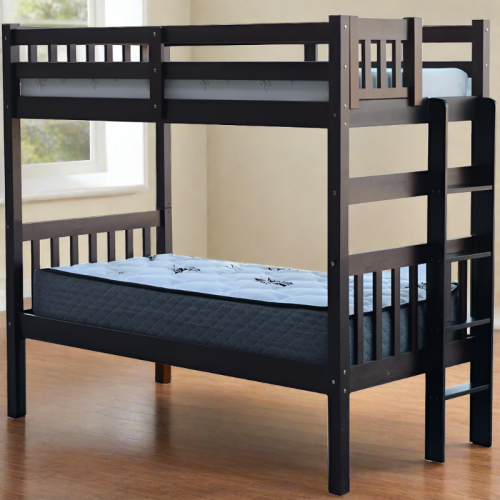
Smart space planning for shared rooms and guests
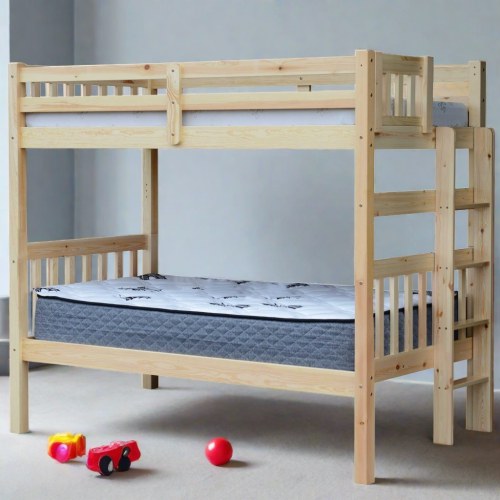
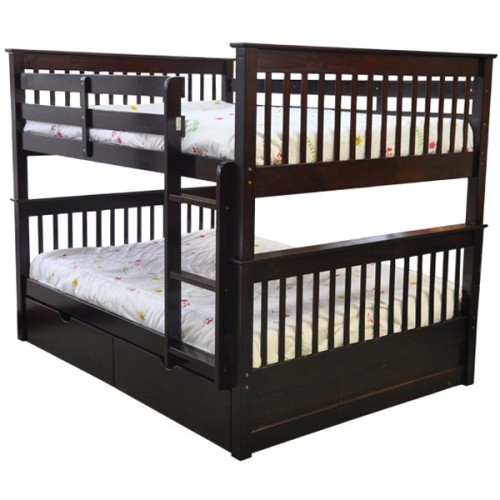
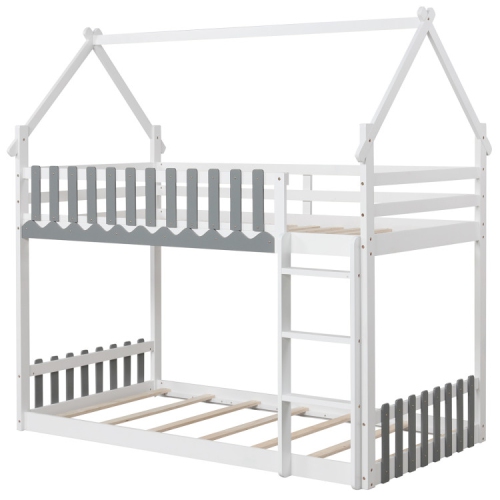
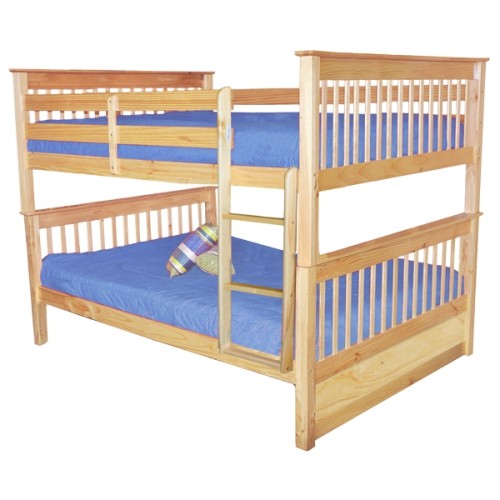
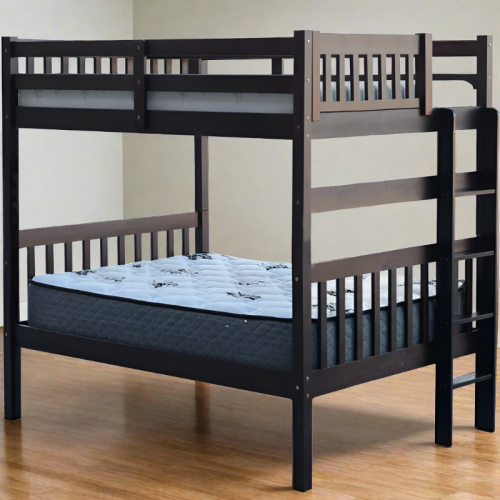
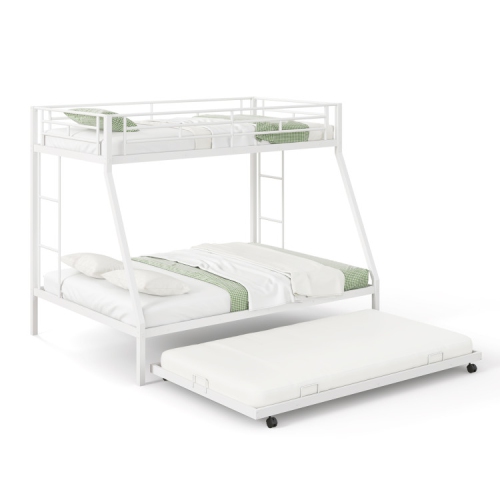
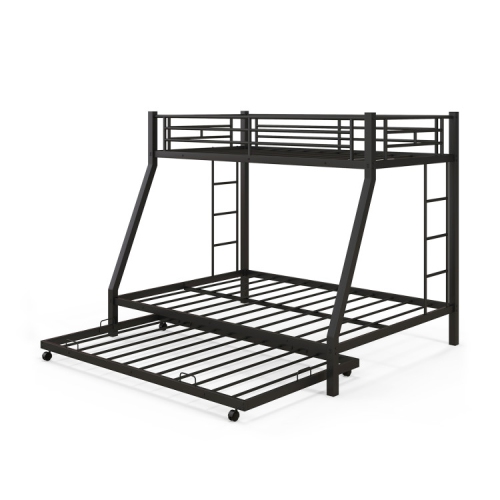
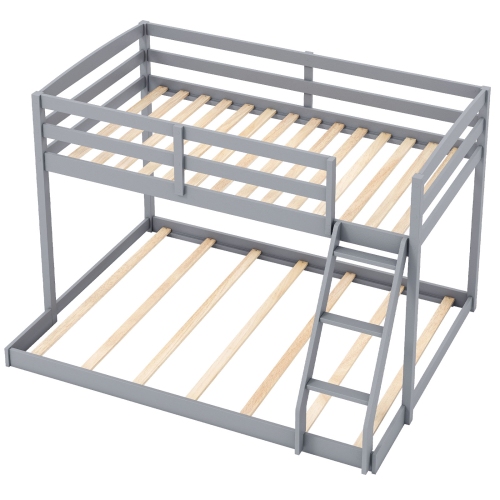
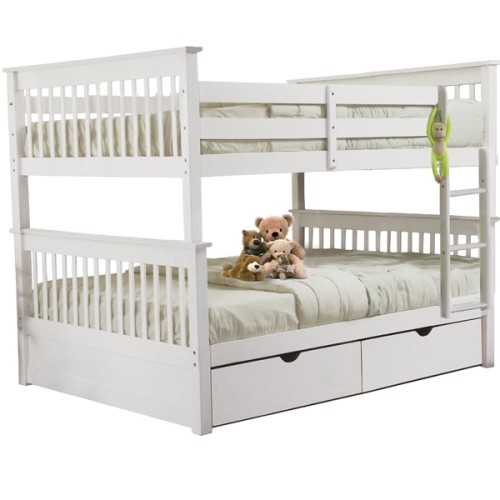
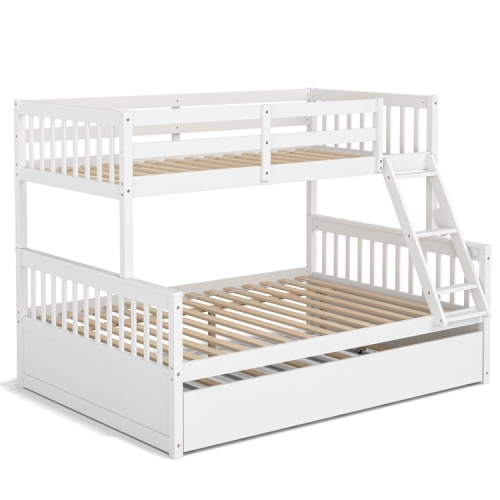
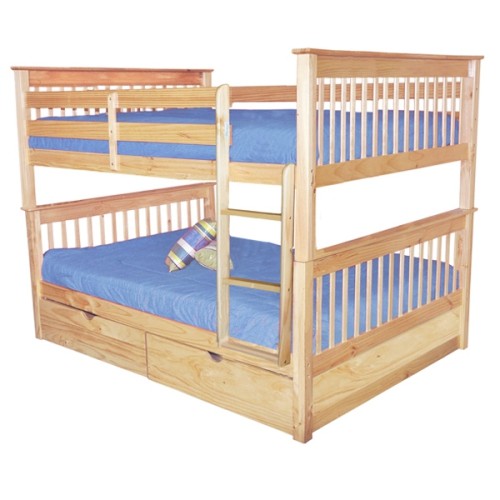
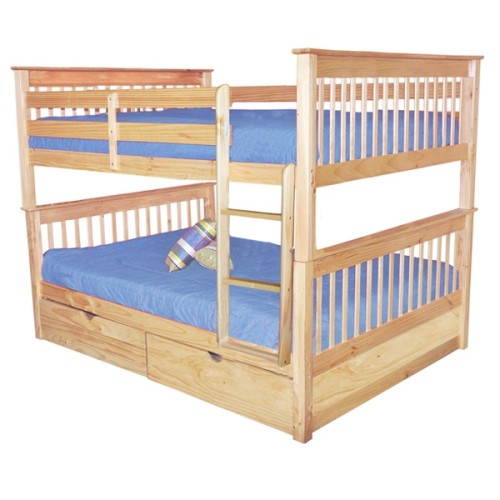
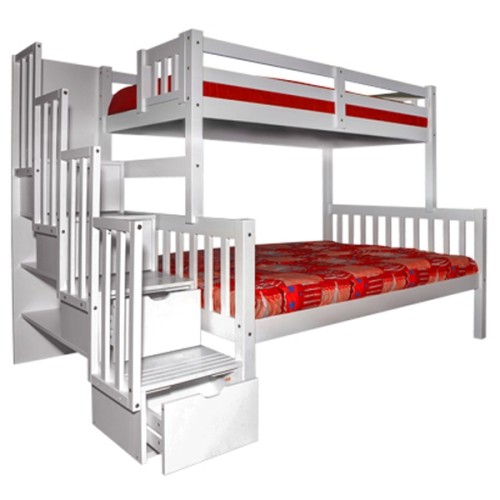
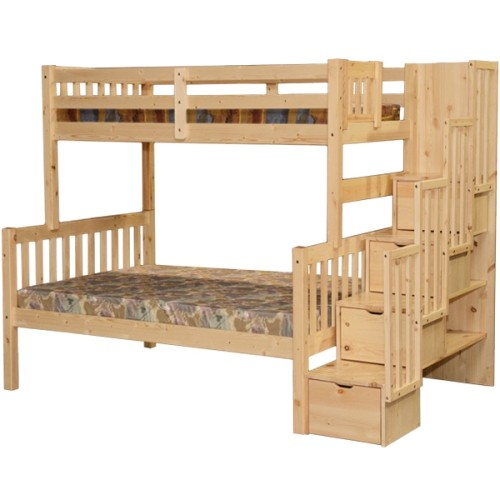
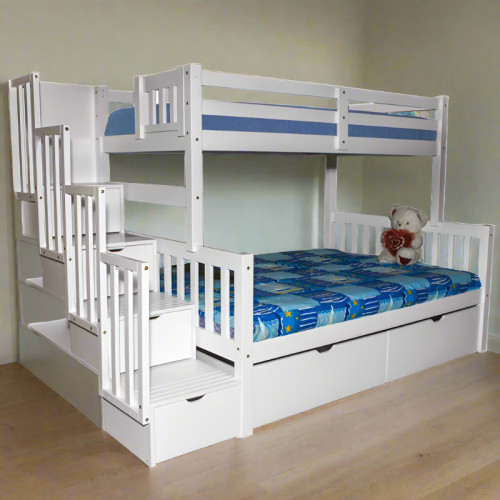
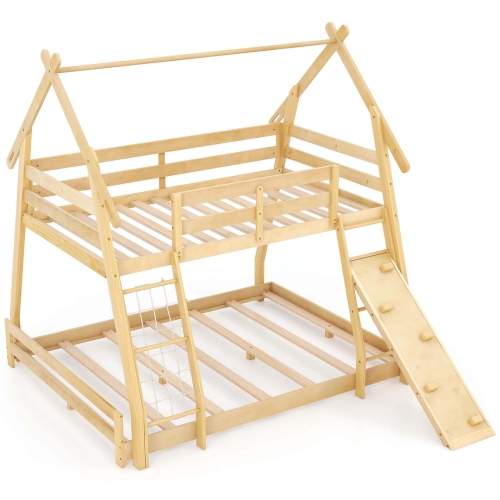
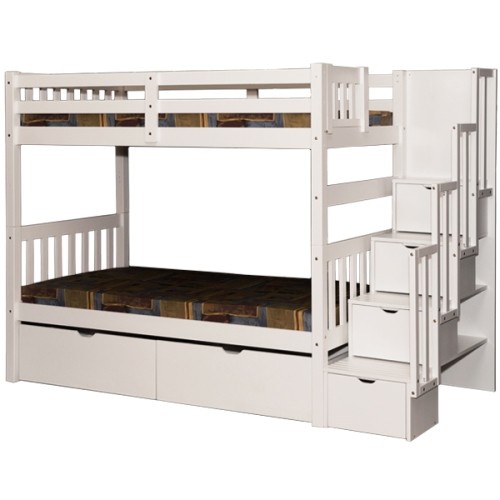
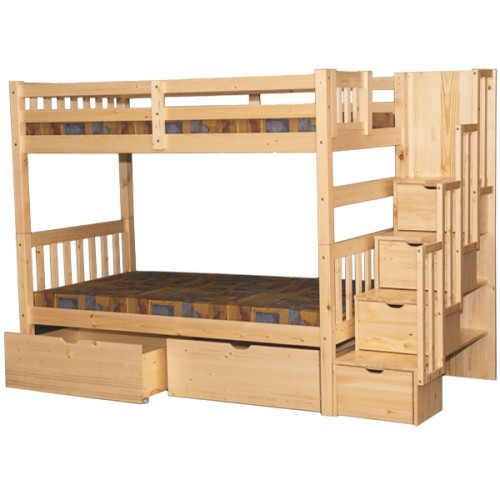
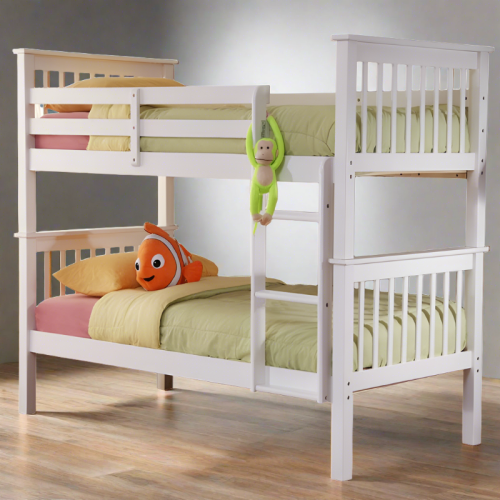
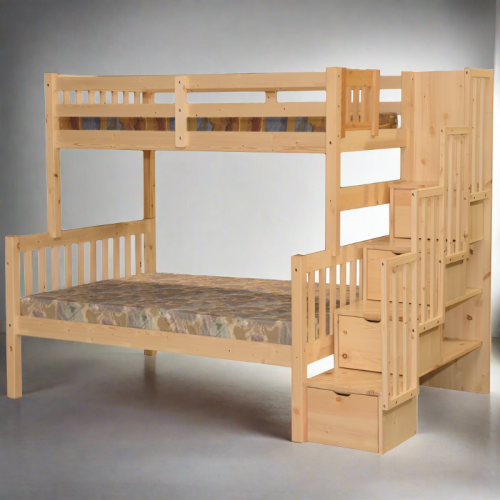
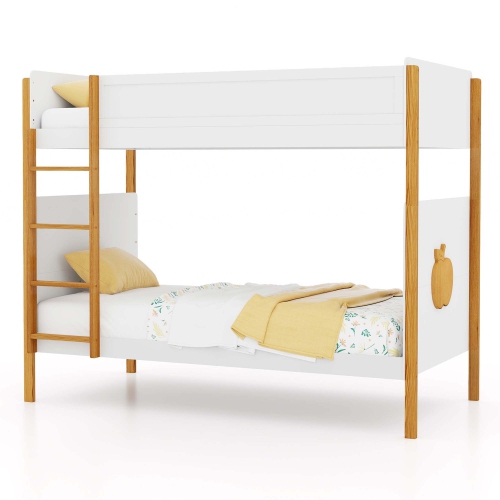
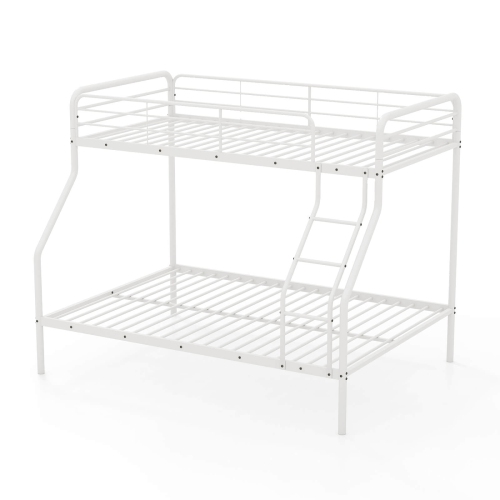
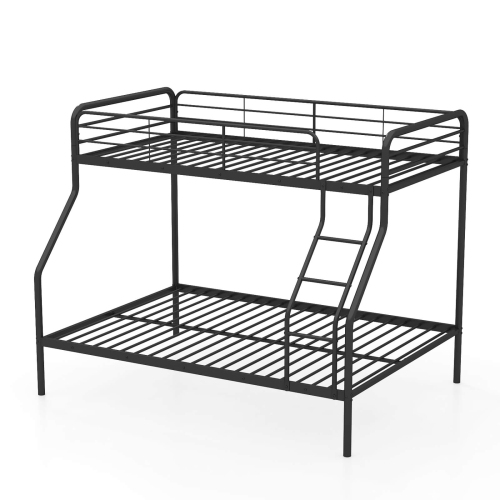
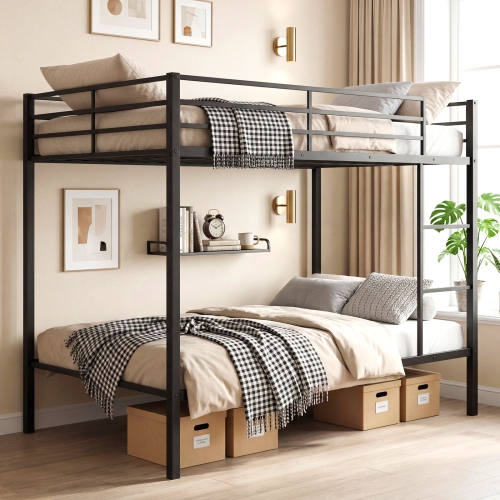
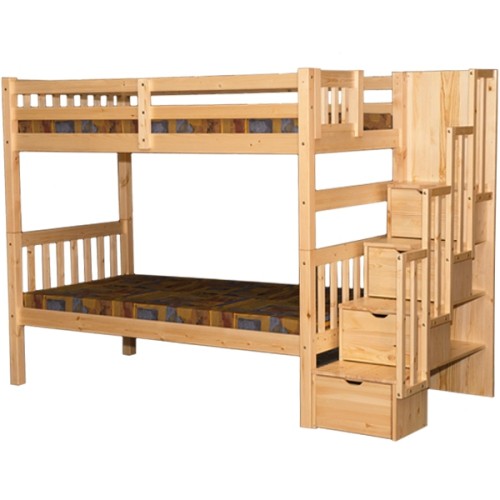
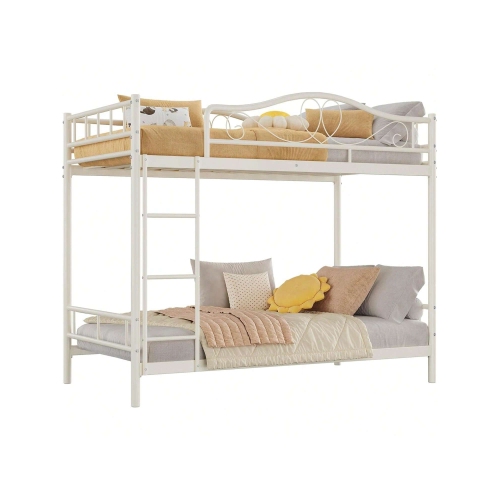
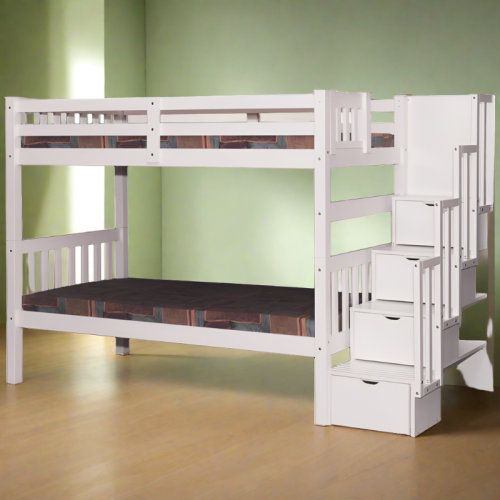
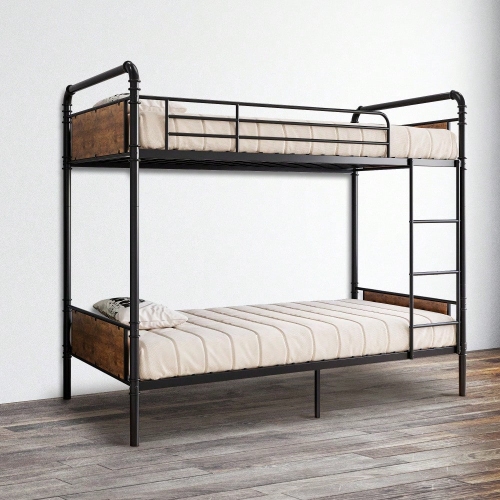
Double bunk beds make excellent use of vertical space, giving two sleepers a comfortable place to rest while leaving more room below for play, storage, study, or simply moving around. They are especially practical in shared bedrooms, guest rooms, cottages, and children’s rooms where floor space is limited. A well-chosen bunk bed can make a room feel more open and organized, turning the area beneath the upper bunk into a reading nook, a spot for baskets and bins, or a small homework station. Families often choose double bunk beds when siblings share a room, while grandparents and hosts may appreciate them for accommodating visiting children during the cooler months. They can also be a thoughtful housewarming or room-updating gift for families, although the best choice depends on the room dimensions, the sleepers’ ages, and the available mattress sizes. When browsing, begin by checking whether the design uses twin, full, or mixed mattress sizes, since “double” can describe the number of sleeping levels rather than the width of each bed. Shoppers looking for more generous sleeping surfaces may also want to explore Full Bunk Beds for configurations that provide additional space for older children, teens, or overnight guests.
Room measurements are one of the most important considerations when choosing double bunk beds. Measure the length and width of the room, then account for baseboards, windows, radiators, doors, closets, and any furniture that will remain nearby. Height matters just as much: leave enough clearance between the top mattress and the ceiling for comfortable sitting, and remember that the mattress thickness affects the space above the guardrail. A bunk bed may look compact in a product photo, but the ladder, staircase, trundle, drawers, or side rails can extend beyond the main frame, so review the full assembled dimensions before making a decision. Think about how the bed will be used each day. A fixed ladder may suit an active child who climbs in and out frequently, while built-in steps with storage can be easier to manage when the lower bunk is used by a younger sleeper or when extra bedding needs a home. Some layouts place the beds directly above one another, while others offset the sleeping spaces to create a more open look or make room for storage. Consider the position of the ladder and which side of the room it will face, particularly if the bed will sit against a wall. Access to electrical outlets, night lighting, and nearby drawers should remain convenient without creating cords or clutter around the climbing area. For rooms that serve more than one purpose, a neutral finish and straightforward silhouette can work alongside changing décor, from a child’s imaginative space to a shared room for growing siblings.
Construction, comfort, and safe everyday use should guide the final selection. Look for a sturdy frame, secure connections, smooth edges, and guardrails designed for the upper sleeping level. Always follow the manufacturer’s instructions for assembly, mattress thickness, recommended weight limits, and age guidance, and make sure the bed is placed on a level surface. The upper bunk is not suitable for children below the recommended age, and younger sleepers may be more comfortable and easier to supervise on the lower level. A properly fitted mattress should sit securely within the frame without leaving wide gaps at the sides or ends. Keep the ladder and floor area clear of toys, clothing, and loose bedding, especially in a room where children move around in low light. It is also useful to plan the practical details before delivery: measure hallways and stairwells, confirm that the assembled bed can reach its intended room, and set aside time for careful installation. Bedding can influence the experience as well; fitted sheets are easier to manage on an upper bunk, while a lightweight comforter may be simpler for children to handle independently. During the transition from warmer weather into the cooler months, double bunk beds can give visiting family members a dependable place to sleep without requiring a permanent guest room. With thoughtful sizing, accessible features, and a layout suited to the household, they can provide comfortable sleeping space while helping a busy room feel more functional and welcoming.
Top selling and popular products
-
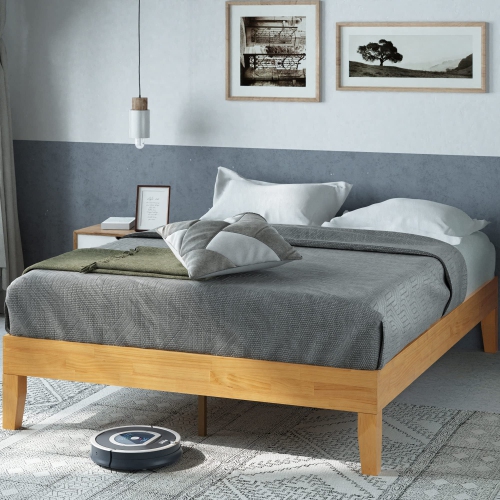 Your price for this item is $493.52
-
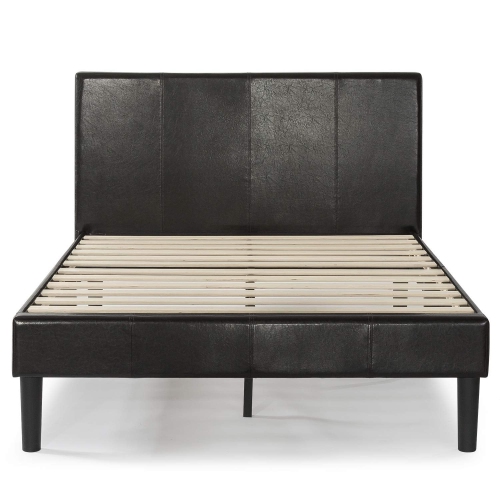 Your price for this item is $611.85
-
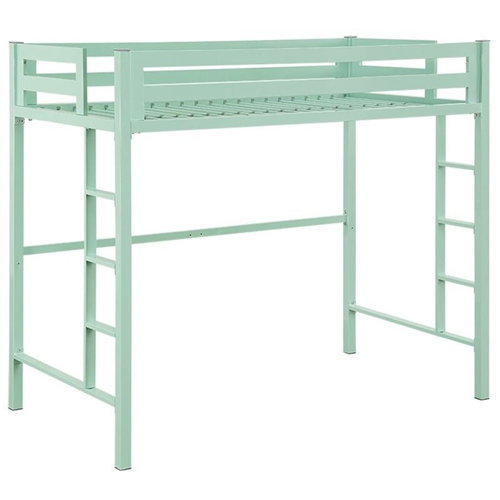 Your price for this item is $824.18
-
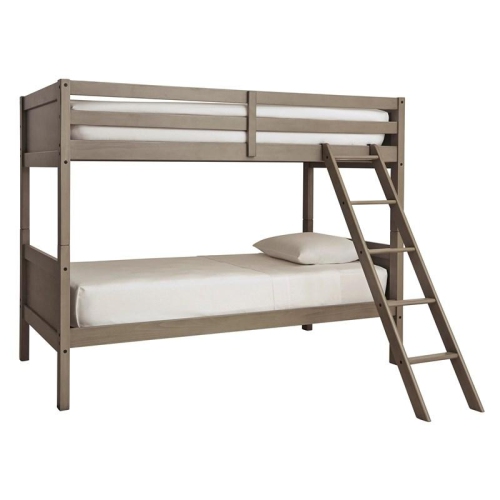 Your price for this item is $799.99
-
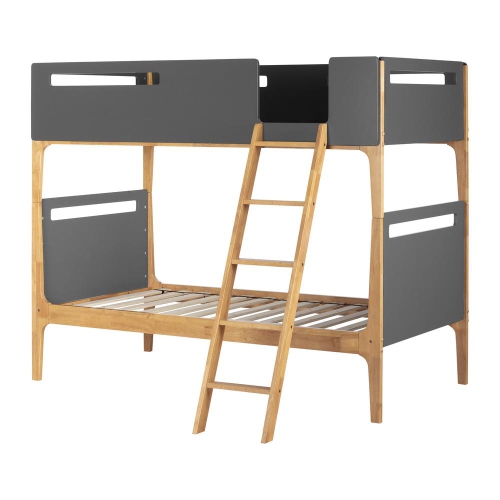 Your price for this item is $985.42
-
 Your price for this item is $157.99
-
 Your price for this item is $862.99
-
 Your price for this item is $3099.99
Discover more categories related to Double Bunk Beds
Top Collections:
Pokemon Centers, Best Cameras for Sports Photography, Kindle Devices, Samsung Galaxy Phones, Canon G7X Cameras, Pokémon 30th Celebration Cards, Refurbished Apple Laptops, iPhone 15 Apple, Laptops for Students, Budget Smartphones
Some products may be subject to Environmental Handling Fees
(EHF) depending on your province.
Learn more about EHFs.