Down Feather Pillows
Experience the ultimate in luxury and comfort with our selection of down feather pillows. Crafted to provide exceptional softness and support, these pillows are perfect for a restful night's sleep. The plush down filling offers a cloud-like feel, while the durable construction ensures long-lasting quality. Upgrade your bedding ensemble with a down feather pillow that promises a cozy and rejuvenating sleep experience every night.
Sort













































How fill and construction shape your pillow’s feel
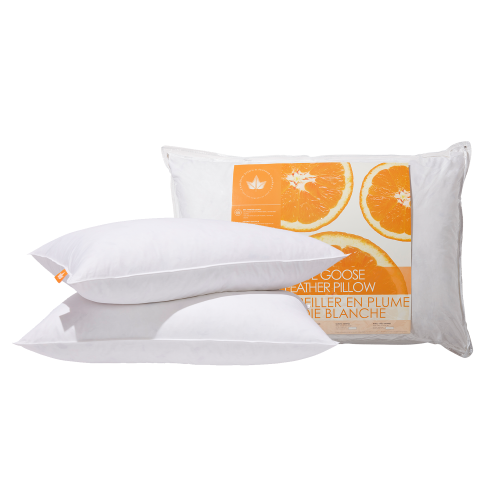
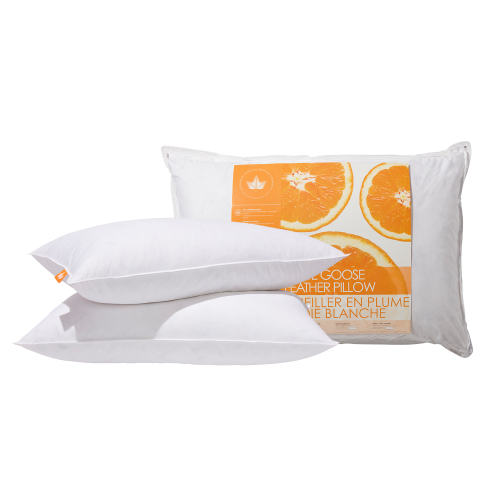
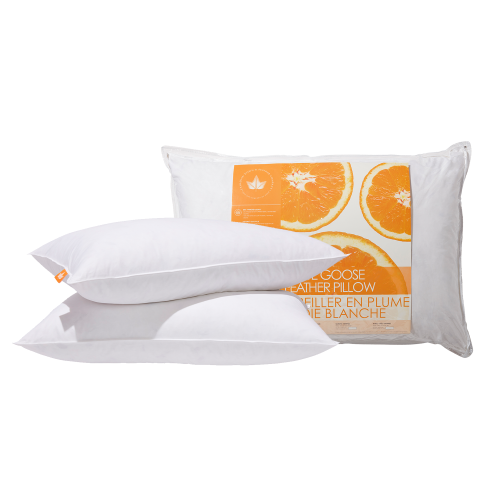
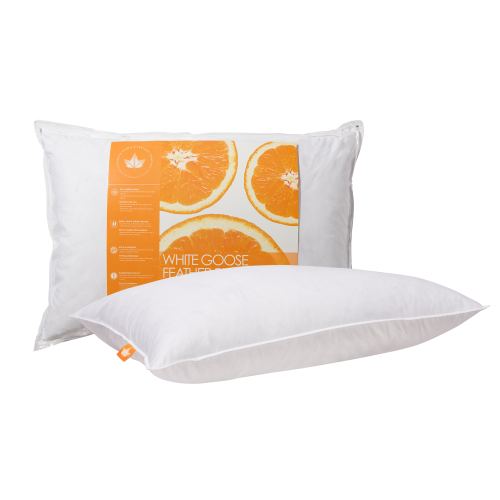
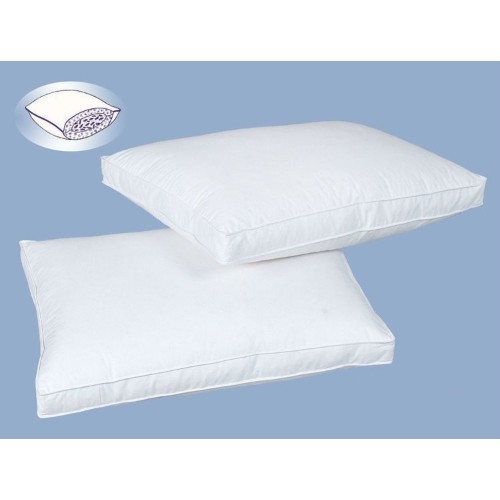
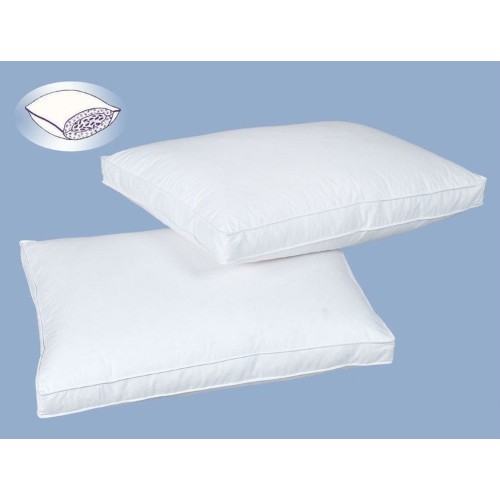
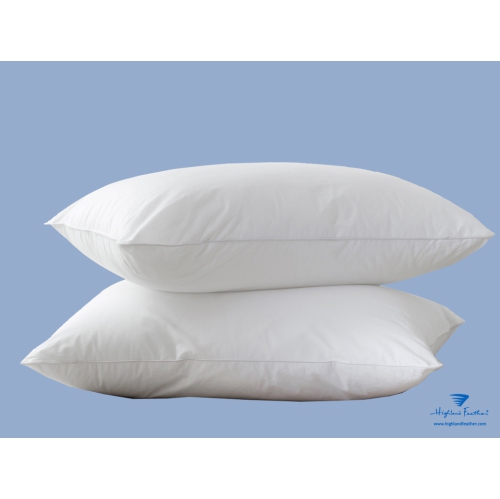
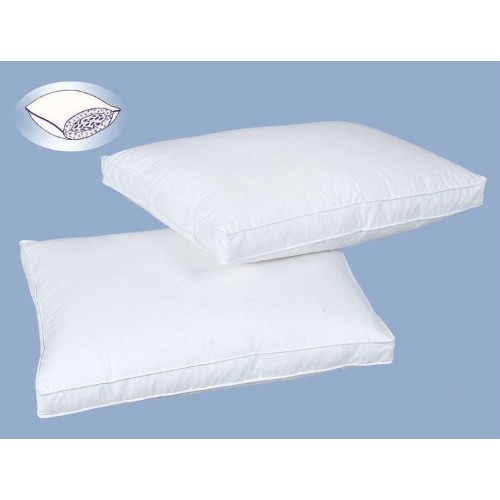
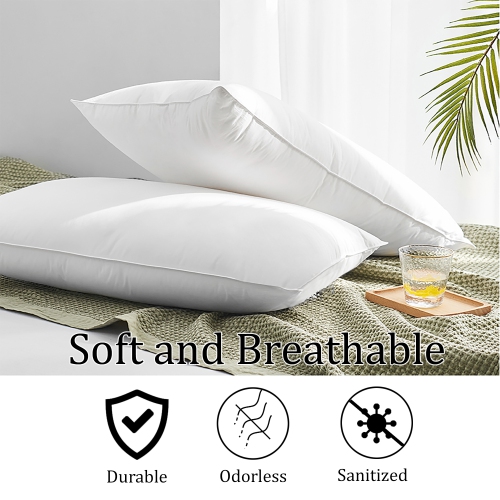
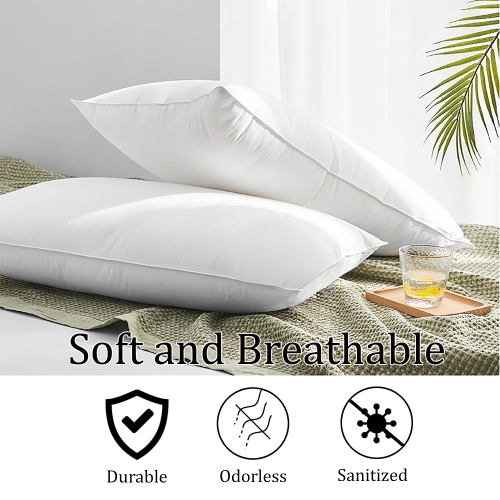
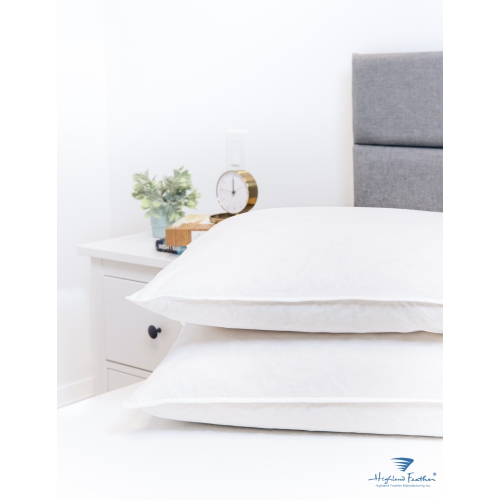
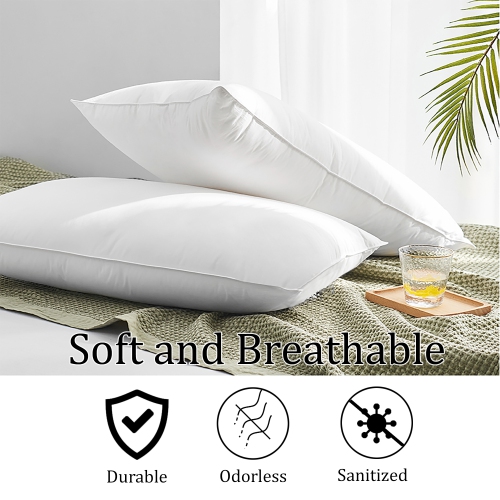
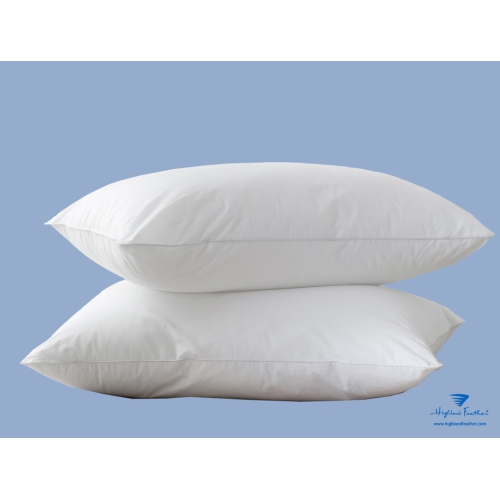
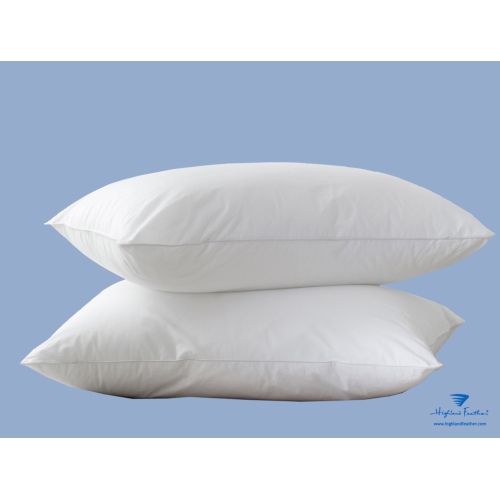
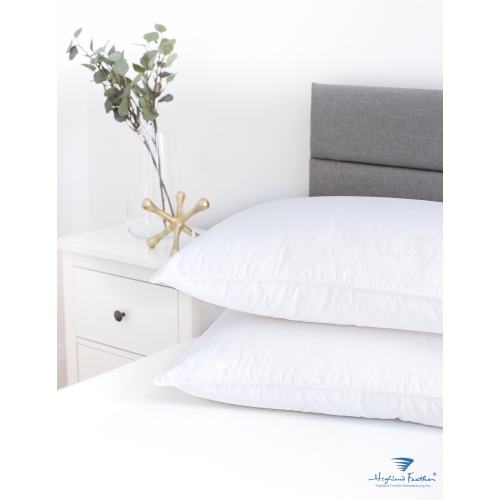
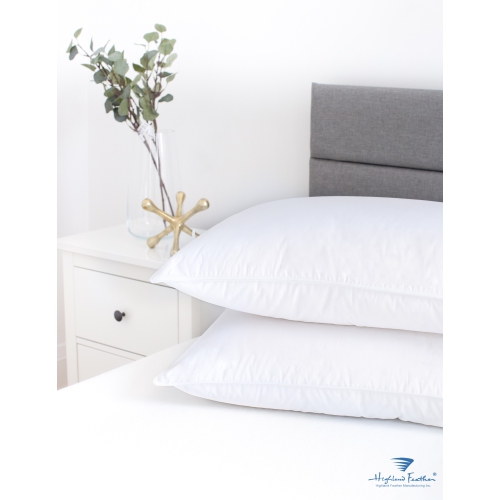
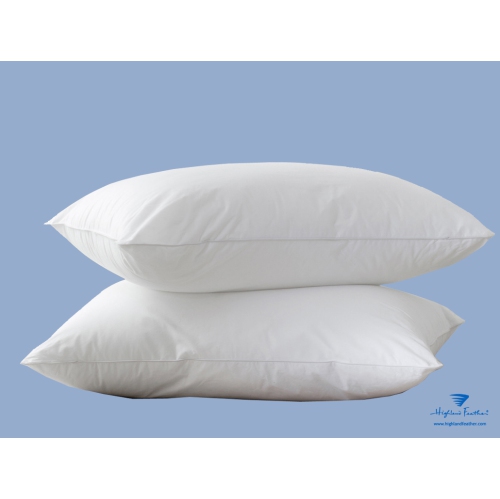
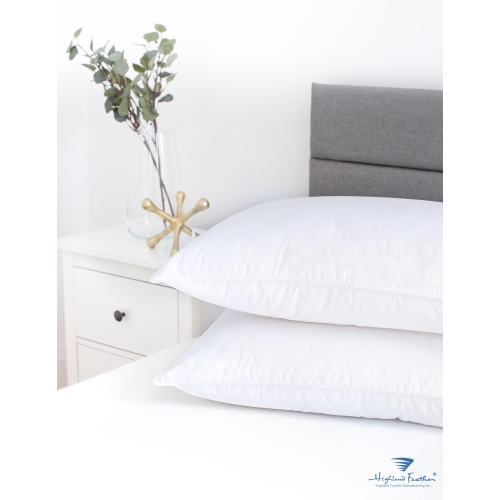
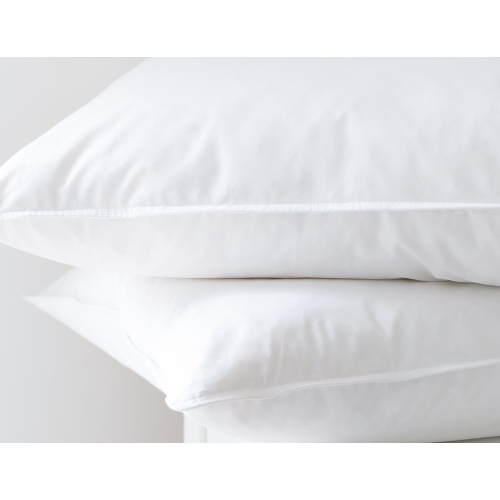
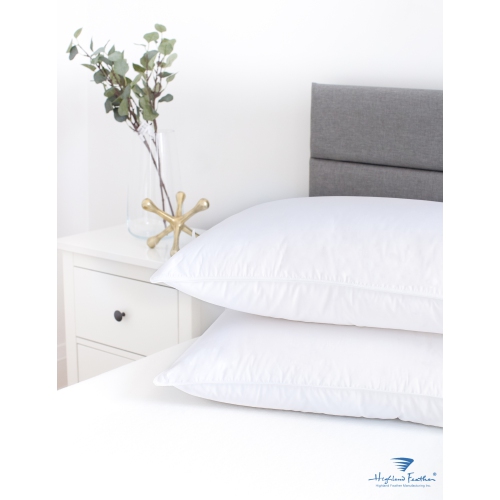
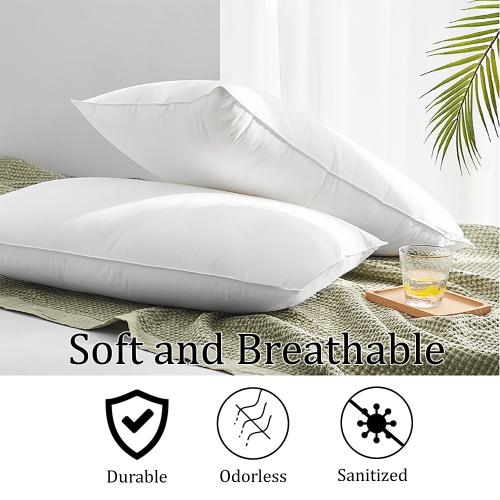
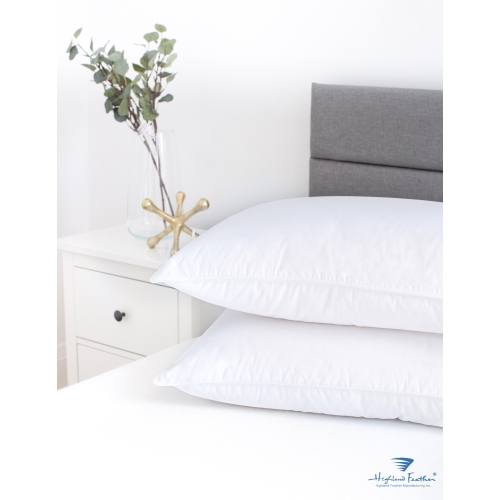
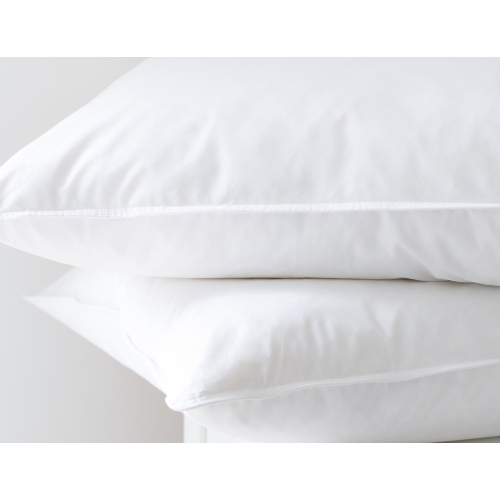
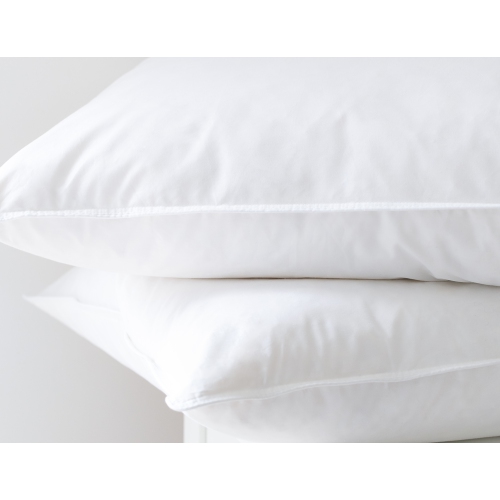
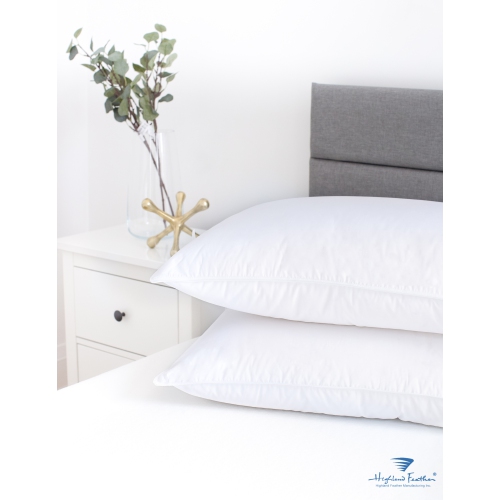
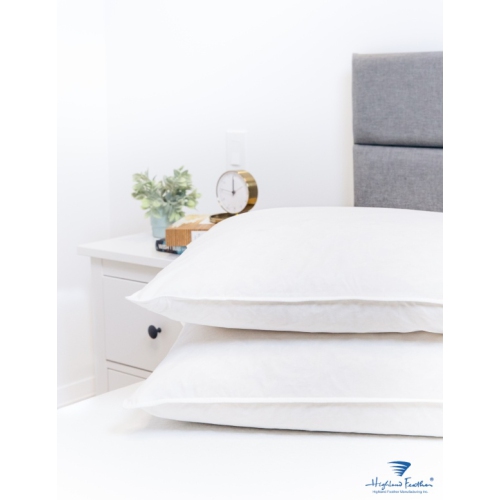
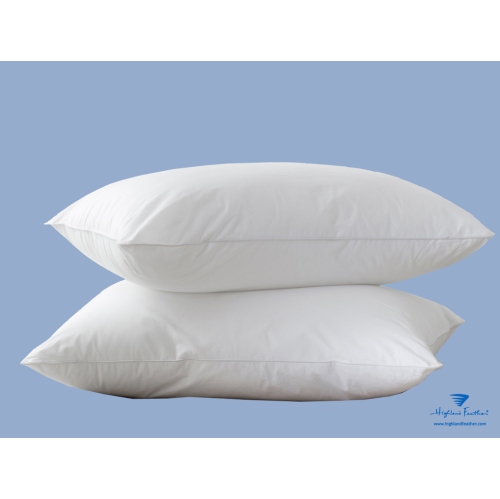
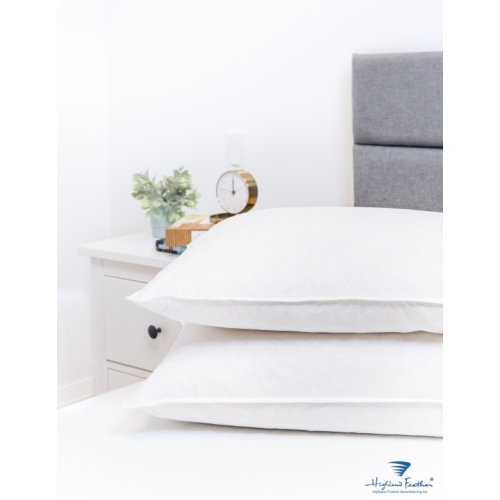
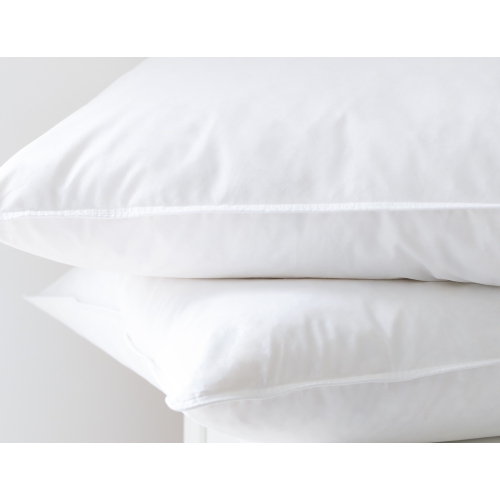
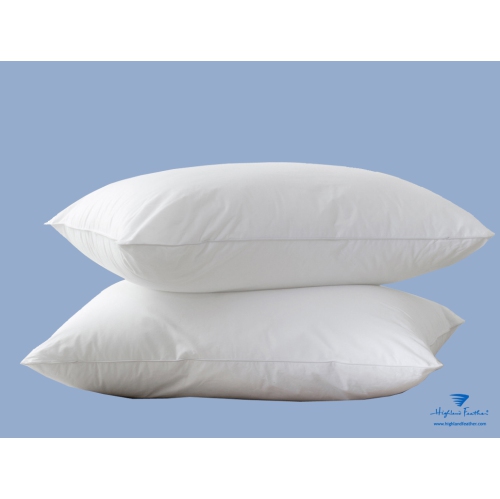
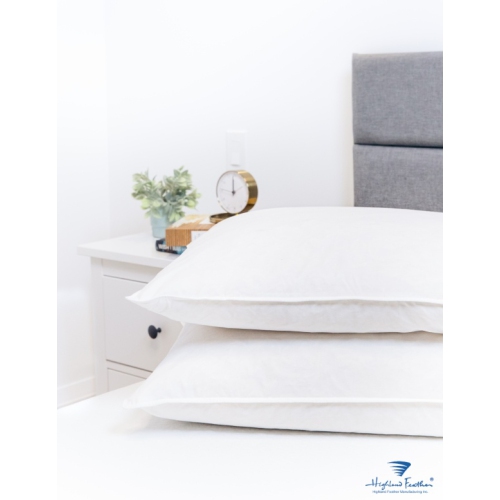
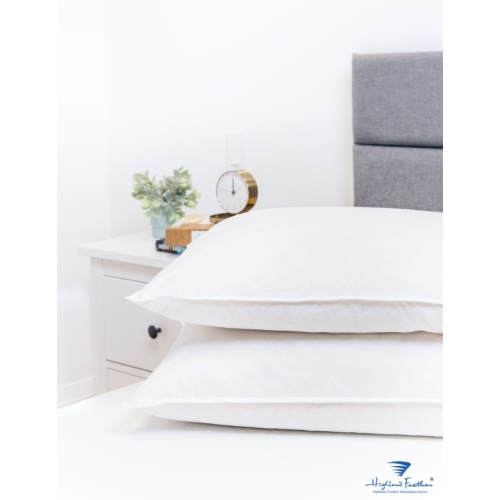
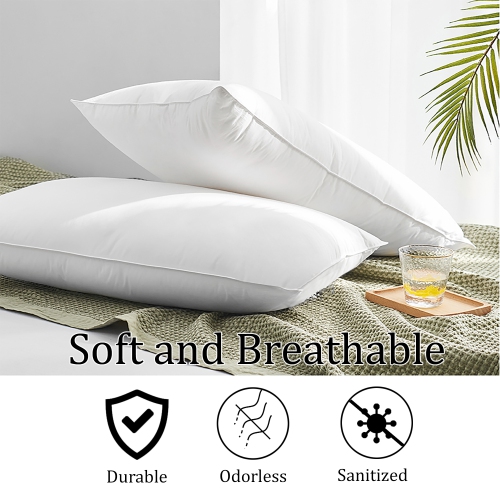
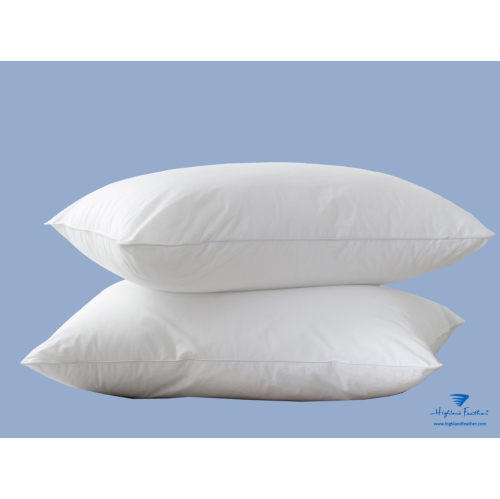
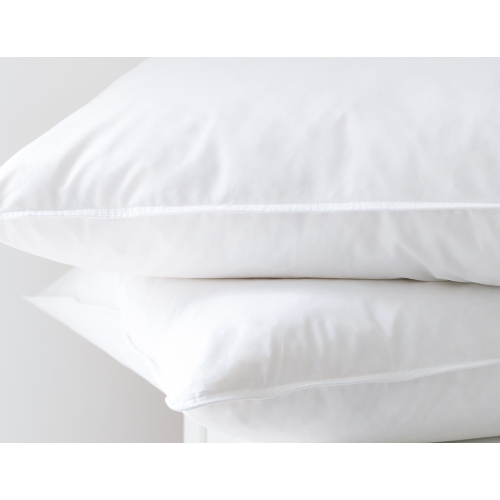
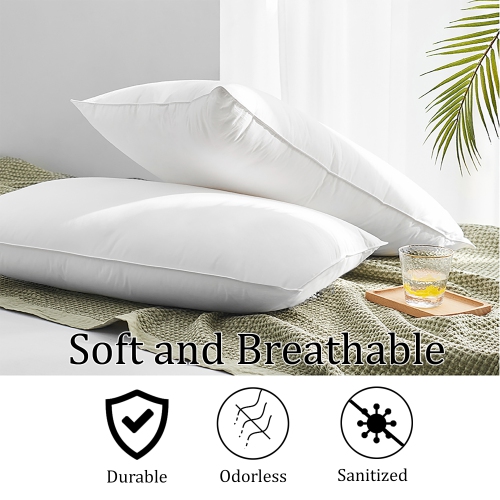
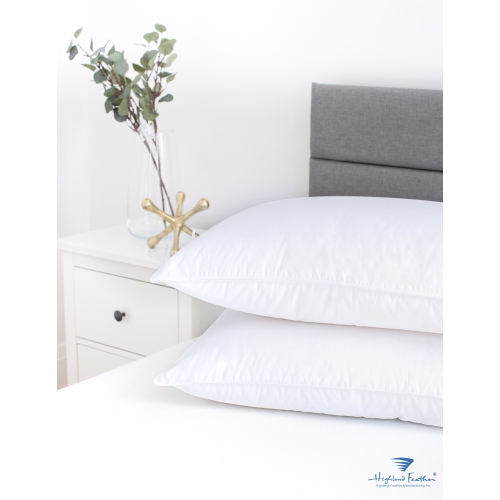
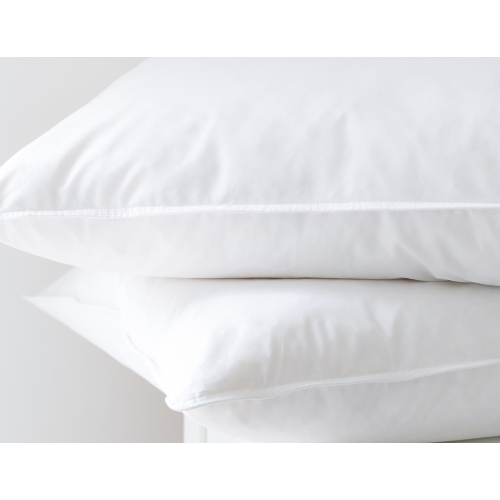
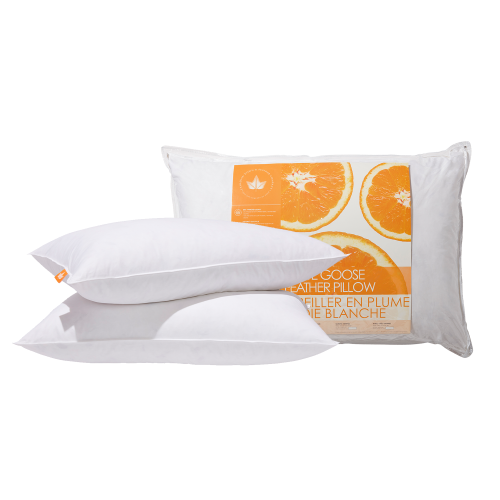
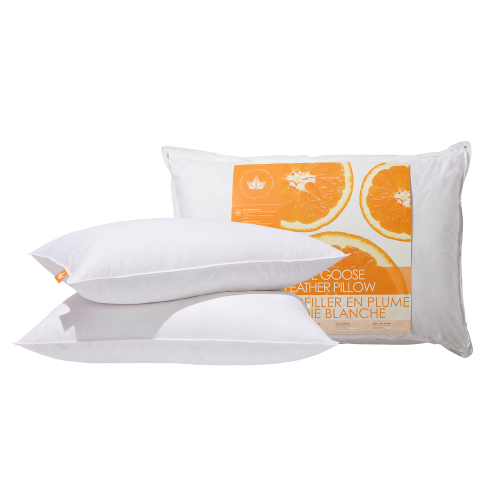
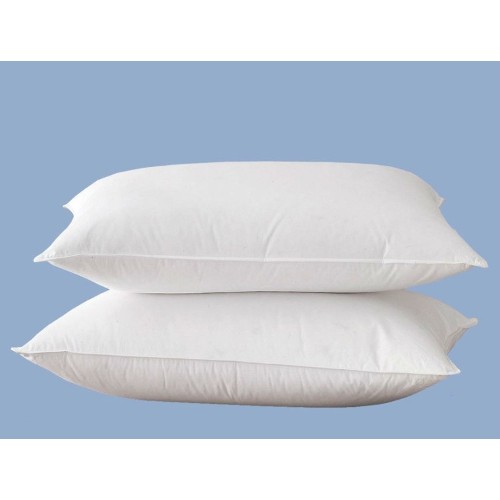
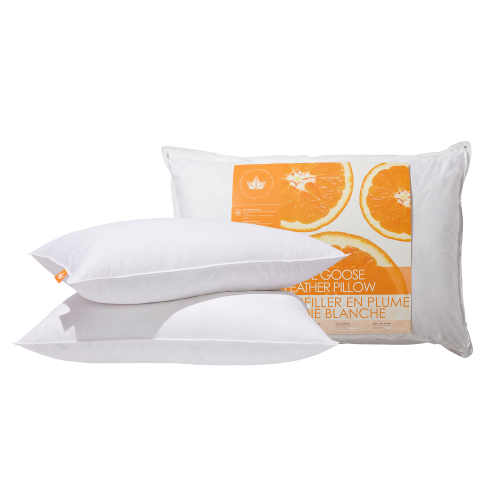
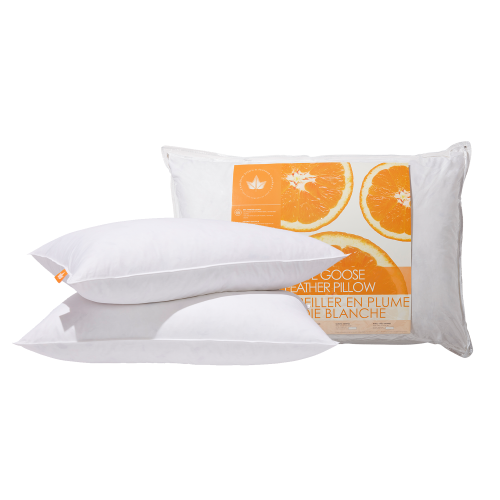
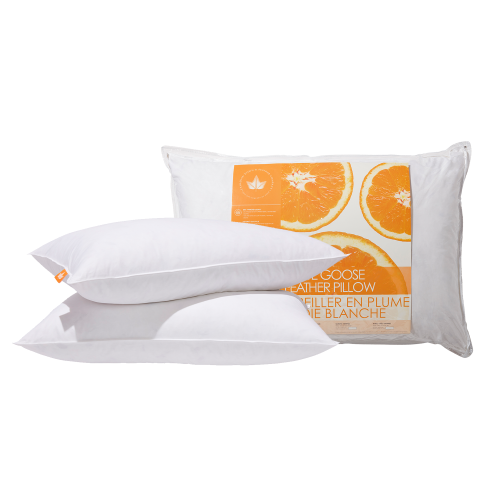
Down feather pillows bring together two different types of fill: soft, quill-free down clusters from the undercoating of ducks or geese, and feathers from the outer plumage, which have a central shaft. Down contributes airy loft and a gently cushioning feel, while feathers add weight, structure, and a more substantial foundation. Together, they create a pillow that can be fluffed, folded, and shaped rather than holding one fixed contour. That familiar bedtime habit of giving a pillow a shake, tucking an edge beneath your neck, and settling into a cool pillowcase suits this type of fill particularly well. Construction makes a noticeable difference, though, and not every down and feather pillow feels the same. Some contain a blended fill throughout; others use separate chambers to position different materials where they are most useful. A three-chamber design often places a feather-rich core between softer down-filled outer chambers, combining a supportive centre with cushioning nearer the face. The outer layers can also help reduce the sensation of feather shafts, although the shell fabric and stitching matter too. When comparing pillows, look at both the overall down-to-feather ratio and any chamber-specific details. A higher proportion of down generally creates a lighter, softer feel, while a feather-rich blend often feels heavier and more structured. Neither ratio alone guarantees a particular firmness: fill weight, pillow dimensions, and construction all influence how the pillow behaves under your head. Fill power, when listed for the down, describes its ability to loft rather than serving as a direct firmness rating. A high-loft pillow can still compress considerably once you lie on it. For a useful comparison, read the composition alongside the stated firmness and dimensions, rather than treating a single percentage or fill-power number as the deciding feature.
Choosing down feather pillows is largely about finding a comfortable balance between softness and the height that remains after the fill compresses. Side sleepers often need more loft and a fuller feel to occupy the space between the shoulder and head, while back sleepers may prefer moderate loft that supports the neck without pushing the chin towards the chest. Stomach sleepers generally need a thinner, softer pillow to avoid holding the head at a steep angle. These are starting points rather than fixed rules: shoulder width, mattress firmness, and personal preference can change what feels comfortable. A shoulder that sinks deeply into a softer mattress leaves a different gap than one resting on a firmer surface. If you change positions during the night, a pliable down and feather blend may appeal because you can redistribute the fill, although a pillow that needs frequent reshaping may not suit someone who prefers a consistent contour. Think about the moments before sleep as well. A fuller pillow can feel inviting while reading against the headboard, but the same height may be too much once you lie flat. Size deserves equal attention. Standard, queen, and king labels are useful starting points, but checking the actual measurements against your pillowcases and bed makes the choice more reliable. An overly tight case can compress the fill and change the feel, while a loose case may bunch around the edges. Shell material also affects everyday comfort: a smooth, tightly woven cotton shell can feel pleasant against the face beneath a pillowcase and help contain the fill. Thread count alone does not establish quality, so consider fabric construction, seams, and care requirements together. For a guest bedroom or a housewarming gift, a medium-feel pillow may offer a practical starting point, but it is worth knowing the recipient’s fill preferences and sensitivities. Because bedding return conditions can vary, checking them before purchase is especially helpful when buying a pillow you have not felt in person.
The appeal of down and feather pillows extends beyond the first squeeze in your hand. They suit sleepers who enjoy a yielding surface, a softly rumpled bed, and the ability to gather the fill into a comfortable shape. During the cooler months, that inviting bedroom feel can come from a few thoughtful layers rather than an entirely new bedding set. Sleeping pillows provide the everyday foundation, while decorative cushions add shape when the bed is made; Feather Throw Pillows can bring a similarly relaxed look to a reading chair, sofa, or bed. Decorative pillows should remain separate from the choice of a pillow intended for nightly sleep, where fit and care matter more than styling. A washable pillow protector beneath the pillowcase helps limit contact with perspiration and body oils, keeping routine upkeep simpler. If dust-mite sensitivity is a concern, look specifically for a protector designed as an allergen barrier rather than assuming every zippered cover offers the same protection. Down and feather fill is not automatically suitable for everyone with allergies, and terms such as “hypoallergenic” do not guarantee that a pillow will be comfortable for every sensitive sleeper. Regular fluffing helps redistribute the fill and restore loft after compression; a few gentle shakes when making the bed can keep it from gathering in one area. Always follow the pillow’s care label for cleaning. Some allow machine washing and tumble drying under specified conditions, while others call for professional care. Where washing is permitted, thorough drying is essential because moisture can remain inside even when the shell feels dry. Avoid putting the pillow back into its protector until the filling is completely dry. With any blend, occasional feather movement and gradual changes in loft are normal considerations. A pillow that no longer fluffs back to a comfortable shape, has persistent clumps after proper care, or leaves your head sitting too low may be ready for replacement. The most satisfying choice is one whose feel, support, and upkeep fit naturally into your bedtime routine.
Choosing down feather pillows is largely about finding a comfortable balance between softness and the height that remains after the fill compresses. Side sleepers often need more loft and a fuller feel to occupy the space between the shoulder and head, while back sleepers may prefer moderate loft that supports the neck without pushing the chin towards the chest. Stomach sleepers generally need a thinner, softer pillow to avoid holding the head at a steep angle. These are starting points rather than fixed rules: shoulder width, mattress firmness, and personal preference can change what feels comfortable. A shoulder that sinks deeply into a softer mattress leaves a different gap than one resting on a firmer surface. If you change positions during the night, a pliable down and feather blend may appeal because you can redistribute the fill, although a pillow that needs frequent reshaping may not suit someone who prefers a consistent contour. Think about the moments before sleep as well. A fuller pillow can feel inviting while reading against the headboard, but the same height may be too much once you lie flat. Size deserves equal attention. Standard, queen, and king labels are useful starting points, but checking the actual measurements against your pillowcases and bed makes the choice more reliable. An overly tight case can compress the fill and change the feel, while a loose case may bunch around the edges. Shell material also affects everyday comfort: a smooth, tightly woven cotton shell can feel pleasant against the face beneath a pillowcase and help contain the fill. Thread count alone does not establish quality, so consider fabric construction, seams, and care requirements together. For a guest bedroom or a housewarming gift, a medium-feel pillow may offer a practical starting point, but it is worth knowing the recipient’s fill preferences and sensitivities. Because bedding return conditions can vary, checking them before purchase is especially helpful when buying a pillow you have not felt in person.
The appeal of down and feather pillows extends beyond the first squeeze in your hand. They suit sleepers who enjoy a yielding surface, a softly rumpled bed, and the ability to gather the fill into a comfortable shape. During the cooler months, that inviting bedroom feel can come from a few thoughtful layers rather than an entirely new bedding set. Sleeping pillows provide the everyday foundation, while decorative cushions add shape when the bed is made; Feather Throw Pillows can bring a similarly relaxed look to a reading chair, sofa, or bed. Decorative pillows should remain separate from the choice of a pillow intended for nightly sleep, where fit and care matter more than styling. A washable pillow protector beneath the pillowcase helps limit contact with perspiration and body oils, keeping routine upkeep simpler. If dust-mite sensitivity is a concern, look specifically for a protector designed as an allergen barrier rather than assuming every zippered cover offers the same protection. Down and feather fill is not automatically suitable for everyone with allergies, and terms such as “hypoallergenic” do not guarantee that a pillow will be comfortable for every sensitive sleeper. Regular fluffing helps redistribute the fill and restore loft after compression; a few gentle shakes when making the bed can keep it from gathering in one area. Always follow the pillow’s care label for cleaning. Some allow machine washing and tumble drying under specified conditions, while others call for professional care. Where washing is permitted, thorough drying is essential because moisture can remain inside even when the shell feels dry. Avoid putting the pillow back into its protector until the filling is completely dry. With any blend, occasional feather movement and gradual changes in loft are normal considerations. A pillow that no longer fluffs back to a comfortable shape, has persistent clumps after proper care, or leaves your head sitting too low may be ready for replacement. The most satisfying choice is one whose feel, support, and upkeep fit naturally into your bedtime routine.
Top selling and popular products
-
 Your price for this item is $300
 -
 Your price for this item is $350
 -
 Your price for this item is $175
 -
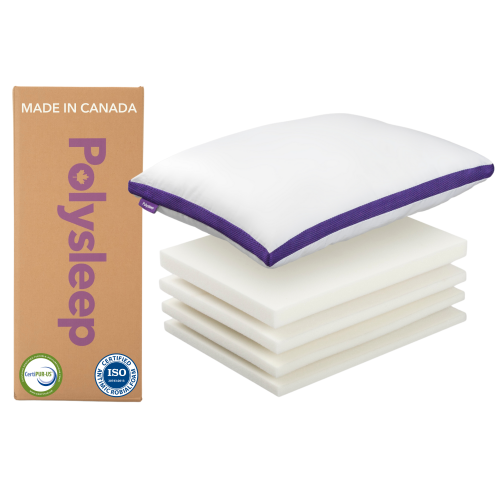 Your price for this item is $150
 -
 Your price for this item is $295
 -
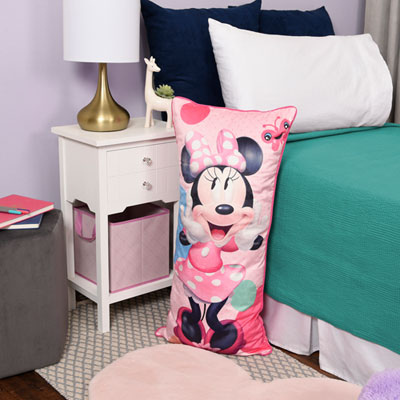 Your price for this item is $24.99
 -
 Your price for this item is $19.99
 -
 Your price for this item is $24.98
Discover more categories related to Down Feather Pillows

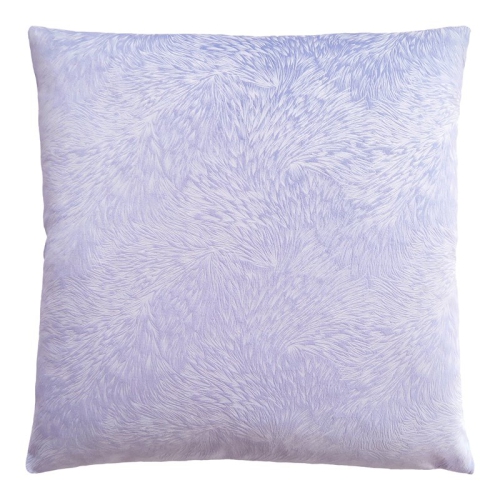
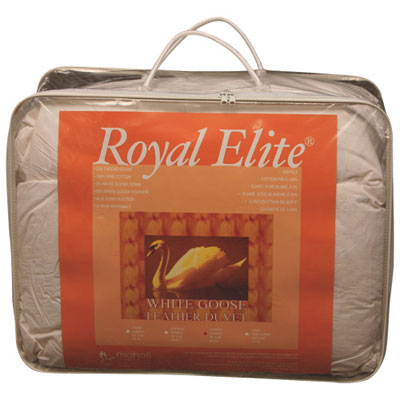
Top Collections:
Pokemon Centers, Kindle Devices, Best Budget Office Chairs, Apple iPhones 16, Canon G7X Cameras, iPhone 15 Apple, Alarm Clock, Refurbished Apple Laptops, Flip Phones, Best Laptops for Writers
Some products may be subject to Environmental Handling Fees
(EHF) depending on your province.
Learn more about EHFs.