Feather Duvets
Indulge in luxurious comfort and restful sleep with our collection of feather duvets. Made with premium materials, these duvets offer the perfect combination of softness and warmth to keep you cozy throughout the night. Whether you prefer a lightweight option for summer or a heavier duvet for colder months, we have a variety of sizes and fill powers to suit your needs. Elevate your bedding ensemble with a feather duvet that provides both style and functionality, ensuring a peaceful night's sleep every time.
Sort
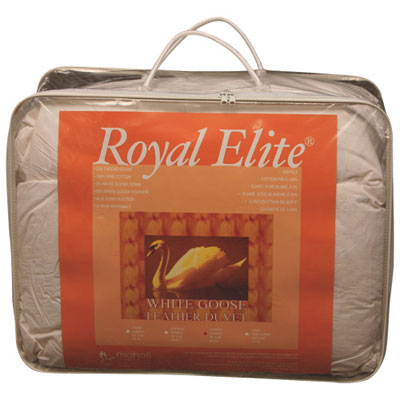
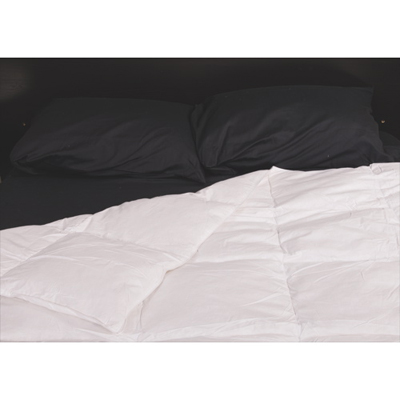
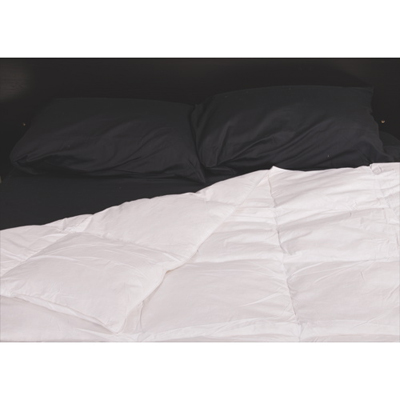
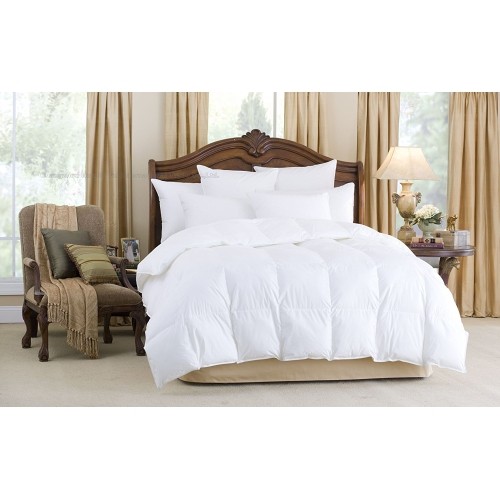

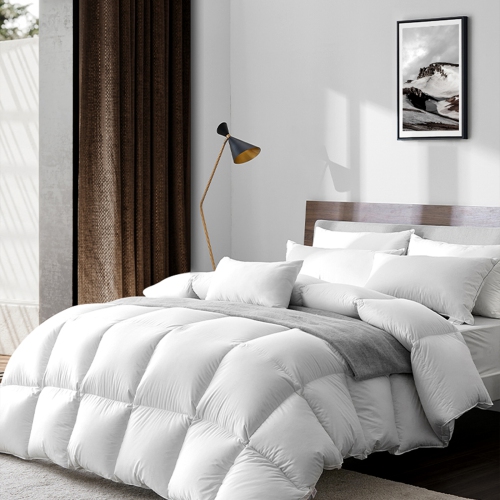

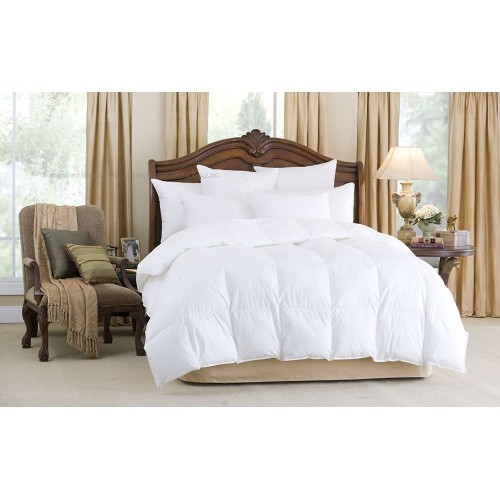
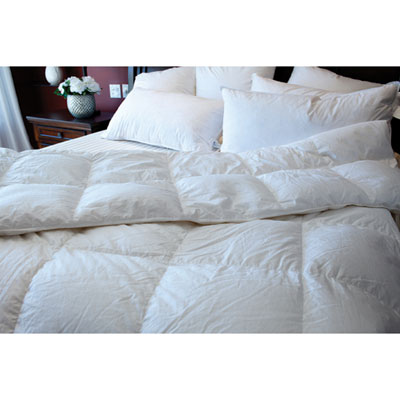

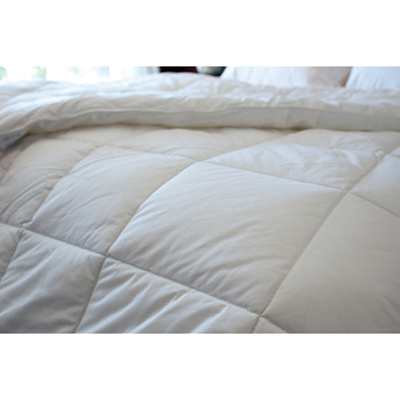
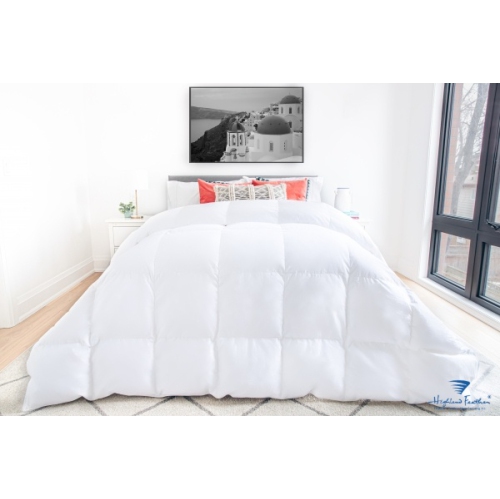


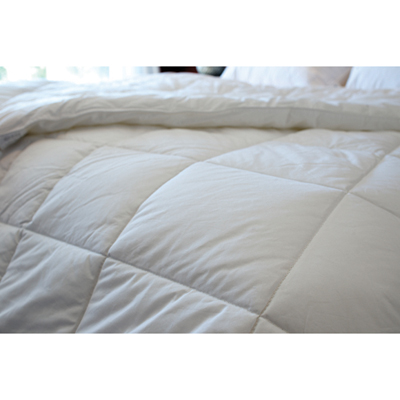
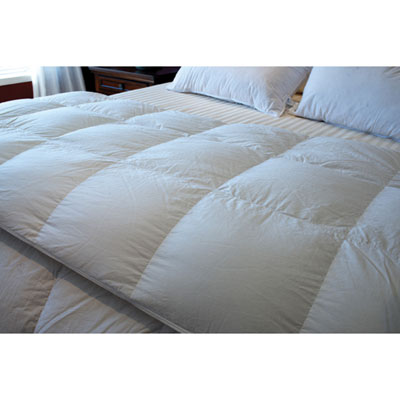
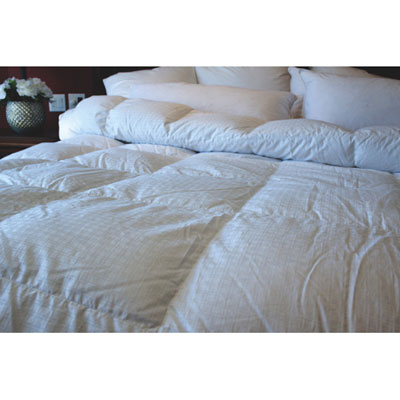
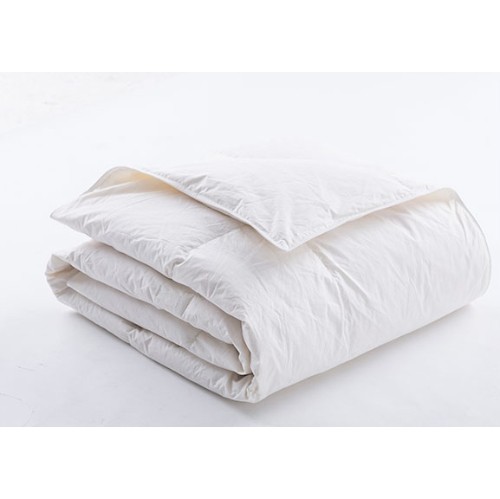
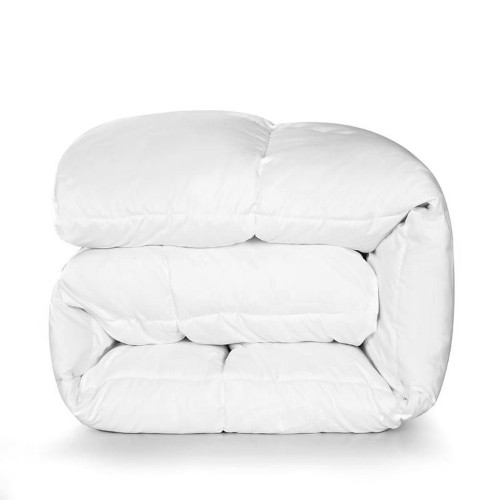


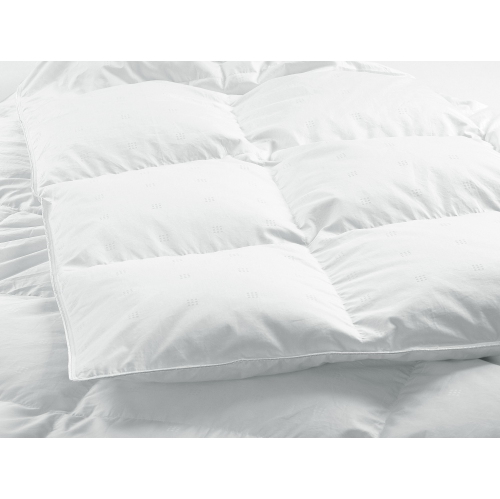

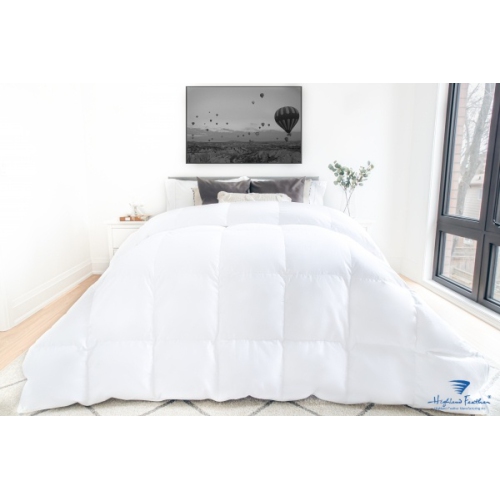
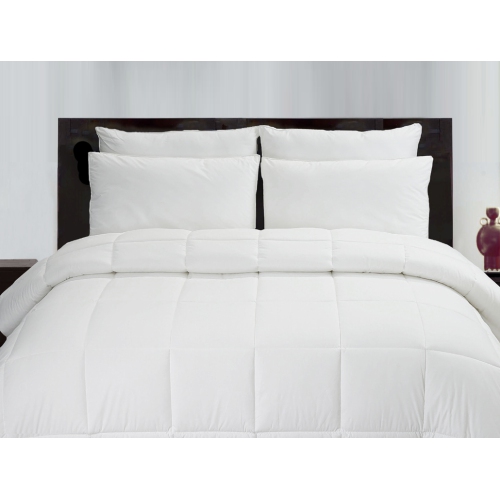
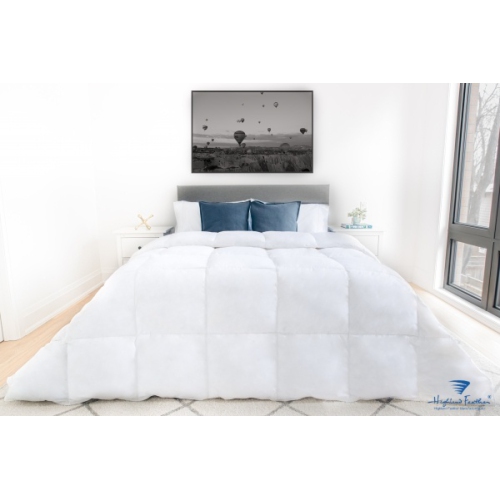
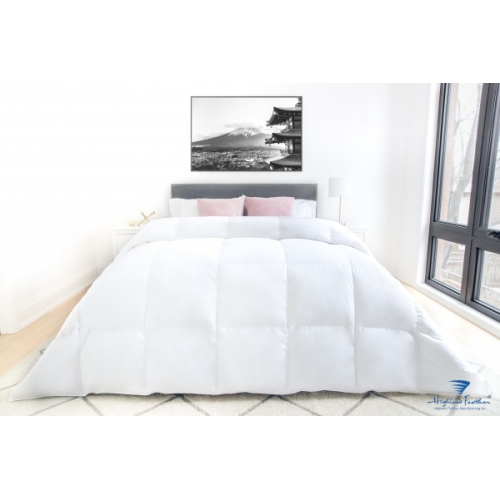
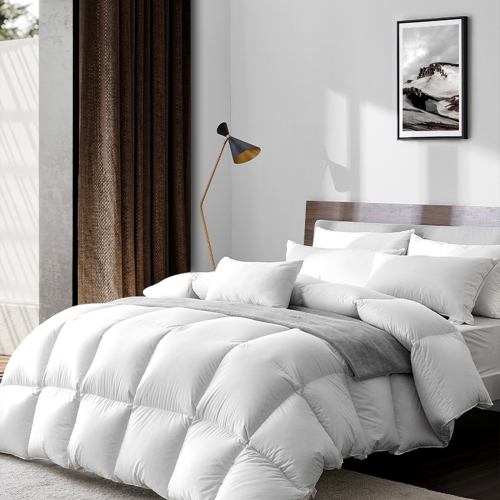
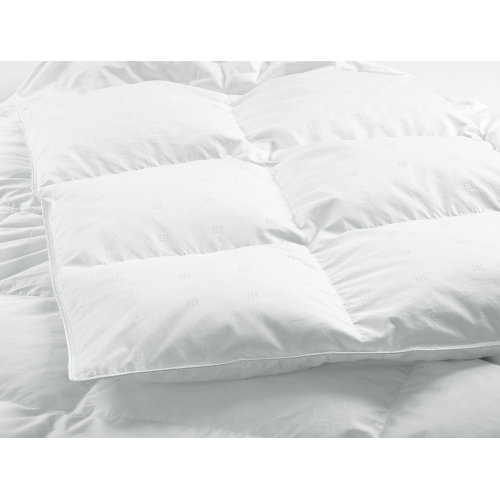

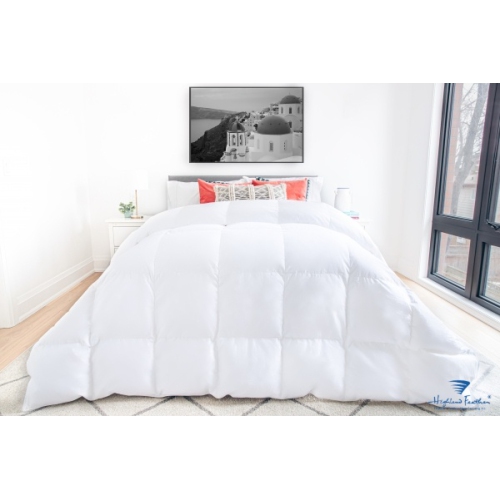


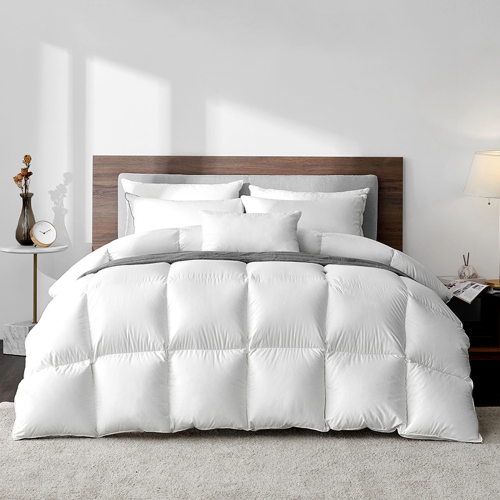
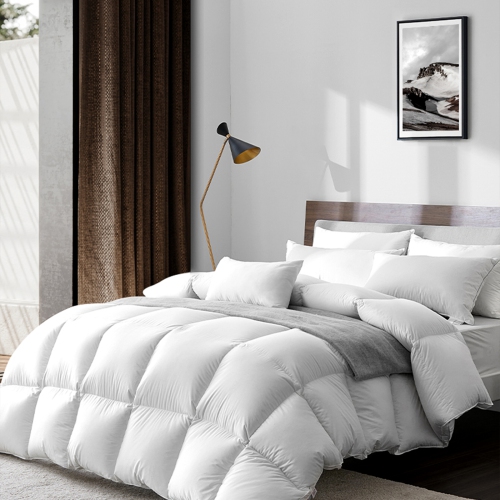
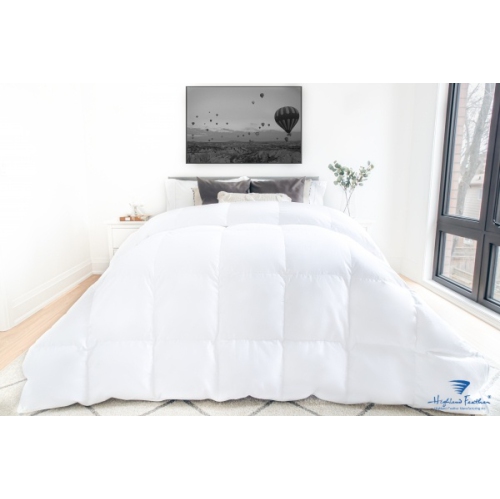
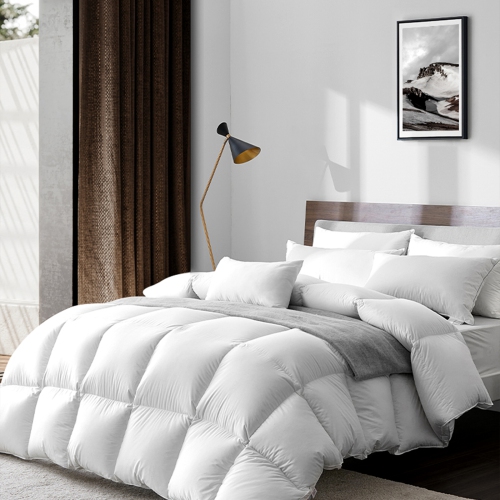

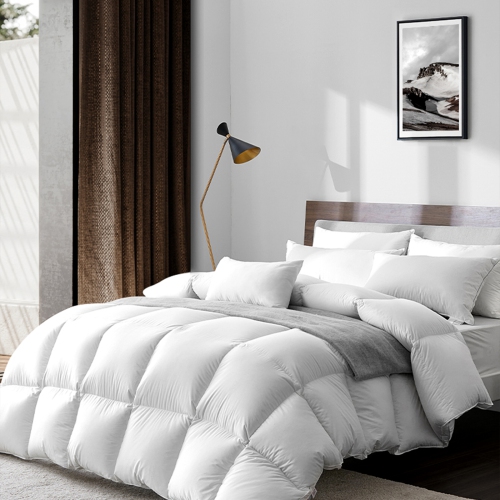

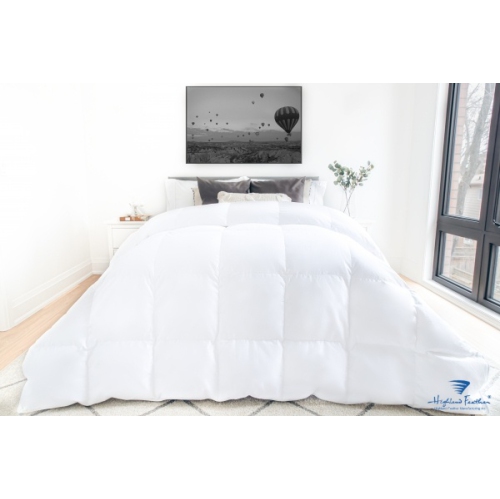
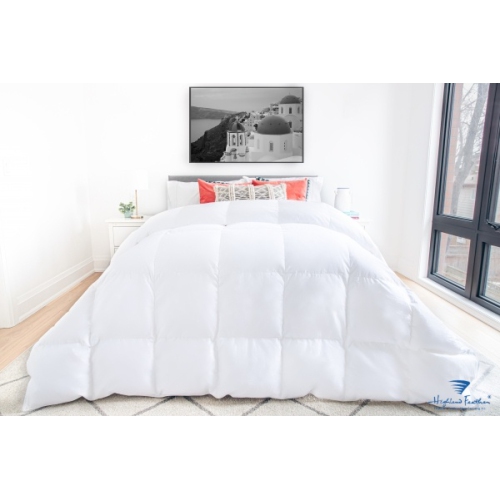
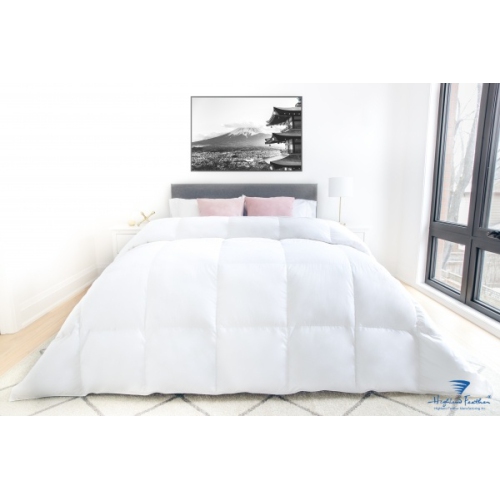

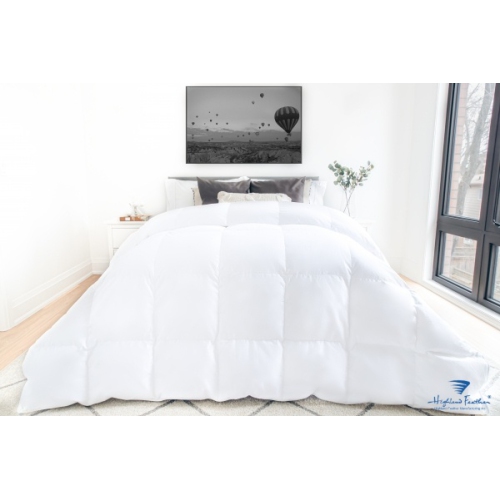
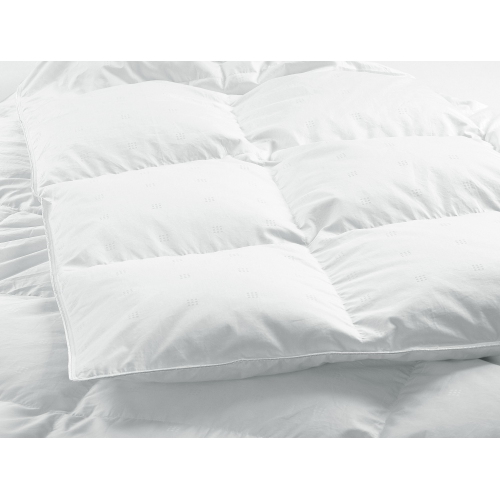
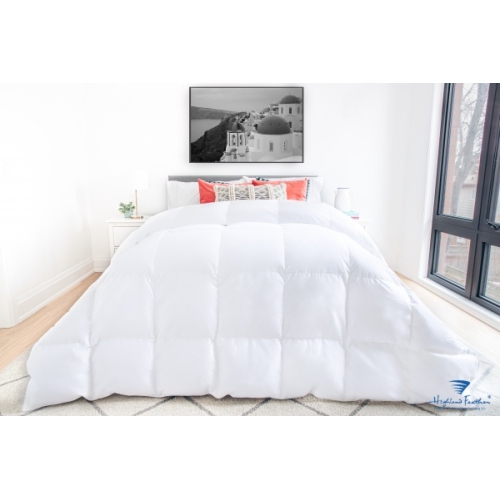
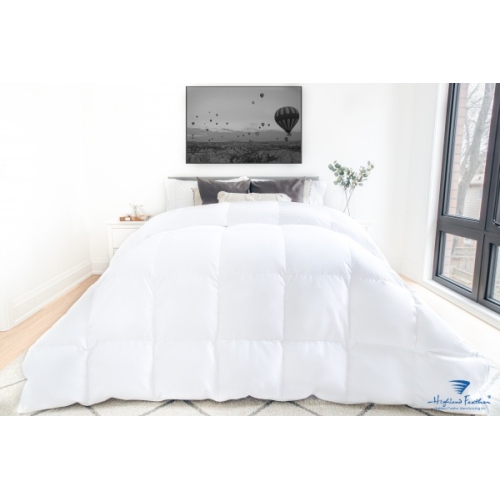



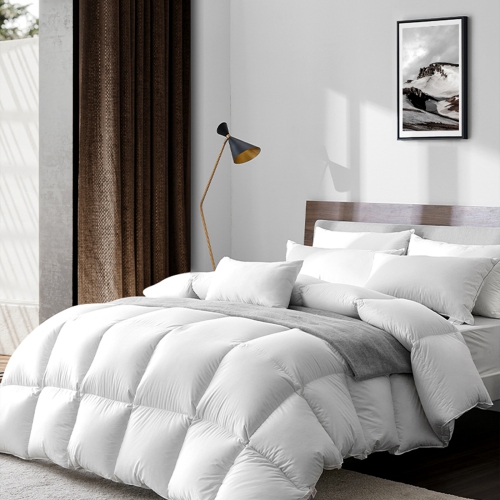
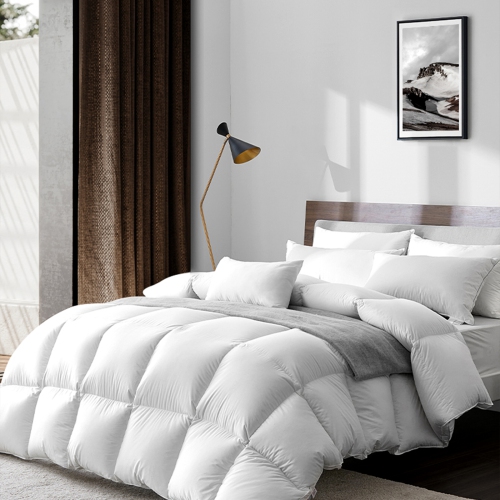
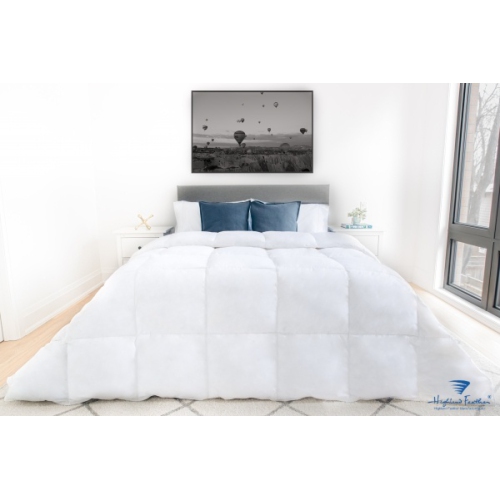
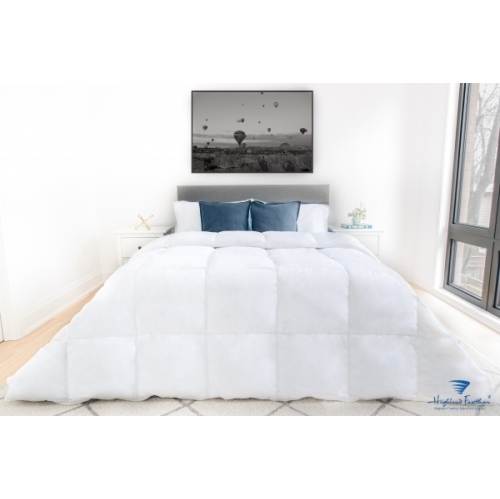
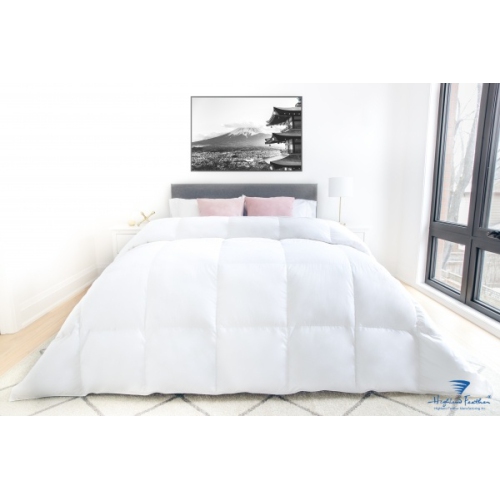

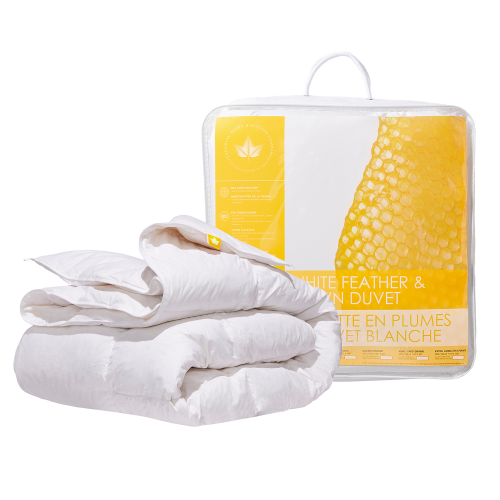
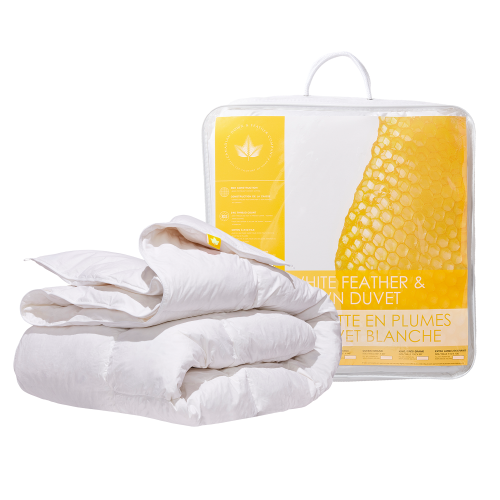
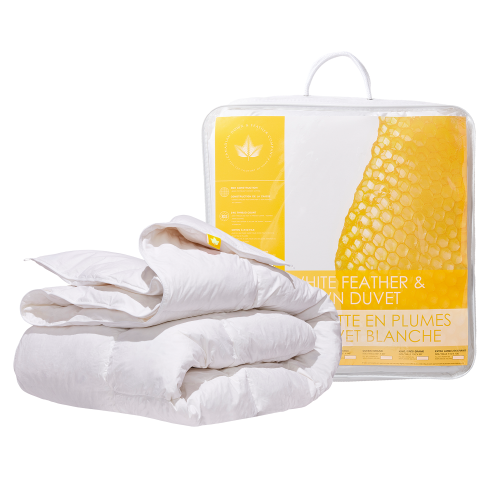
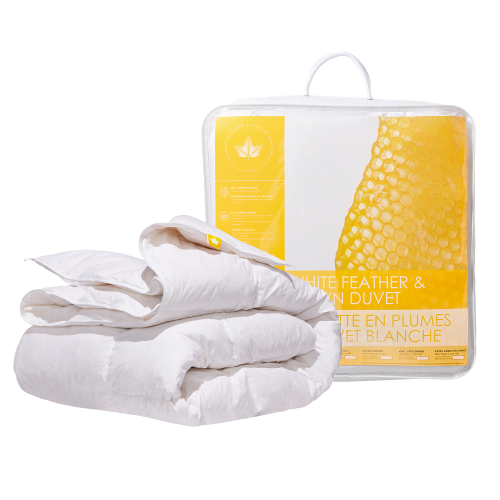
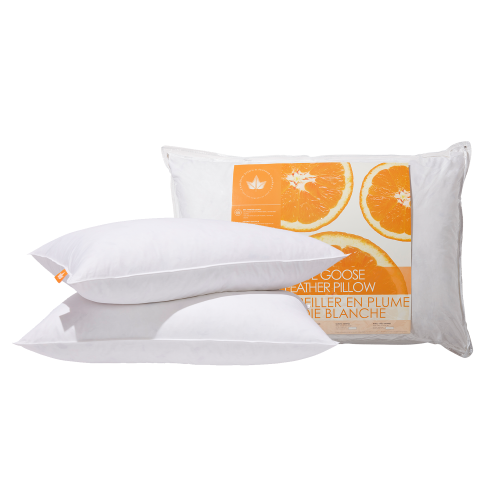
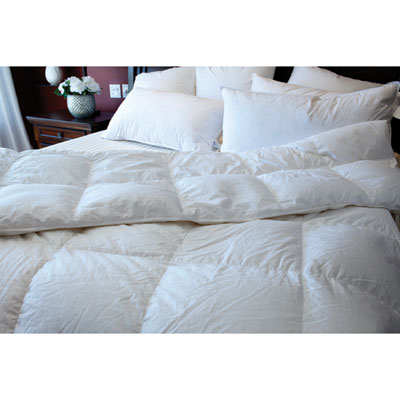
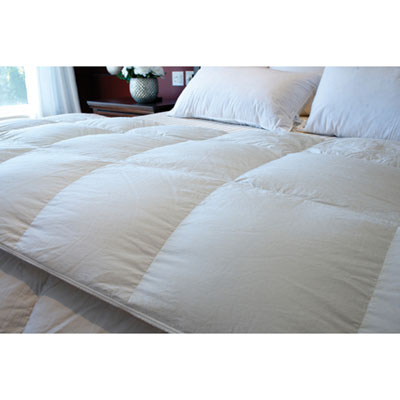
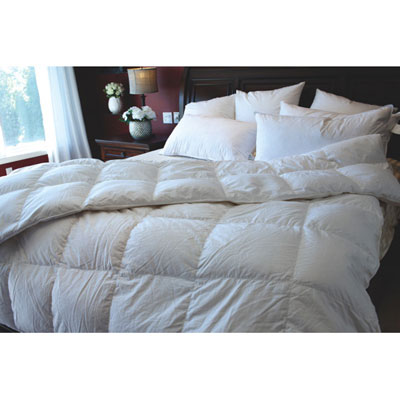
A substantial, insulating layer for cooler nights
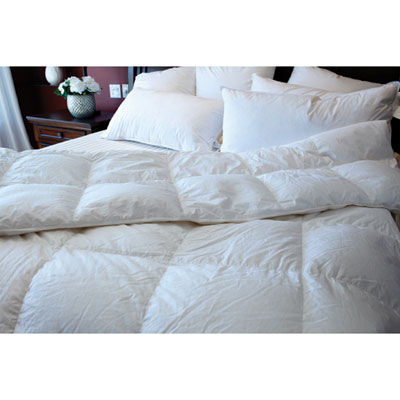
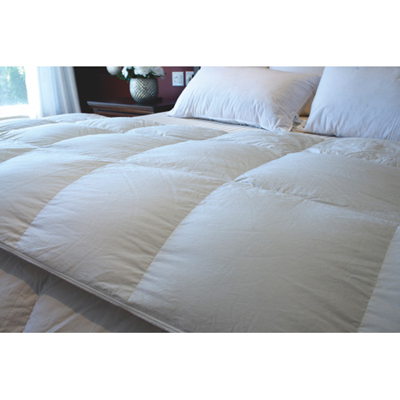
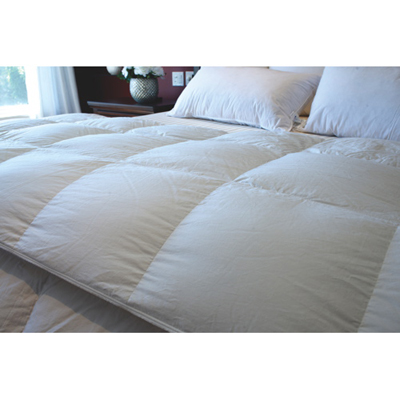
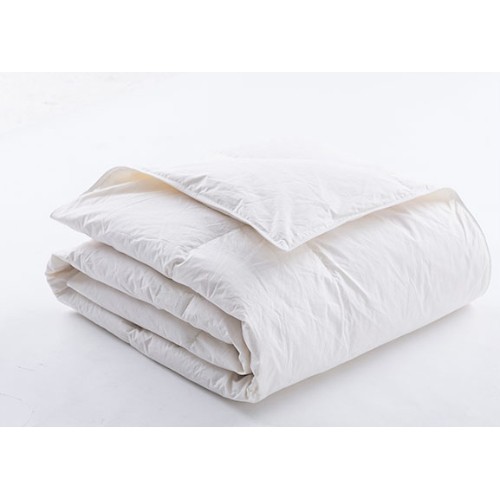
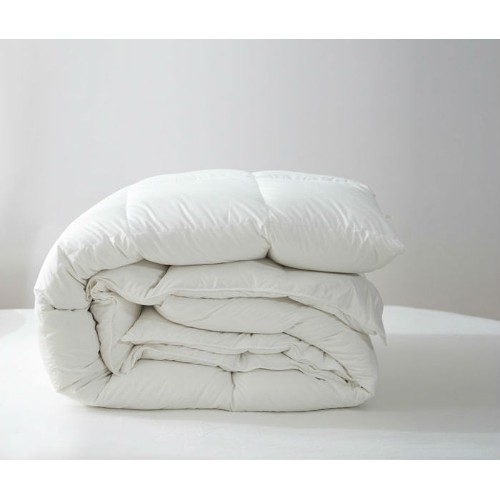
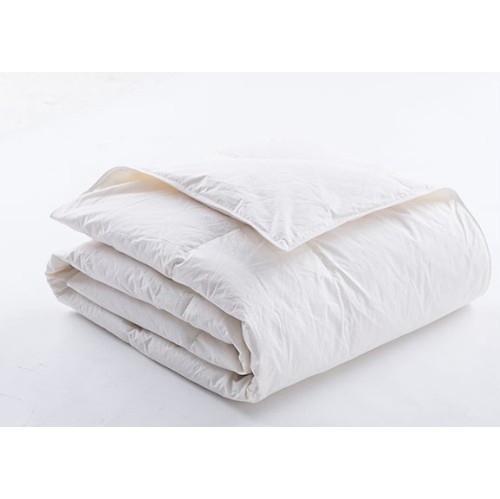
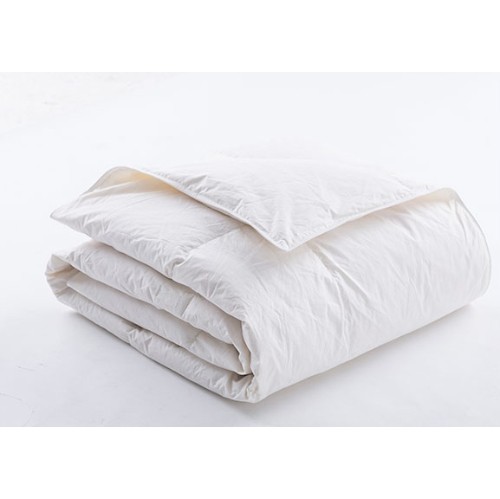
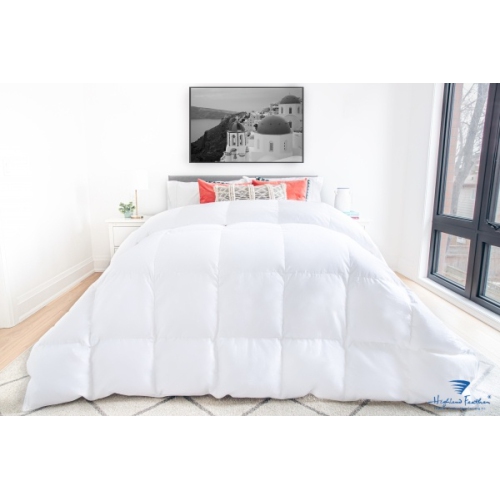
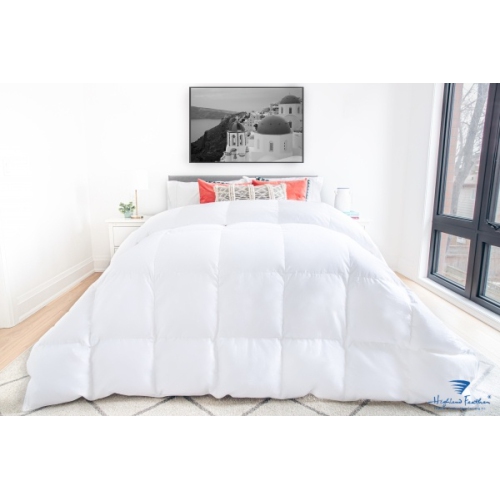
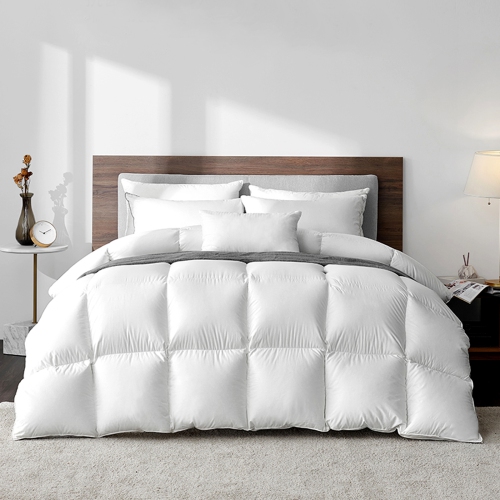
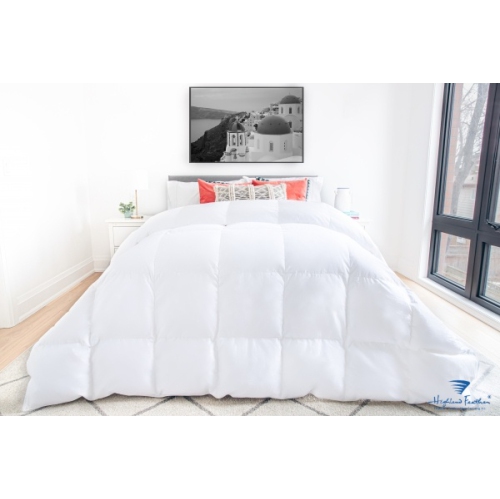
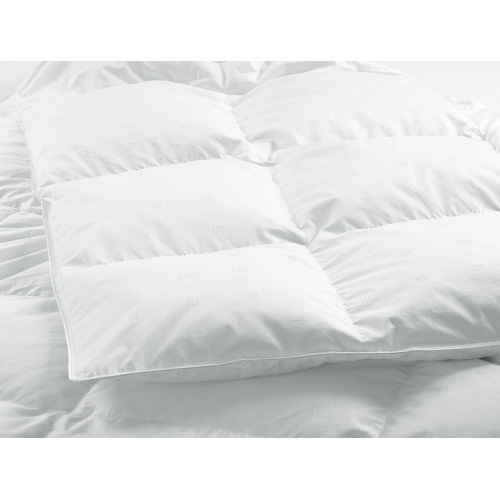
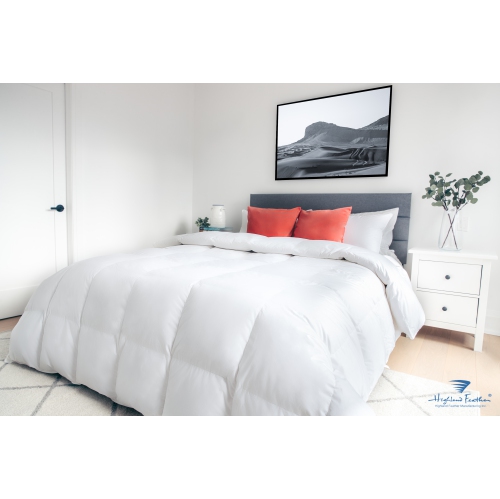
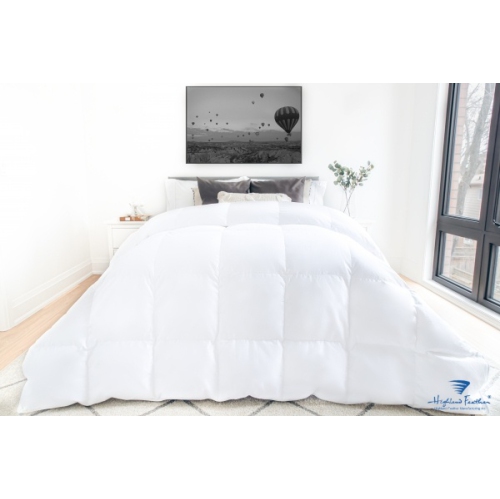
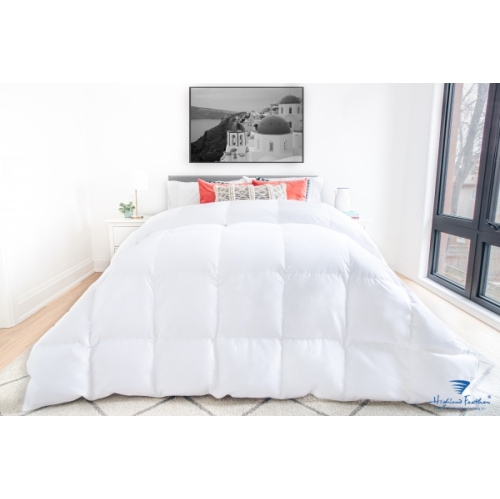
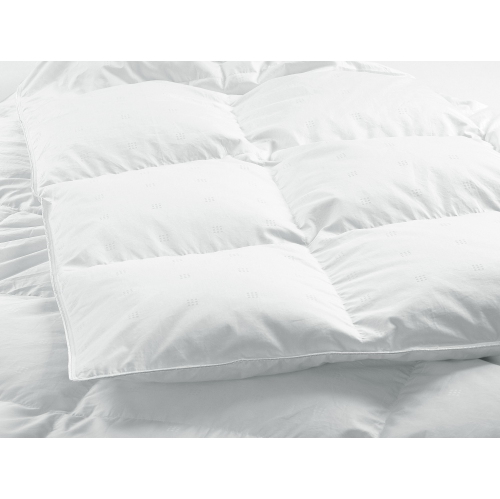
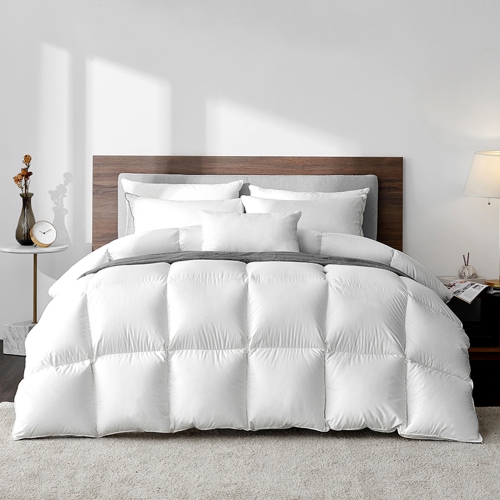
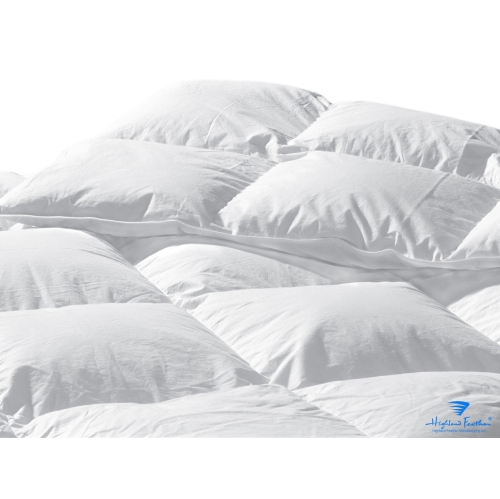
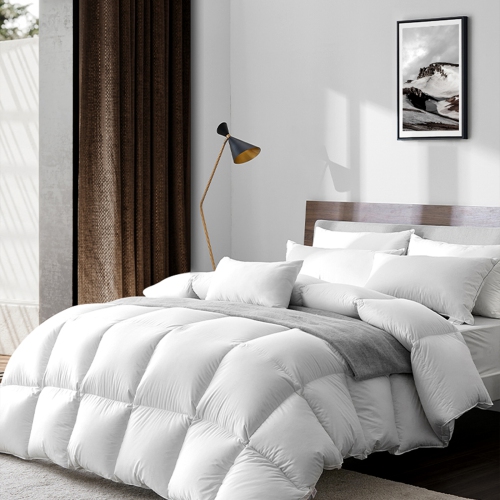
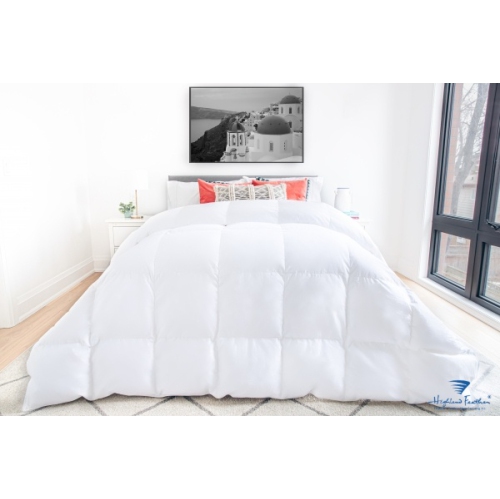
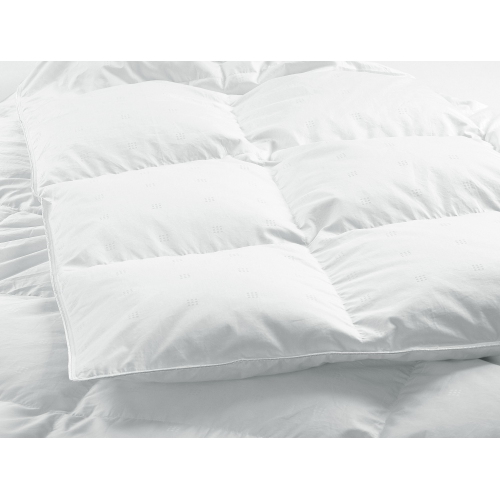
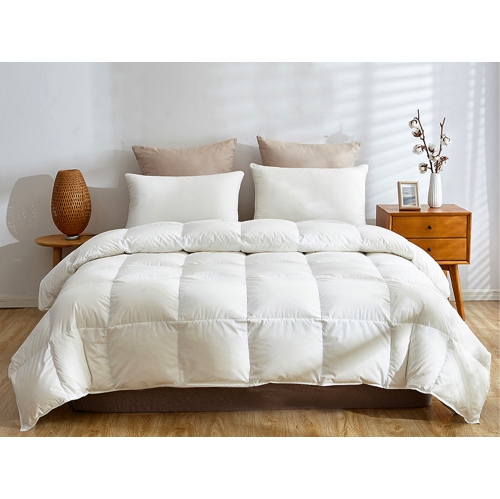
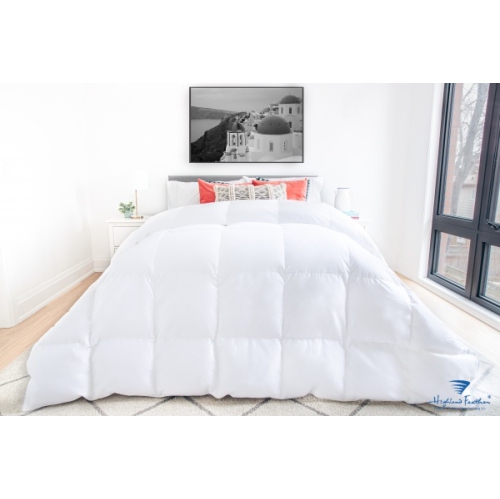
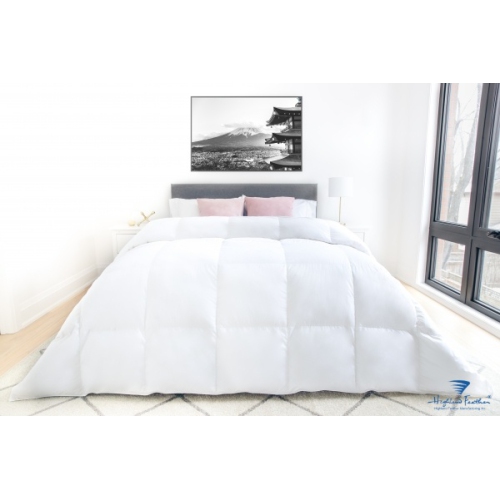
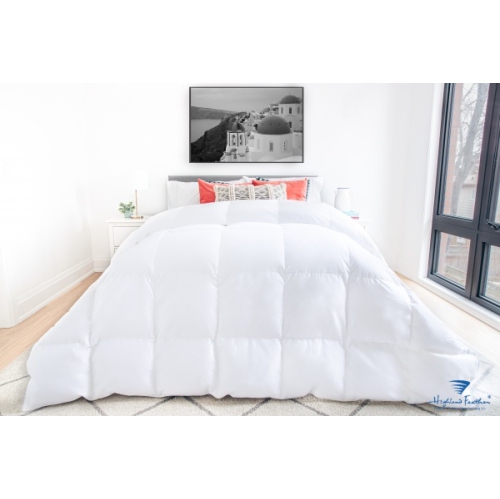
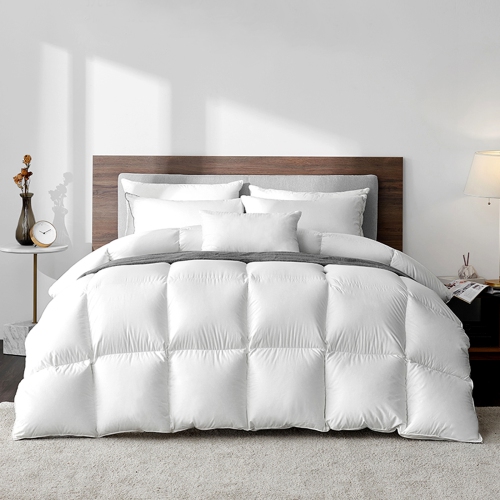
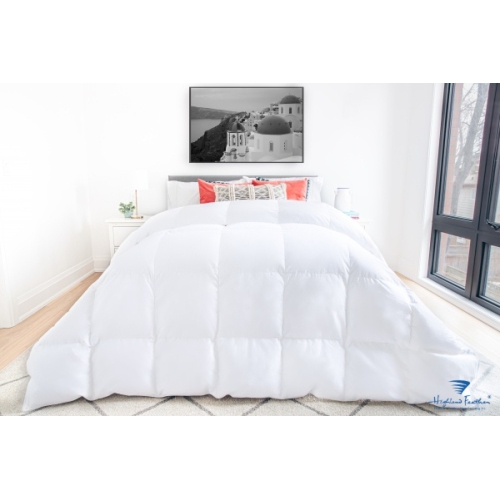
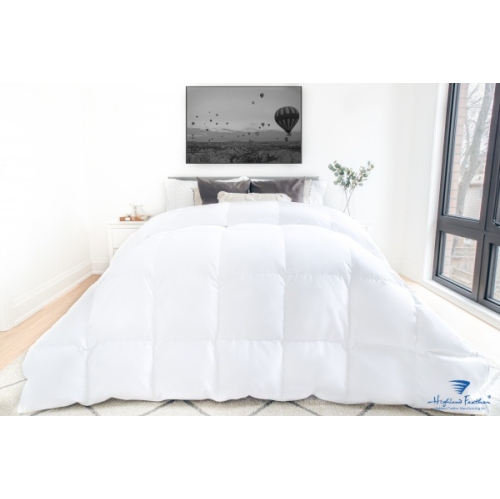
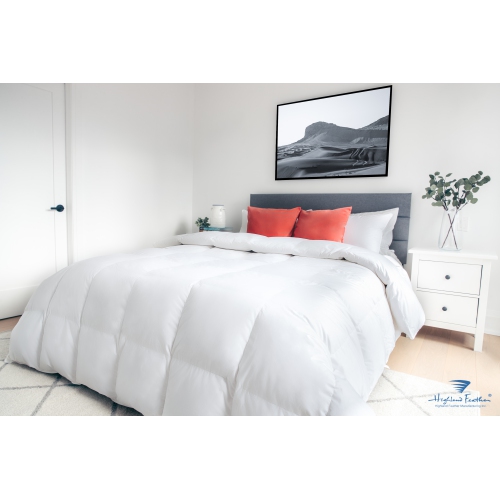
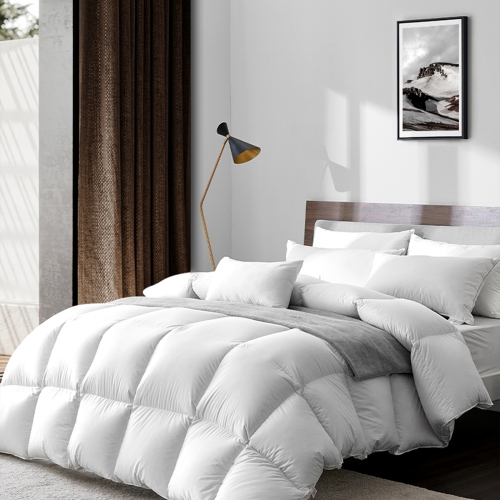
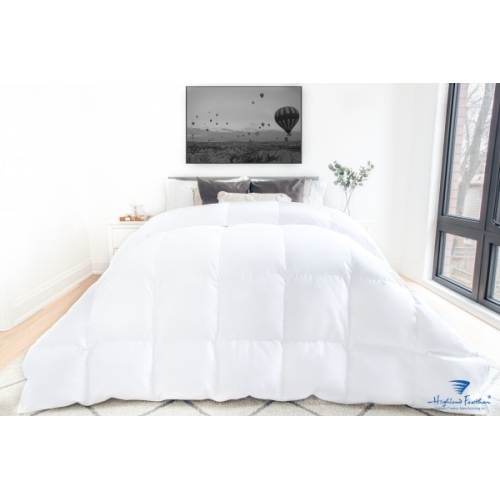
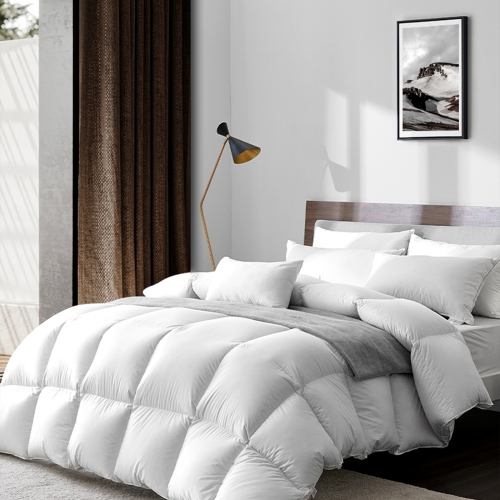
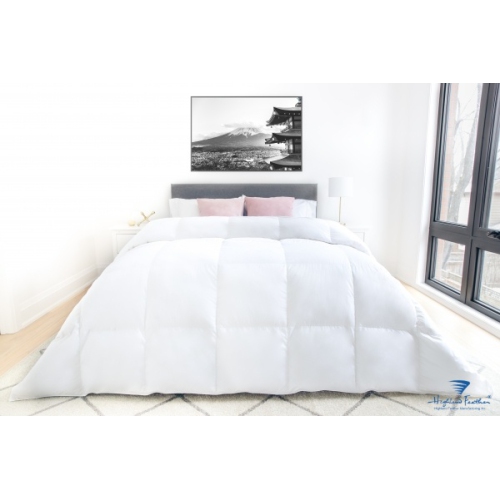
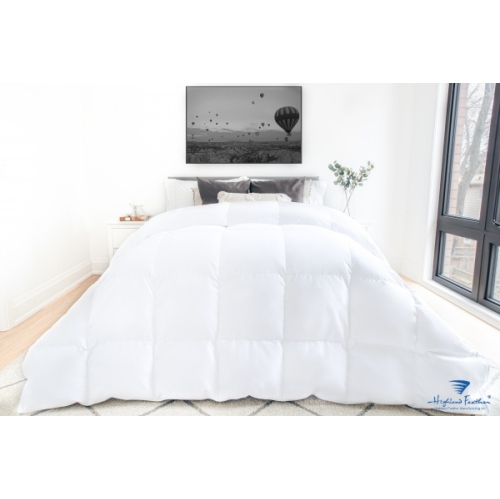
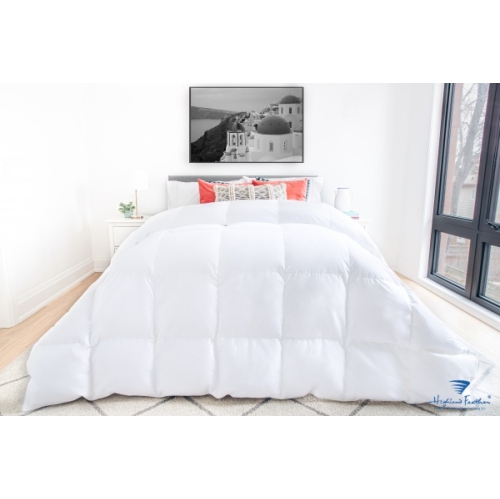
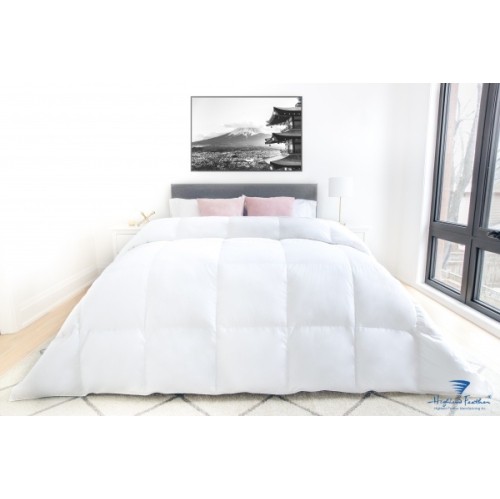
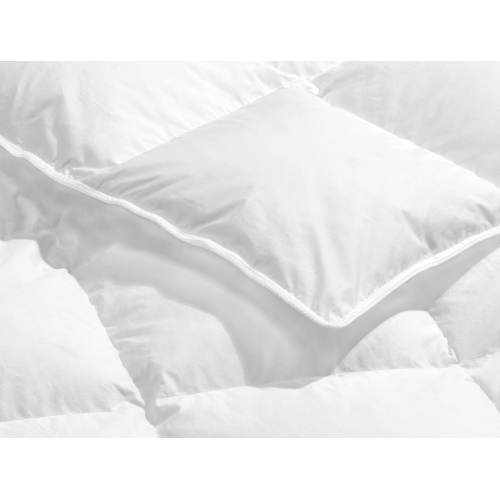
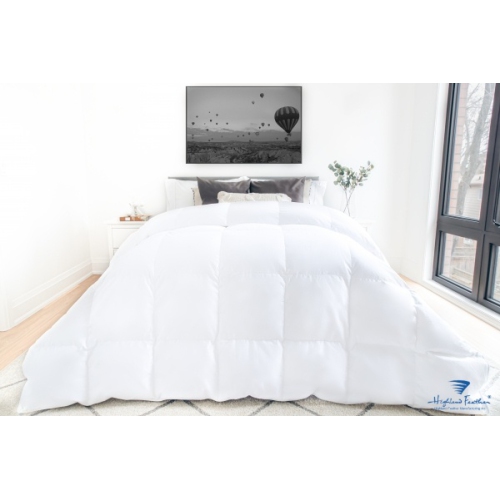
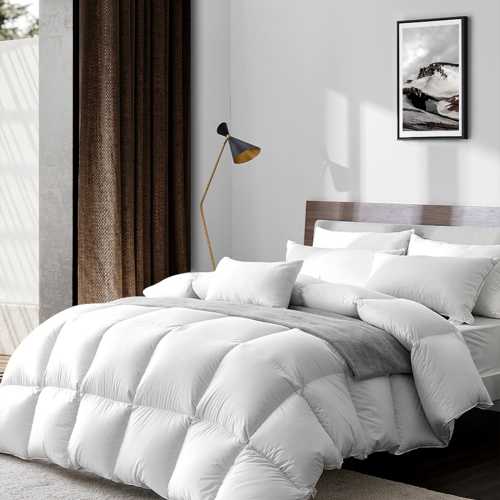
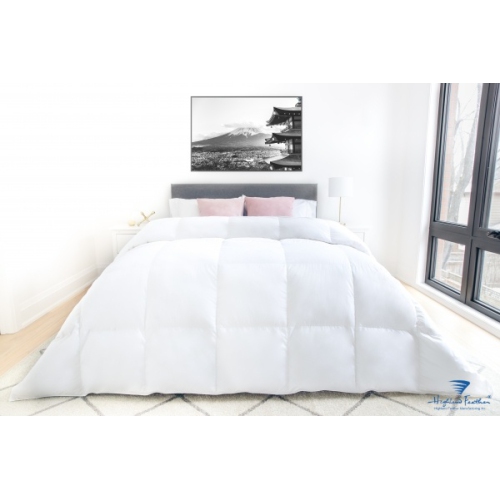
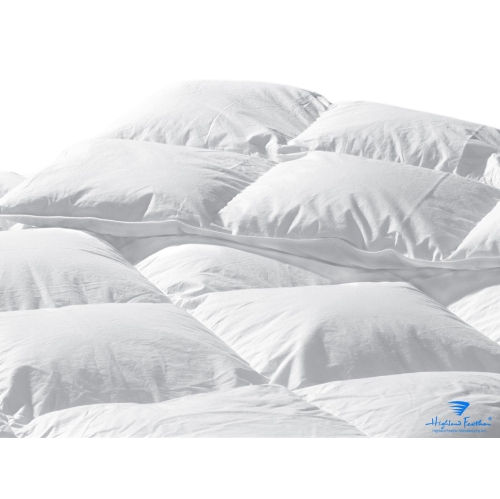
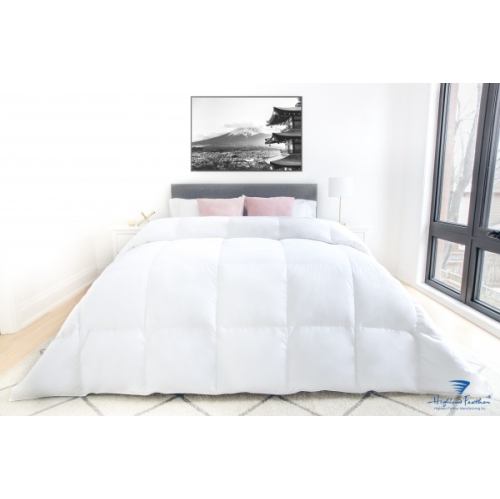
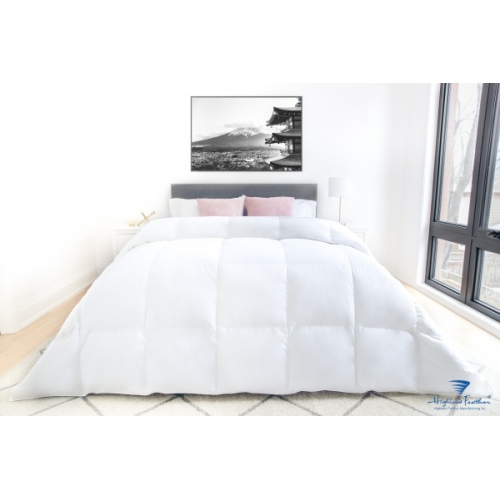
Feather duvets bring a traditional, comforting feel to the bedroom, with a pleasantly substantial weight and dependable insulation for cooler nights. Made with the outer plumage of ducks or geese, feathers have a flat structure and a visible central quill, giving them more body and firmness than down clusters. That added weight can feel reassuring for sleepers who enjoy being tucked in beneath a substantial layer rather than covered by an exceptionally light insert. Feather fill also offers a practical way to add warmth and comfort to a bed without the higher cost often associated with premium down. Many feather duvets use a blend of approximately 80% to 90% feathers and 10% to 20% down, balancing the supportive feel of feathers with some extra softness and loft. Pure feather options tend to feel denser and more structured, while feather-and-down blends can create a slightly plusher surface that settles gently over the body. The right choice depends on personal preference, the temperature of the room and the feel you enjoy at bedtime. Someone who often folds a duvet at the foot of the bed during warmer evenings may appreciate a lighter blend, while a sleeper who likes a cosy, enveloping layer during the cooler months may prefer a fuller, heavier design. Feather duvets can also be a thoughtful home gift for someone moving into a new apartment, refreshing a guest room or creating a more inviting bedroom. Picture a neatly made bed with a softly textured cover, a duvet that has enough weight to stay comfortably in place and a warm layer ready for quiet mornings with a book or coffee. For shoppers comparing natural-filled bedding, Fluffy Duvets may also be worth exploring when a lighter, loftier feel is a priority.
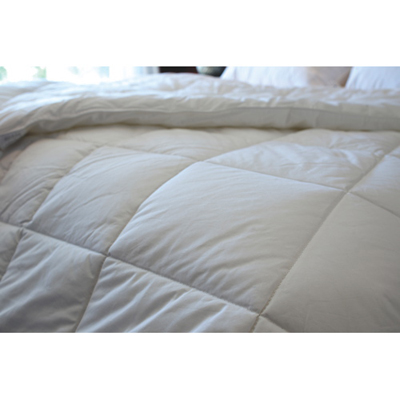
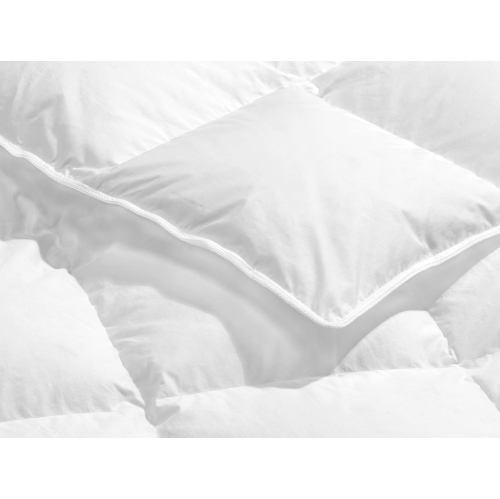
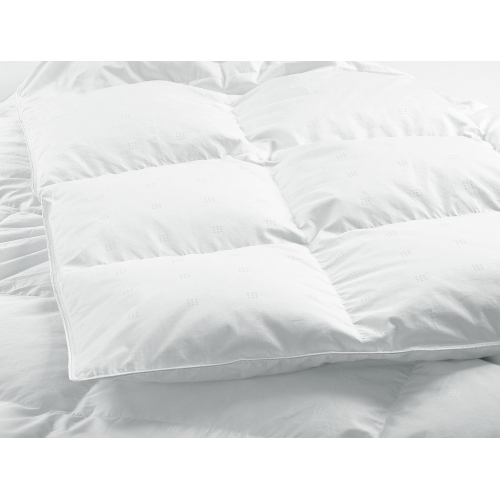
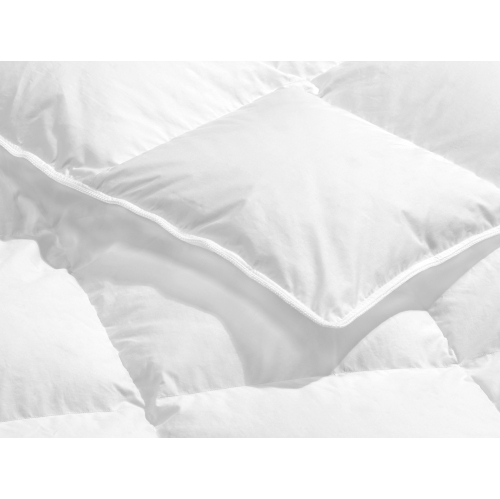
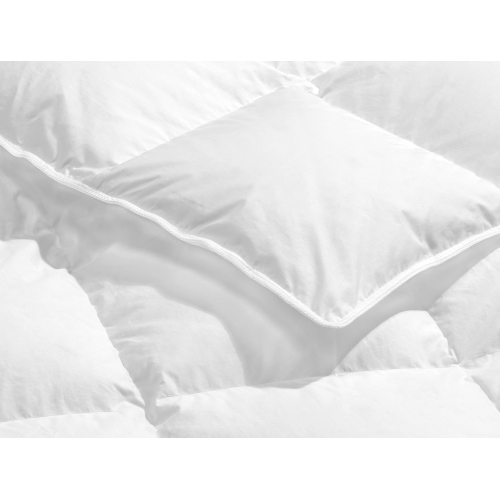
When choosing feather duvets, start with the bed size and the coverage you prefer. Twin, Double, Queen and King inserts are designed for different mattresses, and checking the dimensions is especially useful when replacing an existing duvet or pairing the insert with a cover already at home. A duvet that is too small may leave the sides of the bed exposed, while one that is generously sized can create a relaxed, layered look. Fill weight is another important consideration because two duvets with the same dimensions can feel quite different depending on the amount and type of fill inside. A higher fill weight usually creates a warmer, heavier insert, whereas a lower fill weight may suit a well-heated bedroom or anyone who sleeps warm. Construction also affects everyday comfort. Box-stitch designs divide the fill into evenly spaced sections, helping reduce movement and keeping feathers from collecting in the corners. Baffle-box construction creates internal fabric walls that allow more room for loft while helping the fill stay distributed across the duvet. Look for a tightly woven, down-proof cotton shell, often around 233 to 240 thread count or higher, to help contain the feathers and reduce the chance of quills working their way through the fabric. A smooth shell can also make the duvet easier to slide into a cover. Corner loops or tabs are useful details that anchor the insert to ties inside a duvet cover, limiting bunching when the bed is made or the duvet is shifted during sleep. For households with two sleepers, this stability can make a noticeable difference: instead of one person waking to pull the insert back into place, the duvet remains more evenly positioned through the night. Pay attention to the balance between warmth, breathability and weight, particularly if the bedroom temperature changes as the weather warms and later cools again.
Proper care helps a feather duvet stay comfortable and evenly filled over time. Follow the care instructions supplied with the insert, since cleaning recommendations can vary by shell fabric, fill and construction. Many feather duvets benefit from regular airing and gentle shaking rather than frequent washing. After making the bed, a few careful shakes can help redistribute the feathers through the stitched compartments and restore some loft. Allowing the duvet to breathe in a well-ventilated space can also refresh it between cleanings; avoid storing it damp or compressing it tightly for extended periods, as trapped moisture and pressure can affect the fill. A duvet cover provides an easy-to-change protective layer and lets you update the bedroom’s appearance without replacing the insert. Choose a cover with compatible corner ties if the duvet has loops, and make sure the cover dimensions match the insert closely enough to prevent excess movement. When a deeper clean is needed, professional laundering may be preferable to washing a bulky insert at home, especially if the duvet fills most of the machine. A large-capacity dryer and thorough drying are essential because any remaining moisture can cause the filling to clump. Feather duvets suit many bedrooms, from a main sleeping space that calls for a substantial everyday layer to a guest room where visitors can adjust their comfort with blankets and covers. They can be paired with lighter bedding during warmer periods or layered with additional blankets when the room becomes cooler, making them a versatile choice across changing seasons. With the right size, fill weight, shell and fastening details, a feather duvet can add warmth, texture and a pleasantly grounded feel to the bed.
When choosing feather duvets, start with the bed size and the coverage you prefer. Twin, Double, Queen and King inserts are designed for different mattresses, and checking the dimensions is especially useful when replacing an existing duvet or pairing the insert with a cover already at home. A duvet that is too small may leave the sides of the bed exposed, while one that is generously sized can create a relaxed, layered look. Fill weight is another important consideration because two duvets with the same dimensions can feel quite different depending on the amount and type of fill inside. A higher fill weight usually creates a warmer, heavier insert, whereas a lower fill weight may suit a well-heated bedroom or anyone who sleeps warm. Construction also affects everyday comfort. Box-stitch designs divide the fill into evenly spaced sections, helping reduce movement and keeping feathers from collecting in the corners. Baffle-box construction creates internal fabric walls that allow more room for loft while helping the fill stay distributed across the duvet. Look for a tightly woven, down-proof cotton shell, often around 233 to 240 thread count or higher, to help contain the feathers and reduce the chance of quills working their way through the fabric. A smooth shell can also make the duvet easier to slide into a cover. Corner loops or tabs are useful details that anchor the insert to ties inside a duvet cover, limiting bunching when the bed is made or the duvet is shifted during sleep. For households with two sleepers, this stability can make a noticeable difference: instead of one person waking to pull the insert back into place, the duvet remains more evenly positioned through the night. Pay attention to the balance between warmth, breathability and weight, particularly if the bedroom temperature changes as the weather warms and later cools again.
Proper care helps a feather duvet stay comfortable and evenly filled over time. Follow the care instructions supplied with the insert, since cleaning recommendations can vary by shell fabric, fill and construction. Many feather duvets benefit from regular airing and gentle shaking rather than frequent washing. After making the bed, a few careful shakes can help redistribute the feathers through the stitched compartments and restore some loft. Allowing the duvet to breathe in a well-ventilated space can also refresh it between cleanings; avoid storing it damp or compressing it tightly for extended periods, as trapped moisture and pressure can affect the fill. A duvet cover provides an easy-to-change protective layer and lets you update the bedroom’s appearance without replacing the insert. Choose a cover with compatible corner ties if the duvet has loops, and make sure the cover dimensions match the insert closely enough to prevent excess movement. When a deeper clean is needed, professional laundering may be preferable to washing a bulky insert at home, especially if the duvet fills most of the machine. A large-capacity dryer and thorough drying are essential because any remaining moisture can cause the filling to clump. Feather duvets suit many bedrooms, from a main sleeping space that calls for a substantial everyday layer to a guest room where visitors can adjust their comfort with blankets and covers. They can be paired with lighter bedding during warmer periods or layered with additional blankets when the room becomes cooler, making them a versatile choice across changing seasons. With the right size, fill weight, shell and fastening details, a feather duvet can add warmth, texture and a pleasantly grounded feel to the bed.
Top selling and popular products
-
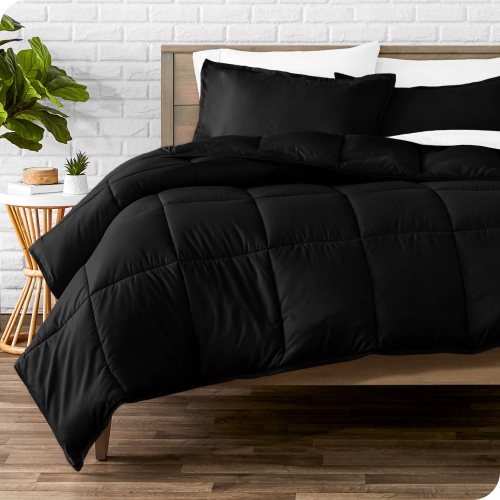 Your price for this item is $114.99
 -
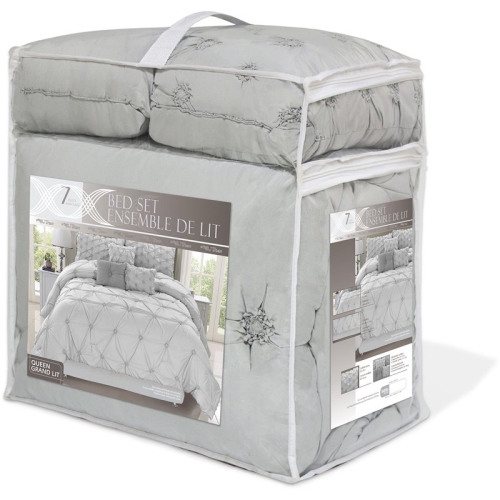 Your price for this item is $128.2
 -
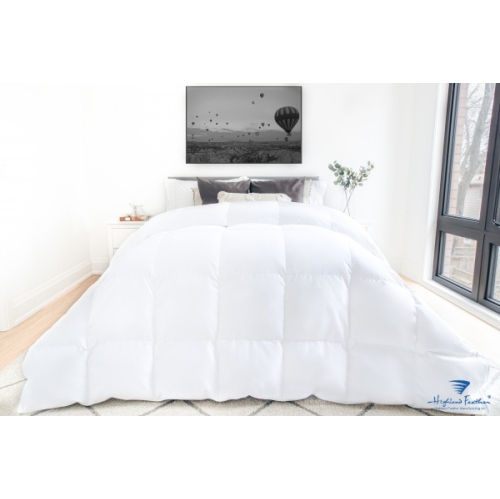 Your price for this item is $492.99
 -
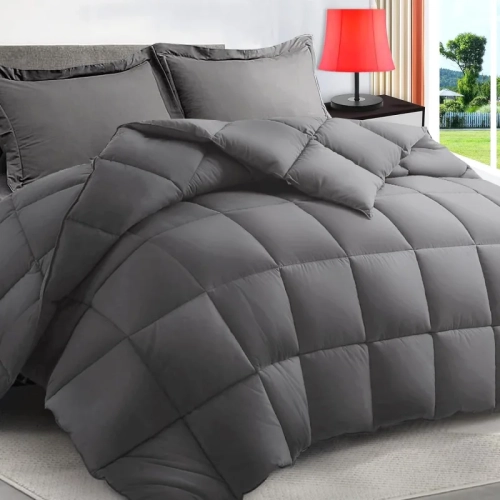 Your price for this item is $69.99
 -
 Your price for this item is $114.99
 -
 Your price for this item is $342.99
 -
 Your price for this item is $122.99
 -
 Your price for this item is $69.99
Discover more categories related to Feather Duvets
Top Collections:
Pokemon Centers, Kindle Devices, Best Budget Office Chairs, Apple iPhones 16, Best Laptops for Writers, iPhone 15 Apple, Canon G7X Cameras, Refurbished Apple Laptops, Alarm Clock, Motorola Razr Phones
Some products may be subject to Environmental Handling Fees
(EHF) depending on your province.
Learn more about EHFs.