Drafting Essentials
Whether you're a seasoned architect, an aspiring designer, or a creative hobbyist, having the right tools is essential for bringing your ideas to life. Our Drafting Essentials collection features everything you need to sketch, draw, and draft with precision and ease. From high-quality pencils and rulers to ergonomic drafting chairs and light tables, we've curated a selection of must-have items to elevate your drafting experience. Explore our range of products designed to help you unleash your creativity and turn your visions into reality.
Sort


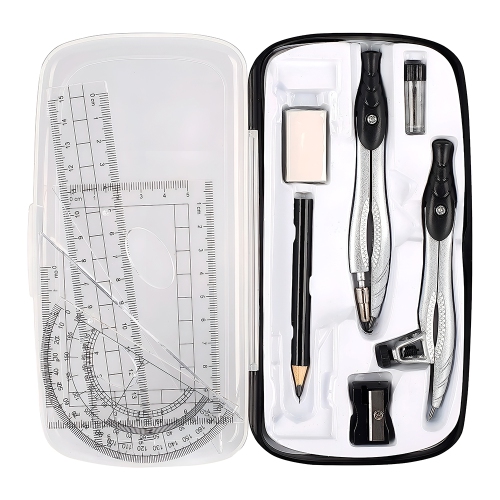
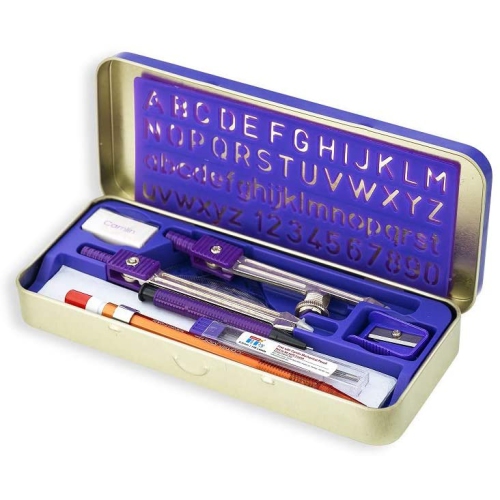

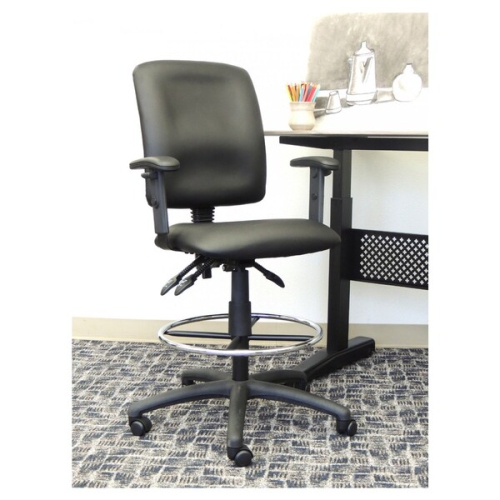
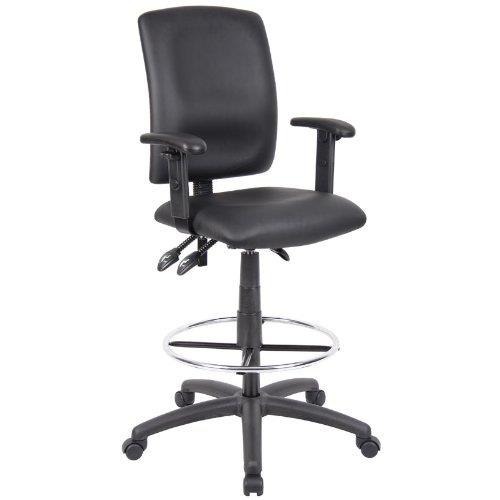

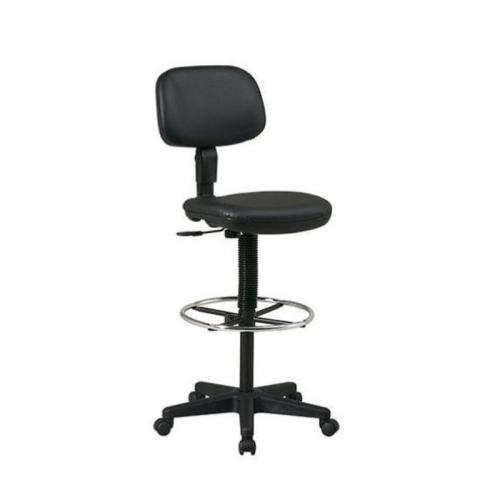
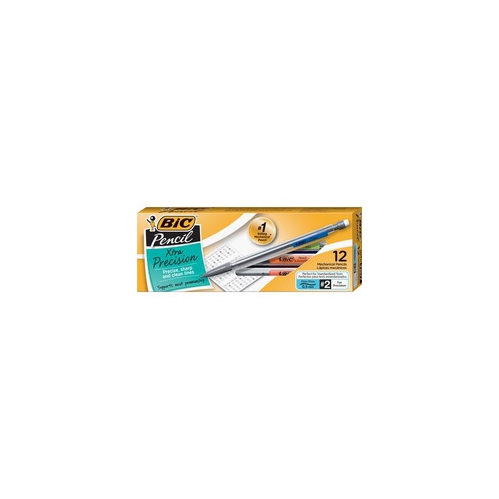
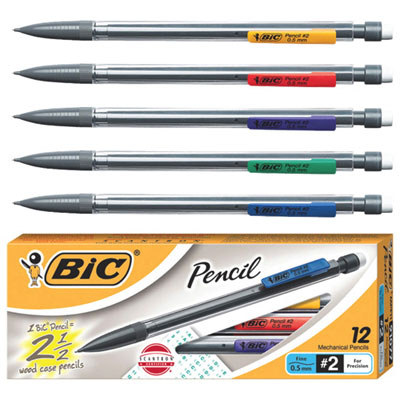
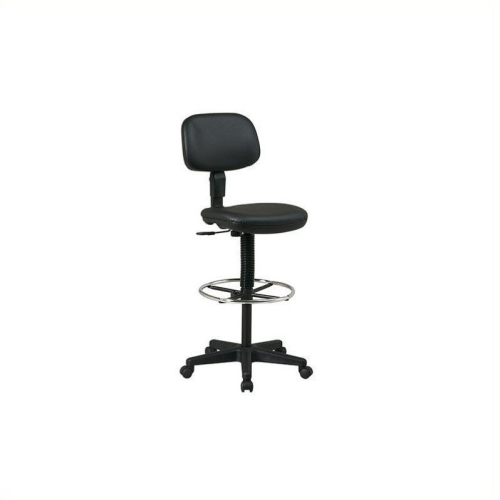








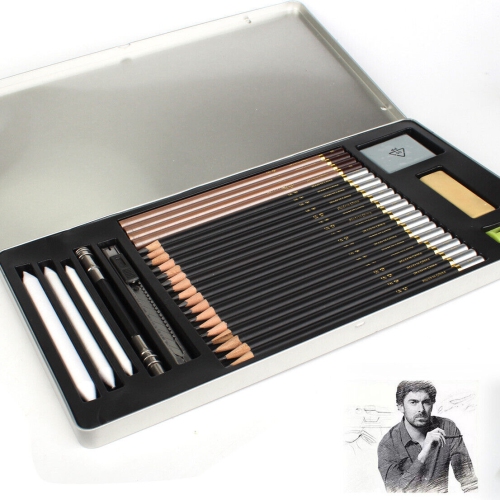
From measured lines to polished, carefully constructed drawings
Drafting essentials bring accuracy, structure, and a satisfying sense of craft to technical drawing, architectural planning, design work, and detailed illustration. Whether the work takes place in a classroom, studio, home office, or professional workspace, the right combination of tools can make a drawing easier to start and more comfortable to refine. A stable, smooth drawing surface gives paper the support it needs, while a T-square or parallel bar helps create clean horizontal lines and maintain consistent alignment from one side of a sheet to the other. Triangles, including 30°/60° and 45° styles, work with a T-square to produce precise vertical and angled lines without relying on guesswork. An architectural, engineering, or metric scale can help translate measurements into accurate proportions, which is particularly useful when creating floor plans, elevations, diagrams, maps, and other scaled drawings. Drafting pencils are available in different lead sizes and degrees of hardness, allowing users to create everything from light construction lines to darker, more defined outlines. Mechanical pencils with fine lead, such as 0.5 mm or 0.7 mm, offer consistent line widths and do not require sharpening during a long session, while traditional graphite pencils give artists and students more flexibility in line weight and shading. When choosing drafting supplies, consider the type of work being completed, the size of the paper, the level of portability required, and whether the user prefers a compact collection of tools or a more complete setup. A student working at a small desk may value a streamlined set that stores easily between assignments, while a professional designer or enthusiastic hobbyist may prefer full-size instruments that remain ready for frequent use.
Paper is just as important as the instruments placed on top of it. Drafting paper should have a smooth, even surface that accepts graphite, ink, and repeated erasing without becoming rough or damaged. Heavier paper can be helpful for drawings that will be handled often, while vellum offers a translucent surface that supports tracing, layering, and revisions. The appropriate paper size depends on the project: smaller sheets suit practice exercises, lettering, and compact plans, while larger formats provide room for detailed layouts and multiple views. Drafting tape or low-tack drafting dots can hold a sheet securely while allowing it to be removed with less risk of tearing or leaving residue. This small detail can make a noticeable difference when a drawing needs to stay perfectly positioned through many measurements and adjustments. Erasers are also essential for clean results. A soft white or vinyl eraser can lift unwanted graphite while helping preserve the paper, and an erasing shield makes it easier to remove a tiny mark without disturbing nearby lines. Templates and stencils help speed up repeated shapes and symbols, including circles, ellipses, lettering, furniture outlines, electrical symbols, and other common drafting details. Compasses are useful for drawing accurate circles and arcs, while dividers help transfer measurements from one area of a drawing to another. Together, these tools support a deliberate workflow: mark the main guidelines lightly, establish measurements, add the essential geometry, and then develop the final details with confidence. For those who enjoy keeping their desk organized, storage cases and compartments can protect delicate points, prevent rulers from becoming scratched, and keep frequently used tools close at hand. People building a broader home study or creative station may also find useful complements among Writing Essentials, particularly when drafting is combined with note-taking, planning, or technical lettering.
Drafting essentials can suit a wide range of users and make thoughtful gifts for anyone who enjoys working with precision. Architecture, engineering, interior design, industrial design, and technical drawing students often need dependable tools for coursework, studio projects, and presentations. Artists who work with geometric forms, perspective, fashion details, urban sketches, or intricate patterns may appreciate the control provided by drafting instruments, even when their finished work is expressive rather than strictly technical. Model builders, makers, hobbyists, and do-it-yourself planners can use scales, templates, and measuring tools to turn an initial idea into a more reliable plan before cutting, building, or assembling. Teachers and parents may choose basic drafting sets for students who are developing spatial reasoning, geometry skills, or an interest in design. A compact set can also be a practical gift for someone starting a new programme, setting up a first creative workspace, or returning to a long-enjoyed hobby during the cooler months. When selecting items for someone else, look for clues in how they work: a beginner may benefit from versatile tools that cover common tasks, whereas an experienced drafter may value a particular scale, lead size, paper format, or replacement accessory. Precision, durability, comfortable handling, and easy storage are all worthwhile considerations, especially for tools that will be used repeatedly over a school term or across several projects. The best drafting setup does not need to be complicated; it should make measurements clear, lines dependable, corrections manageable, and the creative process more enjoyable. With a supportive surface, suitable paper, accurate measuring instruments, reliable pencils, and the right finishing accessories, users can move from rough ideas to carefully constructed drawings with greater consistency and control.
Paper is just as important as the instruments placed on top of it. Drafting paper should have a smooth, even surface that accepts graphite, ink, and repeated erasing without becoming rough or damaged. Heavier paper can be helpful for drawings that will be handled often, while vellum offers a translucent surface that supports tracing, layering, and revisions. The appropriate paper size depends on the project: smaller sheets suit practice exercises, lettering, and compact plans, while larger formats provide room for detailed layouts and multiple views. Drafting tape or low-tack drafting dots can hold a sheet securely while allowing it to be removed with less risk of tearing or leaving residue. This small detail can make a noticeable difference when a drawing needs to stay perfectly positioned through many measurements and adjustments. Erasers are also essential for clean results. A soft white or vinyl eraser can lift unwanted graphite while helping preserve the paper, and an erasing shield makes it easier to remove a tiny mark without disturbing nearby lines. Templates and stencils help speed up repeated shapes and symbols, including circles, ellipses, lettering, furniture outlines, electrical symbols, and other common drafting details. Compasses are useful for drawing accurate circles and arcs, while dividers help transfer measurements from one area of a drawing to another. Together, these tools support a deliberate workflow: mark the main guidelines lightly, establish measurements, add the essential geometry, and then develop the final details with confidence. For those who enjoy keeping their desk organized, storage cases and compartments can protect delicate points, prevent rulers from becoming scratched, and keep frequently used tools close at hand. People building a broader home study or creative station may also find useful complements among Writing Essentials, particularly when drafting is combined with note-taking, planning, or technical lettering.
Drafting essentials can suit a wide range of users and make thoughtful gifts for anyone who enjoys working with precision. Architecture, engineering, interior design, industrial design, and technical drawing students often need dependable tools for coursework, studio projects, and presentations. Artists who work with geometric forms, perspective, fashion details, urban sketches, or intricate patterns may appreciate the control provided by drafting instruments, even when their finished work is expressive rather than strictly technical. Model builders, makers, hobbyists, and do-it-yourself planners can use scales, templates, and measuring tools to turn an initial idea into a more reliable plan before cutting, building, or assembling. Teachers and parents may choose basic drafting sets for students who are developing spatial reasoning, geometry skills, or an interest in design. A compact set can also be a practical gift for someone starting a new programme, setting up a first creative workspace, or returning to a long-enjoyed hobby during the cooler months. When selecting items for someone else, look for clues in how they work: a beginner may benefit from versatile tools that cover common tasks, whereas an experienced drafter may value a particular scale, lead size, paper format, or replacement accessory. Precision, durability, comfortable handling, and easy storage are all worthwhile considerations, especially for tools that will be used repeatedly over a school term or across several projects. The best drafting setup does not need to be complicated; it should make measurements clear, lines dependable, corrections manageable, and the creative process more enjoyable. With a supportive surface, suitable paper, accurate measuring instruments, reliable pencils, and the right finishing accessories, users can move from rough ideas to carefully constructed drawings with greater consistency and control.
Top selling and popular products
-
 Your price for this item is $114.99
 -
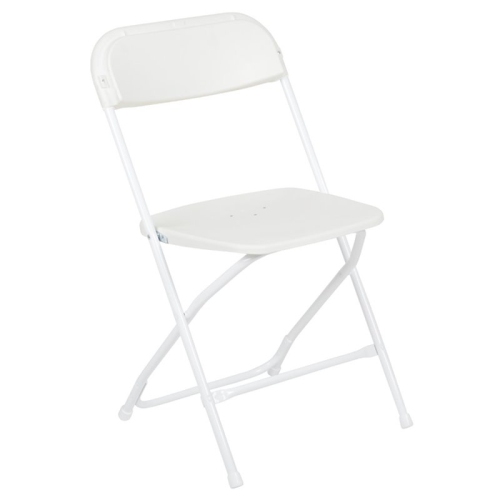 Your price for this item is $123
 -
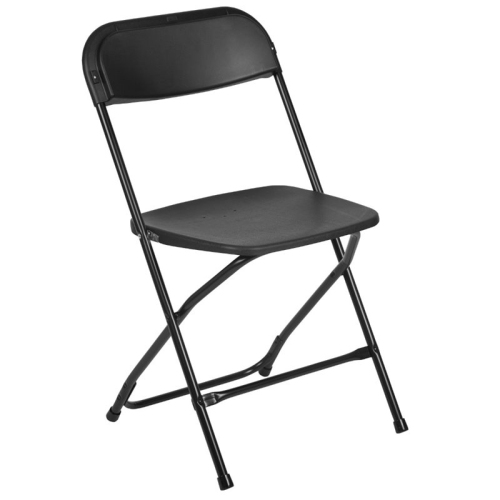 Your price for this item is $139.99
 -
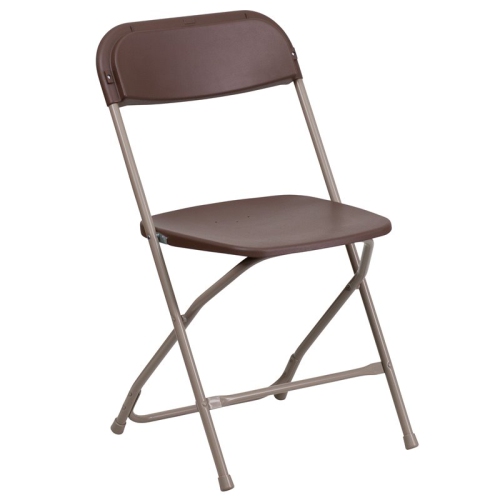 Your price for this item is $139.99
 -
 Your price for this item is $203.98
 -
 Your price for this item is $379.99
 -
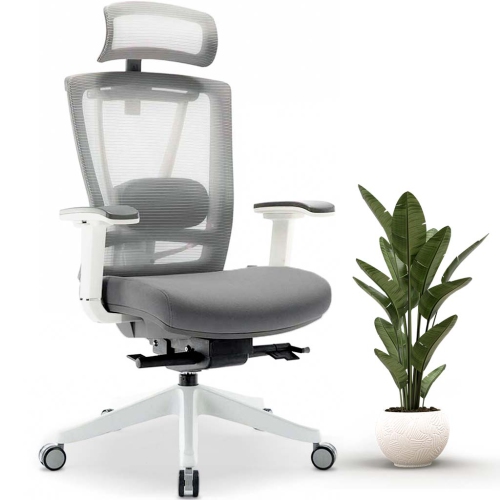 Your price for this item is $379.99
 -
 Your price for this item is $594.99
Discover more categories related to Drafting Essentials

Top Collections:
Pokemon Centers, Kindle Devices, Best Budget Office Chairs, Apple iPhones 16, Best Laptops for Writers, iPhone 15 Apple, Canon G7X Cameras, Refurbished Apple Laptops, Alarm Clock, Motorola Razr Phones
Some products may be subject to Environmental Handling Fees
(EHF) depending on your province.
Learn more about EHFs.