Dremel Rotary
Dremel Rotary tools offer versatile solutions for a wide range of projects, from crafting and home improvement to repairs and hobbies. Whether you're a DIY enthusiast or a professional, the Dremel Rotary collection provides options designed to help you tackle tasks with precision and ease. Explore a selection of rotary tools and accessories to find the ideal fit for your next project.
Sort


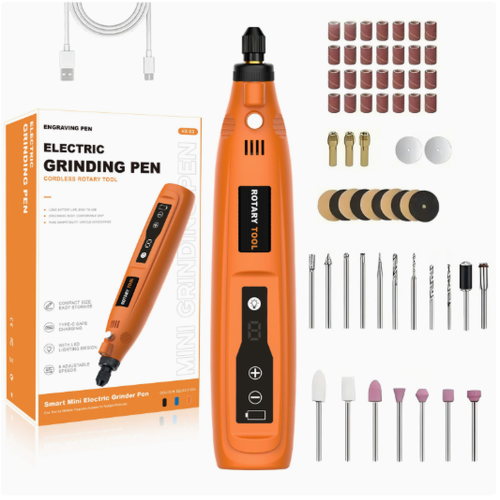
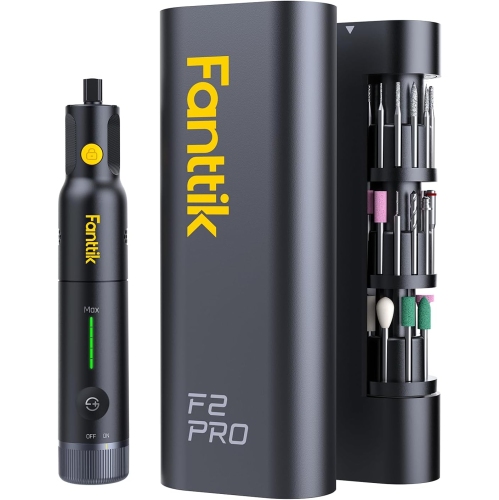


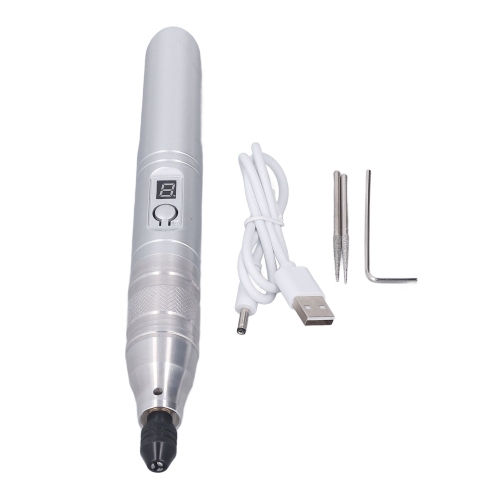
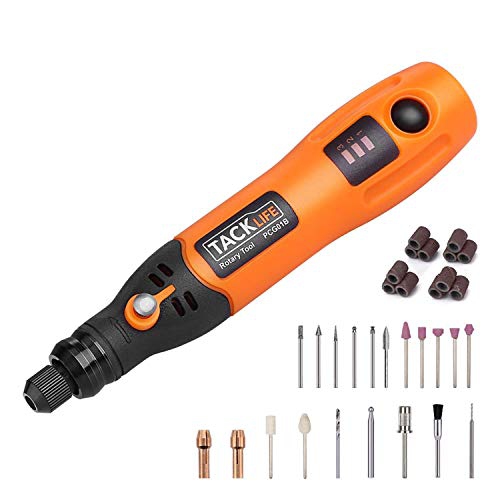
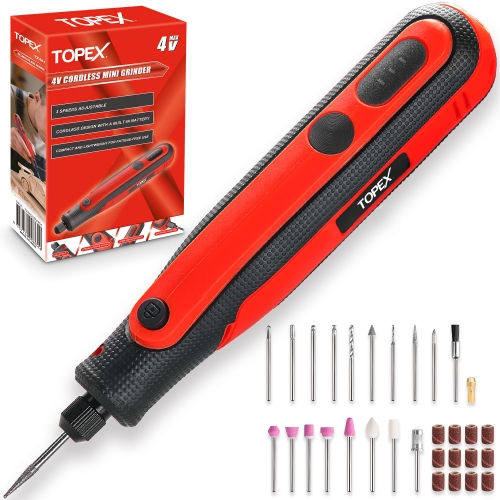

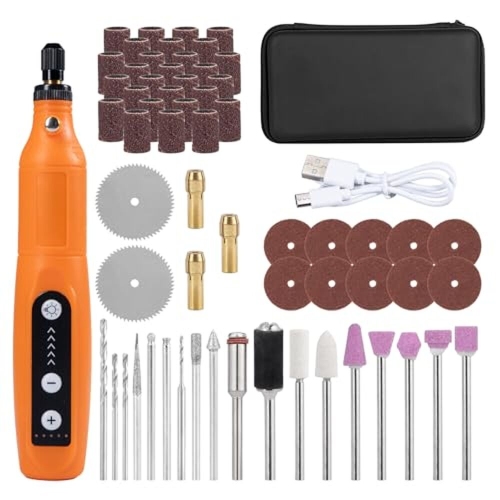


Precise control for the details larger tools cannot reach
Rotary tools are compact handheld power tools that spin interchangeable accessories at high speed to cut, grind, sand, carve, engrave, clean, and polish. Their small working ends make them especially useful for detailed jobs that larger tools cannot easily reach, such as smoothing the inside curve of a wooden ornament, removing a burr from a small metal bracket, or polishing a narrow edge on a craft project. A rotary tool is designed for controlled material removal rather than the heavy cutting or fastening work associated with a full-size saw or drill. That distinction matters when matching a tool to a project: shaping a miniature wooden component calls for a different level of reach and control than cutting a large board. Wood, metal, plastic, glass, and ceramic can all be suitable materials, provided the tool and accessory are intended for the particular task. Woodworkers may use small sanding drums and carving bits to refine contours, while model builders often need fine grinding or sanding accessories for fitting parts together. Metalworking applications can include cleaning surface rust, smoothing rough edges, and trimming small components with an appropriate cutting accessory. Glass engraving and work on ceramic require accessories specifically rated for those surfaces; a general-purpose cutting wheel is not interchangeable with a glass-engraving bit. Material hardness, thickness, surface finish, and heat sensitivity all affect the result. Soft plastic, for example, can melt or smear when excessive speed or pressure generates heat, while a delicate wooden edge can lose its shape quickly under an aggressive abrasive. A compatible polishing accessory and compound can improve the finish of suitable metal surfaces, but polishing is different from removing deep scratches or restoring a plated finish. The appeal of rotary tools lies in that close-up versatility: one compact tool can support several stages of a small project, with the accessory determining how it engages the material.
The most relevant differences between rotary tools often come down to power source, speed adjustment, handling, and accessory compatibility. Corded designs suit extended work at a bench where a nearby outlet is practical, while cordless designs offer freedom of movement around a project without a trailing power cord. Battery capacity, charging arrangements, and whether a battery is included are useful considerations for cordless tools, particularly when planning longer sessions or choosing a tool that works with an existing battery system. Compatibility should be confirmed rather than assumed, even when batteries or accessories look similar. Variable-speed control helps match the tool’s operation to different materials and accessory requirements; the highest setting is not automatically the best choice. An accessory’s maximum rated speed must always be respected, and some tasks call for slower operation to limit heat or maintain control. Comfortable handling is equally important for detailed work. A slim grip, manageable weight, accessible controls, and good balance can make a difference when tracing an engraved line or refining a small recess. Built-in lighting, where included, may improve visibility around the working point, though clear bench lighting remains valuable. Some tools support compatible flexible shafts or other attachments that change how the tool is held or guided. These connections are tool-specific, so fit matters as much as the attachment’s intended purpose. The collet or chuck must securely accept the accessory’s shank diameter, and cutting wheels, sanding bands, and polishing pieces may require their own matching mandrels. Accessory quantity alone says little about usefulness: a selection suited to wood carving will not necessarily cover metal cutting or glass engraving. Abrasive type, grit, accessory shape, and working diameter all influence the finish and access to tight spaces. Coarser abrasives remove material more quickly, while finer options are generally better suited to refining a surface. For intricate work, a well-matched accessory is often more valuable than a broad assortment of attachments with no clear role in the intended project.
Durability depends on both the tool’s construction and the conditions in which it is used. A rotary tool works best when the accessory does the cutting or abrading without being forced; excessive pressure can reduce control, create heat, and place unnecessary strain on the motor and accessory. Small workpieces need secure support so that attention can stay on the contact point rather than on keeping the material from moving. Eye protection is essential, and hearing protection, suitable dust control, and respiratory protection may also be needed for the task and material. Cutting wheels require particular care because damaged wheels, twisting, or side pressure can cause breakage. Guards and attachments should be fitted and used as directed by the manufacturer. Before changing accessories or carrying out maintenance, the tool should be disconnected from power or have its removable battery taken out. Keeping ventilation openings clear, checking accessories for cracks or wear, and storing small components in a divided case help preserve performance and make the next project easier to set up. Sanding bands, polishing pieces, and other working accessories wear with use, so their condition matters as much as the condition of the tool itself. Rotary tools are a practical fit for hobbyists, model makers, jewellery makers, and people who enjoy small household repairs, especially when projects involve awkward corners or fine finishing. As a gift, a tool matched to the recipient’s interests and experience can be more useful than a large assortment chosen solely for variety. Someone building miniature scenery may value fine shaping accessories, while a person restoring small metal objects may have more use for cleaning and polishing options. For larger flush cuts, scraping, or sanding along edges, Oscillating Tools serve a different purpose: their accessories move rapidly back and forth rather than spinning continuously. Understanding that difference helps keep a rotary tool in its strongest role—precise, localized work where controlled access and a carefully chosen accessory matter most.
Top selling and popular products
-
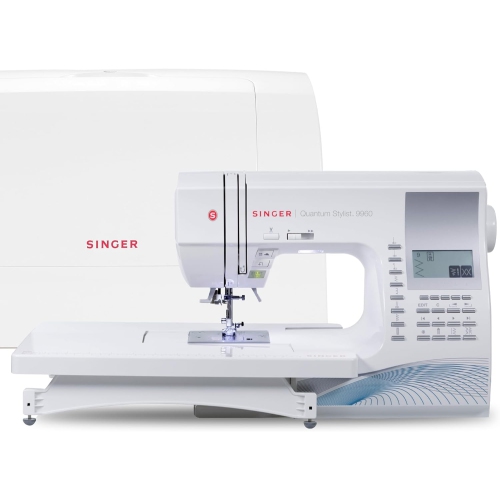 Your price for this item is $911.05
-
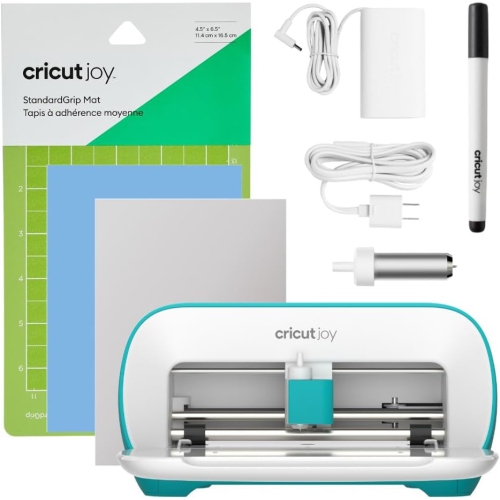 Your price for this item is $238.44
-
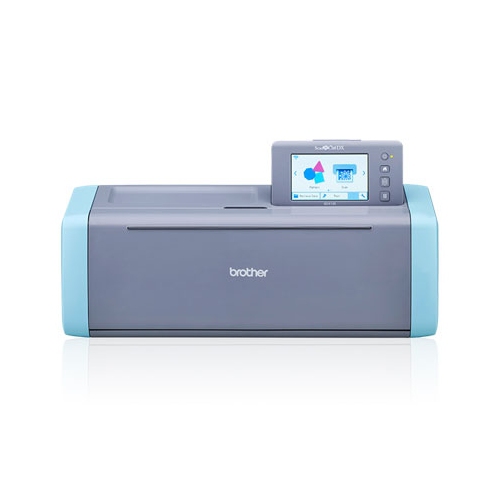 Your price for this item is $685.99
-
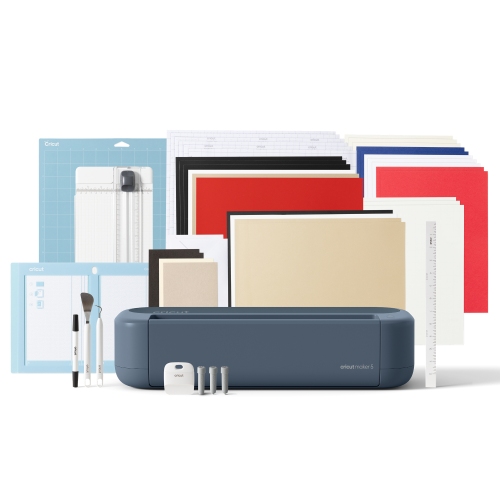 Your price for this item is $549
-
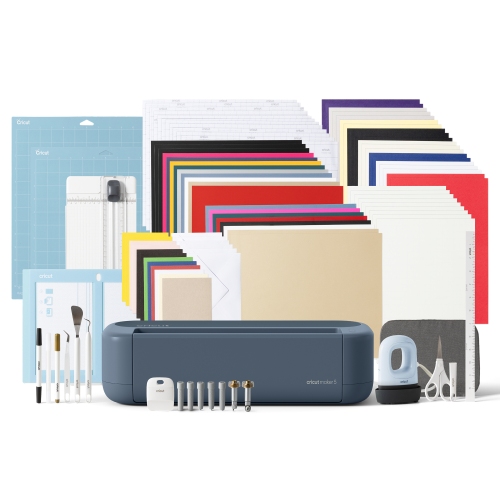 Your price for this item is $679
-
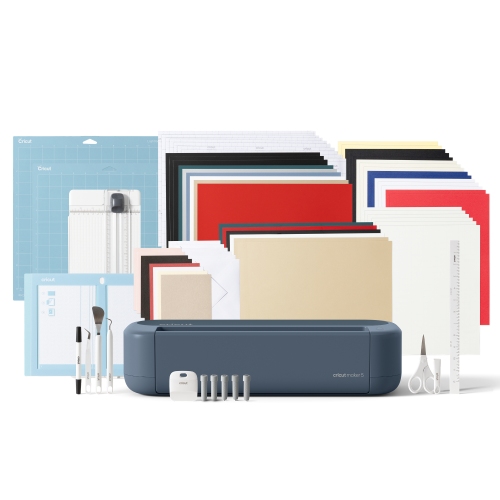 Your price for this item is $599
-
 Your price for this item is $39.99
-
 Your price for this item is $429
Discover more categories related to Dremel Rotary


Top Collections:
Best Black Friday Deals This Year, Best Black Friday Deals On Electronics, Kindle Devices, Pokemon Centers, Best Black Friday Deals On Apple Products, Best Cameras for Sports Photography, Dyson Airwrap, Pokémon 30th Celebration Cards, Apple iPhone 17 Pro, Canon G7X Cameras
Some products may be subject to Environmental Handling Fees
(EHF) depending on your province.
Learn more about EHFs.