Dressing Stools
Elevate your daily routine with our selection of dressing stools, designed to bring both style and functionality to your space. Perfect for adding a touch of elegance to your dressing area or bedroom, these versatile pieces provide a comfortable seating option while you prepare for the day ahead. Whether you're looking for something sleek and modern or classic and timeless, our range of dressing stools offers a variety of designs to complement any décor. Explore options that seamlessly blend into your aesthetic, making your personal grooming experience both luxurious and convenient.
Sort
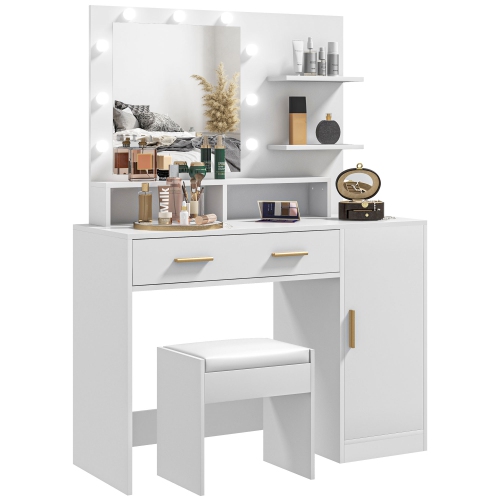
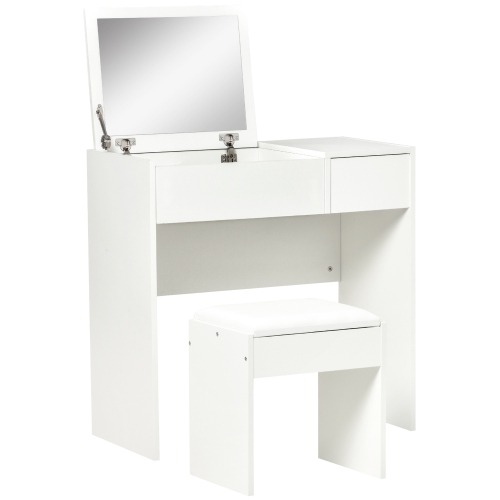
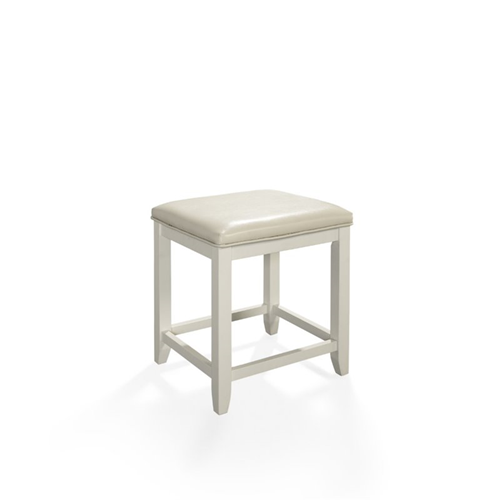
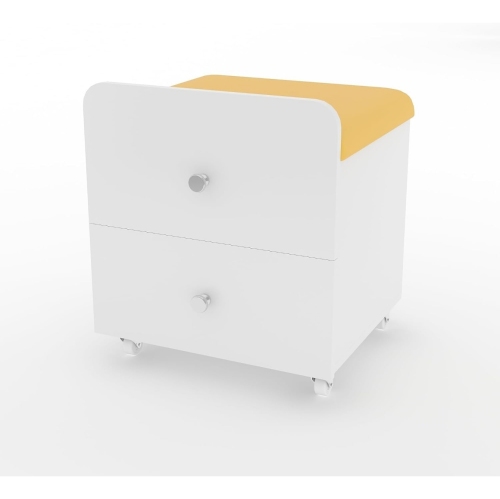
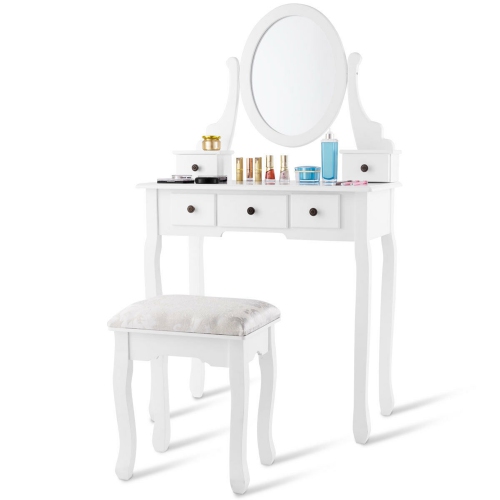
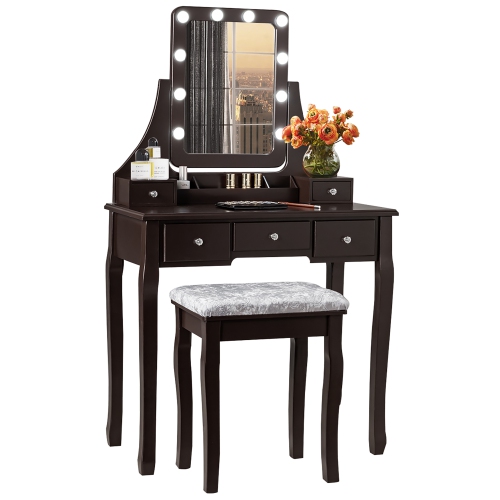
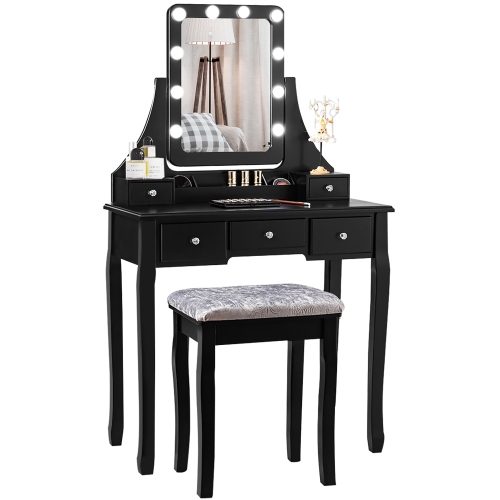

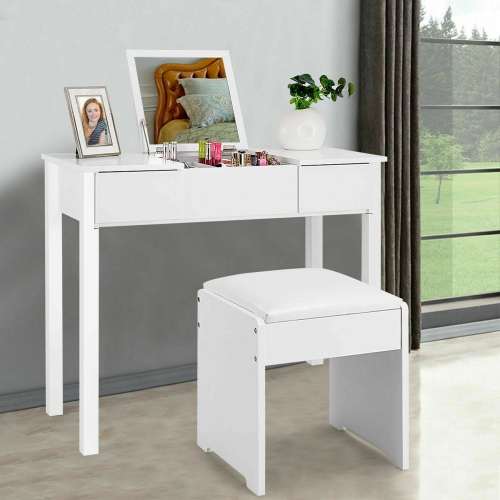
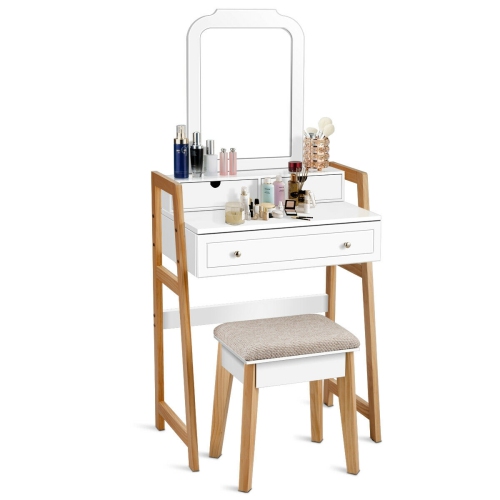
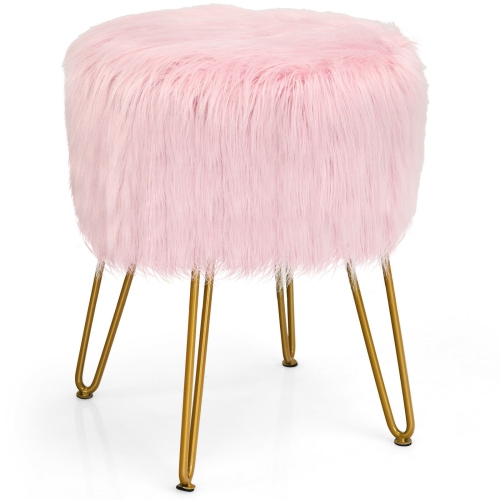
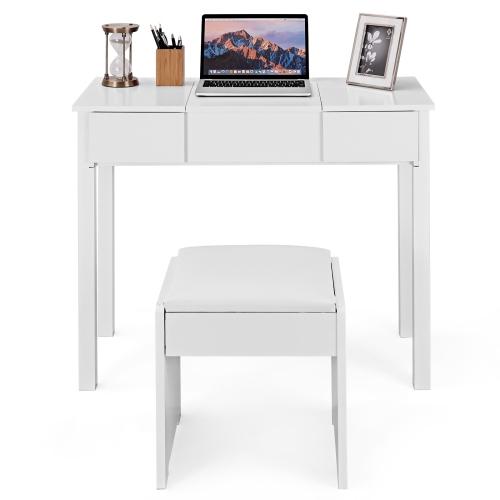
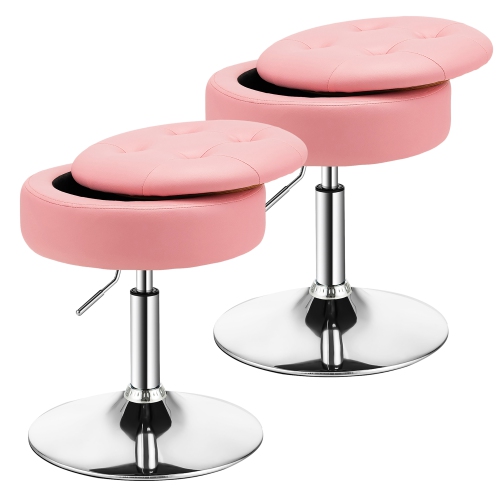
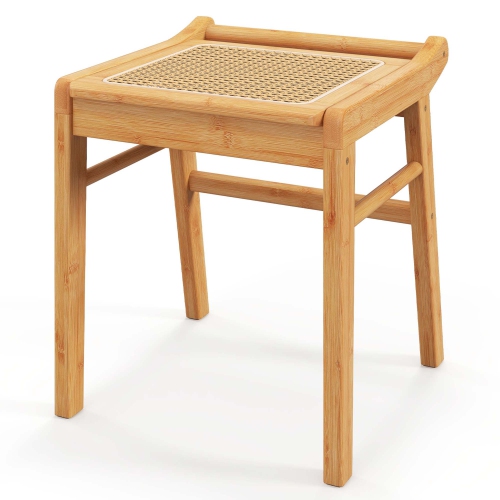
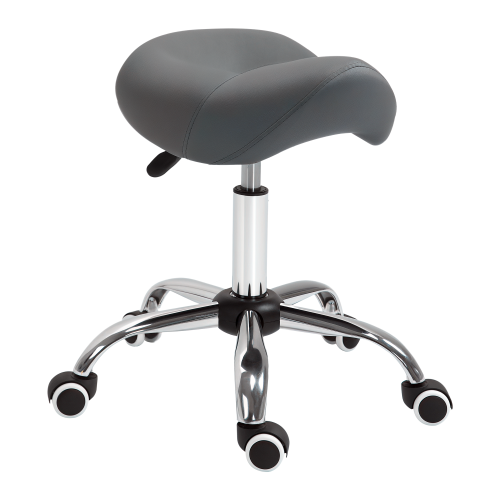
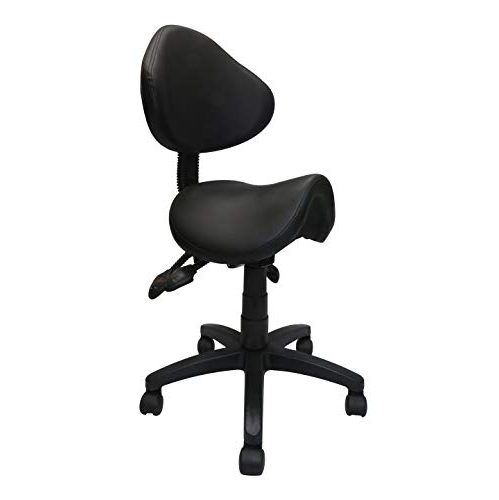
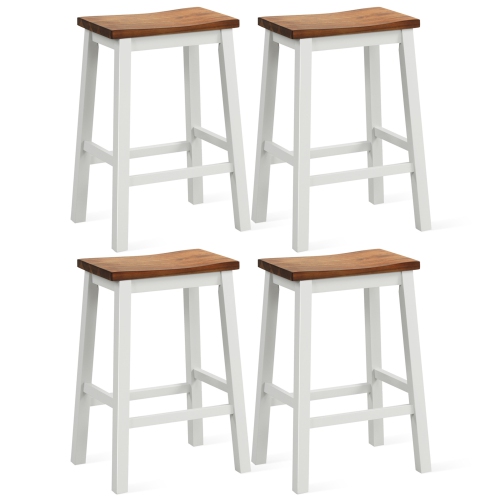
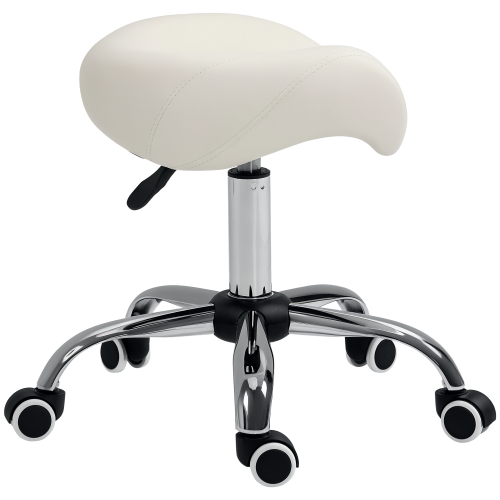
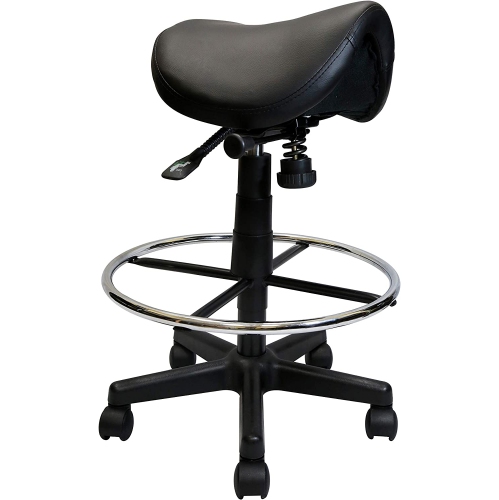
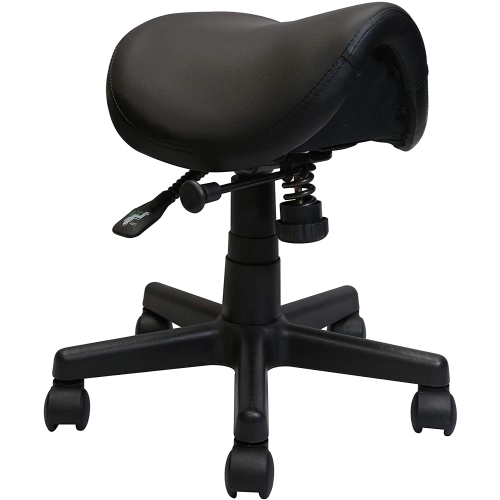
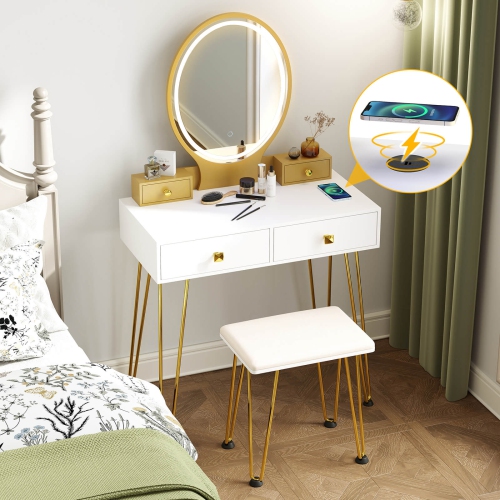
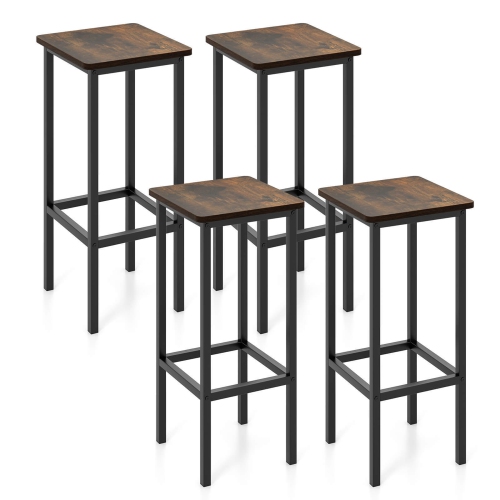
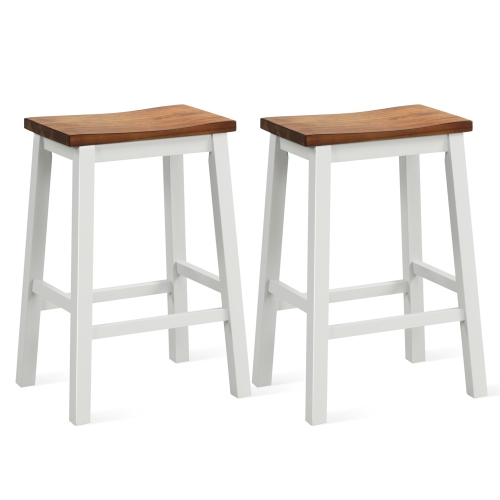
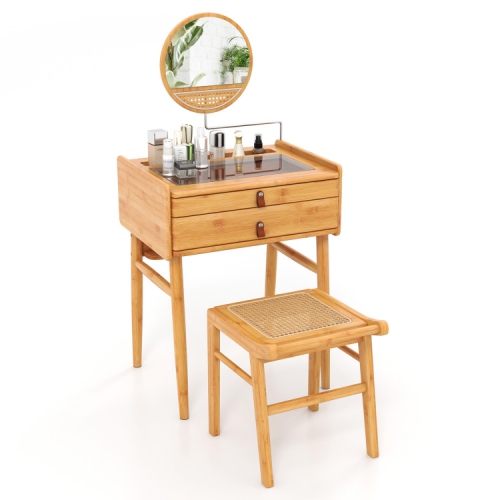
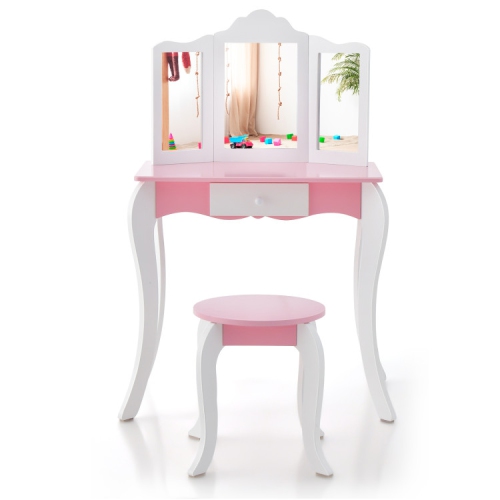
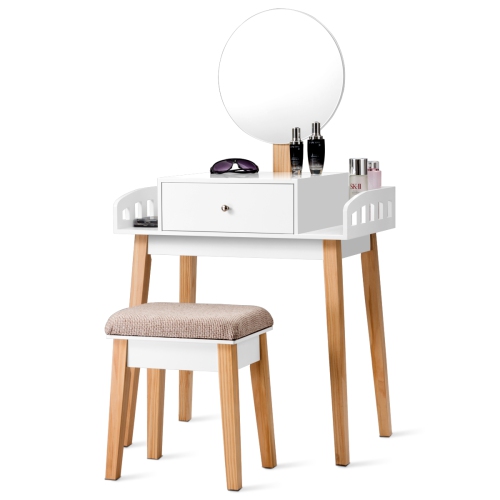
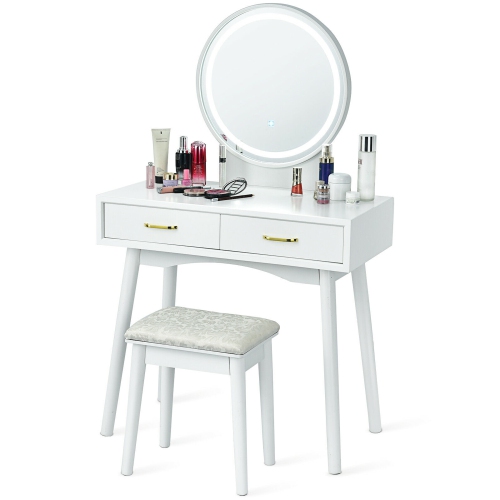

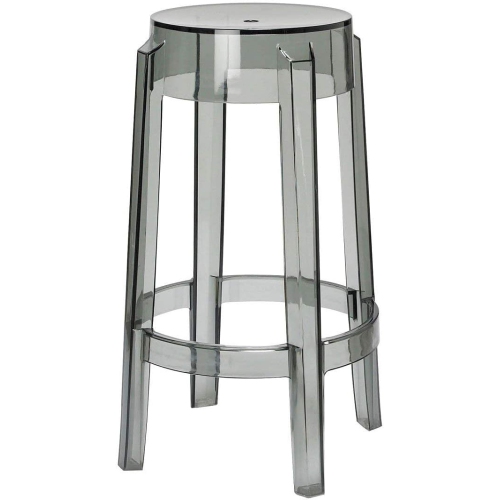
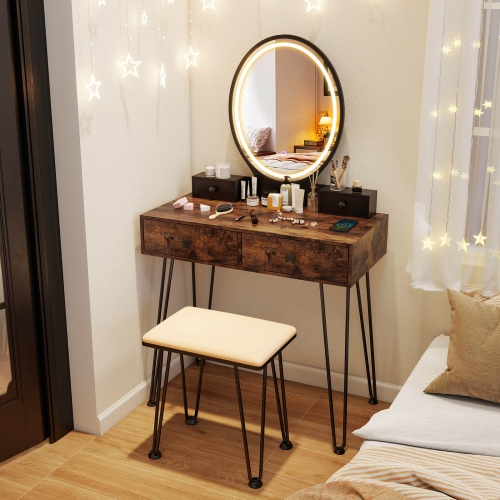
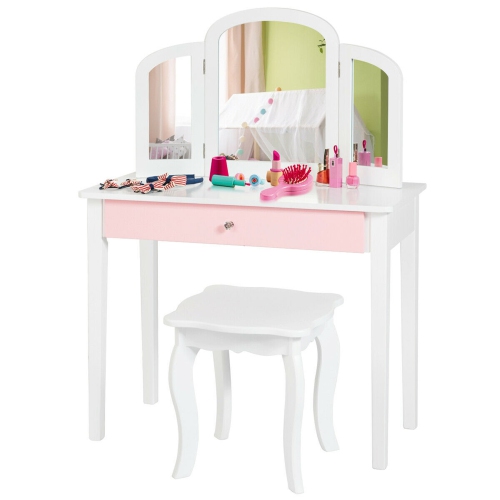
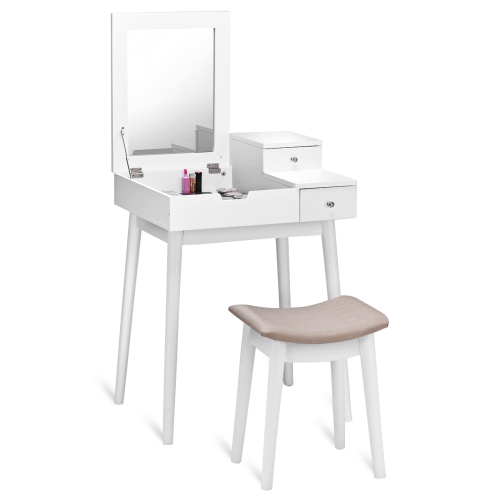
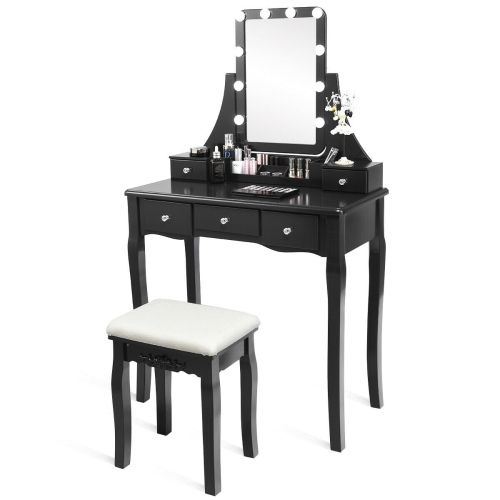
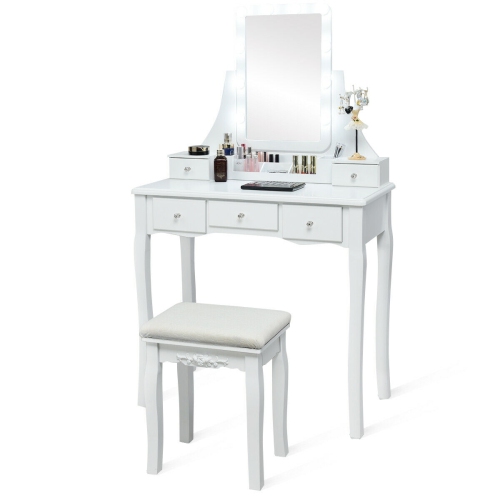
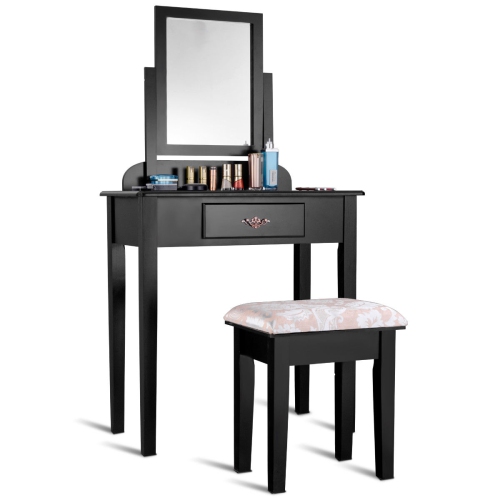
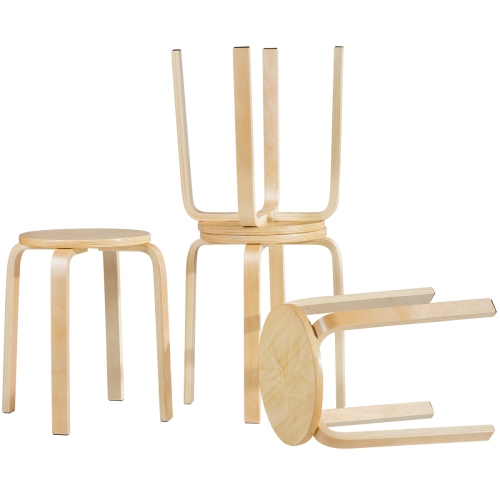
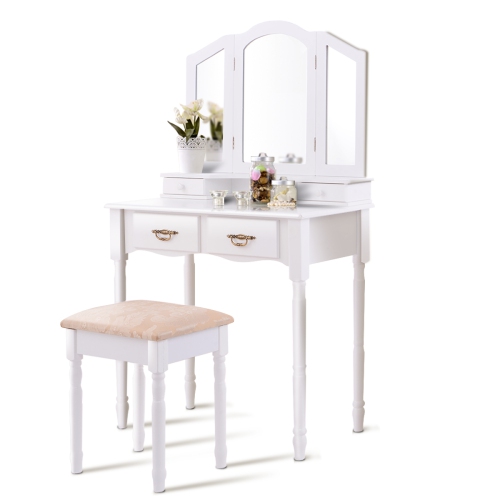

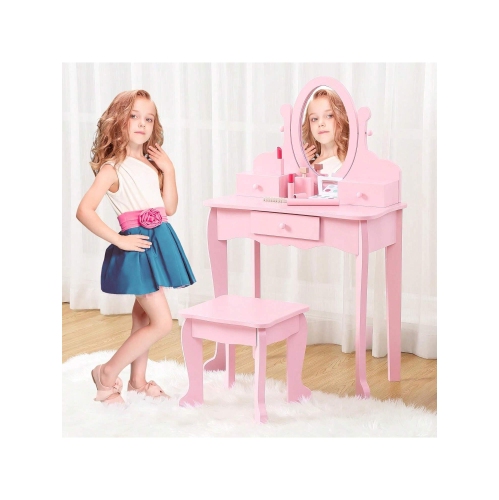
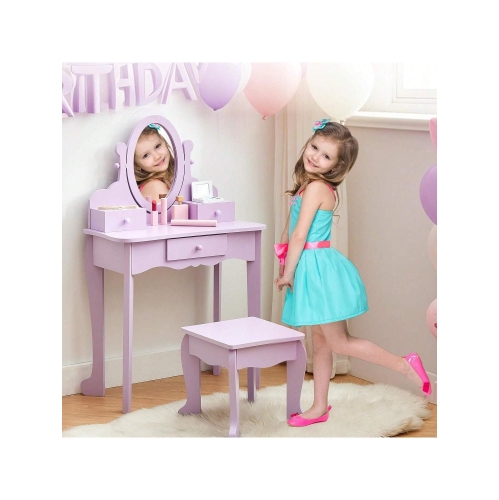
Comfortable vanity seating that fits neatly beneath the table
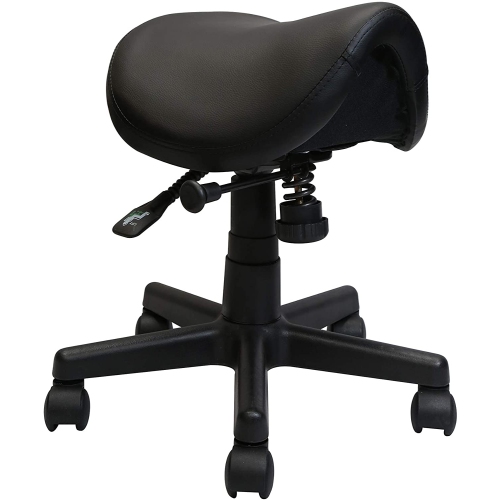
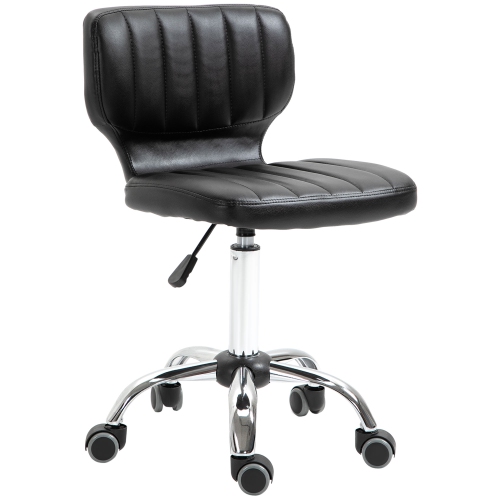
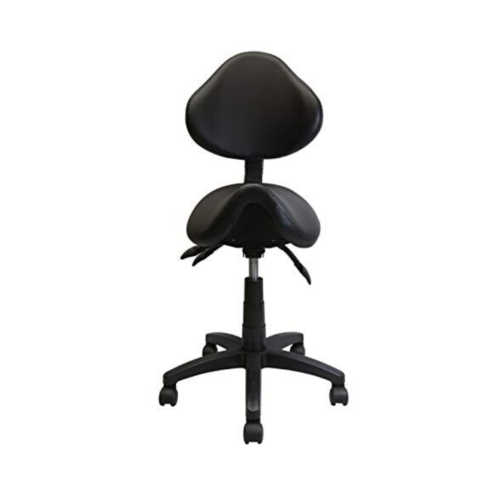
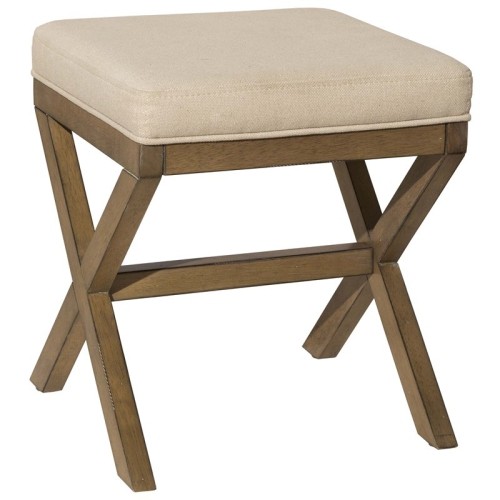
Dressing stools provide a compact place to sit at a dressing table or bedroom vanity, keeping everyday routines comfortable without the bulk of a full-sized chair. Their typically low, backless shape makes them easy to tuck beneath a tabletop, leaving more floor space around a bed, wardrobe, or chest of drawers. They suit tasks such as applying makeup, arranging jewellery, styling hair, or sitting down to put on socks. The right fit starts with the relationship between the seat, the table, and the person using them. Many standard dressing tables measure approximately 71 to 76 cm high, and a seat height of around 44 to 48 cm is a useful starting point, rather than a universal rule. Where the table design allows, roughly 25 to 30 cm between the seat and the underside of the table can provide comfortable thigh and knee clearance. Measure beneath any drawer or apron, not just to the top of the tabletop, since these features reduce the usable opening. Thick cushioning also affects sitting height and may compress under weight. A comfortable position generally allows feet to rest flat on the floor, knees to fit without pressing against the table, and hands to reach the surface without raised shoulders. Seat width and depth matter just as much: a narrow stool may slide neatly into a small vanity opening but feel restrictive during a longer hair-styling session. Check the width between the table legs against the widest part of the stool, including splayed legs or projecting upholstery. Leave enough room behind it to pull the seat out and stand up easily without bumping nearby furniture. For a shared dressing area, these measurements help identify a practical compromise between different users. A stool works particularly well for shorter seated routines, while someone who needs back support or spends extended periods at a vanity may find a supportive chair more suitable.
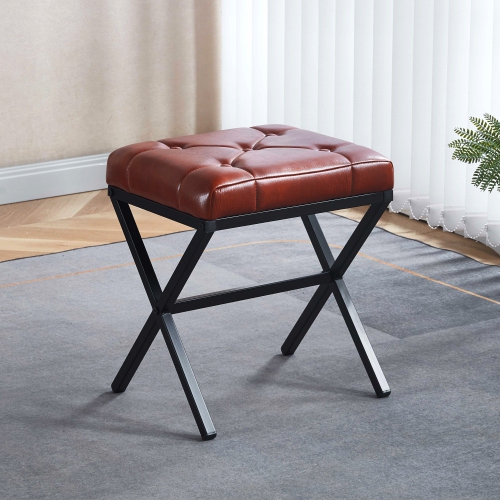
Materials and construction shape both the appearance and everyday feel of a dressing stool. Solid wood frames bring visible grain and can complement a timber dressing table without needing an exact colour match. Painted wood creates a more uniform finish, while metal legs can give a compact seat a lighter visual profile. Durability depends on the whole construction, including the joints, fasteners, seat base, and upholstery attachment, rather than the frame material alone. A stable base should sit evenly on the floor, and the stated weight capacity should suit the intended user. Upholstered seats soften the feel of a firm base, with padding ranging from slim and supportive to deeply cushioned. A seat that feels plush at first should still offer enough support to keep the user from sinking into an awkward position at the table. Velvet adds a soft pile and changes in appearance as the fibres catch the light; woven fabrics offer texture that can sit comfortably alongside bedding and curtains. Faux leather often has a smoother surface that can be easier to wipe, although care requirements vary by finish. Buttons, tufting, piping, and seams add detail but also create places where loose powder or lint may collect. In a makeup area, an uncomplicated seat surface can make routine cleaning easier. Round stools soften the lines of a rectangular dressing table and avoid projecting seat corners, while square or rectangular seats can echo the shape of the furniture around them. A broad seat may provide more sitting room, but its footprint still needs to suit the space. Pale upholstery creates a gentle contrast against dark furniture, while deeper colours can anchor a light, neutral bedroom. Repeating one detail, such as a wood tone or metal finish, can make a mixed furniture arrangement feel intentional. For seating that places greater emphasis on accent shapes and finishes, Decorative Stools provide a related option, though seat height, stability, and clearance still determine whether a design will work at a dressing table.
Storage dressing stools combine seating with a concealed compartment, which can be useful when the vanity surface needs to stay clear. The space beneath a lift-up seat can hold hair accessories, scarves, or other small belongings, but its usefulness depends on the internal dimensions and how the lid opens. A hinged top needs clearance above and behind it, so a stool tucked under a table may have to be pulled fully out before the compartment is accessible. A removable lid needs somewhere to rest while the contents are being sorted. Check the closure design and follow any safety guidance, particularly in a household with children. Heated styling tools should be unplugged and fully cooled before storage, and liquids are better kept upright in suitable containers rather than loose against upholstery. Care is generally straightforward when matched to the material: remove dust and crumbs with an appropriate soft brush or vacuum attachment, blot spills promptly, and follow the manufacturer's cleaning instructions. Test a permitted cleaner on an inconspicuous area before treating a visible surface, and avoid soaking fabric or padding. Wood finishes may need a soft, lightly dampened cloth followed by drying, while metal components should also be kept dry after cleaning. Makeup, nail polish remover, and hair colour can mark or damage finishes, so keeping these substances away from the seat helps preserve its appearance. Protective feet or suitable furniture pads can reduce scuffing when the stool moves across a hard floor, provided they do not affect stability. Check accessible fasteners periodically and tighten them as directed if regular movement causes them to loosen. Dressing stools are intended for seated use, not for standing on to reach a high shelf. As a gift for someone setting up a bedroom or refreshing a vanity, a dressing stool is most thoughtful when its dimensions and finish suit furniture they already own. For daily use, the strongest match is a seat that fits naturally beneath the table, feels comfortable during familiar routines, and is easy to move and maintain.
Materials and construction shape both the appearance and everyday feel of a dressing stool. Solid wood frames bring visible grain and can complement a timber dressing table without needing an exact colour match. Painted wood creates a more uniform finish, while metal legs can give a compact seat a lighter visual profile. Durability depends on the whole construction, including the joints, fasteners, seat base, and upholstery attachment, rather than the frame material alone. A stable base should sit evenly on the floor, and the stated weight capacity should suit the intended user. Upholstered seats soften the feel of a firm base, with padding ranging from slim and supportive to deeply cushioned. A seat that feels plush at first should still offer enough support to keep the user from sinking into an awkward position at the table. Velvet adds a soft pile and changes in appearance as the fibres catch the light; woven fabrics offer texture that can sit comfortably alongside bedding and curtains. Faux leather often has a smoother surface that can be easier to wipe, although care requirements vary by finish. Buttons, tufting, piping, and seams add detail but also create places where loose powder or lint may collect. In a makeup area, an uncomplicated seat surface can make routine cleaning easier. Round stools soften the lines of a rectangular dressing table and avoid projecting seat corners, while square or rectangular seats can echo the shape of the furniture around them. A broad seat may provide more sitting room, but its footprint still needs to suit the space. Pale upholstery creates a gentle contrast against dark furniture, while deeper colours can anchor a light, neutral bedroom. Repeating one detail, such as a wood tone or metal finish, can make a mixed furniture arrangement feel intentional. For seating that places greater emphasis on accent shapes and finishes, Decorative Stools provide a related option, though seat height, stability, and clearance still determine whether a design will work at a dressing table.
Storage dressing stools combine seating with a concealed compartment, which can be useful when the vanity surface needs to stay clear. The space beneath a lift-up seat can hold hair accessories, scarves, or other small belongings, but its usefulness depends on the internal dimensions and how the lid opens. A hinged top needs clearance above and behind it, so a stool tucked under a table may have to be pulled fully out before the compartment is accessible. A removable lid needs somewhere to rest while the contents are being sorted. Check the closure design and follow any safety guidance, particularly in a household with children. Heated styling tools should be unplugged and fully cooled before storage, and liquids are better kept upright in suitable containers rather than loose against upholstery. Care is generally straightforward when matched to the material: remove dust and crumbs with an appropriate soft brush or vacuum attachment, blot spills promptly, and follow the manufacturer's cleaning instructions. Test a permitted cleaner on an inconspicuous area before treating a visible surface, and avoid soaking fabric or padding. Wood finishes may need a soft, lightly dampened cloth followed by drying, while metal components should also be kept dry after cleaning. Makeup, nail polish remover, and hair colour can mark or damage finishes, so keeping these substances away from the seat helps preserve its appearance. Protective feet or suitable furniture pads can reduce scuffing when the stool moves across a hard floor, provided they do not affect stability. Check accessible fasteners periodically and tighten them as directed if regular movement causes them to loosen. Dressing stools are intended for seated use, not for standing on to reach a high shelf. As a gift for someone setting up a bedroom or refreshing a vanity, a dressing stool is most thoughtful when its dimensions and finish suit furniture they already own. For daily use, the strongest match is a seat that fits naturally beneath the table, feels comfortable during familiar routines, and is easy to move and maintain.
Top selling and popular products
-
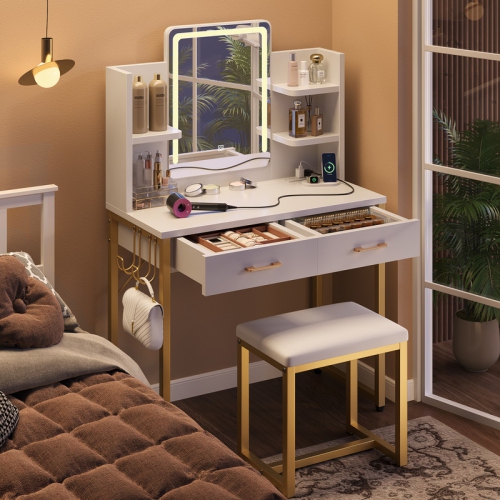 Your price for this item is $229.99
 -
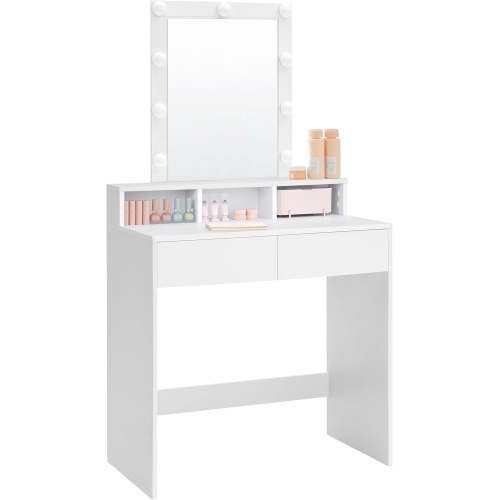 Your price for this item is $159.95
 -
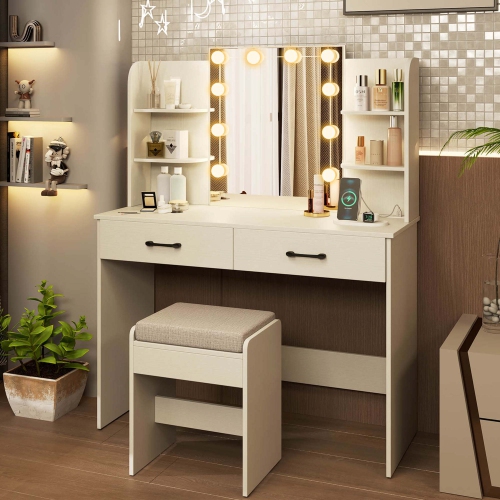 Your price for this item is $285.99
 -
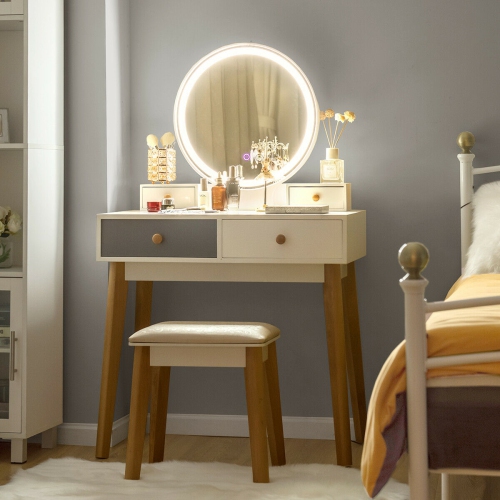 Your price for this item is $295.99
 -
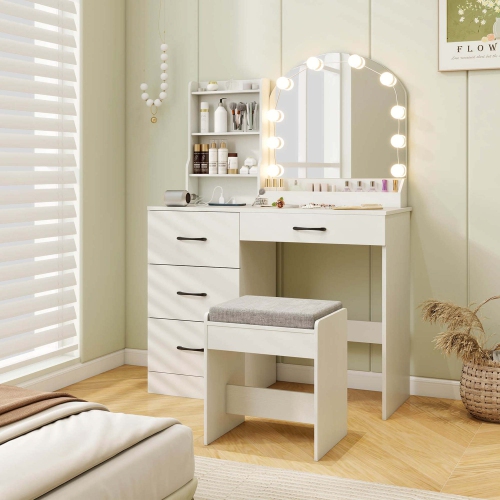 Your price for this item is $315.99
 -
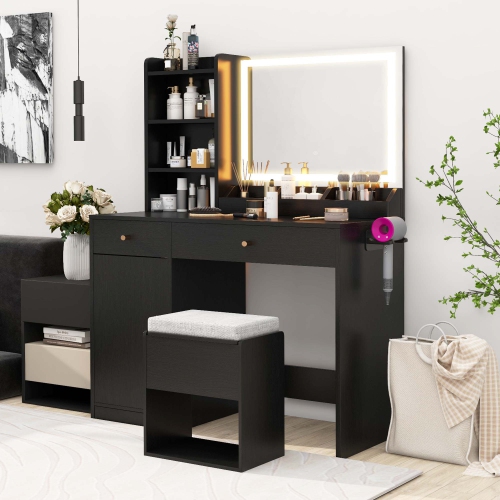 Your price for this item is $295.99
 -
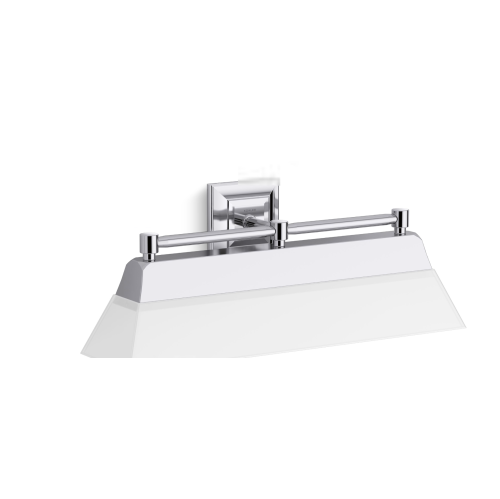 Your price for this item is $899.99
 -
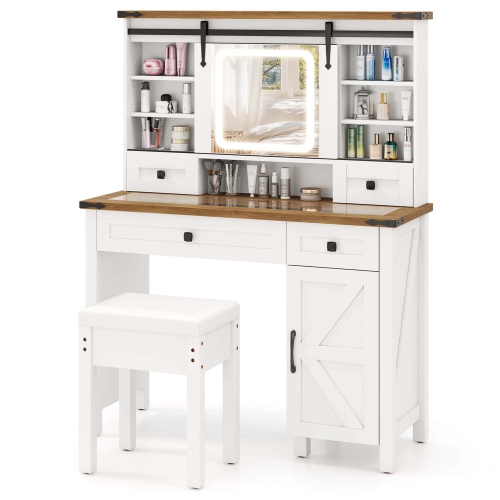 Your price for this item is $403.99
Discover more categories related to Dressing Stools

Top Collections:
Pokemon Centers, Kindle Devices, Best Budget Office Chairs, Apple iPhones 16, Best Laptops for Writers, iPhone 15 Apple, Canon G7X Cameras, Refurbished Apple Laptops, Alarm Clock, Motorola Razr Phones
Some products may be subject to Environmental Handling Fees
(EHF) depending on your province.
Learn more about EHFs.