Drill Accessories
Elevate your DIY projects and professional tasks with the right drill accessories available at Best Buy Canada. Whether you're enhancing your toolkit or replacing worn parts, our selection of drill accessories is designed to help you tackle any job with precision and ease. From versatile drill bits to convenient attachments, find everything you need to maximize the performance and versatility of your drill. Explore a range of options that cater to various materials and applications, ensuring you have the perfect accessory for every project.
Sort
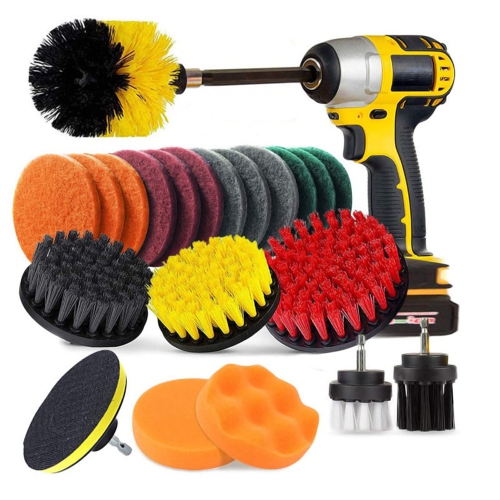
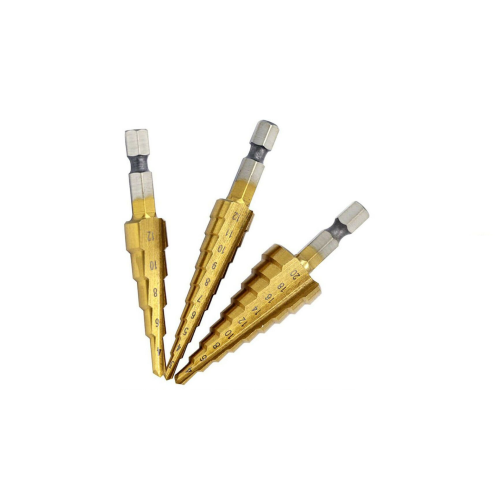
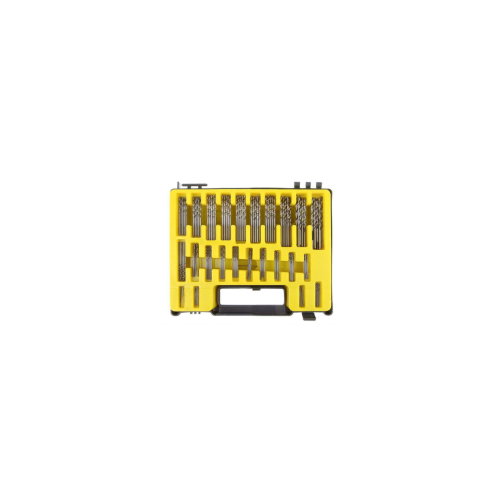
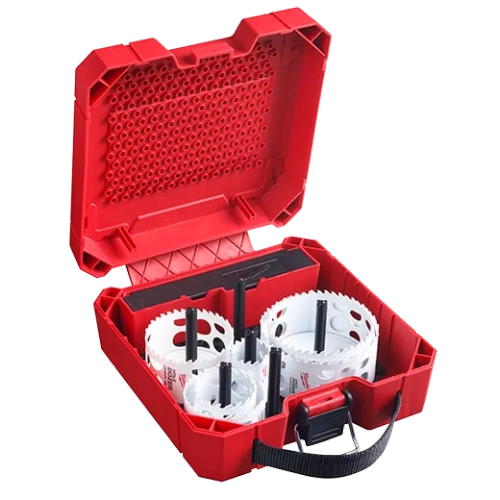
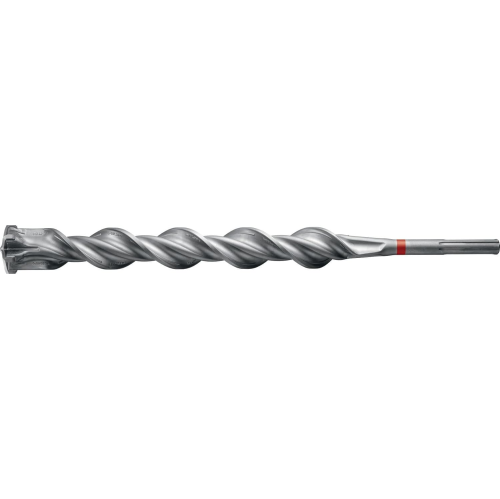
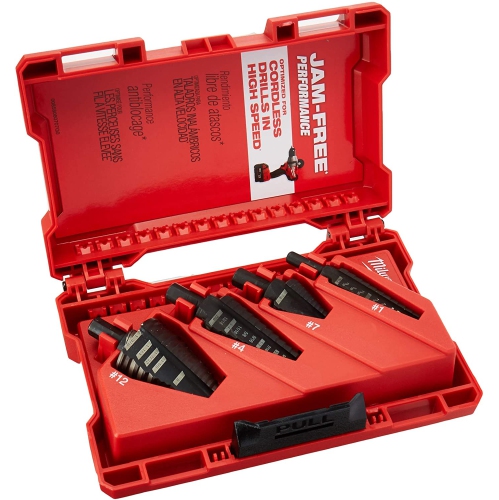
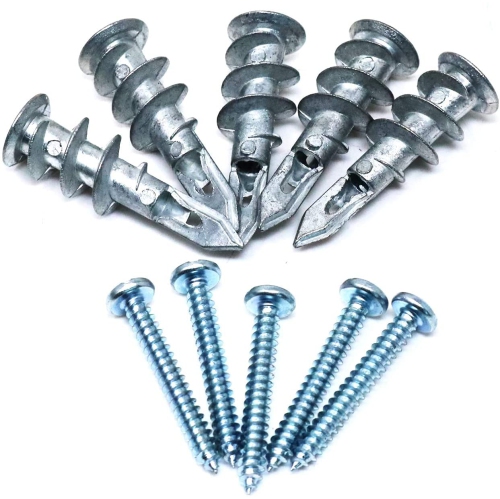
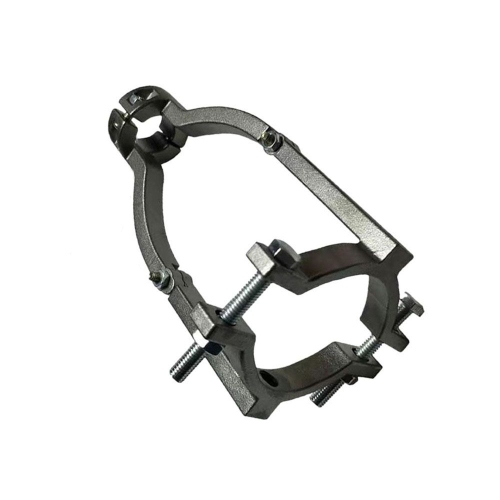
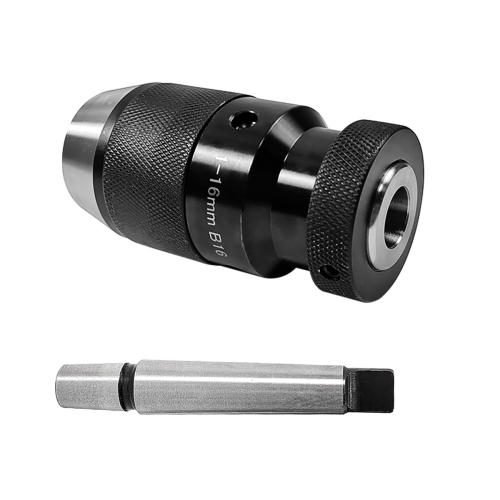
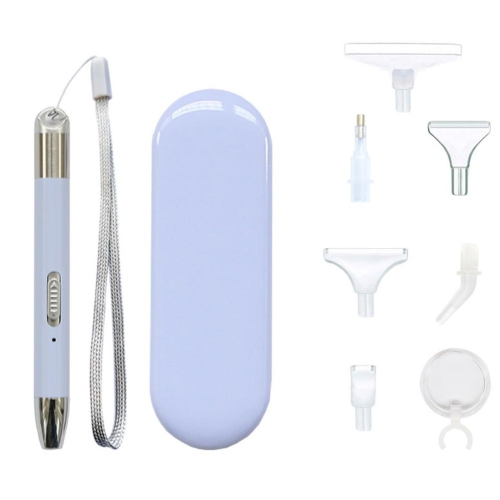
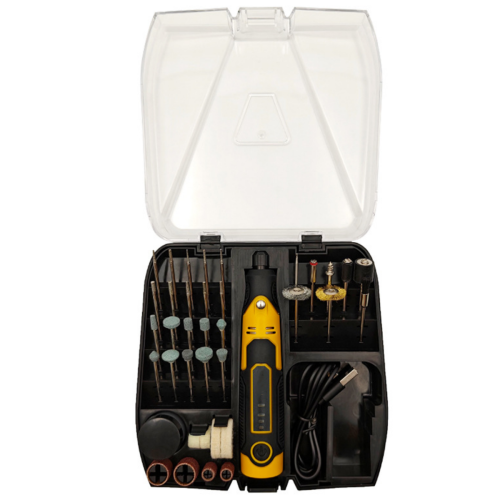
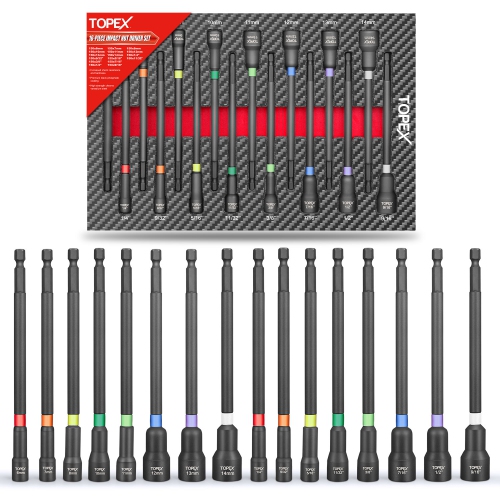
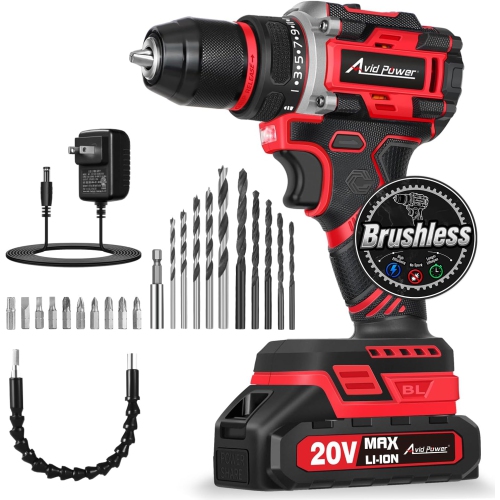
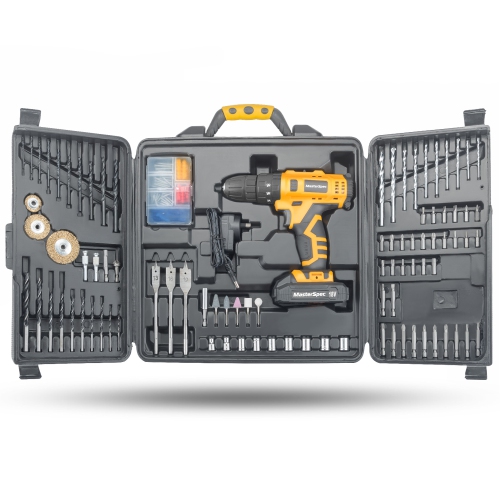
The right attachments take your drill beyond basic holes
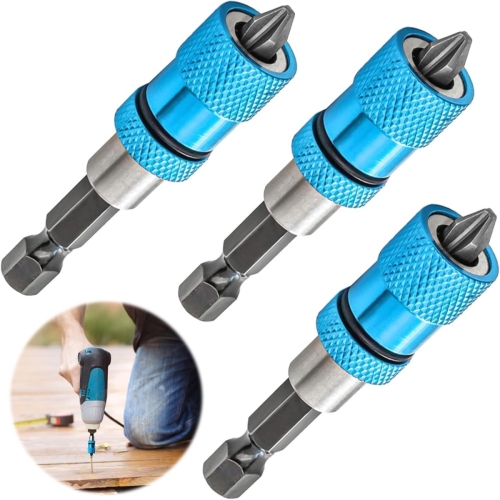
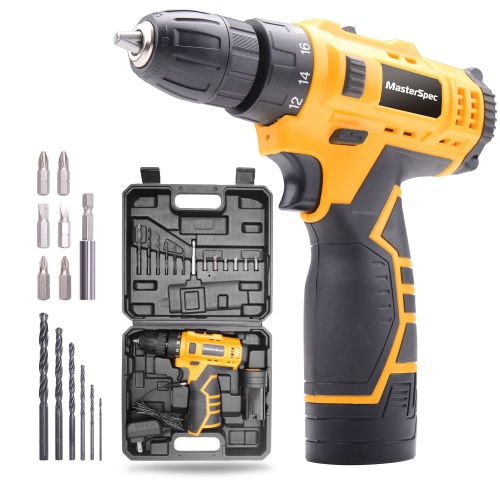
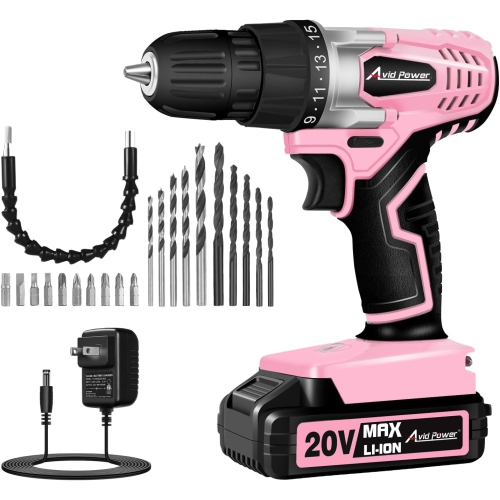
Drill accessories expand what a compatible drill can do, from boring clean holes and driving fasteners to reaching awkward corners, removing damaged screws, and cleaning hard surfaces. The category includes drill bits, screwdriver bits, bit holders, right-angle attachments, socket adapters, hole saws, screw extractors, and purpose-built cutting or scrubbing attachments. Each serves a different job, whether that means fitting cabinet hardware, assembling a workbench, or making an opening for a cable through a wooden desktop. Drill bits remove material to form holes, while driver bits engage screw heads; matching the accessory to the task helps limit slipping, damaged fasteners, and rough edges. Woodworking accessories may feature pointed tips that help locate a hole accurately, while metal-drilling bits use cutting geometries and materials suited to harder surfaces. Masonry bits have tips designed for materials such as brick and concrete, although the drill mode and bit type must also suit the surface. Spade bits and auger bits are useful for larger holes in wood, while Forstner bits can produce flat-bottomed recesses for suitable woodworking projects. Hole saws cut around the perimeter of a larger opening rather than removing its entire centre, and their cutting material determines which surfaces they can handle. Alongside Drilling Tools, these accessories support everything from occasional household repairs to repeated workshop tasks. Homeowners, furniture builders, hobbyists, and tradespeople may all use them, but their needs differ: a household kit might focus on common screw profiles and smaller holes, while a workshop assortment may include more specialized sizes and attachments. A neatly fitted shelf bracket, a flush screw head, and a cable opening without a ragged edge all depend partly on using an accessory suited to the material and finish. For gift giving, drill accessories are most useful when they match the recipient’s existing tool and the projects they actually enjoy, rather than simply adding unfamiliar attachments to a drawer.
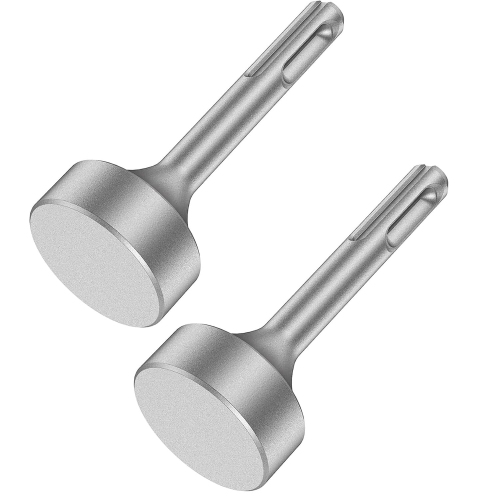
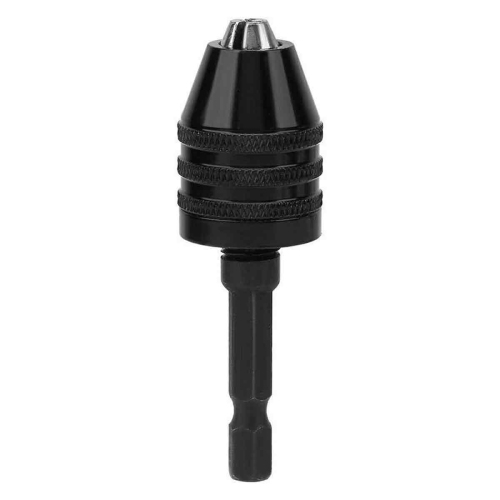
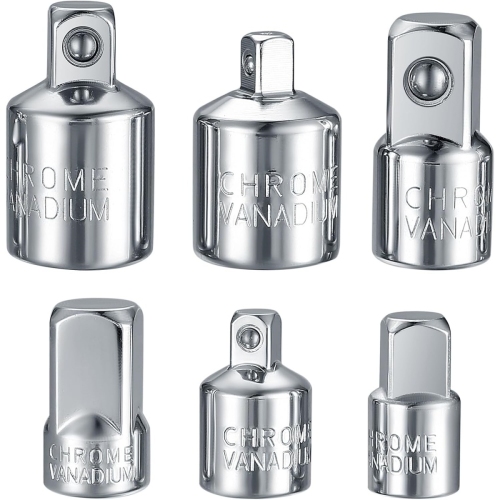
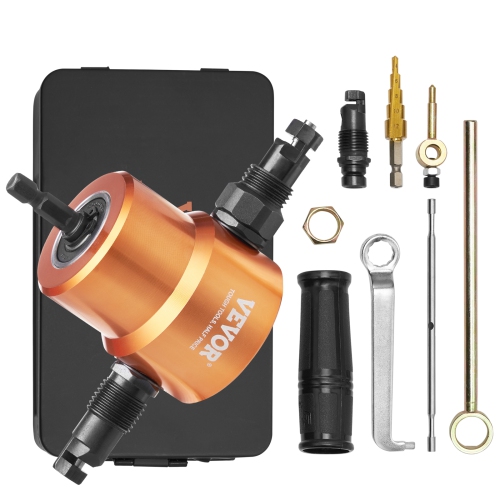
Compatibility involves more than whether an accessory appears to fit into the chuck. Shank shape, shank diameter, chuck capacity, tool type, permitted speed, and intended operating mode all matter. A round shank is commonly held by a three-jaw drill chuck, while a hex shank can provide a secure connection in compatible holders. A 1/4-inch hex connection is common for driver bits and bit holders, but that shared shape does not automatically make every accessory suitable for an impact driver. Impact-rated bits and adapters are designed for impact loading; ordinary accessories should not be assumed to tolerate it. SDS shanks use a different locking system associated with compatible rotary hammers and are not interchangeable with standard drill shanks. Right-angle adapters redirect the drive through an angled head, helping reach fasteners inside cupboards, between framing members, or behind an appliance where the drill body cannot sit straight. Their usefulness depends on head clearance and the manufacturer’s rating for drilling or driving. Extension holders add reach, although a longer assembly can be harder to keep aligned and may introduce wobble. Socket adapters let a compatible drill turn sockets for suitable fastening tasks, such as running nuts along threaded hardware during furniture assembly. They do not replace a torque wrench where a specified final torque is required. Swivel adapters can accommodate an offset approach, within their stated limits, while magnetic bit holders help retain compatible bits and some ferrous screws during positioning. Drill-powered nibblers and shears are specialized attachments for cutting compatible sheet materials, with limits based on material type and thickness. Their different cutting actions affect the shape of the cut, the waste produced, and the space needed around the workpiece. Screw extractors address stripped or broken fasteners, but designs vary: some use a separate pilot hole, while others combine preparation and extraction functions. In a cramped cabinet or around finished trim, the accessory’s overall length, grip, and working clearance can be just as important as its nominal size.
Materials and construction influence both the finish of the work and how well drill accessories hold up over time. High-speed steel is common in general-purpose drill bits, while cobalt-bearing high-speed steel can offer greater heat resistance for demanding metal-drilling applications. Carbide tips provide hardness for particular tasks, including suitable masonry work, but can be vulnerable to chipping if misused. Surface coatings may help reduce friction or wear, though a coating alone does not make a bit appropriate for every material. Driver bits need an accurate fit in the screw recess: a worn tip or mismatched profile can slip out under load and damage the head, especially on visible cabinet or door hardware. Accessories used for surface preparation and cleaning require equally careful matching. Nylon drill brushes turn rotary motion into scrubbing action for compatible tile, grout, tyres, and other washable surfaces, but bristle stiffness and operating speed affect how aggressively they work. Soft finishes, sealants, and glossy surfaces may scratch, so surface compatibility and a small, discreet test area matter. Backing pads and polishing attachments also need to match the pad connection, drill speed, and treatment intended for the surface. Durability depends on use as well as construction: excessive pressure, overheating, and sideways loading can shorten accessory life or cause breakage. Securing the workpiece, wearing appropriate eye protection, and keeping hair and loose clothing away from rotating parts help make drilling, cutting, and brushing tasks safer. Cleaning away chips and dust after use, drying accessories before storage, and following any lubrication guidance help preserve their working condition. Cleaning attachments should be dried thoroughly and stored separately from sharp cutting accessories. Cases with labelled compartments keep sizes visible and prevent cutting edges from knocking together, while a compact bit holder keeps frequently used profiles close at hand. Bent shanks, cracked adapters, damaged bristles, and chipped cutting edges are signs that an accessory needs attention or replacement. An assortment built around familiar materials, compatible connections, and recurring tasks makes it easier to move from assembling a bedside table to repairing a loose hinge without searching through a jumble of poorly matched parts.
Compatibility involves more than whether an accessory appears to fit into the chuck. Shank shape, shank diameter, chuck capacity, tool type, permitted speed, and intended operating mode all matter. A round shank is commonly held by a three-jaw drill chuck, while a hex shank can provide a secure connection in compatible holders. A 1/4-inch hex connection is common for driver bits and bit holders, but that shared shape does not automatically make every accessory suitable for an impact driver. Impact-rated bits and adapters are designed for impact loading; ordinary accessories should not be assumed to tolerate it. SDS shanks use a different locking system associated with compatible rotary hammers and are not interchangeable with standard drill shanks. Right-angle adapters redirect the drive through an angled head, helping reach fasteners inside cupboards, between framing members, or behind an appliance where the drill body cannot sit straight. Their usefulness depends on head clearance and the manufacturer’s rating for drilling or driving. Extension holders add reach, although a longer assembly can be harder to keep aligned and may introduce wobble. Socket adapters let a compatible drill turn sockets for suitable fastening tasks, such as running nuts along threaded hardware during furniture assembly. They do not replace a torque wrench where a specified final torque is required. Swivel adapters can accommodate an offset approach, within their stated limits, while magnetic bit holders help retain compatible bits and some ferrous screws during positioning. Drill-powered nibblers and shears are specialized attachments for cutting compatible sheet materials, with limits based on material type and thickness. Their different cutting actions affect the shape of the cut, the waste produced, and the space needed around the workpiece. Screw extractors address stripped or broken fasteners, but designs vary: some use a separate pilot hole, while others combine preparation and extraction functions. In a cramped cabinet or around finished trim, the accessory’s overall length, grip, and working clearance can be just as important as its nominal size.
Materials and construction influence both the finish of the work and how well drill accessories hold up over time. High-speed steel is common in general-purpose drill bits, while cobalt-bearing high-speed steel can offer greater heat resistance for demanding metal-drilling applications. Carbide tips provide hardness for particular tasks, including suitable masonry work, but can be vulnerable to chipping if misused. Surface coatings may help reduce friction or wear, though a coating alone does not make a bit appropriate for every material. Driver bits need an accurate fit in the screw recess: a worn tip or mismatched profile can slip out under load and damage the head, especially on visible cabinet or door hardware. Accessories used for surface preparation and cleaning require equally careful matching. Nylon drill brushes turn rotary motion into scrubbing action for compatible tile, grout, tyres, and other washable surfaces, but bristle stiffness and operating speed affect how aggressively they work. Soft finishes, sealants, and glossy surfaces may scratch, so surface compatibility and a small, discreet test area matter. Backing pads and polishing attachments also need to match the pad connection, drill speed, and treatment intended for the surface. Durability depends on use as well as construction: excessive pressure, overheating, and sideways loading can shorten accessory life or cause breakage. Securing the workpiece, wearing appropriate eye protection, and keeping hair and loose clothing away from rotating parts help make drilling, cutting, and brushing tasks safer. Cleaning away chips and dust after use, drying accessories before storage, and following any lubrication guidance help preserve their working condition. Cleaning attachments should be dried thoroughly and stored separately from sharp cutting accessories. Cases with labelled compartments keep sizes visible and prevent cutting edges from knocking together, while a compact bit holder keeps frequently used profiles close at hand. Bent shanks, cracked adapters, damaged bristles, and chipped cutting edges are signs that an accessory needs attention or replacement. An assortment built around familiar materials, compatible connections, and recurring tasks makes it easier to move from assembling a bedside table to repairing a loose hinge without searching through a jumble of poorly matched parts.
Top selling and popular products
-
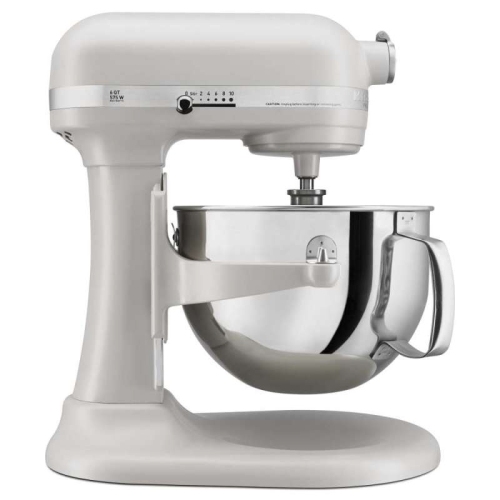 Your price for this item is $669.95
 -
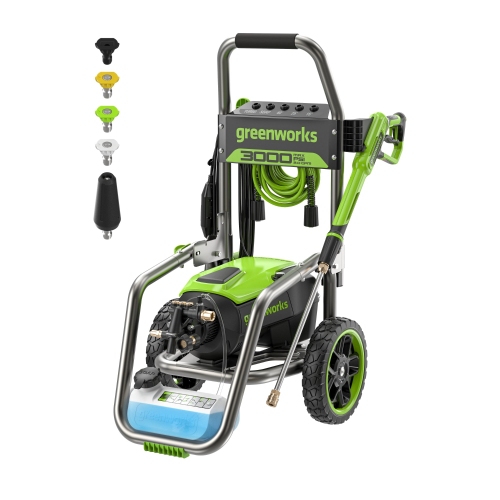 Your price for this item is $699.99
 -
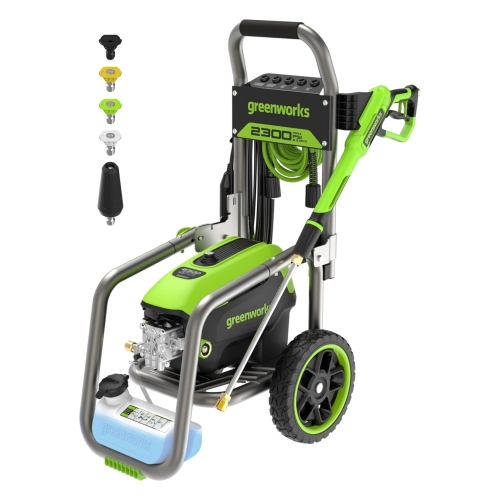 Your price for this item is $569.99
 -
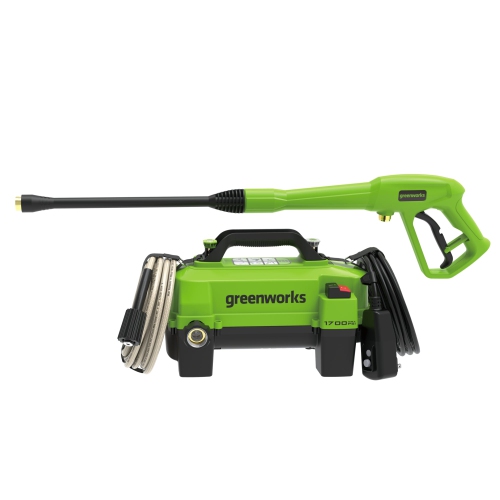 Your price for this item is $155.99
 -
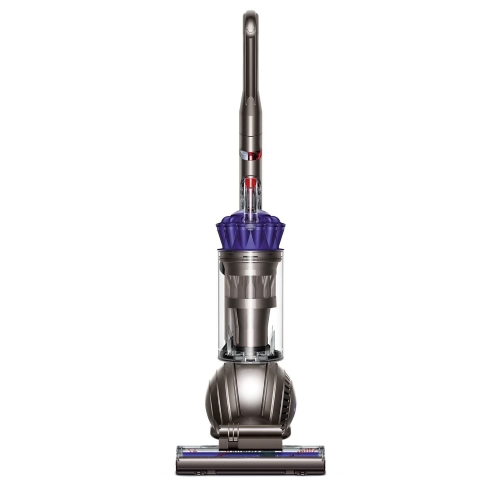 Your price for this item is $489
 -
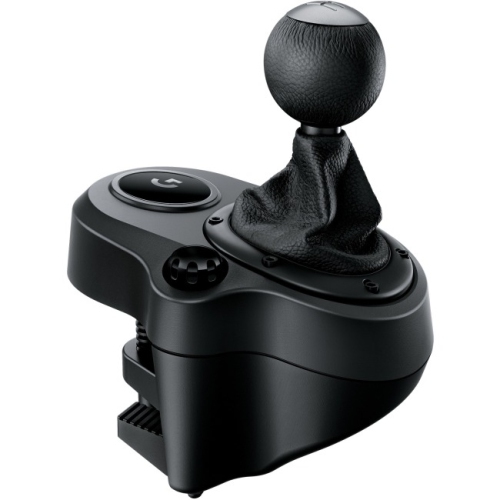 Your price for this item is $89.68
 -
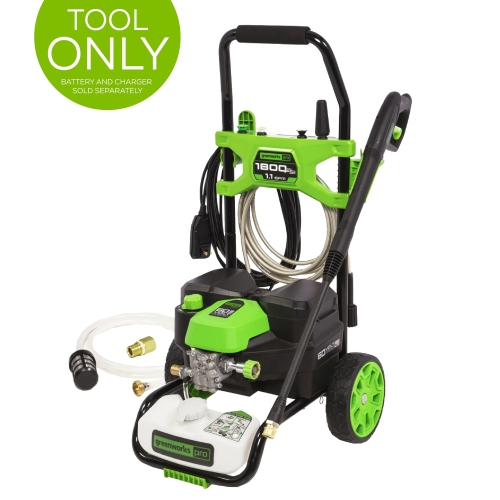 Your price for this item is $319.99
 -
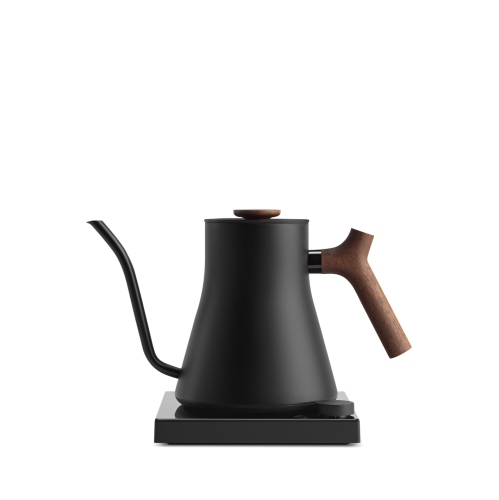 Your price for this item is $325
Discover more categories related to Drill Accessories
Top Collections:
Pokemon Centers, Kindle Devices, Best Budget Office Chairs, Apple iPhones 16, Best Laptops for Writers, iPhone 15 Apple, Canon G7X Cameras, Refurbished Apple Laptops, Alarm Clock, Motorola Razr Phones
Some products may be subject to Environmental Handling Fees
(EHF) depending on your province.
Learn more about EHFs.