Drying Racks With Wheels
Discover the convenience and flexibility of a Drying Rack With Wheels, designed to make laundry day easier and more efficient. Perfect for homes, apartments, or dorm rooms, these versatile racks offer an easy way to move your laundry from room to room. Whether you need extra space for air-drying clothes, towels, or delicate items, a Drying Rack With Wheels provides a practical solution that fits seamlessly into your daily routine. Explore options that help keep your living space organized while simplifying the drying process.
Sort

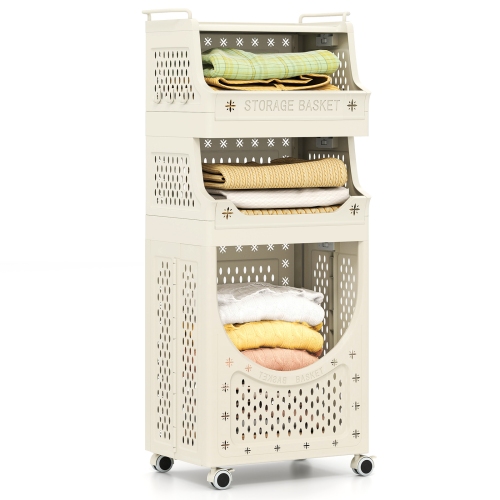
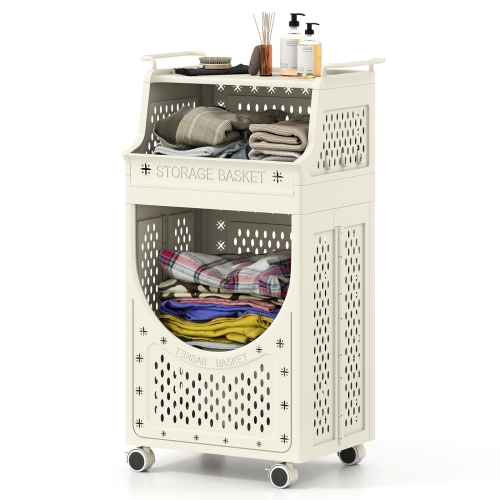
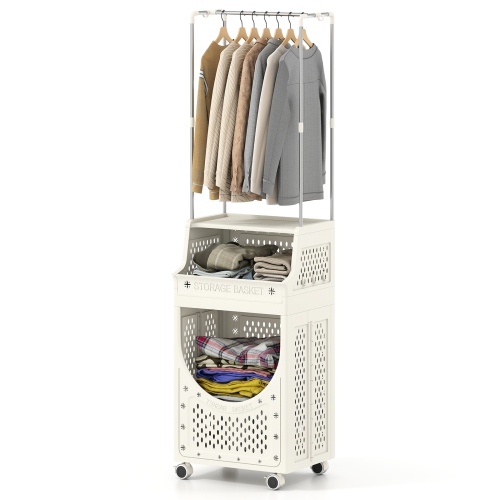
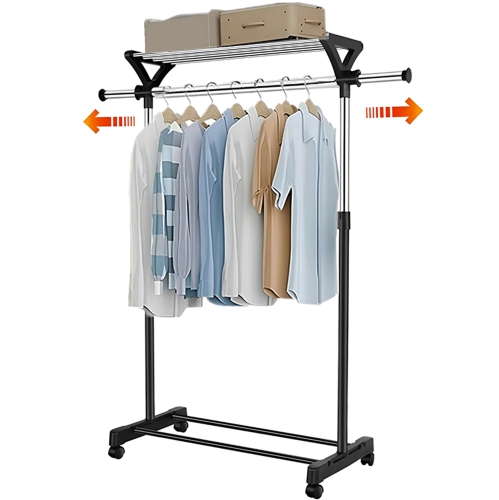

Flexible drying space that rolls out of the way
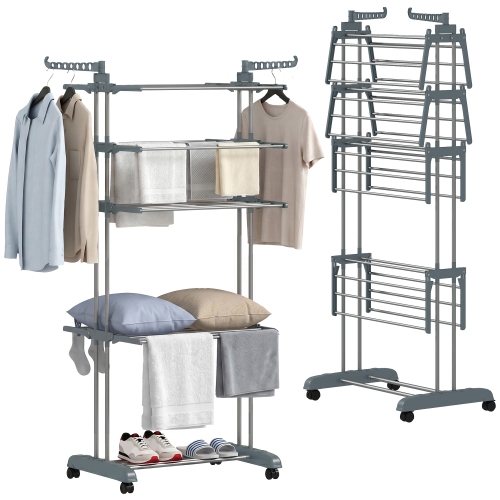
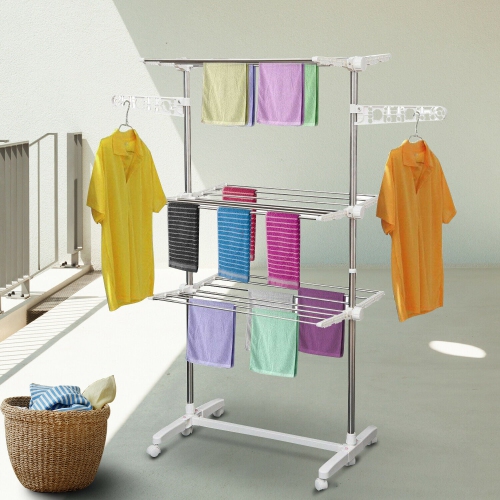
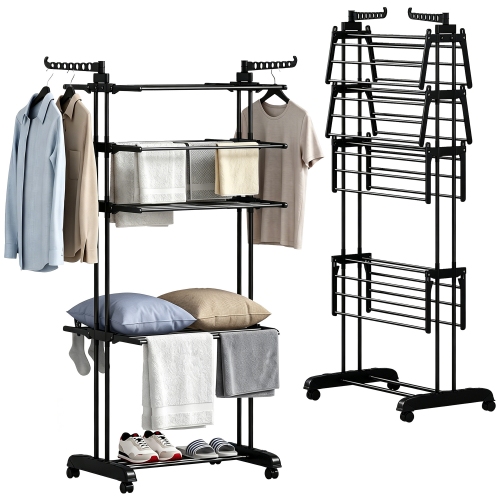
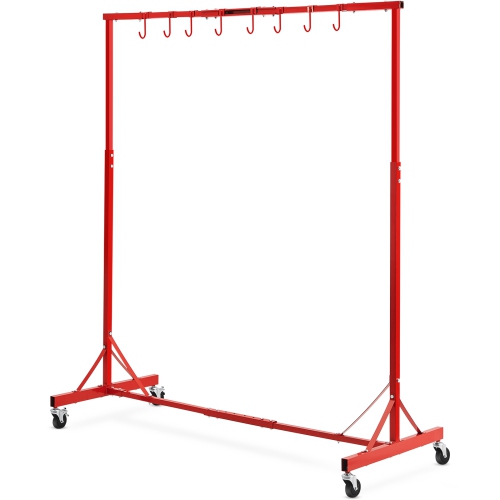
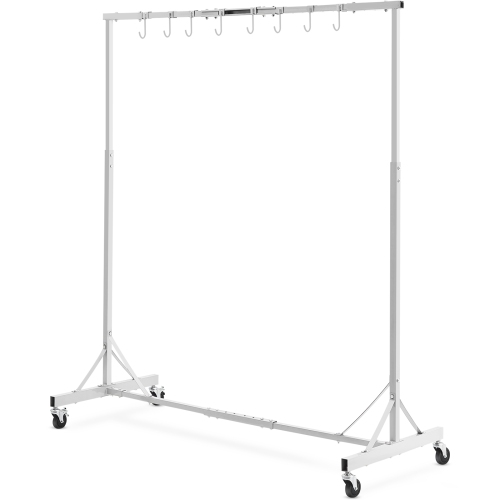
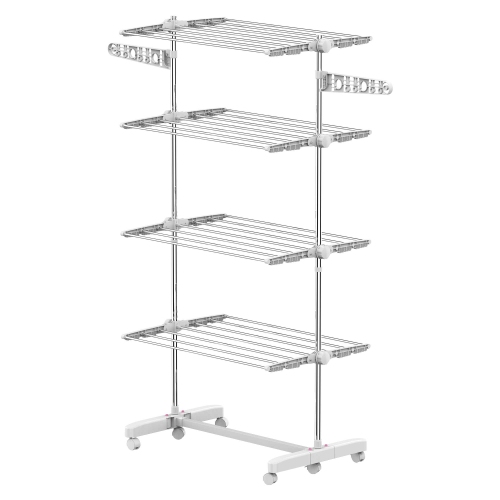
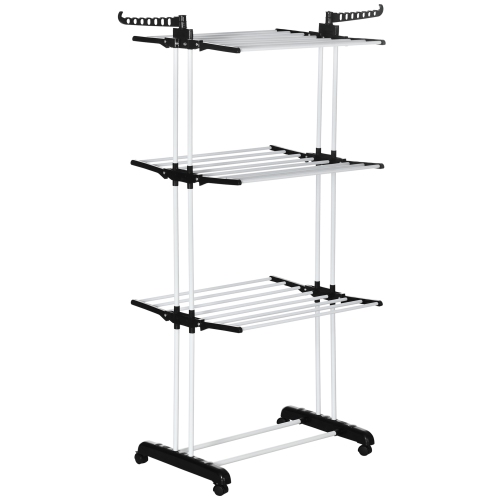
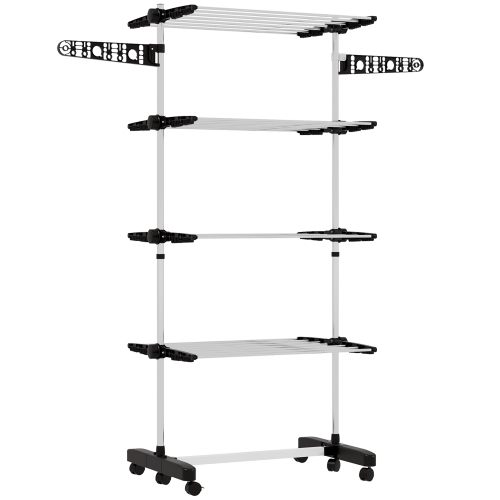
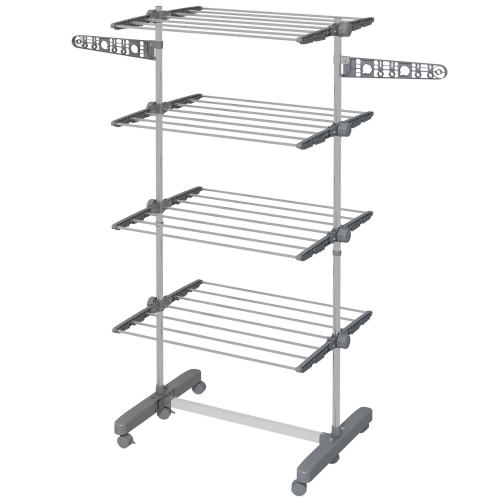
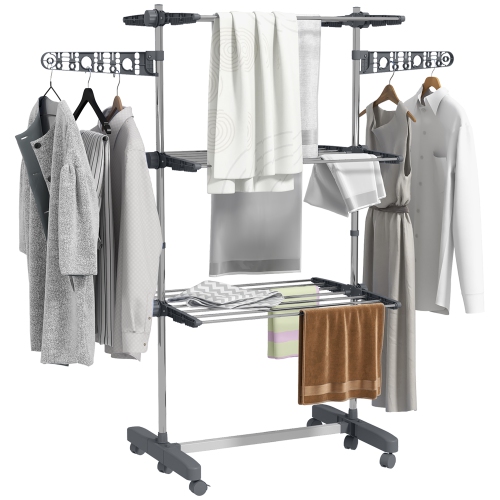
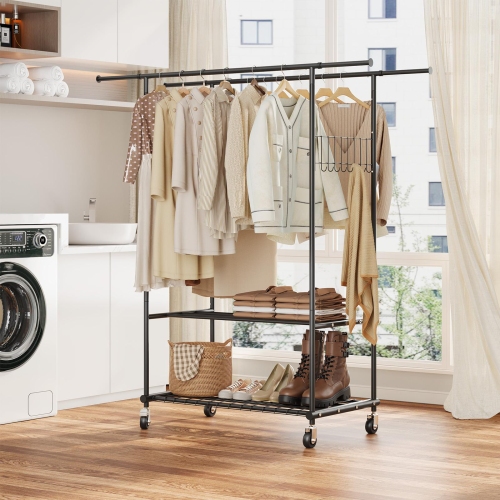
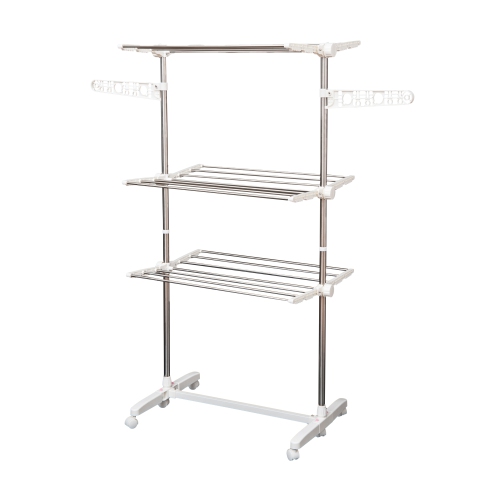
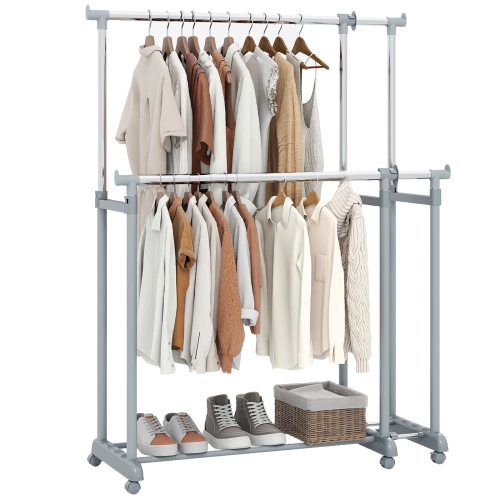
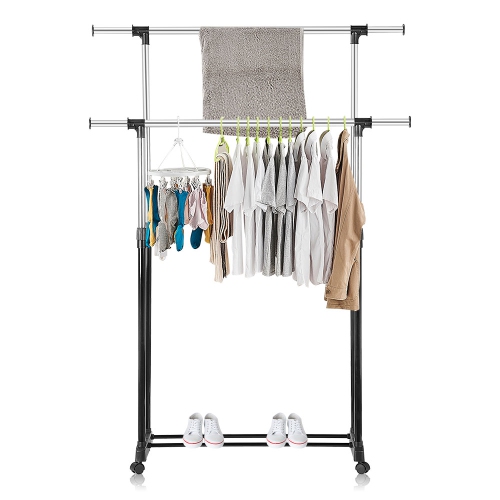
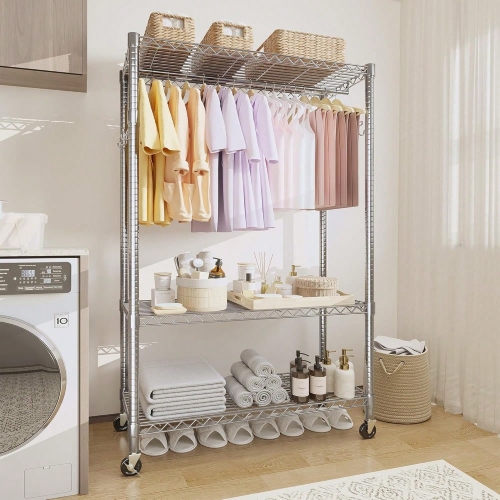
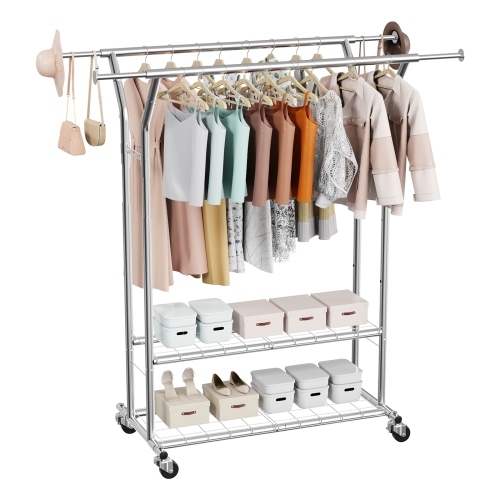
Drying racks with wheels are freestanding clothes airers that combine hanging space with castors, making it easier to reposition laundry without lifting the entire frame. They suit homes where the laundry area also serves as a hallway, bathroom, utility space, or storage room, and where a rack may need to move out of the way between loads. Common designs include tall, multi-tier towers, folding frames with side wings, and rail-style racks that accommodate clothes on hangers. Each layout handles laundry differently: closely spaced tiers provide room for smaller pieces, while taller hanging sections give shirts and trousers more clearance. Foldable shelves can create space for longer garments, and side arms may offer additional hanging positions when needed. Some designs also include a lower shelf for footwear or other washable accessories, subject to the rack’s intended use and load limits. The most useful capacity is not simply the number of rails, but the amount of usable space between them. A full load of thick towels needs more separation than a handful of lightweight tops, and garments should not rest against the floor or bunch together on neighbouring bars. For apartment residents, a narrow tower can make good use of vertical space; for a family sorting several types of clothing, independently folding sections may offer more flexibility. Overall dimensions matter in both the open and stored positions. A rack that fits beside a washing machine may become much wider once its wings are extended, while a tall frame needs clearance beneath shelves and through doorways along its route. Wheel placement also contributes to the footprint, particularly where castors swivel beyond the base. Taking these details into account helps match a rolling drying rack to the room, the laundry load, and the way the space is used every day. A compact folded shape is especially helpful when the rack shares storage space with a vacuum, ironing board, or cleaning supplies.
Materials and construction influence how a wheeled drying rack feels in daily use, especially when damp clothing adds weight across several tiers. Stainless steel is commonly used for its resistance to corrosion, although finishes, joints, and hardware still need appropriate care. Powder-coated steel offers a protective finish over the metal frame, while aluminium can provide a lighter structure that is easier to handle. Plastic connectors and shelf supports are also common, and their fit matters: a frame should open securely, hold its intended shape, and stay within the manufacturer’s stated weight limits. Smooth rails are important for fabrics that can catch on rough edges, and secure end caps help keep exposed tube ends away from clothing. Stability depends on the whole structure rather than the frame material alone. A broad base, well-supported shelves, and dependable folding joints all contribute, particularly when laundry is distributed across the rack instead of concentrated on one side. Locking castors, where included, help keep the rack in position during loading and unloading; wheel locks are not a substitute for a level surface or balanced weight. Larger wheels may roll more easily over small floor transitions, while compact castors can suit short movements across a smooth laundry-room floor. Wheel material and condition also deserve attention on finished flooring, where trapped grit can leave marks. For garments, the right rail arrangement depends on the care label and the shape of the piece. Shirts hung from suitable hangers need enough height for the hems to clear lower shelves, while heavy knitwear may need to dry flat on a supported surface rather than stretch from a hanger. Broadly spaced bars make room for bulkier fabrics, and small accessories are easier to organize when a rack provides dedicated clips or hanging points. These details make the difference between nominal capacity and a layout that comfortably handles a household’s usual wash. A frame with many tiers is only practical when those tiers remain accessible and leave suitable space around the laundry.
In everyday use, a rolling clothes drying rack works best as part of a clear laundry routine rather than as a permanent obstacle in the room. A suitable position leaves access to appliances, cupboards, door handles, and walking routes, with enough surrounding space for air to move between garments. Keeping damp fabrics away from walls, upholstery, and electrical equipment also helps make the drying area more practical. Where indoor moisture builds up, ventilation and appropriate humidity control support the drying process; wheels make repositioning easier, but do not remove moisture from the room. For households that alternate between drying a few delicate pieces and handling larger loads, folding wings or independently adjustable sections can keep unused rails out of the way. People who prefer to hang shirts directly after washing may find a hanging rail useful, while parents dealing with frequent small loads may value multiple accessible tiers for children’s clothing. A dedicated washing area can also benefit from the broader layouts found among Laundry Room Drying Racks, particularly when coordinating hanging space with nearby shelving and appliance doors. Care is generally straightforward, but it affects how reliably the rack folds and rolls over time. Wiping rails with a soft cloth removes lint and detergent residue, and drying the frame before storage helps protect joints and finishes. Hair and threads can collect around castors, making regular cleaning worthwhile when wheels become harder to turn. Loose fittings, damaged coating, or a folding mechanism that no longer catches securely should be addressed according to the manufacturer’s instructions. Laundry should be removed before folding, and the rack should be moved gently, with weight kept balanced and nothing trailing near the wheels. Indoor or outdoor suitability depends on the individual rack’s stated construction and care requirements, rather than its appearance alone. Matched to the available floor space and the clothing it will hold, a drying rack with wheels offers a flexible place for air-drying while keeping the surrounding room usable.
Top selling and popular products
-
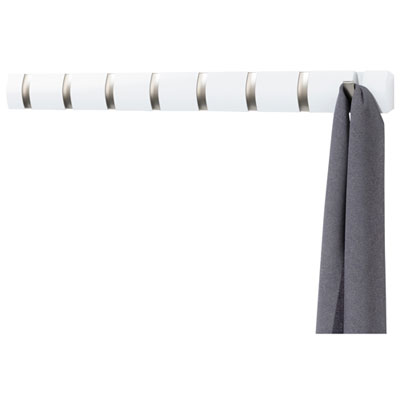 Your price for this item is $59.99
-
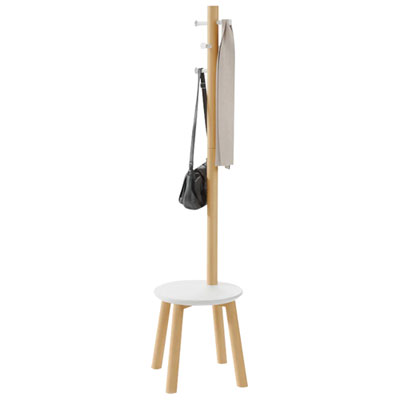 Your price for this item is $119.98
-
 Your price for this item is $265.05
-
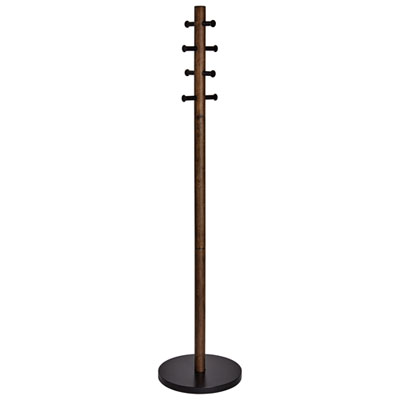 Your price for this item is $144.98
-
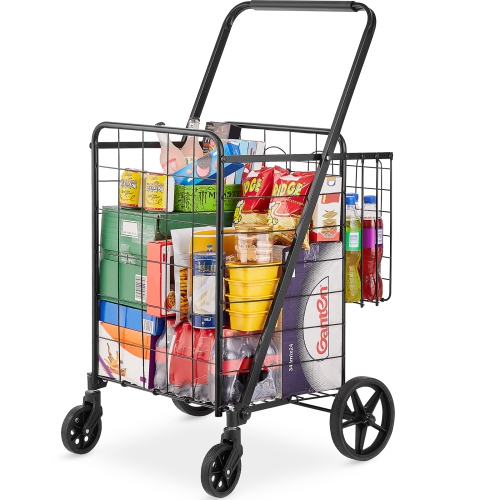 Your price for this item is $64.52
-
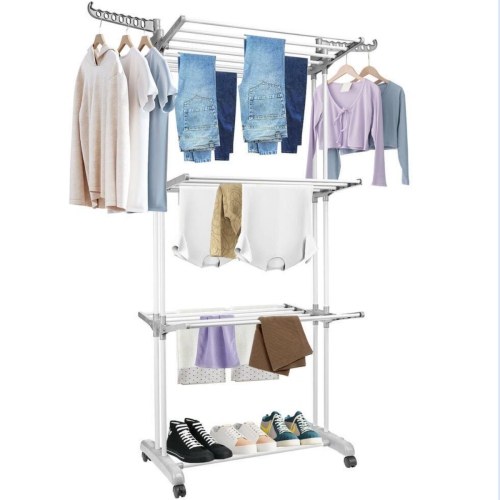 Your price for this item is $49.99
-
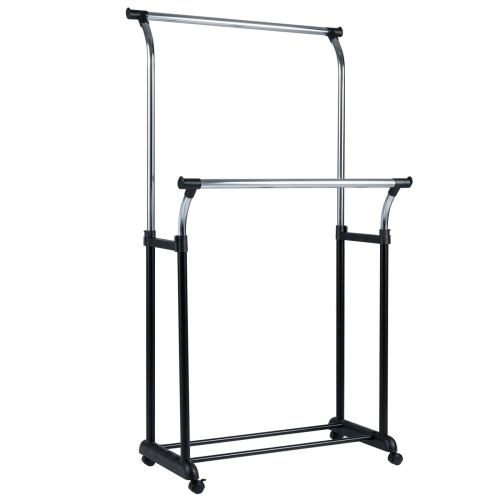 Your price for this item is $64.99
-
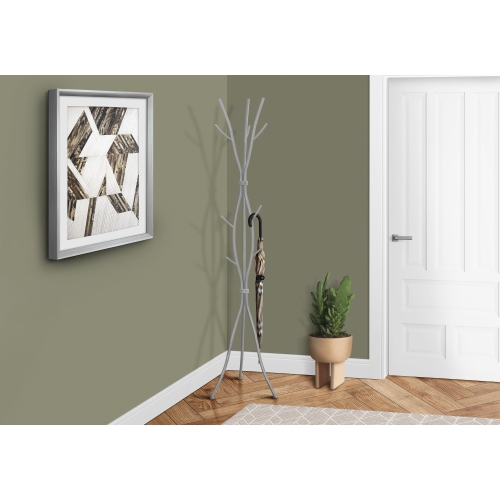 Your price for this item is $36.97
Discover more categories related to Drying Racks With Wheels
Top Collections:
Best Black Friday Deals This Year, Best Black Friday Deals On Electronics, Kindle Devices, Dyson Airwrap, Best Cameras for Sports Photography, Best Budget Office Chairs, Canon G7X Cameras, PS5 Pro Consoles, Best Black Friday Deals On Apple Products, XBOX One S Consoles
Some products may be subject to Environmental Handling Fees
(EHF) depending on your province.
Learn more about EHFs.