Dual Layer Zebra Blinds
Dual Layer Zebra Blinds offer a modern solution for controlling light and privacy in any room. With their unique design, these blinds add a stylish touch to windows while complementing a wide range of interior décors. Ideal for living rooms, bedrooms, offices, and more, Dual Layer Zebra Blinds make it easy to achieve the perfect ambiance throughout your space. Explore a variety of colors and sizes to find the perfect fit for your home or workspace.
Sort
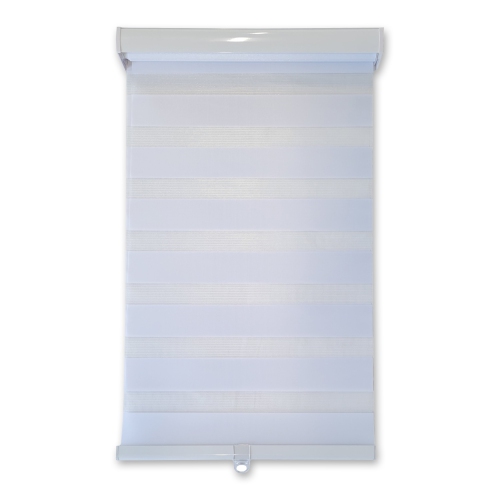
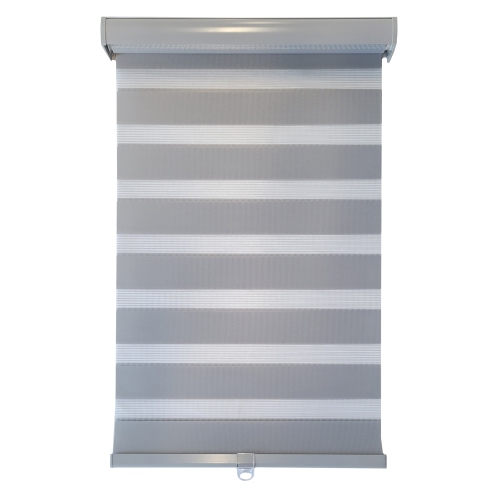
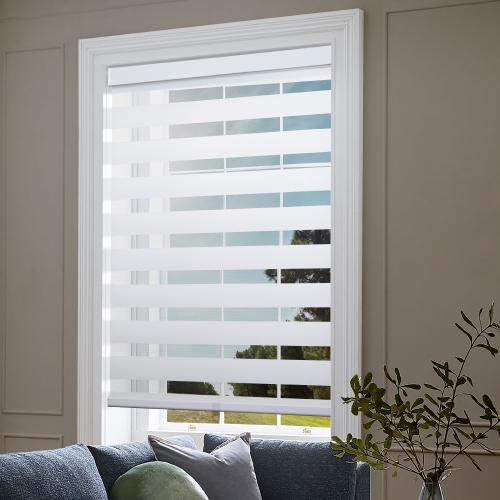
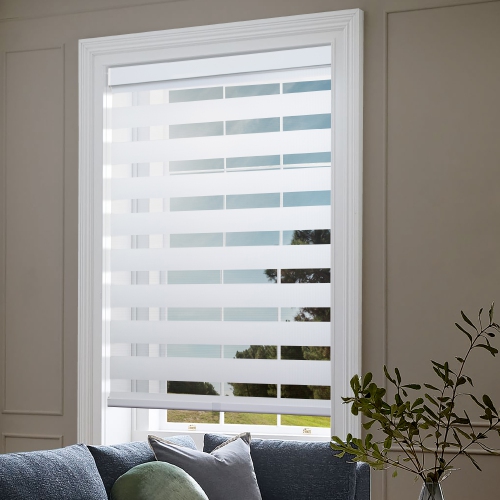

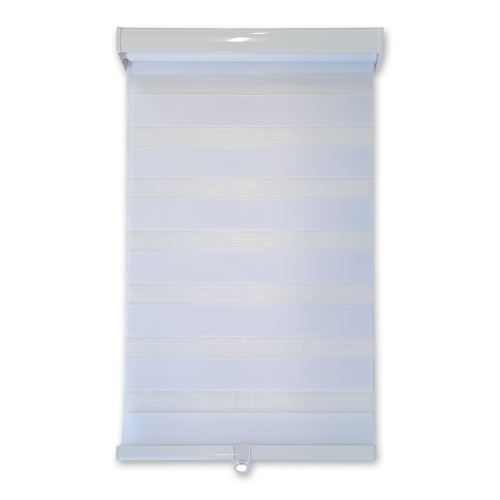
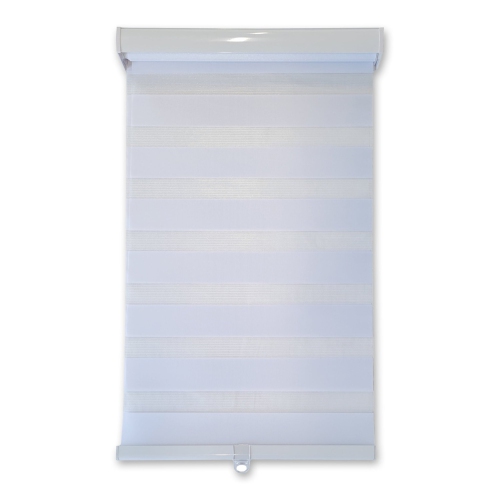
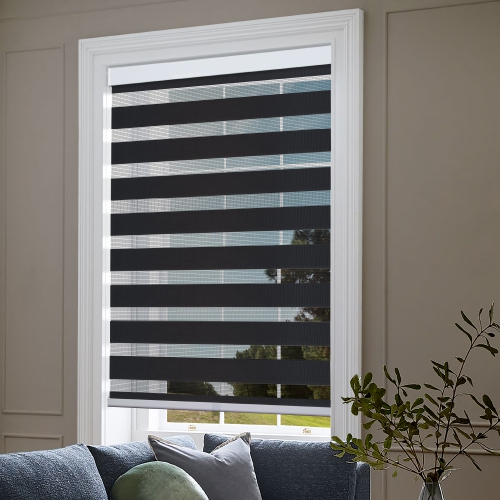
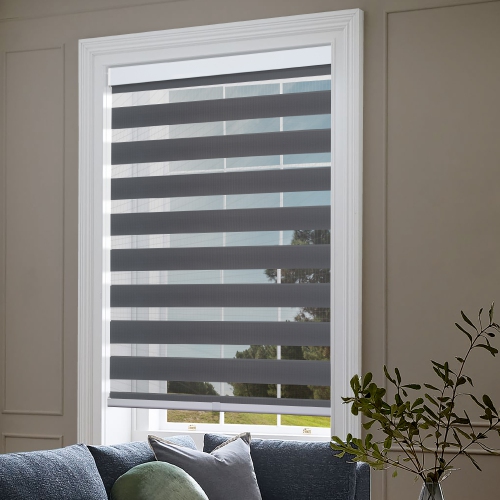
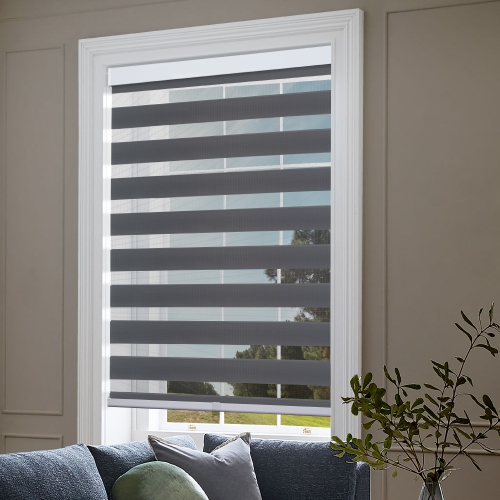
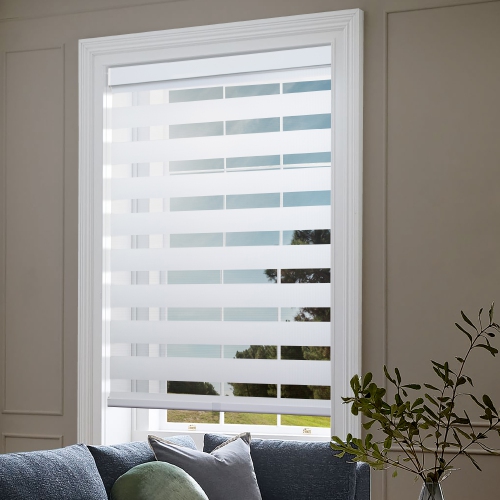
How overlapping fabric bands adjust light and privacy
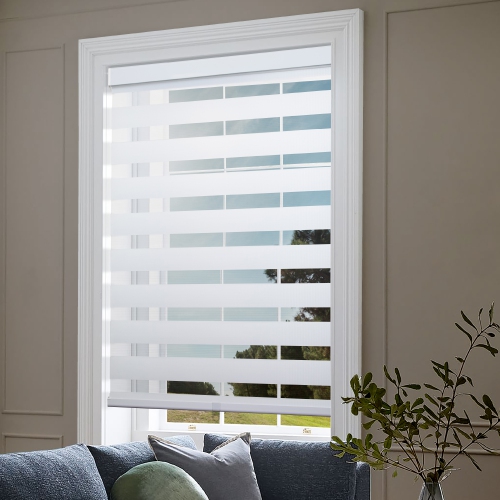
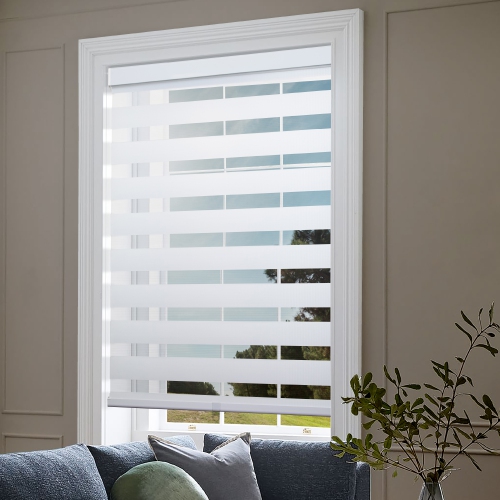
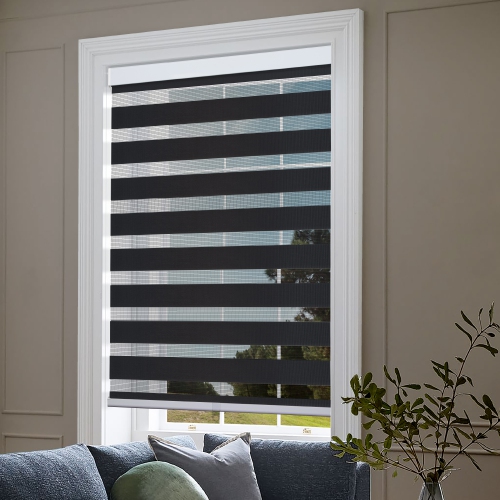
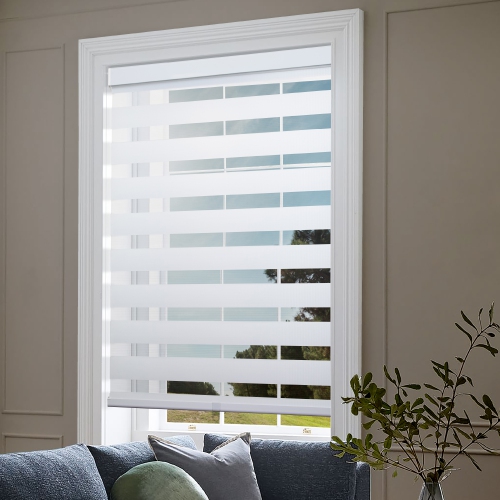
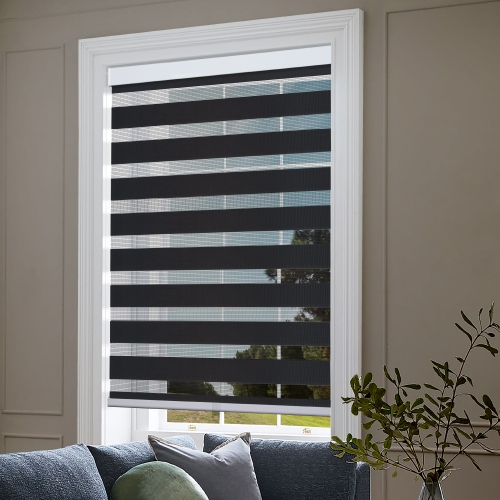
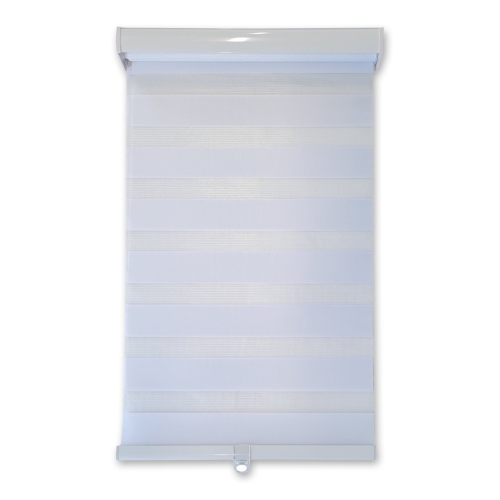
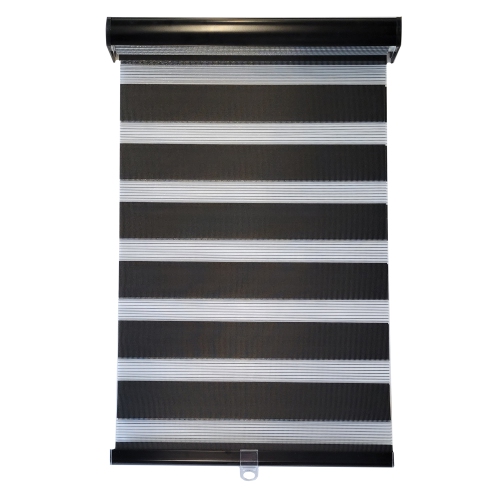
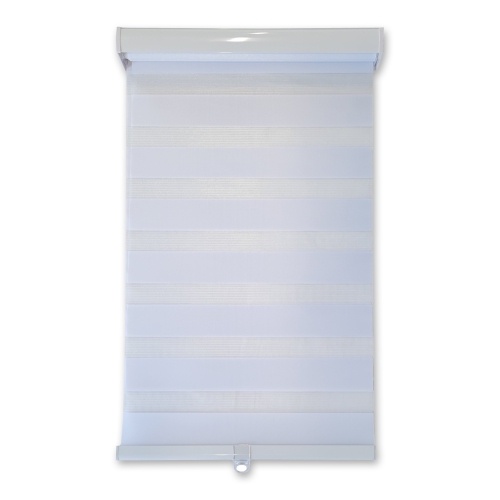
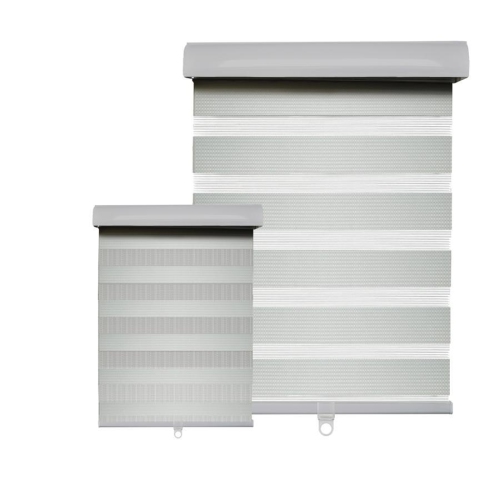
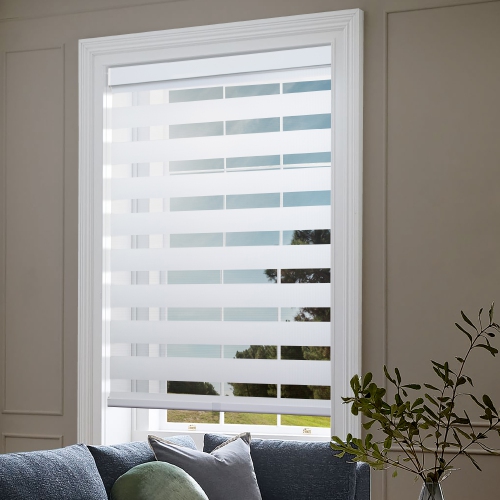
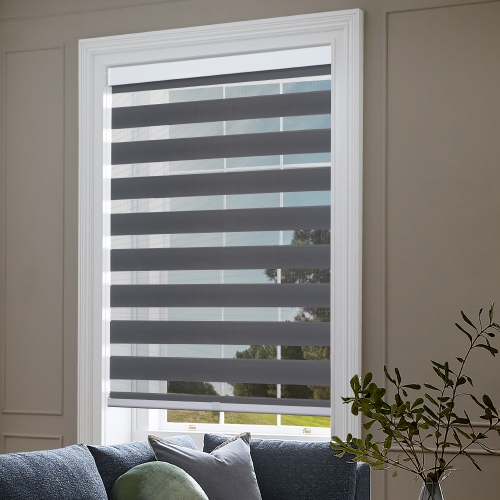
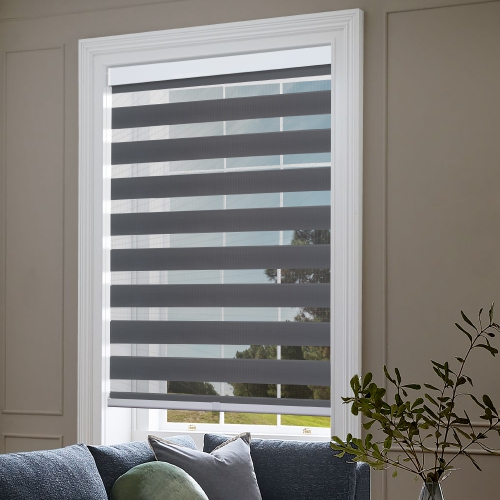
Dual layer zebra blinds are fabric window coverings with alternating sheer and solid horizontal bands arranged across two overlapping layers. The fabric travels around a roller so the front and back bands can move past one another, changing how much light enters a room without requiring the blind to be fully raised. When the sheer bands line up, daylight passes through both layers, giving the window a softly striped appearance and allowing a filtered view outside. When the solid bands cover the sheer sections, the blind provides greater privacy and reduces incoming light. This adjustable overlap is what distinguishes dual layer zebra blinds from traditional roller shades, which typically use a single panel of fabric. Often called zebra shades, banded blinds, or dual roller shades, they suit spaces where light and privacy needs change throughout the day. In a living room facing a walkway, partially overlapping bands can soften the view into the seating area while retaining some daylight. In a home office, adjusting the bands may help reduce brightness near a monitor, although the result depends on the window’s orientation and the fabric’s opacity. The wider category of Zebra Window Blinds shares this distinctive horizontal pattern, which works with both simple furnishings and rooms with more layered textures. Unlike slatted blinds, zebra blinds create their striped effect with textile panels rather than separate rigid pieces. Their clean profile can leave window trim visible, while a covered headrail conceals the roller for a more finished appearance. They can stand alone where an uncluttered window treatment is preferred or sit behind curtains that add softness around the frame. Their main appeal is flexibility: the same covering can admit filtered light, provide greater screening, or roll upward to reveal more of the window. Privacy is not identical at every setting, however, and sheer sections should not be treated as a barrier to outside views, particularly when indoor lights are on.
Fabric, colour, and opacity all influence how dual layer zebra blinds look and perform. Polyester is a common material because it can hold a consistent woven structure and is generally straightforward to maintain, but the fibre content, finish, and cleaning requirements vary. Sheer bands may have a fine mesh appearance, while the solid bands can range from smooth and uniform to visibly textured. White, cream, and pale grey shades tend to blend into light walls, whereas darker colours make the horizontal pattern more prominent. A fabric swatch, when offered, can help show whether a shade has a warm or cool undertone and how its weave looks against existing paint, flooring, and upholstery. Colour alone does not establish light control: a dark fabric is not automatically a blackout fabric, and a pale fabric may still provide substantial screening if its construction is sufficiently opaque. Light-filtering materials soften daylight rather than eliminate it. Room-darkening materials block more light through the solid sections, but the alternating sheer bands and gaps around the blind can still allow light into the room. For bedrooms used by shift workers or anyone sensitive to light while sleeping, that distinction matters. Pairing zebra blinds with appropriately fitted blackout curtains can provide additional coverage, though the overall result depends on both treatments and their installation. In shared living spaces, the balance may lean more towards daylight and adjustable privacy than darkness. A dining area overlooking neighbouring windows, for example, may benefit from solid bands positioned across the sheer openings during meals. Kitchens and bathrooms need a closer look at material suitability: proximity to splashes, cooking residue, and frequent moisture can make some fabrics harder to keep clean. Unless the stated specifications support that use, fabric zebra blinds are better placed away from sinks, showers, and direct cooking areas. For children's bedrooms and family spaces, cordless operation is an important consideration, alongside secure mounting and keeping furniture that children can climb away from windows.
Accurate fit is just as important as fabric choice, since a blind needs room for its headrail, moving fabric, and bottom rail to operate freely. An inside mount sits within the window recess and offers a neat, built-in appearance, but it requires sufficient depth and clearance around handles, locks, and other obstructions. An outside mount attaches above or around the opening and can cover more of the surrounding area, which may help reduce side gaps when sized appropriately. Window openings are not always perfectly square, so measuring width and height at several points helps reveal variations. The manufacturer’s measuring directions should determine which measurements to use and whether any deductions are already included. The stated blind width may refer to the full assembly rather than the fabric alone; that difference matters when privacy near the edges is a priority. On neighbouring windows, consistent mounting heights and compatible band proportions can make the arrangement look more orderly, although exact stripe alignment depends on the design and dimensions. Cordless manual mechanisms allow adjustment without an exposed operating cord, while motorized designs can make tall or hard-to-reach windows easier to manage. Where motorization is relevant, power requirements, charging access, control options, and any smart-home compatibility need to match the household’s setup; motorized operation does not automatically include app or voice control. Day-to-day durability also depends on secure brackets, suitable mounting hardware, and smooth operation without pulling the fabric sideways. If the blind begins to travel unevenly, forcing it can strain the mechanism or damage an edge. Routine care usually starts with gentle dusting using a soft cloth or a vacuum brush on low suction, following the fabric care directions. Spot cleaning should only be used when permitted, and soaking, harsh cleaners, or vigorous rubbing can affect the finish or distort the weave. With a suitable fit and thoughtful placement, dual layer zebra blinds offer homeowners and renters with permission to install them a practical way to manage daylight and privacy while keeping the window treatment visually simple.
Fabric, colour, and opacity all influence how dual layer zebra blinds look and perform. Polyester is a common material because it can hold a consistent woven structure and is generally straightforward to maintain, but the fibre content, finish, and cleaning requirements vary. Sheer bands may have a fine mesh appearance, while the solid bands can range from smooth and uniform to visibly textured. White, cream, and pale grey shades tend to blend into light walls, whereas darker colours make the horizontal pattern more prominent. A fabric swatch, when offered, can help show whether a shade has a warm or cool undertone and how its weave looks against existing paint, flooring, and upholstery. Colour alone does not establish light control: a dark fabric is not automatically a blackout fabric, and a pale fabric may still provide substantial screening if its construction is sufficiently opaque. Light-filtering materials soften daylight rather than eliminate it. Room-darkening materials block more light through the solid sections, but the alternating sheer bands and gaps around the blind can still allow light into the room. For bedrooms used by shift workers or anyone sensitive to light while sleeping, that distinction matters. Pairing zebra blinds with appropriately fitted blackout curtains can provide additional coverage, though the overall result depends on both treatments and their installation. In shared living spaces, the balance may lean more towards daylight and adjustable privacy than darkness. A dining area overlooking neighbouring windows, for example, may benefit from solid bands positioned across the sheer openings during meals. Kitchens and bathrooms need a closer look at material suitability: proximity to splashes, cooking residue, and frequent moisture can make some fabrics harder to keep clean. Unless the stated specifications support that use, fabric zebra blinds are better placed away from sinks, showers, and direct cooking areas. For children's bedrooms and family spaces, cordless operation is an important consideration, alongside secure mounting and keeping furniture that children can climb away from windows.
Accurate fit is just as important as fabric choice, since a blind needs room for its headrail, moving fabric, and bottom rail to operate freely. An inside mount sits within the window recess and offers a neat, built-in appearance, but it requires sufficient depth and clearance around handles, locks, and other obstructions. An outside mount attaches above or around the opening and can cover more of the surrounding area, which may help reduce side gaps when sized appropriately. Window openings are not always perfectly square, so measuring width and height at several points helps reveal variations. The manufacturer’s measuring directions should determine which measurements to use and whether any deductions are already included. The stated blind width may refer to the full assembly rather than the fabric alone; that difference matters when privacy near the edges is a priority. On neighbouring windows, consistent mounting heights and compatible band proportions can make the arrangement look more orderly, although exact stripe alignment depends on the design and dimensions. Cordless manual mechanisms allow adjustment without an exposed operating cord, while motorized designs can make tall or hard-to-reach windows easier to manage. Where motorization is relevant, power requirements, charging access, control options, and any smart-home compatibility need to match the household’s setup; motorized operation does not automatically include app or voice control. Day-to-day durability also depends on secure brackets, suitable mounting hardware, and smooth operation without pulling the fabric sideways. If the blind begins to travel unevenly, forcing it can strain the mechanism or damage an edge. Routine care usually starts with gentle dusting using a soft cloth or a vacuum brush on low suction, following the fabric care directions. Spot cleaning should only be used when permitted, and soaking, harsh cleaners, or vigorous rubbing can affect the finish or distort the weave. With a suitable fit and thoughtful placement, dual layer zebra blinds offer homeowners and renters with permission to install them a practical way to manage daylight and privacy while keeping the window treatment visually simple.
Top selling and popular products
-
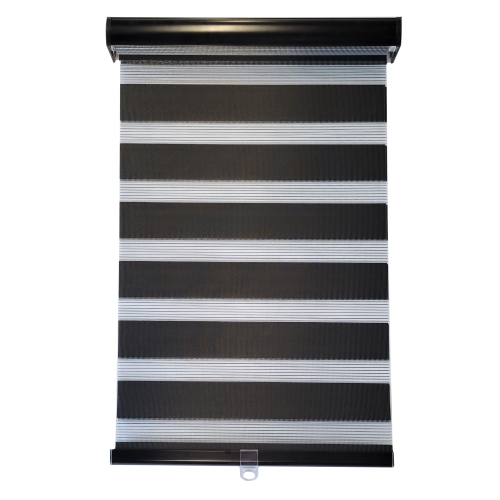 Your price for this item is $134.97
 -
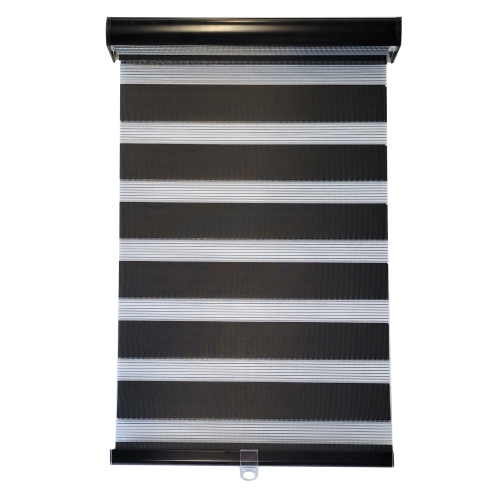 Your price for this item is $119.97
 -
 Your price for this item is $57.97
 -
 Your price for this item is $61.99
 -
 Your price for this item is $68.99
 -
 Your price for this item is $75.99
 -
 Your price for this item is $46.99
 -
 Your price for this item is $33.99
Discover more categories related to Dual Layer Zebra Blinds
Top Collections:
Pokemon Centers, Kindle Devices, Best Budget Office Chairs, Apple iPhones 16, Best Laptops for Writers, iPhone 15 Apple, Canon G7X Cameras, Refurbished Apple Laptops, Alarm Clock, Motorola Razr Phones
Some products may be subject to Environmental Handling Fees
(EHF) depending on your province.
Learn more about EHFs.