Dual Zone 12V Fridge Freezers
Looking to keep your food and beverages cool on the go? Look no further than our selection of dual-zone 12V fridge freezers. These versatile appliances are designed to provide you with the convenience of a fridge and freezer in one compact unit, making them perfect for road trips, camping adventures, or even just a day at the beach. With their innovative dual-zone design, you can store your perishable items separately from your frozen goods, ensuring everything stays fresh and ready to enjoy whenever you need it. Here are some great options available.
Sort
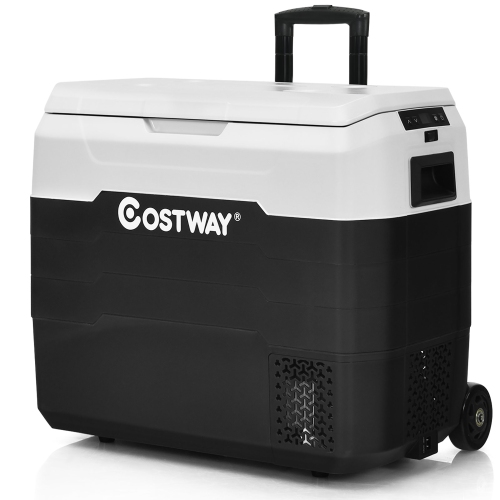
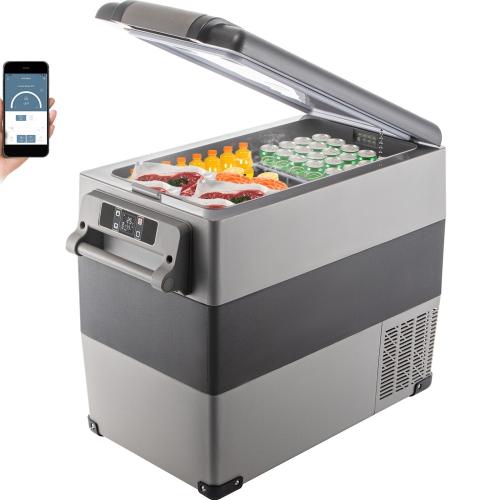

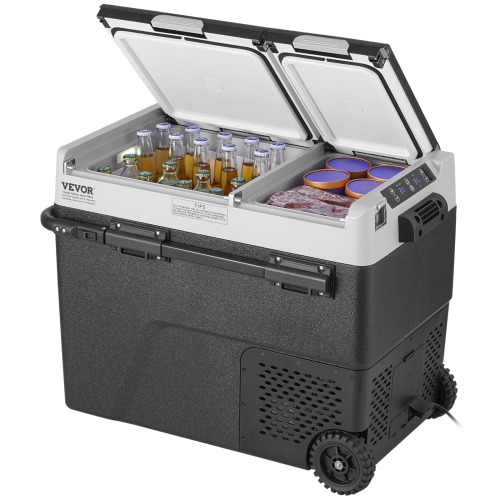
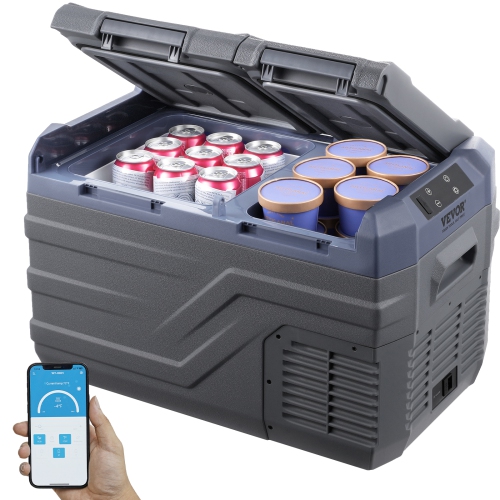
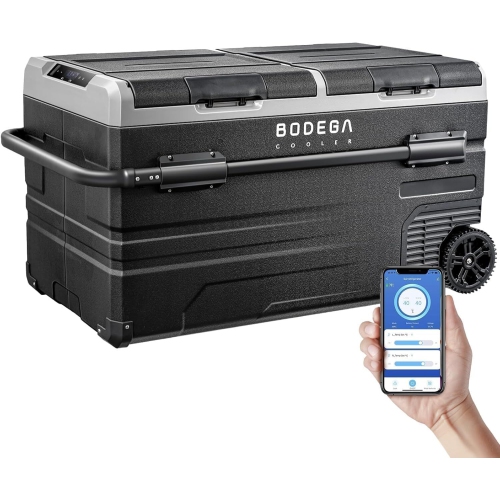

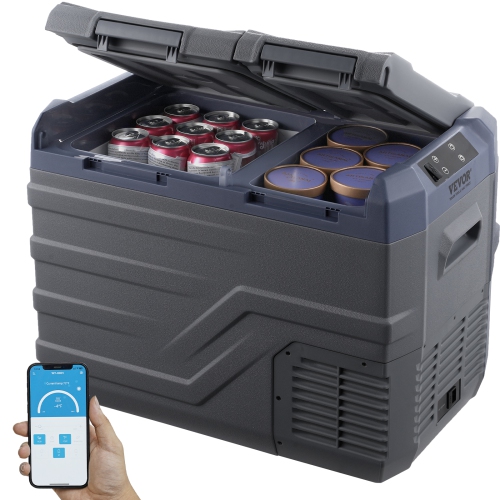

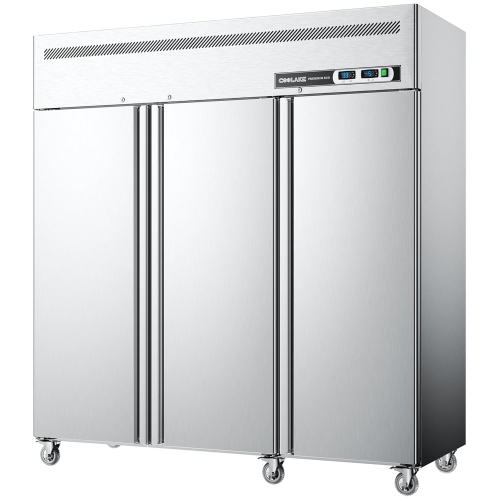

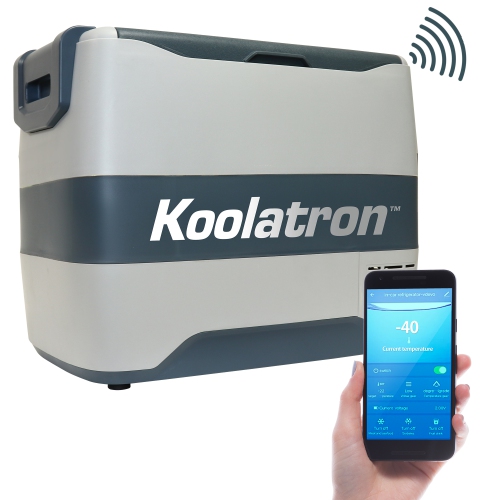
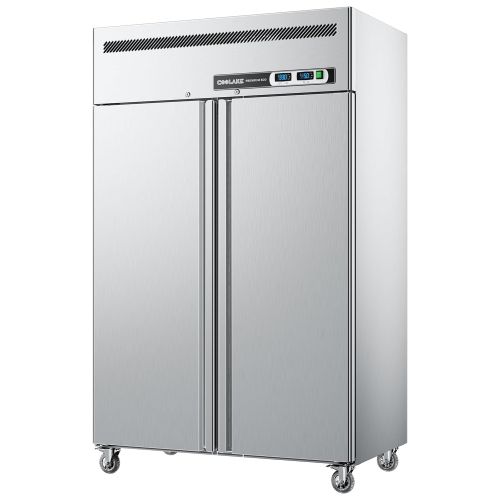
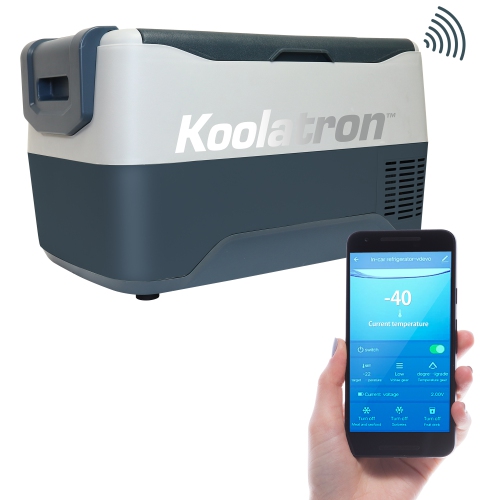
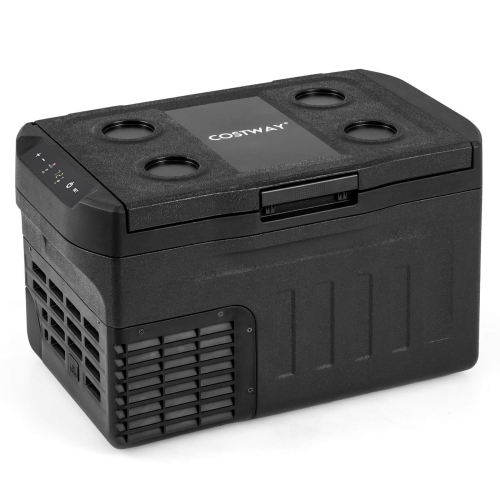
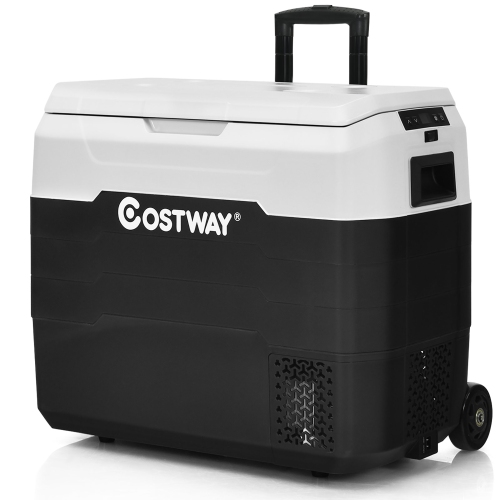
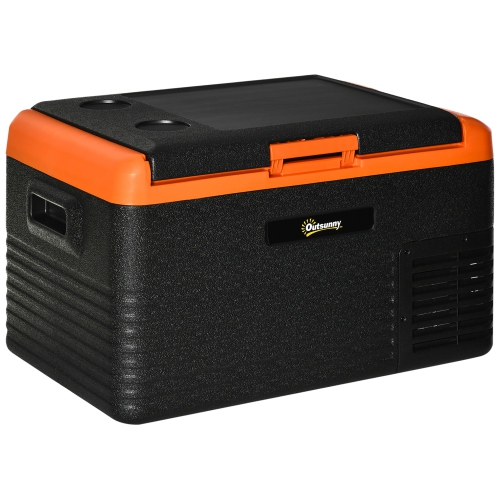

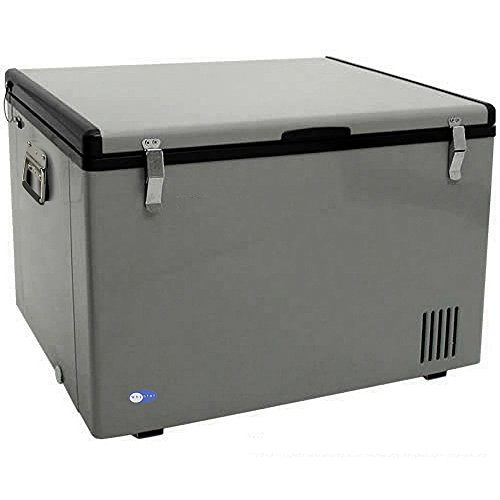
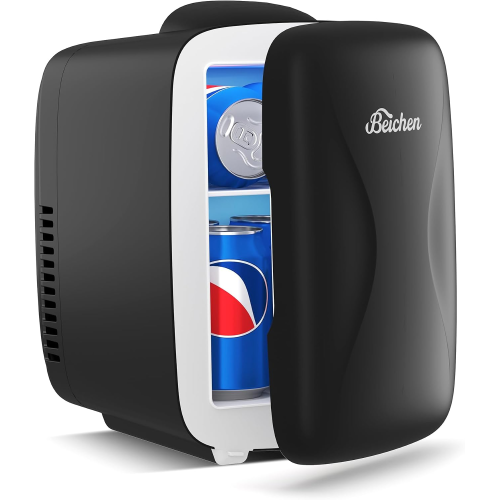

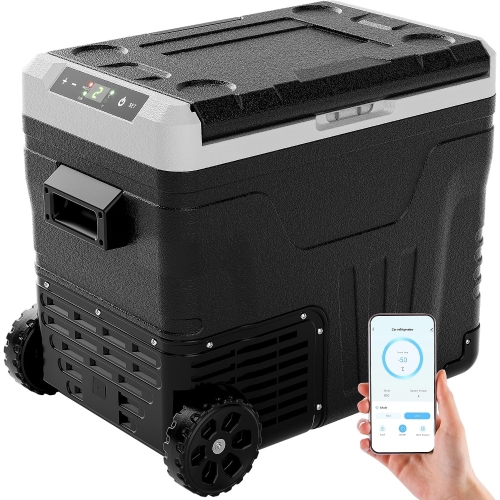
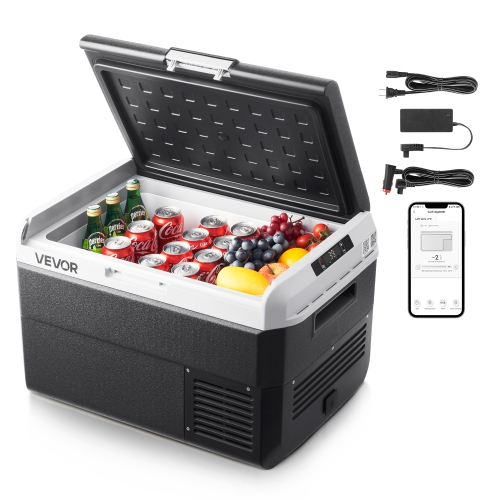
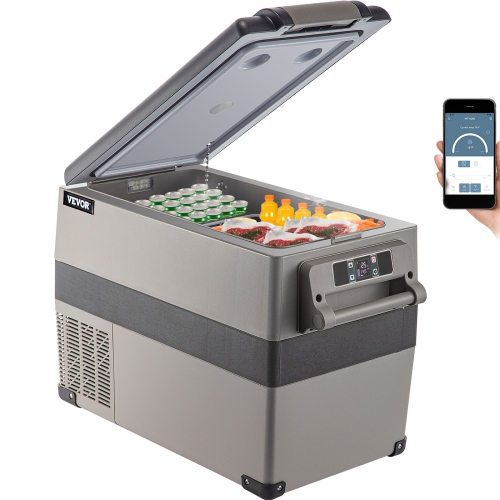
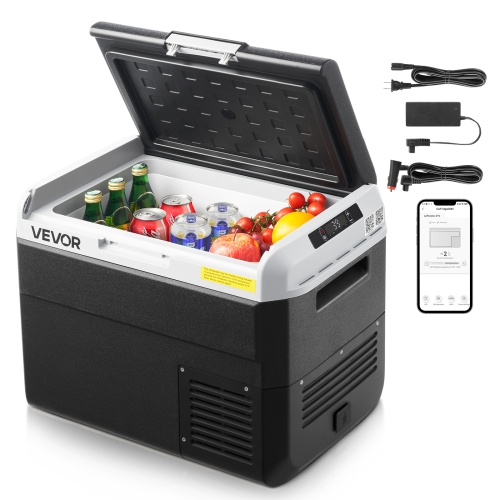
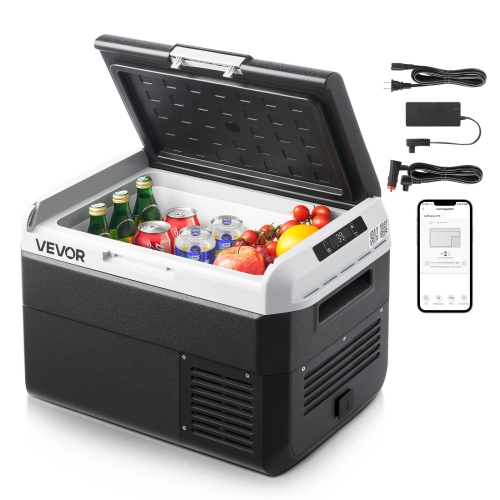
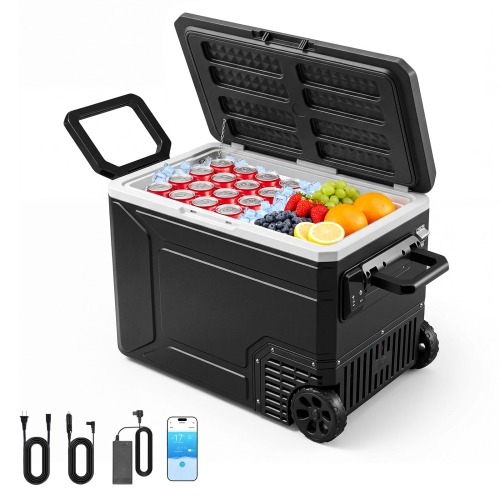
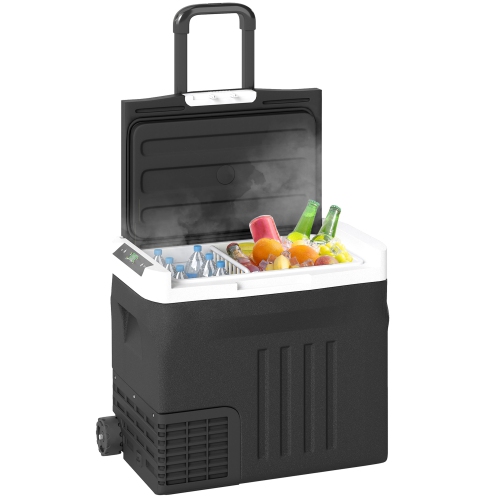


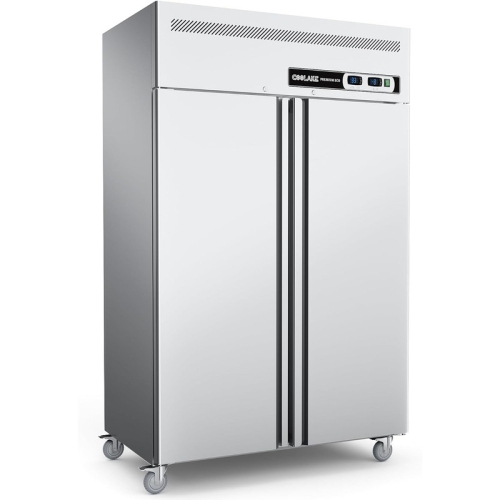
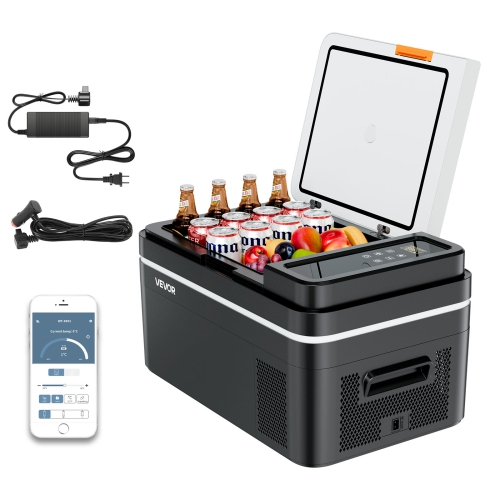
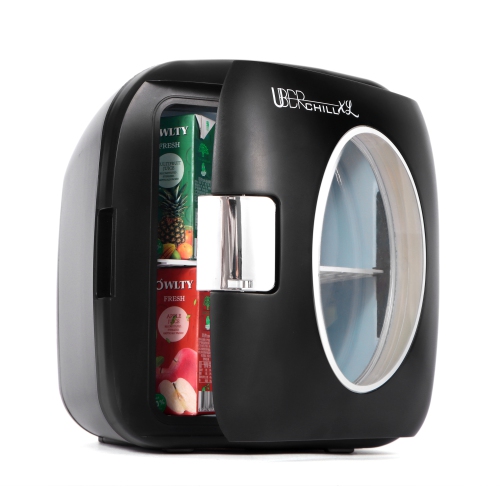
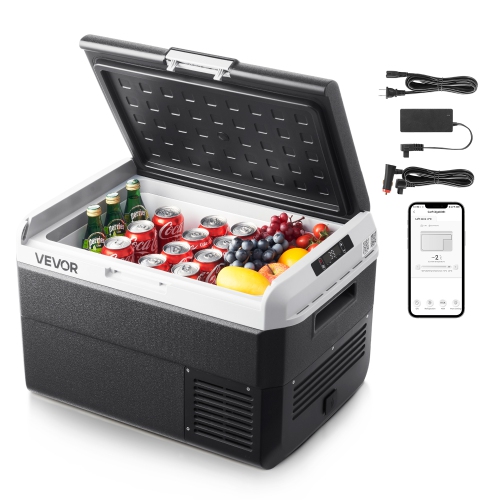
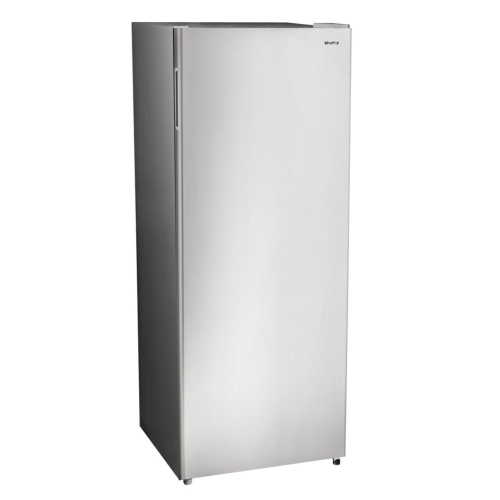
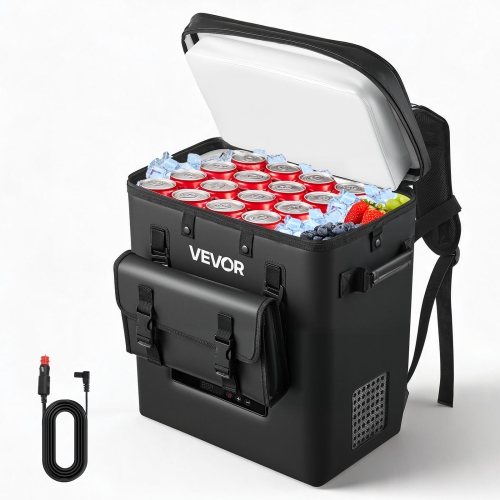
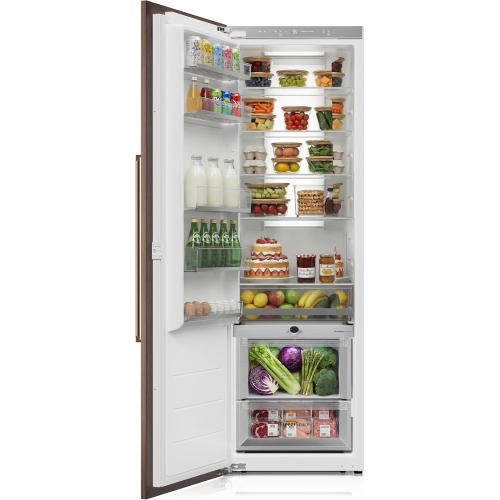
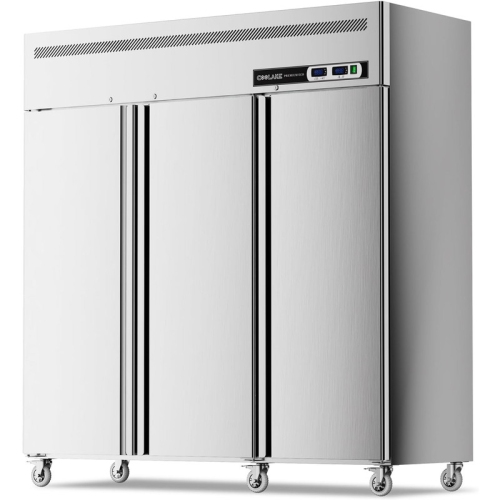

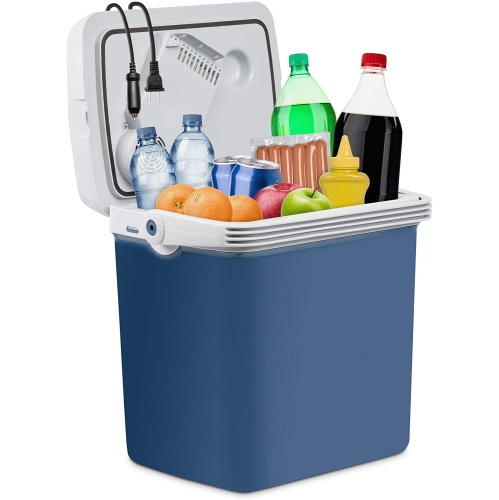
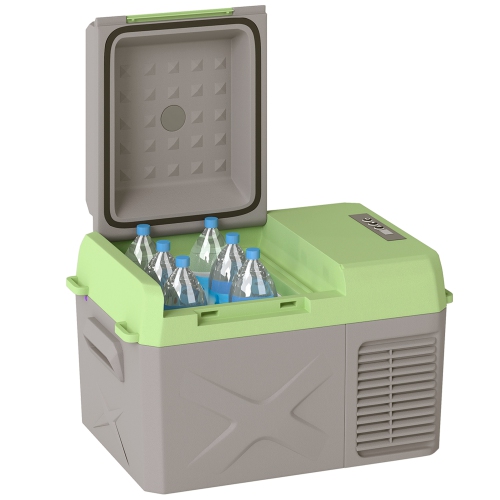
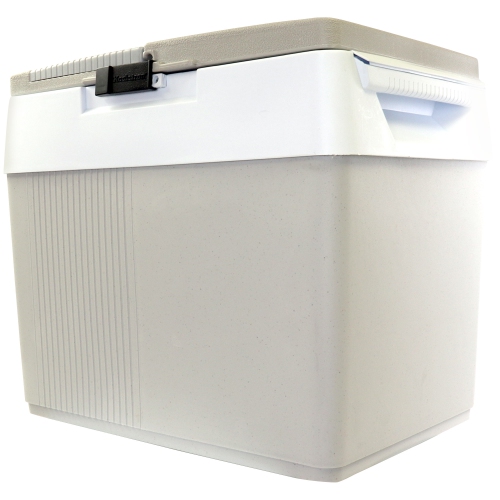
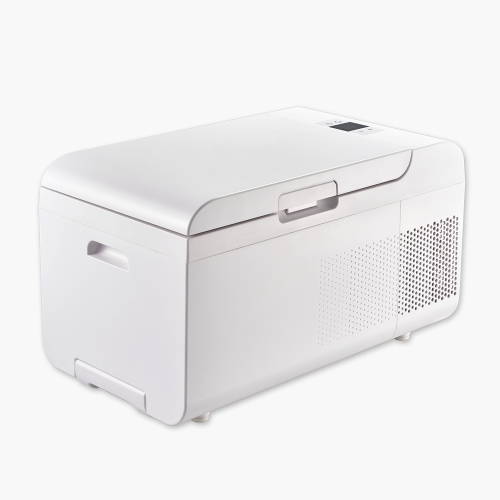



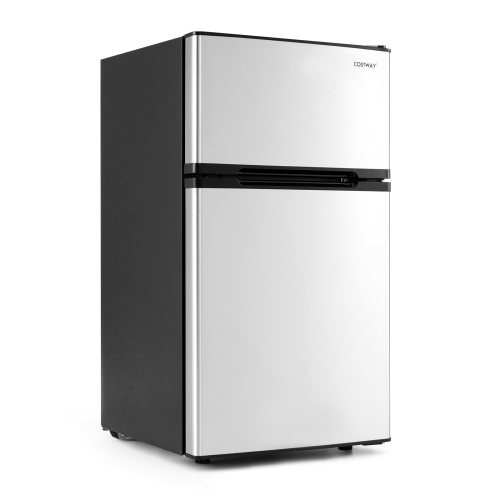
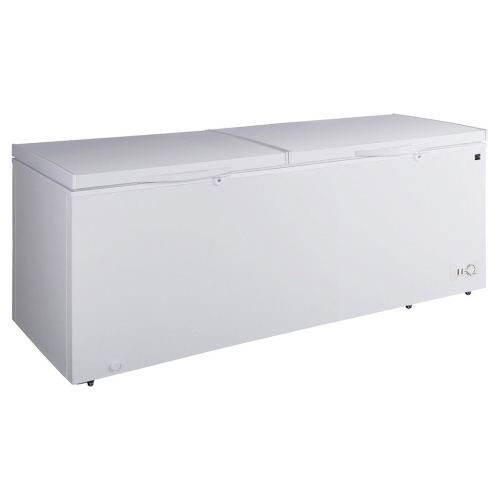
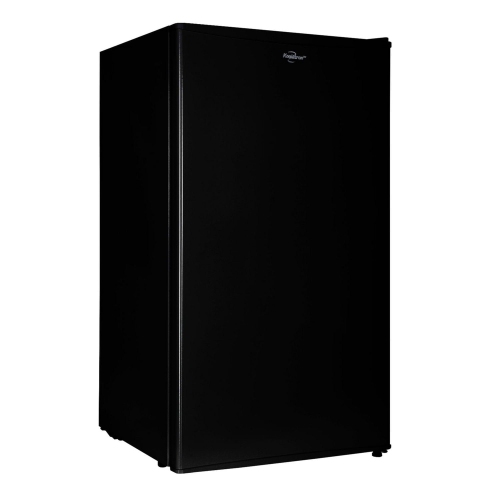

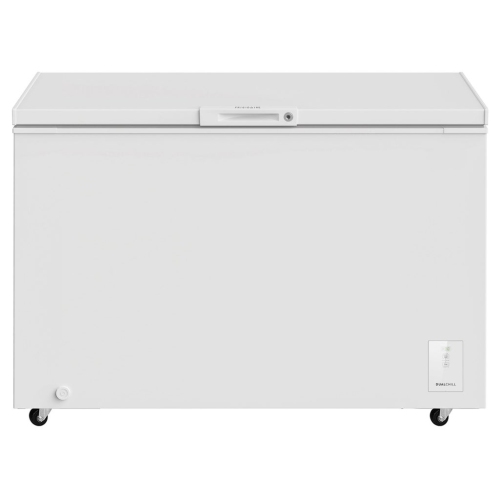
Fresh food and frozen meals can travel together
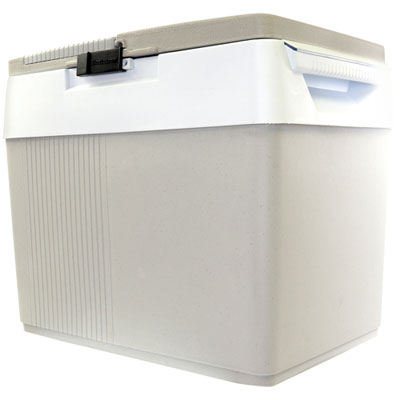
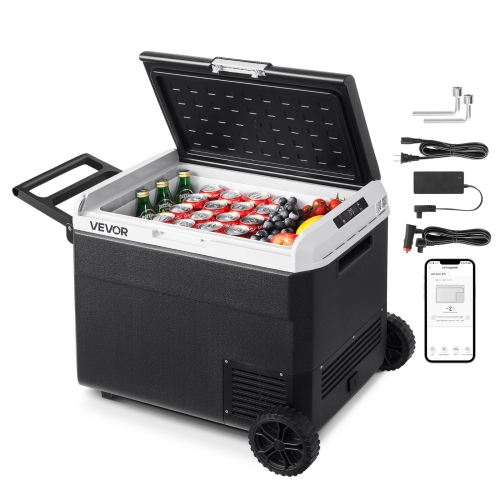
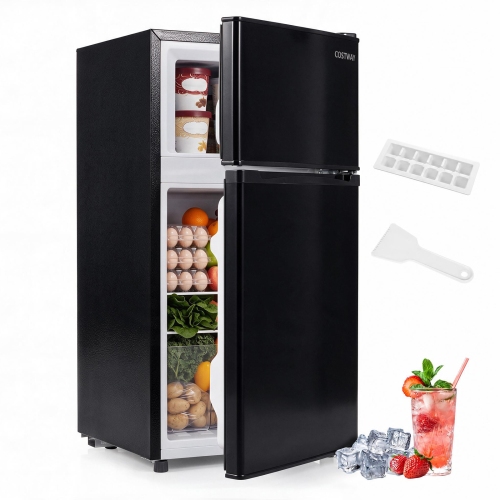
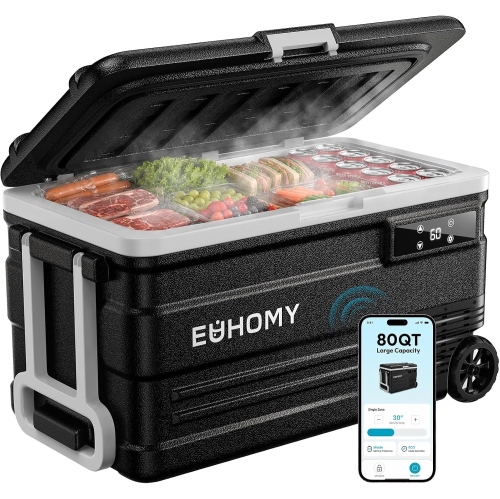
Dual-zone 12V fridge freezers bring refrigerated and frozen storage together in a portable appliance that runs from a compatible 12V DC power supply. With independently controlled compartments, one side can hold milk, fresh vegetables, and sandwich ingredients while the other keeps frozen meals and ice packs ready for later. This separation is useful for camping trips, RV travel, van conversions, and long drives where a single chilled compartment would limit what can be packed. Depending on the design, both zones may also work as refrigerators or both as freezers, giving the same appliance a different role for a picnic, a grocery run, or a longer stay away from home. The important distinction is independent temperature control: two compartments do not necessarily mean that each side has its own adjustable setting. Some layouts use a shared cooling arrangement, so the controls and supported operating modes matter as much as the dual-zone label. Compressor cooling is another defining feature to look for when frozen storage is essential, since a powered cooler designed only to chill its contents is not equivalent to a freezer. Capacity is usually expressed in litres, but usable space depends on the shape of each compartment, the compressor housing, and any baskets or dividers. A capacity of around 40 L to 60 L can be a practical starting point for couples or small families on shorter trips, while larger capacities may better suit shared meals or extended travel. Those ranges are not fixed rules: tall bottles, bulky food containers, and a generous frozen-food supply can fill the same volume very differently. The split between zones also matters. A large refrigerator section with a small freezer suits a different packing routine than two similarly sized compartments. For everyday usability, enough room for familiar containers often matters more than the largest total capacity, especially when the appliance must share vehicle space with luggage, bedding, or other travel essentials.
Power compatibility determines how comfortably a dual-zone fridge freezer fits into a travel setup. A 12V connection is common for vehicle use, while some designs also accept 24V DC or operate from a Canadian household 120V AC outlet through a suitable supplied or approved adapter. These options are model-dependent, and the appliance, cable, and power source need to be compatible. The vehicle socket must support the required current, including any start-up demand specified by the manufacturer; an unsuitable extension cable or loose connection can cause voltage loss and interruptions. Compressor appliances generally cycle on and off rather than draw their maximum rated power continuously. As a result, a wattage figure alone does not show how long a fridge freezer will run from a battery. Daily energy use also depends on compartment settings, insulation, ventilation, how often the lids open, and whether food enters already chilled or frozen. A separate leisure battery or compatible portable power station can support parked use without relying solely on the vehicle’s starting battery, but expected runtime still needs to be assessed against usable battery capacity and the appliance’s stated energy consumption. Low-voltage protection is a useful safeguard, not a promise that a vehicle battery will always retain enough charge to start the engine. Adjustable protection settings, clear power indicators, and accessible controls can make routine operation easier. For food storage, refrigerator contents should remain at 4°C or below without freezing, while frozen food should be kept at −18°C or below; the selected appliance needs to support the required settings. A separate appliance thermometer can help confirm actual storage temperatures rather than relying only on the display. Pre-chilling the compartments on a suitable household connection and loading already cold food can reduce the initial demand on a travel battery. Keeping drinks in one zone and meal ingredients in the other also means frequently opening the drinks compartment does not require opening the frozen-food section.
Physical fit and construction make a substantial difference once a fridge freezer becomes part of a regular packing routine. Exterior measurements need to account for handles, hinges, power plugs, and the ventilation clearance specified by the manufacturer, not just the body of the appliance. Lid clearance is particularly important beneath a truck canopy, inside a van cabinet, or on a slide-out tray. Separate lids can provide convenient access to each zone, while removable baskets help lift out ingredients without unloading everything individually. A drain plug, where fitted, can simplify cleaning after defrosting. Moulded plastic housings can be practical for frequent handling, while metal housings may suit some vehicle installations; neither material alone establishes durability. Secure hinges, sturdy handles, protected corners, and a well-fitting lid seal are equally relevant. Empty weight deserves attention because food and drinks add considerably to the load. Wheels and extendable handles may help across suitable surfaces, but lifting the appliance into a cargo area remains a separate consideration. For travel, an appropriate restraint or mounting arrangement helps keep the fridge freezer secure, and it should remain within the operating angles specified by its manufacturer. Ventilation openings must stay unobstructed, including when luggage is packed around the unit. Routine care usually involves switching off and disconnecting the appliance, removing food, and cleaning accessible surfaces with a soft cloth and a mild cleaning solution approved for the materials. Frost should be allowed to thaw rather than chipped away with sharp tools, and the interior should be dry before storage, with lid positioning following the manufacturer’s instructions. For shoppers comparing refrigerated storage with simpler chilling options, 12v Electric Coolers provides a related category to explore. A dual-zone fridge freezer is especially suited to travel routines that need both fresh ingredients and genuinely frozen storage, with the most useful features being those that match the available space, power supply, and way food is packed.
Top selling and popular products
-
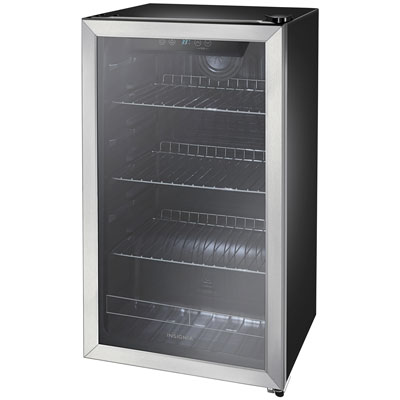 Your price for this item is $249.99
-
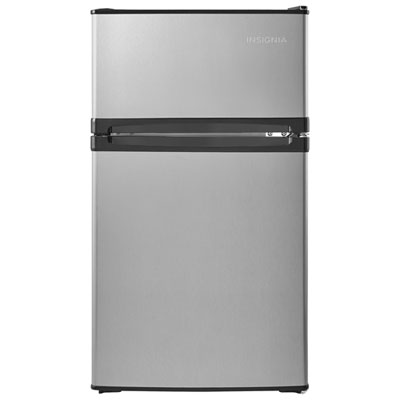 Your price for this item is $179.99
-
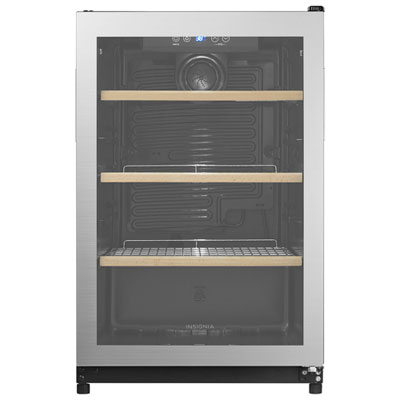 Your price for this item is $599.99
-
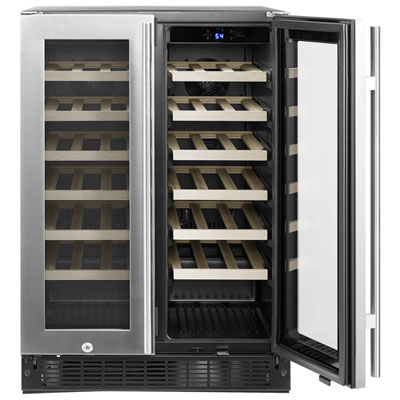 Your price for this item is $649.99
-
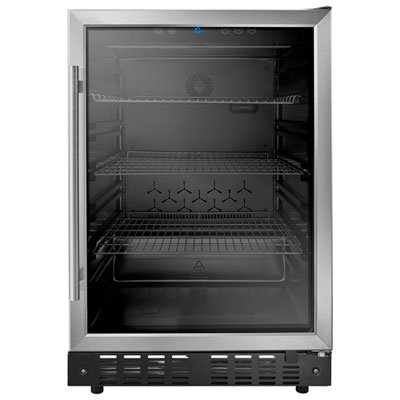 Your price for this item is $449.99
-
 Your price for this item is $699.99
-
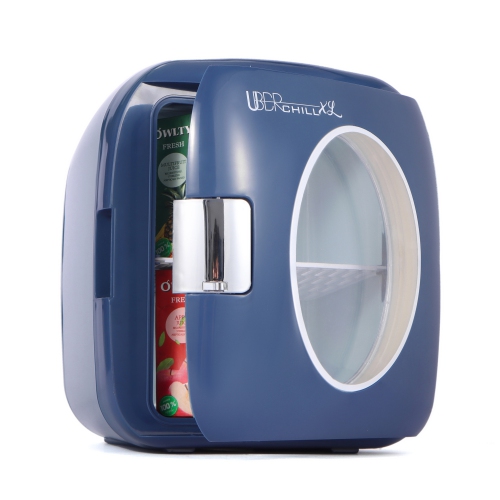 Your price for this item is $169.99
-
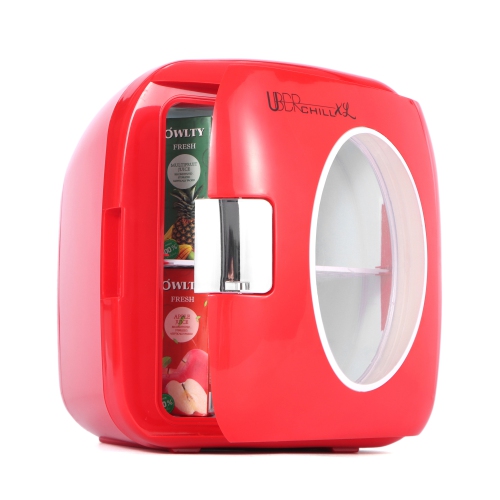 Your price for this item is $169.99
Discover more categories related to Dual Zone 12V Fridge Freezers

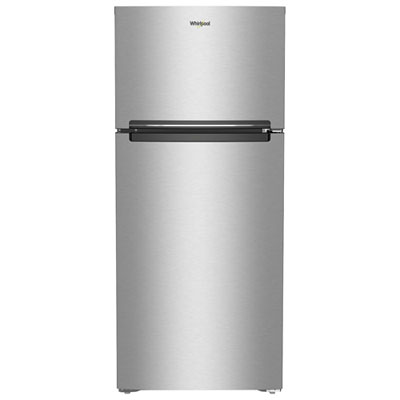
Top Collections:
Pokemon Centers, Kindle Devices, Best Cameras for Sports Photography, Best Budget Office Chairs, Pokémon 30th Celebration Cards, Apple iPhones 16, Canon G7X Cameras, iPhone 15 Apple, Flip Phones, Samsung Galaxy Phones
Some products may be subject to Environmental Handling Fees
(EHF) depending on your province.
Learn more about EHFs.