Durable Outdoor Storage Sheds
Durable Outdoor Storage Sheds offer a practical solution for organizing tools, equipment, and seasonal items while maximizing your outdoor space. Perfect for backyards, patios, and gardens, these sheds help keep your belongings protected and easily accessible. Explore a wide selection of Durable Outdoor Storage Sheds designed to suit various storage needs and complement any outdoor setting. Find the ideal option to keep your yard tidy and clutter-free all year round.
Sort


Why shed durability depends on more than materials
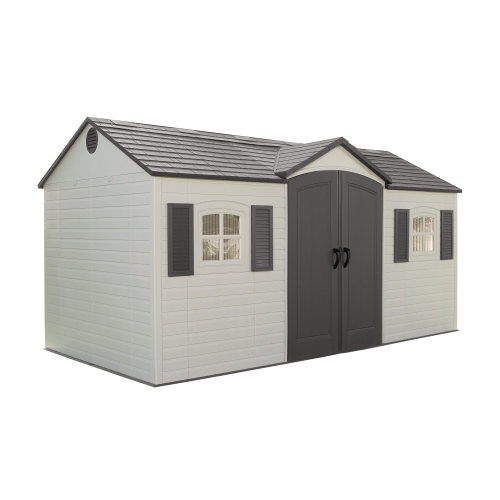
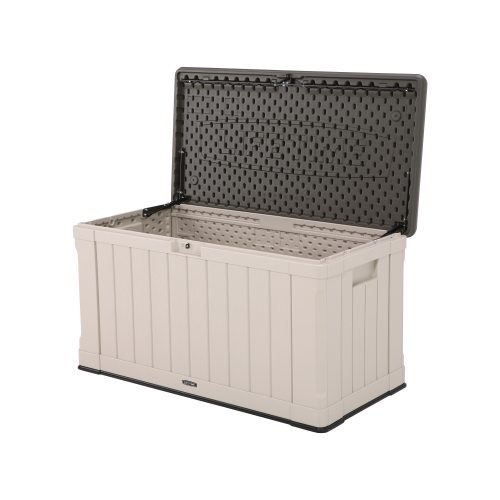
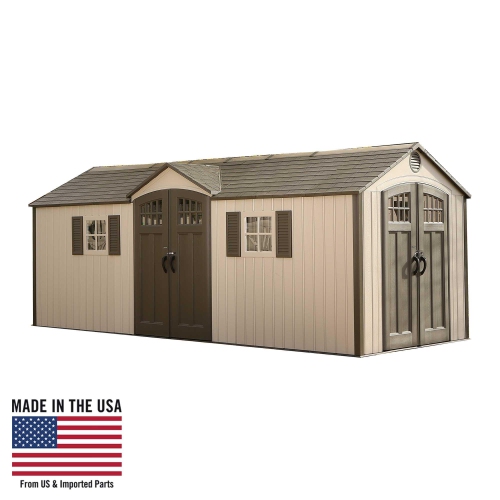
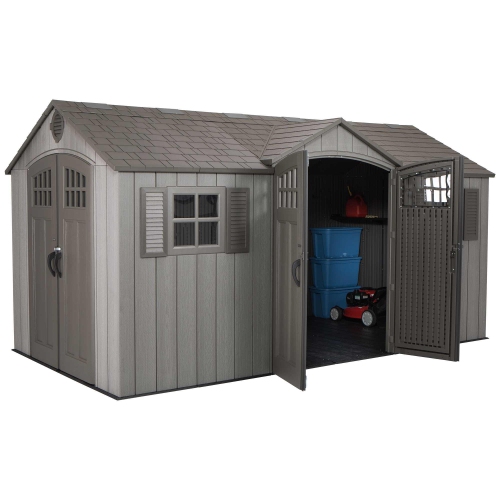
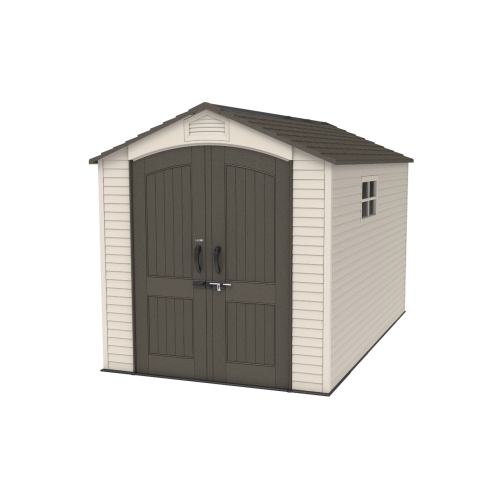
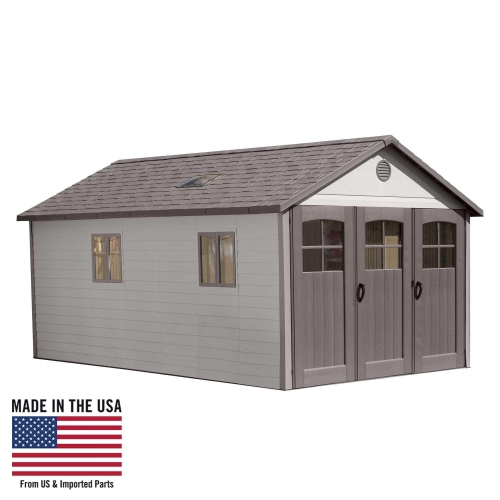
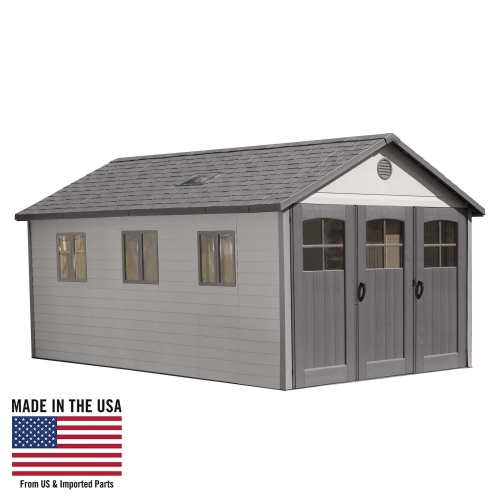
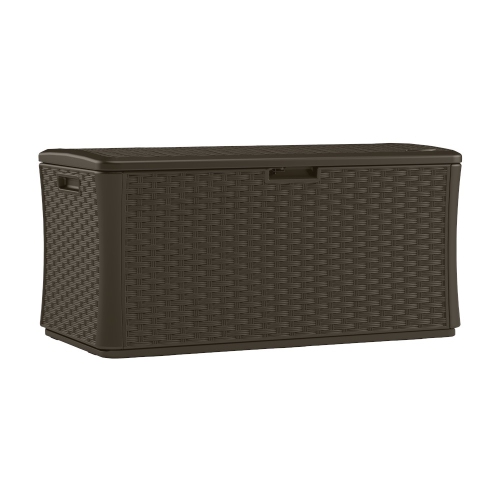
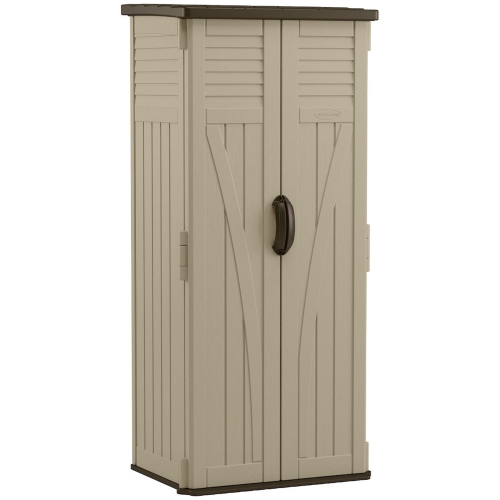
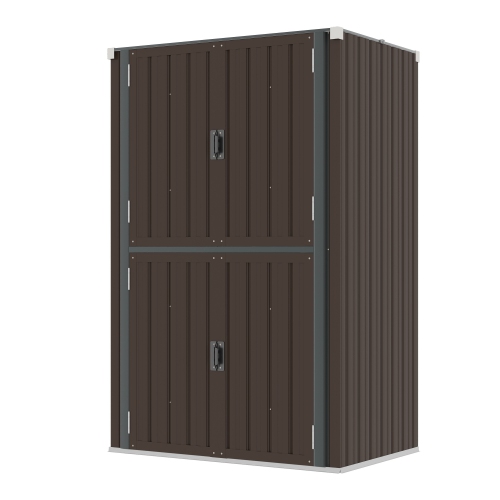
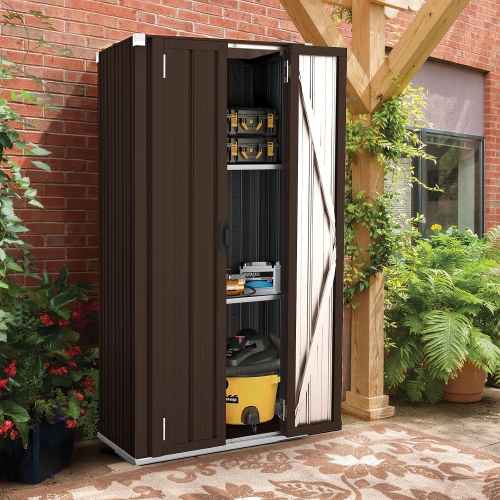
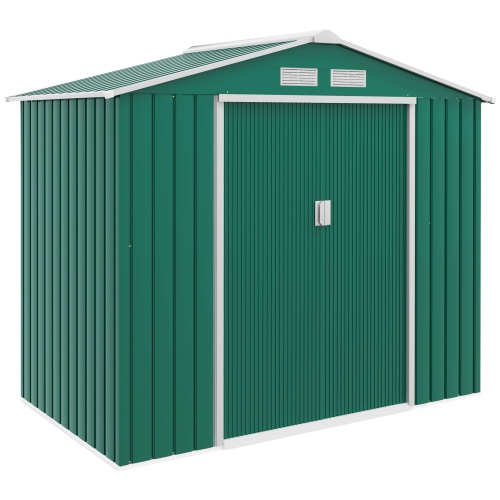
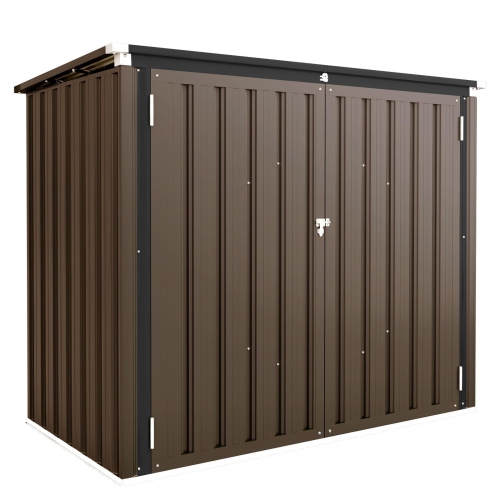
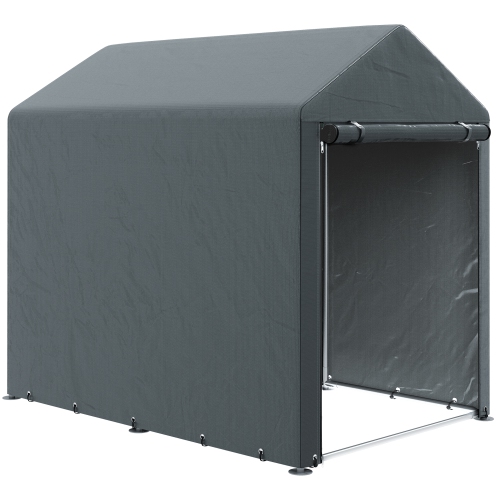
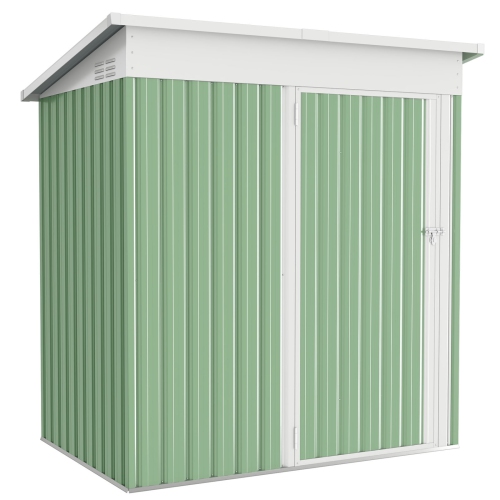
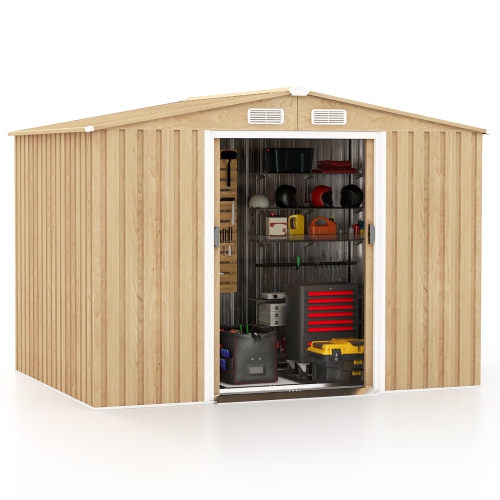
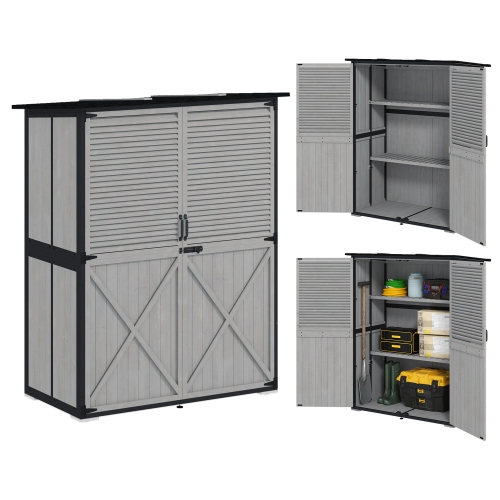
Durable outdoor storage sheds provide a dedicated place for garden tools, bicycles, patio cushions, and maintenance equipment without taking over a garage or basement. Their usefulness comes from more than extra floor space: a well-built shed keeps frequently used belongings accessible, separates bulky equipment from household storage, and helps protect suitable contents from outdoor exposure. Resin, metal, and wood are the main material choices, each with different strengths and care requirements. Resin sheds resist rust and rot, and their moulded surfaces generally need little more than cleaning with mild soap and water. Double-wall construction and internal reinforcement can add rigidity, although the strength of the complete structure also depends on its roof, floor, connections, and anchoring. Metal sheds commonly use galvanized steel, sometimes with a painted or powder-coated finish that helps protect the surface from corrosion. They offer a firm outer shell, but thinner panels can dent, and scratches in protective finishes need attention. Wood sheds bring a traditional appearance and can offer flexibility for painting, shelving, or interior organization when the framing supports those additions. They require periodic inspection and appropriate surface treatments, especially around joints, exposed edges, and areas close to the ground. For a closer look at that material, Outdoor Wood Storage Sheds offer another way to explore the category. No material alone guarantees a long service life. Durable construction combines suitable wall panels with sturdy hinges, secure fasteners, a roof that sheds water, and a base that supports the structure evenly. A compact shed used for hand tools has different demands from a walk-in building holding a lawn mower and several bicycles. Matching the structure to its intended use helps avoid cramped access, overloaded storage surfaces, and doors that are awkward to open around larger equipment. For households with limited indoor storage, that practical fit can matter as much as appearance.
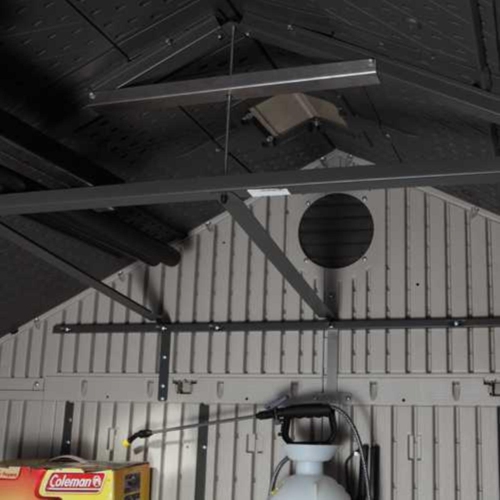
The right footprint leaves room not only for stored belongings but also for using the shed comfortably. Exterior dimensions may include roof overhangs, while usable interior dimensions can be smaller than the stated building size. Door opening width, threshold height, and headroom deserve equal attention. A mower may fit inside on paper yet be difficult to roll through a narrow entrance, particularly if handles or attachments extend beyond its main body. Wide double doors make bulky equipment easier to move, while a smaller single-door shed can work well for upright tools and compact supplies. A clear aisle makes it possible to reach a shovel at the back without first removing every bicycle near the entrance. Vertical storage helps make a modest footprint more useful: supported hooks can keep long-handled tools off the floor, and shelves can separate small accessories from heavier equipment below. Wall-mounted storage should be compatible with the shed’s construction and installed within the stated load limits; a lightweight wall panel is not automatically a suitable fixing point. Floor design matters, too. Some sheds include a floor, while others need a separately prepared base or floor system. Concentrated weight from equipment wheels, heavy containers, or loaded shelving may require more support than an empty shed suggests. A firm, level base helps doors align and reduces stress on panels and joints. The site also needs enough clearance for assembly, door movement, routine cleaning, and access around the walls. Near a fence or house, roof drainage should direct water away from the shed base rather than into a confined gap. Property boundaries, utility access, easements, and municipal requirements can affect placement, so a suitable location involves more than finding an unused corner. A shed that sits naturally beside a garden path or near the equipment it holds is easier to use regularly, whether it serves a busy family yard, a gardening hobby, or everyday property maintenance.
Long-term durability depends on how the entire shed handles exposure and repeated use. Weather resistance is not the same as a watertight or temperature-controlled interior, and outdoor storage is not suitable for every possession. Roof seams, door openings, vents, and floor joints can all influence how well contents stay protected. A sloped roof encourages runoff, while properly designed overlaps and seals help limit water entry. Ventilation allows air movement and can reduce trapped moisture, although it cannot eliminate condensation in every situation. Cushions and fabric accessories should be clean and thoroughly dry before storage, and raised shelving can help keep suitable belongings away from dampness at floor level. Electronics, important documents, and other moisture-sensitive possessions generally belong in more controlled indoor storage. Where wind or snow loads are relevant, the manufacturer’s stated ratings, installation conditions, and anchoring requirements are more useful than broad claims of strength. Ratings apply to the complete installed structure and should not be assumed from panel thickness or material alone. Anchors must suit both the shed and its foundation; simply placing a building on a heavy base does not necessarily secure it against uplift. Regular care is usually straightforward but varies by material. Resin surfaces benefit from gentle cleaning and checks for loose fittings. Metal panels need inspection for damaged coatings, corrosion around fasteners, and dents that affect alignment or drainage. Wood needs attention to its finish, joints, and any places where moisture can linger. Across all types, keeping roof drainage paths clear and adjusting hinges or latches when needed can prevent small problems from affecting daily use. Lockable doors add a practical barrier to casual access, but a basic latch does not make a shed theft-proof. Valuable bicycles or tools may need additional security suited to the structure, and hazardous supplies require storage that follows their labels. With appropriate care and a layout built around real routines, durable outdoor storage sheds can keep useful equipment organized, easier to reach, and separate from the spaces used for living.
The right footprint leaves room not only for stored belongings but also for using the shed comfortably. Exterior dimensions may include roof overhangs, while usable interior dimensions can be smaller than the stated building size. Door opening width, threshold height, and headroom deserve equal attention. A mower may fit inside on paper yet be difficult to roll through a narrow entrance, particularly if handles or attachments extend beyond its main body. Wide double doors make bulky equipment easier to move, while a smaller single-door shed can work well for upright tools and compact supplies. A clear aisle makes it possible to reach a shovel at the back without first removing every bicycle near the entrance. Vertical storage helps make a modest footprint more useful: supported hooks can keep long-handled tools off the floor, and shelves can separate small accessories from heavier equipment below. Wall-mounted storage should be compatible with the shed’s construction and installed within the stated load limits; a lightweight wall panel is not automatically a suitable fixing point. Floor design matters, too. Some sheds include a floor, while others need a separately prepared base or floor system. Concentrated weight from equipment wheels, heavy containers, or loaded shelving may require more support than an empty shed suggests. A firm, level base helps doors align and reduces stress on panels and joints. The site also needs enough clearance for assembly, door movement, routine cleaning, and access around the walls. Near a fence or house, roof drainage should direct water away from the shed base rather than into a confined gap. Property boundaries, utility access, easements, and municipal requirements can affect placement, so a suitable location involves more than finding an unused corner. A shed that sits naturally beside a garden path or near the equipment it holds is easier to use regularly, whether it serves a busy family yard, a gardening hobby, or everyday property maintenance.
Long-term durability depends on how the entire shed handles exposure and repeated use. Weather resistance is not the same as a watertight or temperature-controlled interior, and outdoor storage is not suitable for every possession. Roof seams, door openings, vents, and floor joints can all influence how well contents stay protected. A sloped roof encourages runoff, while properly designed overlaps and seals help limit water entry. Ventilation allows air movement and can reduce trapped moisture, although it cannot eliminate condensation in every situation. Cushions and fabric accessories should be clean and thoroughly dry before storage, and raised shelving can help keep suitable belongings away from dampness at floor level. Electronics, important documents, and other moisture-sensitive possessions generally belong in more controlled indoor storage. Where wind or snow loads are relevant, the manufacturer’s stated ratings, installation conditions, and anchoring requirements are more useful than broad claims of strength. Ratings apply to the complete installed structure and should not be assumed from panel thickness or material alone. Anchors must suit both the shed and its foundation; simply placing a building on a heavy base does not necessarily secure it against uplift. Regular care is usually straightforward but varies by material. Resin surfaces benefit from gentle cleaning and checks for loose fittings. Metal panels need inspection for damaged coatings, corrosion around fasteners, and dents that affect alignment or drainage. Wood needs attention to its finish, joints, and any places where moisture can linger. Across all types, keeping roof drainage paths clear and adjusting hinges or latches when needed can prevent small problems from affecting daily use. Lockable doors add a practical barrier to casual access, but a basic latch does not make a shed theft-proof. Valuable bicycles or tools may need additional security suited to the structure, and hazardous supplies require storage that follows their labels. With appropriate care and a layout built around real routines, durable outdoor storage sheds can keep useful equipment organized, easier to reach, and separate from the spaces used for living.
Top selling and popular products
-
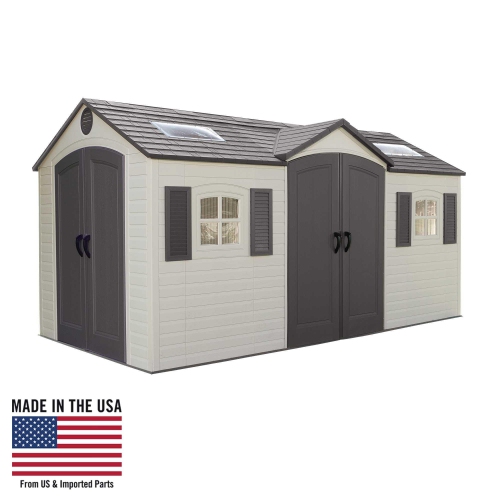 Your price for this item is $3999
 -
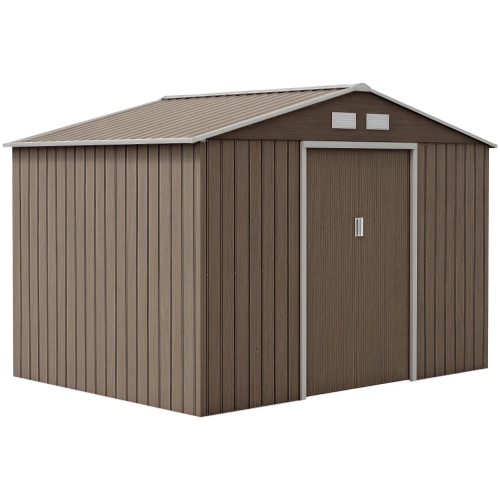 Your price for this item is $554.99
 -
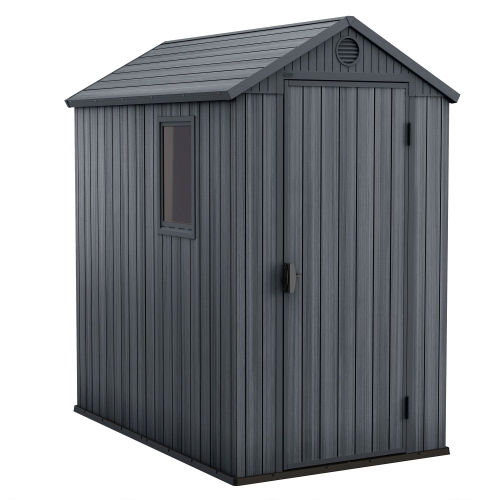 Your price for this item is $1204.99
 -
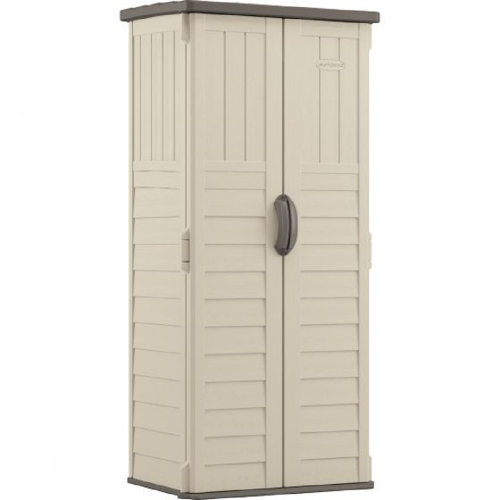 Your price for this item is $385.99
 -
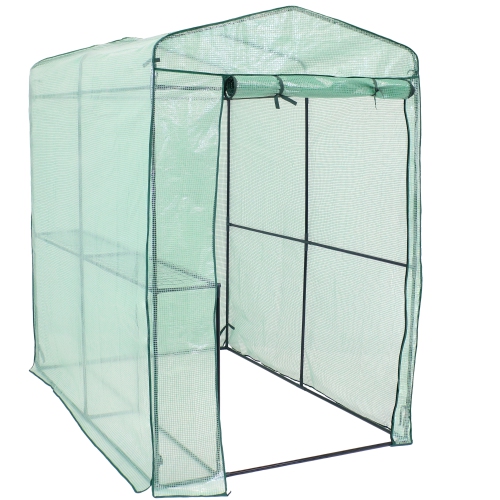 Your price for this item is $113.35
 -
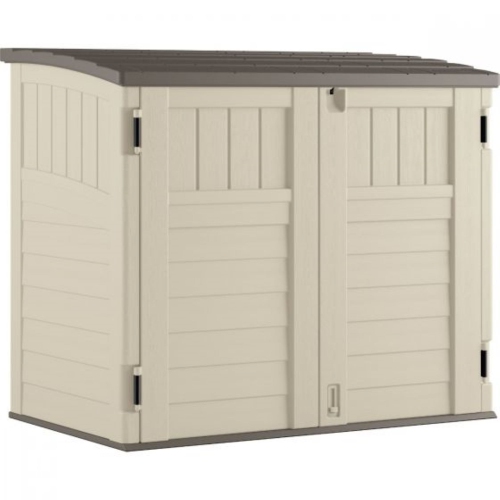 Your price for this item is $459.99
 -
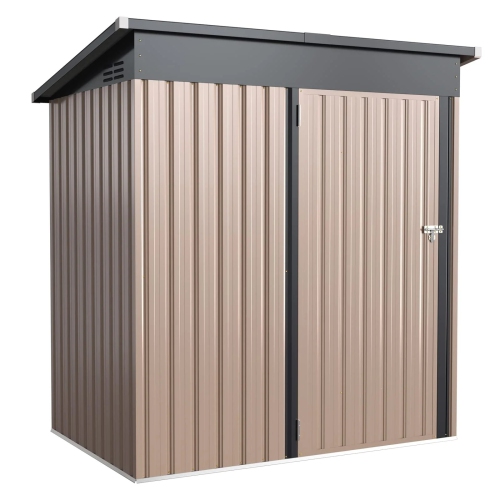 Your price for this item is $189.99
 -
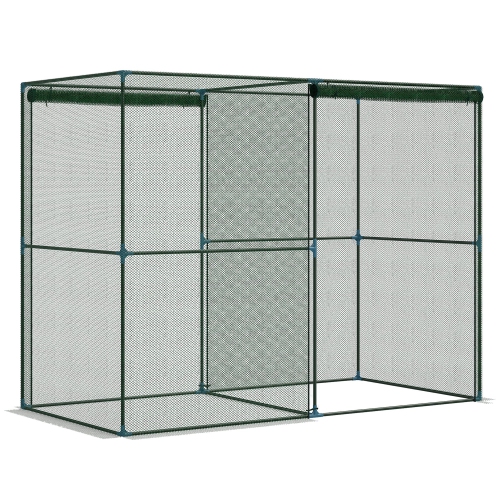 Your price for this item is $79.99
Discover more categories related to Durable Outdoor Storage Sheds
Top Collections:
Pokemon Centers, Kindle Devices, Best Budget Office Chairs, Apple iPhones 16, Best Laptops for Writers, iPhone 15 Apple, Canon G7X Cameras, Refurbished Apple Laptops, Alarm Clock, Motorola Razr Phones
Some products may be subject to Environmental Handling Fees
(EHF) depending on your province.
Learn more about EHFs.