Weatherproof Storage Sheds
Transform your outdoor space with the perfect solution for all your storage needs—weatherproof storage sheds. These robust and durable structures are designed to withstand the harshest weather conditions, ensuring that your gardening tools, patio furniture, and seasonal decorations remain safe and dry year-round. Whether you're looking to declutter your garage or need extra room for hobby equipment, our selection of weatherproof storage sheds offers a variety of sizes and styles to fit any backyard aesthetic. With easy assembly and minimal maintenance, creating an organized outdoor oasis has never been simpler.
Sort
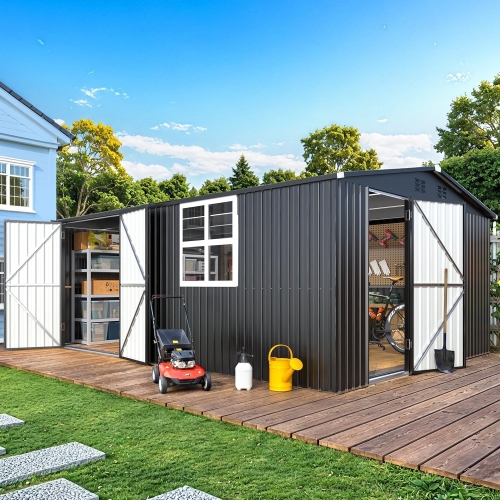
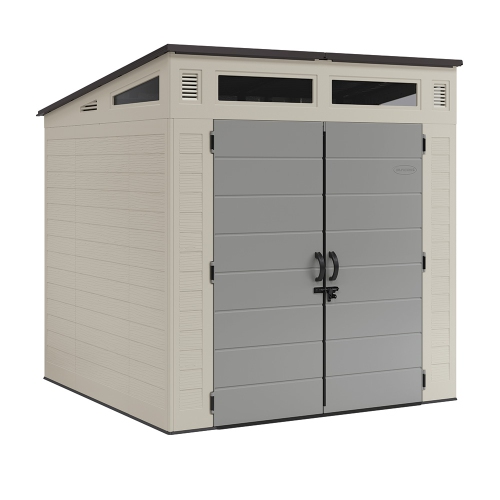
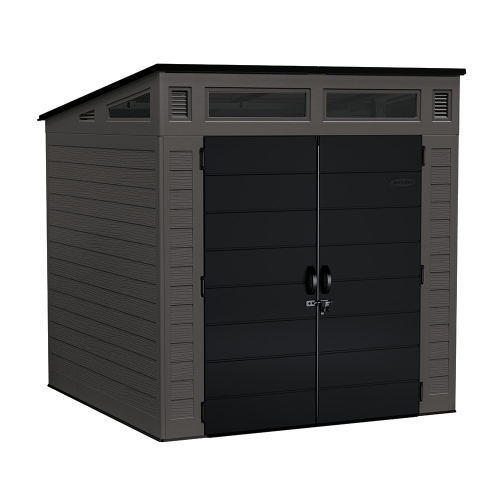
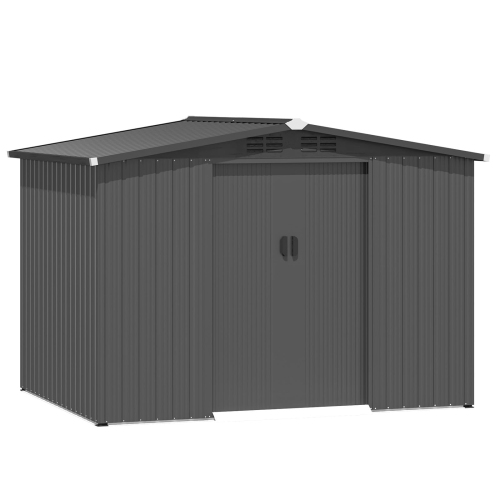
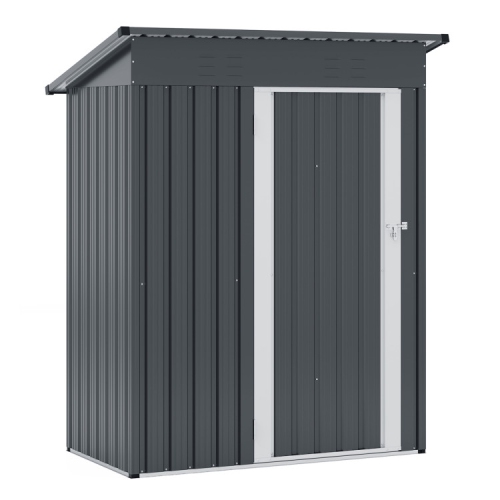
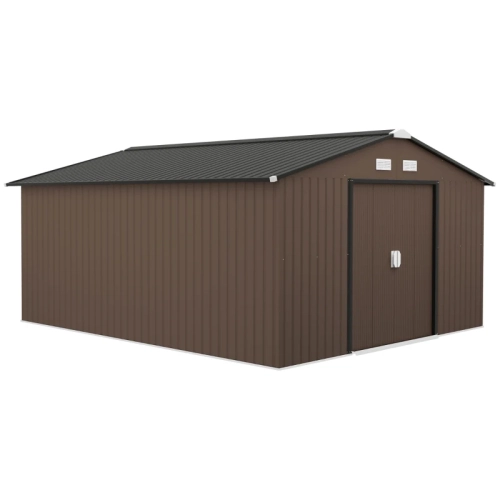
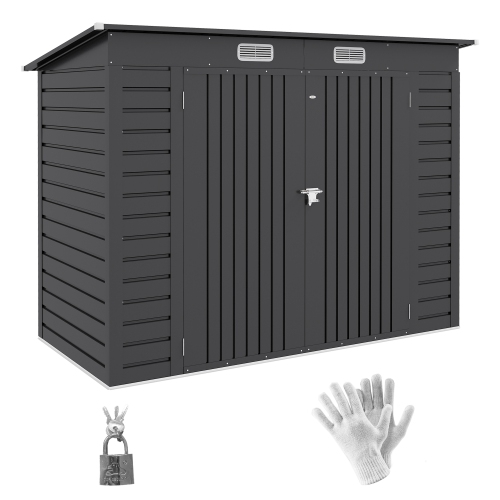
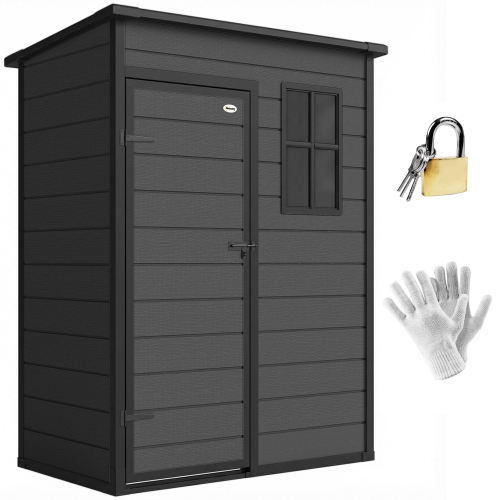
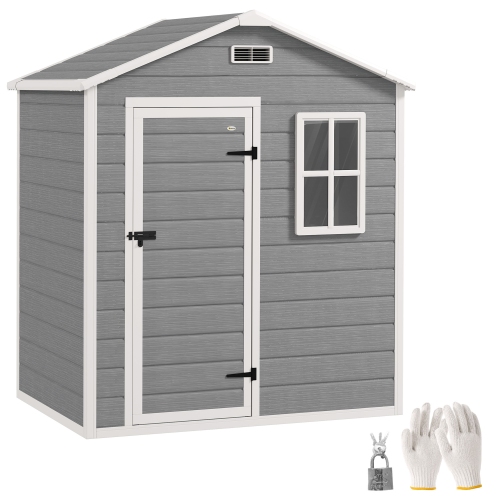
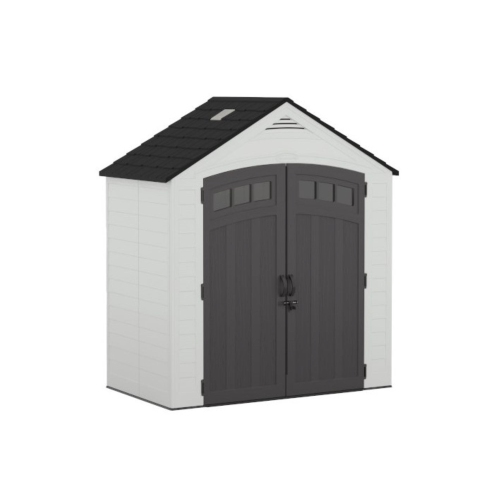
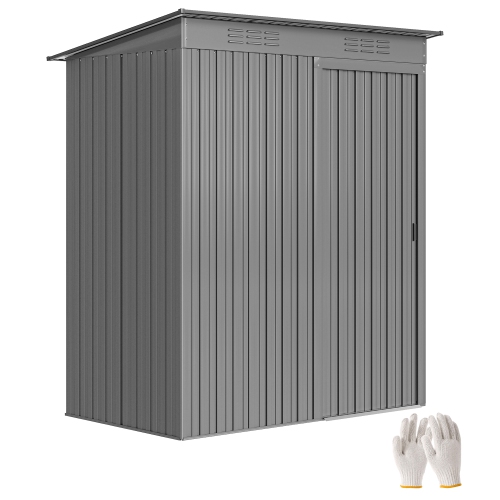
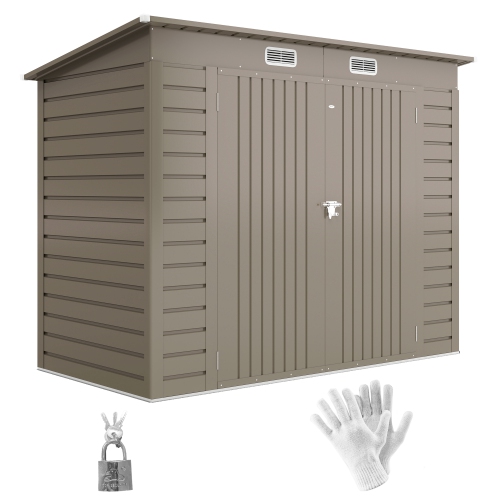
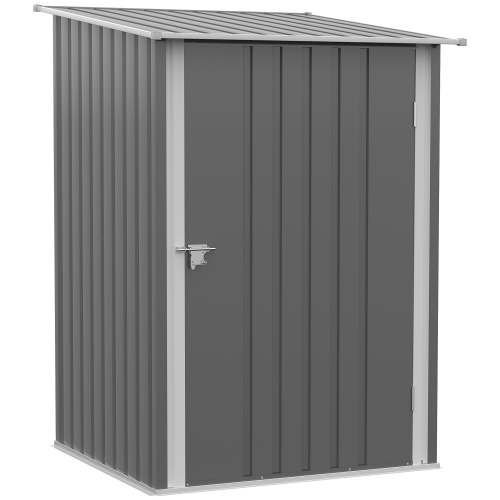
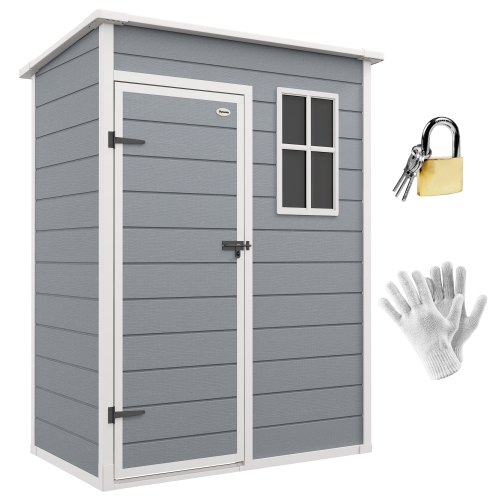
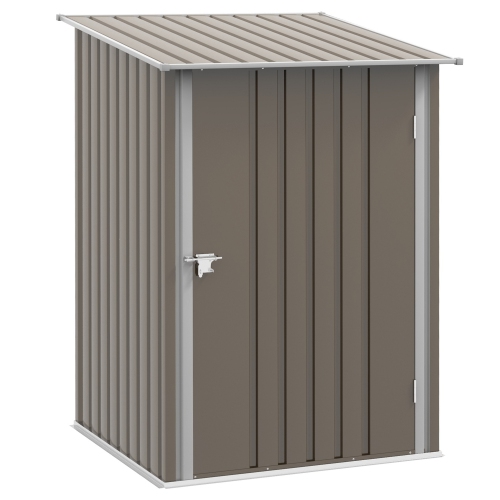
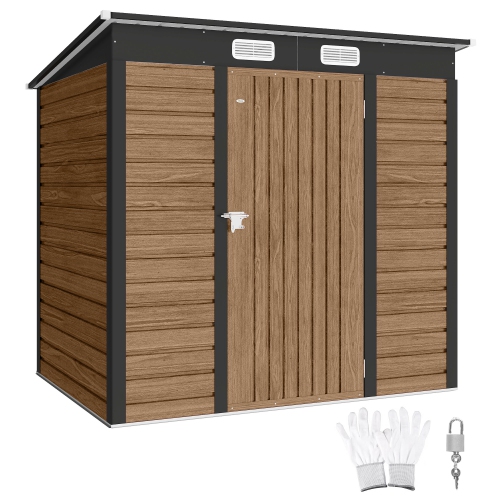
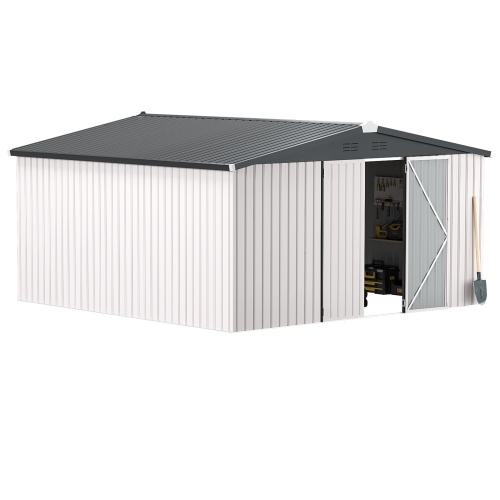
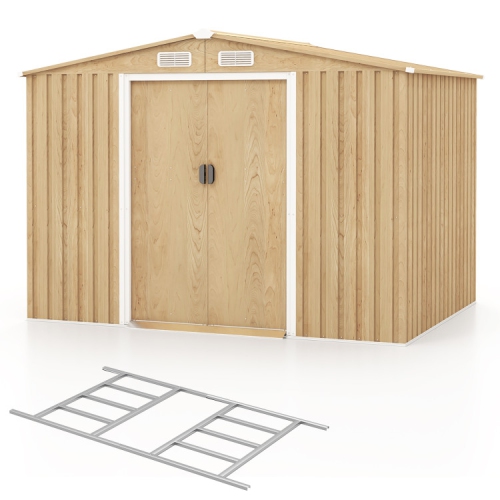
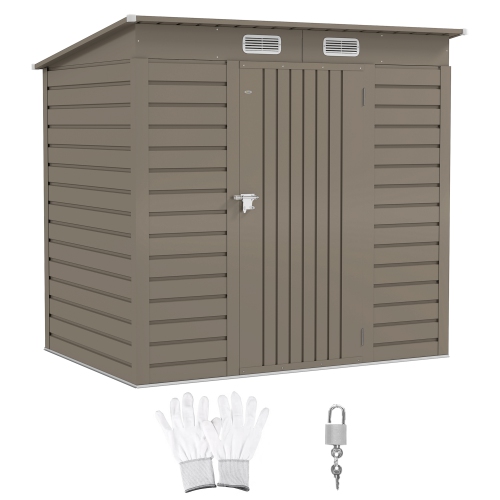
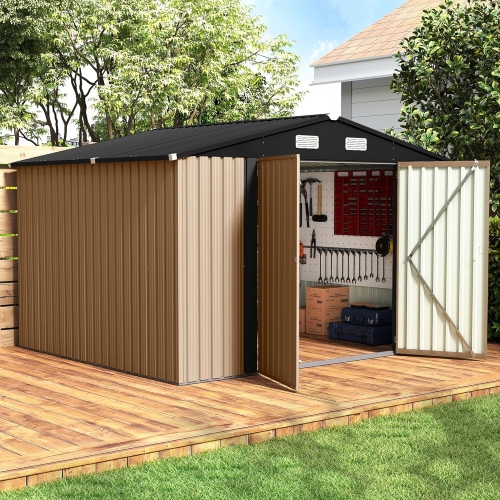
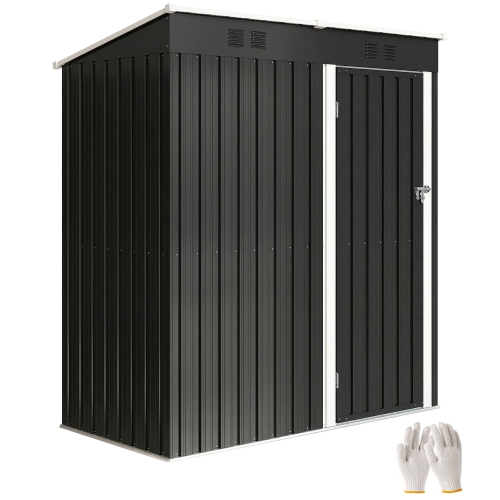
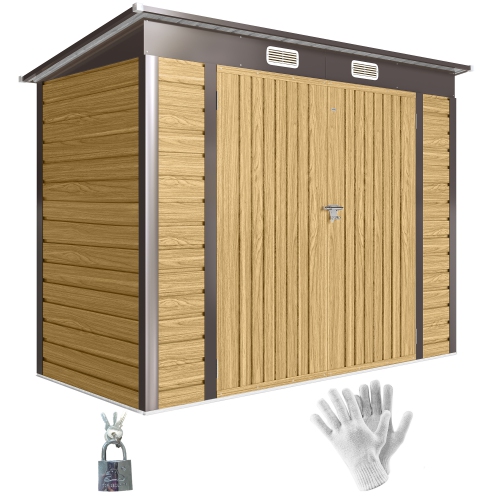
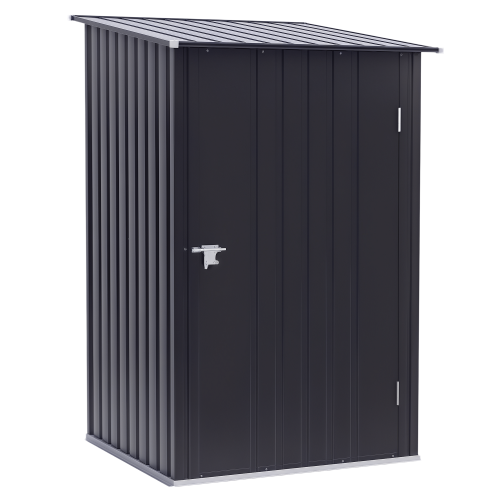
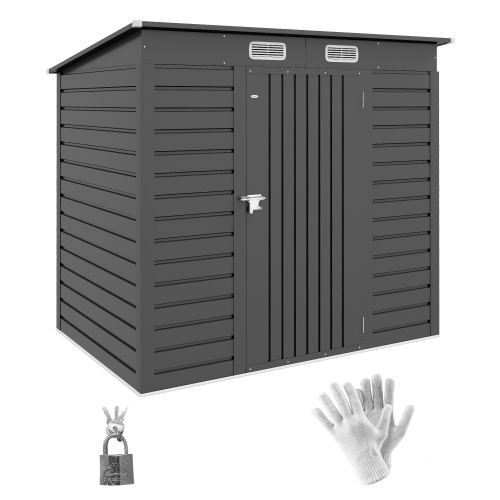
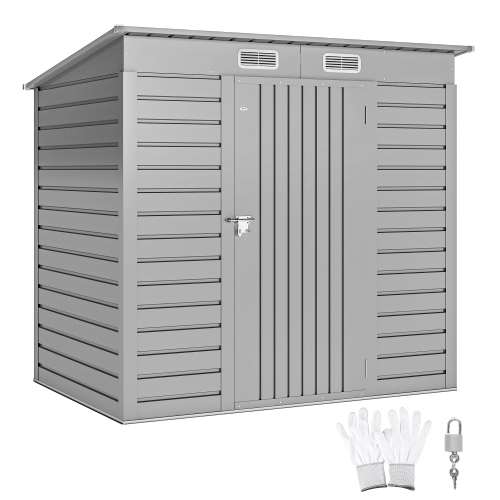
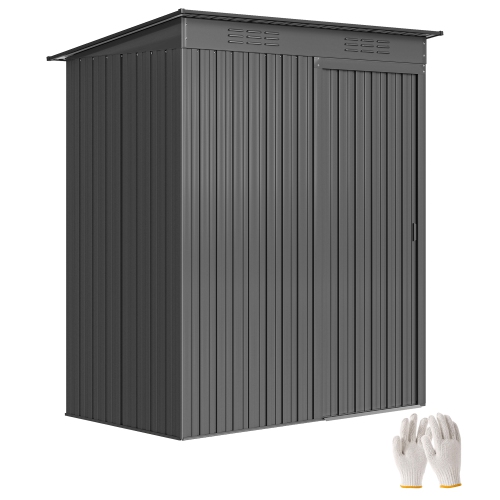
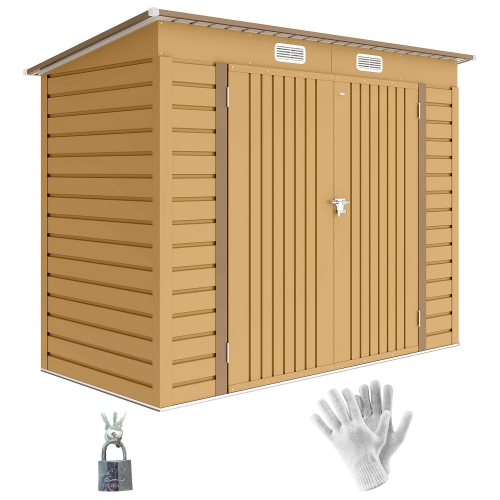
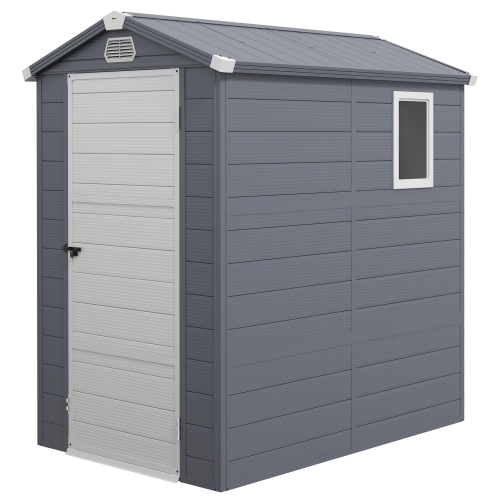
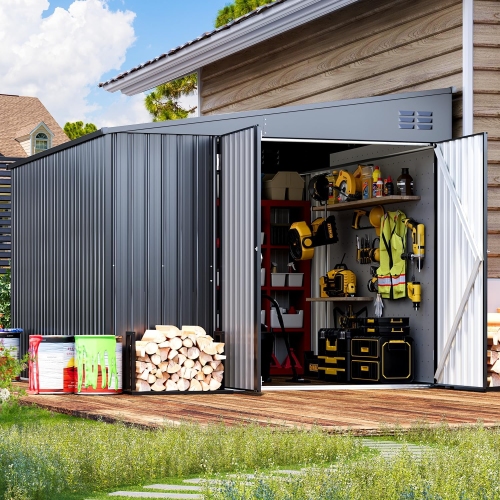
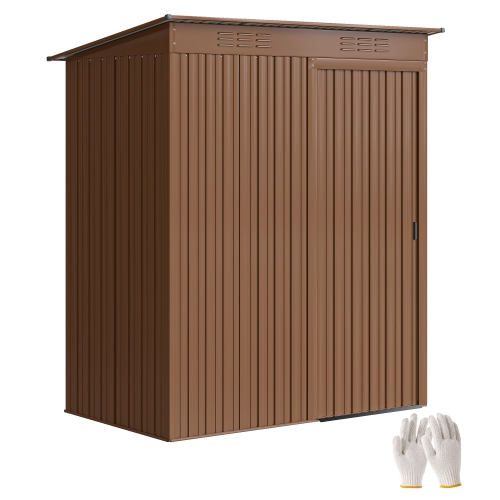
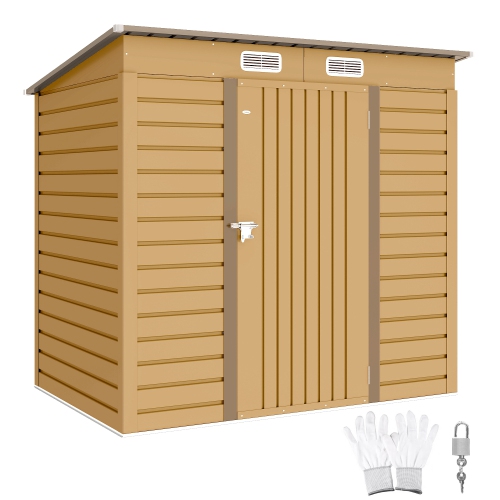
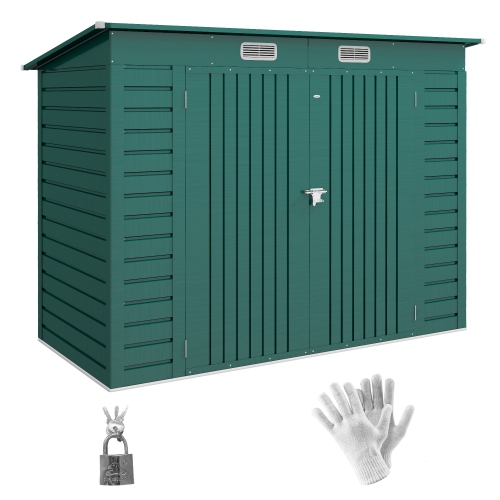
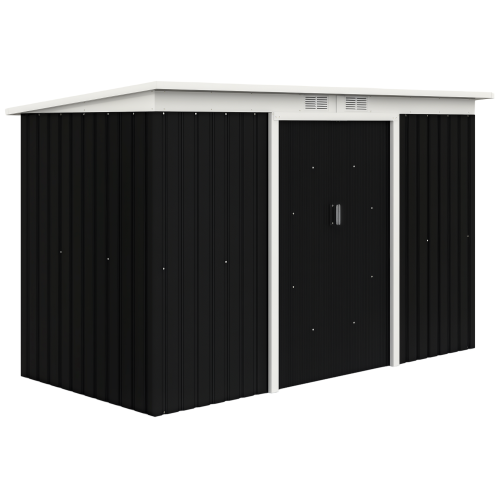
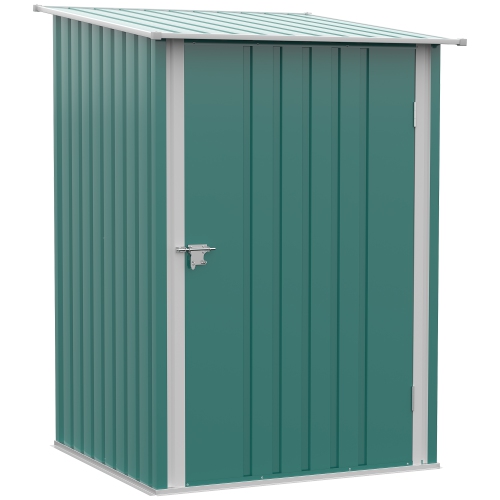
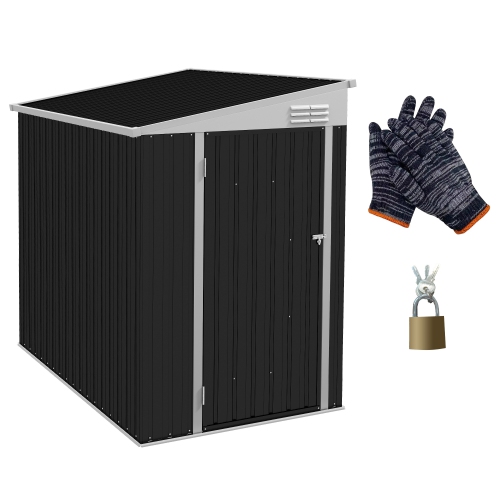
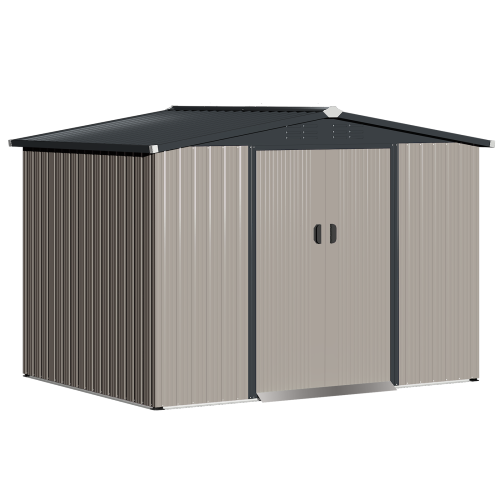
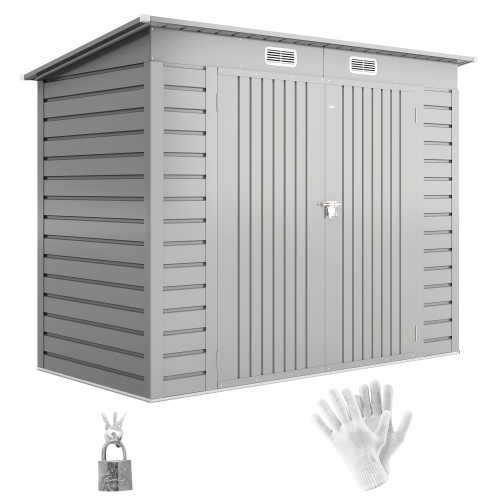
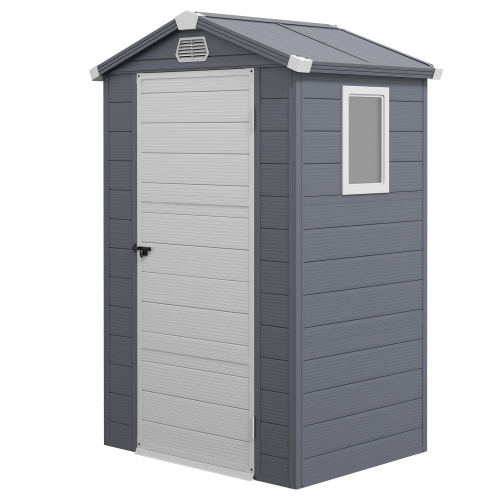
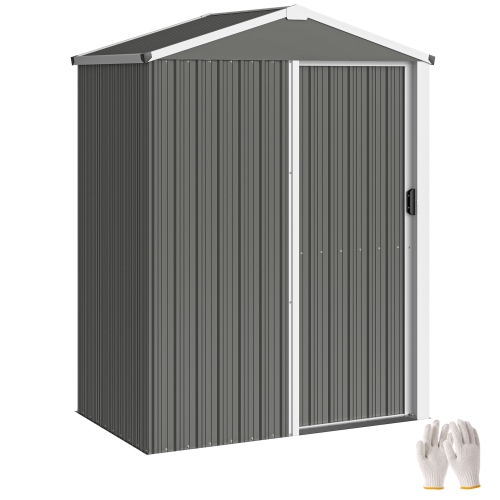
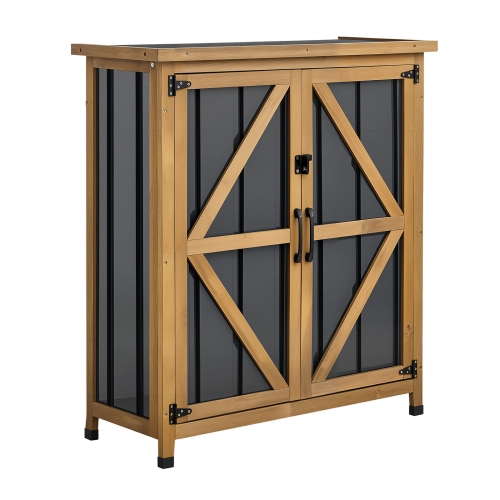
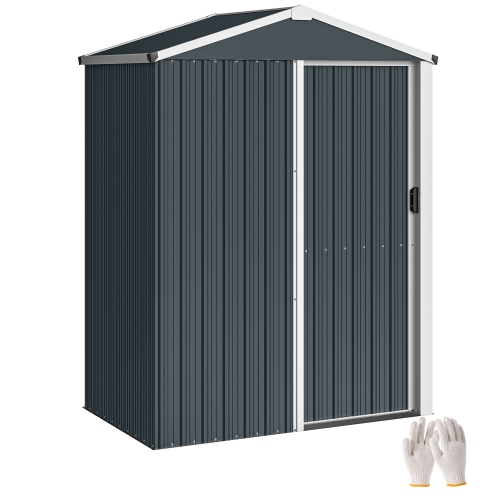
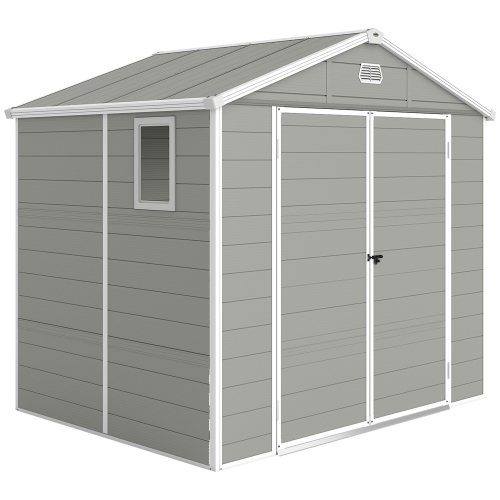
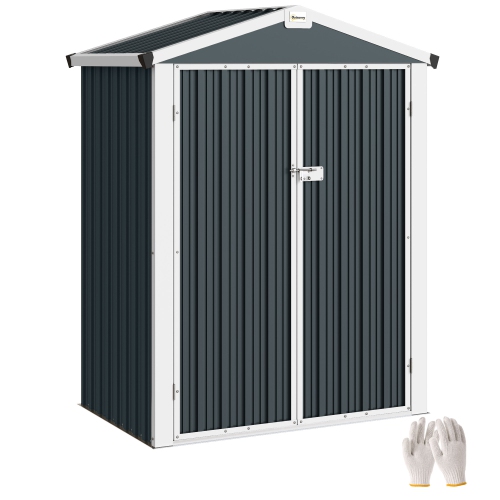
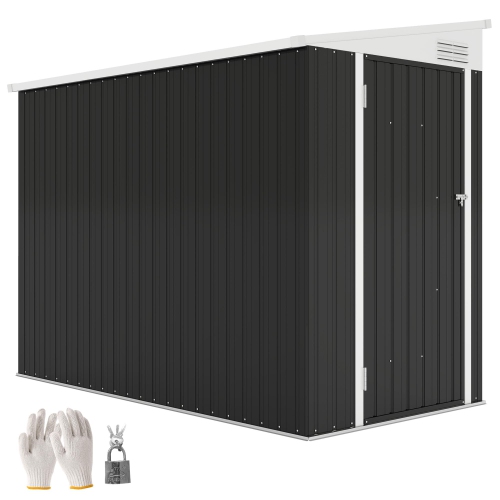
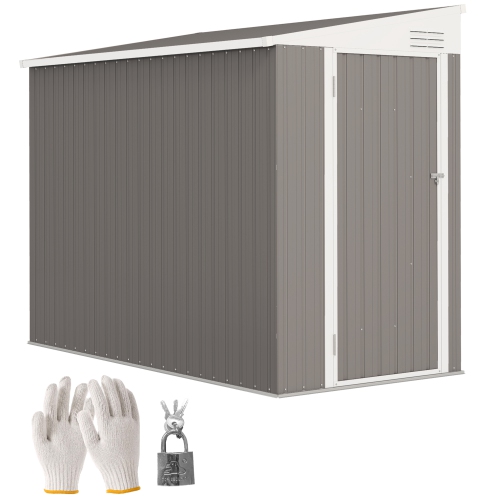

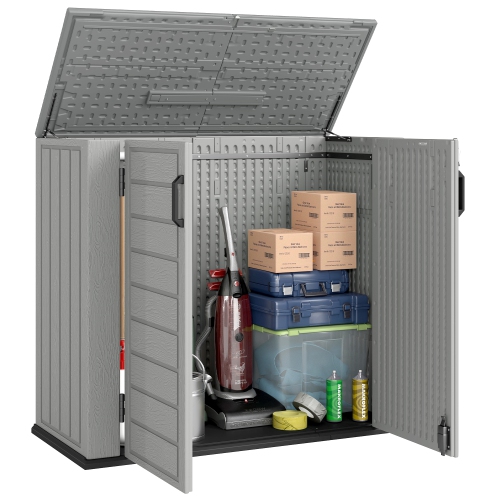
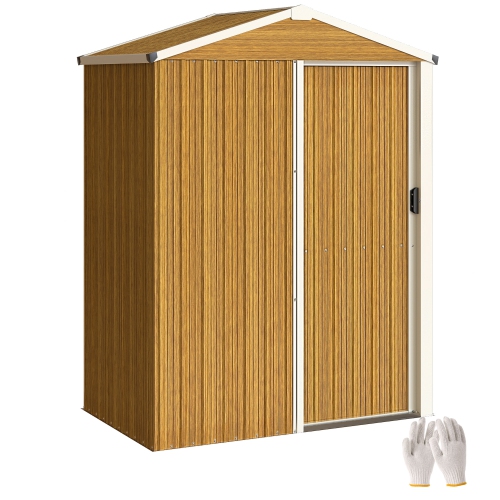
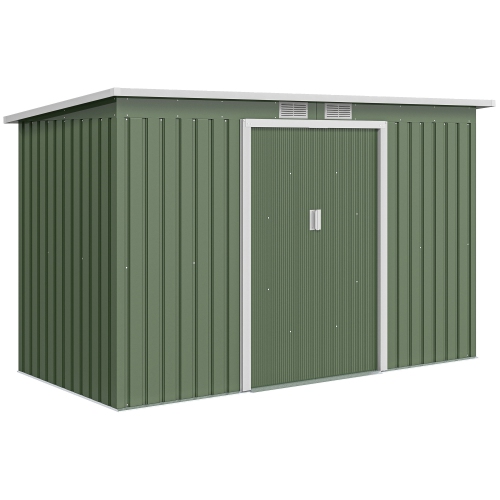
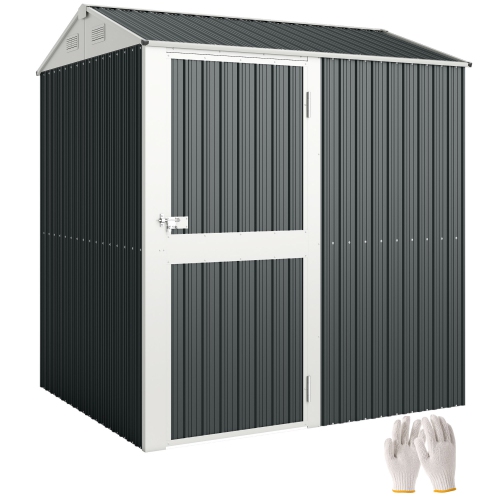
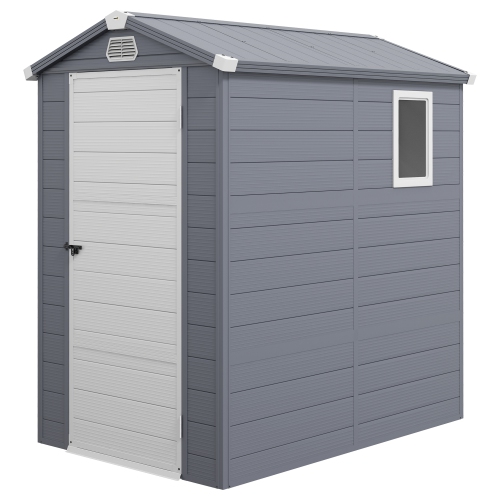
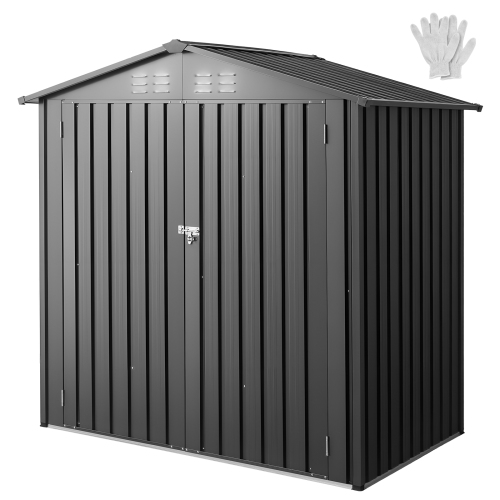
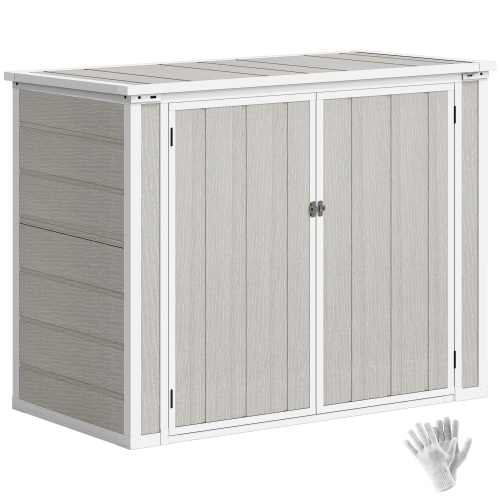
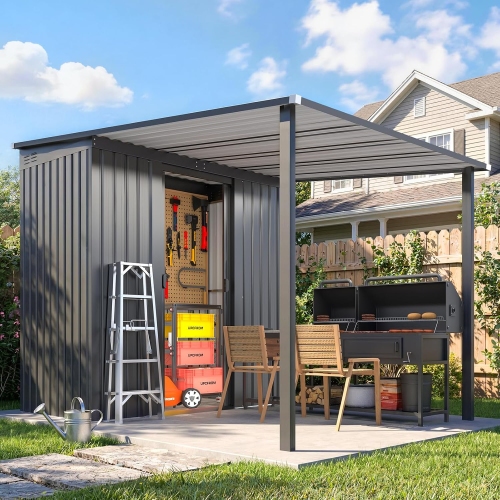
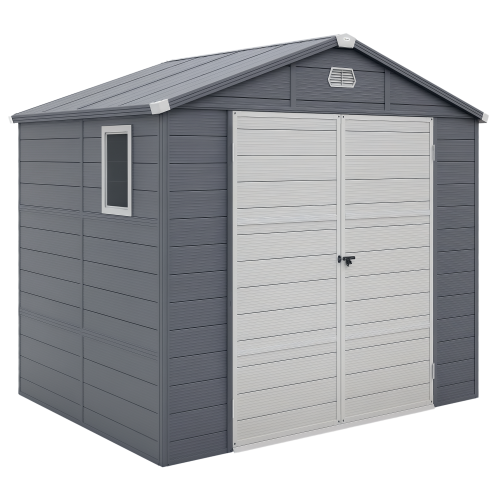
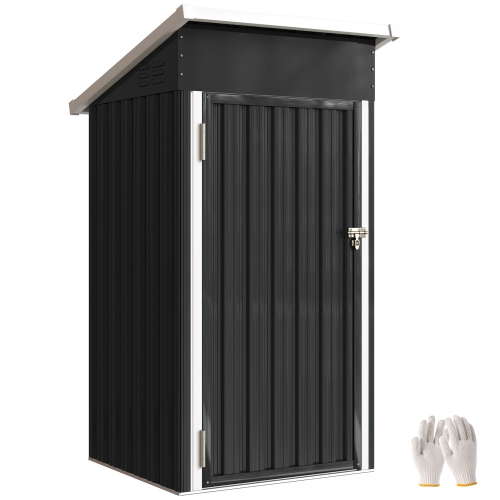
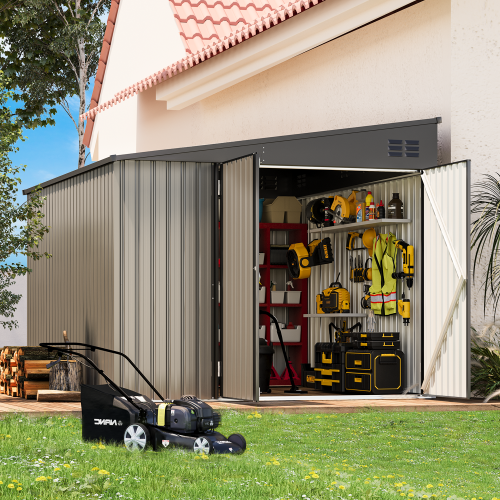
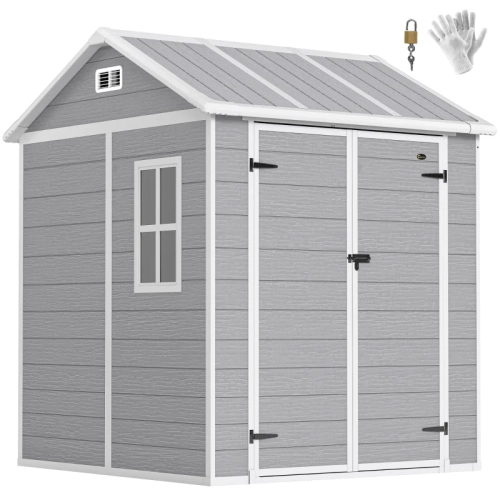
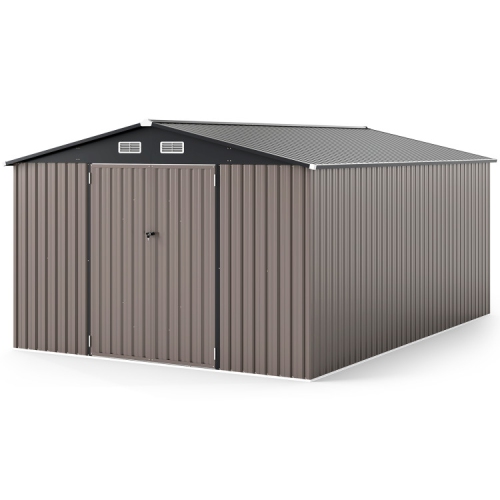
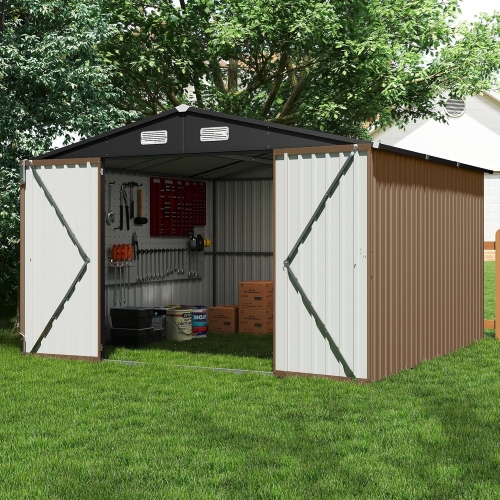
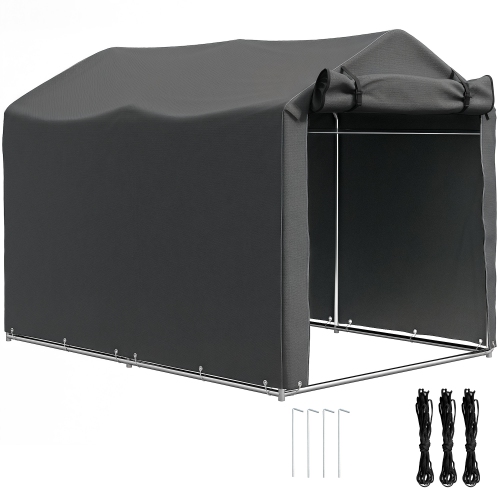
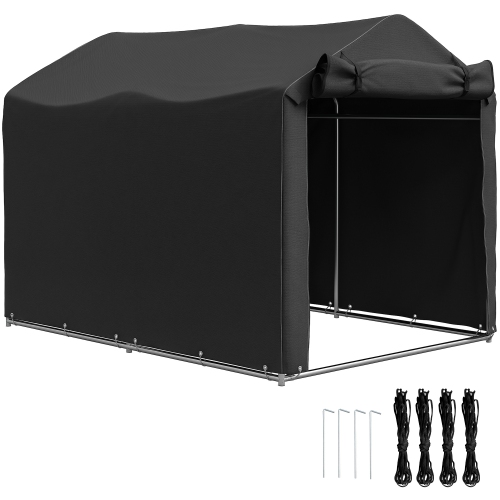
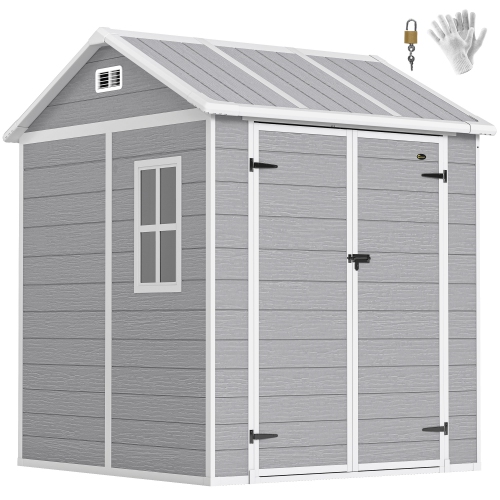
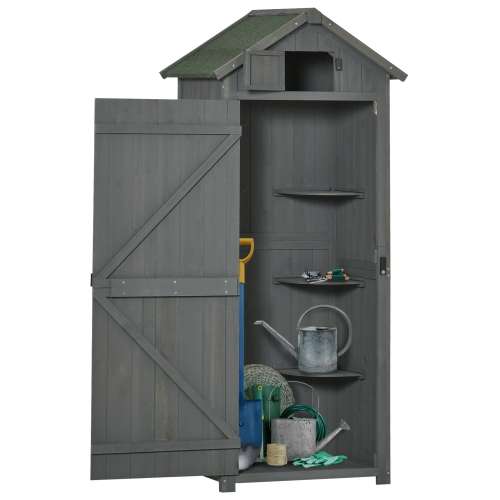
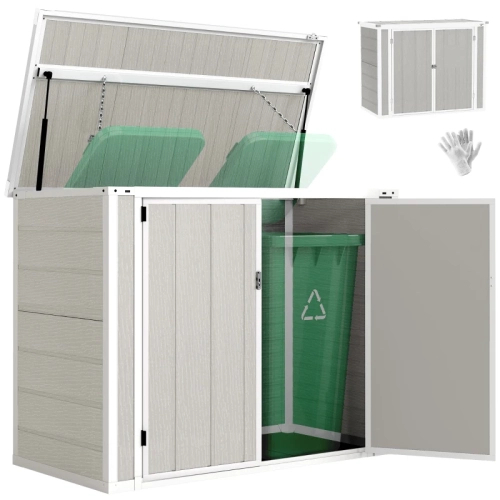
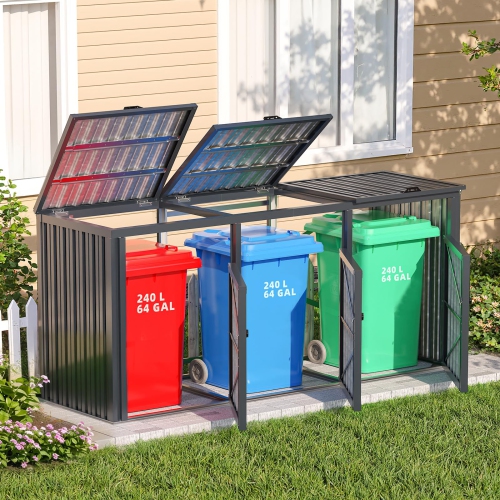
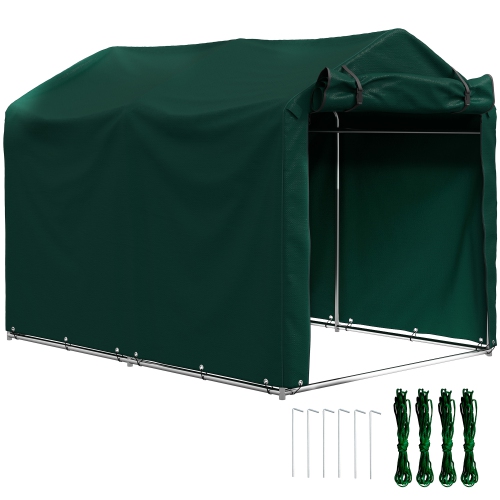
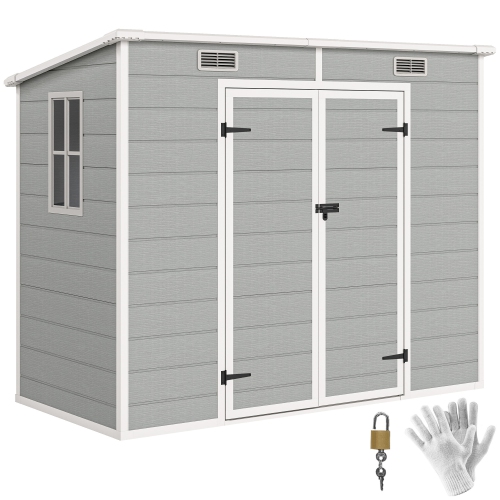
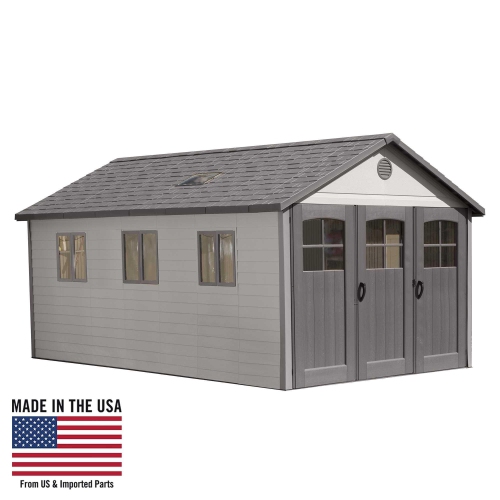
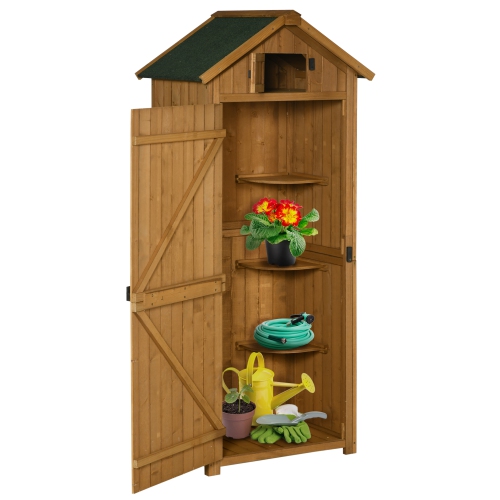
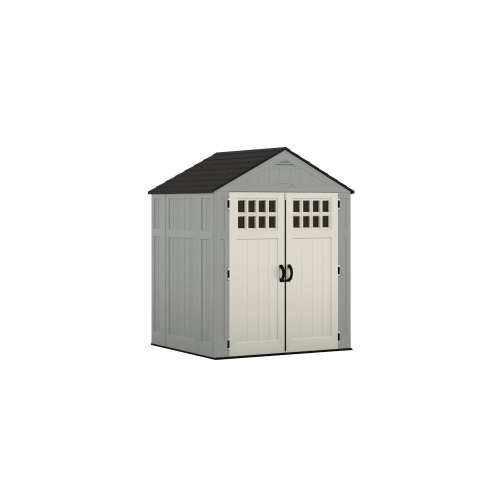
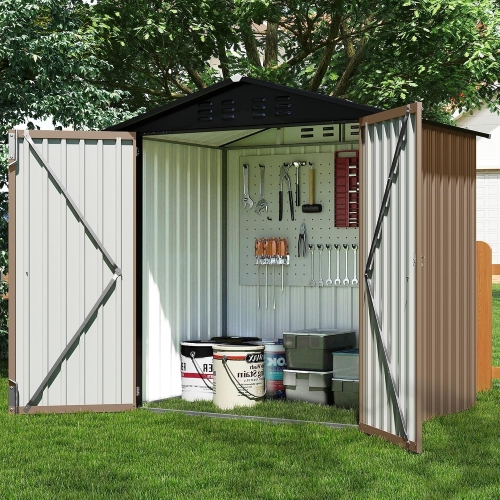

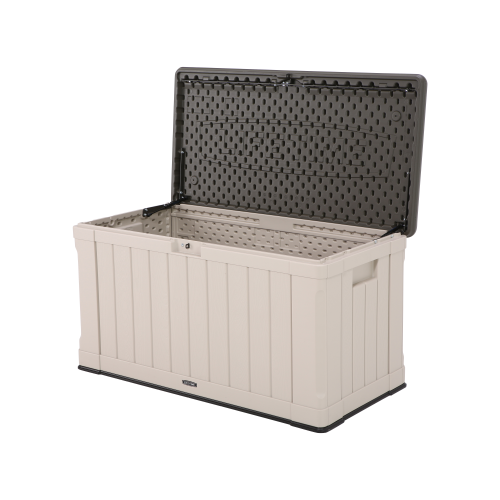
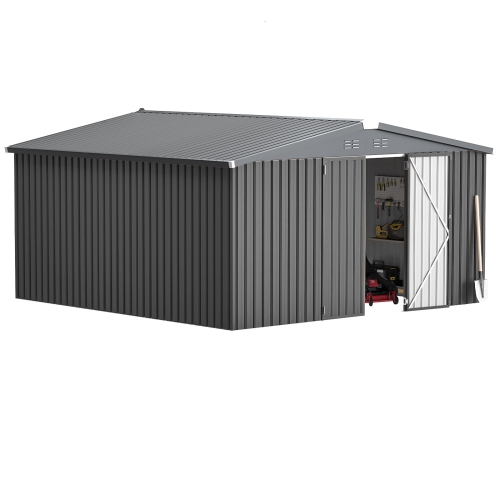
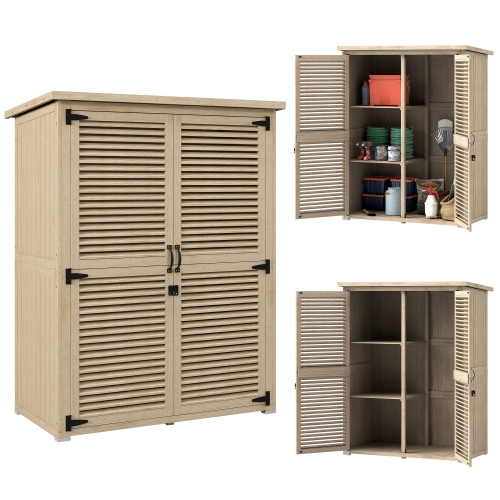
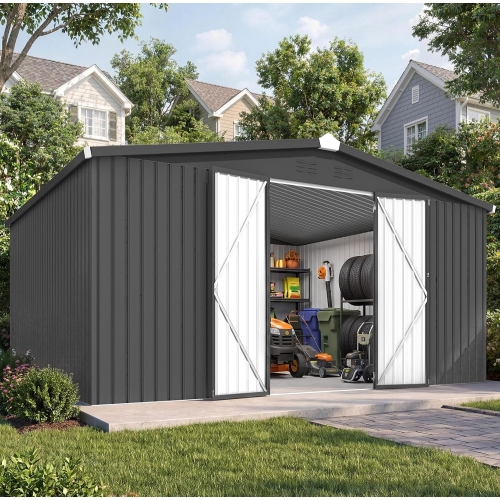

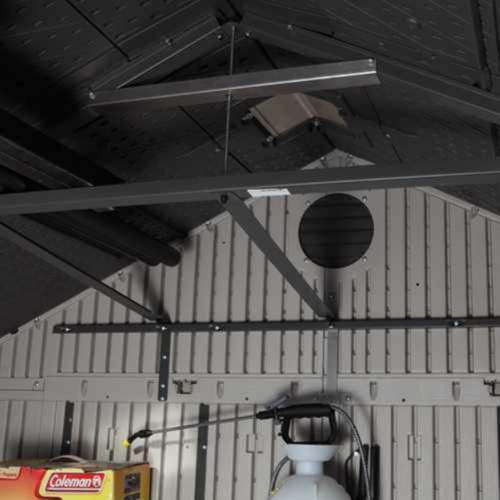
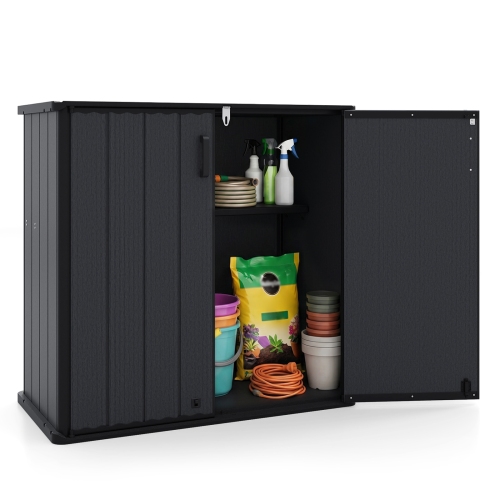
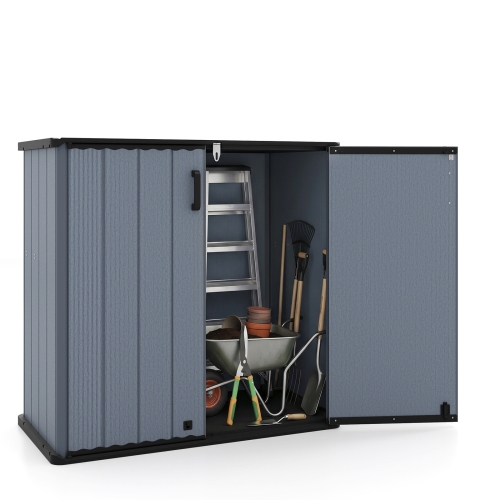
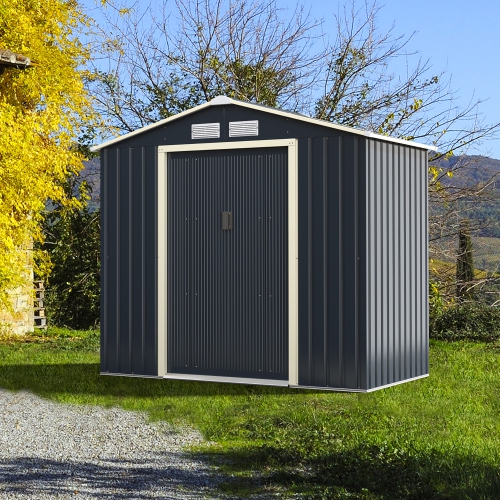
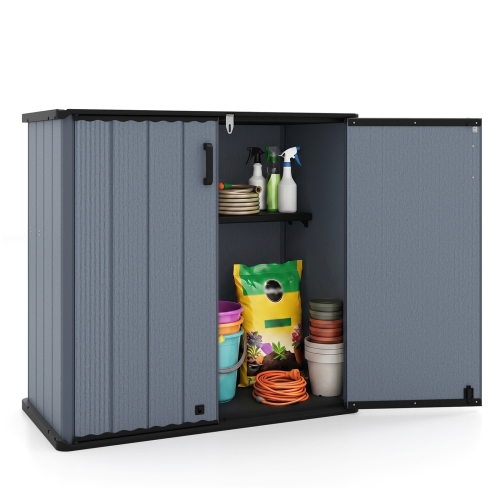
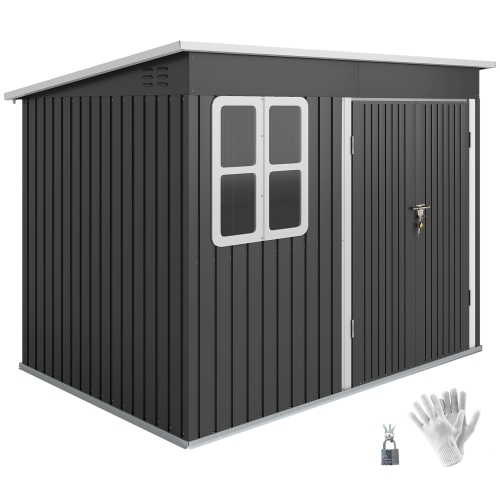
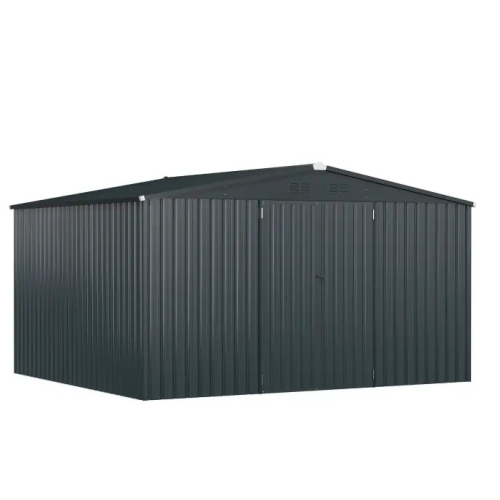
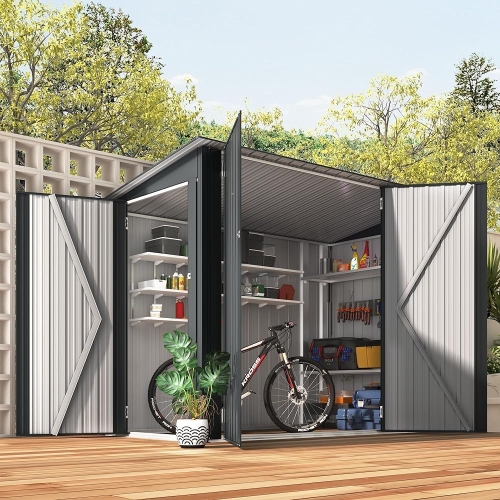
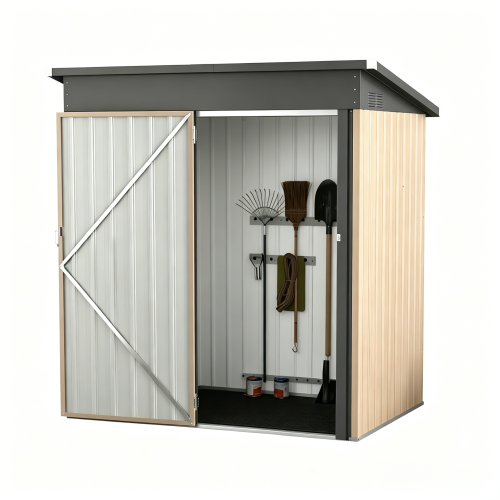
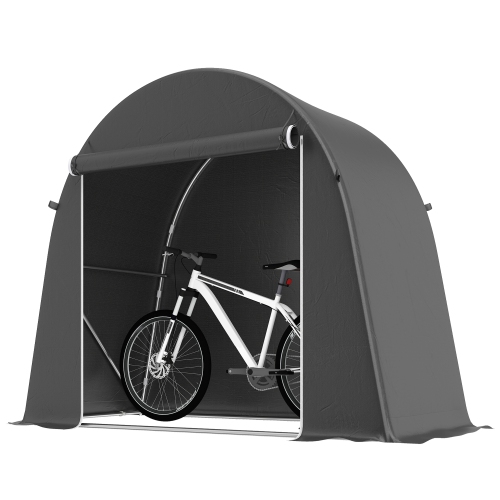
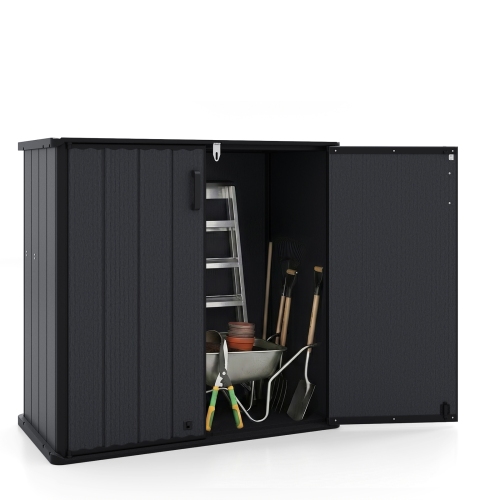
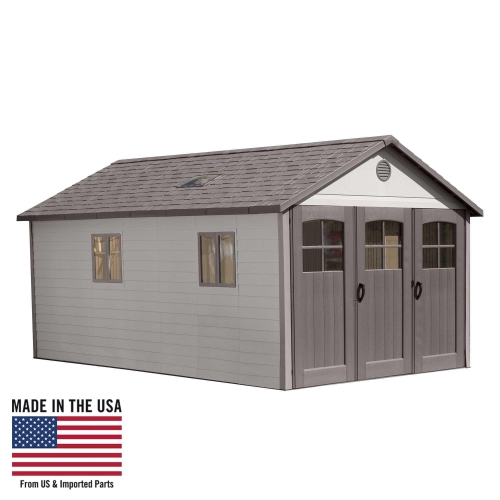
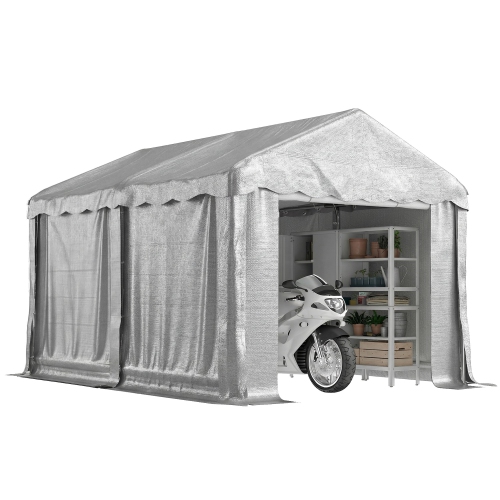
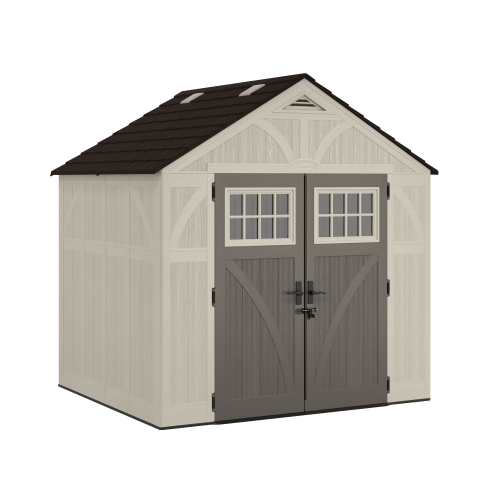
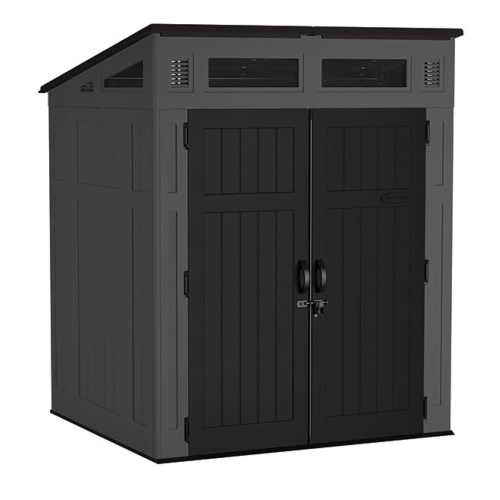
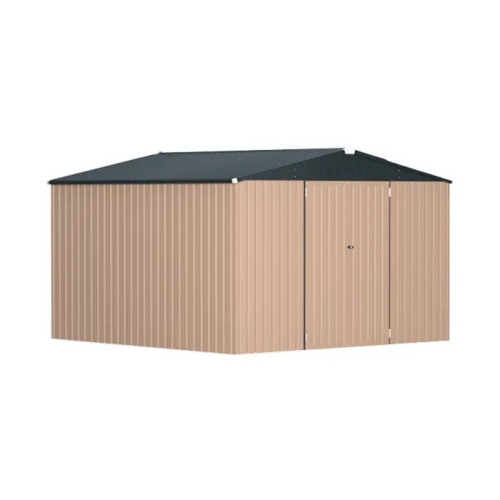
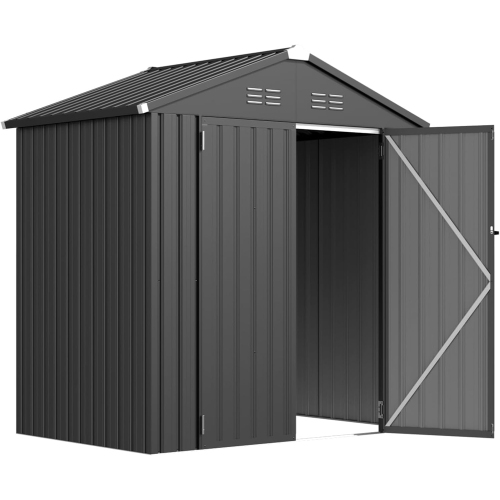
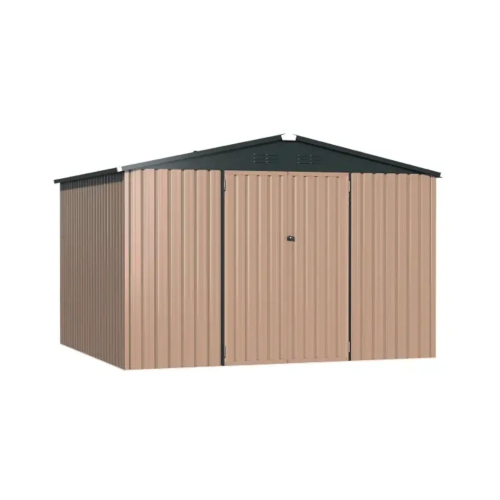
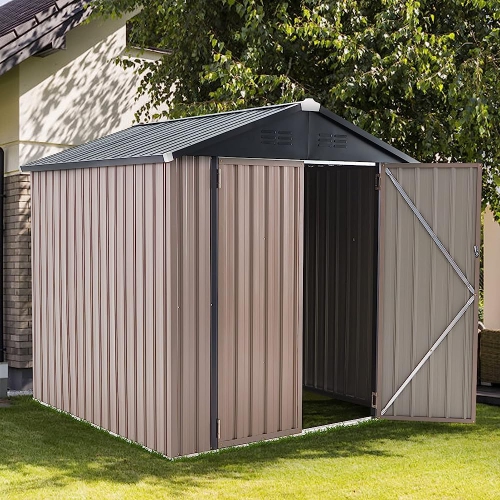
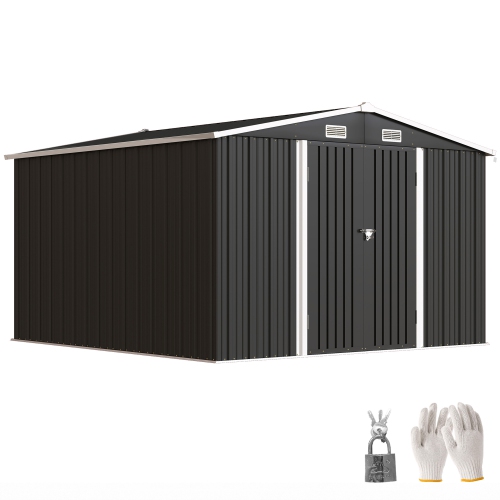
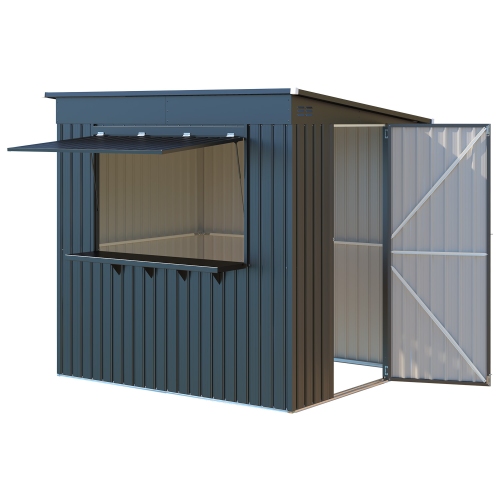
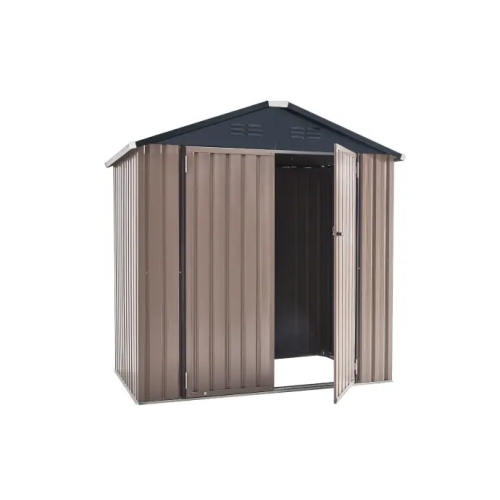
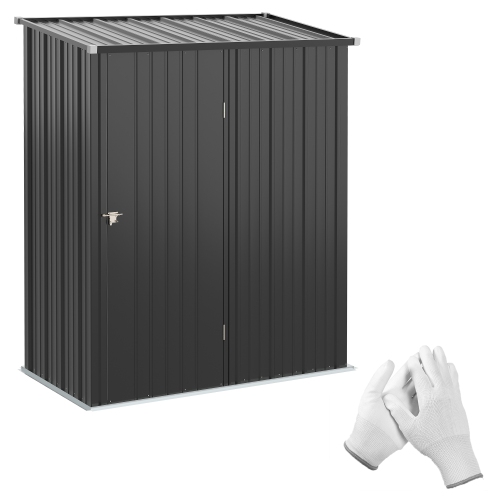
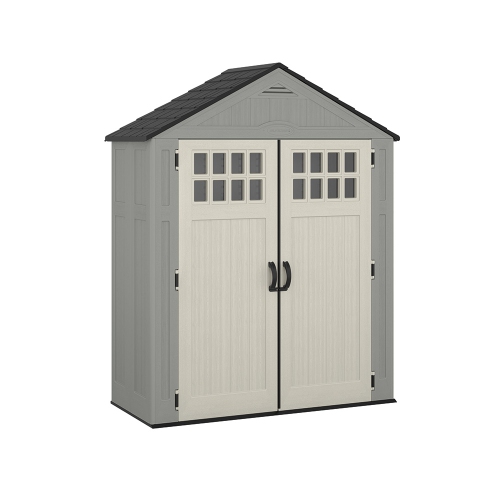
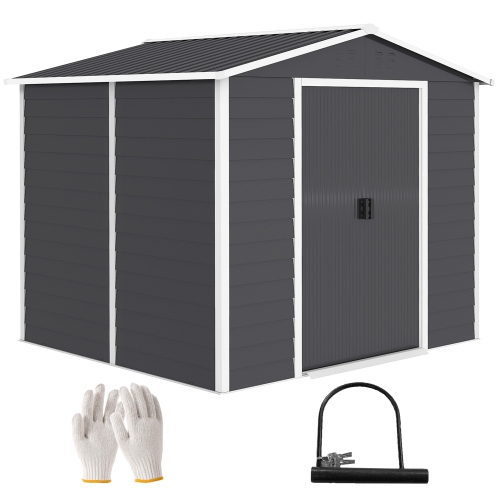
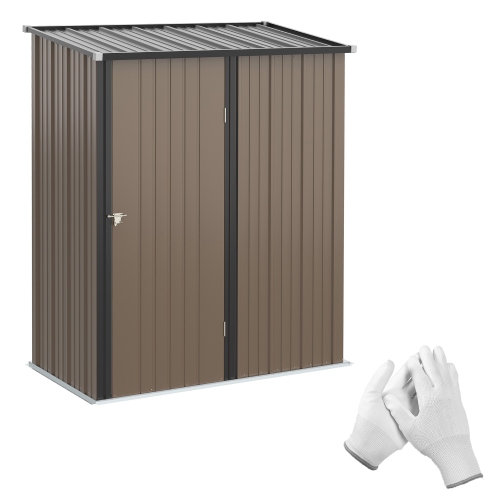
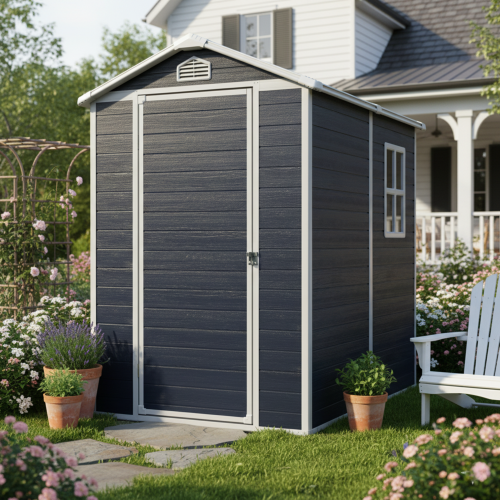
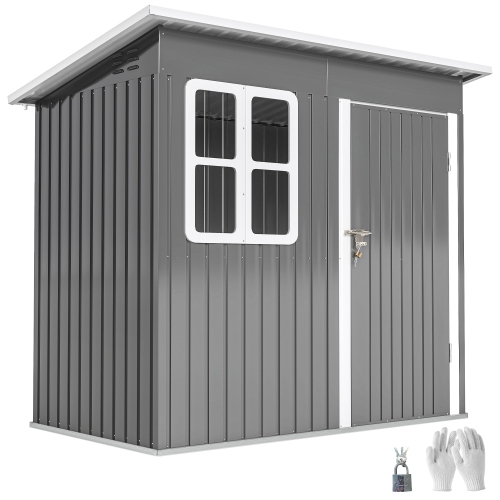
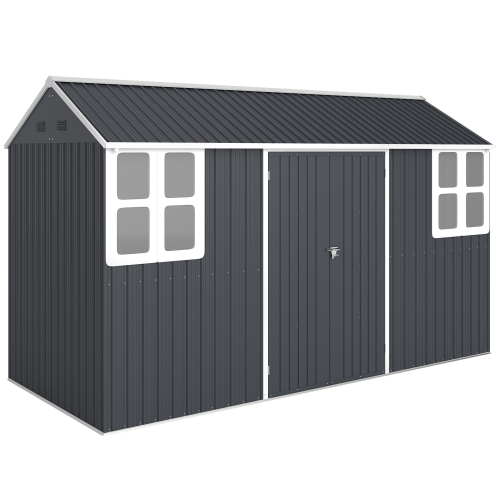
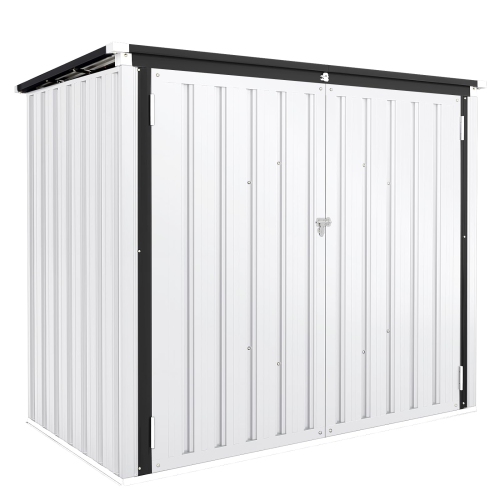
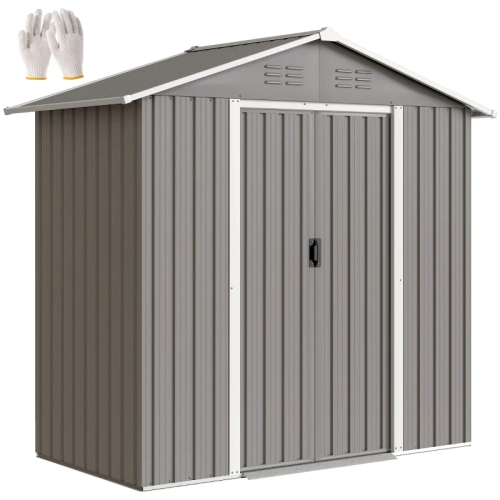
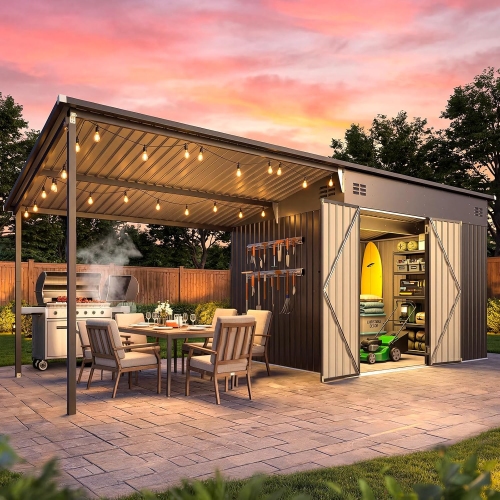
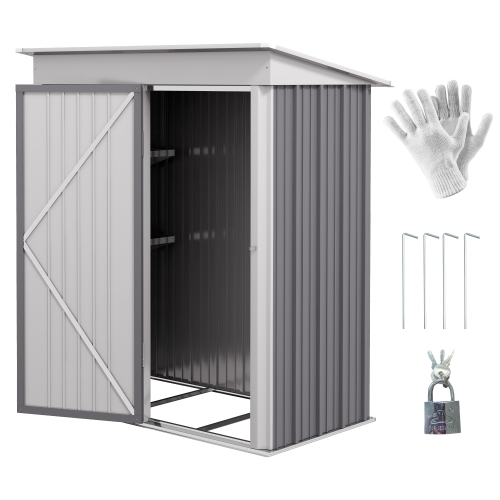
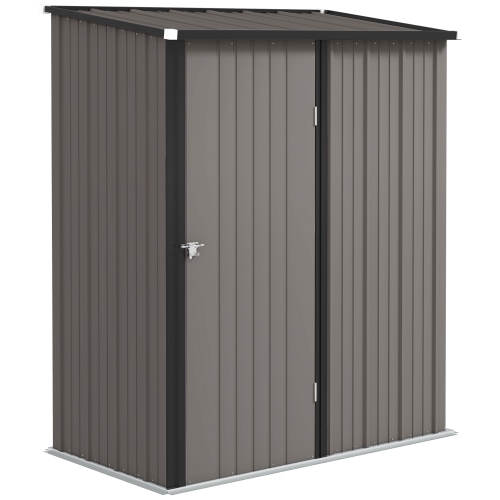
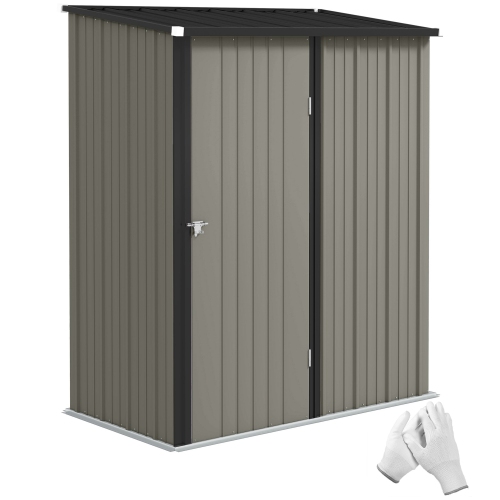
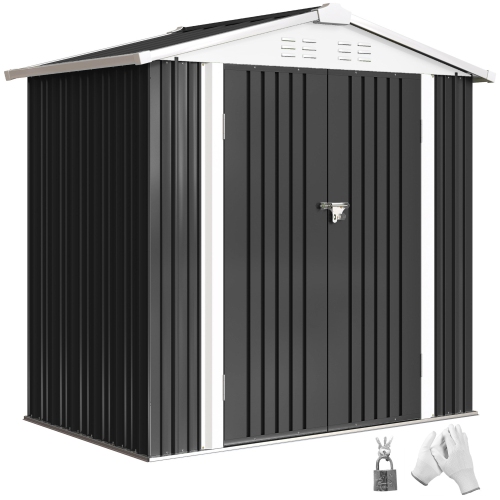
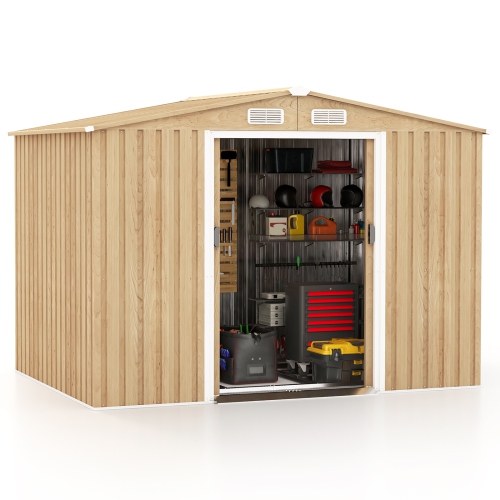
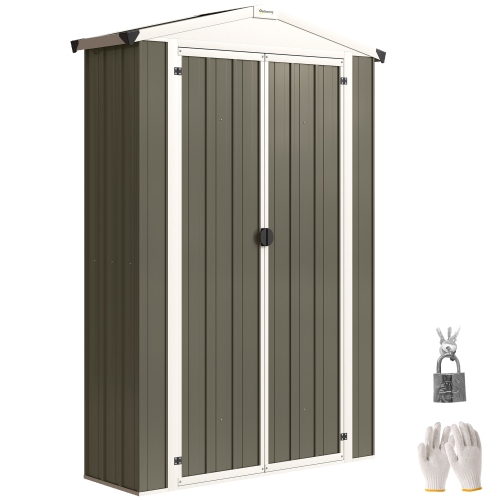
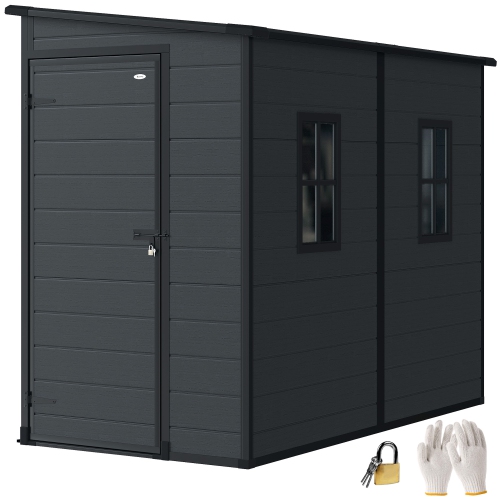
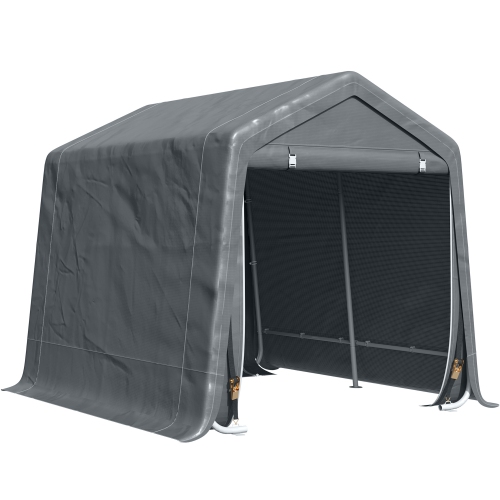
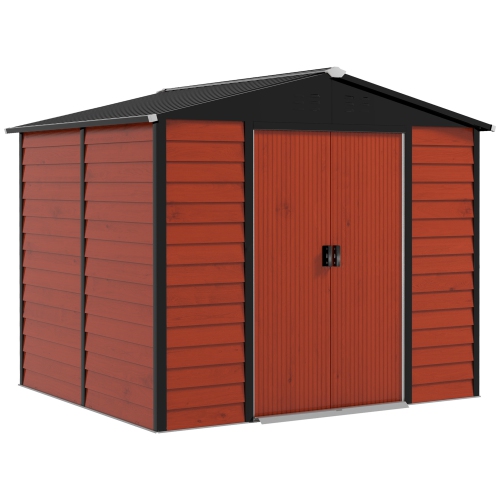
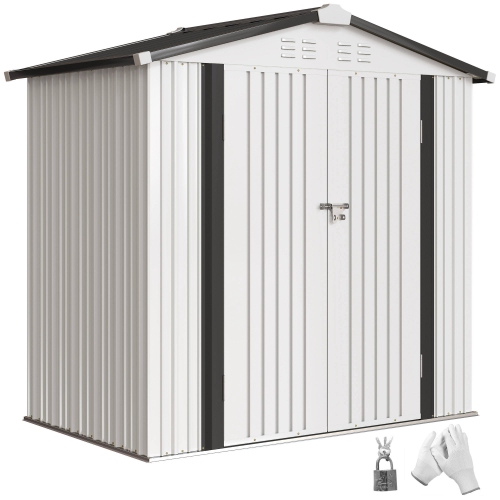
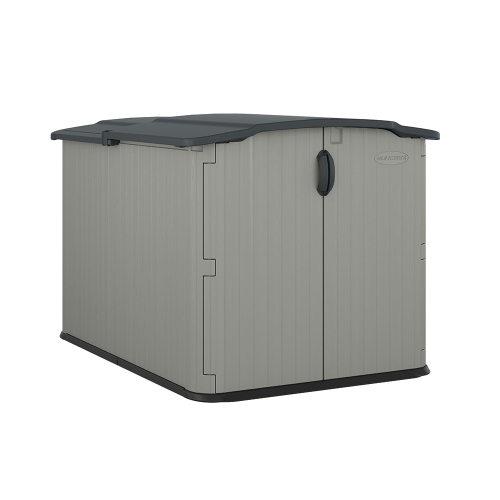
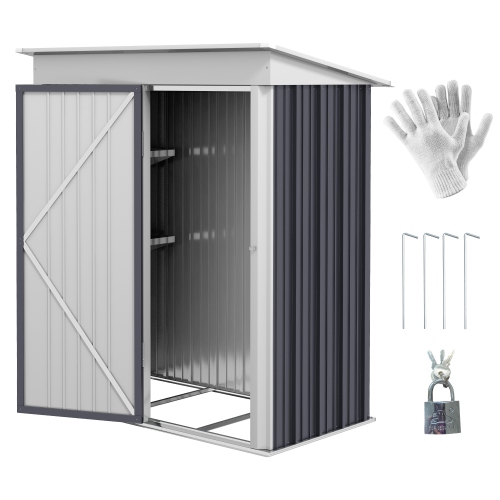
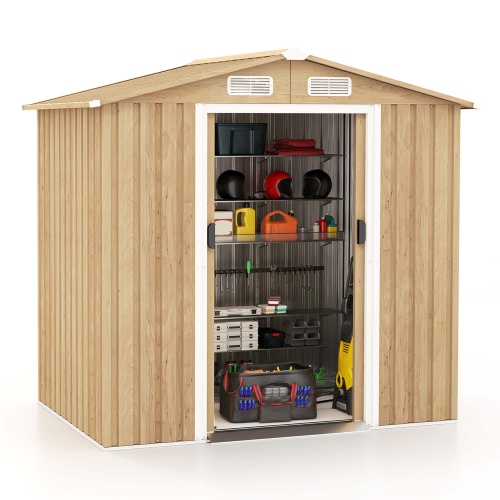
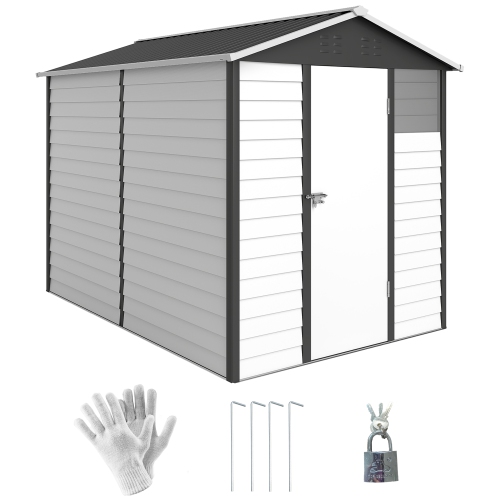
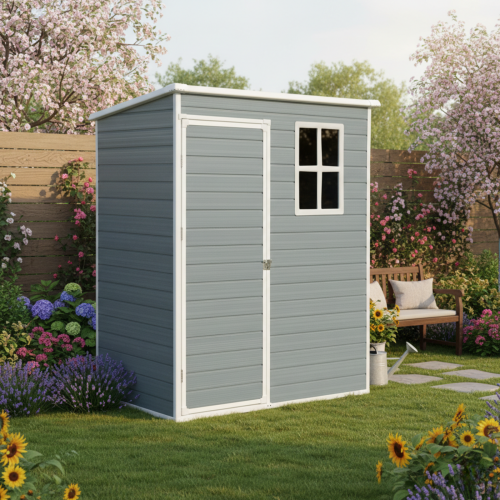
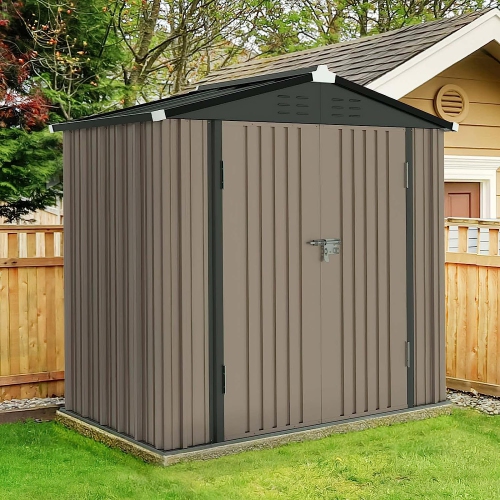
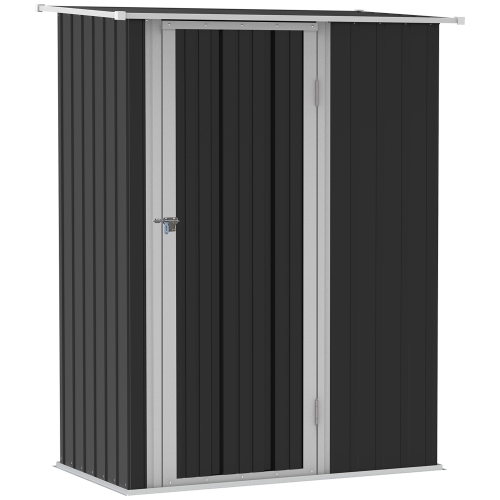
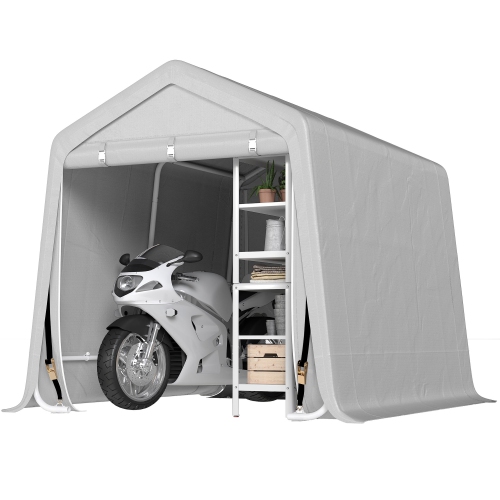
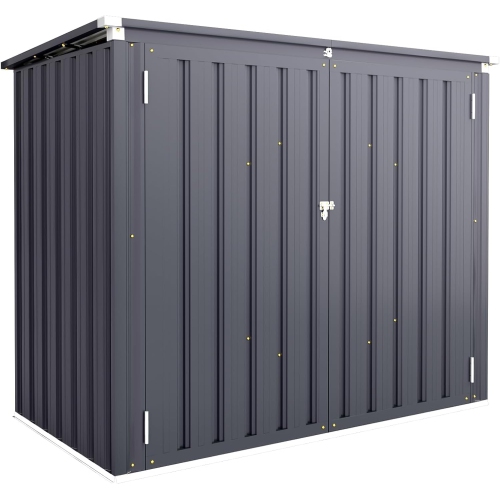
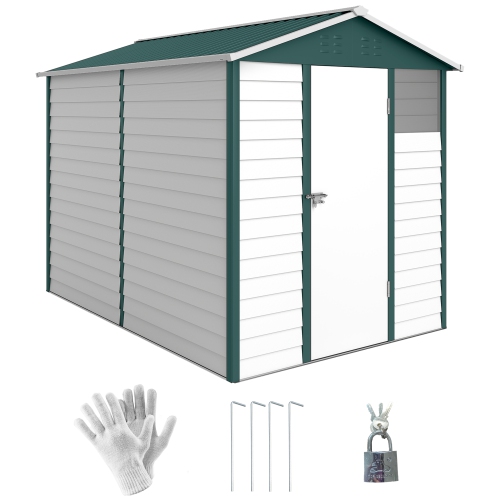
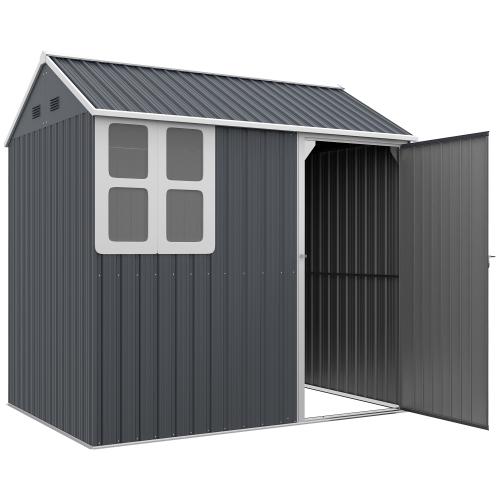
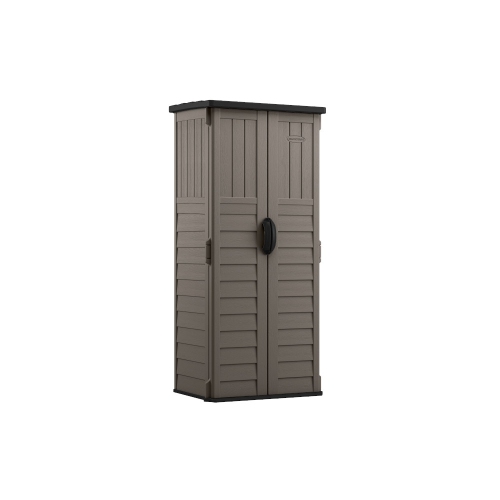
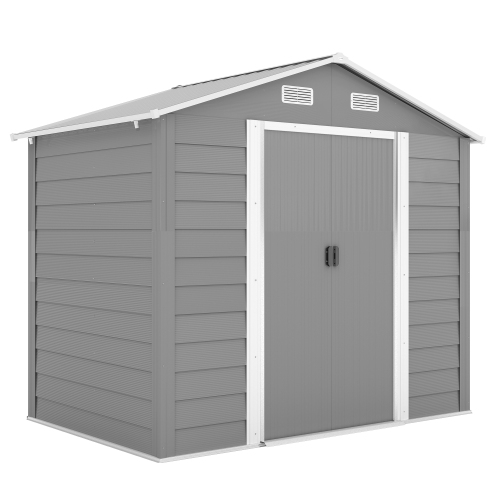
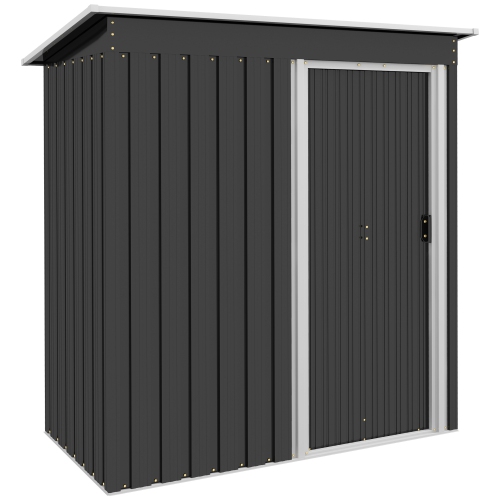
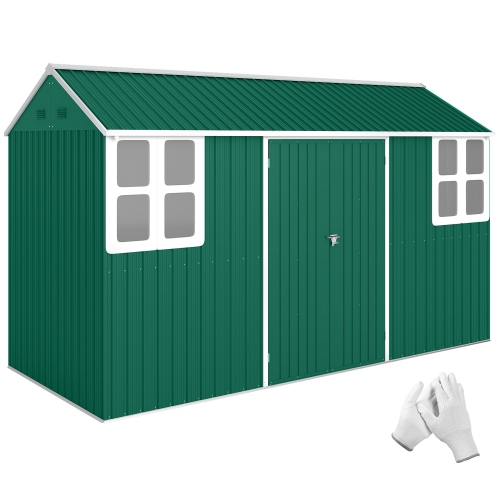
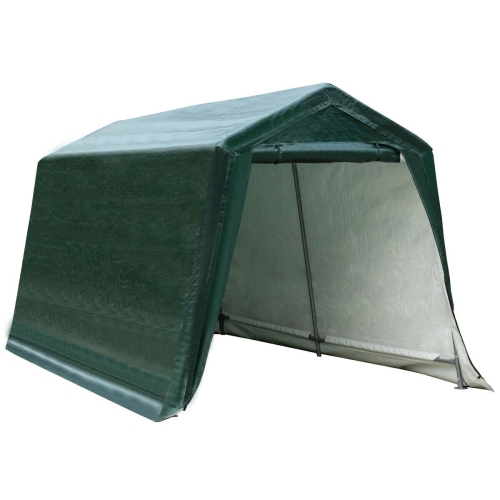
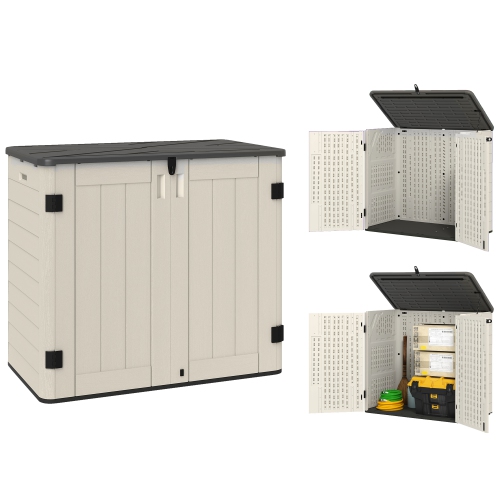
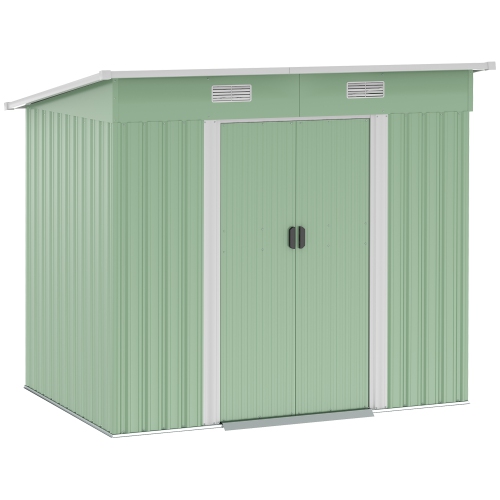
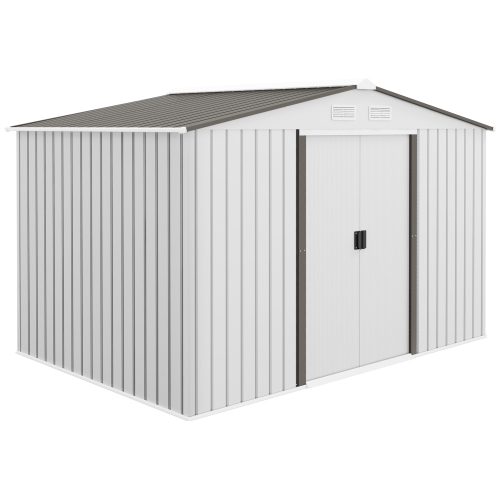
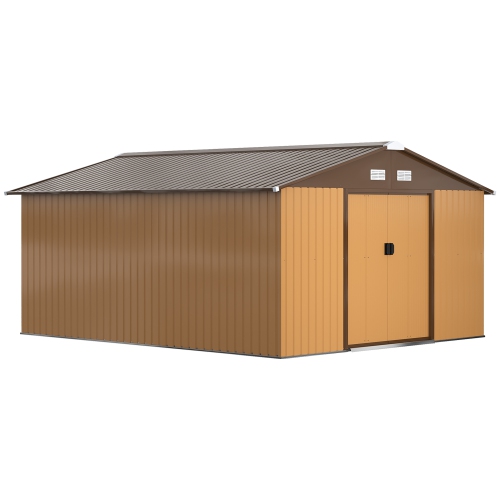
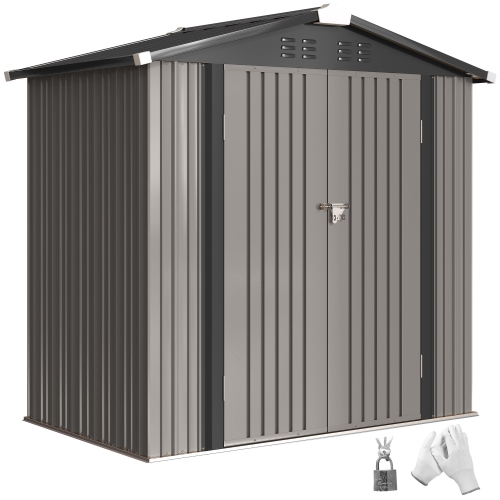
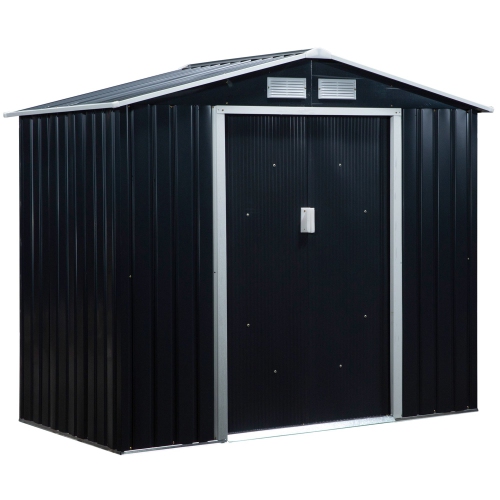
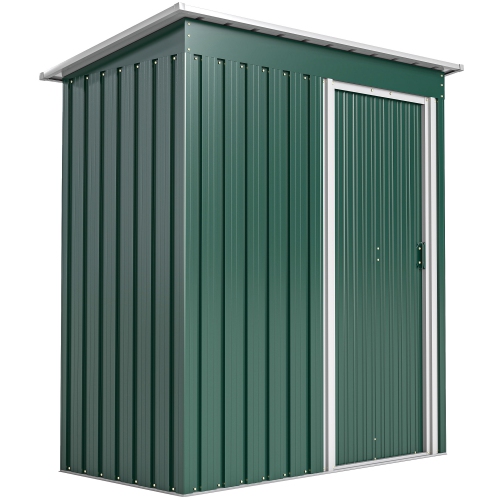
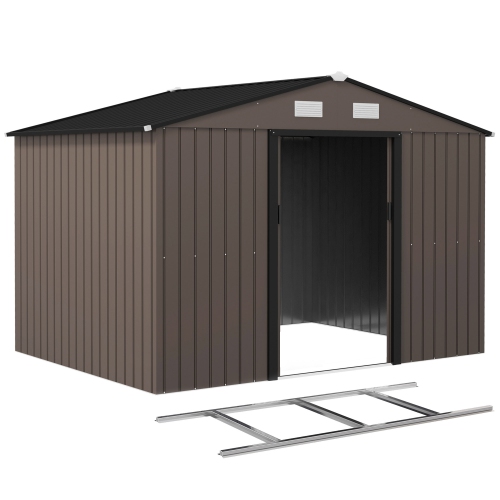
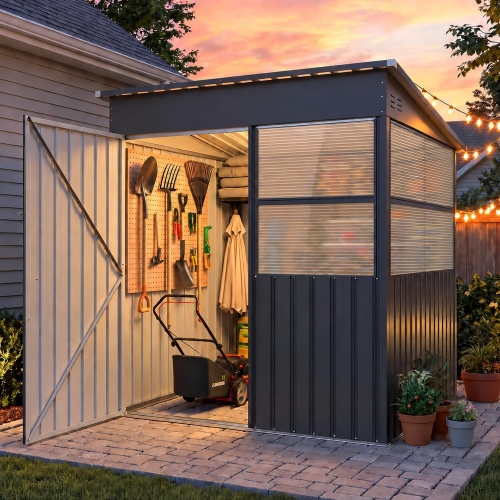
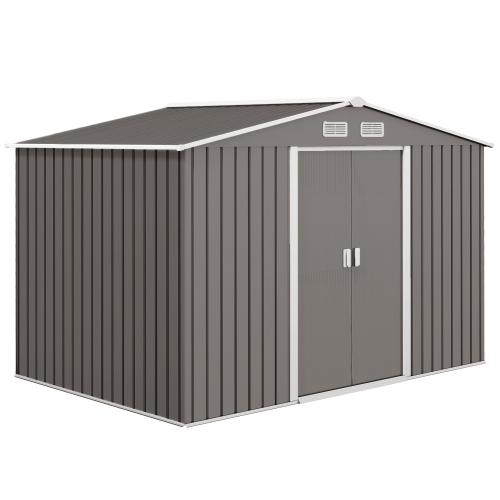
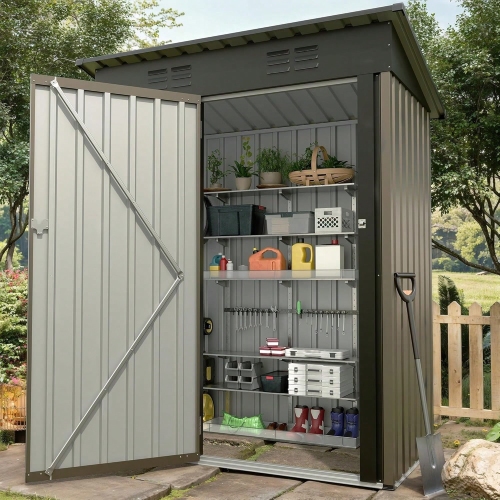
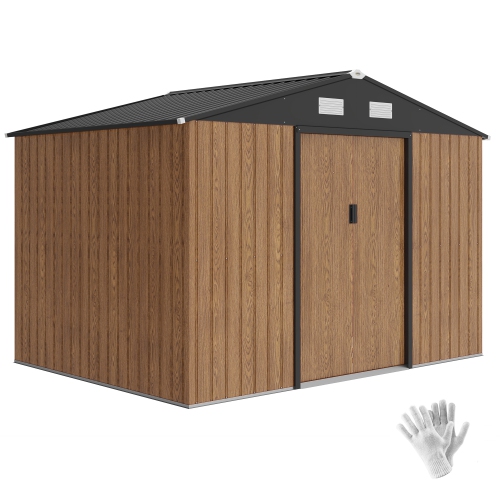
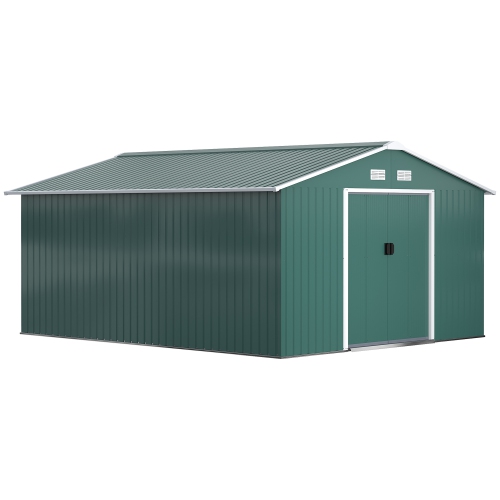
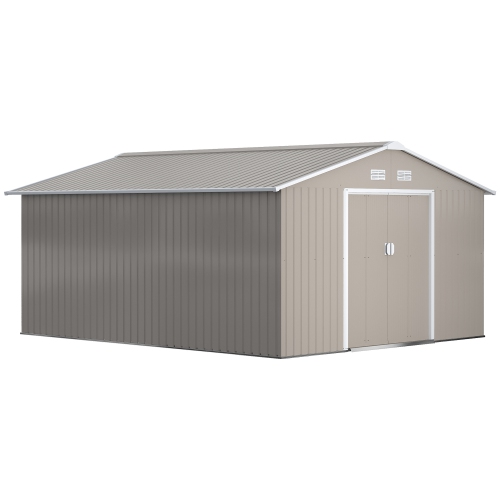
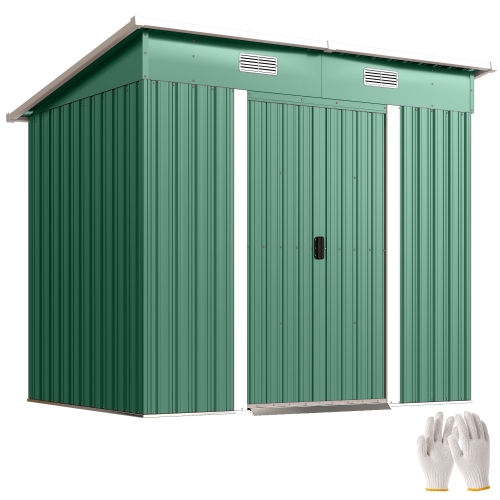
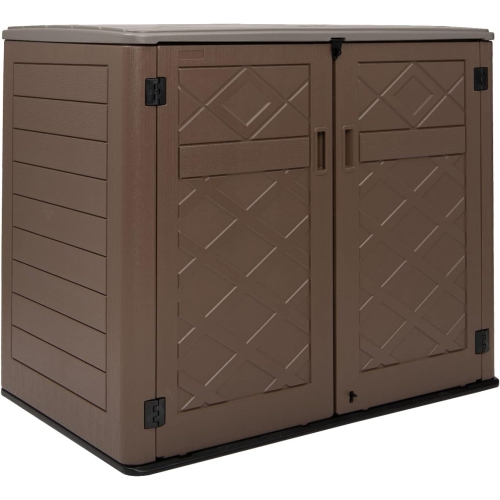
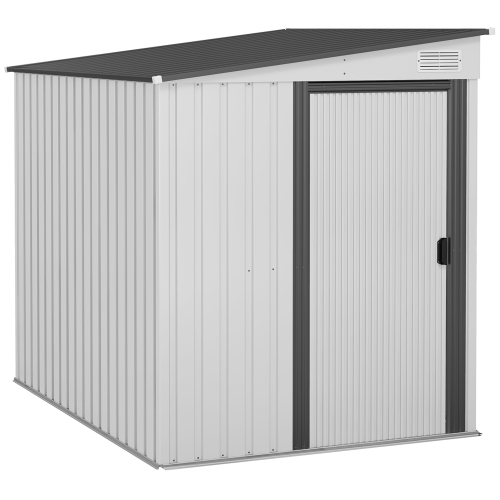
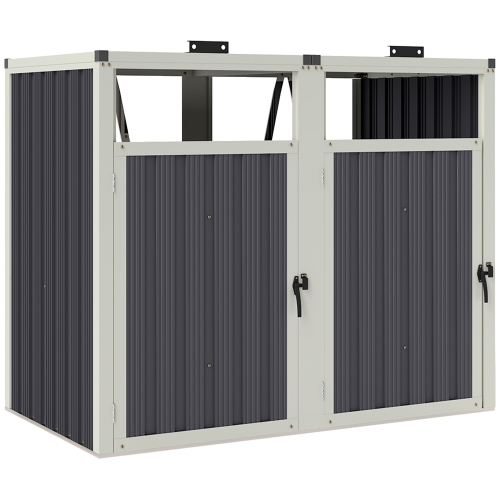
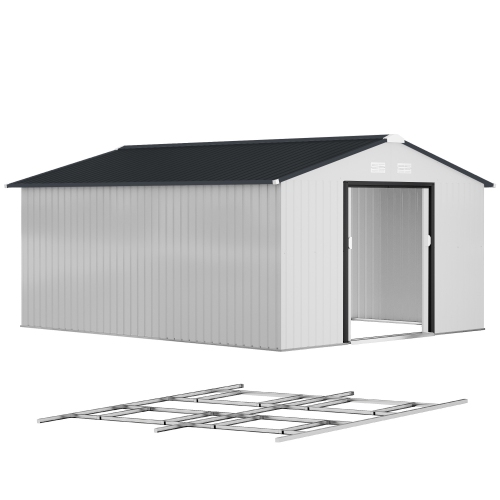
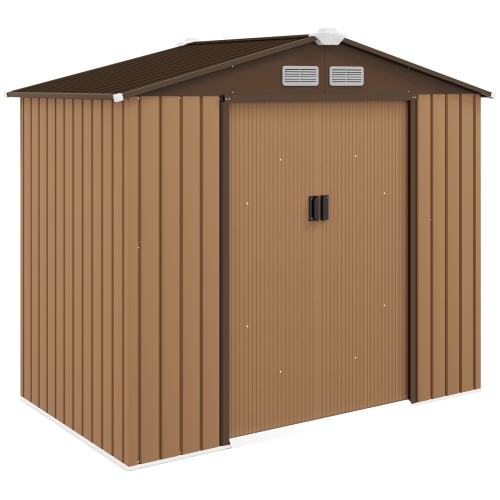
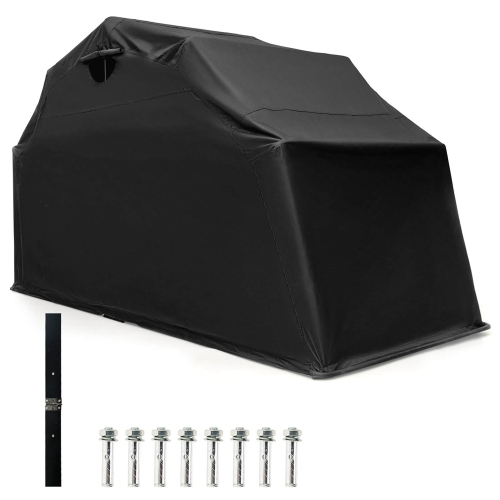
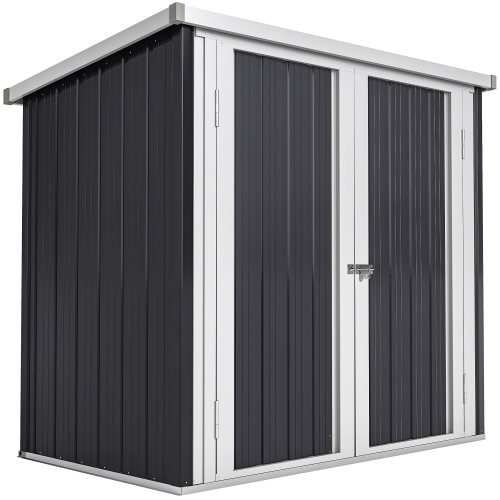
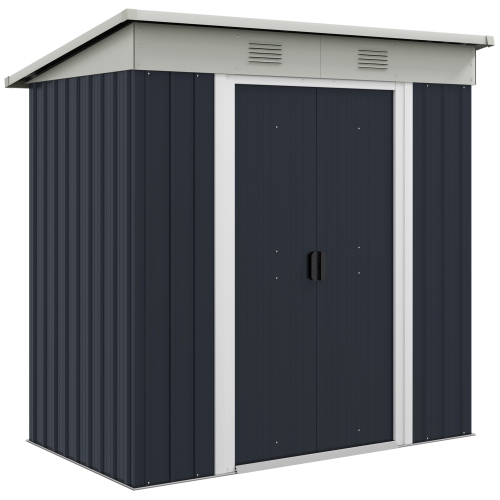
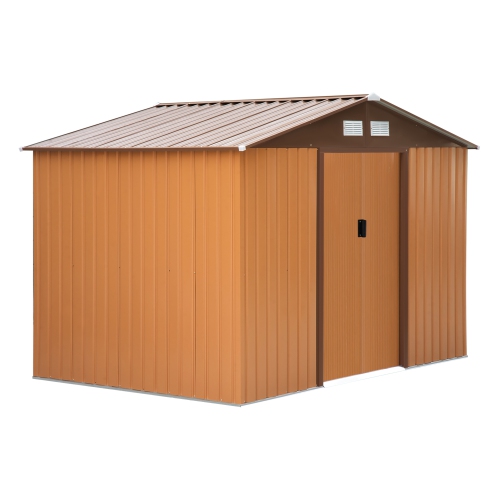
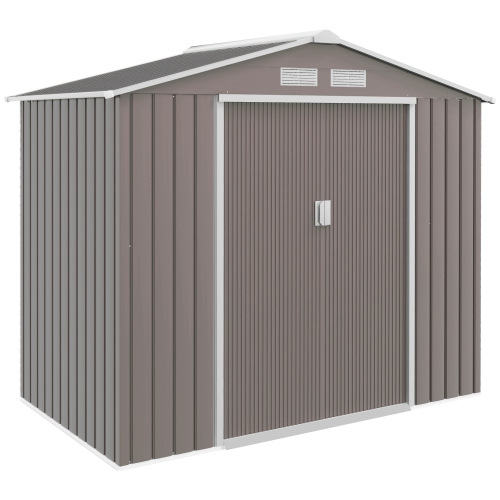
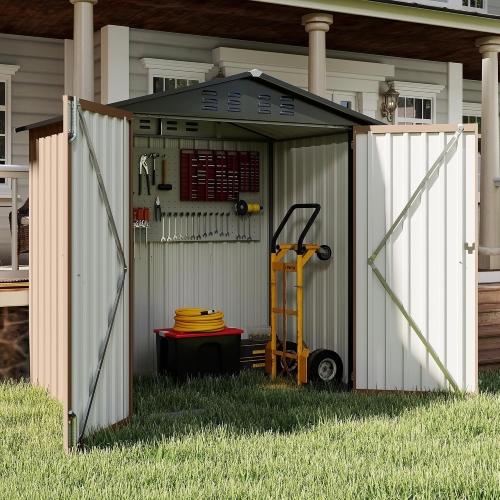
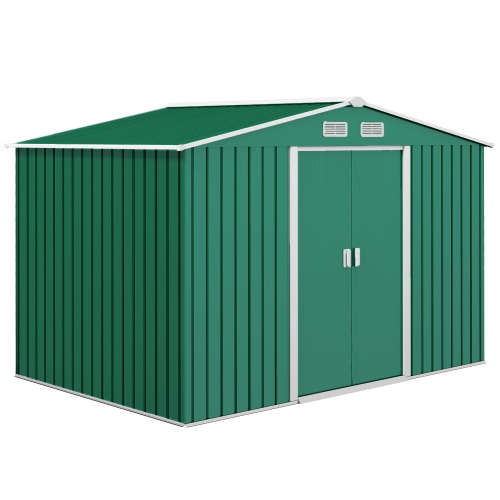
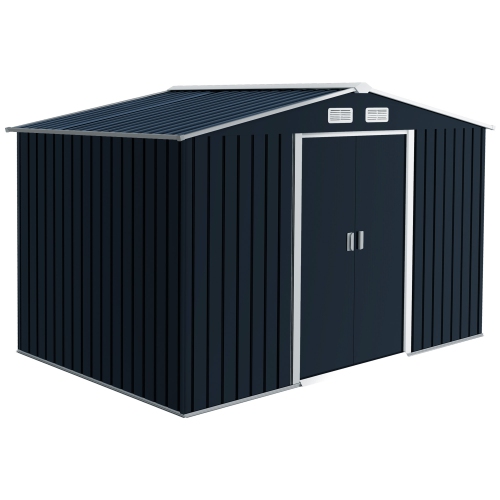
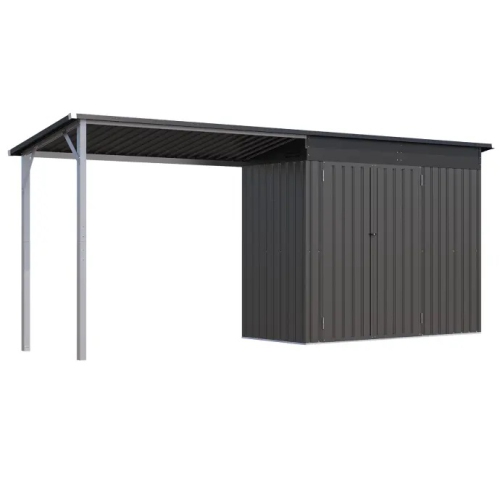
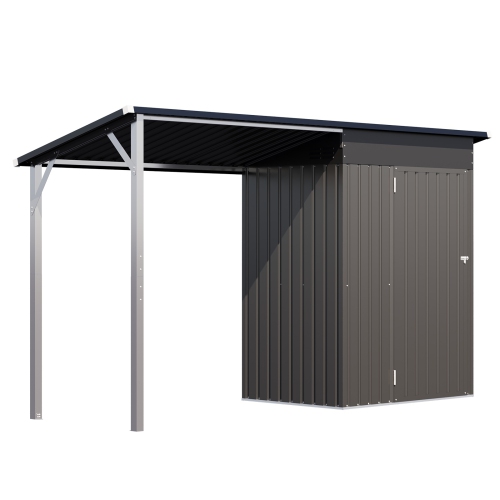
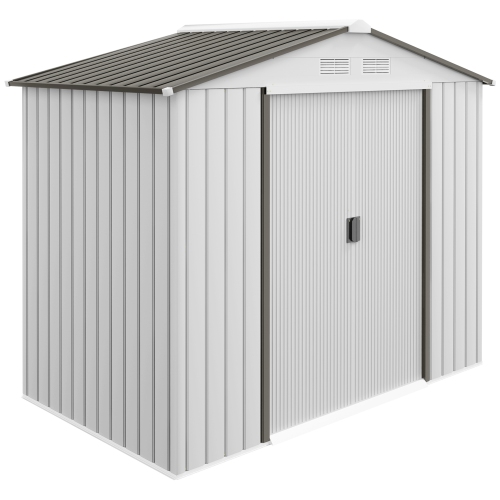
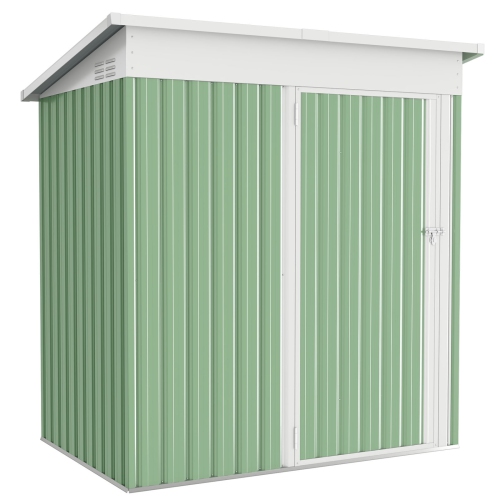
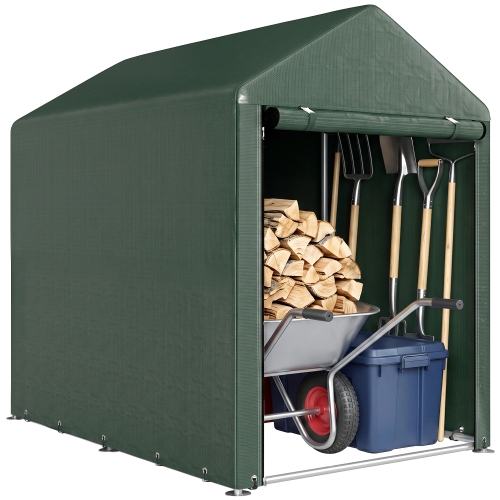
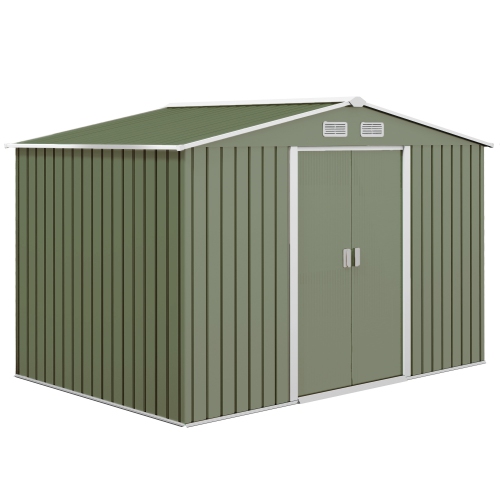
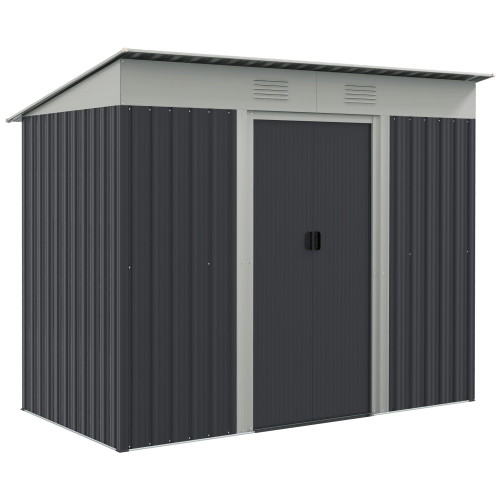
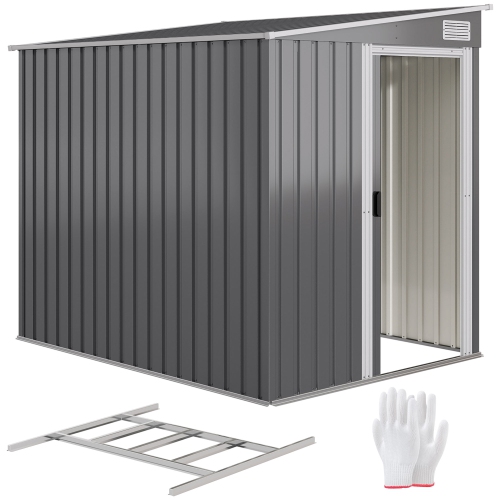
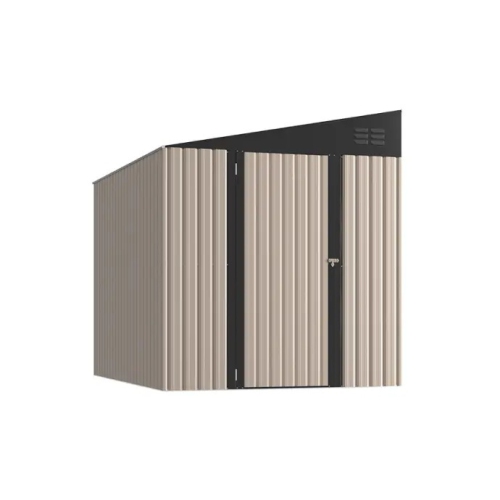
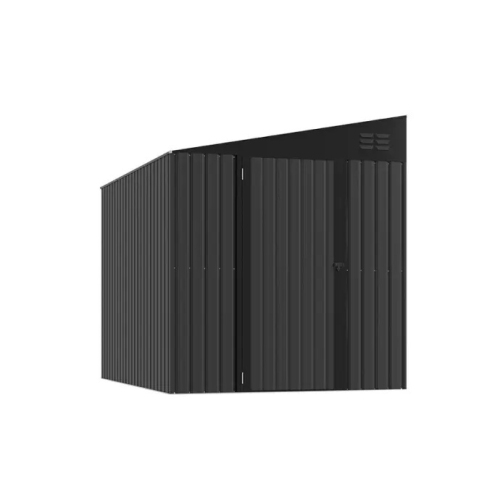
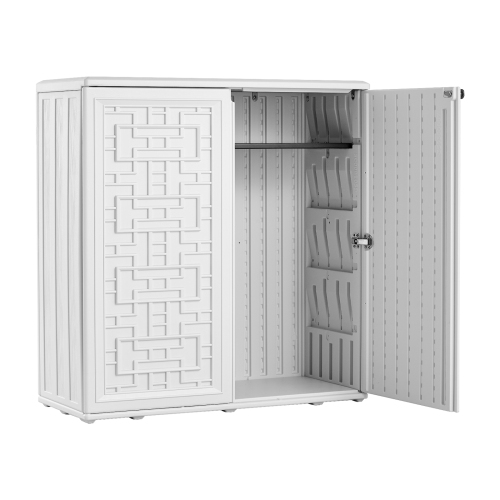
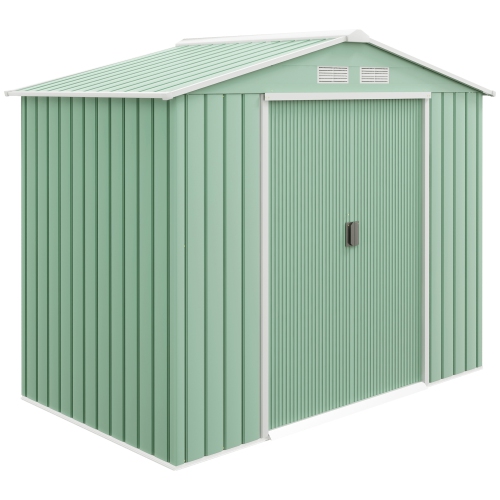
Outdoor storage that balances protection with everyday access
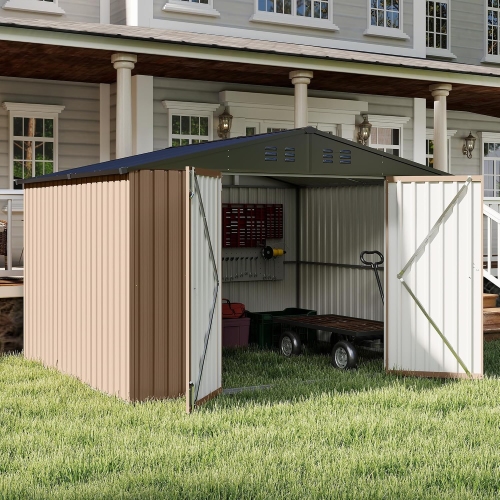
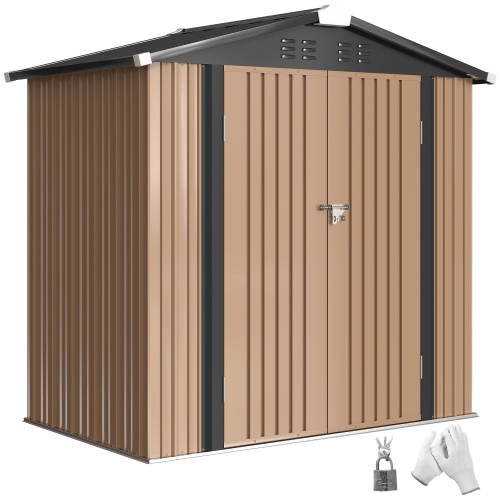
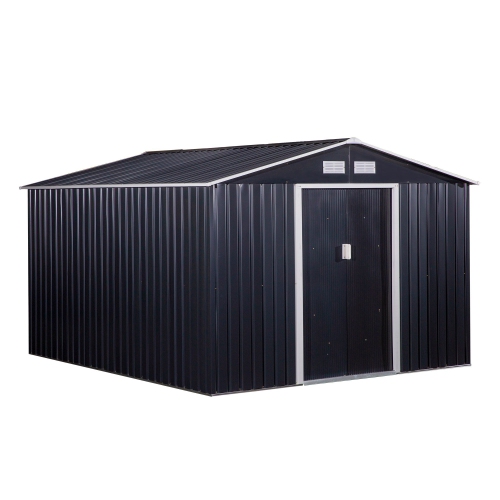
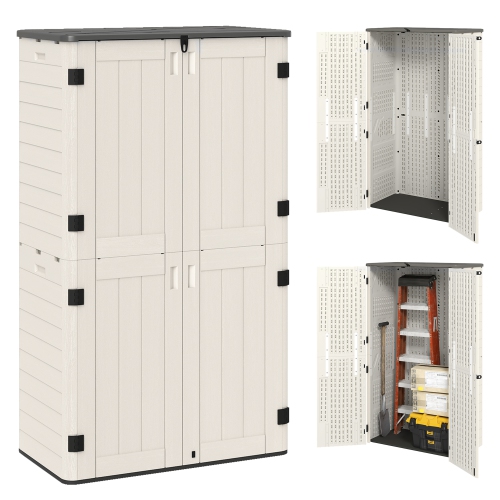
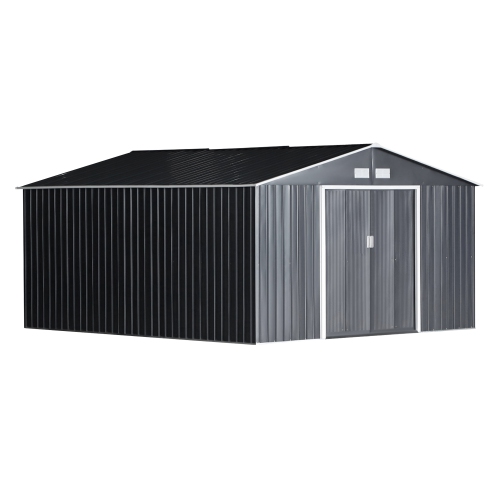
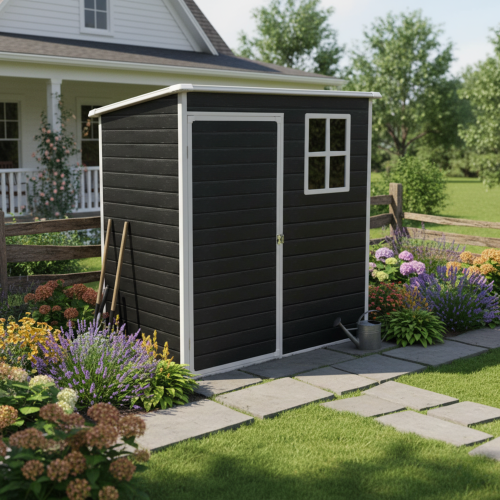
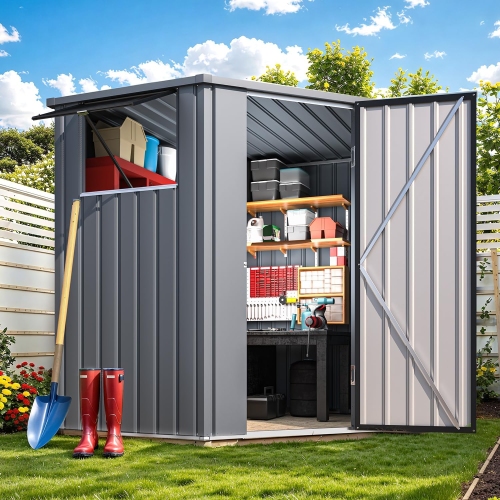
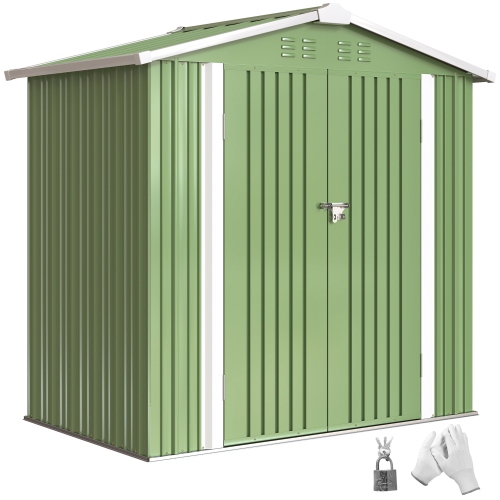
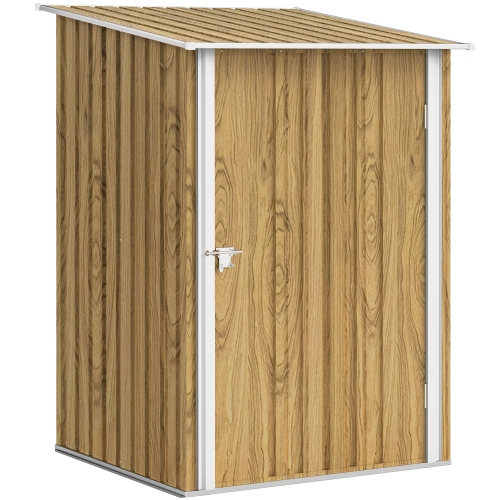
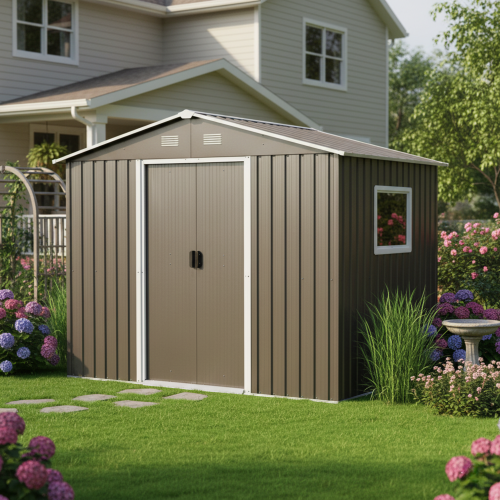
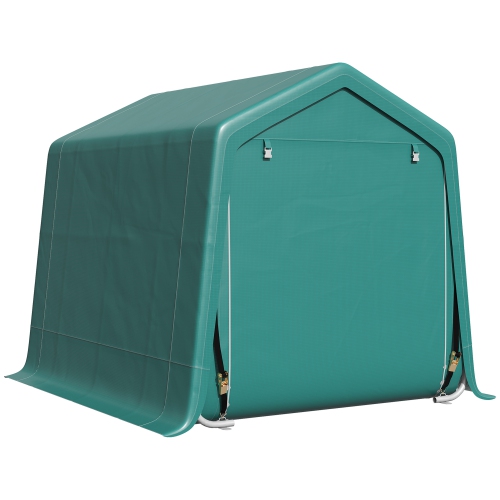
Weatherproof storage sheds provide enclosed outdoor storage designed to help protect tools, equipment, and household belongings from rain, snow, wind, and sun exposure. They create a dedicated place for bicycles, gardening supplies, lawn equipment, and outdoor furniture accessories without taking over a garage or basement. The level of protection depends on the shed’s materials, construction, foundation, and installation: weatherproof does not automatically mean completely waterproof, insulated, or suitable for every snow load. A compact shed can keep frequently used tools close to a garden, while a larger walk-in design offers room to manoeuvre a mower, store several bicycles, or arrange shelving along the walls. For households with limited indoor storage, that separation can make everyday routines simpler, with muddy wheels and bulky equipment staying outside the living space. Usable interior dimensions matter as much as the exterior footprint. Wall thickness, roof shape, and door placement can affect whether a long-handled rake stands upright or a bicycle can turn comfortably inside. Double doors provide a wider opening for equipment, while sliding doors may suit locations where swinging doors would obstruct a path. Threshold height also affects how easily wheeled equipment moves in and out; any ramp needs to be compatible with the shed and its base. Enough space around the structure allows doors to open properly and leaves access for maintenance. A level, well-drained location helps keep the base stable and reduces the chance of water collecting near the entrance. The overall footprint also needs to account for roof overhangs rather than just the wall dimensions. Property setbacks, local bylaws, and any applicable permit requirements can influence placement and size. For a side yard, patio edge, or larger backyard, the most useful shed balances storage capacity with a clear route to the belongings used most often, rather than filling every available centimetre of ground.
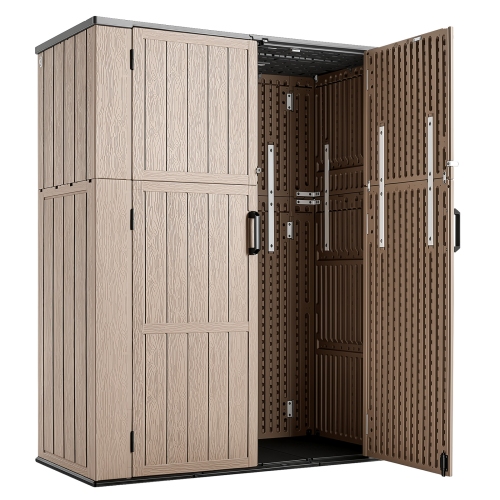
Material choice shapes how a weatherproof outdoor storage shed looks, handles moisture, and stands up to repeated use. Resin sheds typically use moulded panels that resist rot and do not need painting, making them appealing for households that prefer straightforward upkeep. Their performance still depends on panel thickness, reinforcement, secure connections, and a properly supported floor. UV-resistant materials help limit deterioration from sunlight, although colour and surface appearance can change with prolonged exposure. Metal sheds commonly use coated or galvanized steel, or aluminum, with finishes intended to resist corrosion. They can provide a practical enclosure for tools and equipment, but scratches, exposed edges, and damaged coatings deserve attention because those areas may be more vulnerable to rust. Wood sheds offer a traditional appearance and can accommodate finishes that complement nearby fencing or a home’s exterior. They generally need more ongoing attention to paint, stain, sealant, and areas where moisture could remain against the structure. Across all three materials, construction details are just as important as the wall panels. Overlapping joints, roof overhangs, and well-fitted doors help shed water, while a sloped roof directs runoff away from the interior. A roof’s stated snow-load rating is particularly relevant in Canadian locations where snow can accumulate; suitability depends on local conditions and the manufacturer’s specifications, not simply whether a shed is described as heavy-duty. Wind resistance likewise depends on the complete installation, including approved anchors and the supporting base. Some designs include a floor, while others require a separately prepared surface, so the floor system and its load capacity are important considerations for heavier equipment. Ventilation allows air to circulate and can help reduce condensation, but it does not make an unheated shed humidity-controlled. Raised storage and suitable containers add another layer of protection for belongings that should not sit directly on the floor. Paper records, delicate electronics, and other moisture- or temperature-sensitive possessions generally belong in a more controlled indoor space.
Inside a shed, a thoughtful layout makes the difference between accessible storage and a tightly packed enclosure. Shelves can keep small gardening supplies visible, wall-mounted holders can separate long-handled tools, and a clear central aisle leaves room to move larger equipment without catching handlebars or snagging cords. Any shelving, hooks, or hanging accessories need to suit the wall system and its weight limits; thin panels are not necessarily designed to support heavy loads without approved reinforcement. Heavier belongings are usually easier to handle when stored low, with frequently used tools near the entrance and less-used accessories farther back. Windows or translucent roof panels can bring in daylight, although their placement may affect privacy and the amount of direct sunlight reaching stored belongings. A lockable door can discourage casual access, but lock quality, hinges, anchoring, and visibility from the home all contribute to security. Hazardous materials require storage that follows their labels and local requirements, and an enclosed shed is not a place to run fuel-powered equipment. For a patio or narrow side passage where walk-in space is unnecessary, Weatherproof Outdoor Storage Cabinets offer another format for organizing smaller outdoor essentials. Ongoing shed care is usually centred on keeping water moving away from the structure and maintaining the parts that open, close, and seal. Leaves and debris can obstruct drainage, soil piled against the base can hold moisture, and worn door hardware can prevent a snug fit. Cleaning methods should suit the material and finish, with attention to the manufacturer’s care directions rather than harsh treatments that could damage protective surfaces. Roof inspections and snow removal, where required, also need to follow the manufacturer’s safety guidance without climbing onto a roof that is not designed to bear a person’s weight. Doorways need enough clearance to remain accessible after snowfall or freezing rain. With an appropriate base, suitable weather ratings, and regular attention to these details, a storage shed can serve as a dependable extension of a household’s usable space.
Top selling and popular products
-
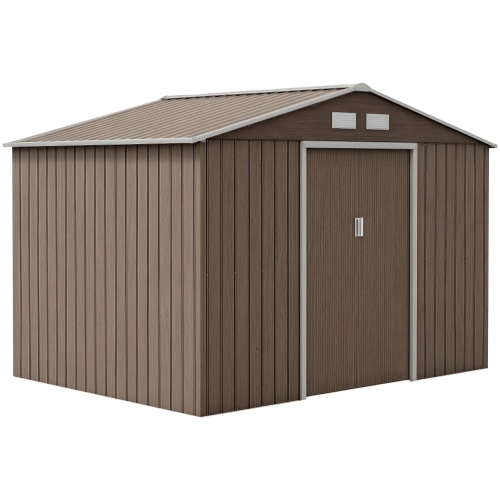 Your price for this item is $599.99
-
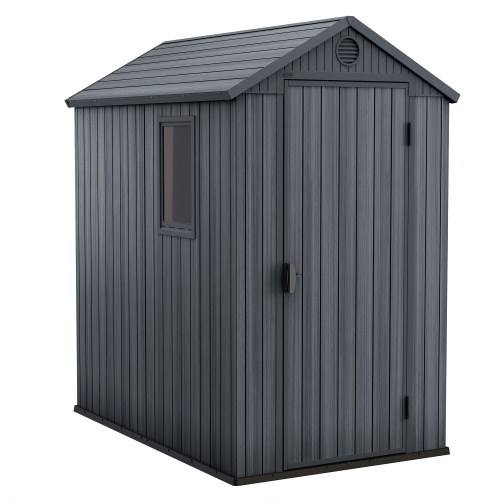 Your price for this item is $1418.99
-
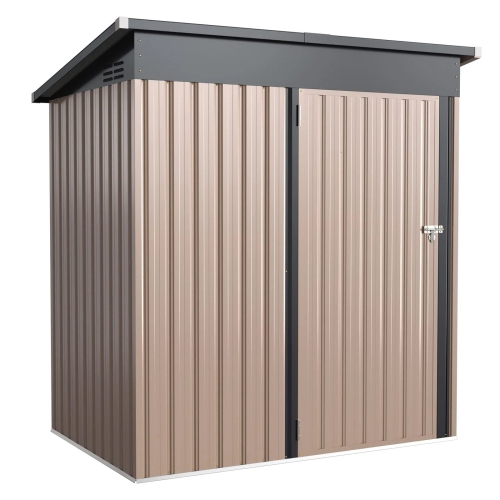 Your price for this item is $179.99
-
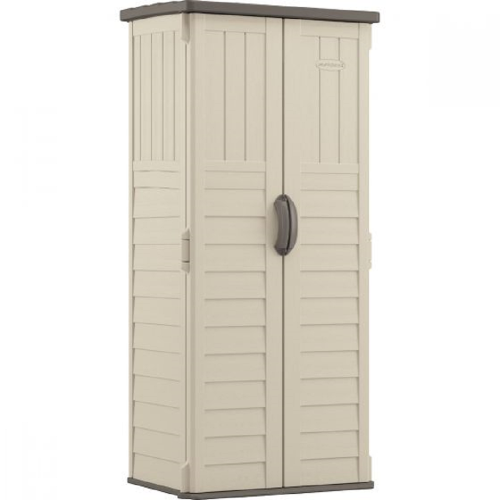 Your price for this item is $385.99
-
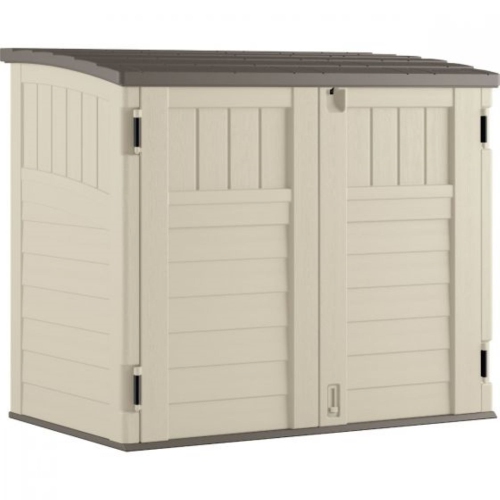 Your price for this item is $459.99
-
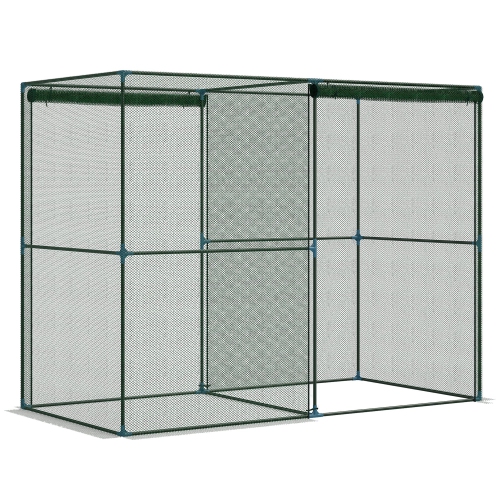 Your price for this item is $79.99
-
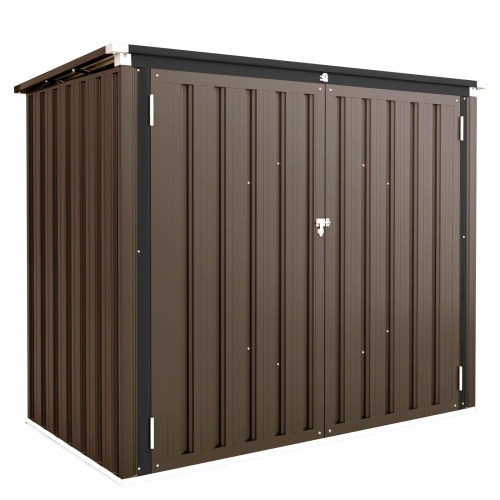 Your price for this item is $204.99
-
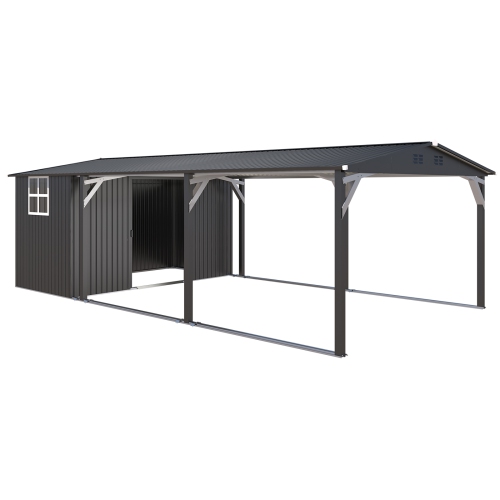 Your price for this item is $1199.99
Discover more categories related to Weatherproof Storage Sheds
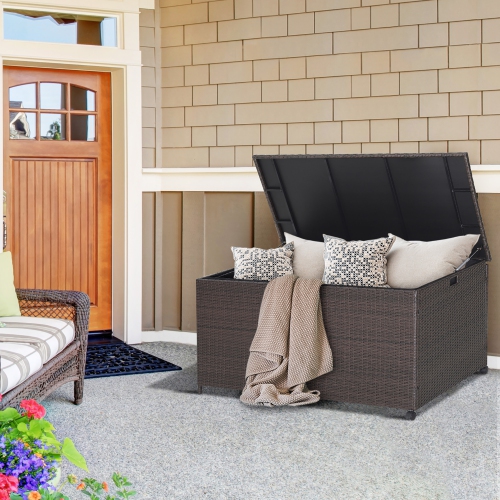
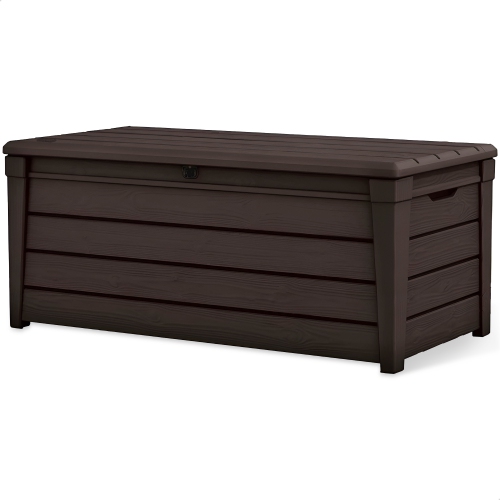
Top Collections:
Best Black Friday Deals This Year, Best Black Friday Deals On Electronics, Kindle Devices, Pokemon Centers, Best Black Friday Deals On Apple Products, Best Cameras for Sports Photography, Dyson Airwrap, Pokémon 30th Celebration Cards, Apple iPhone 17 Pro, Canon G7X Cameras
Some products may be subject to Environmental Handling Fees
(EHF) depending on your province.
Learn more about EHFs.