Dutch Oven Pots
Whether you're a seasoned chef or just starting out in the kitchen, a Dutch Oven pot is a versatile and essential cookware piece that can elevate your culinary creations. Known for its ability to evenly distribute heat and retain it for slow cooking, a Dutch Oven pot is perfect for braising, stewing, roasting, and even baking. With its durable construction and timeless design, this kitchen staple is a must-have for any home cook looking to create delicious and flavorful dishes with ease.
Sort
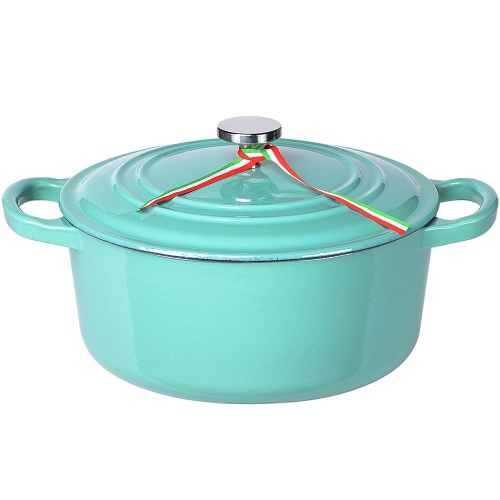
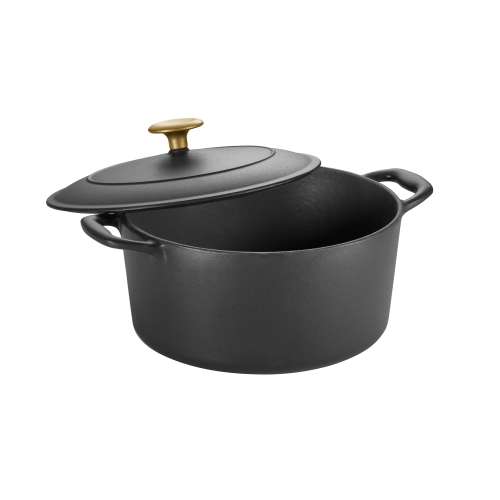
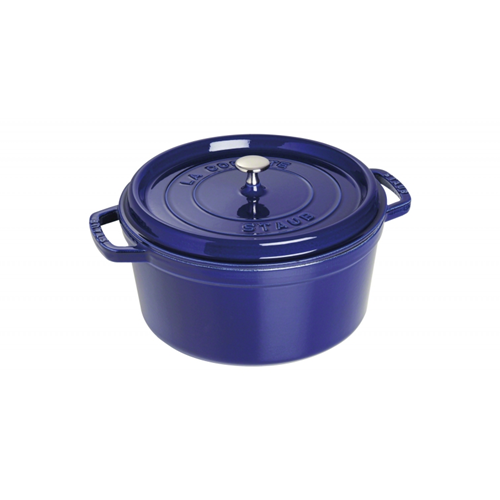
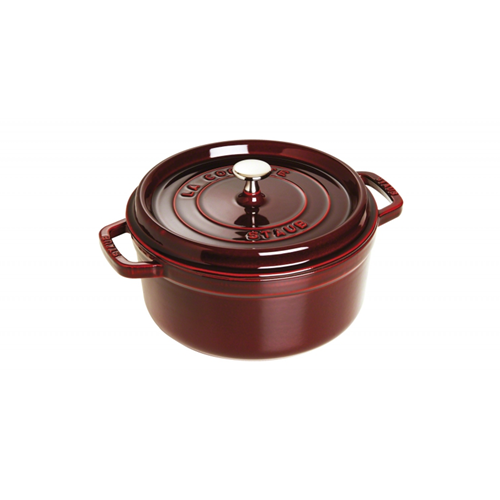
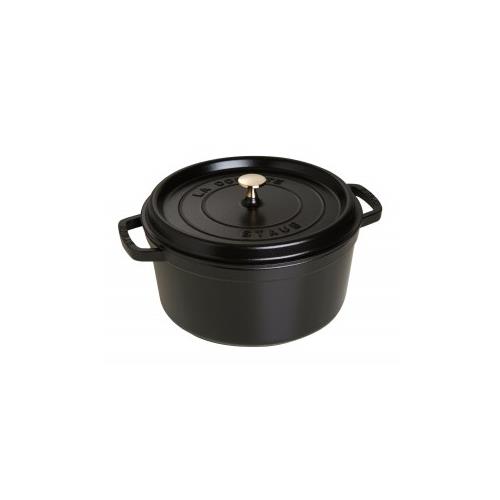
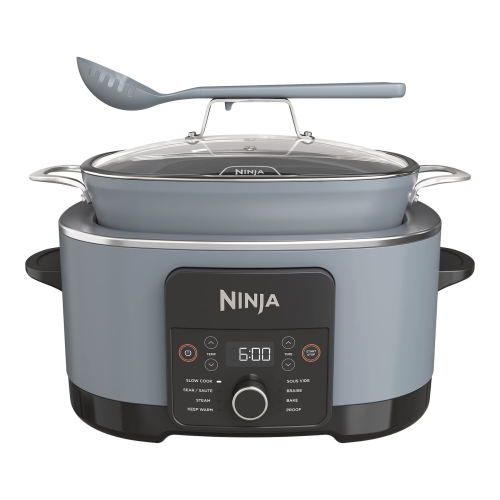
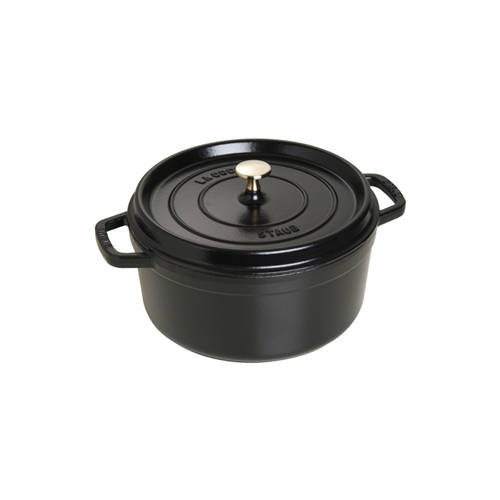
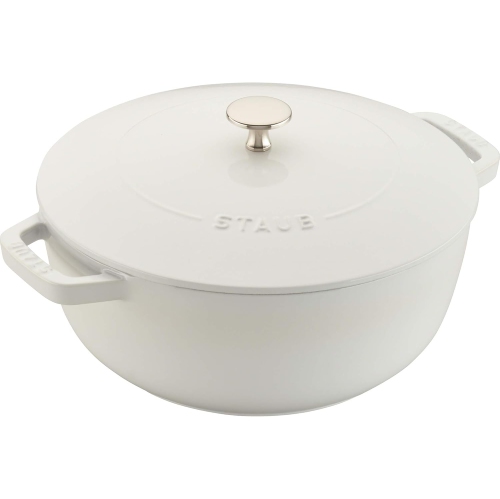
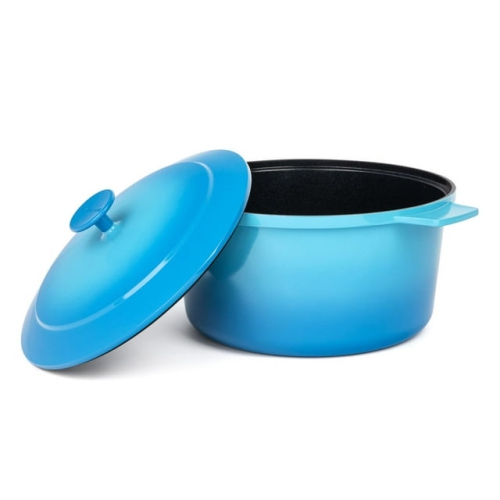
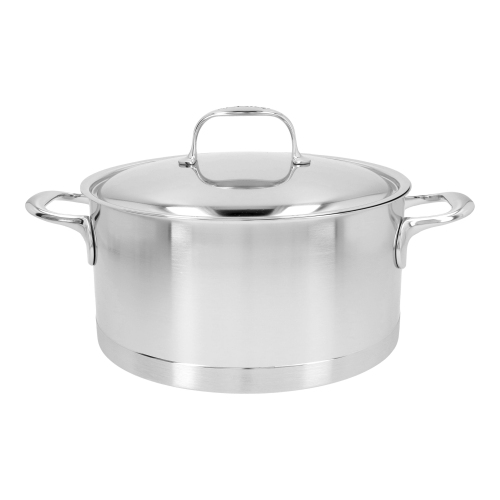
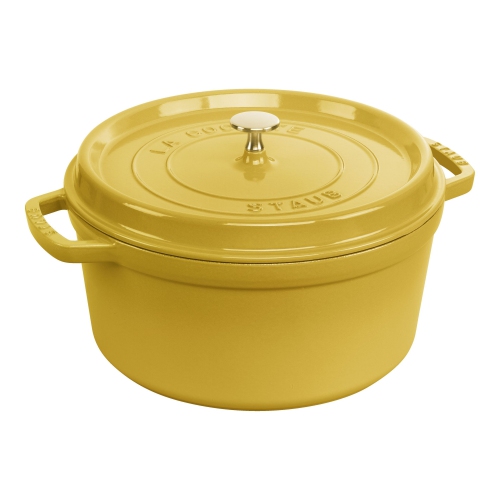
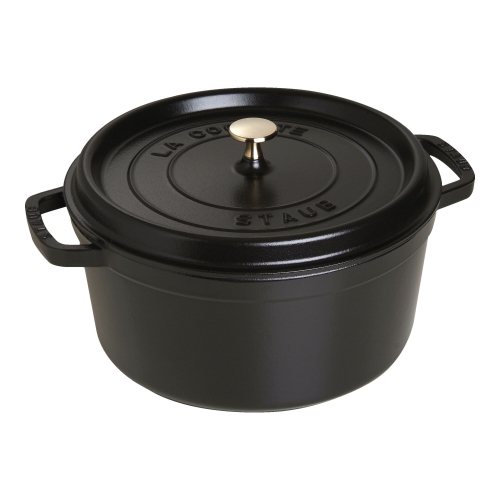
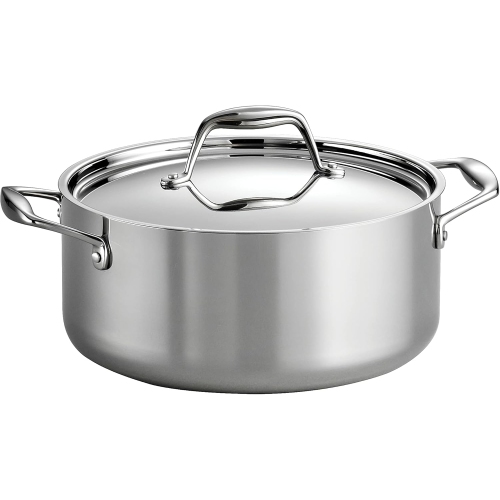
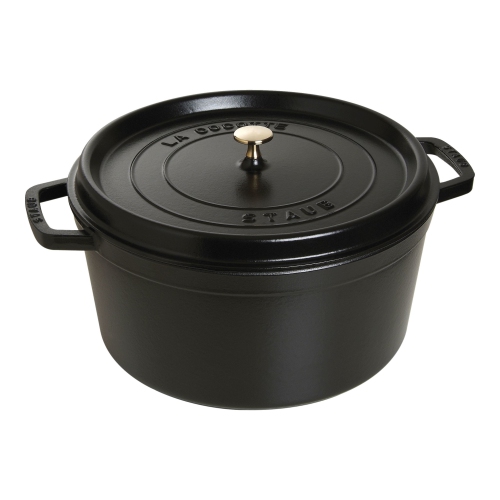
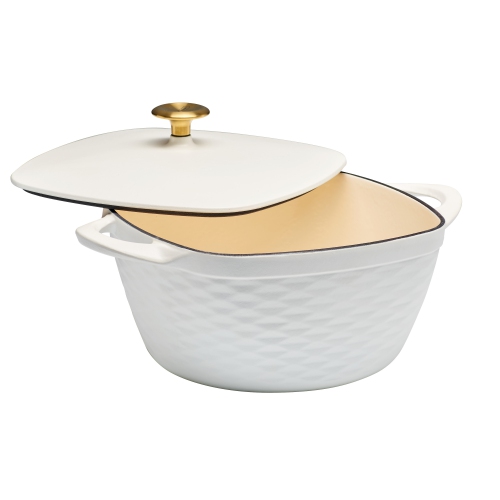
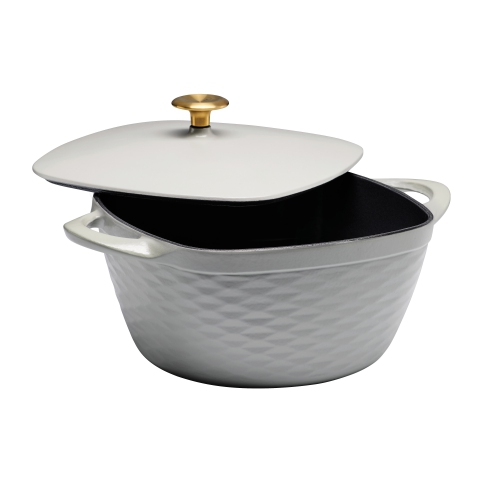
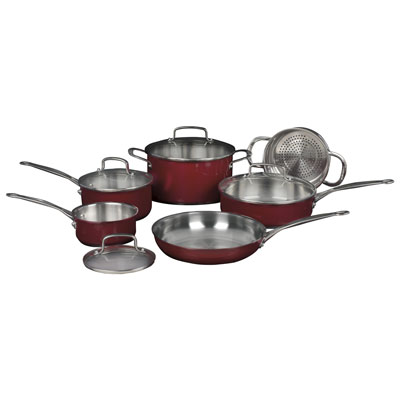

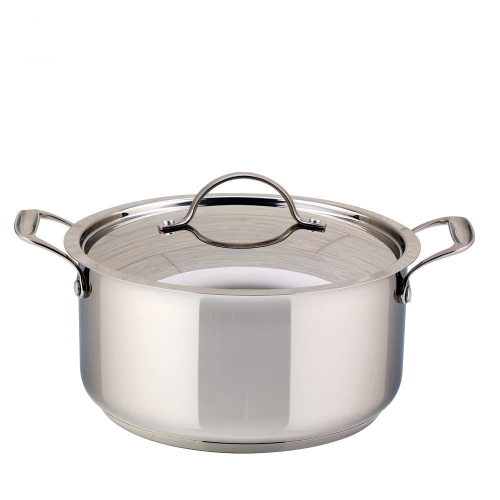
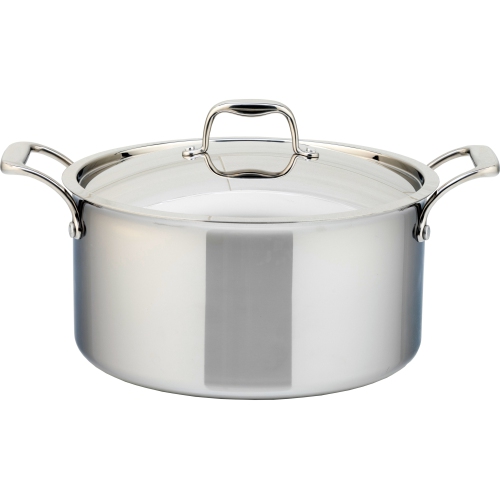
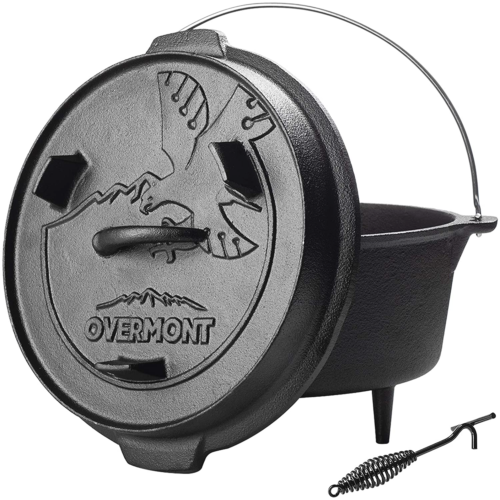
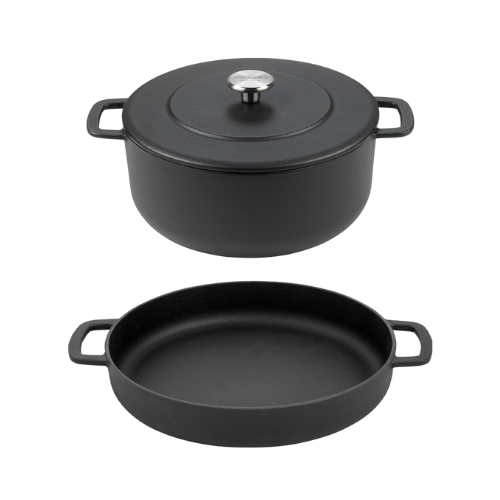
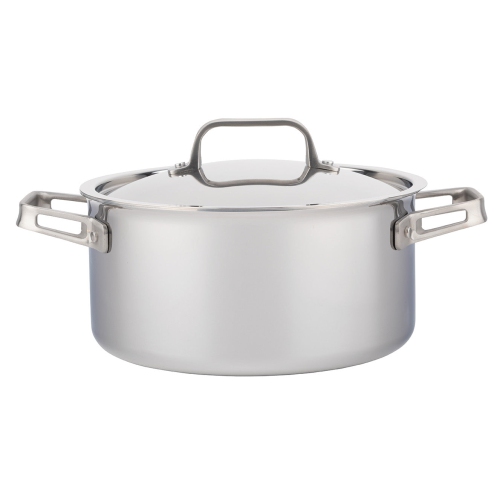
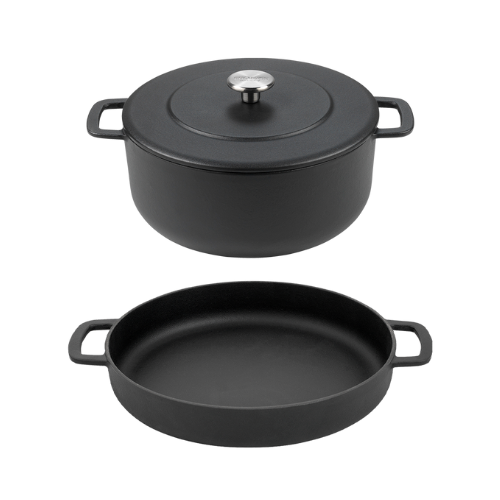
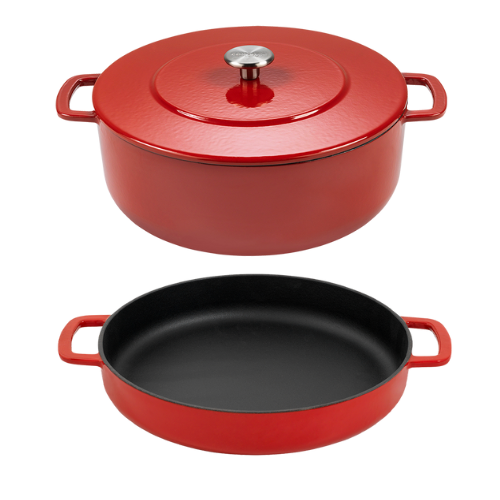
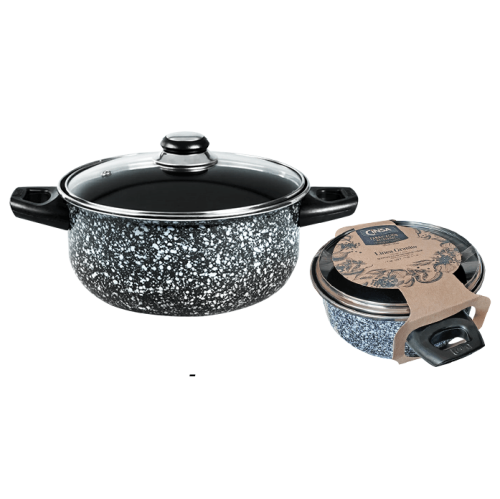

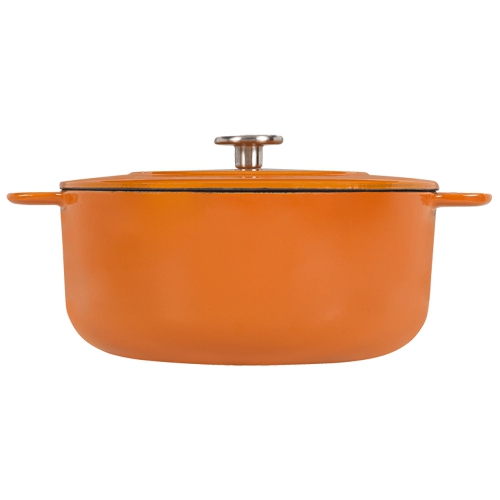
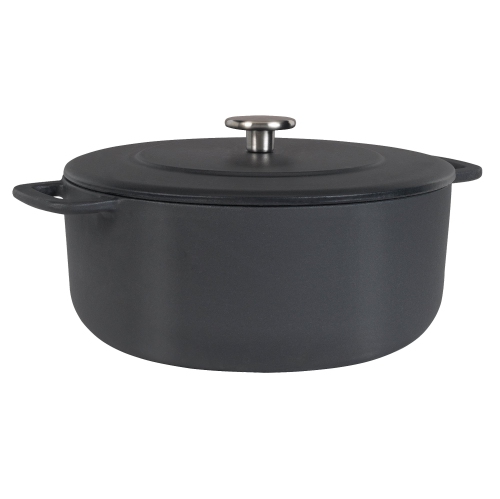
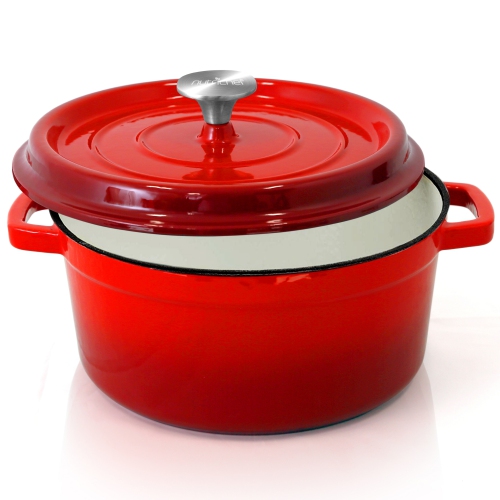
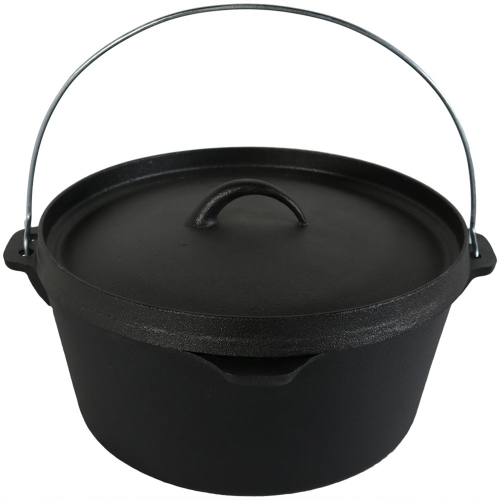
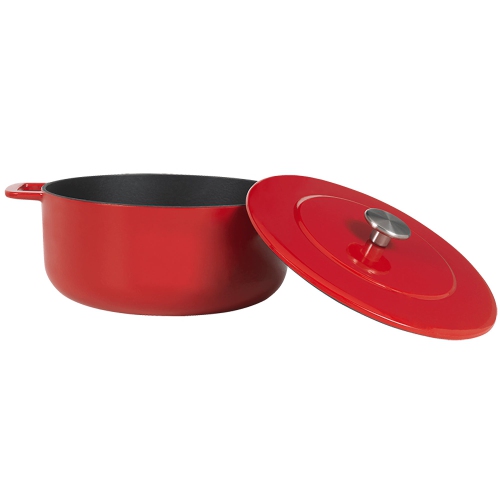
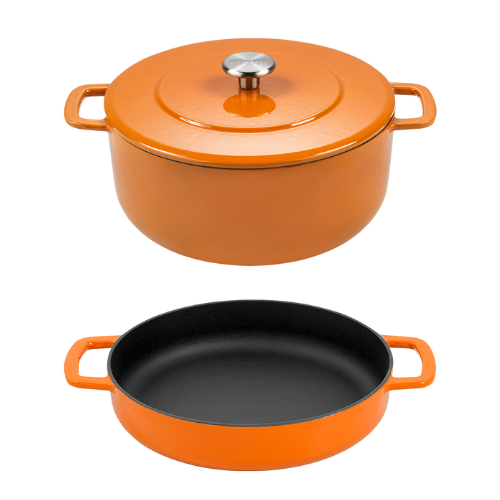
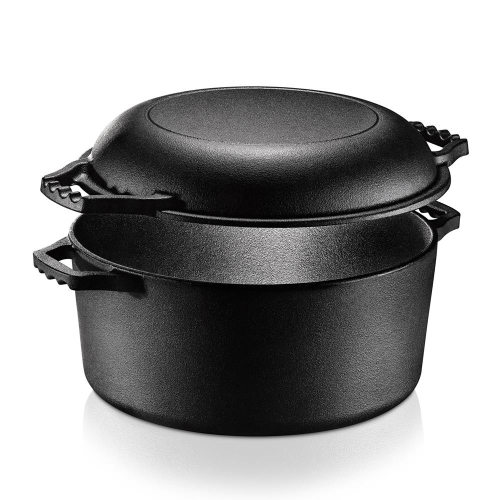
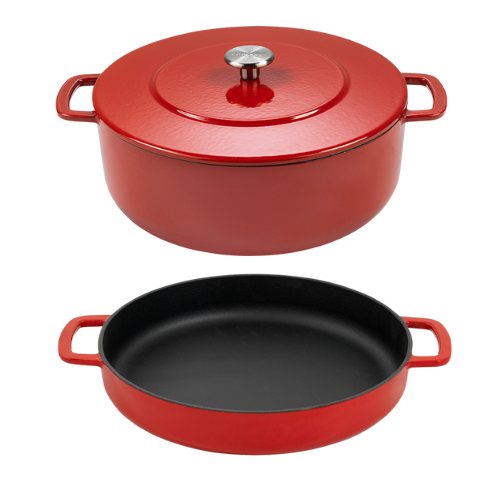
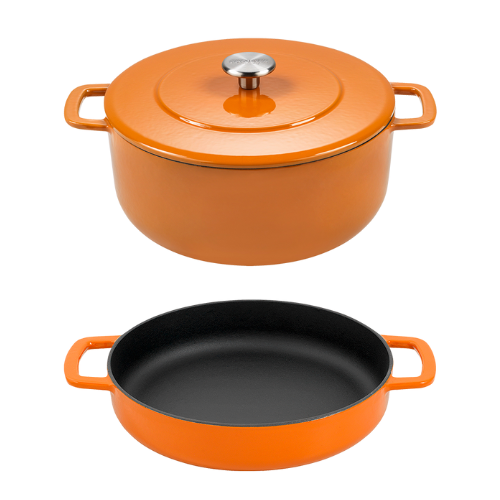
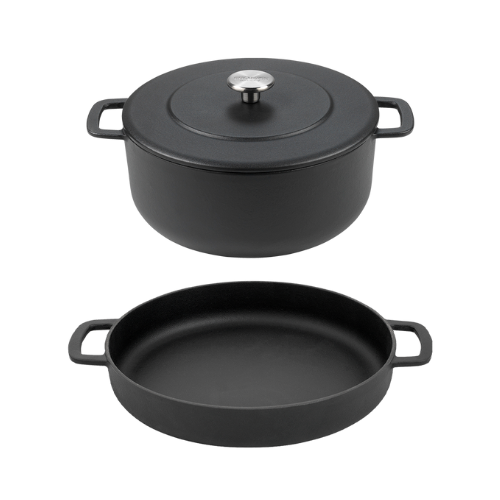
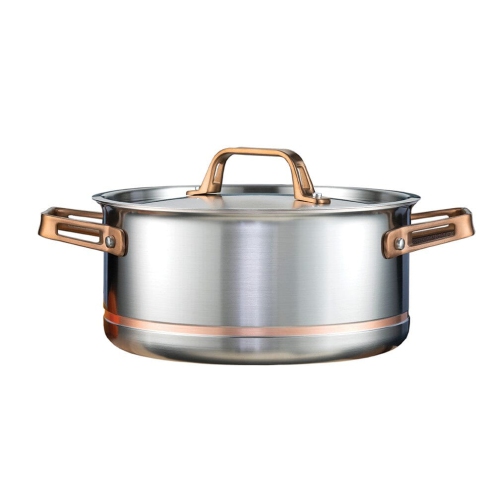
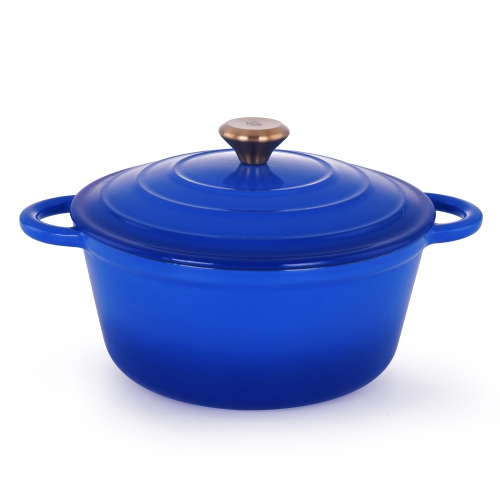
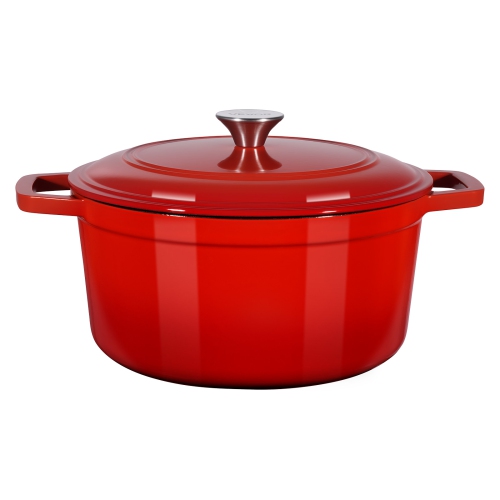
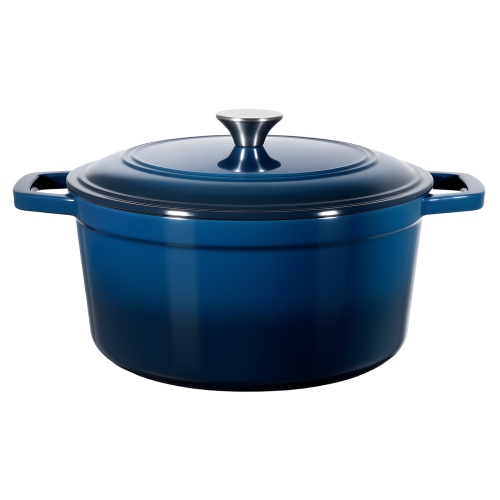
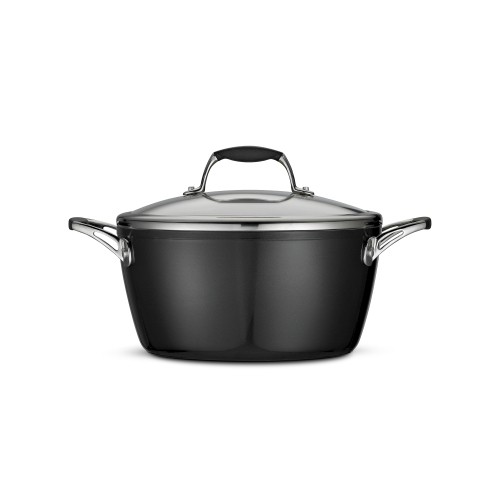
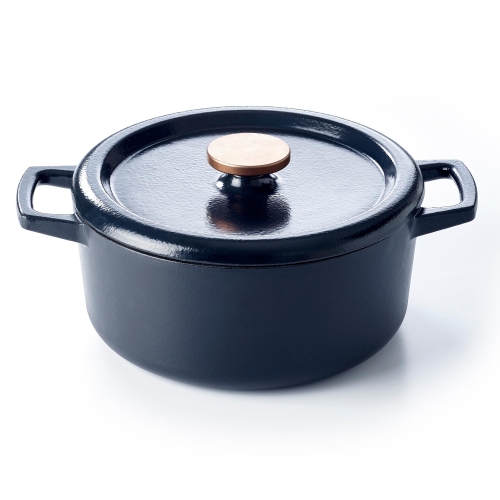
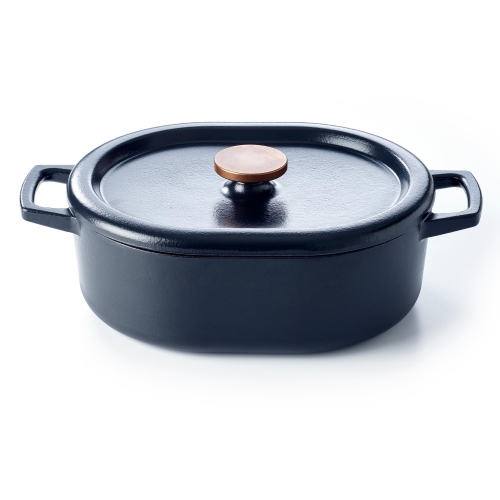
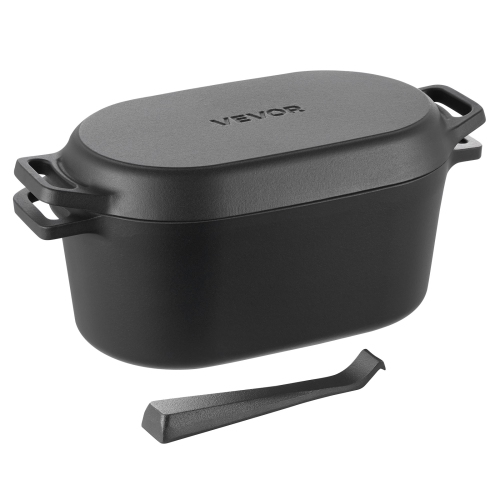
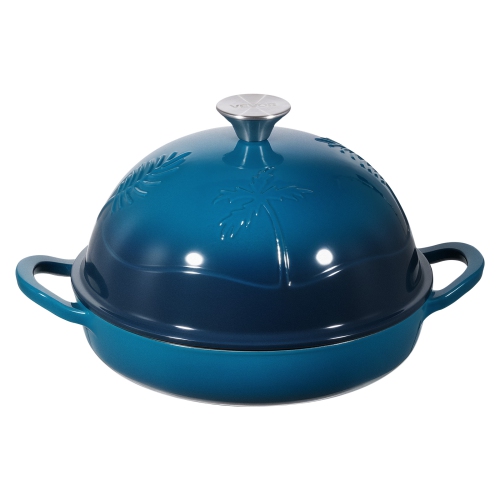
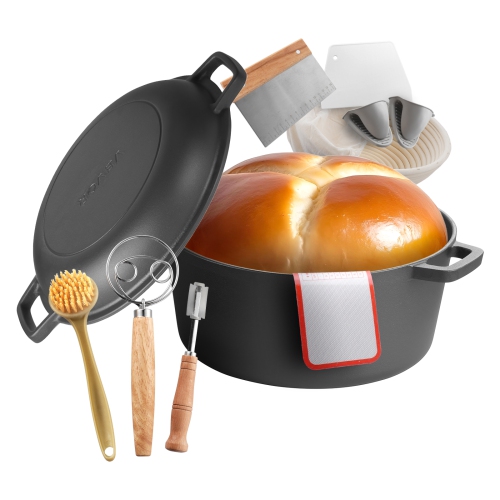
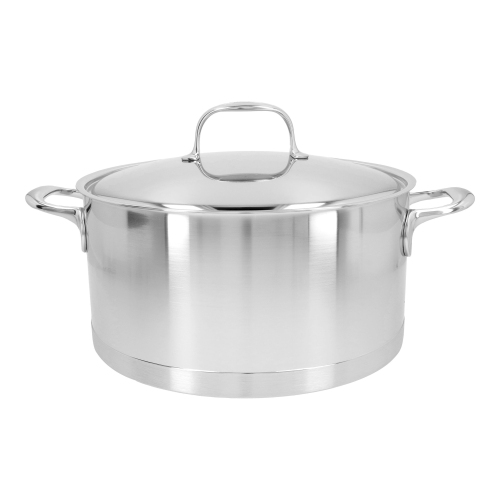
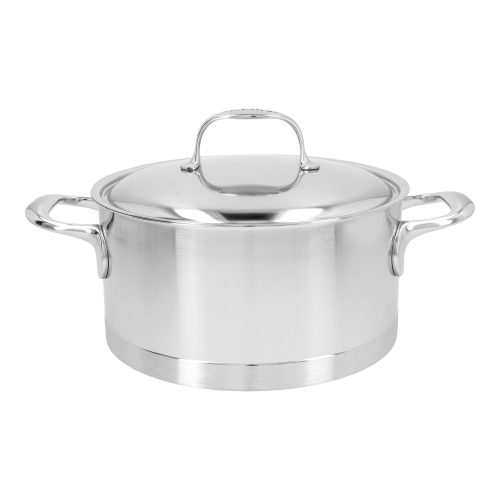
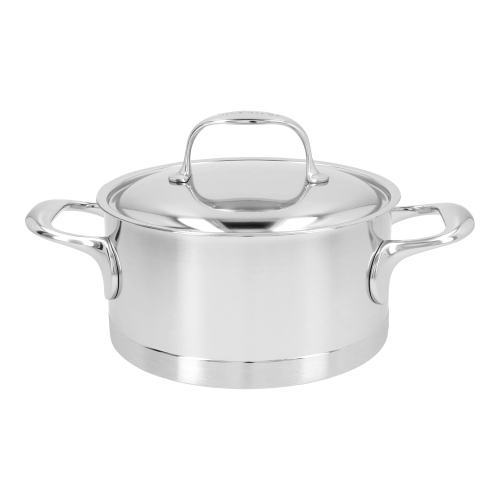
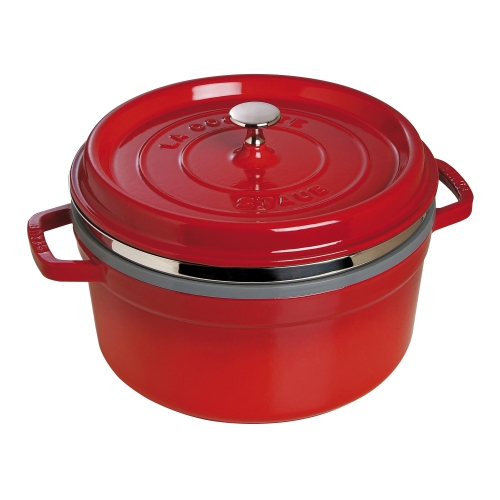
Steady heat and trapped moisture for tender slow-cooked meals
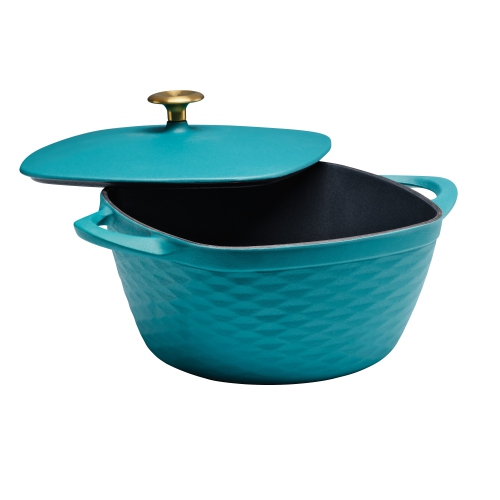
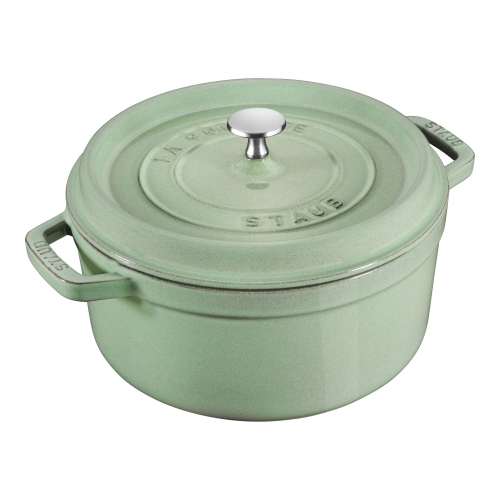
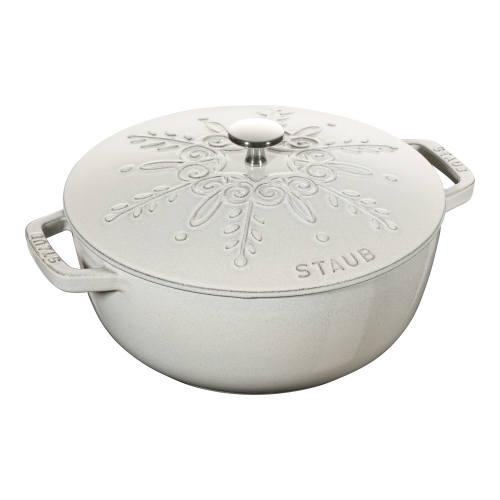
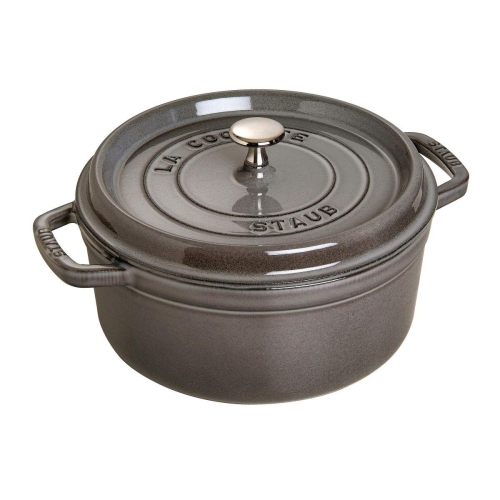
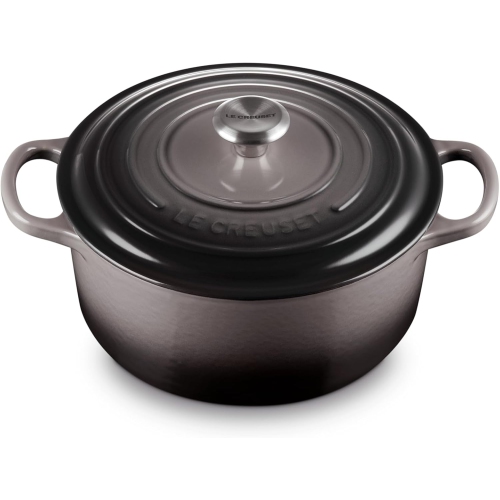
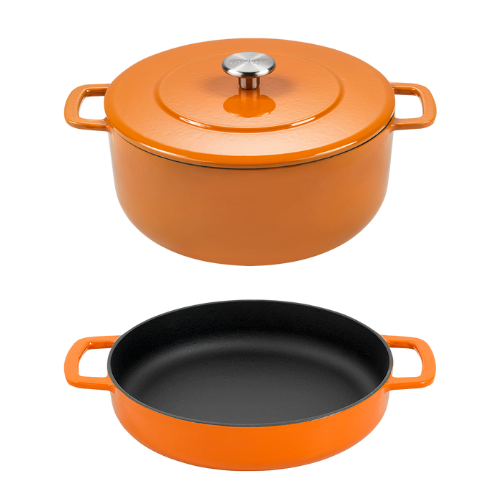
Dutch oven pots are deep, heavy-duty cooking vessels with thick walls and close-fitting lids, designed for everything from gently simmered soups to slow-braised roasts. Many can move from the stovetop to the oven, making it possible to brown ingredients, add liquid, and finish cooking in the same pot, provided the body, lid, and handles are rated for the cooking temperature. Their appeal lies in steady heat and moisture control: a substantial base holds warmth, while a well-fitting lid slows evaporation during long cooking times. That combination suits beef stew with tender root vegetables, lentils simmered with aromatics, or chicken braised until it pulls easily from the bone. During the cooler months, a Dutch oven also earns its place with thick chowders, baked beans, and sauces that benefit from an unhurried simmer. Cast iron is particularly valued for retaining heat, although it needs time to warm through and performs best with gradual heating rather than a sudden blast from a burner. For cooks drawn to this substantial material, Cast Iron Dutch Ovens bring together the classic qualities associated with this cookware style. Dutch ovens are also useful for bread baking, where moisture released by the dough becomes trapped beneath the lid, helping the loaf expand before the uncovered crust browns. Bread recipes that call for an empty, preheated pot require cookware whose manufacturer permits that method. For frying, a heavy pot helps moderate changes in oil temperature when food is added, but temperature monitoring and ample space above the oil remain essential. The same depth that contains a bubbling tomato sauce can accommodate a generous batch of soup, while the broad base of a wider pot provides room for browning. This versatility makes Dutch ovens appealing to everyday home cooks, enthusiastic bakers, and anyone who prefers cookware that can handle several stages of a meal without transferring ingredients between pans. From a small supper to a leisurely weekend braise, the cooking method matters as much as the recipe.
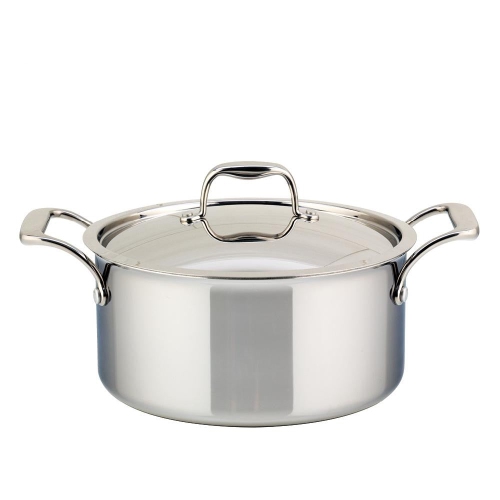
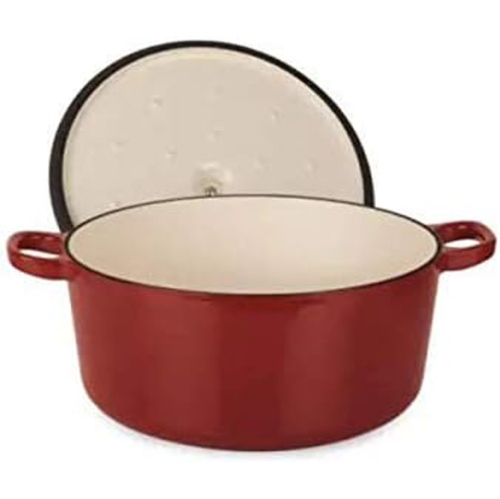
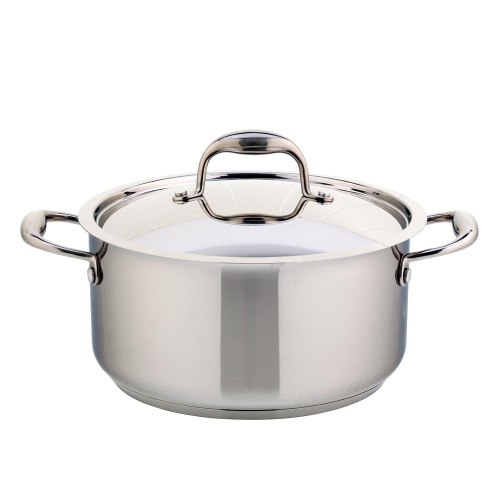
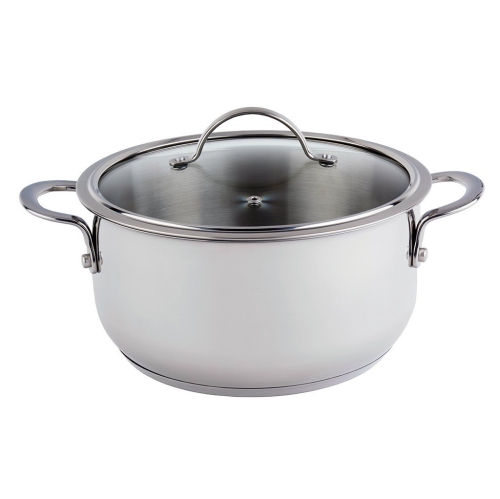
Material and finish affect how a Dutch oven feels in daily use, how it responds to ingredients, and how much care it needs. Enamelled cast iron pairs a heat-retaining iron body with a glass-like coating that does not require seasoning and is well suited to acidic ingredients such as tomatoes or wine. A pale enamel interior makes it easier to see browned bits developing on the base, useful when building flavour for gravy or a braising liquid. Enamel is durable with careful handling, but it can chip if knocked against a hard surface or damaged by abrupt temperature changes. Uncoated cast iron needs a maintained layer of seasoning, thorough drying after washing, and a light application of cooking oil when needed to help protect against rust. It suits cooks who enjoy traditional cookware and are comfortable with that maintenance routine; prolonged cooking of acidic foods can affect the seasoning and sometimes the flavour of the dish. Stainless steel Dutch ovens offer a different balance of weight and care, often using layered bases or fully clad construction to distribute heat. Cast aluminium designs are generally lighter than cast iron, though hob compatibility and surface care depend on their construction and coating. Across materials, oven temperature limits can differ between the pot and its lid, especially when knobs, glass, or other components have separate ratings. Induction cooking requires a compatible magnetic base, while smooth glass cooktops benefit from a flat bottom and careful lifting rather than sliding. Handles deserve equal attention: wide, secure grips are easier to hold with oven mitts, particularly when the pot is full. A snug lid helps retain moisture, and its weight should feel manageable when lifted away from rising steam. These details matter in ordinary kitchen moments, whether carrying a finished braise to a heat-safe trivet, stirring a thick soup, or checking bread halfway through baking. The most useful design is one that feels comfortable throughout cooking, not simply when sitting empty on a shelf.
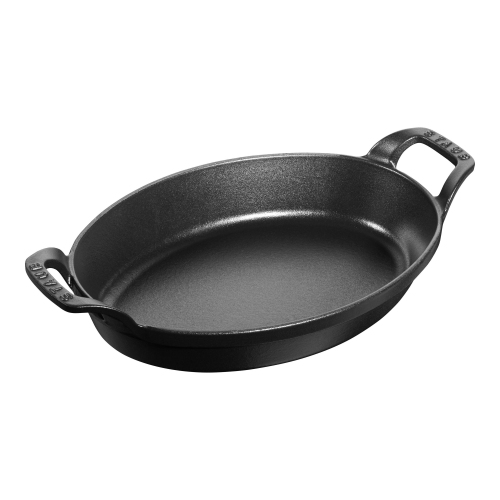
Capacity, shape, and storage space help determine how well a Dutch oven fits a household. Around 5 to 7 quarts, approximately 4.7 to 6.6 litres, is a common family-sized range, with room for many soups, stews, and batch-cooked meals; the right size still depends on portions and the foods being prepared. Smaller pots can suit one or two people, side dishes, or kitchens with limited cupboard space, while larger capacities make sense for entertaining and cooking extra portions to freeze. Rated capacity is not the same as practical working space, since stirring, simmering, and adding bulky ingredients all require room below the rim. Round Dutch ovens generally align well with round stovetop burners, helping the base heat more evenly. Oval shapes offer extra length for poultry and elongated roasts, though their ends may sit beyond a smaller burner and heat less evenly on the stovetop. A wider base gives ingredients more contact with the cooking surface during browning, while a taller, narrower pot may fit more comfortably beside other pans. Overall dimensions include handles and lid height, which matter when checking oven clearance or finding a secure storage spot. Filled weight also deserves consideration, especially for anyone who finds lifting heavy cookware uncomfortable. For newly established households, keen bread bakers, or cooks who enjoy sharing slow-cooked meals, a Dutch oven can make a thoughtful housewarming or wedding gift when its size and care requirements match the recipient’s habits. Longevity depends on simple, consistent handling: letting the pot cool before washing, using utensils suitable for its surface, and avoiding harsh abrasives on enamel or coated interiors. A soak in warm, soapy water can loosen stuck-on food once the cookware has cooled, while uncoated iron should not be left soaking. Thorough drying and protected storage help keep cooking surfaces in good condition. With a suitable material, a comfortable shape, and enough room for familiar recipes, a Dutch oven becomes a dependable part of the kitchen, equally at home holding a crusty loaf, a gently bubbling sauce, or a hearty meal ready to share.
Material and finish affect how a Dutch oven feels in daily use, how it responds to ingredients, and how much care it needs. Enamelled cast iron pairs a heat-retaining iron body with a glass-like coating that does not require seasoning and is well suited to acidic ingredients such as tomatoes or wine. A pale enamel interior makes it easier to see browned bits developing on the base, useful when building flavour for gravy or a braising liquid. Enamel is durable with careful handling, but it can chip if knocked against a hard surface or damaged by abrupt temperature changes. Uncoated cast iron needs a maintained layer of seasoning, thorough drying after washing, and a light application of cooking oil when needed to help protect against rust. It suits cooks who enjoy traditional cookware and are comfortable with that maintenance routine; prolonged cooking of acidic foods can affect the seasoning and sometimes the flavour of the dish. Stainless steel Dutch ovens offer a different balance of weight and care, often using layered bases or fully clad construction to distribute heat. Cast aluminium designs are generally lighter than cast iron, though hob compatibility and surface care depend on their construction and coating. Across materials, oven temperature limits can differ between the pot and its lid, especially when knobs, glass, or other components have separate ratings. Induction cooking requires a compatible magnetic base, while smooth glass cooktops benefit from a flat bottom and careful lifting rather than sliding. Handles deserve equal attention: wide, secure grips are easier to hold with oven mitts, particularly when the pot is full. A snug lid helps retain moisture, and its weight should feel manageable when lifted away from rising steam. These details matter in ordinary kitchen moments, whether carrying a finished braise to a heat-safe trivet, stirring a thick soup, or checking bread halfway through baking. The most useful design is one that feels comfortable throughout cooking, not simply when sitting empty on a shelf.
Capacity, shape, and storage space help determine how well a Dutch oven fits a household. Around 5 to 7 quarts, approximately 4.7 to 6.6 litres, is a common family-sized range, with room for many soups, stews, and batch-cooked meals; the right size still depends on portions and the foods being prepared. Smaller pots can suit one or two people, side dishes, or kitchens with limited cupboard space, while larger capacities make sense for entertaining and cooking extra portions to freeze. Rated capacity is not the same as practical working space, since stirring, simmering, and adding bulky ingredients all require room below the rim. Round Dutch ovens generally align well with round stovetop burners, helping the base heat more evenly. Oval shapes offer extra length for poultry and elongated roasts, though their ends may sit beyond a smaller burner and heat less evenly on the stovetop. A wider base gives ingredients more contact with the cooking surface during browning, while a taller, narrower pot may fit more comfortably beside other pans. Overall dimensions include handles and lid height, which matter when checking oven clearance or finding a secure storage spot. Filled weight also deserves consideration, especially for anyone who finds lifting heavy cookware uncomfortable. For newly established households, keen bread bakers, or cooks who enjoy sharing slow-cooked meals, a Dutch oven can make a thoughtful housewarming or wedding gift when its size and care requirements match the recipient’s habits. Longevity depends on simple, consistent handling: letting the pot cool before washing, using utensils suitable for its surface, and avoiding harsh abrasives on enamel or coated interiors. A soak in warm, soapy water can loosen stuck-on food once the cookware has cooled, while uncoated iron should not be left soaking. Thorough drying and protected storage help keep cooking surfaces in good condition. With a suitable material, a comfortable shape, and enough room for familiar recipes, a Dutch oven becomes a dependable part of the kitchen, equally at home holding a crusty loaf, a gently bubbling sauce, or a hearty meal ready to share.
Top selling and popular products
-
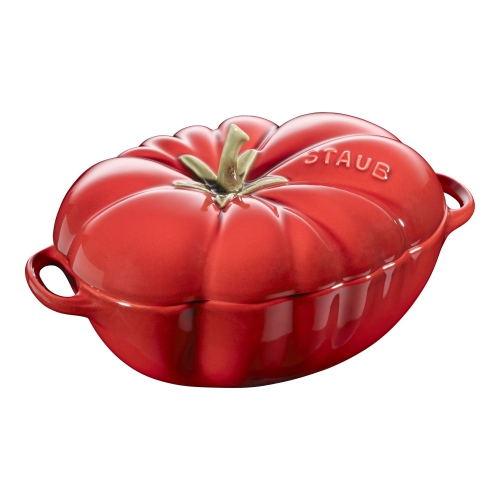 Your price for this item is $59.99
 -
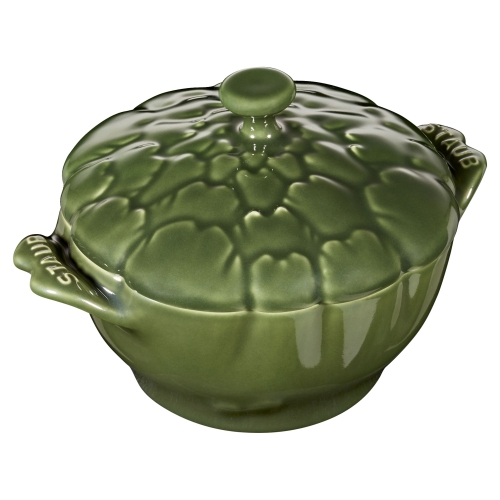 Your price for this item is $59.99
 -
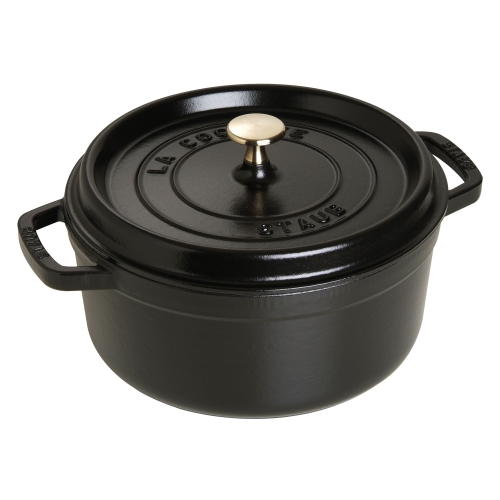 Your price for this item is $399.99
 -
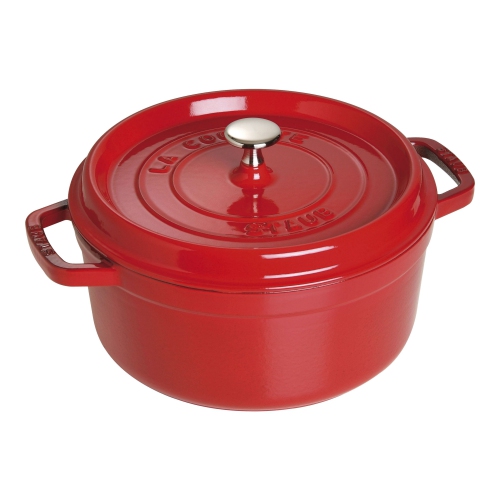 Your price for this item is $399.99
 -
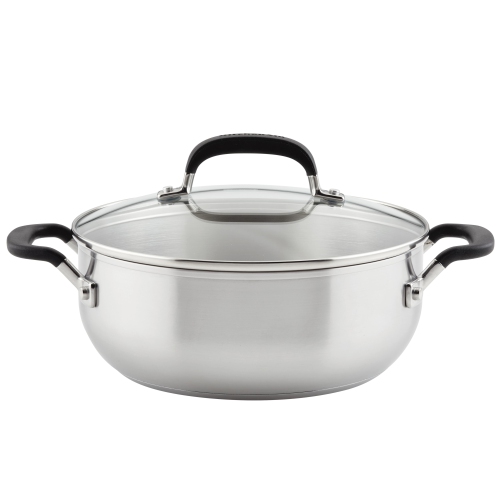 Your price for this item is $69.99
 -
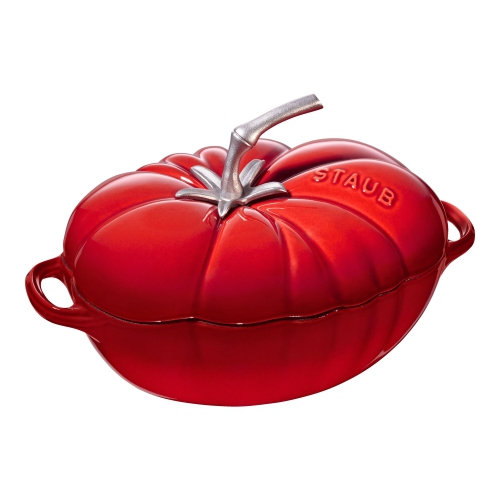 Your price for this item is $399.99
 -
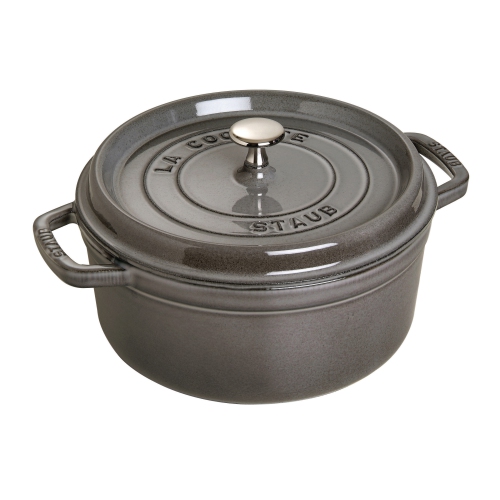 Your price for this item is $399.99
 -
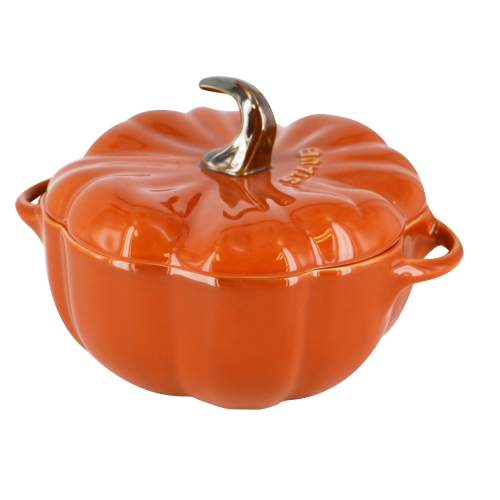 Your price for this item is $69.99
Discover more categories related to Dutch Oven Pots
Top Collections:
Pokemon Centers, Kindle Devices, Best Budget Office Chairs, Apple iPhones 16, Best Laptops for Writers, iPhone 15 Apple, Canon G7X Cameras, Refurbished Apple Laptops, Alarm Clock, Motorola Razr Phones
Some products may be subject to Environmental Handling Fees
(EHF) depending on your province.
Learn more about EHFs.