Dyed Rugs
Discover a world of vibrant hues and exquisite craftsmanship with our collection of dyed rugs. Perfect for adding a pop of color and personality to any room in your home, these stunning rugs are hand-dyed to perfection, creating unique patterns and designs that will elevate your space effortlessly. Whether you're looking to make a bold statement or simply add a touch of warmth to your decor, our dyed rugs are sure to impress with their quality materials and eye-catching aesthetics. Explore our diverse selection today and find the perfect piece to tie your room together in style.
Sort
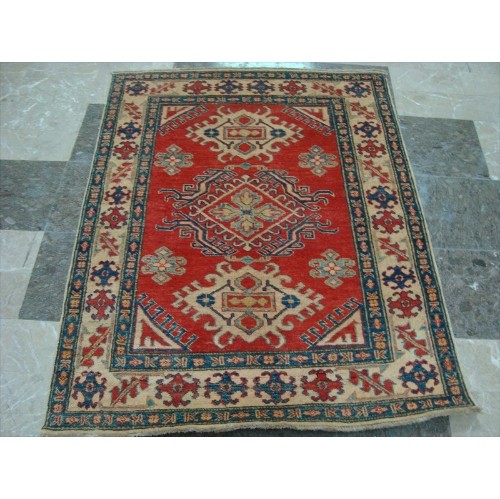
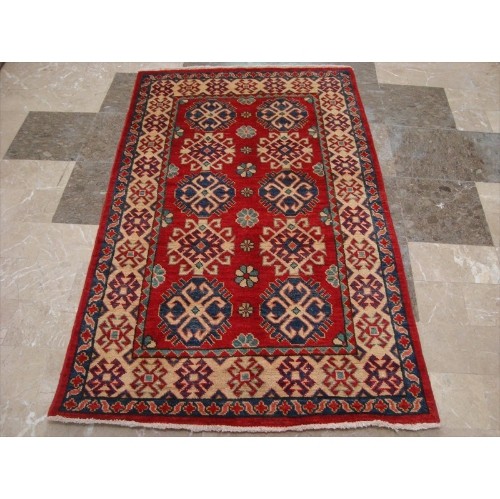
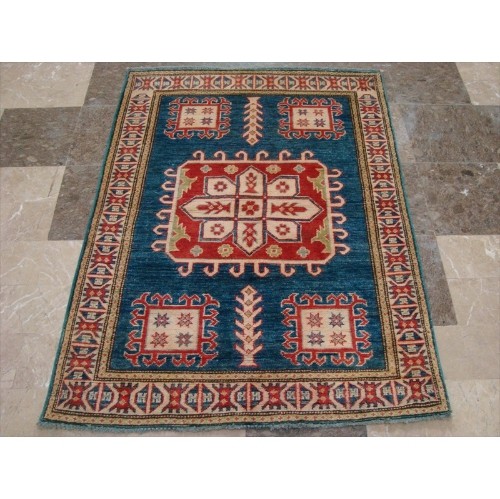
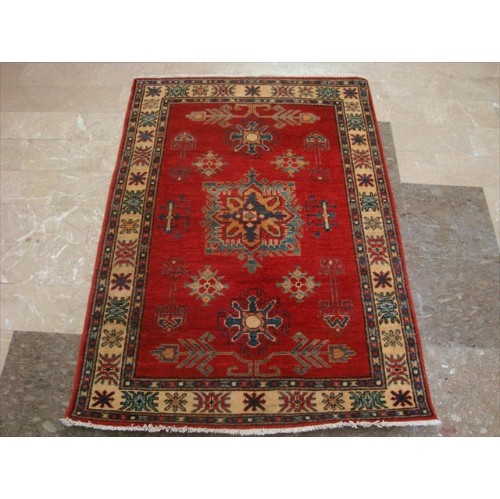
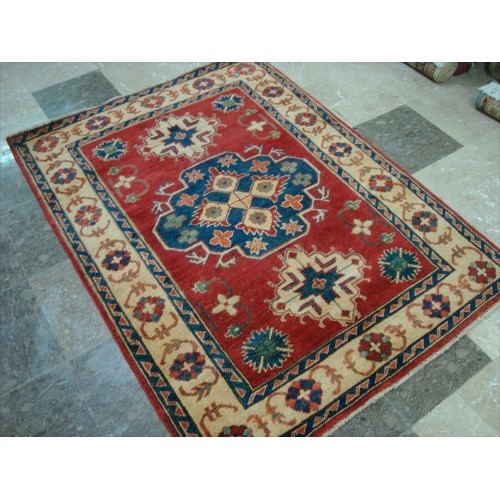


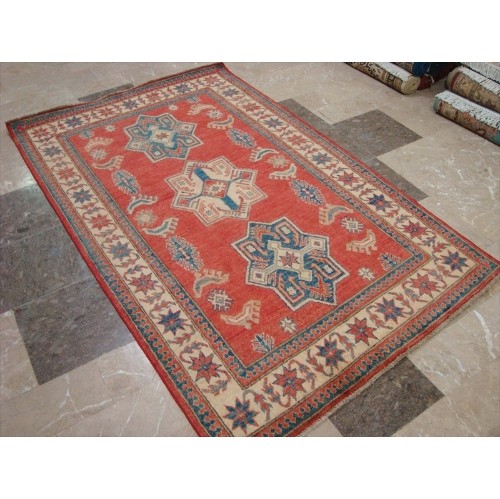
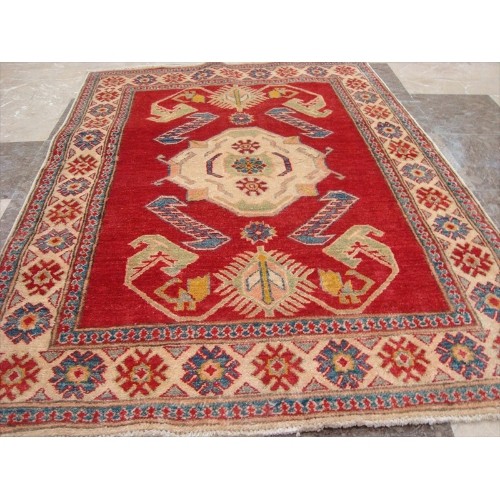

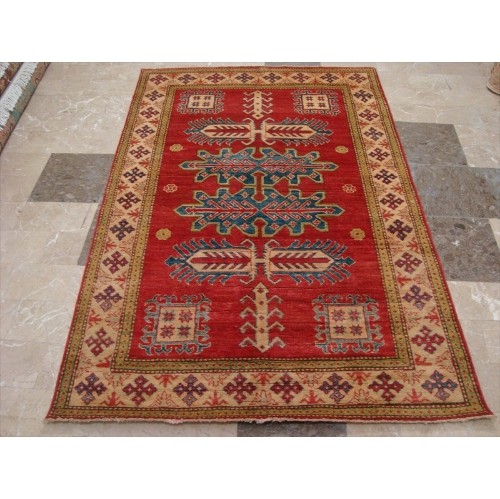
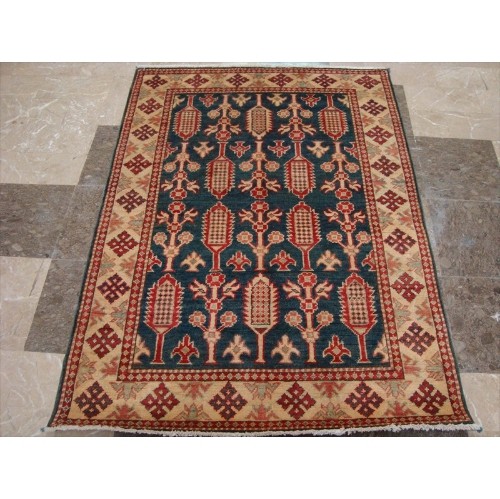


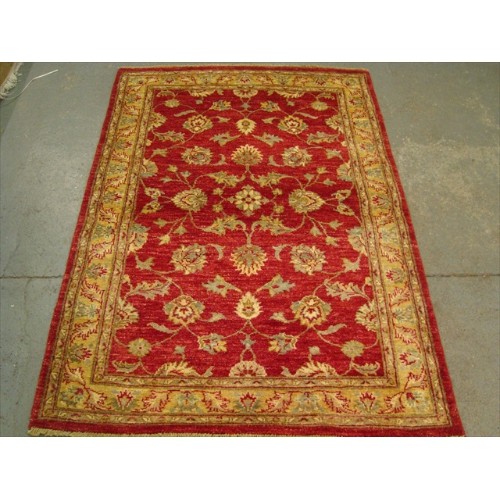
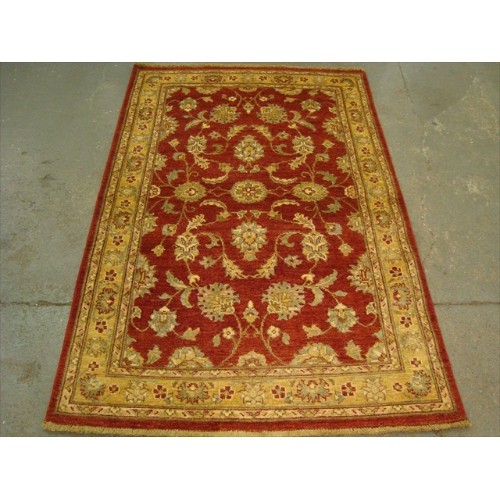
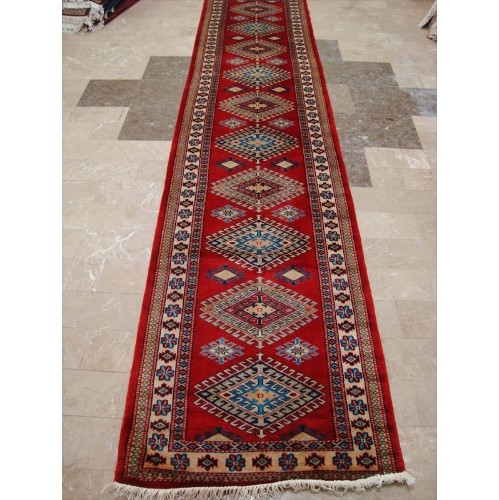
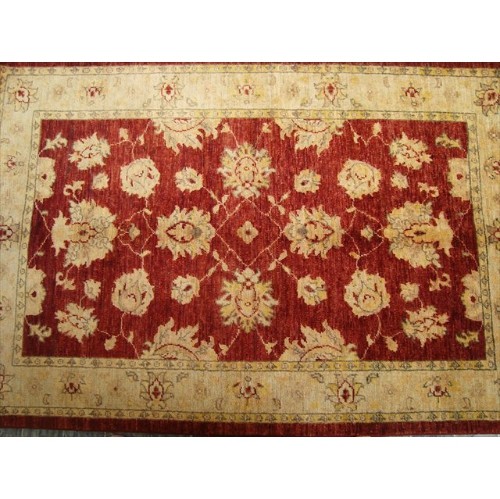
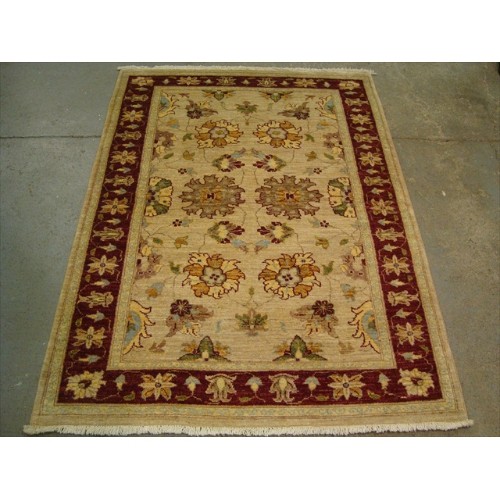


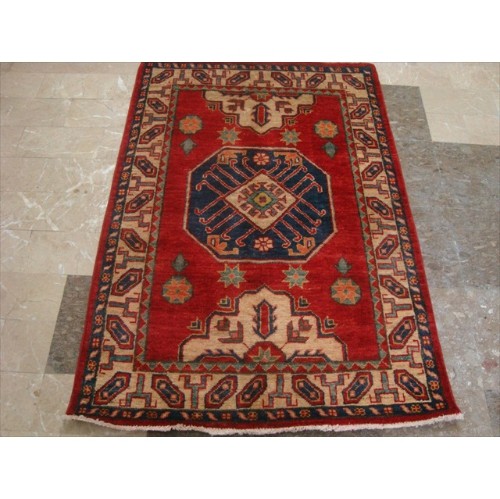
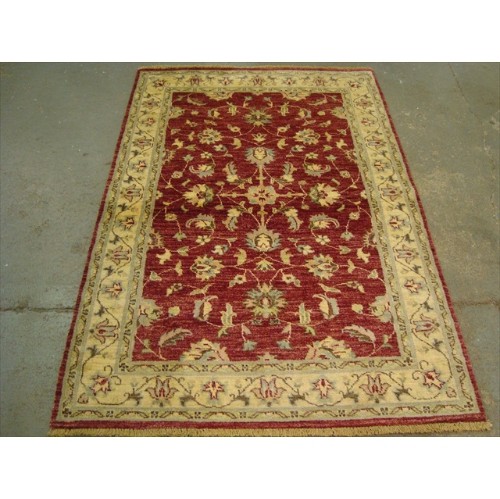


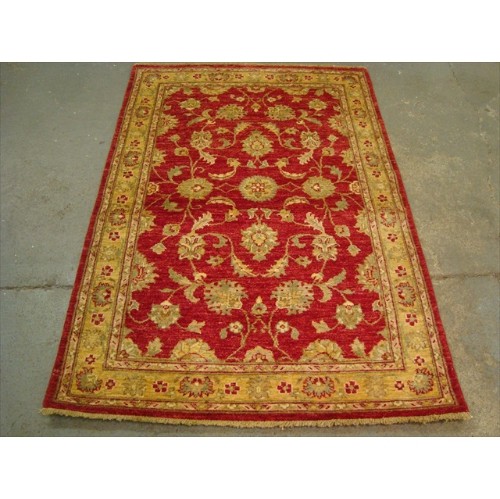


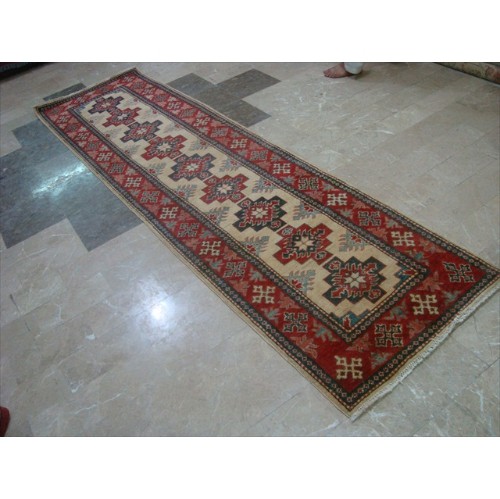


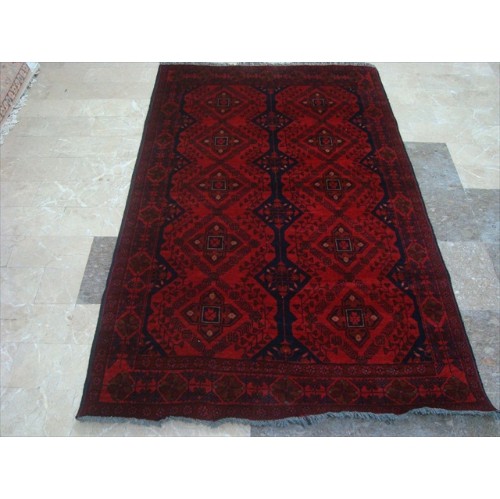

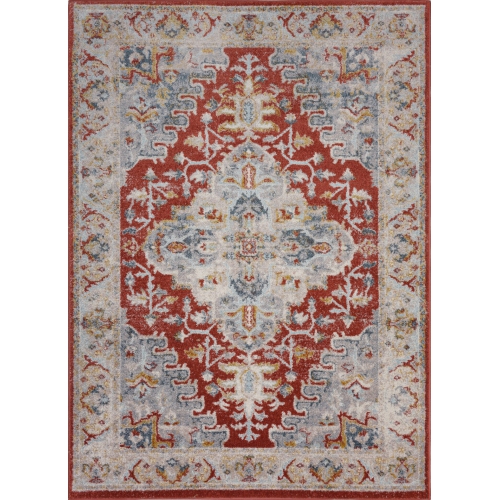
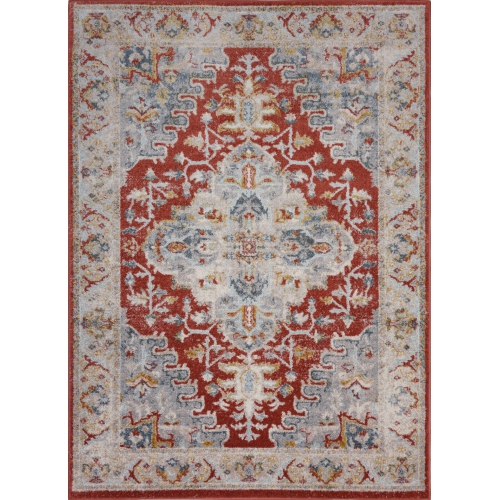
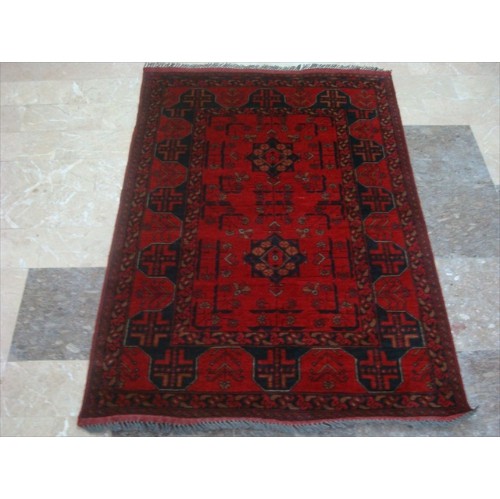

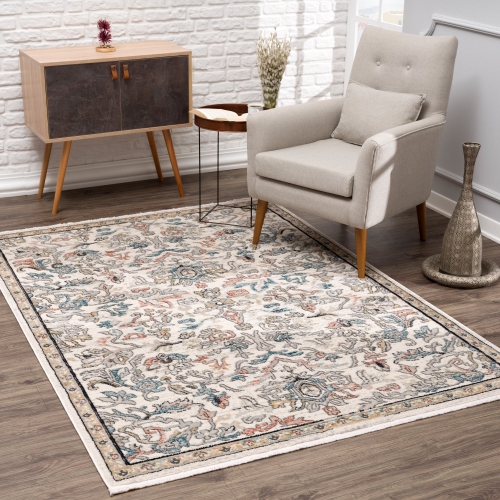


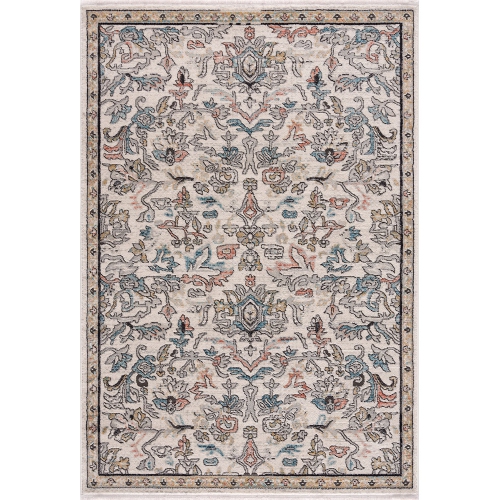
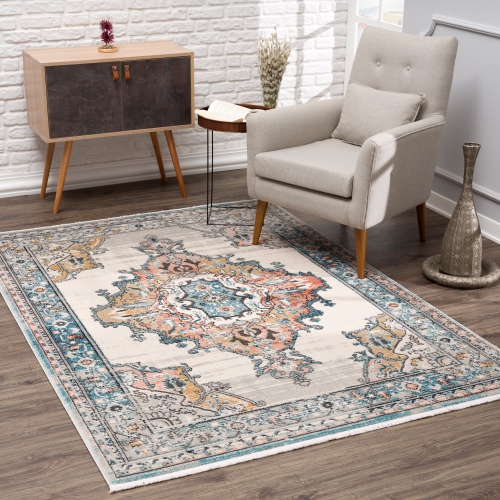
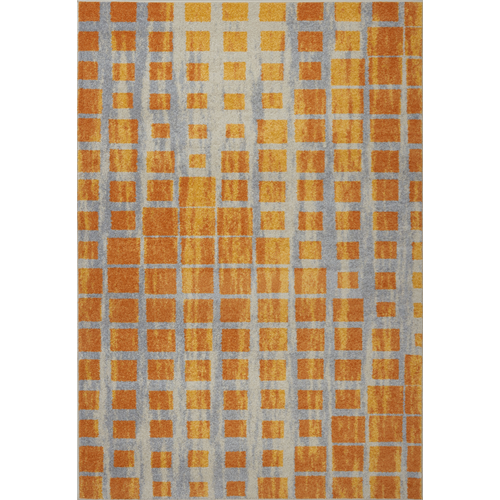
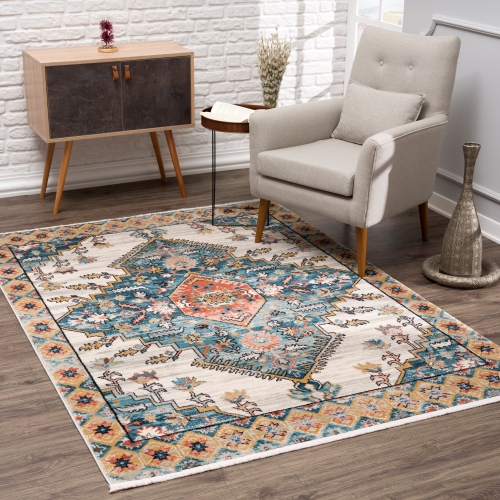
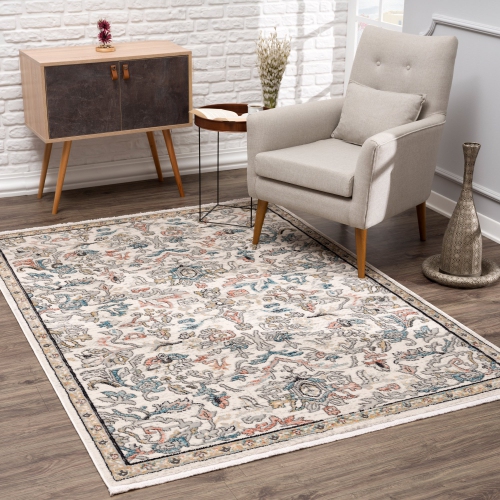
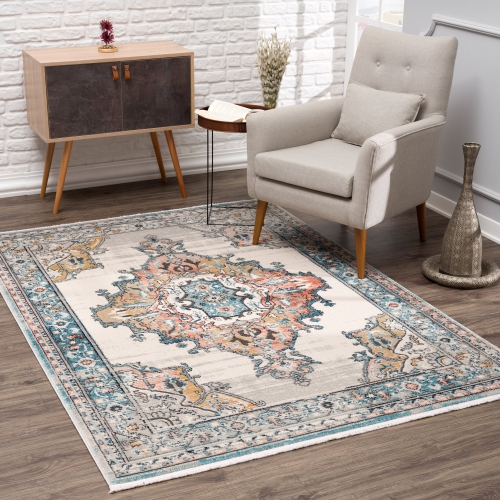

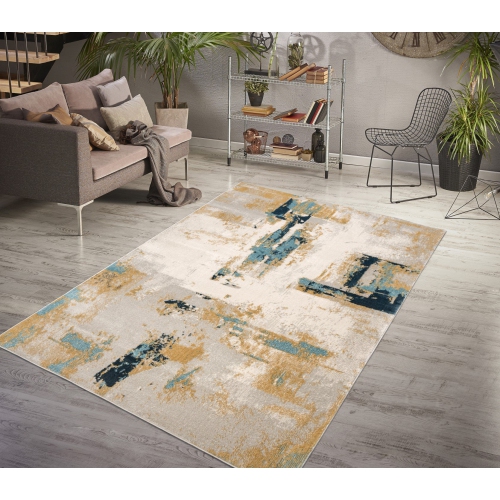
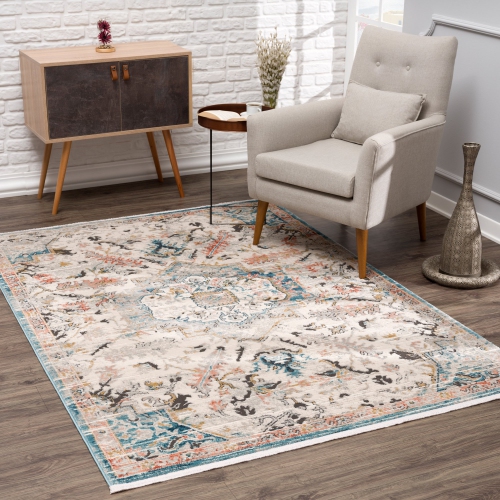

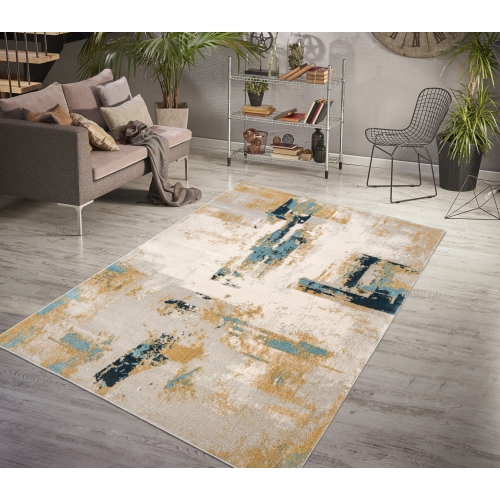


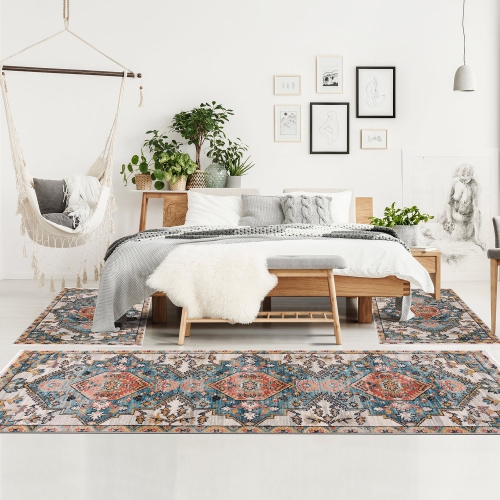
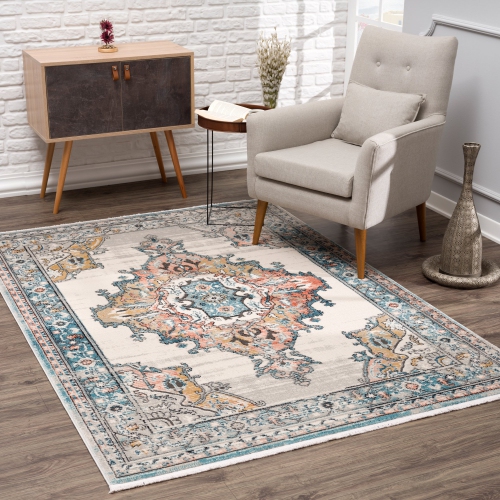
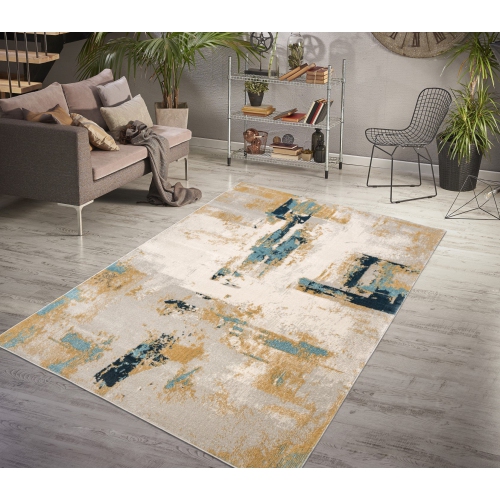

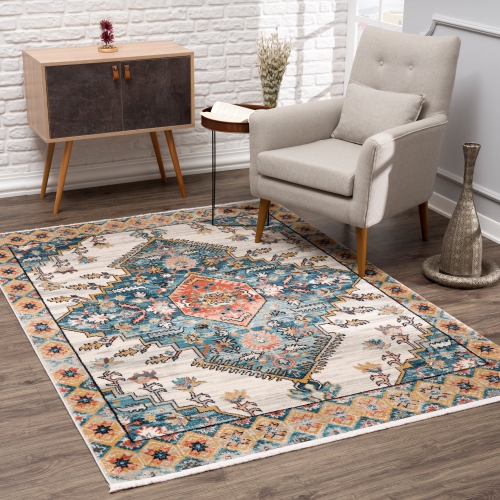




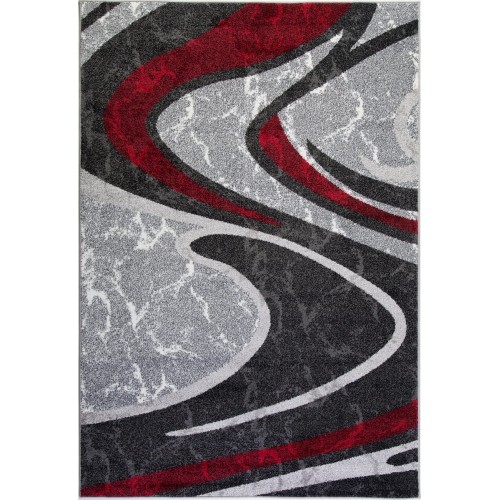
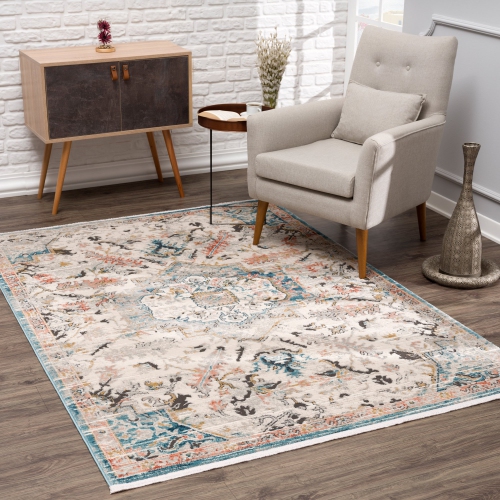
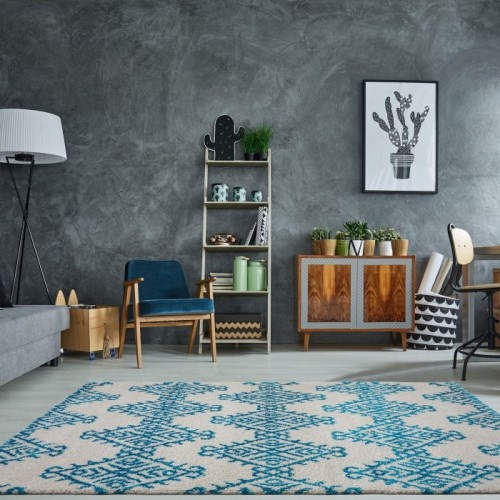
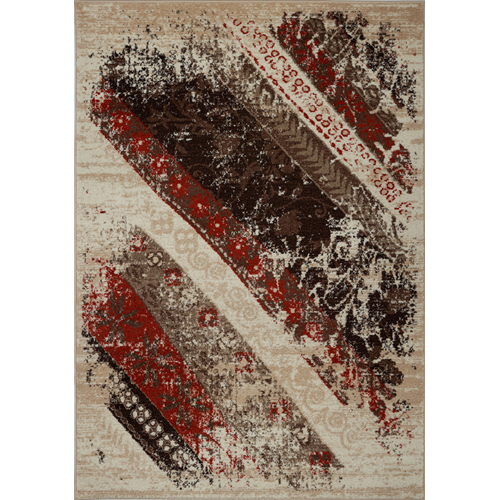
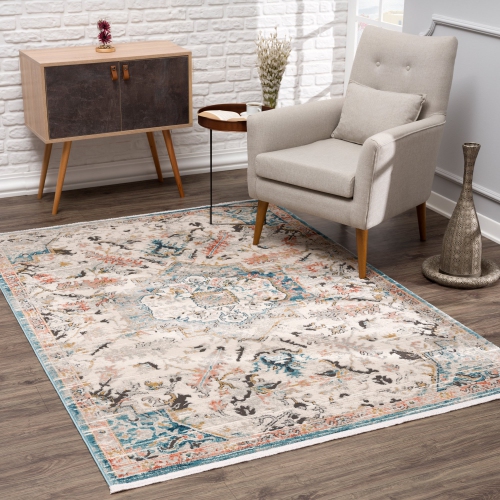
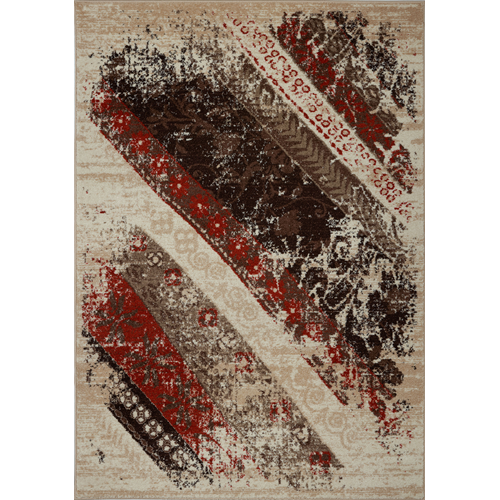
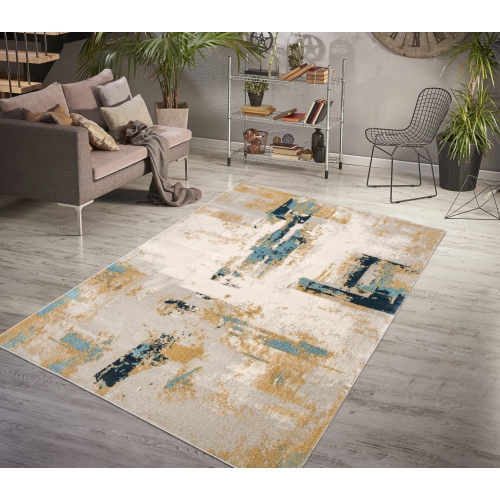
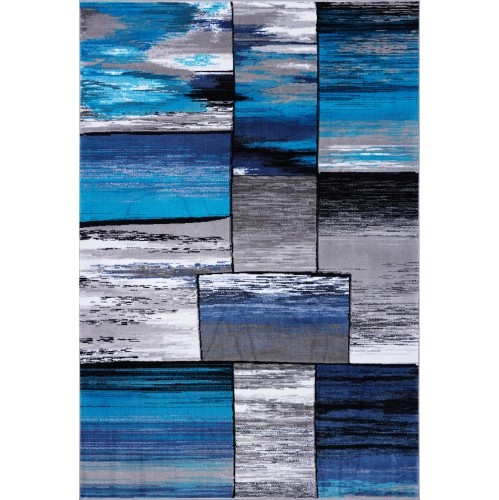
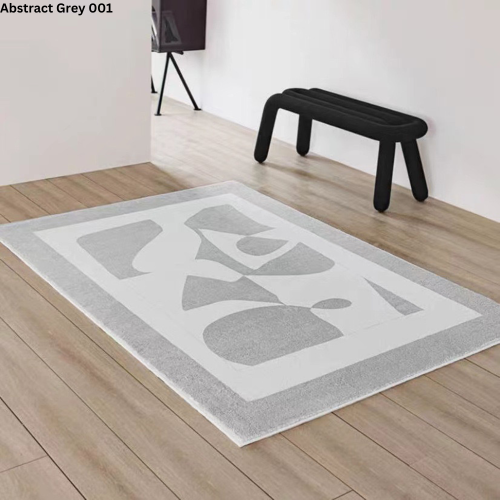
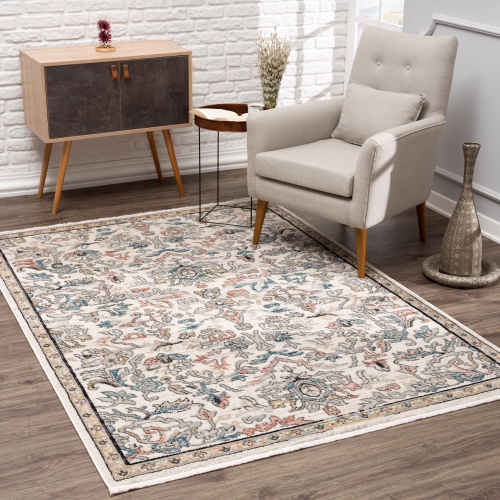
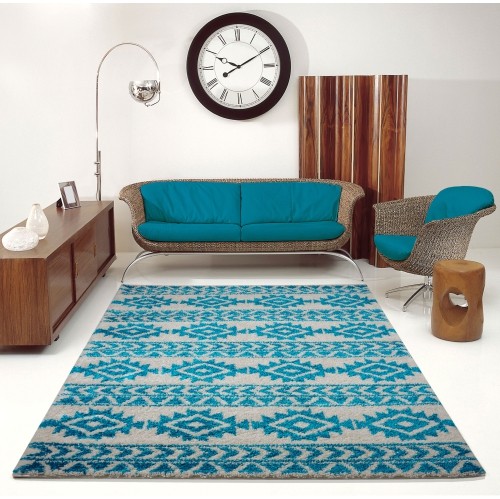
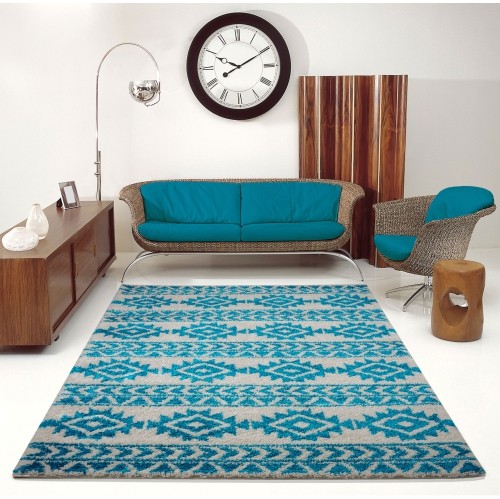


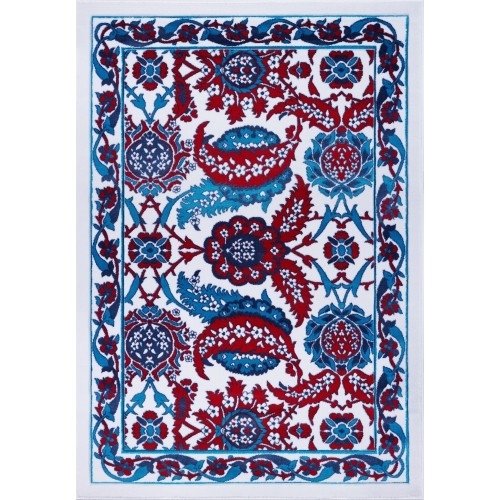
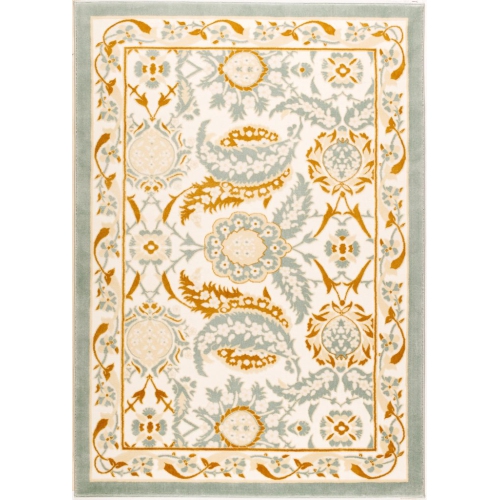
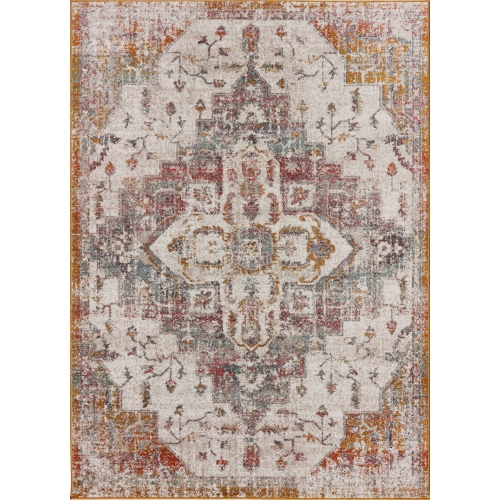
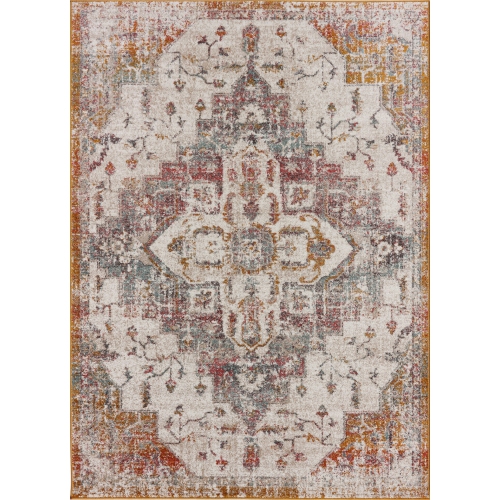



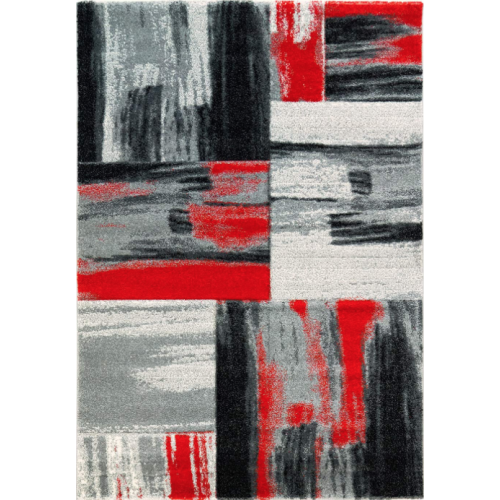
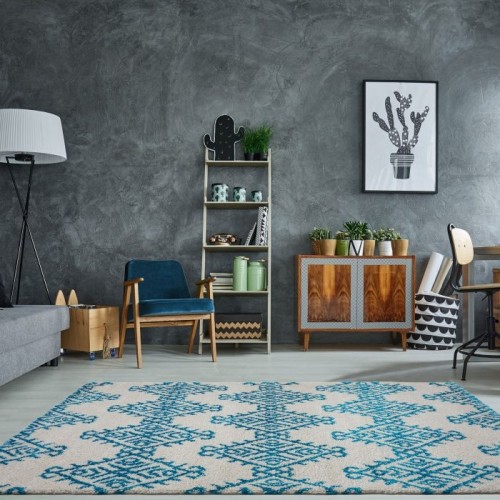
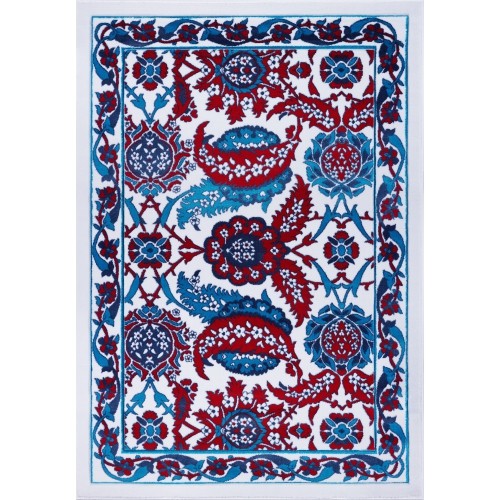

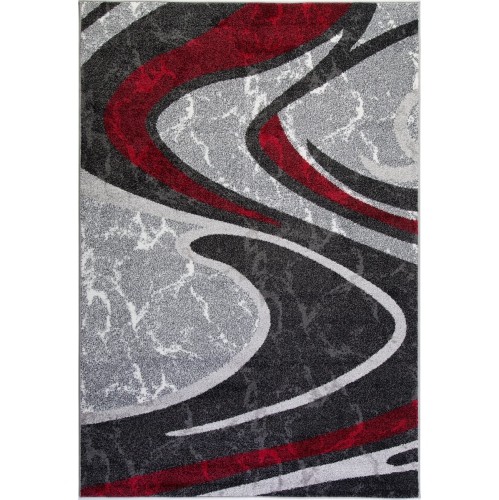

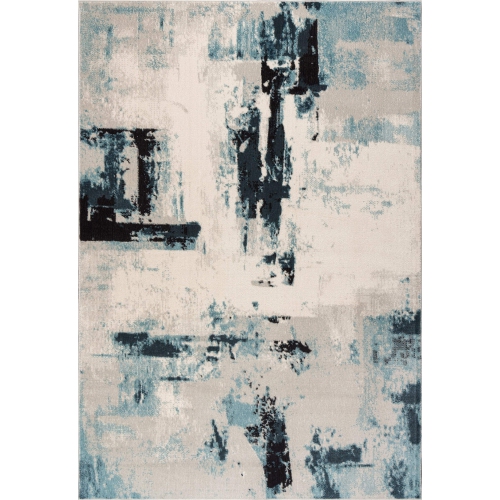

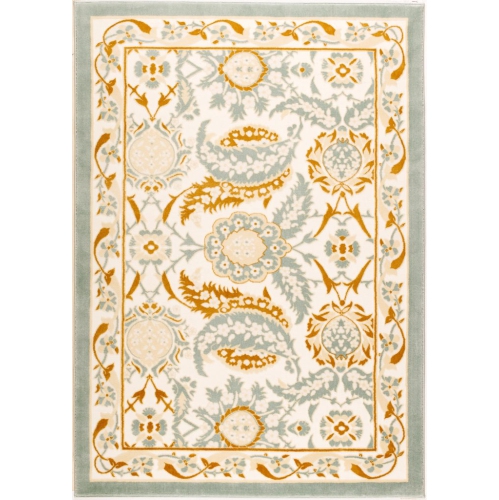
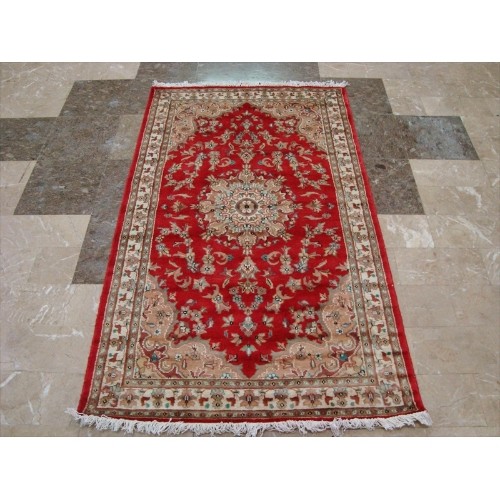

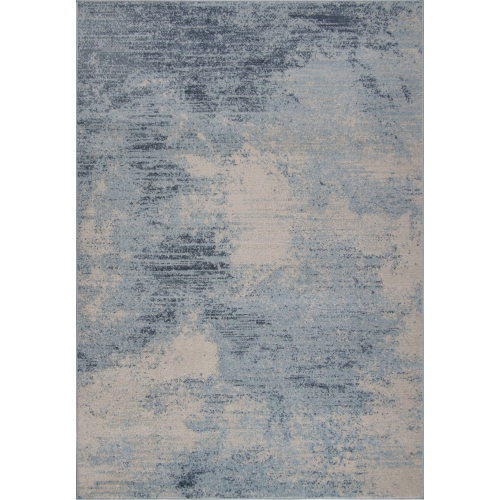
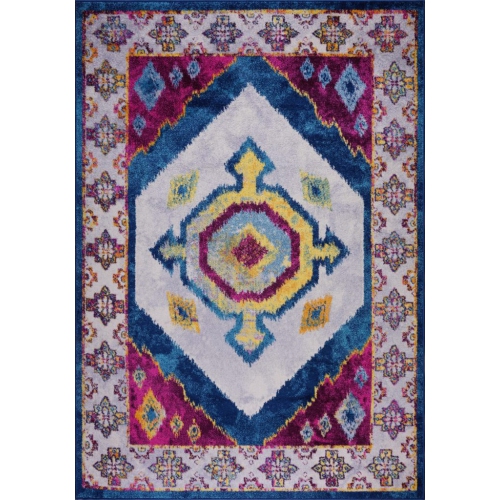
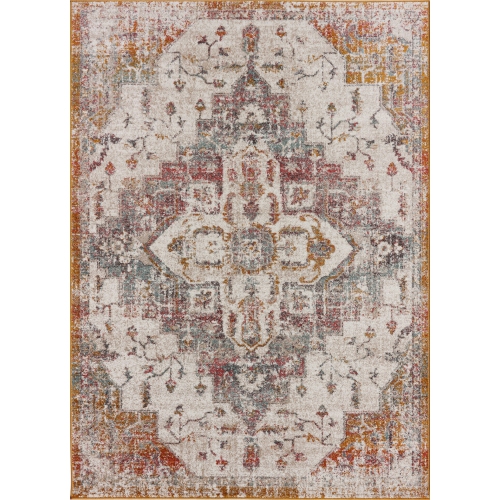
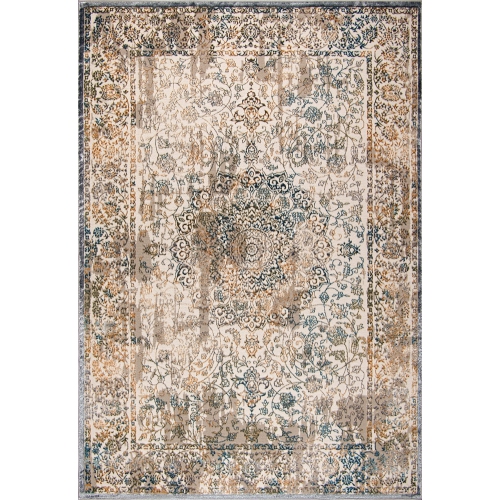


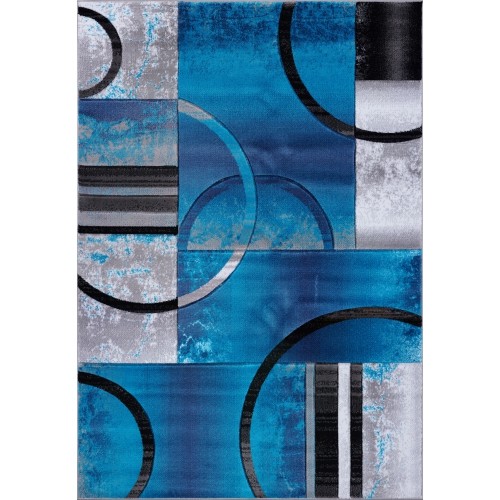



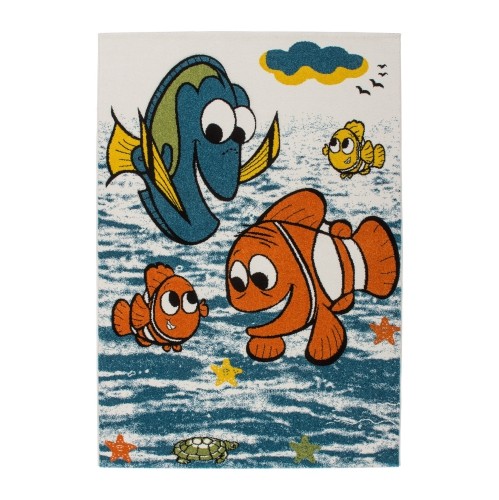


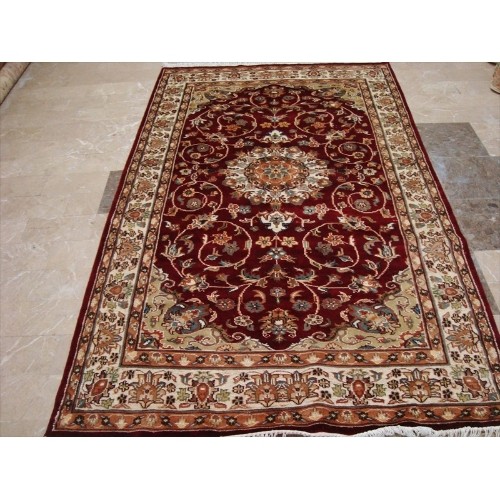
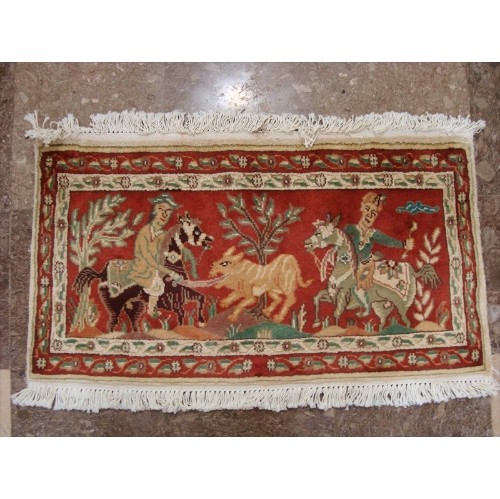

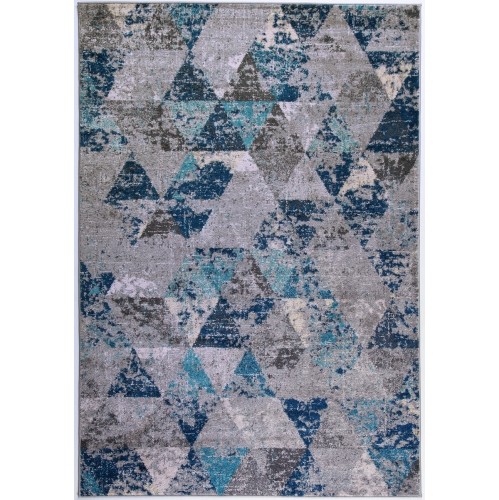
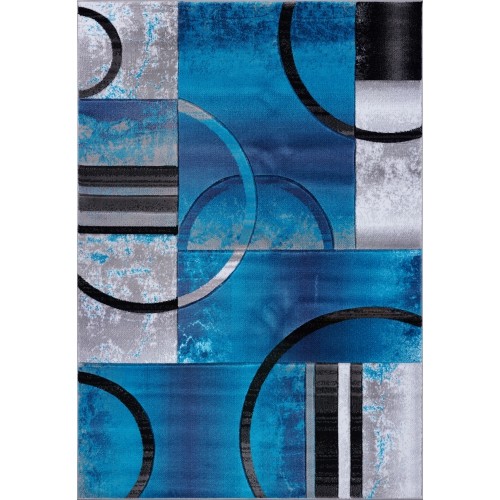

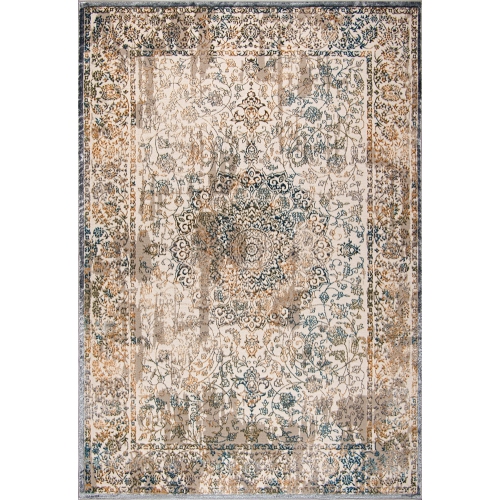
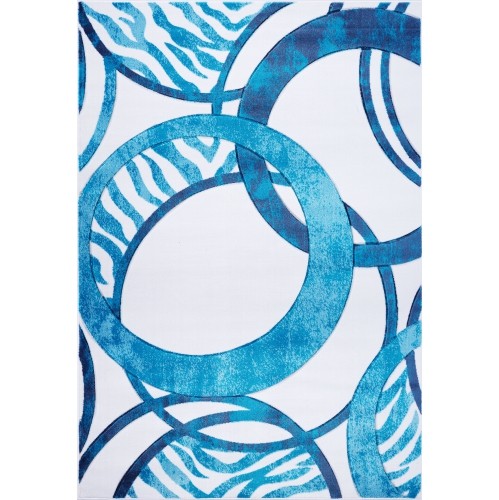
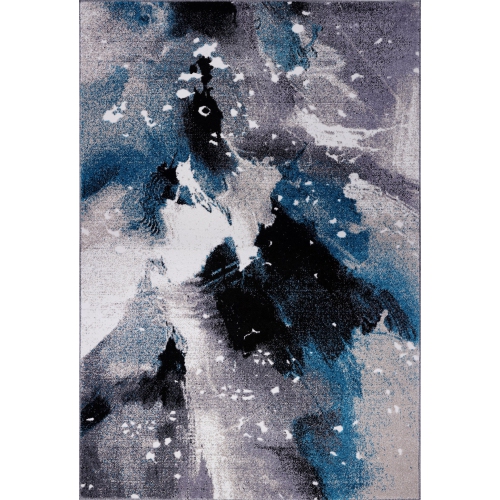
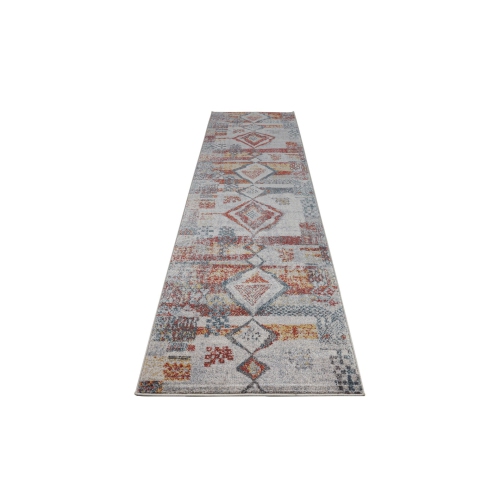
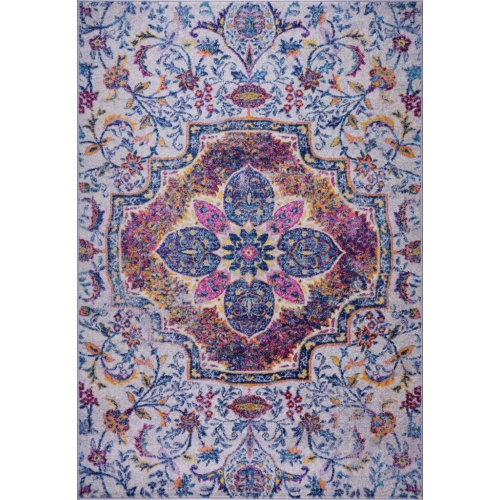
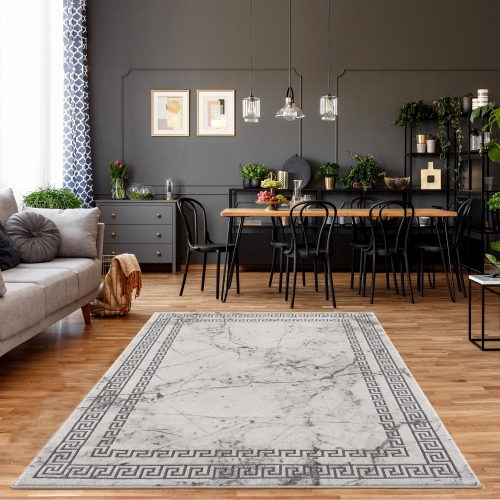
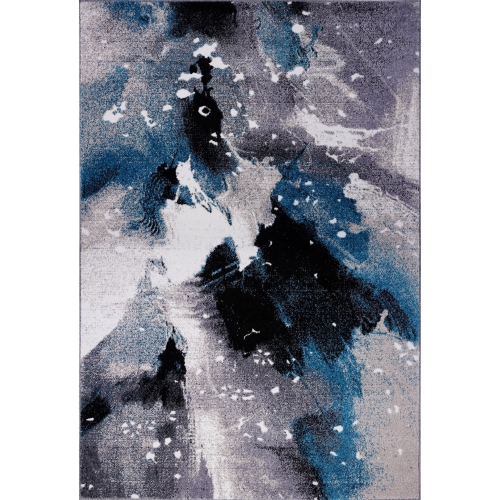

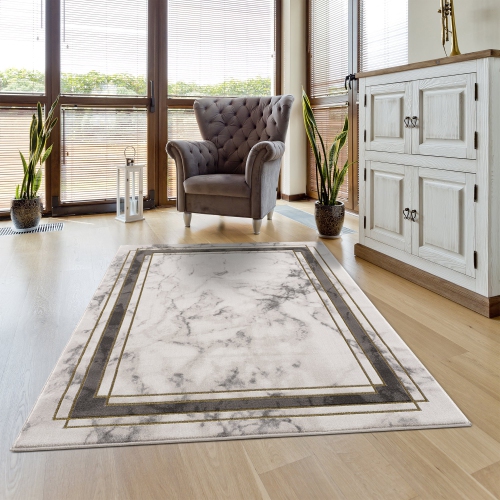

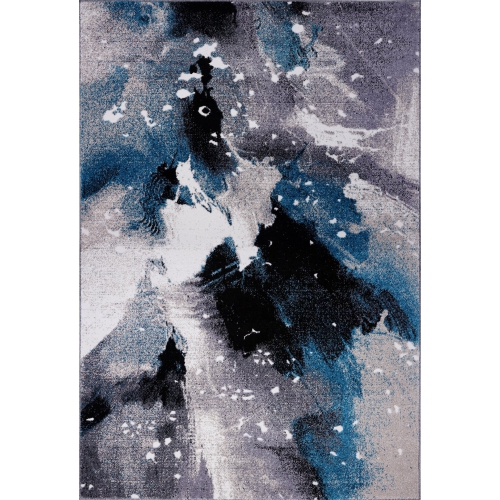

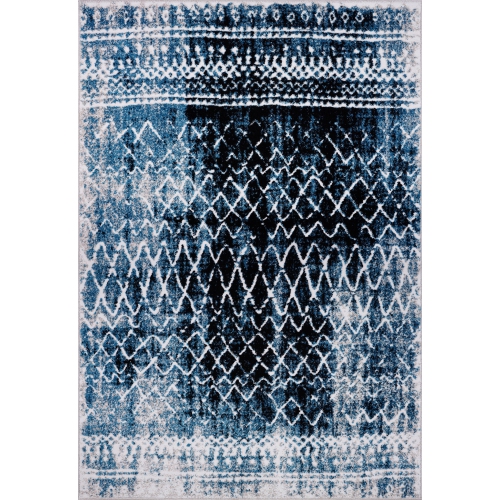
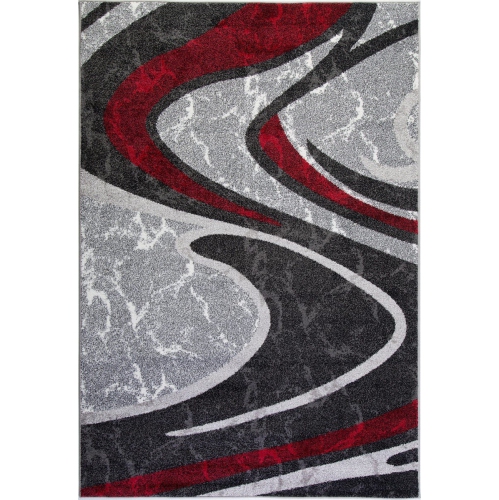
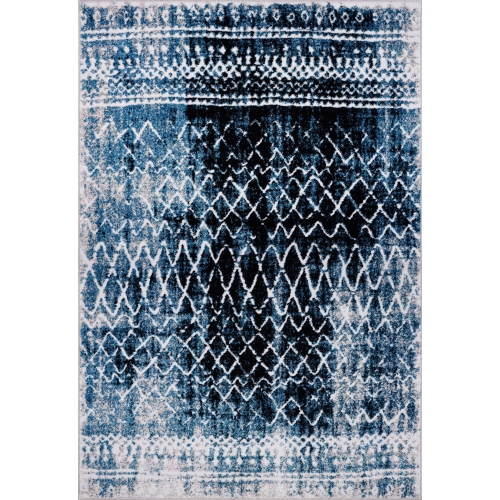

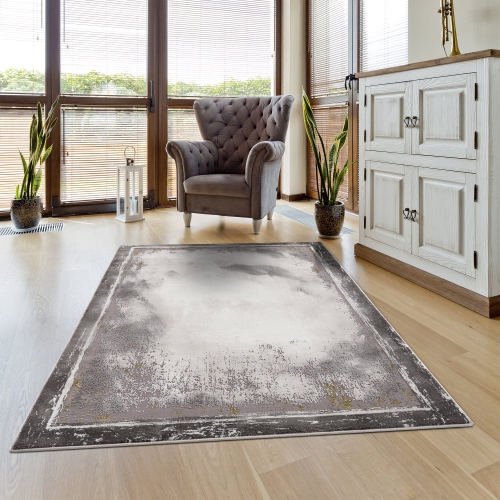

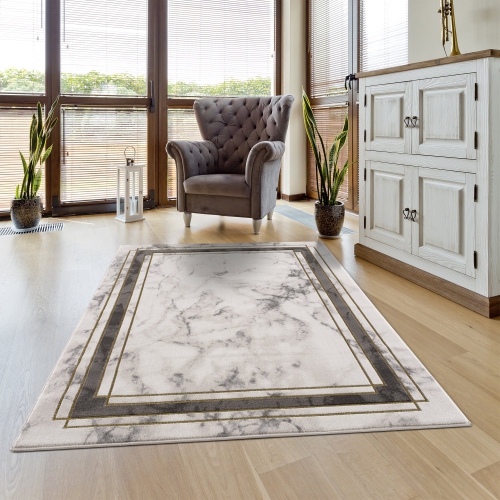
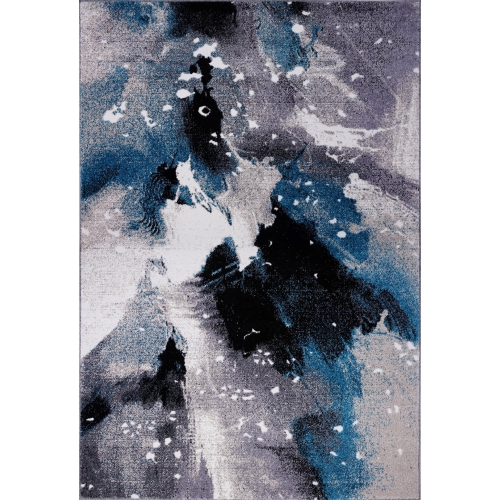
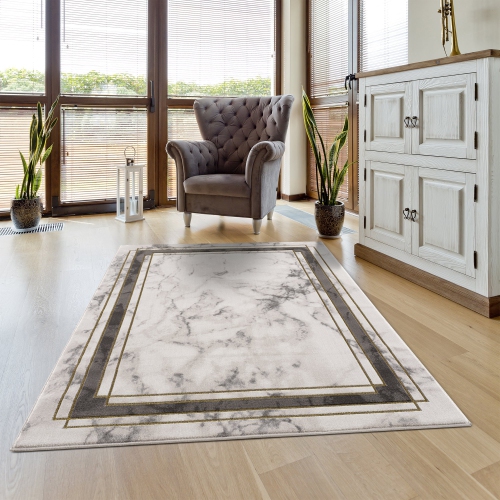
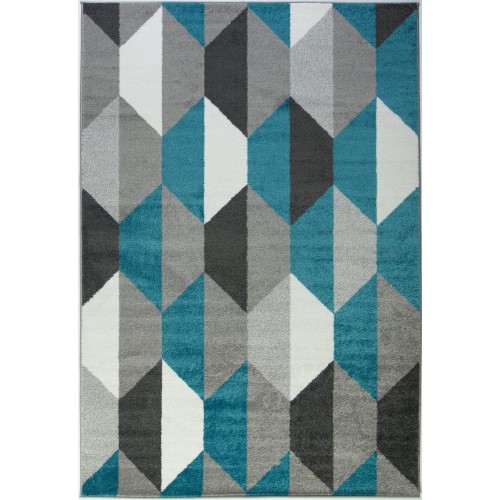
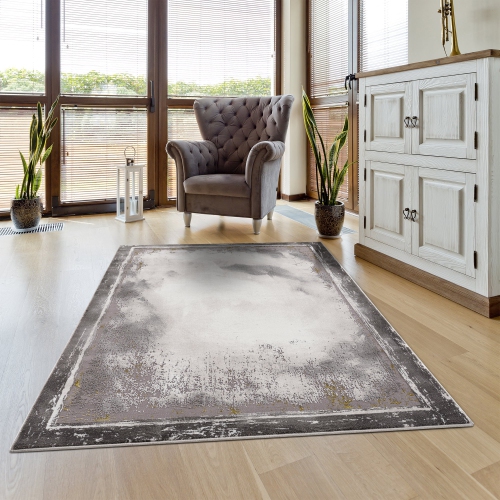
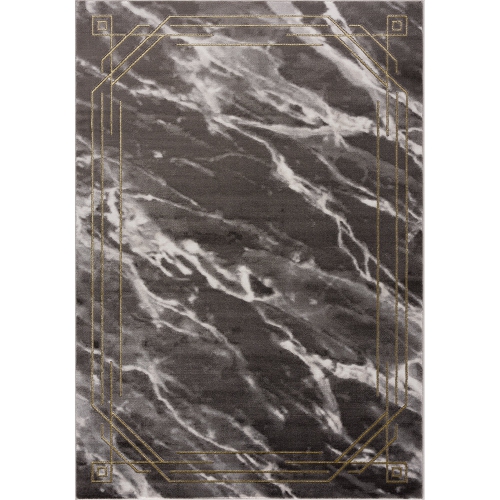

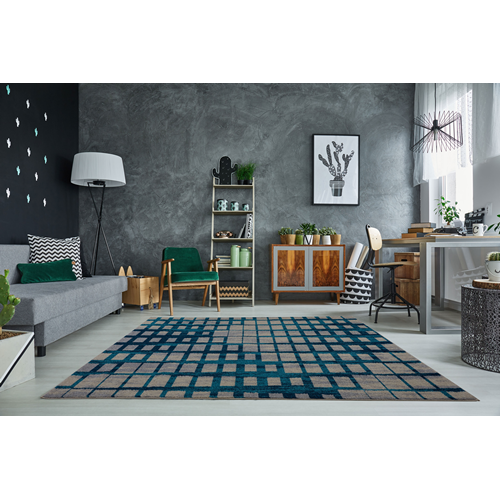
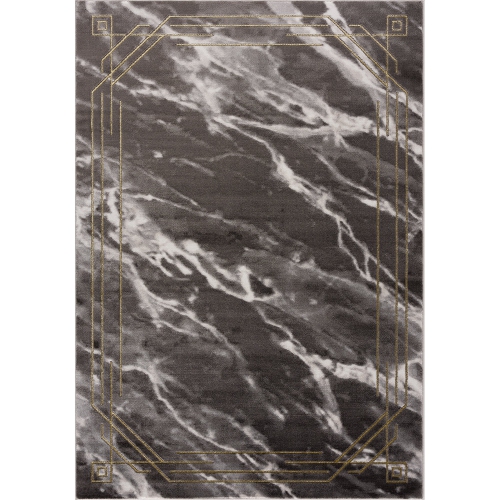


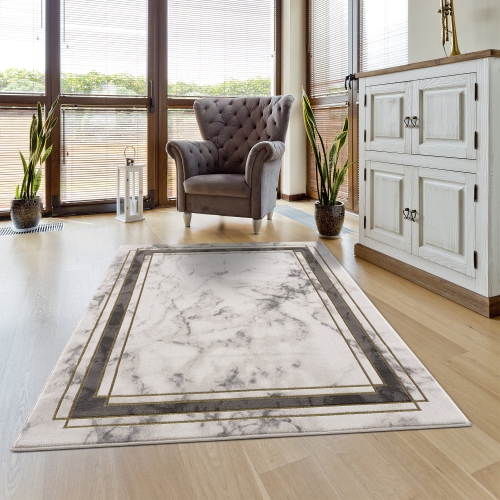


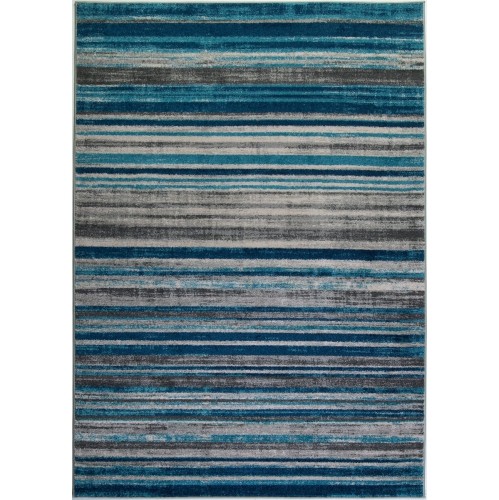
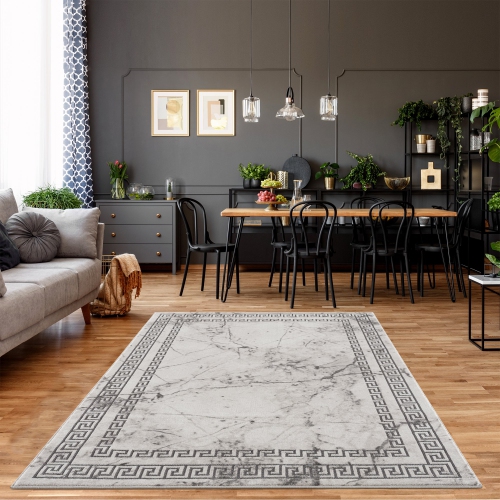
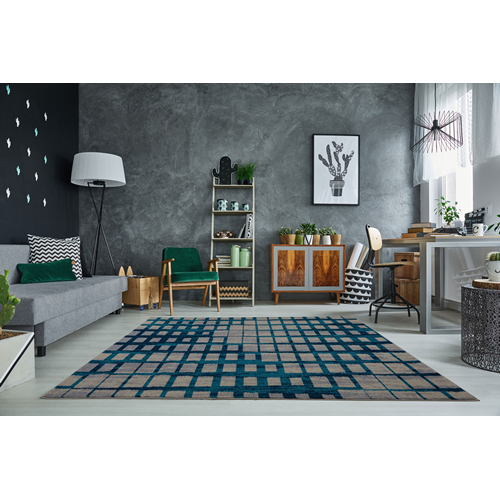
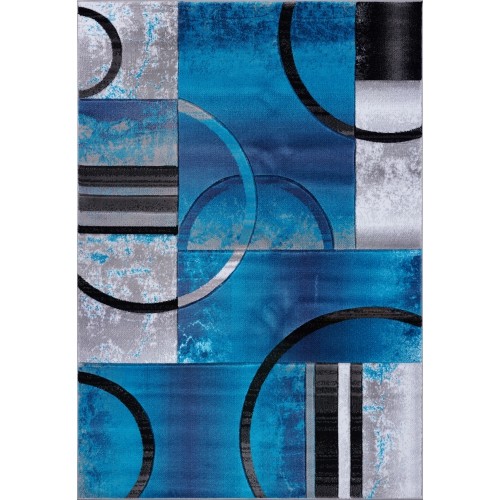

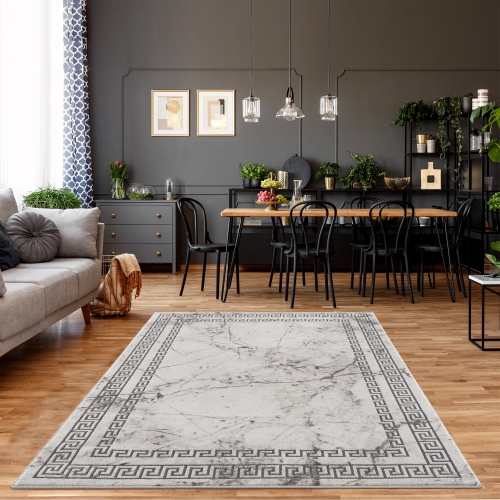


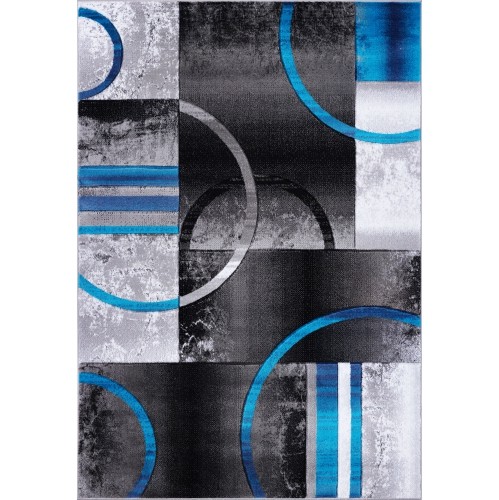

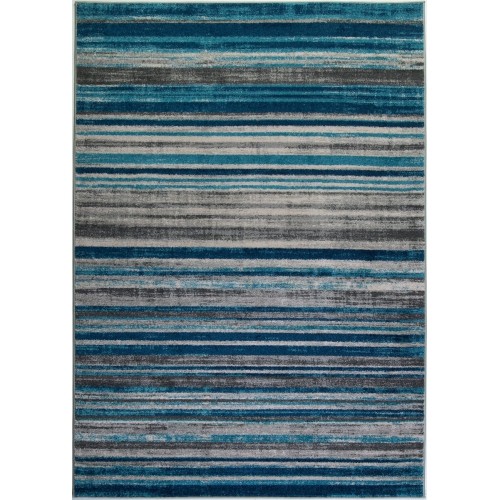
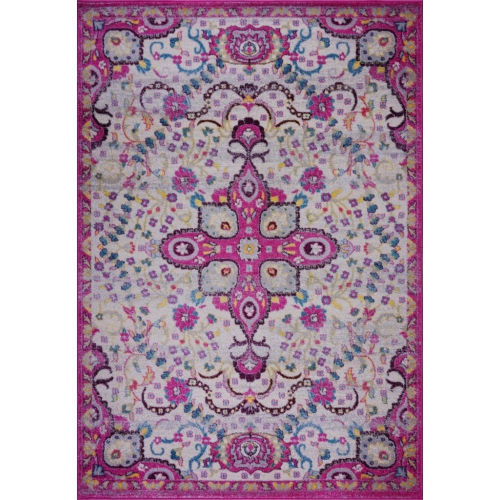

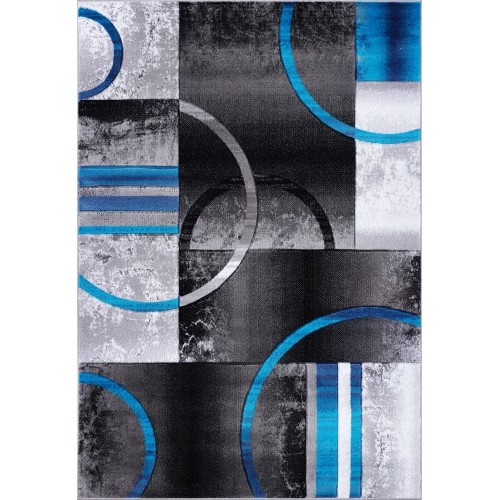
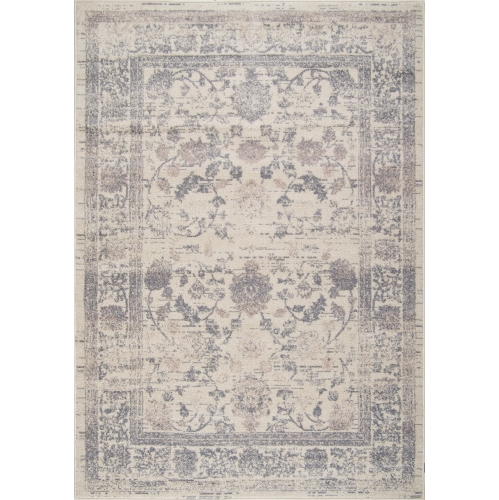

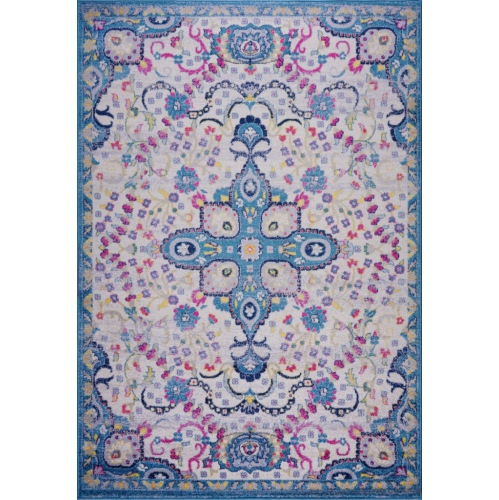

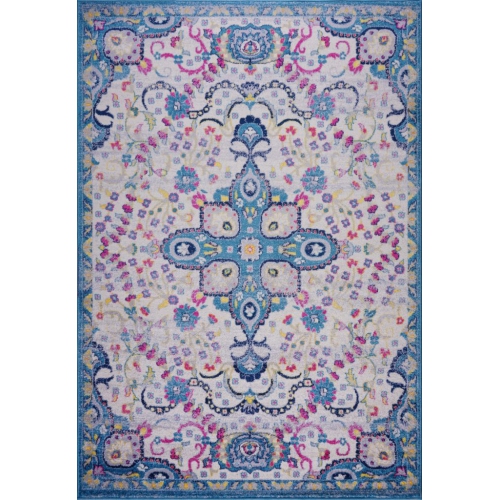
How layered colour transforms a rug’s character
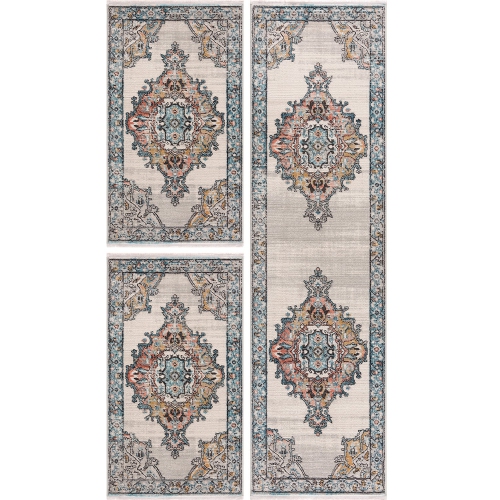
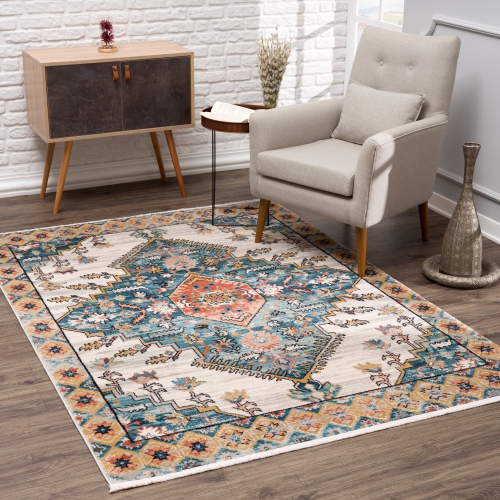
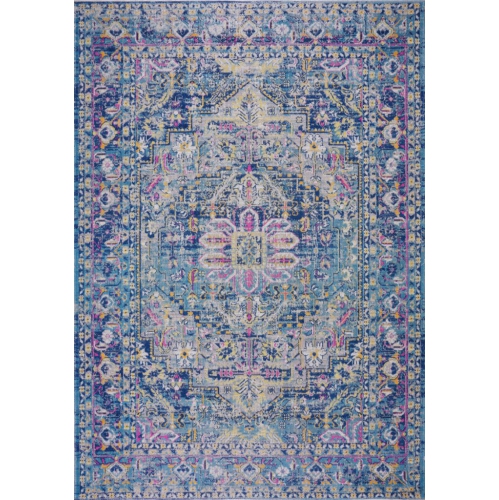
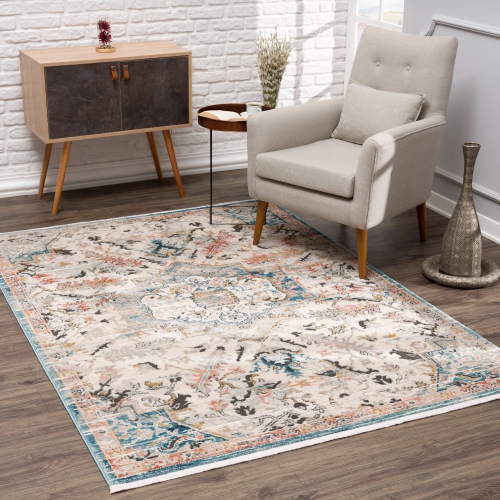
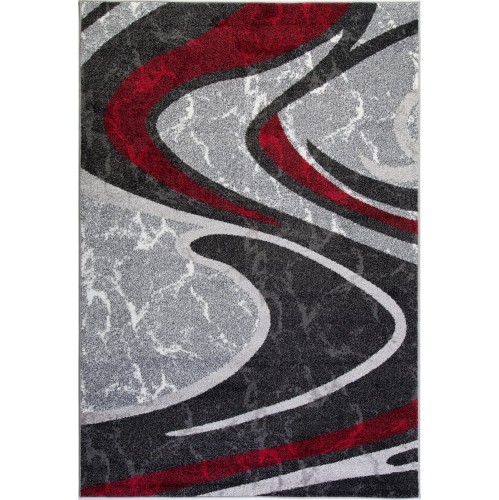
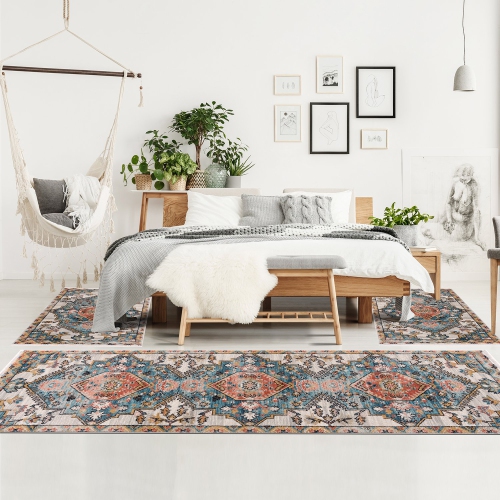
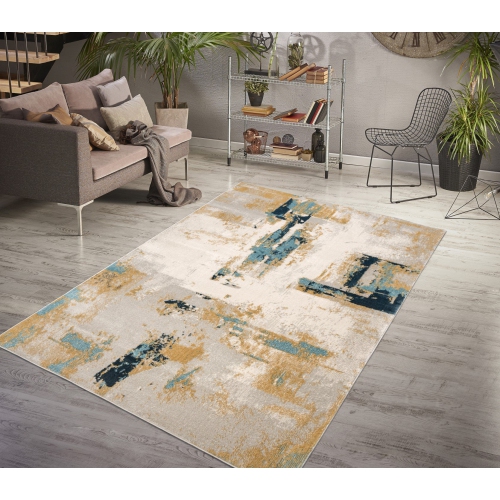
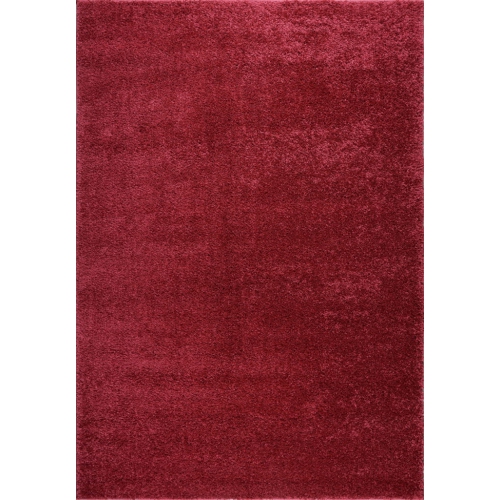
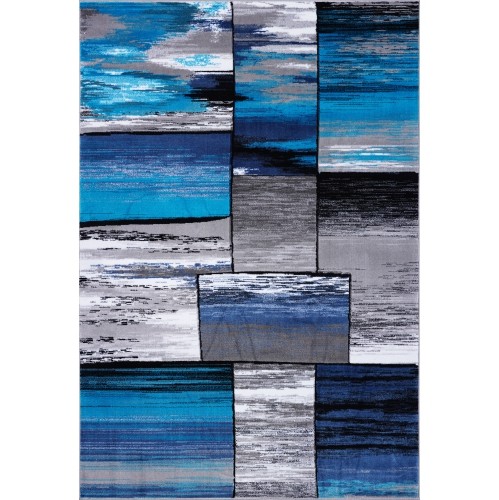
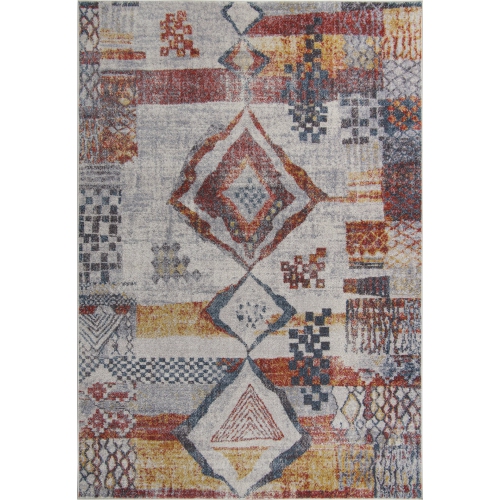
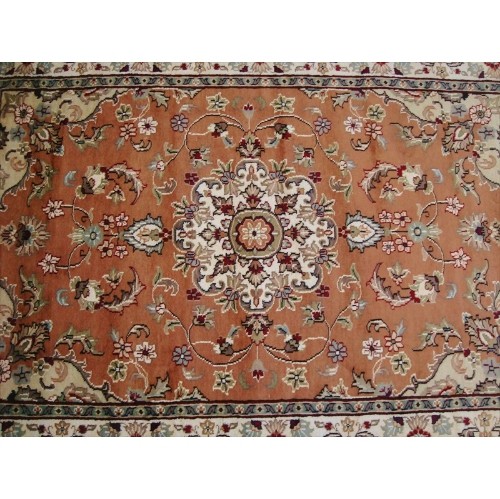
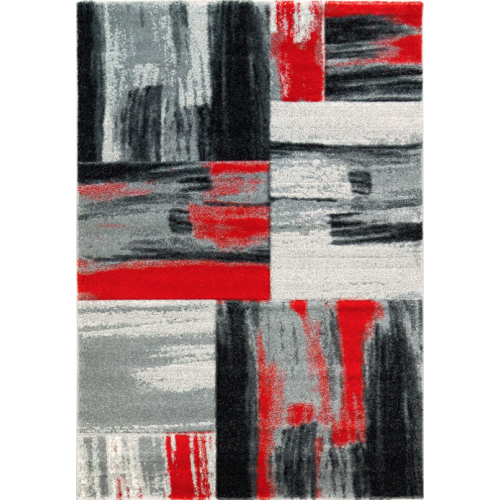
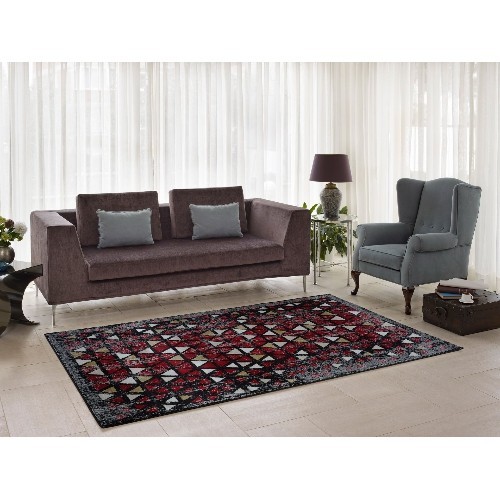
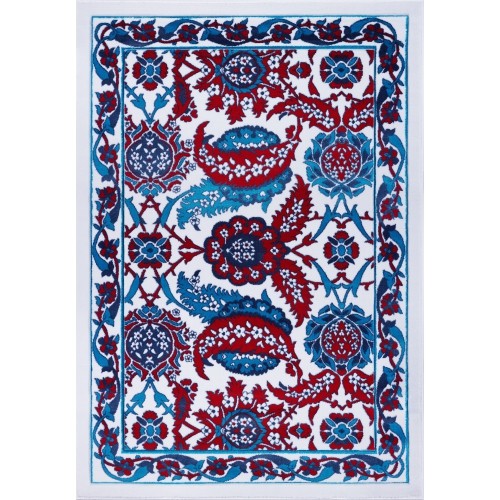
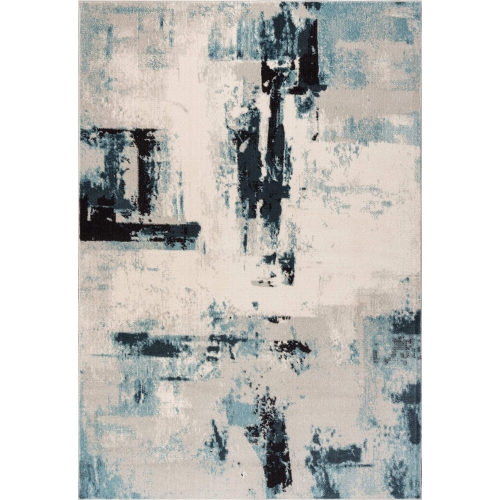
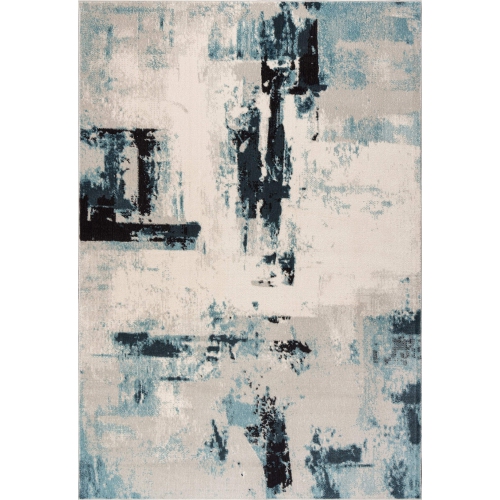
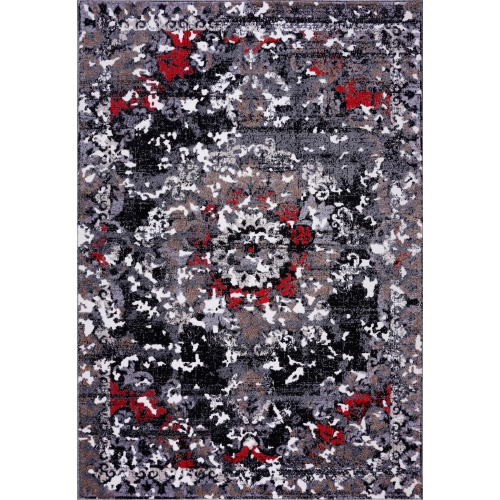
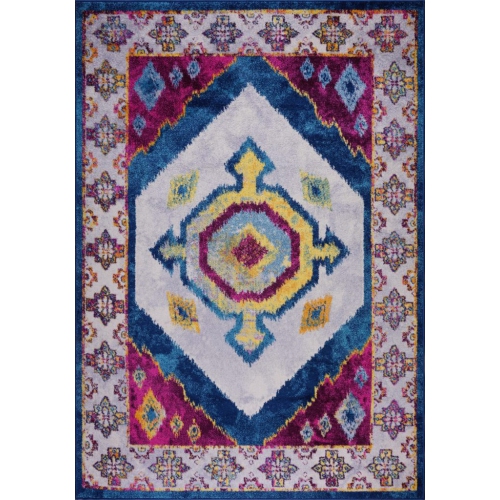
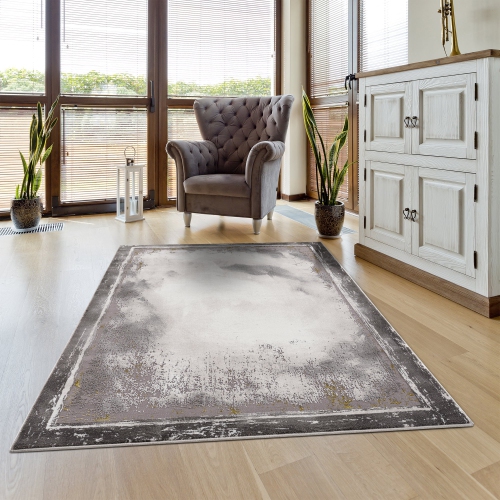
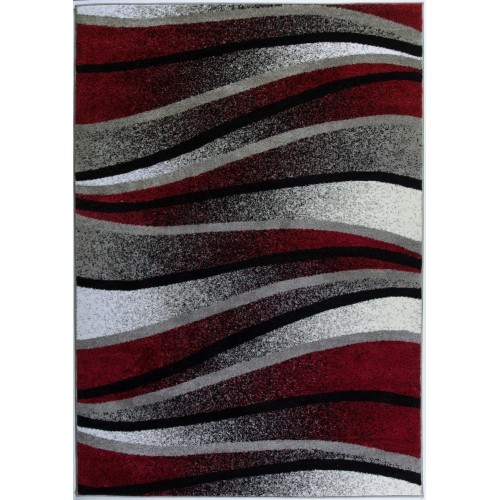
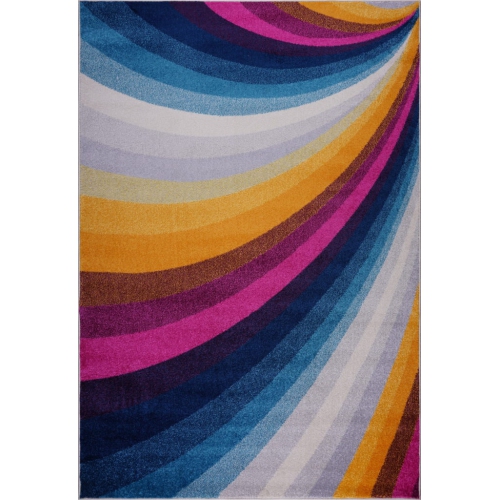
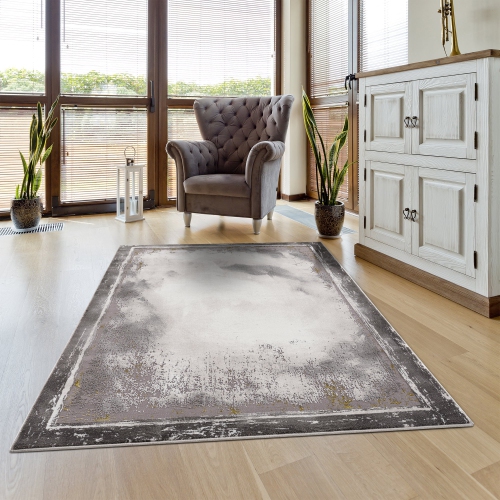
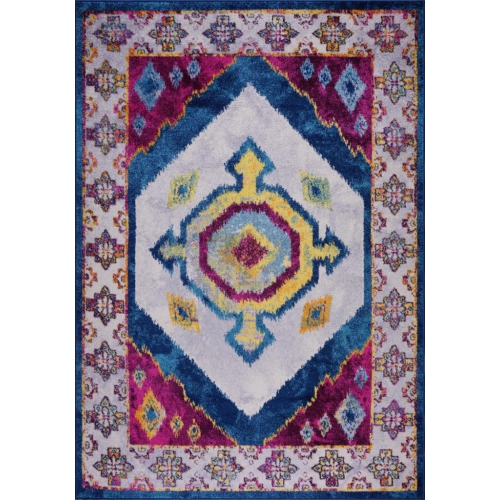
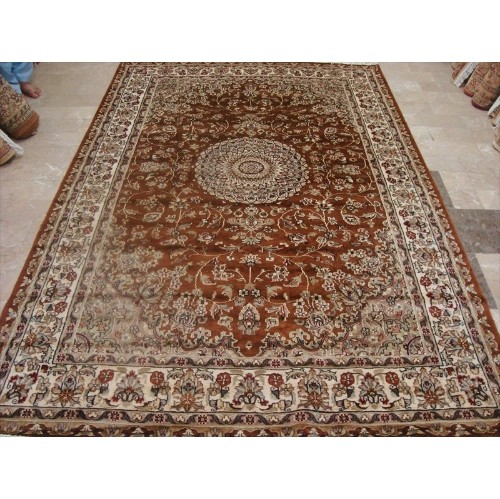
Dyed rugs bring depth, pattern and personality to a room through saturated colour, softly blended gradients or irregular washes of tone. The term describes a colour treatment or visual style rather than a particular fibre, pile height or construction. Overdyed rugs receive an additional application of colour, often leaving an earlier pattern visible beneath a stronger overall shade. Some begin as older patterned rugs, while others are newly made to achieve a similarly layered appearance. Dip-dyed styles are associated with transitions between lighter and darker areas, sometimes with a concentrated band of colour along an edge. Tie-dye styles feature less uniform markings, from cloudy patches to flowing rings and swirls. Similar effects can also be reproduced through printing, so the appearance alone does not establish how a rug was made. Each approach creates a different relationship between colour and pattern: a deep blue wash can soften the contrast of a traditional floral motif, while a pale gradient can give a simple room a gentle focal point. The rich, layered look of Over Dyed Carpets works particularly well where visible pattern is welcome but sharply defined outlines would feel too busy. In a living room with a plain sofa and light walls, a rug with raspberry, indigo or rust tones can provide the main accent without requiring every cushion or artwork to match. In an already colourful space, a washed grey or muted blue design can connect different finishes more quietly. A faded-looking pattern does not necessarily indicate wear, just as uneven colour does not automatically indicate a flaw; both may be intentional parts of the design. Close-up photographs and construction details help distinguish deliberate variation from texture created by the pile. Colour also looks different under different lighting, so a rug viewed beside a window may appear brighter than the same rug beneath a coffee table. Taking existing flooring, upholstery and wall colours into account gives these expressive designs a natural place in the room rather than making them feel like an isolated accent.
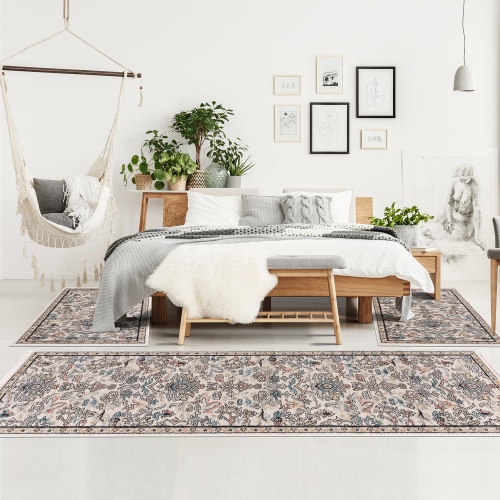
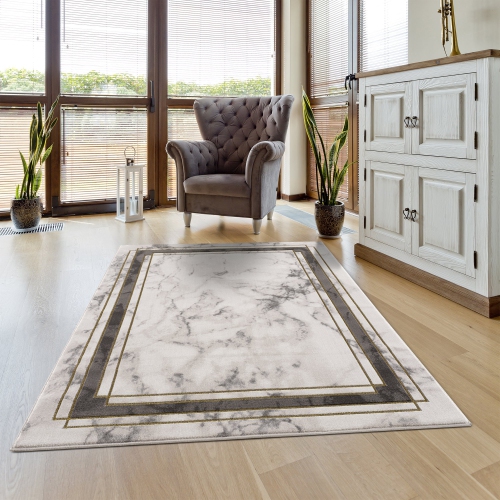
Material and construction shape how a dyed rug feels and performs just as much as its colour treatment. Wool offers a resilient pile with a substantial feel, although some shedding can occur, particularly when a rug is new. Cotton can provide a softer, more flexible structure in flatwoven designs, but it may wrinkle or shift without suitable support underneath. Polyester is often used for a soft surface and clear colour, while polypropylene is common in practical rugs designed for everyday use. Neither fibre content nor a dyed appearance alone confirms stain resistance, colourfastness or washability; those qualities depend on the individual construction and finishing process. Silk and other delicate fibres can create a distinctive sheen but generally call for more careful placement and cleaning. A low-pile or flatwoven rug is often easier to accommodate beneath dining chairs, near doors or along a frequently used route through a room. Longer pile adds softness beside a bed or in a sitting area, though it can hold crumbs and make chair movement less convenient. Size matters because even an appealing colour can look disconnected when the rug is too small for the furniture around it. In a seating arrangement, placing at least the front legs of the sofa and nearby chairs on the rug helps define one shared area. Beneath a dining table, sufficient coverage beyond the tabletop allows chairs to remain on the rug when pulled back. A runner needs clearance from door swings and should not obstruct transitions between rooms. For a bedroom, the most useful coverage is often where feet meet the floor beside the bed, rather than hidden entirely underneath it. A compatible rug pad can add cushioning and help limit movement, but its material should suit both the rug backing and the floor finish. Households with pets, young children or mobility needs may find a stable, lower-profile construction more convenient than deep pile or long fringe, regardless of the colour effect.
The lasting appeal of dyed rugs depends on a balance of suitable placement, realistic expectations and care that matches the fibres. A richly coloured surface is not automatically more resistant to fading or spills, and a distressed pattern does not make a rug maintenance-free. Gentle, regular vacuuming helps remove grit before it works into the pile, with suction settings and brush use guided by the care label. Loose fringe and raised details need particular attention because rotating brushes can catch them. Turning a rug periodically can help distribute foot traffic and light exposure, especially where one end sits near a bright window or a favourite chair. Furniture cups or other appropriate protectors can reduce concentrated pressure from heavy legs, while lifting furniture instead of dragging it helps protect the pile and edges. Spills are best addressed promptly by blotting with a clean white cloth rather than rubbing, which can spread liquid and disturb the surface. Cleaning products should be used only as directed for the rug, with any recommended testing carried out in an inconspicuous area. Strong colour does not mean a rug can tolerate bleach, soaking or vigorous scrubbing. Washable construction must be explicitly stated; a flexible cotton rug or a small synthetic rug is not necessarily suitable for a washing machine. Larger rugs, delicate fibres and uncertain dye stability may call for professional cleaning by someone experienced with the relevant materials. Complete drying also matters, since lingering moisture can affect the backing and the floor underneath. For everyday living, a softly varied pattern can make minor lint or footprints less noticeable than an unbroken field of dark colour, while very light areas may show tracked-in dirt more clearly. These practical differences are worth considering alongside the visual effect. A dyed rug can anchor a first apartment, bring colour to a home office or make a reading corner feel more inviting, but its most successful role comes from matching the scale, texture and upkeep to the people who use the space. The result is a floor covering that contributes both visual interest and everyday comfort without asking the rest of the room to compete.
Top selling and popular products
-
 Your price for this item is $130.55
-
 Your price for this item is $129.15
-
 Your price for this item is $130.55
-
 Your price for this item is $129.15
-
 Your price for this item is $129.15
-
 Your price for this item is $130.55
-
 Your price for this item is $144.99
-
 Your price for this item is $103.99
Discover more categories related to Dyed Rugs
Top Collections:
Best Black Friday Deals This Year, Best Black Friday Deals On Electronics, Kindle Devices, Dyson Airwrap, Best Cameras for Sports Photography, Best Budget Office Chairs, Canon G7X Cameras, PS5 Pro Consoles, Best Black Friday Deals On Apple Products, XBOX One S Consoles
Some products may be subject to Environmental Handling Fees
(EHF) depending on your province.
Learn more about EHFs.