Easy To Clean Placemats
If you're looking for a hassle-free way to keep your dining area looking pristine after every meal, this selection of easy-to-clean placemats is the perfect solution for busy households and avid entertainers alike. Say goodbye to stubborn stains and hours spent scrubbing with these durable and stylish placemats that are designed to make cleanup a breeze. Whether you prefer classic designs or trendy patterns, this collection has something for every taste and decor style.
Sort
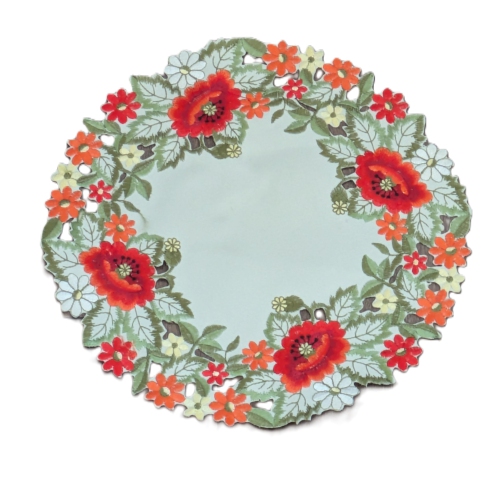
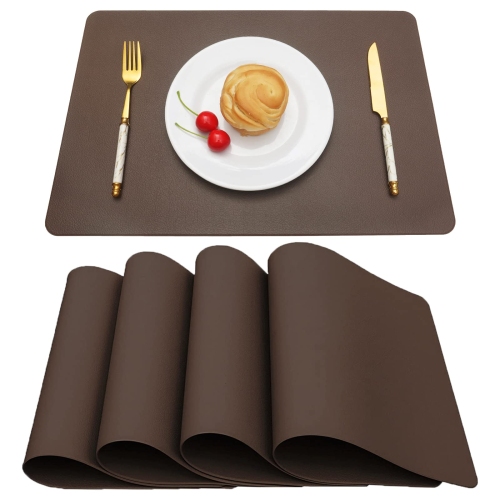
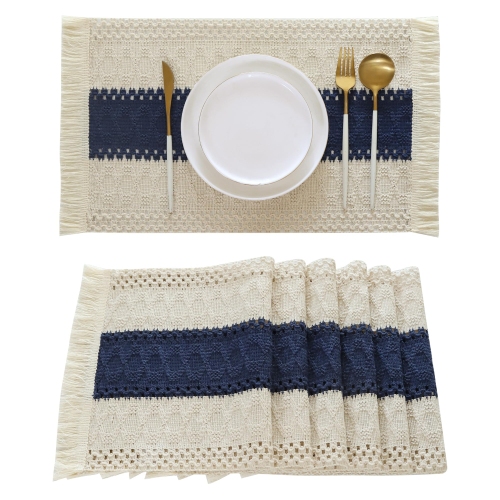
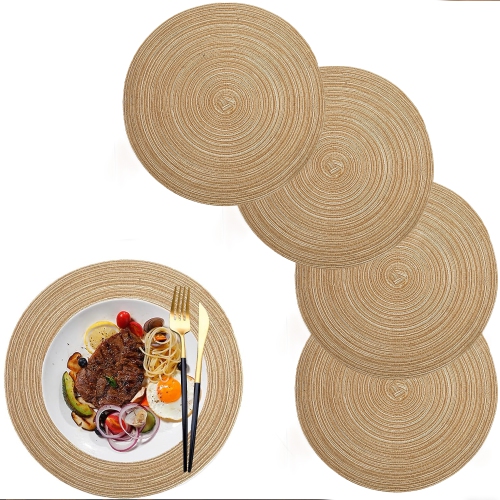
Why smooth surfaces make mealtime messes easier to manage
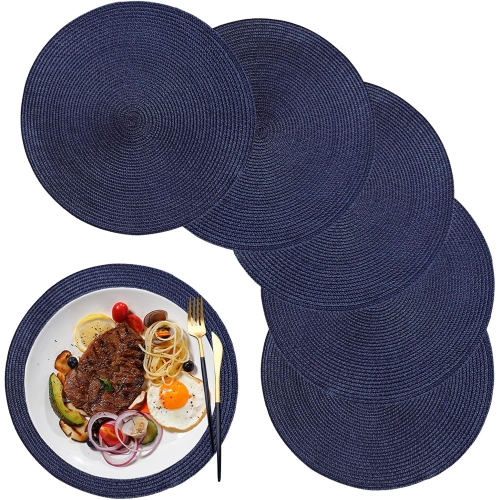
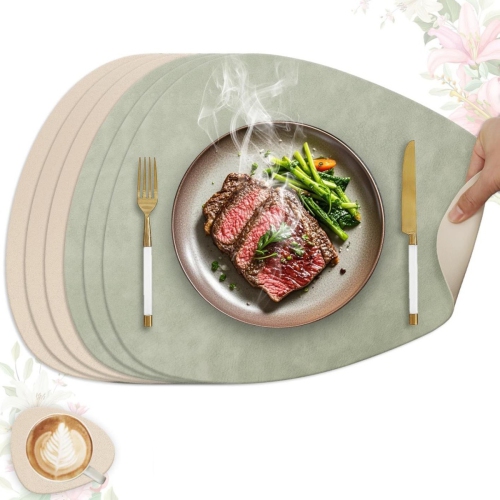
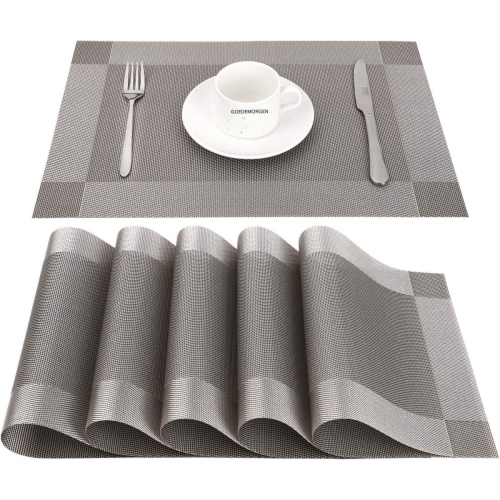
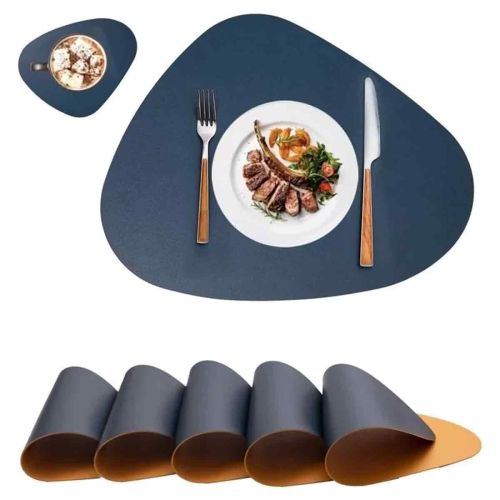
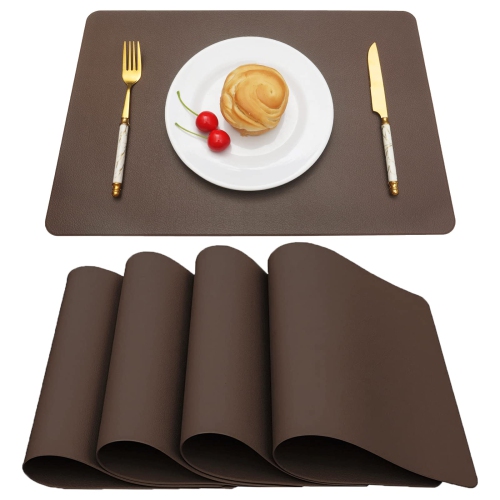
Easy-to-clean placemats give each place setting a defined space while making crumbs, drips, and everyday spills easier to manage. Smooth vinyl, PVC, silicone, and faux leather are common choices because their surfaces can often be wiped with a damp cloth rather than washed after every meal. The most practical material depends on what lands on the table: toast crumbs at breakfast, tomato sauce at dinner, or a ring of coffee beside a laptop. A smooth, non-porous surface generally releases food residue more easily than a deeply textured weave, although edges, seams, and backing also affect how thoroughly a mat can be cleaned. Solid vinyl and PVC can offer a straightforward wipe-clean finish, while woven versions have small openings that may let liquids reach the tabletop. Silicone is flexible and typically resists water, making it useful for messy meals, but dishwasher suitability should always be confirmed in the care instructions. Faux leather offers a tailored appearance that suits both casual meals and more polished place settings; its surface is often wipeable, though stitched borders and layered construction may need gentler handling. Coated cotton provides a softer fabric feel with a finish that helps minor spills bead on the surface. That coating does not necessarily make the entire placemat waterproof, particularly along unsealed edges or on the underside. Washable fabric placemats are another option for those who prefer the feel of cloth and do not mind laundering between uses. They may be easy to care for without being immediately wipe-clean, which is an important distinction in a busy household. For families moving straight from breakfast to the school run, a mat that can be wiped and dried in place may be more convenient than one that needs a wash cycle. For occasional entertaining, a washable textile with a neat hem may be just as practical. Water resistance, stain resistance, and ease of cleaning are separate qualities, so a material that handles a spilled drink well may still need prompt attention when exposed to oily dressings or strongly coloured foods.
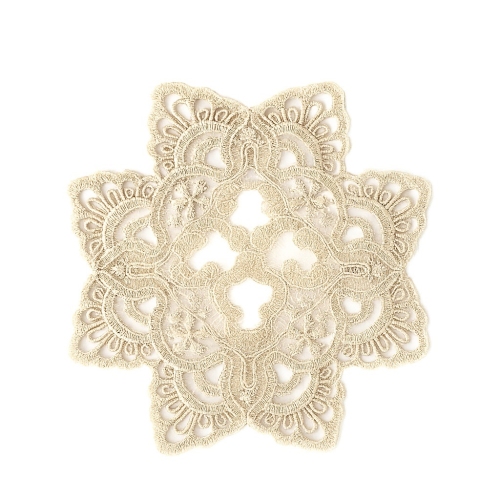
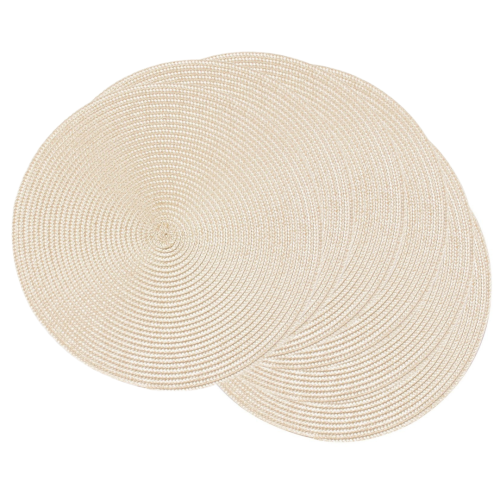
Size and shape matter just as much as the surface finish. An easy-to-clean placemat works best when it holds the dinner plate and cutlery comfortably without crowding the next place setting or hanging over the table edge. Measuring the usable tabletop and considering the number of people seated there helps establish a sensible fit. A rectangular mat provides a familiar layout for everyday dining and often leaves room beside the plate for a folded napkin. Round mats can follow the lines of a circular table, while oval shapes soften the arrangement without creating corners that overlap neighbouring settings. On a compact breakfast table or kitchen island, a smaller footprint may leave more room for serving dishes, mugs, and elbows. Larger mats can catch more scattered rice or cereal, but they should still sit fully supported on the surface. Thickness also changes how a placemat feels in use. A thin, flexible design is usually easier to stack in a drawer, while a more substantial mat may feel steadier beneath a plate. Neither thickness nor a textured backing guarantees a secure grip: the combination of the mat, table finish, and any moisture underneath affects movement. For children learning to use cutlery, a mat that lies flat and stays reasonably steady can make the setting less frustrating, although it is not a substitute for supervision. Smooth edges and minimal grooves also leave fewer places for yoghurt or dried sauce to collect. Adults using the same table for meals and paperwork may appreciate placemats that lift away quickly and store flat between uses. Colour and pattern help connect that practicality with the room. Pale neutrals keep a setting understated but may show marks more readily, while darker shades can make light crumbs and water spots more noticeable. Subtle patterns can disguise small signs of use between cleanings without overwhelming the tableware. A coordinated set can also make a useful housewarming gift, especially when its dimensions, care requirements, and appearance suit the recipient’s everyday dining habits.
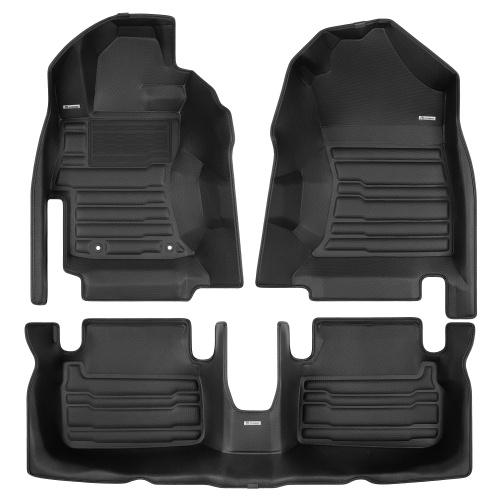
Simple care routines help easy-to-clean placemats stay pleasant to use and protect the surface beneath them. For many wipeable materials, removing loose crumbs and cleaning with a soft cloth, mild dish soap, and water is sufficient, provided the manufacturer permits that method. Wiping away soap residue and letting both sides dry before stacking helps prevent trapped moisture. A mat that looks clean on top may still have spilled juice underneath, so lifting it after a messy meal is worthwhile, particularly on wood or other moisture-sensitive finishes. Rinsing in the sink is suitable only when the construction allows it; absorbent backing, glued layers, or stitched edges may not tolerate soaking. Dishwasher cleaning and machine washing should likewise be treated as specific care features rather than assumptions based on appearance. Abrasive pads, strong cleaners, and prolonged soaking can scratch a finish, weaken a coating, or affect the shape of some materials. Promptly blotting sauces, curry, and other strongly coloured spills gives stains less time to settle, though no everyday care routine can guarantee that every mark will disappear. Durability depends on more than stain resistance. Edges that remain flat, a finish that does not readily peel, and a backing that stays intact all contribute to a placemat’s usefulness over repeated meals. Compatibility with the table surface matters too: some finishes can react to certain backings or coverings, making the table manufacturer’s care advice relevant alongside the placemat’s instructions. Heat resistance also varies, and a dining placemat should not be treated as a trivet for cookware unless it is specifically rated for that purpose. Keeping a separate protective rest for hot serving pieces avoids relying on a feature the mat may not have. For households that value similarly straightforward cleanup beyond the dining area, Easy To Clean Car Mats address a different everyday mess. At the table, the most useful balance is a placemat that fits the setting, handles typical spills, and can be cleaned thoroughly with a routine that feels manageable after every meal.
Size and shape matter just as much as the surface finish. An easy-to-clean placemat works best when it holds the dinner plate and cutlery comfortably without crowding the next place setting or hanging over the table edge. Measuring the usable tabletop and considering the number of people seated there helps establish a sensible fit. A rectangular mat provides a familiar layout for everyday dining and often leaves room beside the plate for a folded napkin. Round mats can follow the lines of a circular table, while oval shapes soften the arrangement without creating corners that overlap neighbouring settings. On a compact breakfast table or kitchen island, a smaller footprint may leave more room for serving dishes, mugs, and elbows. Larger mats can catch more scattered rice or cereal, but they should still sit fully supported on the surface. Thickness also changes how a placemat feels in use. A thin, flexible design is usually easier to stack in a drawer, while a more substantial mat may feel steadier beneath a plate. Neither thickness nor a textured backing guarantees a secure grip: the combination of the mat, table finish, and any moisture underneath affects movement. For children learning to use cutlery, a mat that lies flat and stays reasonably steady can make the setting less frustrating, although it is not a substitute for supervision. Smooth edges and minimal grooves also leave fewer places for yoghurt or dried sauce to collect. Adults using the same table for meals and paperwork may appreciate placemats that lift away quickly and store flat between uses. Colour and pattern help connect that practicality with the room. Pale neutrals keep a setting understated but may show marks more readily, while darker shades can make light crumbs and water spots more noticeable. Subtle patterns can disguise small signs of use between cleanings without overwhelming the tableware. A coordinated set can also make a useful housewarming gift, especially when its dimensions, care requirements, and appearance suit the recipient’s everyday dining habits.
Simple care routines help easy-to-clean placemats stay pleasant to use and protect the surface beneath them. For many wipeable materials, removing loose crumbs and cleaning with a soft cloth, mild dish soap, and water is sufficient, provided the manufacturer permits that method. Wiping away soap residue and letting both sides dry before stacking helps prevent trapped moisture. A mat that looks clean on top may still have spilled juice underneath, so lifting it after a messy meal is worthwhile, particularly on wood or other moisture-sensitive finishes. Rinsing in the sink is suitable only when the construction allows it; absorbent backing, glued layers, or stitched edges may not tolerate soaking. Dishwasher cleaning and machine washing should likewise be treated as specific care features rather than assumptions based on appearance. Abrasive pads, strong cleaners, and prolonged soaking can scratch a finish, weaken a coating, or affect the shape of some materials. Promptly blotting sauces, curry, and other strongly coloured spills gives stains less time to settle, though no everyday care routine can guarantee that every mark will disappear. Durability depends on more than stain resistance. Edges that remain flat, a finish that does not readily peel, and a backing that stays intact all contribute to a placemat’s usefulness over repeated meals. Compatibility with the table surface matters too: some finishes can react to certain backings or coverings, making the table manufacturer’s care advice relevant alongside the placemat’s instructions. Heat resistance also varies, and a dining placemat should not be treated as a trivet for cookware unless it is specifically rated for that purpose. Keeping a separate protective rest for hot serving pieces avoids relying on a feature the mat may not have. For households that value similarly straightforward cleanup beyond the dining area, Easy To Clean Car Mats address a different everyday mess. At the table, the most useful balance is a placemat that fits the setting, handles typical spills, and can be cleaned thoroughly with a routine that feels manageable after every meal.
Top selling and popular products
-
 Your price for this item is $1459.99
 -
 Your price for this item is $79.34
 -
 Your price for this item is $40.99
 -
 Your price for this item is $41.9
 -
 Your price for this item is $96.9
 -
 Your price for this item is $435.2
 -
 Your price for this item is $72.9
 -
 Your price for this item is $19.99
Discover more categories related to Easy To Clean Placemats
Top Collections:
Pokemon Centers, Kindle Devices, Best Budget Office Chairs, Apple iPhones 16, Best Laptops for Writers, iPhone 15 Apple, Canon G7X Cameras, Refurbished Apple Laptops, Alarm Clock, Motorola Razr Phones
Some products may be subject to Environmental Handling Fees
(EHF) depending on your province.
Learn more about EHFs.