Vinyl Placemats
Transform your dining experience with the perfect blend of style and practicality by exploring our selection of vinyl placemats. These versatile table accessories are designed to add a touch of elegance to any meal setting while providing an easy-to-clean surface that effortlessly withstands everyday use. Whether you're hosting a casual brunch or a formal dinner, vinyl placemats offer an array of colors, patterns, and textures to complement your unique taste and decor. Discover how these chic and functional placemats can enhance your dining space and make every meal a special occasion.
Sort
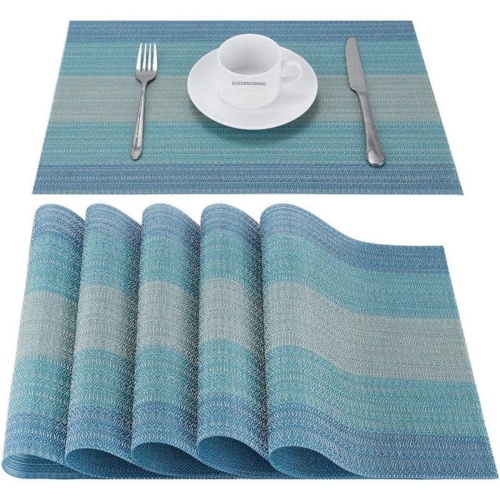
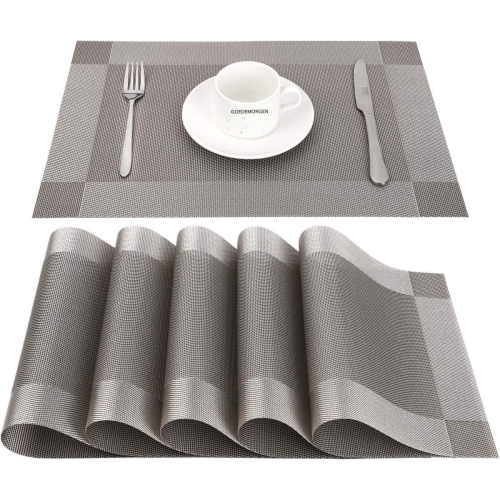
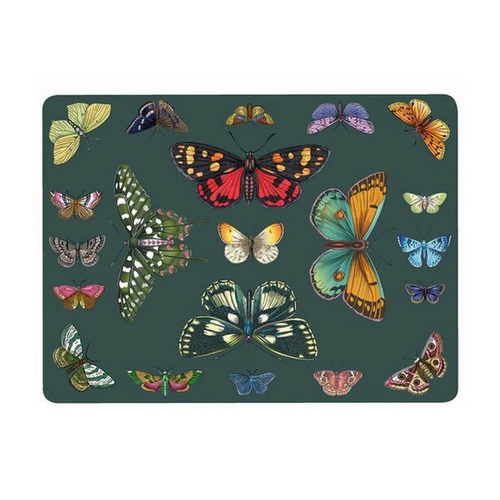
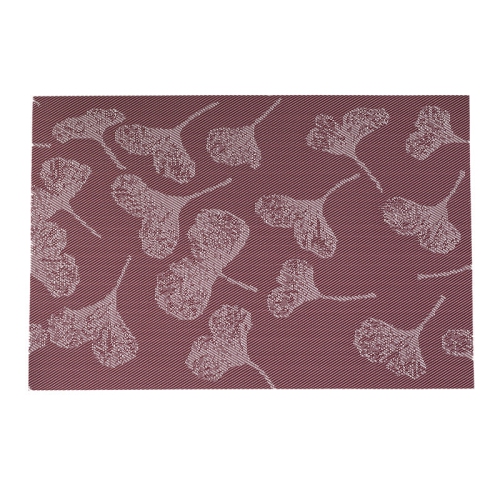
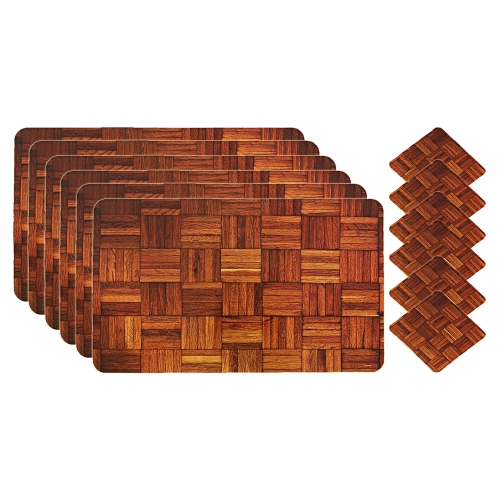
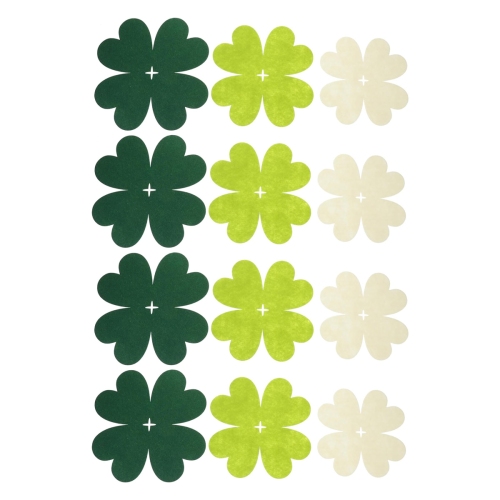
A well-set table starts with the right fit
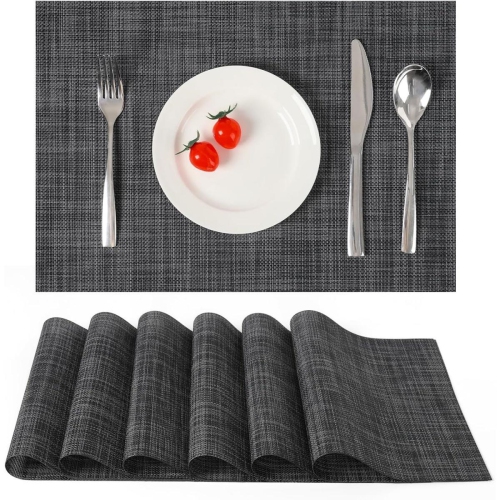
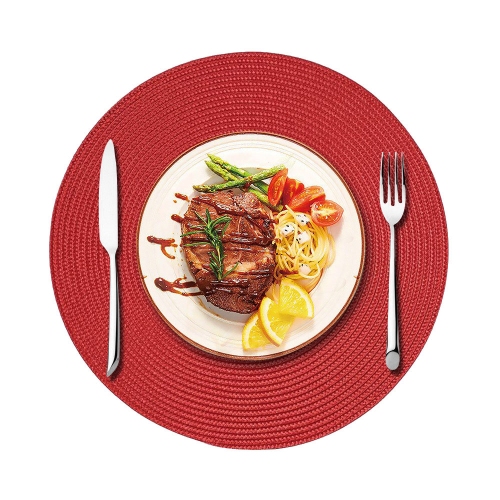
Vinyl placemats give each place setting a defined space while adding colour, texture, and an easy-care layer to the dining table. They suit everything from a quick breakfast at a kitchen counter to a carefully arranged dinner with matching plates and glassware. The category includes smooth vinyl surfaces, embossed finishes, and woven constructions that combine vinyl with other fibres, so the look and feel can vary considerably. A finely woven mat can bring a fabric-like texture to a simple table setting, while a solid surface offers a more continuous layer beneath a plate. Neutral shades let patterned dishes stand out; deeper colours create contrast against pale wood or white dinnerware. Subtle stripes, geometric patterns, and textured finishes can add interest without competing with the rest of the room. Shape makes a difference, too. Rectangular placemats provide a familiar layout for a plate and cutlery, while round designs can complement circular tables and soften the lines of square dishes. Oval shapes offer another option where a curved outline feels more balanced. Fit is about more than the size of the dinner plate: there should also be enough room for the cutlery to sit comfortably and for neighbouring place settings to remain separate. On a compact table, an oversized mat can leave little space for serving bowls or cause the edges to overlap. On a larger table, a small mat may leave cutlery resting beyond its surface. Measuring the usable tabletop and considering the number of seats helps put the proportions in context. Chairs placed at the ends of a narrow table may need a different arrangement from those along its sides. A mat that lies fully supported on the tabletop, rather than hanging over an edge, generally creates a tidier setting and is less likely to catch against a sleeve. The result is a dining space that feels considered without requiring elaborate table linens or a formal arrangement.
The appeal of vinyl placemats is often their straightforward upkeep, but construction matters as much as appearance. A smooth, continuous surface can make crumbs and small splashes easier to wipe away, whereas an open weave may allow liquids and fine debris to reach the table underneath. Woven texture can also hold food between its strands, making attention to both sides worthwhile after a meal. Vinyl is not automatically absorbent, stain-proof, or suitable for every cleaning method, and a water-resistant finish does not necessarily make the entire mat waterproof. For routine care, a soft cloth with mild soap and water is often appropriate when permitted by the care instructions. Strong cleaners, abrasive pads, and vigorous scrubbing can damage finishes or affect printed colour. Dishwasher cleaning, machine washing, soaking, and ironing should not be assumed suitable. Allowing a placemat to dry fully before putting it away helps avoid trapping moisture against the table or between stacked mats. The same attention is useful after wiping a dining surface: replacing mats before the tabletop is dry can leave moisture sitting underneath them. Heat protection also varies. A placemat intended for dinner plates should not be treated as a trivet for cookware straight from the oven or stovetop. Even a heat-resistant design has limits, and the stated care and temperature guidance should determine its use. On wood, glass, lacquered, painted, or other delicate finishes, compatibility deserves particular attention because backing materials, trapped grit, moisture, and heat can affect the surface beneath. Keeping the underside clean is just as important as keeping the visible side presentable. For storage, laying mats flat helps preserve their shape; tightly folding a design that is not meant to fold can leave creases or distort the edges. Durability depends on the vinyl formulation, weave, edging, and daily handling. A securely finished border and a surface that remains flat contribute to a neat appearance through repeated meals, although no placemat can guarantee protection against every spill, scratch, or mark.
Different households put placemats to work in different ways. At a busy family table, a wipeable surface can simplify cleanup after toast crumbs, a spot of jam, or a splash beside a cereal bowl. At a breakfast bar, a coordinated pair can define two eating spaces without covering the whole counter. In a dining room, matching mats can give a set of everyday dishes a more finished presentation, while mixed colours within a similar texture can make individual settings distinct. People who prefer an uncluttered table may appreciate how a placemat leaves much of the tabletop visible, especially when the wood grain or surface finish is part of the room’s appeal. Stability is another practical consideration, particularly on a slick tabletop or where plates tend to shift during meals. For table settings where grip is a priority, Non-Slip Placemats offer a related option, though the backing and its compatibility with the table still matter. A textured appearance alone does not confirm that a mat will resist sliding. Thickness and flexibility also affect daily use: a pliable mat may be easy to lift for cleaning, while a more structured design can feel firmer beneath a place setting. Neither quality replaces the need for a flat, stable surface. For someone furnishing a first apartment or refreshing a dining area, vinyl placemats can make a useful housewarming gift when the size, colour, and care requirements suit the recipient’s space. A restrained palette is often easy to coordinate with existing dishes, while a bolder pattern can appeal to someone who enjoys changing the look of the table through accessories. Matching the placemats to the way the table is actually used matters more than creating a perfectly styled display. Comfortable spacing, manageable care, and a finish that works with the furniture make these everyday dining accessories a natural part of meals, from a solitary lunch to a table shared with guests.
Top selling and popular products
-
 Your price for this item is $1459.99
-
 Your price for this item is $80.86
-
 Your price for this item is $92.58
-
 Your price for this item is $40.99
-
 Your price for this item is $34.88
-
 Your price for this item is $490.9
-
 Your price for this item is $289.9
-
 Your price for this item is $151.22
Discover more categories related to Vinyl Placemats
Top Collections:
Best Black Friday Deals This Year, Best Black Friday Deals On Electronics, Kindle Devices, Best Black Friday Deals On Apple Products, Best Budget Office Chairs, Best Cameras for Sports Photography, Dyson Airwrap, Canon G7X Cameras, Best Laptops for Writers, Samsung Galaxy Phones
Some products may be subject to Environmental Handling Fees
(EHF) depending on your province.
Learn more about EHFs.