Electric Fireplaces With Thermostat
Create a cozy and inviting atmosphere in your home with electric fireplaces featuring built-in thermostats. These stylish and functional heating solutions provide both warmth and ambiance, making them a perfect addition to any living space. With the ability to adjust the temperature to your desired level, you can enjoy the flickering flames while staying comfortably snug. Whether you're looking to upgrade your existing fireplace or add a touch of elegance to your room, our selection of electric fireplaces with thermostats offers a range of options to suit your needs and style preferences.
Sort

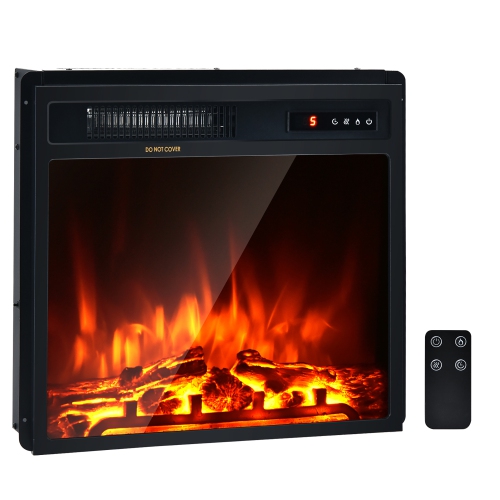


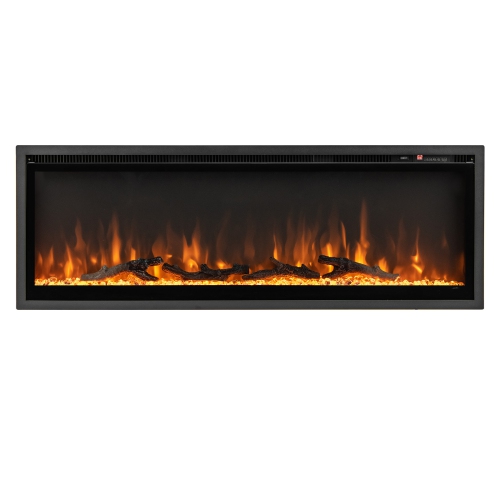

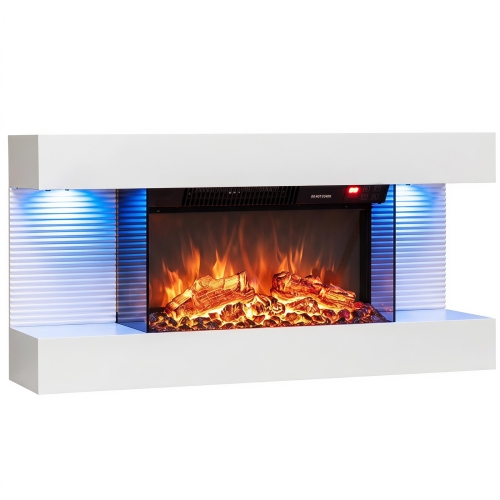
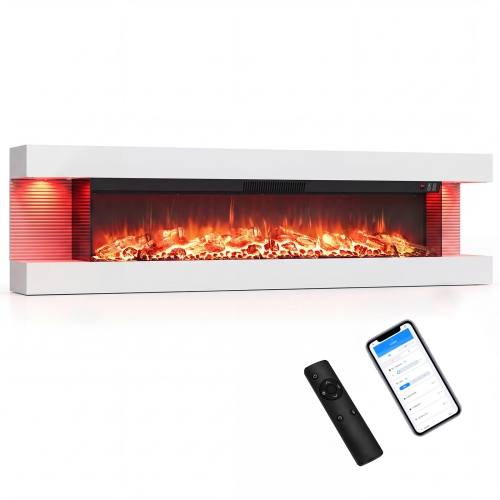
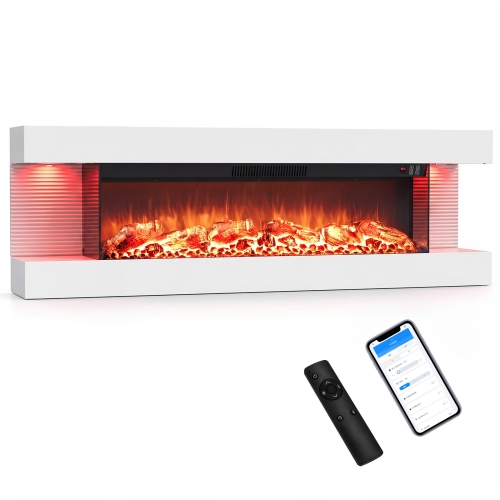
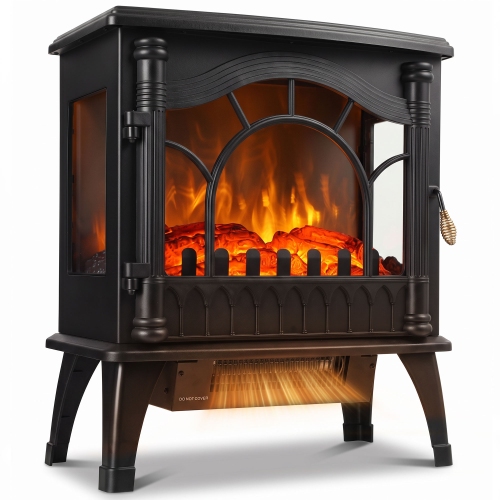

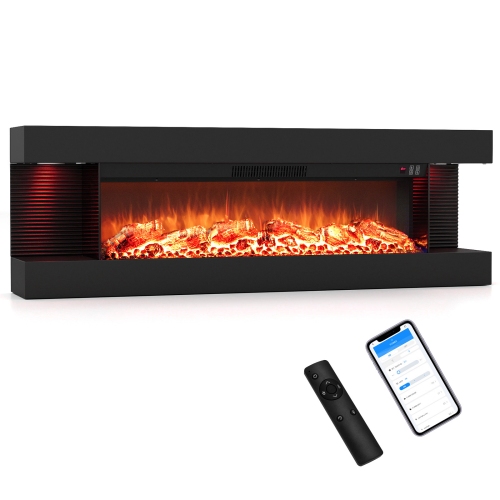
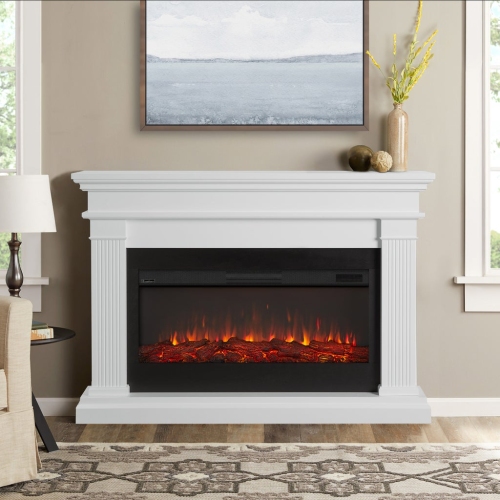

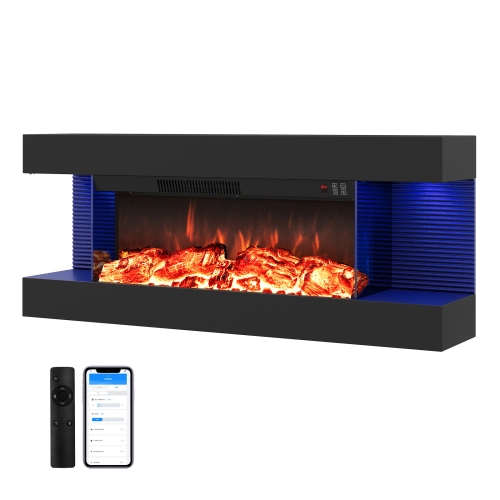

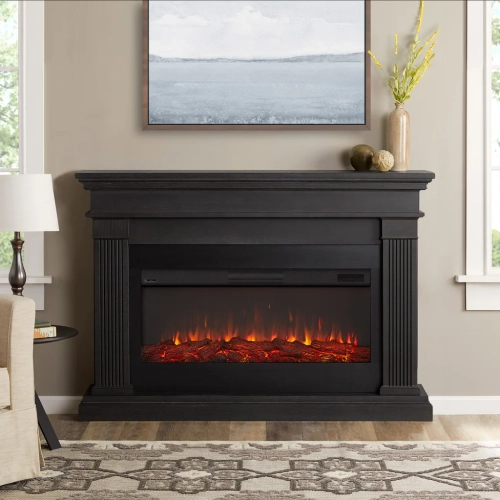
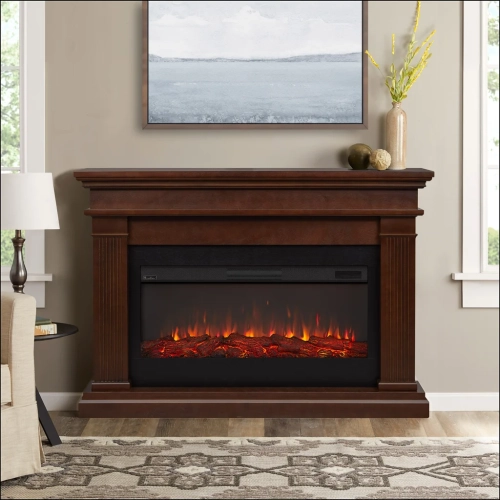
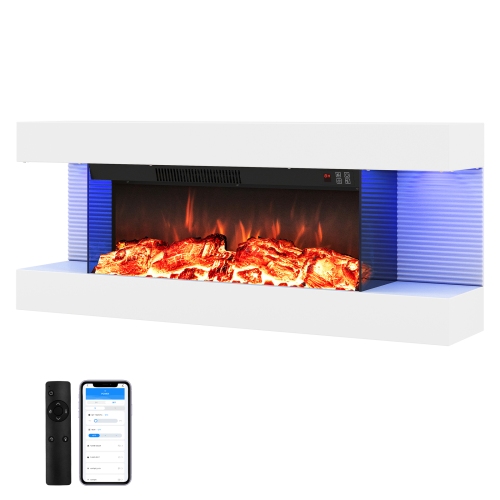

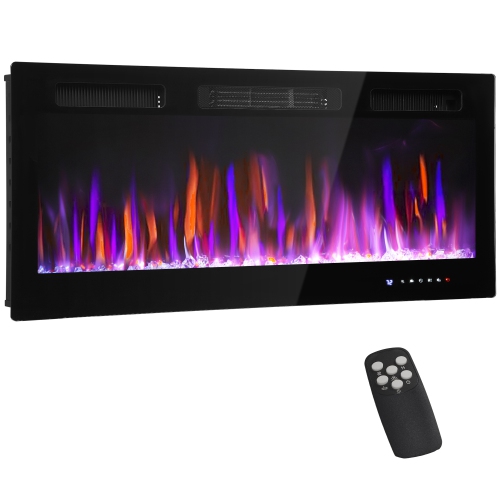


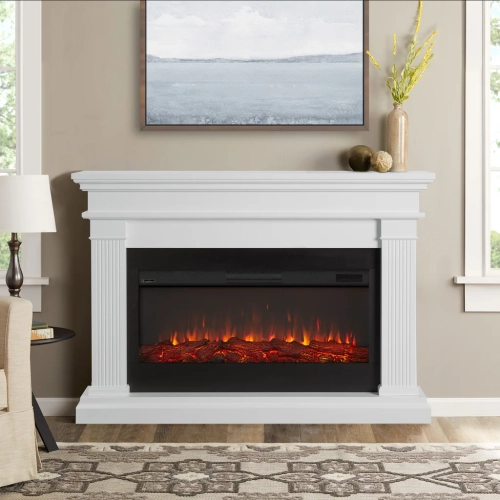
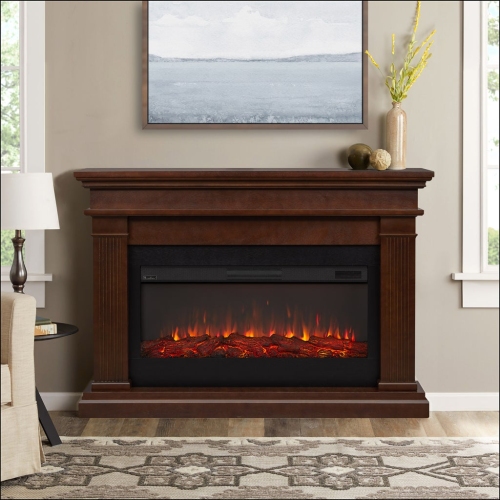
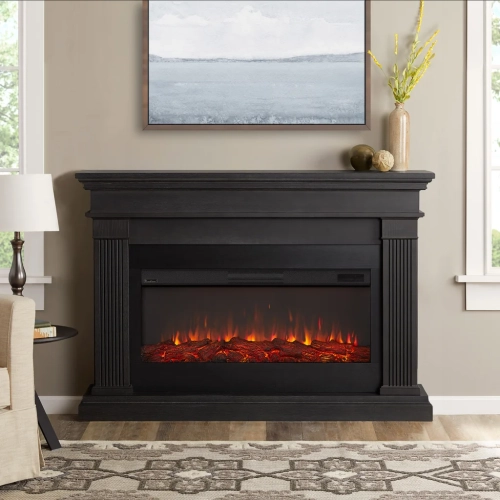


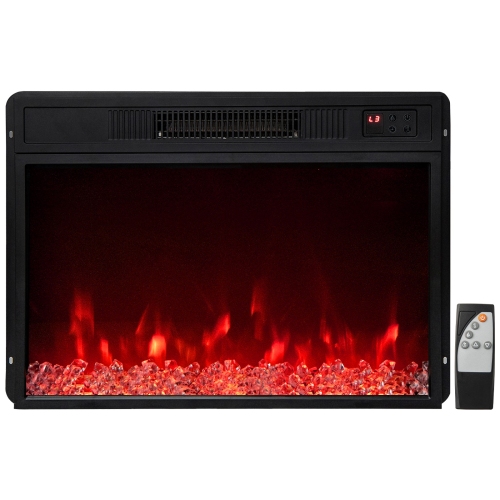

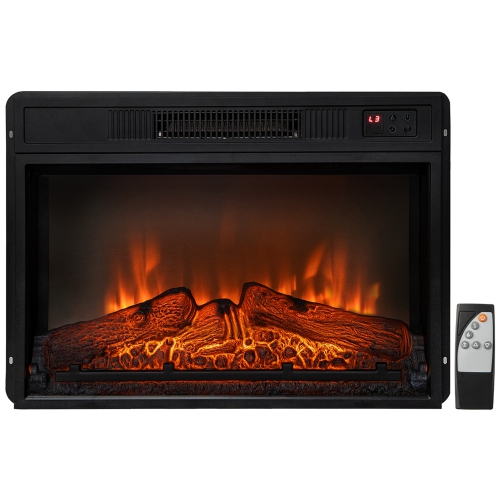
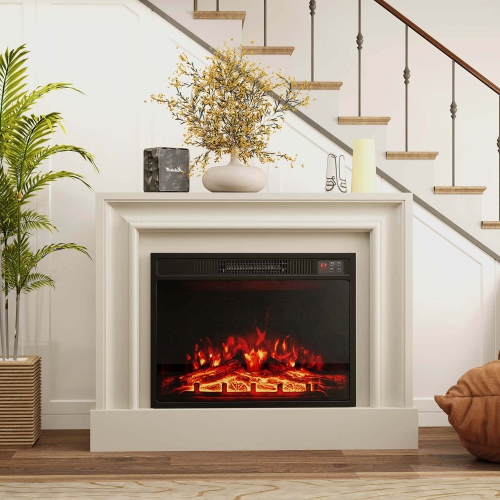
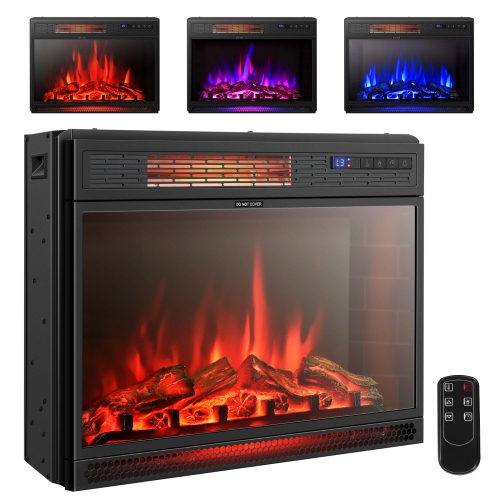
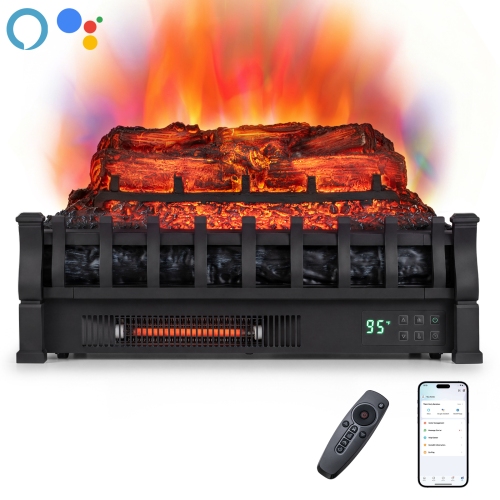
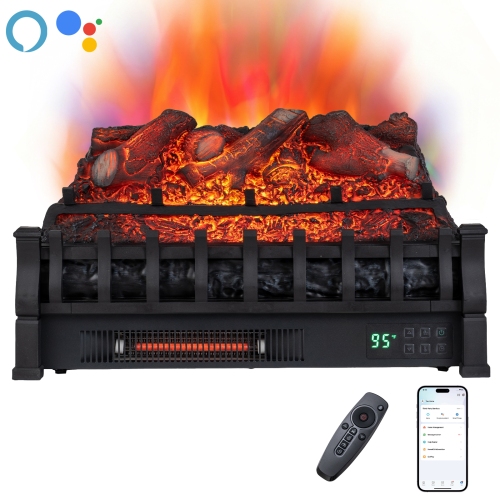
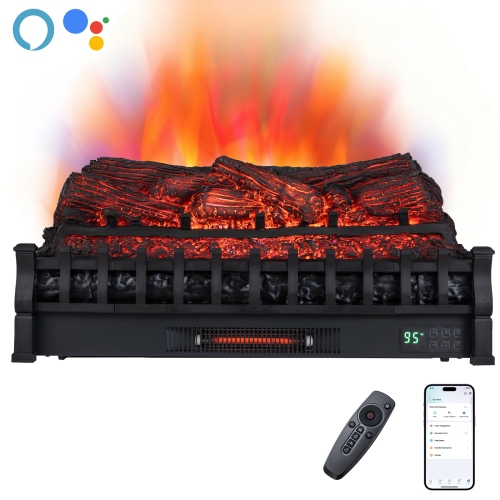
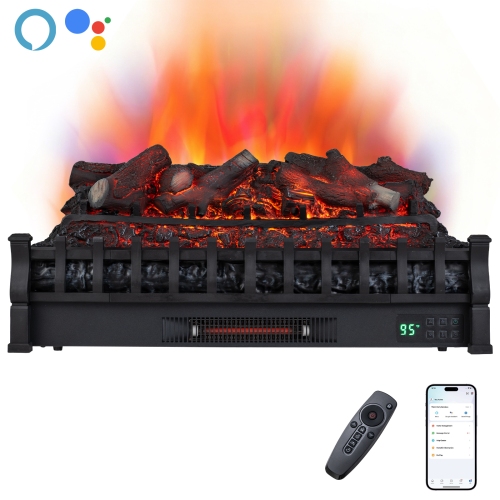


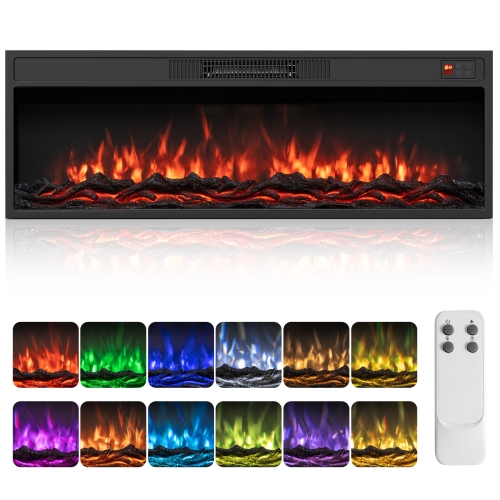
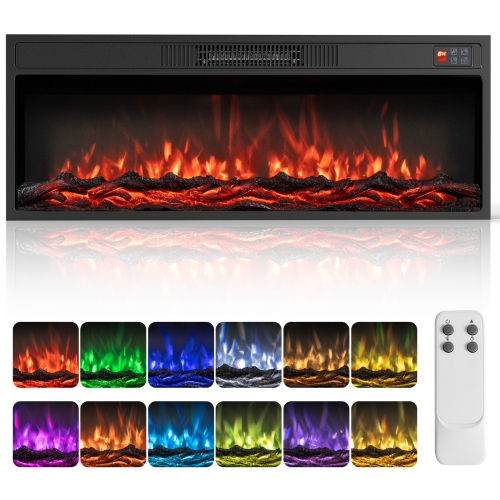

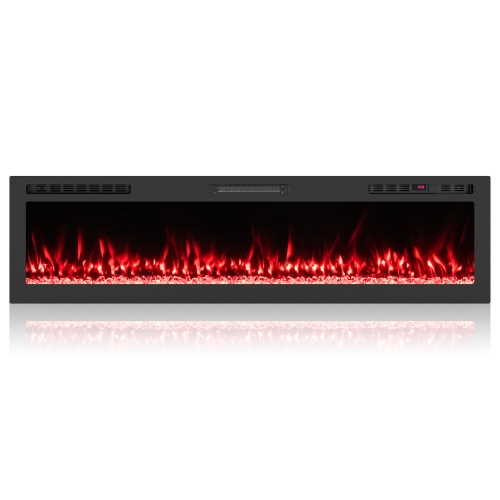
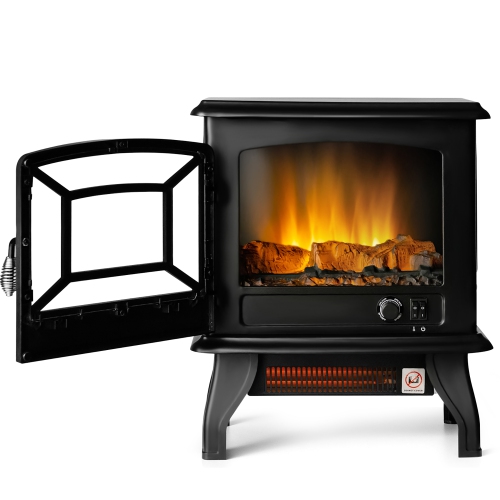
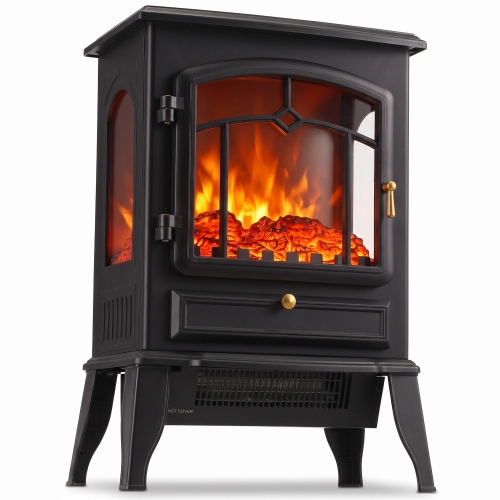

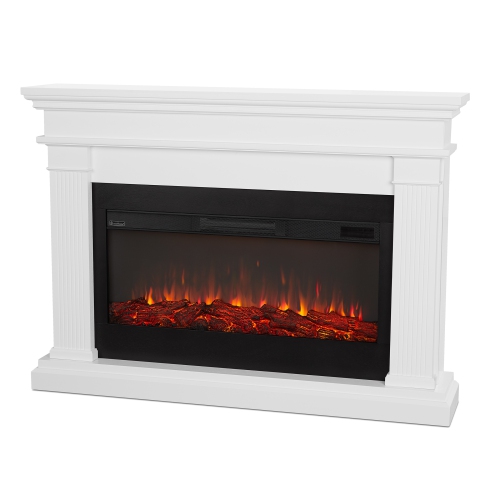
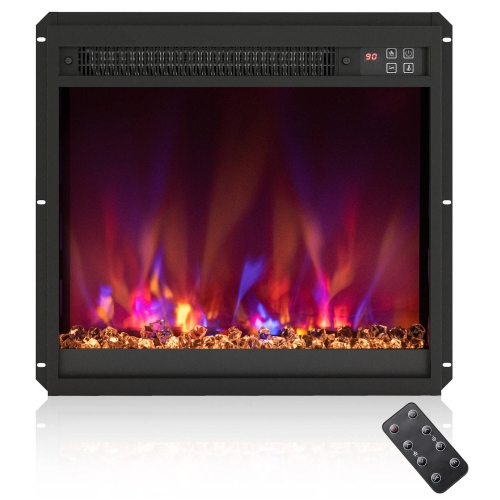

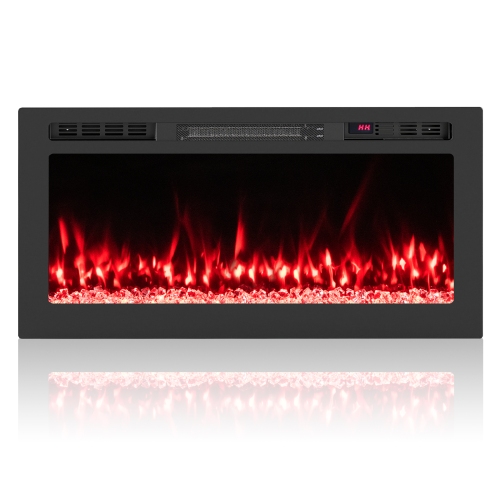

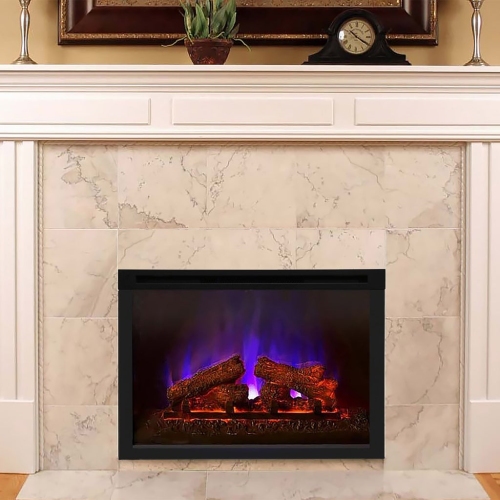
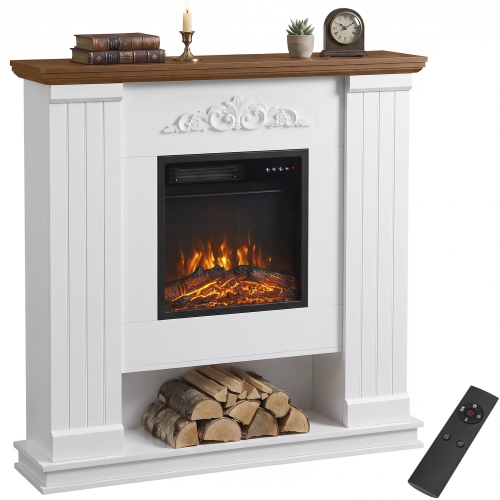


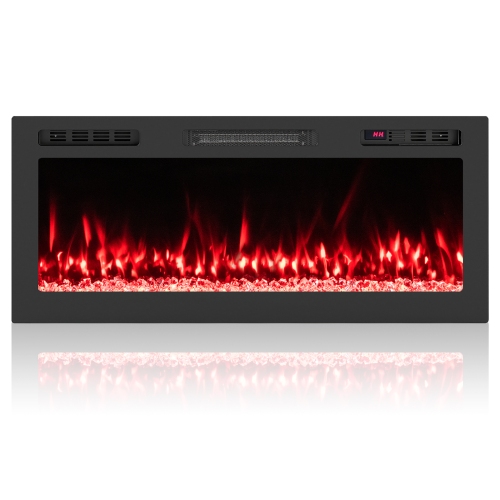


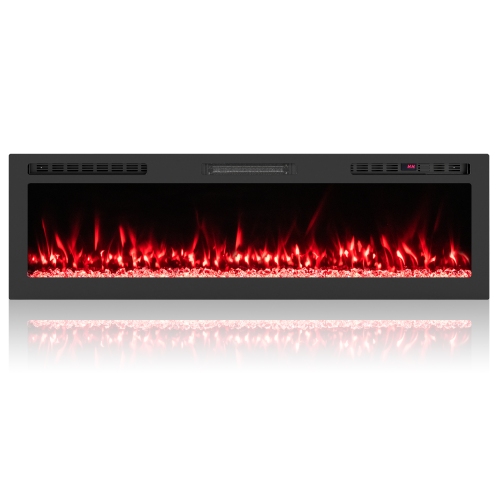


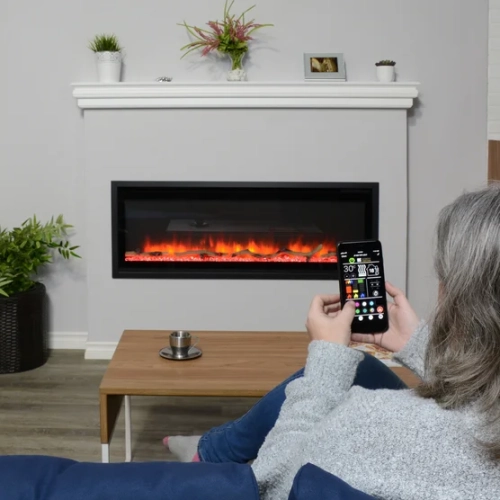
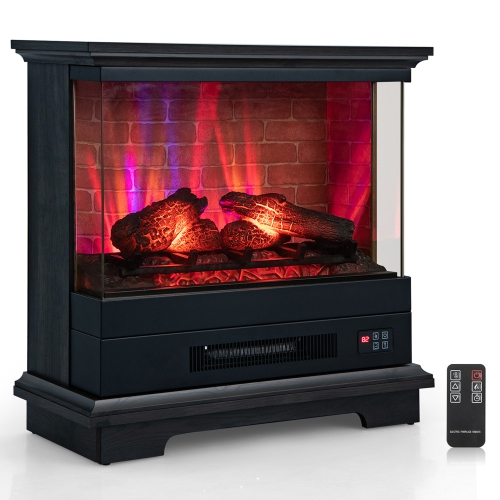


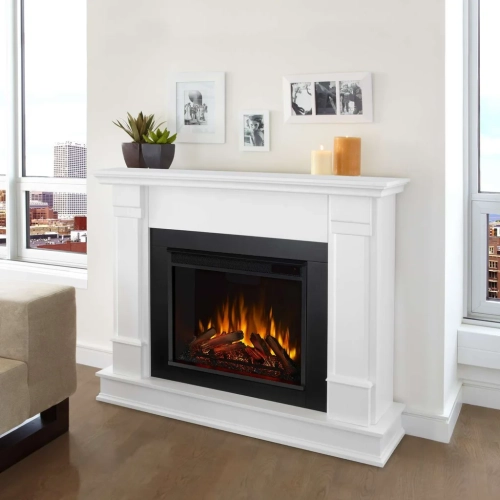


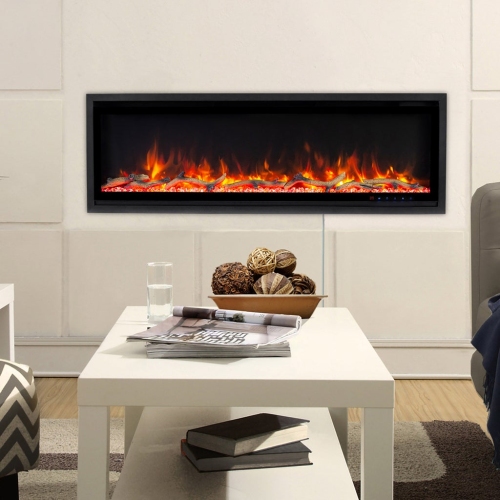

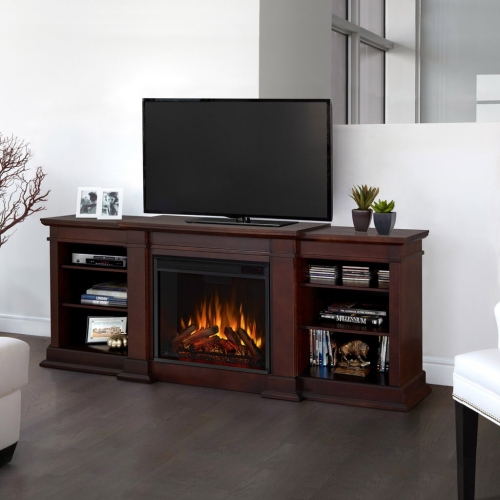
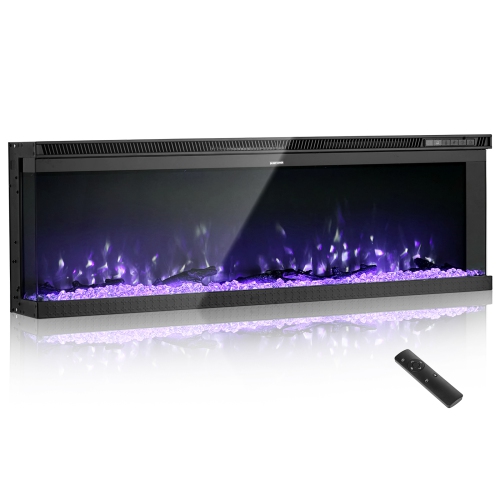
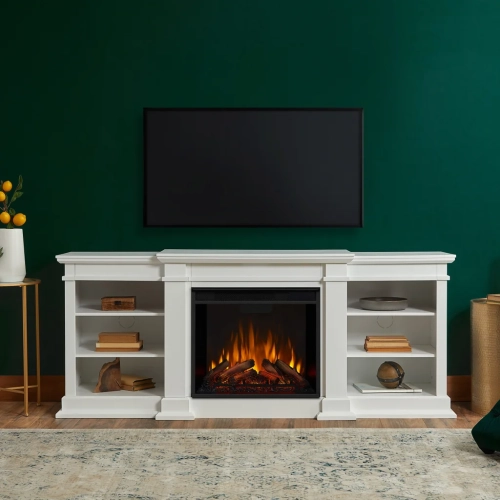
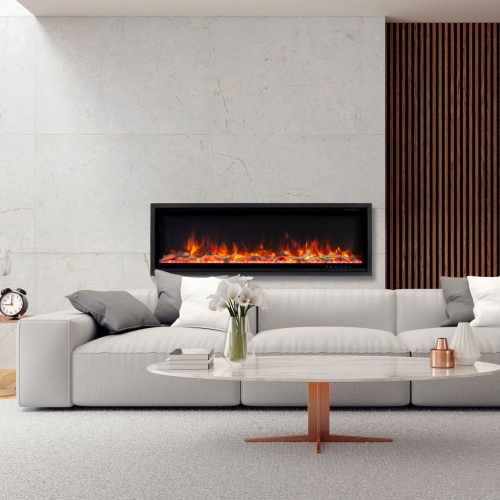


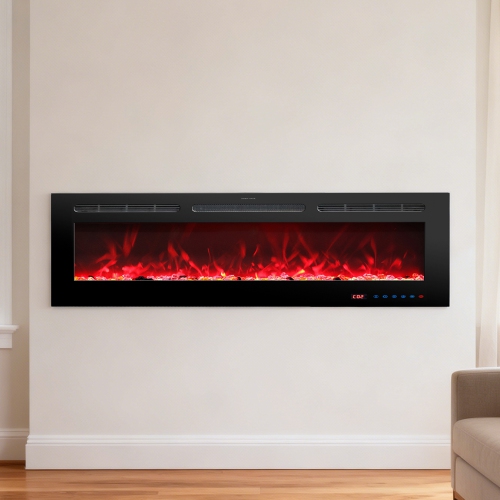

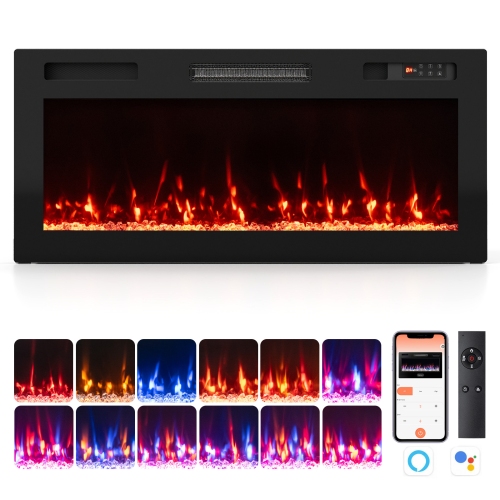


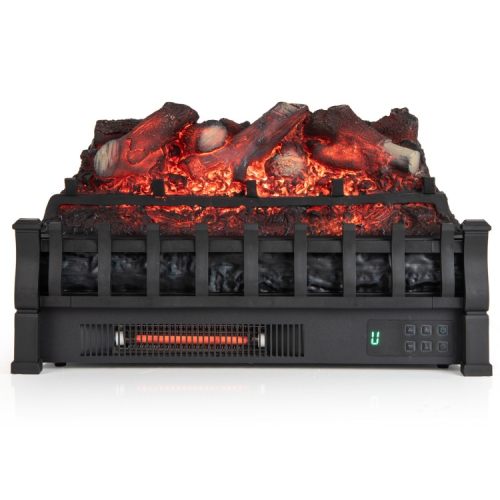
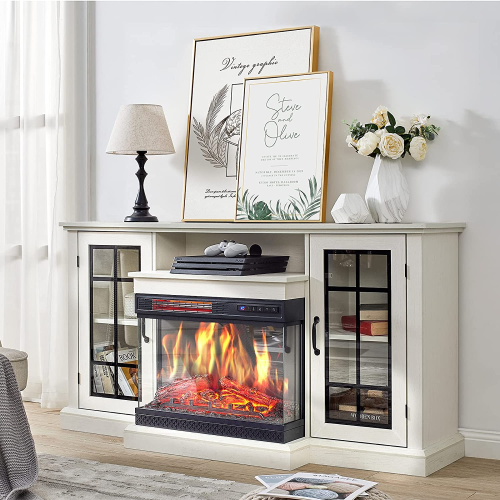

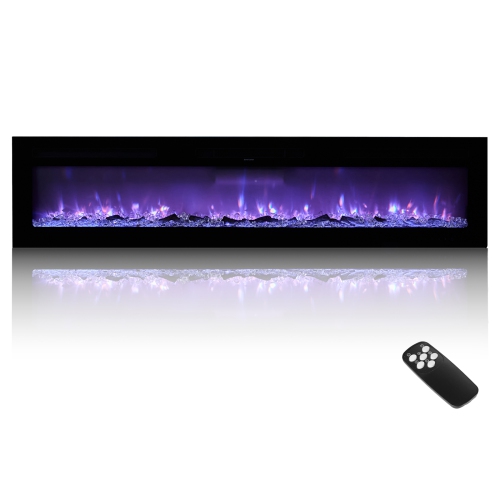


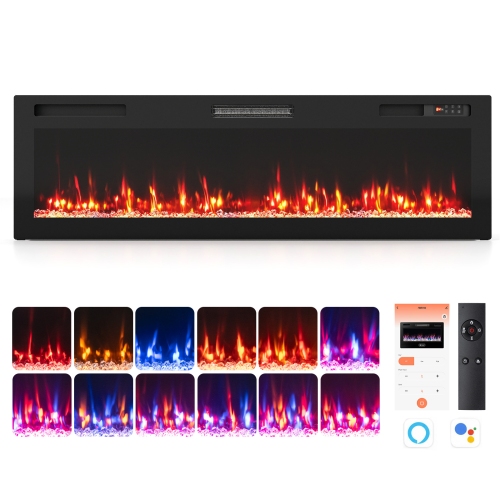


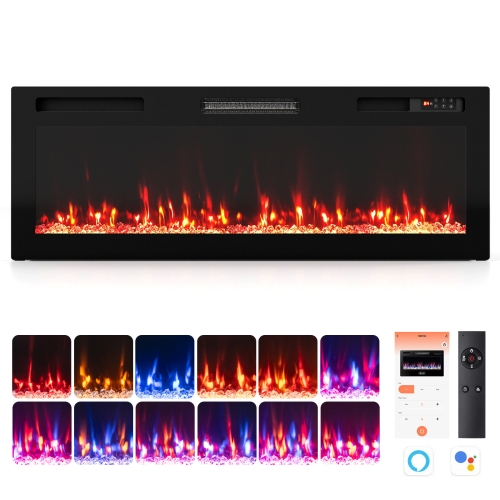
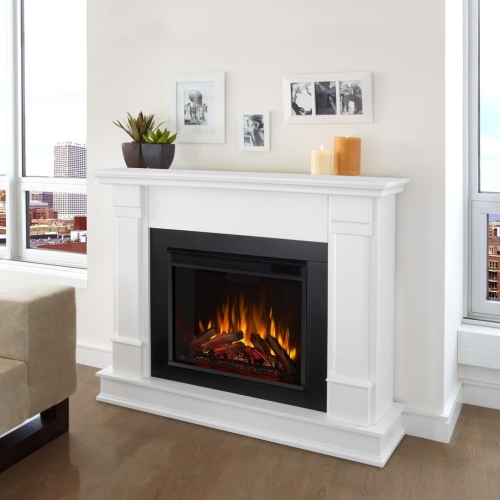


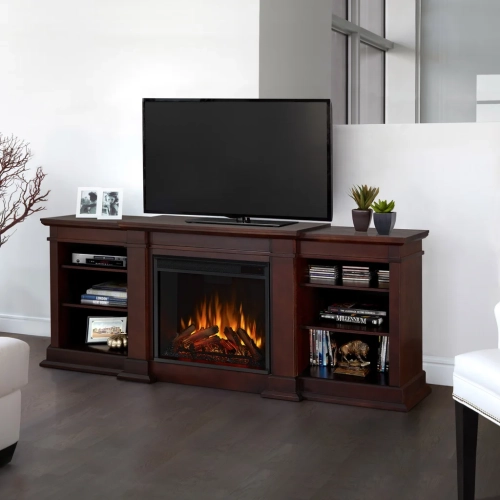


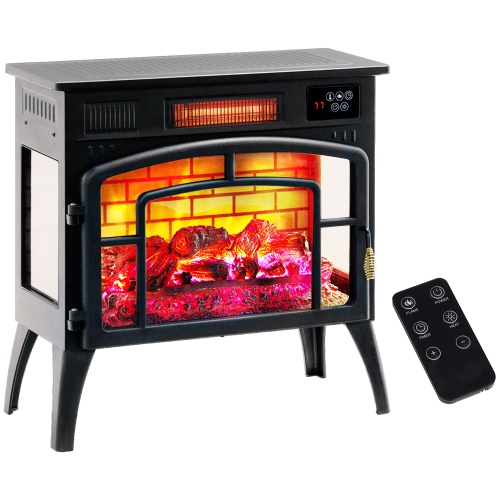
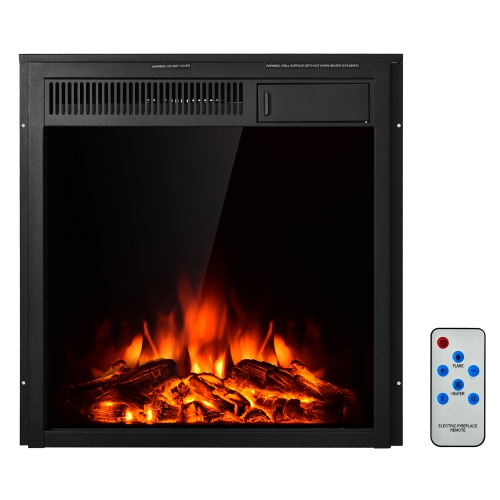
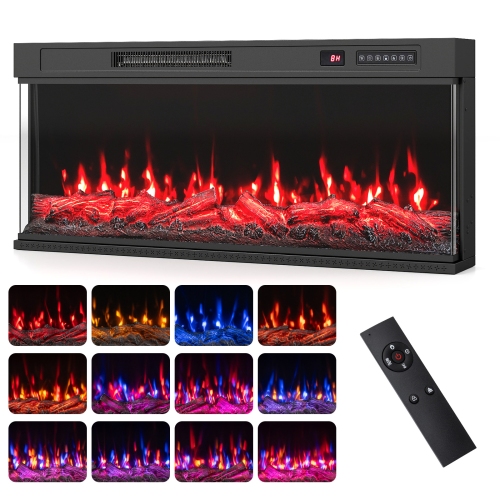
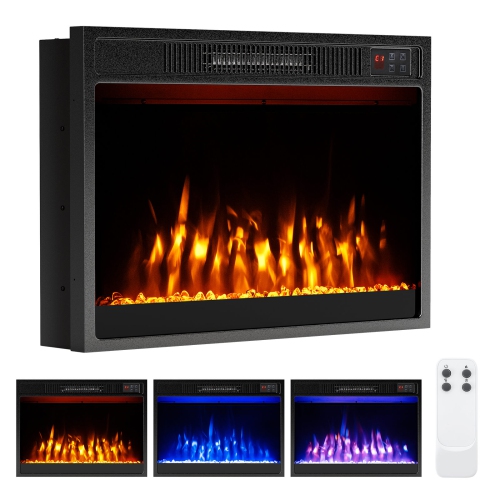


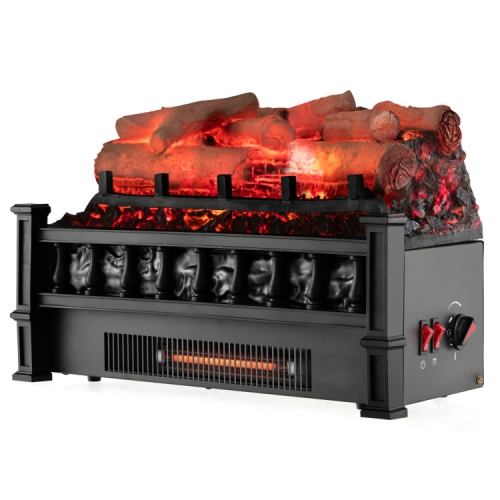
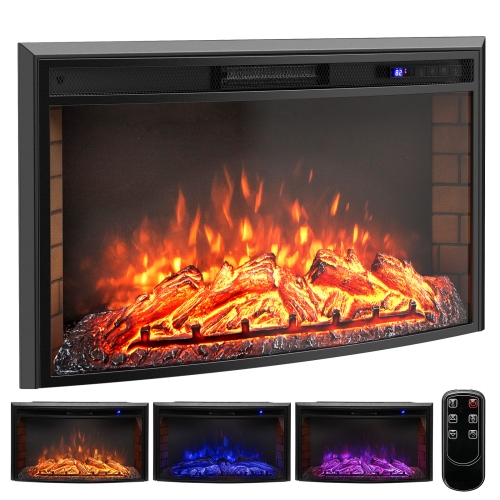


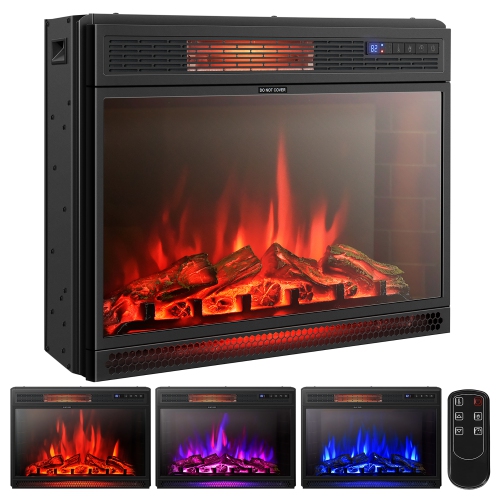
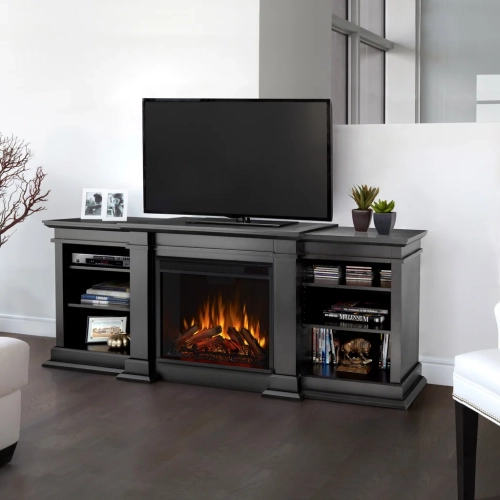
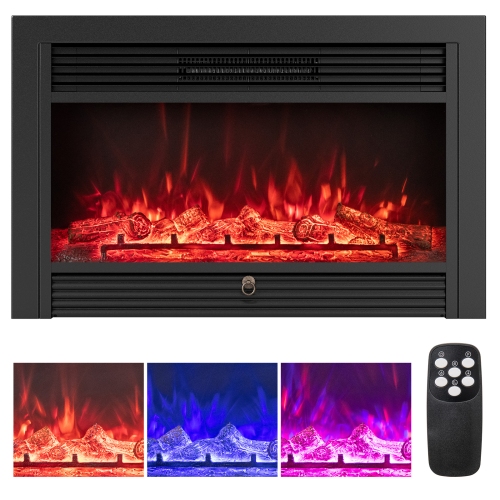


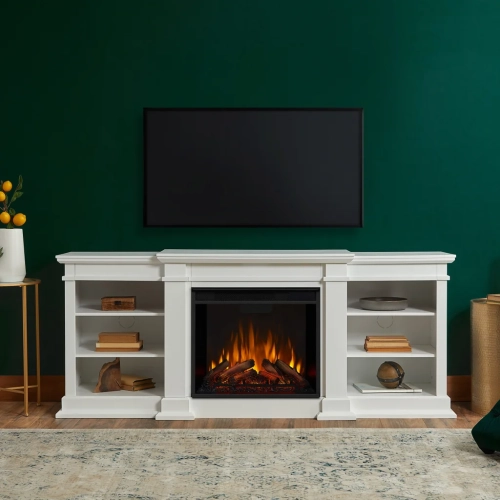

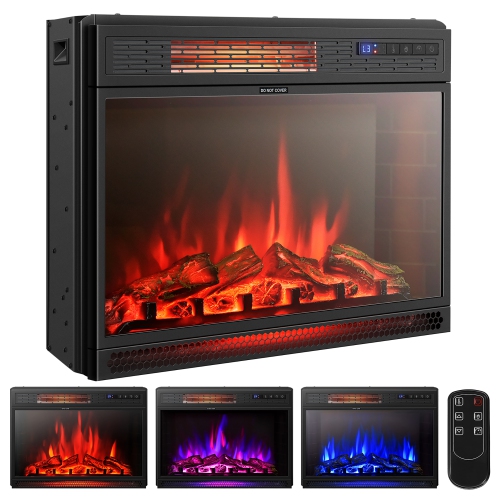

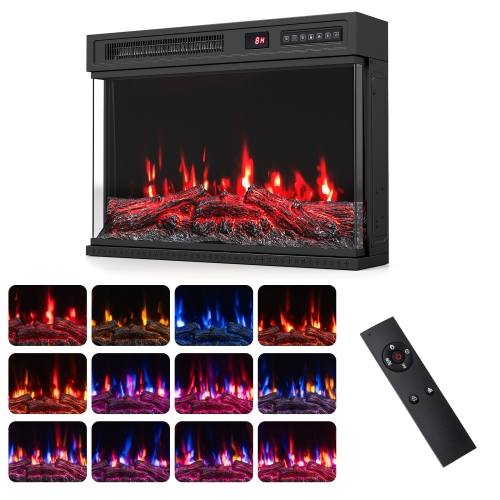


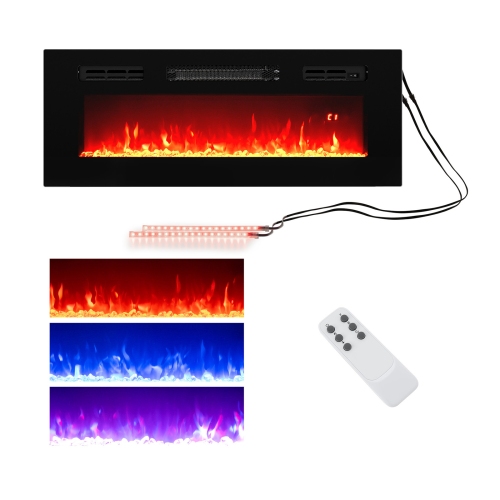
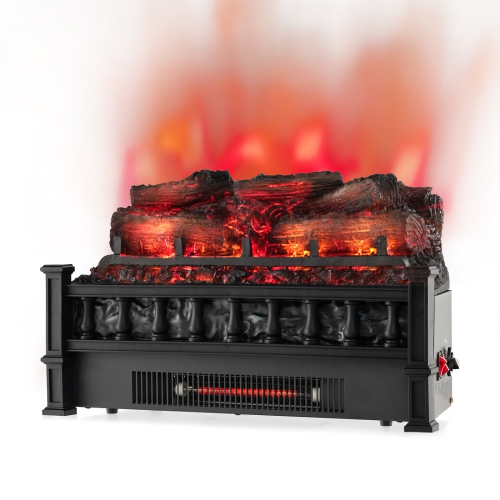


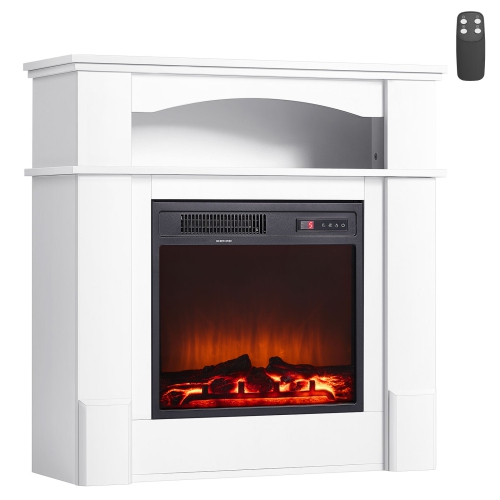


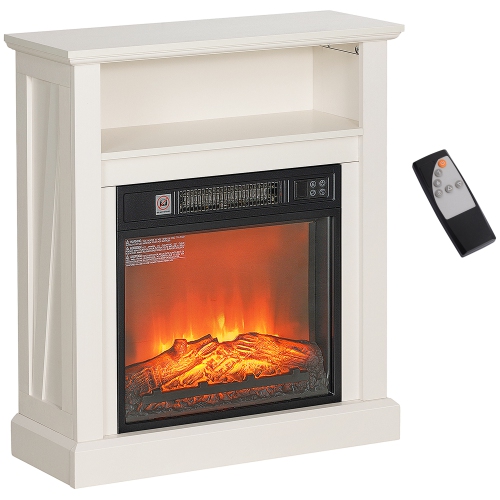
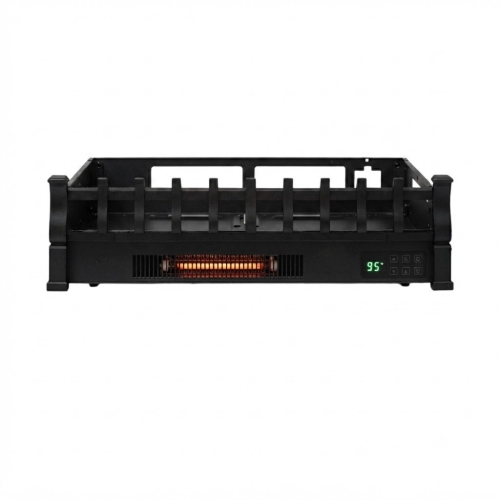
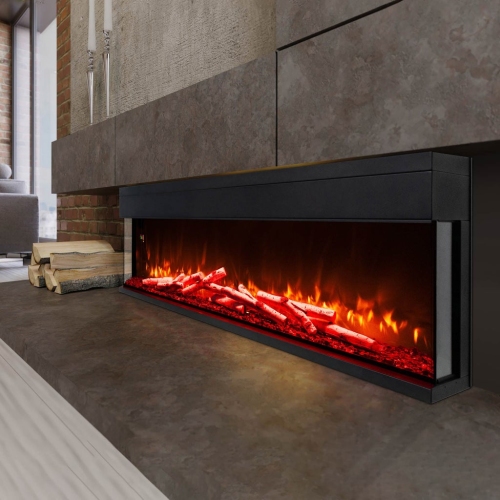


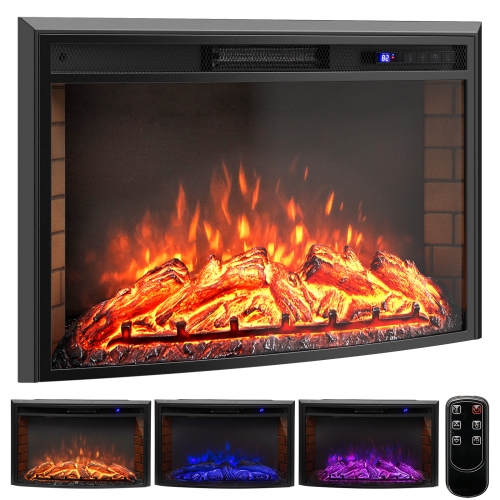


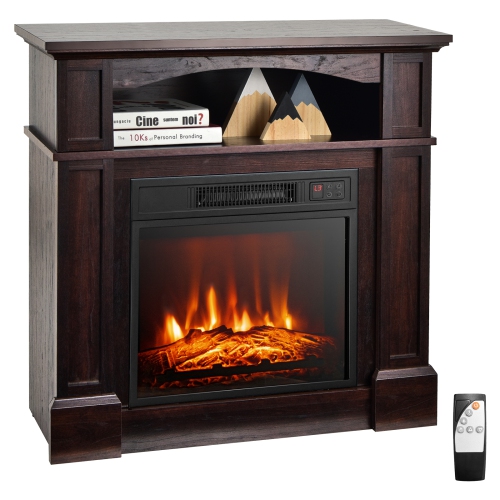

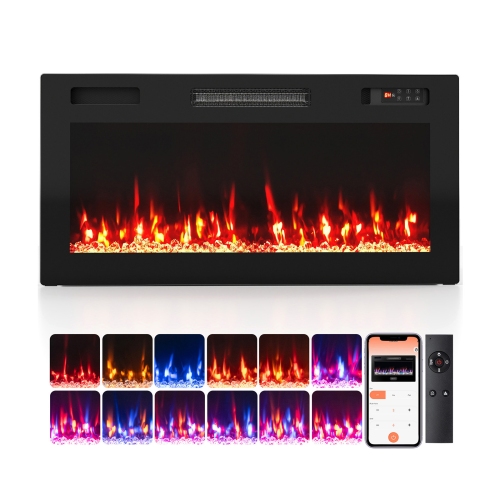


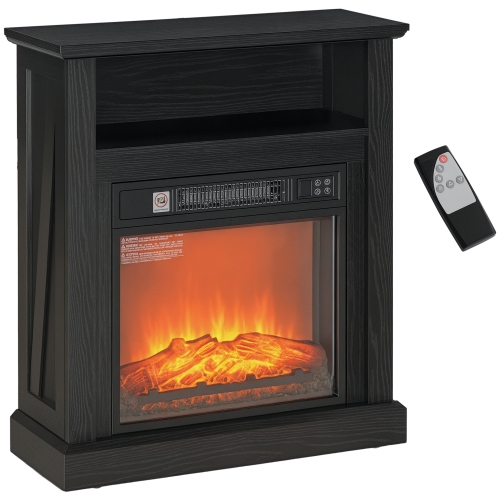

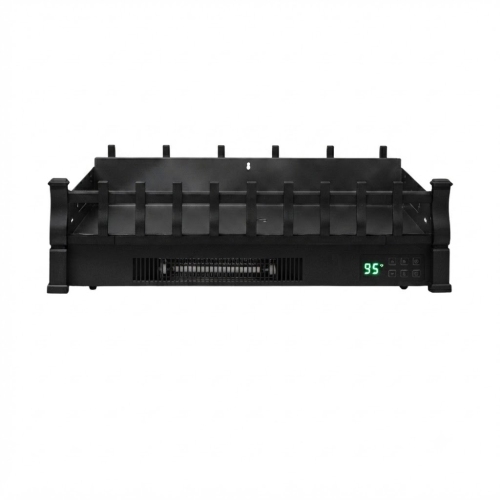
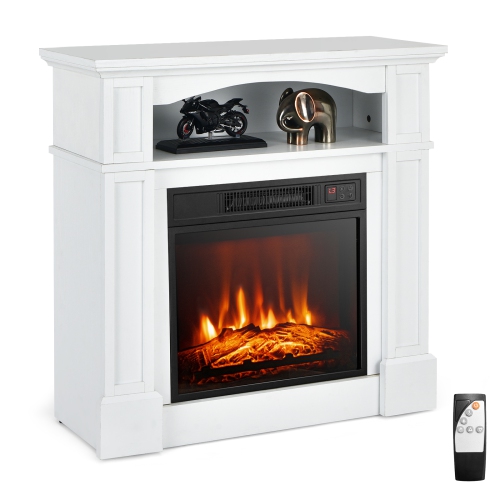


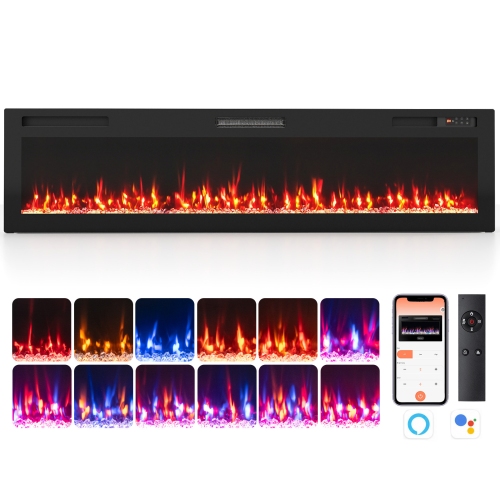

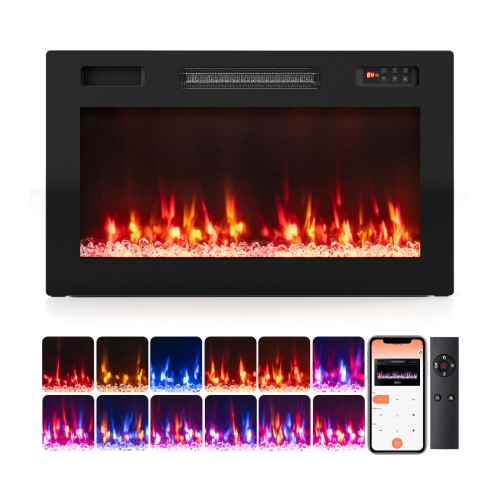

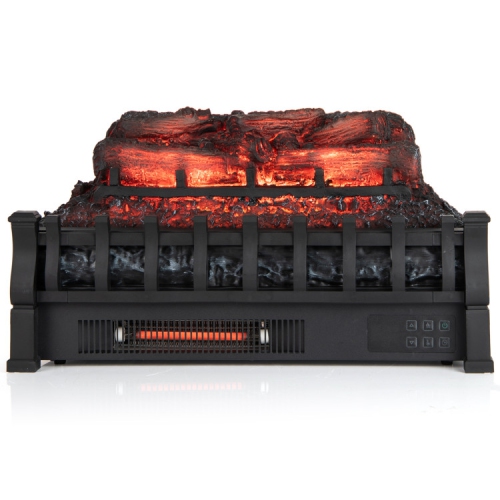
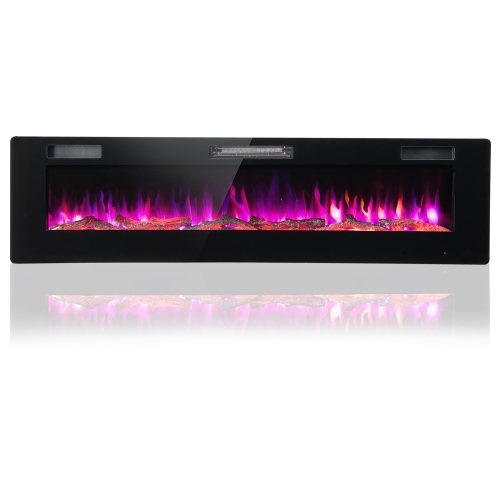
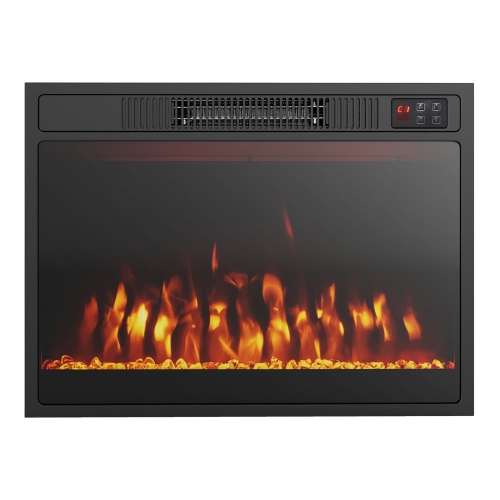
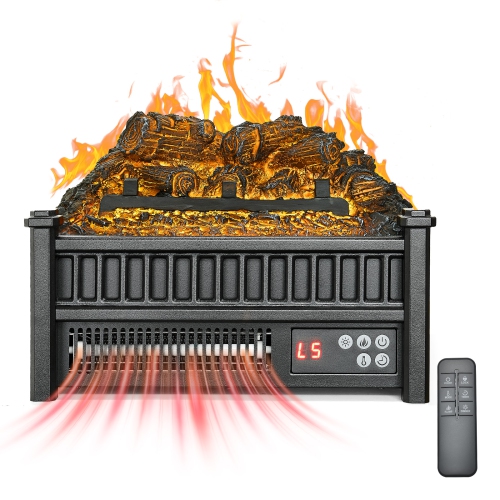
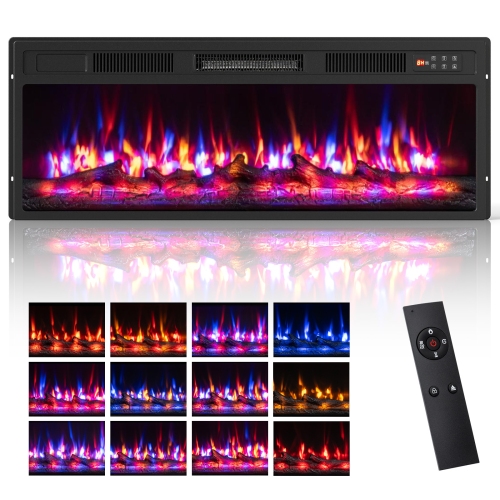

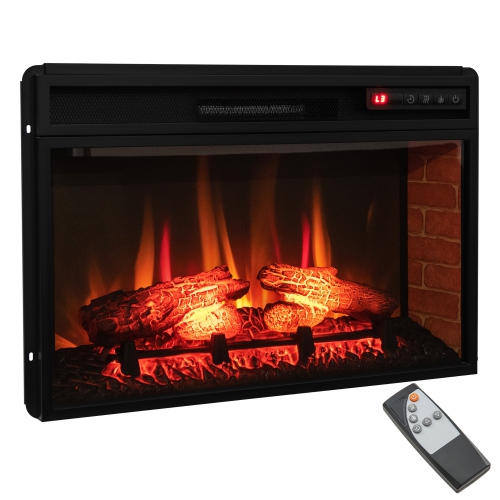
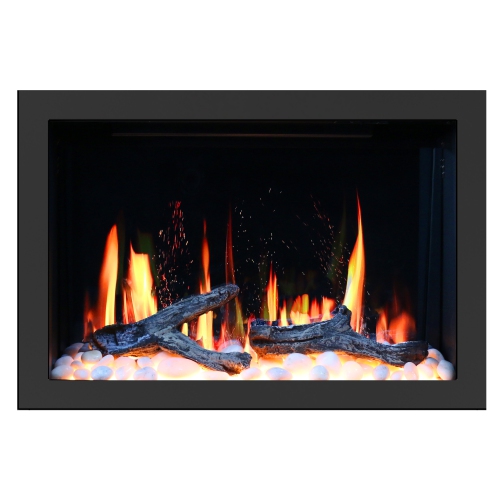

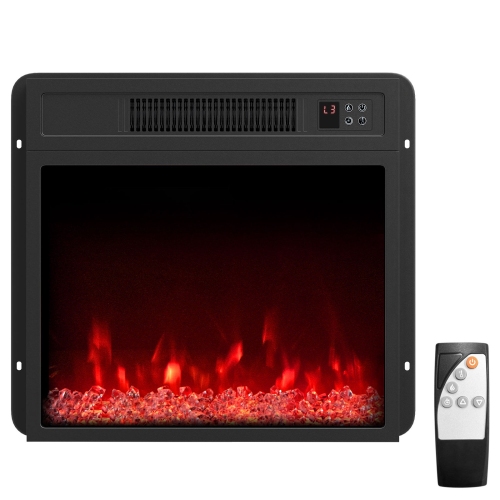


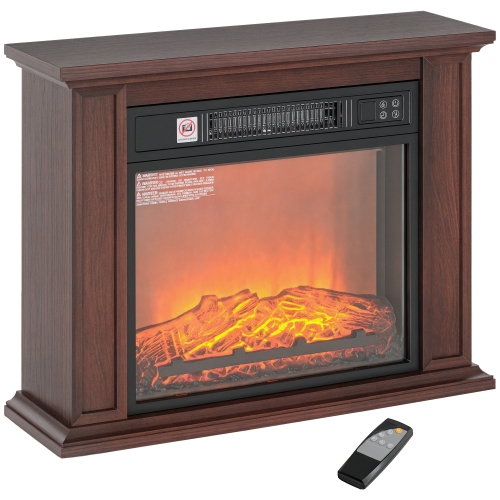
Flickering flames with heat that adjusts to your setting
Electric fireplaces with thermostat controls combine the visual warmth of a flickering fire with adjustable supplemental heat for living rooms, bedrooms, home offices, and other indoor spaces. A built-in thermostat monitors the temperature near its sensor and cycles the heater on and off to help maintain the selected setting, rather than producing heat continuously. The flame display may continue running while the heating element pauses, depending on the design. This makes a thermostat-equipped fireplace useful beside a reading chair on a chilly evening or in a home office that feels cooler than the rest of the house. Many standard plug-in electric fireplaces operate at up to 1,500 watts and deliver approximately 5,000 BTUs of heat per hour. They are often rated for rooms of around 400 square feet, though coverage varies by model, insulation, ceiling height, windows, and the room’s layout. A closed den will hold warmth differently from an open living area connected to a stairwell, so a stated coverage area is an estimate rather than a guarantee. These fireplaces generally supplement a home’s main heating system; they are not a substitute for adequate whole-home heating during Canadian cold spells. Thermostat controls also vary. Digital versions typically let the user select a target temperature, while dial controls may offer a relative range from low to high without showing a numerical setting. Separate heat-output settings adjust the heater’s power level, which is different from setting the temperature at which it should stop heating. A clearly readable display, temperature settings in Celsius, and an accessible remote can make everyday adjustments more convenient. Actual room temperature may differ from the display because of drafts, sensor placement, or heat collecting near the fireplace. For households that want the look of a fire without added warmth, a flame-only setting allows the visual effects to operate independently of the heater when that feature is included.
The right fireplace format depends as much on the room’s proportions and existing furnishings as on its heating needs. Freestanding electric stoves bring a traditional silhouette to a sitting area, while mantel-style fireplaces create a more substantial focal point against a clear wall. Wall-mounted designs leave the floor beneath them open, and recessed electric fireplaces offer a built-in appearance when the wall and installation requirements allow it. An electric fireplace insert is intended to fit a suitable opening or enclosure, with dimensions and ventilation requirements that need to match the surrounding structure. Width alone does not establish a good fit: depth, height, outlet position, heater-vent location, and the required space around the unit all matter. A broad flame display can suit a long living-room wall, but a larger display does not necessarily mean greater heat output. In a compact bedroom or apartment living room, a narrower format may provide similar supplemental heating without dominating the space. Materials influence both appearance and upkeep. Metal housings and glass fronts offer clean lines, while wood, wood veneer, or engineered-wood surrounds introduce furniture-like finishes that can sit comfortably beside bookcases and side tables. Sturdy joints, a stable base, sound mounting hardware, and a finish suited to everyday handling contribute to durability. Mantels and media-console designs have their own weight limits; a surface that looks substantial should not be assumed to support a television or heavy objects. Placement beneath a wall-mounted television also depends on the fireplace’s heat discharge and both manufacturers’ clearance requirements. Flame colour, brightness, ember-bed style, and log or crystal-like details shape the appearance when the heater is off as well as when it is running. Adjustable brightness can soften the display during a film, while a more vivid setting may stand out better in a bright room. For a broader look at formats suited to cooler-month living spaces, Electric Fireplaces for Winter brings the seasonal theme into focus.
Everyday comfort also depends on how an electric fireplace fits into household routines. A fan-forced heater moves warm air into the room and produces some operating sound, which can matter in a quiet bedroom or a workspace used for calls. Infrared designs deliver warmth differently, but heating performance still depends on the unit’s specifications and the space around it. Remote controls, timers, and adjustable flame settings can simplify use from a sofa, while connected models may support Wi-Fi controls or compatible voice assistants. These features vary, and a timer serves a different purpose from a thermostat: one limits operating time, while the other responds to temperature. Installation requirements deserve equal attention. Many freestanding and wall-mounted designs plug into a suitable household outlet, whereas some built-in versions require hardwiring by a qualified electrician. A plug-in heater should connect directly to the wall outlet specified by the manufacturer, not an extension cord or power bar, and the circuit must be able to handle its electrical load. Curtains, bedding, furniture, and other combustible materials must remain outside the stated clearance distances. Overheat protection is a useful safety feature, and some freestanding units include tip-over protection, but neither replaces correct placement or supervision around children and pets. Although there is no burning wood or ash to clear away, surfaces near the heater outlet can still get hot. Routine care usually involves switching the unit off, unplugging it where applicable, allowing it to cool, and removing dust from accessible vents as directed in the manual. Glass and finished surrounds need suitable cleaning methods, with liquids kept away from electrical components and abrasive products avoided where they could scratch the surface. Clear air passages help the heater operate as intended, while checking the cord, plug, and mounting points can reveal wear that needs attention. For someone furnishing a first apartment, refreshing a family room, or setting up a comfortable reading nook, a thermostat-equipped electric fireplace offers a combination of atmosphere and practical warmth without storing logs or tending a wood fire.
Top selling and popular products
-
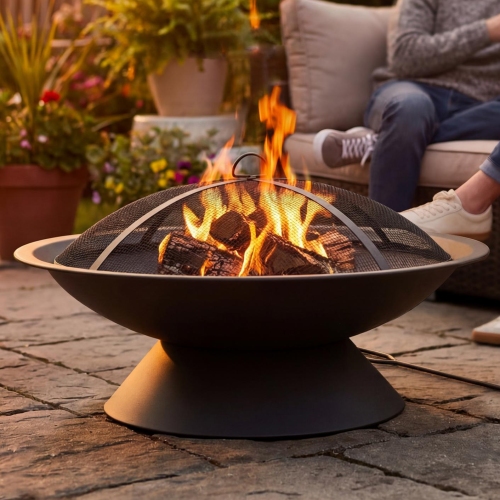 Your price for this item is $220.99
-
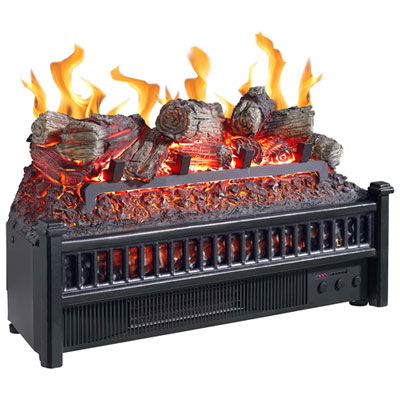 Your price for this item is $249.99
-
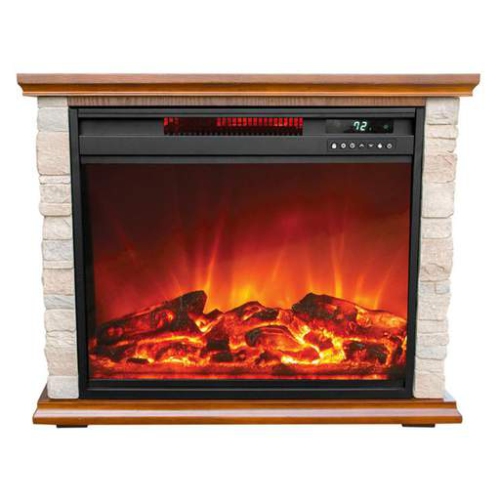 Your price for this item is $645.99
-
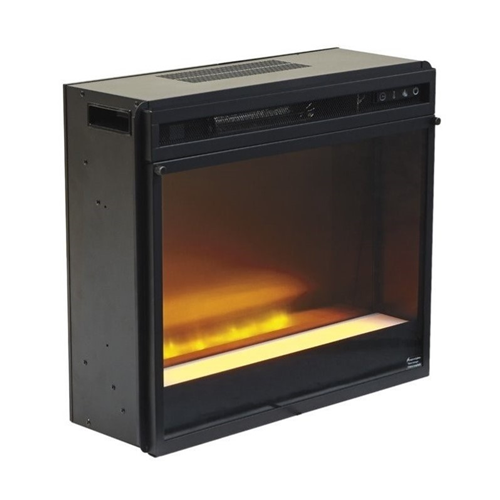 Your price for this item is $569
-
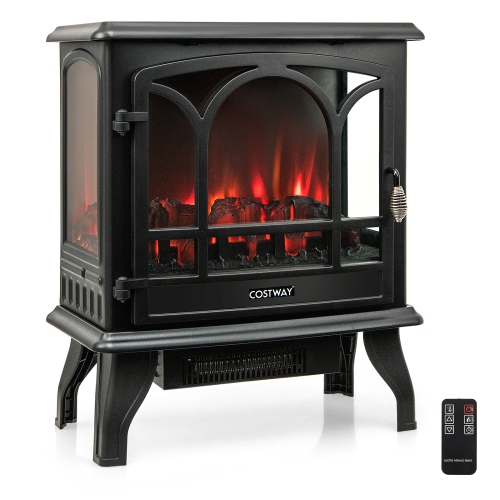 Your price for this item is $184.99
-
 Your price for this item is $91.99
-
 Your price for this item is $1359.15
-
 Your price for this item is $1104.15
Discover more categories related to Electric Fireplaces With Thermostat

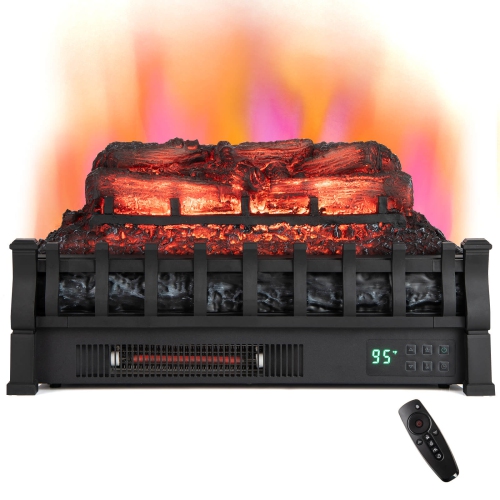
Top Collections:
Pokemon Centers, Kindle Devices, Best Cameras for Sports Photography, Pokémon 30th Celebration Cards, Apple iPhones 16, Canon G7X Cameras, iPhone 15 Apple, Flip Phones, Samsung Galaxy Phones, Alarm Clock
Some products may be subject to Environmental Handling Fees
(EHF) depending on your province.
Learn more about EHFs.