Electric Garden Tools
Transform your gardening experience with this wide selection of electric garden tools. Whether you're trimming hedges, mowing the lawn, or maintaining your flower beds, these electric garden tools are designed to make your outdoor tasks a breeze. With their reliable performance, ease of use, and environmentally friendly nature, these tools are a must-have for any avid gardener.
Sort


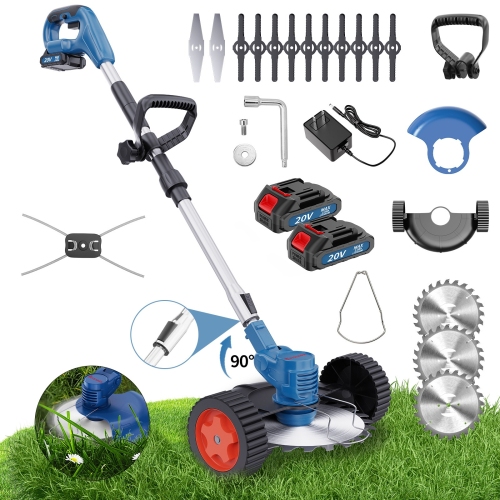
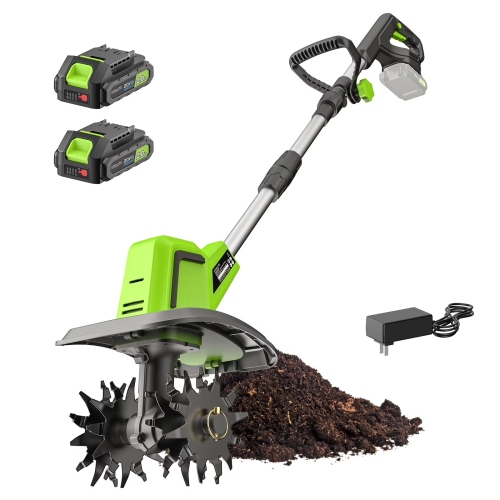
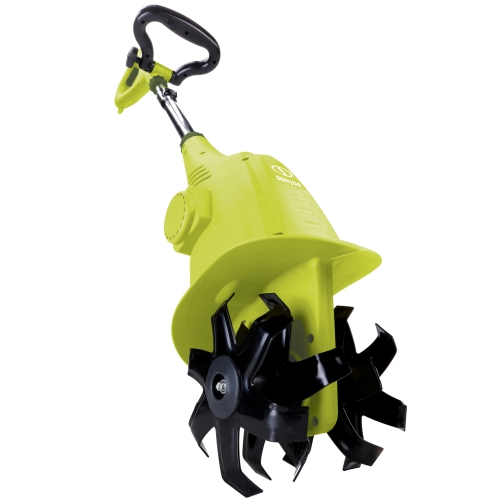
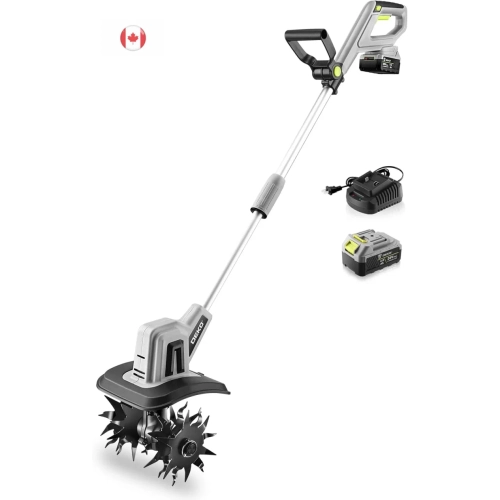
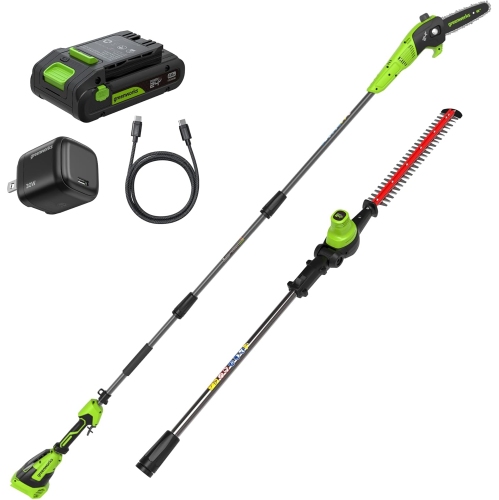
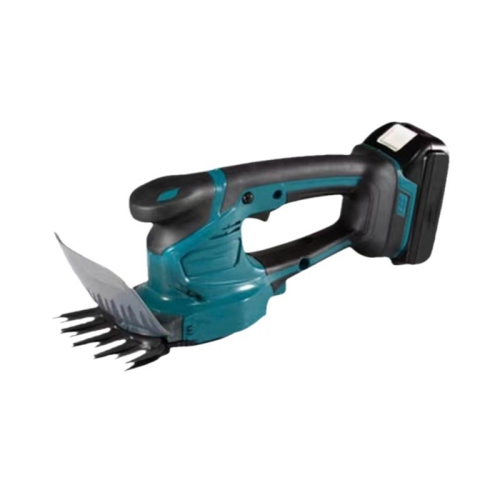
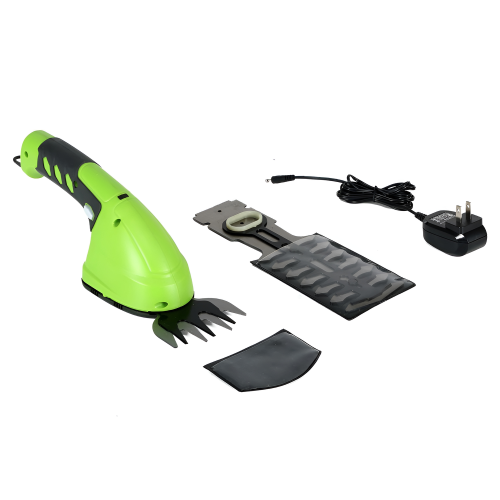
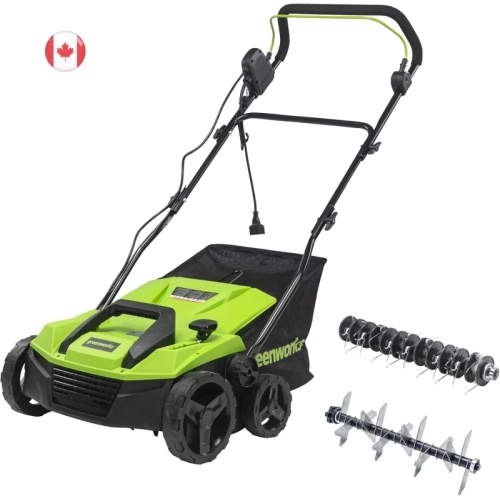
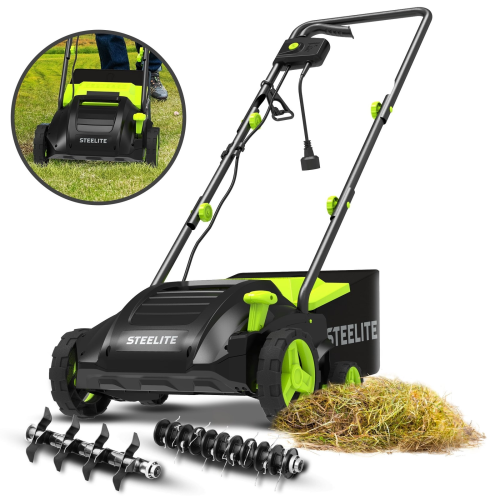
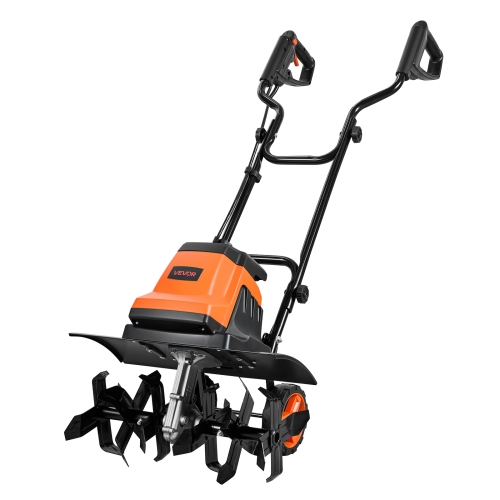
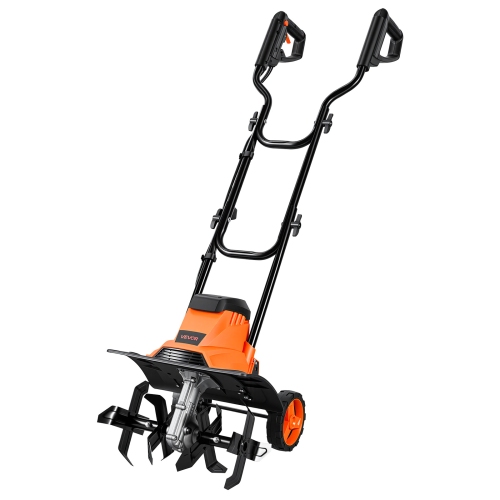
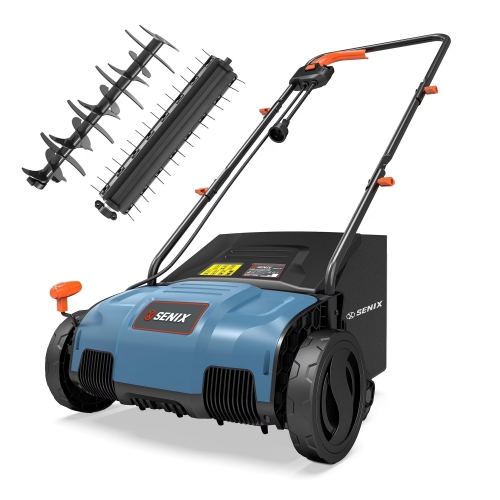

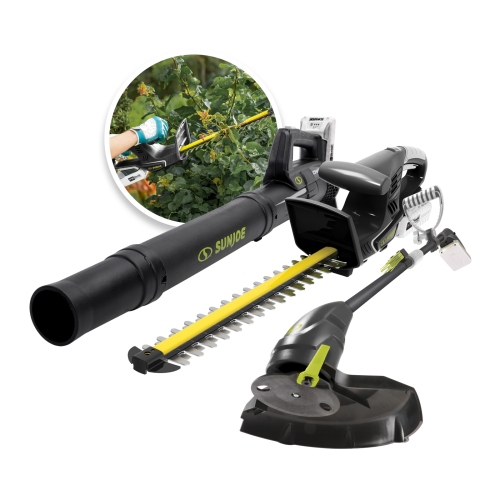
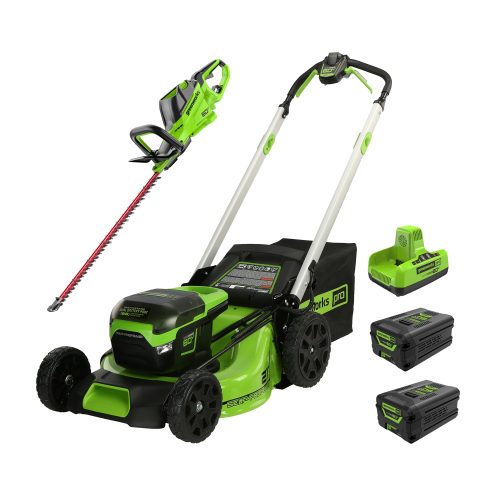
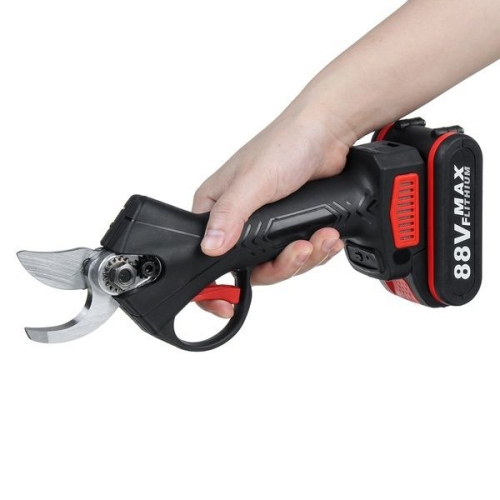
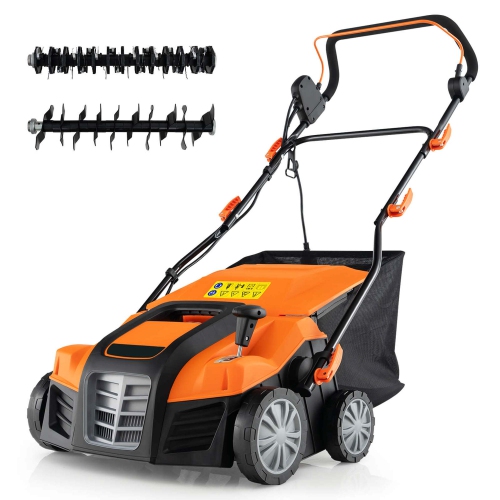
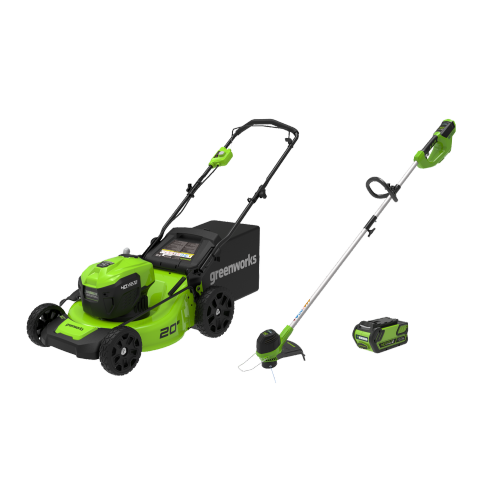

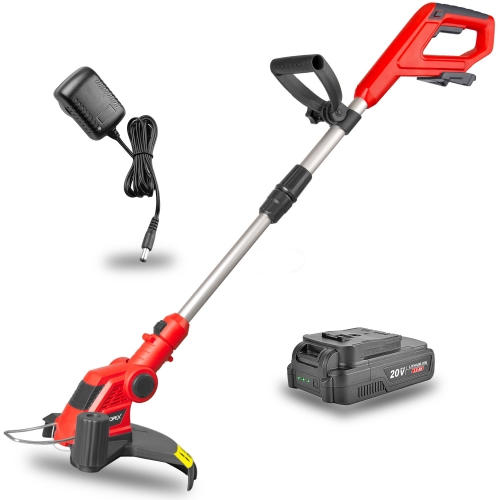
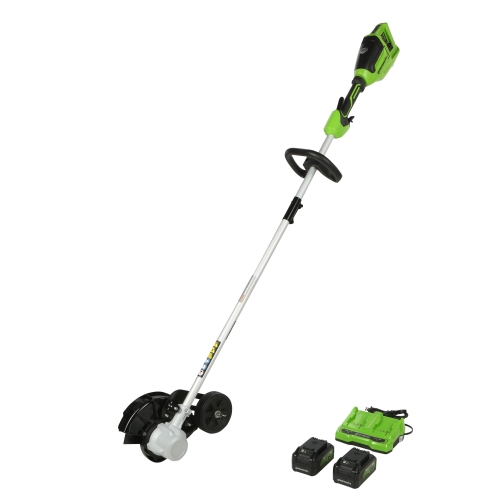
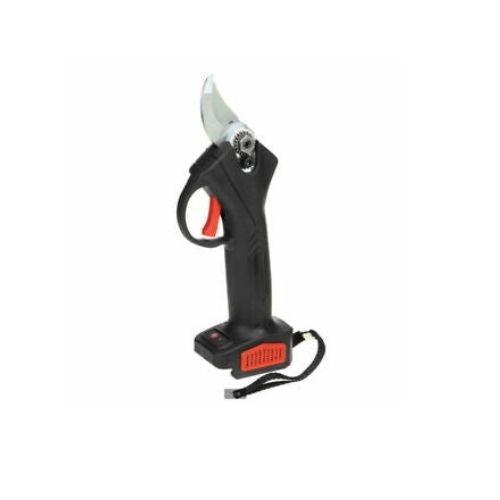

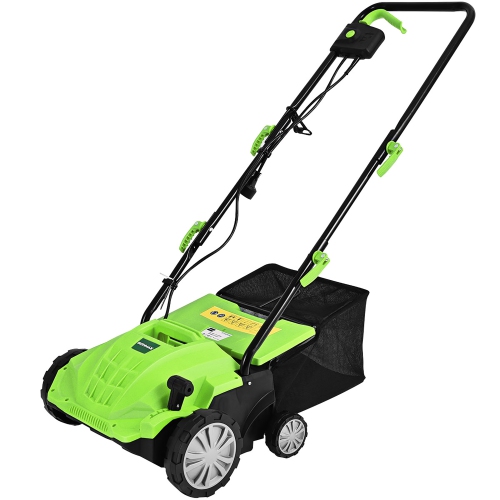
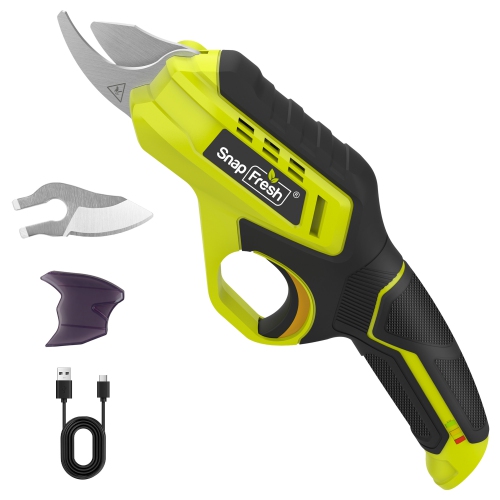
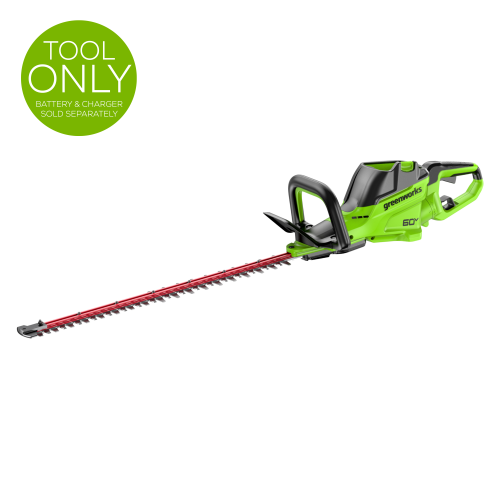
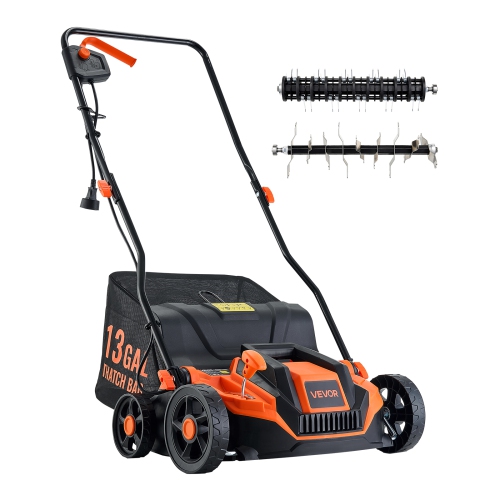
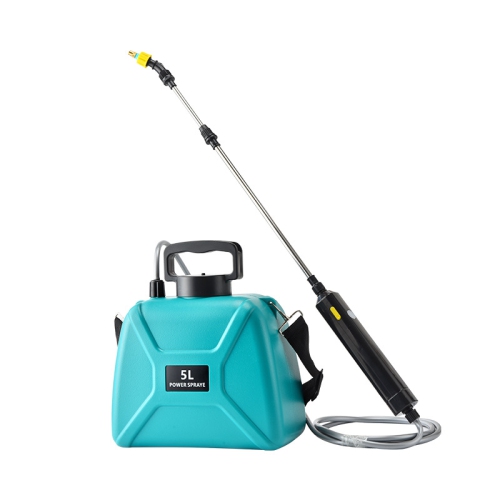
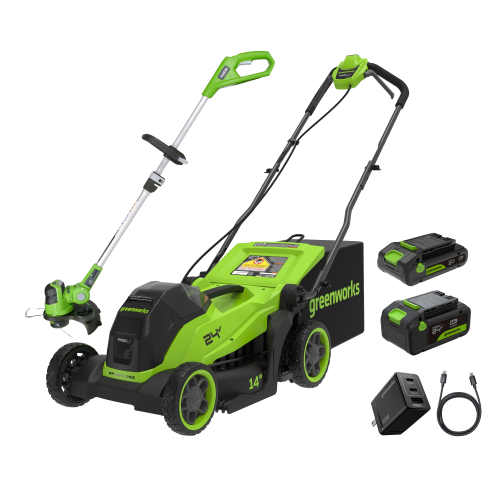
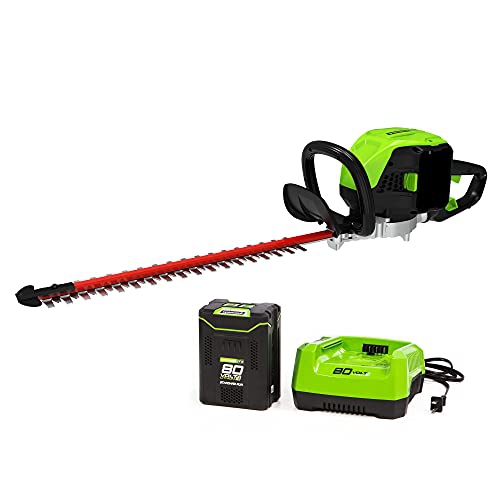
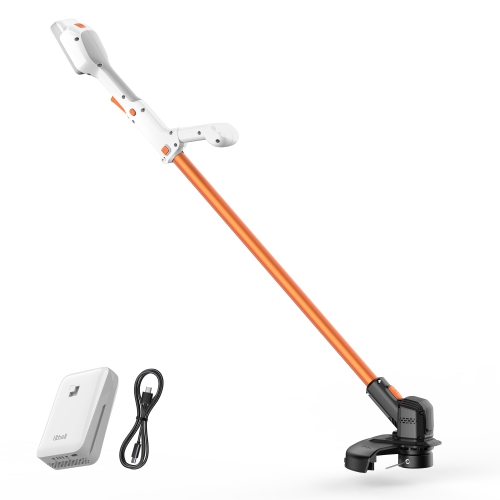
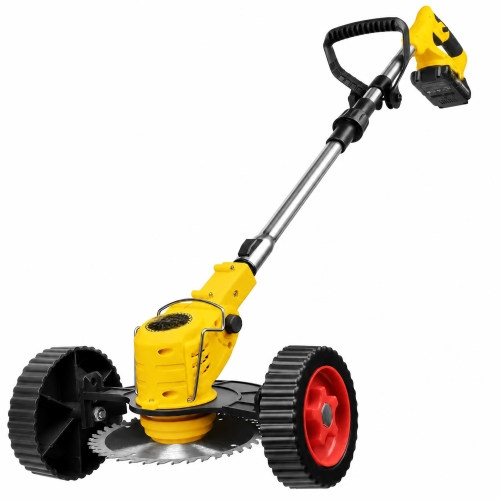
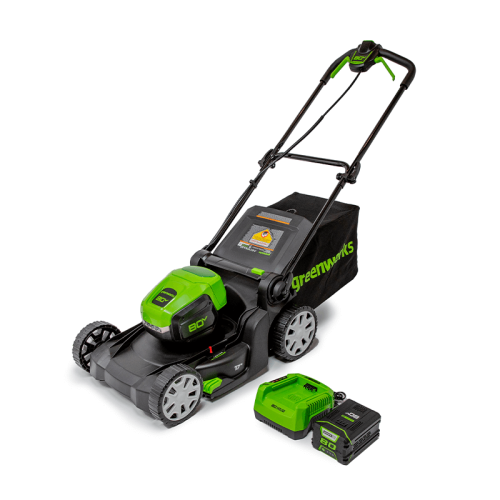
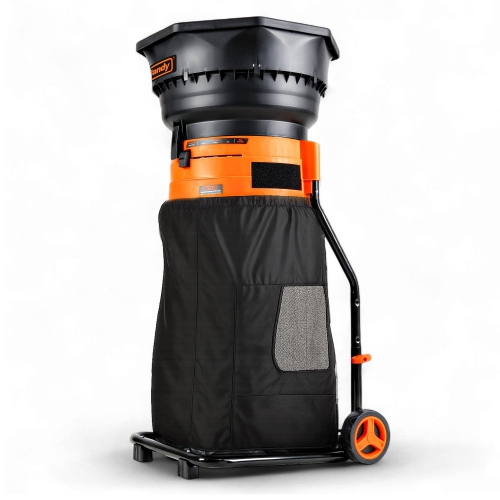
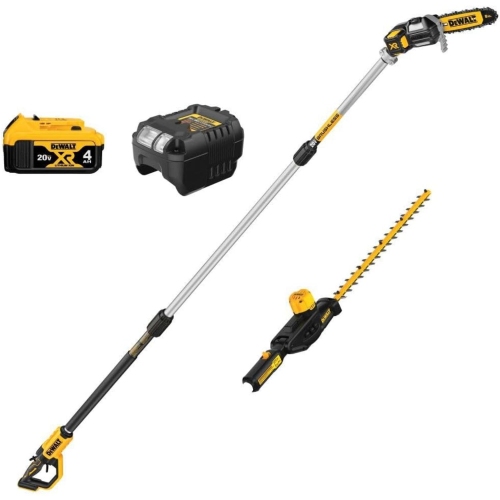
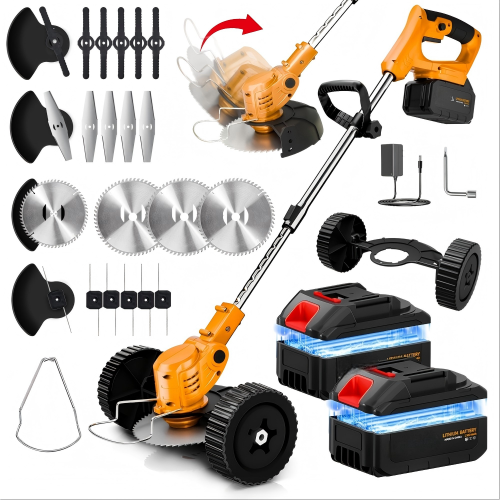
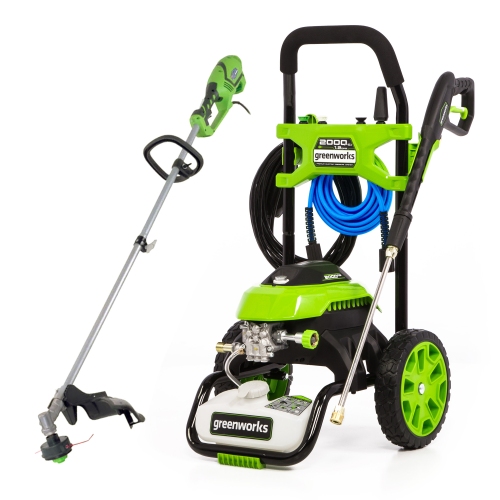
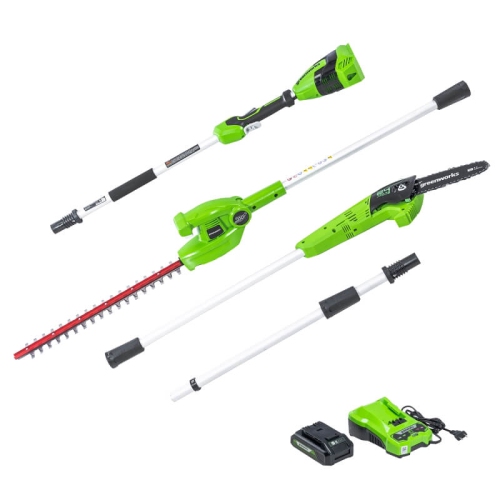

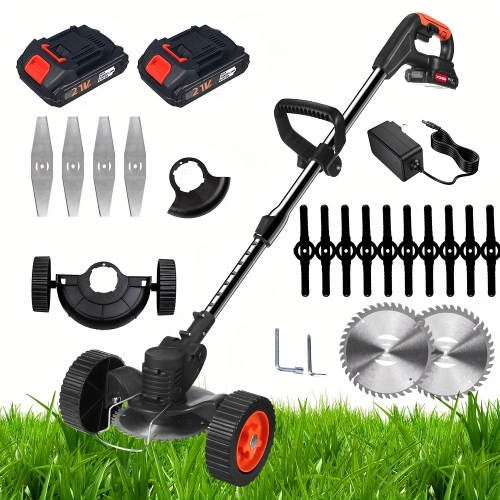
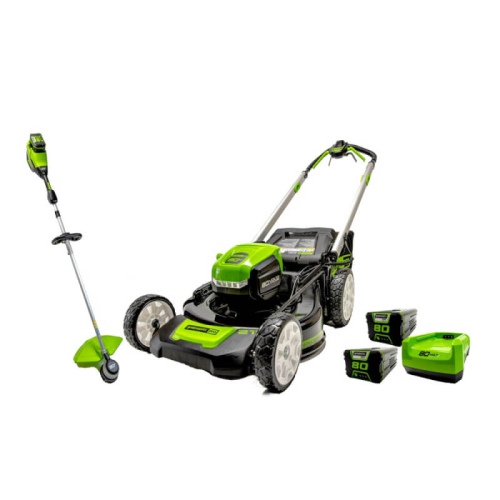
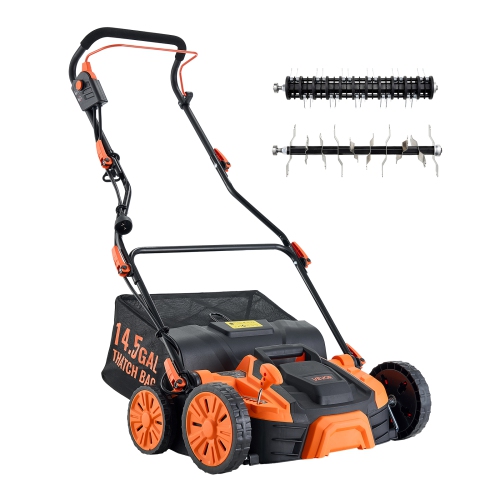

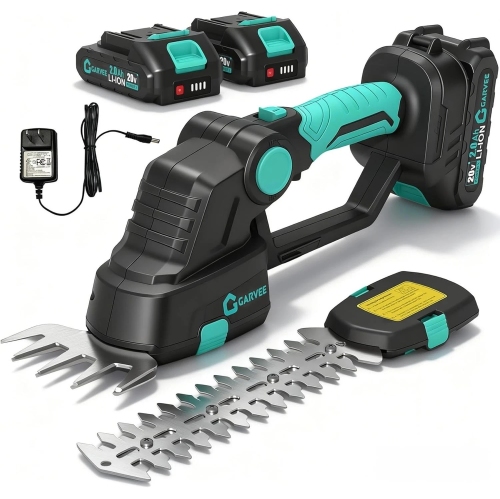
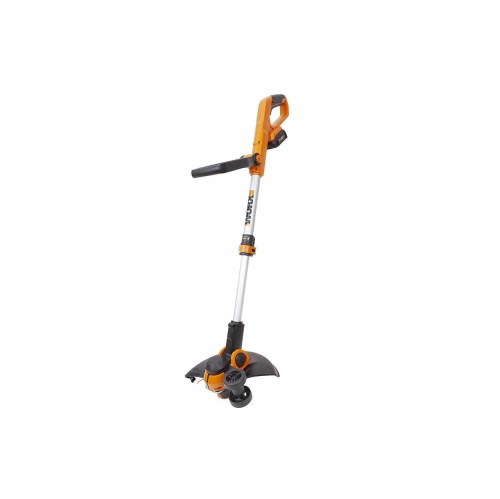
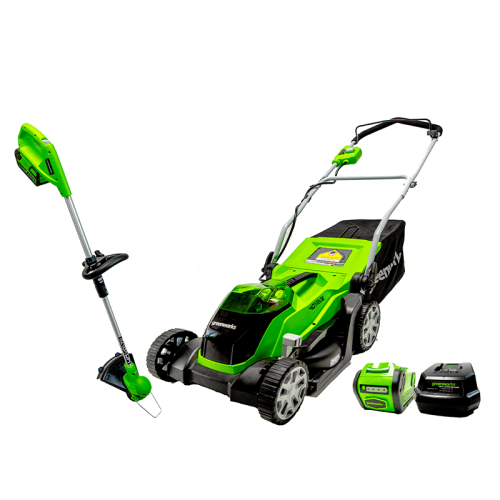
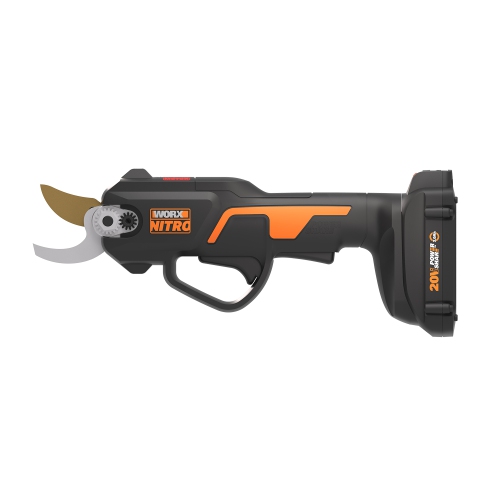
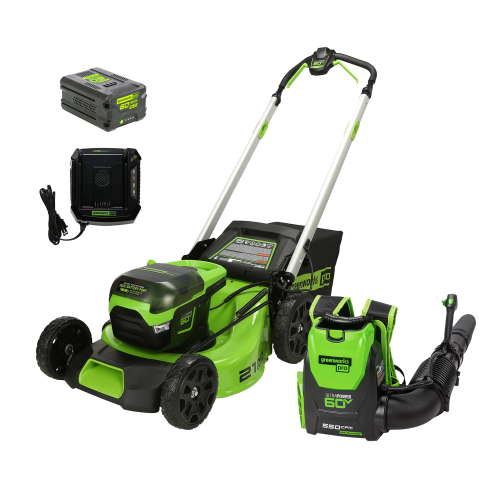
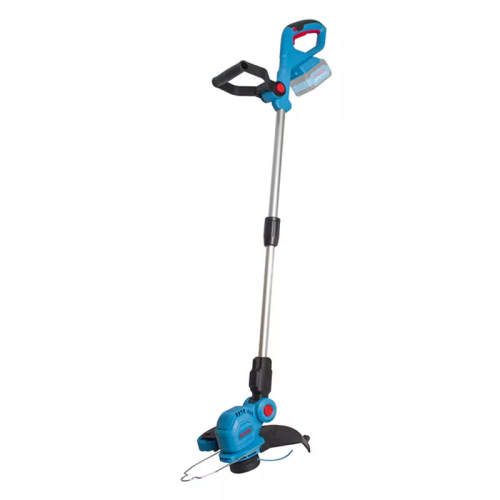
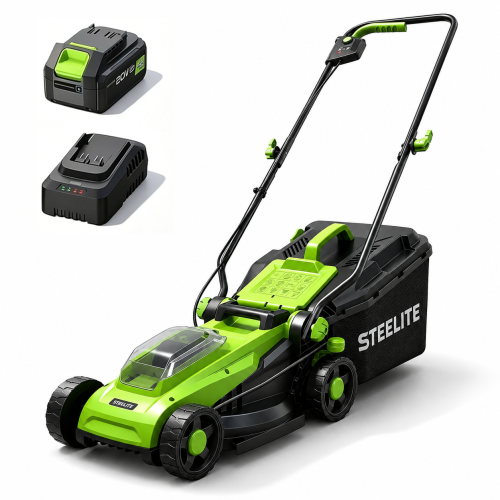
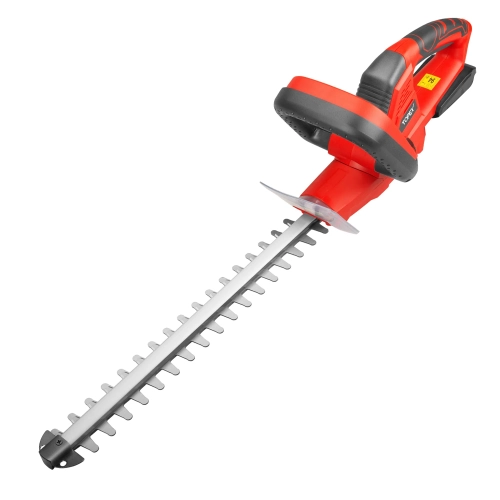
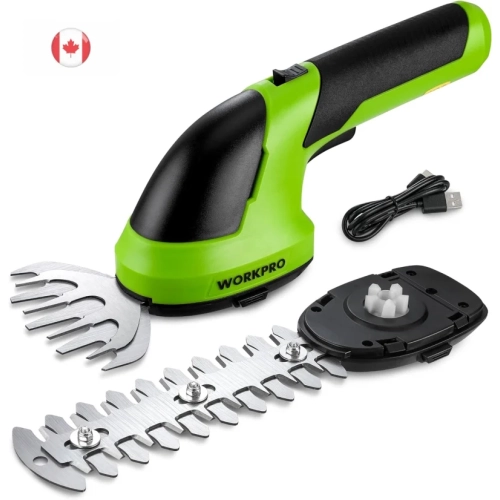
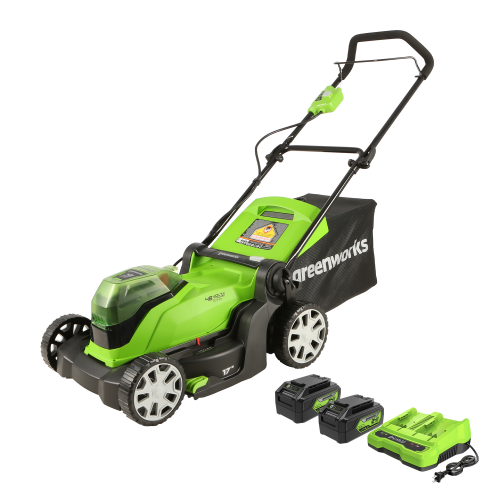
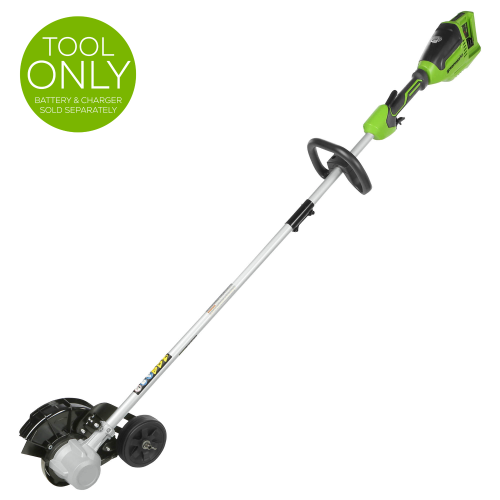
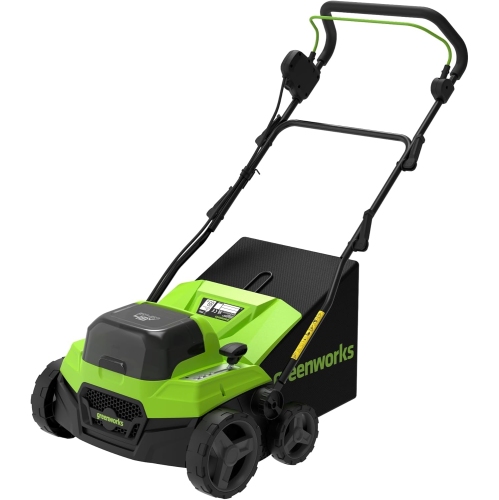
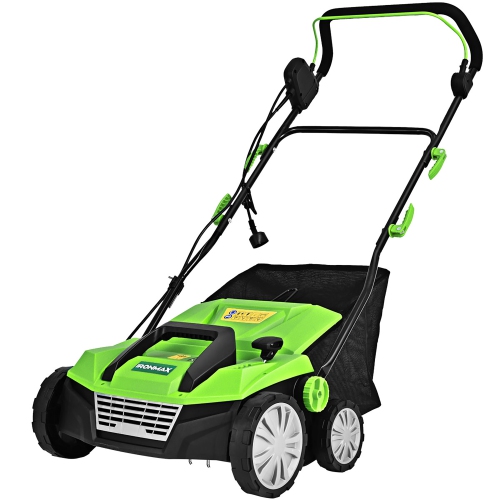
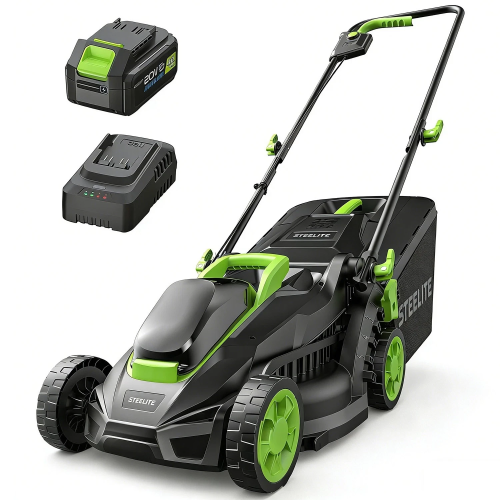


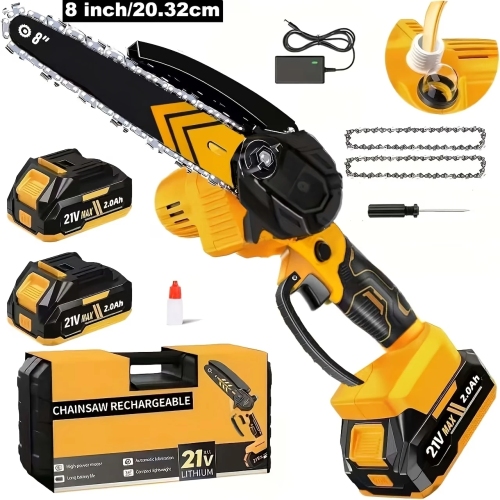

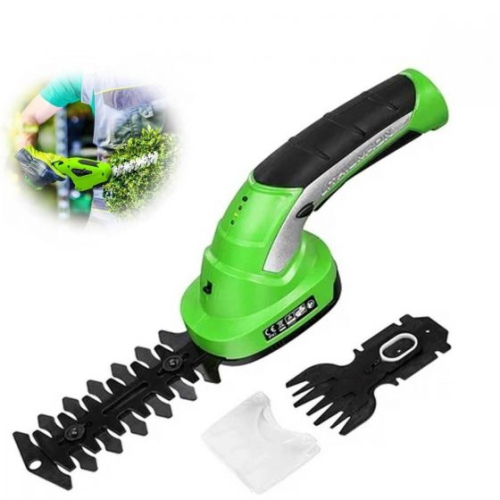
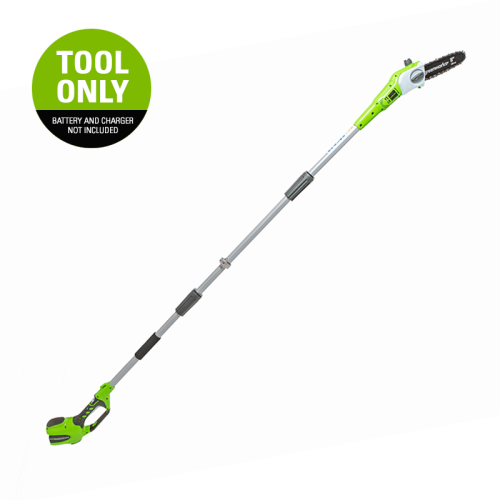

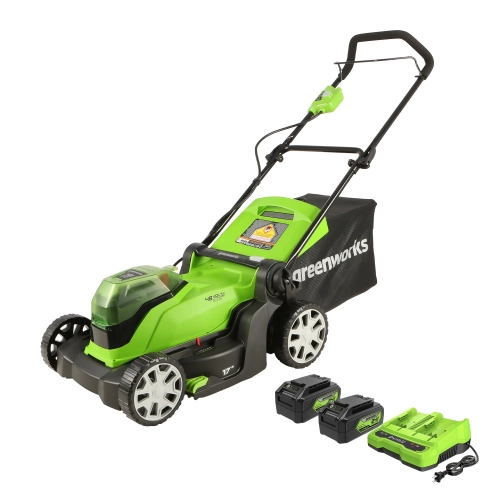

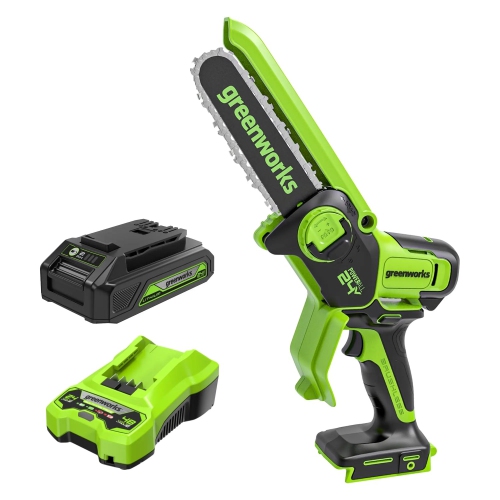
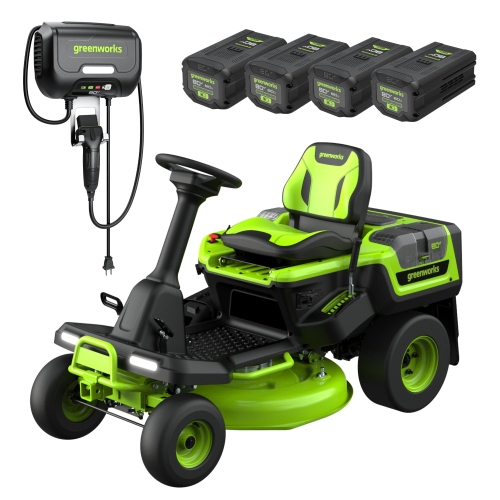
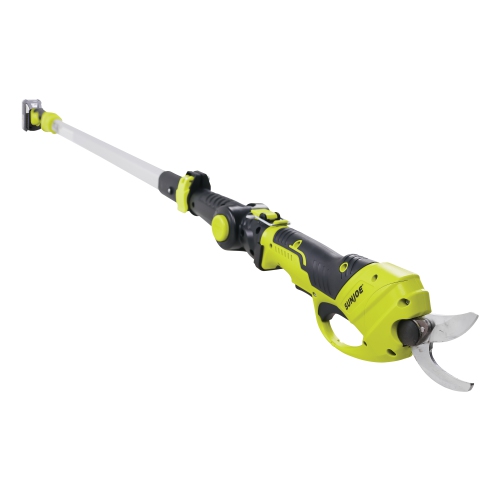
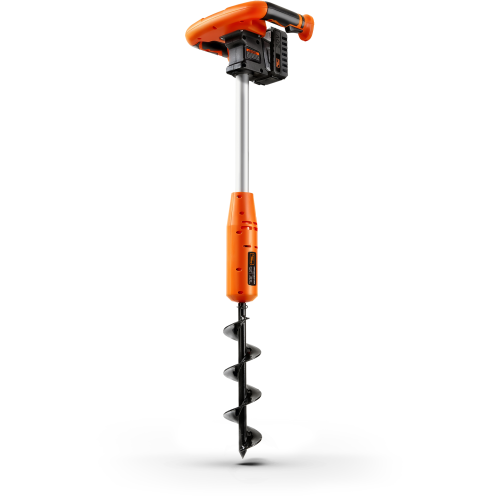

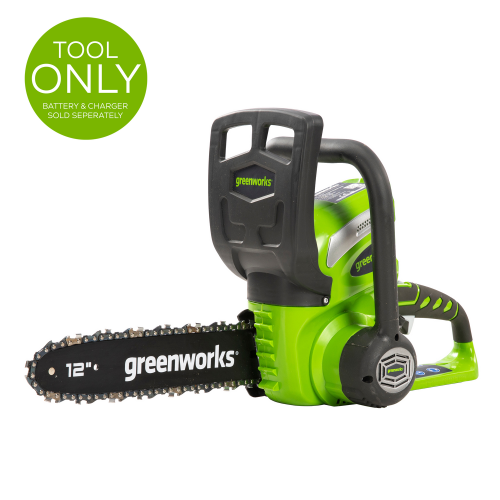
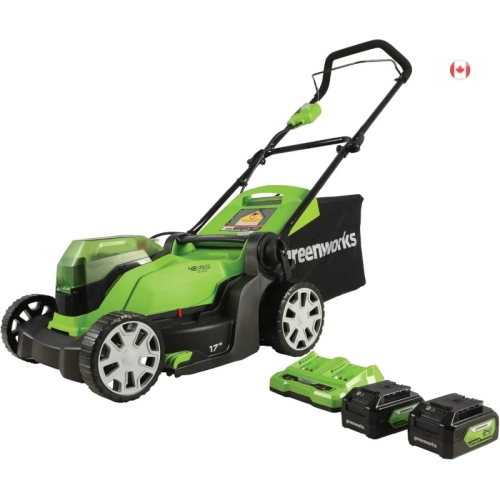

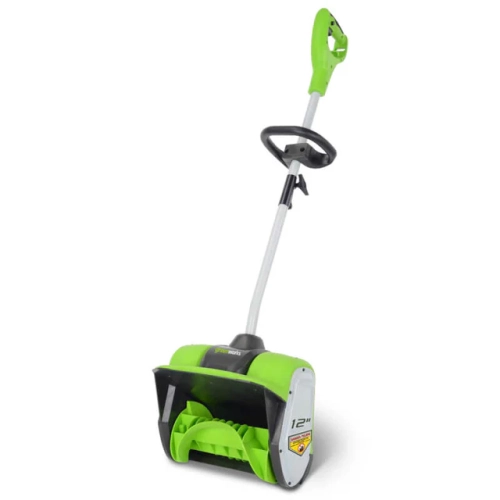

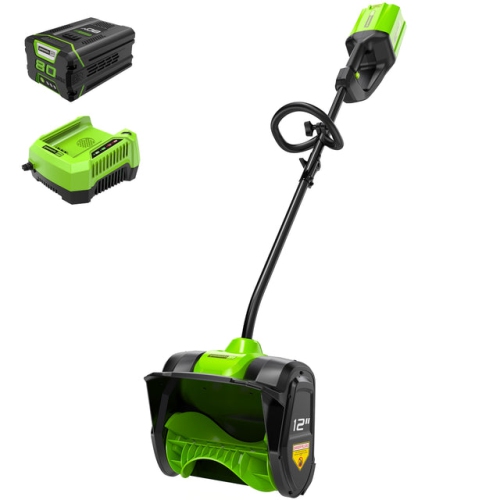
Why garden size matters when choosing corded or cordless
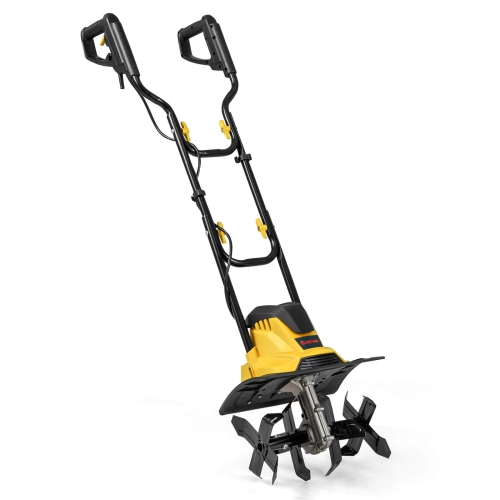
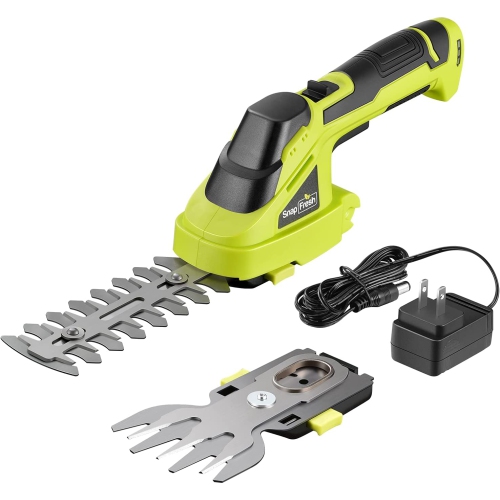
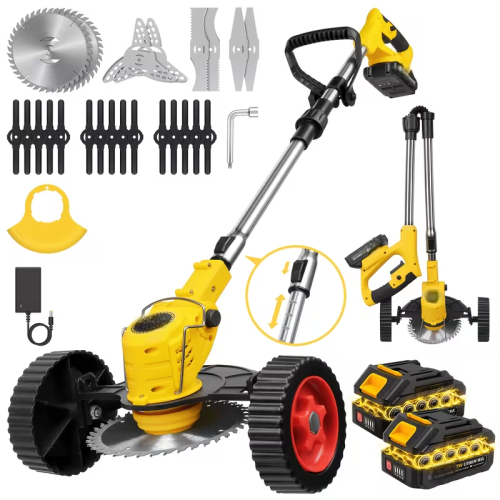
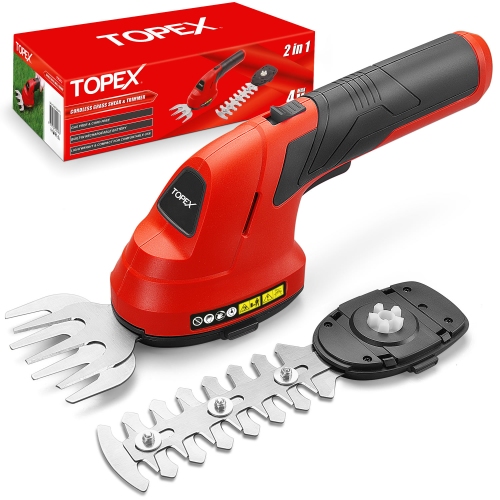
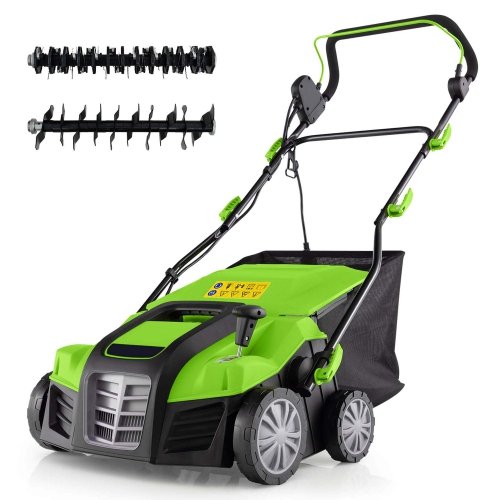
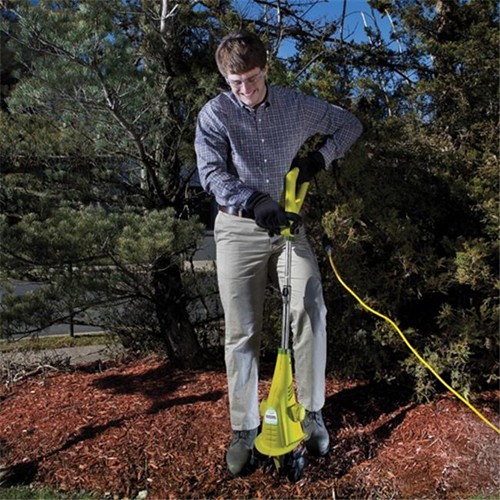
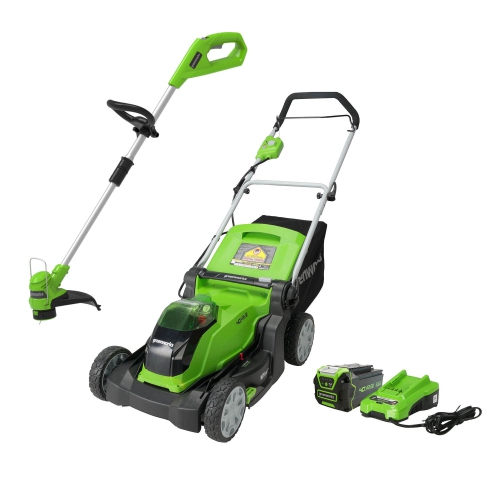
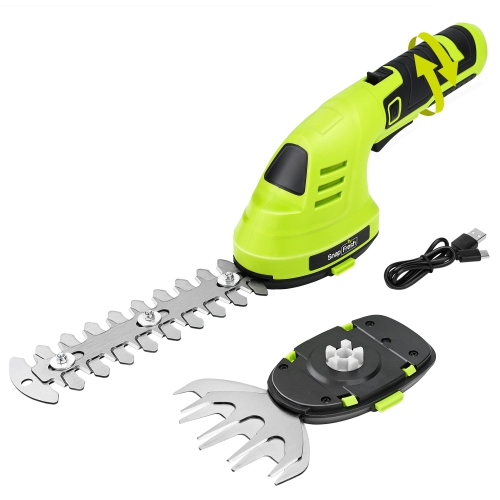
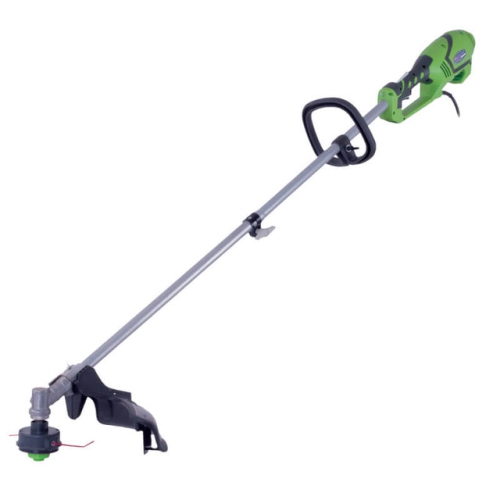
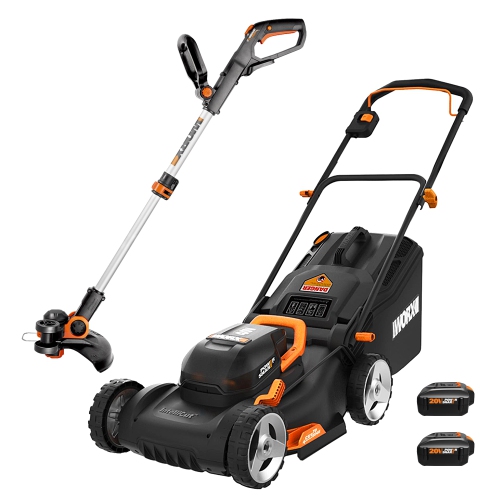
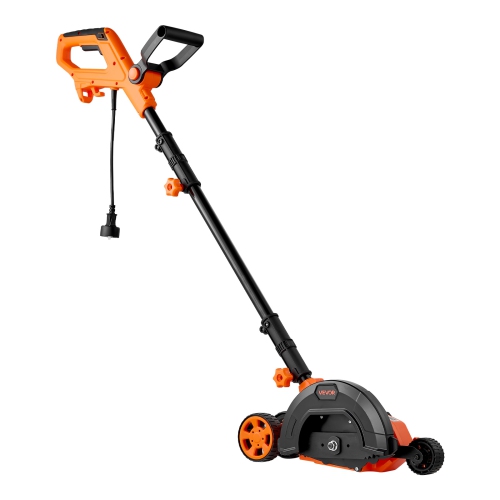
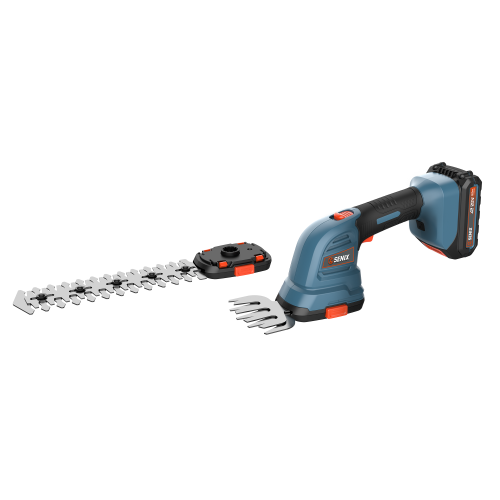
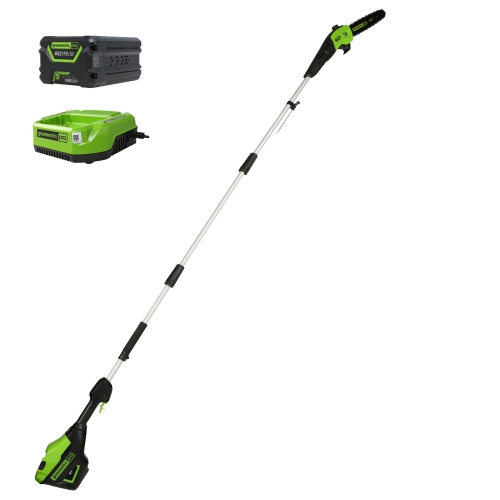
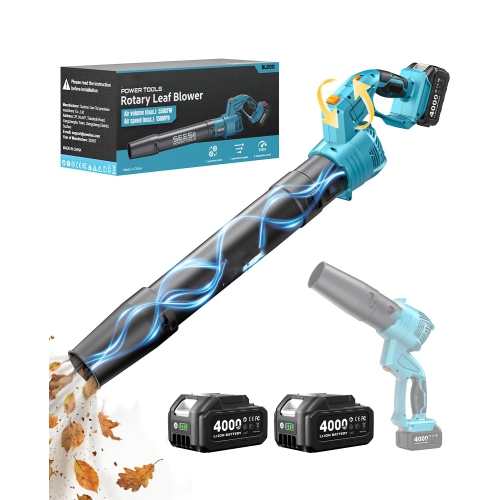
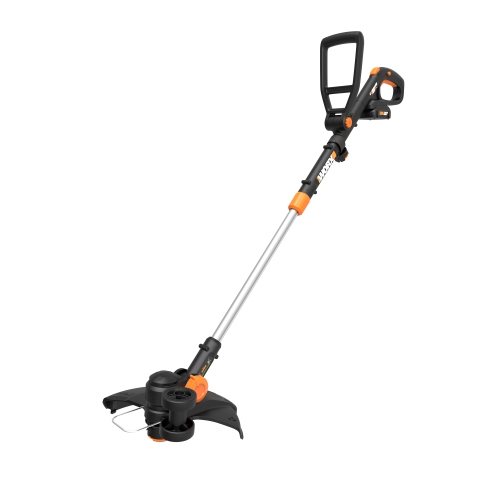
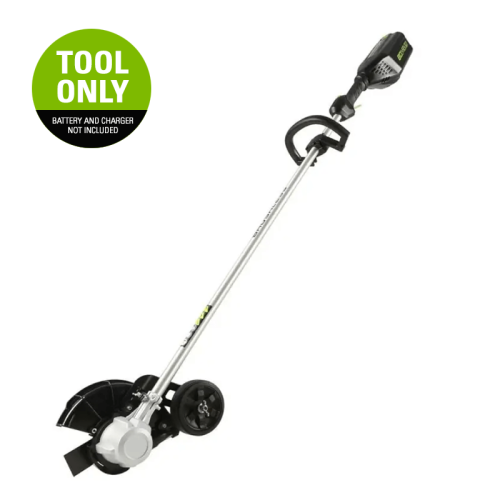
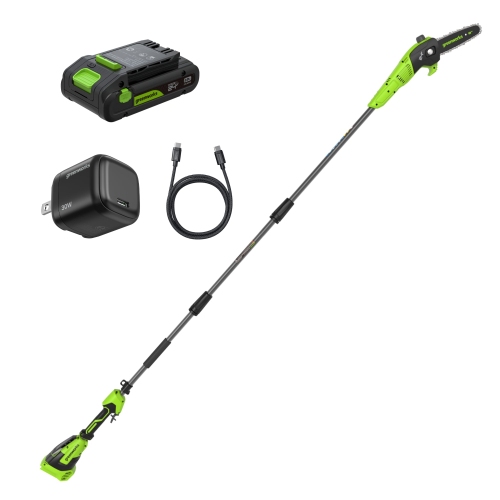
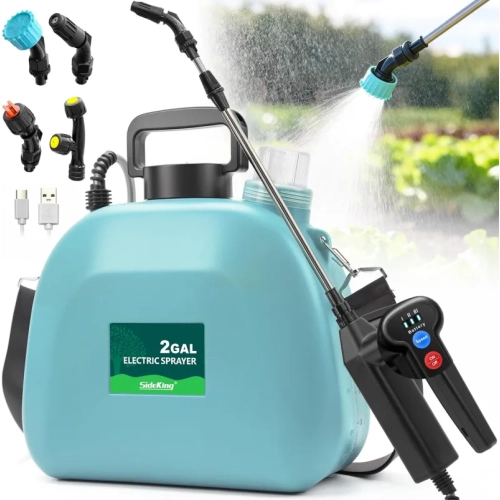
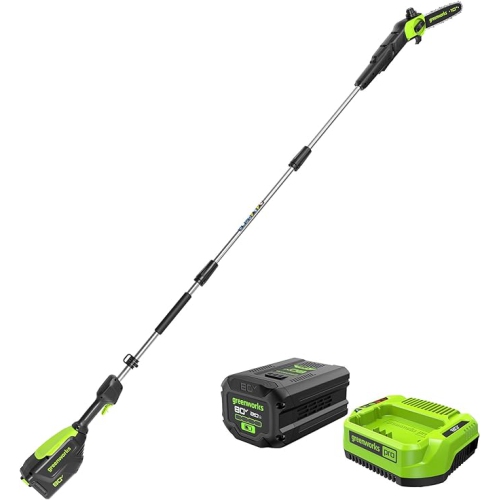
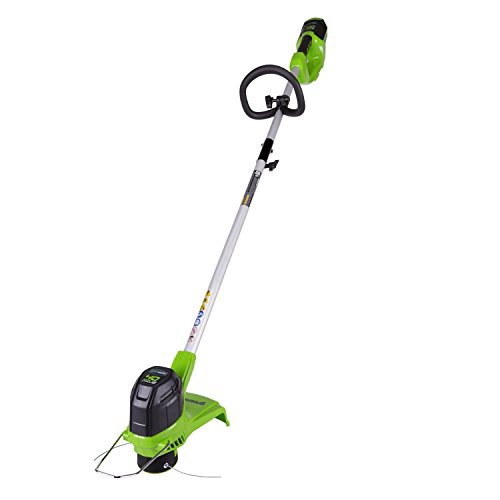
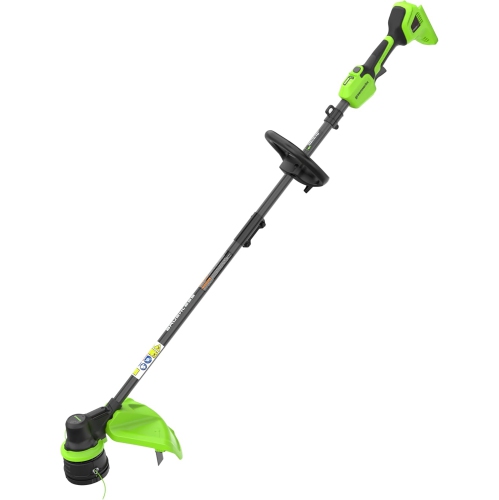
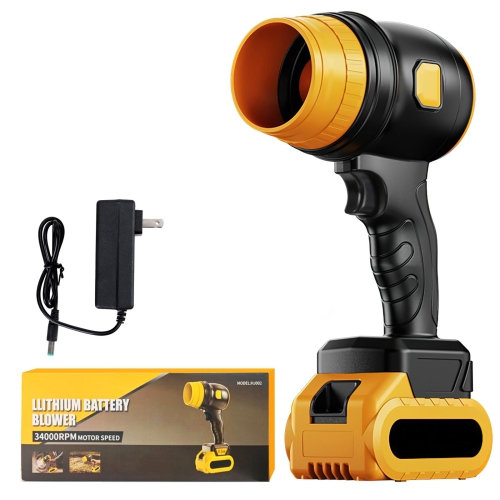
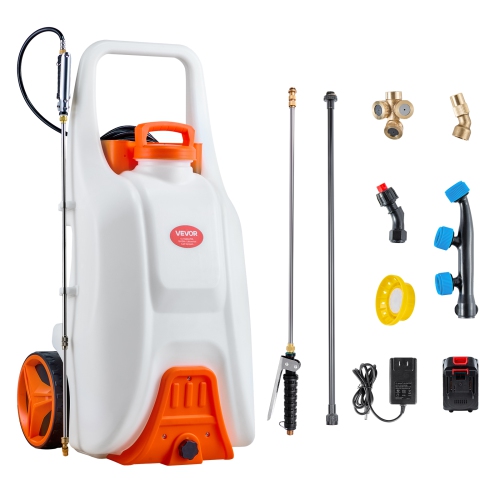
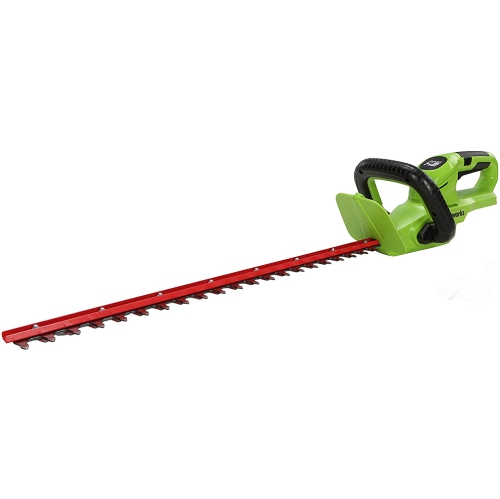
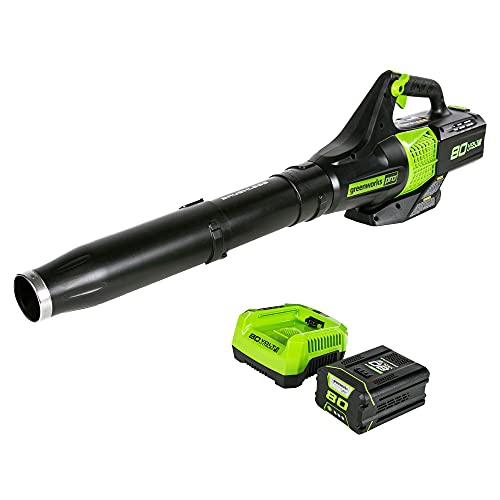
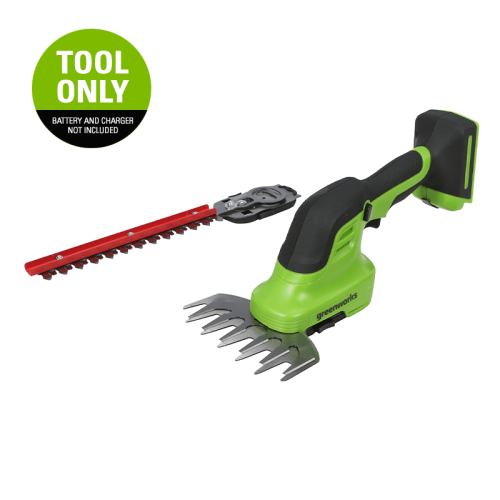
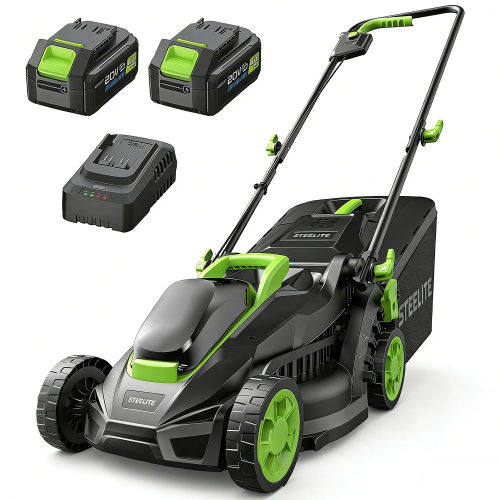
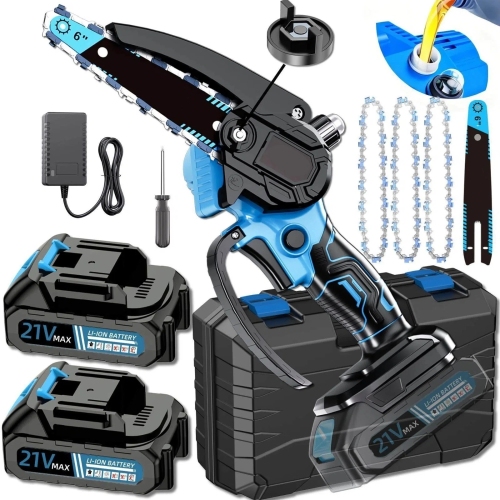
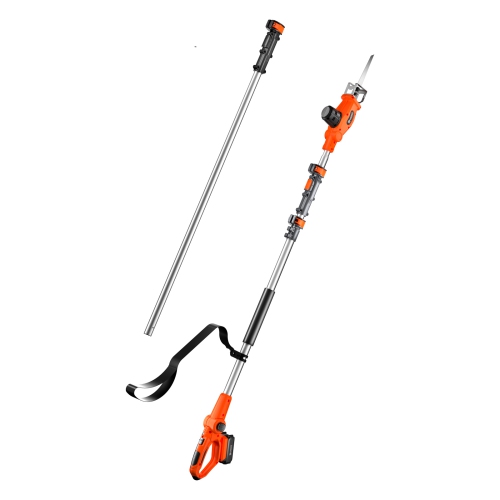
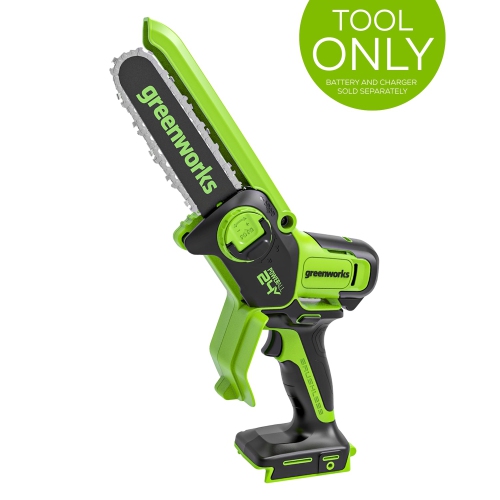
Electric garden tools use a mains connection or rechargeable batteries to power everyday tasks such as mowing grass, trimming lawn edges, shaping hedges, moving fallen leaves, and loosening soil. The category includes electric lawn mowers, string trimmers, hedge trimmers, leaf blowers, cultivators, and pruning tools, with designs suited to anything from a compact townhouse courtyard to a larger residential garden. Corded electric garden tools provide continuous power while connected to a suitable outlet, making them practical for work within reach of the correct extension cord. Cordless garden tools offer freedom of movement around trees, raised beds, fences, and other obstacles without a trailing cable. Neither format is automatically the better fit: the distance from an outlet, the size of the work area, and the length of each task all matter. For corded equipment, check the manufacturer’s extension cord requirements, including wire gauge and maximum length, and use an outdoor-rated cord with an appropriately protected outlet. Route the cable away from cutting paths and moving parts. For battery-powered equipment, consider whether the battery and charger are included, how long charging takes, and whether a compatible spare battery would help with longer jobs. Battery capacity, usually expressed in amp-hours, can help compare batteries within the same compatible system, but actual runtime also depends on the tool, its settings, and the material being cut or moved. Voltage alone does not establish how effectively a tool will perform a particular job. A mower working through dense grass and a hedge trimmer shaping light new growth place very different demands on their batteries. Electric tools can also reduce some engine-related maintenance compared with gas-powered equipment, although blades, cutting lines, filters where fitted, and other working components still require attention. Sound levels vary by tool and operating mode, so electric power should not be taken to mean silent operation or a reason to overlook hearing protection.
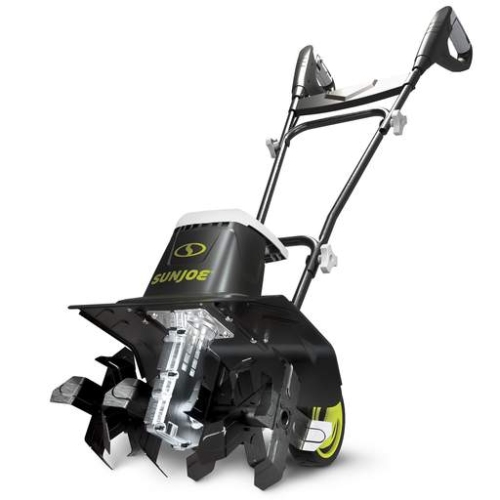
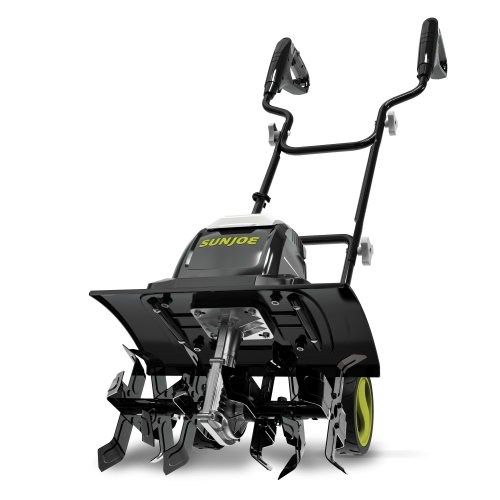
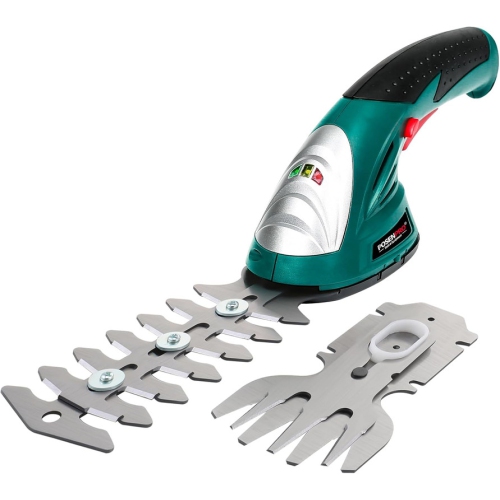
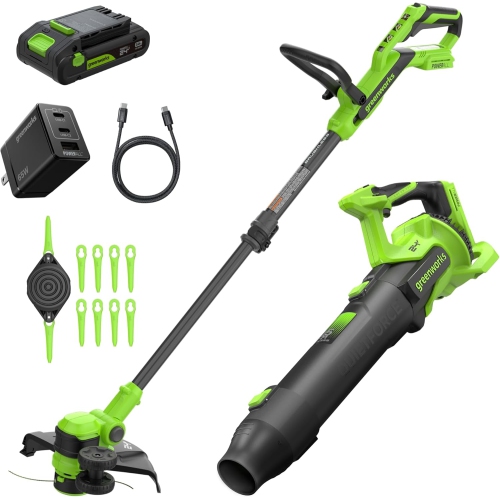
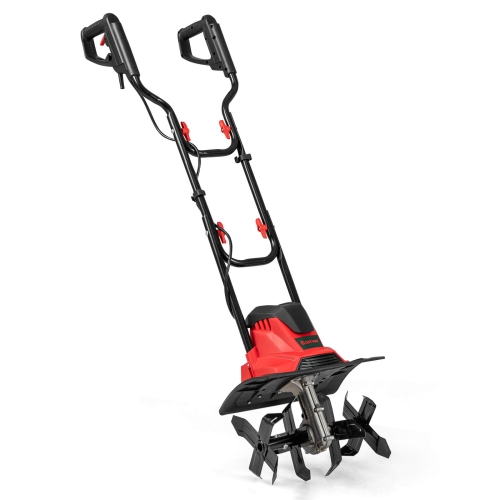
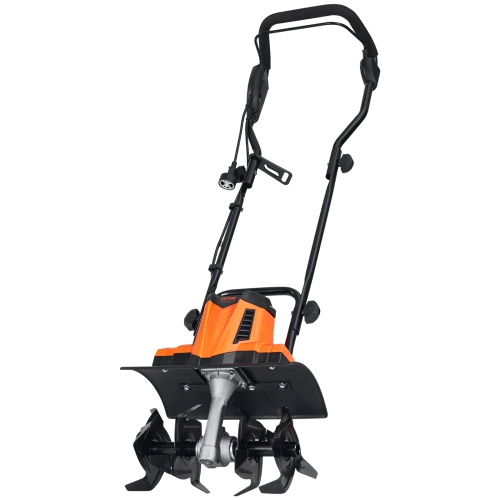
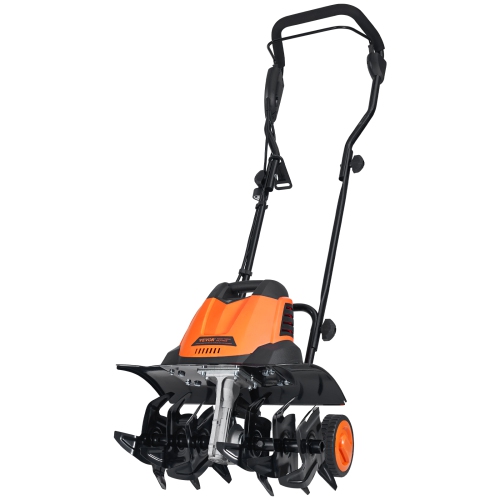
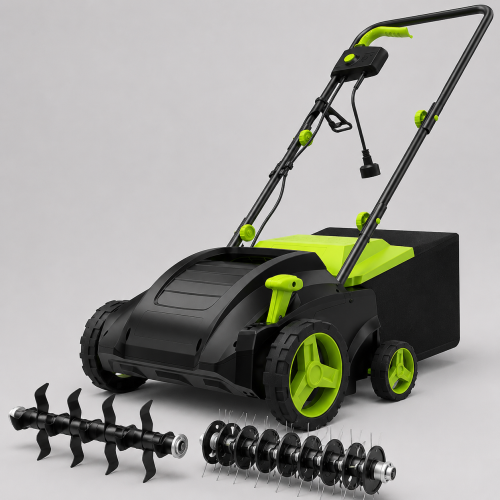
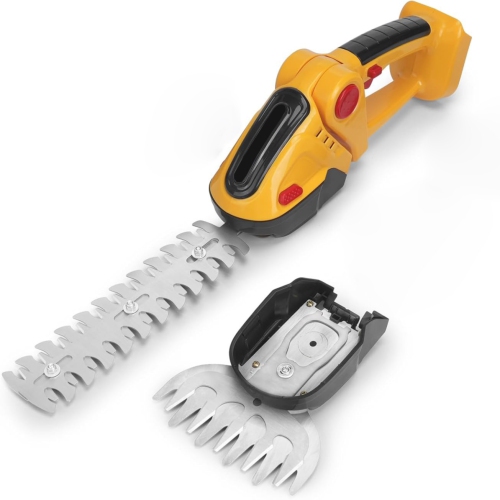
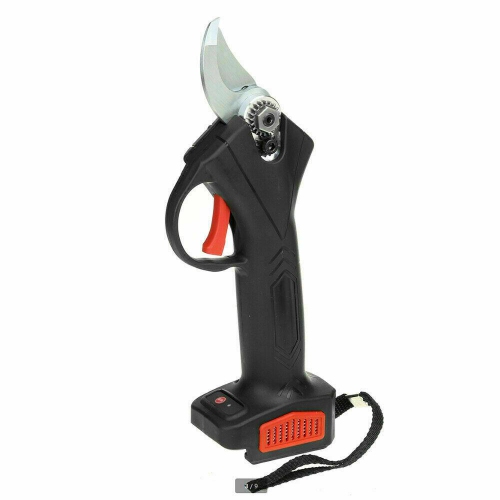
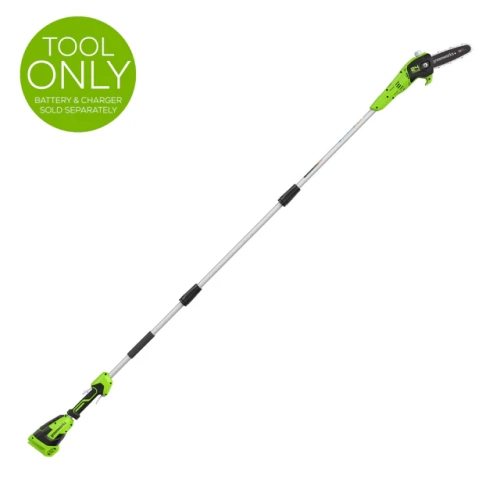
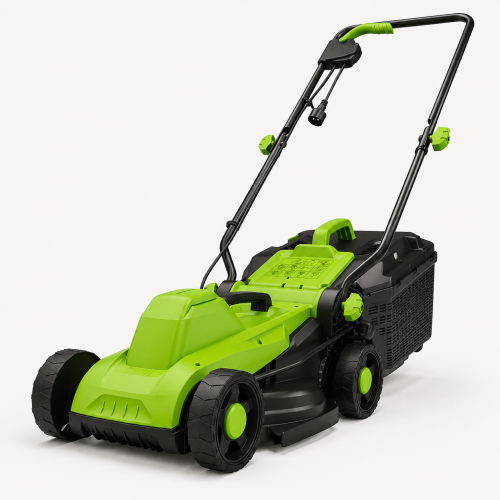
The most useful electric gardening equipment matches the job rather than simply offering the largest motor or widest cutting area. A compact lawn mower can be easier to manoeuvre through a narrow gate and around small planting beds, while a wider cutting deck can reduce the number of passes across an open lawn. Cutting-height adjustment is useful when different grass conditions call for a different finish, and handle position affects comfort throughout the task. String trimmers reach grass along fences, around posts, and beside pathways where a mower cannot travel neatly; an edging function can help define the boundary between a lawn and a paved surface. Line diameter, feed mechanism, and guard design should suit the work described in the tool’s specifications. For hedge trimmers, blade length influences reach and control, while the stated cutting capacity indicates the branch thickness the tool is designed to handle. A longer blade may cover a broad hedge face efficiently, but it also needs room to move safely and can feel less manageable in tight spaces. Powered pruning tools serve a different purpose from hedge trimmers and should be matched to the size and type of growth being cut. With leaf blowers, air volume and air speed describe different aspects of performance; moving a broad layer of loose leaves is not the same task as clearing debris lodged along a fence. Variable speed helps adjust the force near gravel, mulch, or delicate planting areas. Cultivators are intended for loosening suitable soil and mixing prepared beds, but compact models should not be assumed capable of breaking heavily compacted ground or working through large roots. Working width, depth adjustment, and the condition of the soil all influence the result. Across these categories, assess slopes, steps, narrow access points, and storage space before choosing a size. A tool that feels manageable on a clear, level surface may be harder to control around obstacles or on uneven ground.
Construction and handling details make a noticeable difference over repeated use. Steel cutting components need appropriate cleaning and protection against corrosion, while moulded housings should be checked for secure fittings and damage rather than judged by appearance alone. Depending on the design, metal decks can provide rigidity, while polymer decks can help reduce weight; durability also depends on construction, storage, and use. Look at the assembled weight with the battery installed, not just the bare tool weight, and consider where that weight sits. A balanced hedge trimmer, an adjustable string trimmer shaft, or a mower handle that suits the operator’s height can make a familiar job less awkward. Controls should be easy to reach without changing grip, and safety switches and guards should remain in place as designed. Anyone with limited grip strength or reach may find handling weight, trigger pressure, and adjustment mechanisms especially important. For a shared household tool or a gift for someone who enjoys maintaining a garden, compatibility with batteries they already own can be helpful, provided the manufacturer explicitly confirms the match. Similar-looking connectors or the same voltage do not establish compatibility. Care begins with disconnecting the power supply or removing the battery before clearing a blockage, changing an accessory, or cleaning the tool. Remove grass and soil as directed, keep ventilation openings clear, and inspect blades, cords, guards, and fasteners regularly. Follow the manual for sharpening, lubrication, replacement parts, and battery storage; do not hose down electrical equipment unless the manufacturer specifically permits it. Gathering loose debris before using powered equipment can also make the work more controlled, and Garden Cleaning Tools can complement electric tools when tidying paths, borders, and planting beds. Store equipment securely, keep chargers in suitable dry locations, and allow batteries to cool when required before charging. Eye protection, sturdy footwear, close-fitting clothing, and the protective equipment specified in the manual remain important even for short tasks. Keep children, pets, and bystanders clear of the work area, and choose equipment that can be operated safely from a stable position.
Top selling and popular products
-
 Your price for this item is $569.99
-
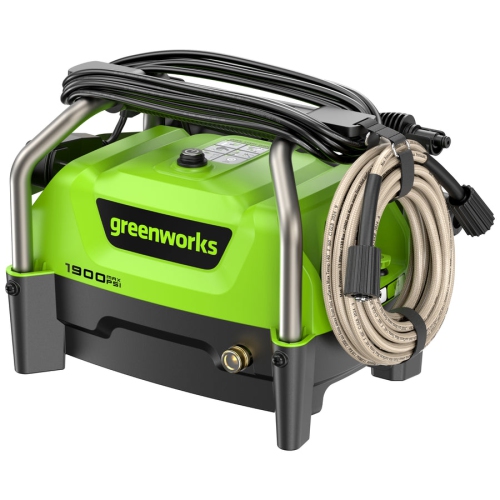 Your price for this item is $199.99
-
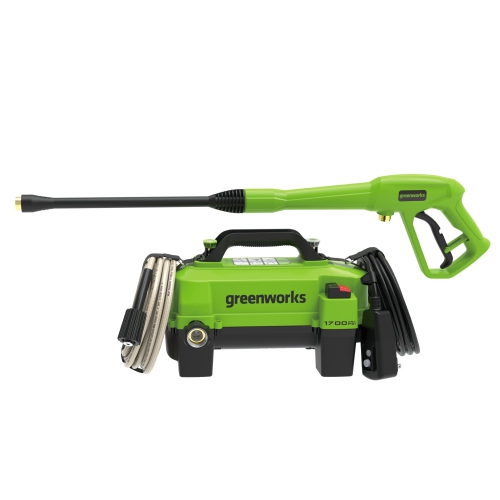 Your price for this item is $179.99
-
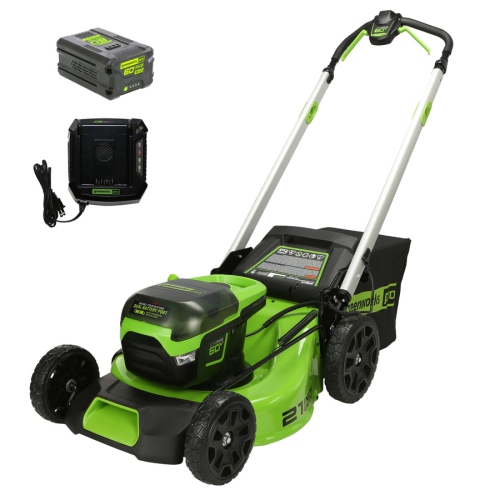 Your price for this item is $839.99
-
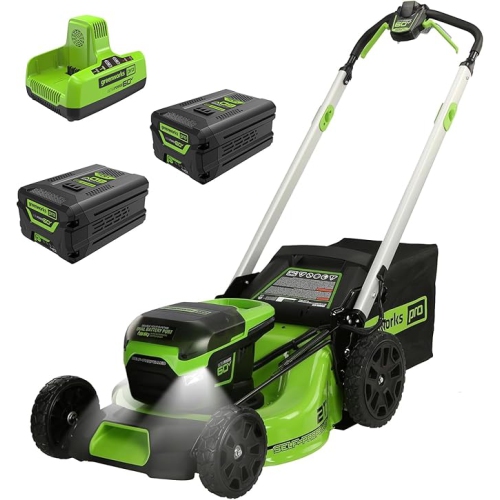 Your price for this item is $939.99
-
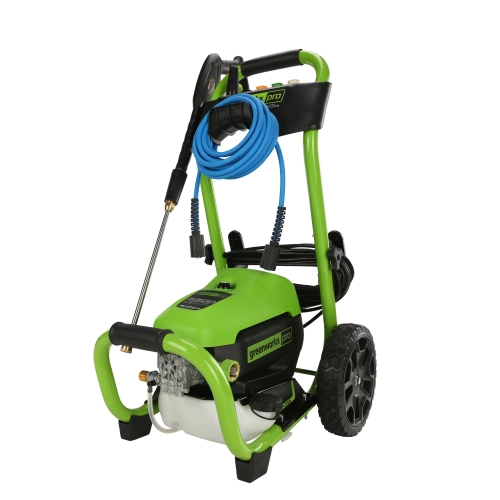 Your price for this item is $459.99
-
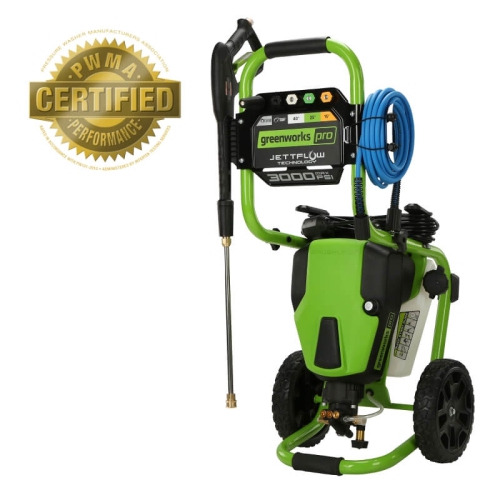 Your price for this item is $539.99
-
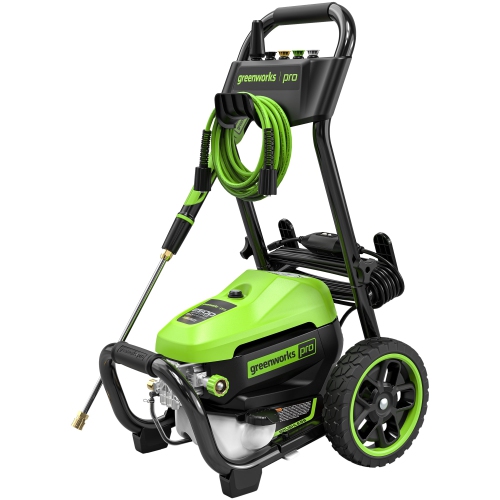 Your price for this item is $569.99
Discover more categories related to Electric Garden Tools
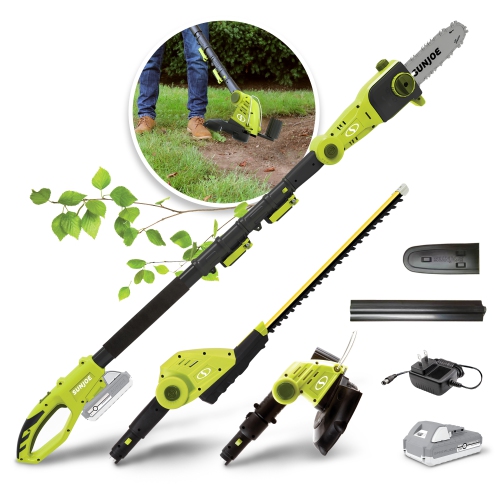
Top Collections:
Best Black Friday Deals This Year, Best Black Friday Deals On Electronics, Kindle Devices, Pokemon Centers, Best Black Friday Deals On Apple Products, Best Cameras for Sports Photography, Dyson Airwrap, Pokémon 30th Celebration Cards, Apple iPhone 17 Pro, Canon G7X Cameras
Some products may be subject to Environmental Handling Fees
(EHF) depending on your province.
Learn more about EHFs.