Electric Heat Panels
Looking to efficiently heat your space while saving on energy costs? Look no further than our selection of electric heat panels. These sleek and modern heating solutions are designed to provide comfortable warmth in any room, without the need for a bulky and unsightly traditional heater. With their slim profiles and versatile installation options, electric heat panels offer a seamless blend of functionality and style. Whether you're looking to add supplemental heating to a small office or seeking a whole-home heating solution, our range of electric heat panels has you covered. Discover the perfect heating solution for your needs and enjoy cozy warmth all year round.
Sort





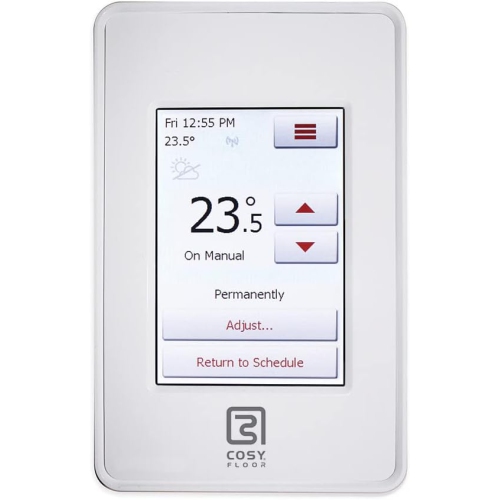
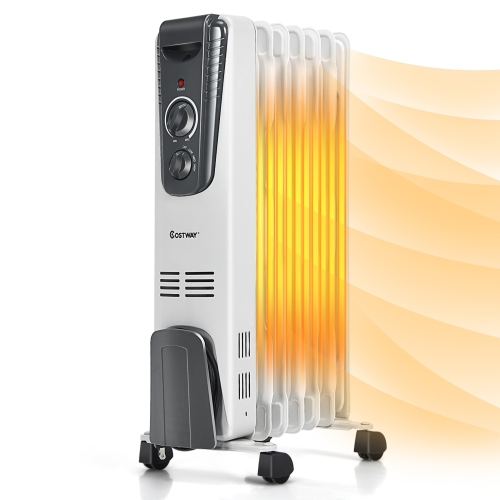
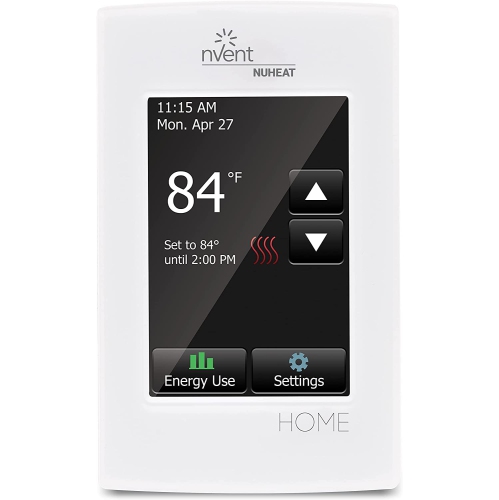
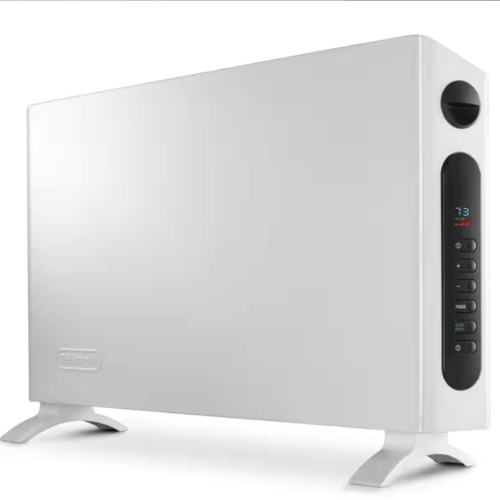
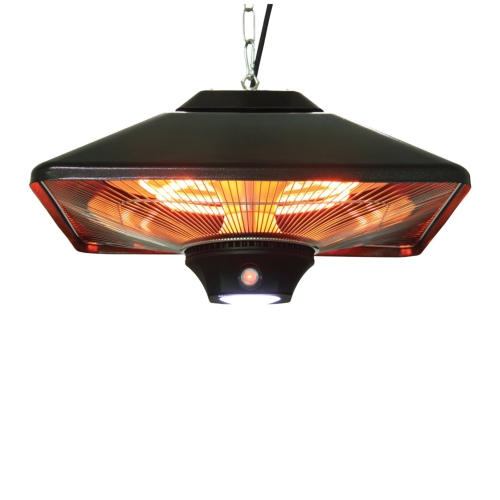
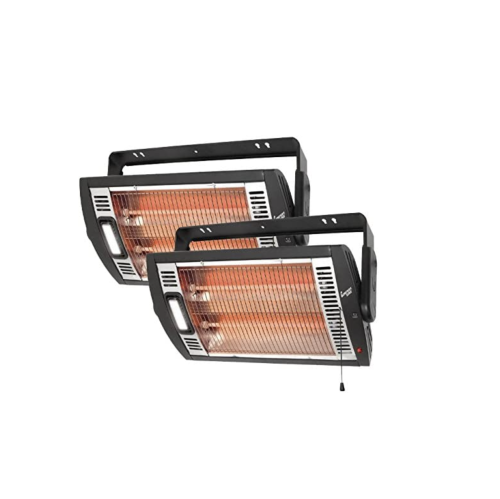
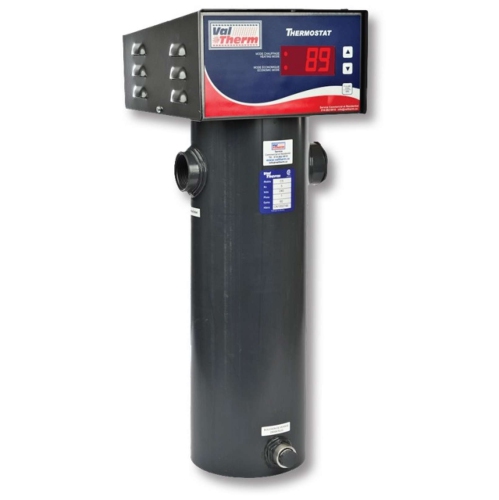
Targeted warmth with flexible installation and quiet operation
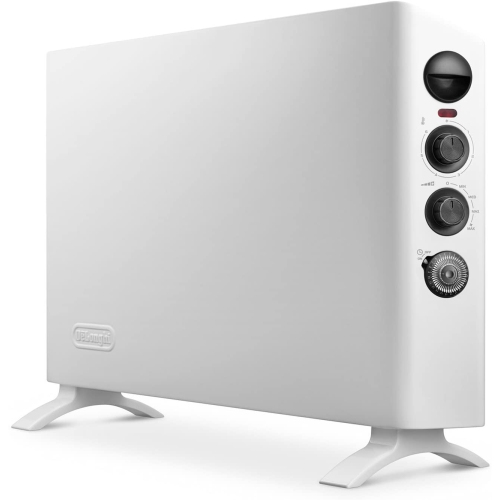
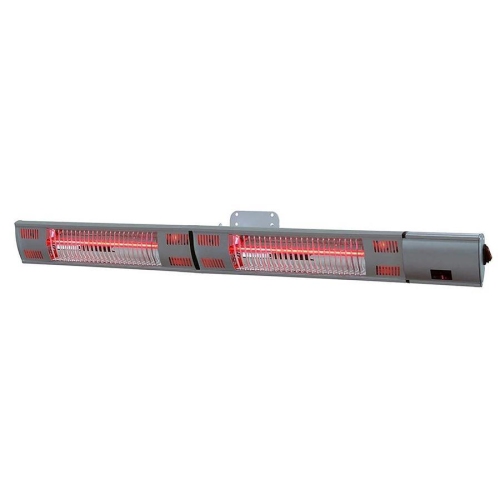
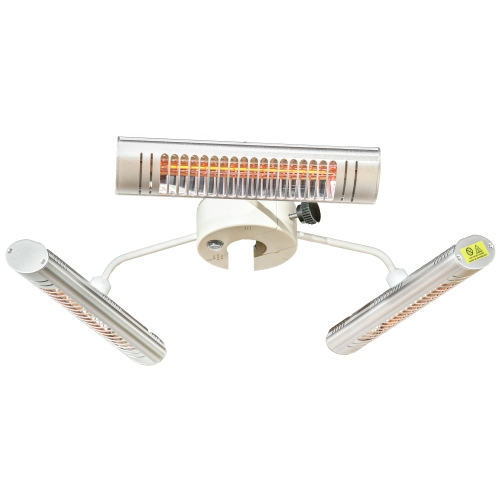
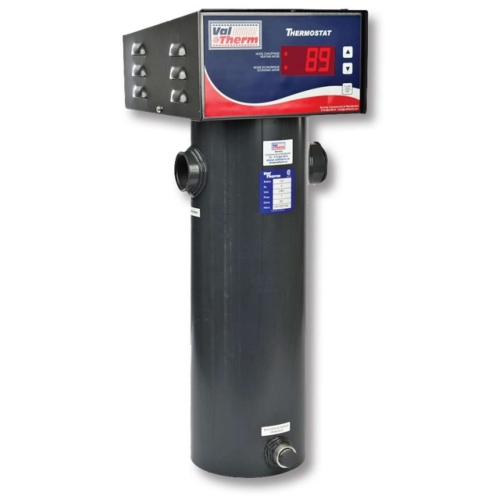
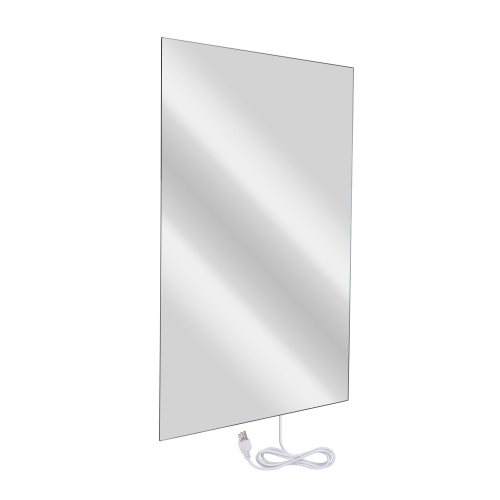
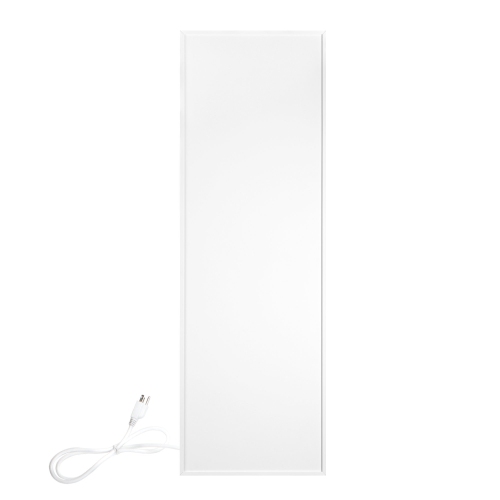
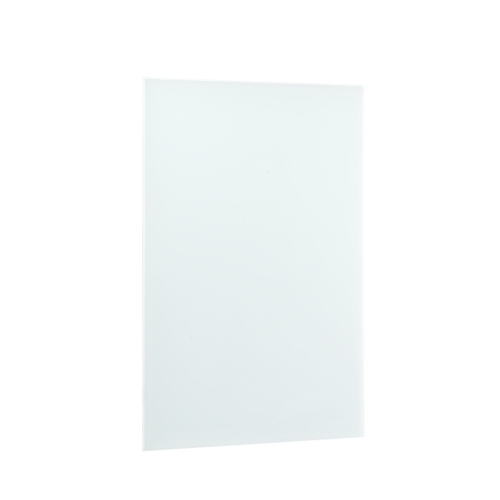
Electric heat panels are a practical way to add targeted warmth without taking up the floor space required by many traditional heaters. Designed for wall or ceiling installation, these slim panels can suit bedrooms, home offices, finished basements, entryways, workshops, cottages, and other areas that need an extra measure of comfort during the cooler months. Some panels use radiant infrared heat to warm people and nearby surfaces directly, while others use convection to draw in cooler air, warm it internally, and allow heated air to rise through the room. Radiant models are often fanless and operate quietly, making them well suited to spaces where background noise is distracting, such as a reading corner, nursery, or work-from-home area. Convection panels can be a useful choice when you want warmth to circulate through a room rather than remain concentrated in one area. Both styles are generally low profile, helping preserve usable floor space in compact rooms where a portable heater, radiator, or freestanding appliance would be in the way. They can also provide zone heating, allowing you to focus warmth where your household spends the most time instead of relying solely on a central heating system. Electric heat panels are typically best viewed as supplemental or room-by-room heating solutions, particularly in larger or poorly insulated spaces where one compact panel may not be intended to replace the home’s primary heating source. For a broader look at options for warming different areas of the home, explore Electric Heating Systems.
When comparing electric heat panels, start with the room’s size, ceiling height, insulation, window placement, and the amount of warmth you want to add. Wattage is an important consideration because it affects the panel’s heating capacity and electrical demand, but a higher wattage is not automatically the best match for every room. A small, well-insulated office may need less output than a larger family room with exterior walls and frequent door openings. Check the manufacturer’s recommended coverage and electrical requirements, then confirm that the panel’s voltage and plug or wiring configuration are compatible with the intended location. Plug-in models can offer straightforward setup where a suitable outlet is nearby, while hardwired models may create a more integrated appearance and can be preferable for permanent installations. Hardwired installation should be completed by a qualified electrician, especially when a new circuit, wall switch, thermostat, or ceiling connection is required. Built-in or compatible thermostatic controls can make it easier to maintain a comfortable temperature, and smart controls may allow scheduling or remote adjustments when supported by the model and your home network. Placement matters as well: radiant panels should have a clear line of sight to the area you want to warm, while convection panels need adequate clearance around their air intake and heated-air outlet. Keep furniture, curtains, bedding, clothing, and other combustible materials away from the panel according to the manufacturer’s instructions, and never cover a heater while it is operating. In a room with a chilly desk, a drafty mudroom bench, or a basement seating area that never seems to warm evenly, the right panel can add focused comfort without crowding the space.
The best electric heat panels depend on how you use the room and how you prefer warmth to feel. A radiant infrared panel can be appealing in a home office or hobby room where one person remains in a particular spot for several hours; the sensation is similar to standing in a patch of winter sunlight, with warmth directed toward the occupants and nearby furnishings rather than relying entirely on heated air. A convection panel may be better suited to a guest room, hallway, or shared living space where warmed air needs to move through the room gradually. Fanless operation can be particularly welcome in bedrooms, nurseries, and quiet work areas, while models with displays, timers, adjustable settings, or remote controls can simplify everyday use. Consider the panel’s dimensions and finish as well as its heating performance, since a wall-mounted or ceiling-mounted unit should fit naturally with the room’s layout and décor. These products can also be a thoughtful housewarming gift for someone settling into a colder home, finishing a basement, outfitting a cottage, or creating a dedicated workspace, provided the recipient’s electrical setup and mounting plans are known. During the transition from mild days to colder evenings, a properly selected panel can make a favourite room feel more inviting, whether that means warming the chair beside a window, taking the chill off a tiled entryway, or making an early morning routine more comfortable. Review the installation instructions, safety clearances, controls, and coverage information before choosing, and select a panel that matches the room rather than treating one compact heater as a universal solution for every space.
When comparing electric heat panels, start with the room’s size, ceiling height, insulation, window placement, and the amount of warmth you want to add. Wattage is an important consideration because it affects the panel’s heating capacity and electrical demand, but a higher wattage is not automatically the best match for every room. A small, well-insulated office may need less output than a larger family room with exterior walls and frequent door openings. Check the manufacturer’s recommended coverage and electrical requirements, then confirm that the panel’s voltage and plug or wiring configuration are compatible with the intended location. Plug-in models can offer straightforward setup where a suitable outlet is nearby, while hardwired models may create a more integrated appearance and can be preferable for permanent installations. Hardwired installation should be completed by a qualified electrician, especially when a new circuit, wall switch, thermostat, or ceiling connection is required. Built-in or compatible thermostatic controls can make it easier to maintain a comfortable temperature, and smart controls may allow scheduling or remote adjustments when supported by the model and your home network. Placement matters as well: radiant panels should have a clear line of sight to the area you want to warm, while convection panels need adequate clearance around their air intake and heated-air outlet. Keep furniture, curtains, bedding, clothing, and other combustible materials away from the panel according to the manufacturer’s instructions, and never cover a heater while it is operating. In a room with a chilly desk, a drafty mudroom bench, or a basement seating area that never seems to warm evenly, the right panel can add focused comfort without crowding the space.
The best electric heat panels depend on how you use the room and how you prefer warmth to feel. A radiant infrared panel can be appealing in a home office or hobby room where one person remains in a particular spot for several hours; the sensation is similar to standing in a patch of winter sunlight, with warmth directed toward the occupants and nearby furnishings rather than relying entirely on heated air. A convection panel may be better suited to a guest room, hallway, or shared living space where warmed air needs to move through the room gradually. Fanless operation can be particularly welcome in bedrooms, nurseries, and quiet work areas, while models with displays, timers, adjustable settings, or remote controls can simplify everyday use. Consider the panel’s dimensions and finish as well as its heating performance, since a wall-mounted or ceiling-mounted unit should fit naturally with the room’s layout and décor. These products can also be a thoughtful housewarming gift for someone settling into a colder home, finishing a basement, outfitting a cottage, or creating a dedicated workspace, provided the recipient’s electrical setup and mounting plans are known. During the transition from mild days to colder evenings, a properly selected panel can make a favourite room feel more inviting, whether that means warming the chair beside a window, taking the chill off a tiled entryway, or making an early morning routine more comfortable. Review the installation instructions, safety clearances, controls, and coverage information before choosing, and select a panel that matches the room rather than treating one compact heater as a universal solution for every space.
Top selling and popular products
-
 Your price for this item is $179.99
 -
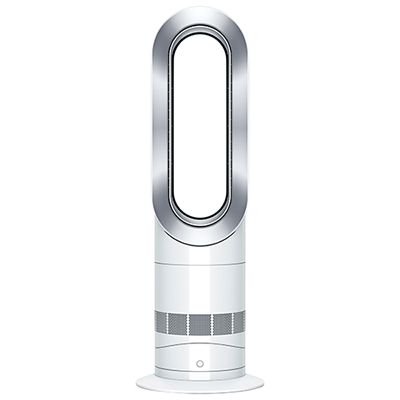 Your price for this item is $549.99
 -
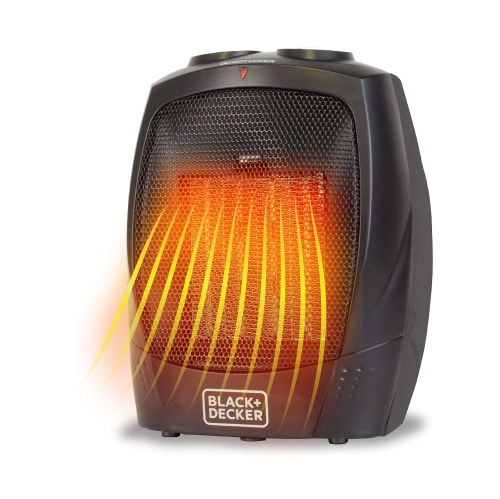 Your price for this item is $41.99
 -
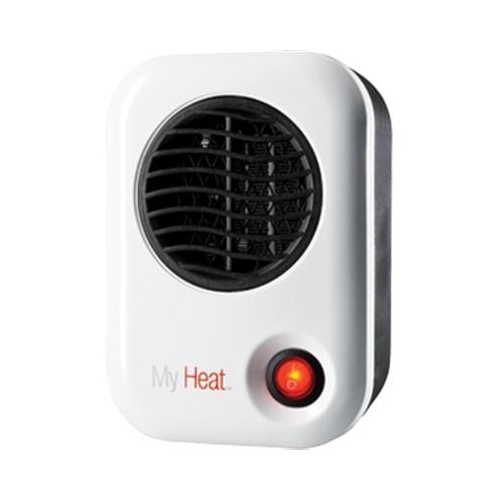 Your price for this item is $100.99
 -
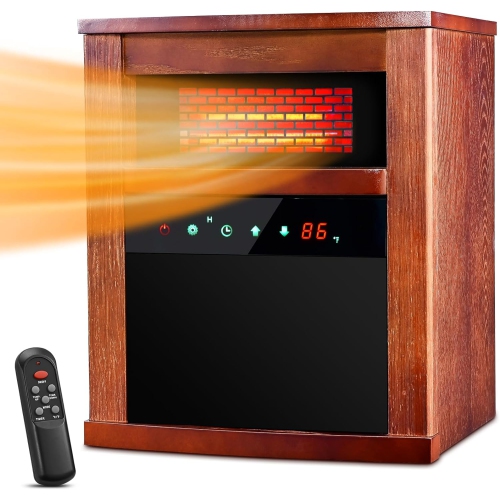 Your price for this item is $219.95
 -
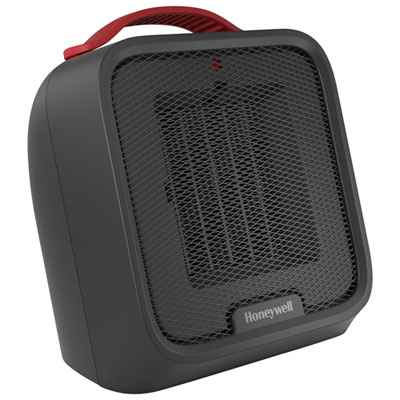 Your price for this item is $64.98
 -
 Your price for this item is $68.99
 -
 Your price for this item is $50
Discover more categories related to Electric Heat Panels

Top Collections:
Pokemon Centers, Kindle Devices, Best Budget Office Chairs, Apple iPhones 16, Best Laptops for Writers, iPhone 15 Apple, Canon G7X Cameras, Refurbished Apple Laptops, Alarm Clock, Motorola Razr Phones
Some products may be subject to Environmental Handling Fees
(EHF) depending on your province.
Learn more about EHFs.