Electric Heating Systems
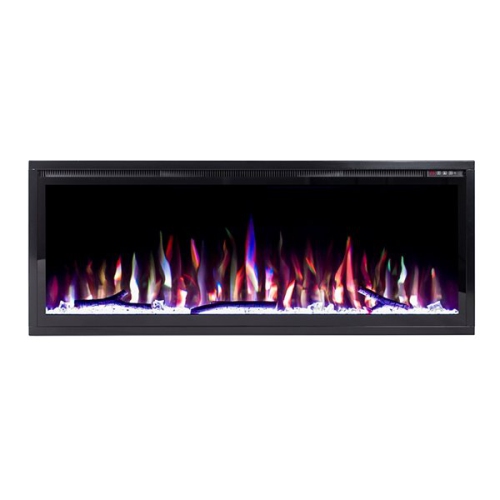
Whether you need a portable space heater for your office, a wall-mounted electric fireplace for your living room, or an energy-efficient baseboard heater for your bedroom, we have the perfect solution to meet your heating needs. With advanced features and cutting-edge technology, our electric heating systems offer efficient and reliable warmth while adding a touch of style to any space. Explore our range of options and find the perfect electric heating system to create a comfortable environment in your home.
Sort




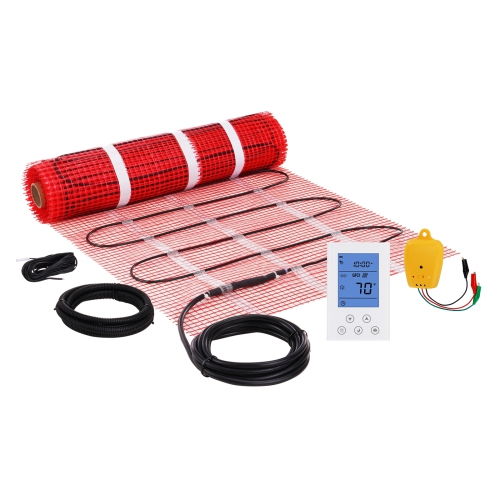
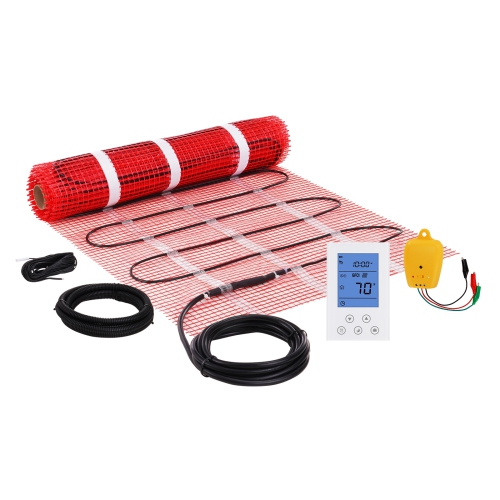
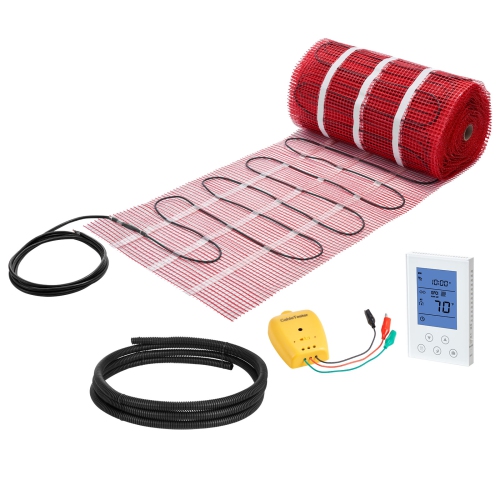
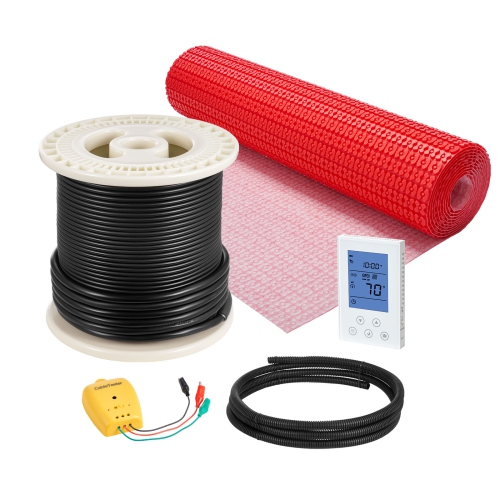


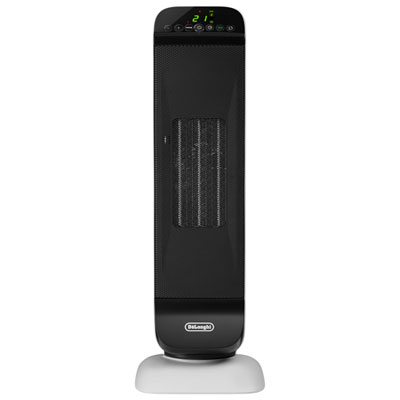
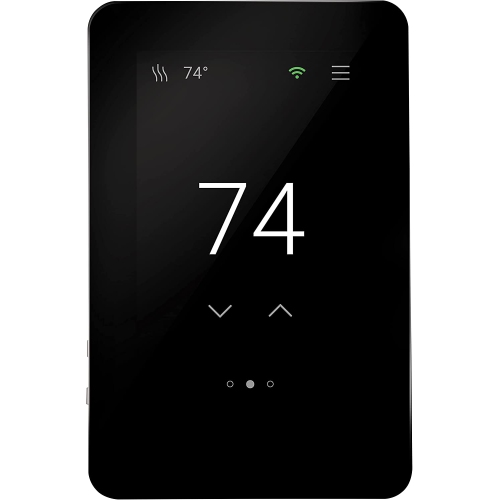
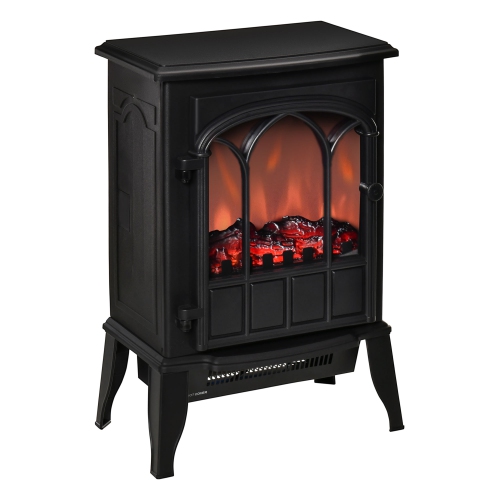
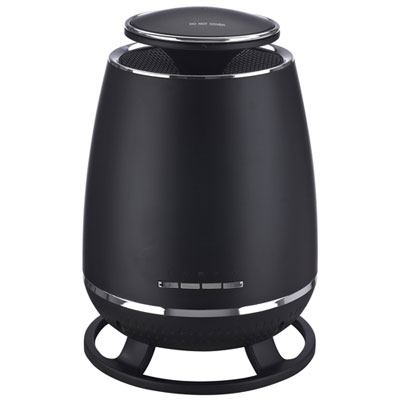
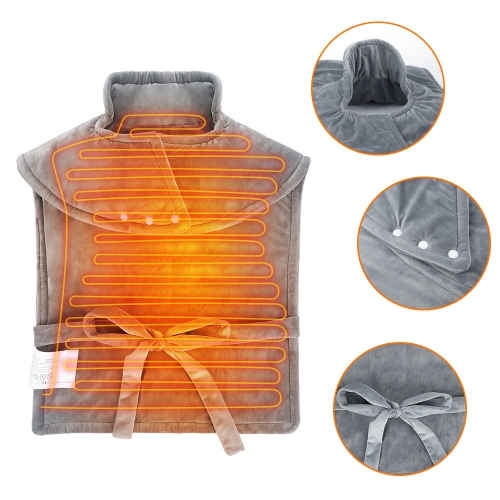

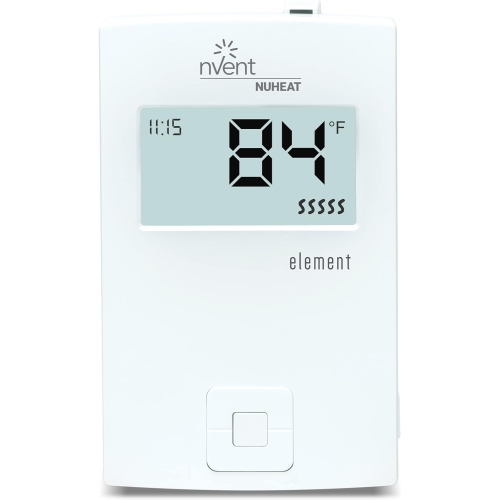
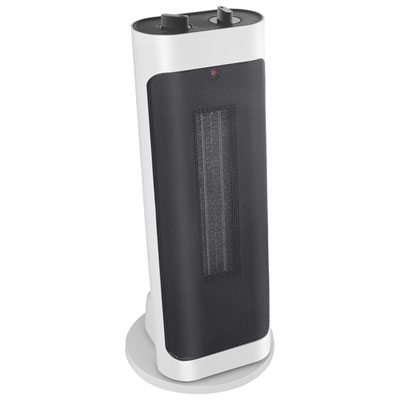
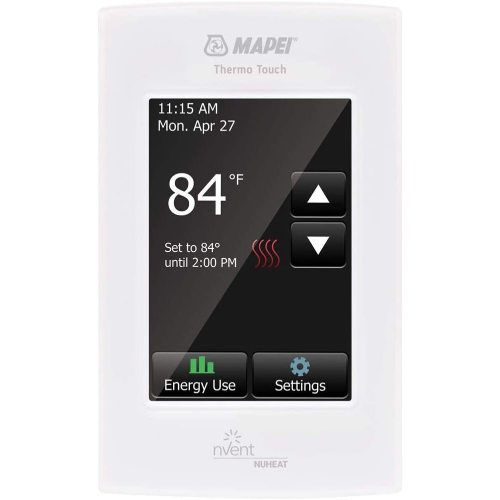
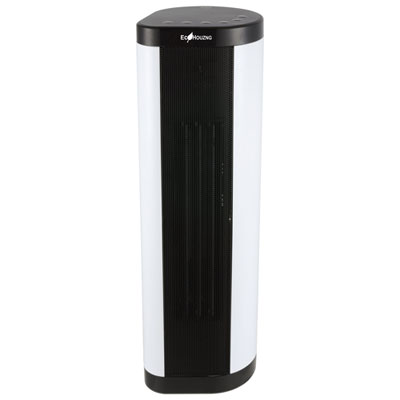
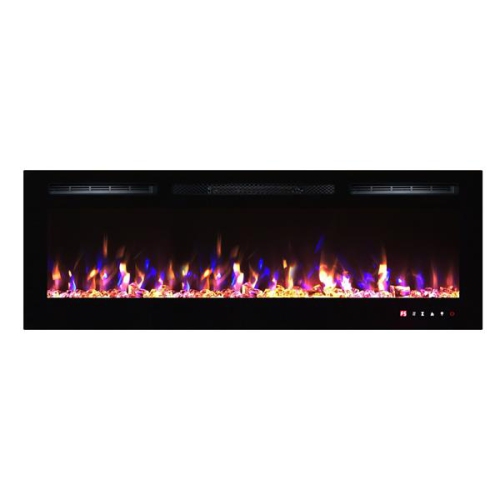
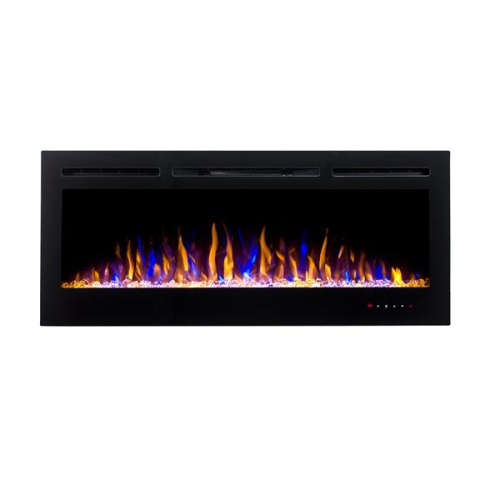
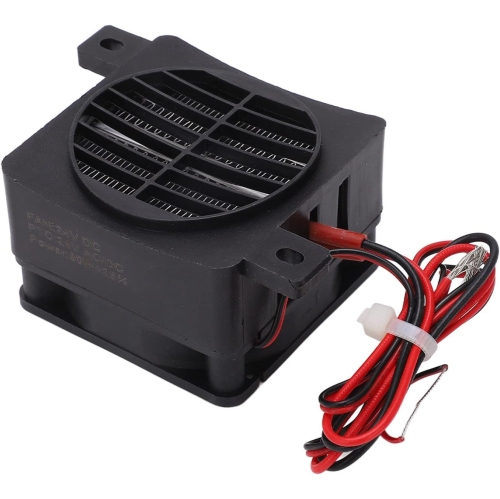
How resistance heating and heat pumps warm different spaces
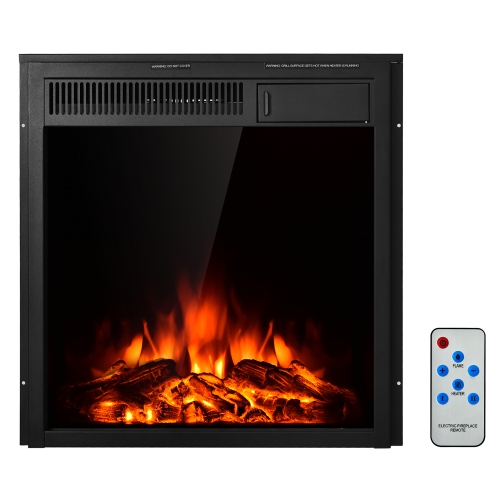
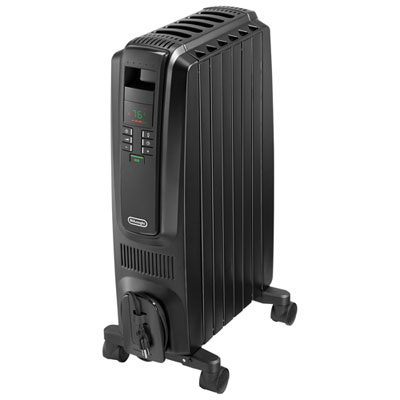
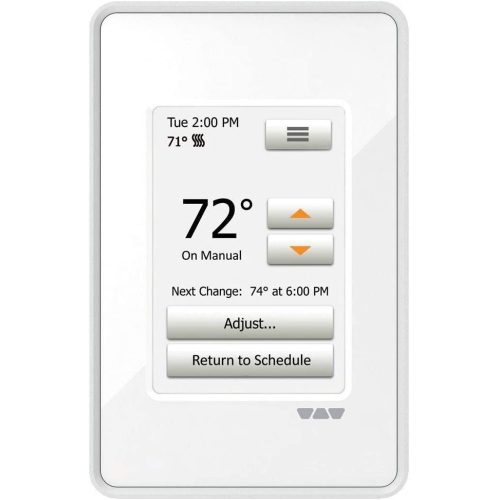
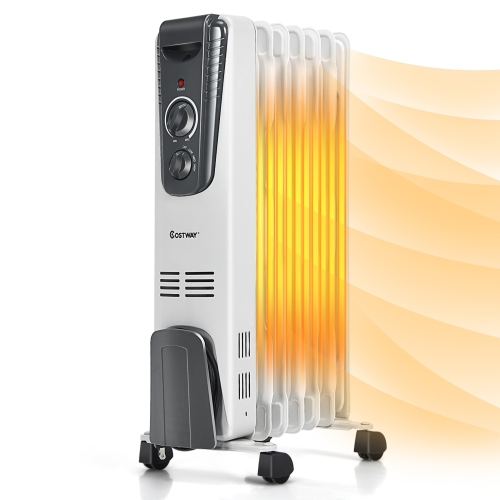
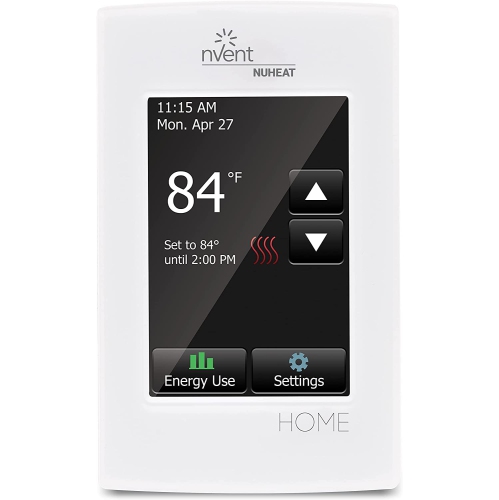
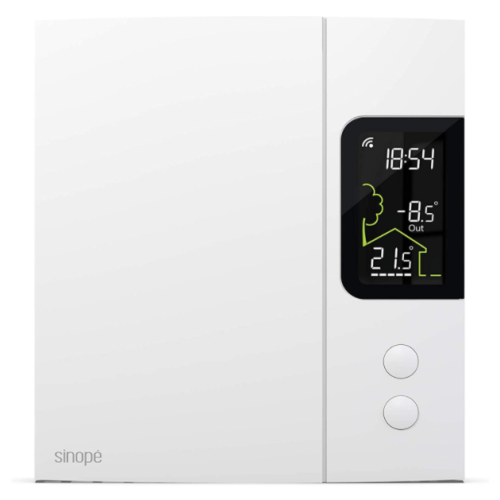
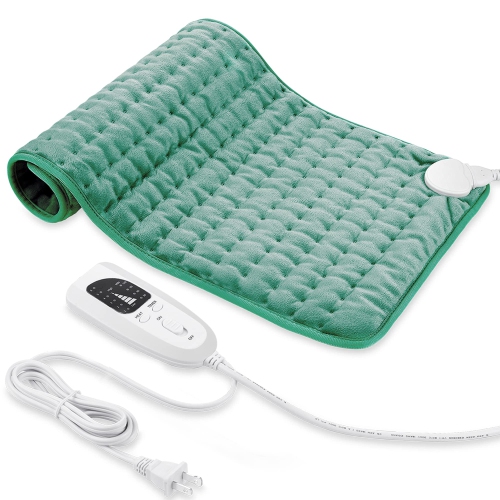
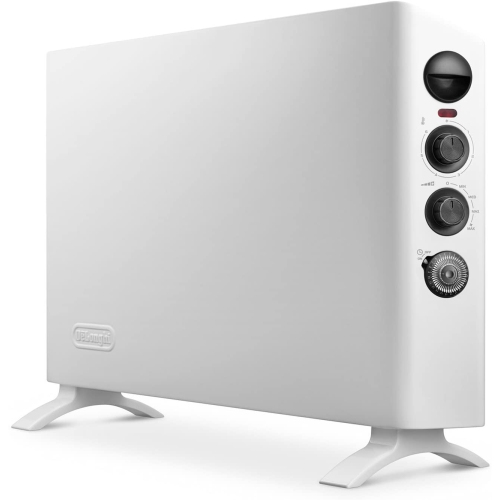
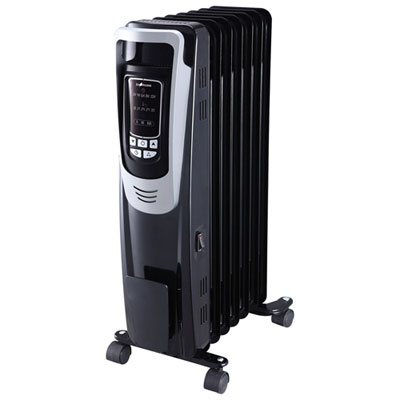
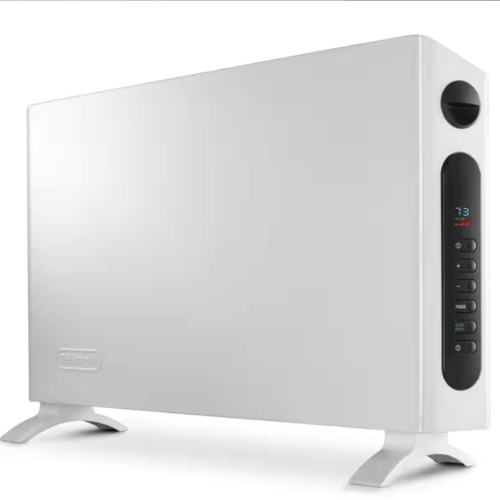
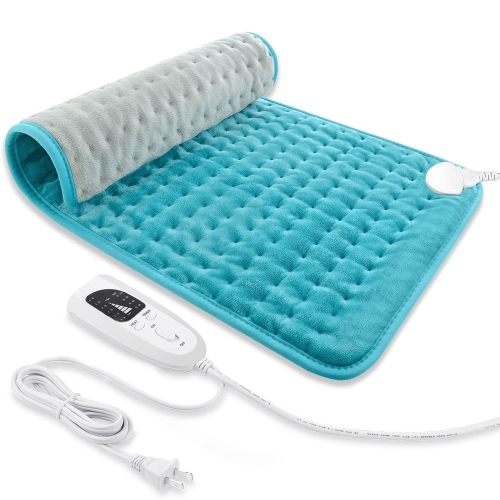
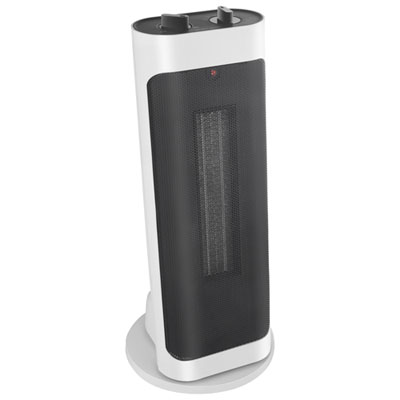
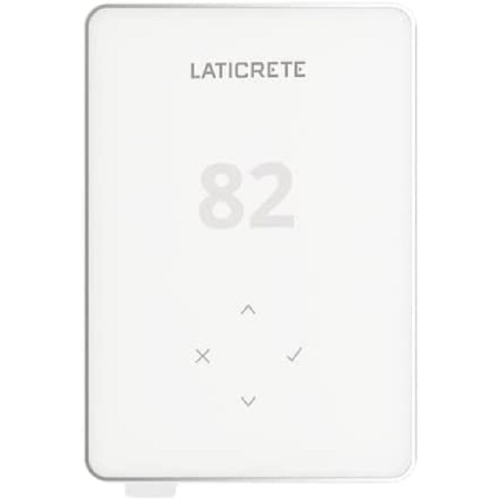
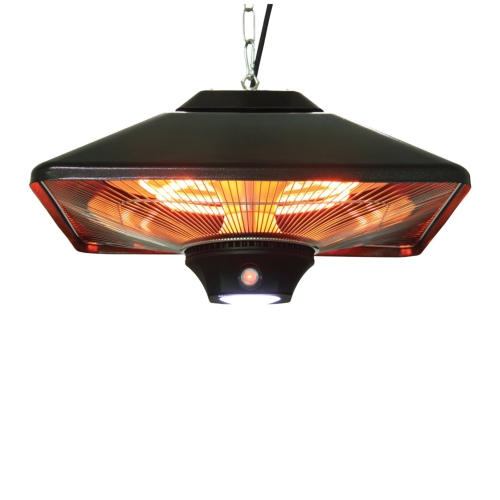
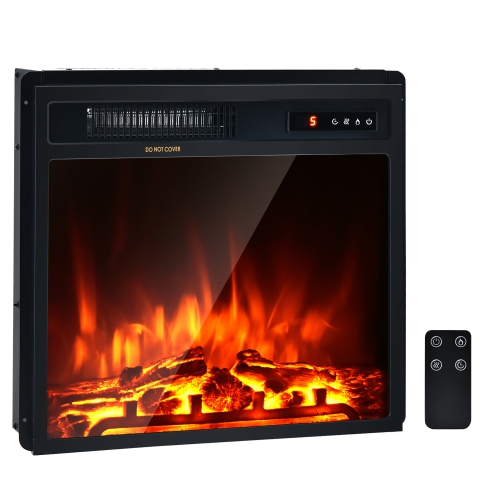
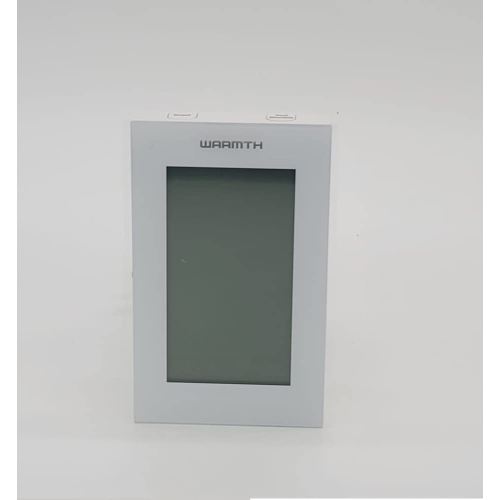
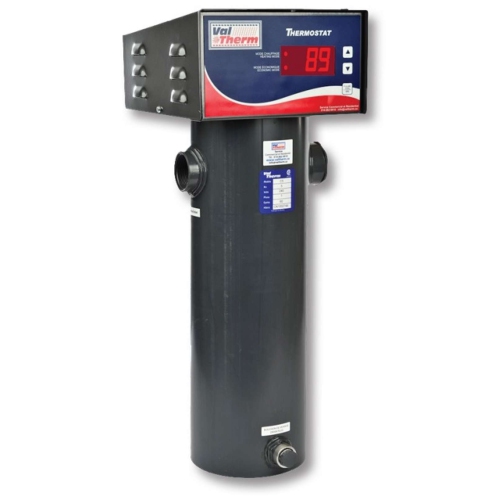
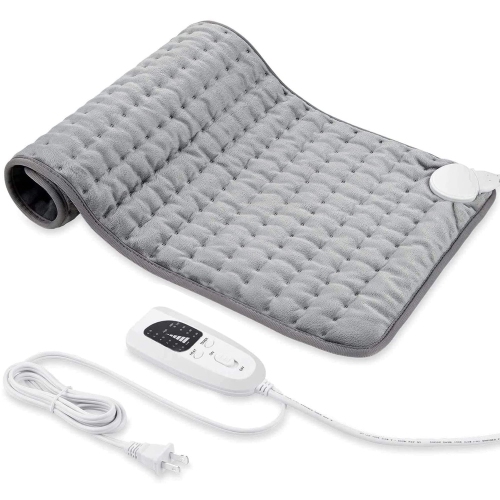
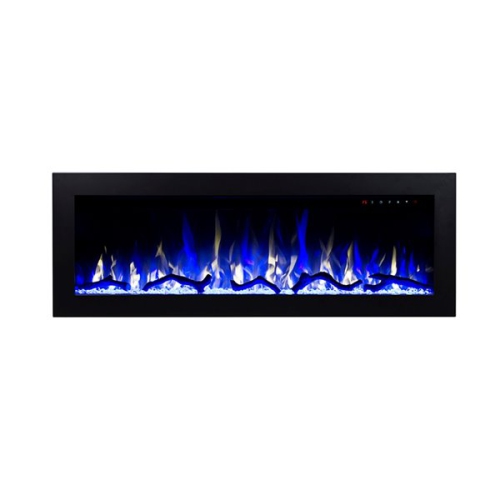
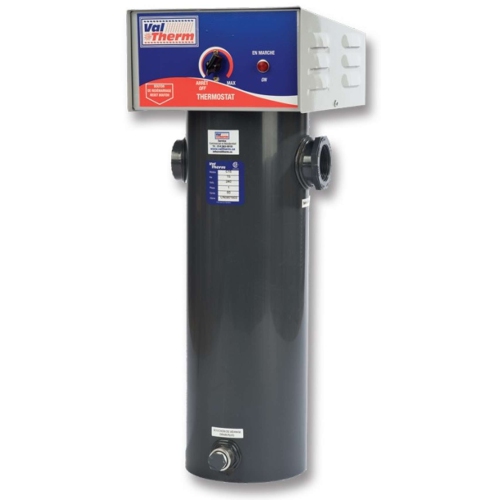
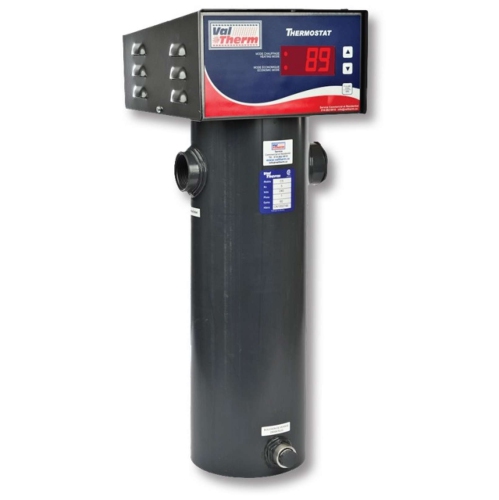
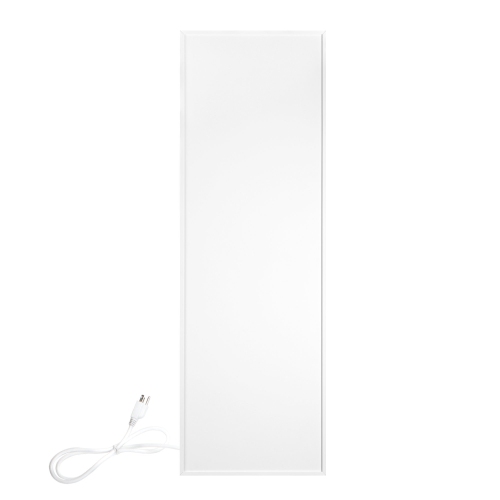
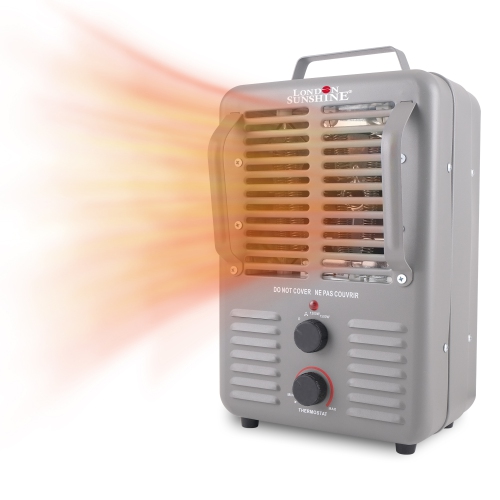
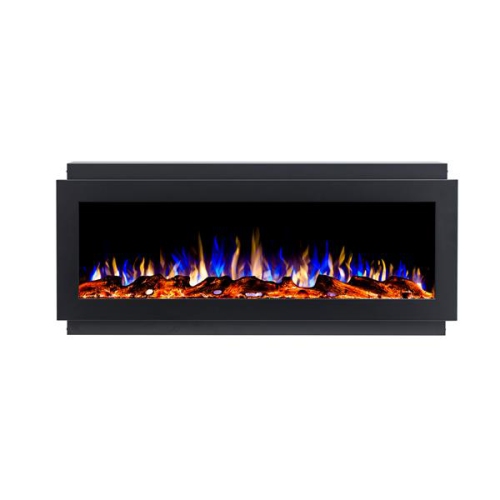
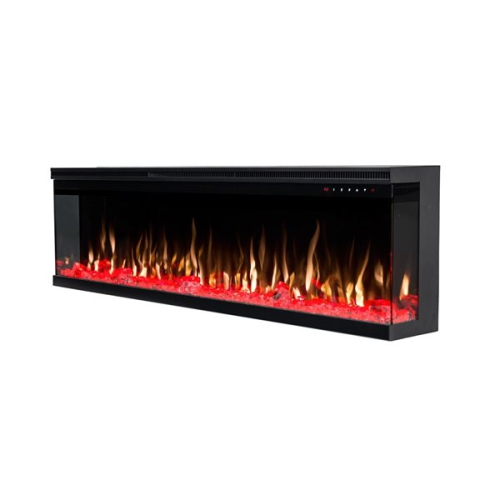
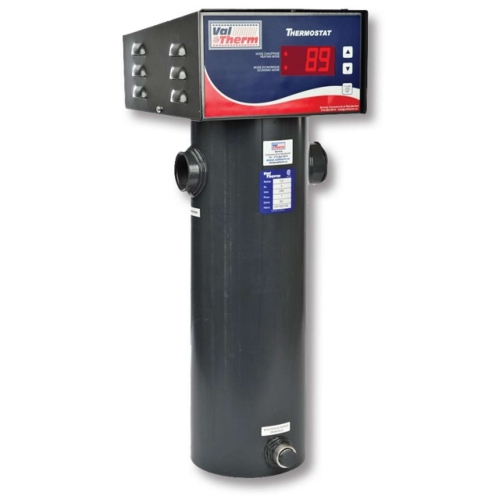
Electric heating systems provide a practical way to add warmth to a home, apartment, cottage, workshop, office or other indoor space, especially as the weather turns cooler and rooms begin to feel chilly. These systems convert electrical power into usable heat or move heat from one location to another, depending on the design. Resistance heating is the most familiar approach: an electrical current passes through a heating element, producing warmth that is distributed through a room by natural air movement or a fan. Baseboard heaters, wall-mounted units, convectors, radiators and electric furnaces all use variations of this principle. At the point of use, resistance heating converts essentially all of the electricity it consumes into heat, making it easy to understand and straightforward to control. Heat pumps work differently by transferring available heat from outdoor air or the ground into a building, rather than creating all of the heat directly. They can deliver more heat than the amount of electrical energy used to operate them, although performance varies with outdoor temperature, system design and installation. When comparing electric heating systems, consider the size and layout of the space, the room’s insulation, ceiling height, window placement and the amount of warmth already provided by the home’s main heating system. A compact room may need only a localized heater, while an open-concept living area, finished basement or detached workspace may require wider coverage or a central solution. Output is commonly listed in watts or BTUs, and selecting the right capacity helps a system heat comfortably without excessive cycling or uneven hot and cold spots. Thermostat compatibility is also important: a built-in control can be convenient for one room, while a wall thermostat, programmable thermostat or connected control may offer more precise scheduling across several rooms. Look for adjustable temperature settings, multiple heat levels, overheat protection, a quiet fan if the unit uses forced air and a design that suits the available wall, floor or ceiling space. Some systems provide gentle, steady warmth, while others circulate heated air quickly for spaces that need a faster temperature change. For households with children or pets, a cooler-touch exterior, stable mounting and a clear safety shutoff can be especially useful. Anyone replacing an older heater should also check the existing wiring, voltage and circuit capacity before purchasing, since some larger systems require a dedicated 240-volt circuit rather than a standard household outlet.
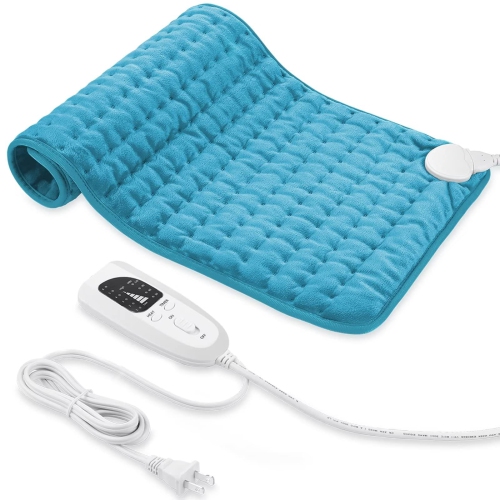
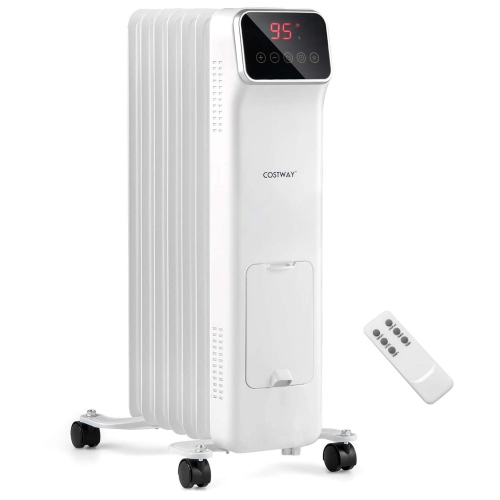
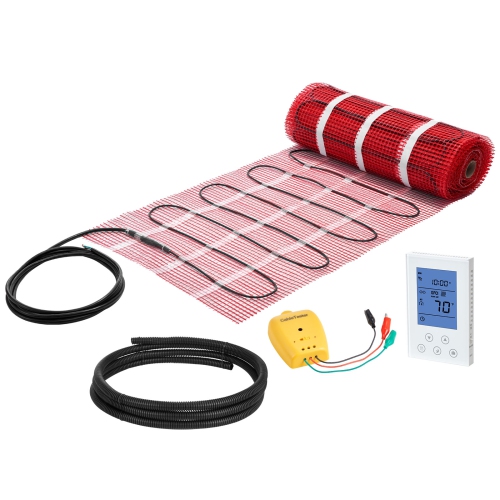
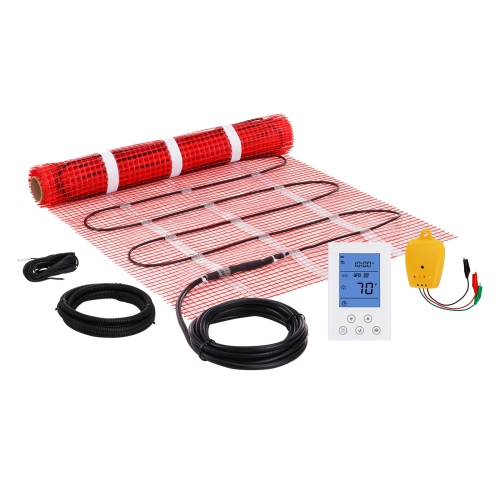
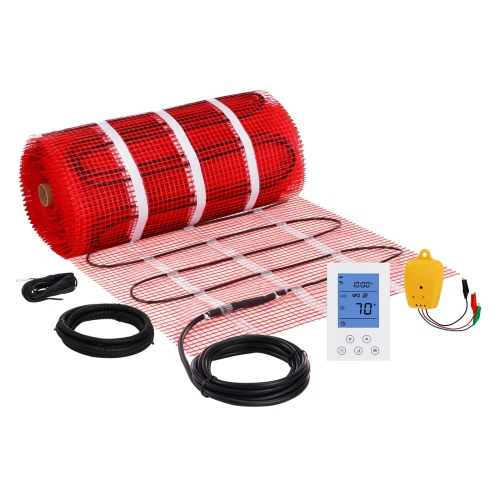
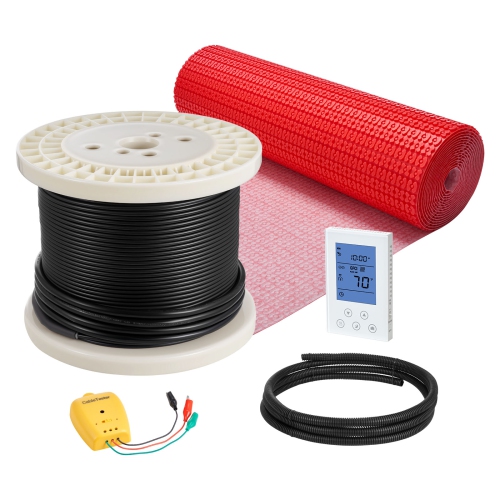
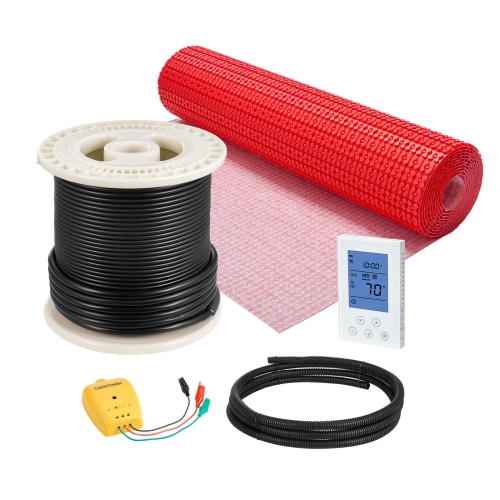
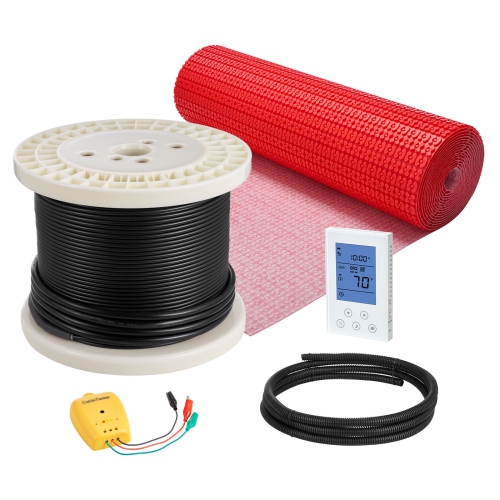
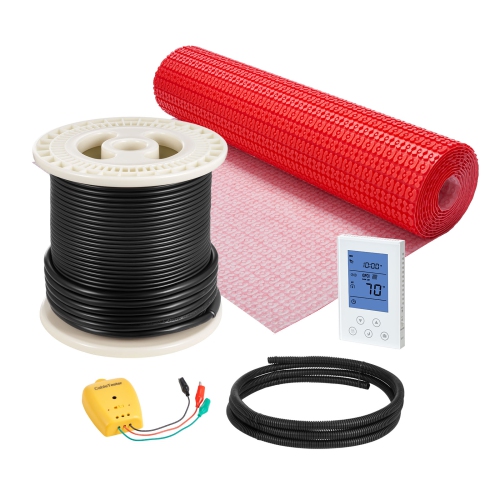
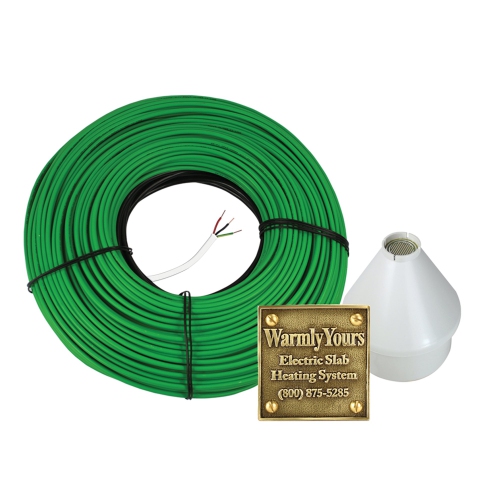
Electric heating systems can be useful as a primary source of warmth in spaces designed for electric heating, or as supplemental heat in rooms that stay cooler than the rest of the home. A wall unit can take the edge off a drafty entryway, mudroom or bathroom, while a baseboard or convector can provide consistent warmth along an exterior wall where cold air tends to gather. Portable electric heaters can be moved between rooms when needed, but they should always be placed on a stable, level surface with generous clearance from bedding, curtains, furniture and clothing; they should never be covered or left operating unattended. For a more permanent installation, follow the manufacturer’s requirements and have electrical work completed by a qualified professional where required by local code. Installation details matter as much as the heater itself: airflow must remain unobstructed, controls should be easy to reach, and the unit needs to be positioned where warmth can circulate rather than becoming trapped behind furniture. People furnishing a new home, finishing a basement, setting up a home office or preparing a seasonal cottage may appreciate the flexibility of room-by-room heating, while a homeowner dealing with an addition or renovation may prefer a system that integrates with the existing electrical service. Electric heat can also be helpful in guest rooms, nurseries and work areas that are occupied at different times of day, since individual controls make it possible to tailor comfort to each space instead of heating the entire home uniformly. For floors that feel cold underfoot, especially in bathrooms, kitchens, entryways and renovated lower levels, explore Floor Heating Systems as another electric heating option. When planning a purchase, review the rated wattage, voltage, coverage guidance, control method, installation requirements, noise level and warranty details. Keep the surrounding area clear, clean dust from vents and grilles as recommended, and inspect cords, plugs and connections on portable units before each season of use. A thoughtfully chosen electric heating system can make a small reading corner feel inviting, keep a workroom comfortable through a long afternoon and provide dependable warmth during the cooler months without requiring extensive maintenance or complicated fuel storage.
Electric heating systems can be useful as a primary source of warmth in spaces designed for electric heating, or as supplemental heat in rooms that stay cooler than the rest of the home. A wall unit can take the edge off a drafty entryway, mudroom or bathroom, while a baseboard or convector can provide consistent warmth along an exterior wall where cold air tends to gather. Portable electric heaters can be moved between rooms when needed, but they should always be placed on a stable, level surface with generous clearance from bedding, curtains, furniture and clothing; they should never be covered or left operating unattended. For a more permanent installation, follow the manufacturer’s requirements and have electrical work completed by a qualified professional where required by local code. Installation details matter as much as the heater itself: airflow must remain unobstructed, controls should be easy to reach, and the unit needs to be positioned where warmth can circulate rather than becoming trapped behind furniture. People furnishing a new home, finishing a basement, setting up a home office or preparing a seasonal cottage may appreciate the flexibility of room-by-room heating, while a homeowner dealing with an addition or renovation may prefer a system that integrates with the existing electrical service. Electric heat can also be helpful in guest rooms, nurseries and work areas that are occupied at different times of day, since individual controls make it possible to tailor comfort to each space instead of heating the entire home uniformly. For floors that feel cold underfoot, especially in bathrooms, kitchens, entryways and renovated lower levels, explore Floor Heating Systems as another electric heating option. When planning a purchase, review the rated wattage, voltage, coverage guidance, control method, installation requirements, noise level and warranty details. Keep the surrounding area clear, clean dust from vents and grilles as recommended, and inspect cords, plugs and connections on portable units before each season of use. A thoughtfully chosen electric heating system can make a small reading corner feel inviting, keep a workroom comfortable through a long afternoon and provide dependable warmth during the cooler months without requiring extensive maintenance or complicated fuel storage.
Top selling and popular products
-
 Your price for this item is $179.99
 -
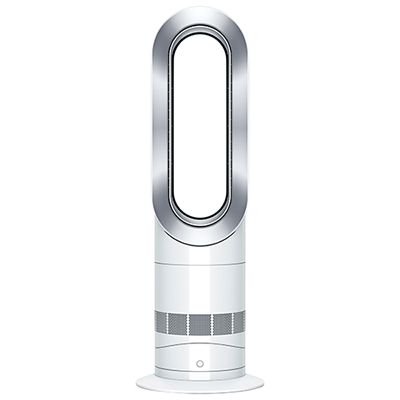 Your price for this item is $549.99
 -
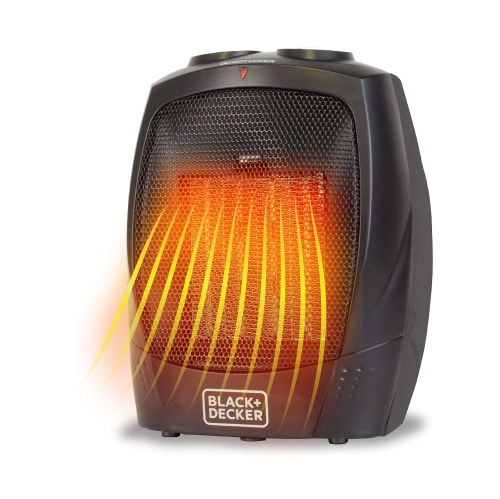 Your price for this item is $41.99
 -
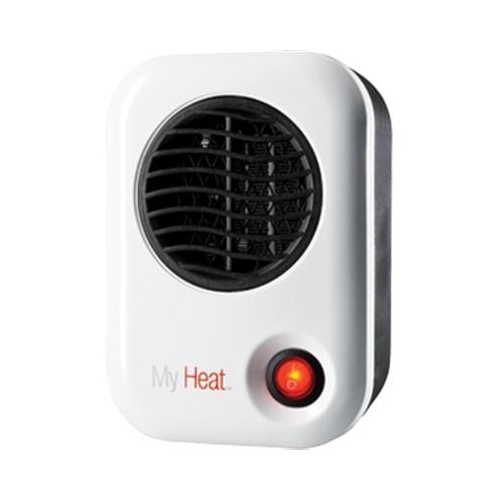 Your price for this item is $100.99
 -
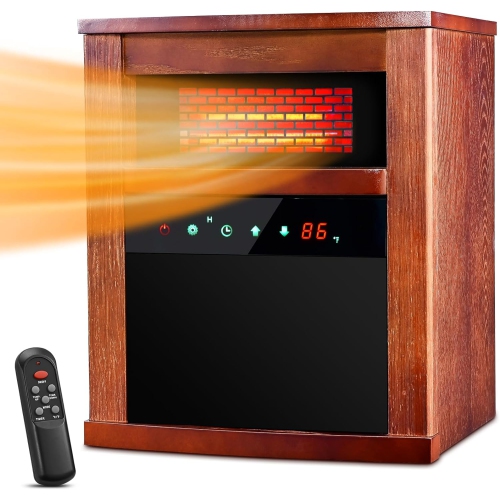 Your price for this item is $219.95
 -
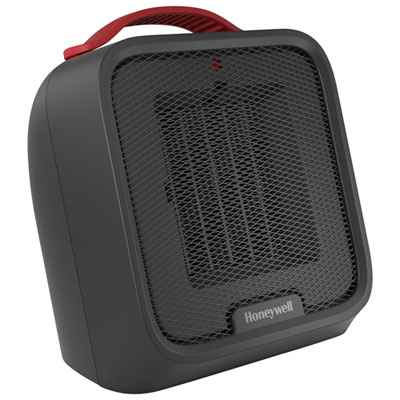 Your price for this item is $64.98
 -
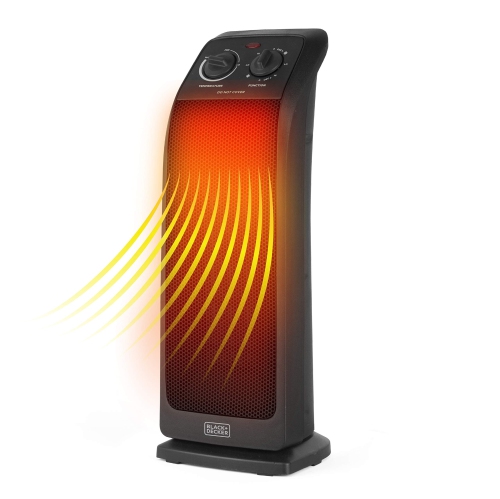 Your price for this item is $68.99
 -
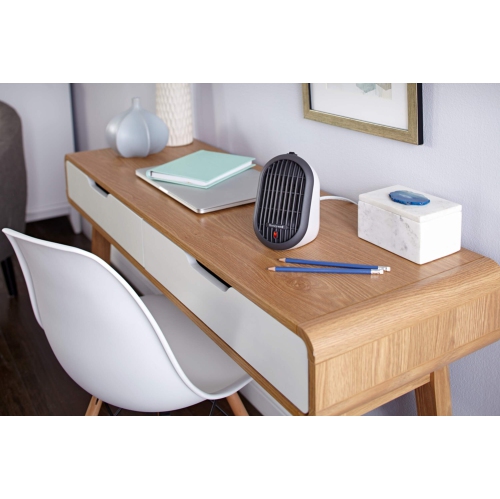 Your price for this item is $50
Discover more categories related to Electric Heating Systems

Top Collections:
Pokemon Centers, Kindle Devices, Best Budget Office Chairs, Apple iPhones 16, Best Laptops for Writers, iPhone 15 Apple, Canon G7X Cameras, Refurbished Apple Laptops, Alarm Clock, Motorola Razr Phones
Some products may be subject to Environmental Handling Fees
(EHF) depending on your province.
Learn more about EHFs.