Electric Soldering Irons
Looking to take your DIY projects to the next level? Look no further than our collection of electric soldering irons. These versatile tools are a must-have for any electronics enthusiast, hobbyist, or professional. With their precise temperature control and quick heating capabilities, electric soldering irons make it easy to join wires, repair circuit boards, and create intricate soldering designs with ease. Whether you're a seasoned pro or just starting out, our selection of electric soldering irons has something to suit every skill level and project requirement. Get ready to unleash your creativity and bring your ideas to life with these powerful and reliable tools.
Sort



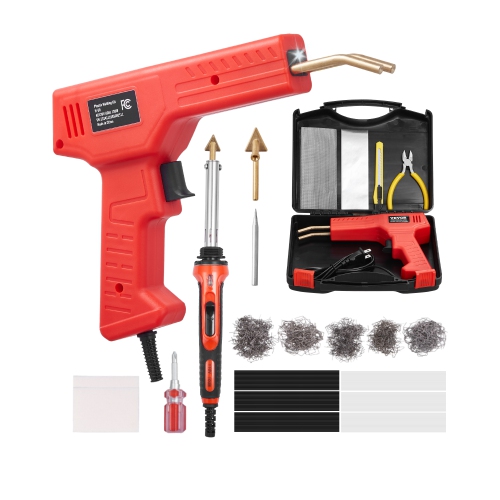
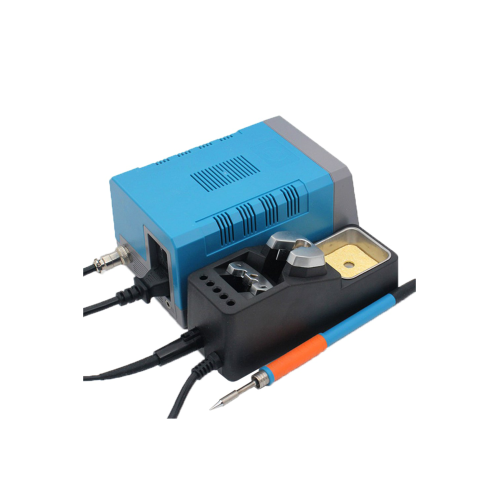
Practical guidance for precise repairs, projects, and safe soldering
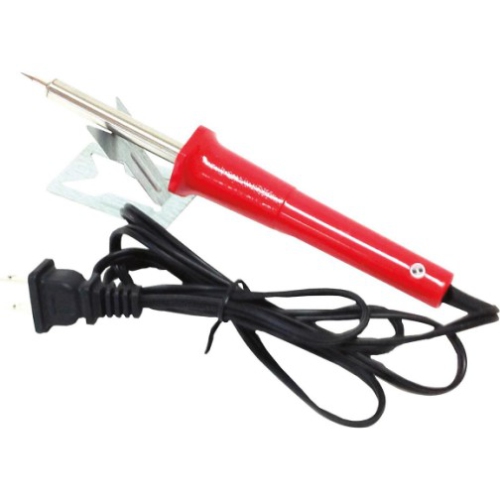
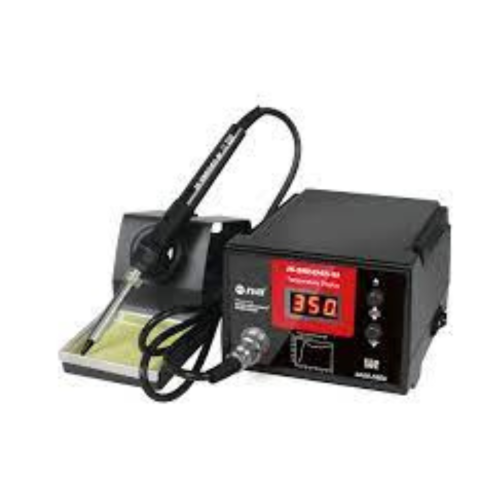
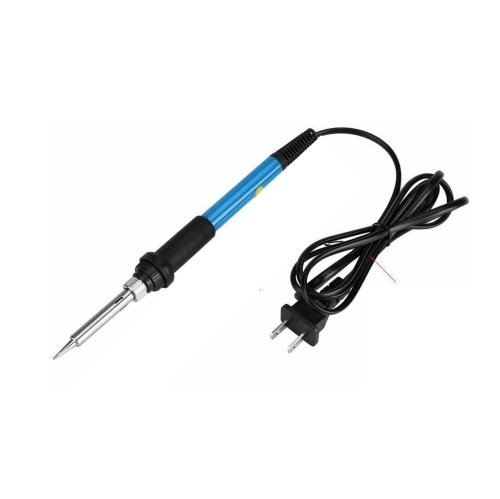
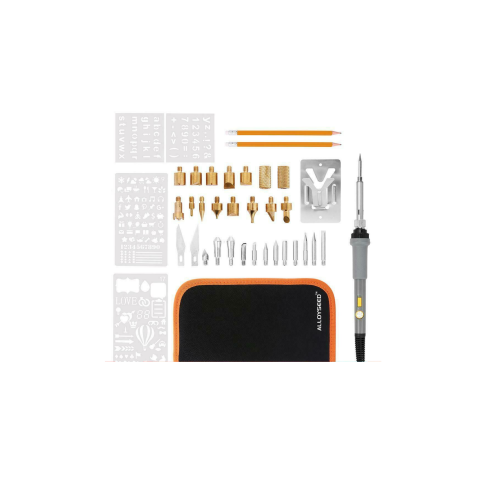
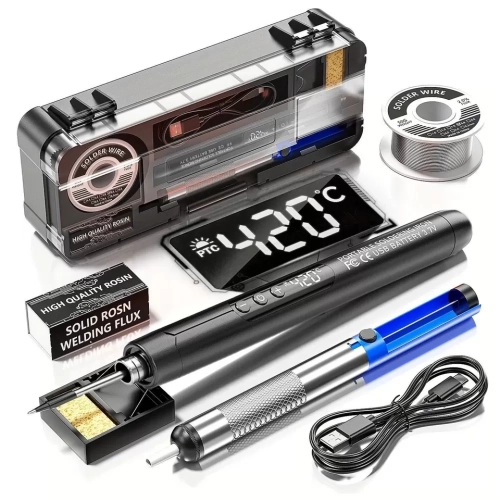
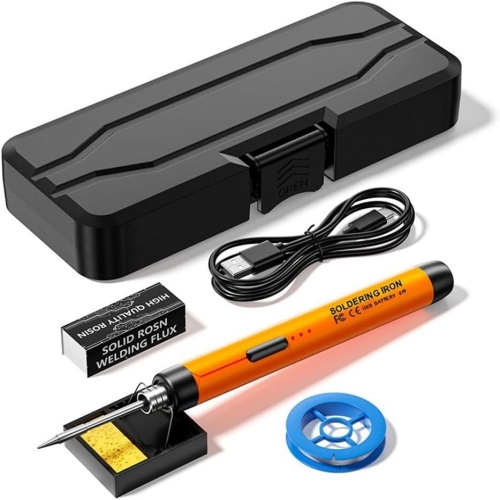
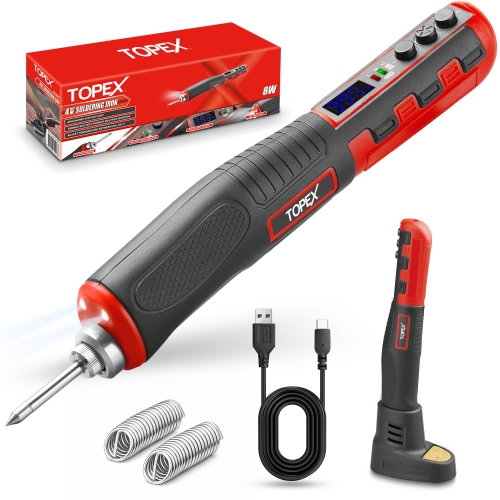
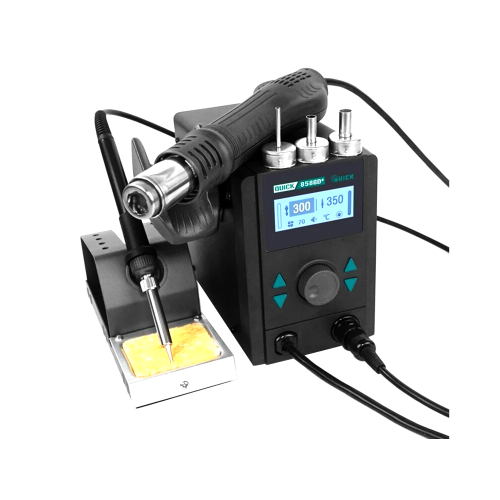
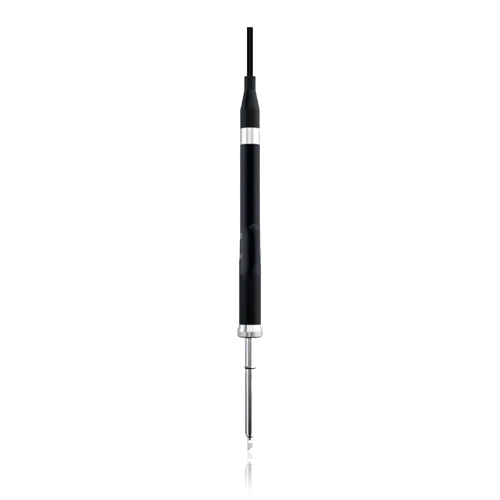
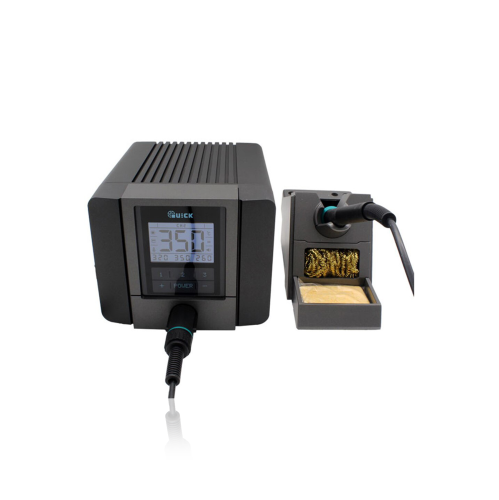
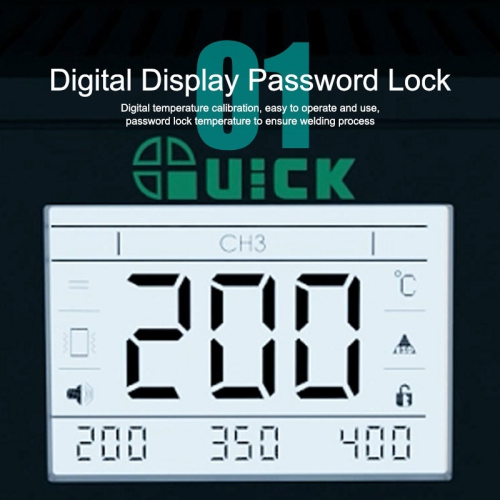
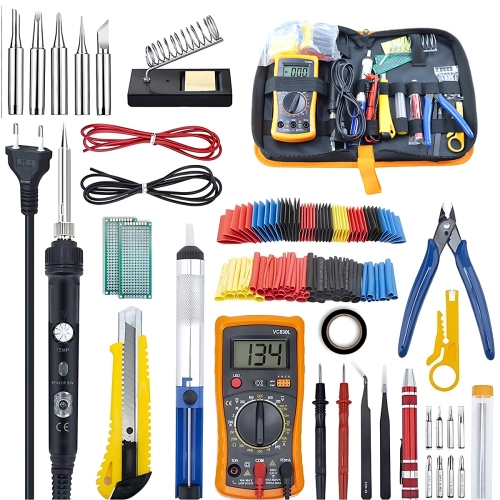
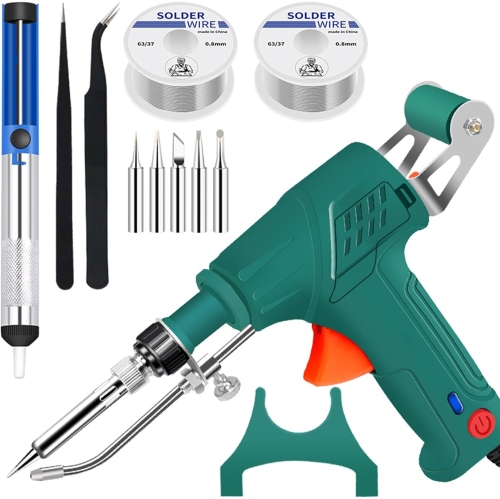
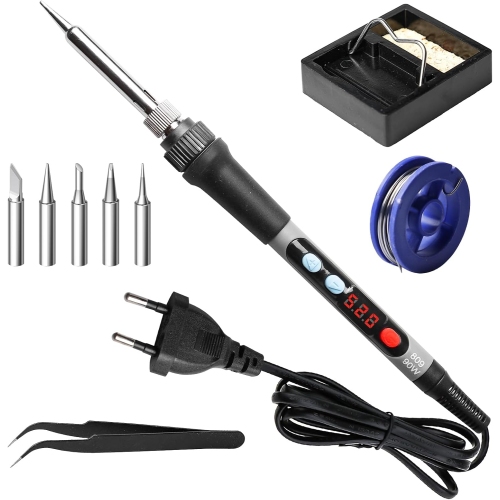
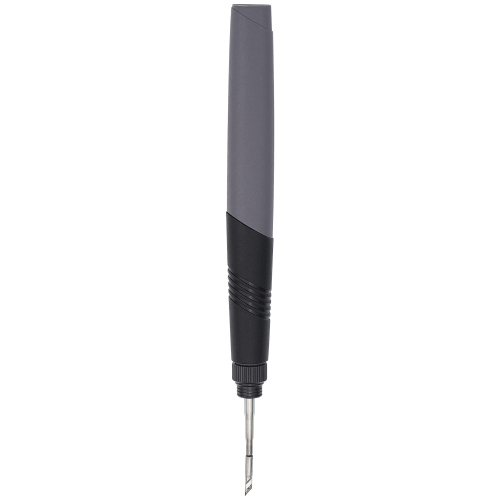
Electric soldering irons are practical hand tools for joining wires, repairing electronics, assembling circuits, and completing a wide range of hobby and workshop projects. They use electricity to heat a metal tip, which melts solder so it can flow between compatible surfaces and form a secure electrical and mechanical connection as it cools. A compact pencil-style iron can be useful for occasional repairs, such as reconnecting a loose wire in a speaker, touching up a guitar cable, or working on a simple electronics kit. More advanced users may prefer a soldering station with adjustable temperature controls, a dedicated stand, and space for accessories. These tools are commonly used by electronics hobbyists, makers, students, technicians, model builders, radio enthusiasts, and anyone who enjoys repairing or creating small electrical projects at home. They can also be a thoughtful gift for a person who is setting up a workbench, learning circuit design, building custom keyboards, modifying hobby equipment, or exploring hands-on projects during the cooler months. Before choosing an electric soldering iron, consider the type of work involved, how often it will be used, and how much control is needed over heat. Basic low-wattage irons are often lightweight and easy to handle, while higher-wattage models can recover heat more quickly when working with larger wires or joints that draw heat away from the tip. Adjustable temperature control is especially helpful for moving between delicate circuit boards and sturdier connections, allowing the user to select a suitable setting rather than relying on one fixed output.
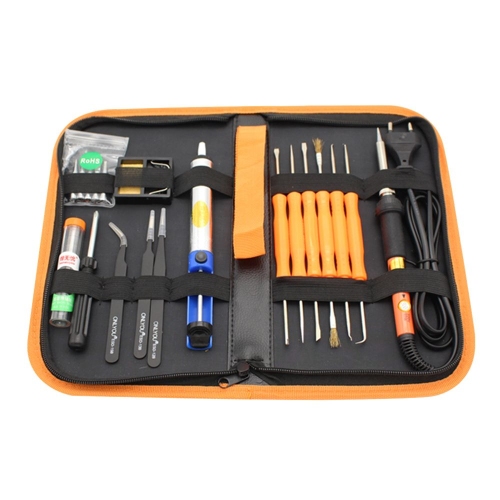
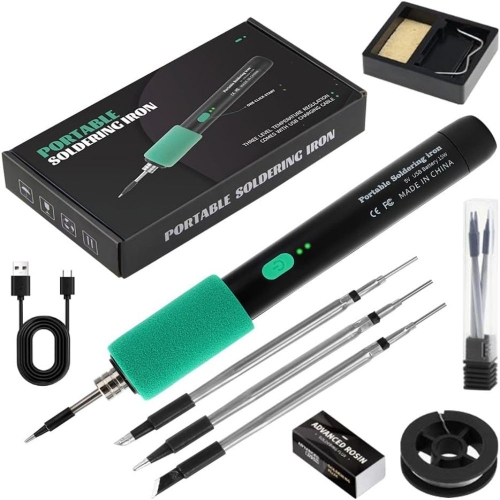
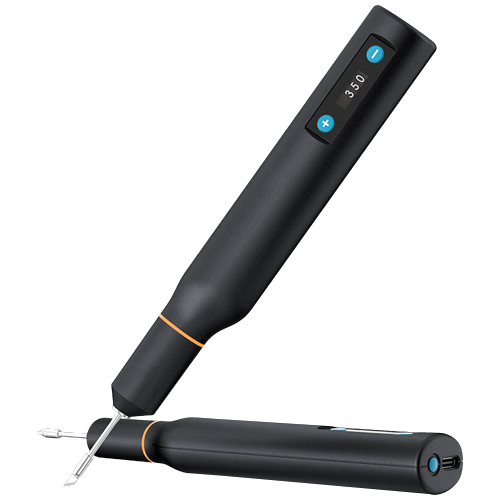
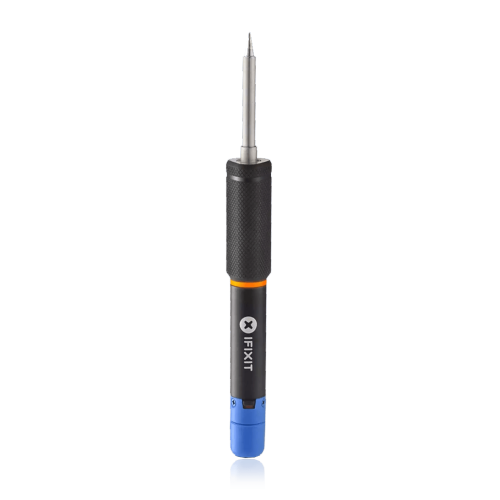
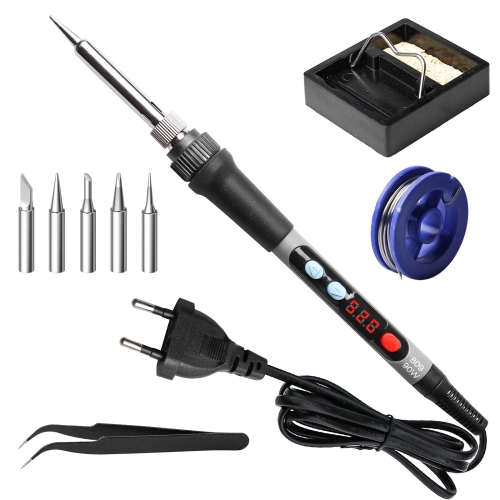
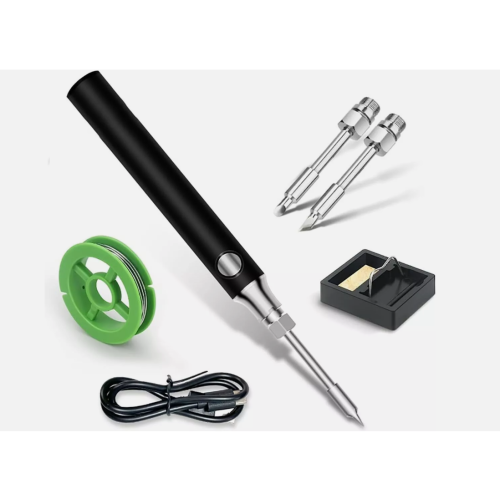
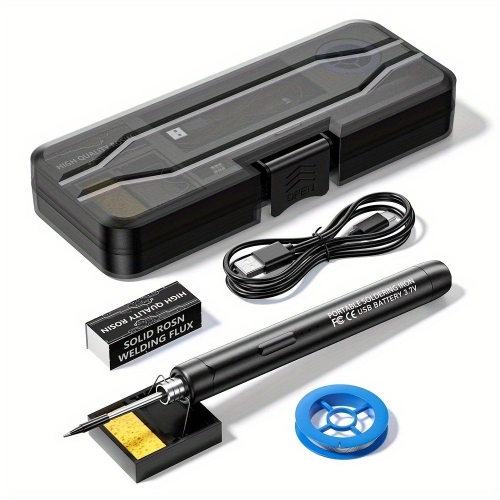
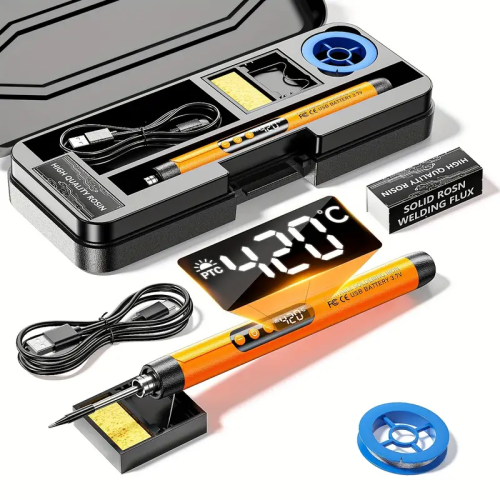
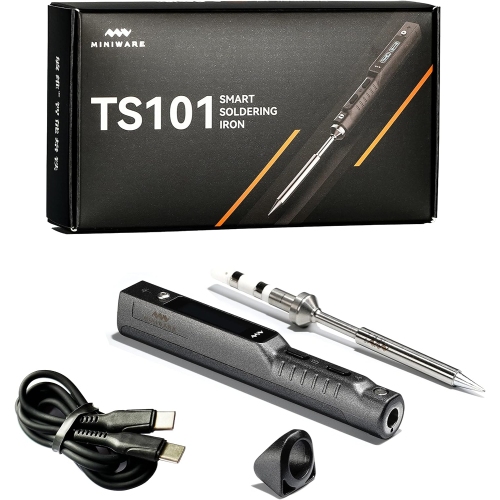
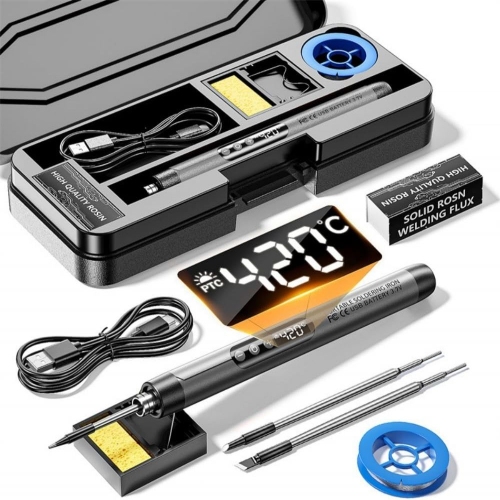
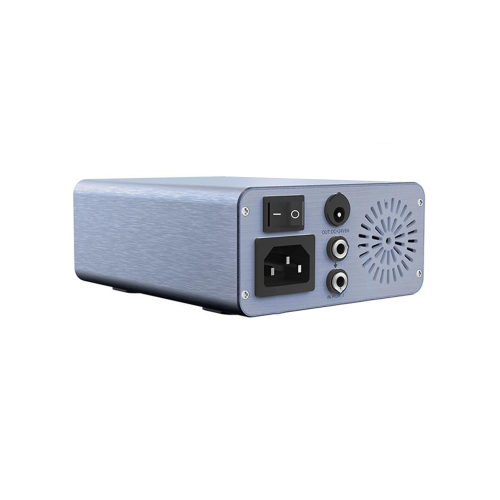
The tip is one of the most important parts of an electric soldering iron because its shape, size, and condition affect heat transfer and precision. Fine pointed tips can help with small components and close-spaced connections, while chisel or bevel tips may transfer heat more efficiently to wires, terminals, and broader contact areas. A replaceable-tip design can make it easier to match the tool to different projects and keep the working surface in good condition. For electronics work, soldering temperatures are commonly set in the range of approximately 320°C to 380°C, or about 600°F to 700°F, although the appropriate setting depends on the solder, materials, joint size, and manufacturer instructions. Temperature control can reduce the chance of overheating sensitive components while still providing enough heat for a clean connection. Portable USB-C electric soldering irons are another option for makers who work away from a permanent bench. When paired with a suitable USB-C power adapter or compatible power bank, these compact tools can be convenient for field repairs, robotics projects, remote workspaces, and small jobs where a full station is not practical. A soldering station may be a better fit for regular bench work, particularly when the user values quick heat-up, stable temperature regulation, a sturdy holder, and an organized place for tips and accessories. Those comparing complete Soldering Iron Kits can often find useful essentials together, such as solder, a stand, cleaning materials, and interchangeable tips, which may simplify the process of preparing a first workspace.
Good technique and proper care help an electric soldering iron perform consistently. Before making a joint, the surfaces should be clean and positioned securely, with wires stripped to an appropriate length and components supported so they do not move while the solder cools. The tip should be heated, lightly coated with fresh solder, and then brought into contact with the joint so the solder flows across the connection rather than simply collecting on the tip. This process, often called tinning the tip, helps protect the working surface and improve heat transfer. During use, wiping the hot tip on a damp cellulose sponge or cleaning it with brass wool can remove residue; a small amount of fresh solder can then be applied before returning the tool to its stand. A clean, shiny joint is generally a better sign than a dull, uneven mound, which can indicate movement, insufficient heat, or poor contact. Safety is essential because the tip and nearby metal parts become extremely hot. Use the supplied stand, keep the work area clear of paper and other heat-sensitive materials, wear appropriate eye protection, provide ventilation when working with flux or solder, and avoid touching the tip, fresh joints, or melted solder. Let the iron cool fully before storing it, and keep it out of reach of children and pets. With the right tip, suitable temperature range, dependable stand, and a little practice, an electric soldering iron can become a reliable part of a home repair kit, a creative workbench, or a gift collection for someone who enjoys turning small parts, loose connections, and unfinished ideas into working projects.
The tip is one of the most important parts of an electric soldering iron because its shape, size, and condition affect heat transfer and precision. Fine pointed tips can help with small components and close-spaced connections, while chisel or bevel tips may transfer heat more efficiently to wires, terminals, and broader contact areas. A replaceable-tip design can make it easier to match the tool to different projects and keep the working surface in good condition. For electronics work, soldering temperatures are commonly set in the range of approximately 320°C to 380°C, or about 600°F to 700°F, although the appropriate setting depends on the solder, materials, joint size, and manufacturer instructions. Temperature control can reduce the chance of overheating sensitive components while still providing enough heat for a clean connection. Portable USB-C electric soldering irons are another option for makers who work away from a permanent bench. When paired with a suitable USB-C power adapter or compatible power bank, these compact tools can be convenient for field repairs, robotics projects, remote workspaces, and small jobs where a full station is not practical. A soldering station may be a better fit for regular bench work, particularly when the user values quick heat-up, stable temperature regulation, a sturdy holder, and an organized place for tips and accessories. Those comparing complete Soldering Iron Kits can often find useful essentials together, such as solder, a stand, cleaning materials, and interchangeable tips, which may simplify the process of preparing a first workspace.
Good technique and proper care help an electric soldering iron perform consistently. Before making a joint, the surfaces should be clean and positioned securely, with wires stripped to an appropriate length and components supported so they do not move while the solder cools. The tip should be heated, lightly coated with fresh solder, and then brought into contact with the joint so the solder flows across the connection rather than simply collecting on the tip. This process, often called tinning the tip, helps protect the working surface and improve heat transfer. During use, wiping the hot tip on a damp cellulose sponge or cleaning it with brass wool can remove residue; a small amount of fresh solder can then be applied before returning the tool to its stand. A clean, shiny joint is generally a better sign than a dull, uneven mound, which can indicate movement, insufficient heat, or poor contact. Safety is essential because the tip and nearby metal parts become extremely hot. Use the supplied stand, keep the work area clear of paper and other heat-sensitive materials, wear appropriate eye protection, provide ventilation when working with flux or solder, and avoid touching the tip, fresh joints, or melted solder. Let the iron cool fully before storing it, and keep it out of reach of children and pets. With the right tip, suitable temperature range, dependable stand, and a little practice, an electric soldering iron can become a reliable part of a home repair kit, a creative workbench, or a gift collection for someone who enjoys turning small parts, loose connections, and unfinished ideas into working projects.
Top selling and popular products
-
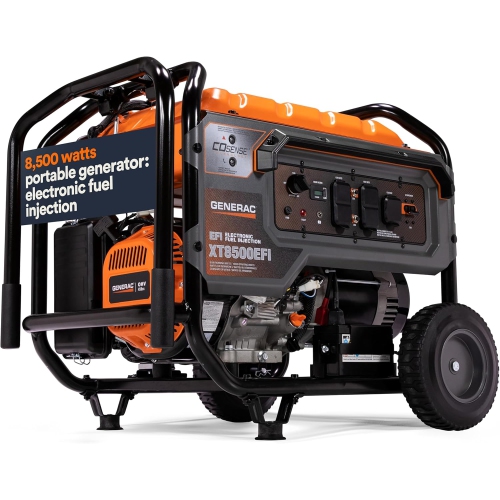 Your price for this item is $3000
 -
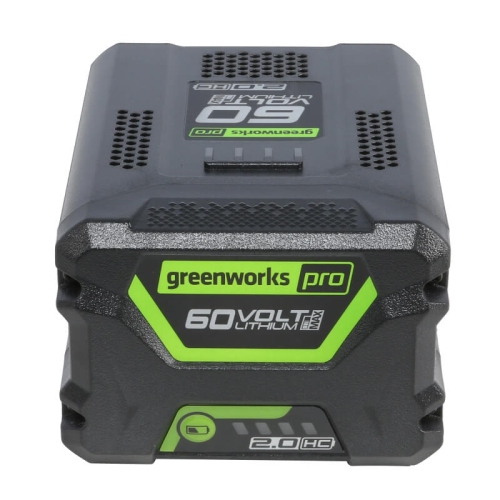 Your price for this item is $124.45
 -
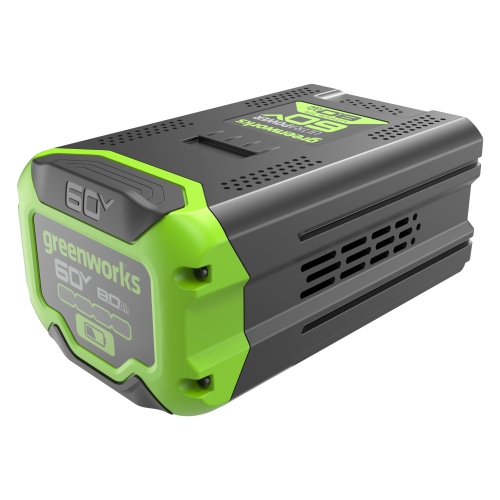 Your price for this item is $329.99
 -
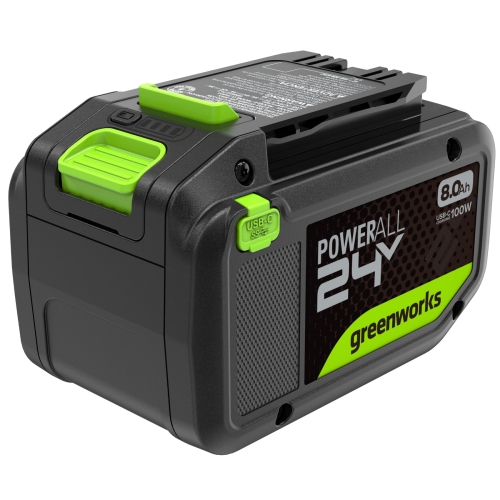 Your price for this item is $139.99
 -
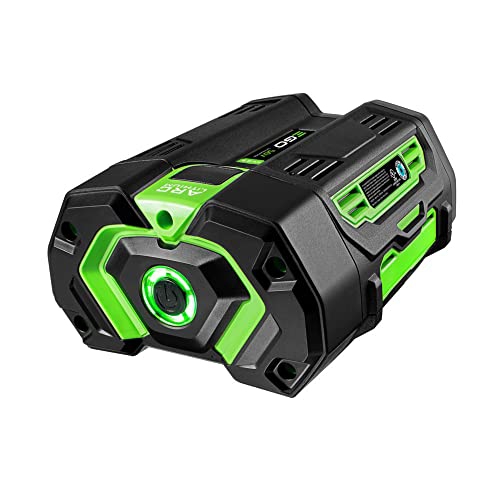 Your price for this item is $264
 -
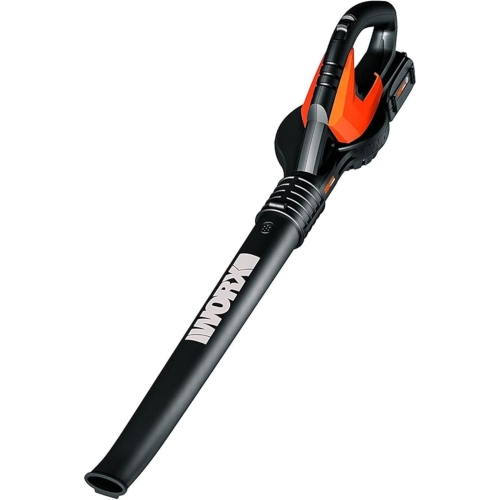 Your price for this item is $217.55
 -
 Your price for this item is $739.99
 -
 Your price for this item is $599.99
Discover more categories related to Electric Soldering Irons
Top Collections:
Pokemon Centers, Kindle Devices, Best Budget Office Chairs, Apple iPhones 16, Best Laptops for Writers, iPhone 15 Apple, Canon G7X Cameras, Refurbished Apple Laptops, Alarm Clock, Motorola Razr Phones
Some products may be subject to Environmental Handling Fees
(EHF) depending on your province.
Learn more about EHFs.