Portable Soldering Irons
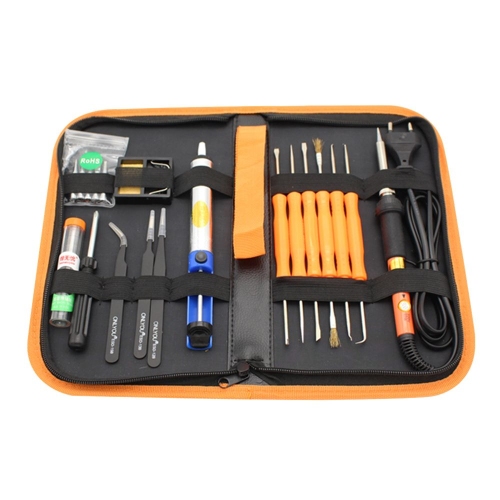
Looking to take your soldering skills on the go? Look no further than our collection of portable soldering irons. These compact and lightweight tools are perfect for DIY enthusiasts, hobbyists, and professionals who need the flexibility to work in different locations. Whether you're repairing electronics, crafting jewelry, or tackling small household projects, our range of portable soldering irons offers convenience without compromising on performance. Say goodbye to being tied down to a stationary workstation and hello to the freedom of soldering wherever you need to.
Sort
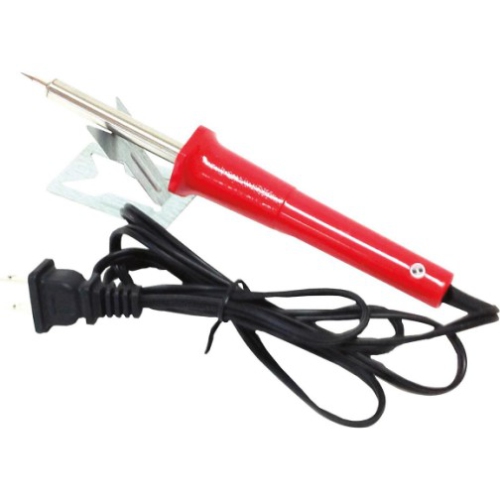

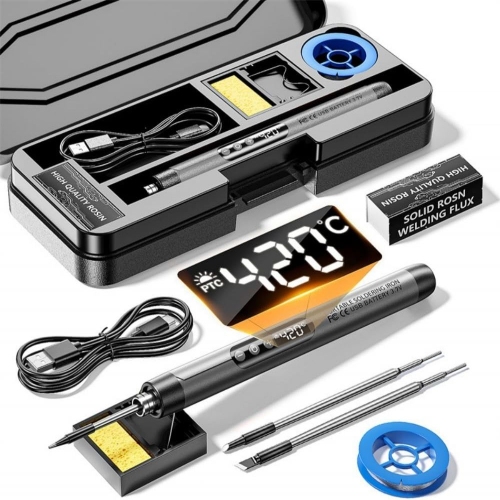
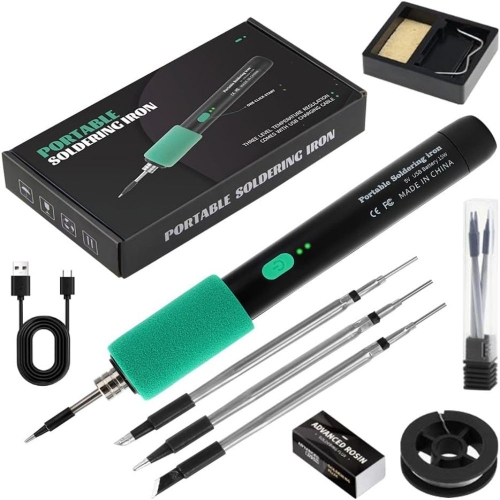
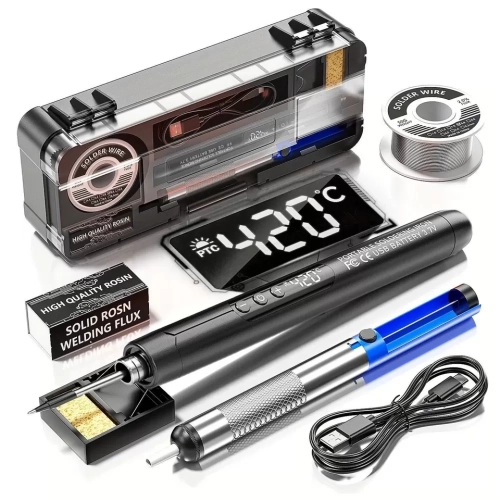
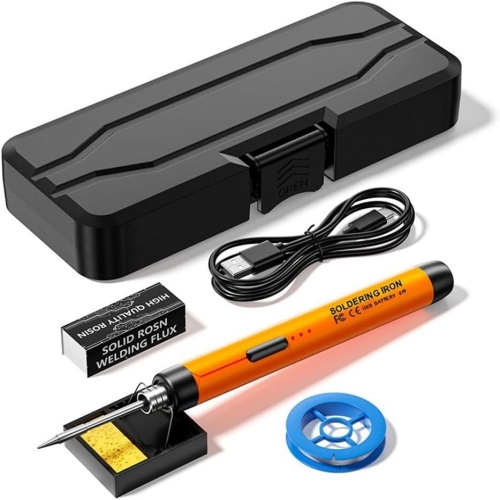
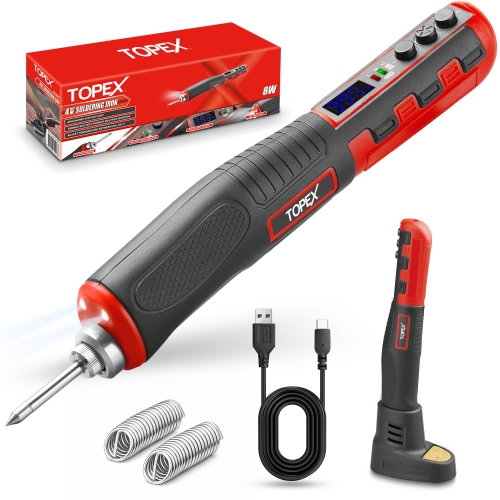
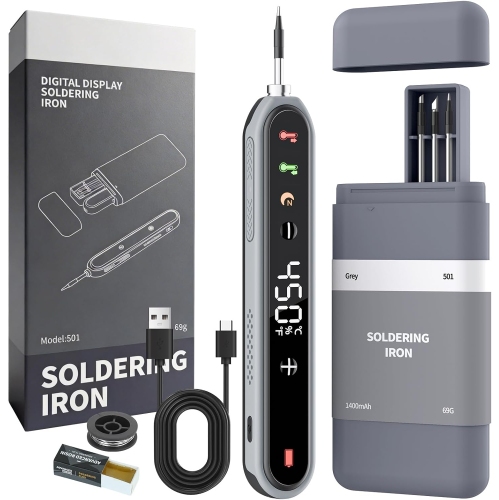
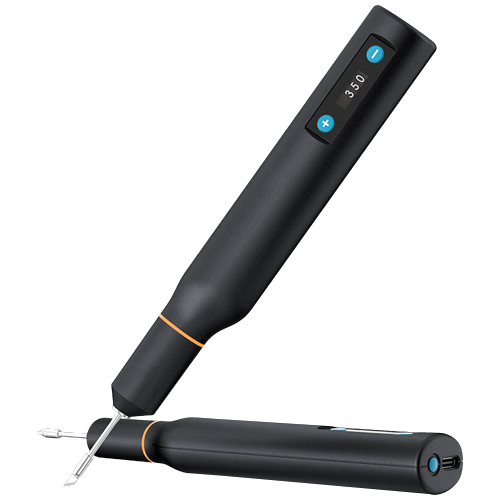
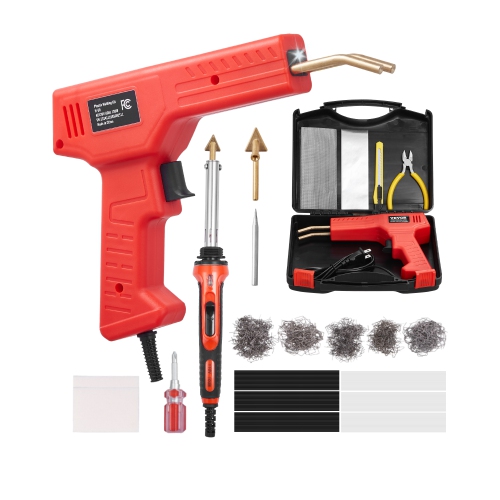
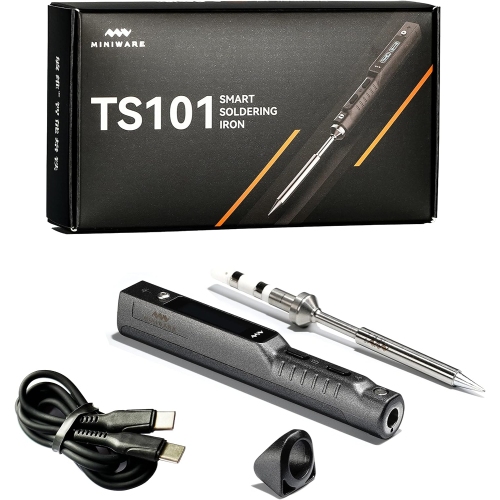
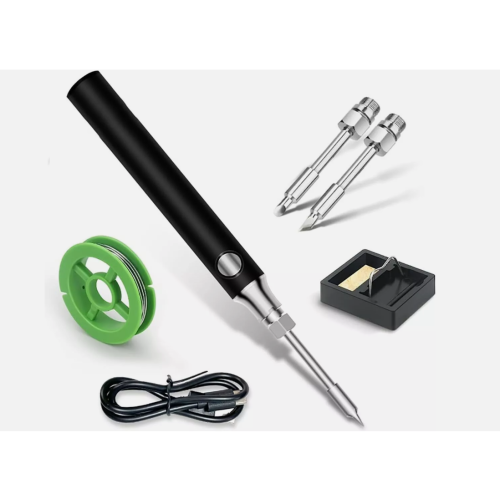
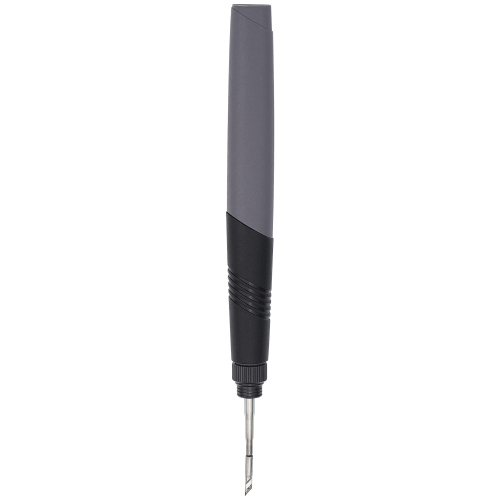

Precise soldering takes more than a compact tool
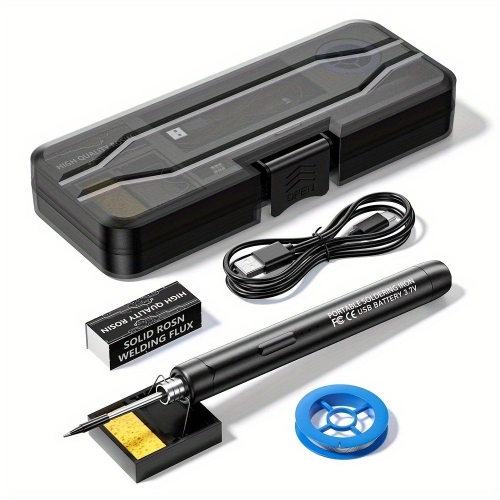
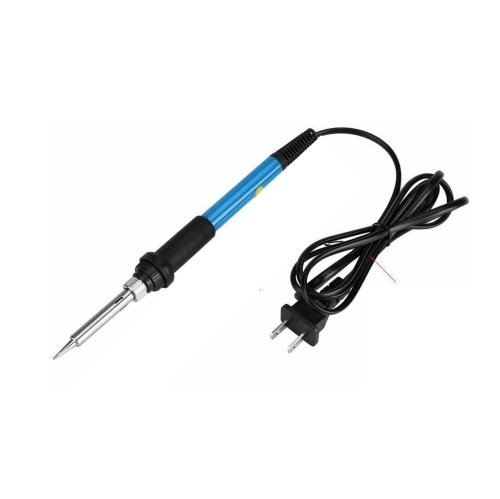
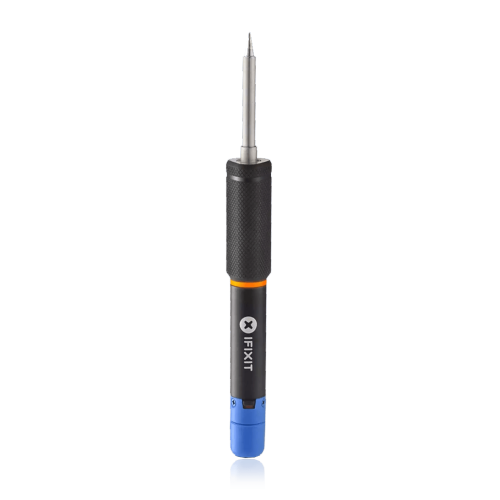
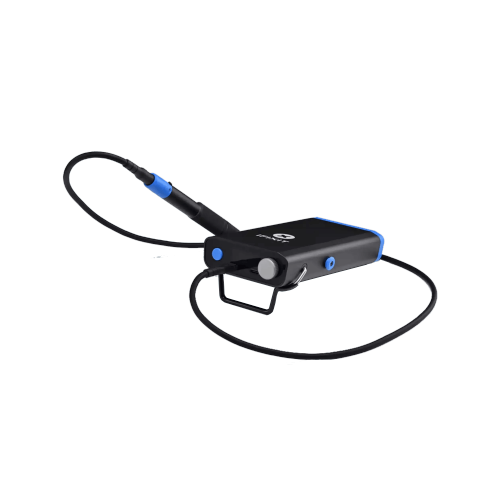
Portable soldering irons bring controlled heat to small electrical repairs, electronics assembly, and hobby projects without the footprint of a full benchtop station. Their compact size suits a toolbox, repair pouch, or shared workbench, making them useful for tasks such as attaching a wire to a switch, assembling a low-voltage electronics kit, or repairing a loose connection in a model railway layout. Portability does not always mean cordless: battery-powered soldering irons carry their power source with them, while USB-C soldering irons generally need a compatible wall adapter or power bank connected during use. Butane-powered versions offer another approach, using refillable fuel rather than an electrical supply, with different ventilation and handling requirements. The right format depends on where the work happens and how much soldering a typical session involves. A lightweight pencil-style body can be comfortable for closely spaced circuit-board connections, while a larger handle may provide a more secure grip when working with heavier wires. Balance matters as much as overall size, particularly when holding the tip steadily against a small pad. For hobbyists, electronics students, repair technicians, and people who maintain remote-controlled models, a portable iron can serve as a compact primary tool for light work or a useful companion to a workshop setup. It can also make a practical gift for someone who already enjoys building and repairing electronics, especially when its power requirements and tip compatibility match their existing equipment. Unlike a tool used to melt the parts being joined, a soldering iron heats the connection so that solder can flow onto suitable metal surfaces and form a joint. That distinction helps explain why accurate tip placement, reliable heat delivery, and a comfortable grip are more meaningful than a compact shape alone. A portable tool should suit the connection being made, not simply fit into the smallest pocket.
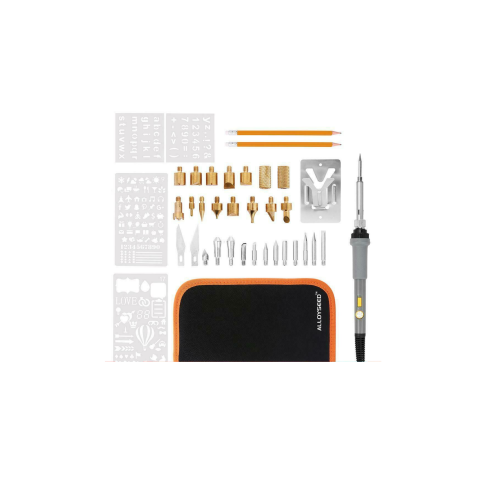
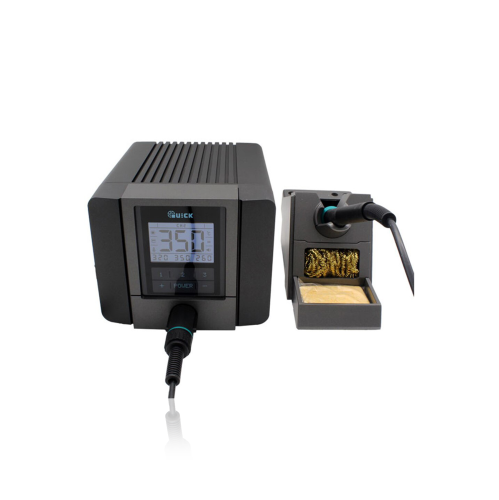
Heating performance is best understood through a combination of power, temperature control, tip design, and heat recovery. A high wattage rating can indicate greater heating capacity, but it does not guarantee the same performance across different designs or power sources. Fine circuit-board pads need precise contact, whereas thicker copper wire and larger connectors draw more heat away from the tip. An iron that reaches its selected temperature quickly may still struggle to maintain it on a large joint if the power supply or tip is poorly matched to the task. Adjustable temperature control offers flexibility for different solder alloys and component requirements, while a readable display can make settings easier to check at a glance. USB-C compatibility deserves particular attention because the connector shape alone does not establish how much power an iron will receive. Some designs require specific USB Power Delivery profiles, and the adapter, cable, and power bank must all support the tool’s requirements for its rated performance. With rechargeable soldering irons, useful runtime varies with battery capacity, heat setting, joint size, and how often the heater operates; charging time and whether operation while charging is supported are separate considerations. Tip shape is equally practical. A fine conical tip can reach tight spaces, while a small chisel tip often provides better surface contact for common wire and circuit-board work. Replaceable tips extend a tool’s usefulness, but fitting systems differ, so similar-looking tips are not necessarily interchangeable. Cartridge designs that combine the tip and heater can provide responsive heating, although results depend on the complete tool and its controls. For someone gathering accessories alongside an iron, Soldering Iron Kits offer a related category to explore, with package contents worth checking against the intended project. A stable stand, suitable solder, electronics-grade flux, and a tip-cleaning accessory each serve a distinct purpose; a carrying case alone does not make a setup ready for every repair.
Materials, storage, and routine care have a direct effect on how well a portable soldering iron holds up to repeated use. Many soldering tips use a copper core for heat transfer with protective plating to resist wear, and that working surface needs gentler treatment than an ordinary metal hand tool. Filing or sanding a plated tip can damage its protective layer, while appropriate cleaning and a light coating of solder on the working surface help limit oxidation. Brass wool or a lightly dampened soldering sponge may be suitable, depending on the manufacturer’s directions. The handle should feel secure without requiring a tight grip, and controls should be positioned so they are not easily pressed while making a joint. Heat-resistant grip sections, well-supported cable connections, and secure battery fittings are useful details to assess, though a metal body by itself is not proof of better durability. A protective cap or fitted case helps keep parts organized in transit, but the iron must cool fully before storage unless its instructions expressly provide another safe arrangement. Automatic sleep and shutoff functions can add convenience between tasks, yet they do not replace a stable, heat-resistant stand or attentive handling. Even a brief repair calls for a clear work surface, eye protection, and ventilation or suitable fume extraction to keep soldering fumes away from the breathing zone. Butane-powered tools also produce combustion gases and require particular care around flammable materials. Electrical devices should be disconnected from their power source before work begins; mains-powered equipment and batteries with damaged cells require expertise beyond ordinary hobby soldering. For regular use, easy access to compatible replacement tips, clear operating instructions, and straightforward cleaning can matter more than an extensive feature list. A well-matched portable soldering iron supports the actual rhythm of a project: reaching a connector without an awkward cable pull, keeping a small joint steady, and delivering enough heat without prolonged contact. Those everyday details make the difference between a tool that merely travels well and one that remains comfortable and dependable when the work begins.
Heating performance is best understood through a combination of power, temperature control, tip design, and heat recovery. A high wattage rating can indicate greater heating capacity, but it does not guarantee the same performance across different designs or power sources. Fine circuit-board pads need precise contact, whereas thicker copper wire and larger connectors draw more heat away from the tip. An iron that reaches its selected temperature quickly may still struggle to maintain it on a large joint if the power supply or tip is poorly matched to the task. Adjustable temperature control offers flexibility for different solder alloys and component requirements, while a readable display can make settings easier to check at a glance. USB-C compatibility deserves particular attention because the connector shape alone does not establish how much power an iron will receive. Some designs require specific USB Power Delivery profiles, and the adapter, cable, and power bank must all support the tool’s requirements for its rated performance. With rechargeable soldering irons, useful runtime varies with battery capacity, heat setting, joint size, and how often the heater operates; charging time and whether operation while charging is supported are separate considerations. Tip shape is equally practical. A fine conical tip can reach tight spaces, while a small chisel tip often provides better surface contact for common wire and circuit-board work. Replaceable tips extend a tool’s usefulness, but fitting systems differ, so similar-looking tips are not necessarily interchangeable. Cartridge designs that combine the tip and heater can provide responsive heating, although results depend on the complete tool and its controls. For someone gathering accessories alongside an iron, Soldering Iron Kits offer a related category to explore, with package contents worth checking against the intended project. A stable stand, suitable solder, electronics-grade flux, and a tip-cleaning accessory each serve a distinct purpose; a carrying case alone does not make a setup ready for every repair.
Materials, storage, and routine care have a direct effect on how well a portable soldering iron holds up to repeated use. Many soldering tips use a copper core for heat transfer with protective plating to resist wear, and that working surface needs gentler treatment than an ordinary metal hand tool. Filing or sanding a plated tip can damage its protective layer, while appropriate cleaning and a light coating of solder on the working surface help limit oxidation. Brass wool or a lightly dampened soldering sponge may be suitable, depending on the manufacturer’s directions. The handle should feel secure without requiring a tight grip, and controls should be positioned so they are not easily pressed while making a joint. Heat-resistant grip sections, well-supported cable connections, and secure battery fittings are useful details to assess, though a metal body by itself is not proof of better durability. A protective cap or fitted case helps keep parts organized in transit, but the iron must cool fully before storage unless its instructions expressly provide another safe arrangement. Automatic sleep and shutoff functions can add convenience between tasks, yet they do not replace a stable, heat-resistant stand or attentive handling. Even a brief repair calls for a clear work surface, eye protection, and ventilation or suitable fume extraction to keep soldering fumes away from the breathing zone. Butane-powered tools also produce combustion gases and require particular care around flammable materials. Electrical devices should be disconnected from their power source before work begins; mains-powered equipment and batteries with damaged cells require expertise beyond ordinary hobby soldering. For regular use, easy access to compatible replacement tips, clear operating instructions, and straightforward cleaning can matter more than an extensive feature list. A well-matched portable soldering iron supports the actual rhythm of a project: reaching a connector without an awkward cable pull, keeping a small joint steady, and delivering enough heat without prolonged contact. Those everyday details make the difference between a tool that merely travels well and one that remains comfortable and dependable when the work begins.
Top selling and popular products
-
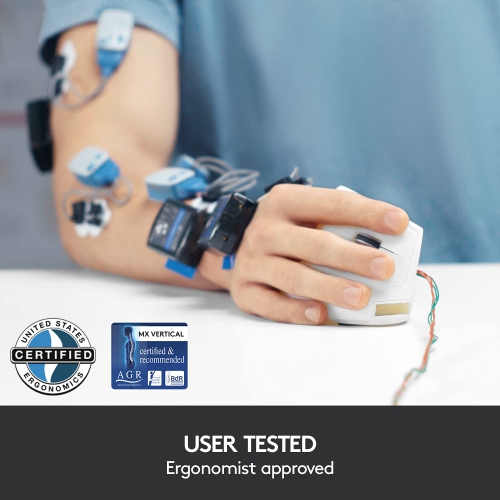 Your price for this item is $180.75
 -
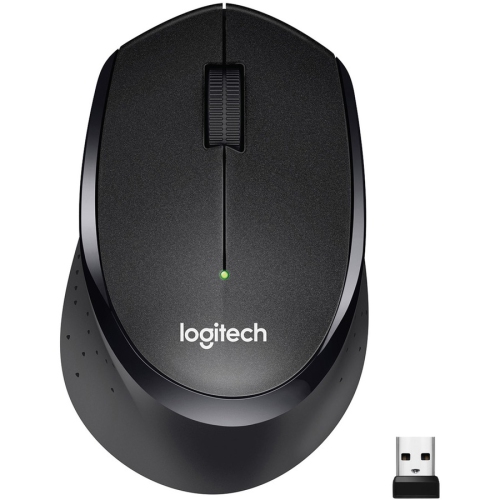 Your price for this item is $24.99
 -
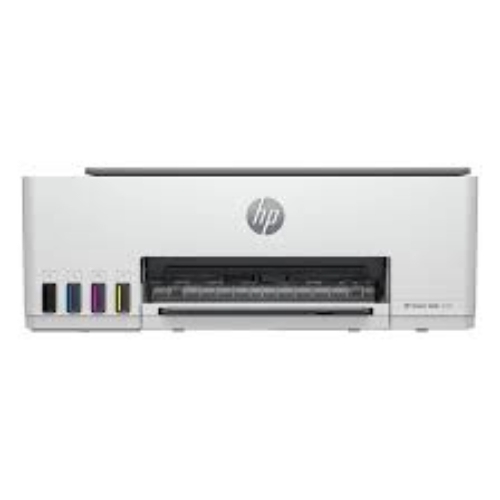 Your price for this item is $400
 -
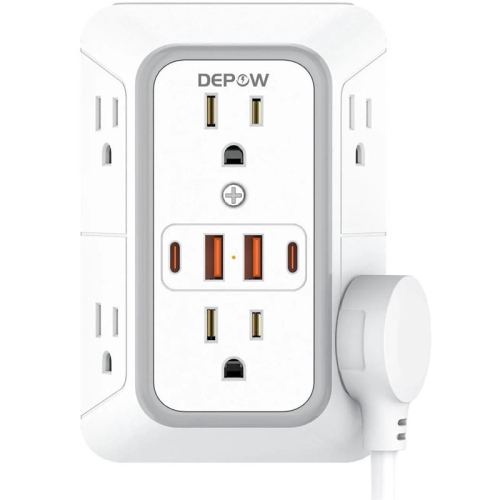 Your price for this item is $14.98
 -
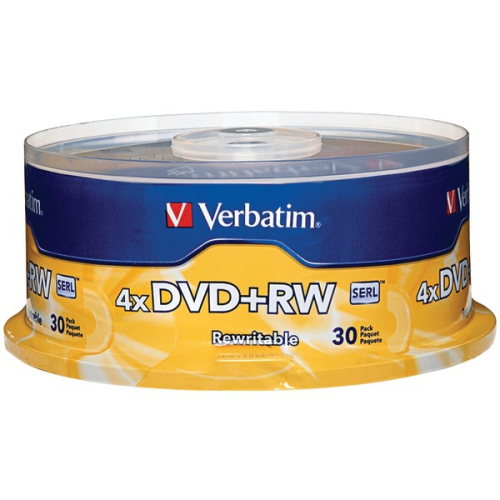 Your price for this item is $106.68
 -
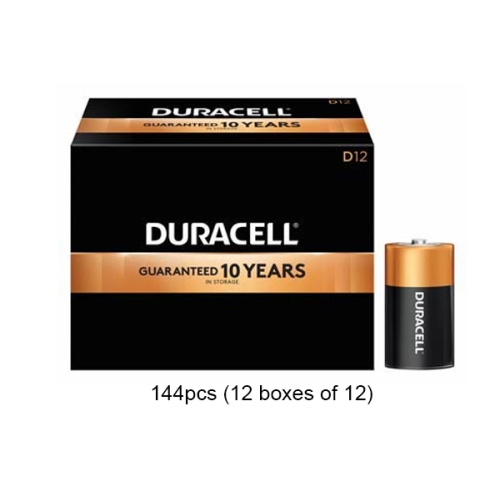 Your price for this item is $379.97
 -
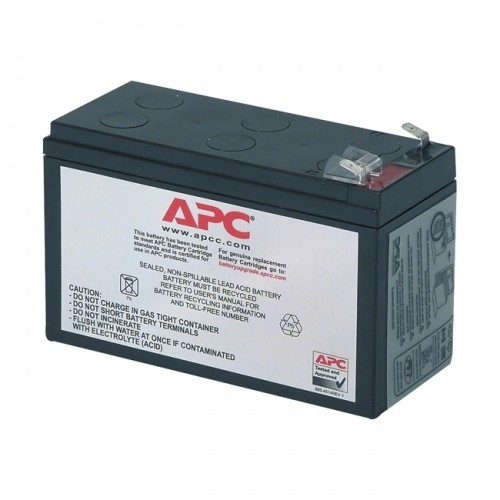 Your price for this item is $110.37
 -
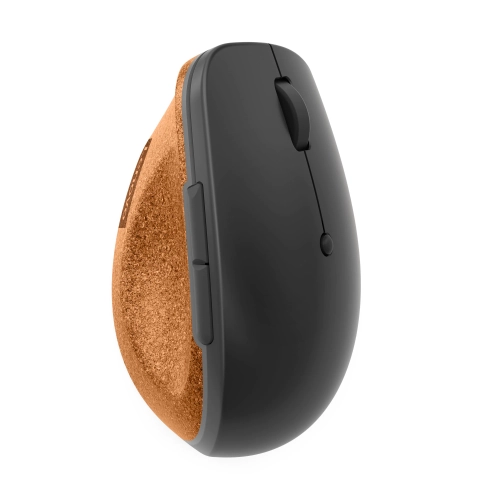 Your price for this item is $75.58
Discover more categories related to Portable Soldering Irons
Top Collections:
Pokemon Centers, Kindle Devices, Best Budget Office Chairs, Apple iPhones 16, Best Laptops for Writers, iPhone 15 Apple, Canon G7X Cameras, Refurbished Apple Laptops, Alarm Clock, Motorola Razr Phones
Some products may be subject to Environmental Handling Fees
(EHF) depending on your province.
Learn more about EHFs.