Embroidered Gifts
Embroidered gifts add a personal and thoughtful touch to any occasion, making them a popular choice for those looking to give something unique. From birthdays to holidays, these beautifully crafted items stand out with their intricate designs and attention to detail. Whether you’re searching for a memorable present or a special keepsake, embroidered gifts offer a charming way to show you care. Explore options that suit every style and celebration, and find the perfect piece to make your gesture truly unforgettable.
Sort
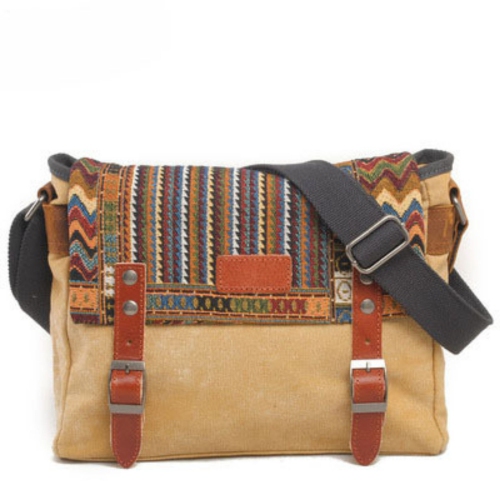
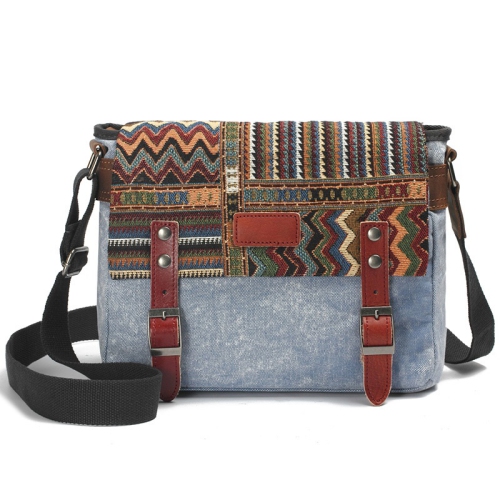
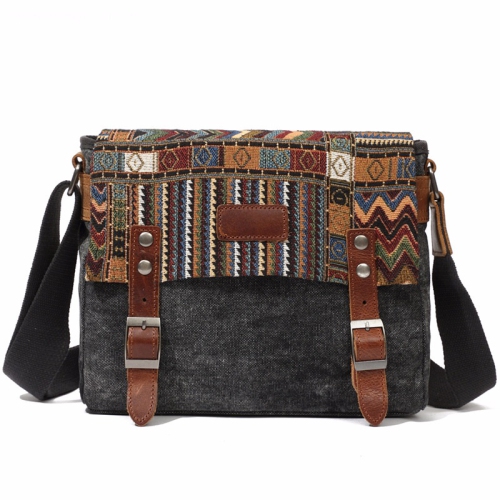
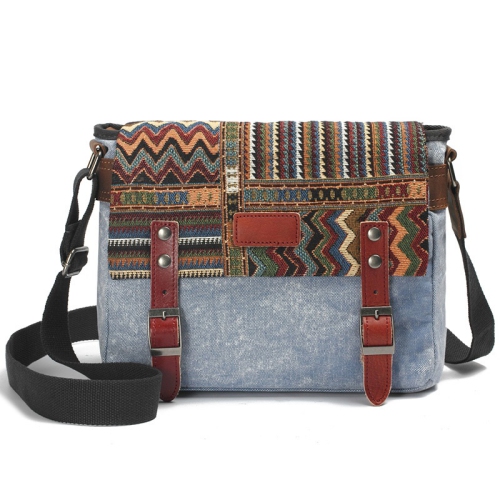
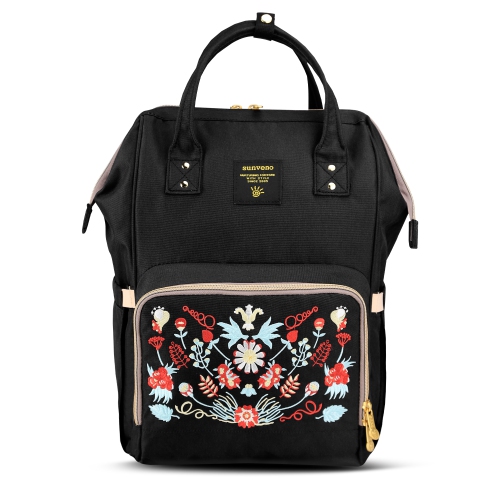

Stitched details that turn everyday textiles into meaningful keepsakes
Embroidered gifts are fabric-based presents featuring designs stitched with thread, from initials and names to floral patterns, meaningful symbols, and detailed illustrations. Unlike a printed image, embroidery adds texture as well as colour: a small monogram can feel understated, while a larger stitched motif can become the focal point of a piece. Both ready-made designs and personalised embroidery can make a gift feel thoughtful. A familiar flower, a favourite animal, or a pattern that suits someone’s home may carry just as much meaning as a name or date. Embroidered clothing, home textiles, accessories, and keepsakes suit different relationships and occasions, including birthdays, weddings, anniversaries, housewarmings, and the arrival of a baby. The most fitting choice connects that occasion with something the recipient will enjoy wearing, using, or displaying. For someone who prefers simple styling, a small tonal design can blend into everyday life without feeling overly formal. For someone drawn to expressive details, contrasting thread and a more prominent pattern can bring personality to an otherwise plain fabric. During the cooler months, embroidery on soft, layered textiles can add a welcoming touch without needing a seasonal motif. Personalisation, where offered, deserves particular attention because spelling, initials, punctuation, and dates become part of the finished piece. A short name may look balanced in a compact space, while a longer message needs enough room to remain readable. Lettering style matters, too: flowing script can feel intimate and traditional, whereas clear block letters often suit a simpler look. For a shared household gift, a family name or meaningful image may feel more inclusive than one person’s initials. A present marking a wedding or anniversary can reference a shared memory without displaying every detail of the occasion. That balance between personal meaning and everyday usefulness is part of the appeal of embroidered gifts: the stitching can preserve a memory while the underlying textile still serves a practical purpose.
The base fabric is as important as the stitched design, particularly when a gift will be used often. Cotton can offer softness and absorbency, although its weight and weave affect how it feels and performs. Linen has a distinct texture and a relaxed appearance that includes natural creasing. Sturdier woven fabrics, such as canvas, can provide a supportive foundation for embroidery on accessories that receive frequent handling. Knitted fabrics and fleece offer a softer, more flexible feel, but dense stitching may make one area noticeably firmer than the surrounding material. Fibre blends can balance different qualities, so the fabric composition and care label are more useful than appearance alone when judging suitability. Good embroidery should sit neatly against the material, with a design that is easy to distinguish and fabric that is not visibly pulled into ripples around the stitches. Some texture is part of embroidery’s character, especially in hand-worked pieces, but loose loops or poorly secured thread ends may catch during use. Hand embroidery can show subtle variations in stitch shape and spacing, while machine embroidery often creates a more uniform finish; either method can produce an appealing, durable result when well executed. Stitch density should suit the fabric rather than simply be as heavy as possible. On lightweight material, a very dense design can affect the drape, while fine details may lose definition on a thick or textured surface. For wearable gifts, fit includes both garment sizing and the position of the embroidery. A design near a neckline, cuff, or other contact point should feel comfortable rather than stiff or scratchy. Backing helps support the stitches, but its finish matters when it touches the skin. Size charts, garment measurements, and the recipient’s preference for a close or relaxed fit can help distinguish something that looks attractive from something they will actually wear. For home textiles and accessories, dimensions, weight, closures, and usable space remain important, even when the embroidered detail is what first catches the eye.
Intended use also shapes how an embroidered gift should be cared for and how well it will hold up over time. A piece handled daily needs a different level of practicality from a keepsake brought out occasionally or displayed away from busy areas. Raised threads can catch on jewellery, rough surfaces, or hook-and-loop fasteners, so placement is worth considering for anything that will travel in a bag or be worn frequently. For gifts intended for babies or young children, suitability for the child’s age, securely finished stitching, and any attached embellishments deserve close attention. A personalised keepsake is not automatically suitable for play or use in a sleep space; the product’s intended purpose and safety information should determine how it is used. Care instructions should account for both the fabric and the embroidery, since thread, backing, and the base material may respond differently to washing and heat. Where machine washing is permitted, turning a garment inside out and avoiding a load with exposed zips or other snagging surfaces can help limit abrasion. A mesh laundry bag may offer further protection for smaller washable textiles. Some pieces need gentle handwashing or professional cleaning, and spot cleaning is only appropriate when the material allows it. Strong rubbing can disturb stitched details, while excessive heat may shrink the fabric or affect the thread. If ironing is permitted, working from the reverse with a suitable protective layer can help avoid flattening the raised design. Following the label’s drying instructions is especially important when a gift combines several materials. For a recipient who prefers easy-care belongings, straightforward laundering may matter more than intricate stitching. Someone who enjoys keeping meaningful objects on display may be comfortable with a more delicate finish. Embroidery is especially suited to gifts where softness, fabric texture, and visible stitchwork are part of the attraction. For a different approach to names, dates, or messages on harder surfaces, Engraved Gifts offer another way to mark a personal connection. In either case, a well-matched gift reflects the recipient’s taste, fits naturally into their life, and carries a detail that feels worth keeping.
The base fabric is as important as the stitched design, particularly when a gift will be used often. Cotton can offer softness and absorbency, although its weight and weave affect how it feels and performs. Linen has a distinct texture and a relaxed appearance that includes natural creasing. Sturdier woven fabrics, such as canvas, can provide a supportive foundation for embroidery on accessories that receive frequent handling. Knitted fabrics and fleece offer a softer, more flexible feel, but dense stitching may make one area noticeably firmer than the surrounding material. Fibre blends can balance different qualities, so the fabric composition and care label are more useful than appearance alone when judging suitability. Good embroidery should sit neatly against the material, with a design that is easy to distinguish and fabric that is not visibly pulled into ripples around the stitches. Some texture is part of embroidery’s character, especially in hand-worked pieces, but loose loops or poorly secured thread ends may catch during use. Hand embroidery can show subtle variations in stitch shape and spacing, while machine embroidery often creates a more uniform finish; either method can produce an appealing, durable result when well executed. Stitch density should suit the fabric rather than simply be as heavy as possible. On lightweight material, a very dense design can affect the drape, while fine details may lose definition on a thick or textured surface. For wearable gifts, fit includes both garment sizing and the position of the embroidery. A design near a neckline, cuff, or other contact point should feel comfortable rather than stiff or scratchy. Backing helps support the stitches, but its finish matters when it touches the skin. Size charts, garment measurements, and the recipient’s preference for a close or relaxed fit can help distinguish something that looks attractive from something they will actually wear. For home textiles and accessories, dimensions, weight, closures, and usable space remain important, even when the embroidered detail is what first catches the eye.
Intended use also shapes how an embroidered gift should be cared for and how well it will hold up over time. A piece handled daily needs a different level of practicality from a keepsake brought out occasionally or displayed away from busy areas. Raised threads can catch on jewellery, rough surfaces, or hook-and-loop fasteners, so placement is worth considering for anything that will travel in a bag or be worn frequently. For gifts intended for babies or young children, suitability for the child’s age, securely finished stitching, and any attached embellishments deserve close attention. A personalised keepsake is not automatically suitable for play or use in a sleep space; the product’s intended purpose and safety information should determine how it is used. Care instructions should account for both the fabric and the embroidery, since thread, backing, and the base material may respond differently to washing and heat. Where machine washing is permitted, turning a garment inside out and avoiding a load with exposed zips or other snagging surfaces can help limit abrasion. A mesh laundry bag may offer further protection for smaller washable textiles. Some pieces need gentle handwashing or professional cleaning, and spot cleaning is only appropriate when the material allows it. Strong rubbing can disturb stitched details, while excessive heat may shrink the fabric or affect the thread. If ironing is permitted, working from the reverse with a suitable protective layer can help avoid flattening the raised design. Following the label’s drying instructions is especially important when a gift combines several materials. For a recipient who prefers easy-care belongings, straightforward laundering may matter more than intricate stitching. Someone who enjoys keeping meaningful objects on display may be comfortable with a more delicate finish. Embroidery is especially suited to gifts where softness, fabric texture, and visible stitchwork are part of the attraction. For a different approach to names, dates, or messages on harder surfaces, Engraved Gifts offer another way to mark a personal connection. In either case, a well-matched gift reflects the recipient’s taste, fits naturally into their life, and carries a detail that feels worth keeping.
Top selling and popular products
-
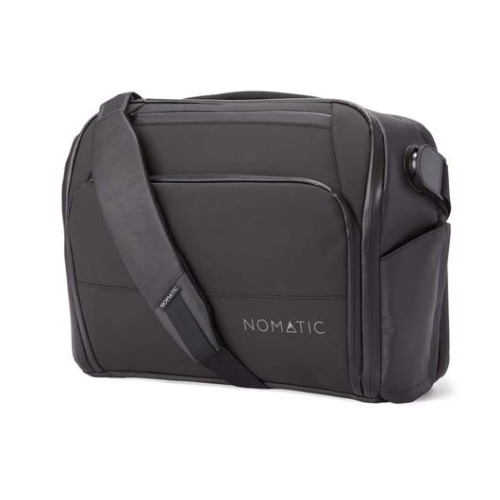 Your price for this item is $359.99
 -
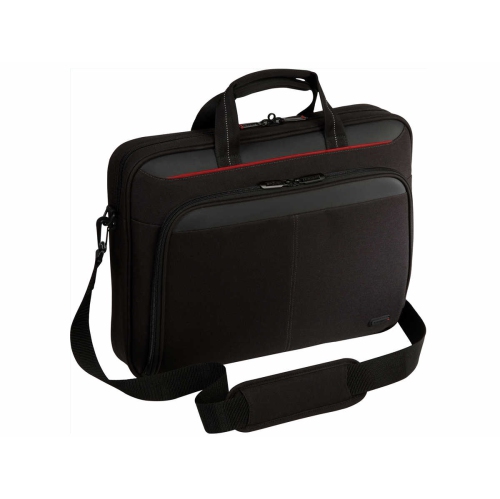 Your price for this item is $52.99
 -
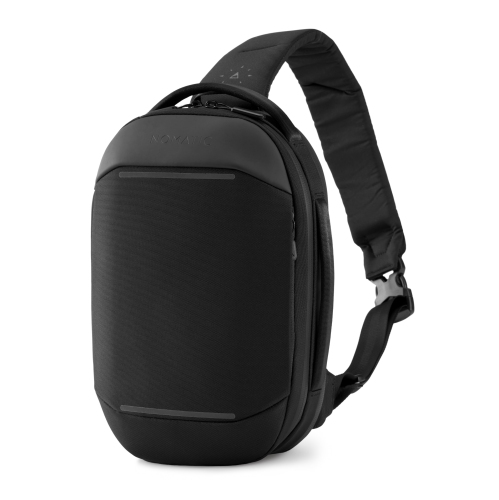 Your price for this item is $189.99
 -
 Your price for this item is $89.99
 -
 Your price for this item is $193.98
 -
 Your price for this item is $19.99
 -
 Your price for this item is $279.98
 -
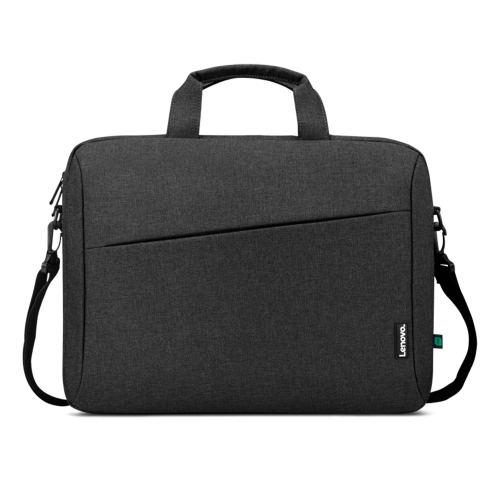 Your price for this item is $19.99
Discover more categories related to Embroidered Gifts
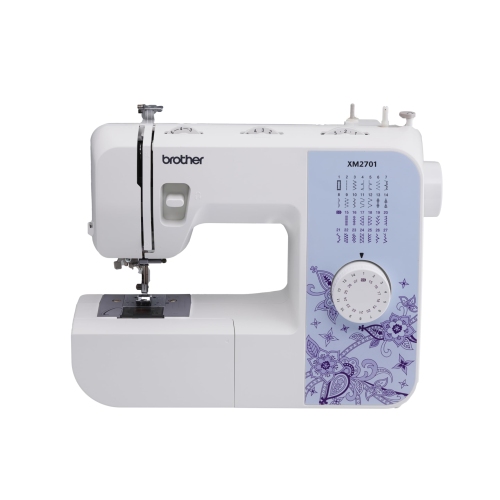
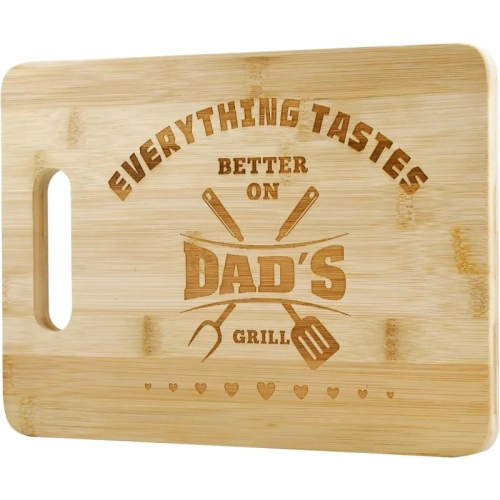
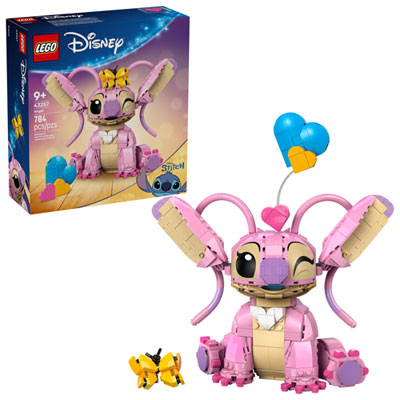
Top Collections:
Pokemon Centers, Kindle Devices, Best Budget Office Chairs, Apple iPhones 16, Canon G7X Cameras, iPhone 15 Apple, Alarm Clock, Refurbished Apple Laptops, Flip Phones, Best Laptops for Writers
Some products may be subject to Environmental Handling Fees
(EHF) depending on your province.
Learn more about EHFs.