Emergency Flashlight
Emergency flashlights are an essential tool to have on hand in case of a power outage or other emergency. These flashlights are designed to be reliable and powerful, providing bright light in almost any situation. These flashlights are usually built to be durable and able to withstand harsh weather conditions. Here are some great options available.
Sort
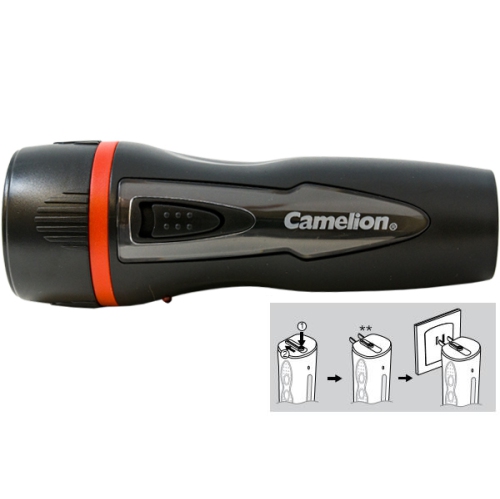
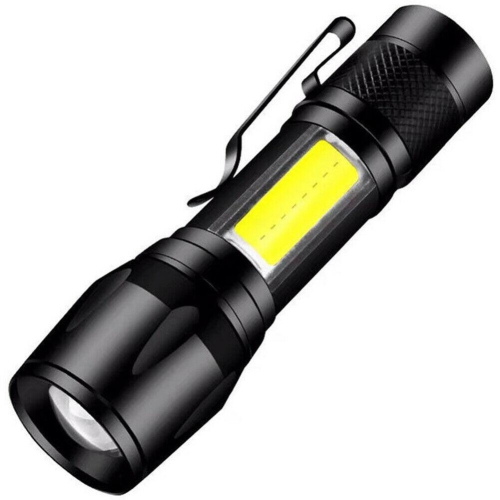
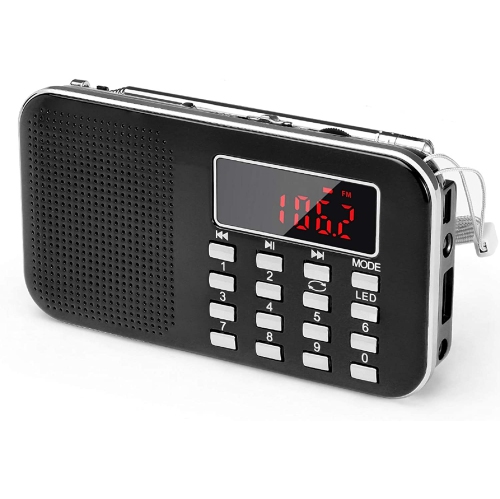
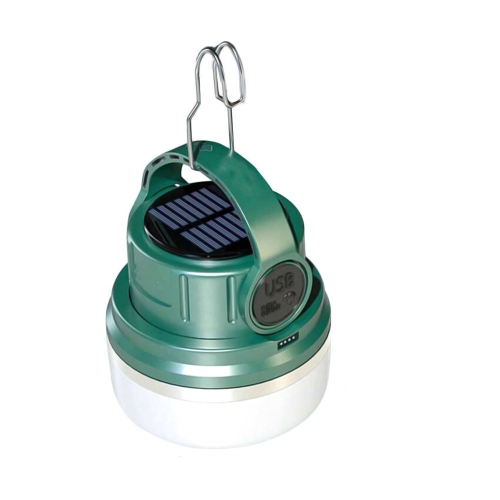
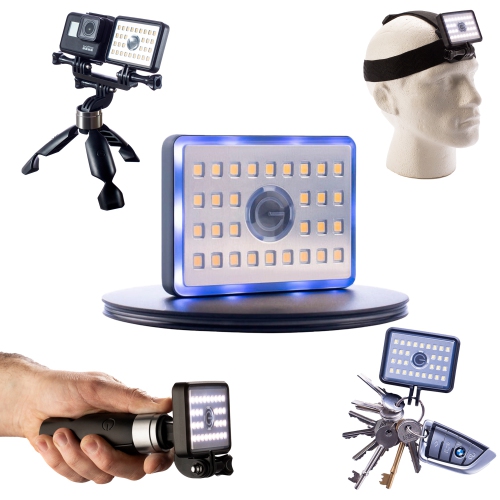
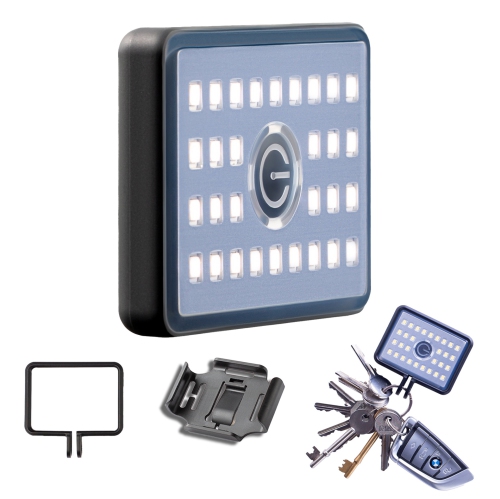
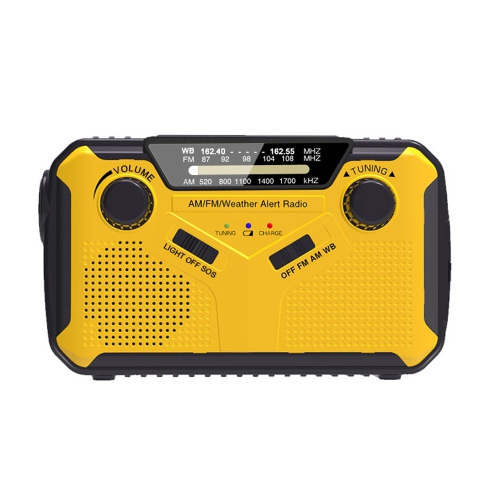
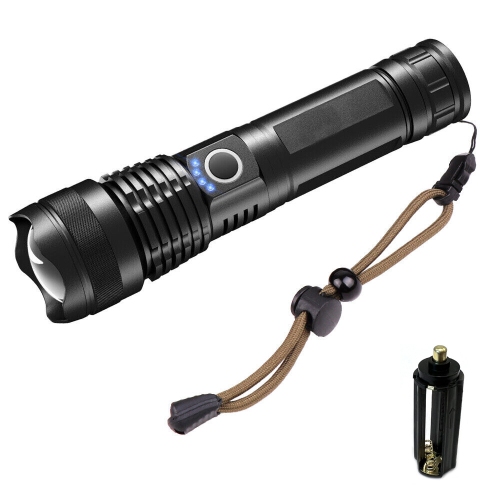
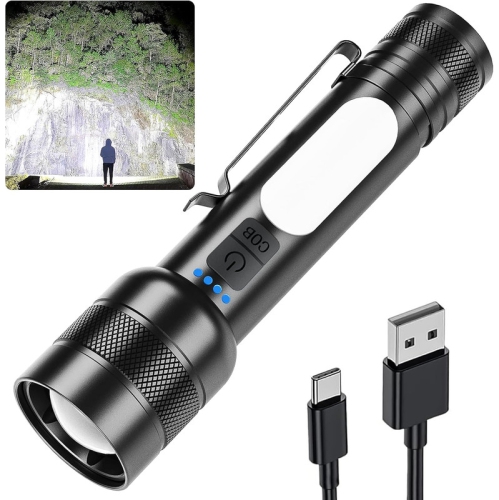
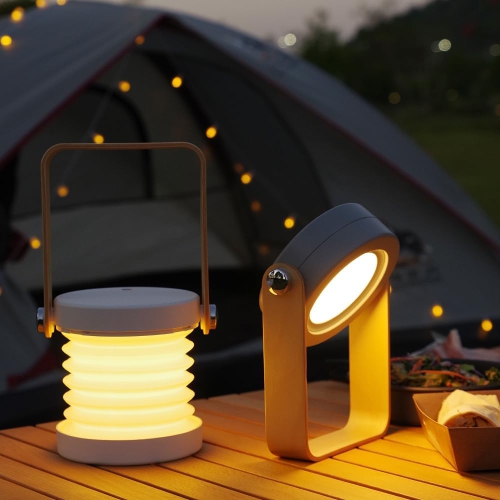
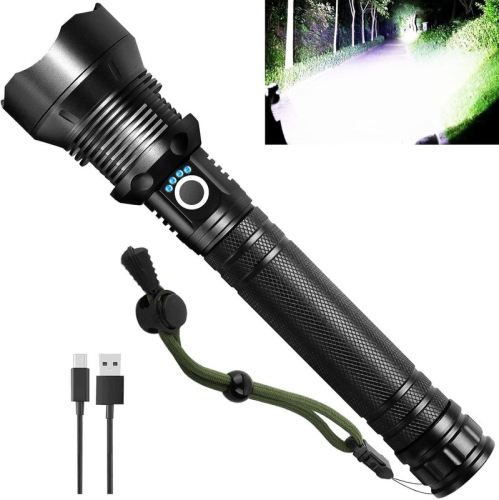
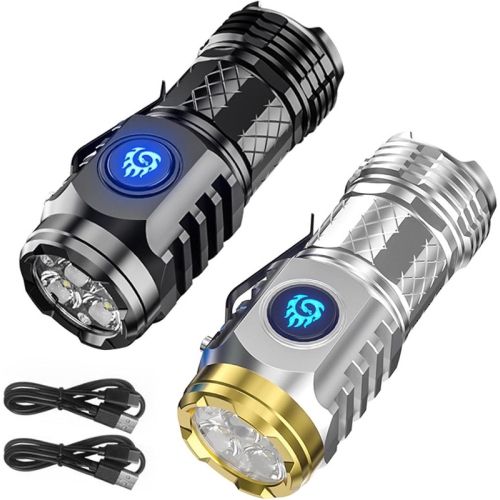
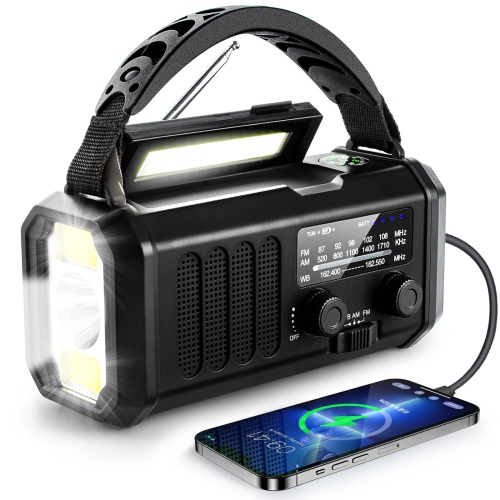
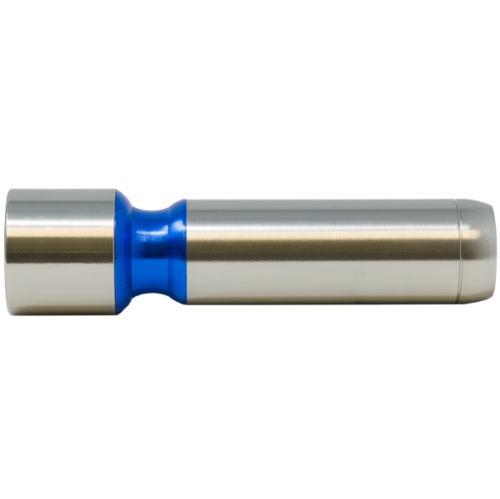
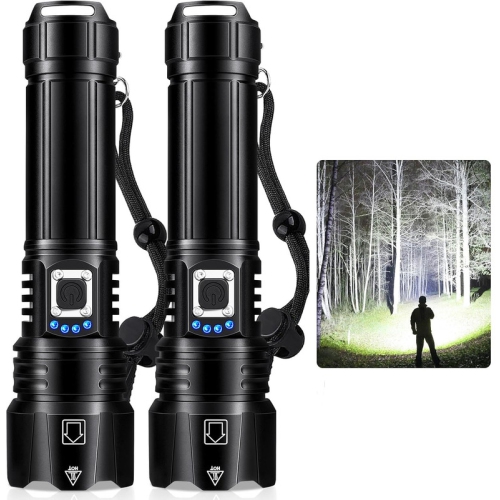
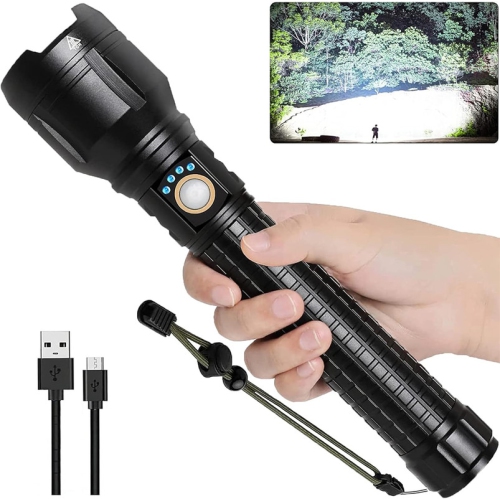
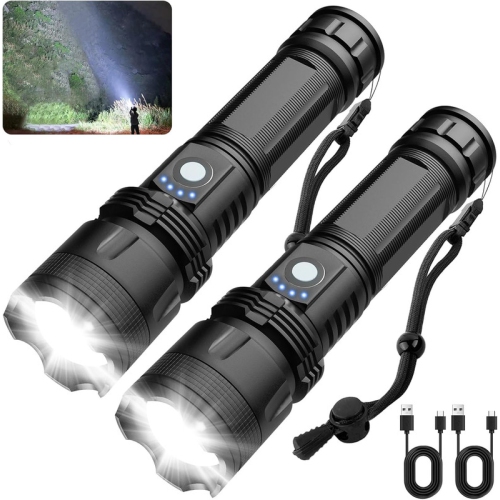
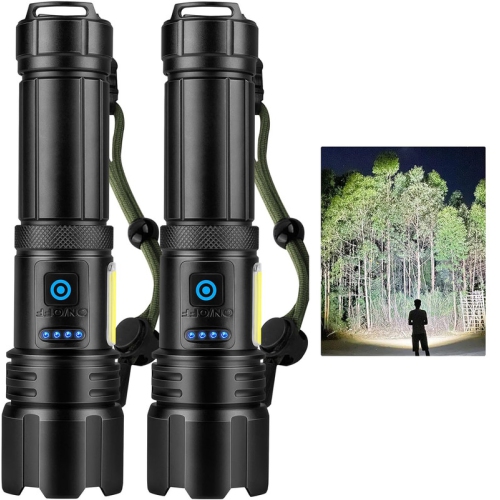
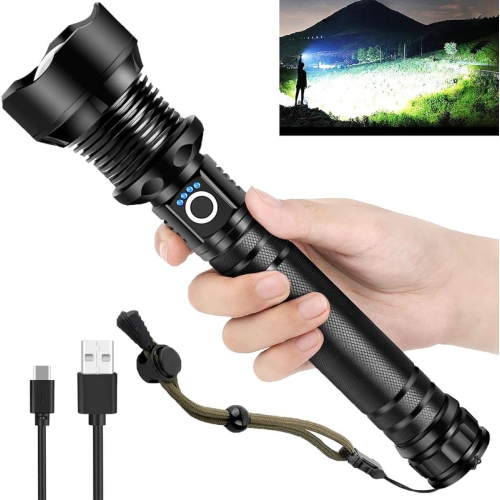
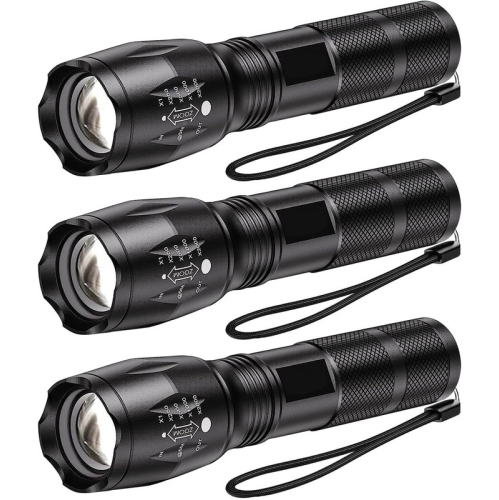
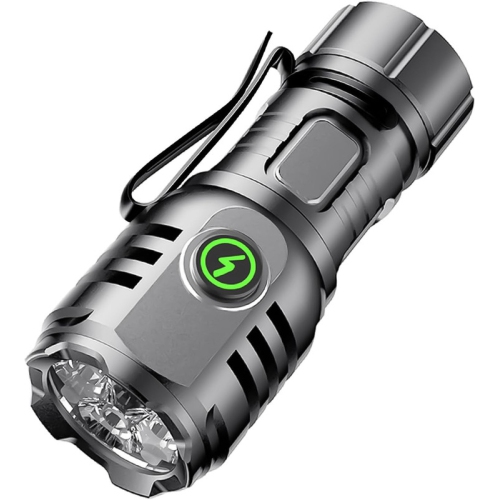
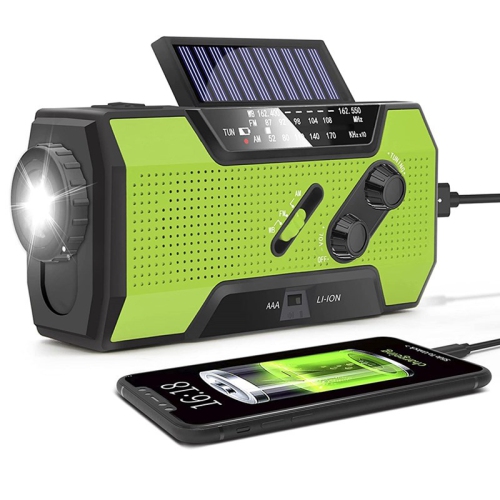
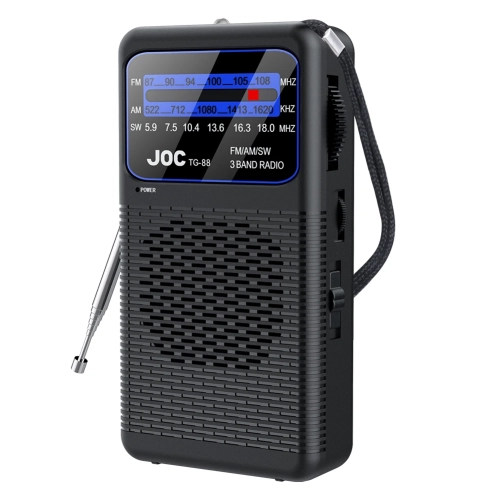
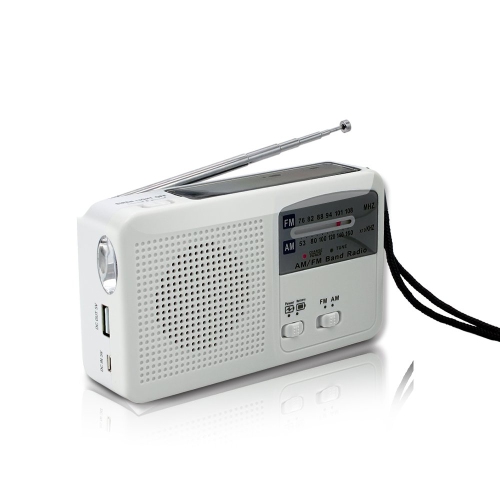
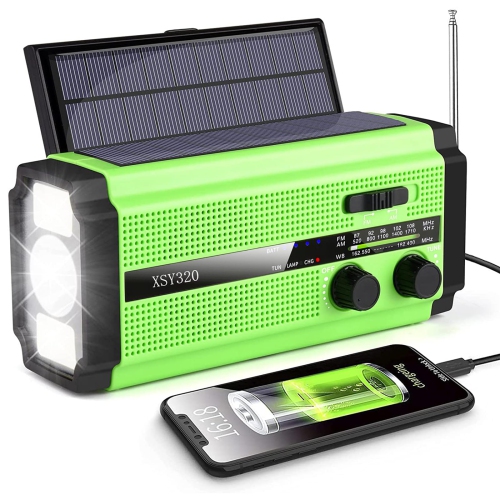
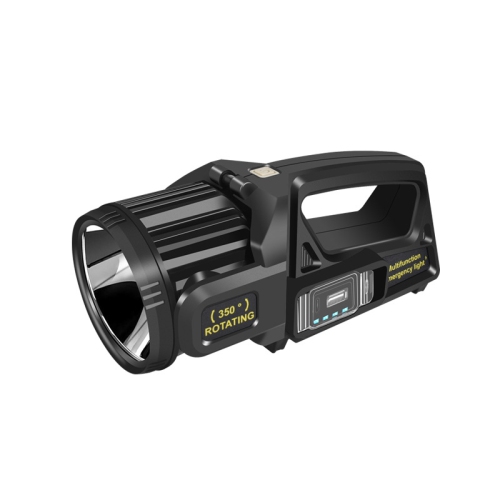
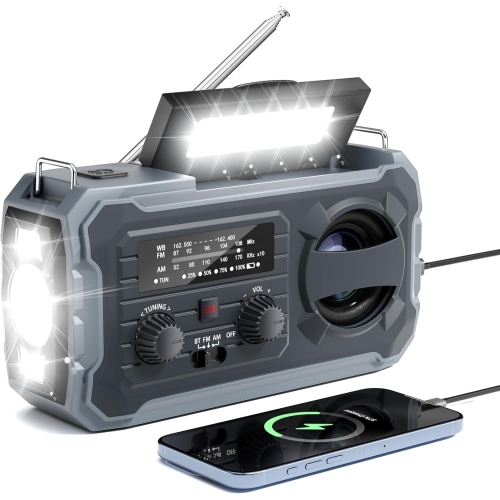
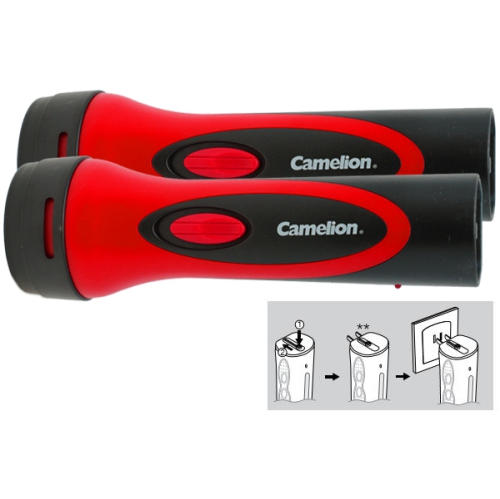
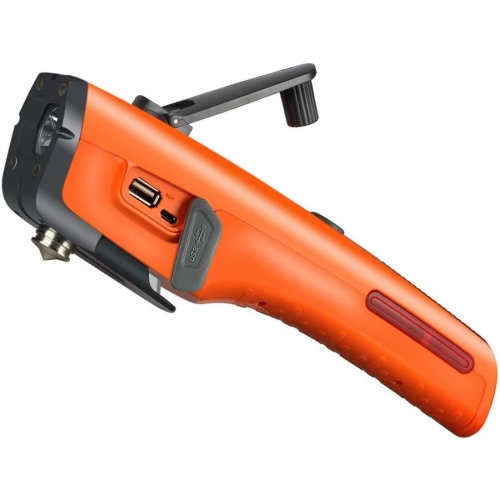
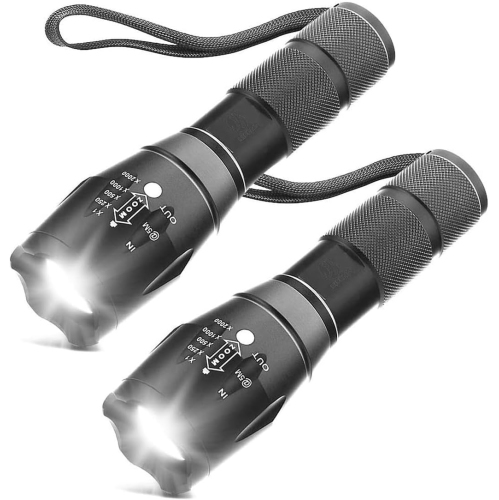
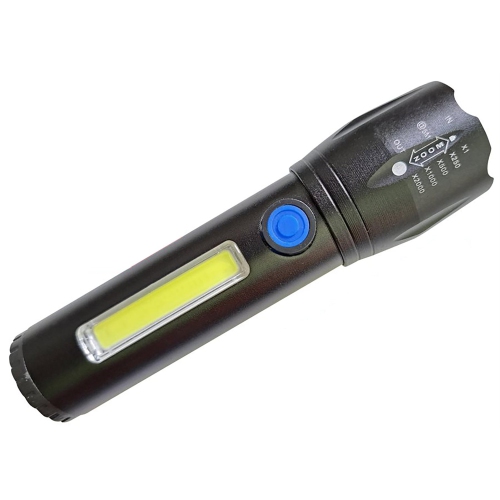
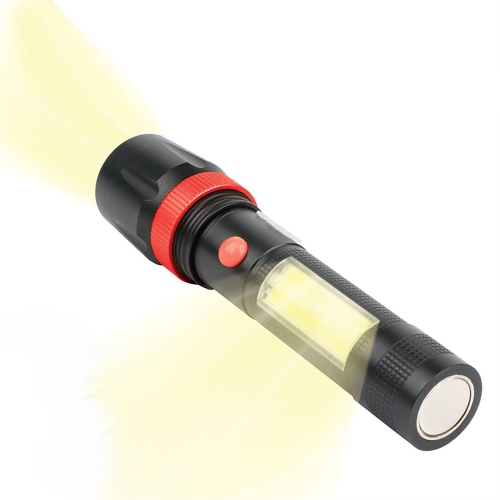
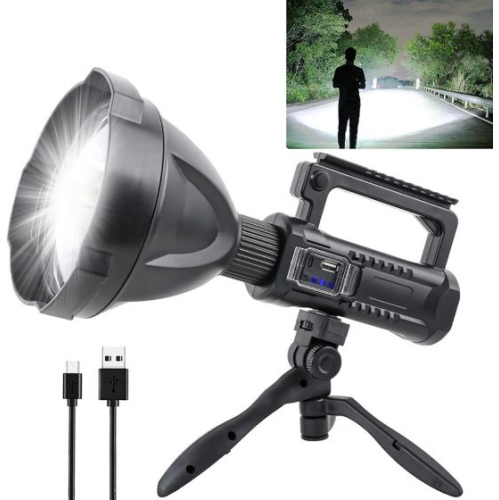
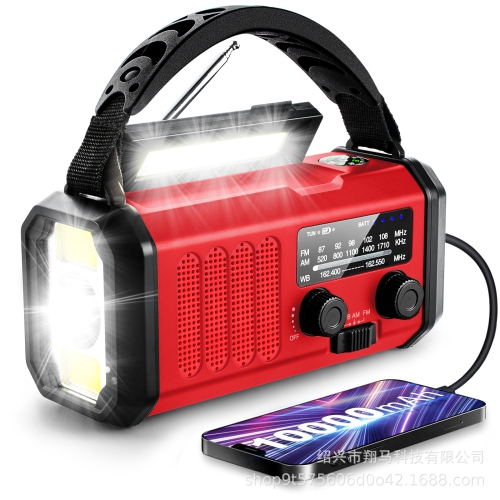
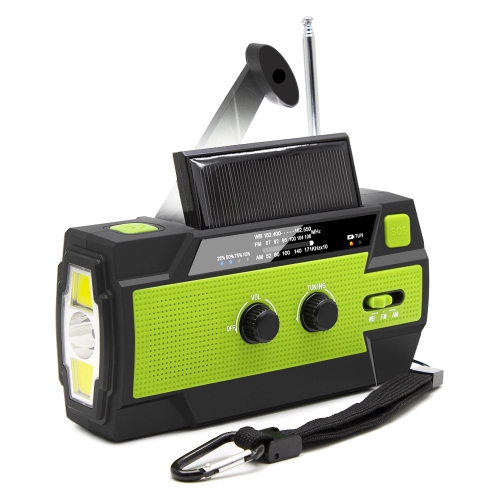
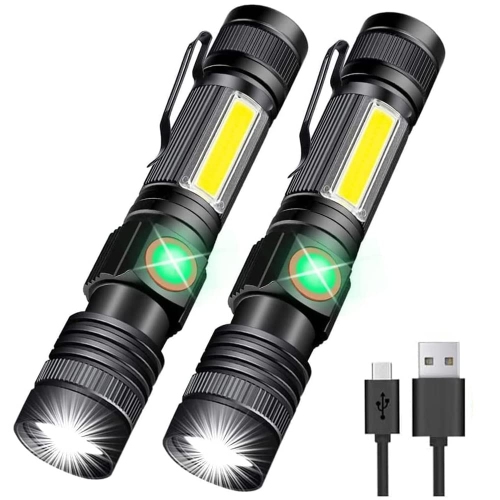
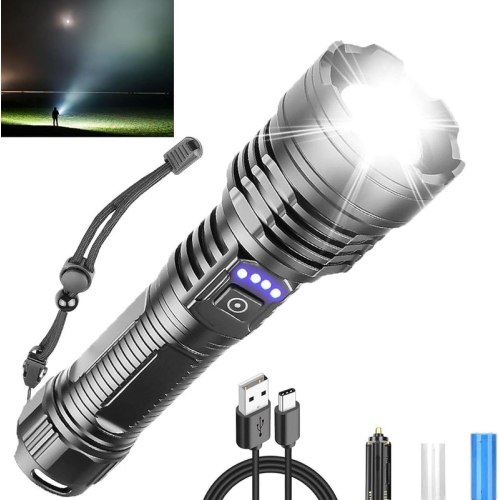
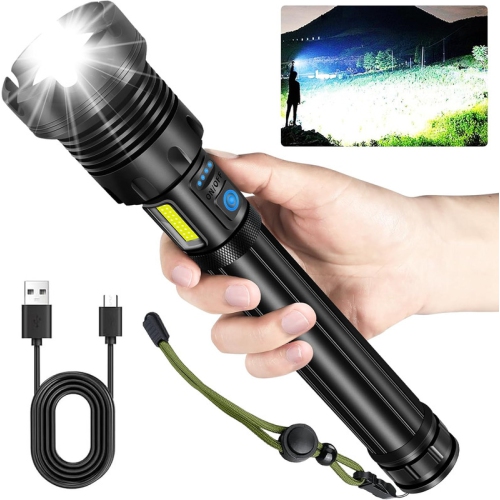
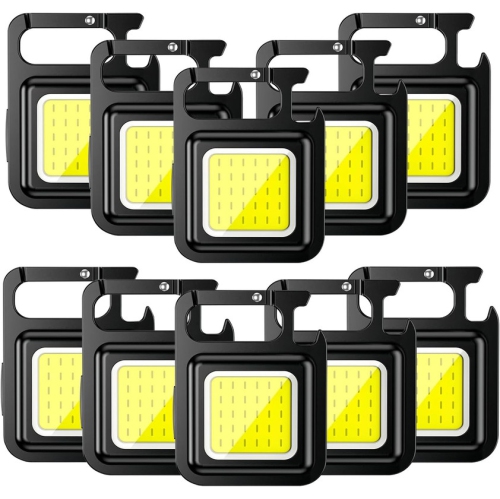
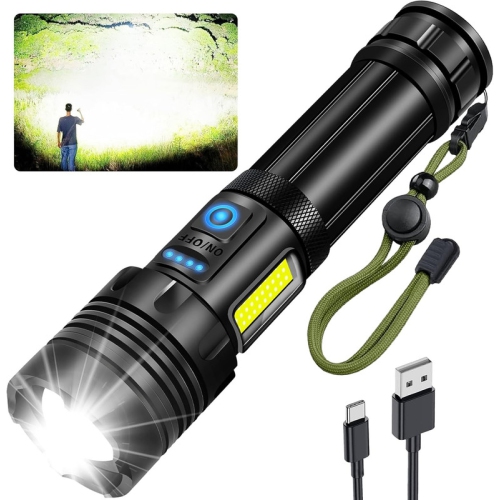
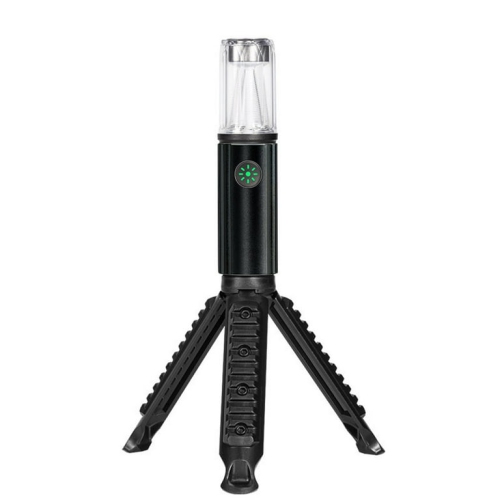
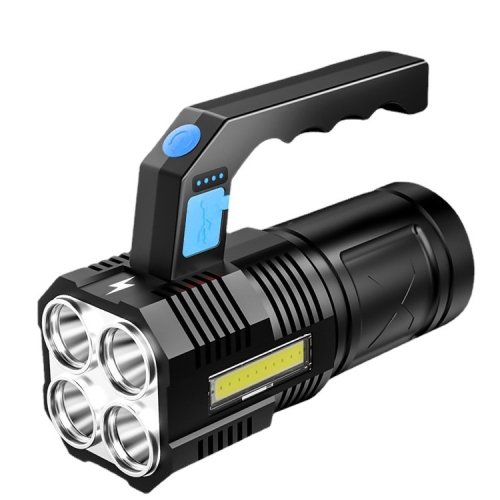
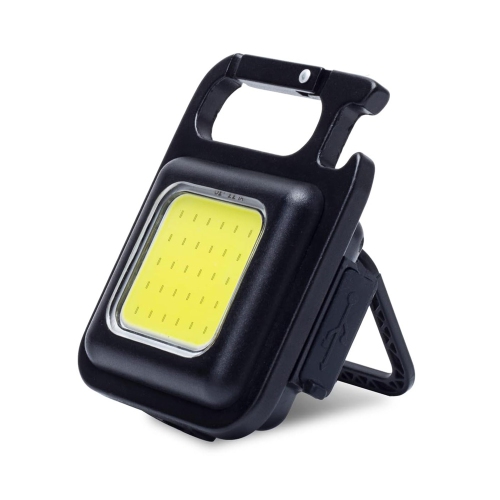
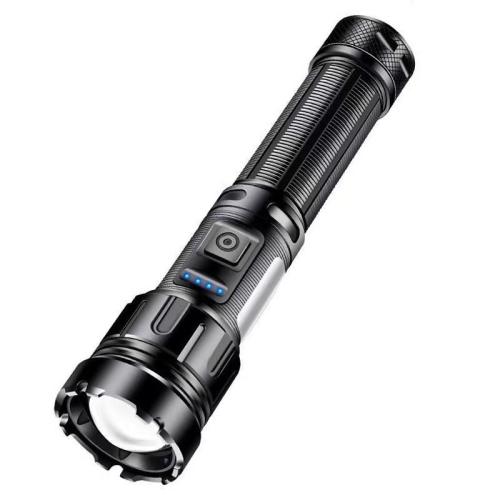
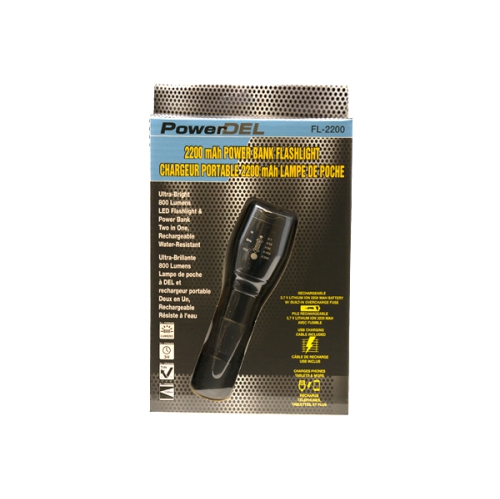
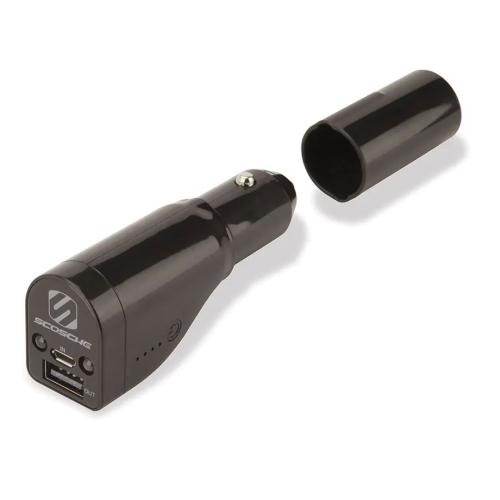
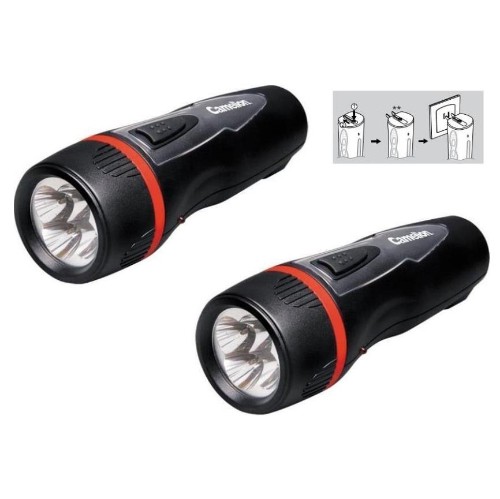
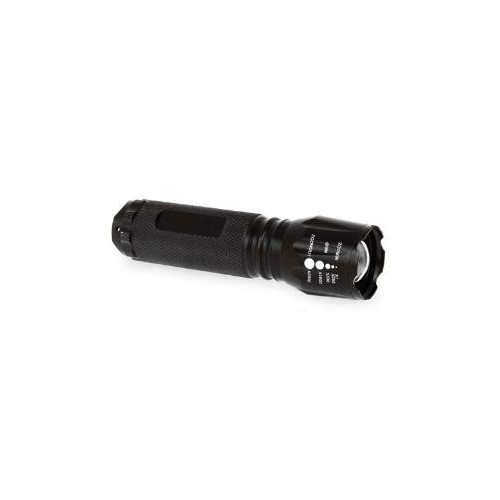
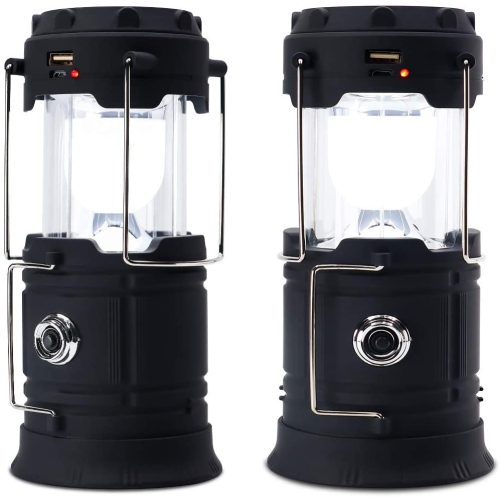
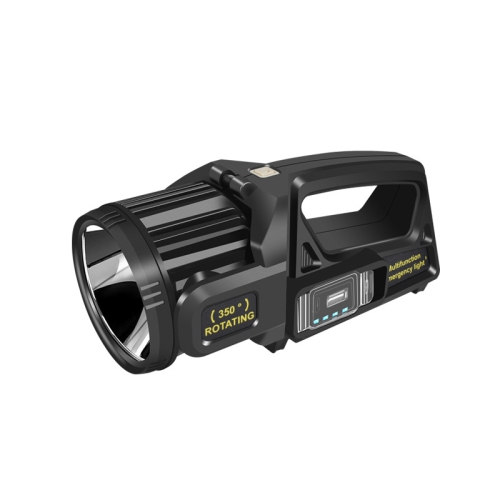
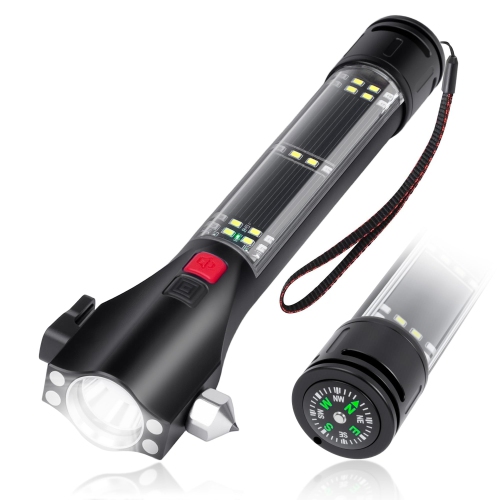
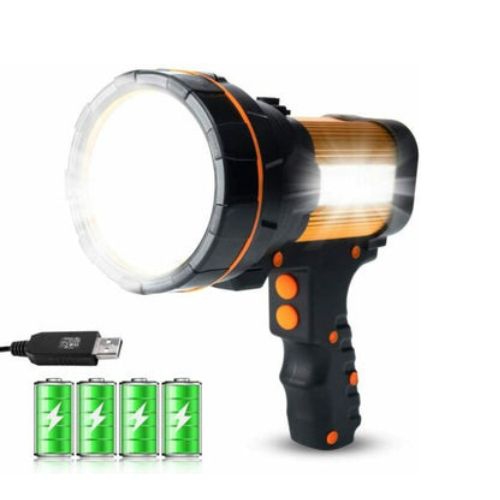
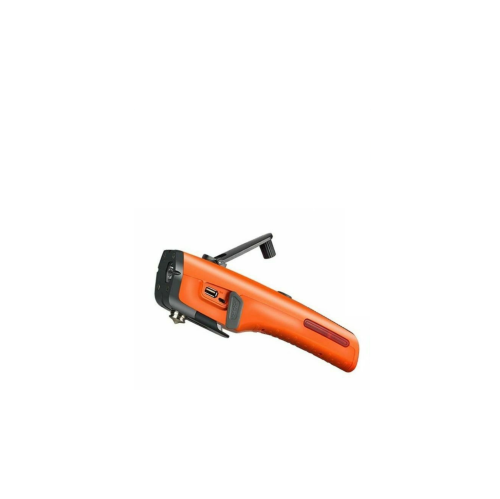
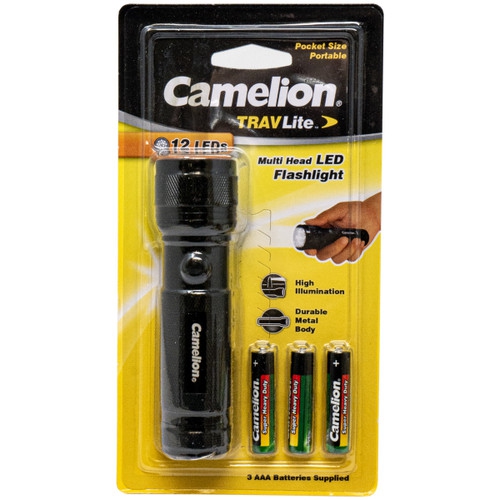
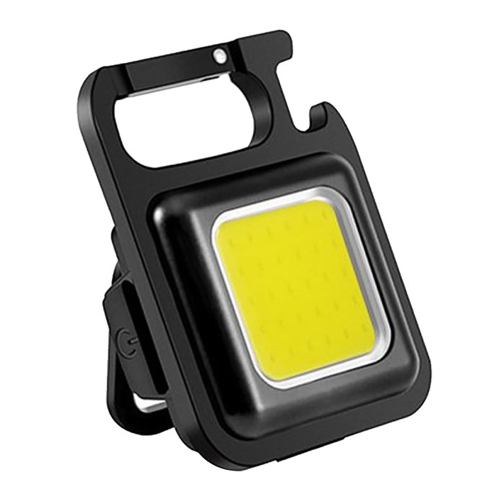
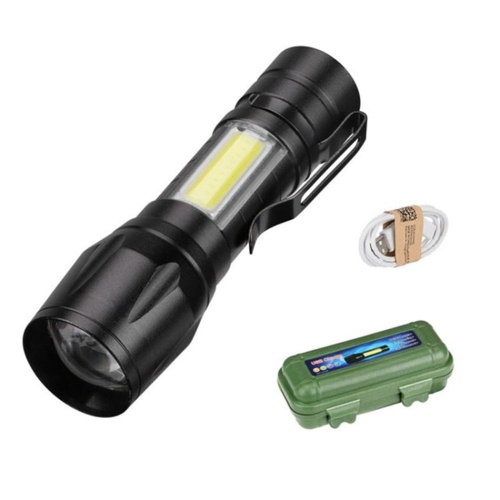
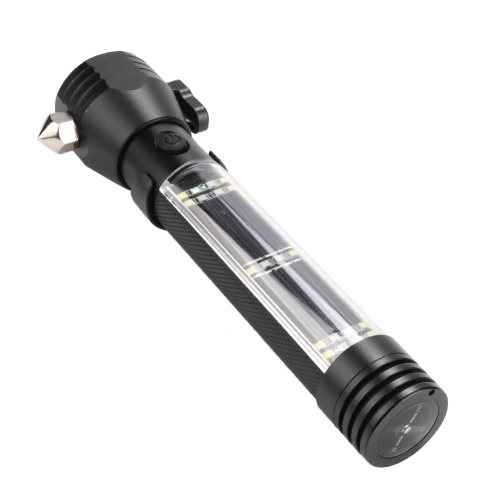
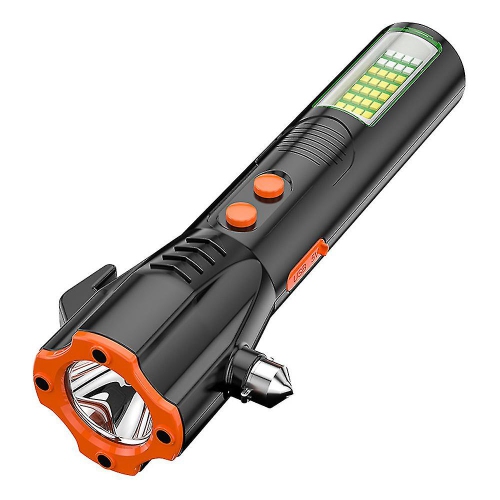
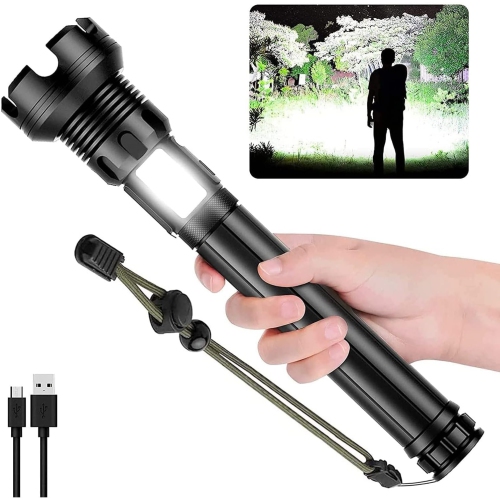
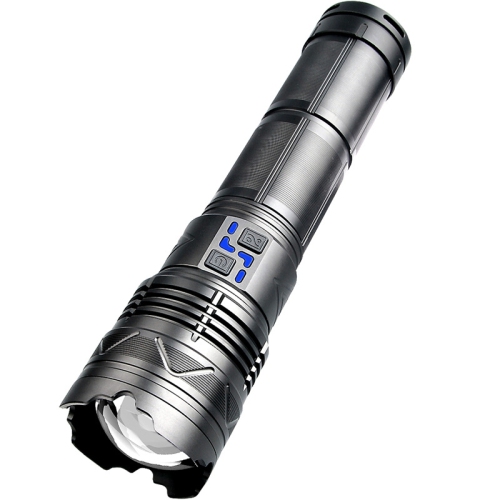
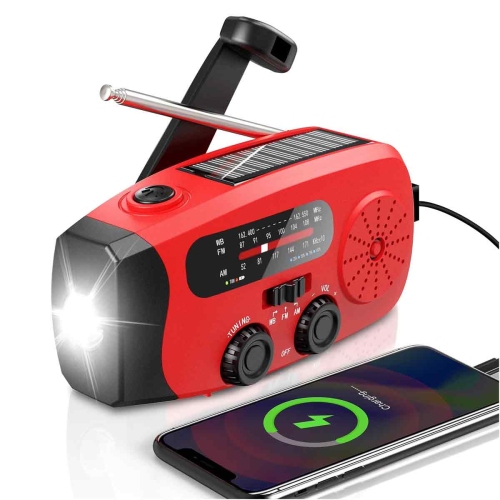
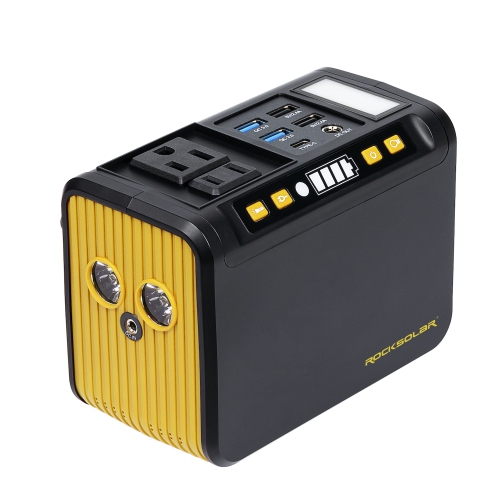
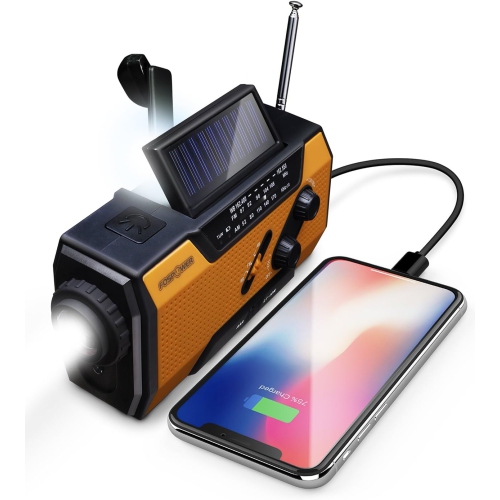
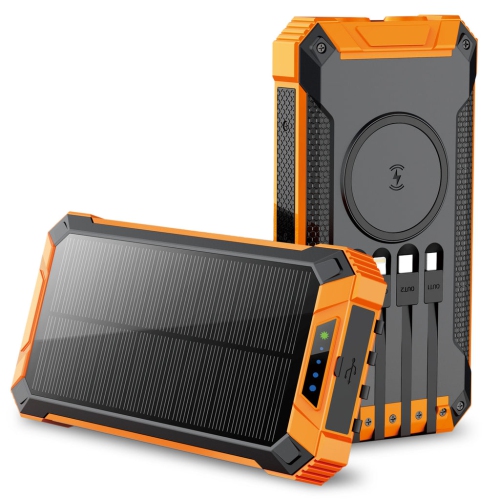
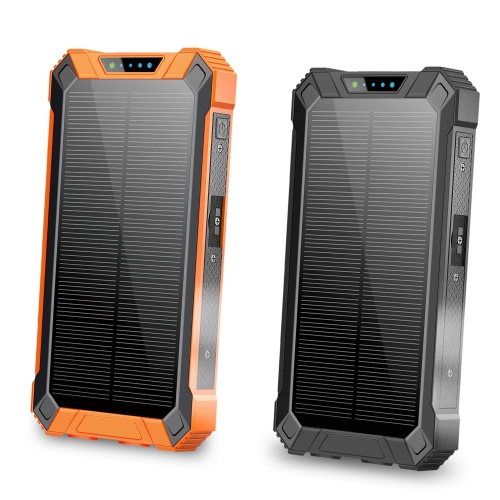
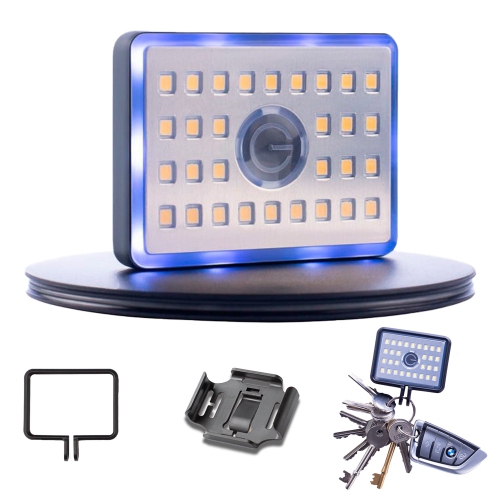
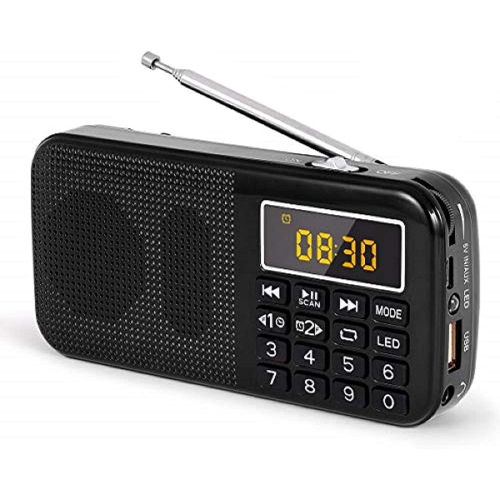
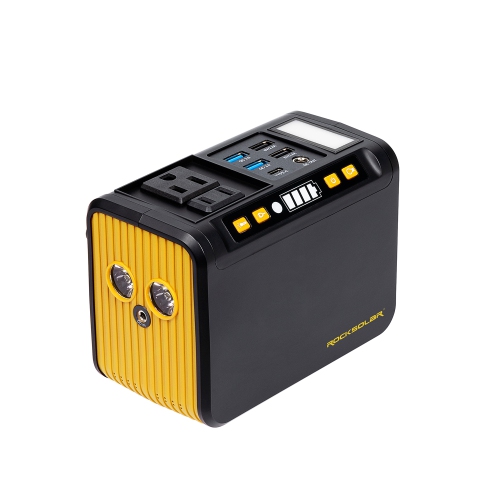
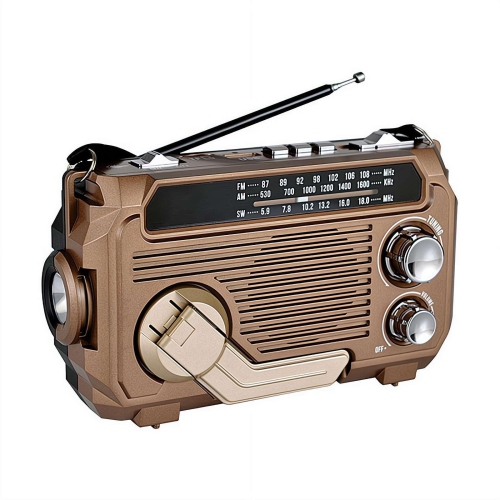
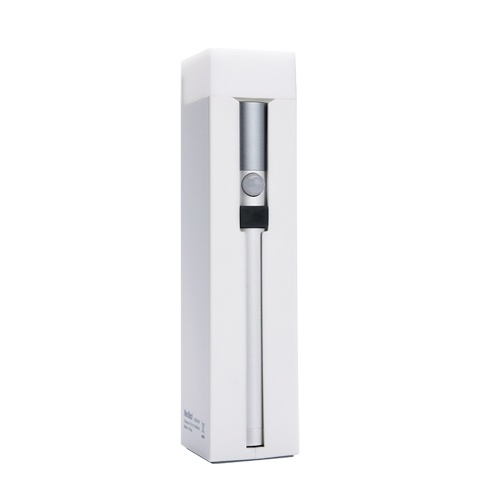
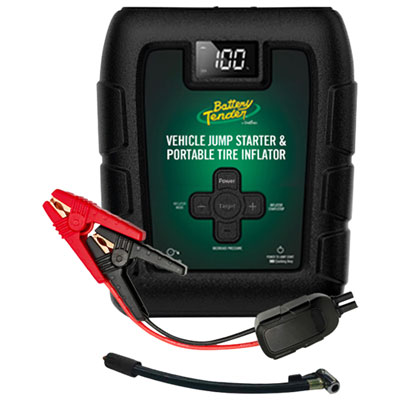
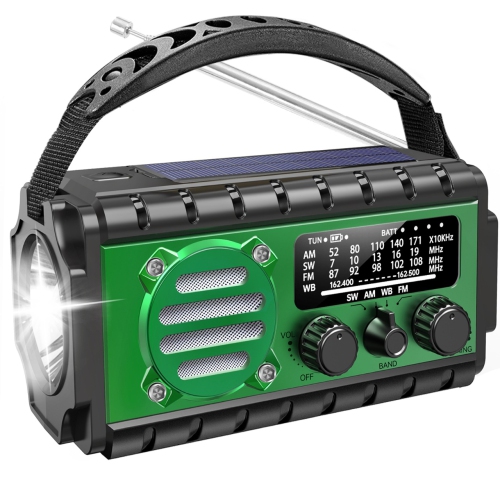
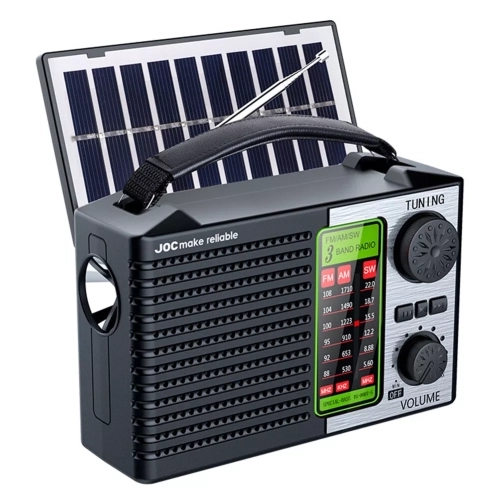

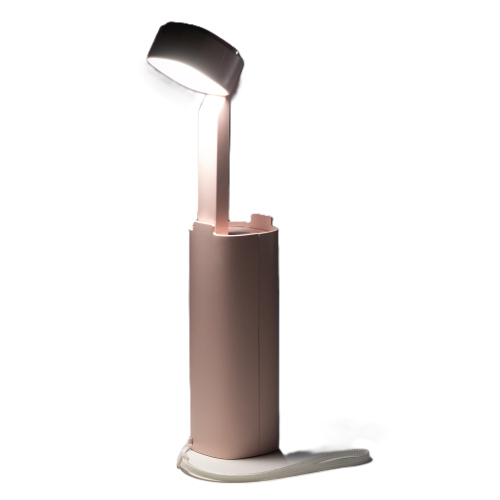
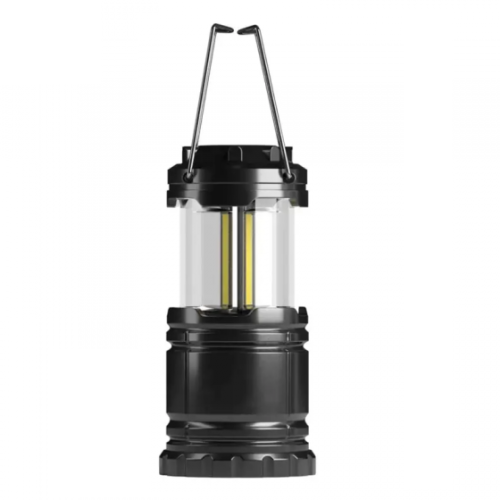
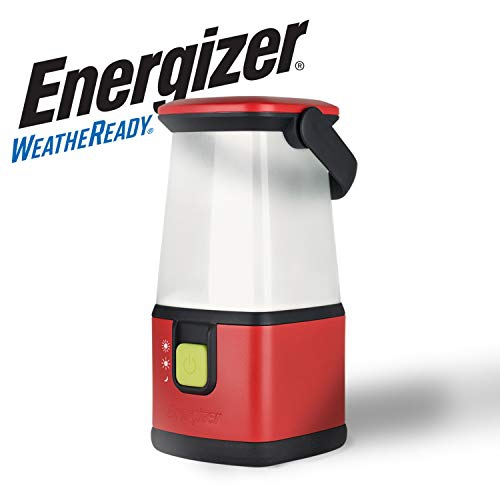

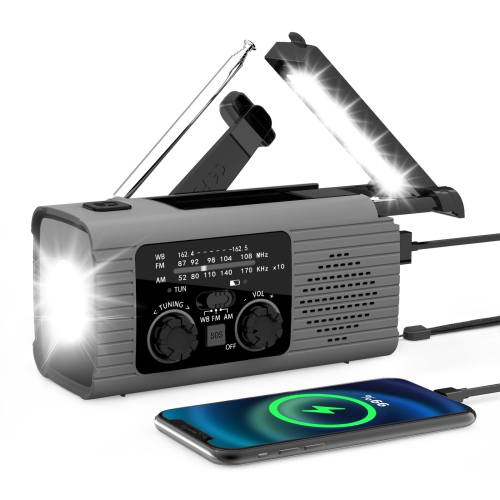
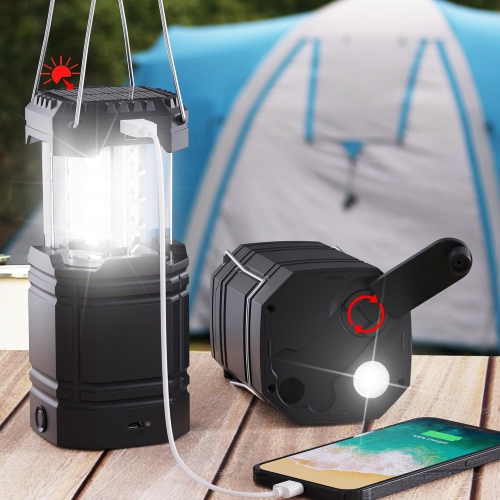
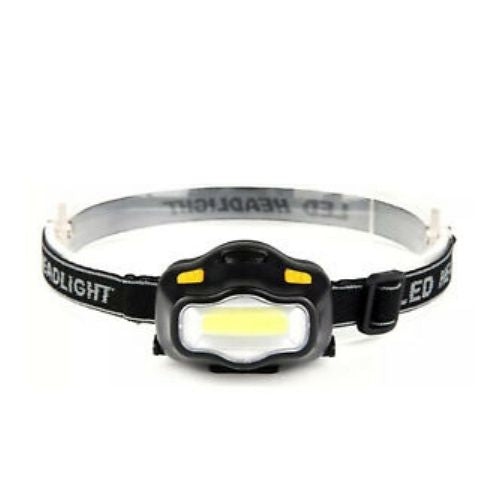
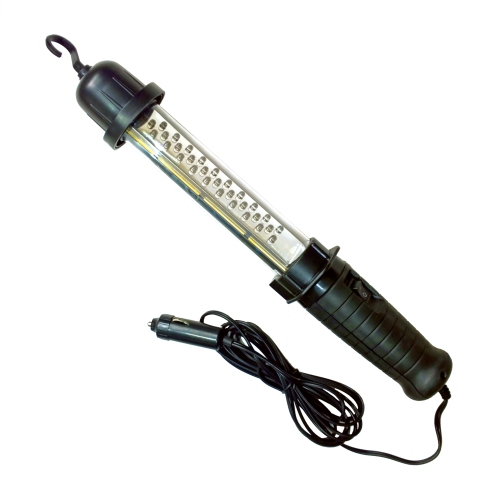
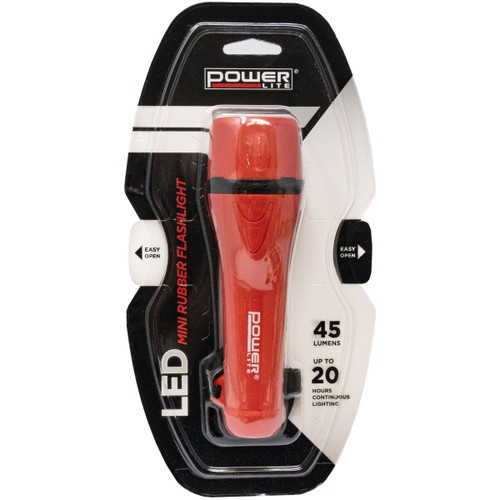
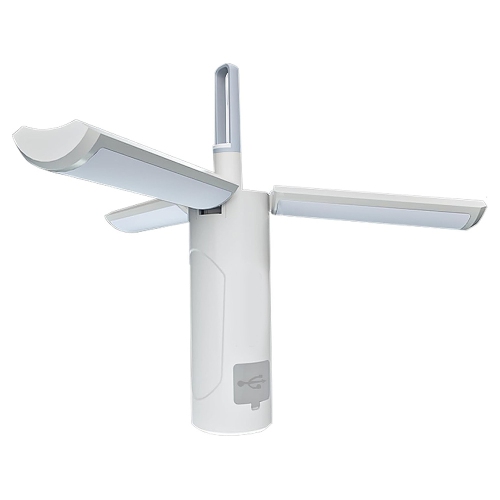
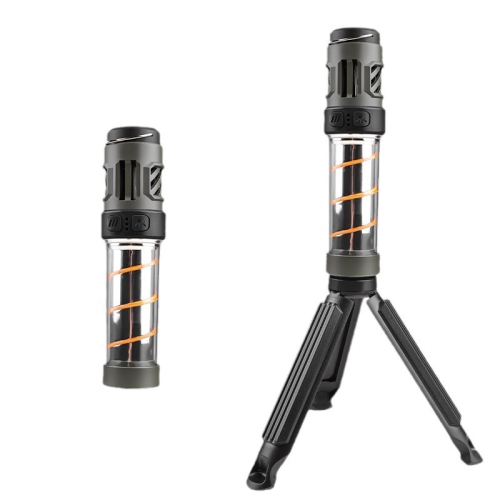
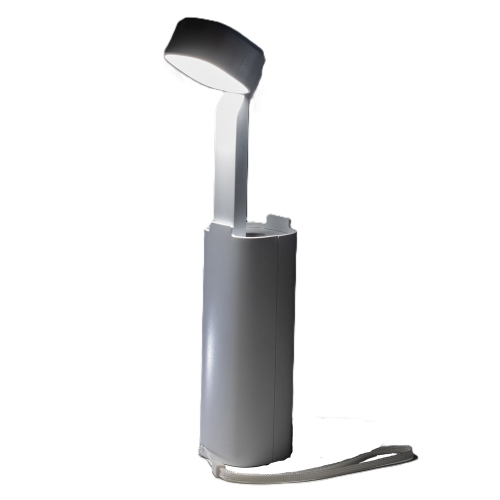
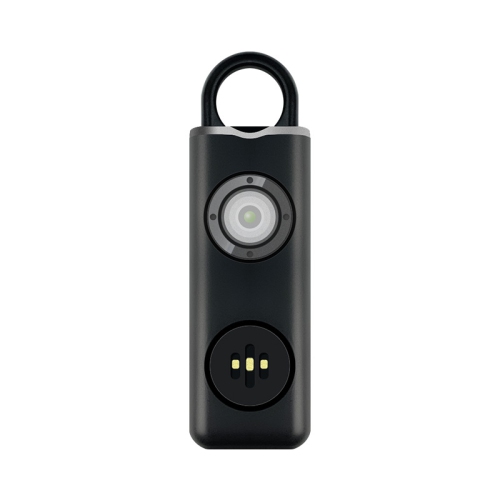

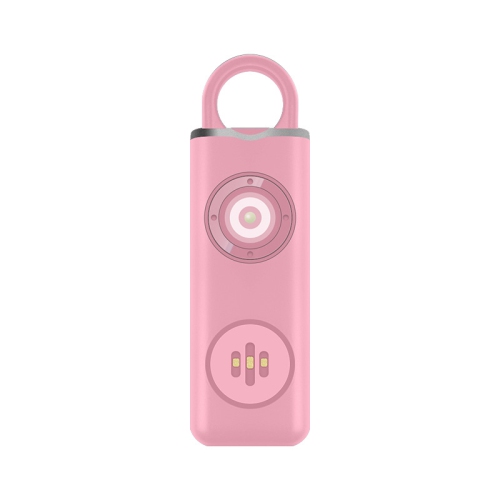
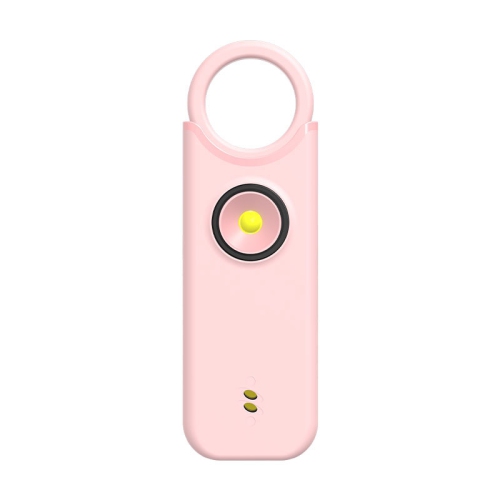
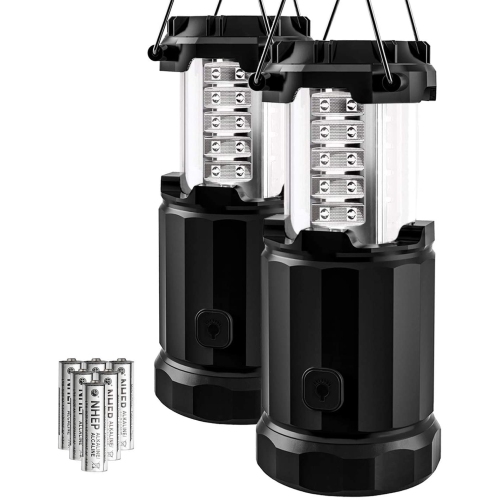

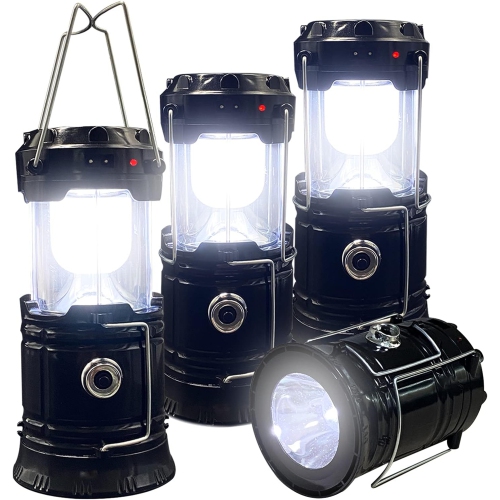
Reliable lighting for outages, roadside stops and after-dark tasks
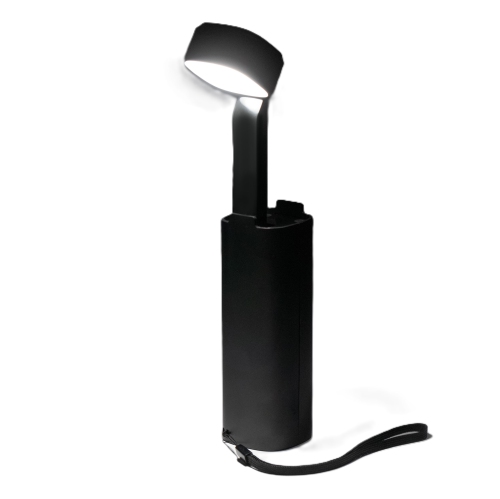
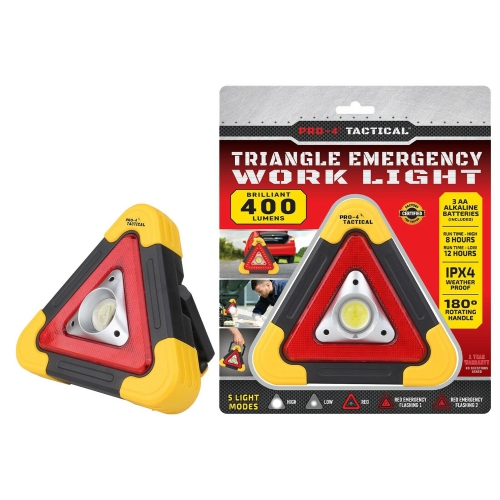
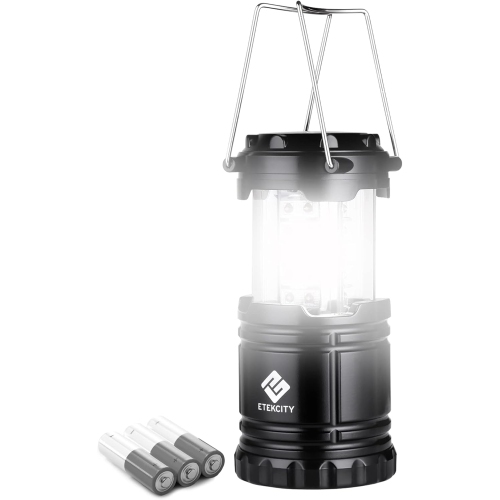
An emergency flashlight is a practical addition to a home, vehicle, cottage, workshop or emergency kit, providing dependable illumination when the power goes out, a storm interrupts travel or a routine task continues after dark. Unlike a phone flashlight, a dedicated emergency flashlight can be easier to find, simpler to operate and better suited to extended use. Look for a bright LED beam with more than one brightness level, since maximum output is useful for checking a dark yard or roadside while a lower setting can provide comfortable light inside a room and help preserve battery life. A focused beam can help you see farther along a path, while a wider beam is useful for lighting a stairwell, utility area or campsite. Some flashlights include a strobe setting that can attract attention in an emergency, although it should be used thoughtfully around other people and never aimed directly at someone’s eyes. A low-lumen or eco mode is also valuable during a prolonged outage, when conserving power may matter more than producing the brightest possible beam. For everyday readiness, consider where the flashlight will be stored and how it will be used. A compact model can fit in a bedside table, glove compartment or drawer, while a larger design may be easier to handle with gloves and can offer a longer runtime. A textured grip, tail switch, side button, wrist strap or lanyard can make operation more comfortable when your hands are cold, wet or occupied. A stable base is useful if you need to set the light down while checking a breaker panel, finding a first-aid kit or carrying supplies. These practical details often matter just as much as brightness when a flashlight is needed unexpectedly.
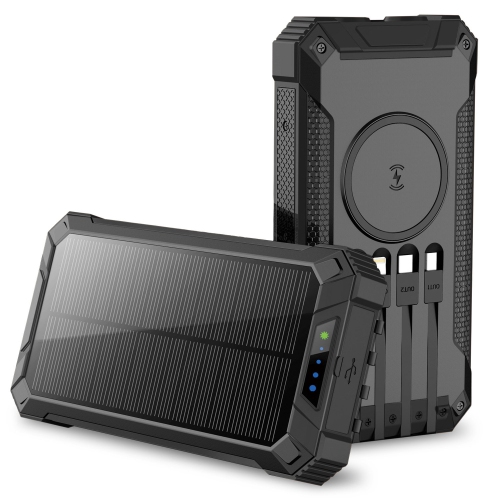
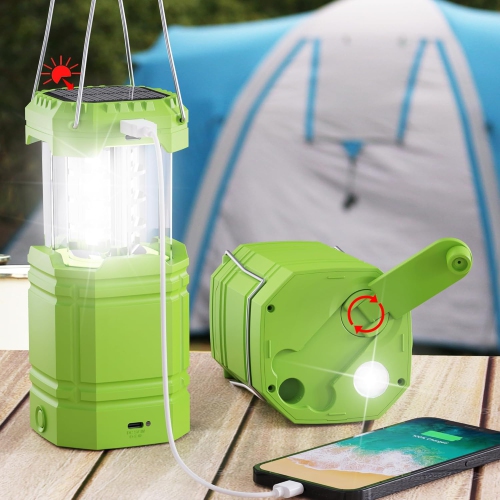
Power options are another important consideration when choosing an emergency flashlight. Rechargeable models with USB-C charging can be convenient for regular use, especially when you already keep a charging cable and power bank in your home or vehicle. Check the stated charging time, runtime at each brightness level and whether the flashlight can still operate while connected to a power source. Models that accept standard AA or AAA batteries provide an alternative when a USB charger is unavailable, and a design with a backup battery compartment can offer added flexibility during an extended power failure. Hand-crank models may be useful in emergency kits because they can produce power through manual operation, while flashlight-and-lantern designs can illuminate a wider area when placed on a table or floor. Solar charging can be a supplementary feature, though charging performance depends on available daylight and should not be treated as the only power source for urgent situations. Durability is especially relevant for a flashlight kept in a vehicle, garage or outdoor storage area. A sturdy aluminium or impact-resistant body can help protect against drops, and water resistance is helpful during heavy rain, damp conditions or an accidental splash. When comparing ratings, IPX4 generally indicates protection from splashing water, while higher ratings can provide greater protection against dust and water exposure; always review the manufacturer’s specifications to understand the limits. A weather-resistant flashlight is not necessarily designed for prolonged submersion, so storage and handling still matter. Before putting one away, test its controls, check the battery level and keep it somewhere accessible rather than buried beneath seasonal decorations or rarely used equipment. During the cooler months, it can be reassuring to have a working light near the entrance for checking a tripped outdoor outlet, locating a dropped item on the driveway or moving safely around a property after an early sunset.
Emergency flashlights can also be useful gifts for new homeowners, students moving into their first apartment, drivers, campers, boat owners, cottage hosts and family members who like to be prepared. A compact light tucked into a car’s glove compartment can make a roadside stop less stressful, while a brighter, longer-runtime model may suit someone who spends time in a workshop, travels on rural roads or maintains a larger property. For a household emergency kit, consider having more than one flashlight so that family members do not need to share a single light when checking different rooms or gathering supplies. It is also worth pairing the flashlight with spare batteries, a USB charging cable or a charged power bank, depending on the chosen power system. When shopping, compare beam distance, brightness, runtime, charging method, battery compatibility, construction and water-resistance rating rather than focusing on lumens alone. A very high-lumen flashlight can be impressive, but a model that is comfortable to carry, easy to switch on and capable of running for several hours may be more useful in a real household situation. A soft, lower setting can help someone navigate from a bedroom without fully waking the household, while a powerful beam can assist with inspecting a dark basement, shed or trail. For more everyday lighting choices, browse the selection of LED Flashlight options and compare features that suit your space and routine. Whether it is kept beside the bed, stored with emergency supplies or carried in a vehicle, a well-chosen emergency flashlight offers simple, dependable light for the moments when normal lighting is unavailable.
Power options are another important consideration when choosing an emergency flashlight. Rechargeable models with USB-C charging can be convenient for regular use, especially when you already keep a charging cable and power bank in your home or vehicle. Check the stated charging time, runtime at each brightness level and whether the flashlight can still operate while connected to a power source. Models that accept standard AA or AAA batteries provide an alternative when a USB charger is unavailable, and a design with a backup battery compartment can offer added flexibility during an extended power failure. Hand-crank models may be useful in emergency kits because they can produce power through manual operation, while flashlight-and-lantern designs can illuminate a wider area when placed on a table or floor. Solar charging can be a supplementary feature, though charging performance depends on available daylight and should not be treated as the only power source for urgent situations. Durability is especially relevant for a flashlight kept in a vehicle, garage or outdoor storage area. A sturdy aluminium or impact-resistant body can help protect against drops, and water resistance is helpful during heavy rain, damp conditions or an accidental splash. When comparing ratings, IPX4 generally indicates protection from splashing water, while higher ratings can provide greater protection against dust and water exposure; always review the manufacturer’s specifications to understand the limits. A weather-resistant flashlight is not necessarily designed for prolonged submersion, so storage and handling still matter. Before putting one away, test its controls, check the battery level and keep it somewhere accessible rather than buried beneath seasonal decorations or rarely used equipment. During the cooler months, it can be reassuring to have a working light near the entrance for checking a tripped outdoor outlet, locating a dropped item on the driveway or moving safely around a property after an early sunset.
Emergency flashlights can also be useful gifts for new homeowners, students moving into their first apartment, drivers, campers, boat owners, cottage hosts and family members who like to be prepared. A compact light tucked into a car’s glove compartment can make a roadside stop less stressful, while a brighter, longer-runtime model may suit someone who spends time in a workshop, travels on rural roads or maintains a larger property. For a household emergency kit, consider having more than one flashlight so that family members do not need to share a single light when checking different rooms or gathering supplies. It is also worth pairing the flashlight with spare batteries, a USB charging cable or a charged power bank, depending on the chosen power system. When shopping, compare beam distance, brightness, runtime, charging method, battery compatibility, construction and water-resistance rating rather than focusing on lumens alone. A very high-lumen flashlight can be impressive, but a model that is comfortable to carry, easy to switch on and capable of running for several hours may be more useful in a real household situation. A soft, lower setting can help someone navigate from a bedroom without fully waking the household, while a powerful beam can assist with inspecting a dark basement, shed or trail. For more everyday lighting choices, browse the selection of LED Flashlight options and compare features that suit your space and routine. Whether it is kept beside the bed, stored with emergency supplies or carried in a vehicle, a well-chosen emergency flashlight offers simple, dependable light for the moments when normal lighting is unavailable.
Top selling and popular products
-
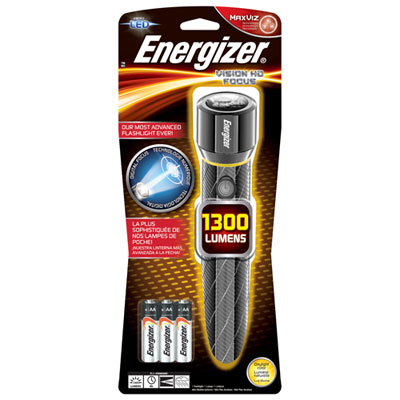 Your price for this item is $19.97
 -
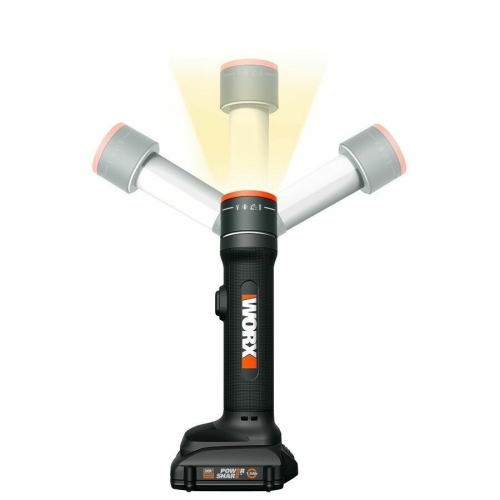 Your price for this item is $129.99
 -
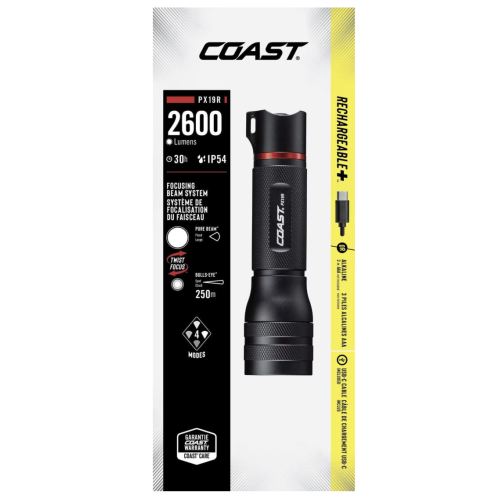 Your price for this item is $39.99
 -
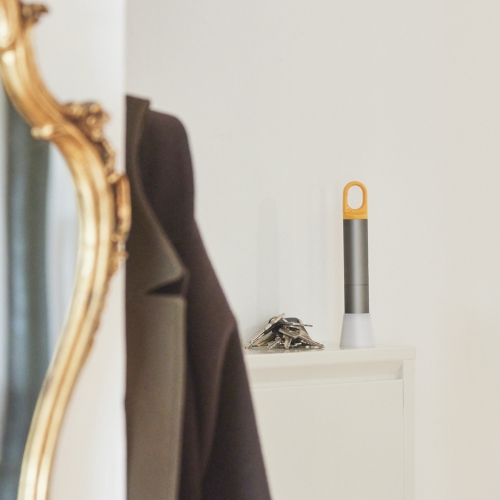 Your price for this item is $51.99
 -
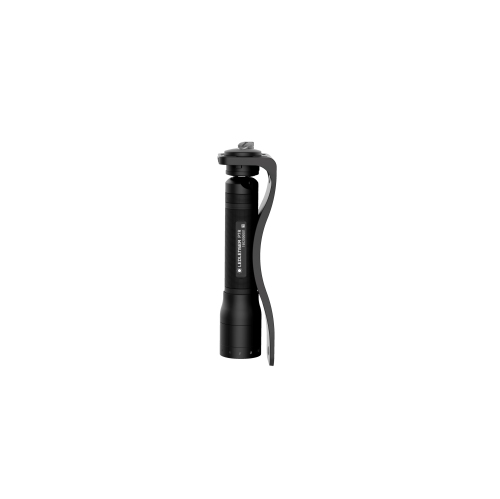 Your price for this item is $107.99
 -
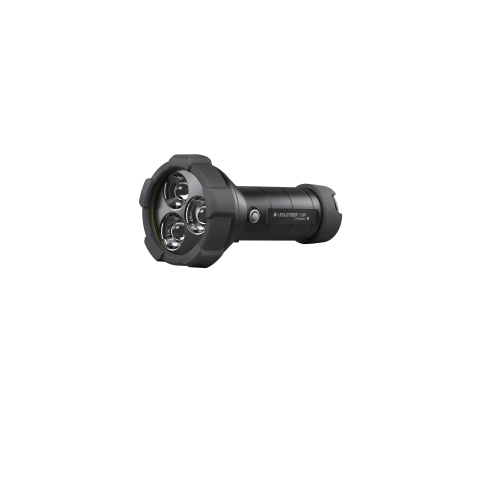 Your price for this item is $287.93
 -
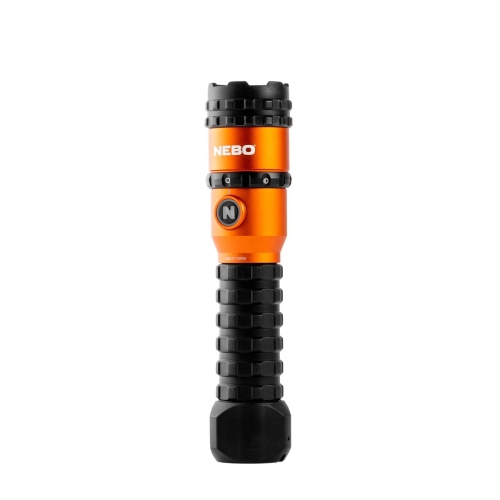 Your price for this item is $124.99
 -
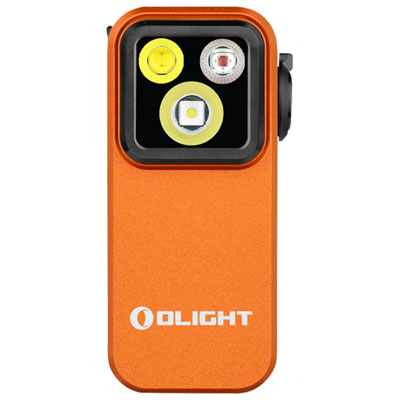 Your price for this item is $49.99
Discover more categories related to Emergency Flashlight
Top Collections:
Pokemon Centers, Kindle Devices, Best Budget Office Chairs, Apple iPhones 16, Best Laptops for Writers, iPhone 15 Apple, Canon G7X Cameras, Refurbished Apple Laptops, Alarm Clock, Motorola Razr Phones
Some products may be subject to Environmental Handling Fees
(EHF) depending on your province.
Learn more about EHFs.