LED Flashlight
Illuminate your way in the dark with powerful LED flashlights. Whether you're an outdoor enthusiast, a DIYer, or simply preparing for emergencies, a reliable LED flashlight is a must-have tool. These compact and energy-efficient flashlights provide bright illumination for various activities such as camping, hiking, power outages, or working on projects in dimly lit spaces. Discover a range of LED flashlights with different features and brightness levels to suit your needs, and light up any situation with ease.
Sort
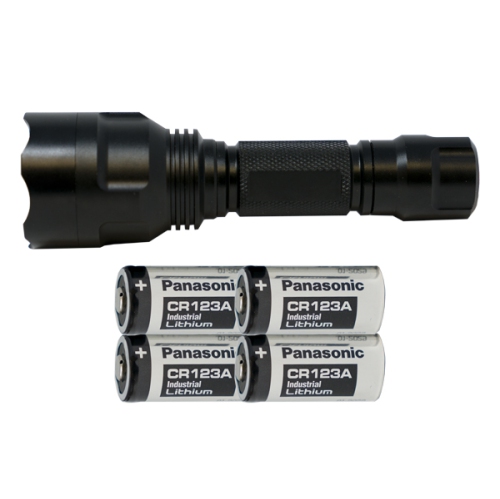
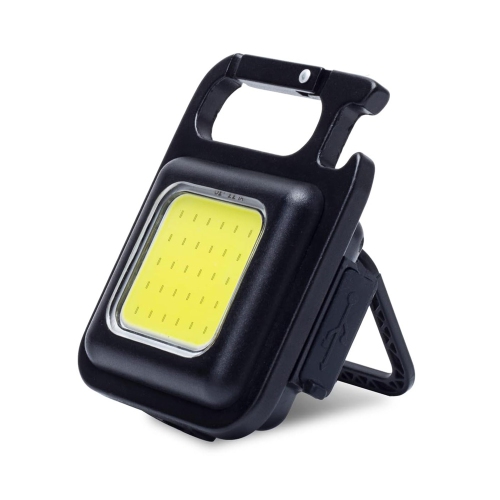
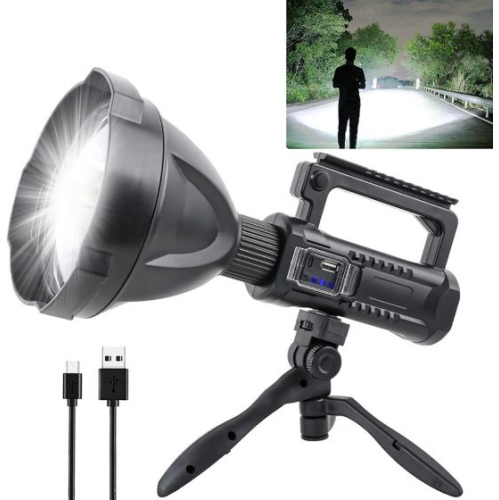
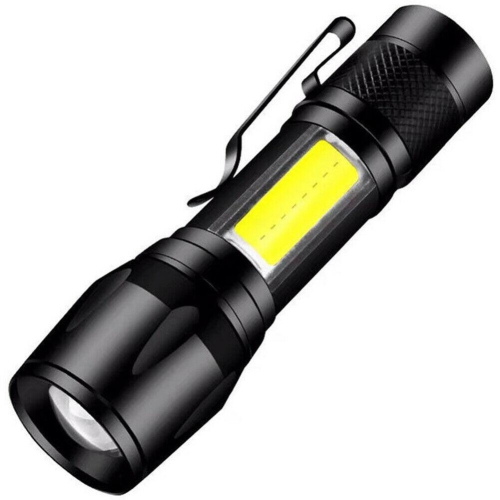
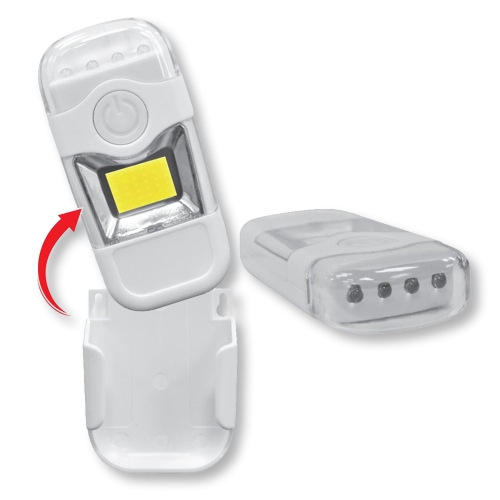
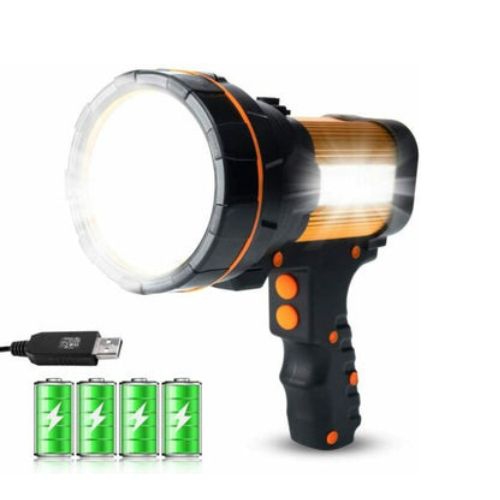
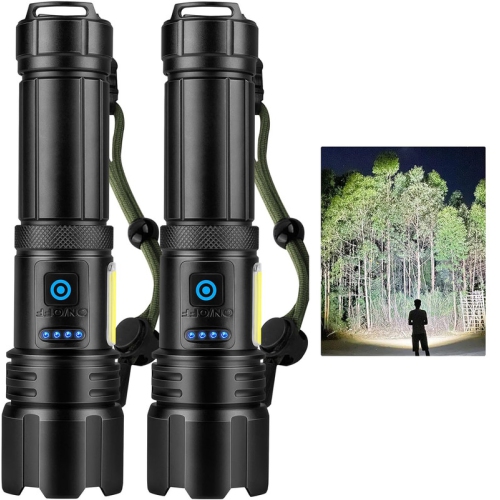
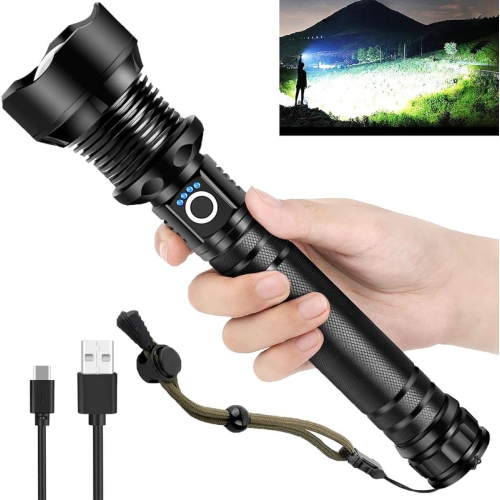
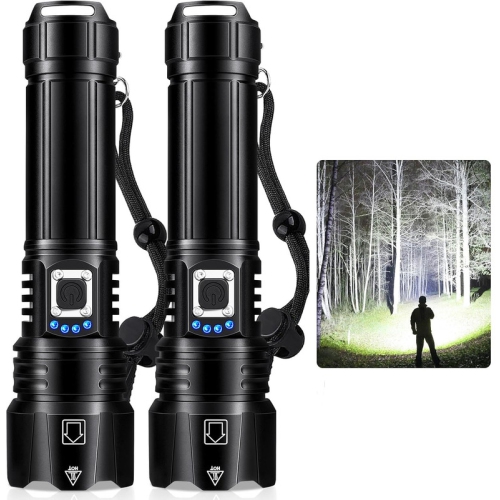
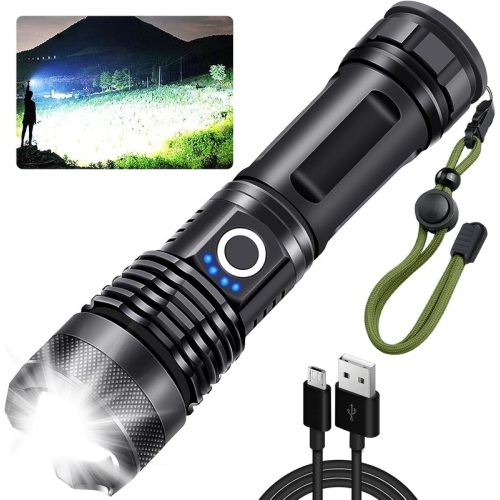
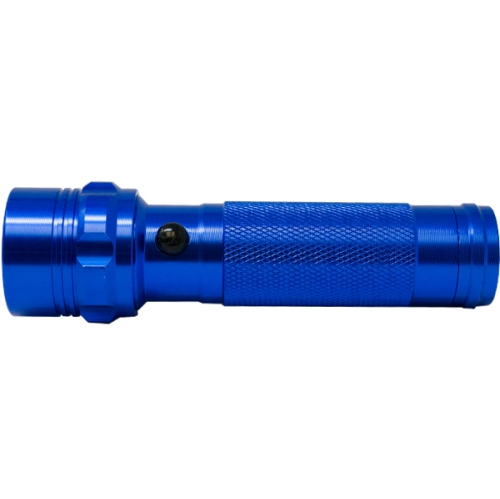
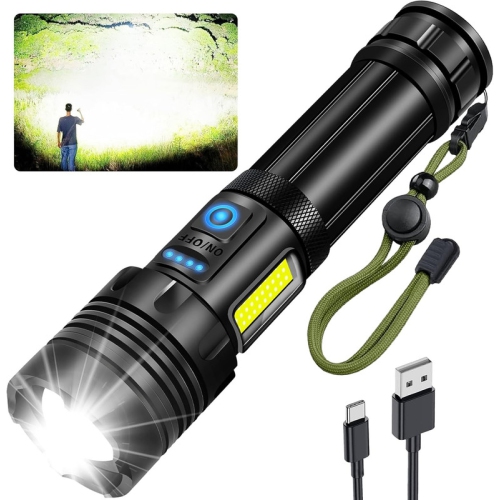

Why flashlight performance depends on more than brightness
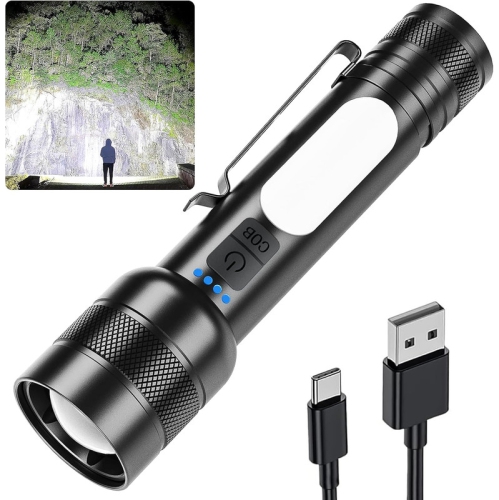
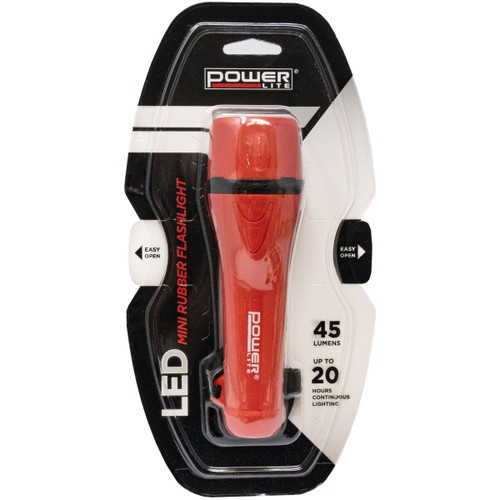
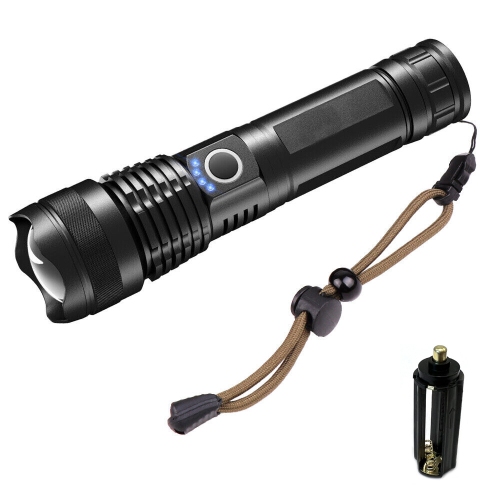
An LED flashlight is a portable, battery-powered light that uses light-emitting diodes to illuminate nearby tasks, dark rooms, paths, and more distant objects. Its usefulness comes from combining a focused light source with a shape that is easy to carry, aim, and store. LED flashlights suit everyday jobs such as finding a dropped screw behind a workbench, checking a dim storage cupboard, or lighting the walk between a driveway and a front door. They also have a place in camping gear, vehicle supplies, and household emergency kits, especially during the cooler months when daylight fades earlier. Brightness is measured in lumens, which describe the total visible light output rather than how far the beam reaches. Around 100 to 300 lumens can be sufficient for many close-range household tasks and everyday use, while larger spaces or outdoor applications may benefit from higher output. A flashlight rated at 1,000 lumens or more can provide substantial illumination, but brightness alone does not determine how well it suits a particular job. Beam distance, beam shape, and the ability to switch to a lower setting matter just as much. A broad flood beam spreads light across a work area or a stretch of ground, while a concentrated spot beam helps pick out details farther away. Some designs combine a bright centre with a softer spill of light around it, giving the user both reach and a view of nearby surroundings. Adjustable focus offers another way to change coverage, although the beam pattern varies by design. Indoors, a lower setting can make a label easier to read without reflecting harshly off glossy packaging or white walls. Outdoors, a balanced beam can reveal uneven footing without concentrating all the light on a distant point. Multiple brightness levels make an LED flashlight more versatile, allowing the same handheld light to serve a quick household task, an evening dog walk, and a longer stretch of use when conserving battery power matters.
The power source affects how an LED flashlight fits into daily routines. Rechargeable flashlights are convenient for frequent use, with many designs accepting power through a USB-C connection or using a removable rechargeable battery. Charging arrangements differ: a built-in battery may charge inside the flashlight, while a removable cell may require a separate compatible charger. A charging indicator or battery-level display makes it easier to check readiness before heading out. Flashlights powered by replaceable AA or AAA batteries offer straightforward battery changes, which can be useful during travel or an extended power interruption when access to charging is limited. Battery compatibility is model-specific, and cells that look similar are not necessarily interchangeable. The battery type and voltage specified for the flashlight are important for safe, reliable operation; mixed battery types or a combination of old and new cells can cause problems. Runtime also deserves attention alongside maximum brightness. The highest setting usually draws power fastest, and some high-output flashlights automatically reduce brightness as heat builds or the battery drains. A stated maximum runtime may refer to a low-output mode rather than sustained operation at full brightness. For an evening at a campsite or repeated checks around a property, a useful medium setting can be more practical than a brief burst of maximum output. Cold weather can reduce battery performance, so a light stored in a vehicle may behave differently from one kept indoors. Storage and charging temperatures should stay within the manufacturer’s specified range, particularly for rechargeable batteries. For household preparedness, the Emergency Flashlight collection is relevant to keeping portable lighting close at hand during an outage. A designated storage spot helps everyone in the household find a light without searching through several drawers in the dark. Periodic checks of battery condition, controls, and charging connections help keep a flashlight ready for use. For longer storage, removable batteries may need to be taken out according to the manufacturer’s instructions to reduce the risk of leakage and damage.
Materials, construction, and handling distinguish a flashlight that feels comfortable for a short task from one suited to regular carrying or rougher use. Aluminium bodies are common because they offer a useful balance of strength and weight, while moulded polymer housings can feel lighter in the hand and provide a different grip. Textured surfaces, rubberised sections, and a shape that resists rolling can be helpful beside a toolbox or on a sloping picnic table. A compact flashlight slips into a jacket pocket more easily, whereas a larger body may accommodate greater battery capacity or a wider reflector. Fit is about more than overall size: the handle diameter, weight distribution, and switch position affect comfort during a long walk or a repair. With gloves on, a clearly defined button may be easier to operate than a small, recessed control. A tail switch suits some one-handed tasks, while a side switch may feel more natural when holding the light at waist height. Pocket clips and wrist straps help with carrying, and a magnetic base can hold compatible designs against a suitable steel surface when both hands are needed. Durability claims are most useful when supported by stated ratings. Water resistance is not the same as waterproofing; an IPX4 rating addresses splashing water, while IPX7 generally indicates protection during temporary immersion under defined test conditions, commonly up to one metre for 30 minutes. Neither rating automatically establishes suitability for diving, and the “X” does not provide a dust-protection rating. Impact resistance should likewise be assessed separately from the housing material. Basic care includes wiping away dirt, drying the exterior before opening battery compartments, and keeping charging-port covers and seals clean and properly closed. High-output lights can become hot, so accidental activation in a tightly packed bag is worth preventing with a lockout feature when provided. For campers, dog walkers, tradespeople, and someone setting up a first home, an LED flashlight can also be a thoughtful, practical gift. The most useful match is one whose size, controls, beam, and power source suit the recipient’s routine, whether that means checking a fuse panel or finding a tent zip after dark.
The power source affects how an LED flashlight fits into daily routines. Rechargeable flashlights are convenient for frequent use, with many designs accepting power through a USB-C connection or using a removable rechargeable battery. Charging arrangements differ: a built-in battery may charge inside the flashlight, while a removable cell may require a separate compatible charger. A charging indicator or battery-level display makes it easier to check readiness before heading out. Flashlights powered by replaceable AA or AAA batteries offer straightforward battery changes, which can be useful during travel or an extended power interruption when access to charging is limited. Battery compatibility is model-specific, and cells that look similar are not necessarily interchangeable. The battery type and voltage specified for the flashlight are important for safe, reliable operation; mixed battery types or a combination of old and new cells can cause problems. Runtime also deserves attention alongside maximum brightness. The highest setting usually draws power fastest, and some high-output flashlights automatically reduce brightness as heat builds or the battery drains. A stated maximum runtime may refer to a low-output mode rather than sustained operation at full brightness. For an evening at a campsite or repeated checks around a property, a useful medium setting can be more practical than a brief burst of maximum output. Cold weather can reduce battery performance, so a light stored in a vehicle may behave differently from one kept indoors. Storage and charging temperatures should stay within the manufacturer’s specified range, particularly for rechargeable batteries. For household preparedness, the Emergency Flashlight collection is relevant to keeping portable lighting close at hand during an outage. A designated storage spot helps everyone in the household find a light without searching through several drawers in the dark. Periodic checks of battery condition, controls, and charging connections help keep a flashlight ready for use. For longer storage, removable batteries may need to be taken out according to the manufacturer’s instructions to reduce the risk of leakage and damage.
Materials, construction, and handling distinguish a flashlight that feels comfortable for a short task from one suited to regular carrying or rougher use. Aluminium bodies are common because they offer a useful balance of strength and weight, while moulded polymer housings can feel lighter in the hand and provide a different grip. Textured surfaces, rubberised sections, and a shape that resists rolling can be helpful beside a toolbox or on a sloping picnic table. A compact flashlight slips into a jacket pocket more easily, whereas a larger body may accommodate greater battery capacity or a wider reflector. Fit is about more than overall size: the handle diameter, weight distribution, and switch position affect comfort during a long walk or a repair. With gloves on, a clearly defined button may be easier to operate than a small, recessed control. A tail switch suits some one-handed tasks, while a side switch may feel more natural when holding the light at waist height. Pocket clips and wrist straps help with carrying, and a magnetic base can hold compatible designs against a suitable steel surface when both hands are needed. Durability claims are most useful when supported by stated ratings. Water resistance is not the same as waterproofing; an IPX4 rating addresses splashing water, while IPX7 generally indicates protection during temporary immersion under defined test conditions, commonly up to one metre for 30 minutes. Neither rating automatically establishes suitability for diving, and the “X” does not provide a dust-protection rating. Impact resistance should likewise be assessed separately from the housing material. Basic care includes wiping away dirt, drying the exterior before opening battery compartments, and keeping charging-port covers and seals clean and properly closed. High-output lights can become hot, so accidental activation in a tightly packed bag is worth preventing with a lockout feature when provided. For campers, dog walkers, tradespeople, and someone setting up a first home, an LED flashlight can also be a thoughtful, practical gift. The most useful match is one whose size, controls, beam, and power source suit the recipient’s routine, whether that means checking a fuse panel or finding a tent zip after dark.
Top selling and popular products
-
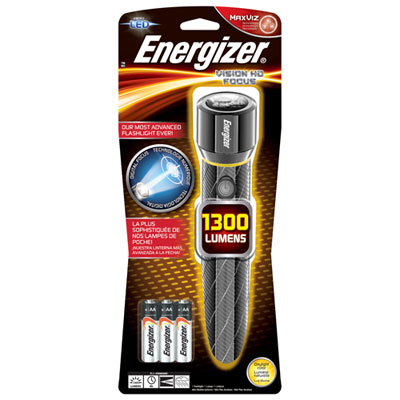 Your price for this item is $19.97
 -
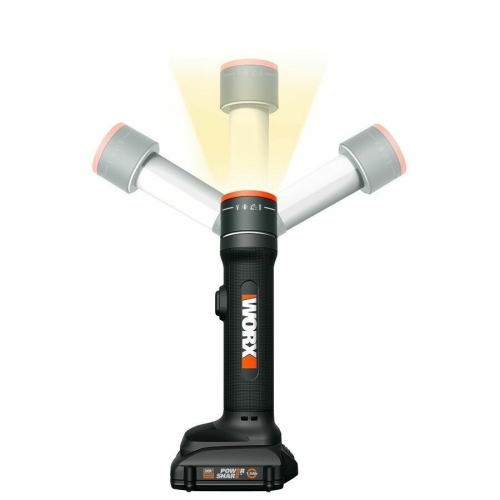 Your price for this item is $129.99
 -
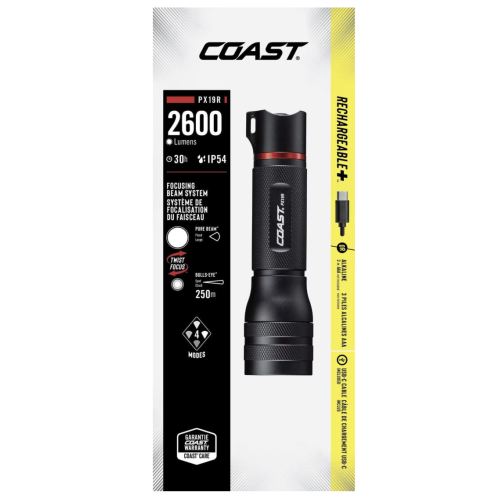 Your price for this item is $39.99
 -
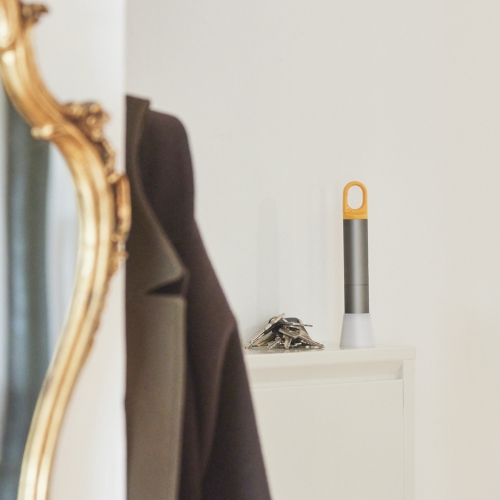 Your price for this item is $51.99
 -
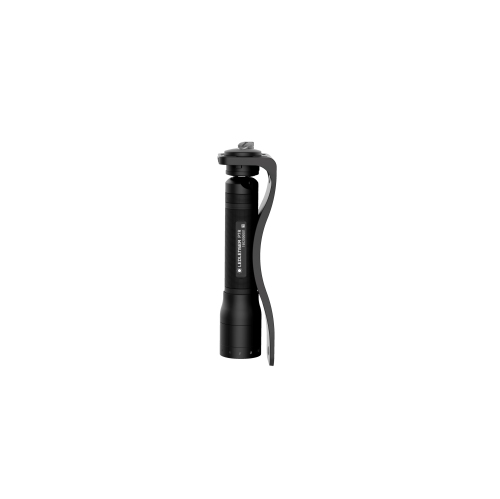 Your price for this item is $107.99
 -
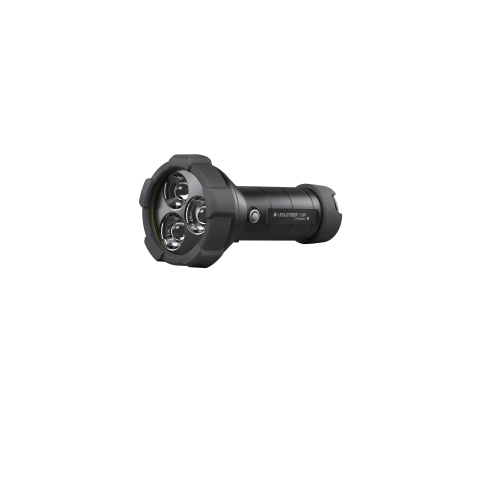 Your price for this item is $287.93
 -
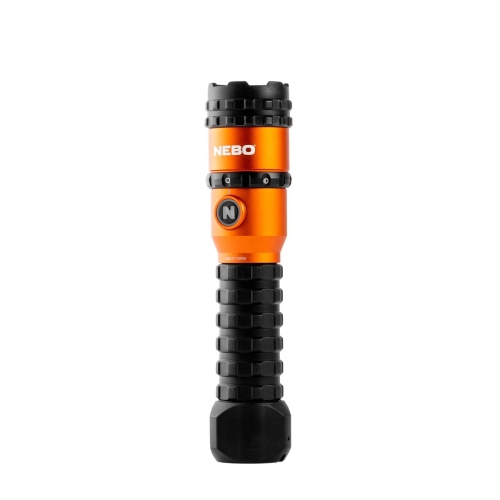 Your price for this item is $124.99
 -
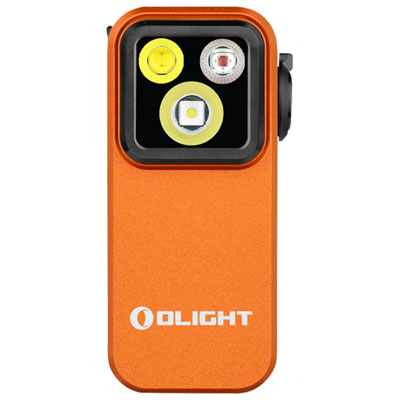 Your price for this item is $49.99
Discover more categories related to LED Flashlight
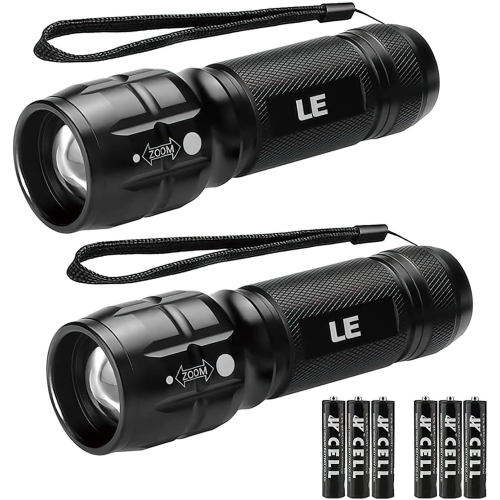
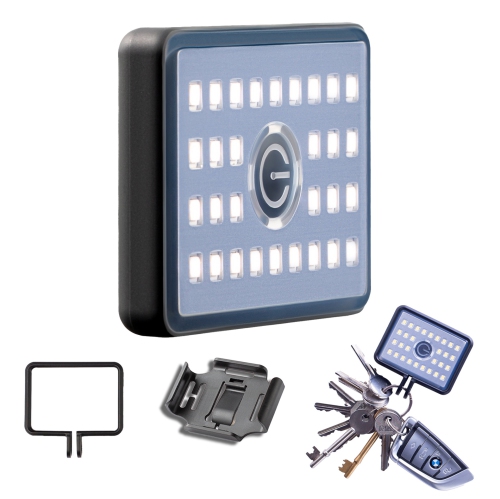
Top Collections:
Pokemon Centers, Kindle Devices, Best Budget Office Chairs, Apple iPhones 16, Best Laptops for Writers, iPhone 15 Apple, Canon G7X Cameras, Refurbished Apple Laptops, Alarm Clock, Motorola Razr Phones
Some products may be subject to Environmental Handling Fees
(EHF) depending on your province.
Learn more about EHFs.