Employee Lockers
Organizing and securing personal belongings in the workplace is essential for employee productivity and peace of mind. Employee lockers provide a convenient and safe storage solution for staff members to store their valuables, work gear, and personal items while they focus on their tasks. Whether you're outfitting a corporate office, a retail store, or a warehouse facility, investing in quality employee lockers can help create a more organized and efficient work environment. Browse our selection of employee lockers to find the perfect solution for your business needs.
Sort
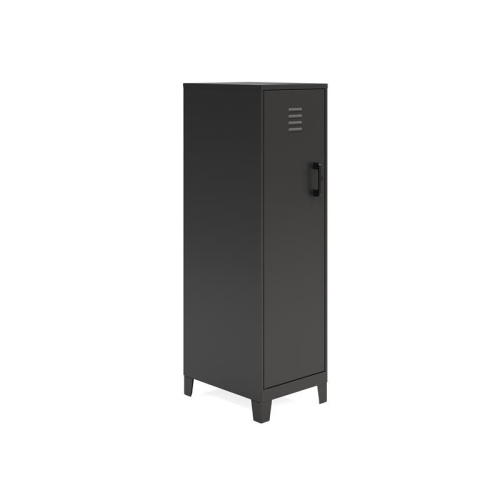
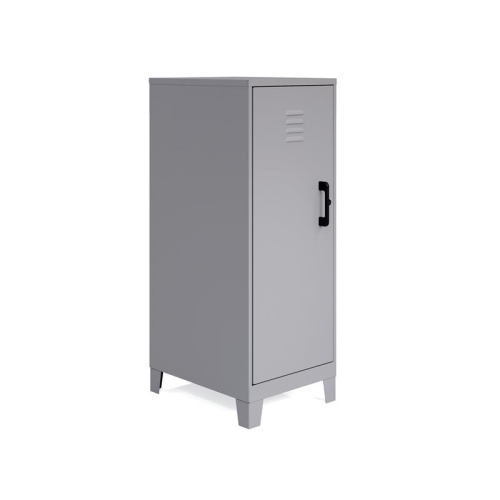
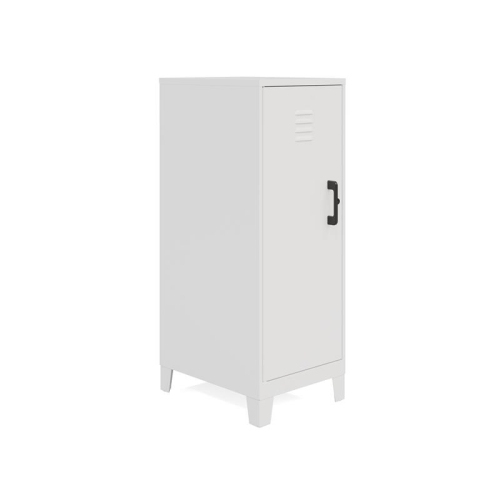
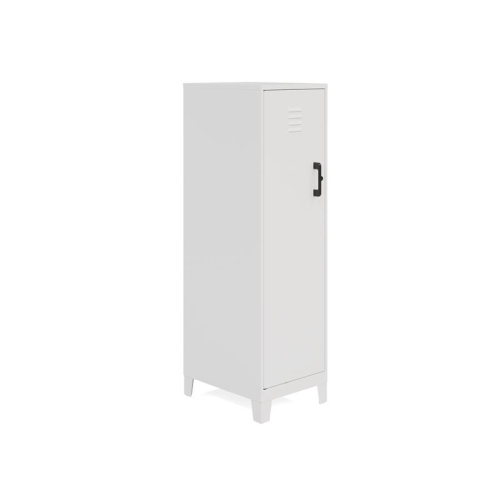
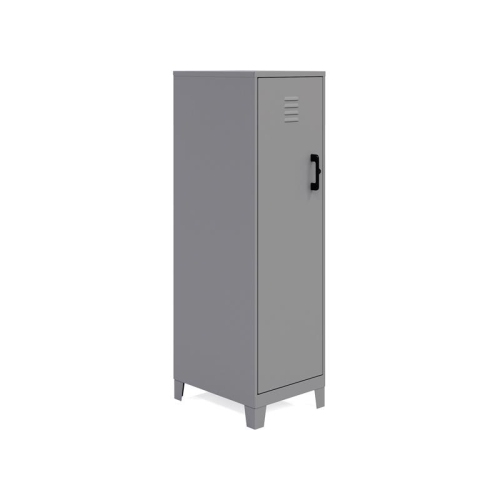
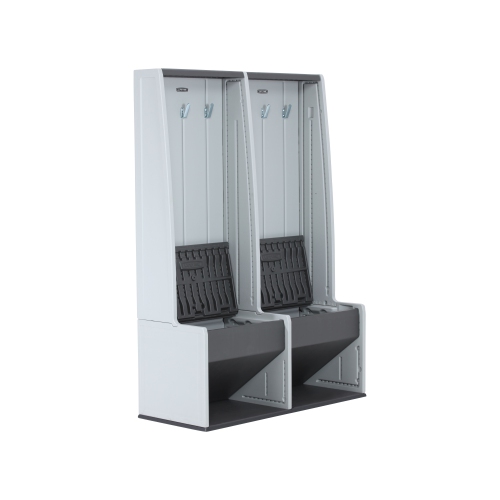


Personal storage that fits what staff bring to work
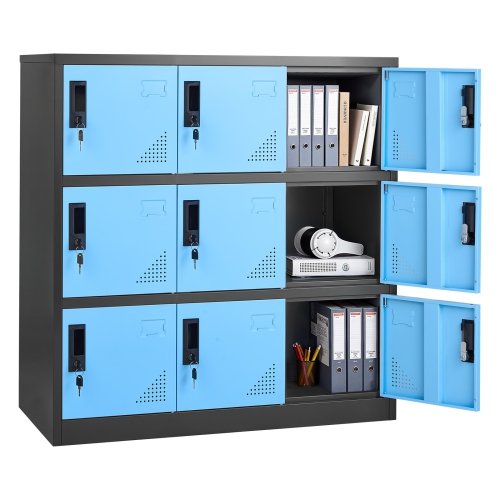
Employee lockers are dedicated storage units that give staff a place to keep personal belongings during working hours. Also called staff lockers, they typically have individual compartments with doors and locking mechanisms, helping separate bags, clothing, footwear, and small valuables from shared work areas. Their purpose is straightforward: a retail associate can put away a backpack before heading onto the sales floor, an office employee can clear a shared desk between visits, and a fitness instructor can leave a change of clothes near the staff room. This separation helps keep counters, chairs, and walkways clear while giving employees a consistent place to return to at the end of a shift. Lockable compartments can help deter casual access, although the protection they provide depends on the cabinet construction, lock, installation, and how access is managed. Employee storage lockers serve many workplaces, including offices, warehouses, hospitality businesses, recreation centres, and educational facilities. Full-height designs generally suit hanging garments and longer belongings, while two-tier and multi-tier layouts divide a cabinet into smaller spaces for several users. Compact compartments can suit phones, wallets, keys, and other everyday essentials where full-size storage is unnecessary. The distinction matters in practice: a narrow compartment that works for a handbag may not accommodate a rigid lunch container beside a pair of shoes. Internal shelves, hanging rails, hooks, and ventilation openings vary by design and affect how comfortably belongings fit. Assigned lockers give each staff member a regular storage space, whereas shared lockers can serve different employees across shifts when a clear emptying and access routine is in place. Businesses furnishing a staff room alongside other shared storage areas may also consider Storage Locker Cabinets for broader cabinet layouts and compartment styles. A useful employee locker arrangement reflects what people actually carry to work, how many people need storage at once, and where they enter and leave the workplace.
Materials influence both the appearance of employee lockers and the amount of attention they need over time. Steel lockers are a familiar choice for busy staff areas because their rigid construction supports frequent use, although metal thickness, reinforcement, hinges, and finish quality all contribute to durability. Powder-coated surfaces offer a finished appearance and can resist everyday wear, but chips or deep scratches may need attention according to the manufacturer's care directions. Plastic lockers can be practical where moisture exposure is a concern because their bodies do not rust; the hinges, fasteners, and locks still need to be suitable for the location. Wood and laminate finishes can blend more naturally with office furniture or a reception-adjacent staff area, giving storage a less industrial look. Their performance depends on the underlying construction and how well edges and joints tolerate cleaning and regular handling. No material makes every locker suitable for every workplace, and a finish that looks appropriate in a quiet office may need different care in a heavily used changing area. Dimensions deserve equally close attention. Exterior width, depth, and height determine whether a cabinet fits its intended position, but usable interior measurements and the clear door opening determine what fits inside. Shelves, sloping tops, lock housings, and hinges may reduce usable space. A staff member carrying a laptop bag needs more than a compartment that looks wide enough from the outside; the opening must allow the bag to pass through without forcing it against the frame. Door clearance also matters when lockers face a bench or sit opposite another row. There should be room to open doors and retrieve belongings without blocking normal passage. Lower compartments can make access easier for some users, while high or very low compartments may be less comfortable for others. Handle placement, lock operation, and approach space all contribute to everyday usability. Colour and finish can coordinate with nearby furnishings, but a layout that accommodates people and their belongings remains the more important fit.
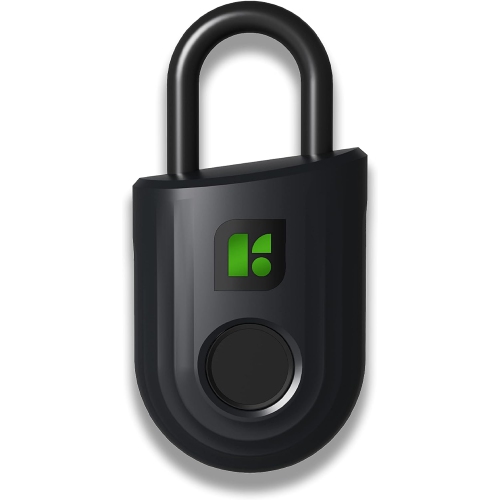
Locking systems shape the daily experience of using staff storage as much as compartment size does. Keyed locks provide a familiar way to secure a door, though workplaces need a practical process for issuing keys and handling lost ones. Padlock-compatible doors allow separate locks to be fitted, provided the lock dimensions match the hasp and intended use. Combination locks remove the need to carry a key, while electronic locks may support codes or other credentials, depending on their design. For shared-use arrangements, the ability to reset access between users can be especially useful; for assigned storage, consistent access and a documented process for authorized entry may matter more. Locks should be considered alongside door strength, hinge protection, and the cabinet frame rather than treated as a guarantee against theft. Ventilated doors or panels allow air movement around stored clothing and footwear, but they do not replace regular cleaning or make lockers appropriate for every substance or type of equipment. Ordinary employee lockers are not a substitute for storage specifically rated for hazardous materials. Inside a typical staff locker, a shelf can keep a lunch bag separate from shoes, and a hook can stop a jacket from gathering in a pile at the bottom. These small details make storage easier to use and easier to maintain. Smooth interior surfaces and accessible corners simplify wiping away dust and spills, while removable shelves, where fitted, can improve cleaning access. Care should follow the manufacturer's directions, particularly for coated metal, laminate edges, plastic surfaces, and electronic lock components. Routine attention to loose hardware, sticking doors, damaged finishes, and worn locks helps keep the units working properly. Installation is another part of long-term performance: cabinets need a suitable, level surface and any specified anchoring or joining hardware. Well-planned employee locker storage brings these details together in a durable, orderly place for personal belongings, supporting daily routines without letting staff bags and clothing take over shared spaces.
Materials influence both the appearance of employee lockers and the amount of attention they need over time. Steel lockers are a familiar choice for busy staff areas because their rigid construction supports frequent use, although metal thickness, reinforcement, hinges, and finish quality all contribute to durability. Powder-coated surfaces offer a finished appearance and can resist everyday wear, but chips or deep scratches may need attention according to the manufacturer's care directions. Plastic lockers can be practical where moisture exposure is a concern because their bodies do not rust; the hinges, fasteners, and locks still need to be suitable for the location. Wood and laminate finishes can blend more naturally with office furniture or a reception-adjacent staff area, giving storage a less industrial look. Their performance depends on the underlying construction and how well edges and joints tolerate cleaning and regular handling. No material makes every locker suitable for every workplace, and a finish that looks appropriate in a quiet office may need different care in a heavily used changing area. Dimensions deserve equally close attention. Exterior width, depth, and height determine whether a cabinet fits its intended position, but usable interior measurements and the clear door opening determine what fits inside. Shelves, sloping tops, lock housings, and hinges may reduce usable space. A staff member carrying a laptop bag needs more than a compartment that looks wide enough from the outside; the opening must allow the bag to pass through without forcing it against the frame. Door clearance also matters when lockers face a bench or sit opposite another row. There should be room to open doors and retrieve belongings without blocking normal passage. Lower compartments can make access easier for some users, while high or very low compartments may be less comfortable for others. Handle placement, lock operation, and approach space all contribute to everyday usability. Colour and finish can coordinate with nearby furnishings, but a layout that accommodates people and their belongings remains the more important fit.
Locking systems shape the daily experience of using staff storage as much as compartment size does. Keyed locks provide a familiar way to secure a door, though workplaces need a practical process for issuing keys and handling lost ones. Padlock-compatible doors allow separate locks to be fitted, provided the lock dimensions match the hasp and intended use. Combination locks remove the need to carry a key, while electronic locks may support codes or other credentials, depending on their design. For shared-use arrangements, the ability to reset access between users can be especially useful; for assigned storage, consistent access and a documented process for authorized entry may matter more. Locks should be considered alongside door strength, hinge protection, and the cabinet frame rather than treated as a guarantee against theft. Ventilated doors or panels allow air movement around stored clothing and footwear, but they do not replace regular cleaning or make lockers appropriate for every substance or type of equipment. Ordinary employee lockers are not a substitute for storage specifically rated for hazardous materials. Inside a typical staff locker, a shelf can keep a lunch bag separate from shoes, and a hook can stop a jacket from gathering in a pile at the bottom. These small details make storage easier to use and easier to maintain. Smooth interior surfaces and accessible corners simplify wiping away dust and spills, while removable shelves, where fitted, can improve cleaning access. Care should follow the manufacturer's directions, particularly for coated metal, laminate edges, plastic surfaces, and electronic lock components. Routine attention to loose hardware, sticking doors, damaged finishes, and worn locks helps keep the units working properly. Installation is another part of long-term performance: cabinets need a suitable, level surface and any specified anchoring or joining hardware. Well-planned employee locker storage brings these details together in a durable, orderly place for personal belongings, supporting daily routines without letting staff bags and clothing take over shared spaces.
Top selling and popular products
-
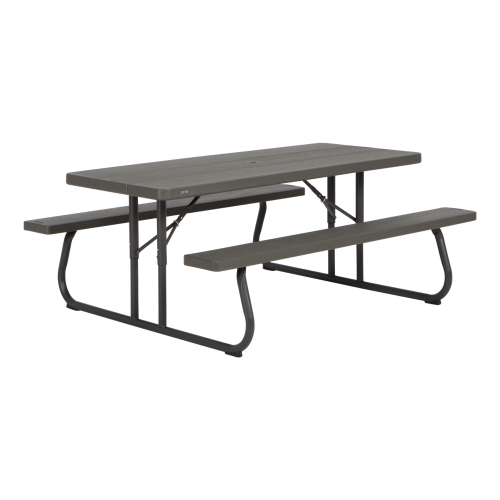 Your price for this item is $369.99
 -
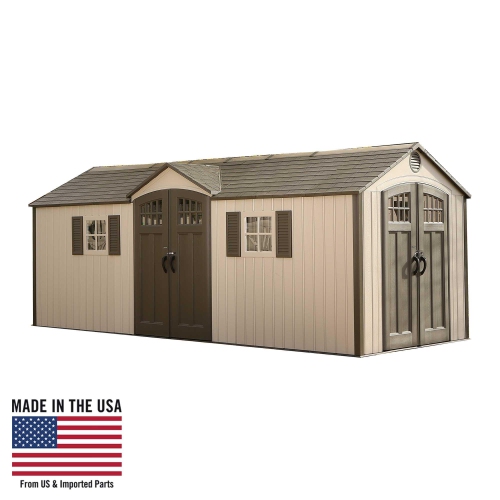 Your price for this item is $5599.99
 -
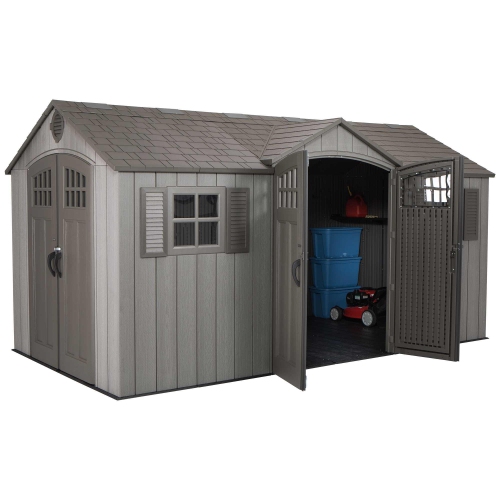 Your price for this item is $4269.99
 -
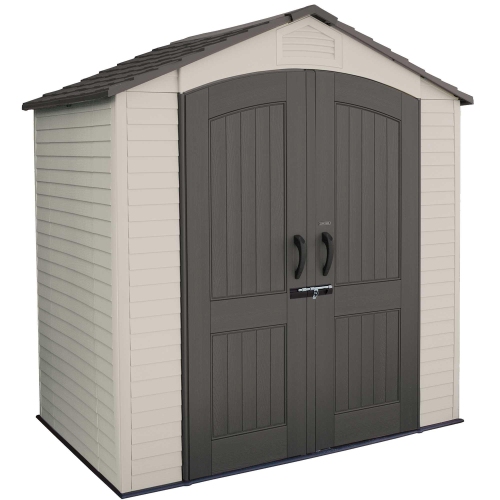 Your price for this item is $1639.99
 -
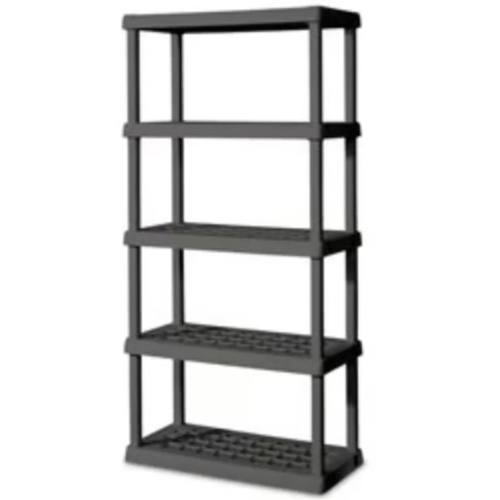 Your price for this item is $967.99
 -
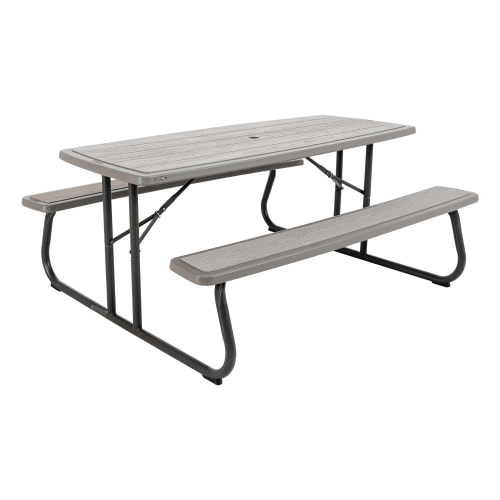 Your price for this item is $369.99
 -
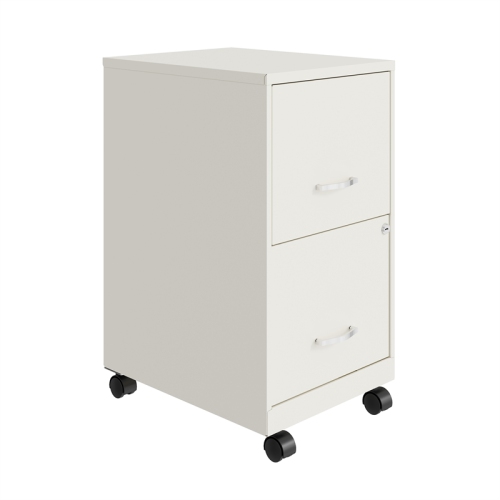 Your price for this item is $399.93
 -
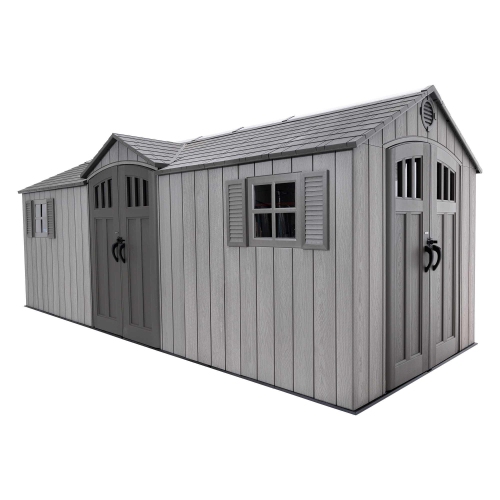 Your price for this item is $5589.99
Discover more categories related to Employee Lockers
Top Collections:
Pokemon Centers, Kindle Devices, Best Budget Office Chairs, Apple iPhones 16, Best Laptops for Writers, iPhone 15 Apple, Canon G7X Cameras, Refurbished Apple Laptops, Alarm Clock, Motorola Razr Phones
Some products may be subject to Environmental Handling Fees
(EHF) depending on your province.
Learn more about EHFs.