Coat Lockers
Coat Locker solutions offer an organized and convenient way to keep outerwear, bags, and accessories neatly stored in any space. Perfect for entryways, mudrooms, classrooms, or offices, a Coat Locker helps reduce clutter while making it easy to find essentials on the go. With a range of sizes and designs available, finding the right Coat Locker can enhance both functionality and style in your home or workspace. Explore options that fit your needs and create a tidy, welcoming environment for family, guests, or colleagues.
Sort
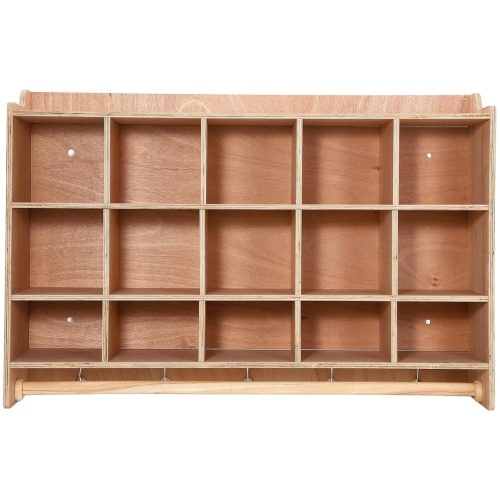
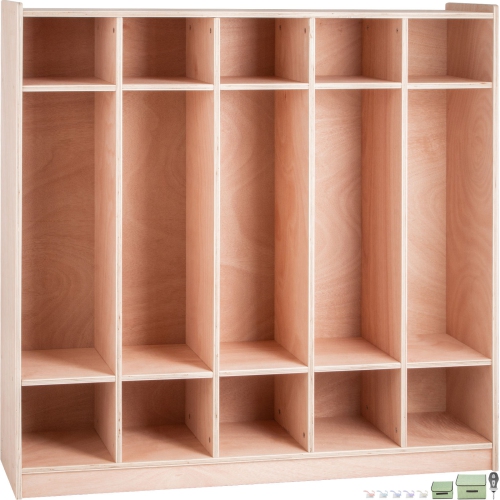
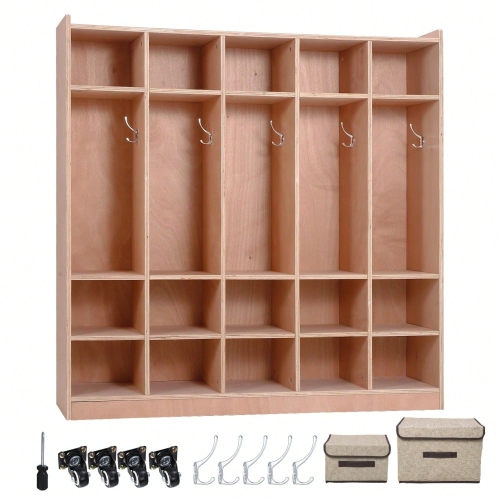

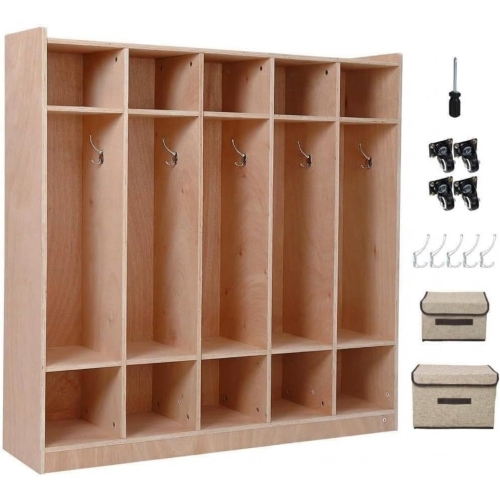
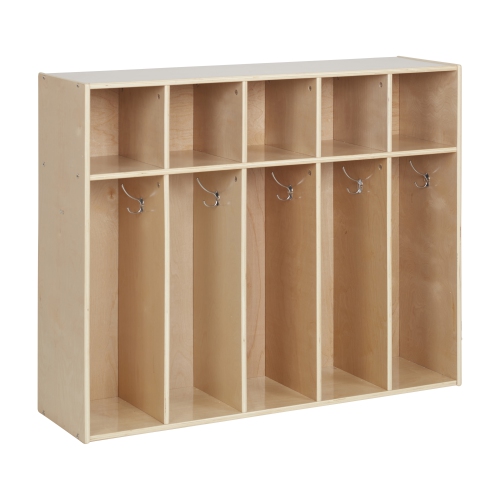
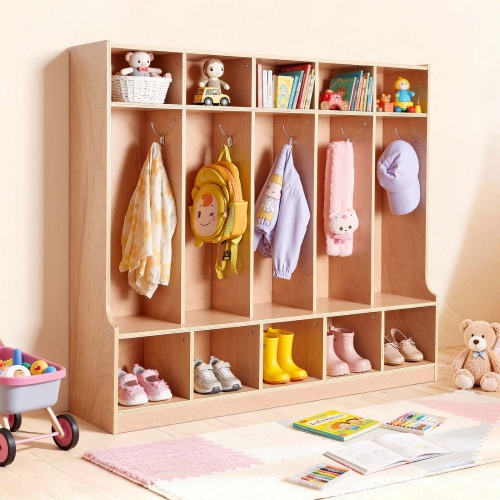
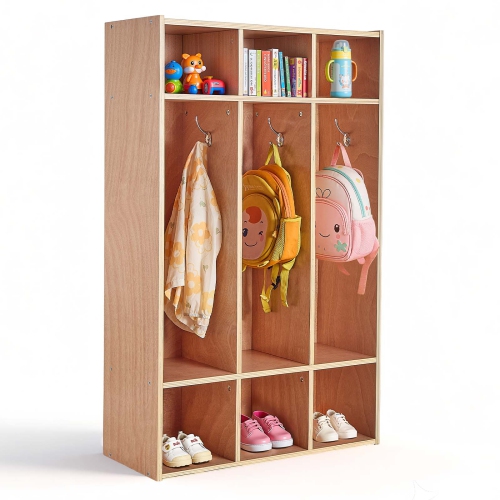
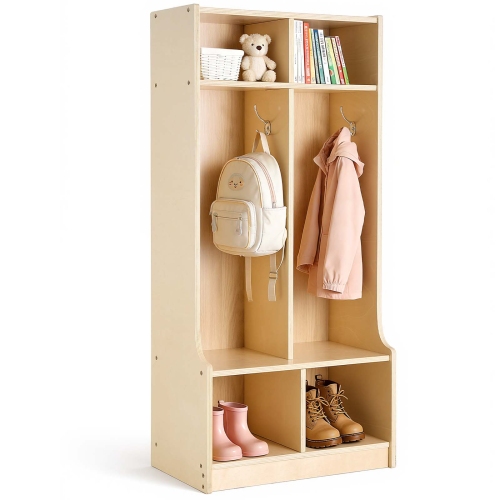
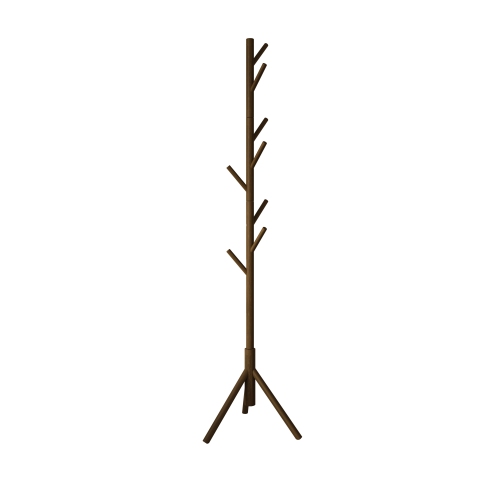
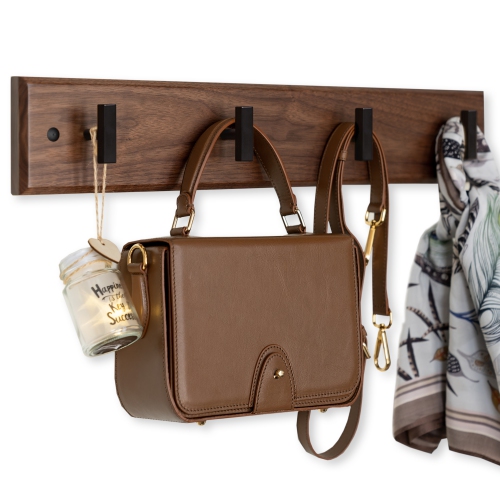
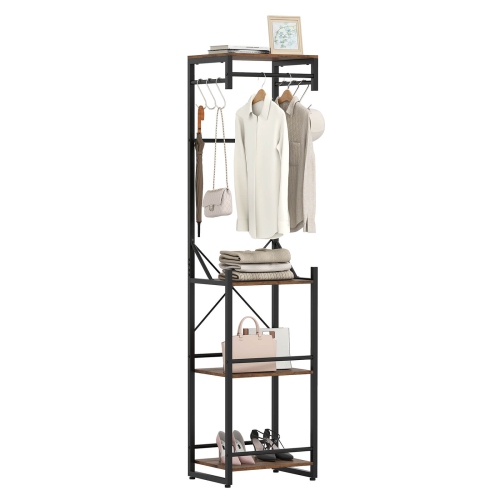
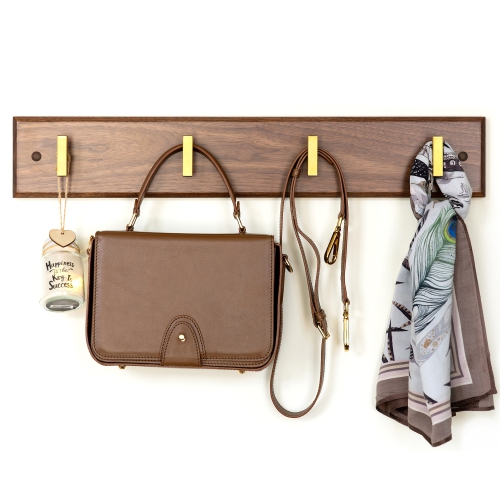
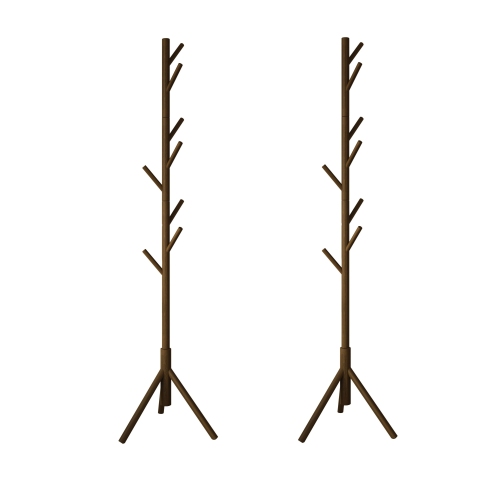

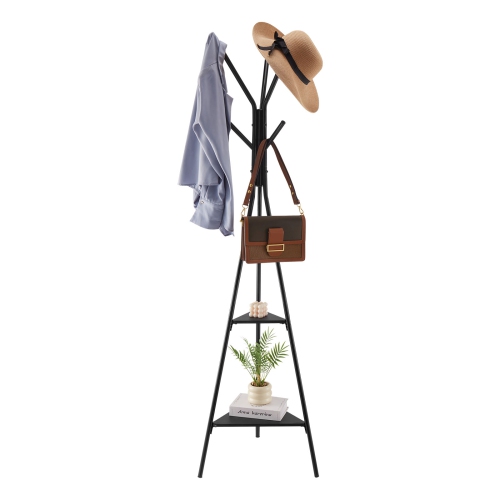
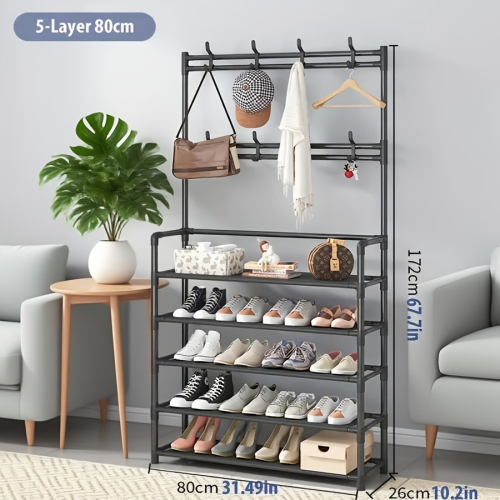
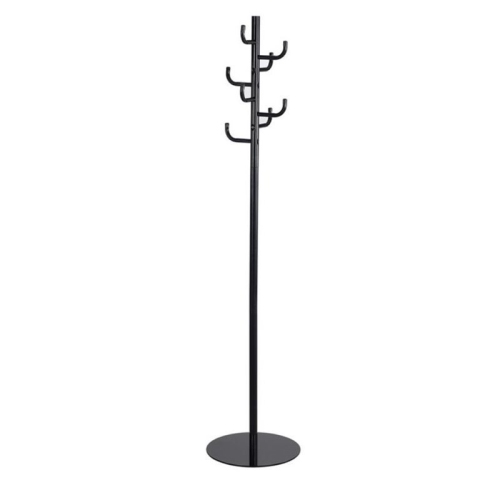
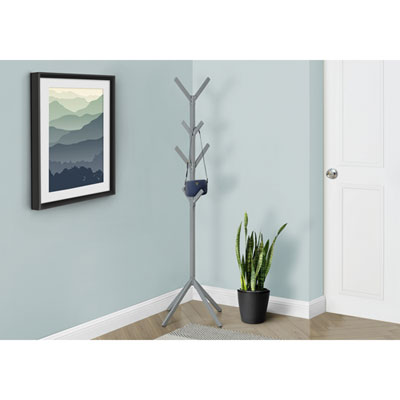
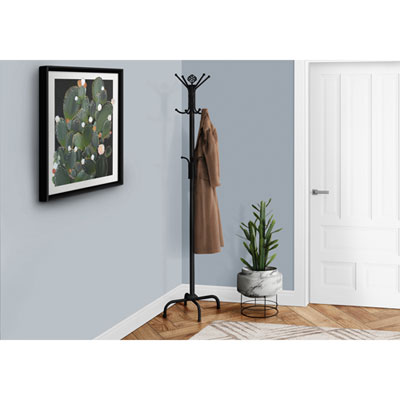
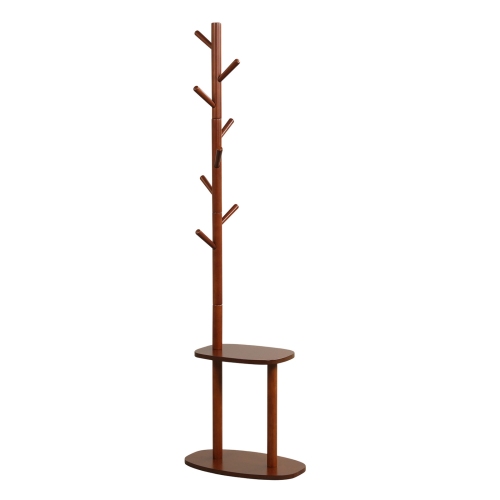
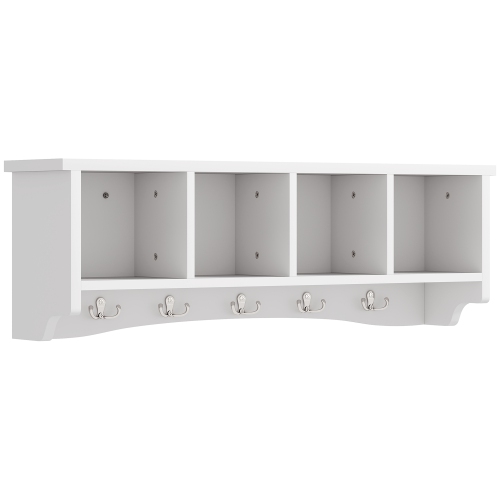
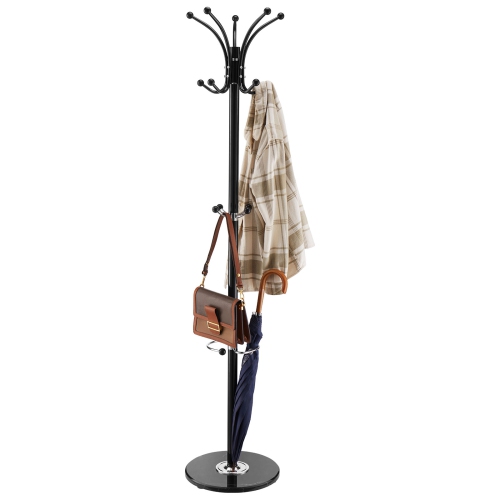
A dedicated spot for coats and everyday belongings
Coat lockers are storage units that combine hanging space for outerwear with compartments for everyday belongings. Depending on the design, they may include hooks, open cubbies, shelves, enclosed sections, or a bench, keeping coats and bags together without spreading them across chairs and floors. They suit home entryways, mudrooms, classrooms, childcare centres, staff rooms, and shared activity spaces where people need an easy place to leave personal belongings. An open coat locker makes each compartment visible and accessible, while an enclosed design offers a tidier appearance and may provide more privacy. Lockable doors are a separate feature rather than something every coat locker includes, so the distinction matters in shared settings. At home, an individual section for each family member can give a school bag, jacket, and pair of shoes a consistent landing place. In a classroom, clearly separated compartments help children recognize their own space and keep belongings from becoming mixed together. The most useful layout depends on what needs to fit inside: long coats need hanging clearance, bulky backpacks need depth, and smaller accessories are easier to find on a shelf than at the bottom of a tall compartment. A row of narrow sections can serve several users, while wider compartments may better accommodate larger bags or multiple garments. Integrated seating can make footwear changes more comfortable, although a shelf should never be treated as a seat unless the unit is designed for that purpose. Coat lockers differ from basic coat racks because they provide more defined storage zones, and they differ from wardrobes because many prioritize quick access over fully enclosed clothing storage. That combination makes them particularly practical in spaces with repeated arrivals and departures. A well-proportioned unit creates a recognizable place to put things down, whether it holds a child’s backpack after school, a visitor’s coat during an appointment, or a staff member’s belongings during a shift.
Materials influence both the appearance of coat lockers and how they stand up to daily handling. Solid wood can bring visible grain and a furniture-like finish to a residential entryway, while plywood offers a layered construction often used for cubby-style units. Engineered wood can provide a smooth, consistent surface with a range of finishes, though its suitability for frequent use depends on the panel construction, edge treatment, and hardware. Metal lockers offer a different look and may suit utility areas or shared facilities; a painted or powder-coated finish helps create a surface that is straightforward to wipe clean. No material is maintenance-free, and the points that receive the most contact deserve attention. Hooks, door hinges, shelf supports, lower edges, and compartment dividers all experience repeated handling. Smoothly finished edges, securely fitted hardware, and a stable base contribute to a unit that feels dependable rather than flimsy. For children’s spaces, rounded corners and hooks positioned within comfortable reach can make everyday use easier, alongside age-appropriate construction and installation. For adult users, hanging height and compartment width become more important when storing longer garments or work bags. Fit also involves the room around the locker. Overall width, height, and depth need to work with nearby doors, skirting boards, light switches, and walking routes. Door-front designs require opening clearance, while a unit with a bench needs enough space for someone to sit without blocking the passage behind them. Open cubbies avoid door clearance, but bags and sleeves can still project beyond the front edge if compartments are too shallow. A low unit may preserve sightlines in a shared room, whereas a taller design can use vertical space more efficiently. Wall-mounted and freestanding styles have different installation needs, and any required anchoring should follow the manufacturer’s directions using fixings suitable for the wall construction. The right fit leaves room for people as well as possessions, especially where several users arrive together.
Daily use often reveals which details matter most. A child trying to hang a backpack with one hand benefits from an accessible hook and an opening that does not require careful manoeuvring. An adult carrying a bag and coat may prefer a wider compartment over several small cubbies. In busy shared spaces, visible labels or assigned sections can make the storage arrangement easier to follow, while adjustable shelves, where included, allow the layout to accommodate changing needs. Ventilated panels or open sections can support airflow, but they do not replace regular cleaning or the need to dry belongings before putting them away. Care should match the material and finish: a soft cloth and a manufacturer-approved cleaning method are generally preferable to abrasive pads or harsh chemicals. Spills should be removed promptly, and surfaces dried rather than left with standing moisture. Wood-based panels particularly benefit from attention to exposed edges and joints, while painted metal should be checked for chips or scratches that could worsen with repeated contact. Hardware also needs occasional inspection, especially in spaces where doors and hooks are used throughout the day. Load limits matter for shelves, hooks, and benches alike; a compact unit is not necessarily intended to hold several heavy bags on a single attachment point. Where assigned student storage and secure compartments are the main priority, School Lockers may offer a more suitable format than an open coat-and-cubby arrangement. For a home entryway or supervised childcare space, immediate access and clear separation may be more valuable than individual locks. Appearance can support that practical role without taking over the room: lighter finishes can blend with pale cabinetry, darker finishes can create contrast, and simple metal designs can coordinate with other utility storage. A useful coat locker ultimately matches the habits of the people using it, with hanging space at the right height, compartments large enough for their belongings, and surfaces that can withstand the care the setting requires.
Top selling and popular products
-
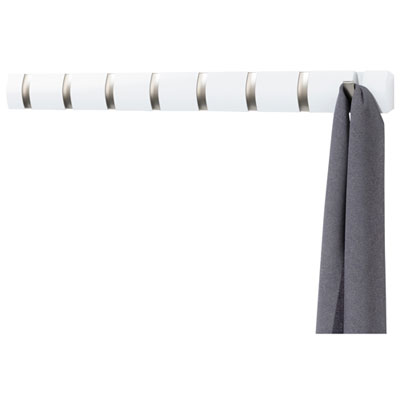 Your price for this item is $59.99
-
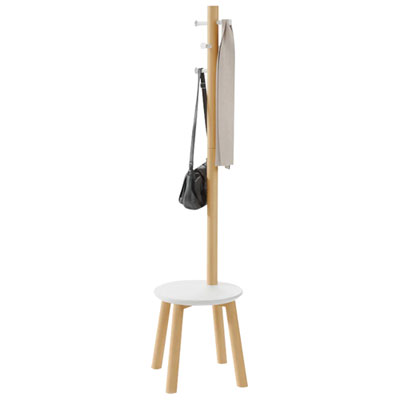 Your price for this item is $119.98
-
 Your price for this item is $265.05
-
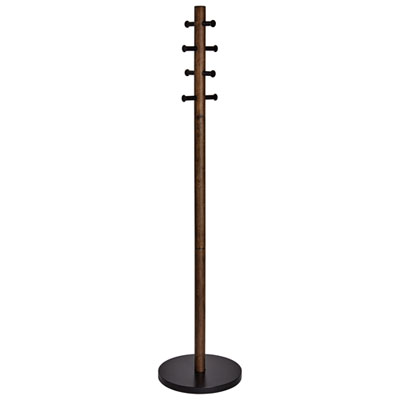 Your price for this item is $144.98
-
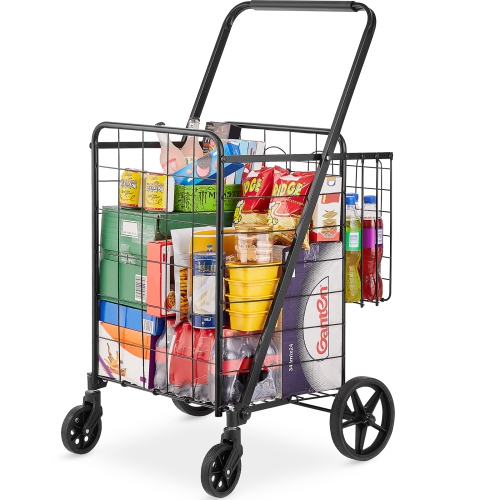 Your price for this item is $75.9
-
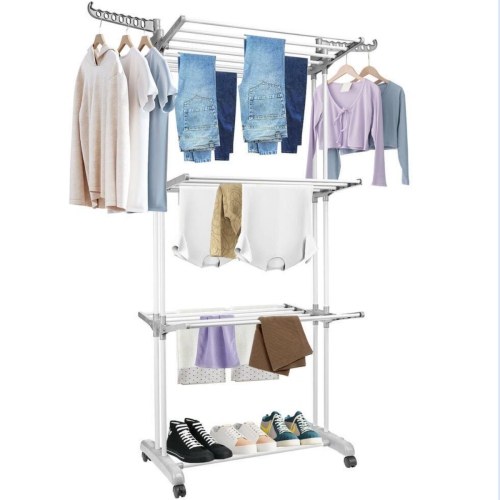 Your price for this item is $49.99
-
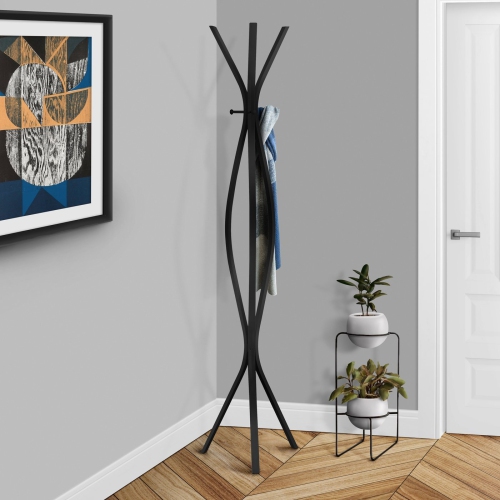 Your price for this item is $69.97
-
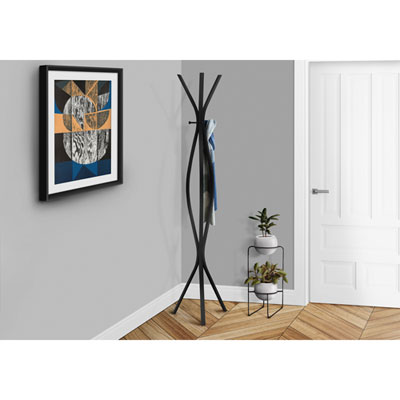 Your price for this item is $99.99
Discover more categories related to Coat Lockers
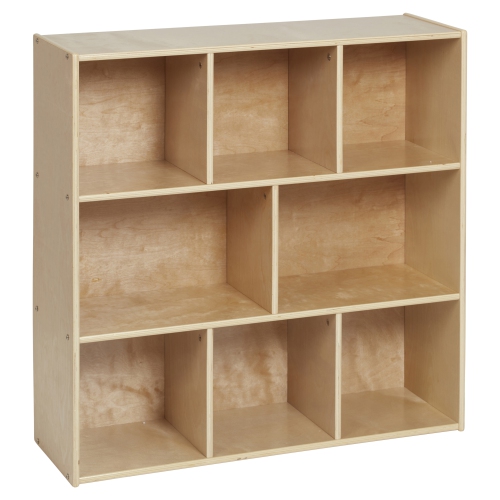
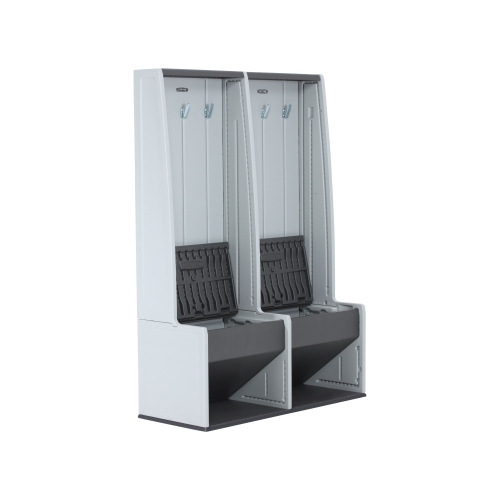
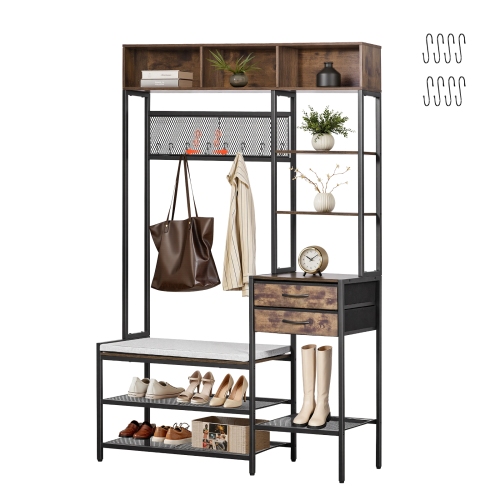
Top Collections:
Best Black Friday Deals This Year, Best Black Friday Deals On Electronics, Kindle Devices, Pokemon Centers, Best Black Friday Deals On Apple Products, Best Cameras for Sports Photography, Dyson Airwrap, Pokémon 30th Celebration Cards, Apple iPhone 17 Pro, Canon G7X Cameras
Some products may be subject to Environmental Handling Fees
(EHF) depending on your province.
Learn more about EHFs.