Entryway Coat Racks
Transform your entryway into a stylish and organized space with these entryway coat racks. Say goodbye to cluttered floors and hello to a functional and visually appealing solution for hanging coats, hats, scarves, and more. Whether you have a small entryway or a spacious foyer, we have a variety of coat rack options to suit your style and needs. From sleek and modern designs to rustic and vintage-inspired pieces, find the perfect coat rack that complements your home decor while keeping your entryway neat and tidy.
Sort
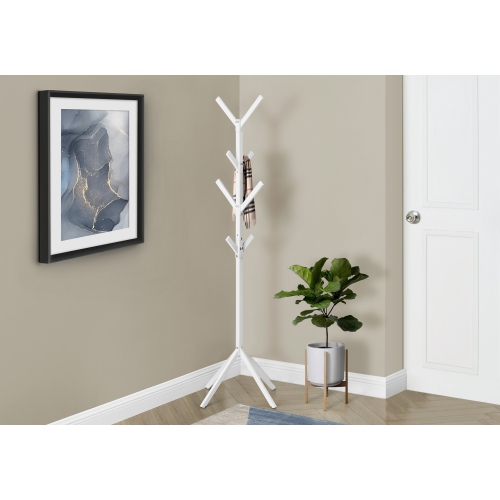
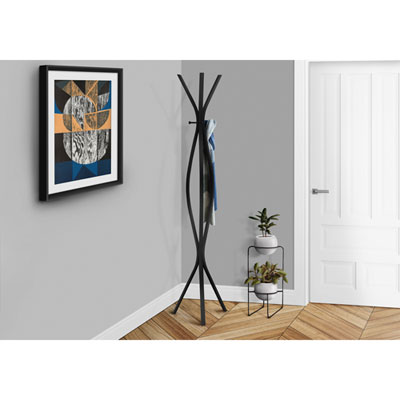
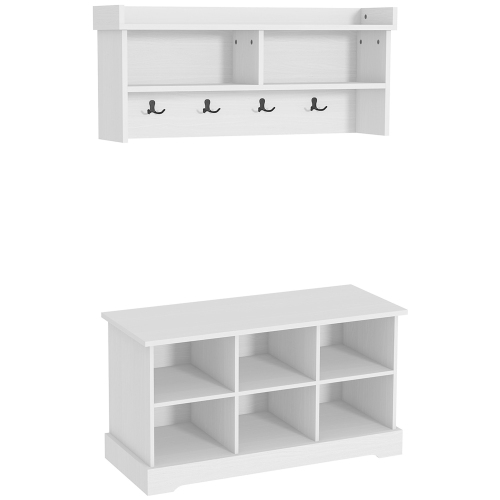
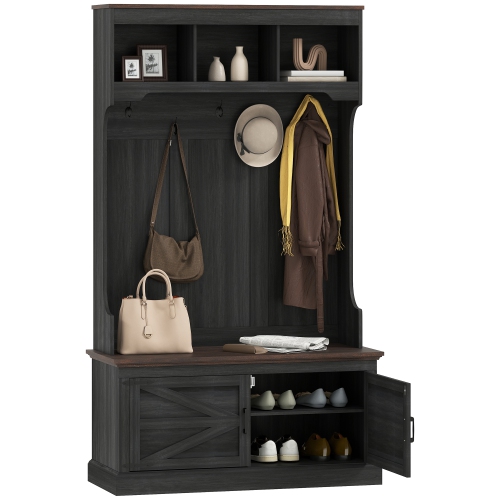
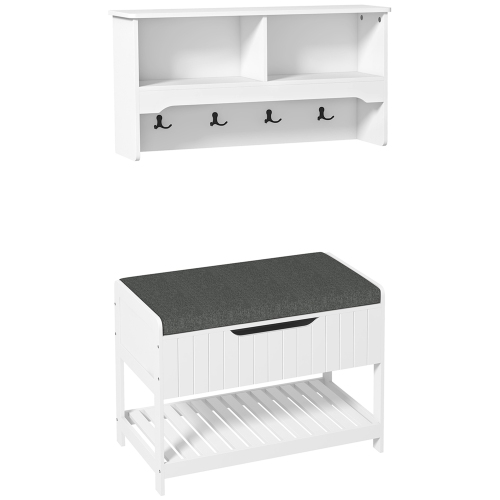
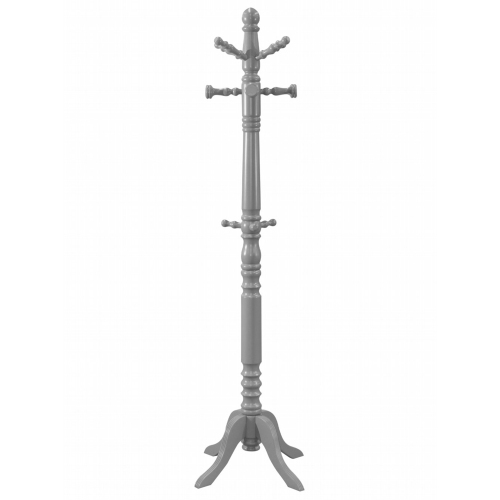
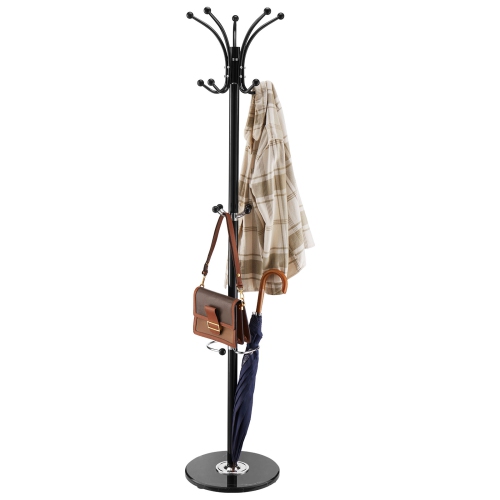
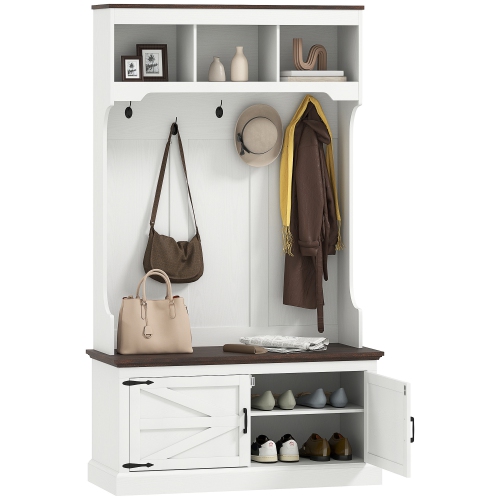
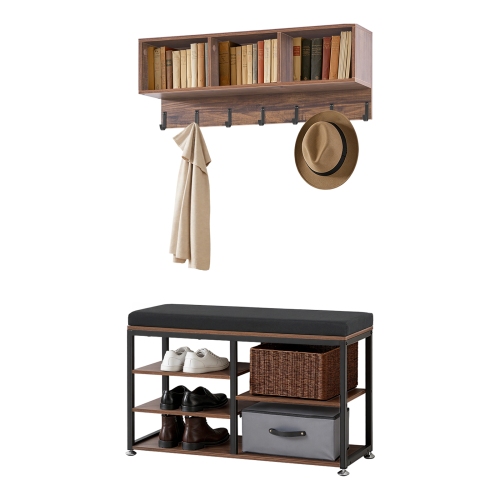
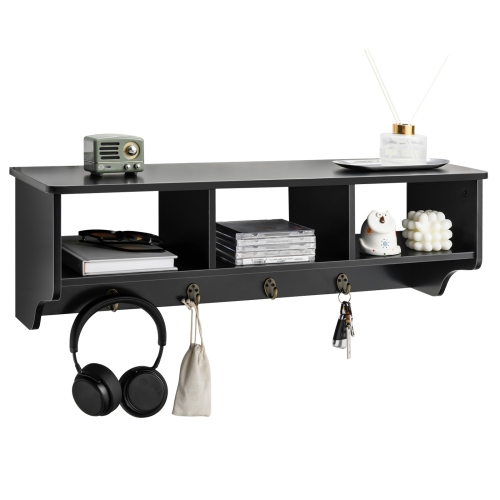
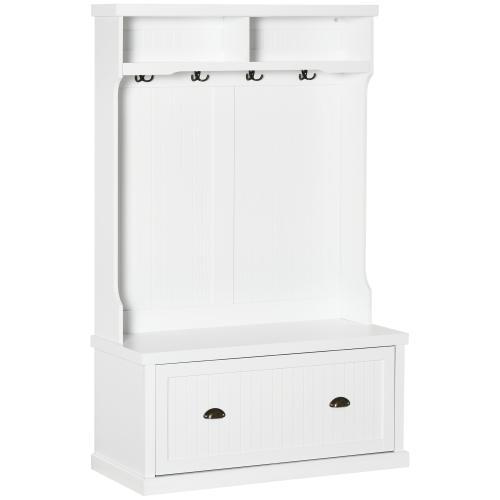
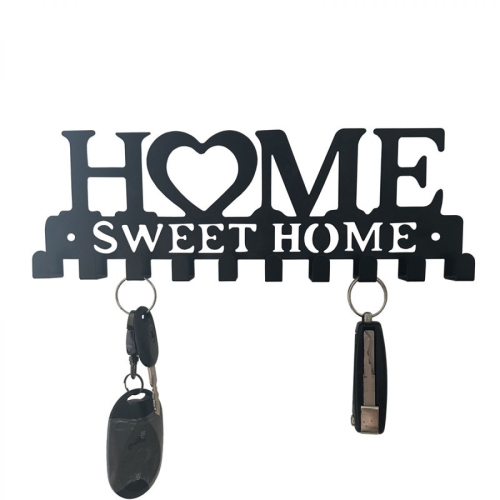
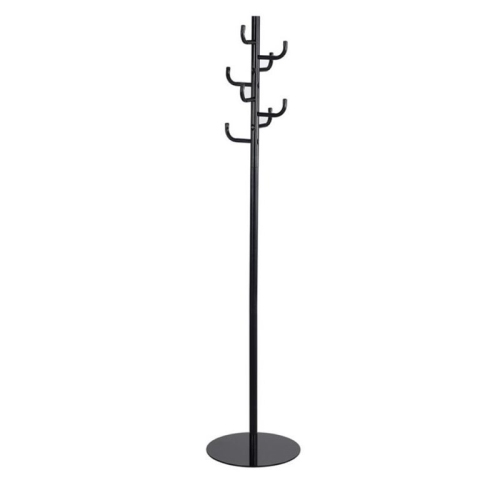
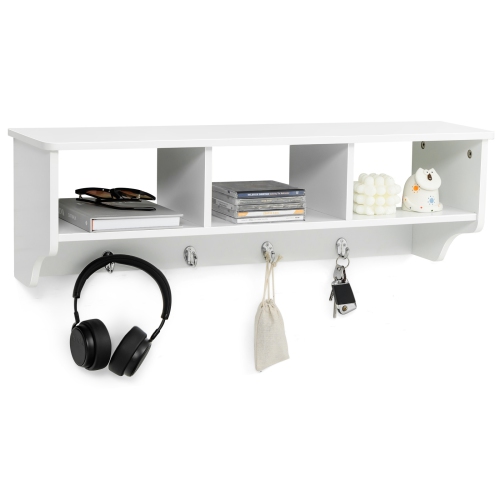
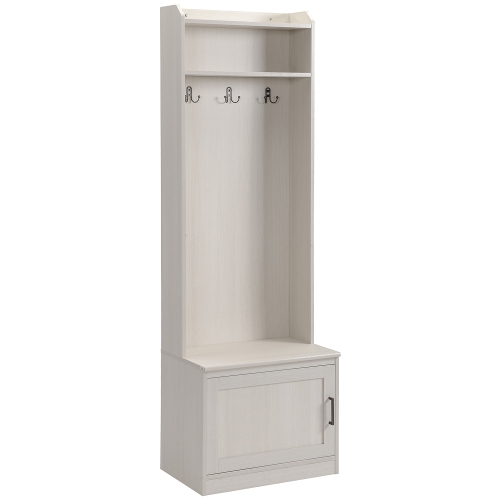
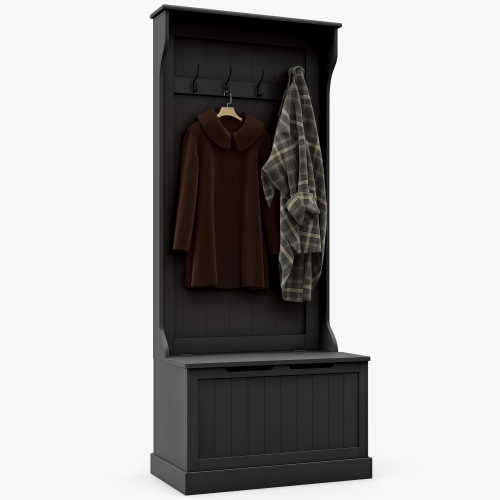
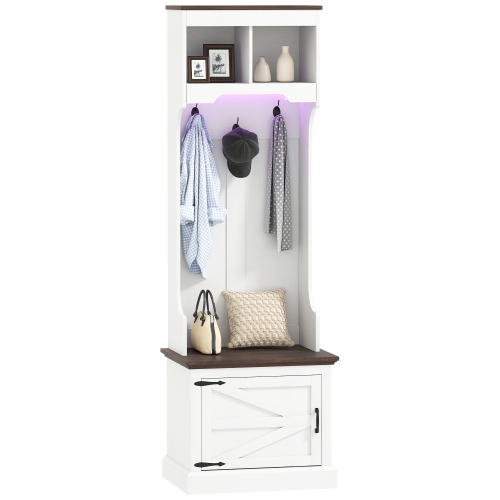
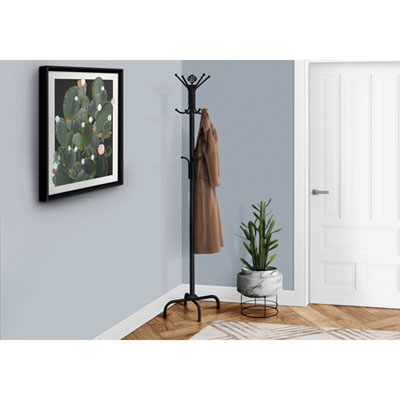
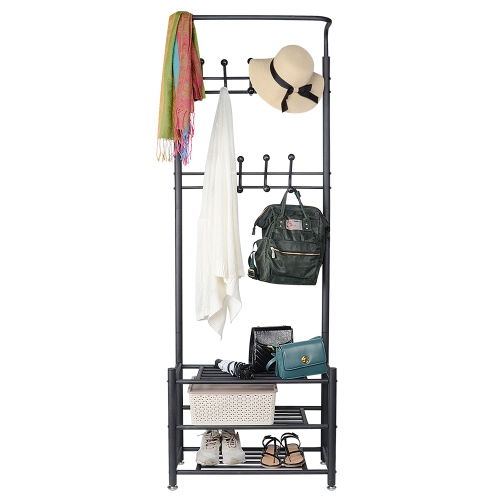
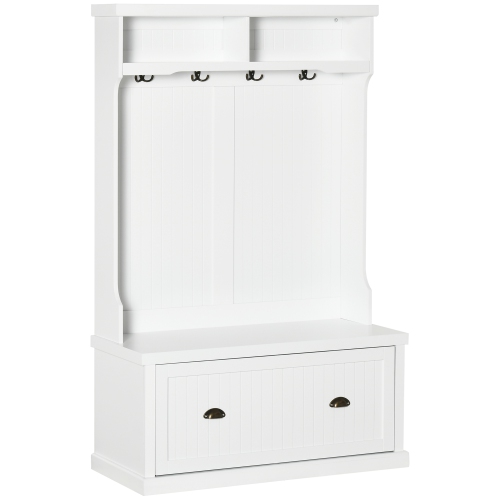
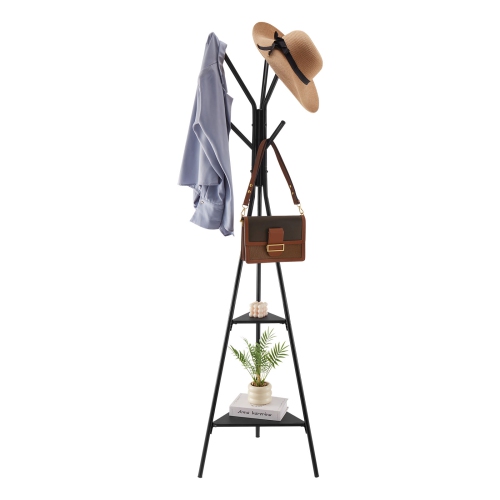
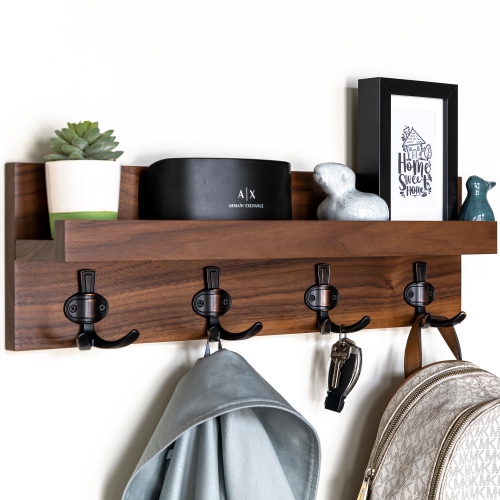
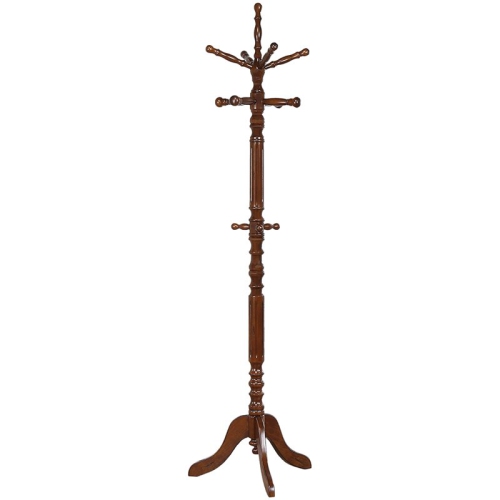
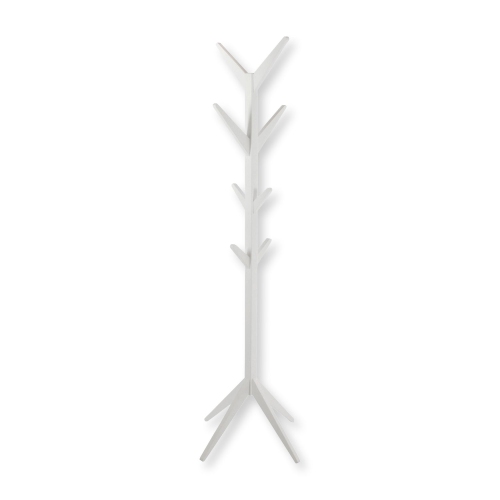
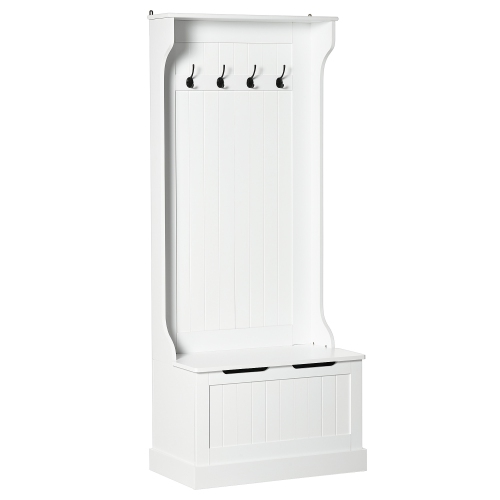
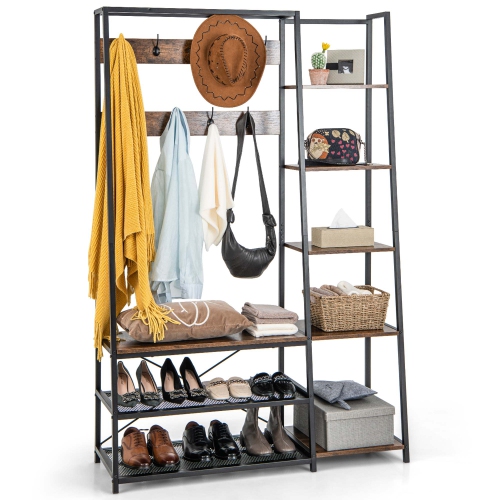
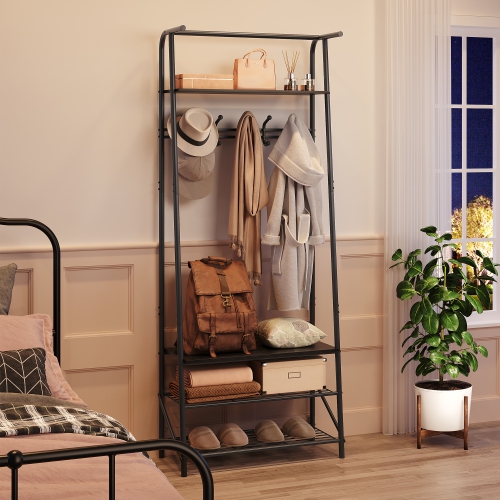
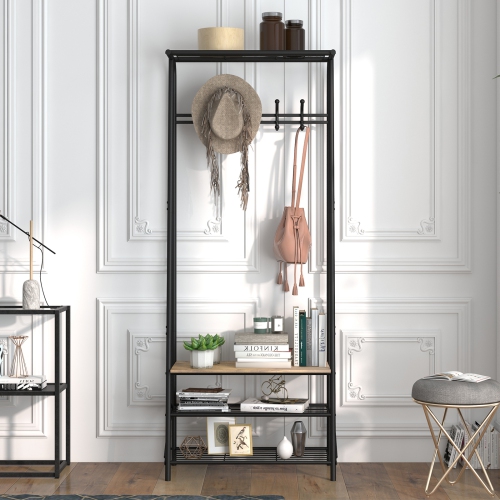
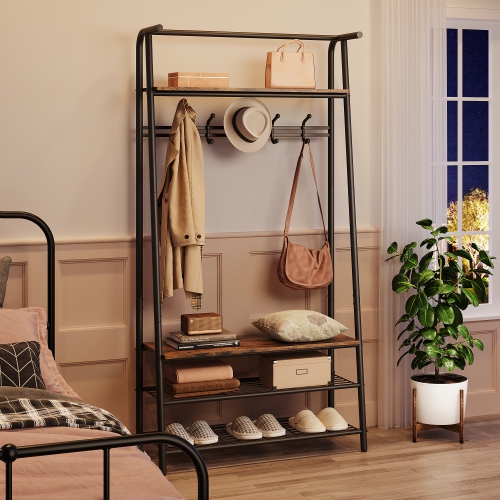
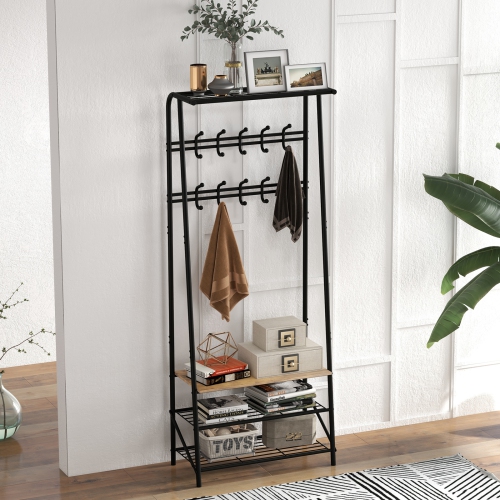
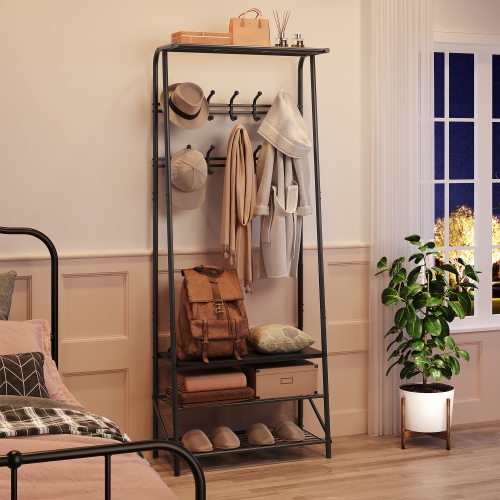
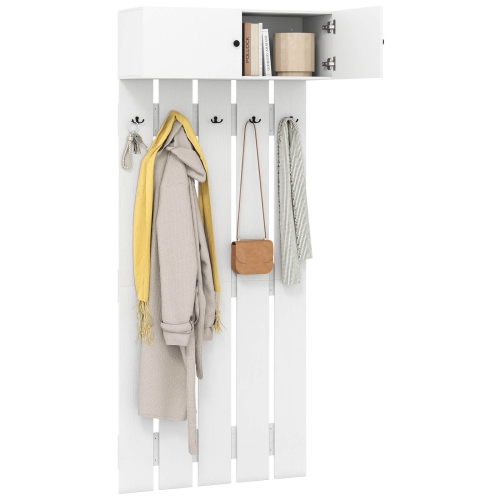
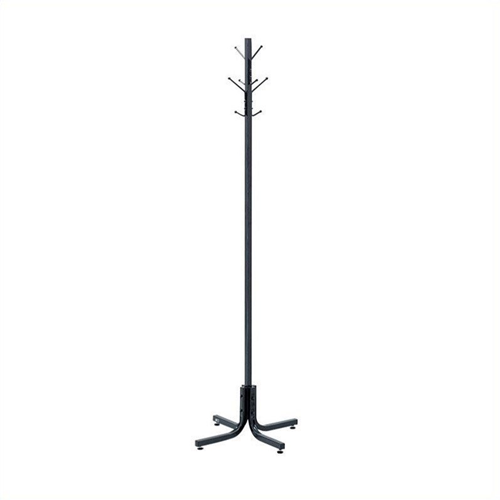
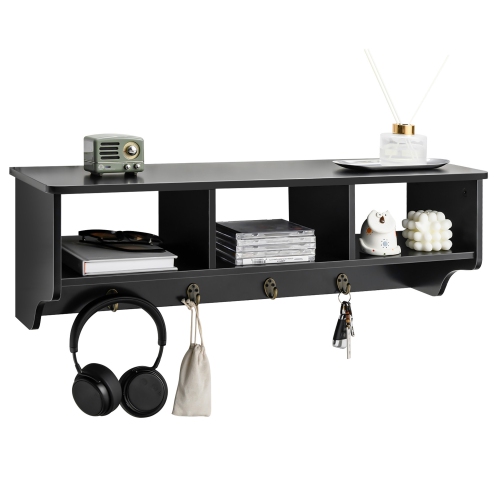
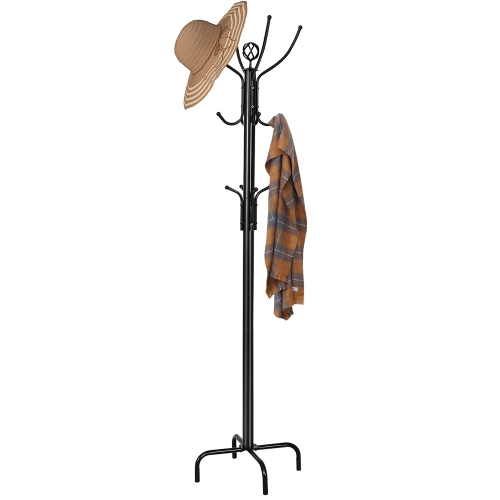
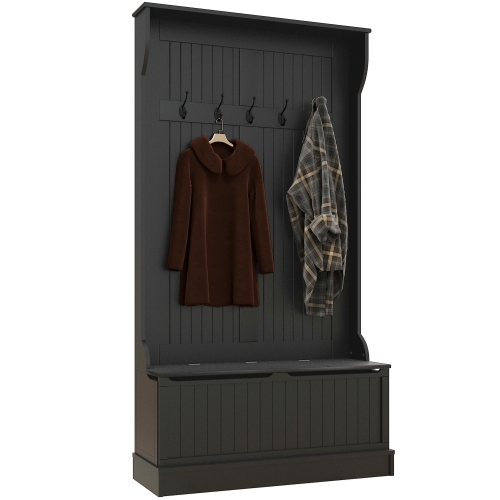
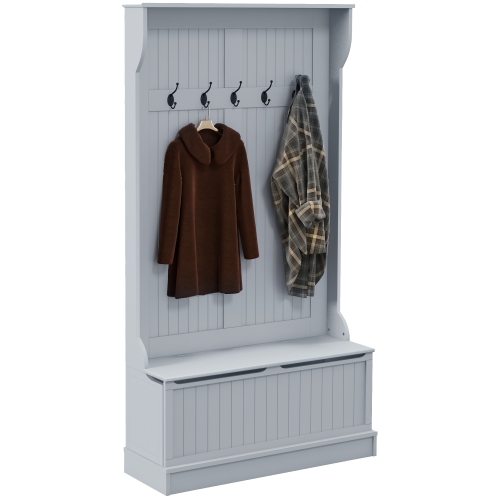
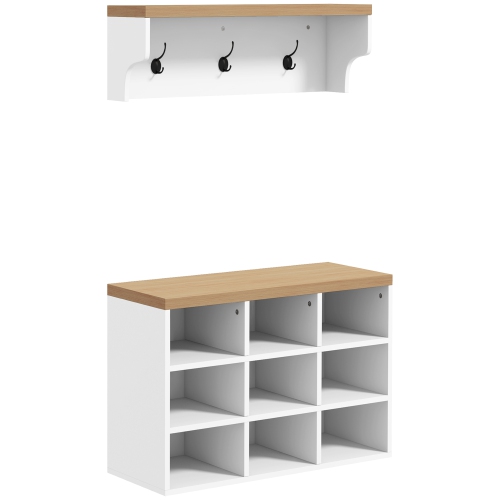
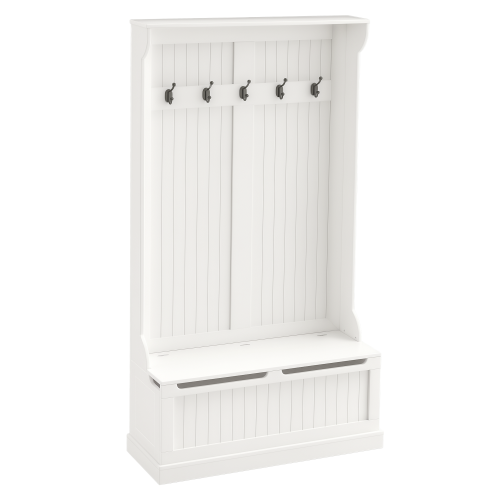
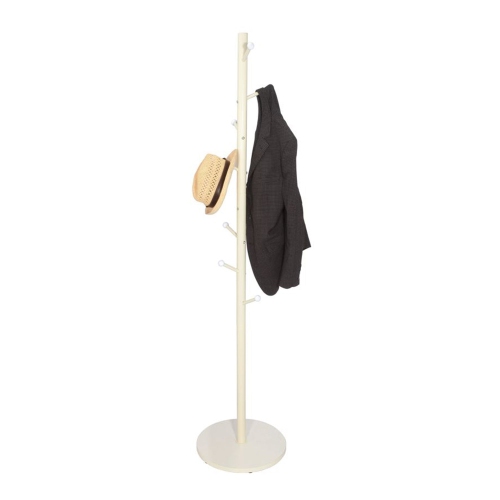
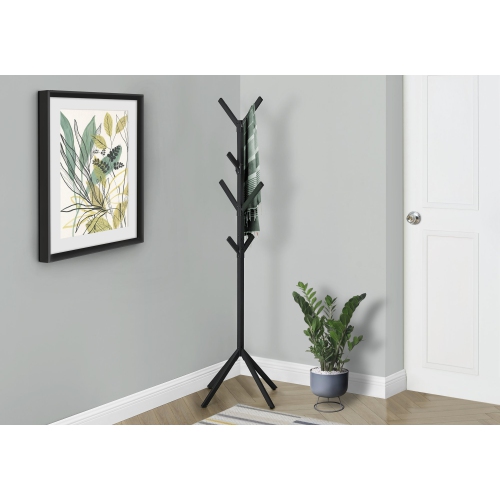
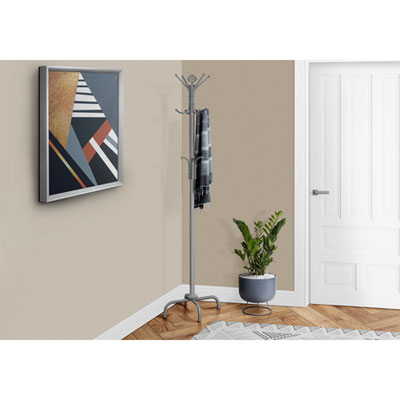
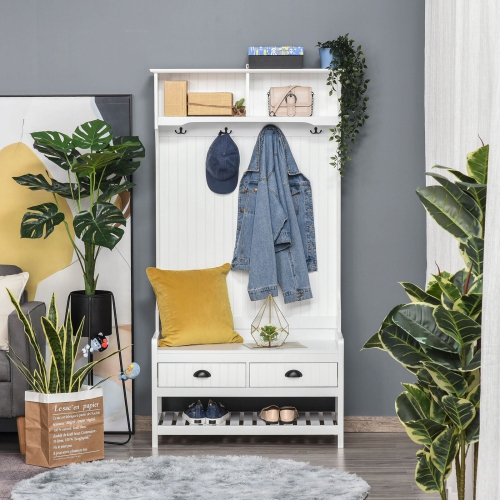
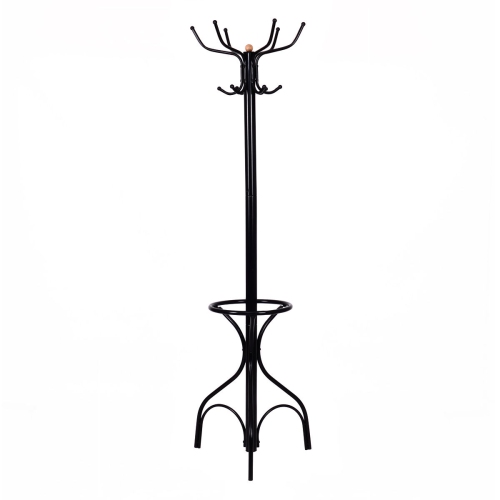
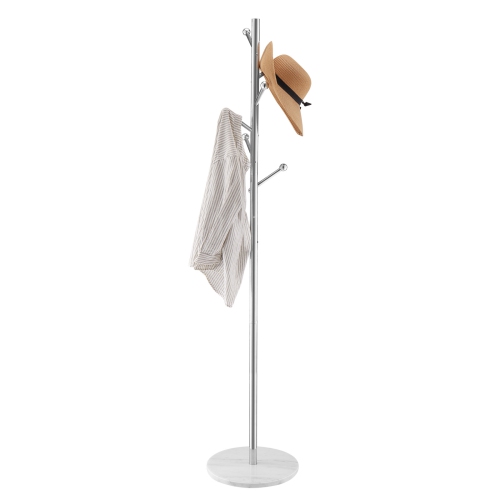
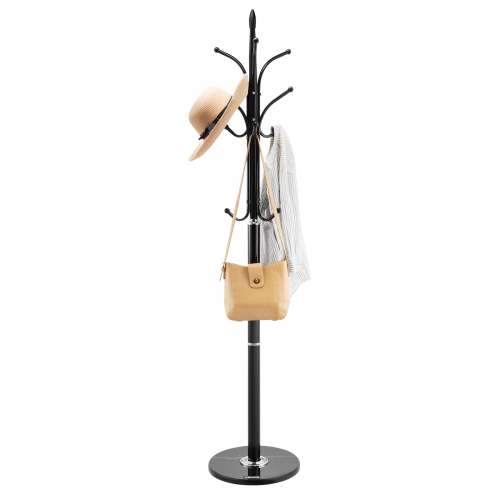
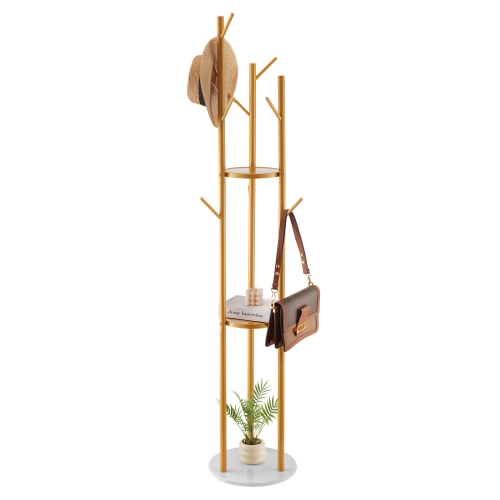
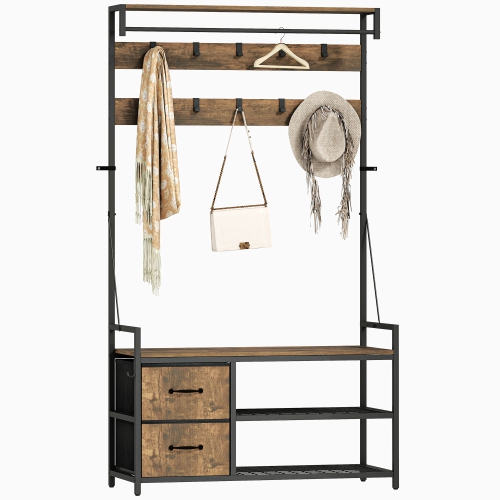
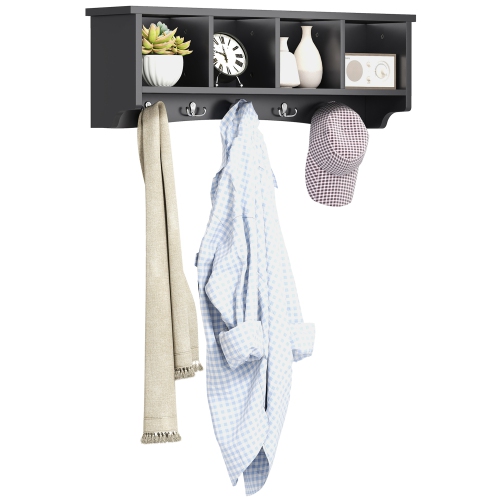
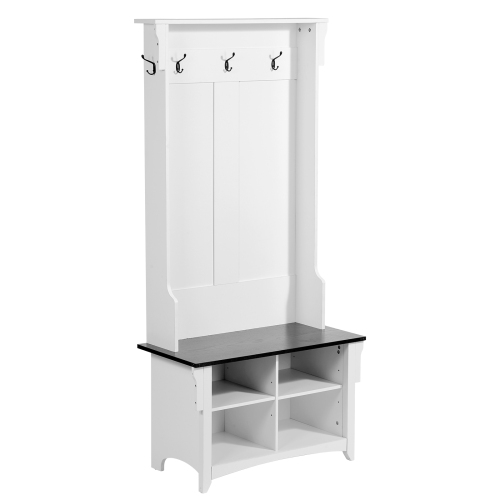
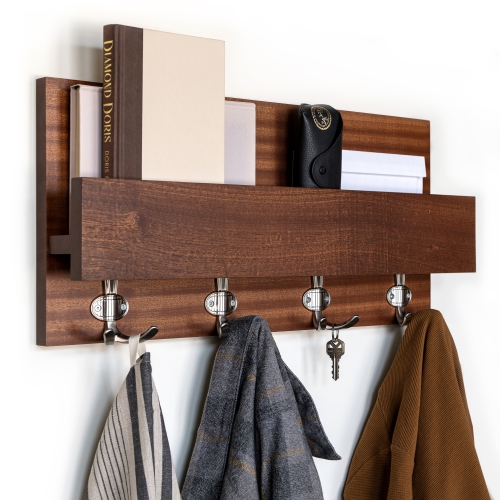
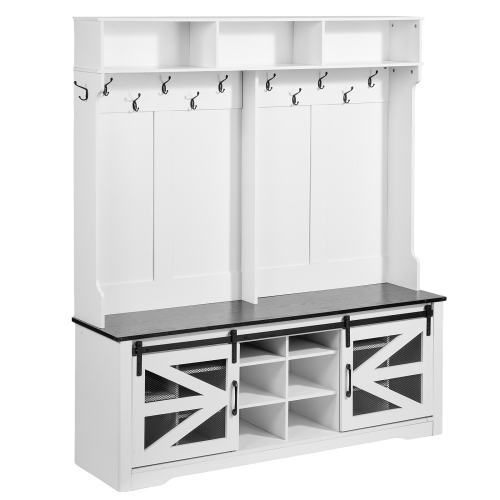
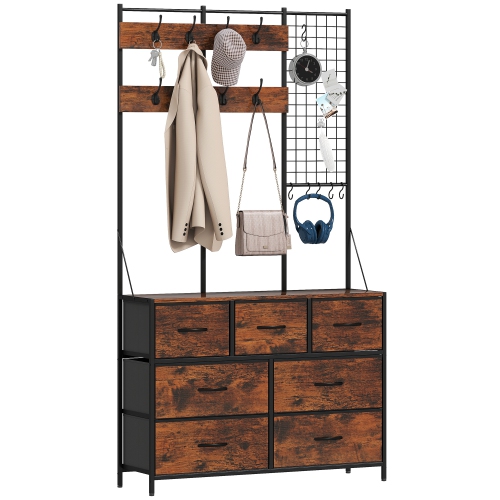
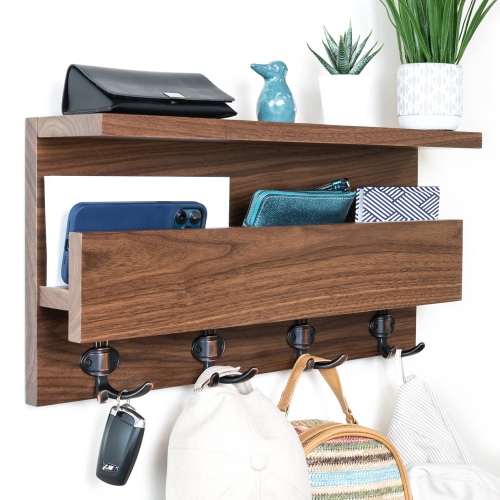
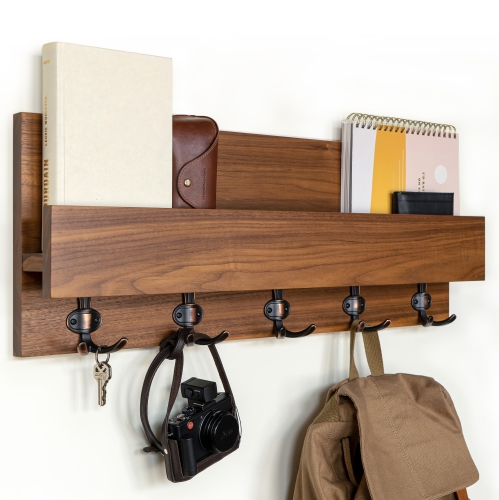
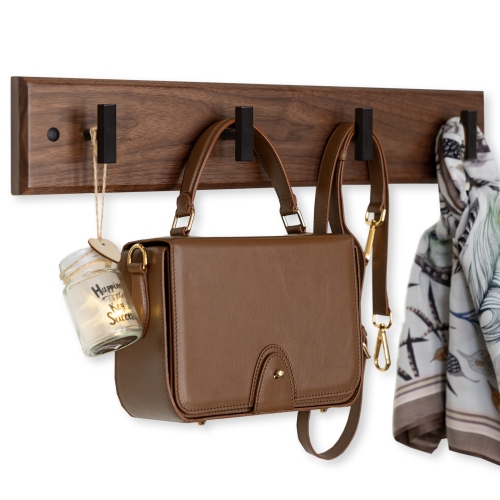
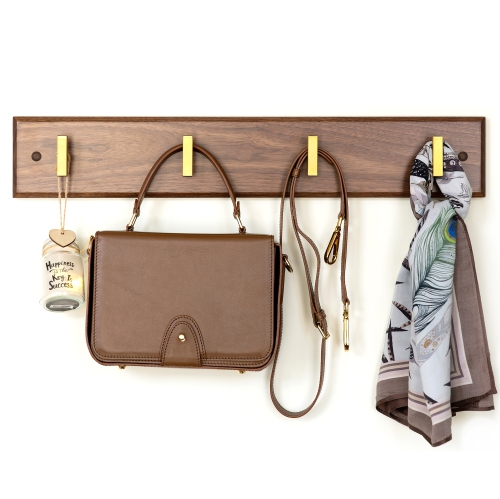
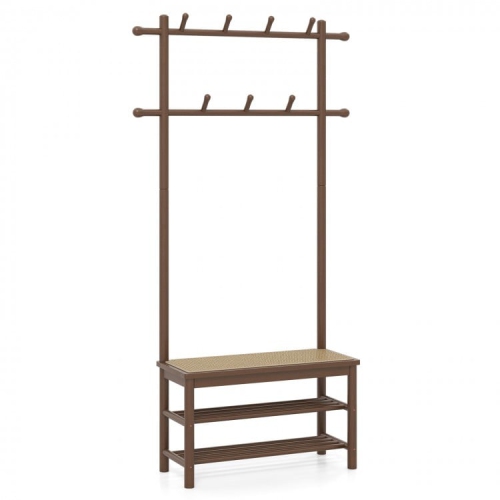
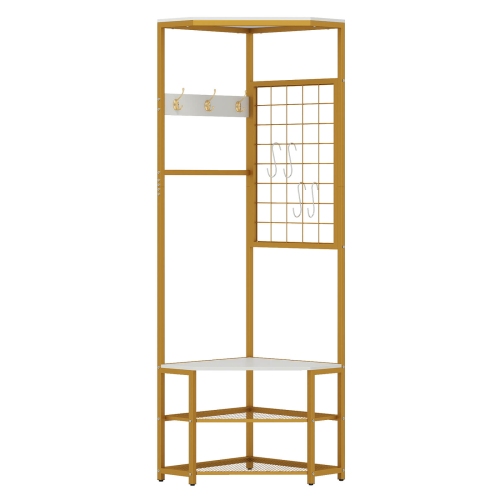
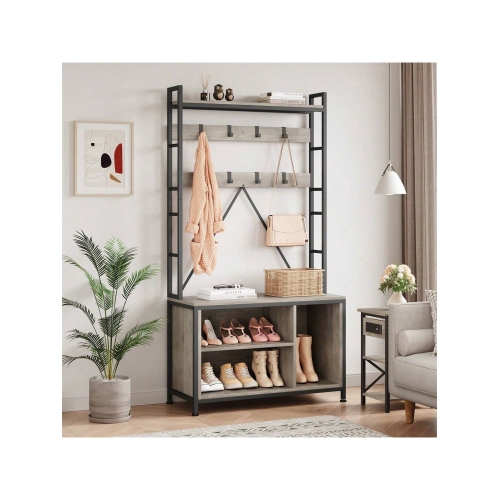
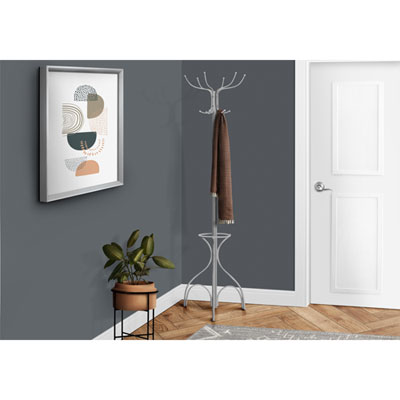

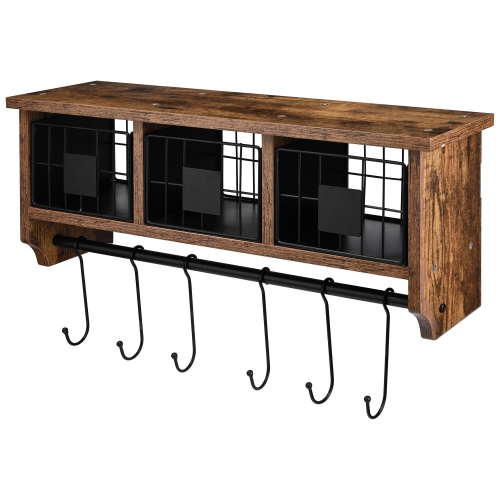
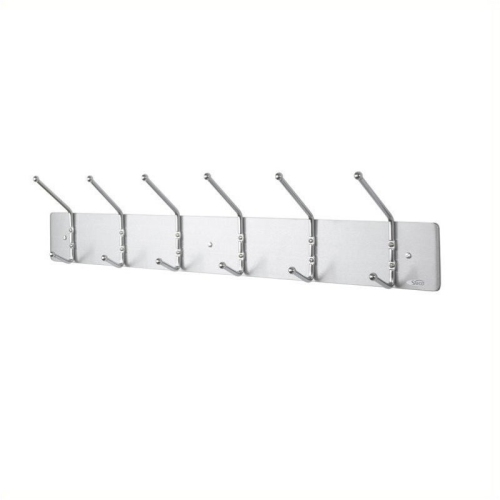
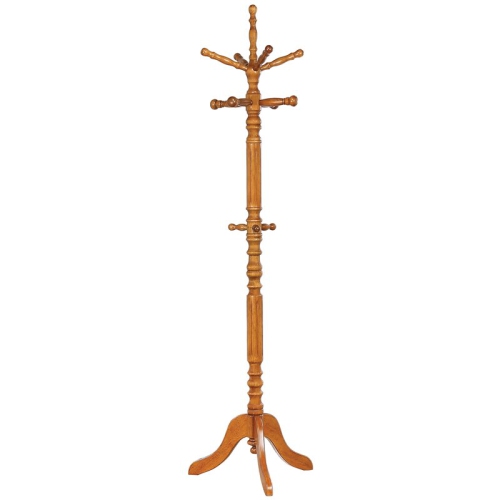
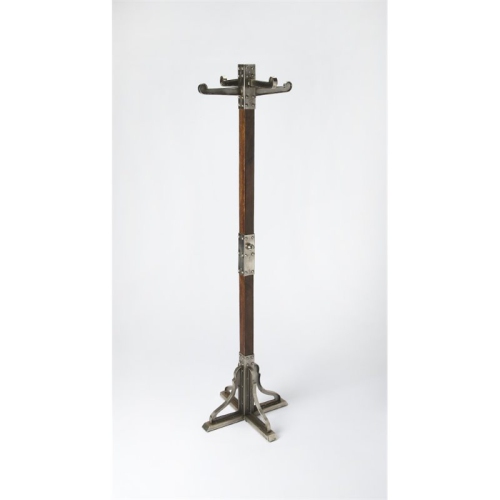
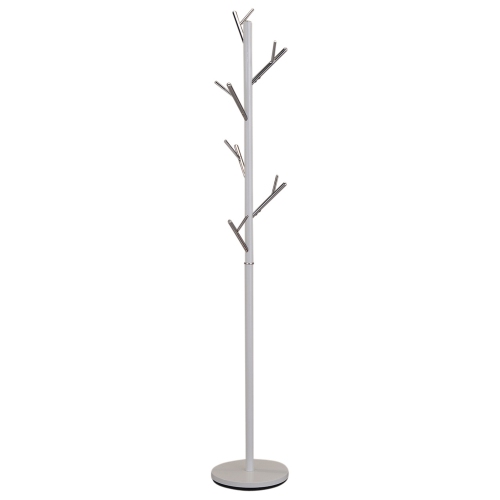
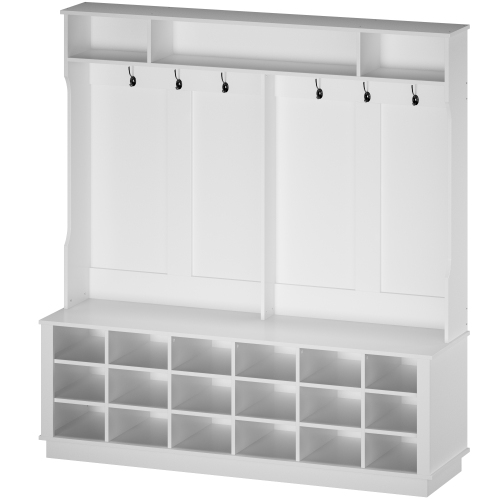
A place for coats without crowding the door
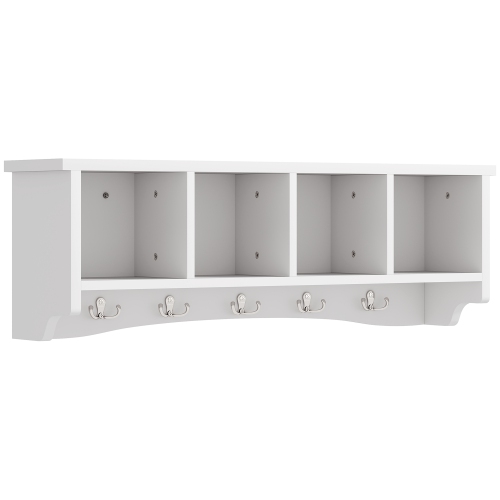
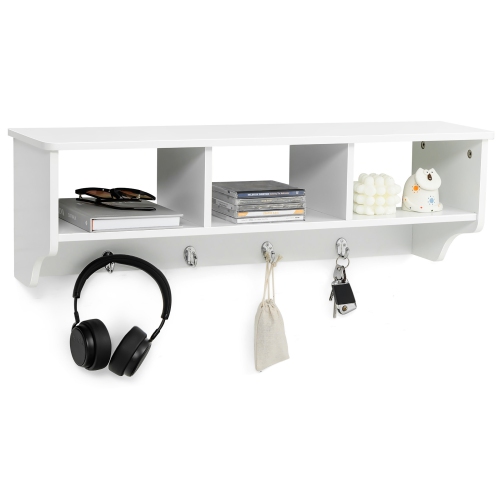
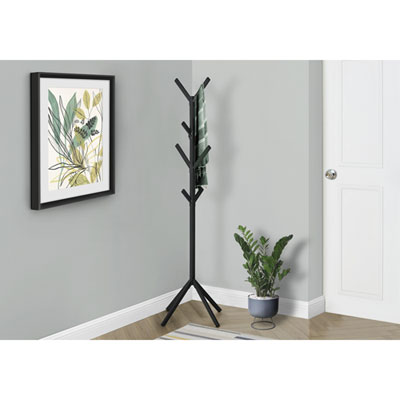
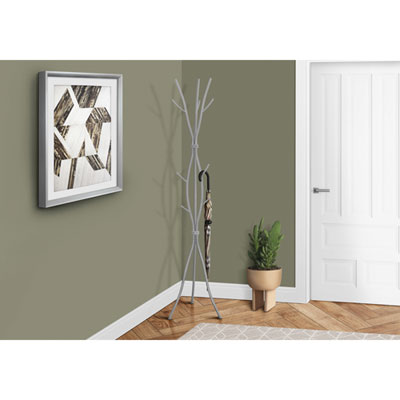
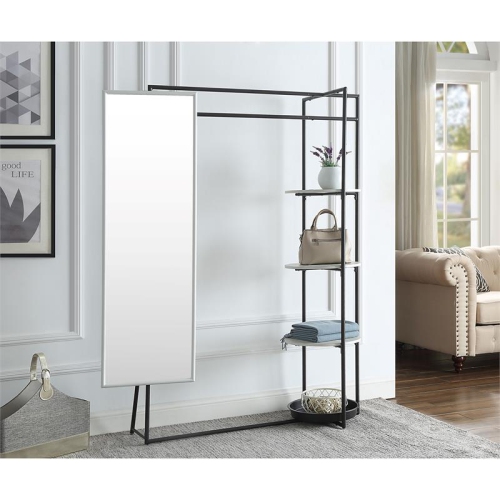
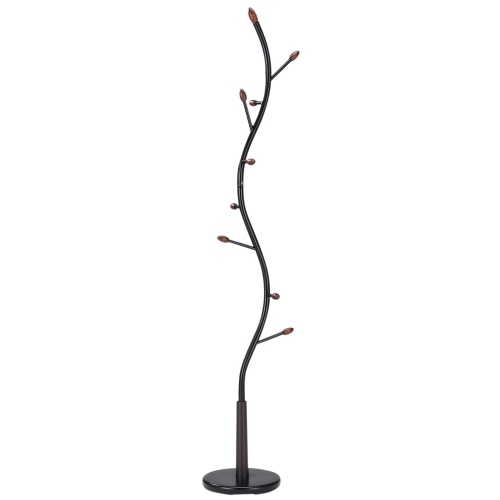
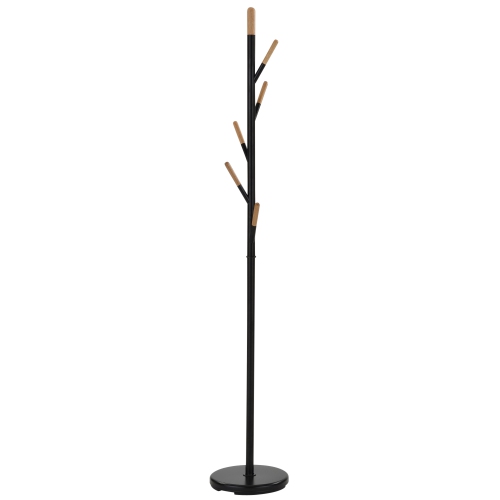
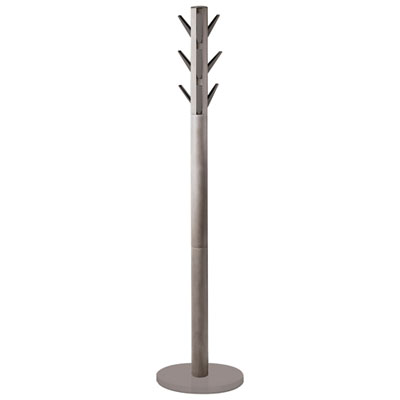
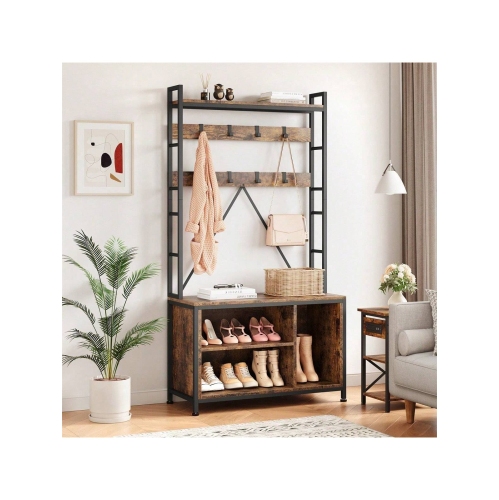
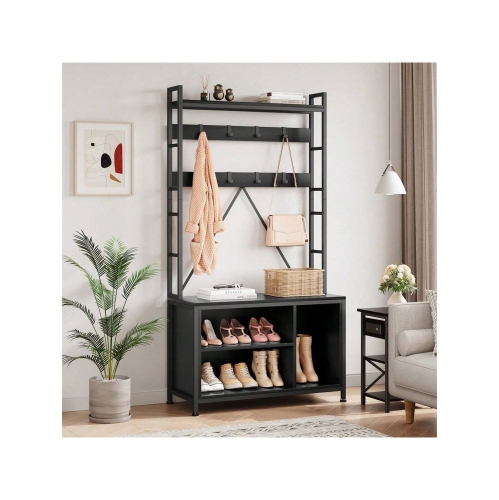
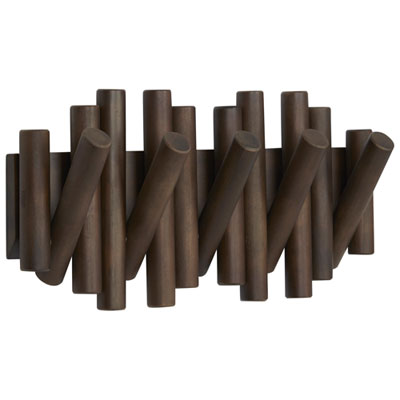
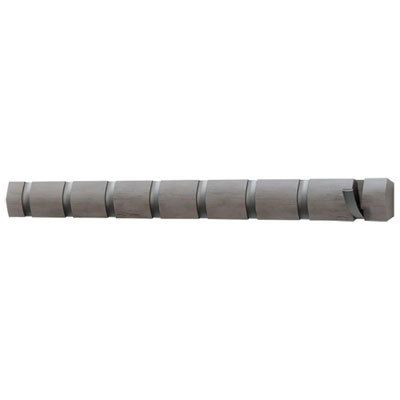
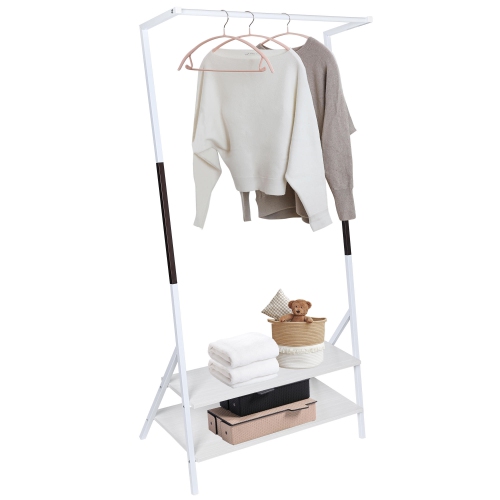
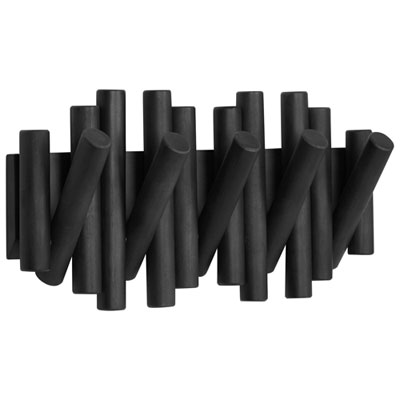
Entryway coat racks give jackets, bags, hats, and everyday accessories a defined place near the door, helping keep chairs, counters, and stair rails clear. The main styles include freestanding coat trees, wall-mounted hook racks, and hall trees that combine hanging space with a bench or shoe storage. Each serves a different kind of entrance. A slender coat tree can suit an apartment foyer without a closet, while a row of wall hooks leaves the floor open in a narrow passage. A hall tree brings several storage functions together, making it useful for households where shoes, backpacks, and outerwear all land in the same spot. The best fit depends as much on movement through the entrance as on the dimensions of the rack itself. Measure the intended location with the front door open, and allow room for nearby closet doors, drawers, and people carrying shopping bags. A coat rack’s listed width does not always reflect the space it occupies once loaded: sleeves and shoulder bags can extend well beyond the hooks. In a compact entrance, hooks that sit close to the wall or fold away when unused can help reduce projections, although hanging garments will still need clearance. Corner placement can make a freestanding rack less intrusive, provided its base sits fully on a level surface and does not narrow the walking route. For entrances that open into a longer passage, Hallway Coat Racks offer another way to browse storage suited to that layout. Hook spacing also matters. Closely grouped hooks may hold several light accessories neatly, but bulky jackets need more separation to remain easy to reach. A rack with hooks at different heights can divide hanging space between long coats, shorter jackets, and bags. Lower hooks can make daily routines easier for children or anyone who prefers storage within a comfortable reach, while higher hooks help keep longer garments off the floor.
Materials influence the appearance, weight, and upkeep of an entryway coat rack, but construction is just as important as the material name. Solid wood brings visible grain and a substantial feel, with finishes that can blend into traditional, modern, or relaxed interiors. Wood-based panels are often used for the shelves, back panels, and bench surfaces of larger hall trees; their durability depends partly on the quality of the surface finish, edge treatment, and assembly. Metal frames can create a slimmer profile, with painted or powder-coated finishes offering different colours and textures. Smooth welds, neatly finished edges, and firmly attached hooks are useful details to look for, especially where fabric will brush against the frame every day. Rounded pegs or hooks with broad ends can be gentler on garment loops than sharp, narrow contact points. A sturdy-looking rack still needs to be used within its stated limits. Check both the total weight capacity and any separate limits for individual hooks, shelves, or seating. A heavily packed work bag puts a different load on a hook than a scarf, and several bags hanging on one side can unbalance a freestanding design. A broad or weighted base can help with stability, but the rack should still be loaded evenly and positioned where it is unlikely to be bumped. Wall-mounted coat racks depend on secure installation as well as strong hooks. Fasteners need to suit the wall construction and expected load; supplied hardware may not be appropriate for every surface. Mounting into studs or using suitable anchors, as directed by the manufacturer, helps support everyday use. Tall hall trees may also require an anti-tip attachment, even when they include a bench. In a rental home, installation permissions are worth checking before choosing a wall-mounted style. A freestanding rack avoids mounting holes unless anchoring is required, though its footprint and balance still deserve careful attention.
The most useful entryway storage matches what actually arrives at the door. For one person, a few well-spaced hooks may be enough for a daily jacket, a tote, and a cap. A shared household may need distinct hanging positions so that reaching one coat does not pull down another. Hooks arranged at several levels can separate belongings, while an upper shelf can hold baskets for smaller accessories that otherwise disappear beneath bags. Shelf height should suit how often those accessories are needed: everyday essentials belong within easy reach, while less-used belongings can sit higher. A coat rack with a bench adds a place to sit while putting on shoes, but a storage ledge should not be treated as seating unless it is designed and rated for that purpose. Check the seat height, depth, and weight capacity, along with the space in front needed to sit and stand comfortably. Open shoe shelves keep pairs visible, whereas enclosed compartments create a more contained appearance but may need extra attention to airflow and interior cleaning. Larger footwear can require more clearance than low-profile shoes, so shelf spacing matters as much as the number of tiers. For a welcoming entrance, leave some hooks free for visitors rather than filling every position with long-term storage. Keeping heavier bags on suitable lower hooks or shelves can also make the arrangement easier to use, provided the rack’s instructions allow it. Routine care is usually straightforward: dust the frame, wipe contact points with a soft cloth, and use cleaning methods suited to the finish. Avoid soaking wood or panel edges, dry spills promptly, and follow the care label for upholstered bench cushions or fabric bins. Periodically check screws, joints, hooks, and wall attachments for looseness, particularly on furniture used several times a day. An entryway coat rack can also make a practical housewarming gift when the recipient’s space, preferred style, and installation needs are known. Whether it stands beside a small apartment door or anchors a busy family entrance, its value comes from making everyday belongings easier to put away and find again.
Materials influence the appearance, weight, and upkeep of an entryway coat rack, but construction is just as important as the material name. Solid wood brings visible grain and a substantial feel, with finishes that can blend into traditional, modern, or relaxed interiors. Wood-based panels are often used for the shelves, back panels, and bench surfaces of larger hall trees; their durability depends partly on the quality of the surface finish, edge treatment, and assembly. Metal frames can create a slimmer profile, with painted or powder-coated finishes offering different colours and textures. Smooth welds, neatly finished edges, and firmly attached hooks are useful details to look for, especially where fabric will brush against the frame every day. Rounded pegs or hooks with broad ends can be gentler on garment loops than sharp, narrow contact points. A sturdy-looking rack still needs to be used within its stated limits. Check both the total weight capacity and any separate limits for individual hooks, shelves, or seating. A heavily packed work bag puts a different load on a hook than a scarf, and several bags hanging on one side can unbalance a freestanding design. A broad or weighted base can help with stability, but the rack should still be loaded evenly and positioned where it is unlikely to be bumped. Wall-mounted coat racks depend on secure installation as well as strong hooks. Fasteners need to suit the wall construction and expected load; supplied hardware may not be appropriate for every surface. Mounting into studs or using suitable anchors, as directed by the manufacturer, helps support everyday use. Tall hall trees may also require an anti-tip attachment, even when they include a bench. In a rental home, installation permissions are worth checking before choosing a wall-mounted style. A freestanding rack avoids mounting holes unless anchoring is required, though its footprint and balance still deserve careful attention.
The most useful entryway storage matches what actually arrives at the door. For one person, a few well-spaced hooks may be enough for a daily jacket, a tote, and a cap. A shared household may need distinct hanging positions so that reaching one coat does not pull down another. Hooks arranged at several levels can separate belongings, while an upper shelf can hold baskets for smaller accessories that otherwise disappear beneath bags. Shelf height should suit how often those accessories are needed: everyday essentials belong within easy reach, while less-used belongings can sit higher. A coat rack with a bench adds a place to sit while putting on shoes, but a storage ledge should not be treated as seating unless it is designed and rated for that purpose. Check the seat height, depth, and weight capacity, along with the space in front needed to sit and stand comfortably. Open shoe shelves keep pairs visible, whereas enclosed compartments create a more contained appearance but may need extra attention to airflow and interior cleaning. Larger footwear can require more clearance than low-profile shoes, so shelf spacing matters as much as the number of tiers. For a welcoming entrance, leave some hooks free for visitors rather than filling every position with long-term storage. Keeping heavier bags on suitable lower hooks or shelves can also make the arrangement easier to use, provided the rack’s instructions allow it. Routine care is usually straightforward: dust the frame, wipe contact points with a soft cloth, and use cleaning methods suited to the finish. Avoid soaking wood or panel edges, dry spills promptly, and follow the care label for upholstered bench cushions or fabric bins. Periodically check screws, joints, hooks, and wall attachments for looseness, particularly on furniture used several times a day. An entryway coat rack can also make a practical housewarming gift when the recipient’s space, preferred style, and installation needs are known. Whether it stands beside a small apartment door or anchors a busy family entrance, its value comes from making everyday belongings easier to put away and find again.
Top selling and popular products
-
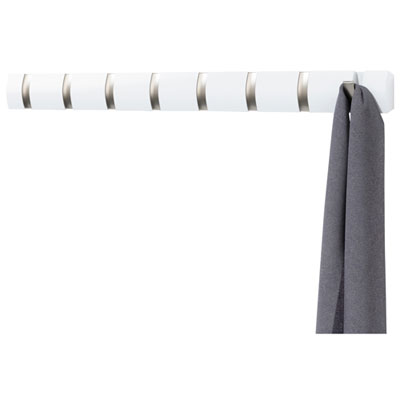 Your price for this item is $55.98
 -
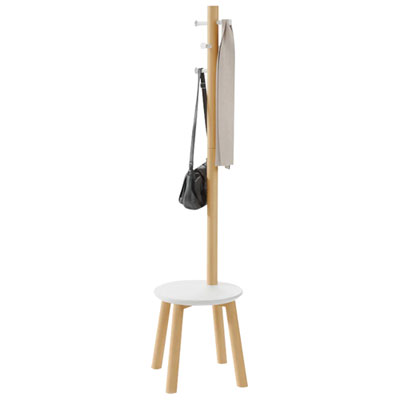 Your price for this item is $119.98
 -
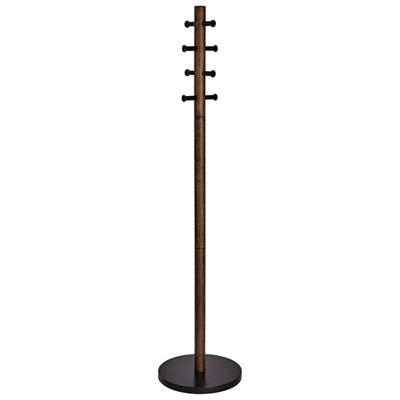 Your price for this item is $144.98
 -
 Your price for this item is $75.9
 -
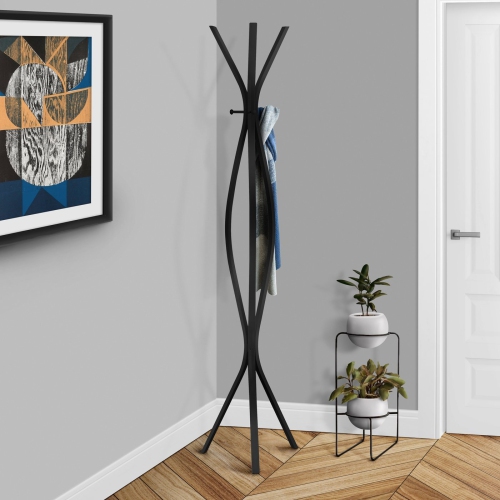 Your price for this item is $69.97
 -
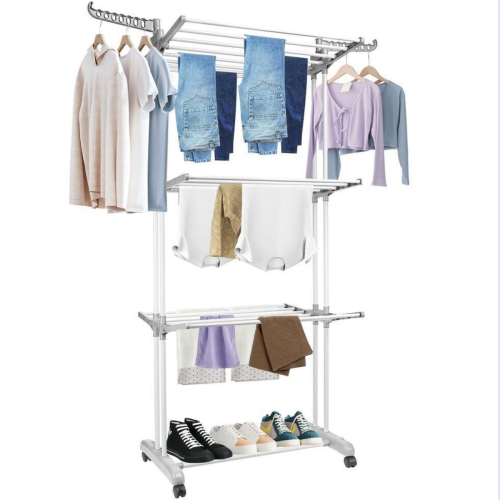 Your price for this item is $49.99
 -
 Your price for this item is $46.97
 -
 Your price for this item is $49.99
Discover more categories related to Entryway Coat Racks

Top Collections:
Pokemon Centers, Kindle Devices, Best Budget Office Chairs, Apple iPhones 16, Canon G7X Cameras, iPhone 15 Apple, Alarm Clock, Refurbished Apple Laptops, Flip Phones, Best Laptops for Writers
Some products may be subject to Environmental Handling Fees
(EHF) depending on your province.
Learn more about EHFs.