Entryway Runners
Enhance the aesthetic appeal and functionality of your entryway with this curated collection of stylish and durable entryway runners. Perfect for adding a touch of elegance while protecting your floors from dirt and debris, these versatile pieces are designed to withstand high traffic areas with ease. Whether you're looking to make a bold statement with a vibrant pattern or keep it classic with a neutral tone, this selection of entryway runners offers something for every style and space.
Sort
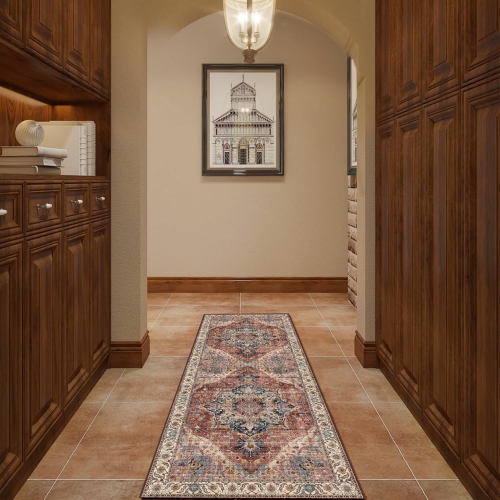
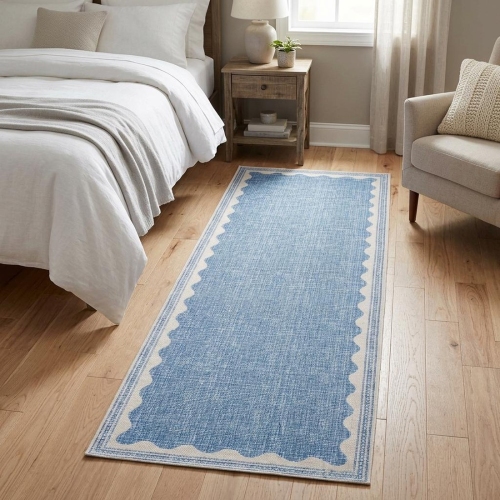
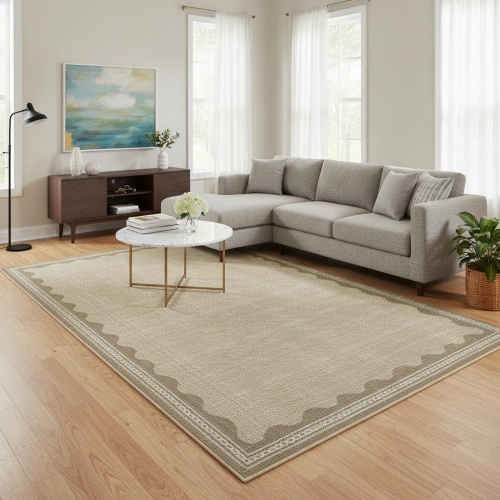
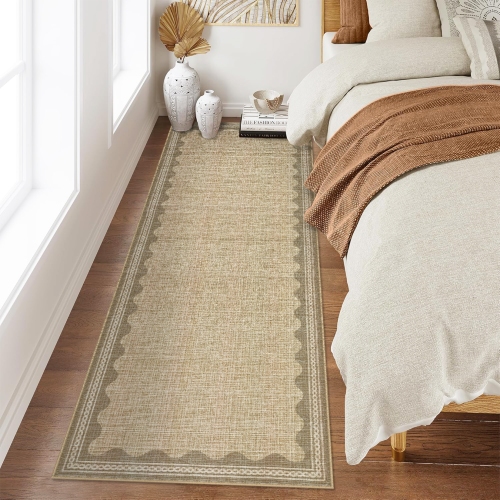
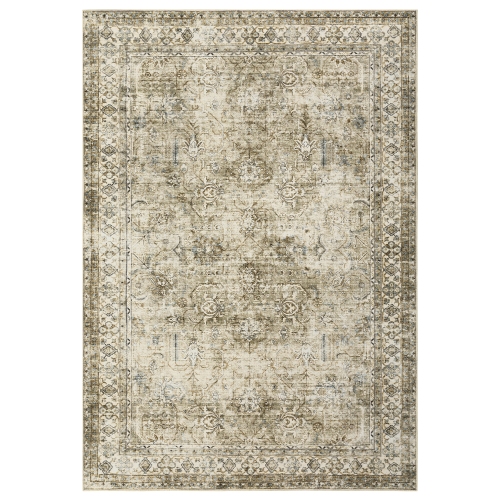
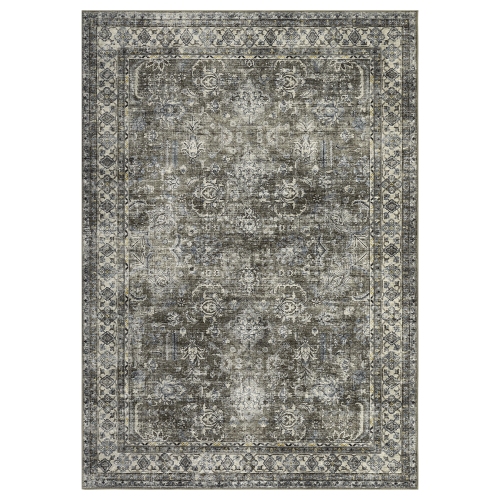
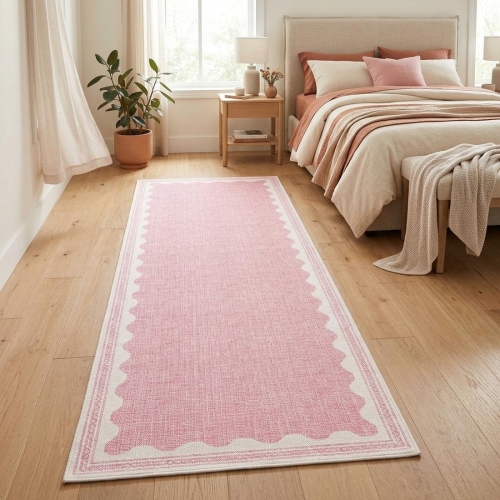
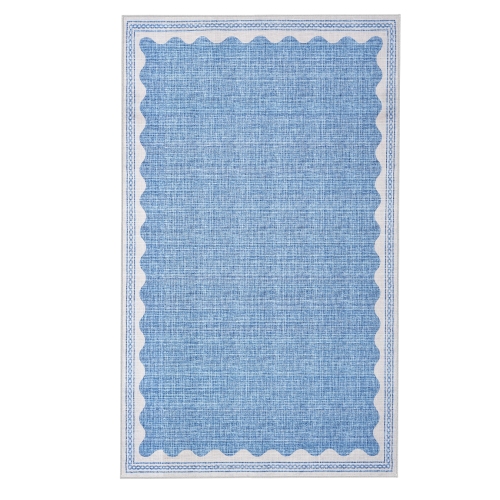
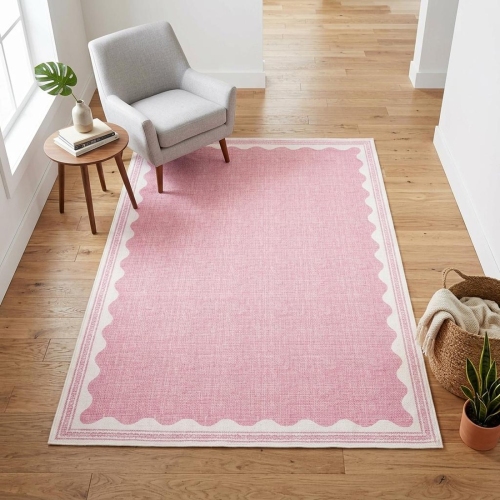
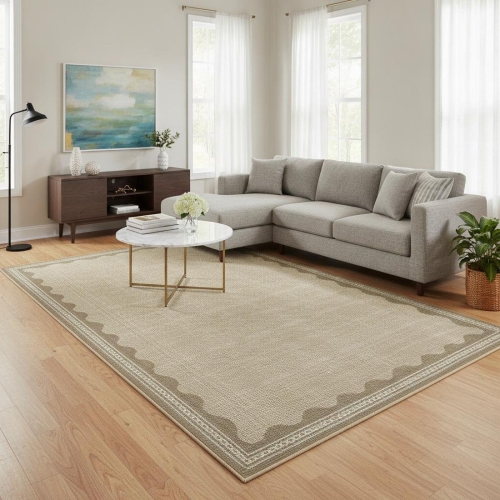
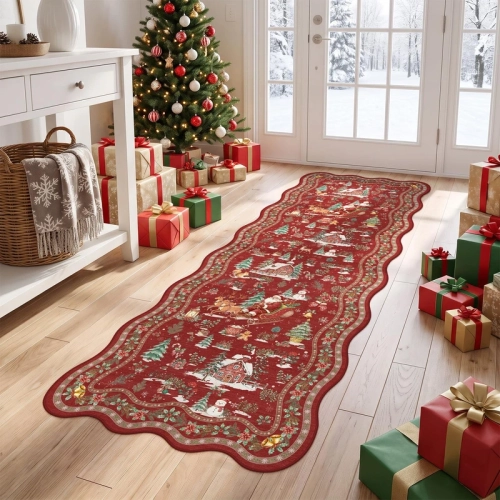
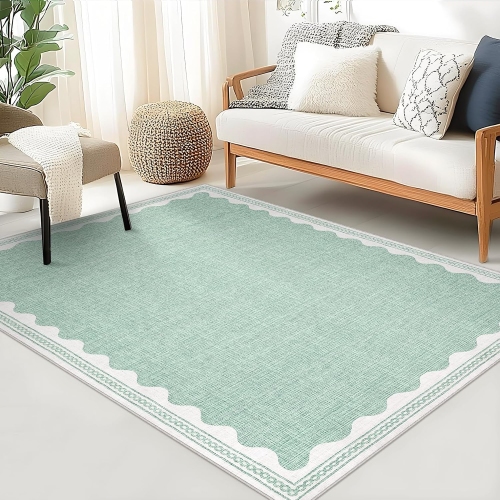
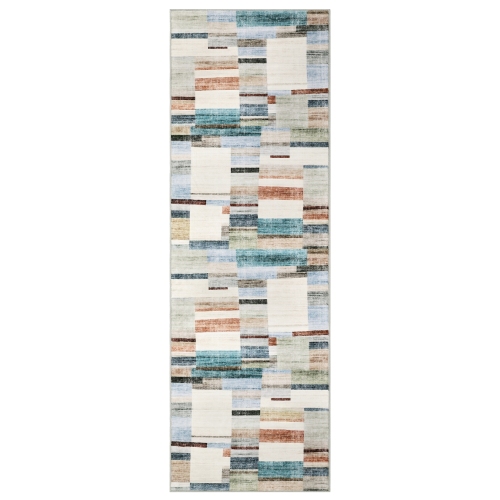
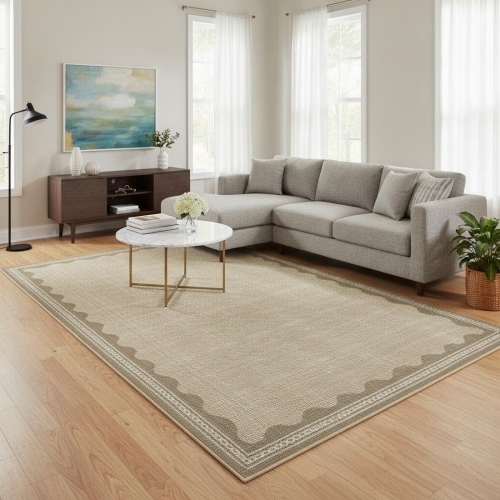
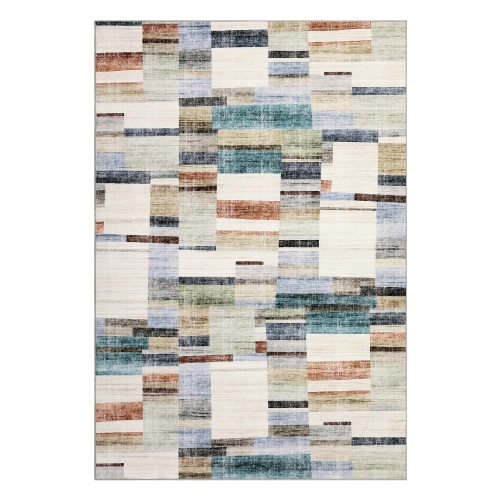

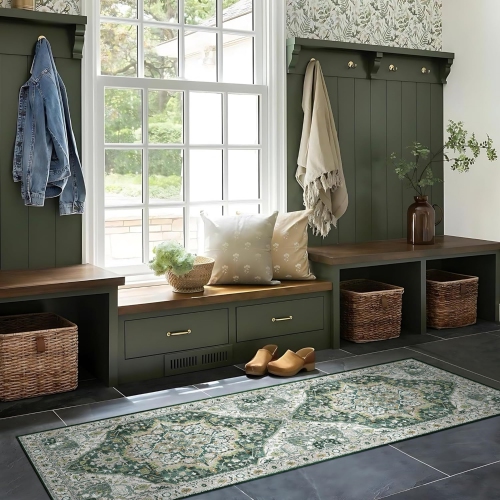
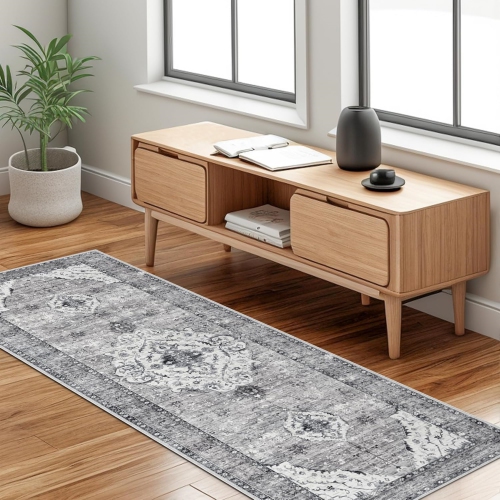
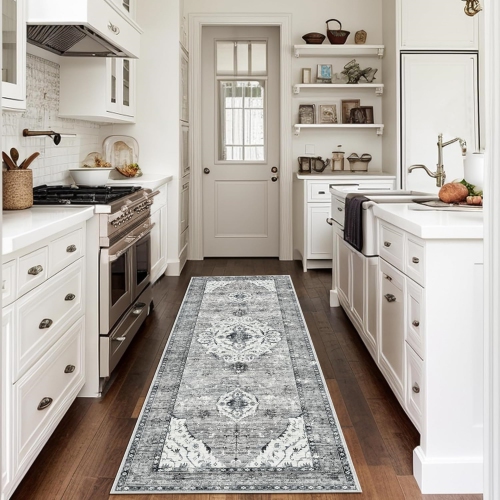
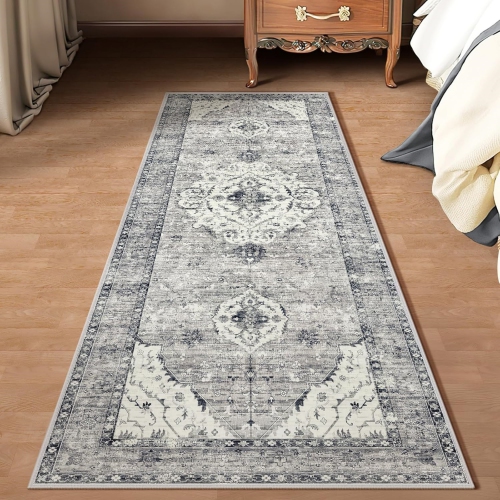
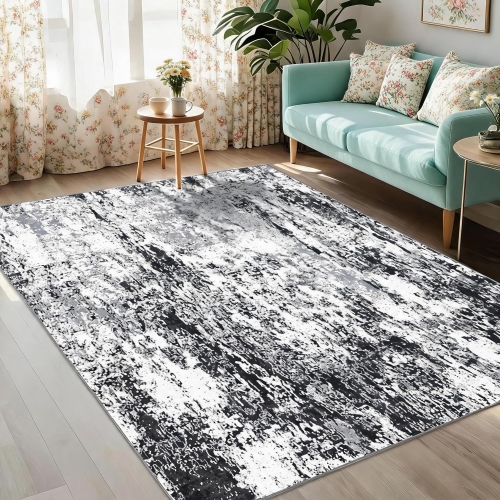
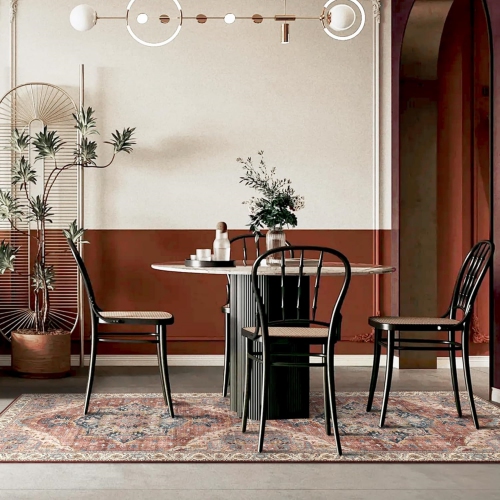
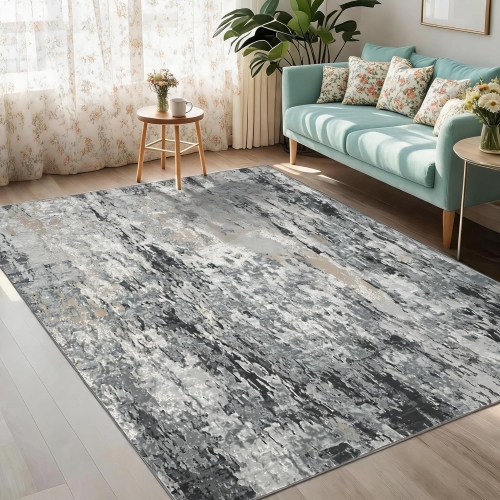
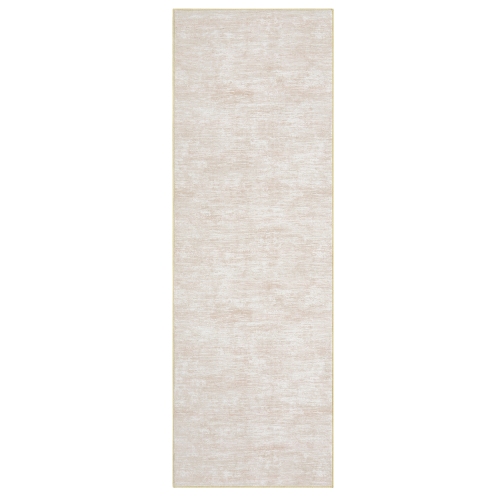
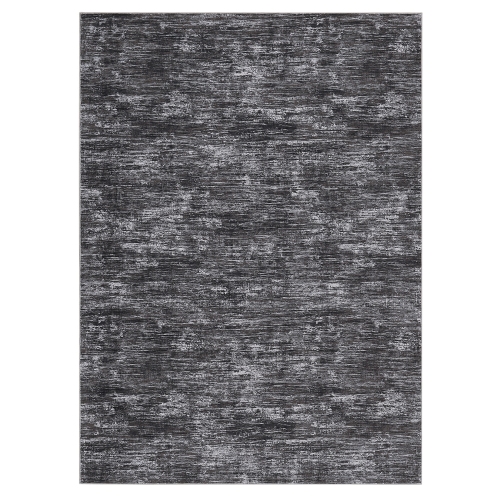
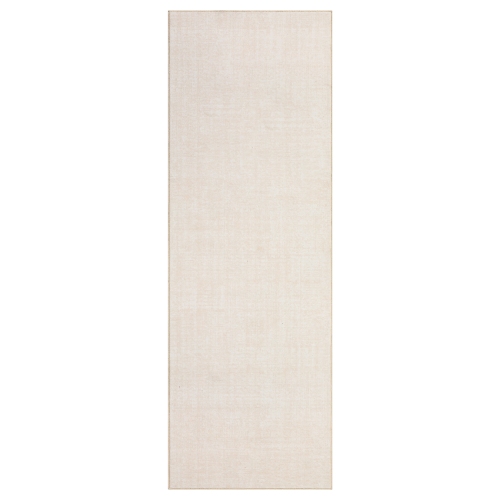
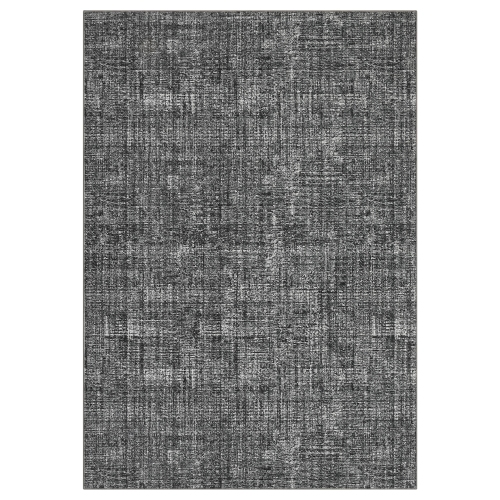
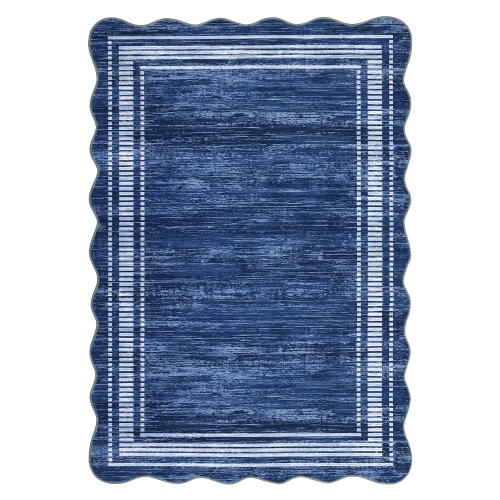
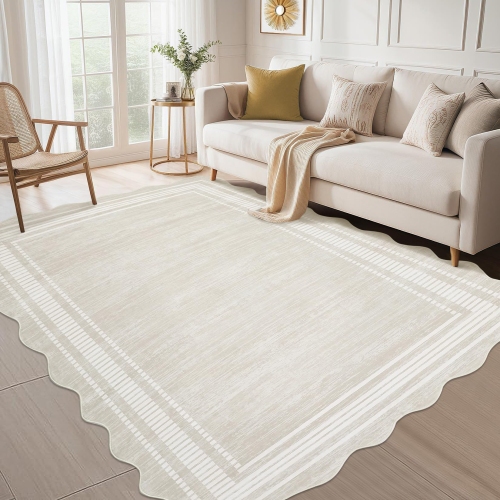
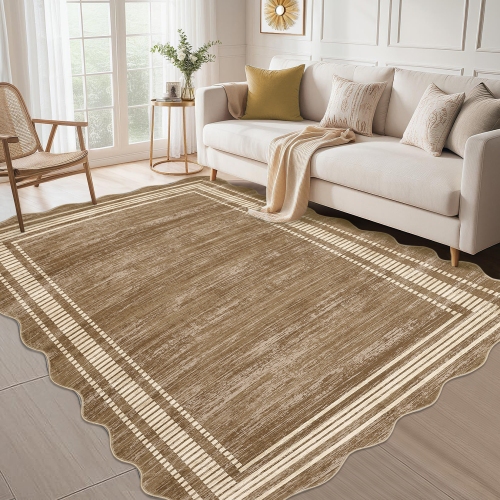
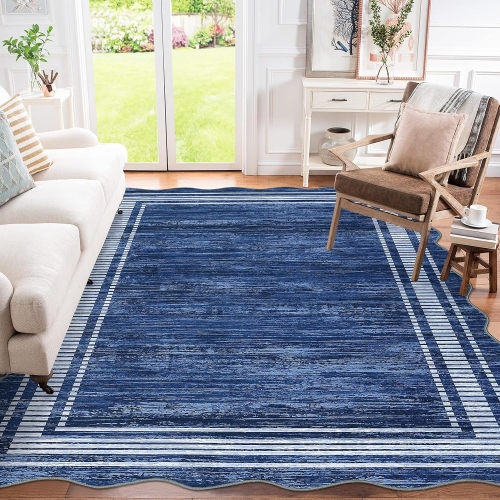
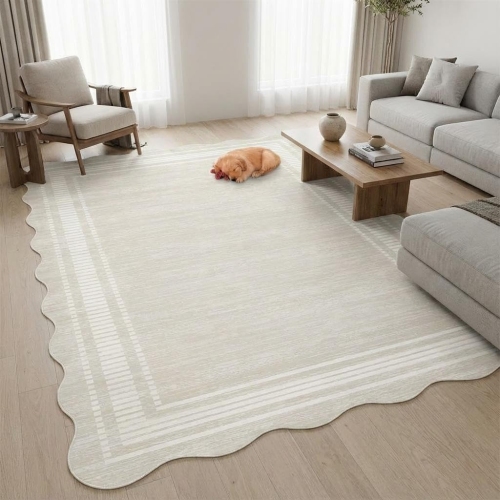
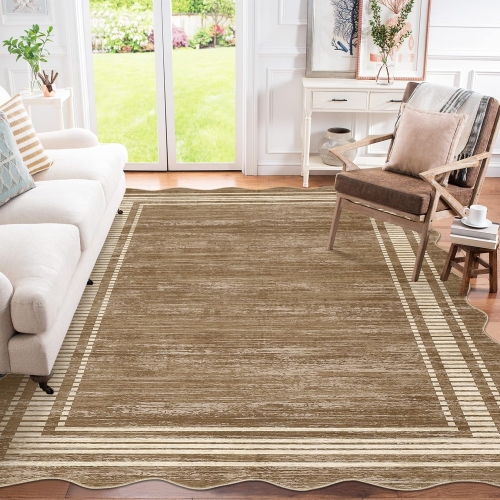
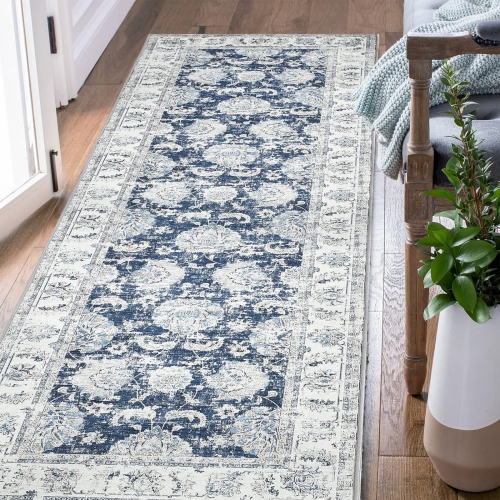
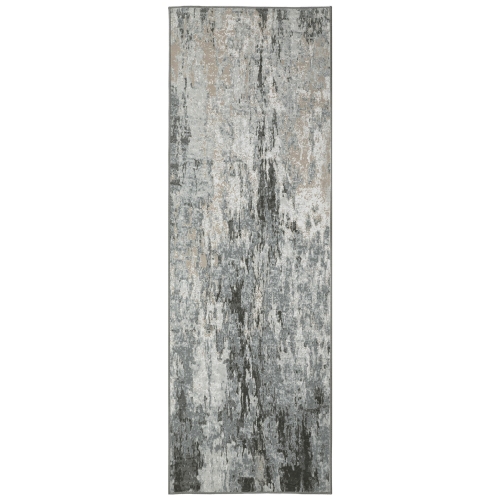
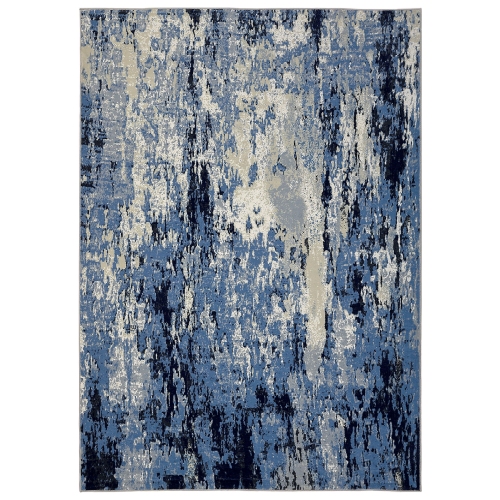
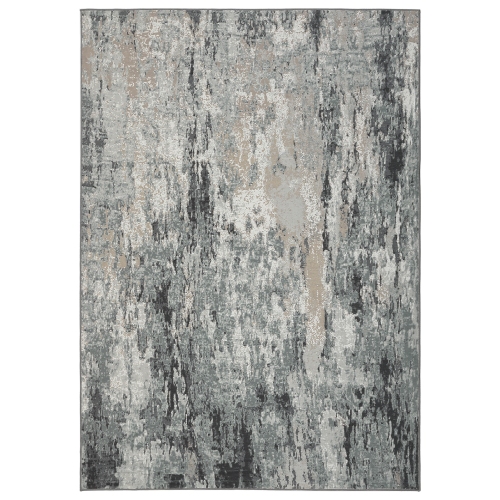
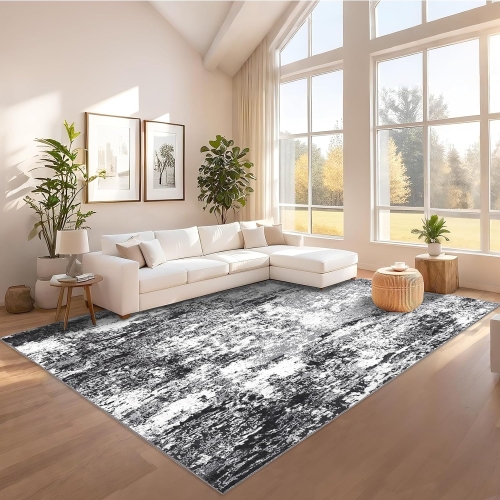
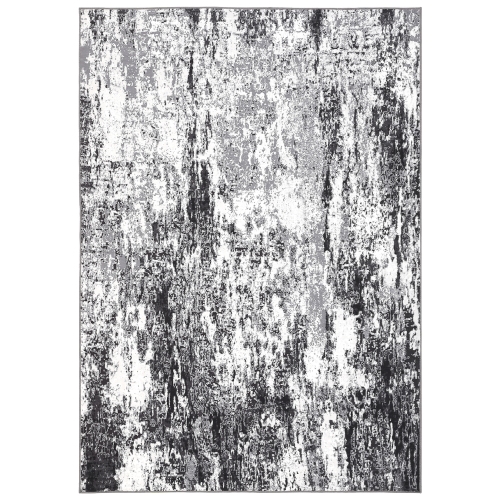
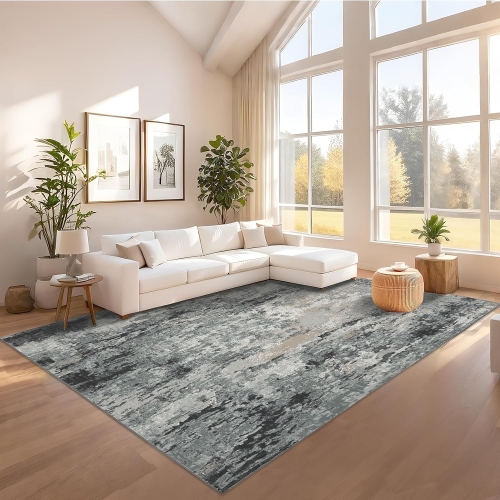
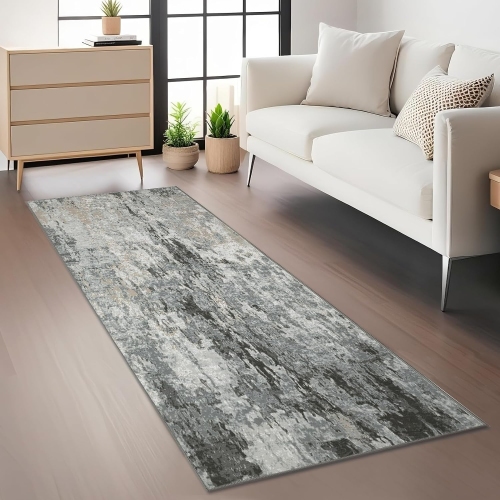
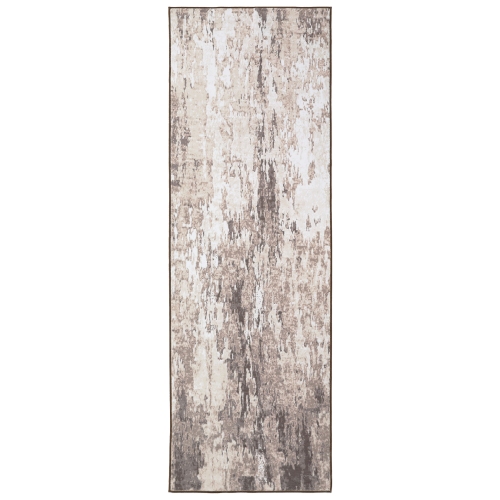
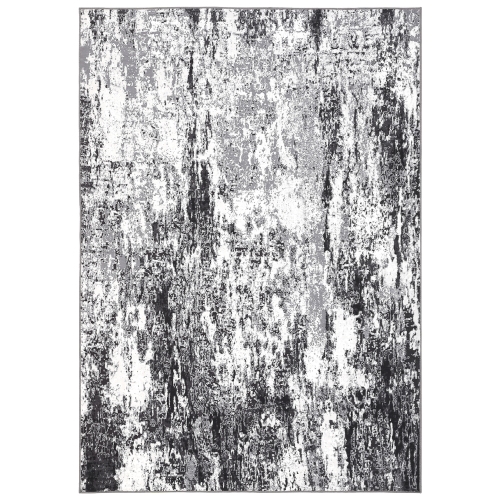
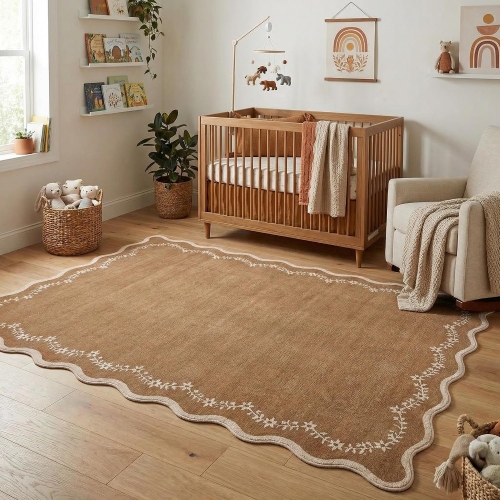
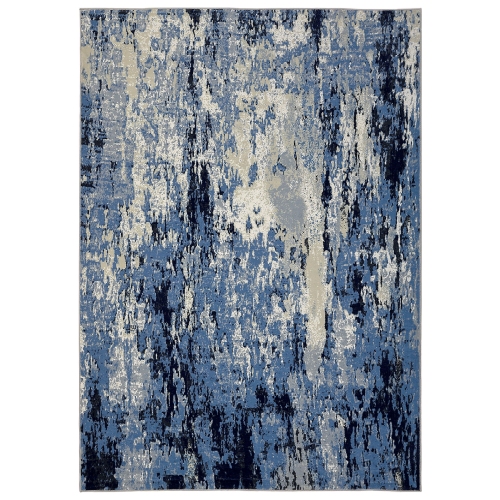
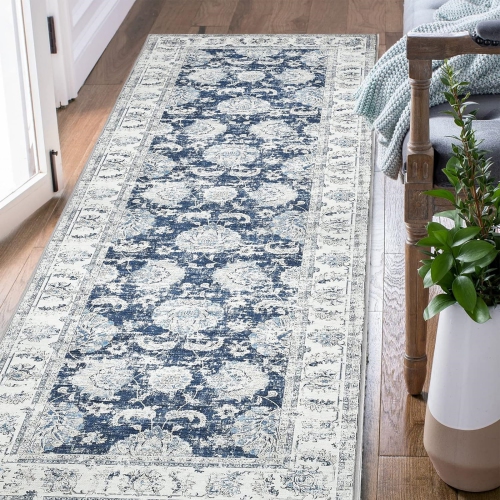
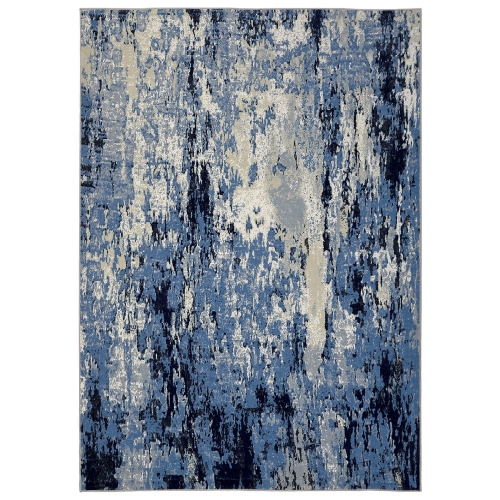
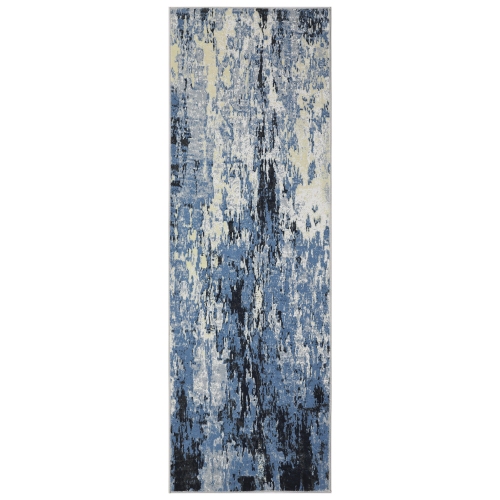
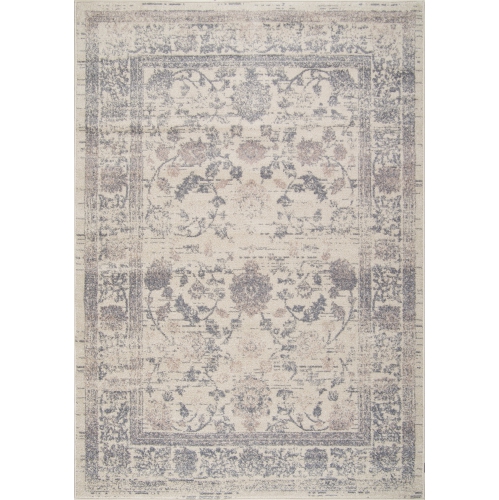
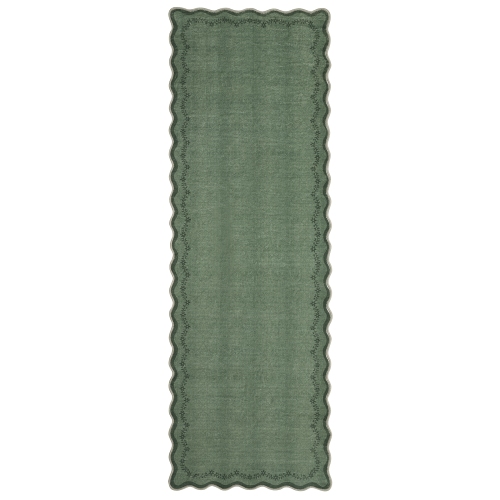
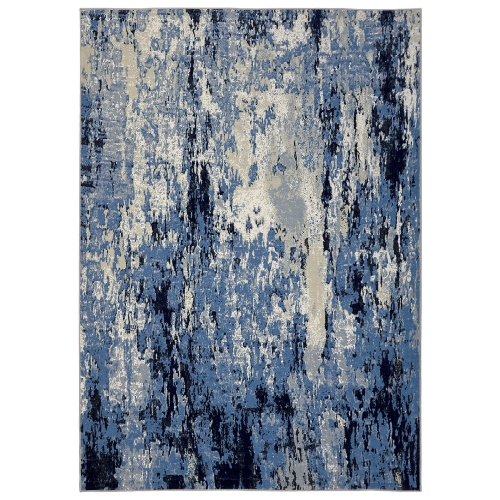
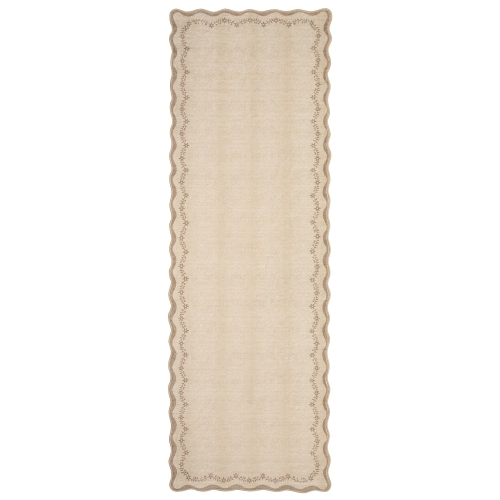
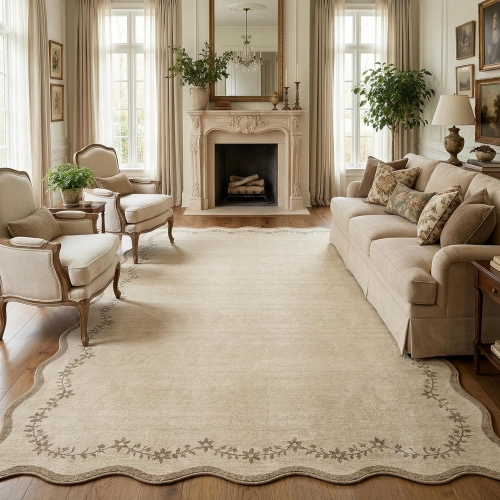
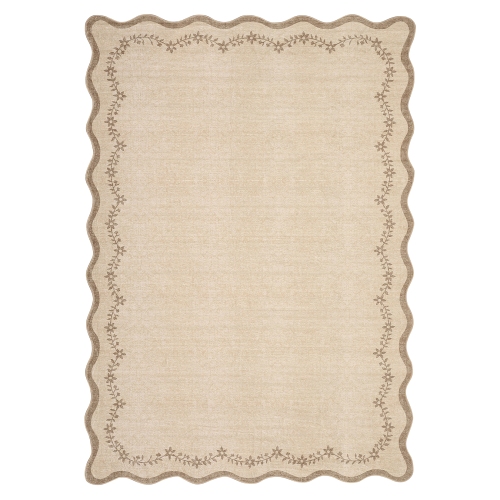
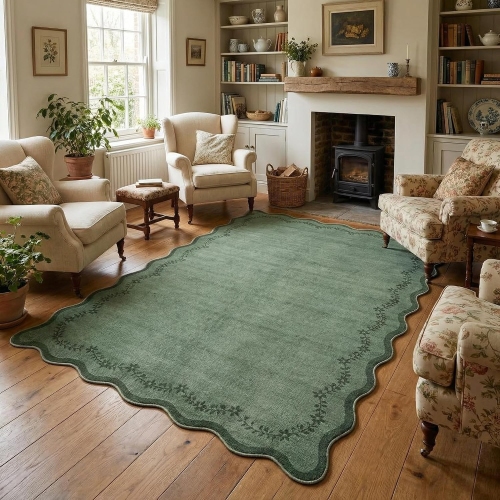
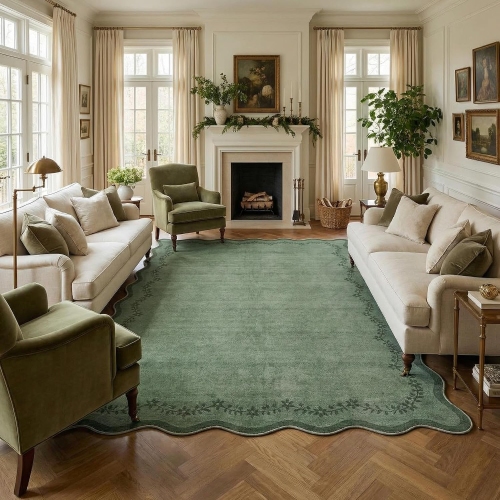

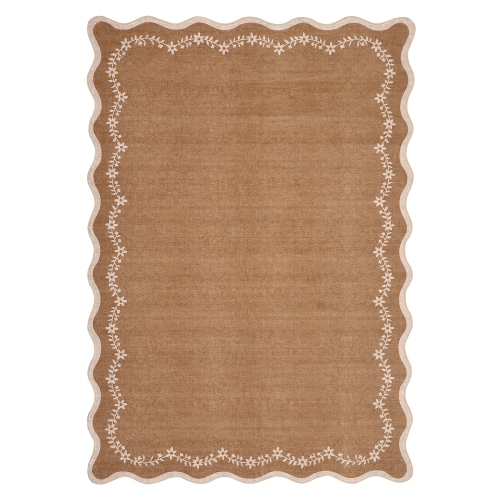
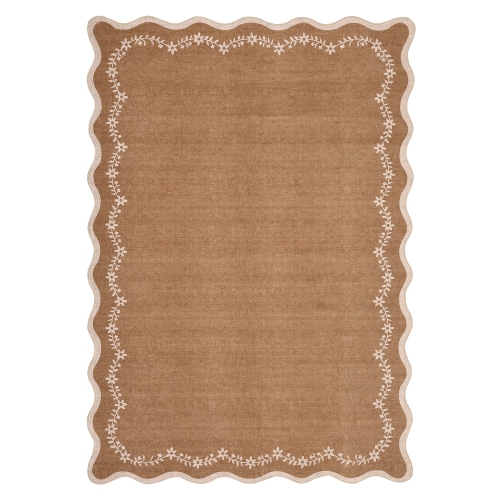
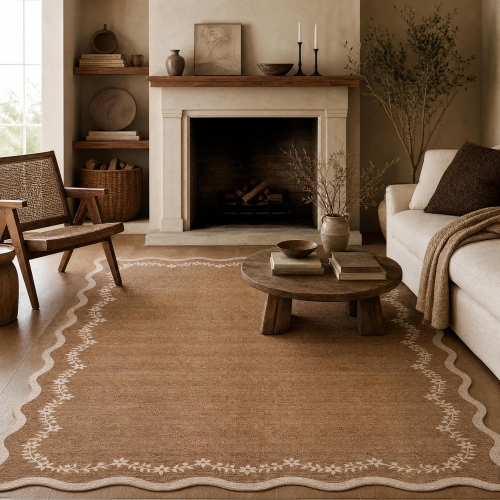
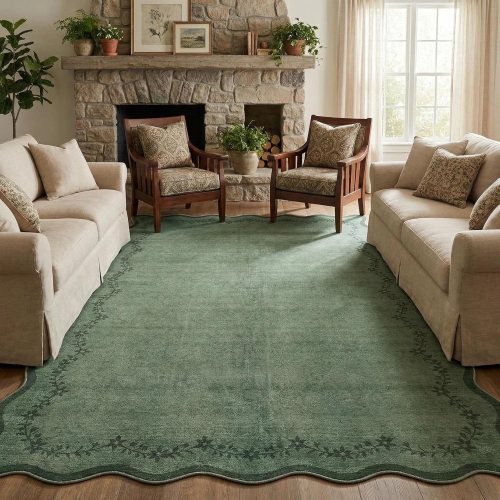
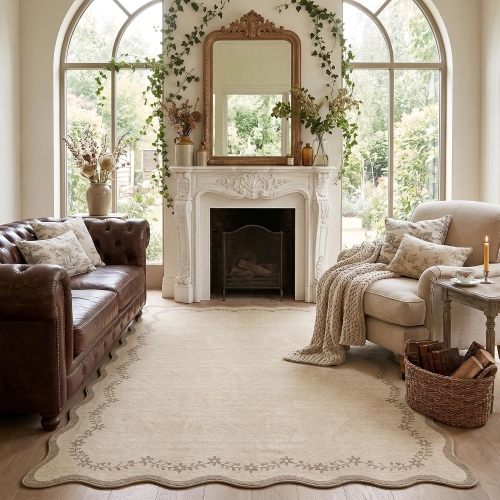
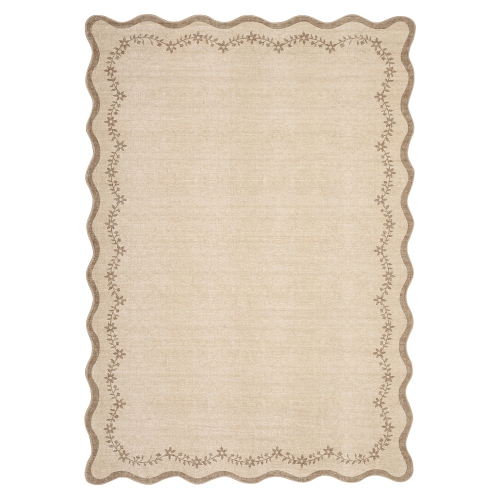
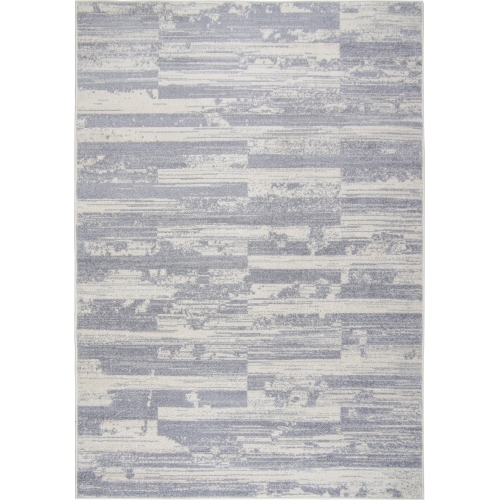
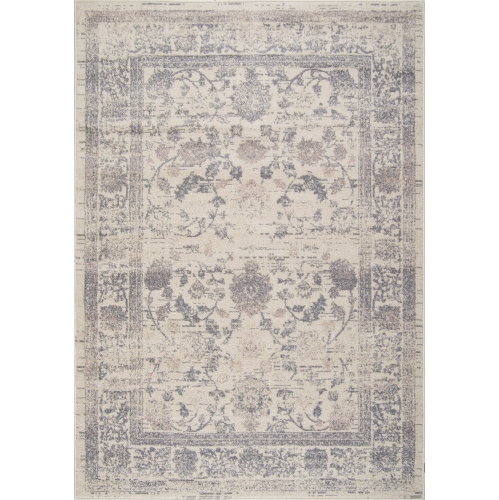

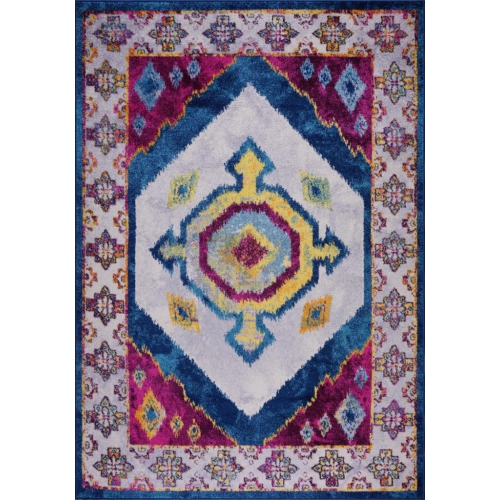
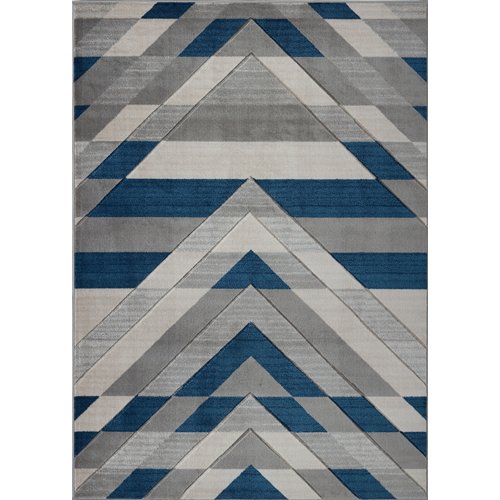
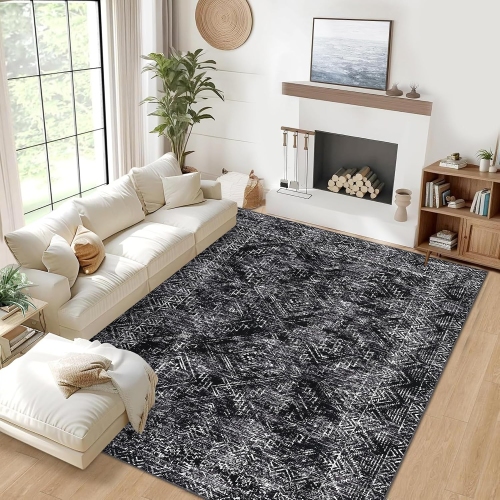
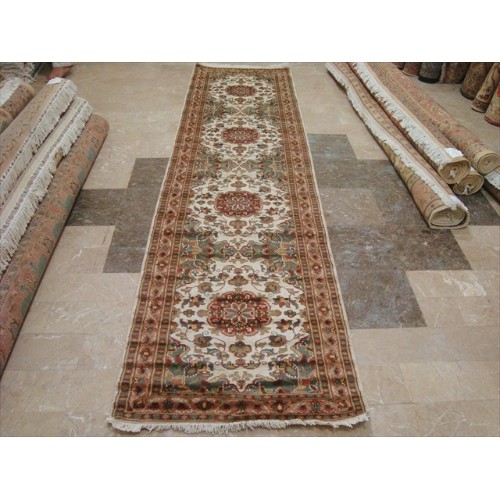
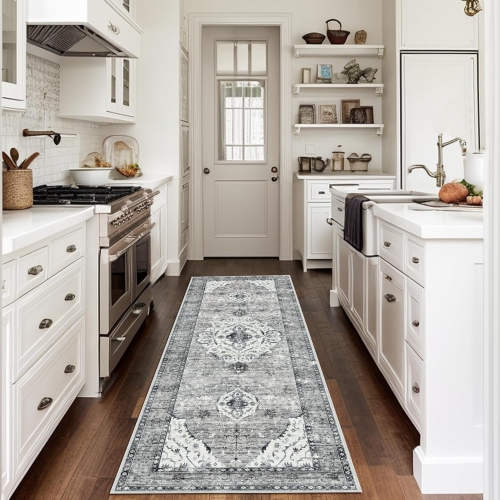
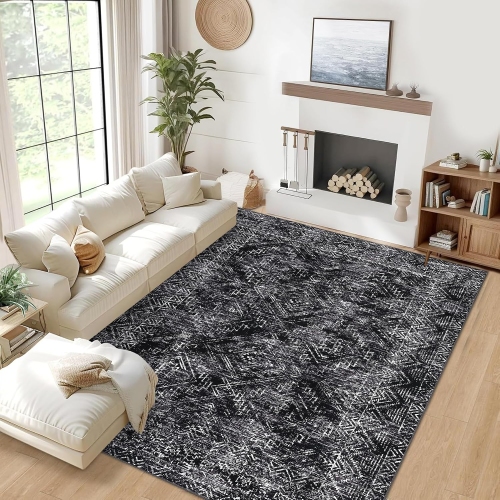
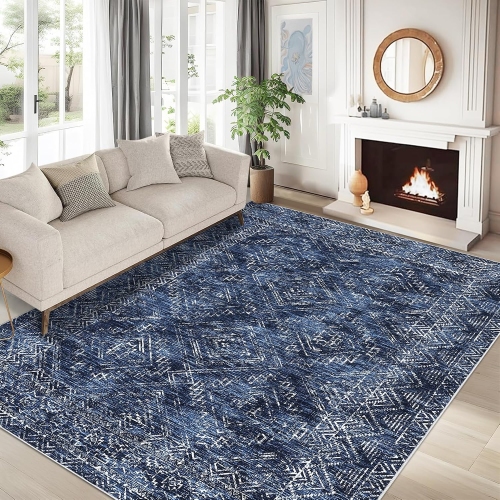
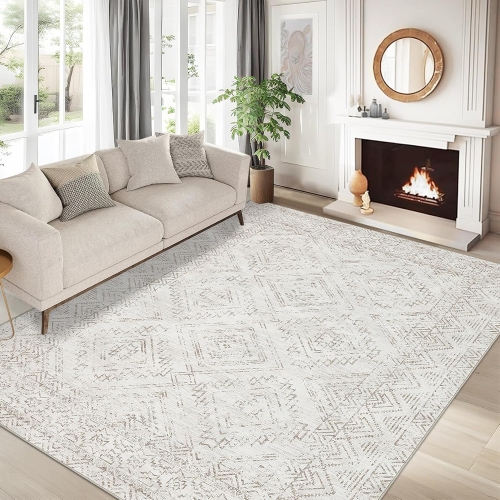
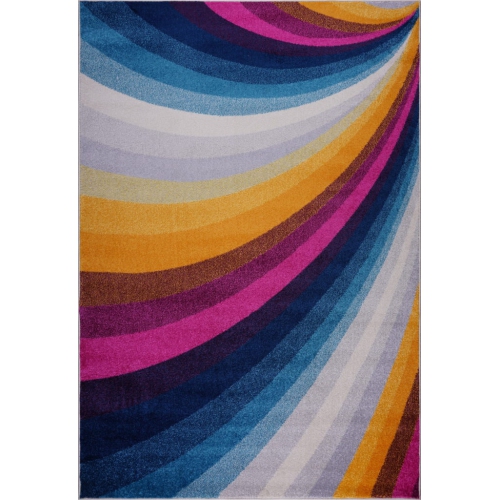
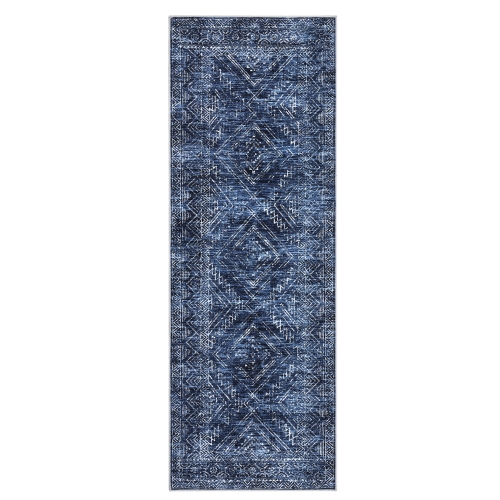
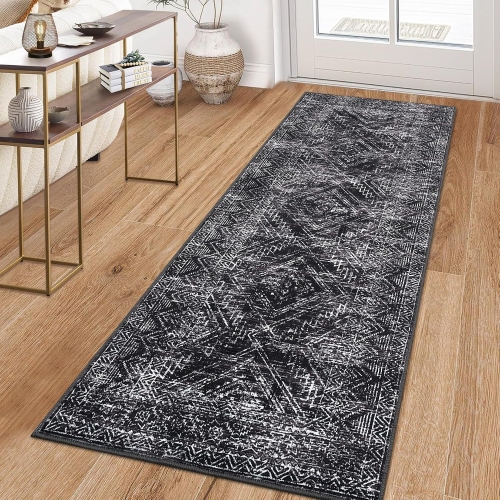
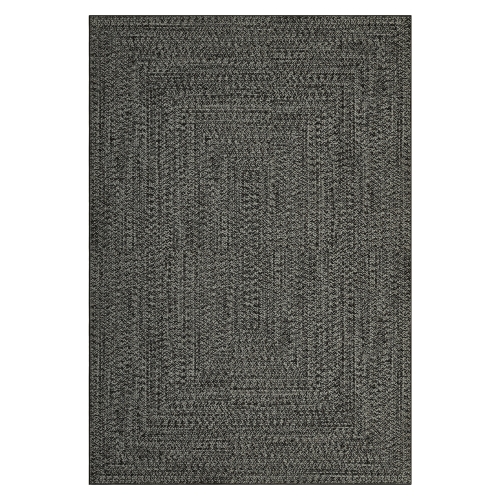
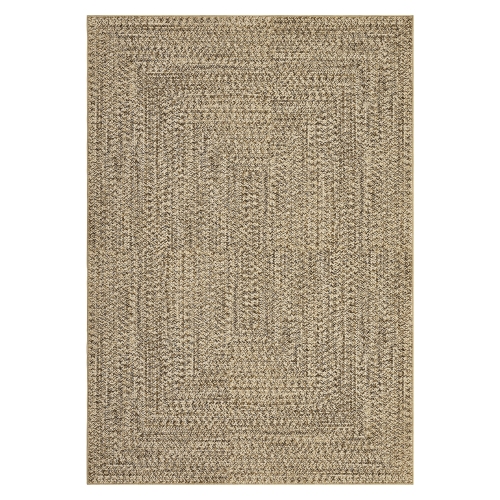
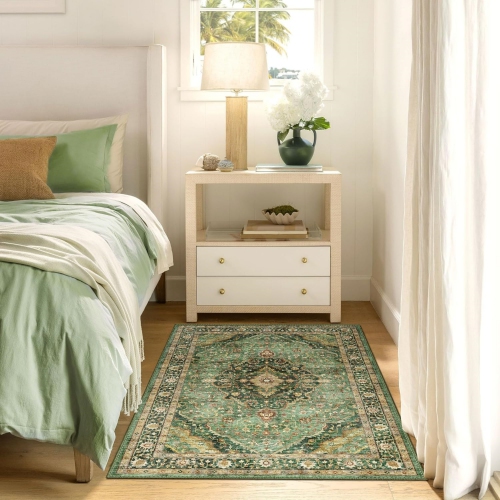
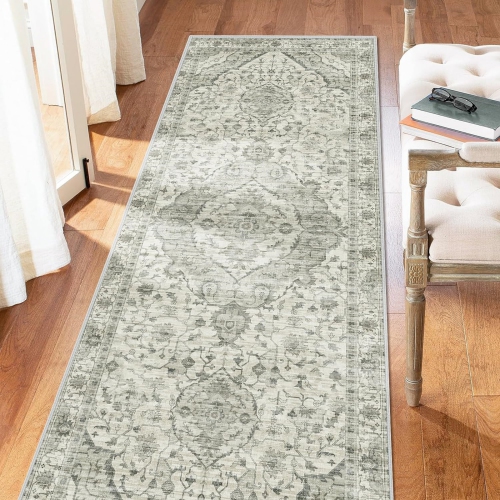
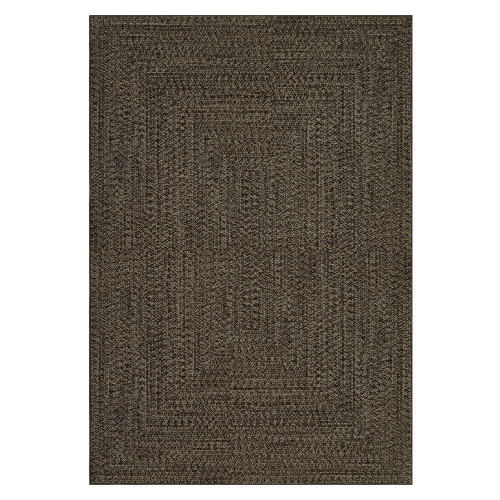
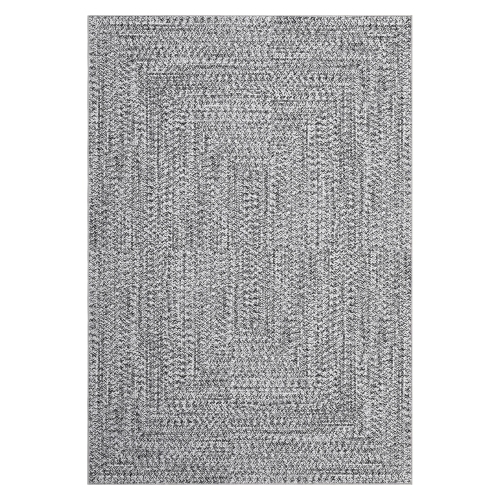
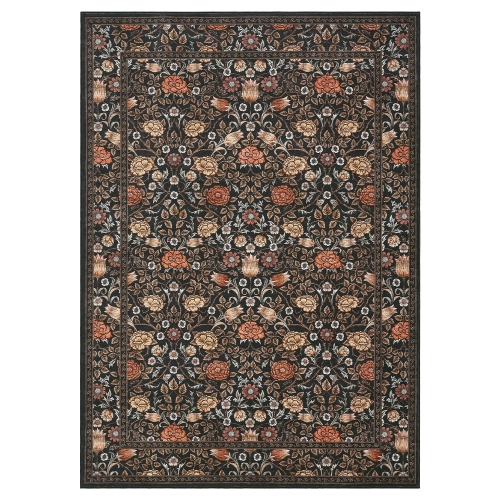
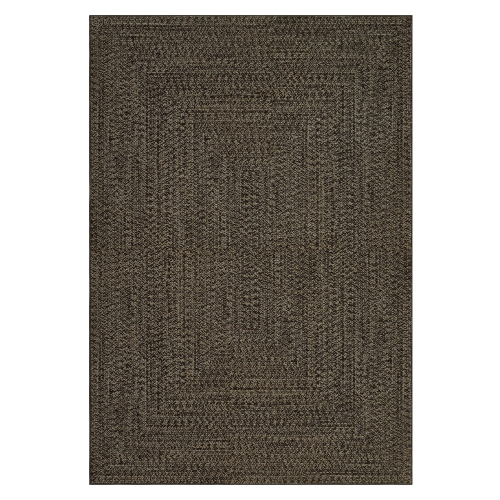
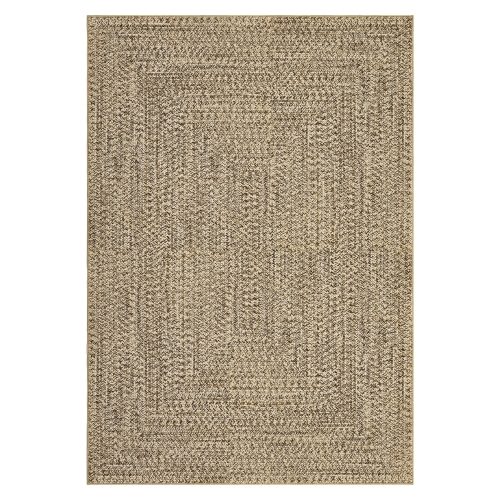

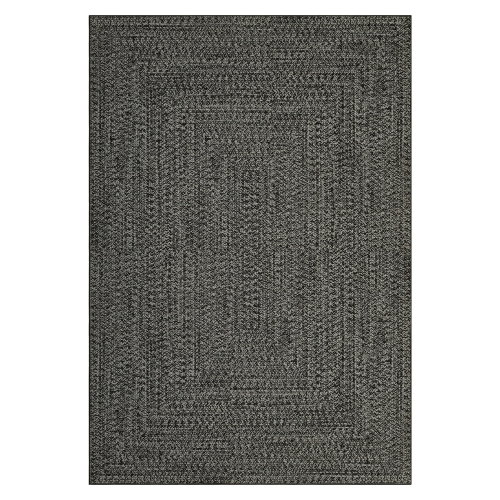
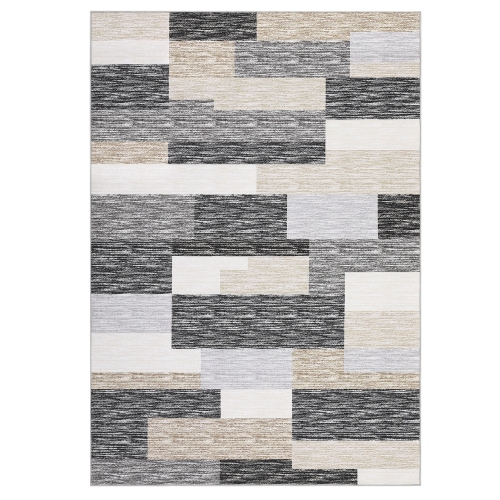
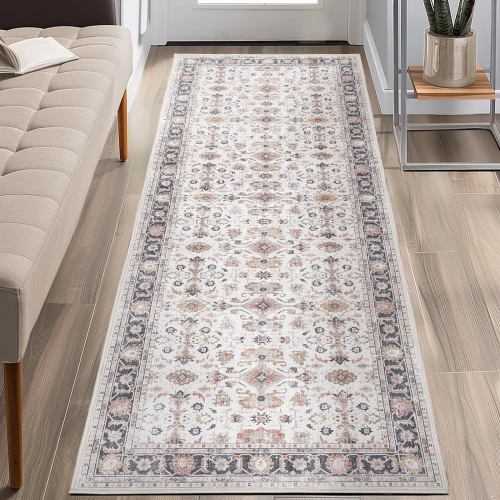
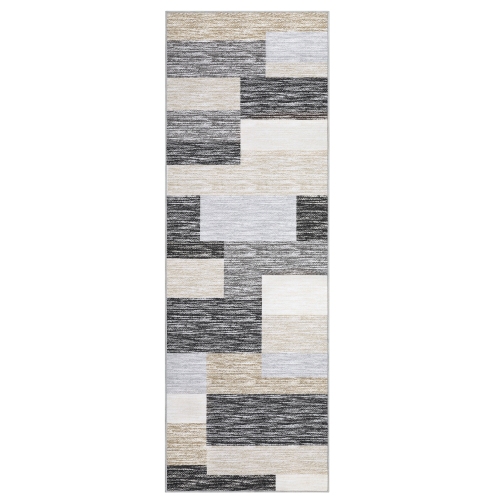
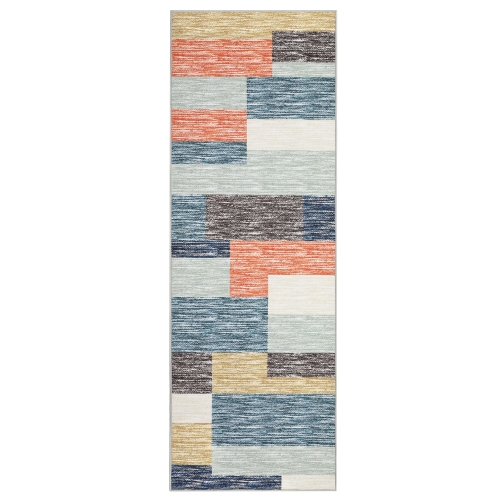
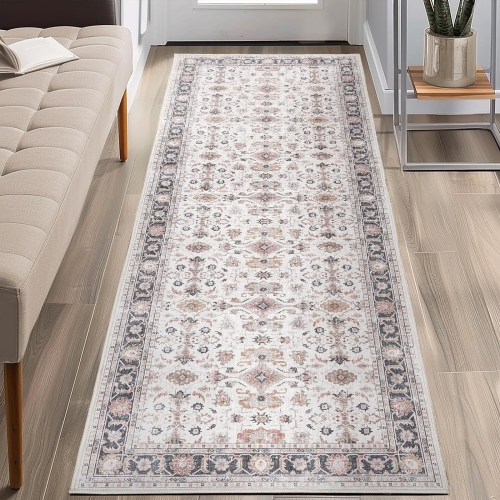
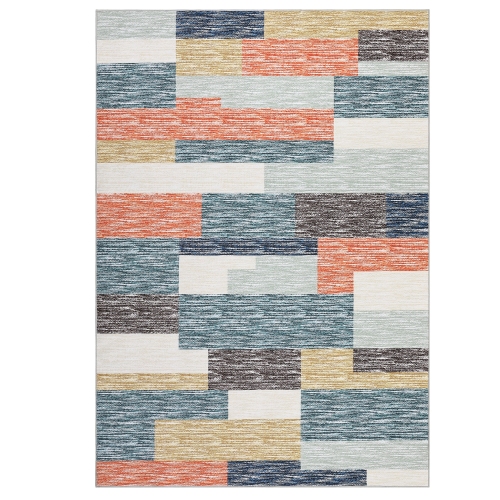
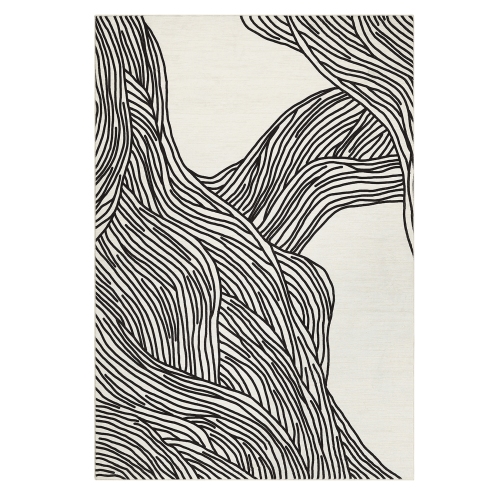
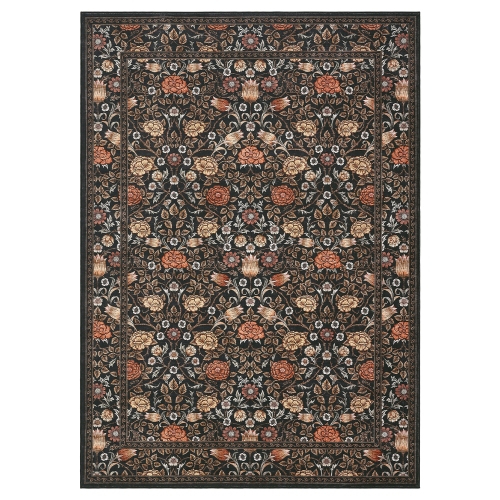
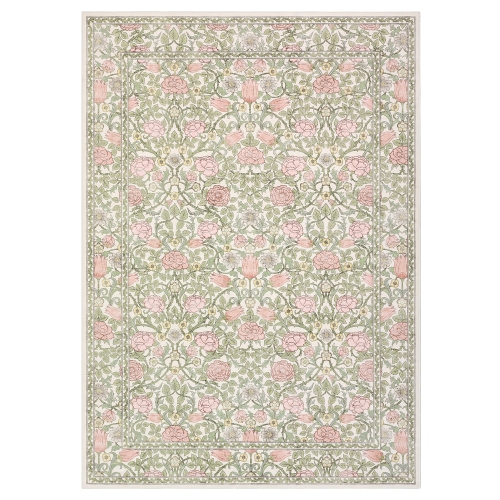
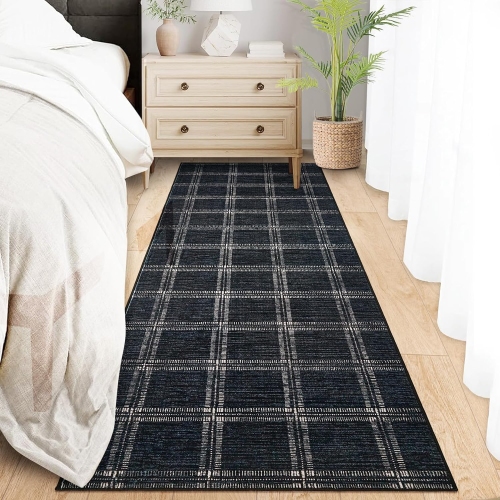
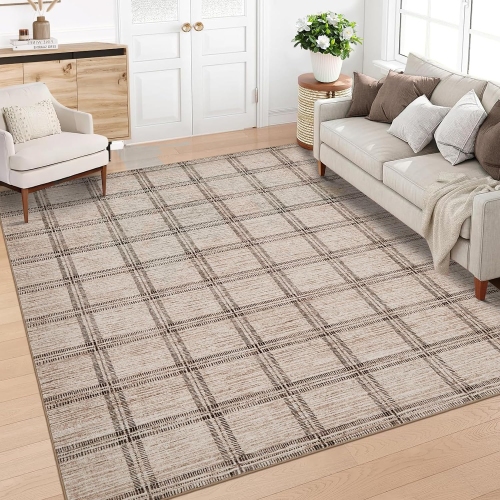
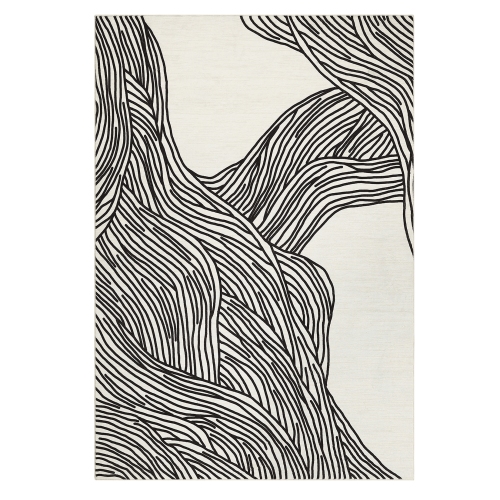
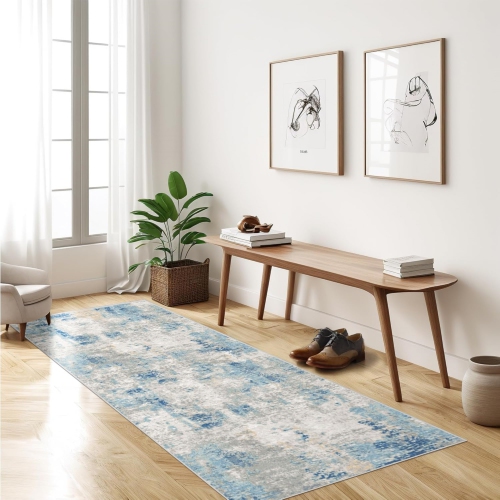
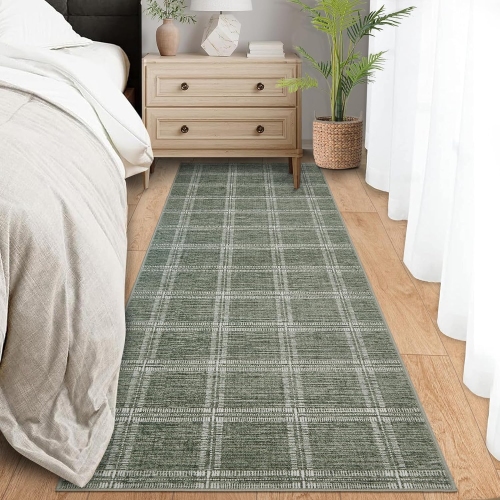
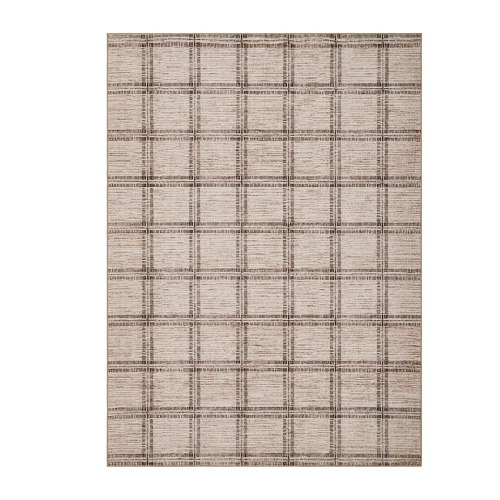
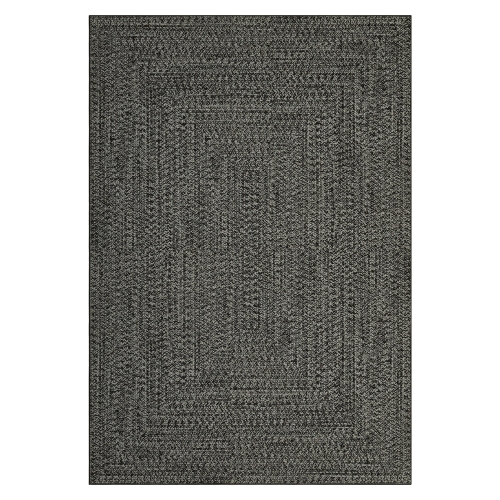
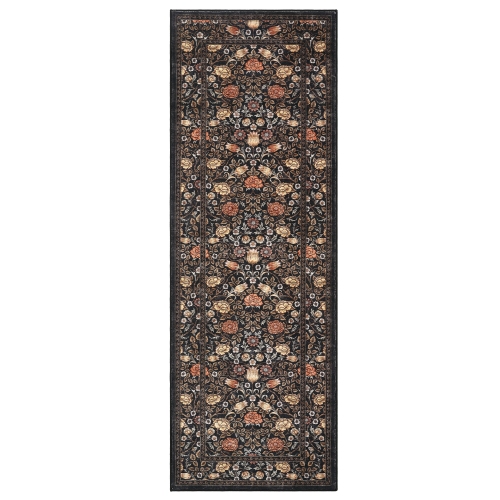
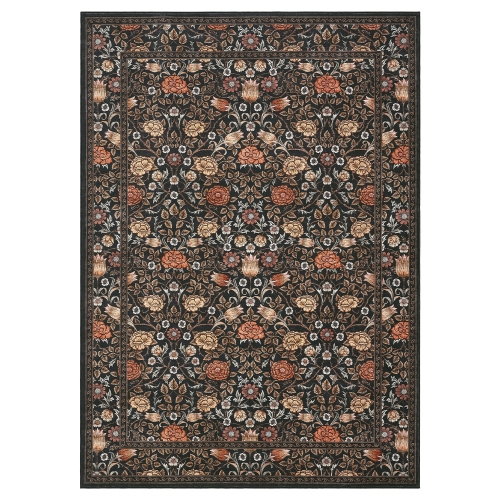
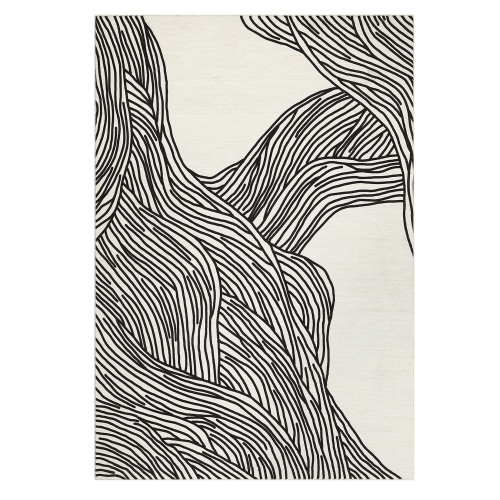
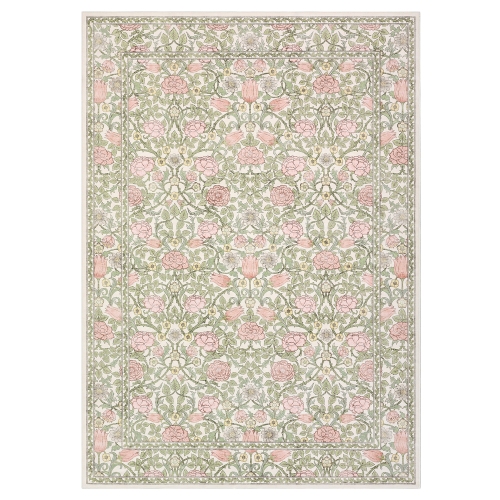
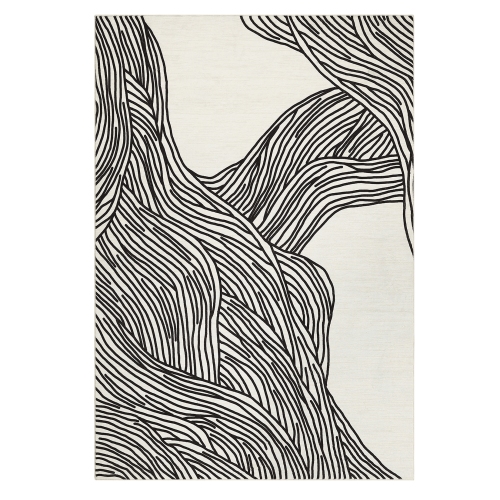
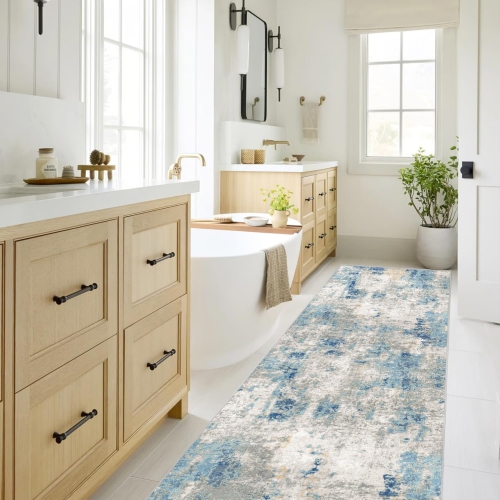
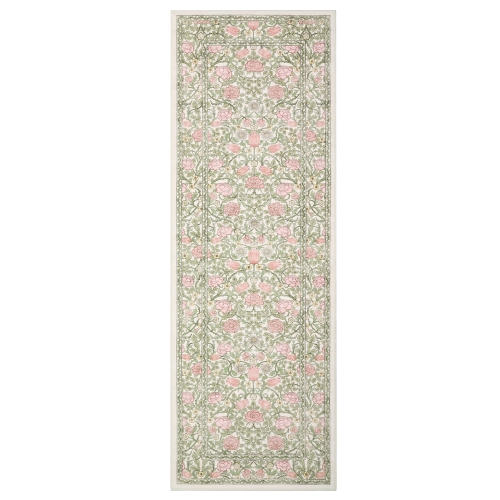
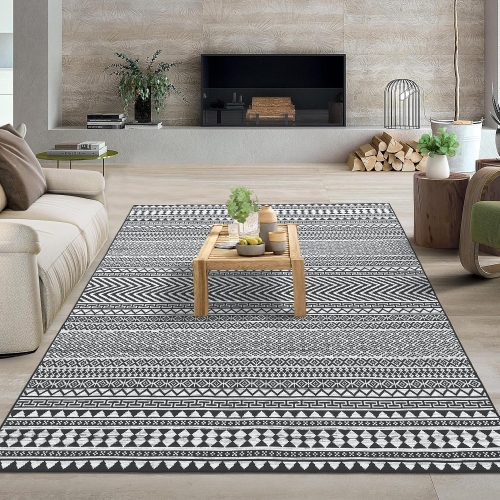
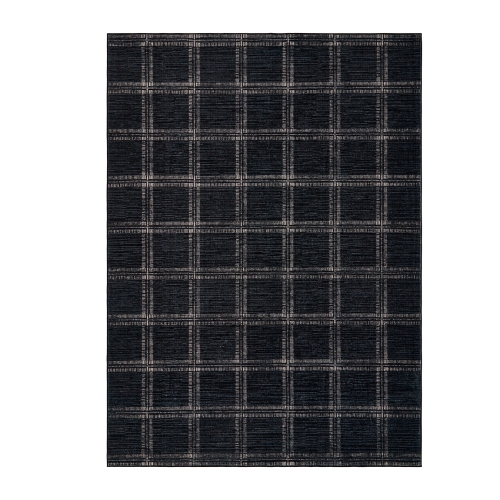
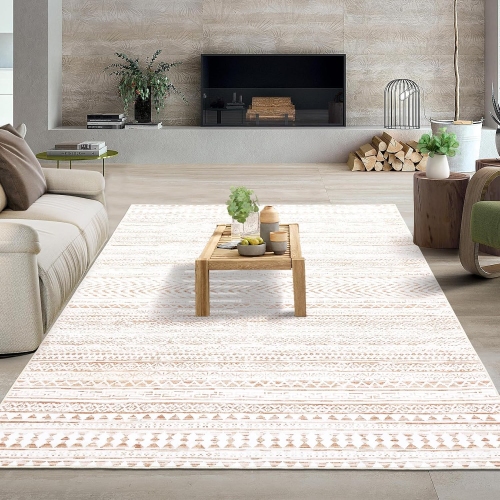
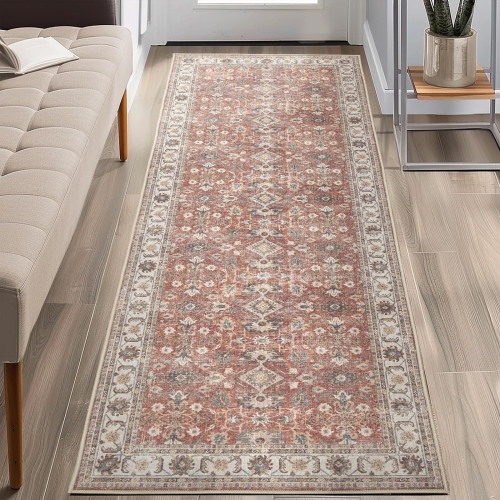
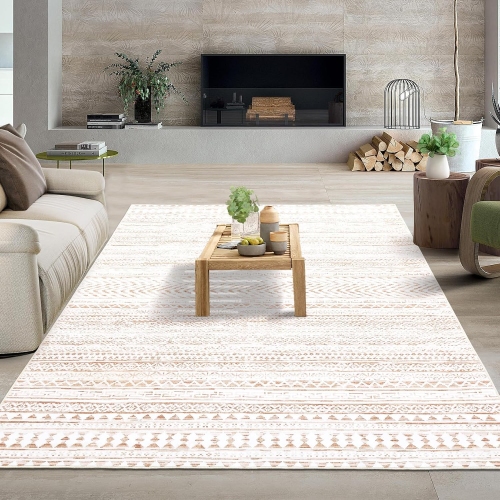
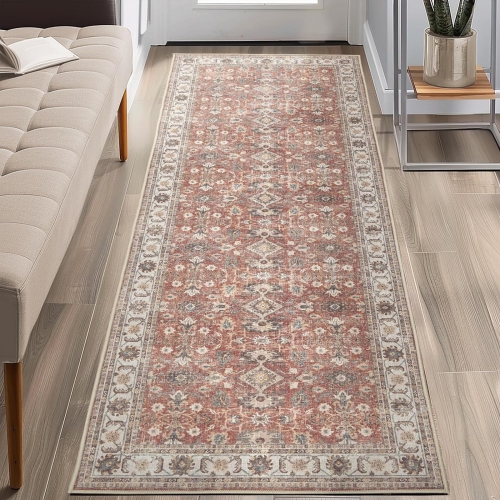

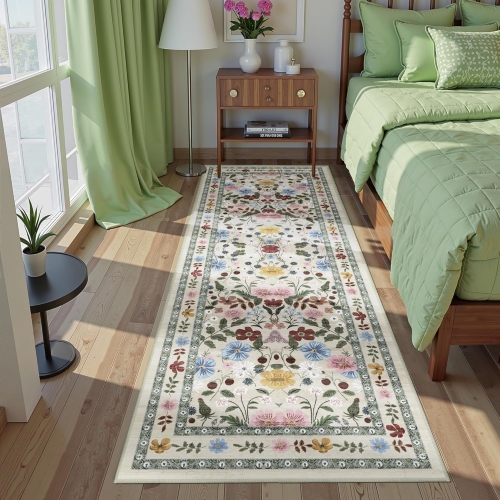
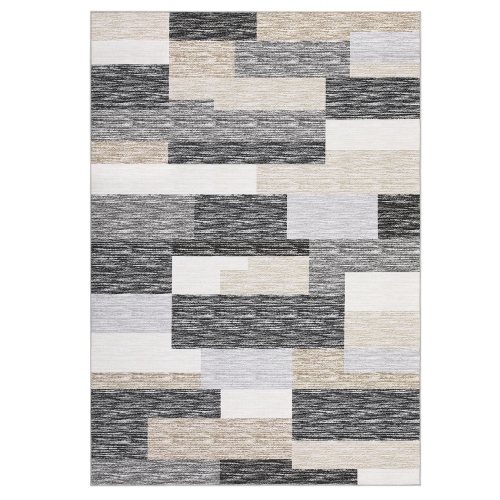
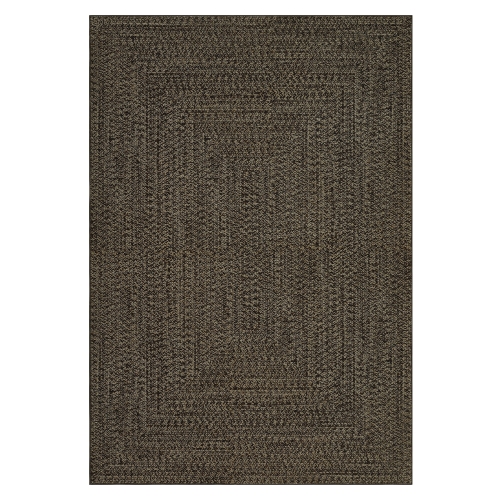
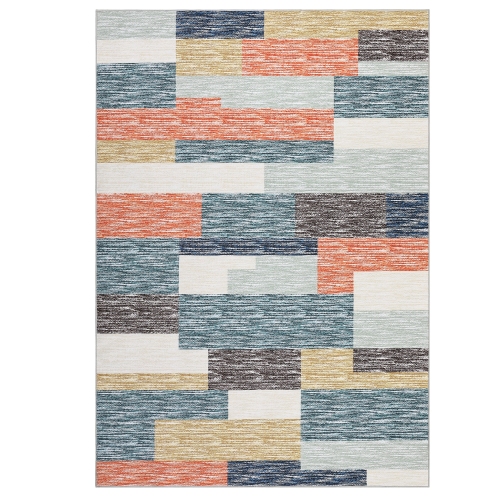

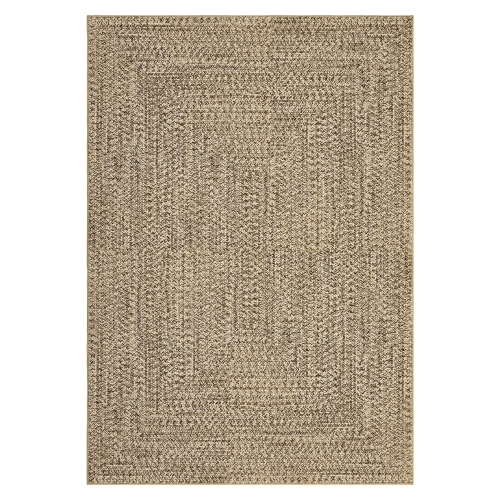
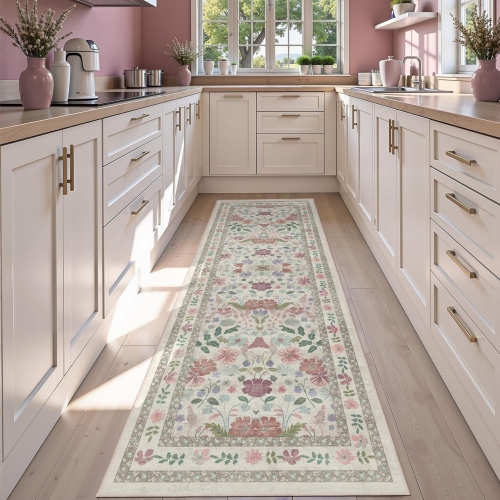
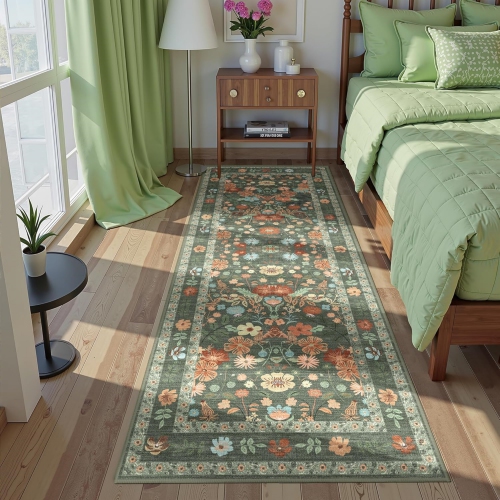
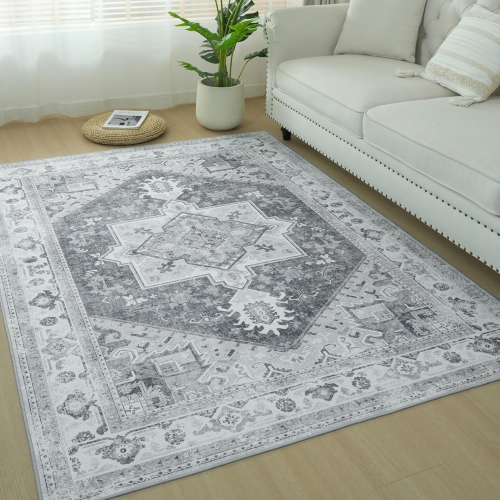
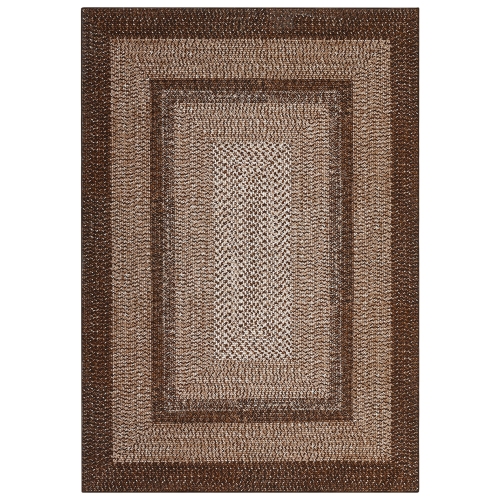
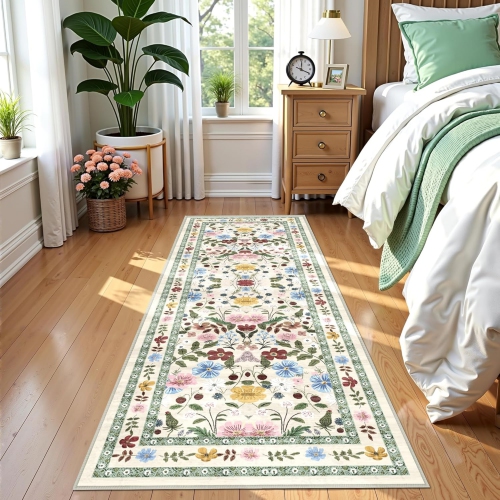
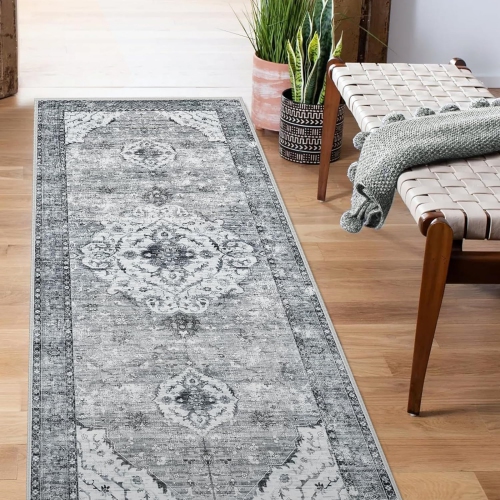
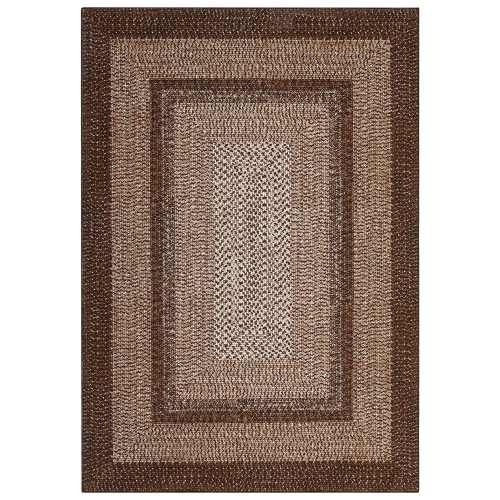
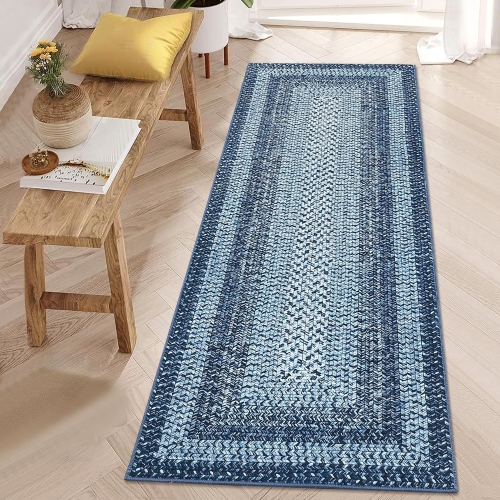
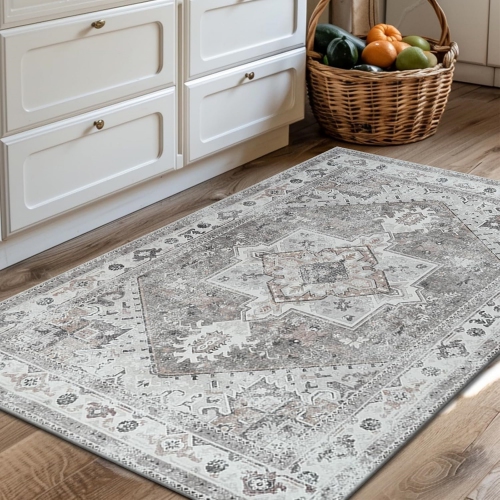
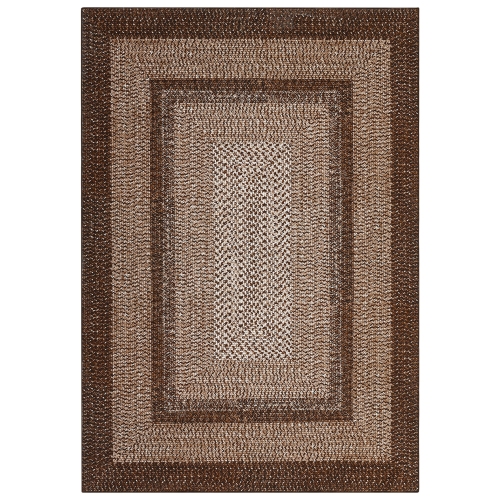

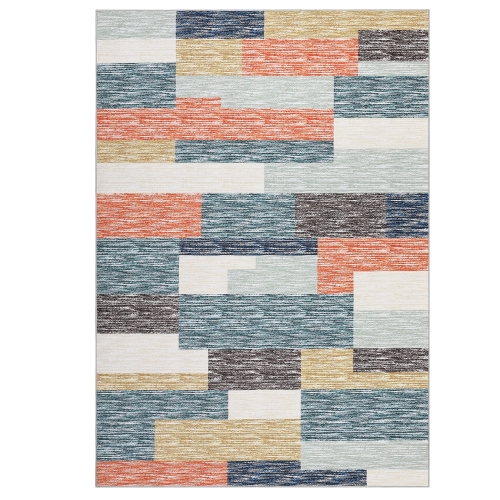
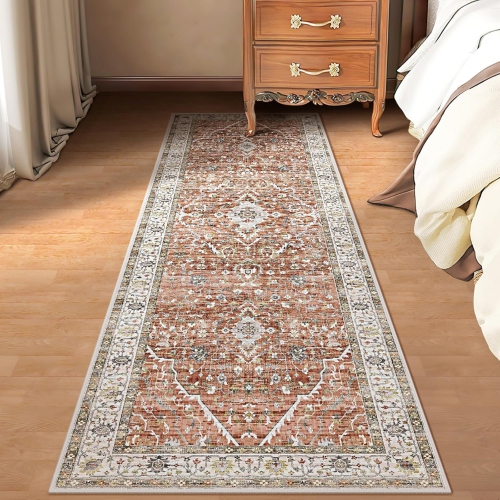
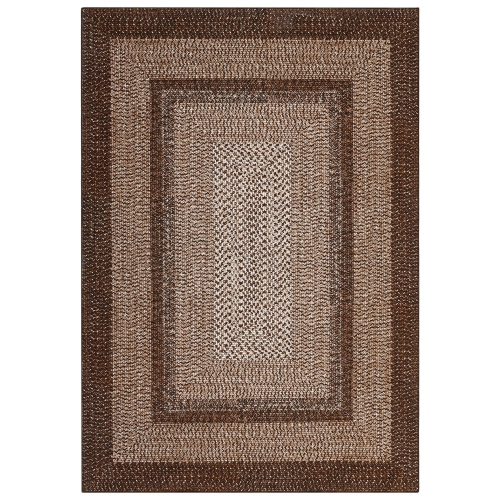
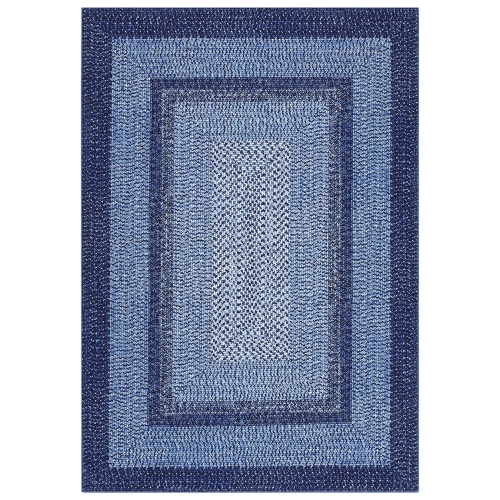
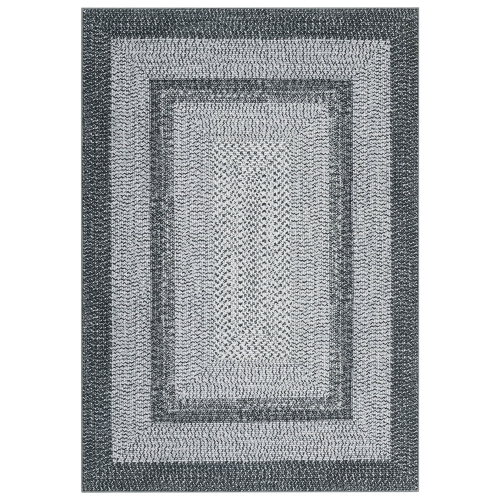
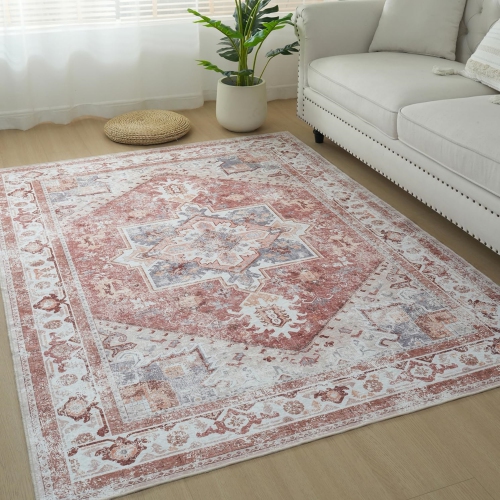
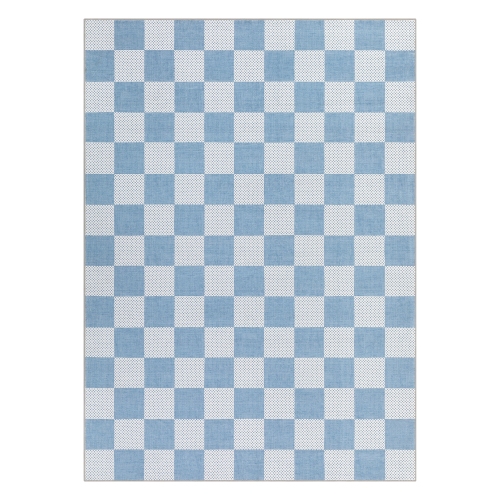
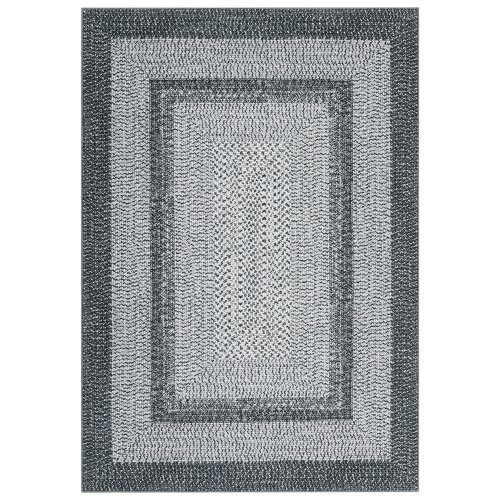
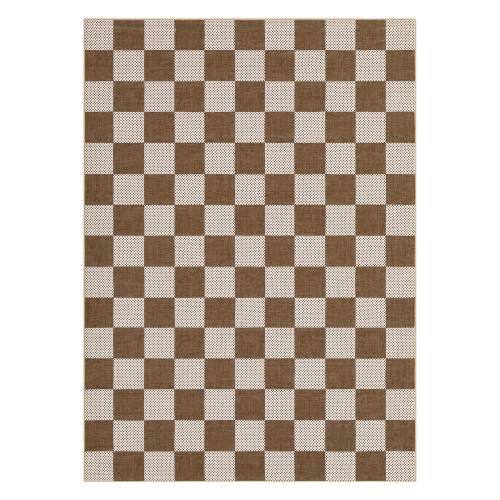

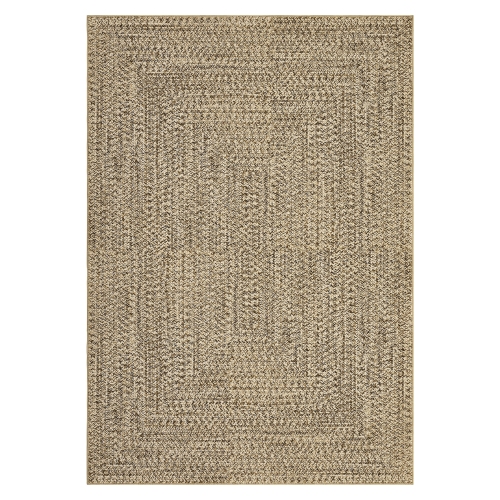
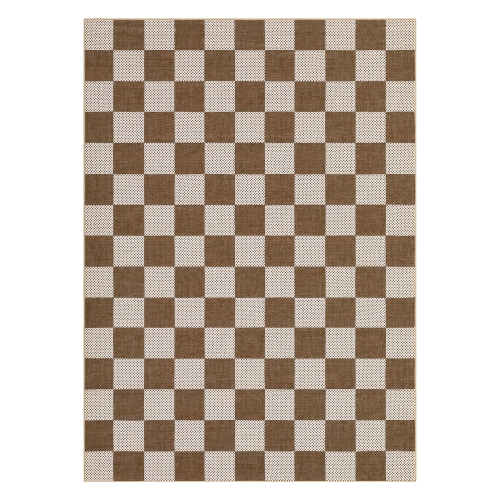
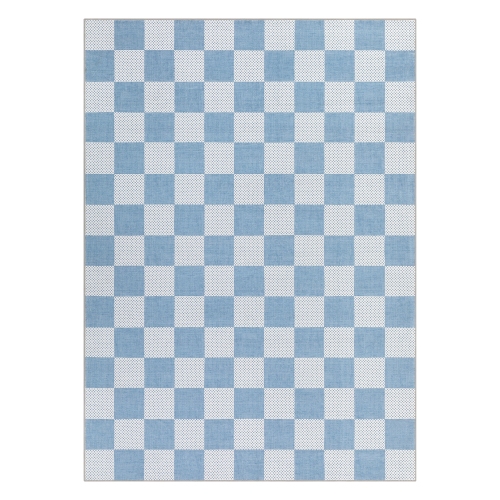
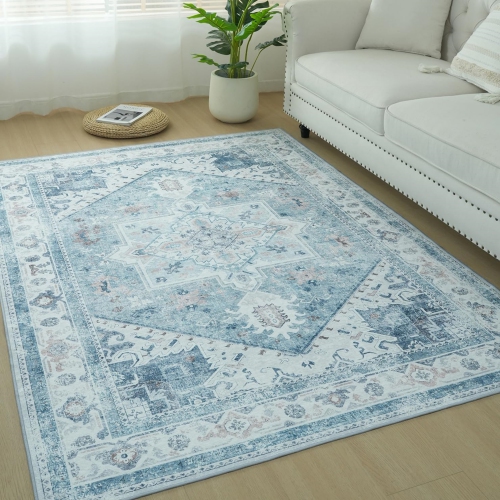
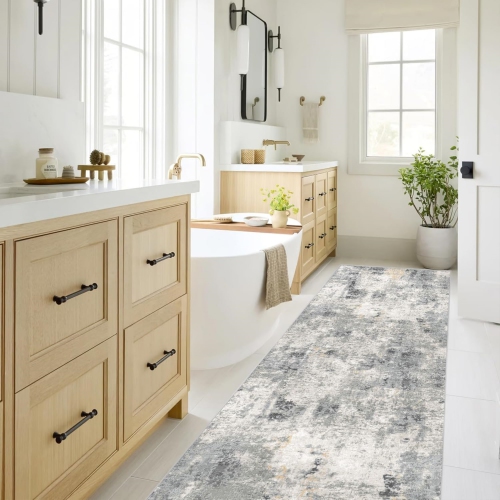
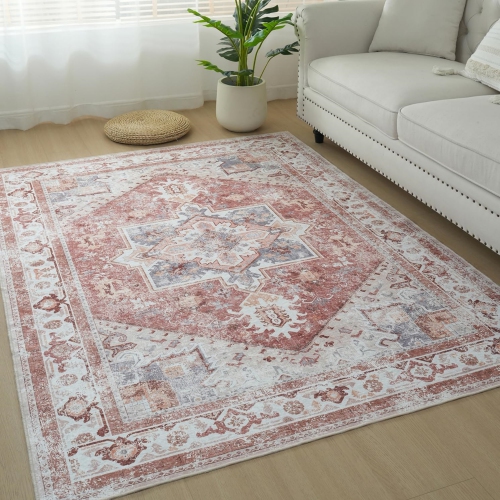
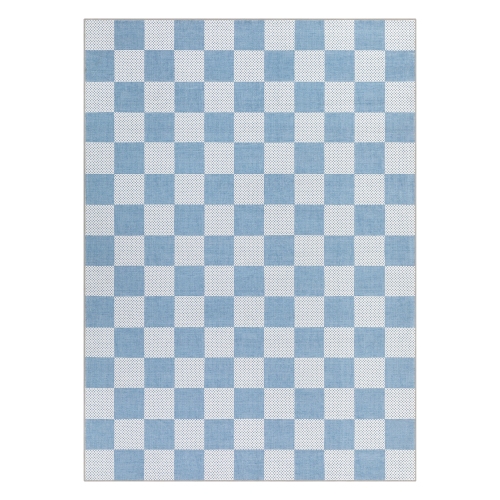
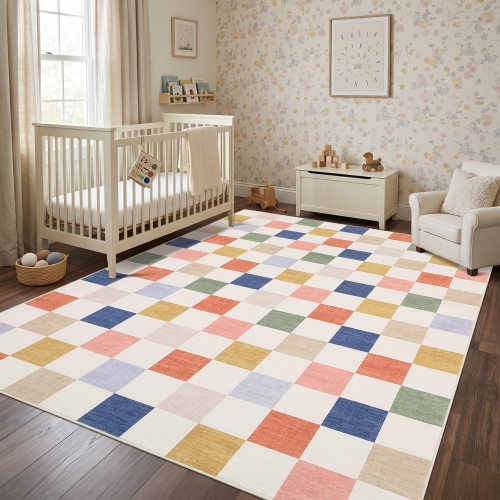
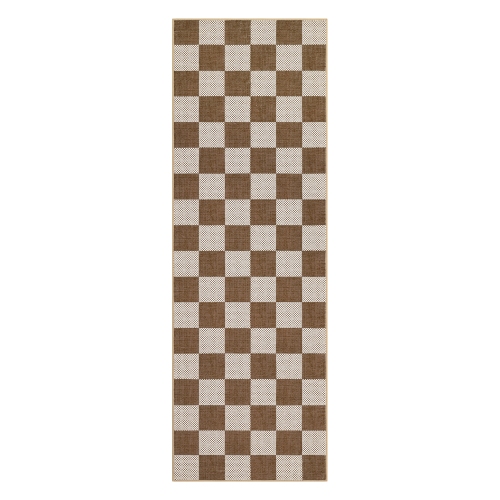
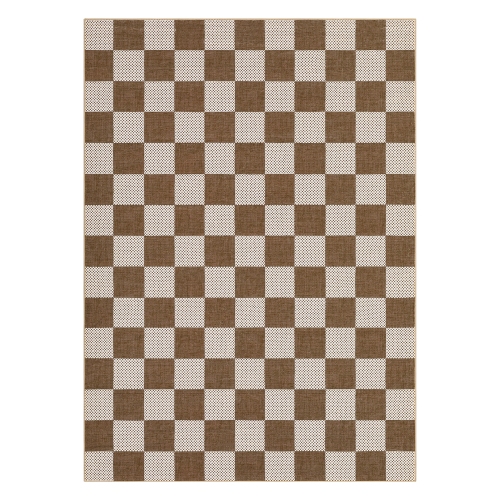
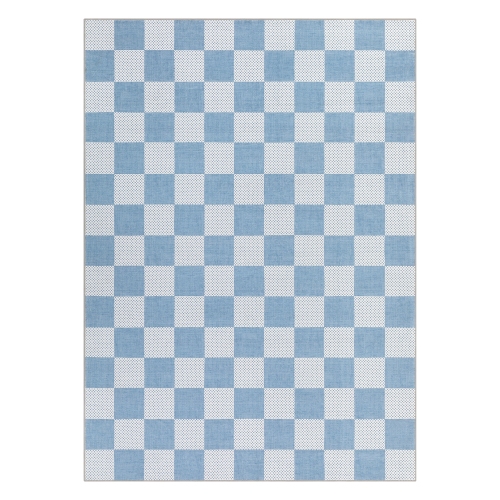

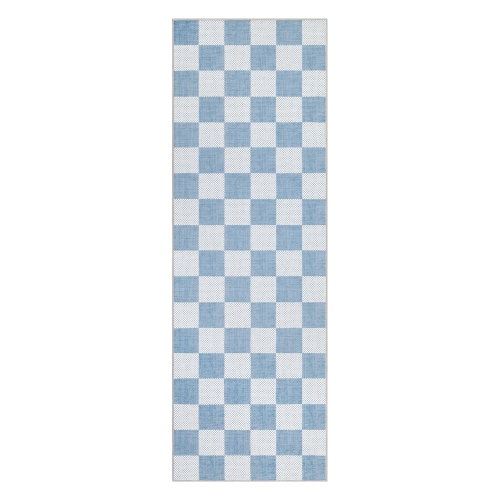
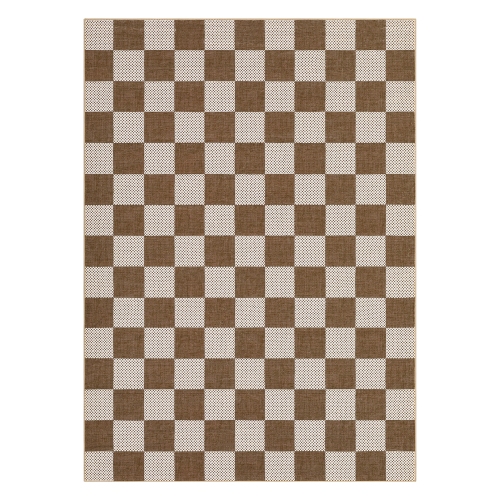
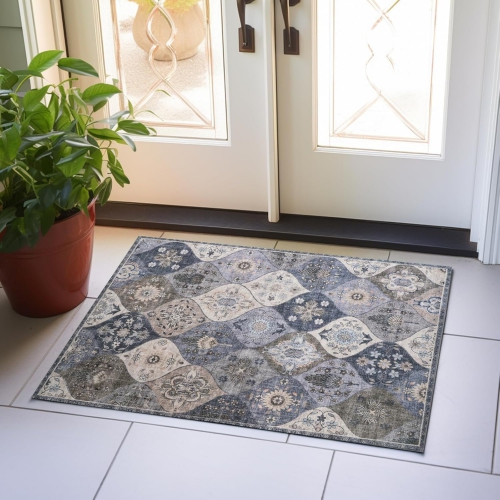

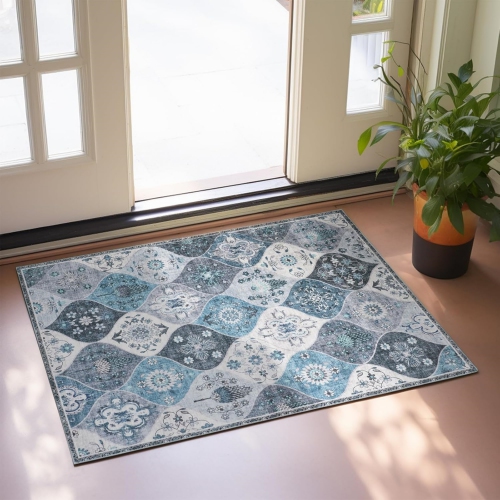
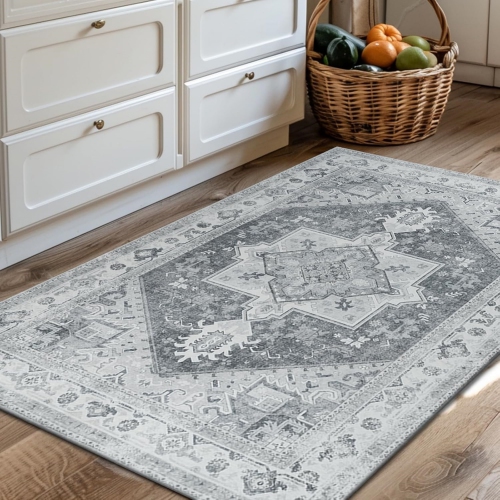


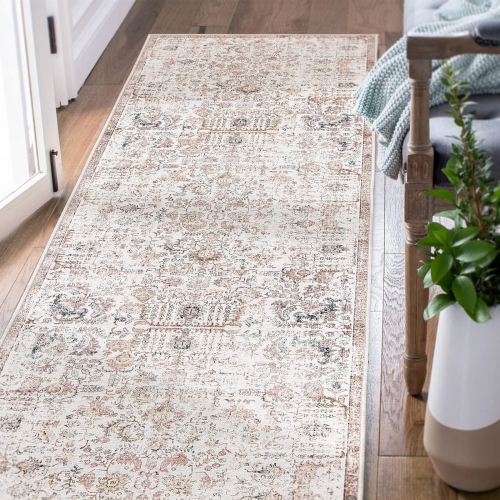


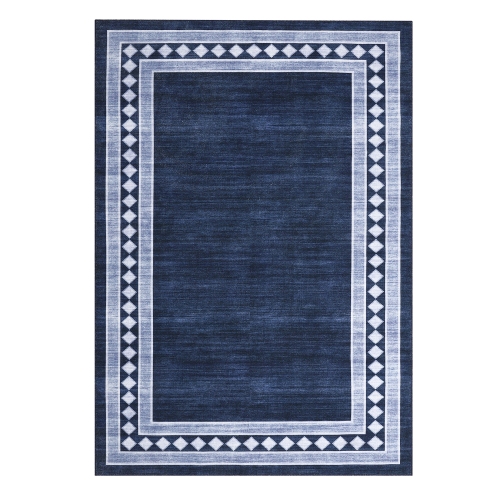
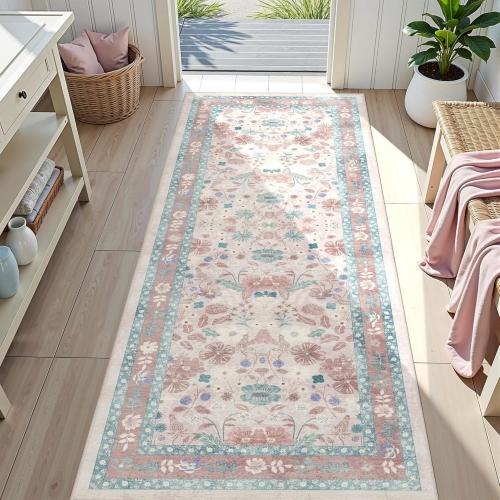
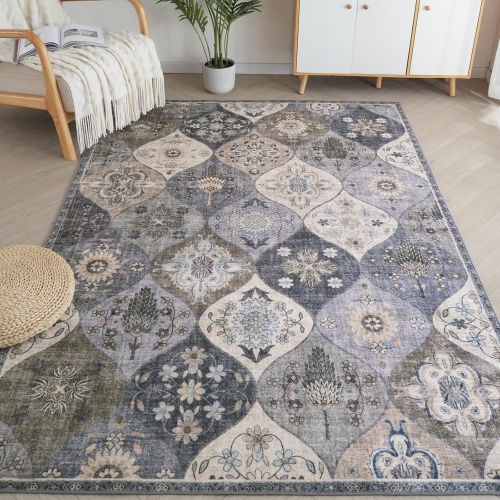
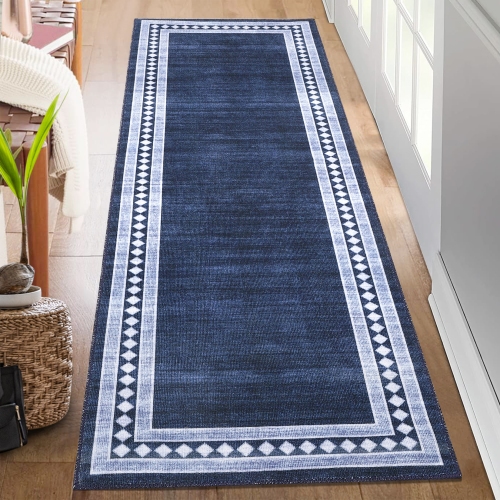
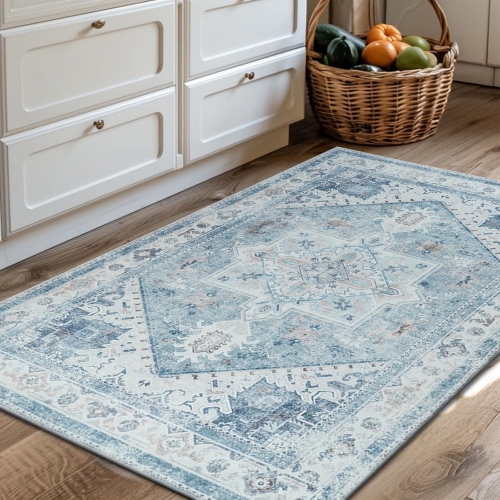
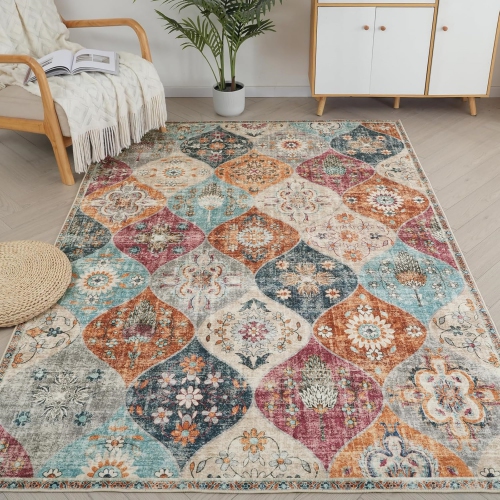
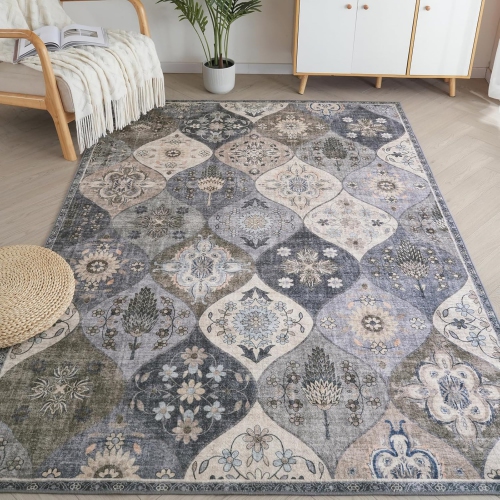
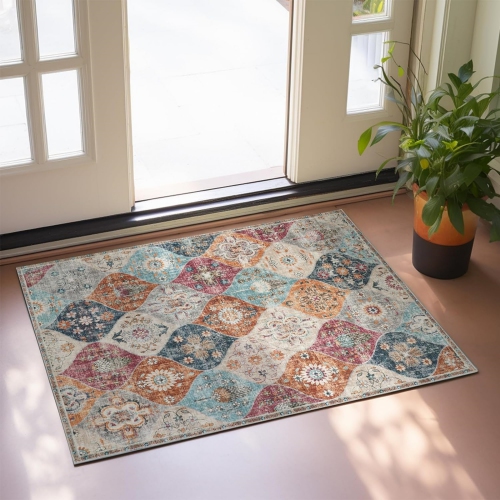
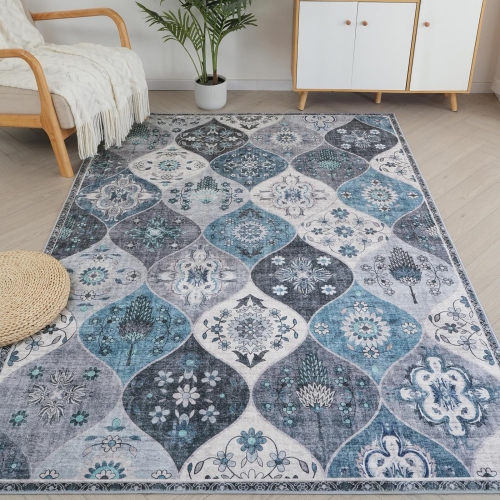
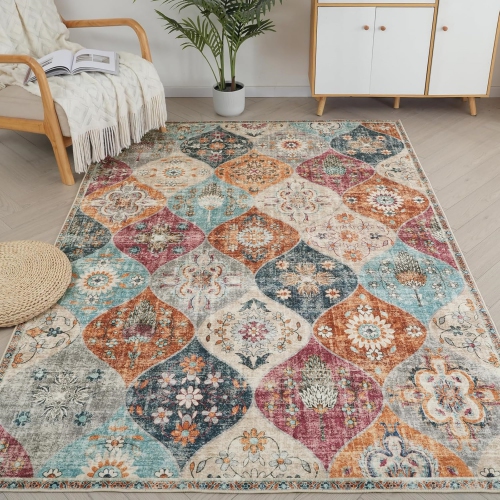
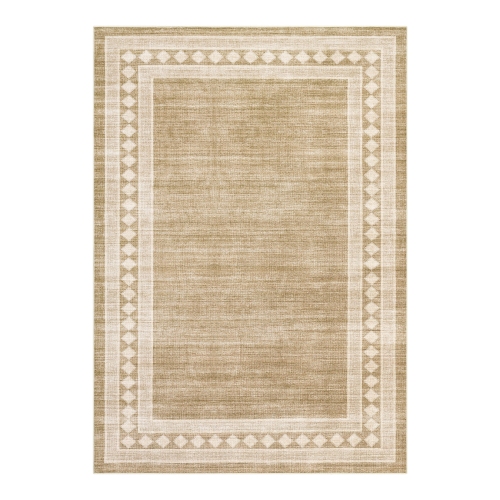
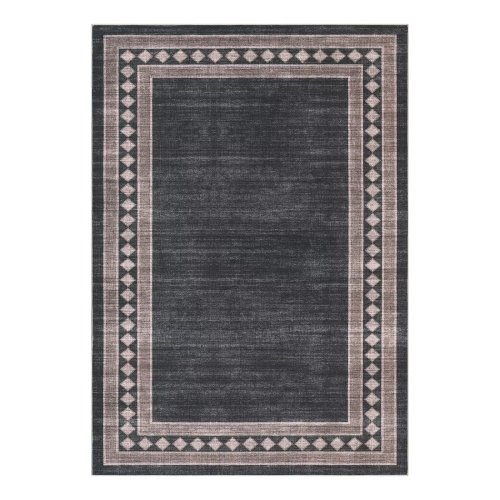
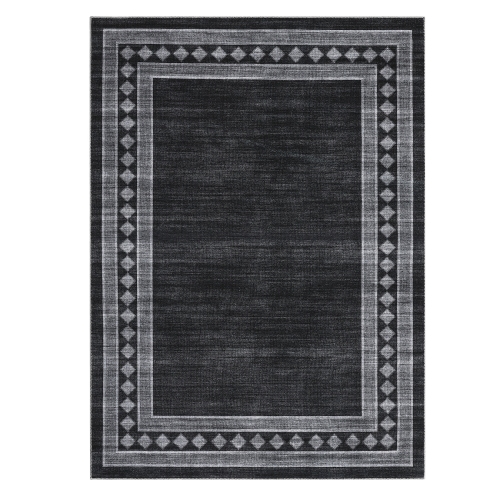
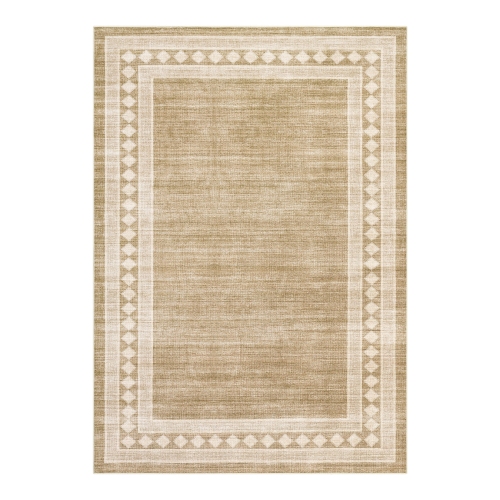
A softer welcome starts with the right fit
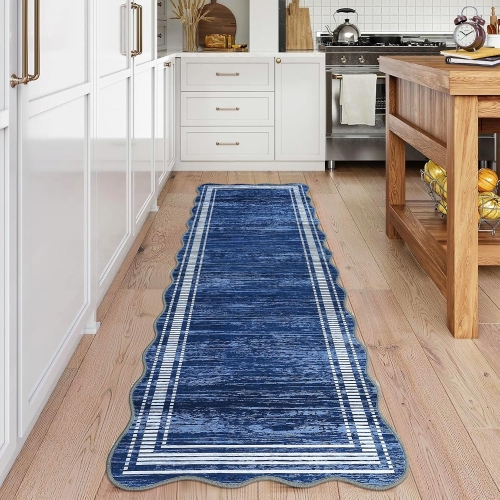
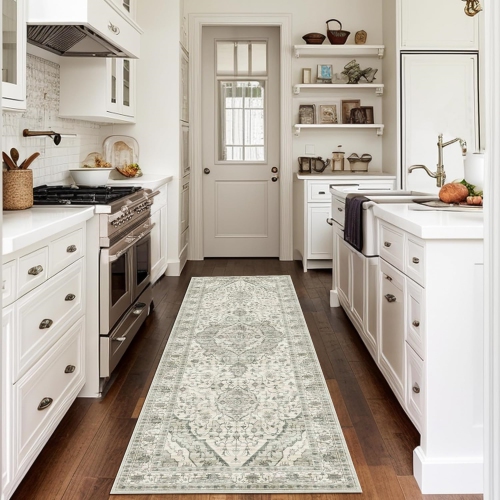
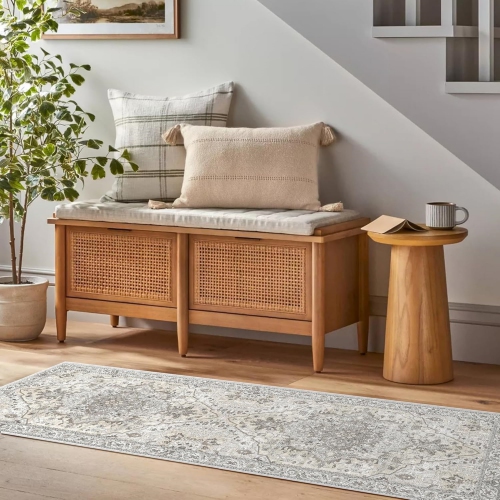
Entryway runners are long, narrow rugs that help protect floors along busy entrance routes, catch some of the dirt carried in on footwear, and soften the sound of footsteps. Their proportions make them a practical fit for hallways, apartment entrances, and the passage between a front door and the main living space. Beyond their everyday function, they give an entrance a more finished appearance, adding colour, texture, or pattern to an area often dominated by doors, shoe storage, and hard flooring. A well-proportioned runner follows the natural walking path without filling every inch of the floor. Leaving a visible border on either side helps define its shape, while keeping the ends clear of doorways and changes in floor level makes the layout easier to navigate. Measuring the usable floor area is more helpful than measuring the hallway alone: a radiator, console table, closet door, or shoe bench can all affect where the rug should sit. Door clearance matters just as much as length and width. A thick rug may feel comfortable underfoot but interfere with a door that swings close to the floor, especially once a rug pad is added underneath. In a compact condo entrance, a shorter, low-profile runner can mark out a place to remove shoes without crowding the room. In a longer foyer, a larger runner can connect the doorway to the interior and make the space feel more cohesive. Patterns also change the impression of the entrance. Small repeating motifs can make scattered crumbs or lint less noticeable between cleanings, while a simple stripe can emphasize the length of the hall. Muted colours blend easily with wood tones, and a richer accent colour can connect the entrance with nearby furnishings. For spaces that are wider than a typical hallway, Entryway Rugs in other proportions may provide a more balanced fit around furniture and open floor space.
Material and construction influence how an entryway runner feels, how it handles frequent use, and how much attention it needs. Polypropylene, polyester, and nylon are common synthetic fibres, with performance depending on the weave, pile density, backing, and any treatments specified by the manufacturer. These materials can be practical for busy households where footwear, bags, and pet paws regularly pass through the entrance. Wool offers a resilient feel and a textured appearance, though its care requirements deserve attention, particularly where spills are likely. Cotton runners can have a softer, more relaxed character, and some are washable, provided their size and care instructions suit the washing machine being used. Jute and sisal bring a pronounced woven texture, but they generally need protection from excess moisture and may feel coarser under bare feet. The best match depends on how the entrance is used rather than on fibre alone. A household that removes shoes at the door may value softness, while an entrance used repeatedly throughout the day may benefit more from a dense, low-profile surface that is straightforward to vacuum. Flatwoven and low-pile constructions often work well near doors and make grit easier to reach during cleaning. Taller pile adds cushioning, but it can hold more debris and requires enough clearance around moving doors. Looped textures also deserve consideration in homes with pets, since claws may catch on some constructions. Secure placement is another important part of everyday comfort. A runner should lie flat, with edges that do not curl into the walking route. A compatible rug pad or suitable slip-resistant backing can help limit movement, but neither should be assumed to work equally well on every floor. Hardwood, vinyl, laminate, and tile may have different requirements, and some backing materials can affect particular finishes. Checking both the rug instructions and the flooring manufacturer's recommendations helps avoid an unsuitable pairing. The combined thickness of the runner and pad should also remain clear of doors, thresholds, and nearby drawers.
Care is most manageable when the runner's construction matches the household routine. Regular vacuuming helps remove loose grit before it works deeper into the fibres, particularly along the centre of the walking path. The appropriate vacuum setting depends on the rug: rotating brushes can be unsuitable for certain fibres, loops, or fringed edges, so the care label is the best starting point. Cleaning underneath the runner matters too, since trapped particles can rub against the floor as people walk over it. Spills are easier to address promptly by blotting rather than scrubbing, using a cleaning method approved for the material and testing any solution in a discreet area first. A machine-washable label can be useful in a family entrance, but it is worth checking whether it applies to the entire runner or only a removable cover, along with the stated washing and drying limits. The rug should dry completely before returning to the floor. Runners that require spot cleaning or professional cleaning may still suit an entrance with lighter use, especially where shoes are removed before stepping onto the rug. Where the layout allows, occasional rotation can help distribute wear from a heavily used doorway or the spot beside a shoe bench. Practical details are particularly noticeable in shared spaces: a flat, stable surface gives children somewhere defined to change footwear, offers a softer landing for bare feet, and helps keep a long corridor from feeling stark. For households using mobility aids, clearance, firm support, and unobstructed edges take priority over extra cushioning; in some layouts, leaving the route uncovered may be the more suitable choice. The strongest choice for an entryway is not necessarily the thickest or most elaborate runner, but one whose dimensions, texture, backing, and cleaning needs fit the space. When those details work together, the runner becomes a useful part of the entrance rather than something that needs constant adjustment.
Top selling and popular products
-
 Your price for this item is $130.55
-
 Your price for this item is $129.15
-
 Your price for this item is $130.55
-
 Your price for this item is $129.15
-
 Your price for this item is $129.15
-
 Your price for this item is $130.55
-
 Your price for this item is $144.99
-
 Your price for this item is $103.99
Discover more categories related to Entryway Runners

Top Collections:
Best Black Friday Deals This Year, Best Black Friday Deals On Electronics, Kindle Devices, Dyson Airwrap, Best Cameras for Sports Photography, Best Budget Office Chairs, Canon G7X Cameras, PS5 Pro Consoles, Best Black Friday Deals On Apple Products, XBOX One S Consoles
Some products may be subject to Environmental Handling Fees
(EHF) depending on your province.
Learn more about EHFs.