Ergonomic Chairs For Students
Ergonomic chairs for students are designed to support comfort and focus during study sessions, homework, or virtual classes. With a variety of styles and sizes available, these chairs can help create an inviting workspace in dorm rooms, bedrooms, or study spaces. Explore options that fit any learning area, making it easy to find ergonomic chairs for students that suit individual needs and preferences.
Sort
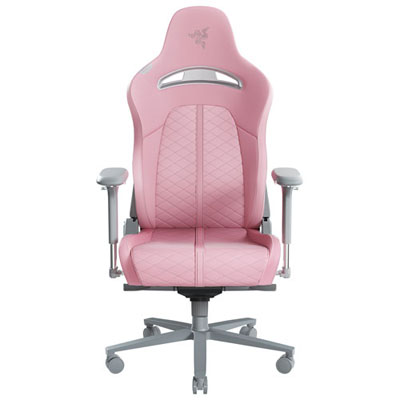
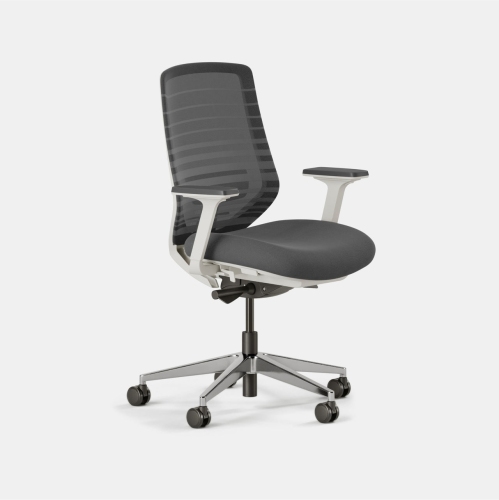
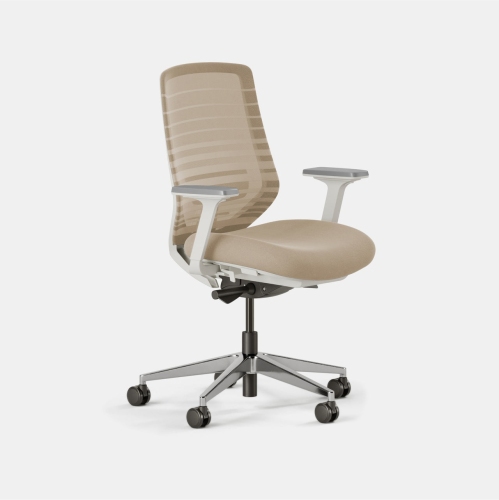
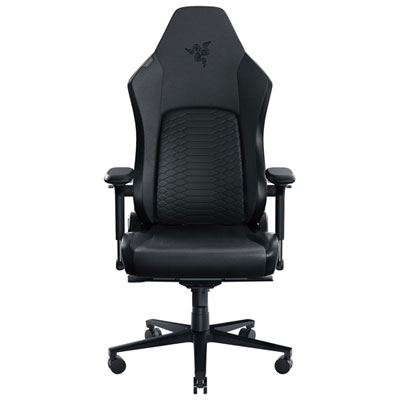
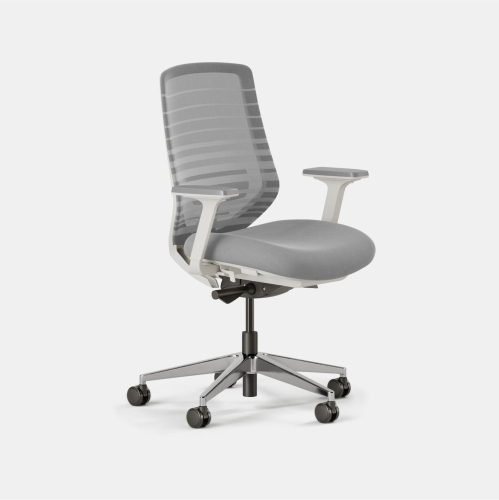
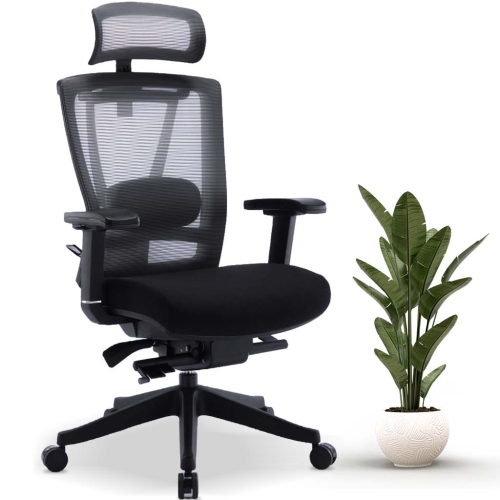
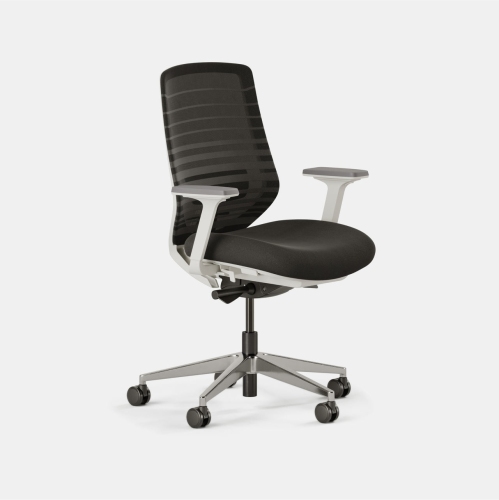
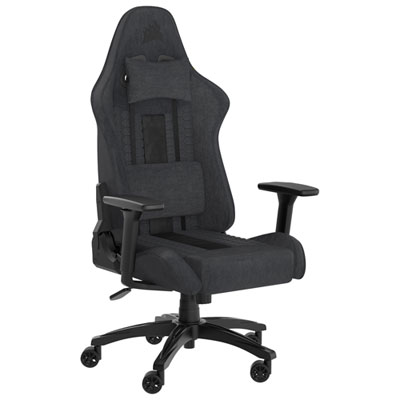
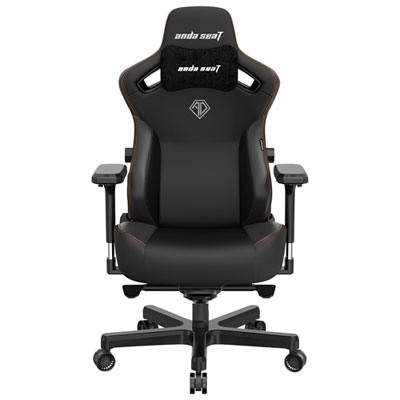
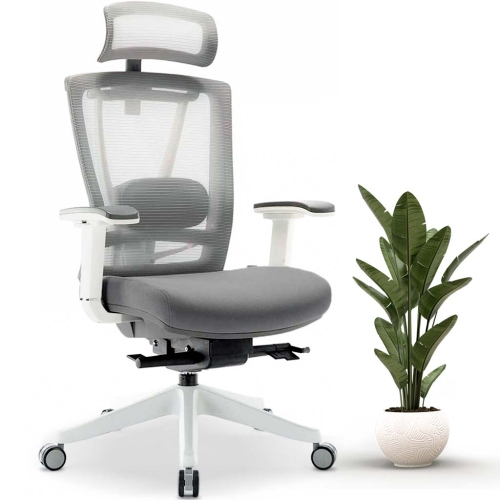
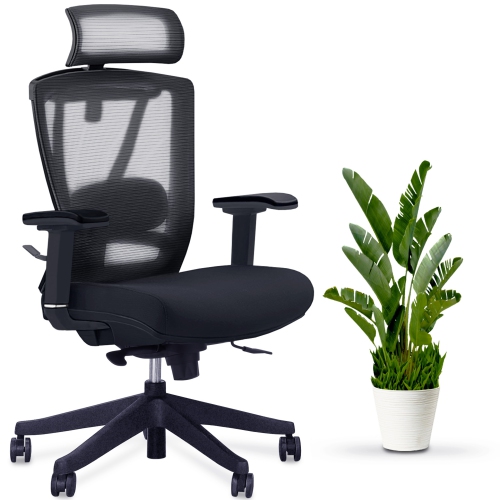
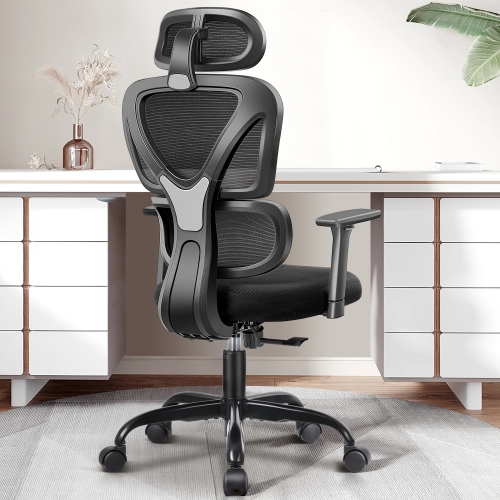
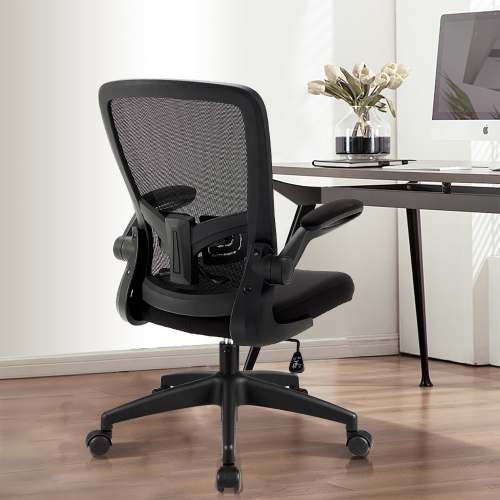
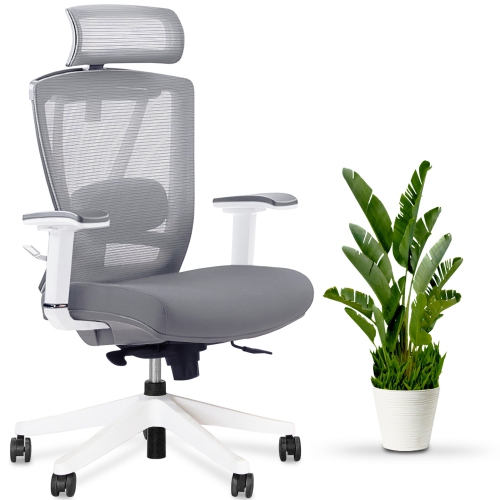
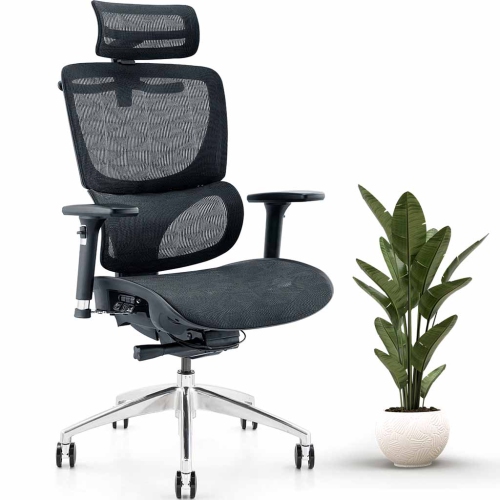
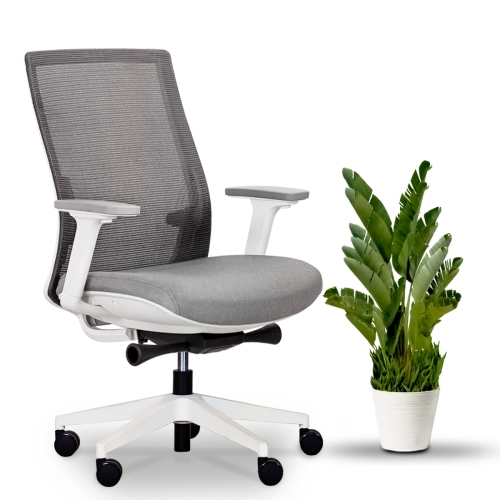
Why the right chair fit depends on your desk
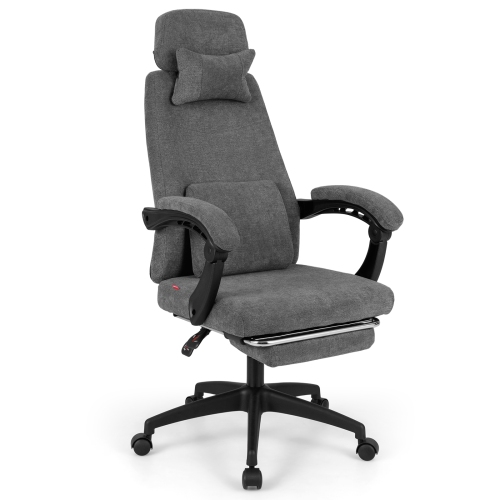
Ergonomic chairs for students provide adjustable support for reading, typing and writing at a desk. A seat that fits the student and a backrest that supports the lower back can help reduce strain during longer study sessions. The fit between the chair and the desk matters just as much: even a supportive backrest won’t do much for a student who has to lean forward to see a screen or lift their shoulders to reach a keyboard. At a suitable seat height, the student’s feet rest flat on the floor or on a stable footrest, with their thighs roughly level and their knees comfortably bent. There should be a gap of a few fingers’ width between the front edge of the seat and the backs of the knees. If the seat is too deep, a shorter student may perch on the front edge to reach the floor, leaving the backrest unused. An adjustable seat depth or a shallower seat can make it easier to sit back. Height-adjustable armrests can support the forearms without pushing the shoulders up, though they also need to let the chair move close enough to the work surface. That clearance is easy to overlook on a desk with a drawer directly beneath the top. For a student who switches between handwritten notes and online classes, a more upright position may suit writing, while a slight recline may feel more comfortable for reading. Positioning a screen with its top at or just below eye level can help reduce the need to look down for extended periods. If that means raising a laptop, a separate keyboard and mouse can keep the typing surface within easy reach. A well-fitted chair supports those changes in position without locking the student into one posture. Getting up between tasks, even to refill a water bottle or put away a textbook, gives the student a break from sitting.
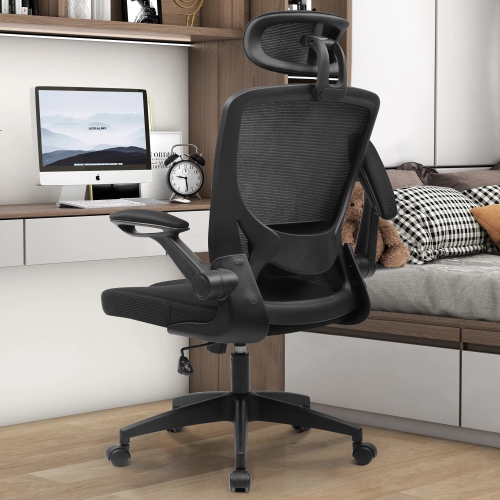
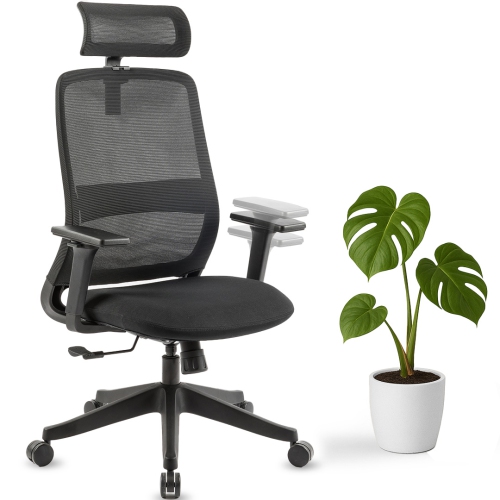
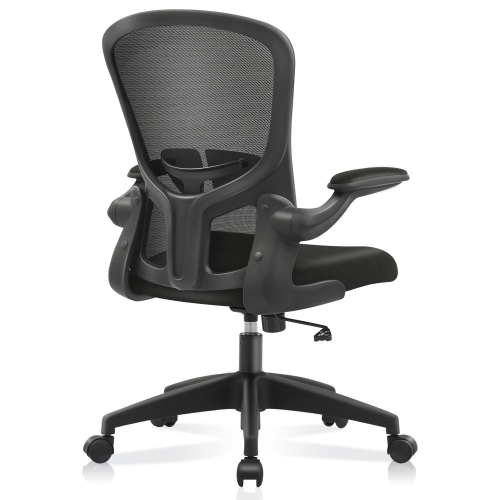
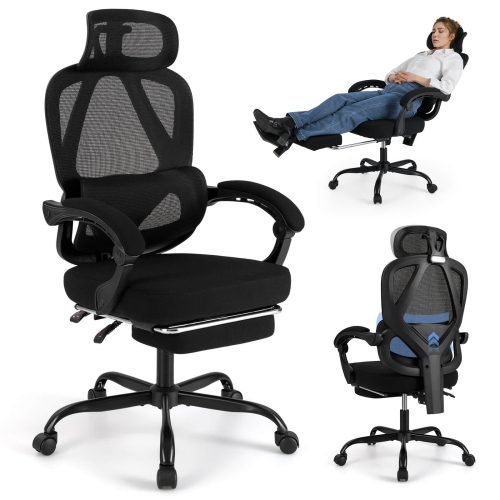
The Ergonomic Study Chairs for Students collection brings together seating for residence rooms, bedroom desks and shared study spaces. In a small room, the chair needs to fit when someone is sitting in it as well as when it’s tucked away. A low-profile back can make sense at a compact desk, but the width of the base may be the more important measurement if the desk sits between a bed and a dresser. The base needs room to turn, and the student needs space to pull back far enough to stand without catching a wheel on the bed frame. Fixed armrests can stop a chair from sliding under a desktop, while adjustable or flip-up armrests may leave a clearer path past the desk. A swivel seat is handy when textbooks sit on a shelf beside the work surface, since the student can turn to reach them rather than repeatedly twisting from the waist. Casters make it easier to move between a desk and a nearby shelf, but their suitability depends on the flooring. A chair that glides freely over a hard floor may be harder to move over thick carpet, while a non-rolling base can suit a student who prefers the chair to stay put while working. In a shared household, straightforward height and backrest controls make it easier for each person to adjust the fit rather than leave the chair set for whoever used it last. A younger student with a fixed-height desk may need a different seat height and depth than an older sibling using the same work surface. Checking the full adjustment range is especially useful when several people share a desk or when the chair is intended for a student who is still growing. A compact chair is most useful when it saves space without making the student compromise on how close they can sit to the desk or how well the backrest fits.
Materials affect how a chair feels over a long study session and how much care it needs between uses. Mesh allows air to pass through the backrest and has a more flexible feel than some upholstered backs. Padded fabric provides a softer surface, though the thickness of the cushion alone doesn’t tell much about its support. A seat that compresses quickly can feel comfortable at first but offer less cushioning by the end of a long assignment. A smoother upholstery finish may be easier to wipe after an accidental spill, while woven fabric may benefit from gentle vacuuming where crumbs collect along the seams. Care instructions vary by material, so it’s worth checking them before applying a cleaner. Blotting a spill promptly rather than rubbing it into the fabric can make cleanup easier. Dust and hair can also build up around casters, and clearing that debris helps the wheels roll freely. For a chair that will see daily use, a stable base, secure connections and adjustment controls that are easy to reach from a seated position matter more than extra features the student rarely uses. A student who spends most of a session sketching or writing may value armrests that move out of the way, while someone who moves between typing and reading may make more use of adjustable backrest support. Weight capacity and seat width are useful checks alongside the height range, especially if a chair will be shared. An ergonomic chair can also be a practical gift for a student setting up a first apartment or making room for coursework at home. Knowing the height and clearance of the recipient’s desk, the type of flooring and the dimensions of a chair they already find comfortable makes it easier to choose a suitable fit. The details that tend to matter most are the ones a student notices in everyday use: feet that rest securely, a seat edge that doesn’t press behind the knees and enough room to pull up to the desktop without reaching.
Top selling and popular products
-
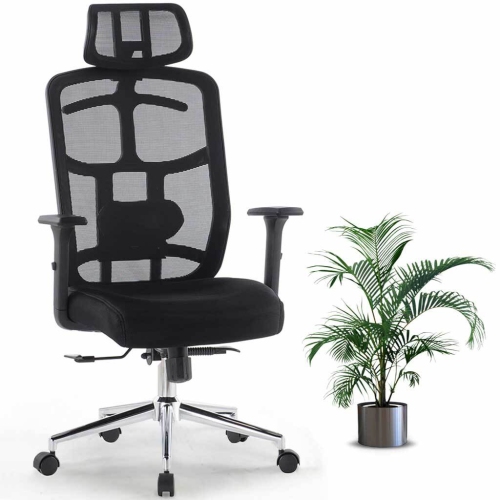 Your price for this item is $126.99
-
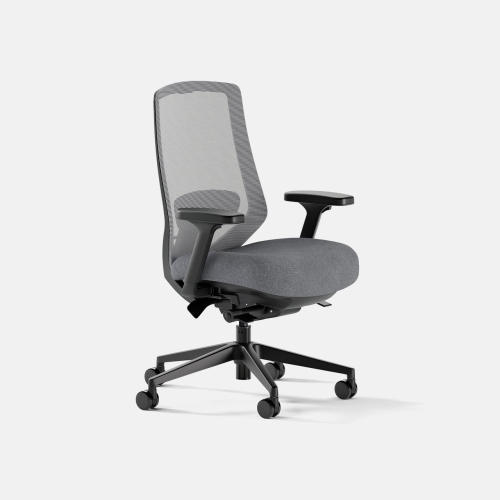 Your price for this item is $599
-
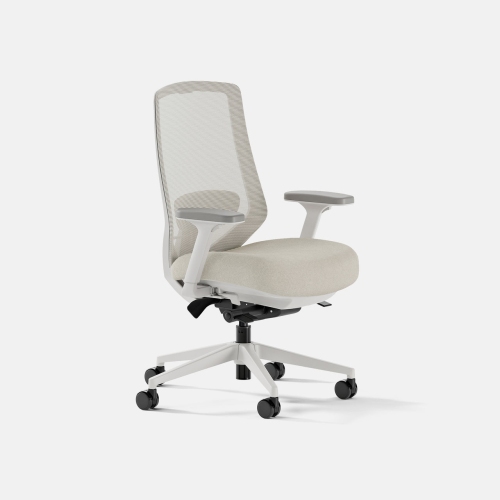 Your price for this item is $599
-
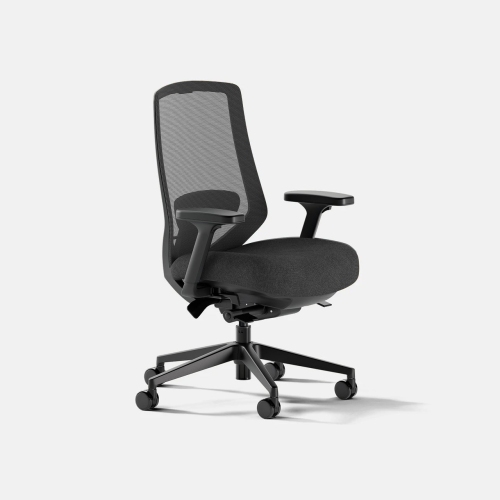 Your price for this item is $599
-
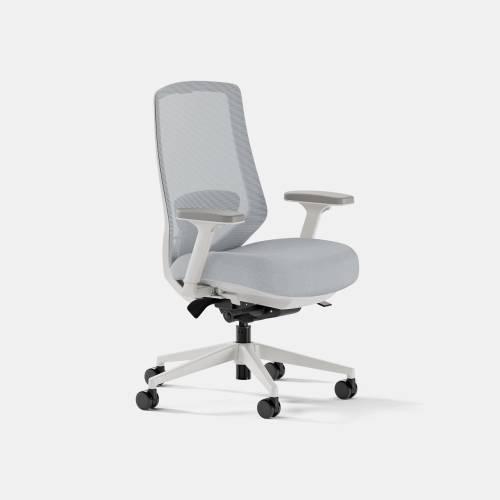 Your price for this item is $599
-
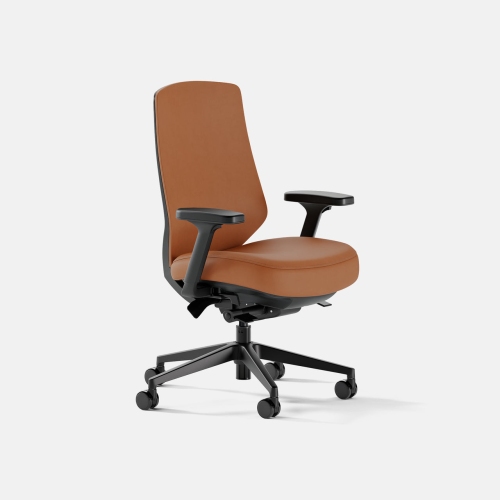 Your price for this item is $649
-
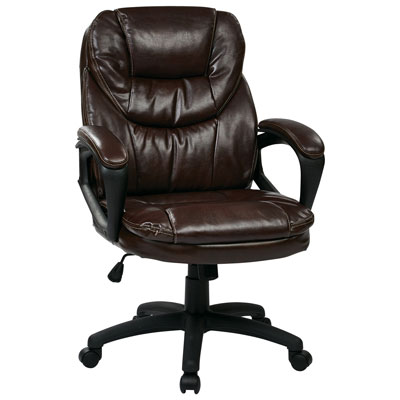 Your price for this item is $459.99
-
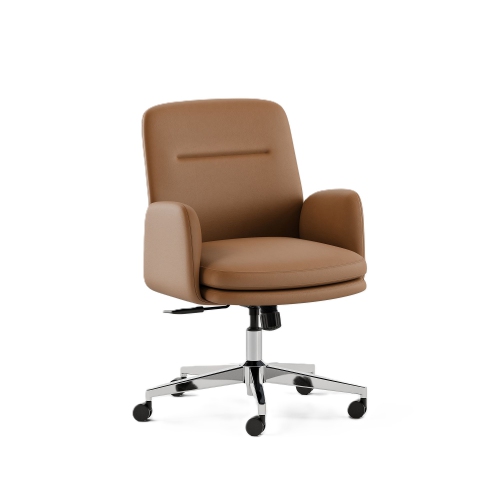 Your price for this item is $429
Discover more categories related to Ergonomic Chairs For Students
Top Collections:
Best Black Friday Deals This Year, Best Black Friday Deals On Electronics, Kindle Devices, Pokemon Centers, Best Black Friday Deals On Apple Products, Best Cameras for Sports Photography, Dyson Airwrap, Pokémon 30th Celebration Cards, Apple iPhone 17 Pro, Canon G7X Cameras
Some products may be subject to Environmental Handling Fees
(EHF) depending on your province.
Learn more about EHFs.