Ergonomic High-Back Office Chairs
Elevate your workspace with ergonomic high-back office chairs designed to provide ultimate comfort and support throughout your workday. Whether you're setting up a home office or upgrading your professional environment, these chairs are crafted to promote better posture and reduce strain, helping you stay focused and productive. Discover a range of stylish and functional options that cater to various preferences and needs, ensuring you find the perfect fit for your workspace. Dive into our selection of ergonomic high-back office chairs and experience the difference in comfort and efficiency.
Sort
Why a taller backrest is only part of comfort
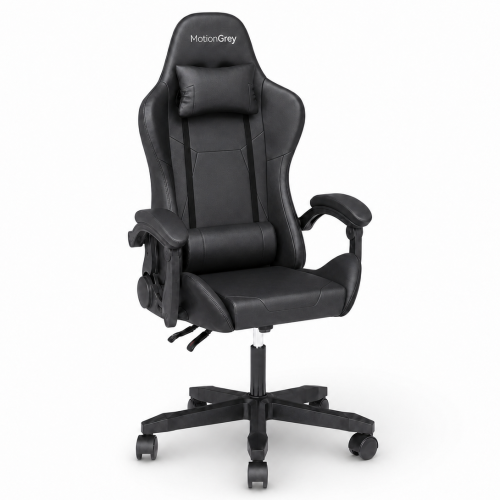
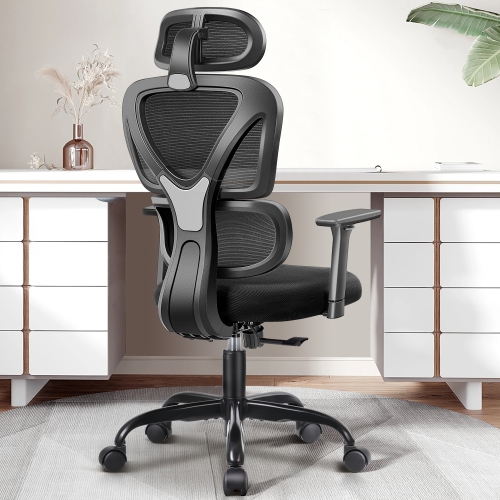
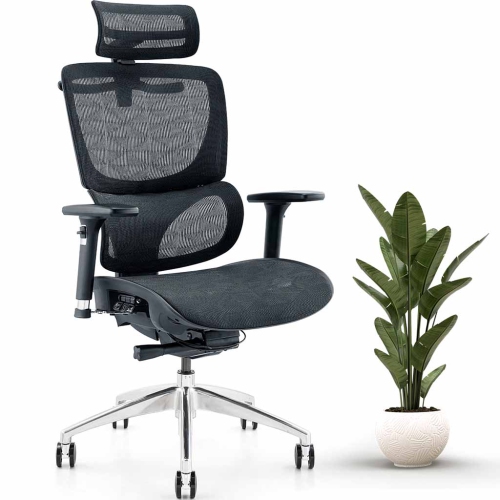
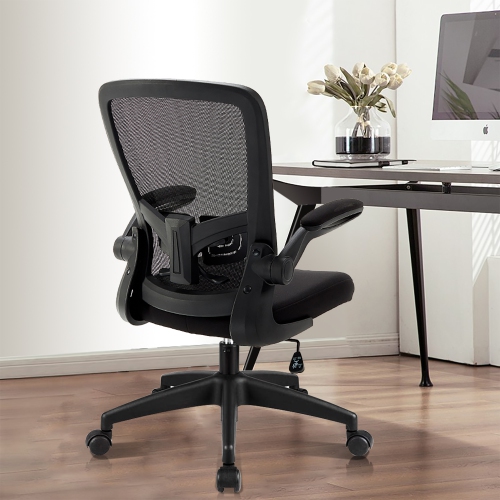
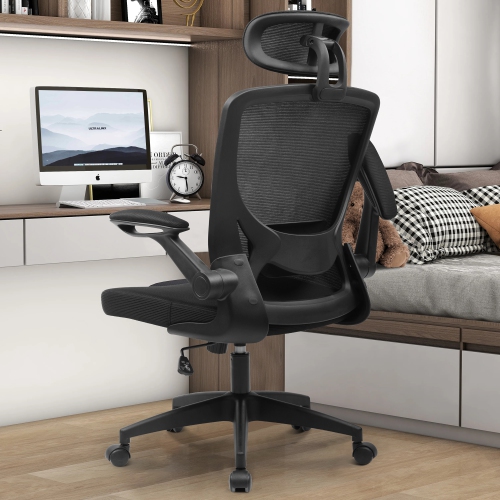
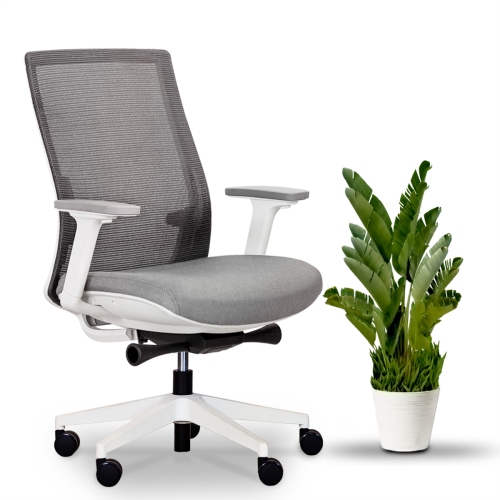
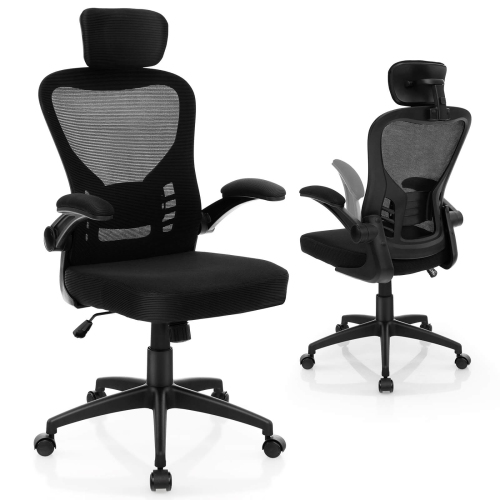
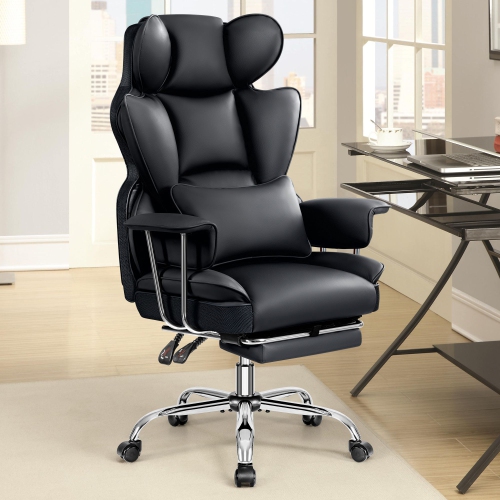
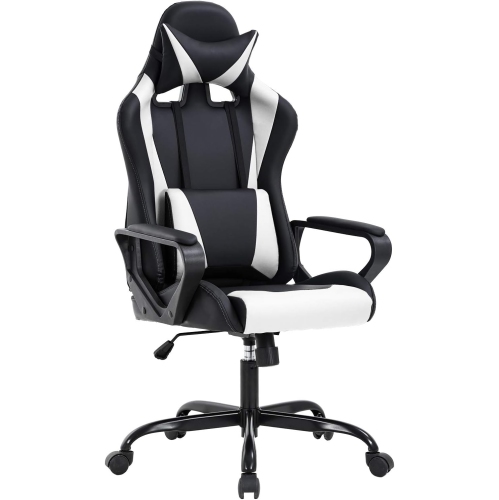
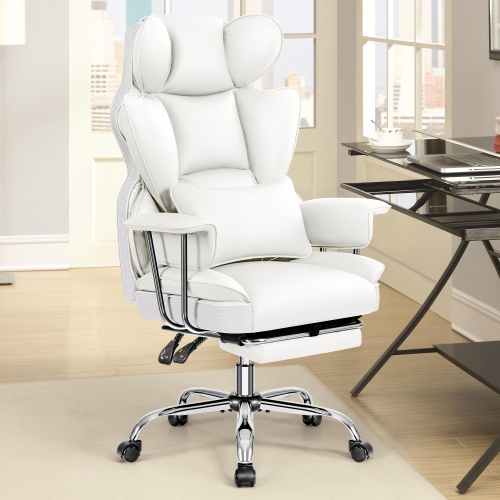
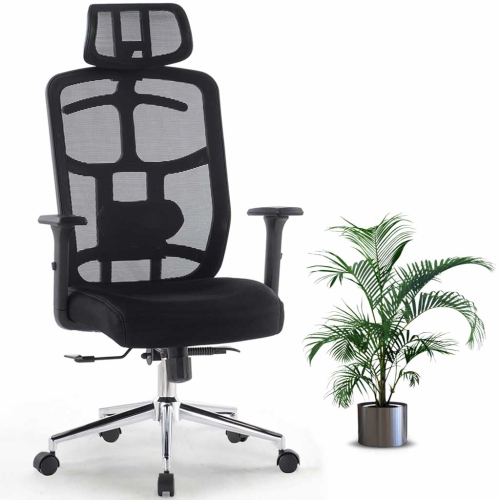
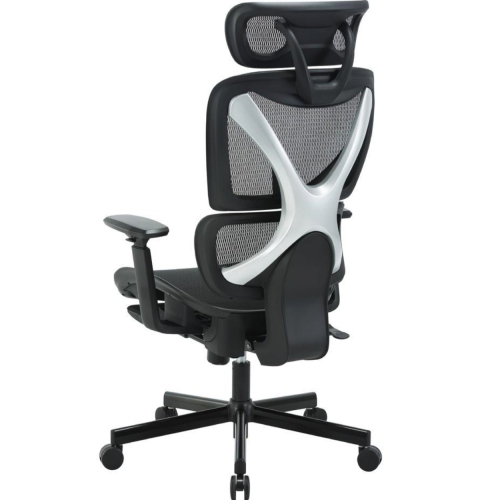
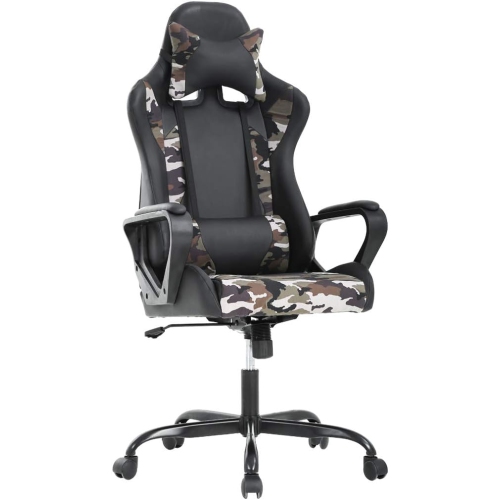
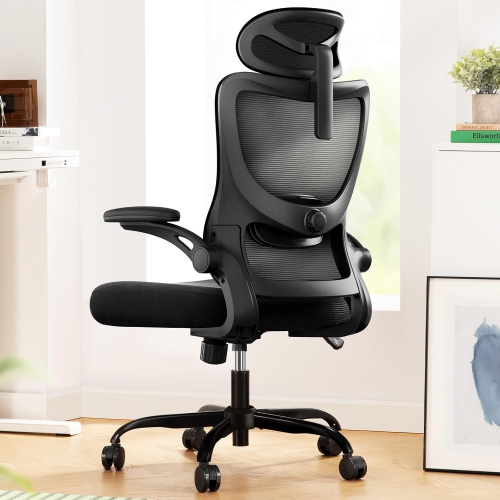
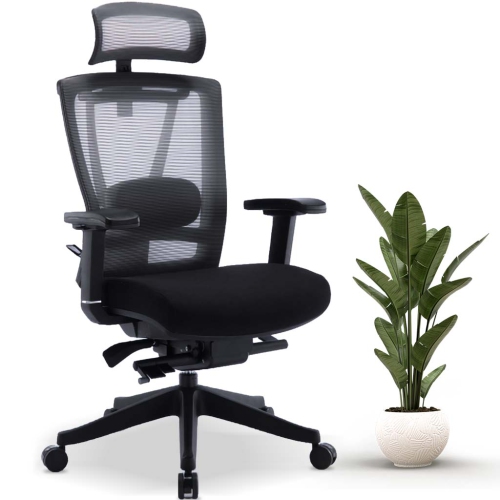
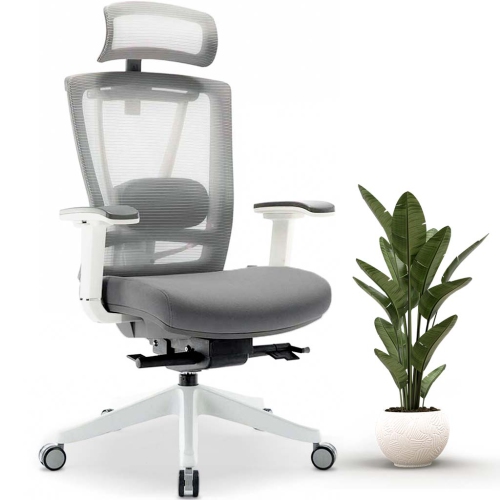
Ergonomic high-back office chairs combine a tall backrest with features designed to help the seat fit the person using it. The extended backrest typically reaches towards the shoulders, while some designs add an integrated or adjustable headrest for support when leaning back. Unlike a chair selected mainly for its appearance, an ergonomic chair places importance on how the seat, backrest, and armrests work together during everyday tasks. Adjustable seat height, lumbar support, and reclining controls can help create a comfortable position for typing, reading, or joining video calls, although the features and adjustment ranges vary between designs. A high back alone does not guarantee a good fit: the shape of the backrest, the position of its lower-back support, and the depth of the seat all matter. For someone working at a computer for extended periods, these details can make the difference between sitting comfortably against the backrest and perching on the front edge to reach the keyboard. Students, remote workers, and people managing household paperwork may all appreciate this type of seating, especially at a desk used regularly throughout the day. A taller chair can also suit a dedicated study or shared workspace where several people need different settings. Its proportions deserve attention, however, since a broad, deeply padded executive-style chair occupies space differently from a slim mesh design. The backrest should suit the user’s torso rather than simply look substantial beside the desk. Someone with a shorter torso may find a fixed headrest sits too high, while a taller user may need more backrest height and a greater seat-height range. The most useful ergonomic features are those that adjust to the user and remain easy to operate once seated. Even a well-fitted chair works best alongside a suitable desk and monitor position, with regular opportunities to stand, stretch, and move rather than holding one seated position for hours.
Fit becomes clearer when the chair is considered as part of the whole workstation. At a suitable seat height, feet can rest flat on the floor or on a footrest, with enough room under the desk for the legs to move freely. Seat depth should allow the back to meet the backrest while leaving a small gap behind the knees; an overly deep seat can make a shorter person slide forwards and lose contact with the lumbar support. A seat-depth adjustment is particularly useful where users have different leg lengths. Seat width matters too, providing room to change position without placing the armrests too far apart for relaxed support. Adjustable lumbar support can help align the backrest’s contour with the natural curve of the lower back, while height-adjustable armrests can support the forearms without pushing the shoulders upwards. Armrests that move inwards, forwards, or backwards offer additional flexibility for keyboard and mouse use. They also need to clear the desk edge if the chair will be tucked away between tasks. Recline and tilt functions serve a different purpose from seat-height adjustment, allowing supported changes in position as work shifts from typing to reviewing a document. Tilt tension controls how much resistance the chair offers when leaning back, and locking positions vary by mechanism. A headrest may be useful during a reclined pause, but it should not force the head forwards during upright work. Swivel movement makes it easier to turn towards a nearby printer, filing cabinet, or second work surface without repeatedly twisting through the torso. For workspaces where that freedom of movement is a priority, Ergonomic Swivel Office Chairs offer a related seating category to explore. Overall chair dimensions, armrest height, and the space needed to recline are worth considering together, particularly in a bedroom office or a desk nook where the chair must move comfortably between furniture.
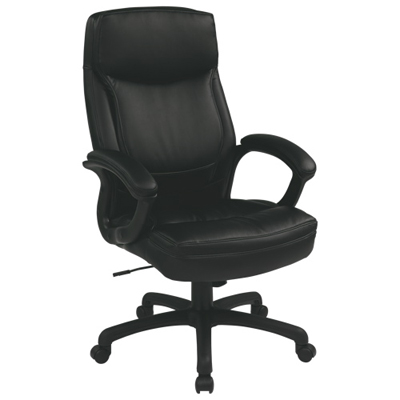
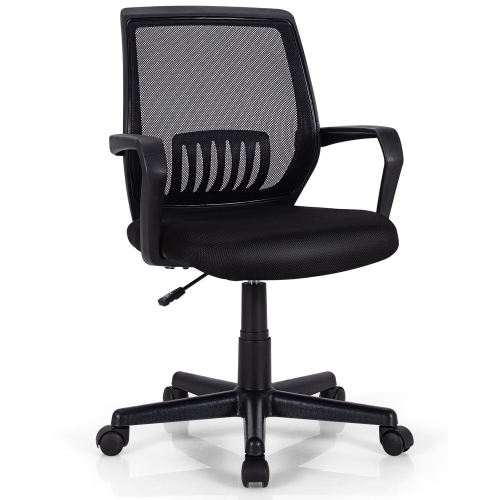
Materials influence both the feel of an ergonomic high-back office chair and the attention it needs over time. Mesh backrests allow airflow and usually have a lighter visual presence, making them a practical match for compact workspaces. Their comfort depends on the mesh tension, frame shape, and placement of support, rather than cushioning alone. Upholstered fabric offers a softer surface and a wide choice of textures and colours, while dust and crumbs can settle into the weave. Leather and synthetic leather provide a smoother finish, but their cleaning requirements differ, so care should follow the material-specific instructions supplied with the chair. Padded seats also vary in firmness and construction; a thick cushion is not necessarily more supportive, and comfort depends on how the cushioning carries the user’s weight during normal use. For a chair used through a full working day, durability involves more than upholstery. A stable base, smoothly operating adjustment levers, secure armrests, and a recline mechanism suited to regular movement all contribute to everyday usability. Stated weight capacity and any intended-use rating should match the person and the demands of the workspace. Casters should also suit the flooring: compatibility with carpet or hard surfaces varies, and a suitable chair mat can help protect the floor and support easier rolling. Routine care generally includes removing surface dust, addressing spills promptly according to the upholstery instructions, and clearing hair or debris from the wheels. Periodic checks of accessible fasteners, following the assembly and maintenance directions, can help keep the chair feeling secure. In a shared home office, simple controls and accessible adjustment levers make it easier for each person to reset the chair. As a gift for someone establishing a study or work area, this seating is most useful when their measurements, desk height, and material preferences are known. Whether the space is a quiet corner for coursework or a dedicated office, a chair with suitable proportions and practical adjustments can support a more comfortable daily routine without overwhelming the room.
Fit becomes clearer when the chair is considered as part of the whole workstation. At a suitable seat height, feet can rest flat on the floor or on a footrest, with enough room under the desk for the legs to move freely. Seat depth should allow the back to meet the backrest while leaving a small gap behind the knees; an overly deep seat can make a shorter person slide forwards and lose contact with the lumbar support. A seat-depth adjustment is particularly useful where users have different leg lengths. Seat width matters too, providing room to change position without placing the armrests too far apart for relaxed support. Adjustable lumbar support can help align the backrest’s contour with the natural curve of the lower back, while height-adjustable armrests can support the forearms without pushing the shoulders upwards. Armrests that move inwards, forwards, or backwards offer additional flexibility for keyboard and mouse use. They also need to clear the desk edge if the chair will be tucked away between tasks. Recline and tilt functions serve a different purpose from seat-height adjustment, allowing supported changes in position as work shifts from typing to reviewing a document. Tilt tension controls how much resistance the chair offers when leaning back, and locking positions vary by mechanism. A headrest may be useful during a reclined pause, but it should not force the head forwards during upright work. Swivel movement makes it easier to turn towards a nearby printer, filing cabinet, or second work surface without repeatedly twisting through the torso. For workspaces where that freedom of movement is a priority, Ergonomic Swivel Office Chairs offer a related seating category to explore. Overall chair dimensions, armrest height, and the space needed to recline are worth considering together, particularly in a bedroom office or a desk nook where the chair must move comfortably between furniture.
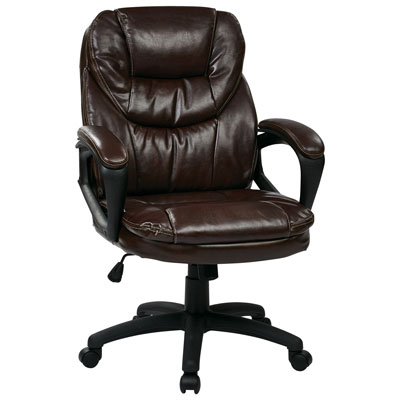
Materials influence both the feel of an ergonomic high-back office chair and the attention it needs over time. Mesh backrests allow airflow and usually have a lighter visual presence, making them a practical match for compact workspaces. Their comfort depends on the mesh tension, frame shape, and placement of support, rather than cushioning alone. Upholstered fabric offers a softer surface and a wide choice of textures and colours, while dust and crumbs can settle into the weave. Leather and synthetic leather provide a smoother finish, but their cleaning requirements differ, so care should follow the material-specific instructions supplied with the chair. Padded seats also vary in firmness and construction; a thick cushion is not necessarily more supportive, and comfort depends on how the cushioning carries the user’s weight during normal use. For a chair used through a full working day, durability involves more than upholstery. A stable base, smoothly operating adjustment levers, secure armrests, and a recline mechanism suited to regular movement all contribute to everyday usability. Stated weight capacity and any intended-use rating should match the person and the demands of the workspace. Casters should also suit the flooring: compatibility with carpet or hard surfaces varies, and a suitable chair mat can help protect the floor and support easier rolling. Routine care generally includes removing surface dust, addressing spills promptly according to the upholstery instructions, and clearing hair or debris from the wheels. Periodic checks of accessible fasteners, following the assembly and maintenance directions, can help keep the chair feeling secure. In a shared home office, simple controls and accessible adjustment levers make it easier for each person to reset the chair. As a gift for someone establishing a study or work area, this seating is most useful when their measurements, desk height, and material preferences are known. Whether the space is a quiet corner for coursework or a dedicated office, a chair with suitable proportions and practical adjustments can support a more comfortable daily routine without overwhelming the room.
Top selling and popular products
-
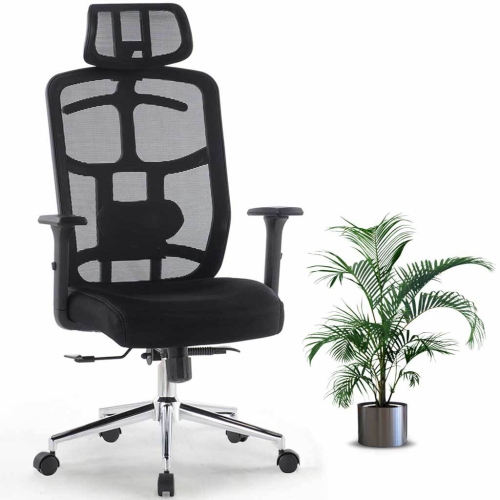 Your price for this item is $114.99
 -
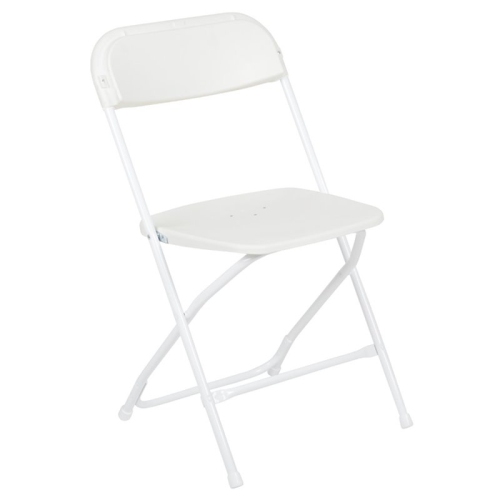 Your price for this item is $123
 -
 Your price for this item is $139.99
 -
 Your price for this item is $139.99
 -
 Your price for this item is $203.98
 -
 Your price for this item is $379.99
 -
 Your price for this item is $379.99
 -
 Your price for this item is $594.99
Discover more categories related to Ergonomic High-Back Office Chairs
Top Collections:
Pokemon Centers, Kindle Devices, Best Budget Office Chairs, Apple iPhones 16, Best Laptops for Writers, iPhone 15 Apple, Canon G7X Cameras, Refurbished Apple Laptops, Alarm Clock, Motorola Razr Phones
Some products may be subject to Environmental Handling Fees
(EHF) depending on your province.
Learn more about EHFs.